Storage for this version: Cool in small portions and refrigerate within one to two hours at 5°C or below (aim for 4°C). Use the fresh chilled portion within 48 hours; freeze the winter portions promptly at about −18°C in freezer-rated containers with expansion space. Thaw in the refrigerator and use within 24 hours of complete defrosting. This is the collection's conservative handling policy, not a laboratory shelf-life result for this preserve.
Turkey's Ministry of Culture and Tourism documents pumpkin preserves in the culinary traditions of Malatya, including versions cooked in sugar syrup and grape must. Its Niğde material also records pekmezli kabak reçeli, cooked in grape molasses. Those descriptions use lime treatment; they are valuable evidence of regional technique, but are not modern, measured home-canning protocols.
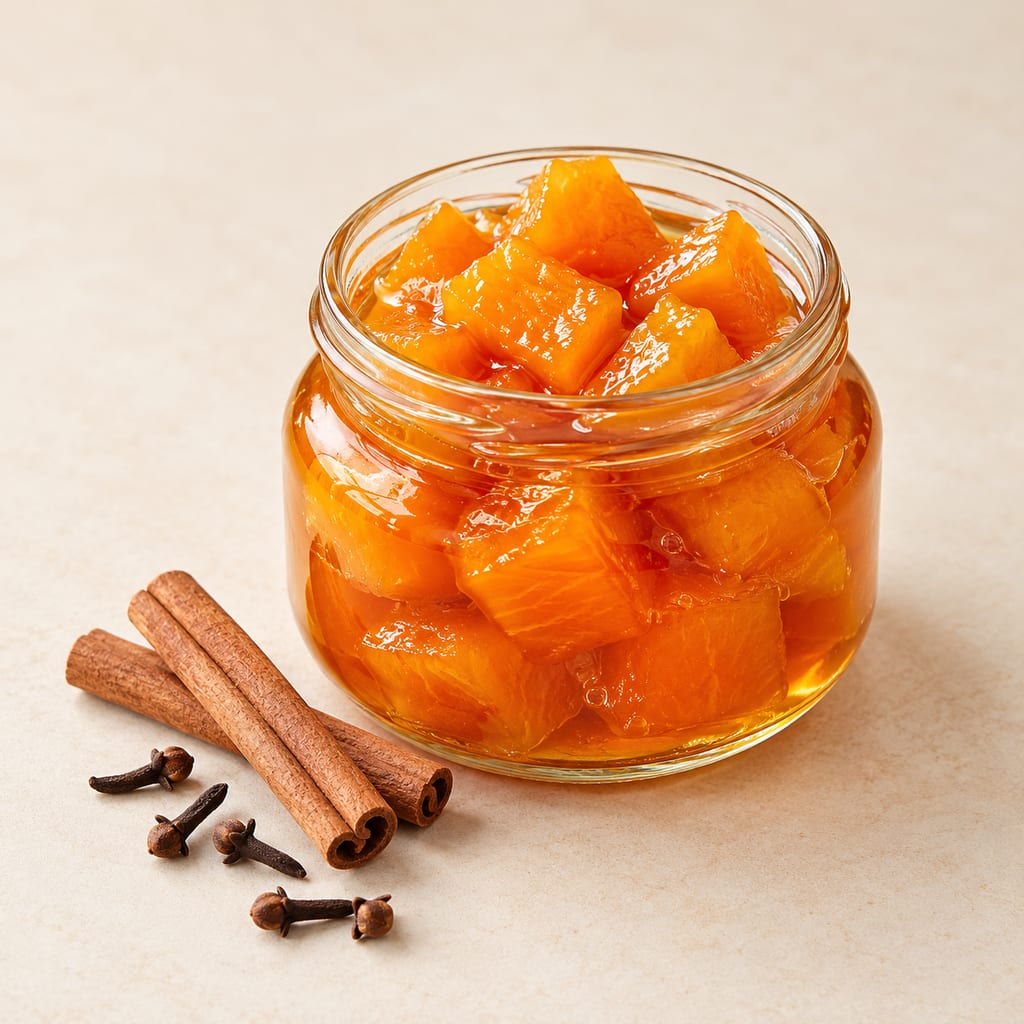
For a repeatable small batch without lime handling, the recipe below uses a contemporary Turkish author's own no-lime formula. The overnight sugar rest takes place in the fridge. Long keeping is achieved here by freezing, not by assuming that the syrup creates a shelf-stable jar.
The original measures are 1½ su bardağı of sugar and ½ su bardağı of water. The same author's measurement page defines a level glass of sugar as 180 g and a water glass as 200 ml; the metric quantities above follow those definitions.
Yield: one small batch; final weight depends on reduction. Time: overnight maceration, then about 30 minutes cooking, with texture determining the endpoint.
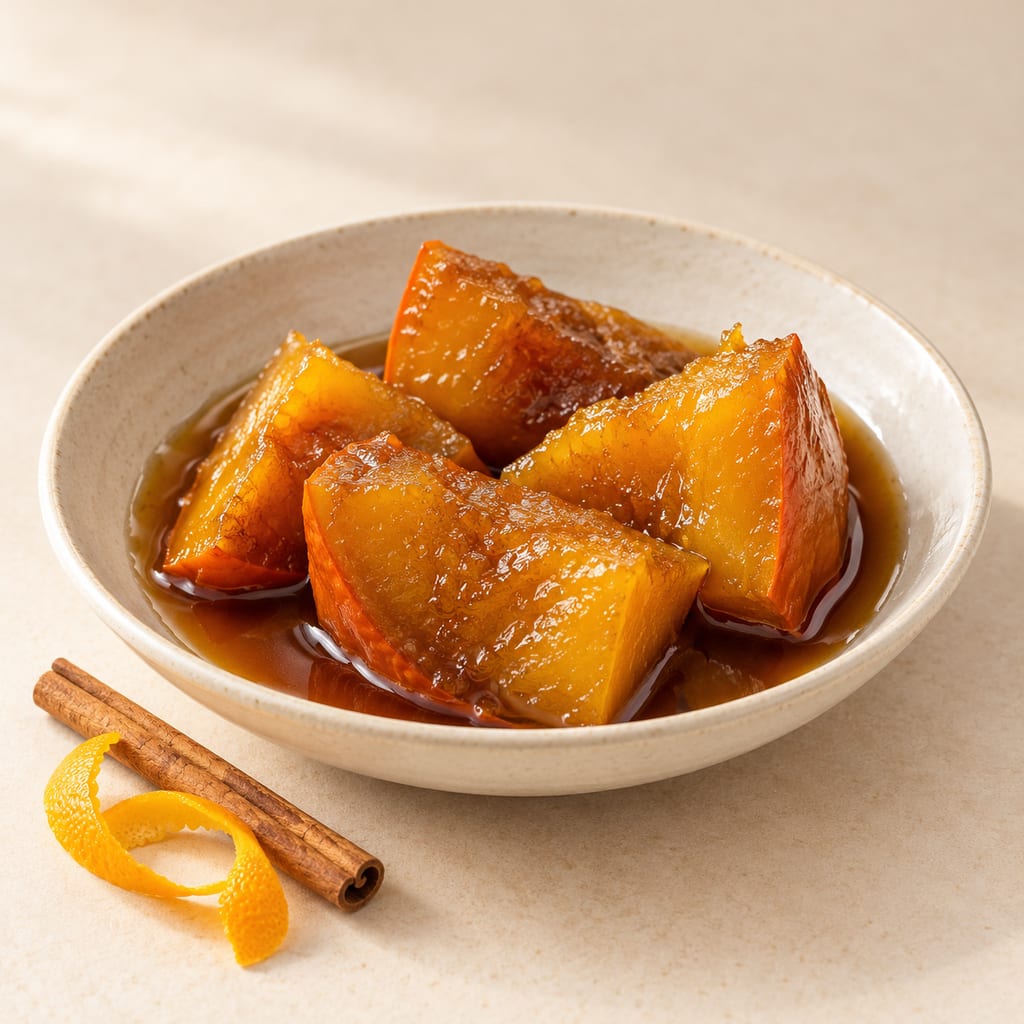
This is a useful option when you want the finished preserve to contain identifiable pieces. A dense-fleshed winter pumpkin is a better candidate for that aim than a hollow, watery fruit selected mainly for carving. If a particular pumpkin breaks up, finish it as a soft preserve and record that texture honestly; absence of lime does not guarantee a glassy, crisp exterior.
The historical grape-based versions merit their own cultural note. In Malatya, the recorded technique uses grape juice as a sweetening medium; in Niğde, concentrated pekmez is named. These should not be collapsed into one generic sugar recipe, and the unspecified size of “one pumpkin” in the Niğde account should not be turned into a fictitiously precise historical ratio.
The source author's claim of year-long refrigerated freshness is not a shelf-life validation. This entry uses the common short refrigerated handling policy and freezes the portion intended for winter. No vinegar, citrus or pH endpoint is supplied, and no cupboard-storage instructions are implied.
The modern word kabak can describe different gourds and squashes in different contexts. For this recipe use an edible pumpkin explicitly identified as balkabağı. Do not substitute ornamental gourds or assume that a preserve named for another regional gourd has the same botanical ingredient.
Cool in small portions and refrigerate within one to two hours at 5°C or below, aiming for 4°C. Use the fresh chilled portion within 48 hours. Freeze winter portions promptly at about −18°C in freezer-rated containers with expansion space. Thaw in the refrigerator and use within 24 hours of complete defrosting. These are conservative handling instructions, not a measured shelf life for this particular preserve. Sugar concentration, a jam-like set and a sealed lid do not establish a home-canning process.
Storage for this version: Cool in small portions and refrigerate within one to two hours at 5°C or below (aim for 4°C). Use the fresh chilled portion within 48 hours; freeze the winter portions promptly at about −18°C in freezer-rated containers with expansion space. Thaw in the refrigerator and use within 24 hours of complete defrosting. This is the collection's conservative handling policy, not a laboratory shelf-life result for this preserve.
Freezer for winter; conservative 48-hour refrigerated handling
Hazard source
Freezer for winter; conservative 48-hour refrigerated handling
Control source
Freezer for winter; conservative 48-hour refrigerated handling
Do not transfer a canning schedule from a different pumpkin preparation.
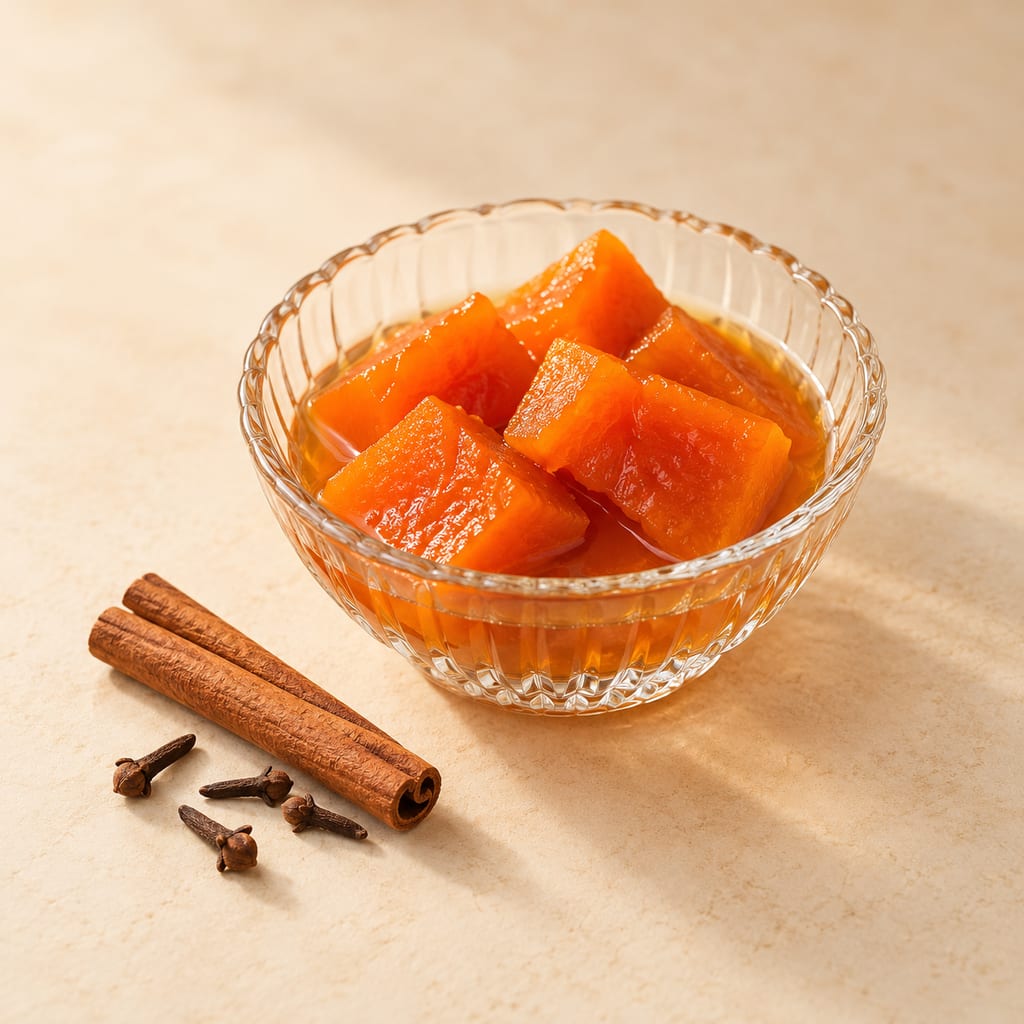
Cut pumpkin into even cubes, approximately 2 cm across. Toss thoroughly with the sugar, cover and refrigerate overnight.
Put the pumpkin and released juice in a saucepan. Use the 100 ml water to dissolve remaining sugar in the bowl and add it to the pan.
Add cinnamon and cloves. Heat gently, then simmer until the cubes are tender and the liquid coats them. Turn the pieces carefully; check from around 30 minutes rather than relying on the clock alone.
Remove the whole spices. Divide pumpkin and syrup into small containers; follow the collection's chilling and freezing rule.
Cool in small portions and refrigerate within one to two hours at 5°C or below. Use the fresh chilled portion within 48 hours. Freeze winter portions promptly at about −18°C in freezer-rated containers with expansion space. Thaw in the fridge and use within 24 hours of complete defrosting. This is a conservative handling policy, not a measured shelf life for the recipe.
Conditions
Temperature controlRefrigerated
Places
Turkey
Documented preparation · Country evidence
Geographical association of this documented version, not an asserted origin.
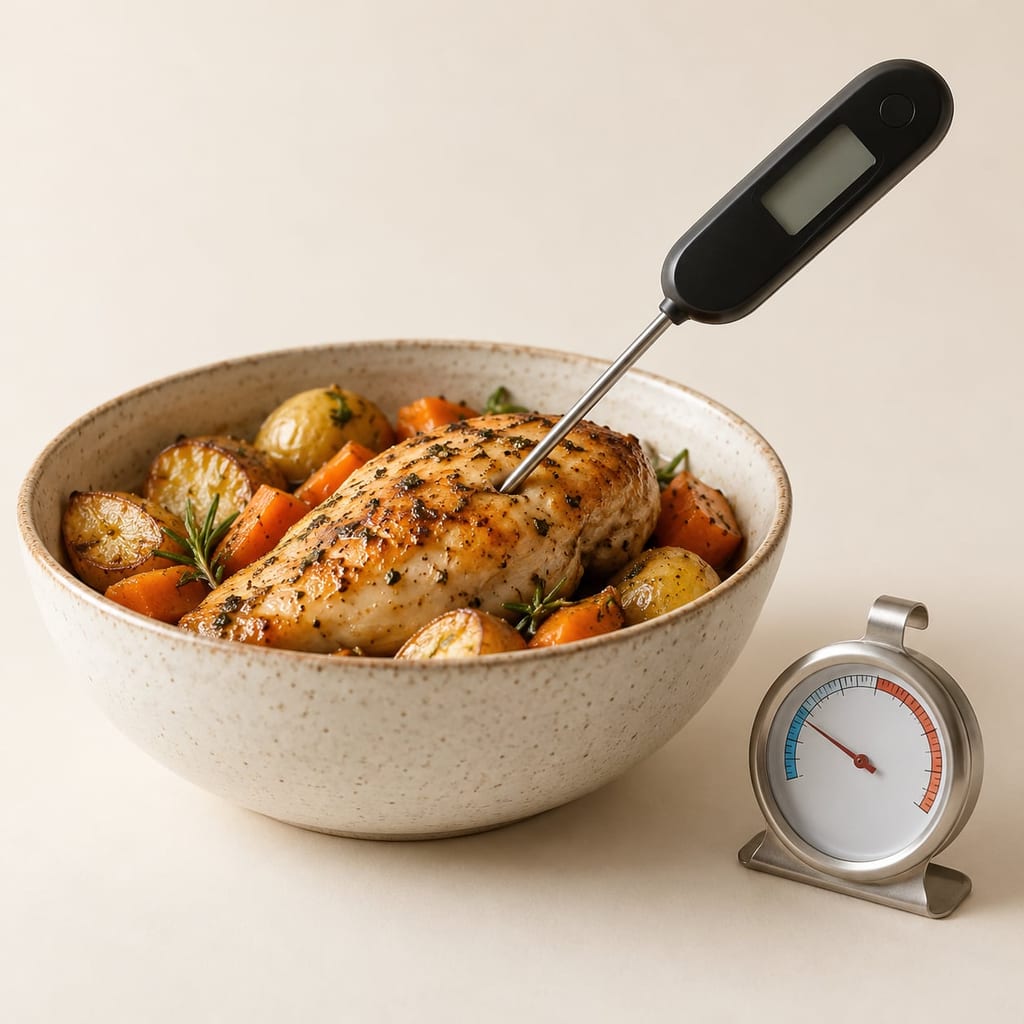
A food probe measures the temperature inside food at the probe tip; a refrigerator thermometer measures the cold storage environment. They answer different questions and cannot establish acidity or validate a preservation process.
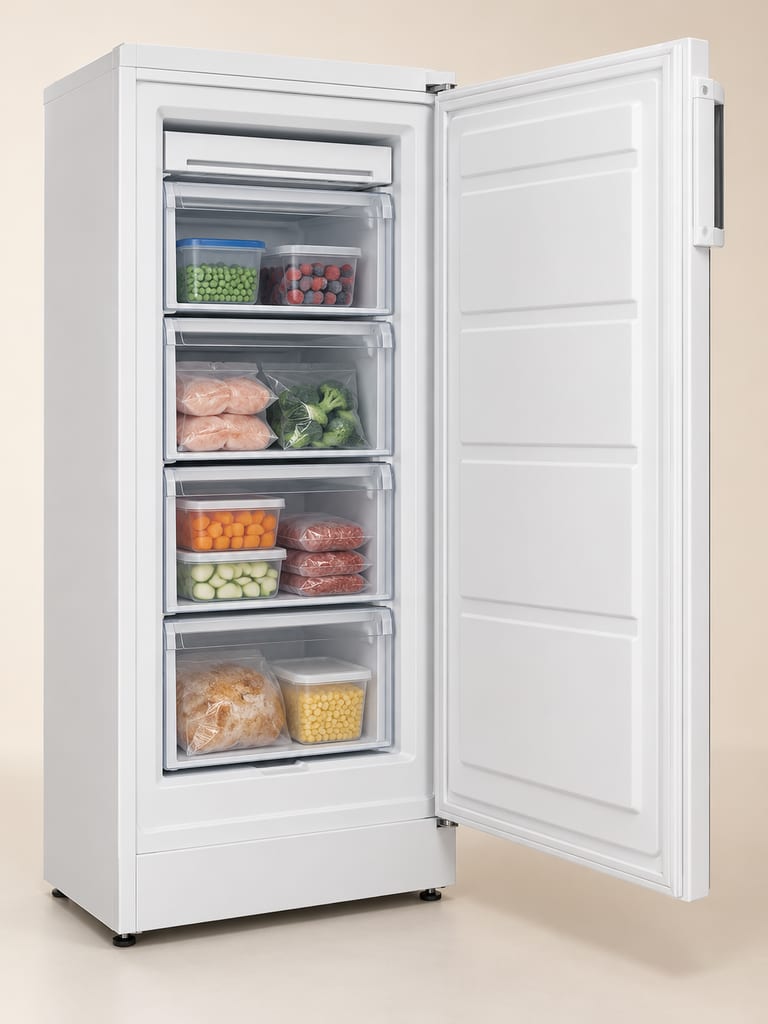
A household freezer holds food in a frozen state for storage and selected texture or separation work; its batch-storage role differs from industrial equipment that freezes individual pieces separately.
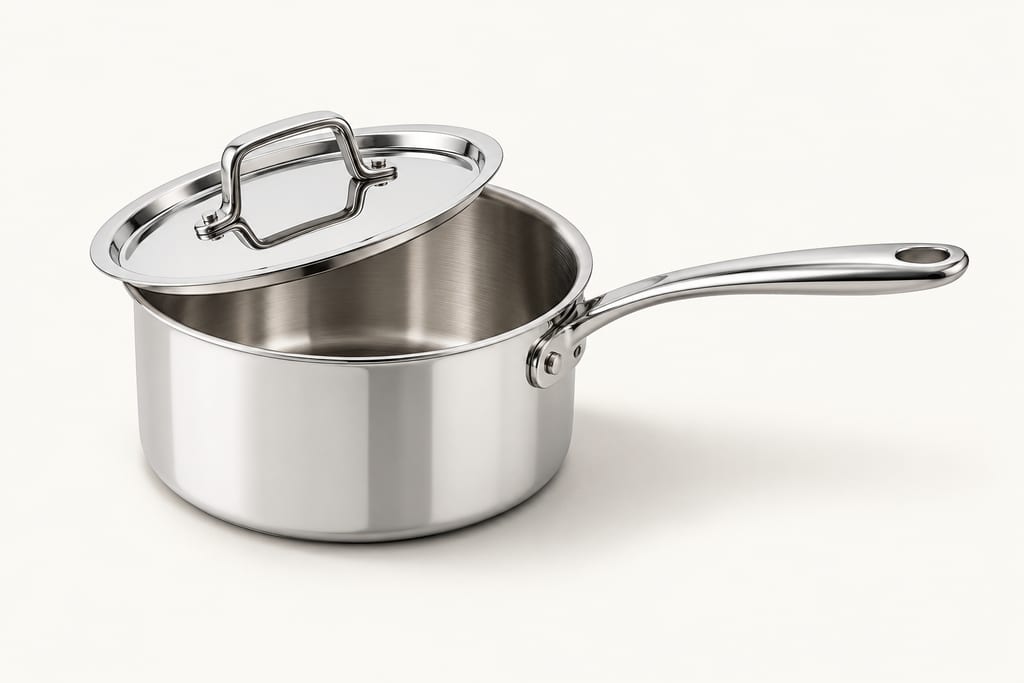
A modern, portable stovetop pan with a stainless-steel cooking surface for sauces and other small simmering jobs. Size, cladding, lid, compatibility and care vary by model.
An ordinary household refrigerator used to store selected fresh produce in vented crates or drawers, at low temperature and at a humidity chosen by the drawer. Not every crop benefits from cold.
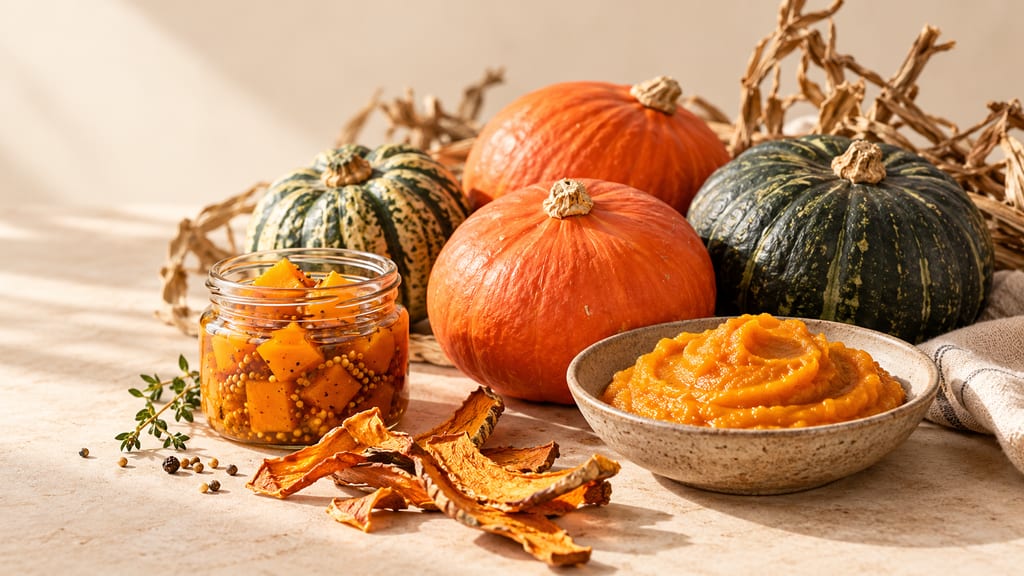
A full harvest-to-pantry guide to keeping pumpkins whole, drying and freezing them, and making pickles and sweet preserves around the world—with the exact distinction between tested canning and cold storage.
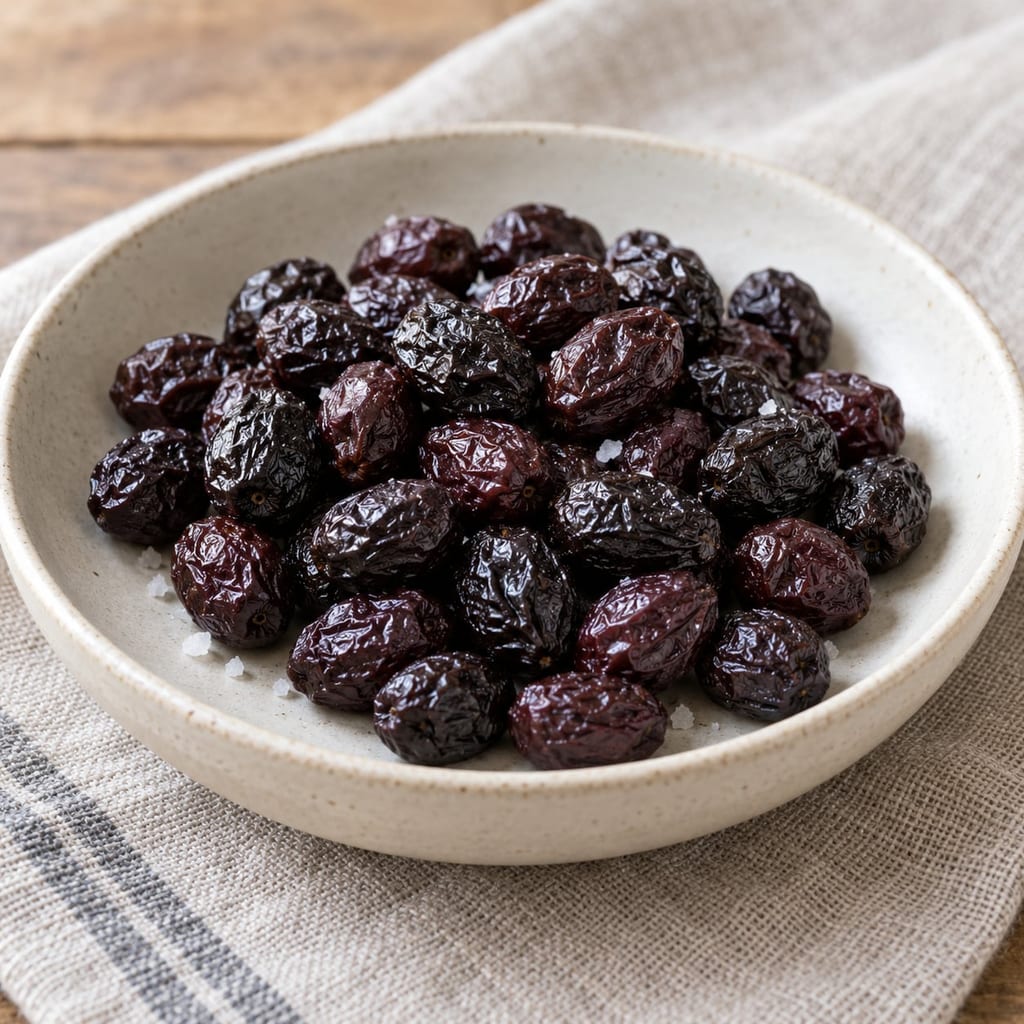
Fully ripe dark olives are mixed with salt and turned weekly as salt draws out moisture. Distinct from existing brine-fermented and lye-treated olives.
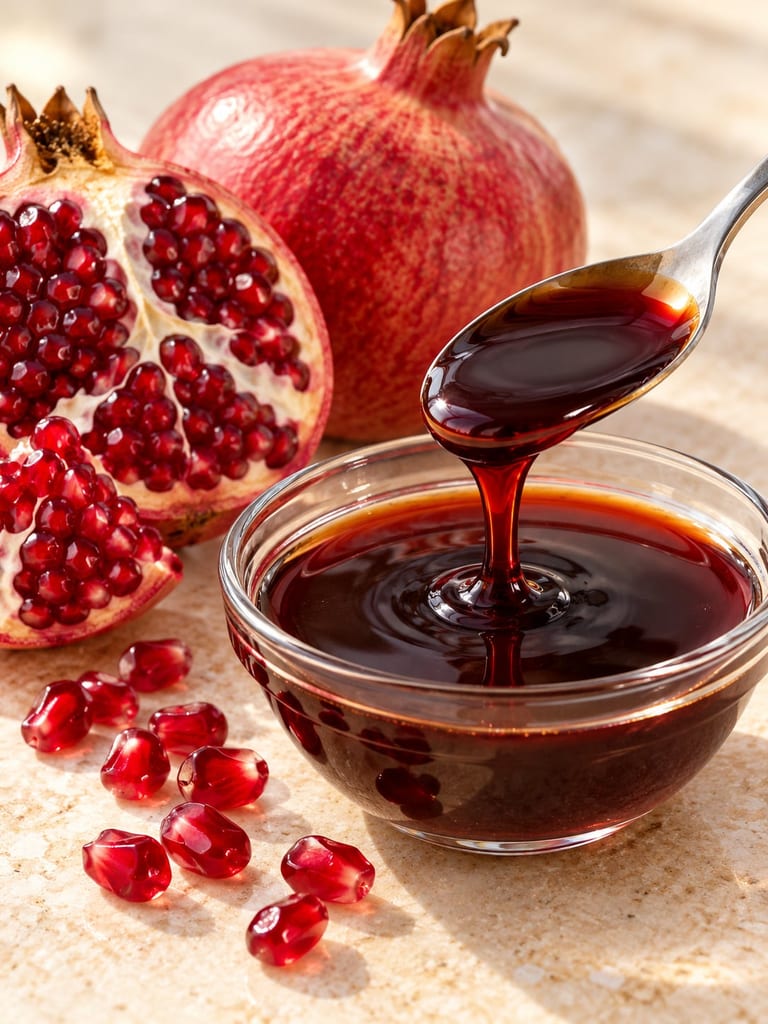
The registered Hatay method presses pomegranate arils and slowly concentrates the strained juice. Its 100 kg source batch and experienced-producer endpoint are retained; no home-scale time or shelf-life is inferred.
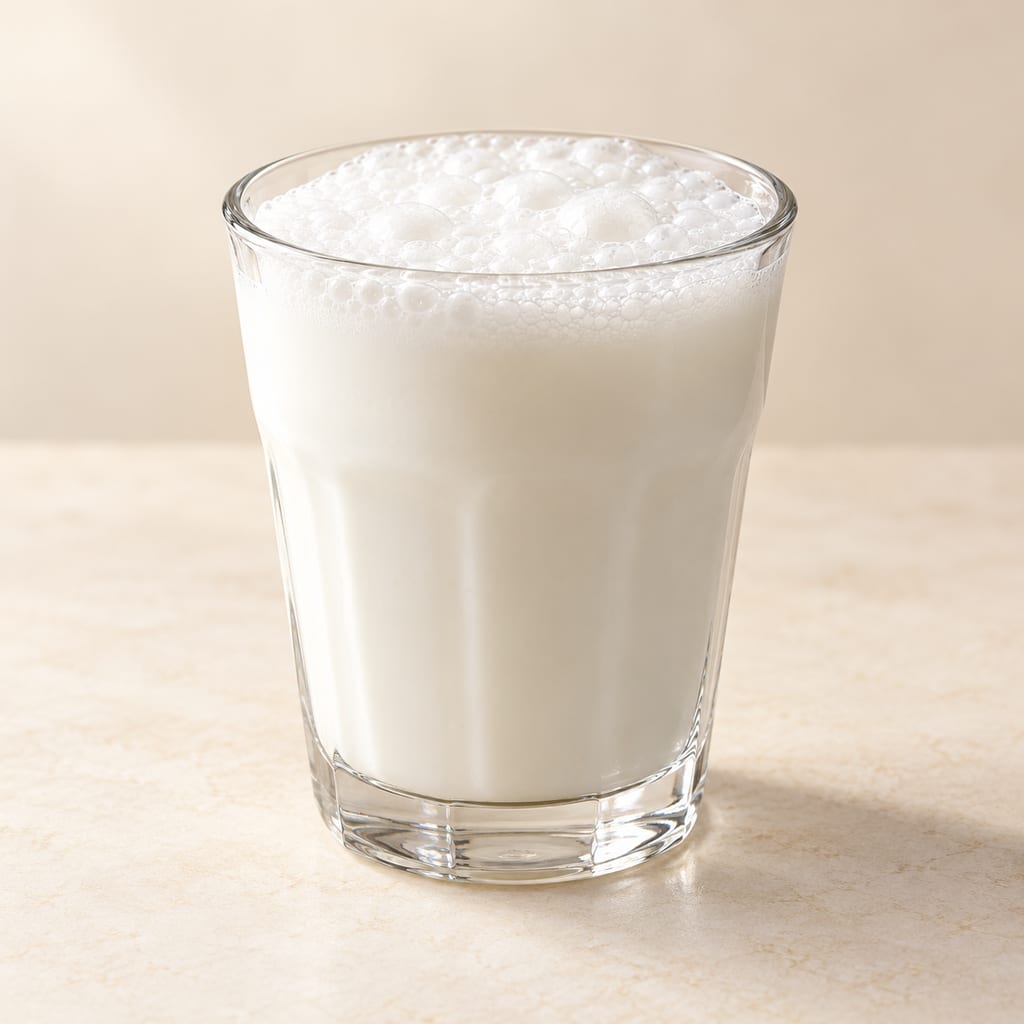
Ayran is Turkey’s cold, savoury yogurt drink: plain yogurt is loosened with water and lightly salted, then whisked smooth or aerated into a soft cap of foam.
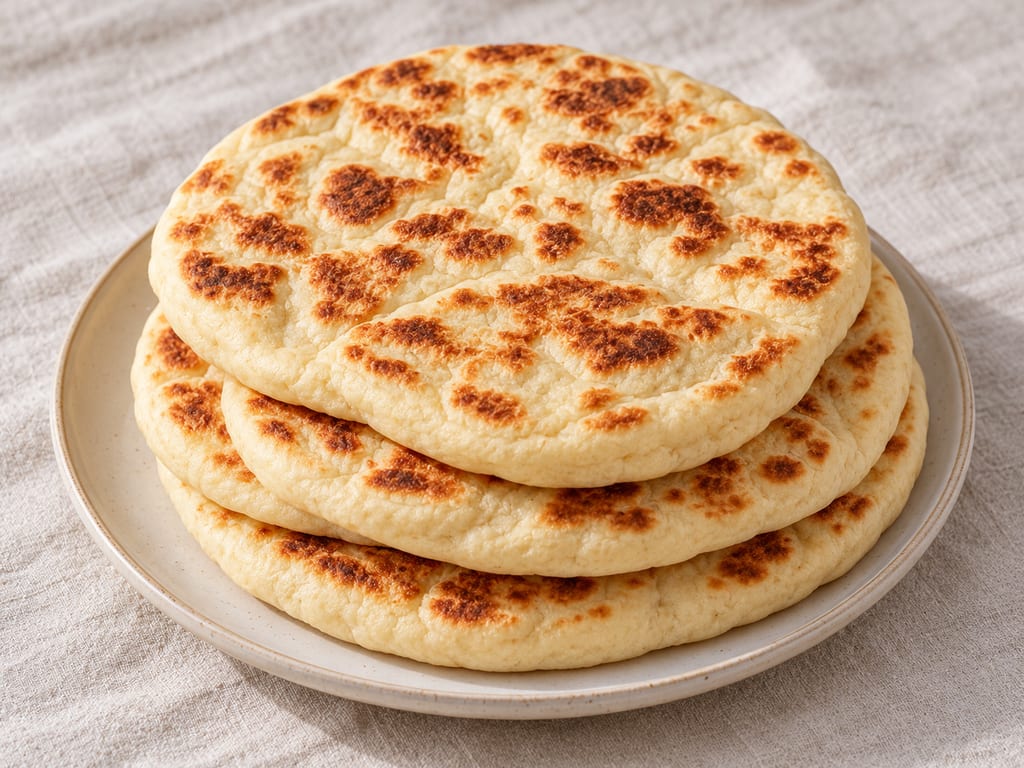
This Turkish bazlama uses yeast, plain yogurt and olive oil for a soft dough cooked in a skillet. Shape it into twelve small or six larger rounds, flip as bubbles appear, and wrap the breads to keep them soft.
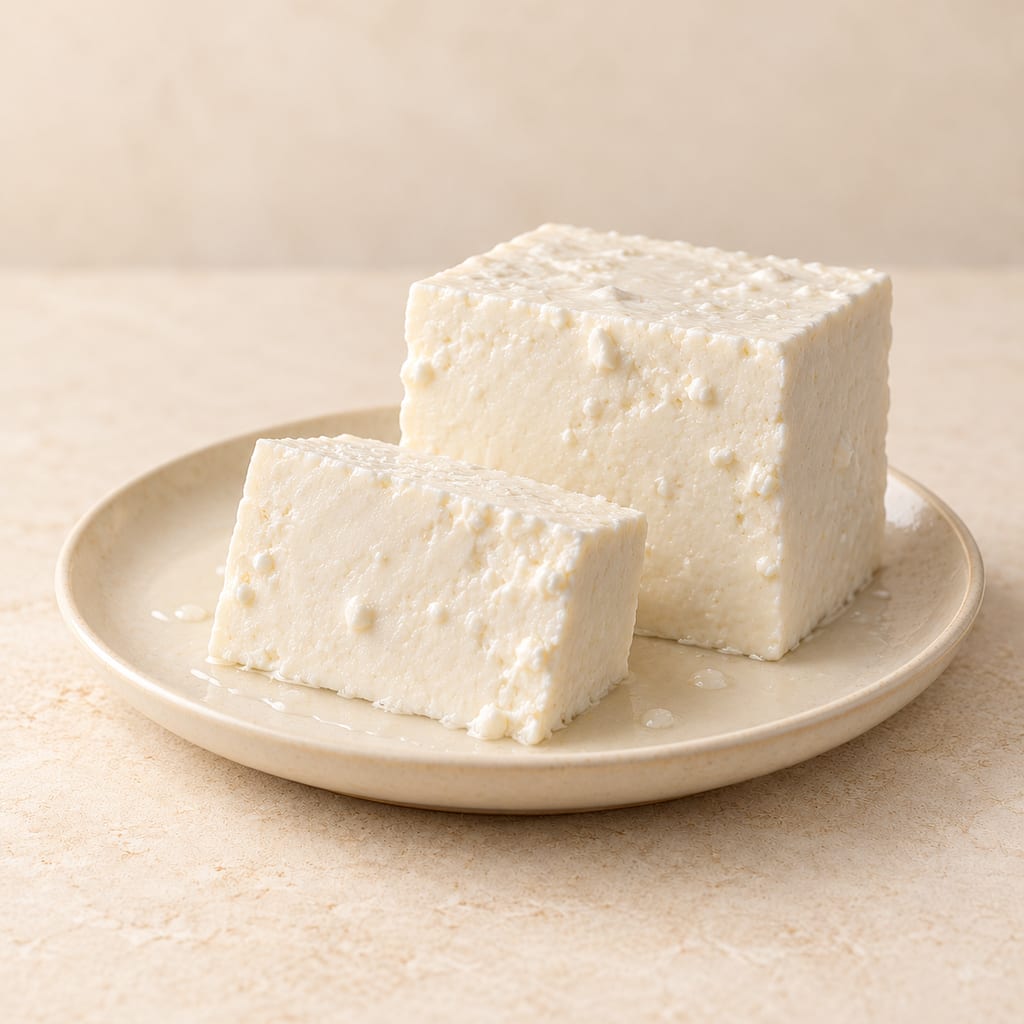
Beyaz peynir is a Turkish white cheese matured in brine. Sheep milk, alone or mixed with other milks, gives a close-textured cheese cut into blocks and packed in cans.
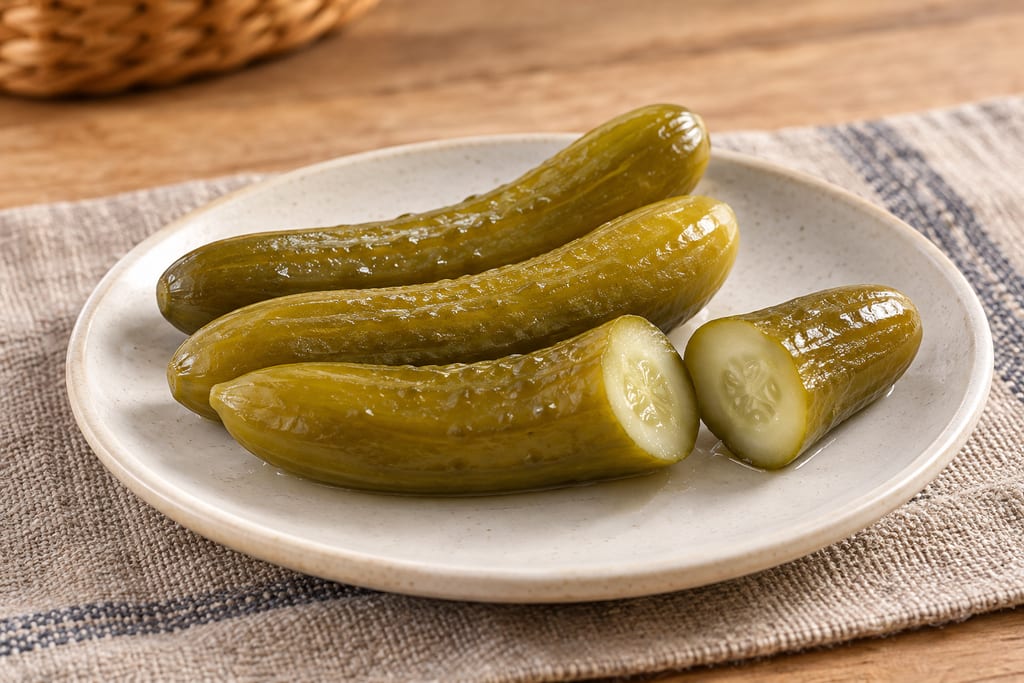
Çubuk turşusu is a registered pickle from Çubuk district in Ankara. Its cucumber variant is sold as Salatalık Turşusu, and a commercial specification sets its brine and room-temperature period.
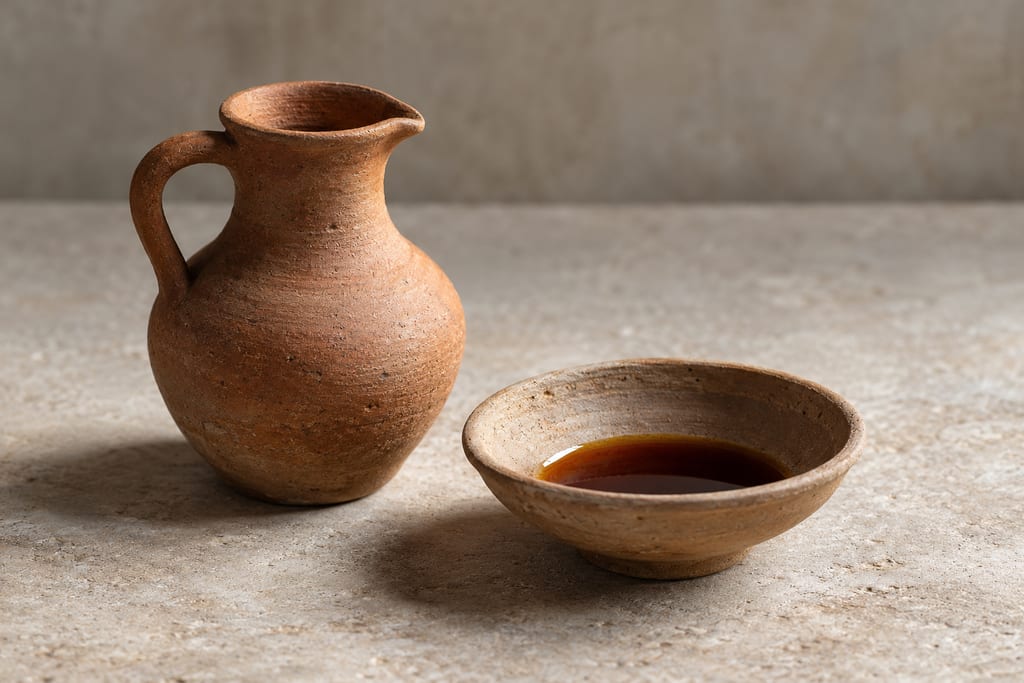
Garum, Greek garos and Latin liquamen, was the fish sauce of the ancient Mediterranean: fish and viscera salted and left in the sun, then drained off as a savoury liquid.
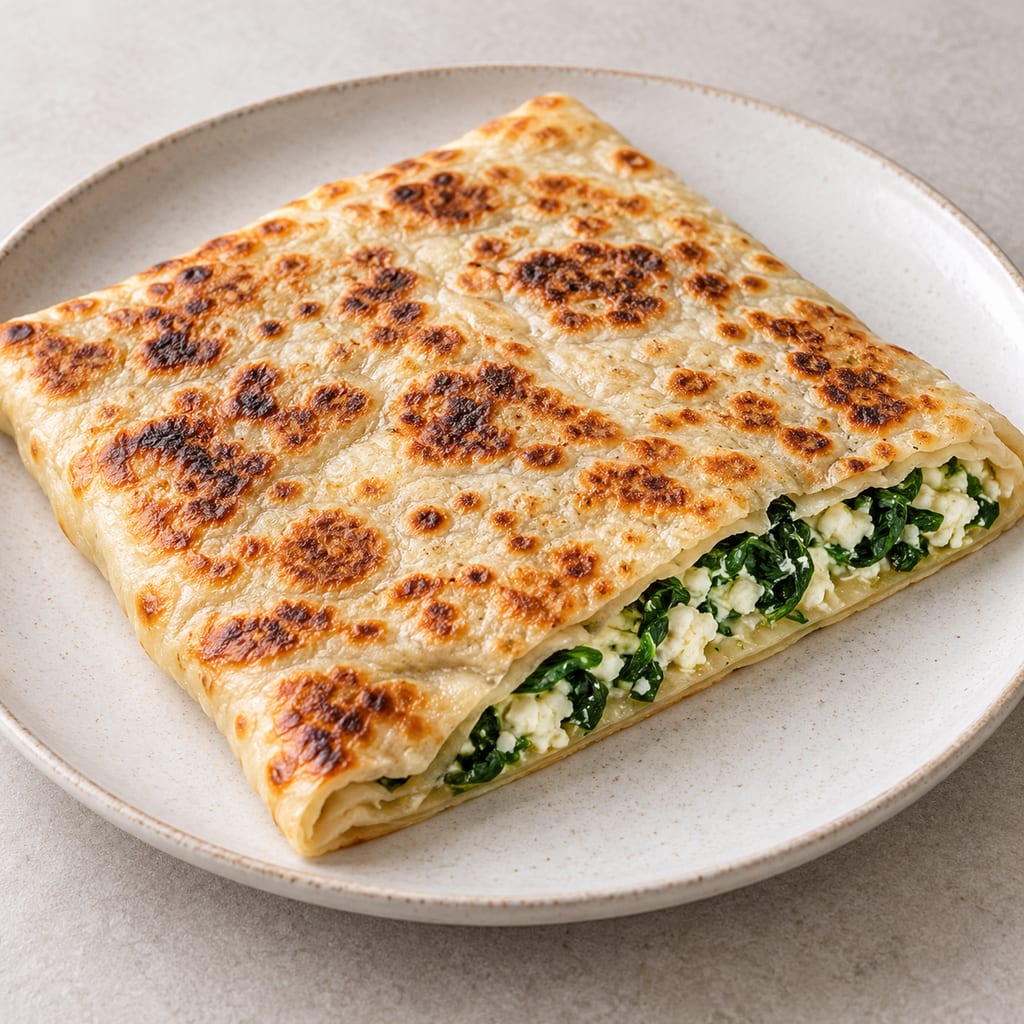
A yeast-and-yogurt dough is rolled into a large thin sheet, filled with spinach, onion and feta, folded closed, then cooked on an oiled griddle. This is Özlem Warren’s spinach-and-cheese family-style version.
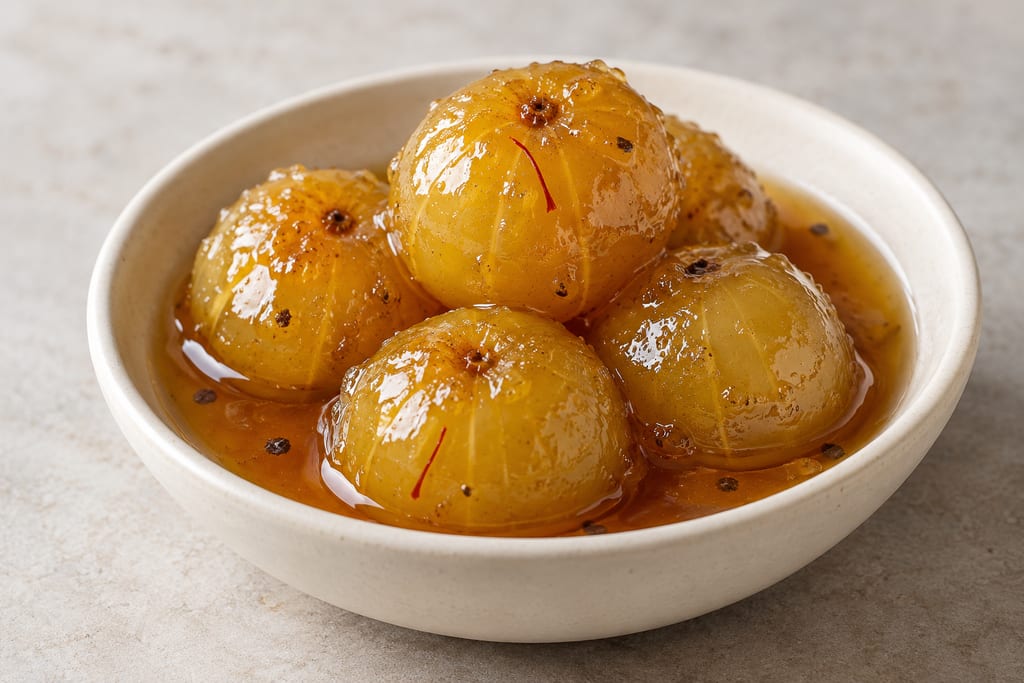
Amla murabba preserves whole Indian gooseberries in a heavy sugar syrup scented with cardamom and sharpened with pepper and black salt. This household method soaks the fruit before cooking.
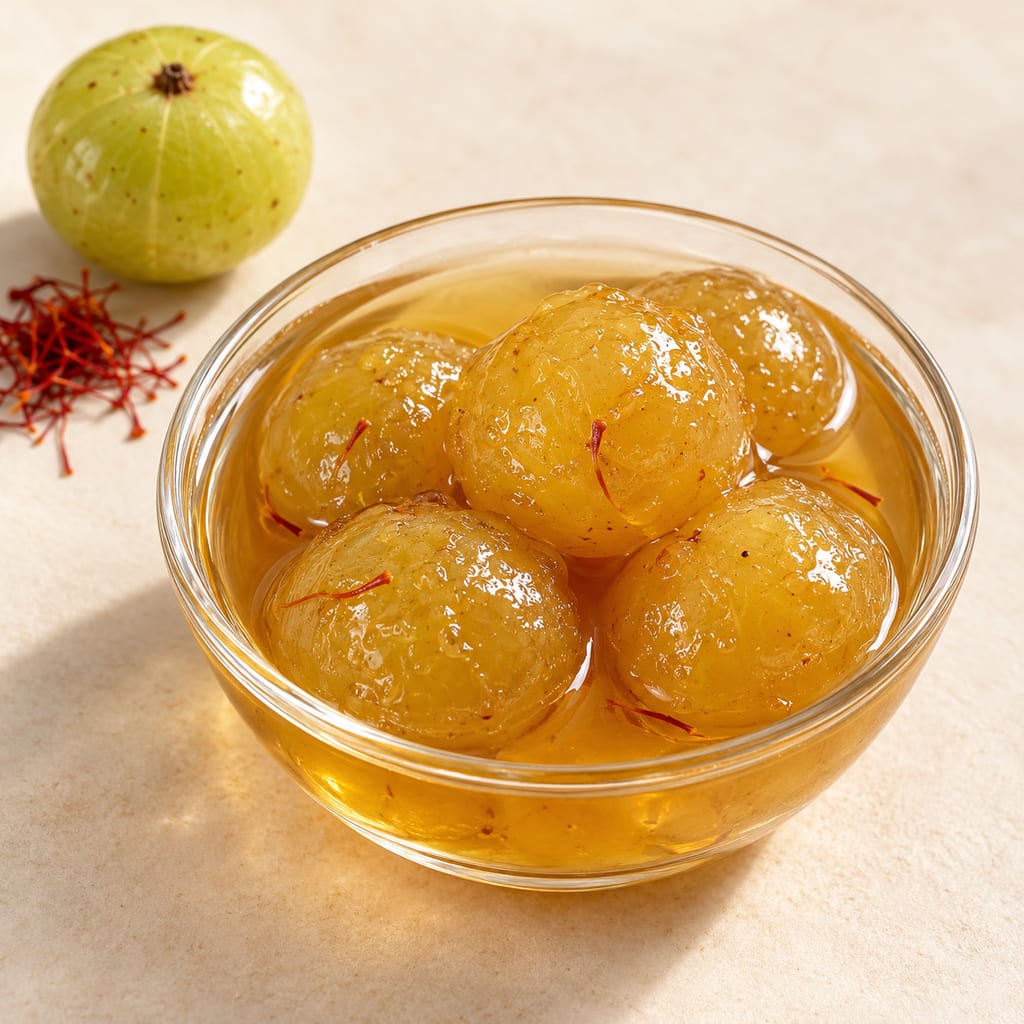
Whole amla simmer in sugar syrup with saffron, black cardamom and pepper in this chef's version of the Indian fruit preserve. The fruit is soaked overnight before cooking.
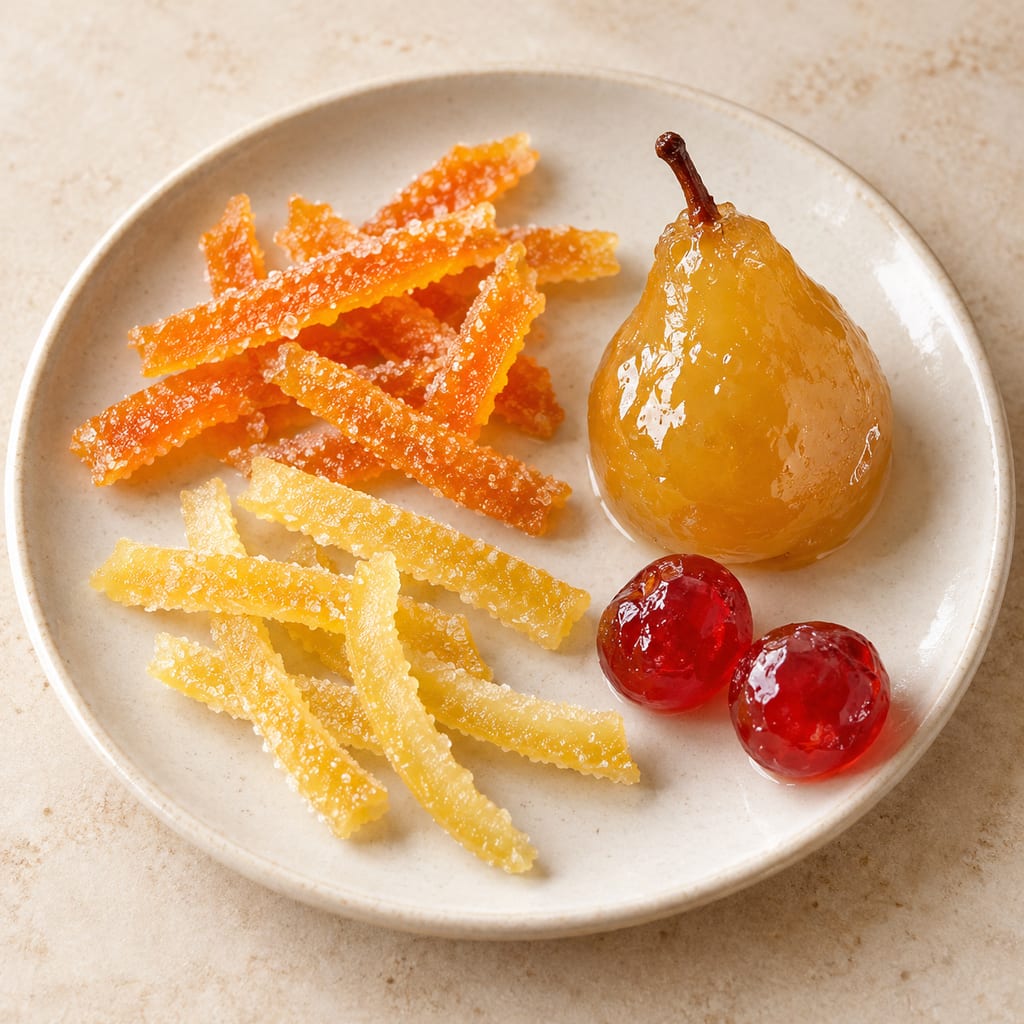
Candied fruit is fruit that has been repeatedly steeped in concentrated sugar syrup, which replaces part of its water with sugar, often followed by drying. It differs from fruit served in a thin syrup.
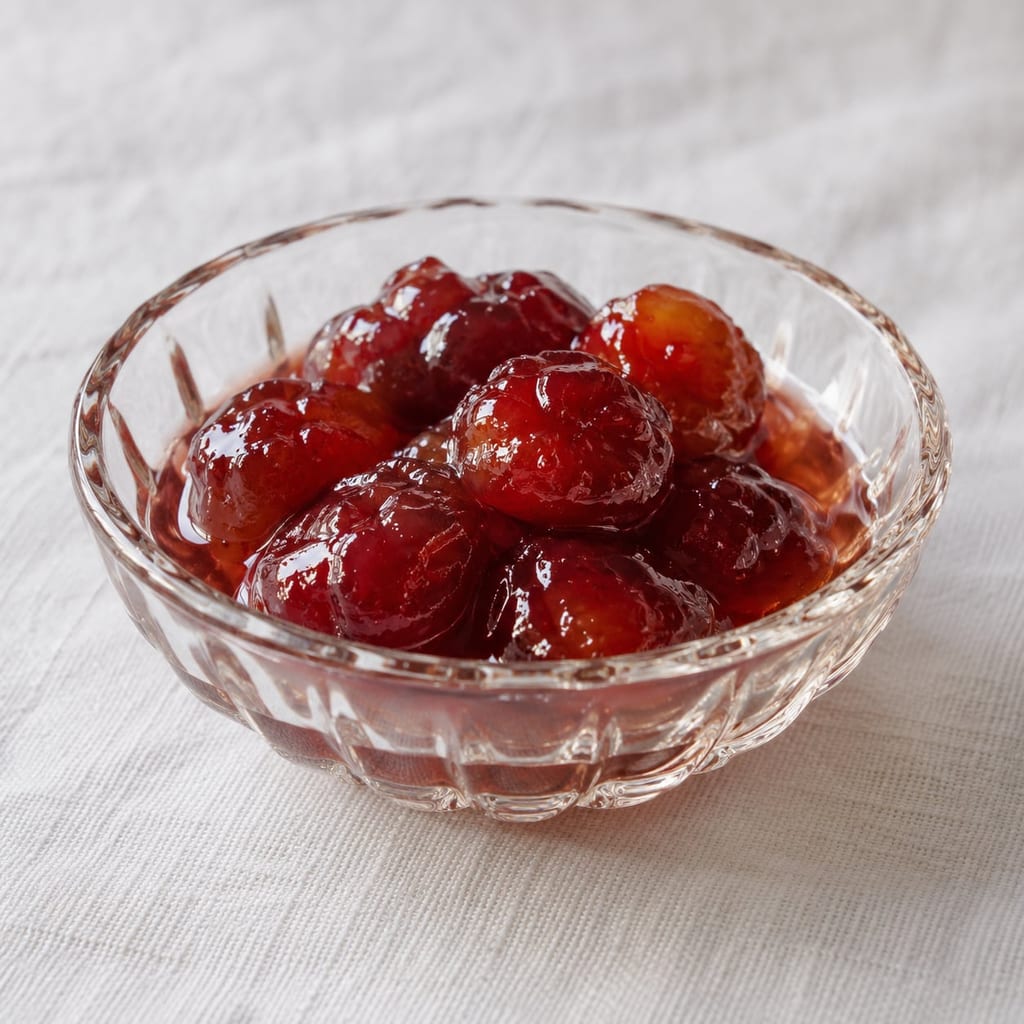
Cypriot cherry glyka made by layering firm pitted cherries with sugar, briefly boiling them, chilling overnight, and boiling again to concentrate the syrup. This version is refrigerated and has no shelf-stable canning process.
Documented preparation, regional context or preservation handling, with the limits stated in the text.
Cited in: The preserve; Ingredients; Selecting a version for a pumpkin surplus; What this adaptation does not establish; Chilling and freezing this preserve
Documented preparation, regional context or preservation handling, with the limits stated in the text.
Cited in: The preserve; Ingredients; Selecting a version for a pumpkin surplus; What this adaptation does not establish; Chilling and freezing this preserve
Cited in: The preserve; Ingredients; Selecting a version for a pumpkin surplus; What this adaptation does not establish; Chilling and freezing this preserve