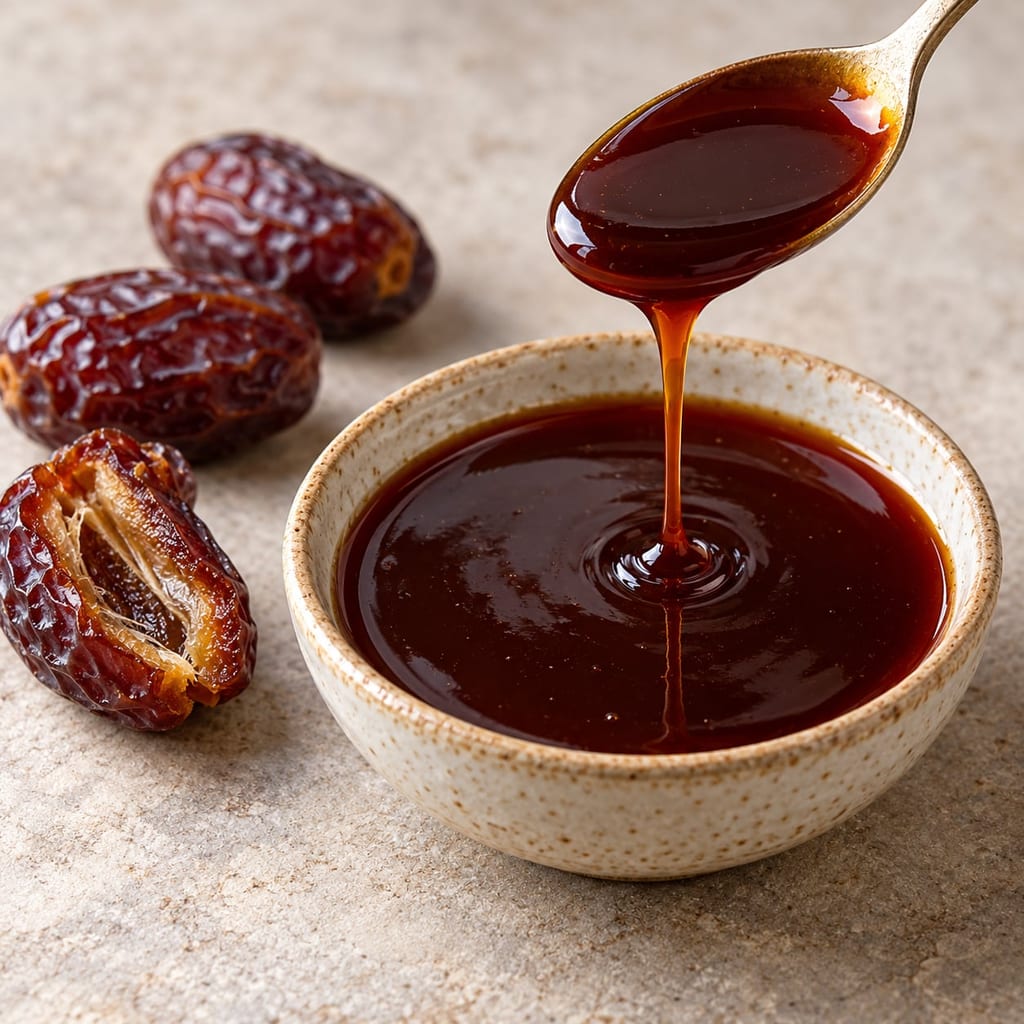
Date syrup and date pulp (dibs, silan family)
A thick, dark, very sweet syrup made from dates, known as dibs, rub, silan or date molasses. It sweetens tahini and desserts and glazes or sauces savoury dishes across the Middle East and North Africa.
 FermenteaWhere food goes to change
Built structures · All-in-one appliances
appliance chains
Each appliance does the stage it is good at: a closed pot to soften, a mill or cloth to separate, an open pan or freezer to concentrate or clarify.
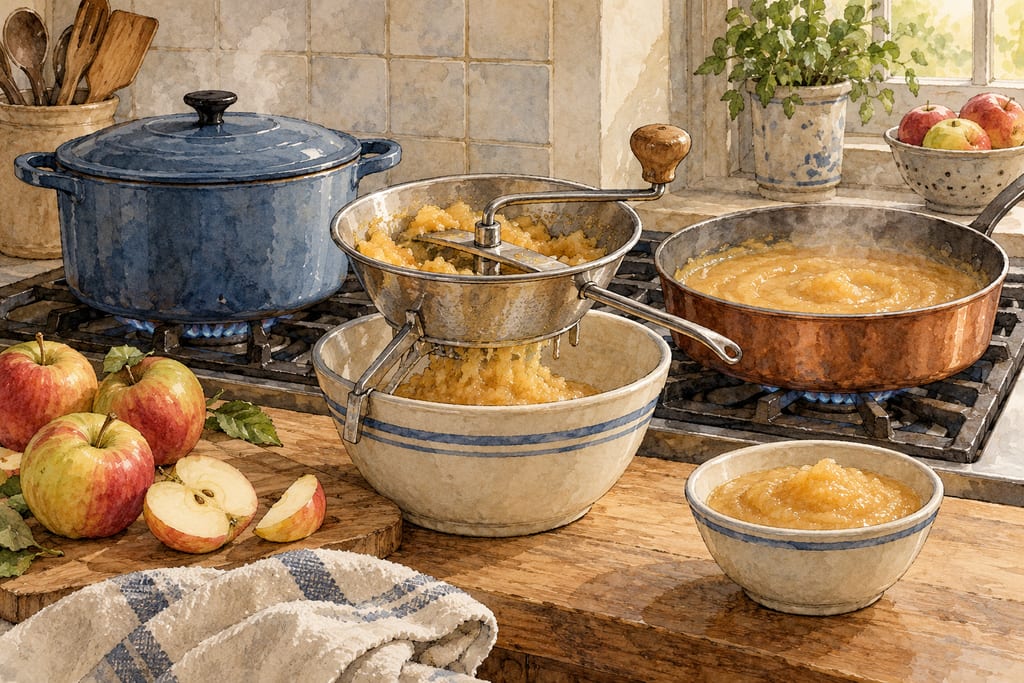
A traditional process is split into stages, and each stage goes to the appliance that suits it, instead of asking one machine to do everything. Softening needs heat and time, which a closed pressure cooker or slow cooker supplies. Separation needs a food mill, sieve, cloth or steam basket.
Concentration needs exposed surface and escaping vapour, which a covered appliance prevents. The concentrating step therefore goes to an open pan.
Instant Pot pressure-softens apples, then switches to Sauté with the vent open. These are two modes of one appliance.
N.C. Cooperative Extension slow-cooks the fruit covered, purées it with an immersion blender, then cooks it uncovered.
Oregon State cooks the fruit, mills it, then reduces it on the stove, in the oven, in a microwave or in a slow cooker with the lid ajar.
A steam juicer feeds a boiling-water canner.
Arnold's clarification uses a freezer, then a refrigerator to thaw.
The FAO's village date syrup boils and extracts, filters through cloth, then boils down.
The pairings are proposed from the dossier and untested as chains. Examples: pressure cooker for beans, then a cooling tray and a tempeh incubator. Blender for soy milk, then a shallow pan for yuba. Brewer for fresh cheese, then a small pan for reduced whey. Rice cooker for rice and warm malt conversion, then a sieve or press and a shallow pan for jocheong.
Ingredient handling and storage follow each recipe, not the order of the appliances.
A chain is only as safe as the recipe behind each stage. Combining routes creates an untested product: slow-cooker softening followed by pan reduction, for example, has no published time.
Hot food moving between appliances needs handling and cooling decisions. The sources leave these to each recipe.
The individual routes are documented in manufacturer, extension and food-science sources. The combined chains are proposed and untested as chains.
A build is made where it stands: moving it means building it again.
A pressurised pot or sealed jar is not evidence of a shelf-stable product. The food-preservation guide does not support canning in electric multicookers.
Hazard sourceDo not treat a pressure-cooker or sealed-jar result as shelf-stable. Judge each stage by its end point and follow each recipe's handling.
Control sourceCombined chains are untested. Hot food moved between appliances needs the handling its recipe gives.
Documented for international use, with no single place of origin assigned.
A thick, dark, very sweet syrup made from dates, known as dibs, rub, silan or date molasses. It sweetens tahini and desserts and glazes or sauces savoury dishes across the Middle East and North Africa.
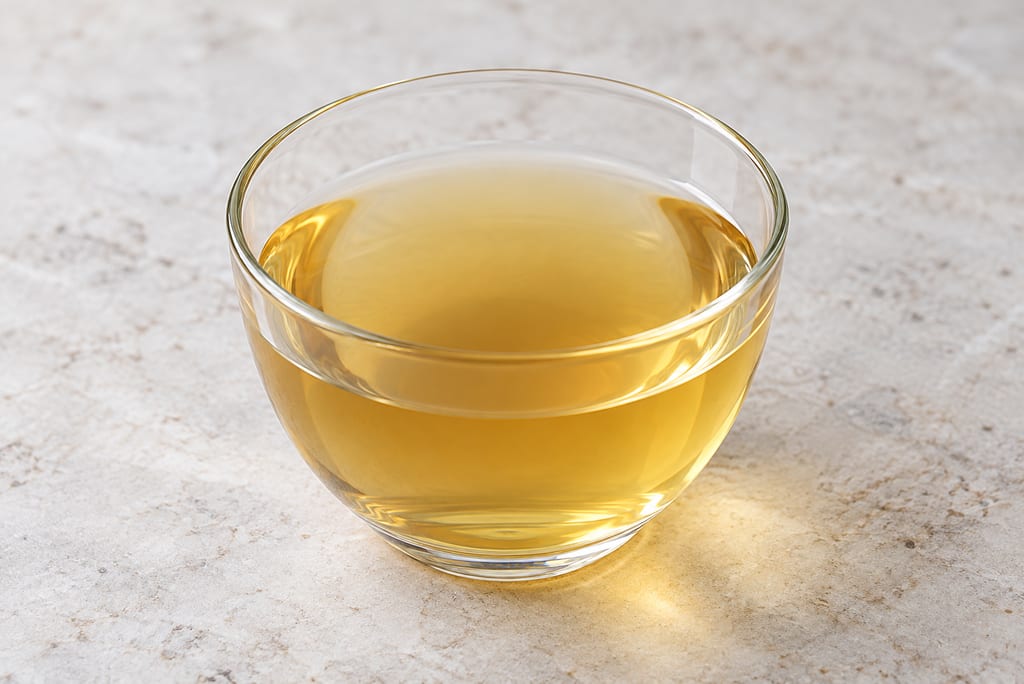
A liquid set with a little gelatin, frozen solid, then thawed through cloth in the refrigerator so that clear liquid drips out and the cloudy gel stays behind.
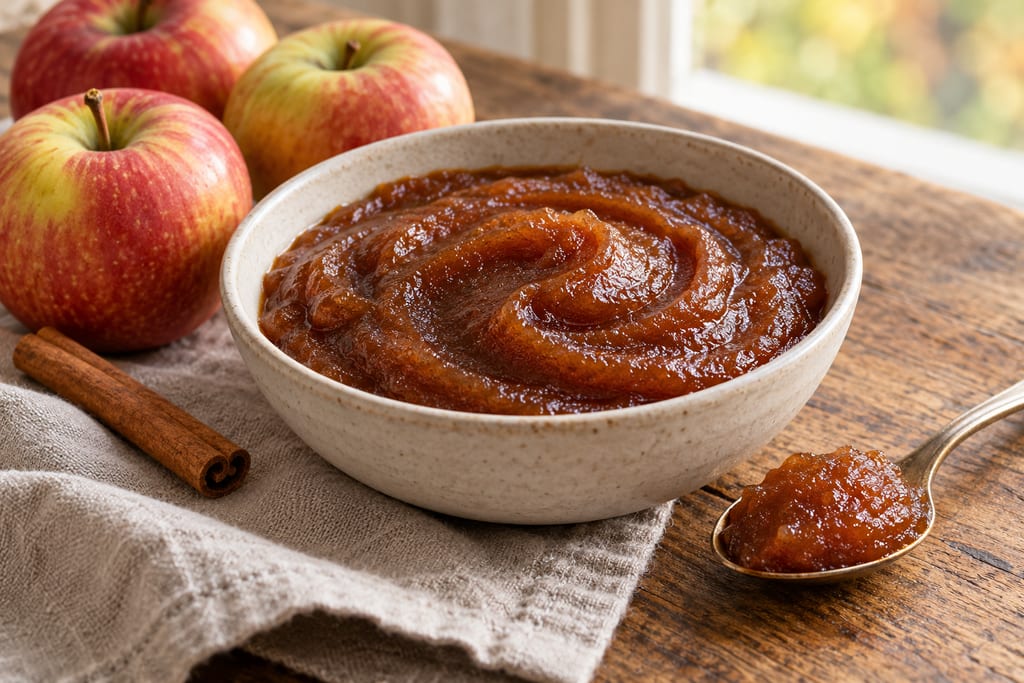
A smooth fruit pulp cooked down with sugar and spice until it holds its shape on a spoon, made by three documented routes in a slow cooker, a microwave or an electric multicooker.
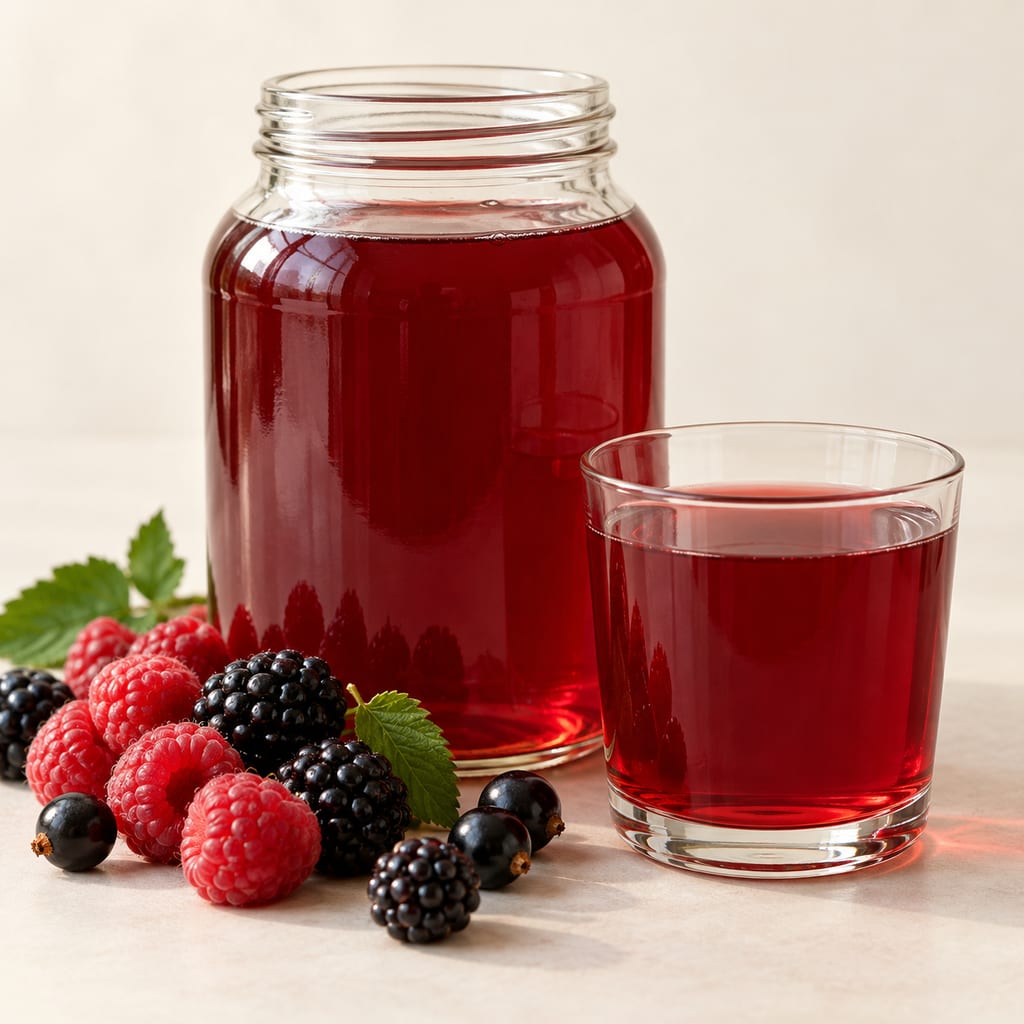
Clear juice that a stacked steam juicer draws out of ripe fruit by steam alone, without crushing it. It is the base for jelly, syrup or cordial and still needs its own keeping step.
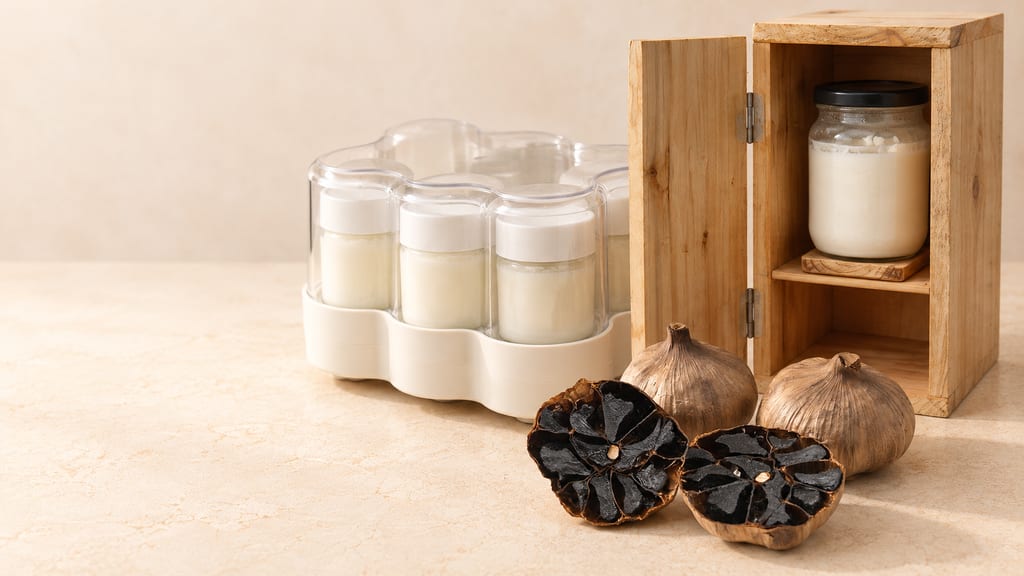
A slow cooker, a brewing kettle or a dehydrator can take over the hard part of many old food crafts, once you see each appliance as a set of physical functions and give it the right container.

Soft, spreadable Calabrian pork sausage made with a great deal of red chilli and fatty pork, stuffed into natural casings, sometimes smoked and matured while staying soft.

A way to add independent temperature logging to an existing food dehydrator without changing its built-in controls or protections. It is a monitoring method, not a rewiring plan.

Pleurotus cystidiosus is the abalone mushroom, a cultivated oyster-type fungus with dark brown caps that grows more slowly and is more demanding than other Pleurotus species.

A dark, balanced vinegar from Emilia-Romagna made by combining cooked or concentrated grape must with wine vinegar, then acetifying and refining it in wood under a protected specification.

A living dairy inoculum that starts controlled cream fermentation, developing acidity and aroma before sour cream or cultured butter is finished.

A small electric incubator holds jars at a selected temperature for yogurt and other documented warm food preparations. Controls, capacity and vessel arrangement vary by model.

Adygean salt is a seasoned table salt associated with Adygea and the wider North Caucasian culinary tradition. Salt is blended with garlic and a variable selection of herbs and spices; the exact mix depends on the named style and maker.

The African Caesar-group mushroom, Amanita masasiensis, is a wild ectomycorrhizal species of central and southern African woodlands, eaten locally. The genus contains deadly poisonous species, so identification needs care.
No community contributions have been published for this entry yet.
Sign in to contribute. Published comments and photos are free to read.
N.C. Cooperative Extension, Lenoir County Center, 20 September 2021Method
Fall is the Season for Apples (recipe 'Slow Cooker Apple Butter')Cited in: Documented chains
Oregon State University Extension Service, revised October 2025Method
Fruit butters (SP 50-304)Cited in: Overview; Documented chains; Proposed pairings
Oregon State University Extension Service, Home Food Safety and Preservation Program; first video by Utah State University ExtensionMethod
Steam juicer (Library of Things), with the videos 'How to Use a Steam Juicer' and 'Water Bath Canning: Fruit Syrup'Cited in: Documented chains
Cooking Issues, the International Culinary Center's Tech 'N Stuff blog, 20 July 2010Method
Simple Agar Clarification: 1 Year Anniversary, Plus a Rundown of Current Clarification TechniquesCited in: Documented chains
FAO Agricultural Services Bulletin No. 101, Rome, 1993Method
Date palm products, Chapter 3 (derived date products: date juice, date syrup)Cited in: Documented chains
National Center for Home Food Preservation, University of Georgia, 1 February 2019Method
Canning in Electric Multi-CookersCited in: Limits