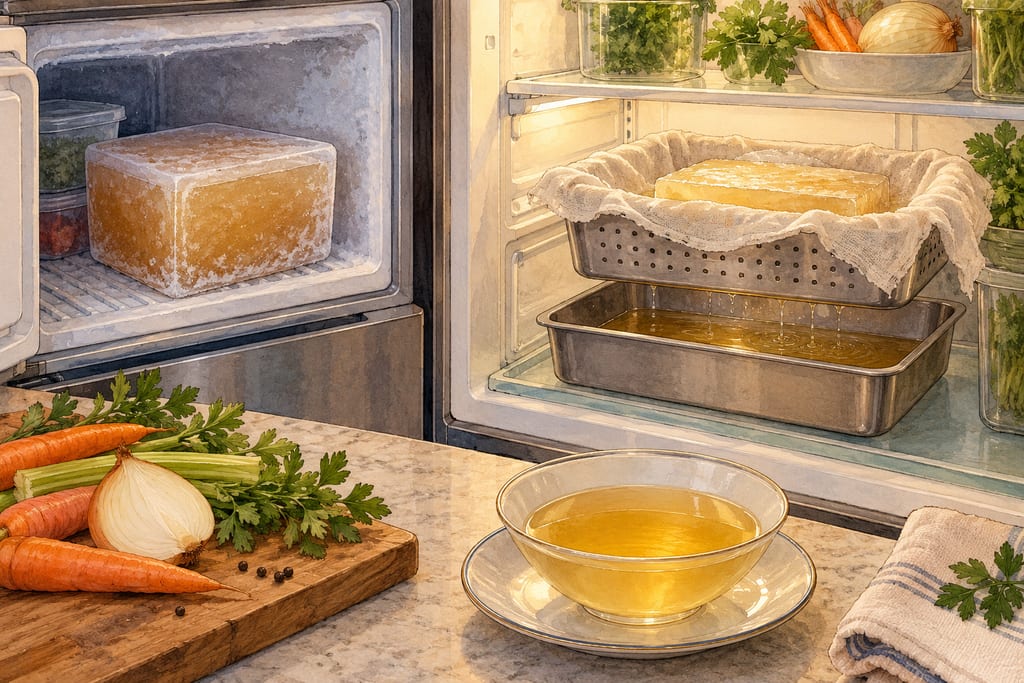
Freezer, fridge and cloth clarification set-up
A liquid set with 5 g gelatin per kg is frozen solid, then thawed in the refrigerator in a cheesecloth-lined perforated pan; the drip comes out clear.
 FermenteaWhere food goes to change
Modern adaptation
freeze-thaw clarification · gelatin clarification
A liquid set with a little gelatin, frozen solid, then thawed through cloth in the refrigerator so that clear liquid drips out and the cloudy gel stays behind.
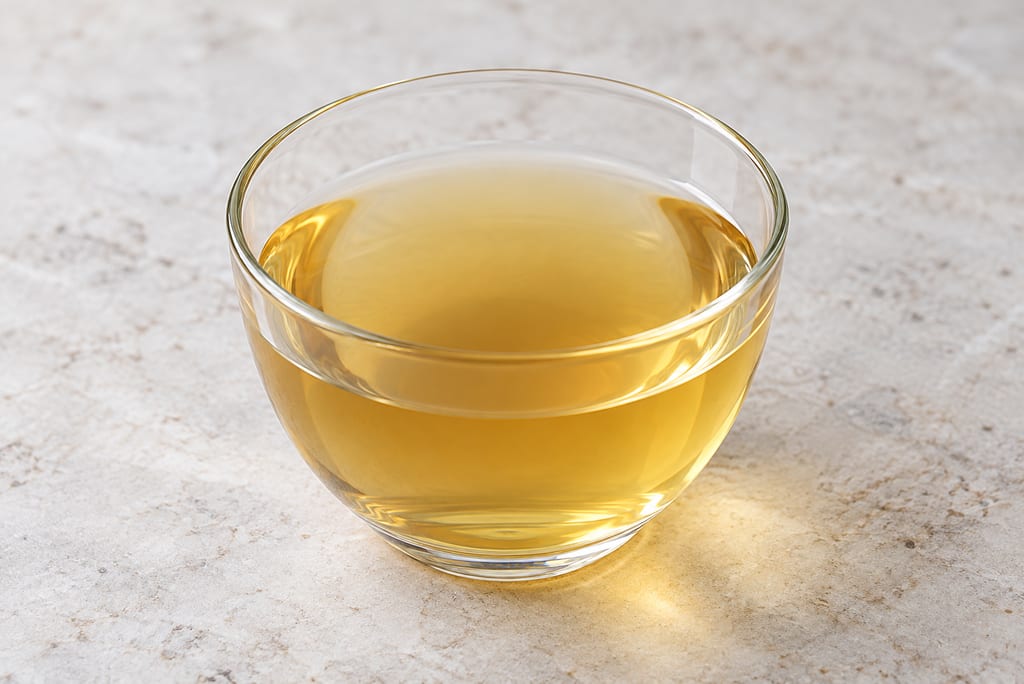
Freeze-thaw clarification uses a small amount of gelatin to hold a stock or juice in a loose gel. When the frozen block is thawed slowly through several layers of cheesecloth, the clear liquid drips out while the cloudy matter stays in the cloth.
Dave Arnold described the method on Cooking Issues in 2010. He calls it the first non-traditional clarification technique chefs adopted, and credits Wylie Dufresne with applying it to juices. The older clarification route for stock is the egg raft, which this record does not describe.
The liquid is hydrated with 5 g of gelatin per kilogram. Stock with its own natural gelatin needs none. The mix rests in the refrigerator, is frozen solid, and is then cracked out of its pan without a torch and set in cheesecloth in a perforated hotel pan, which sits in a larger pan to catch the drip.
The thaw is slow. Arnold's refrigerator at 32 to 34 °F (0 to 1 °C) thawed too slowly to be practical, and a warm kitchen melts the gelatin into the drip. The first liquid from a thaw is richer in sugar, acid and colour than the last, so the drip is combined to one batch. A stock that already holds much gelatin yields poorly, and the source advises a weaker stock reduced after clarifying.
Agar replaces gelatin at 2 g per kilogram. It is boiled for several minutes, and the mix is kept above about 35 to 40 °C until it is in the pan, because it sets early otherwise. After it gels, the block is frozen and thawed as above. Agar does not melt, so Arnold notes that it can thaw at room temperature.
Dave Arnold, writing on Cooking Issues in 2010, calls gelatin freeze-thaw the first non-traditional clarification technique that chefs adopted, and credits Wylie Dufresne with pioneering it for juices. It is a modern route to a clear liquid, not a historical consommé method. The older clarification route is the egg raft, which this record does not describe.
Scaling: proportional
The thawing liquid is a chilled food, and freezing does not kill microorganisms. The source gives no storage time for the drip.
Hazard sourceKeep the thaw in the refrigerator and handle the drip as a perishable chilled liquid.
Control sourceFreezing is not a kill step; handle the thawing liquid as a perishable chilled food.
Where the documented technique was published in a US culinary blog; the technique is modern and not tied to a place of origin.
A liquid set with 5 g gelatin per kg is frozen solid, then thawed in the refrigerator in a cheesecloth-lined perforated pan; the drip comes out clear.
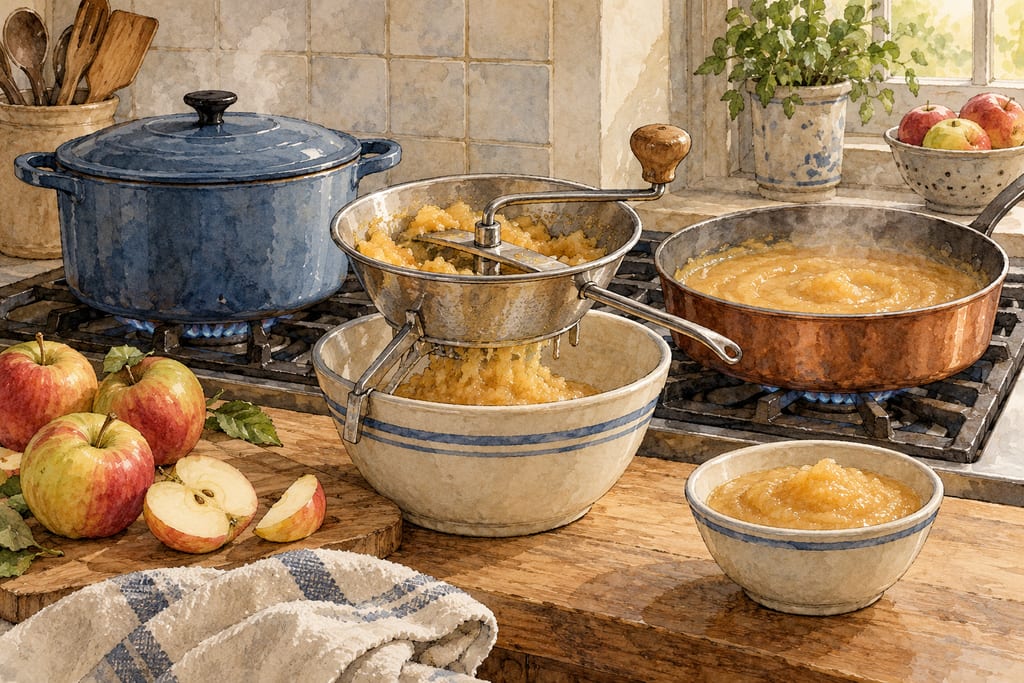
Each appliance does the stage it is good at: a closed pot to soften, a mill or cloth to separate, an open pan or freezer to concentrate or clarify.
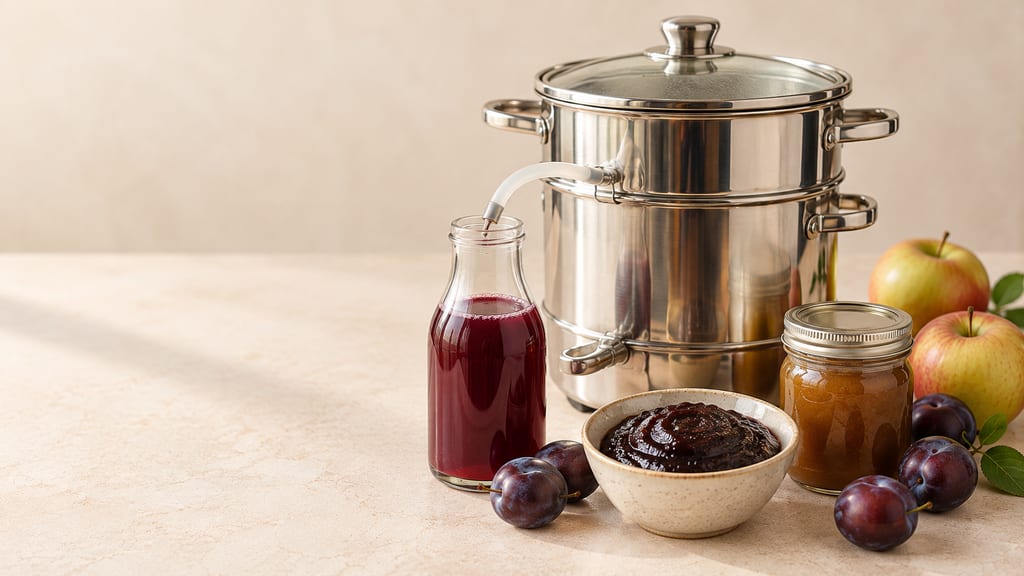
Fruit becomes juice, butter, paste or syrup in two moves: get the liquid out, then drive the water off. Steam juicers, slow cookers, microwaves and freezers each do one of those moves well, and none does both.
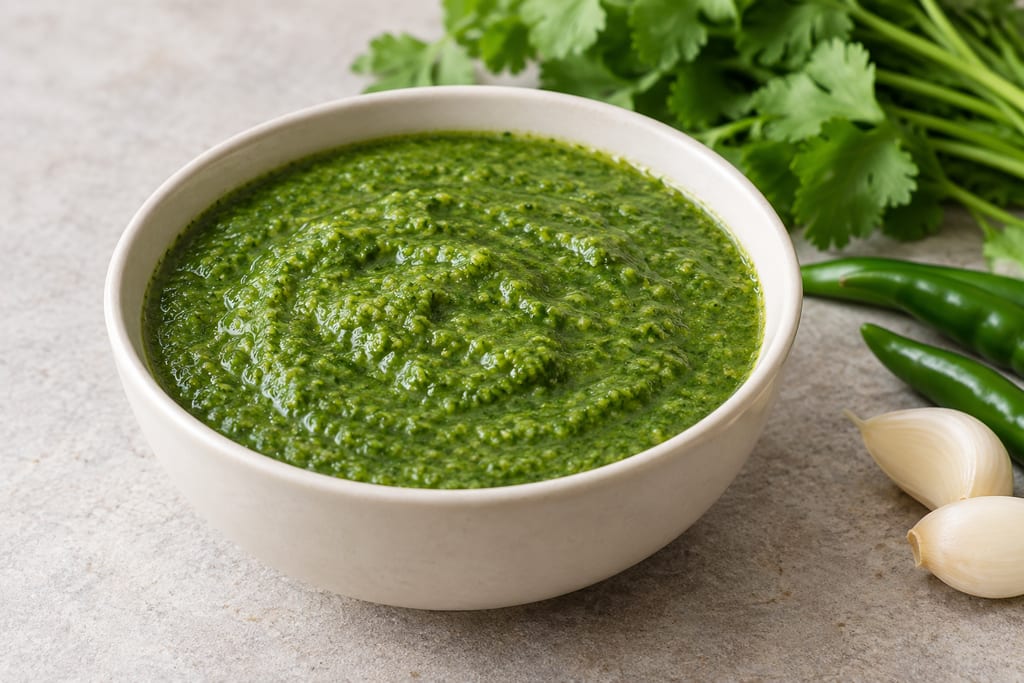
Afghan coriander chatni is a sharp, hot herb sauce with garlic and vinegar. A 2008 Afghanistan manual records green or red pepper and optional walnut; heat and household versions vary.
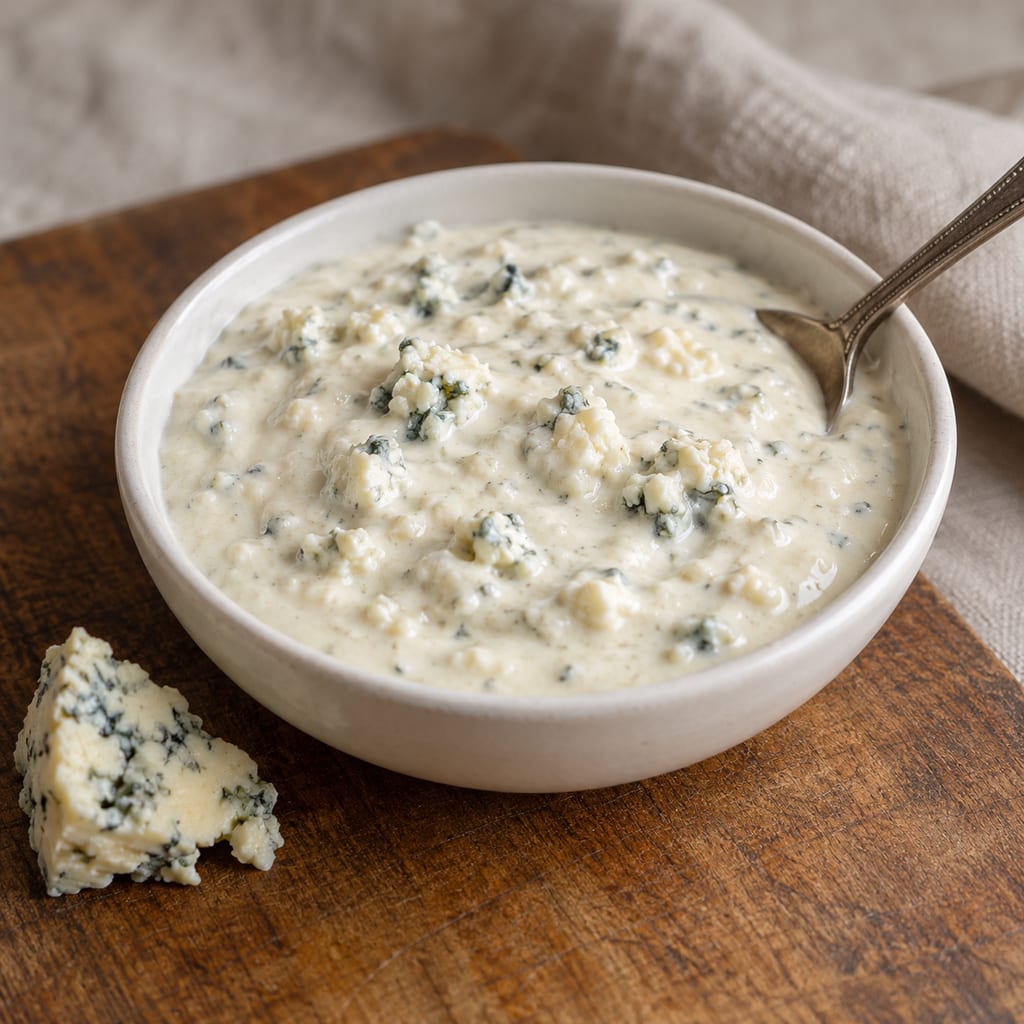
Blue cheese dressing is a creamy dressing built on crumbled blue cheese mashed into buttermilk, with sour cream, mayonnaise, vinegar and seasoning, and kept cold for up to two weeks.
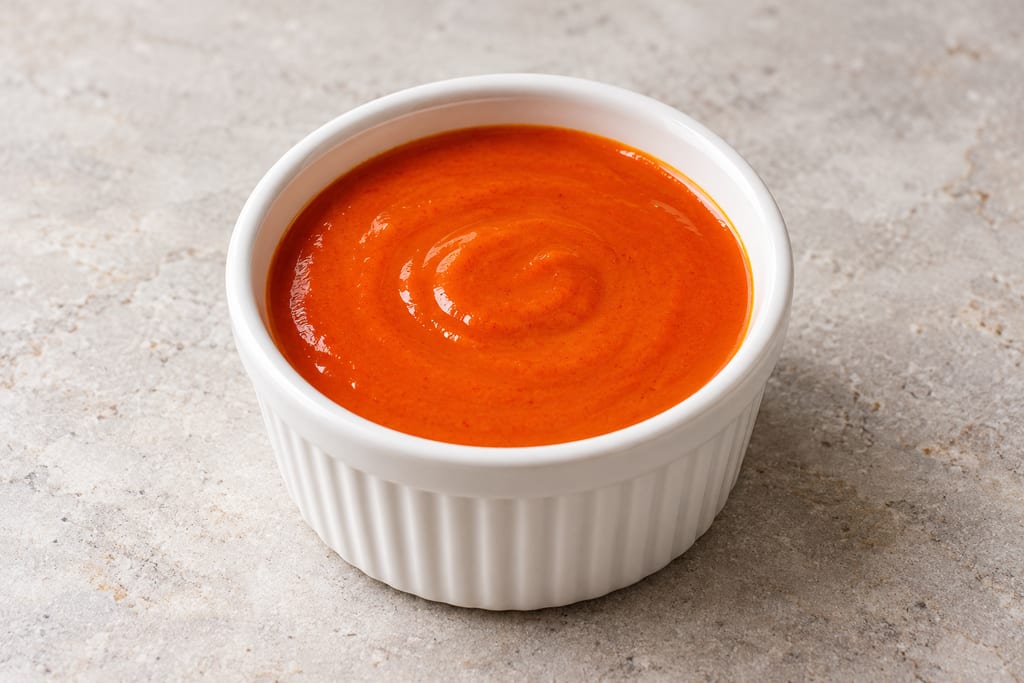
A warm, buttery cayenne sauce made by melting butter into a hot pepper sauce, first tossed onto fried chicken wings in Buffalo, New York.
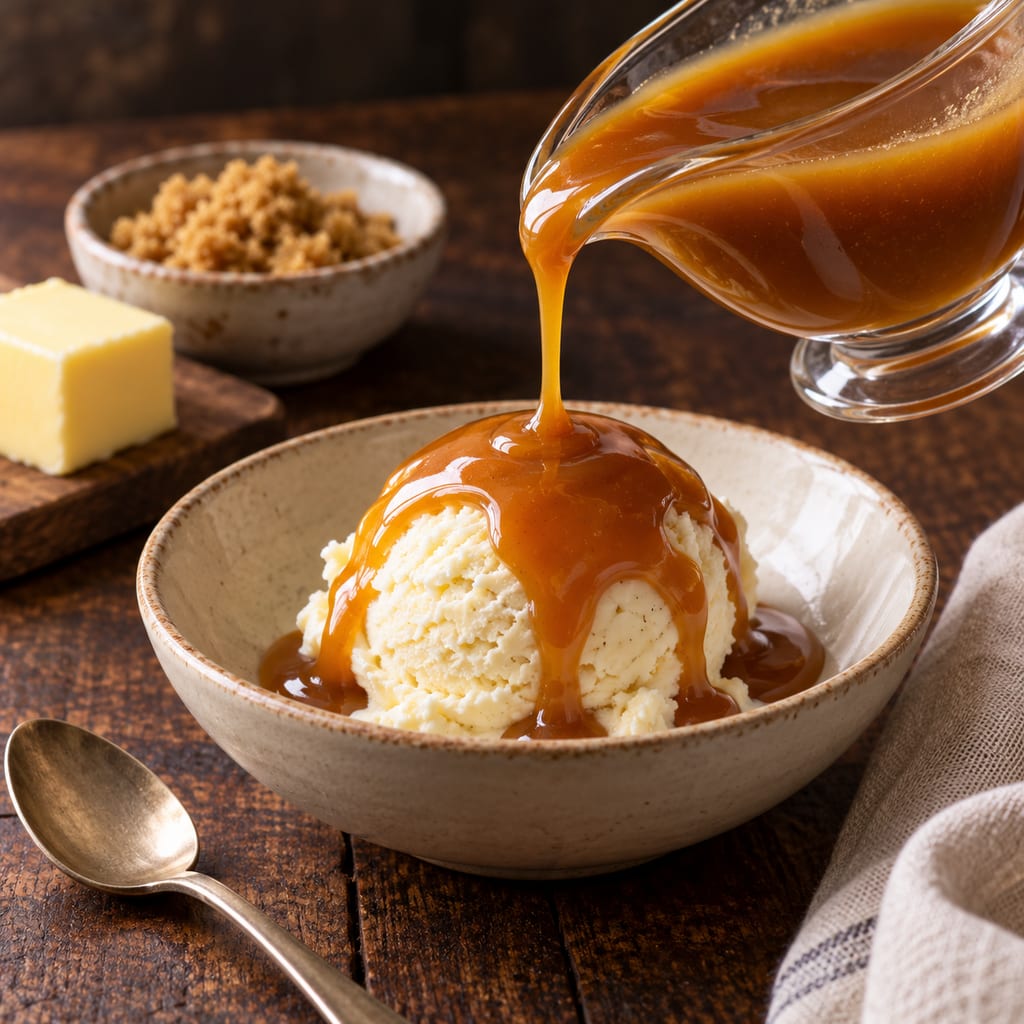
A pourable dessert sauce of brown sugar, butter and cream, with a little corn syrup and salt. It is the sauce form of the butterscotch confection and is made without water, unlike caramel.
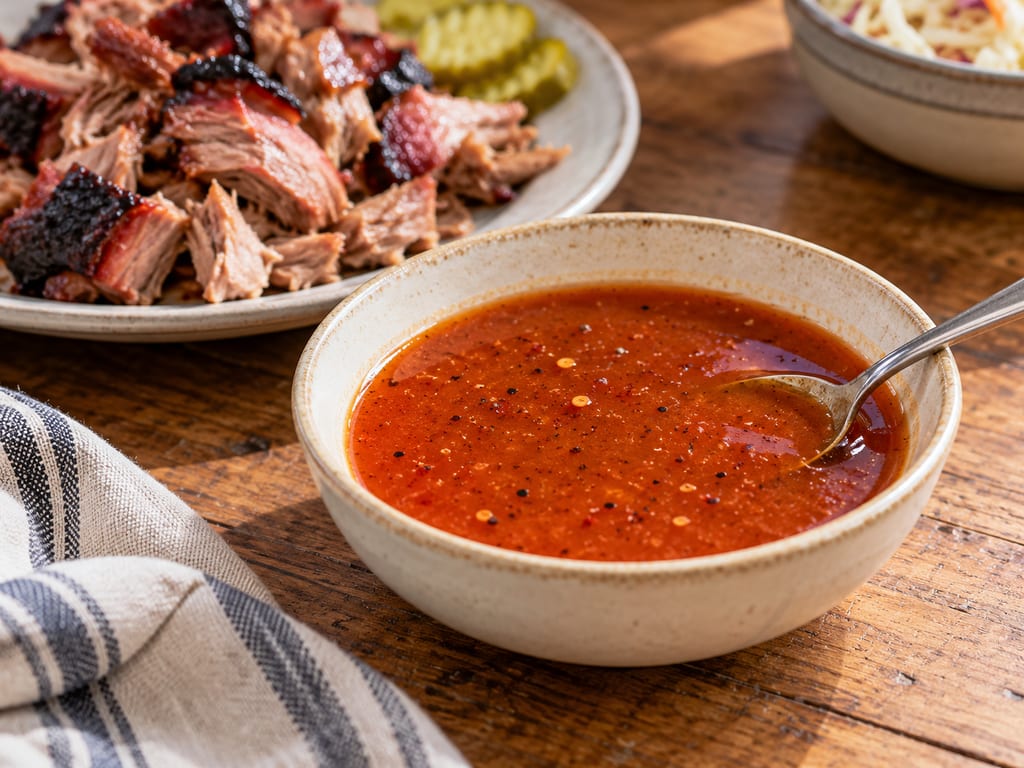
Light tomato barbecue sauce is a thin, sharp South Carolina sauce: a vinegar and pepper base with a small amount of ketchup, sitting between the clear vinegar sauce and the sweeter tomato sauces.
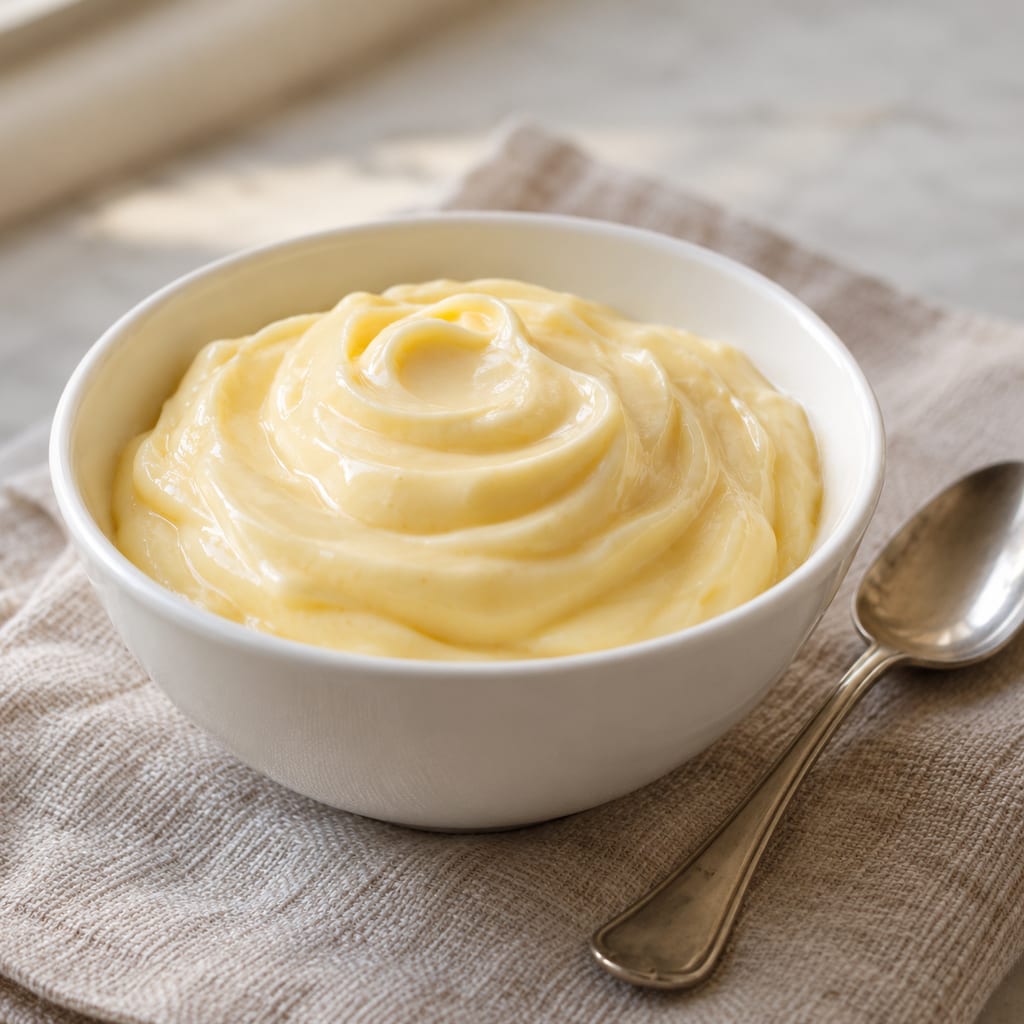
A cooked-yolk mayonnaise documented in the University of Tennessee Extension’s 2007 Egg University Handbook. The egg mixture is heated before oil is emulsified into it.
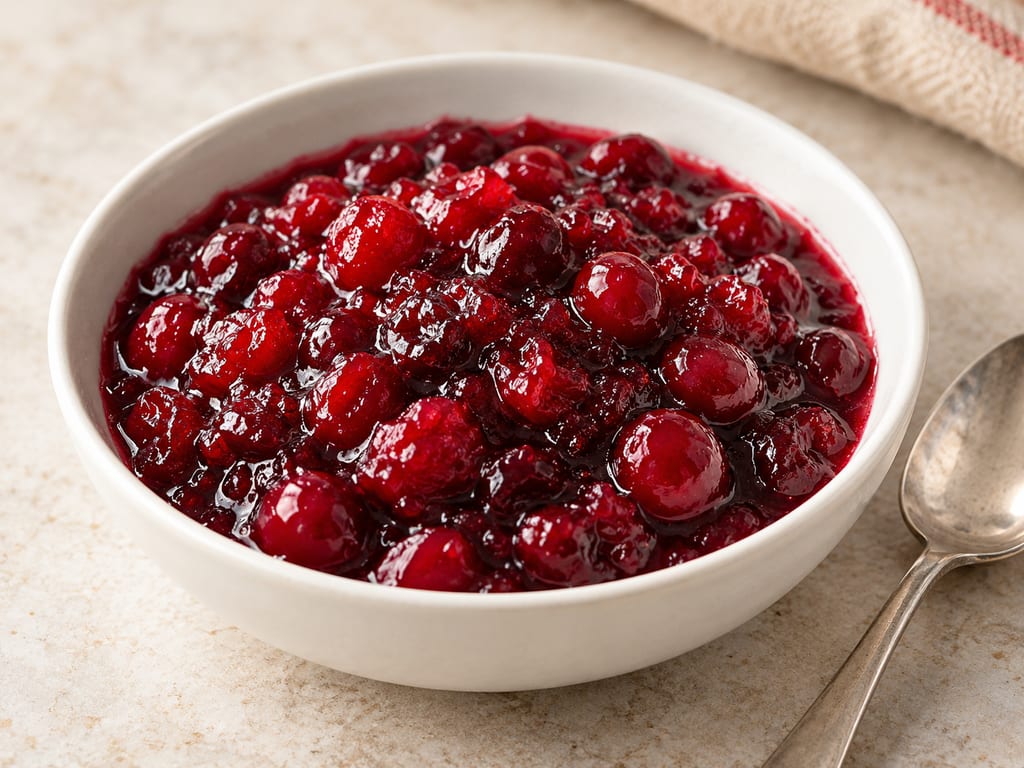
Cranberry sauce is a sauce of cranberries cooked in sugar syrup until the berries burst and thicken, served with roast turkey, pork, chicken and ham.
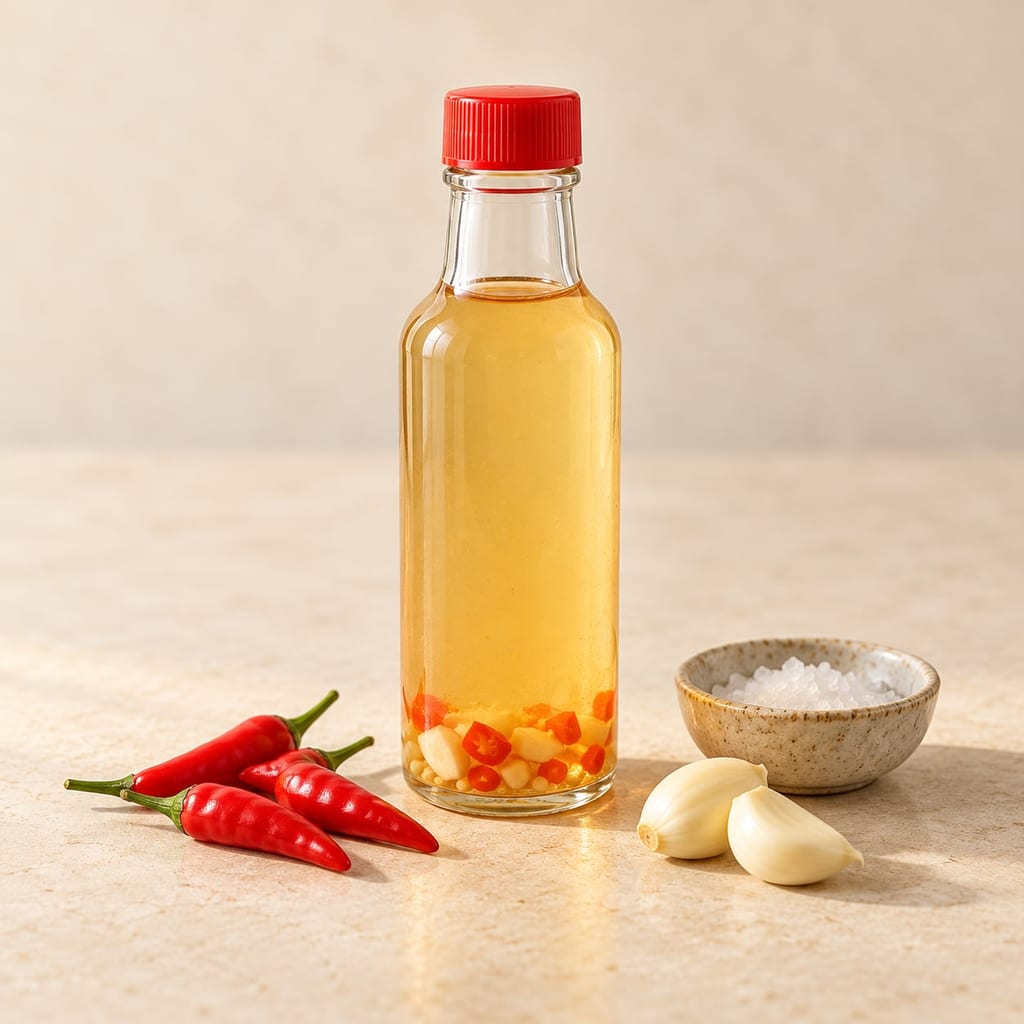
Hawaiian chili pepper water, or wai nīoi, is a thin condiment of small chillies steeped in salted water with vinegar and garlic. Hawaiian families use it as a table hot sauce.
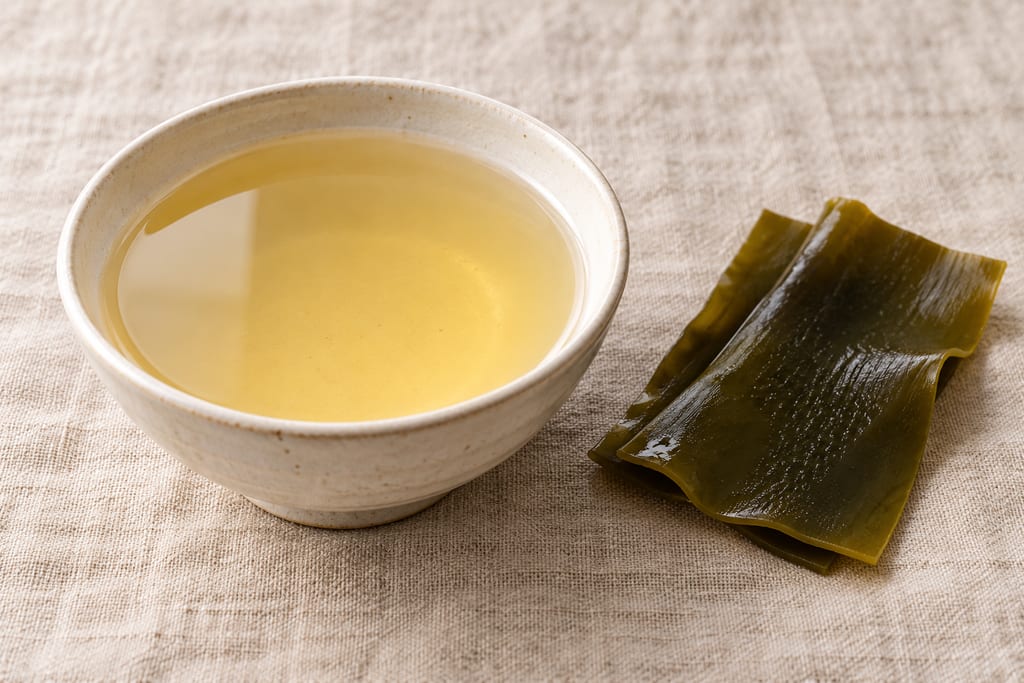
A clear Japanese broth made by gently extracting kombu’s savoury taste into water. Use it on its own for delicate dishes or as the kelp base for a separate bonito or dried-fish dashi.

Meat stock simmered, strained and reduced until a gelatin-rich mass sets, then dried into solid cakes that dissolve in water; a concentrated provision of the early modern naval period.
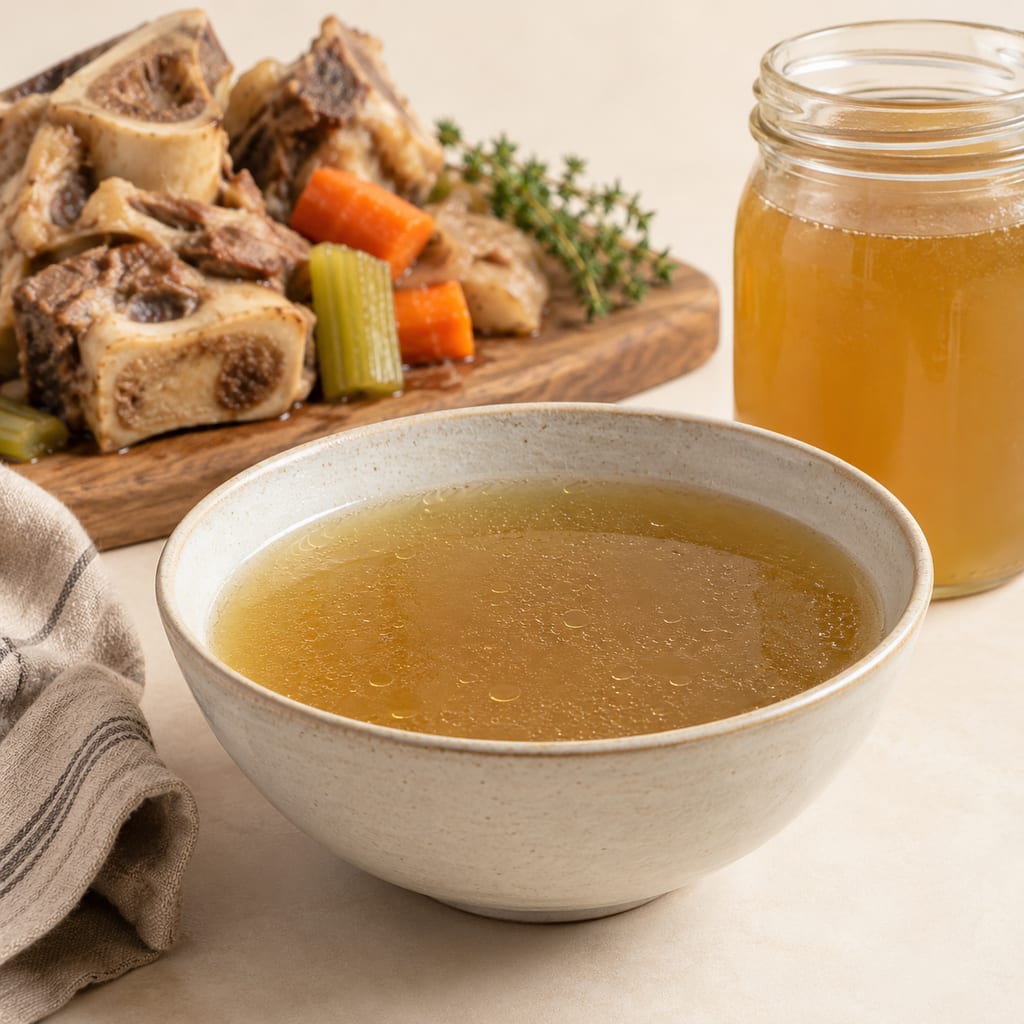
Bones and vegetables pressure cooked for four hours in an electric multicooker and strained into a broth. The gel strength the broth reaches is not established.
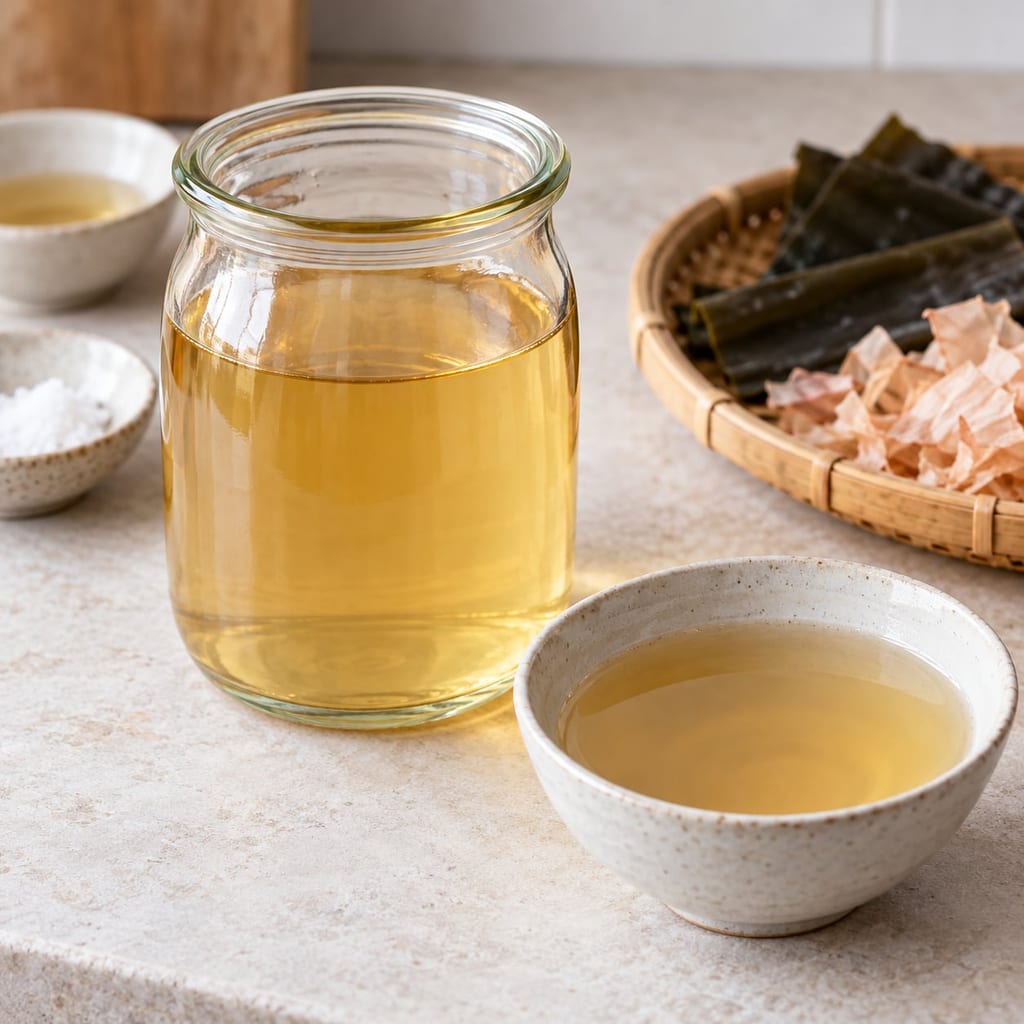
Shiro dashi is a pale Japanese seasoning stock of kombu and bonito dashi, light soy sauce, mirin and salt, used to flavour dishes without darkening them.

Soft, spreadable Calabrian pork sausage made with a great deal of red chilli and fatty pork, stuffed into natural casings, sometimes smoked and matured while staying soft.

A way to add independent temperature logging to an existing food dehydrator without changing its built-in controls or protections. It is a monitoring method, not a rewiring plan.

Pleurotus cystidiosus is the abalone mushroom, a cultivated oyster-type fungus with dark brown caps that grows more slowly and is more demanding than other Pleurotus species.

A dark, balanced vinegar from Emilia-Romagna made by combining cooked or concentrated grape must with wine vinegar, then acetifying and refining it in wood under a protected specification.

A living dairy inoculum that starts controlled cream fermentation, developing acidity and aroma before sour cream or cultured butter is finished.

A small electric incubator holds jars at a selected temperature for yogurt and other documented warm food preparations. Controls, capacity and vessel arrangement vary by model.

Adygean salt is a seasoned table salt associated with Adygea and the wider North Caucasian culinary tradition. Salt is blended with garlic and a variable selection of herbs and spices; the exact mix depends on the named style and maker.

The African Caesar-group mushroom, Amanita masasiensis, is a wild ectomycorrhizal species of central and southern African woodlands, eaten locally. The genus contains deadly poisonous species, so identification needs care.
No community contributions have been published for this entry yet.
Sign in to contribute. Published comments and photos are free to read.
Cooking Issues, the International Culinary Center's Tech 'N Stuff blogMethod · History · Science
Simple Agar Clarification: 1 Year Anniversary, Plus a Rundown of Current Clarification TechniquesGelatin freeze-thaw procedure; 5 g gelatin per kg; agar 2 g per kg; failure modes; agar variant; first non-traditional clarification technique; Dufresne for juices
Cited in: A modern route to a clear liquid; The procedure and what goes wrong; The agar variant