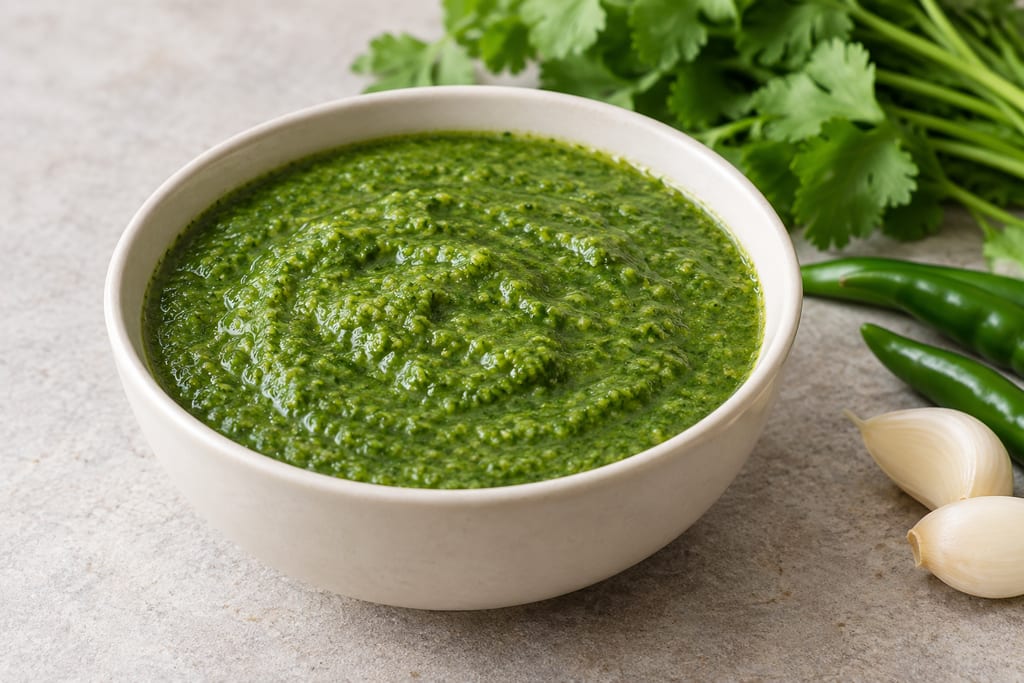
Afghan chutney (chatney)
Afghan coriander chatni is a sharp, hot herb sauce with garlic and vinegar. A 2008 Afghanistan manual records green or red pepper and optional walnut; heat and household versions vary.
 FermenteaWhere food goes to change
Wai nīoi · Chili pepper water · Wai nioi · Hawaiian pepper water
Hawaiian chili pepper water, or wai nīoi, is a thin condiment of small chillies steeped in salted water with vinegar and garlic. Hawaiian families use it as a table hot sauce.
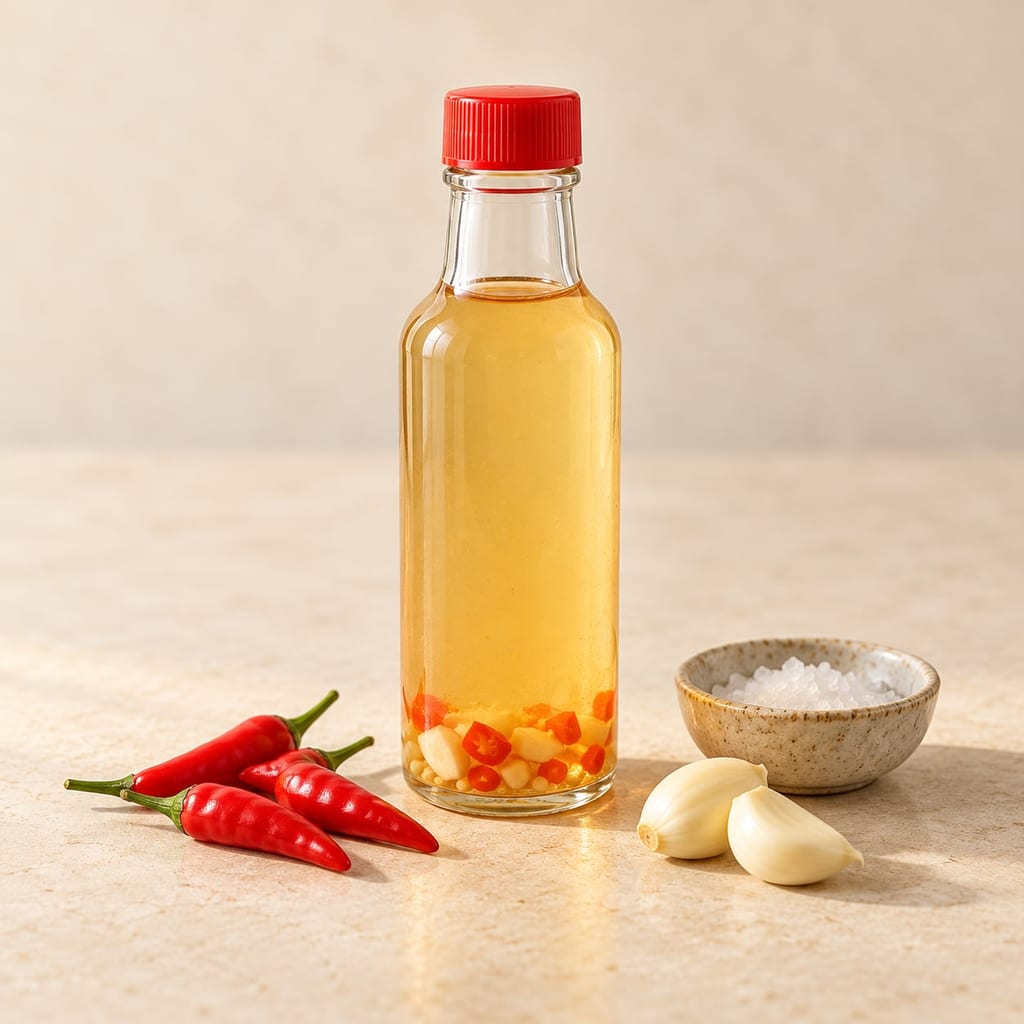
Hawaiian chili pepper water, called wai nīoi, is a light, liquid hot condiment. Small chillies are steeped in seasoned water, usually with vinegar and garlic, and the result is thin and clear rather than a thick mash. It is a table condiment, used the way a bottled hot sauce is used in other kitchens, but it is not a blended pepper sauce. The heat comes from the chillies and the salt, and the vinegar gives a sharp edge.
Wikipedia describes it as a condiment made from red chillies, salt and water, and gives its Hawaiian name. The Hawaiian chilli is the nīoi pepper, and other chillies can be substituted, as the cooks who write about the dish note. The liquid is therefore a family of preparations, and this page records the common core rather than one fixed formula.
Chillies are not native to the Hawaiian islands. They came from the Americas, and accounts differ on who brought them. One credits the Spanish-born agriculturalist Francisco de Paula Marín with introducing them in the early 1800s; that attribution is recorded as believed, not proven. Another says the peppers most likely arrived with Portuguese immigrants, and the sources do not settle the matter.
Native Hawaiians are reported to have used peppers mixed with water for skin conditions, under the name nīoi. That account is of medicinal use and is recorded as a report, not a documented practice with a date.
Portuguese immigrants are credited with using the peppers in island versions of piri piri sauce, and Japanese cooks used them to season pickled vegetables. The Honolulu Advertiser feature cited on Wikipedia notes that pickling vegetables in hot vinegar water is common in many cuisines, and that the way chilli water became a common condiment on Hawaiian tables is not clear.
The sources therefore support a blended picture: a condiment that grew out of several island kitchens, not one tradition with one author.
The method in the recipe source is short: chop the garlic and chillies finely, combine them with Hawaiian sea salt, vinegar and water in a pot, bring to a boil for one minute, cool and refrigerate. The source advises two to three days of standing before use, so the flavours of pepper and garlic can join the liquid.
The proportions in that source do not agree with one another. Its ingredient list gives two cups of water and two tablespoons of vinegar, but its method gives twelve ounces of water and two ounces of vinegar, and it lists four cloves of garlic where the method says three. A cook should taste and adjust, and should not treat either version as exact. Variants add ginger, soy sauce, sriracha, pineapple juice or rice vinegar, which the same author mentions as differences from her own version.
Chili pepper water is used as a hot sauce, poured onto food at the table. One account says Hawaiians typically use pepper water rather than hot sauce; the author learned of it from a relative who lives in Hawaii and sent a bottle.
Storage is the hardest question. The recipe source says the liquid lasts up to six months refrigerated, while the author's household found it lasted only a couple of weeks. Neither is a tested limit. The liquid is dilute and only lightly acidic, so it should not be assumed to keep like a commercial bottled hot sauce, and it should stay refrigerated. The sources give no pH and no validated shelf life, so the page records the conflict instead of choosing one number.
The origin of the liquid is not documented, and the date of the first recipe is unknown. The Wikipedia entry is a short article with some uncited sentences, and its sources are a 2006 article and the 2003 Honolulu Advertiser feature, which this page has not read directly.
The sources give no tested acidity, no tested storage time and no validated process for a commercial product. A reader who wants a shelf-stable product should look for a validated commercial process rather than rely on the home recipe.
Chili pepper water is a Hawaiian home condiment. Its peppers came from the Americas, and accounts credit Spanish, Portuguese and other introducers with bringing them to the islands. The exact history of the liquid is not documented.
Scaling: source batch only
The sources disagree: one recipe gives up to six months refrigerated, and the author's household kept it only a couple of weeks. No source tests the shelf life or the acidity.
Hazard sourceGarlic held in a liquid at room temperature carries a recognised botulism risk. This is general food-safety guidance and is not stated in the recipe sources.
Hazard sourceRefrigerate after cooling, and keep it refrigerated at all times
Control sourceDiscard if it looks, smells or tastes wrong, and do not rely on the longer shelf-life claims
Control sourceThis is a dilute, lightly acidic liquid. Do not assume it keeps like a bottled hot sauce.
Smell and taste are not reliable checks of a stored batch.
Named in Hawaii and described as a household condiment; the sources do not give one origin for the practice.
Afghan coriander chatni is a sharp, hot herb sauce with garlic and vinegar. A 2008 Afghanistan manual records green or red pepper and optional walnut; heat and household versions vary.
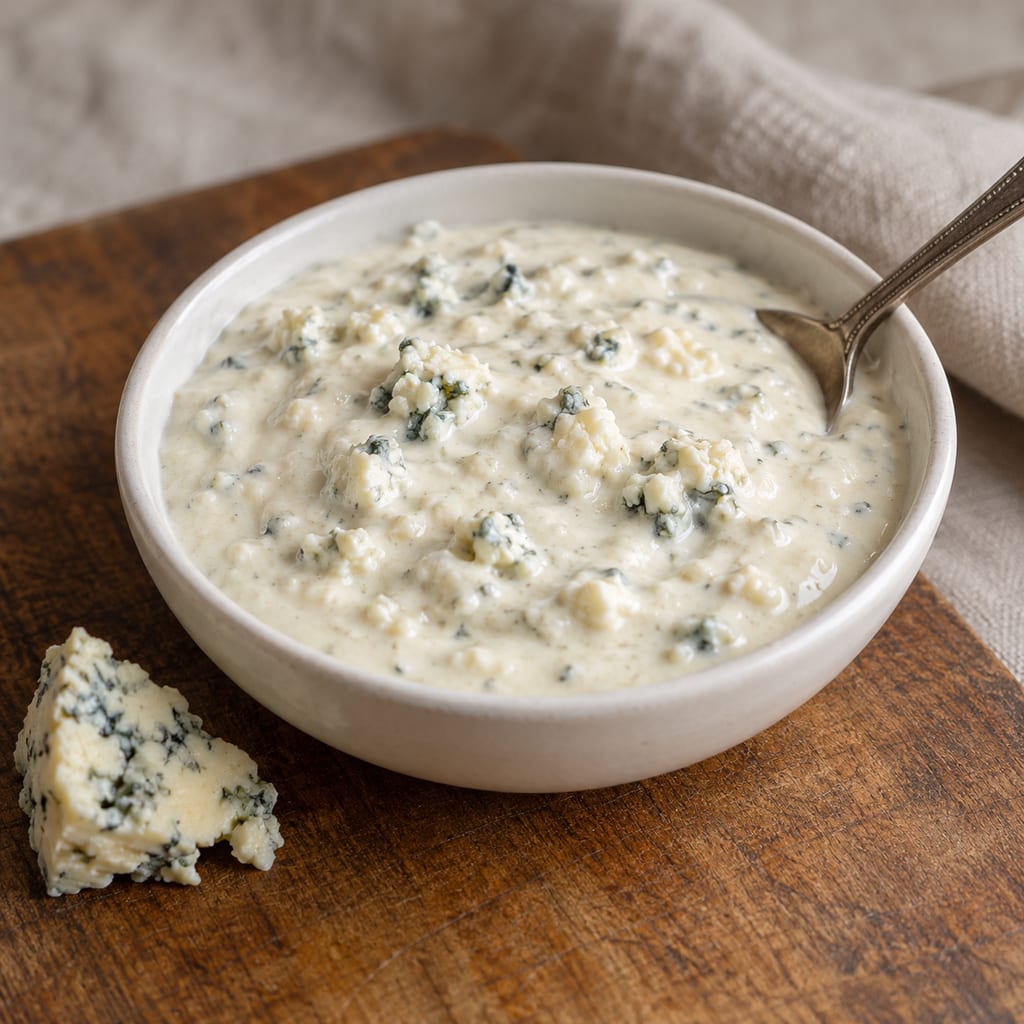
Blue cheese dressing is a creamy dressing built on crumbled blue cheese mashed into buttermilk, with sour cream, mayonnaise, vinegar and seasoning, and kept cold for up to two weeks.
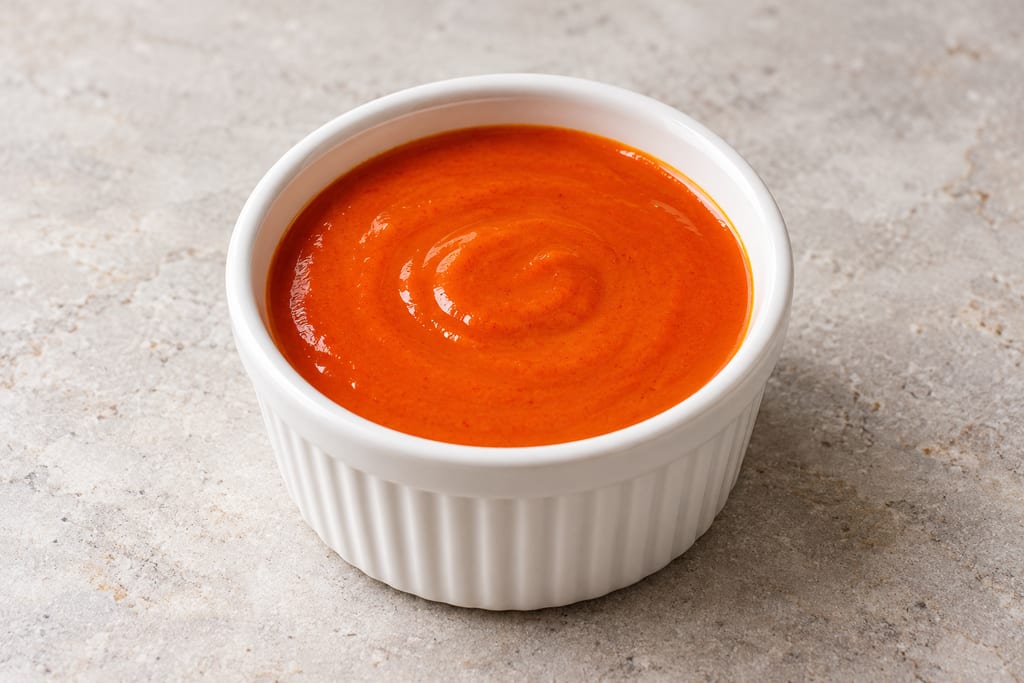
A warm, buttery cayenne sauce made by melting butter into a hot pepper sauce, first tossed onto fried chicken wings in Buffalo, New York.
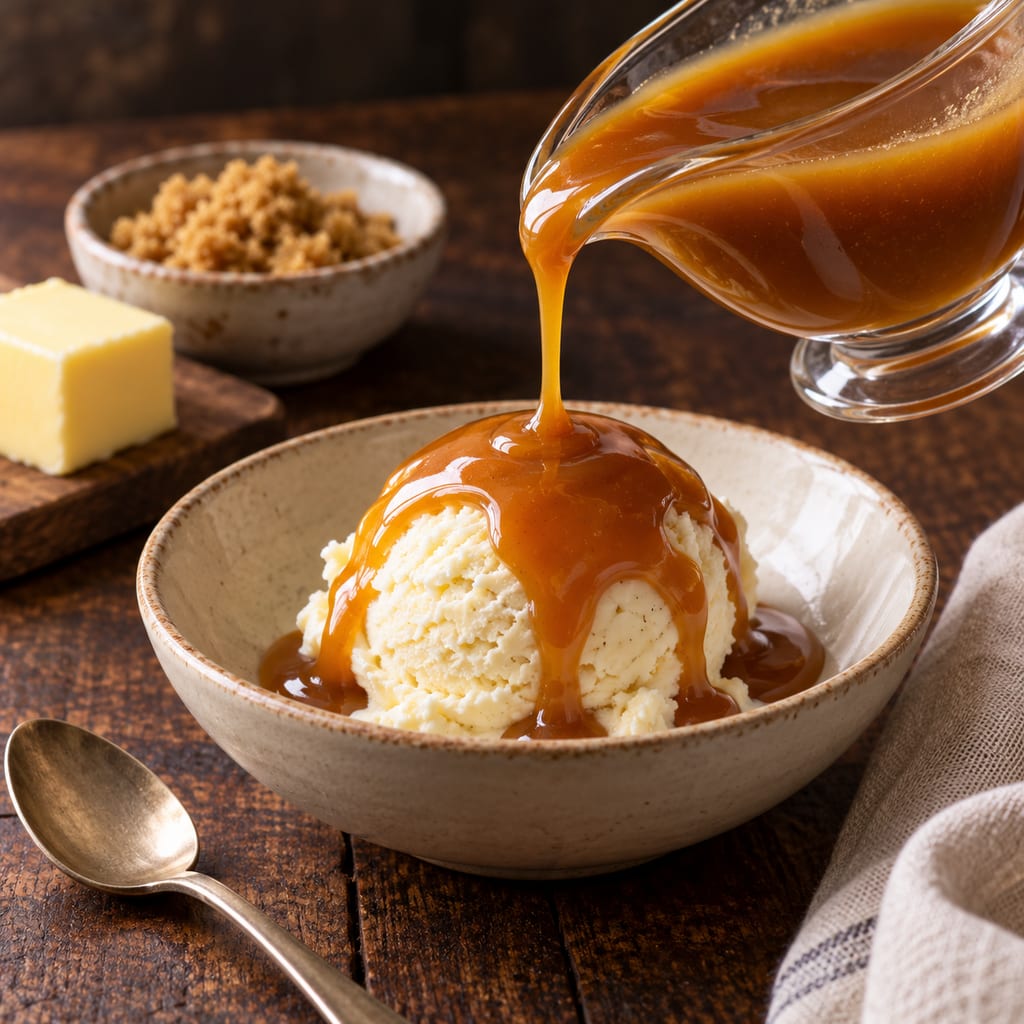
A pourable dessert sauce of brown sugar, butter and cream, with a little corn syrup and salt. It is the sauce form of the butterscotch confection and is made without water, unlike caramel.
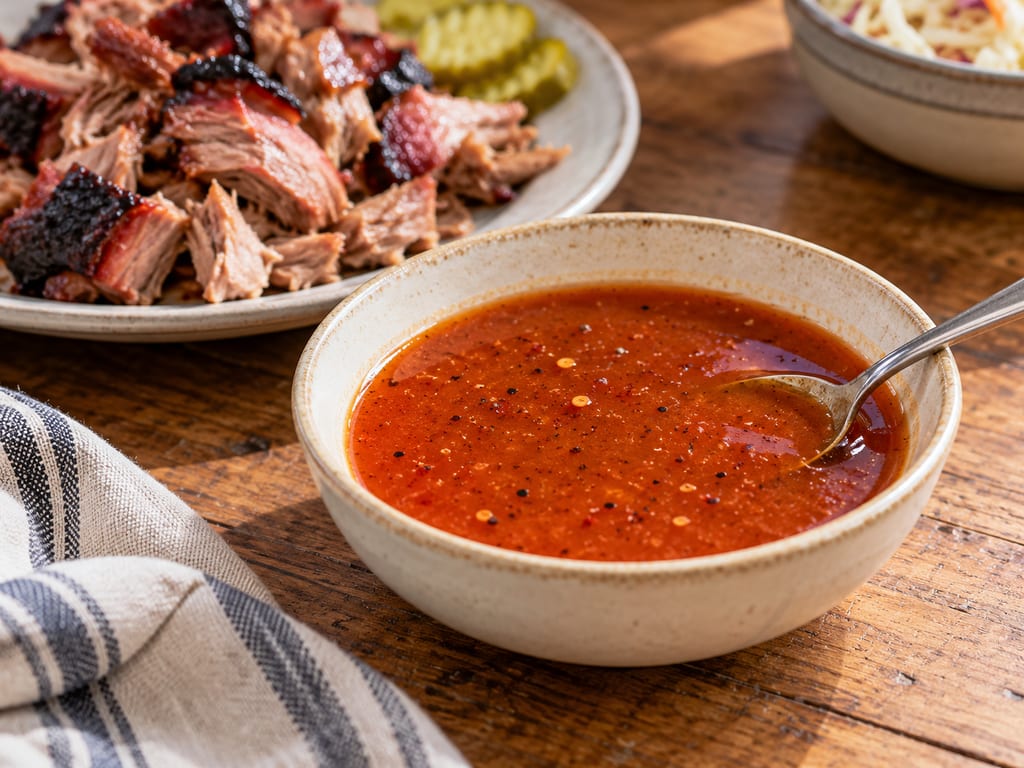
Light tomato barbecue sauce is a thin, sharp South Carolina sauce: a vinegar and pepper base with a small amount of ketchup, sitting between the clear vinegar sauce and the sweeter tomato sauces.
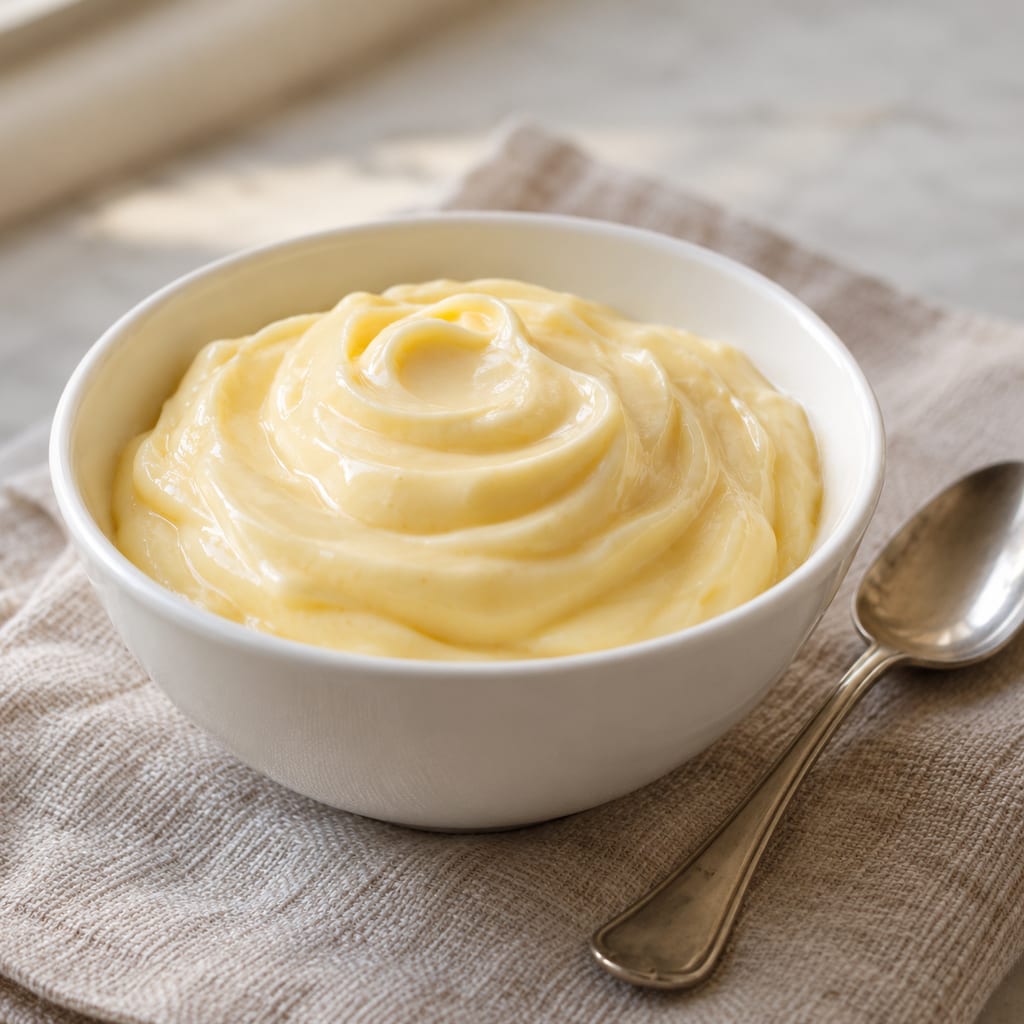
A cooked-yolk mayonnaise documented in the University of Tennessee Extension’s 2007 Egg University Handbook. The egg mixture is heated before oil is emulsified into it.
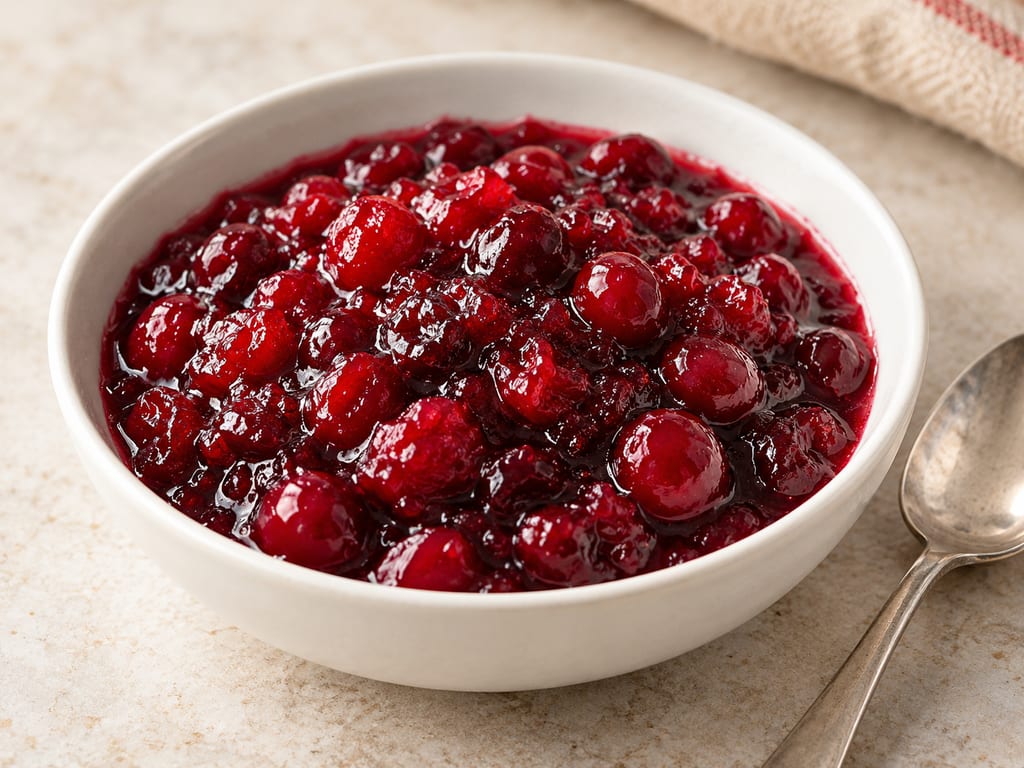
Cranberry sauce is a sauce of cranberries cooked in sugar syrup until the berries burst and thicken, served with roast turkey, pork, chicken and ham.
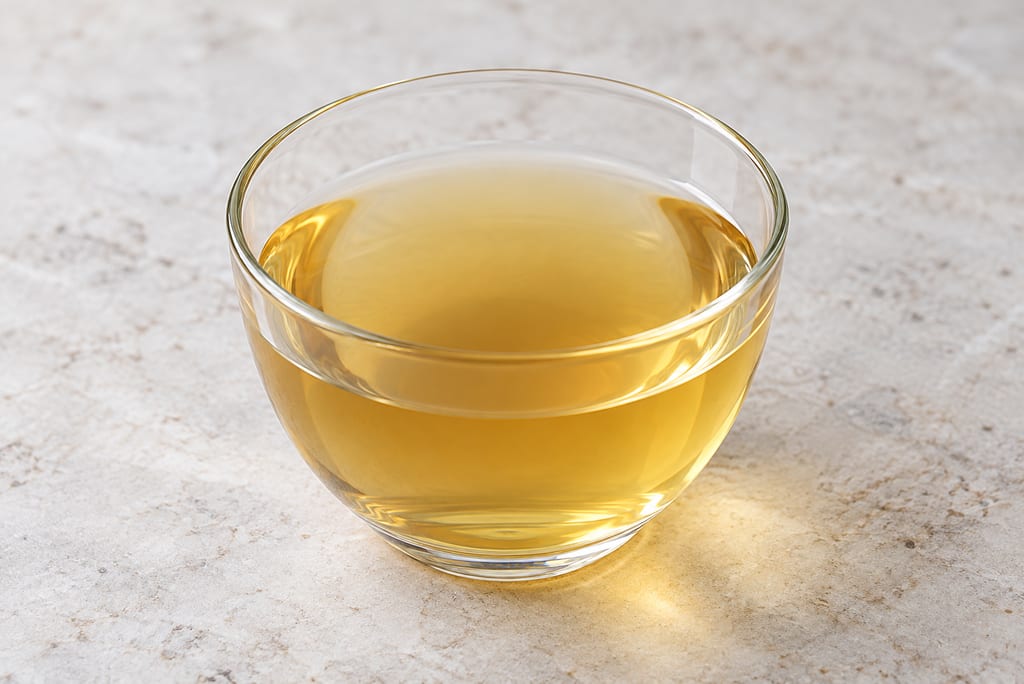
A liquid set with a little gelatin, frozen solid, then thawed through cloth in the refrigerator so that clear liquid drips out and the cloudy gel stays behind.
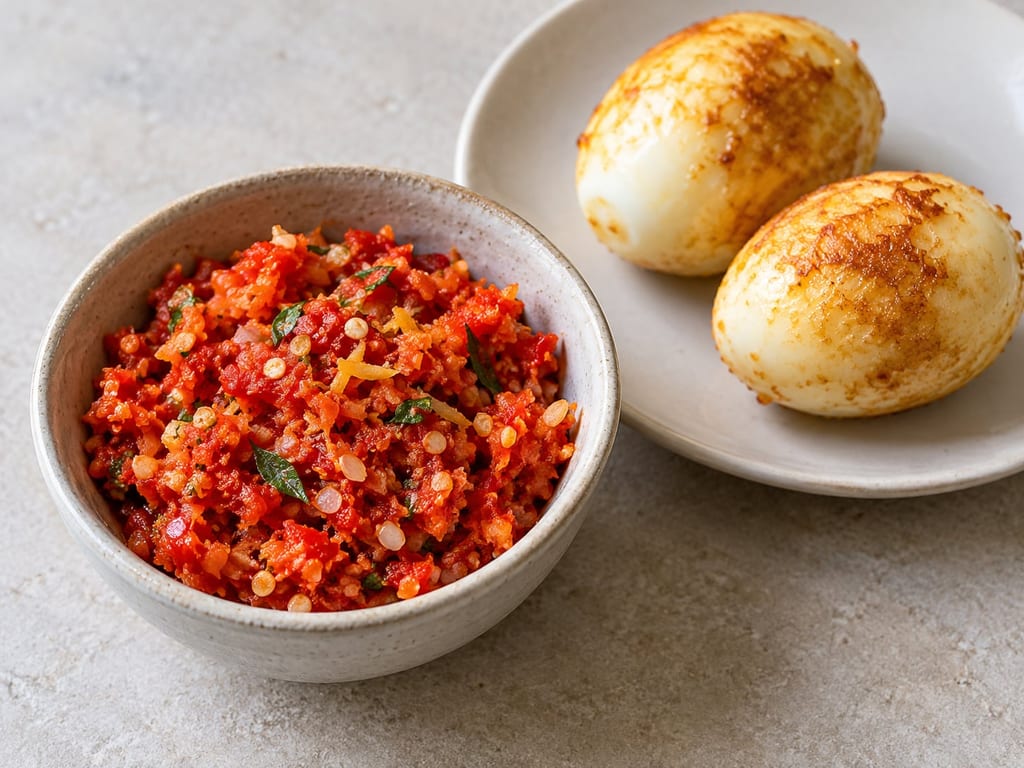
Ai-manas is described as a very hot chilli paste served with Timorese meals. One published version blends fresh chillies, shallots, garlic, Thai basil, ginger, lemon and salt, and serves it with eggs. Sources do not establish a standard formula, precise birthplace or earliest date.
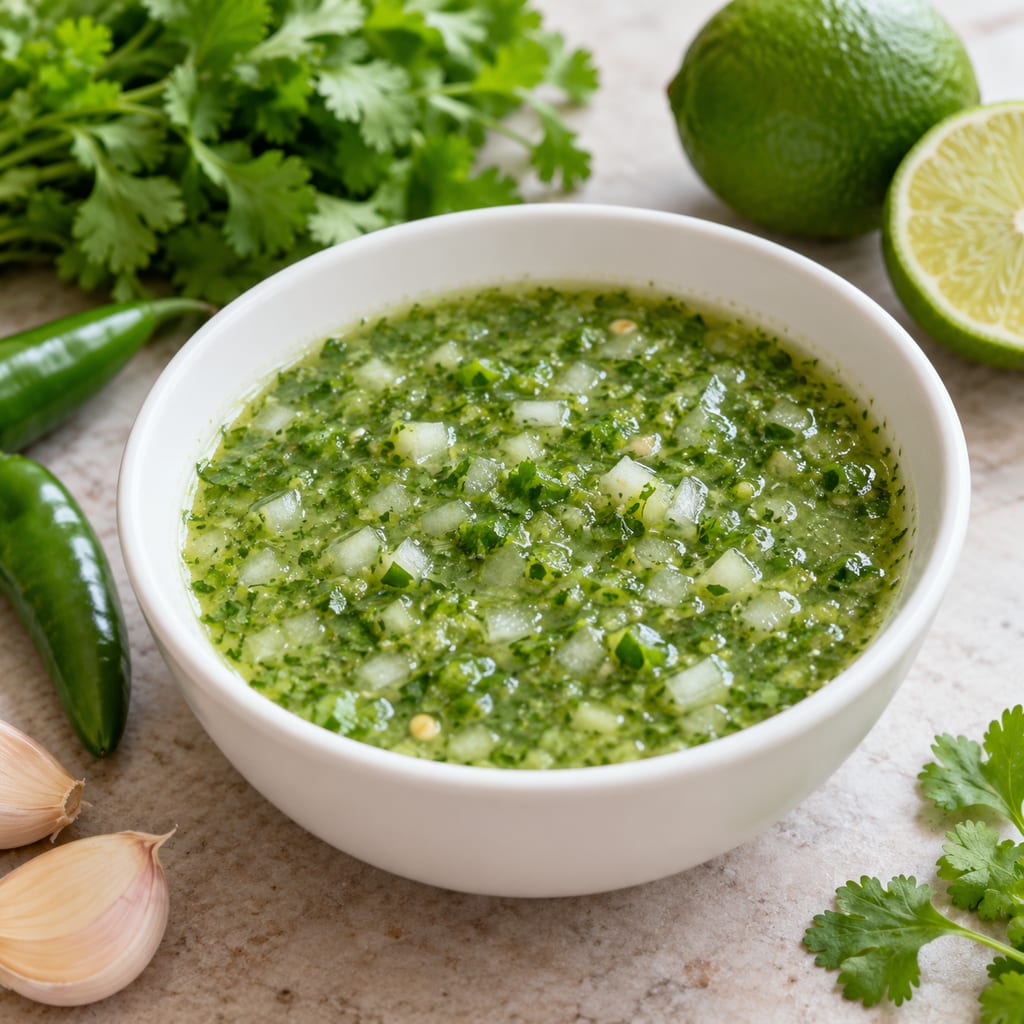
A fresh, uncooked Ecuadorian table sauce of hot pepper, cilantro, garlic and lime, served with most everyday dishes.
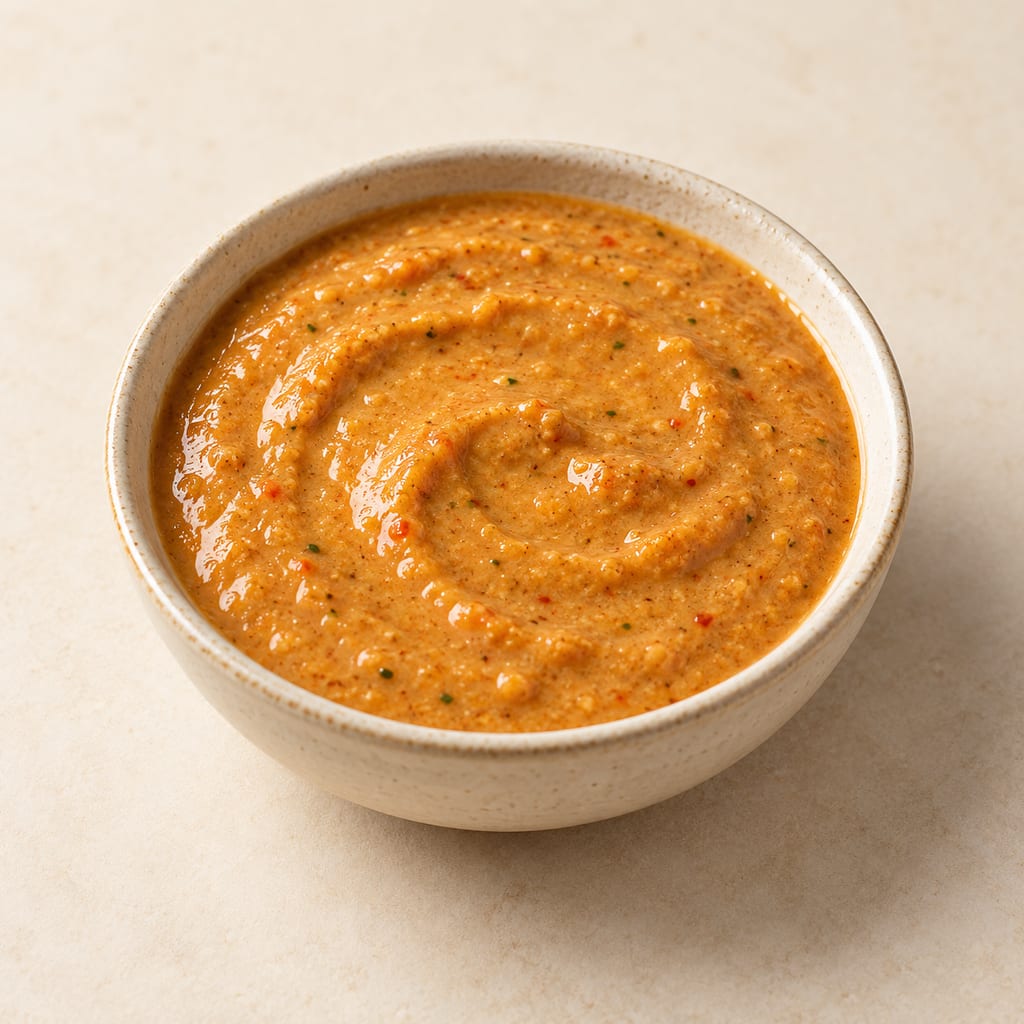
A spicy peanut hot sauce from the Popayán and Cauca region of Colombia, traditionally served with pipián empanadas and tamales.
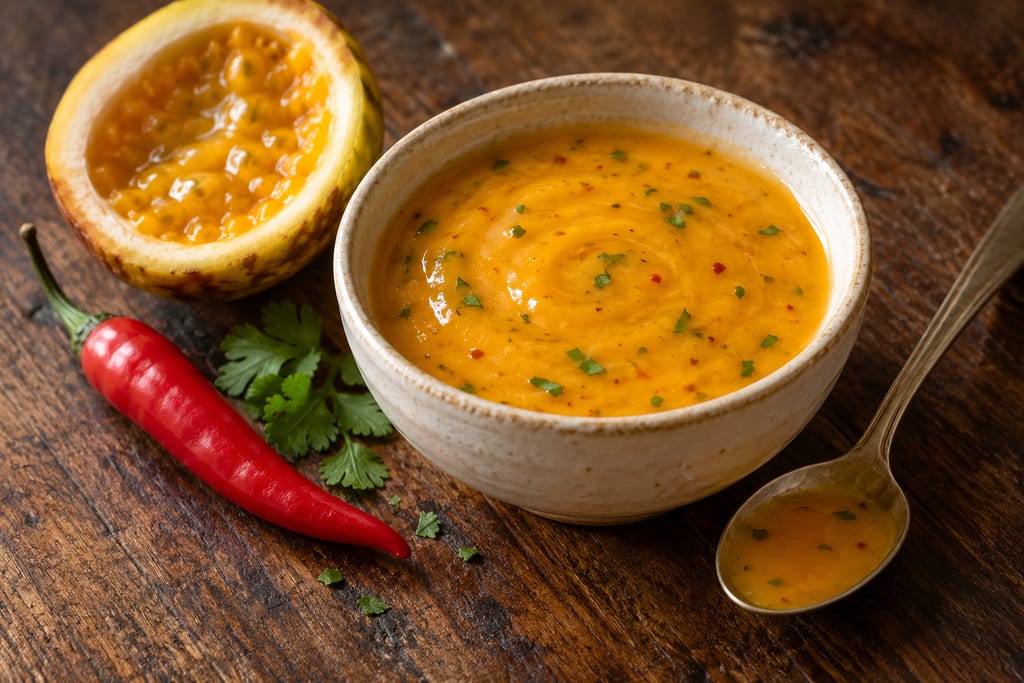
A contemporary Ecuadorian hot sauce that pairs passion fruit juice with boiled chile peppers, oil and lime.
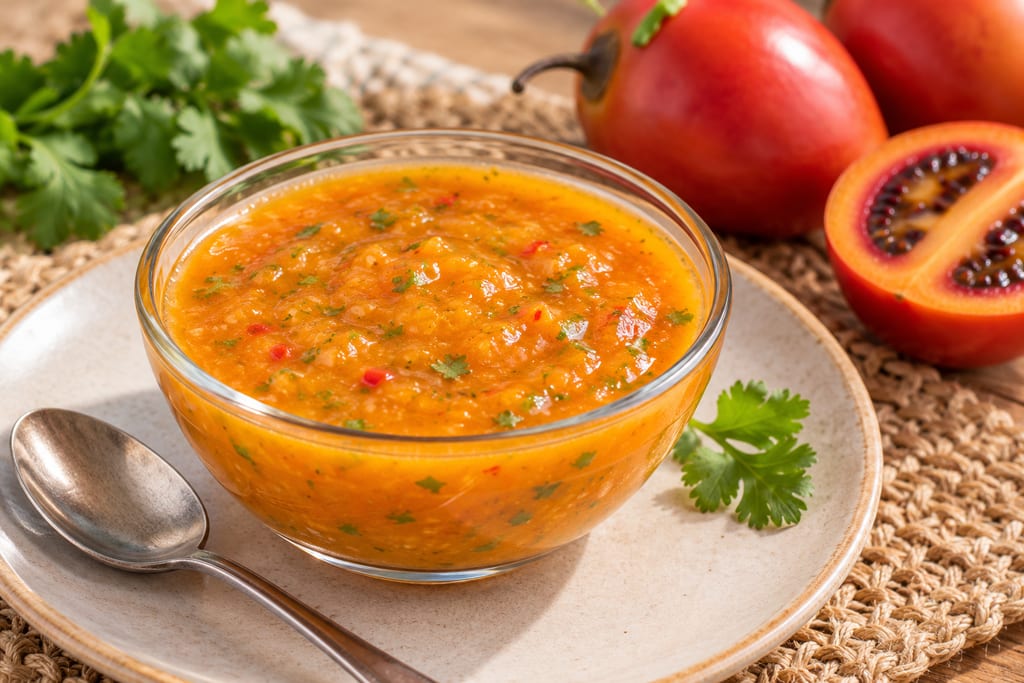
An Ecuadorian hot sauce built on tamarillo, a tart fruit that gives a sharper, fleshier base than ordinary tomato salsa.
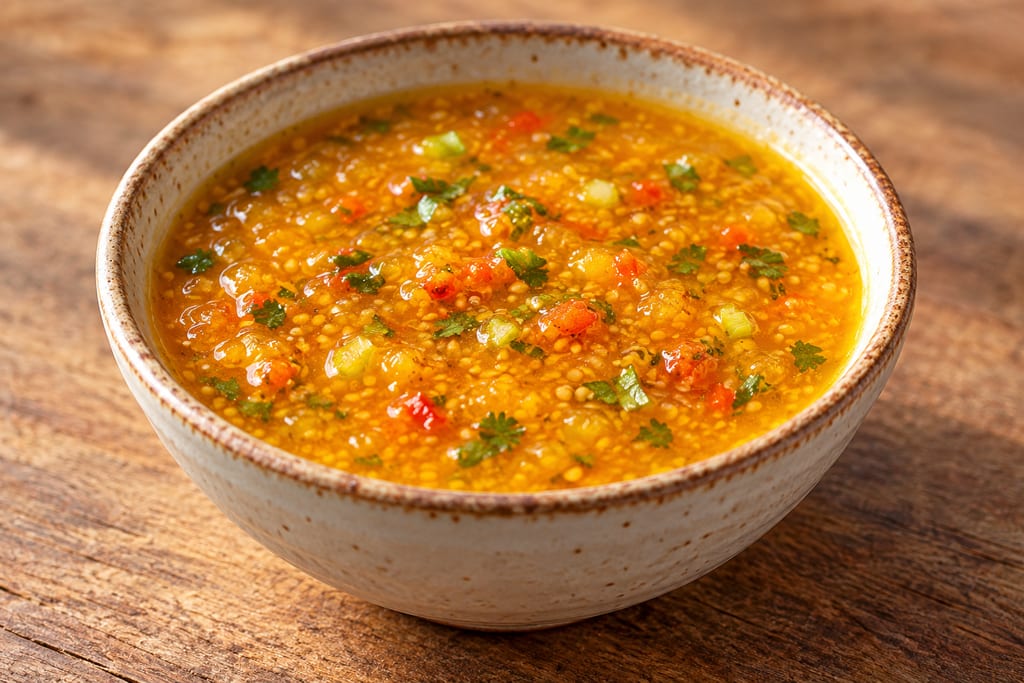
A sweet, tart and spicy Colombian sauce of uchuva, the yellow physalis fruit, with hot pepper, scallion, cilantro and lime.
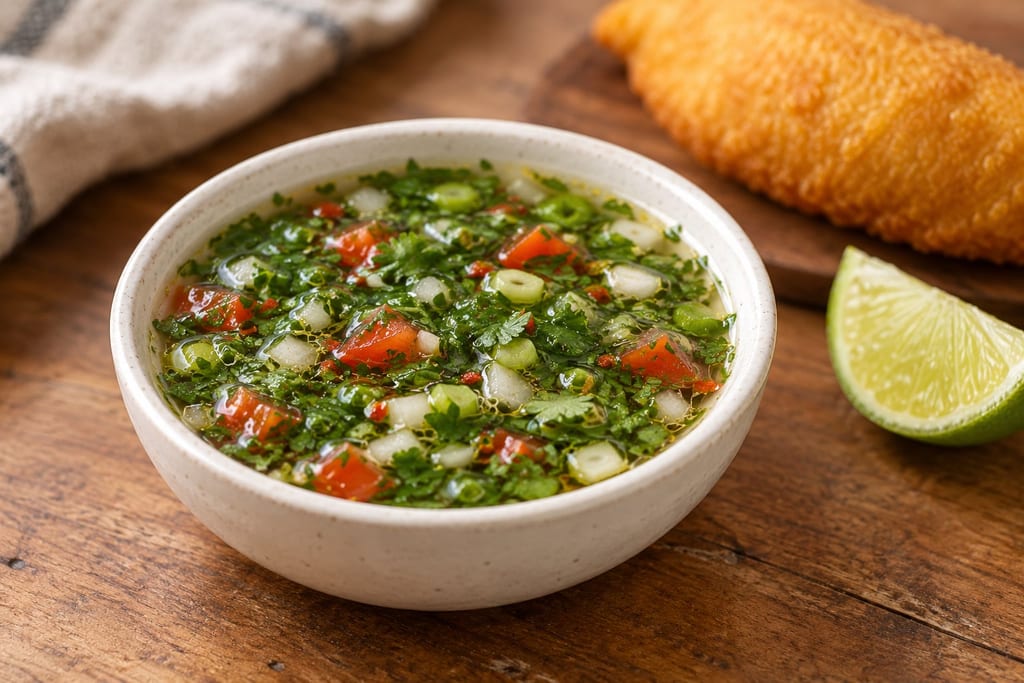
A fresh Colombian table condiment of chopped herbs, scallion and tomato in a vinegar and chile base, served beside fried and filled dishes.
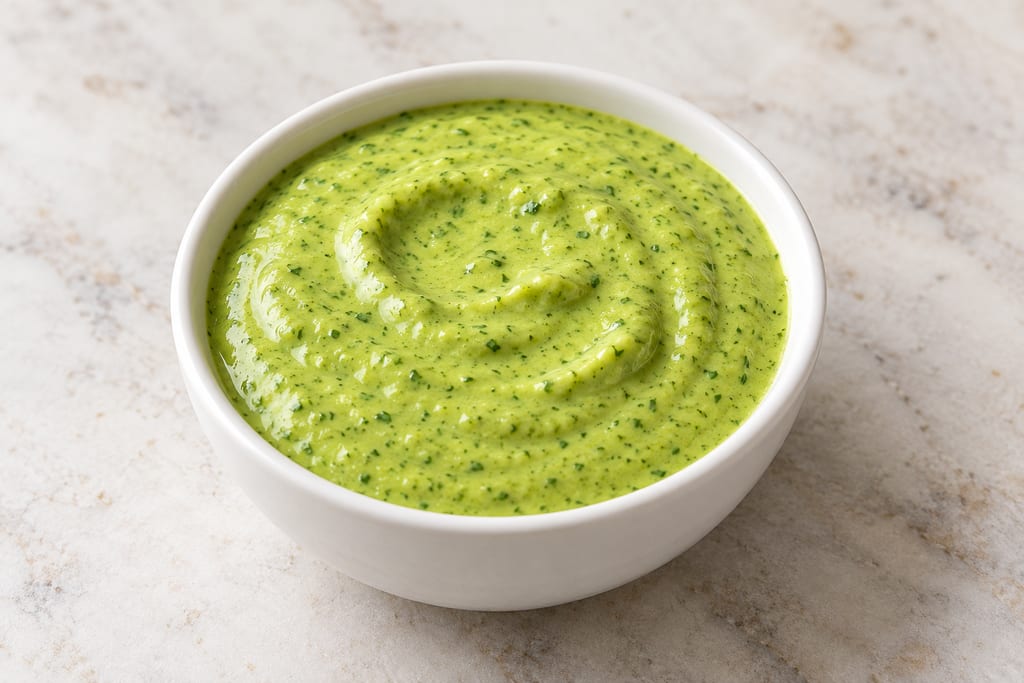
Ají verde is a Peruvian green sauce of coriander, chilli, onion and garlic in a mayonnaise or cheese base. It is best known through Peruvian restaurant cooking abroad.
No community contributions have been published for this entry yet.
Sign in to contribute. Published comments and photos are free to read.
WikipediaBackground · History
Chili pepper waterHawaiian name wai nīoi and the definition: chili, salt and water
Historically homemade in household kitchens and restaurants
Cites a 2003 Honolulu Advertiser feature by Wanda A. Adams
Cited in: A thin condiment from small chillies; The peppers and their introduction; Portuguese and Japanese kitchens; Eating it and how it is kept; What the sources leave open
A Fork's TaleMethod · History
Hawaiian Chili Pepper Water - Traditional Hawaiian CondimentIngredients: garlic, Hawaiian sea salt, vinegar, water and chillies
Boil one minute, cool, refrigerate, stand two to three days
Storage claims: up to six months in the recipe; a couple of weeks in the household
Hawaiians use pepper water rather than hot sauce
Cited in: A thin condiment from small chillies; Making the liquid; Eating it and how it is kept; What the sources leave open
Onolicious HawaiʻiHistory
Chili Pepper Water - Onolicious HawaiʻiSpanish agriculturalist Francisco de Paula Marín credited with introducing chilli peppers in the early 1800s, believed
Portuguese immigrant introduction and piri piri adaptation
Cited in: The peppers and their introduction; Portuguese and Japanese kitchens