
Rice koji
Rice koji is steamed white rice through which koji mold has grown. It carries the enzymes that turn rice starch into sugar, and it is the starting point of sake, sweet miso, amazake and shio koji.
 FermenteaWhere food goes to change
Modern method
Cooked-bean koji garum is a dark liquid seasoning made from soft-cooked beans, rice koji, salt and water. A long warm hold lets koji enzymes break down the mash.
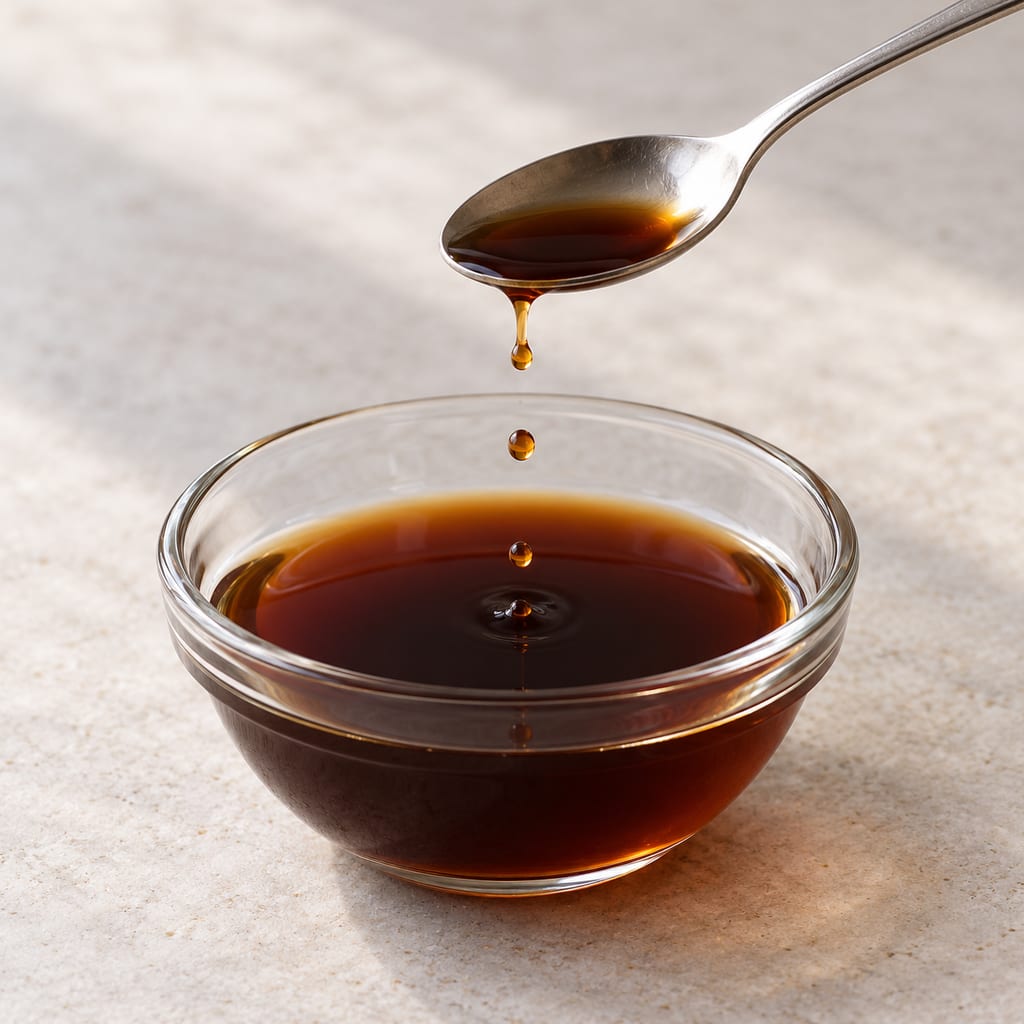
Cooked-bean koji garum is a contemporary, plant-based liquid seasoning in the modern family of koji-driven garums. The source method names cooked legumes as one possible substrate, but does not name a bean species or document a local tradition for this exact version. The recipe is therefore best read as one defined modern adaptation, not as a regional bean sauce with an established vernacular history. Its name connects it to garum by culinary analogy: both are savory liquids made by breaking down a protein-bearing substrate, but their ingredients and mechanisms differ.
The quick method specifies 400 g cooked legume, 250 g rice koji, 250 g water and 100 g salt for a one-kilogram mash. It gives a warm hold of 55–60°C for two to six weeks, followed by straining. The source calls the outcome a dark, glutamate-rich seasoning, but gives no bean-specific finished yield or sensory description. Neither the exact bean nor a particular colour, aroma or viscosity can be promised from the available evidence.
Ancient garum was a fish condiment. In Book 31 of Natural History, Pliny the Elder describes a salted liquid made from fish intestines and other parts, discusses varieties and production centres, and treats garum as a prized seasoning. The archaeological and textual record is diverse: names such as garum and liquamen are contested, and specialists warn against flattening all ancient fish sauces into one recipe or one stable category. That history gives context for the modern name but does not make a cooked-bean sauce an ancient continuation of the fish process.
Modern chefs and food researchers have extended the word to liquids made from plants, fungi, insects and meat, often with koji supplying enzymes that fish guts supplied in older fish sauces. This is a modern culinary reinterpretation. The particular quick-bean formula is documented by a modern recipe source, which supplies the substrate choices and timings but identifies no country, community, or first maker. Its supported geographic attribution is therefore unknown; a modern recipe’s publication location would not establish the food’s birthplace.
Rice koji is rice on which a koji mould has been grown. The mould produces enzymes, including proteases that cut proteins into smaller peptides and amino acids; amino acids such as glutamate contribute savory taste. Research on koji in soy-sauce production describes a broader enzyme set, including peptidases and enzymes that act on starch. These studies explain what koji enzymes can do in their tested systems, not a measured composition or yield for this cooked-bean batch.
The quick-garum method relies primarily on enzyme action during the warm hold. It is not accurate to describe the 55–60°C stage as the mould actively growing: at such temperatures the process source itself frames the work as enzyme-driven, and Noma describes its comparable 60°C method as precluding microbial activity while accelerating enzymatic reactions. The recipe therefore should not be confused with a room-temperature bean fermentation, a long-aged miso, or a lactic-acid ferment. It does not acquire an acid profile simply by sitting for weeks.
Heat, salt and time are part of the source’s formulation, but the exact roles cannot be separated experimentally from the recipe page alone. The warm condition supports rapid enzyme action; salt seasons the mash and affects its environment; blending brings the ingredients together; periodic mixing redistributes solids; and cloth straining separates liquid from spent material. These are descriptions of the documented method, not independently validated process controls.
The beans are cooked before weighing. The recipe calls for 400 g of cooked legumes, not 400 g dry beans, so the water absorbed during cooking is part of the substrate as used. The source leaves species open; it does not establish that chickpeas, fava beans, soybeans, or another bean will give the same texture, enzyme access, yield or taste. Use of one named variety would be an adaptation, not a detail supplied by this recipe.
Rice koji contributes the enzyme-bearing material. Water makes the ingredients blend into a pourable slurry, while salt is measured by weight with the rest of the batch. The recipe’s 100 g salt in a total 1,000 g formula is a 10% share of total mash weight. This figure belongs to this particular quick-garum formula; the companion amino-paste page gives different salt and time ranges for other preparations. Those values should not be combined into a new universal ratio.
No additional seasoning, aromatic, acid, oil or starter culture is specified. Adding one would create a variation and could alter the mash; the available recipe does not document how such additions affect this process. The method also does not specify bean cultivar, cooking-water handling, salt type, or a sensory test for completion.
The source batch is weighed and blended into a pourable slurry, then put in a jar or bag for a steady warm hold. It calls for stirring or massaging every few days and gives a two-to-six-week window. After straining through cloth, it directs refrigeration or freezing. No finished yield is measured, so the recipe does not promise a volume of sauce. A different vessel or batch size is not covered by the documented yield data.
The second source’s general amino-paste method gives a separate one-to-four-week range and a different salt range. Those figures describe its broader method, not a correction to the specific quick-garum formula. The source also discusses other substrates, but it provides no bean-species trial that would let a cook predict which bean breaks down most fully or when this particular mash is finished. The stated time window is thus the source’s recipe range, not a validated readiness test.
Most importantly, these pages do not provide a validated safety study for this exact cooked-bean mixture. They do not establish a critical endpoint, shelf stability, or a tested storage life. The recipe’s refrigeration-or-freezing instruction after straining is retained, and the sauce must not be treated as canned or shelf-stable. A related source’s discussion of its own formulation or of fish garum cannot validate this bean recipe; fish-specific safety guidance is likewise not a substitute for a bean-process validation.
The quick-garum page places cooked legumes beside mushroom, meat and shrimp-shell substrates and names yellow-pea garum as another use of the same broad build. These are neighbouring adaptations, not interchangeable identities: substrate changes affect protein, water and solids, and the source does not claim that one finished liquid represents all of them. The recipe family on this site keeps those subjects separate where they have their own records.
Contemporary cooks have also used koji to make plant-based sauces with other ingredients. Noma describes experiments with peas and other plant matter, and notes that plant-based garums may need a shorter warm period than animal-protein versions in its practice. That observation is not an instruction to alter this bean recipe: its two-to-six-week window is the stated source range, and the exact beans remain unspecified.
No named regional bean-garum tradition, historical bean variant, or locally distinctive seasoning is documented in the sources consulted. The honest variation here is the source’s open choice of cooked legume substrate. A specific bean, seasoning, temperature, or maturation period should be presented as its own adaptation only when a source documents it.
Garum is used as a concentrated seasoning rather than as a bowlful condiment. Pliny’s account places ancient fish garum among table seasonings; modern producers describe their garums as savory liquids used to deepen other foods. For the bean version, this supports a restrained seasoning role in cooking, but not a traditional dish pairing or cultural occasion. None is named in the recipe source.
The plant base makes this version distinct from fish sauce in its ingredient identity, but the sources do not document a specific allergy profile, dietary certification, or guarantee about cross-contact. Rice koji may be made from rice, while the recipe’s bean species is unspecified; cooks should consult the ingredients used in their own koji and beans rather than infer labels or allergen status from the title.
This is a modern cooked-legume adaptation of the contemporary koji-garum category. Ancient garum was a fish-derived seasoning, and the term’s historical use is more varied than one universal formula. The specific cooked-bean method is documented as a modern recipe; its bean species, birthplace and regional tradition are not supplied. Its warm hold is described as enzyme-driven rather than as active growth of koji mould.
Scaling: source batch only
The sauce is not an acid ferment, and the warm enzyme process has not been validated as a botulism control.
Hazard sourceDo not can the sauce; refrigerate at 2–4°C or freeze it after straining.
Control sourceThis low-acid bean sauce is perishable. The warm hold has not been validated as a botulism control; do not can it, and refrigerate or freeze the strained liquid.
No humidity limit is supplied by source.
The source names cooked legumes as a substrate but gives no place of origin for this bean version.
Rice koji is steamed white rice through which koji mold has grown. It carries the enzymes that turn rice starch into sugar, and it is the starting point of sake, sweet miso, amazake and shio koji.
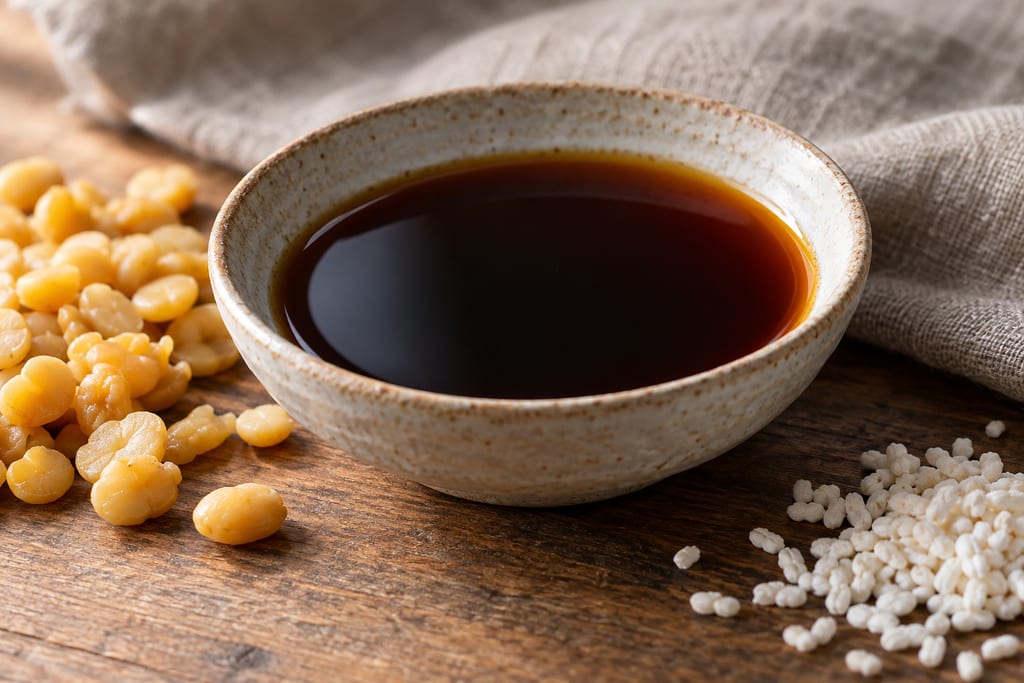
Yellow-pea koji garum is a dark liquid seasoning made by holding cooked split peas with rice koji, salt and water while the koji enzymes break down the mash.
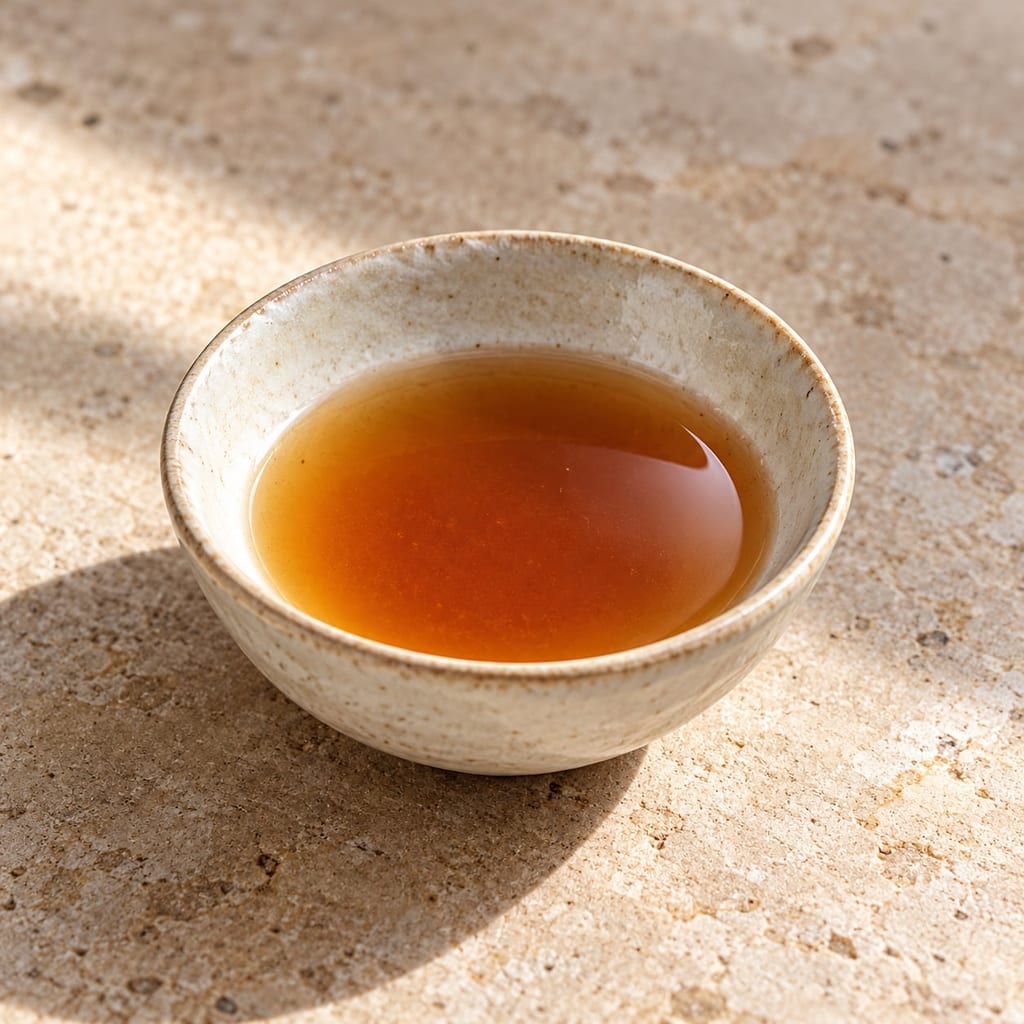
Chef Alex Perry makes this modern shrimp garum from Gulf white shrimp heads and shells, koji, water and salt. He holds the mash at 60°C for two months, then strains the liquid for use as a seasoning.
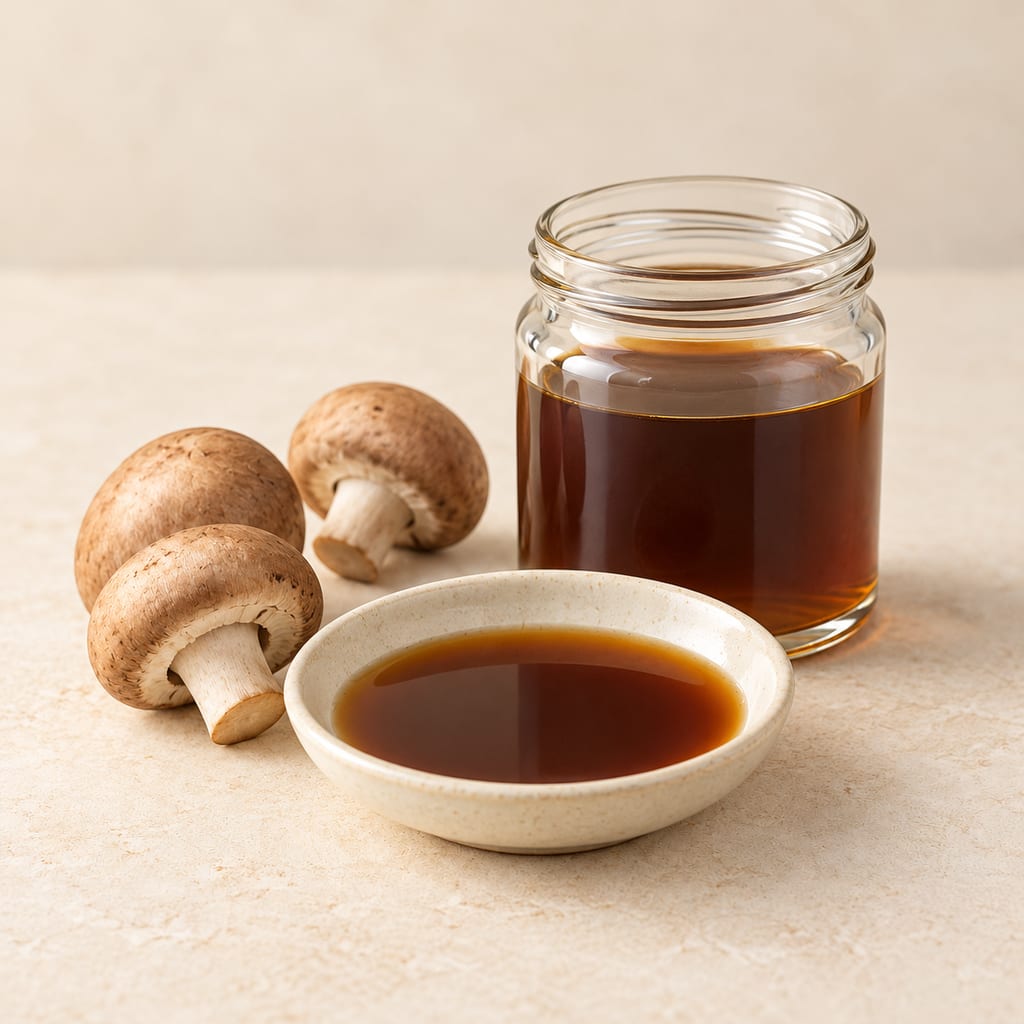
Mushroom garum turns mushrooms, rice koji, salt and water into a dark savoury seasoning. A sustained warm hold lets koji enzymes break down the mixture before straining.
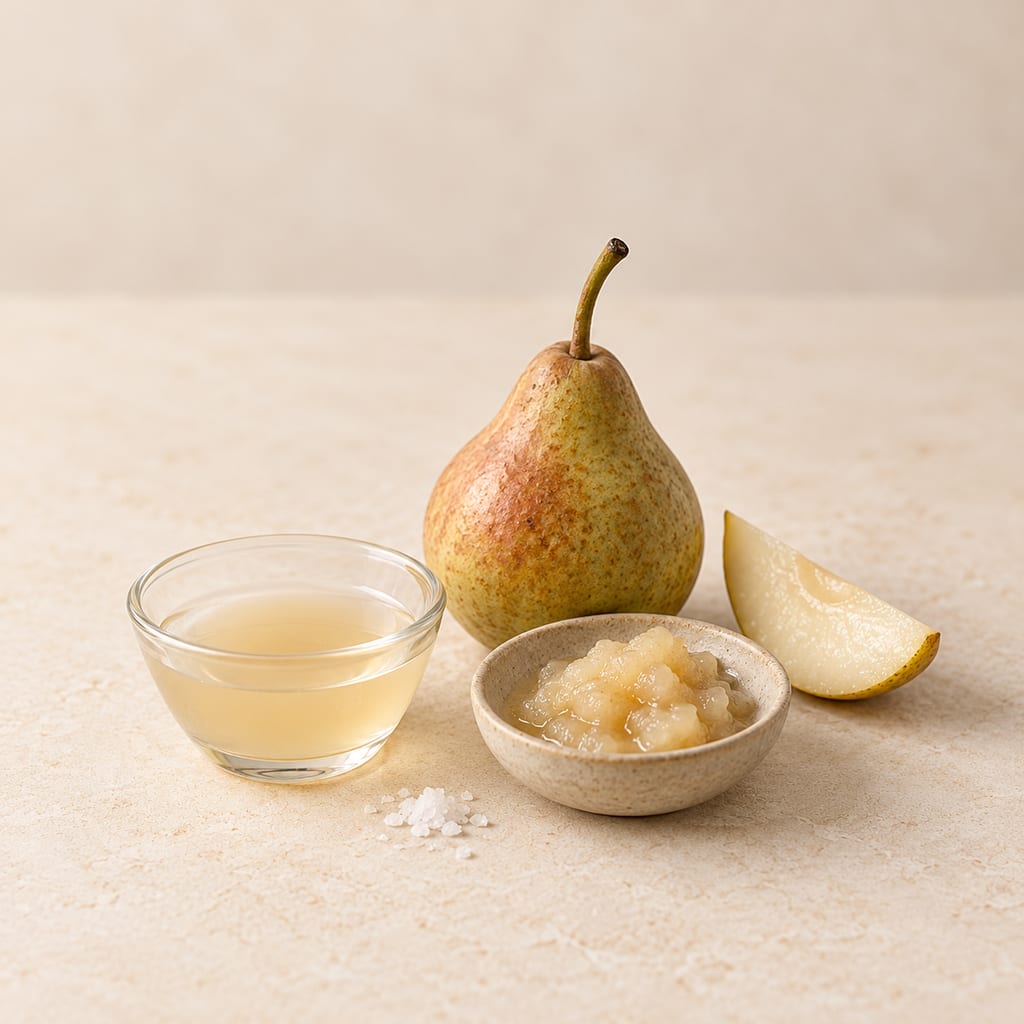
A late-antique Roman recipe in which very ripe pears are crushed with salt, matured for three months and drained, giving a pale liquid called liquamen.

Meat-trim koji garum is a savoury liquid seasoning made by holding meat scraps with rice koji, salt and water at steady warmth before straining the mash.
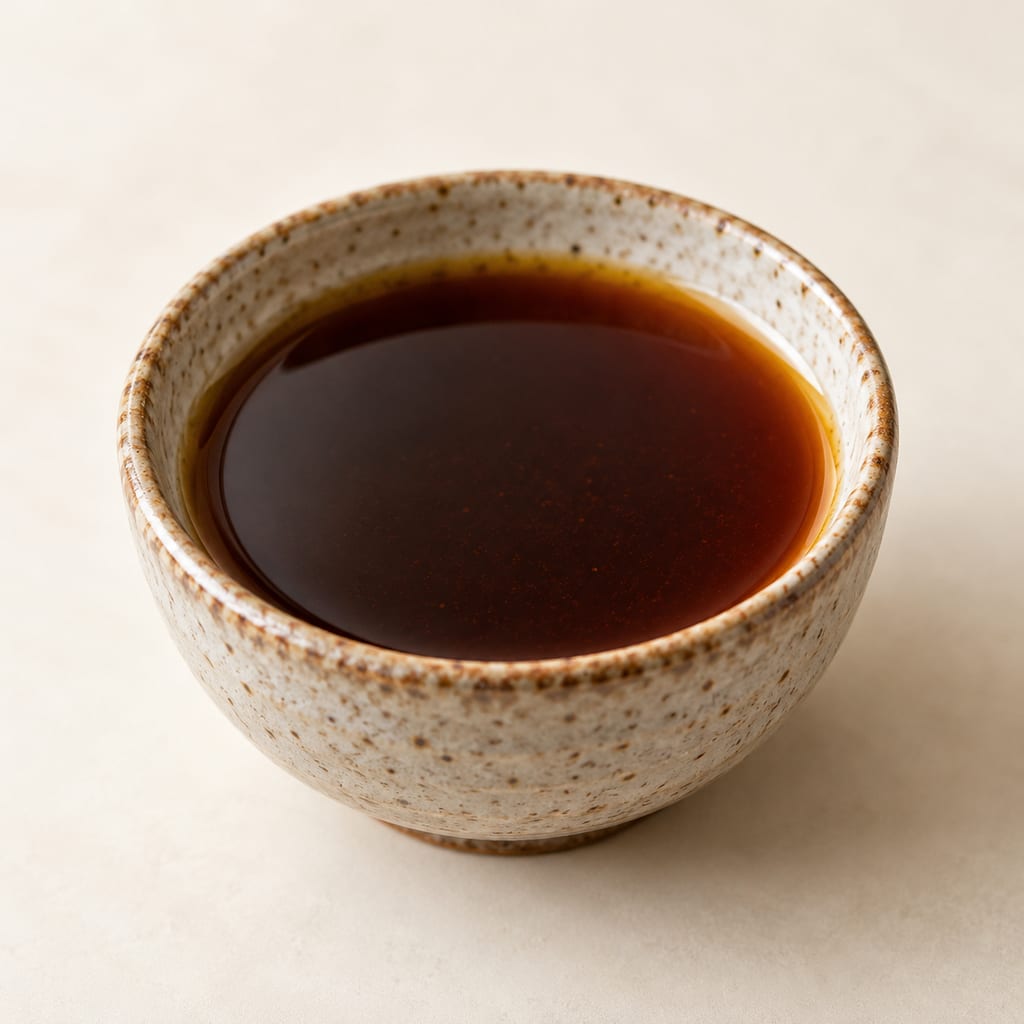
Mushroom garum is a savoury, smoked sauce made by crushing mushrooms with salt and rice koji and letting the mixture brew for months, a modern use of the garum method without fish.

Soft, spreadable Calabrian pork sausage made with a great deal of red chilli and fatty pork, stuffed into natural casings, sometimes smoked and matured while staying soft.

A way to add independent temperature logging to an existing food dehydrator without changing its built-in controls or protections. It is a monitoring method, not a rewiring plan.

Pleurotus cystidiosus is the abalone mushroom, a cultivated oyster-type fungus with dark brown caps that grows more slowly and is more demanding than other Pleurotus species.

A dark, balanced vinegar from Emilia-Romagna made by combining cooked or concentrated grape must with wine vinegar, then acetifying and refining it in wood under a protected specification.

A living dairy inoculum that starts controlled cream fermentation, developing acidity and aroma before sour cream or cultured butter is finished.

A small electric incubator holds jars at a selected temperature for yogurt and other documented warm food preparations. Controls, capacity and vessel arrangement vary by model.

Adygean salt is a seasoned table salt associated with Adygea and the wider North Caucasian culinary tradition. Salt is blended with garlic and a variable selection of herbs and spices; the exact mix depends on the named style and maker.

The African Caesar-group mushroom, Amanita masasiensis, is a wild ectomycorrhizal species of central and southern African woodlands, eaten locally. The genus contains deadly poisonous species, so identification needs care.
No community contributions have been published for this entry yet.
Sign in to contribute. Published comments and photos are free to read.
Modernist Food | FermentedInspiration · Process
Quick Garum (Koji-Driven)1 kg jar formula and substrate examples.
Cited in: A modern bean sauce under an old name; Garum’s history—and where this recipe sits; What the warm koji mash does; Why the ingredients and bean choice matter; Method and its limits; Related versions and regional variation; How cooks use it
Modernist Food | FermentedProcess · Safety
Amino Pastes (Quick Miso, Peaso & Garum)Warm method is enzyme-assisted and source says animal protein is not validated for botulism control.
Cited in: A modern bean sauce under an old name; What the warm koji mash does; Why the ingredients and bean choice matter; Method and its limits
U.S. Food and Drug AdministrationContext
Fish and Fishery Products Hazards and ControlsSeafood-specific guidance; it does not validate a bean sauce.
BC Centre for Disease ControlContext
Safety of Fermented Foods: Section 3.5 FesikhFish-specific guidance retained from the archive; no bean-sauce claim is drawn from it.
Noma ProjectsHistory · Use
About GarumsKoji-based plant and animal garums are modern adaptations of fish garum.
The strained liquid is used as a savoury seasoning.
Cited in: A modern bean sauce under an old name; Garum’s history—and where this recipe sits; Related versions and regional variation; How cooks use it
Journal of Maritime Archaeology, Springer NatureHistory · Terminology
Garum and Liquamen, What’s in a Name?The terms garum and liquamen are contested and do not map neatly onto one universal product; scholarship distinguishes fish-sauce types and subtypes.
Cited in: Garum’s history—and where this recipe sits
Perseus Digital Library; translation by PerseusHistory · Use
Natural History, Book 31Pliny describes garum as a salted fish-derived liquid seasoning, names production regions, and notes its culinary use and value.
Cited in: Garum’s history—and where this recipe sits; How cooks use it
Food Research International / PubMedScience · Method
Starter molds and multi-enzyme catalysis in koji fermentation of soy sauce brewing: A reviewKoji mold enzymes include proteases, peptidases and amylases; in soy-sauce koji systems these hydrolyze proteins and starch. This general mechanism is background, not a measured result for this bean recipe.
Cited in: What the warm koji mash does; Why the ingredients and bean choice matter
Noma ProjectsHistory · Science · Use · Variations
Garum: Got to Have the FunkNoma distinguishes traditional fish garum from modern adaptations, describes koji proteases and the enzyme-led nature of 60°C processes, and discusses plant-based garums and culinary use. Its safety claim concerns its own formulation and is not transferred to this recipe.
Cited in: Garum’s history—and where this recipe sits; What the warm koji mash does; Method and its limits; Related versions and regional variation; How cooks use it