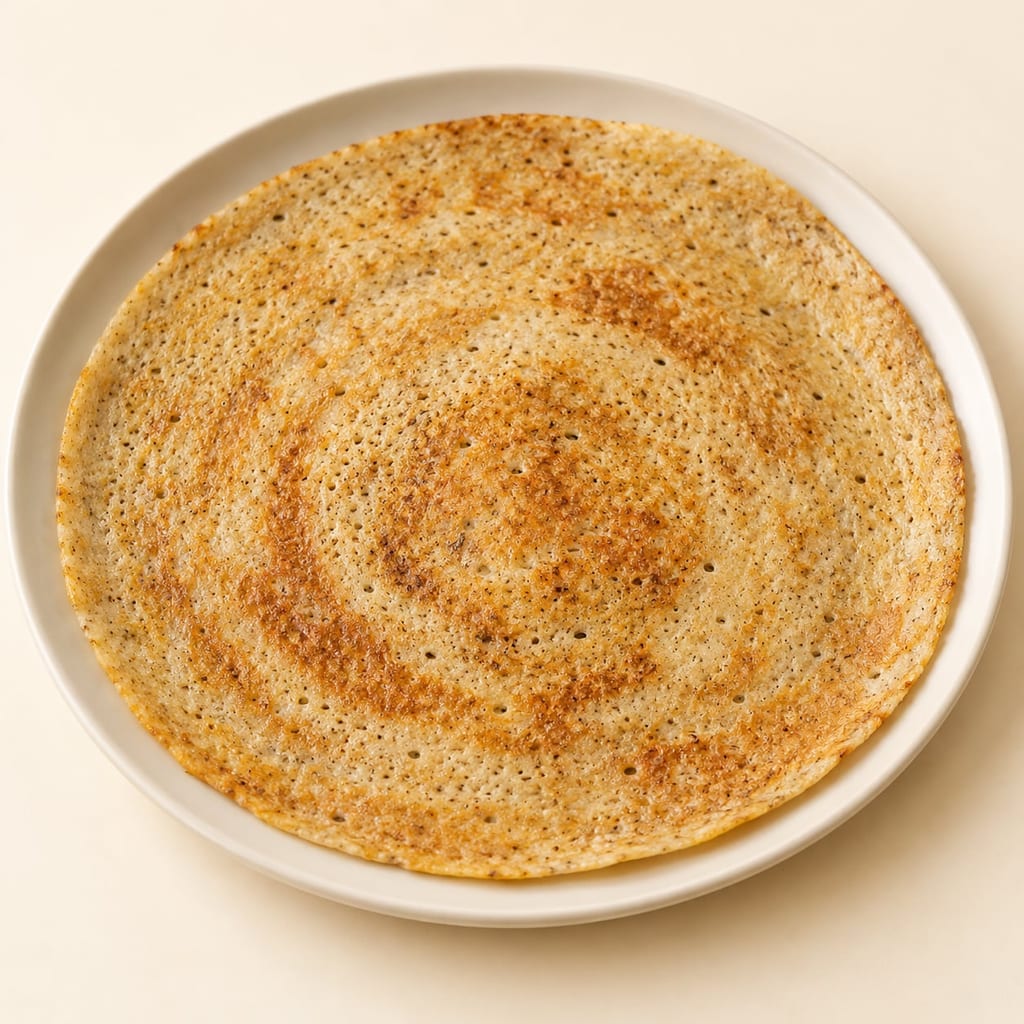
Multigrain millet dosa
Multigrain millet dosa uses a source-specific naturally fermented grain and urad batter, then cooks it by griddling. The creator leaves some process measures unquantified.
 FermenteaWhere food goes to change
Recipes by the places recorded in their sources.
Multigrain millet dosa uses a source-specific naturally fermented grain and urad batter, then cooks it by griddling. The creator leaves some process measures unquantified.
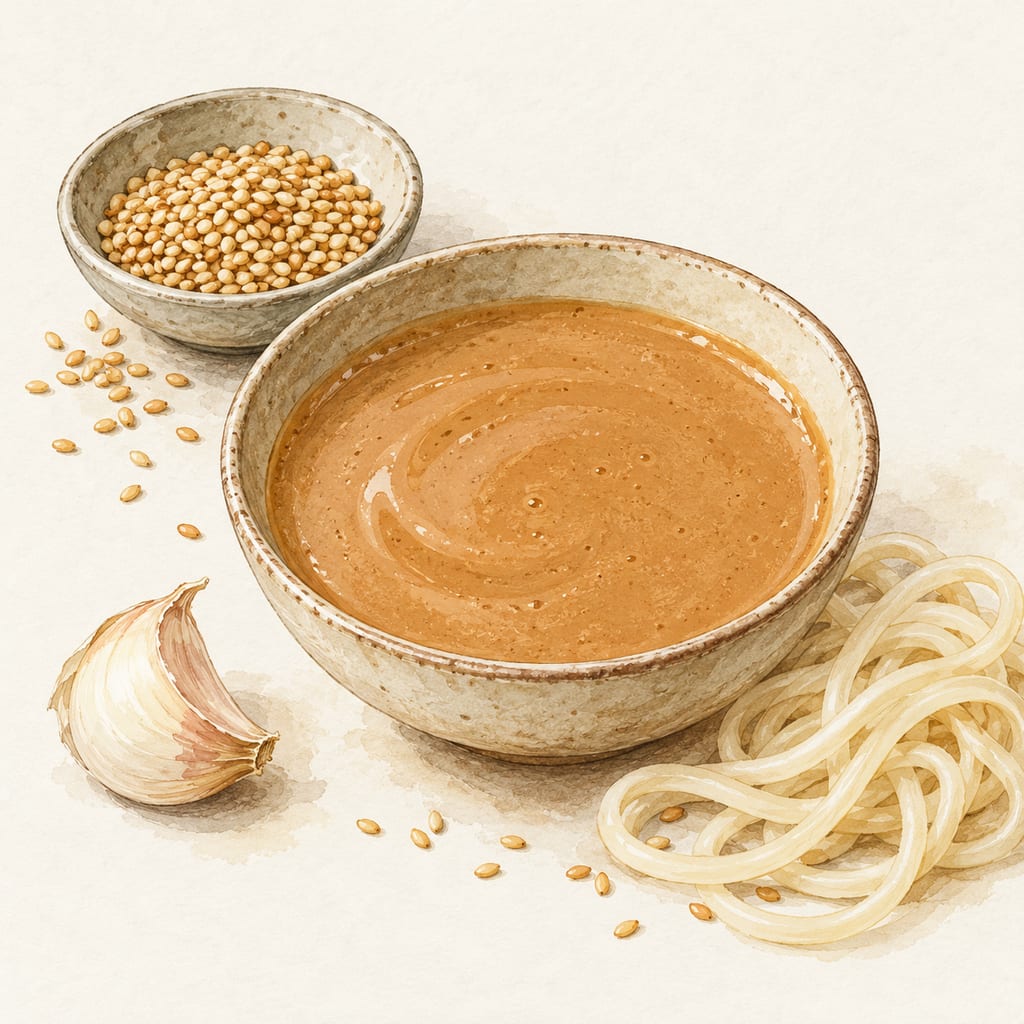
An untested sesame-paste sauce with soy, black vinegar, sugar, sesame oil and garlic, drafted for hot-pot dipping or noodles.
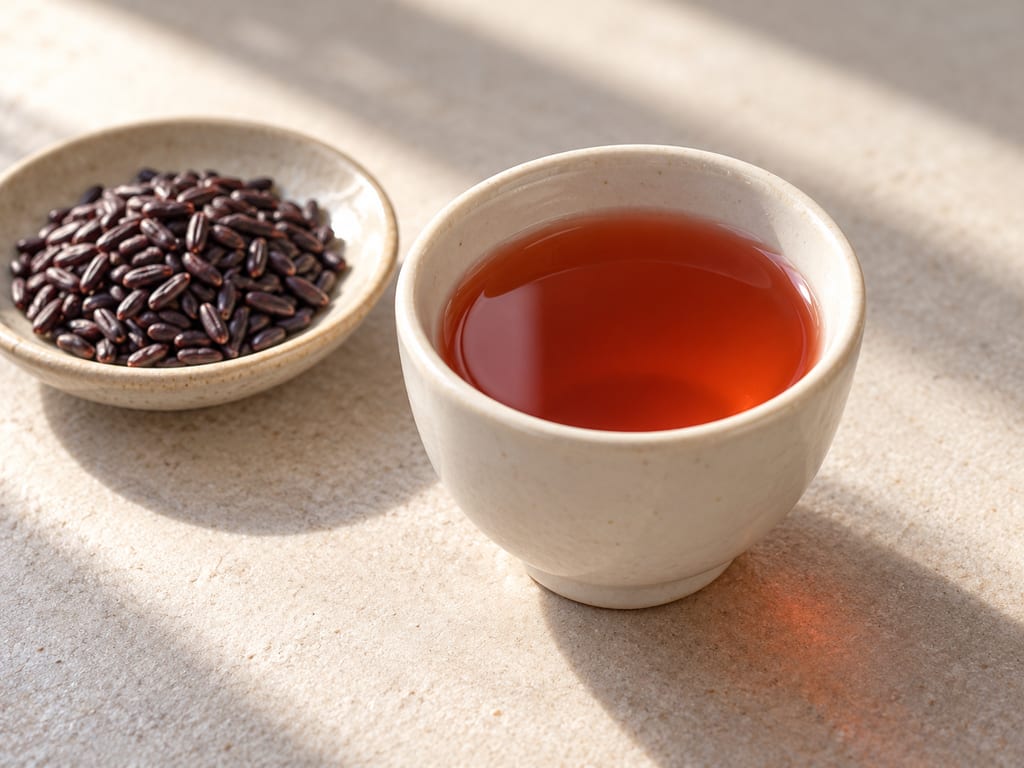
A clear Korean rice wine made with aromatic Dahyangheukmi pigmented rice, matching rice-flour nuruk and takju yeast.
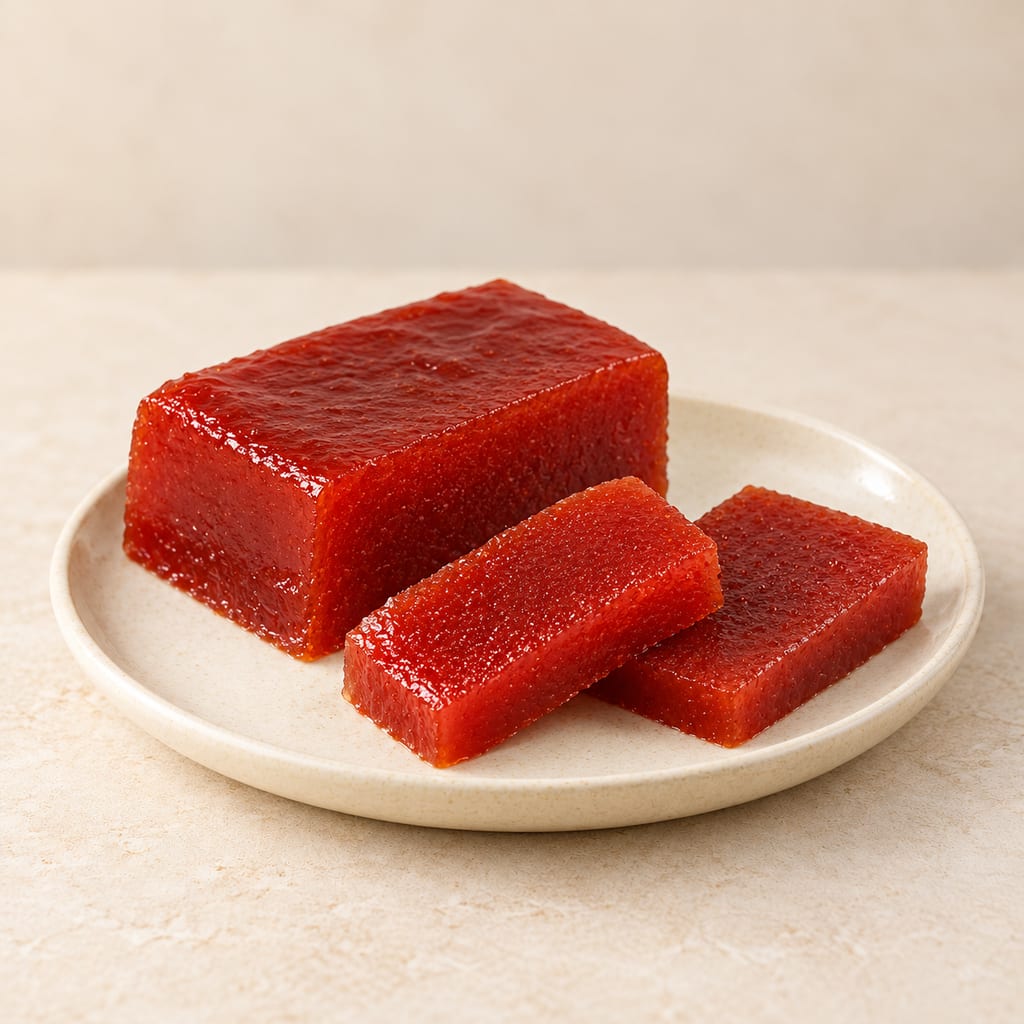
Dulce de membrillo is quince cooked with sugar into a firm paste for slicing. This family method softens the fruit in a pressure cooker, then blends it and leaves it to set.
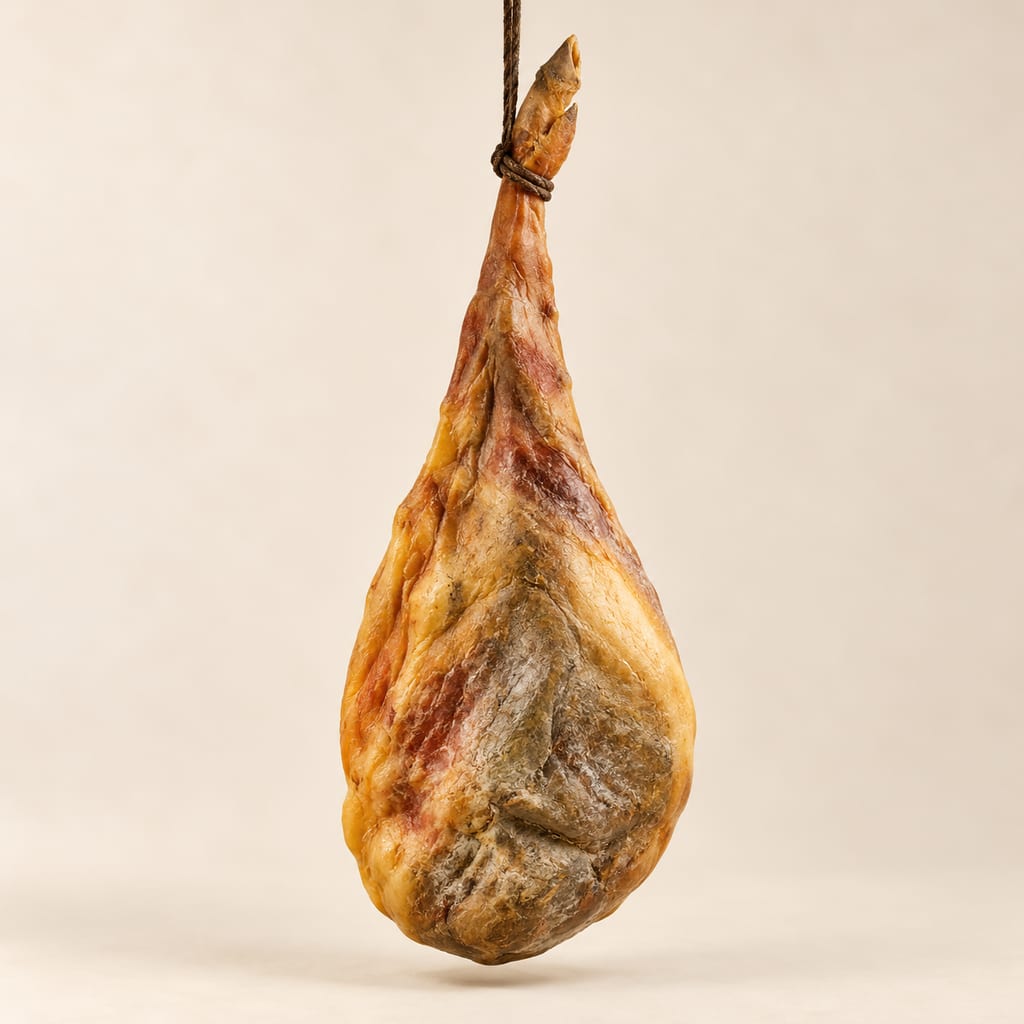
Cato the Elder records a second-century BCE sequence for salting, air-drying, and smoking ham. This historical account is not a validated modern curing protocol.
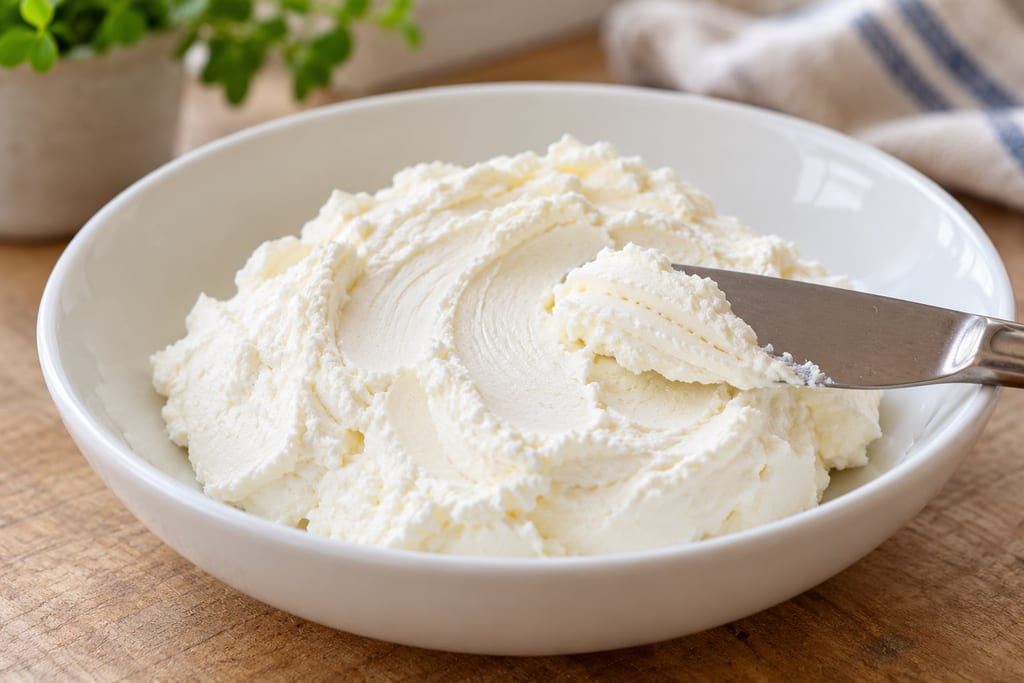
The creator’s written method strains 700 mL kefir through tight cloth for 24 hours in a refrigerator and reports 240 g finished cheese.
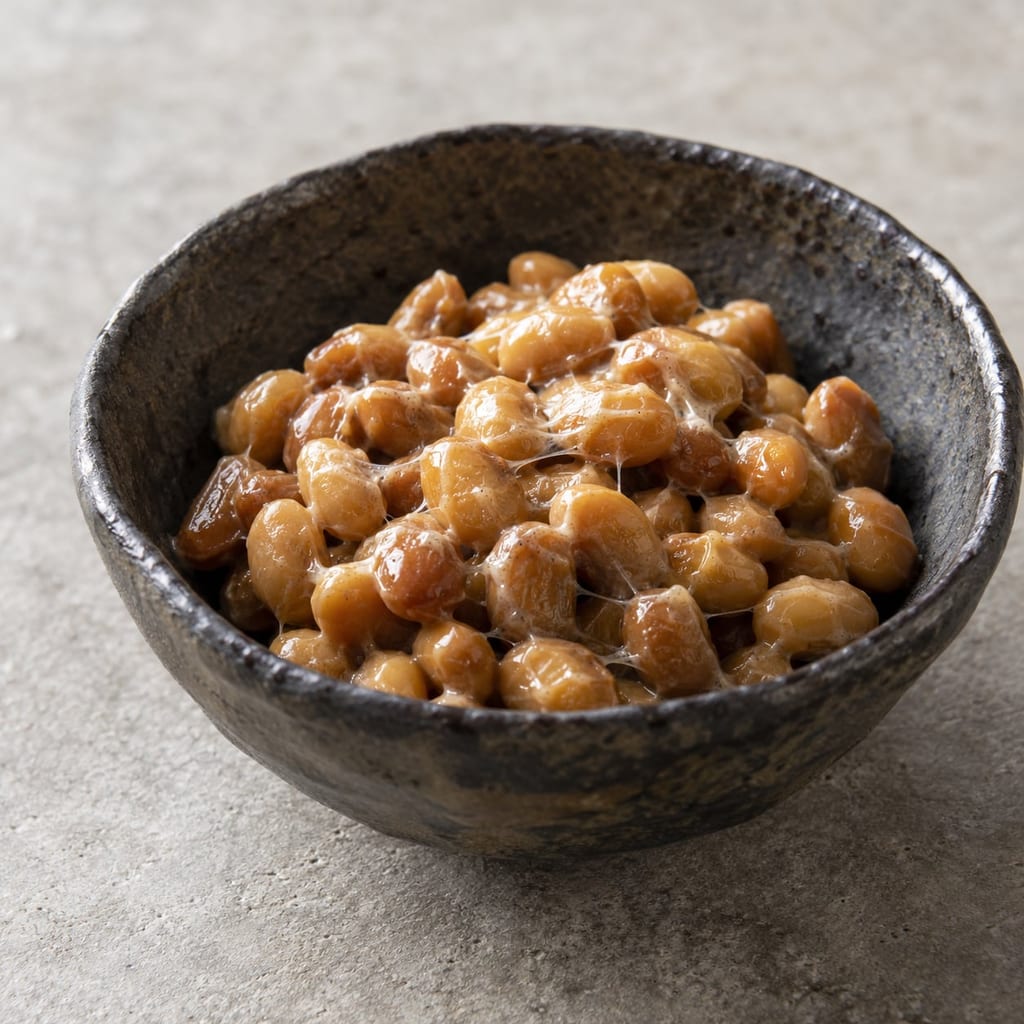
A two-cup soybean batch uses one Cultures for Health Natto Spores packet, a shallow perforated cover, and the supplier’s stated incubation and chilling sequence. The supplier’s instructions are not a validated home process.
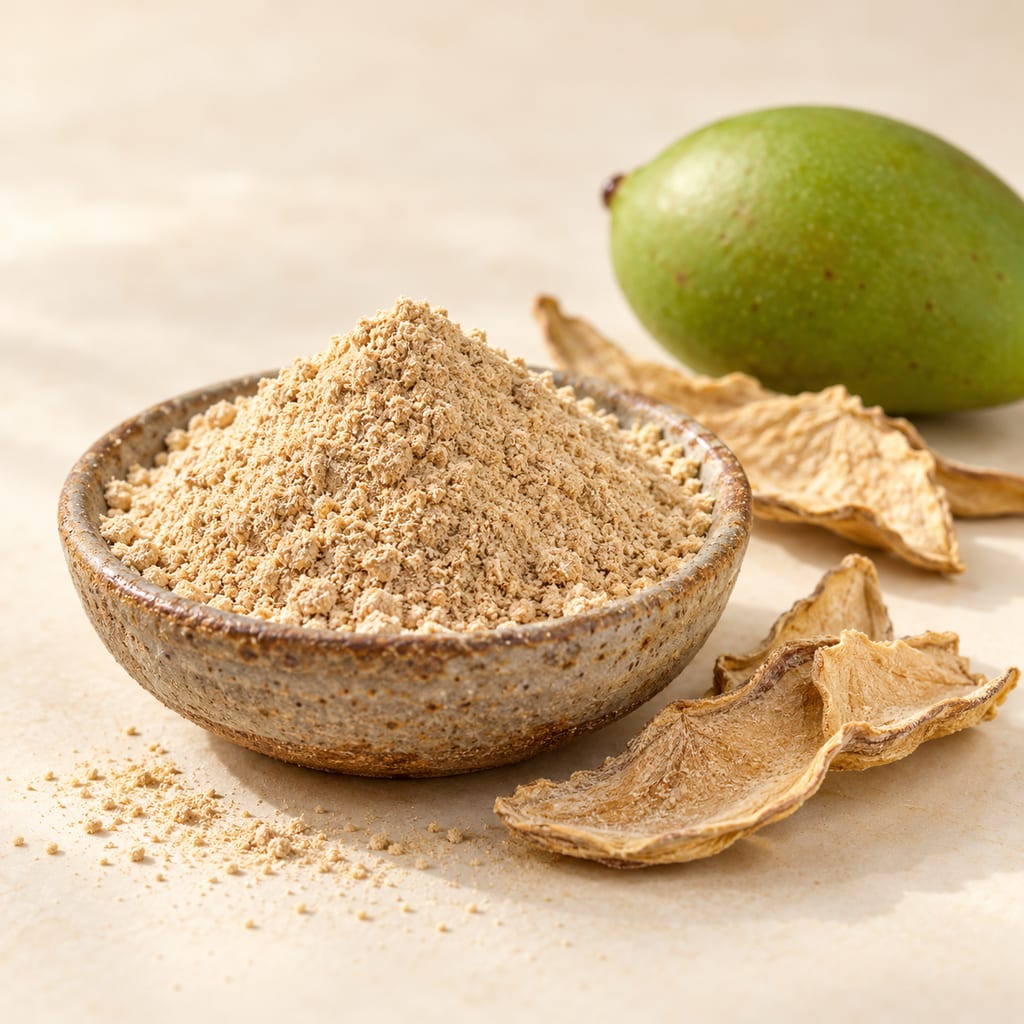
Thin slices of sour unripe mango are sun-dried over four days and ground into a tangy powder, following a five-fruit account published with an Indian mango study.
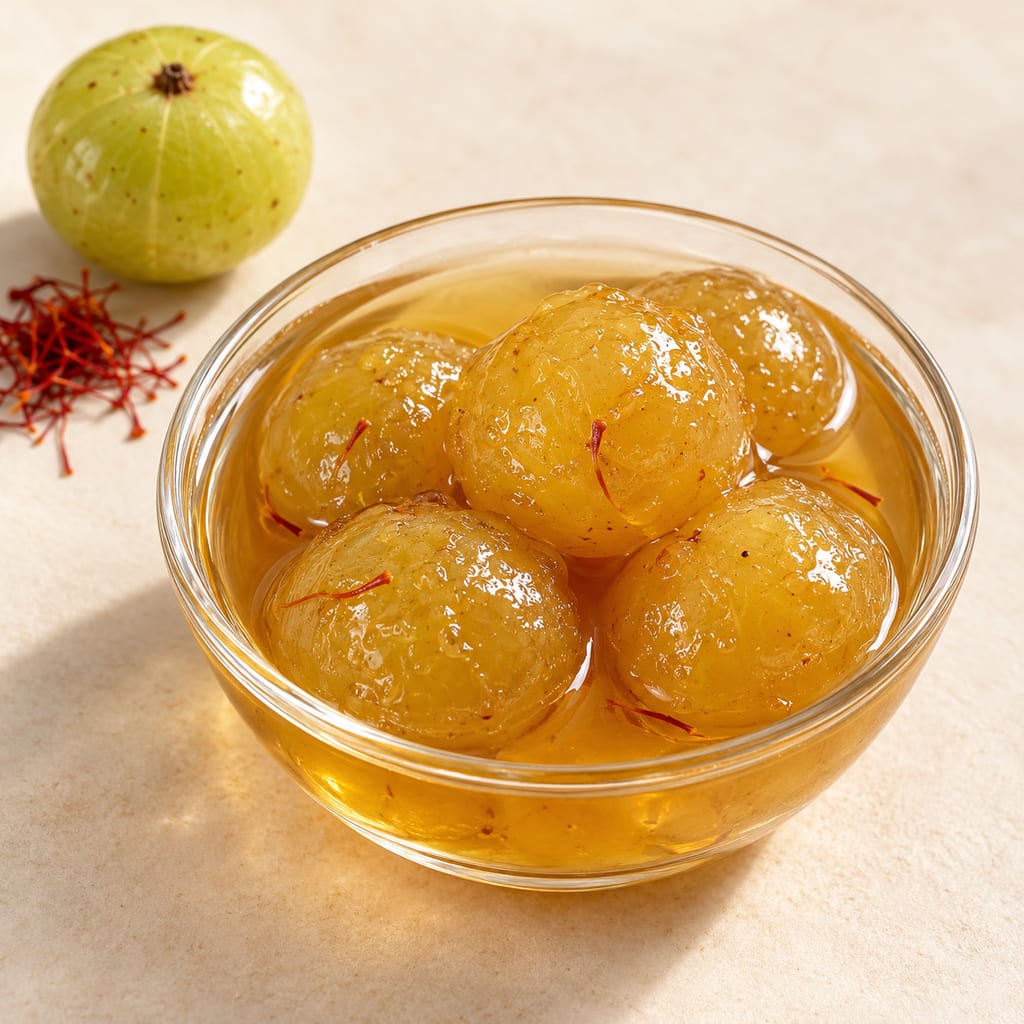
Whole amla simmer in sugar syrup with saffron, black cardamom and pepper in this chef's version of the Indian fruit preserve. The fruit is soaked overnight before cooking.
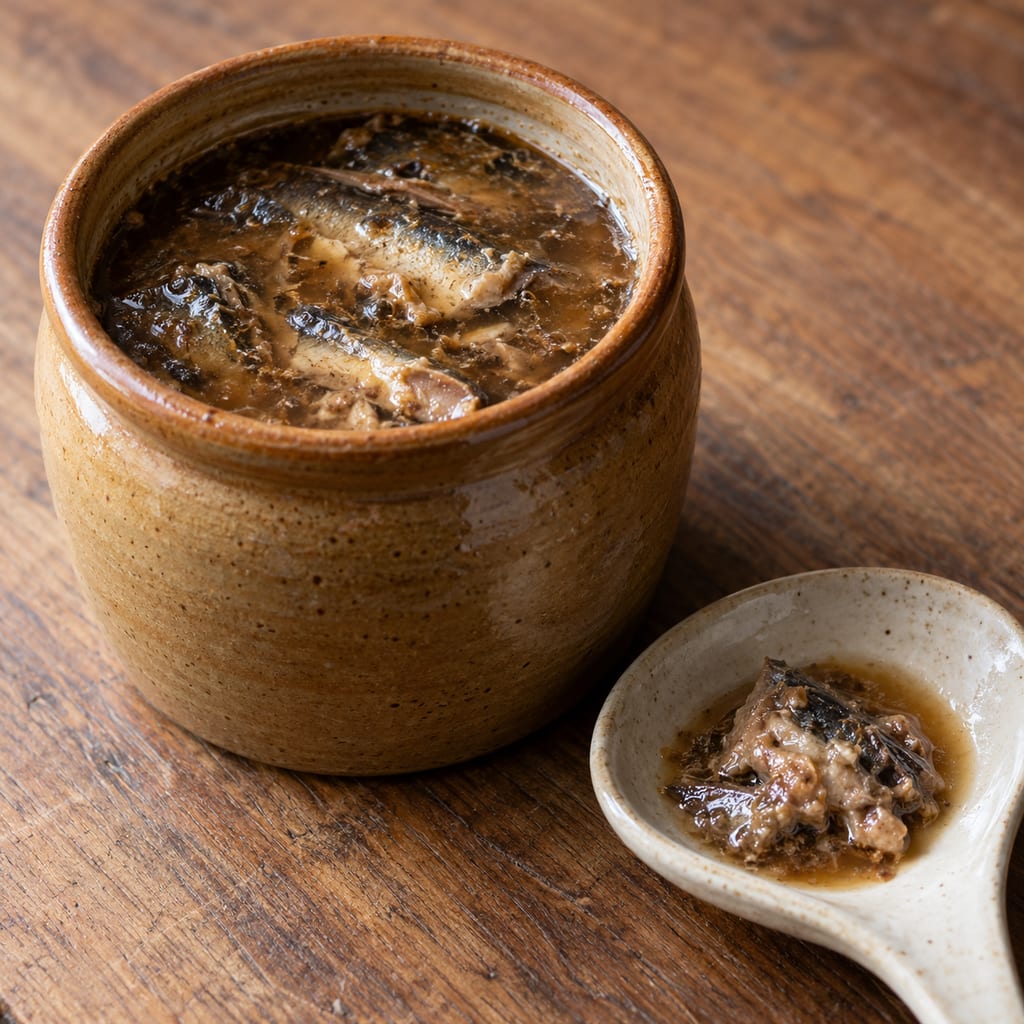
A fish batch is washed, mixed with 800 g salt per about 5 kg fish, and packed with an unresolved roasted-grain addition; cleaning weight and storage duration are unclear.
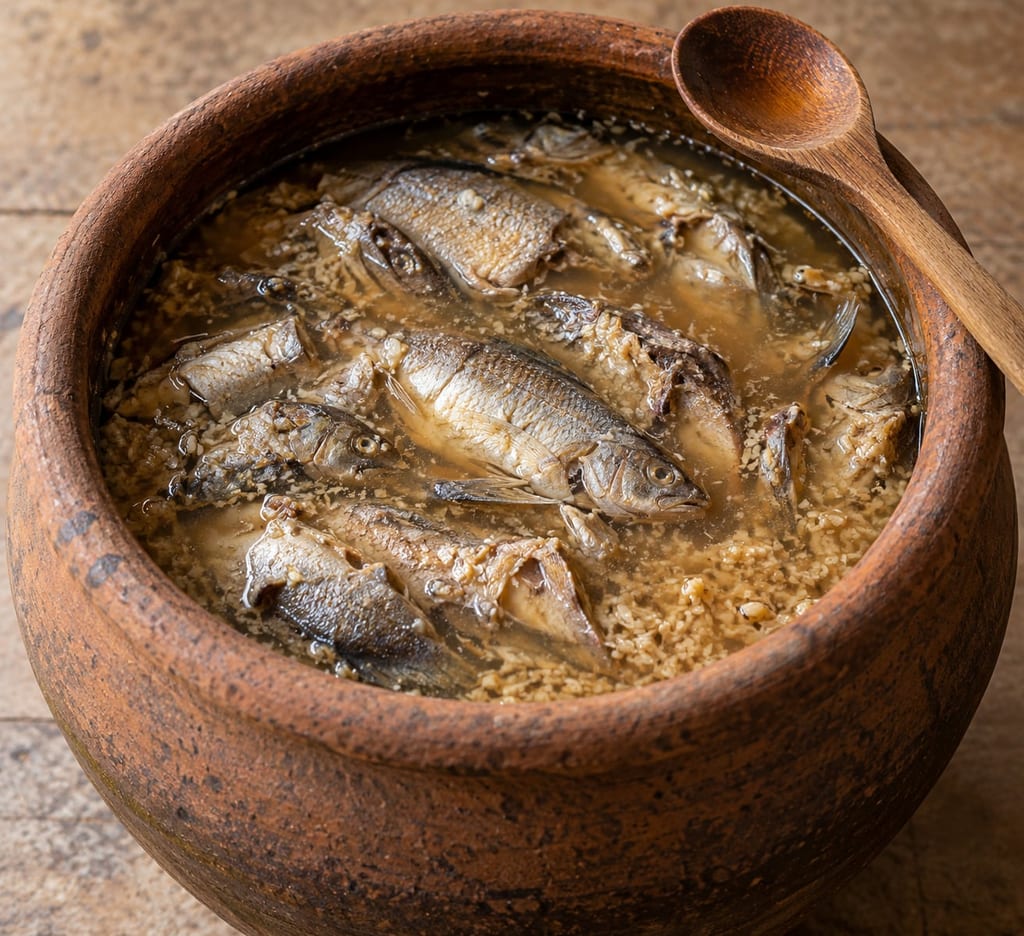
Mixed freshwater fish are soaked, repeatedly washed, salted and packed with toasted ground paddy rice; the creator gives a 1.5 kg fish batch and an unmeasured ladle dose.
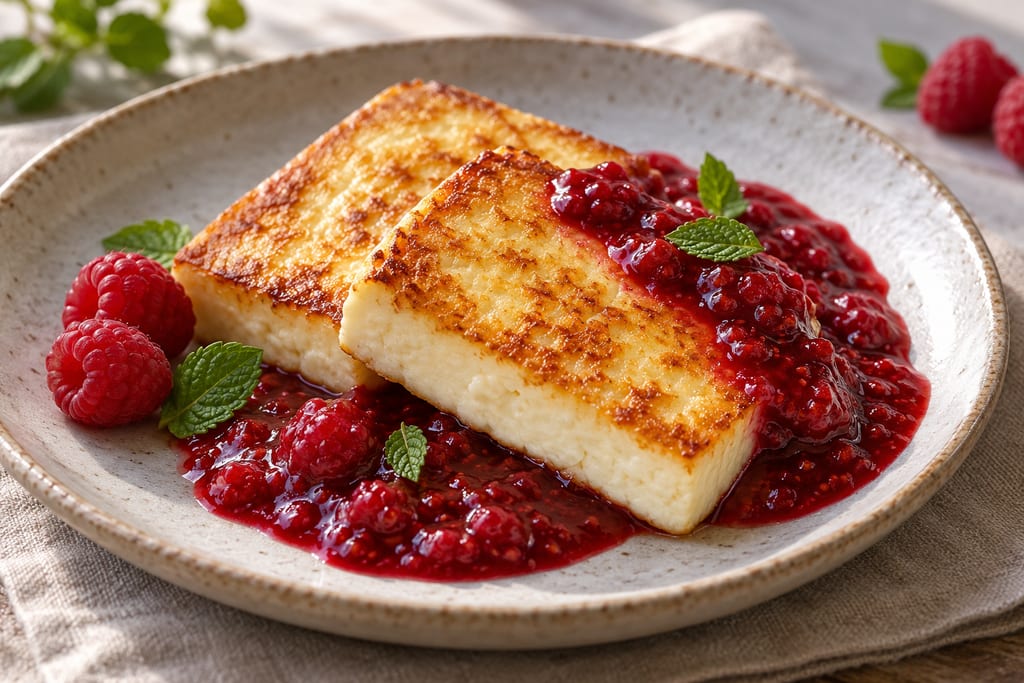
This Ukrainian caption batch uses 3 L milk, lemon, salt, sugar and mint, presses curds for 6–8 hours, then fries the cheese and serves raspberry sauce. Yield is unstated.
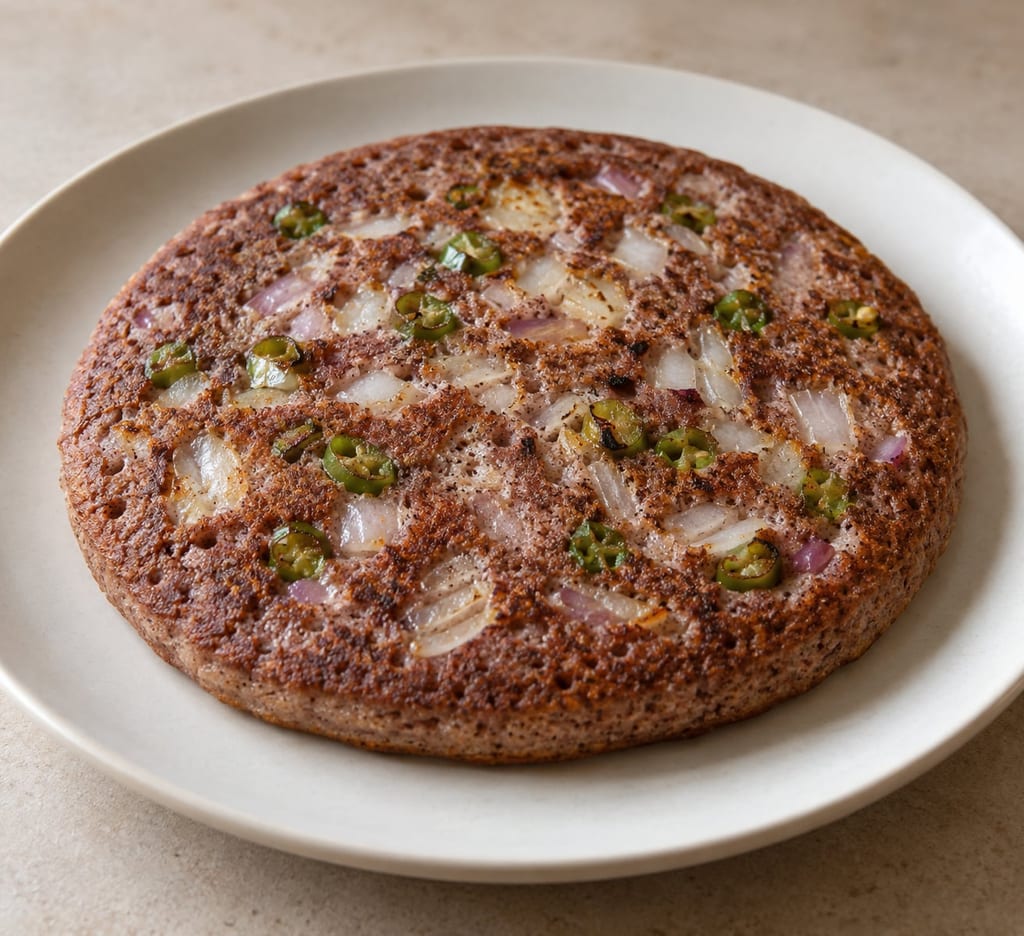
Ragi uthappam turns fermented ragi, urad and idli-rava batter into thick griddle cakes topped with onion and green chilli.
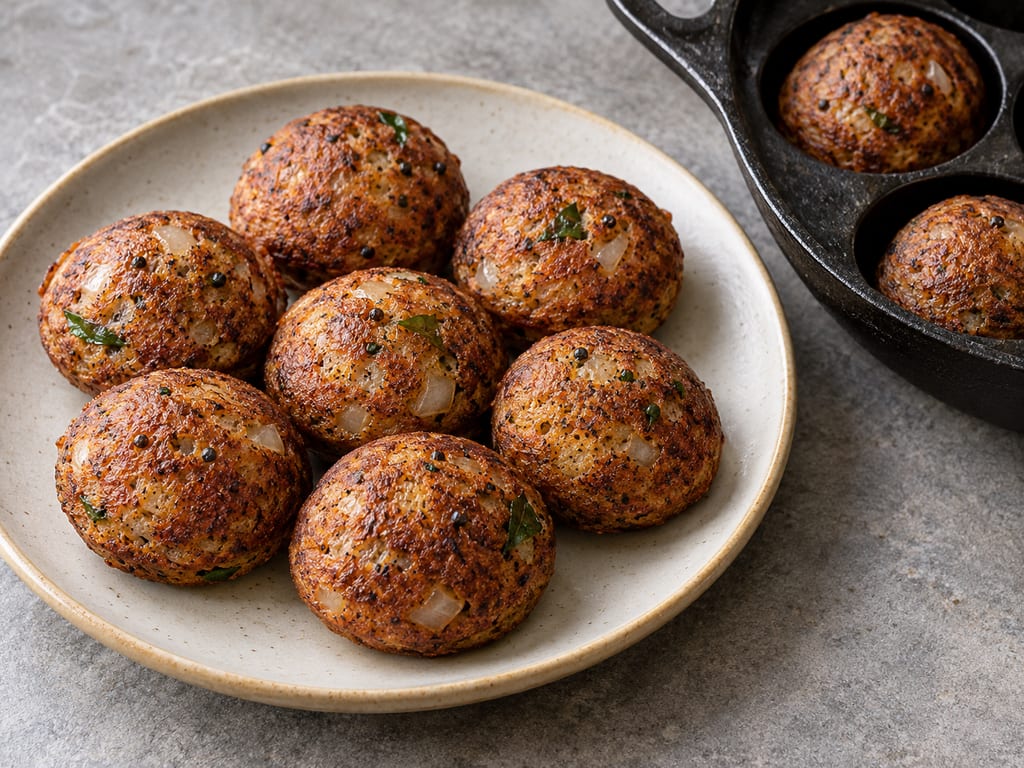
Ragi paniyaram uses fermented ragi, urad and idli-rava batter mixed with spiced onion and cooked in an oiled mould.
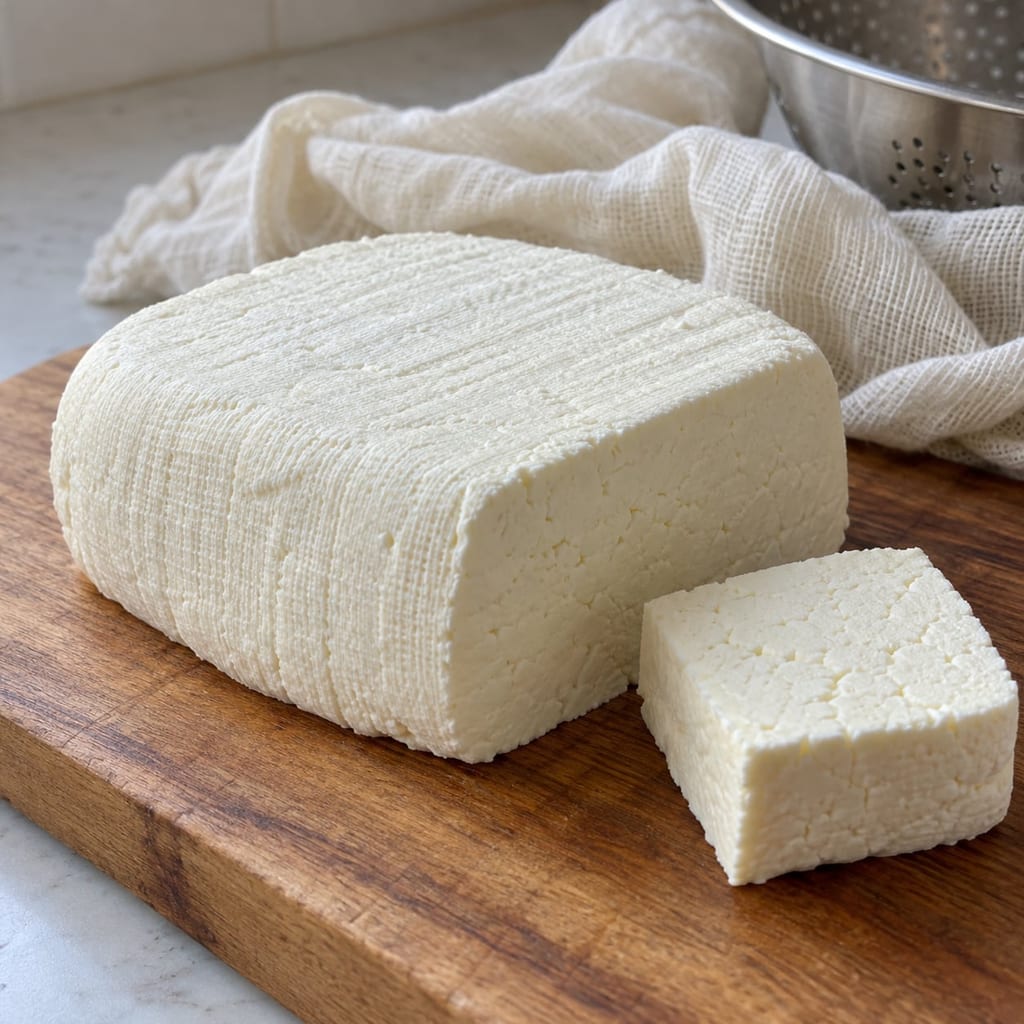
This Polish caption batch uses 5 L milk and about 12–13 tablespoons lemon juice, rests 10 minutes and presses beneath two 2 kg jars for at least two hours. Measured yield is unknown.
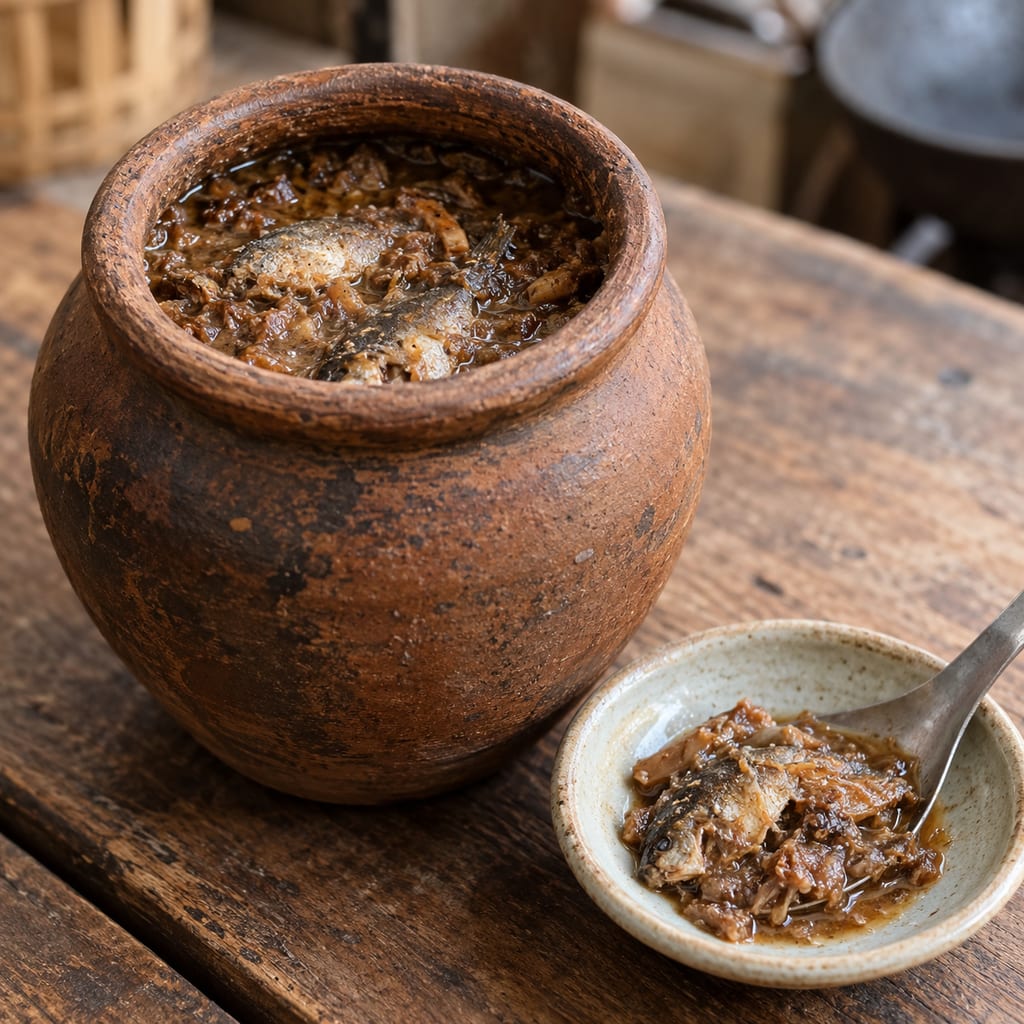
Pla soi and pla koom are salted with coarse sea salt, held in bags and packed with later grain additions; the source leaves salt basis, bran dose and part of the sequence unclear.
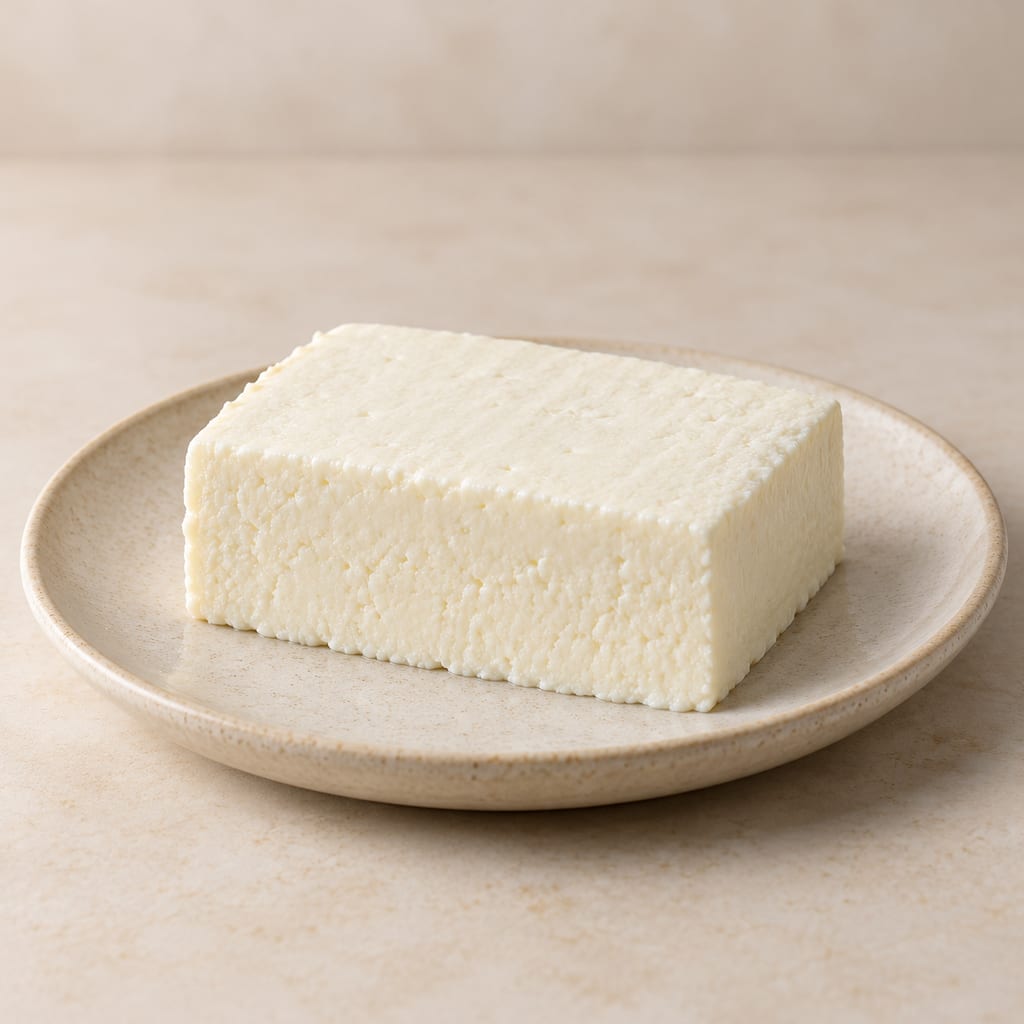
A source-specific 2 L paneer batch boils milk, adds lemon juice or vinegar gradually, then cold-rinses and presses curds for one to two hours. Yield and qualified process review are absent.
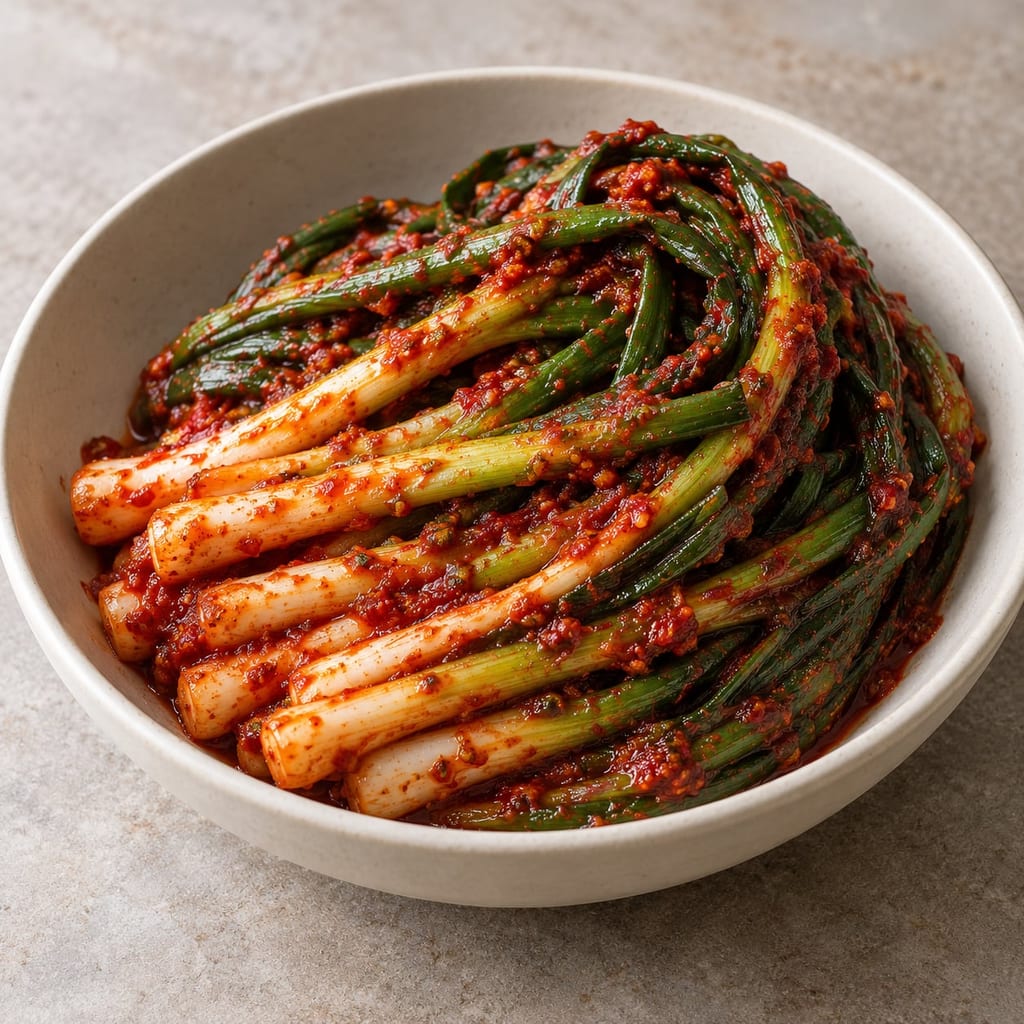
Scallion kimchi coated with fruit, chili, rice paste and salted-seafood seasonings, following one Korean creator’s measured batch.
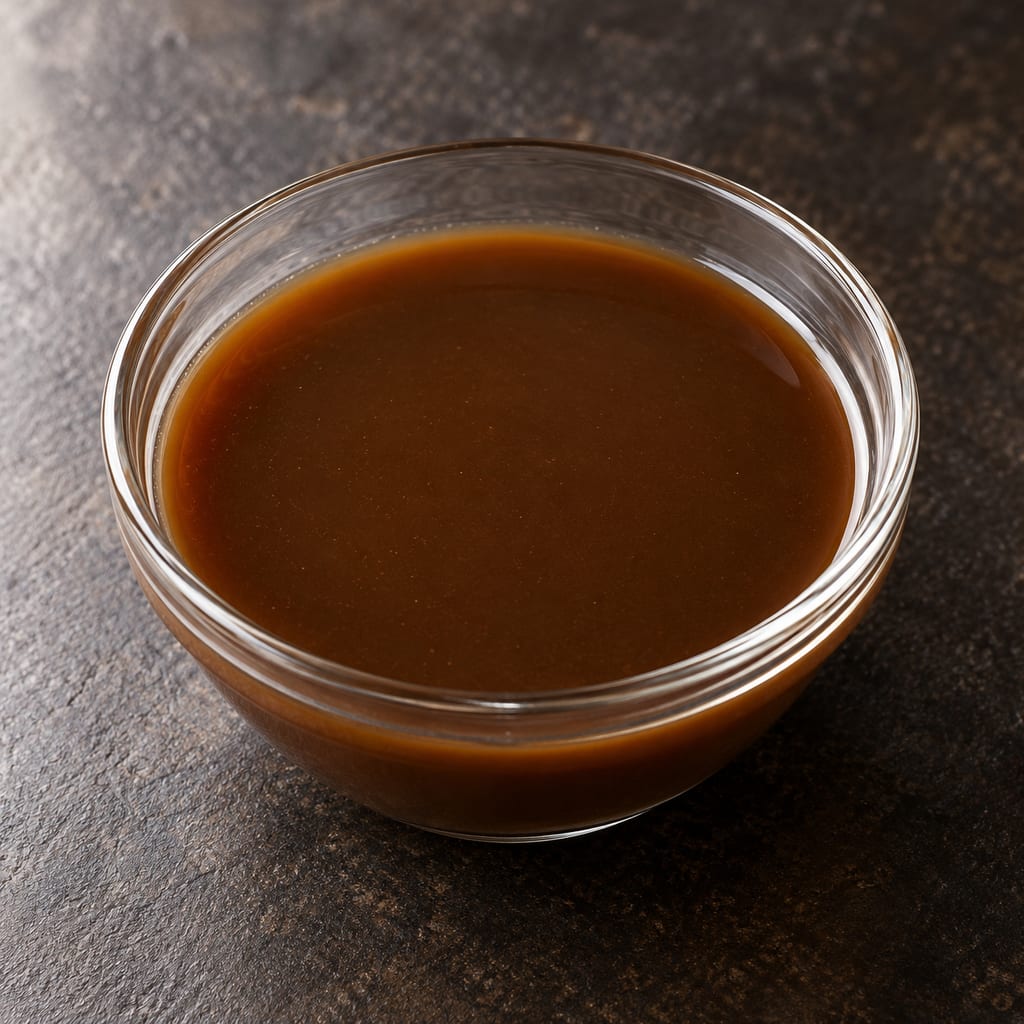
Coconut sugar starts this cooked sauce, followed by shrimp paste, garlic brine and pieces, two distinct pla-ra inputs, mulberry leaves, water and later seasonings.
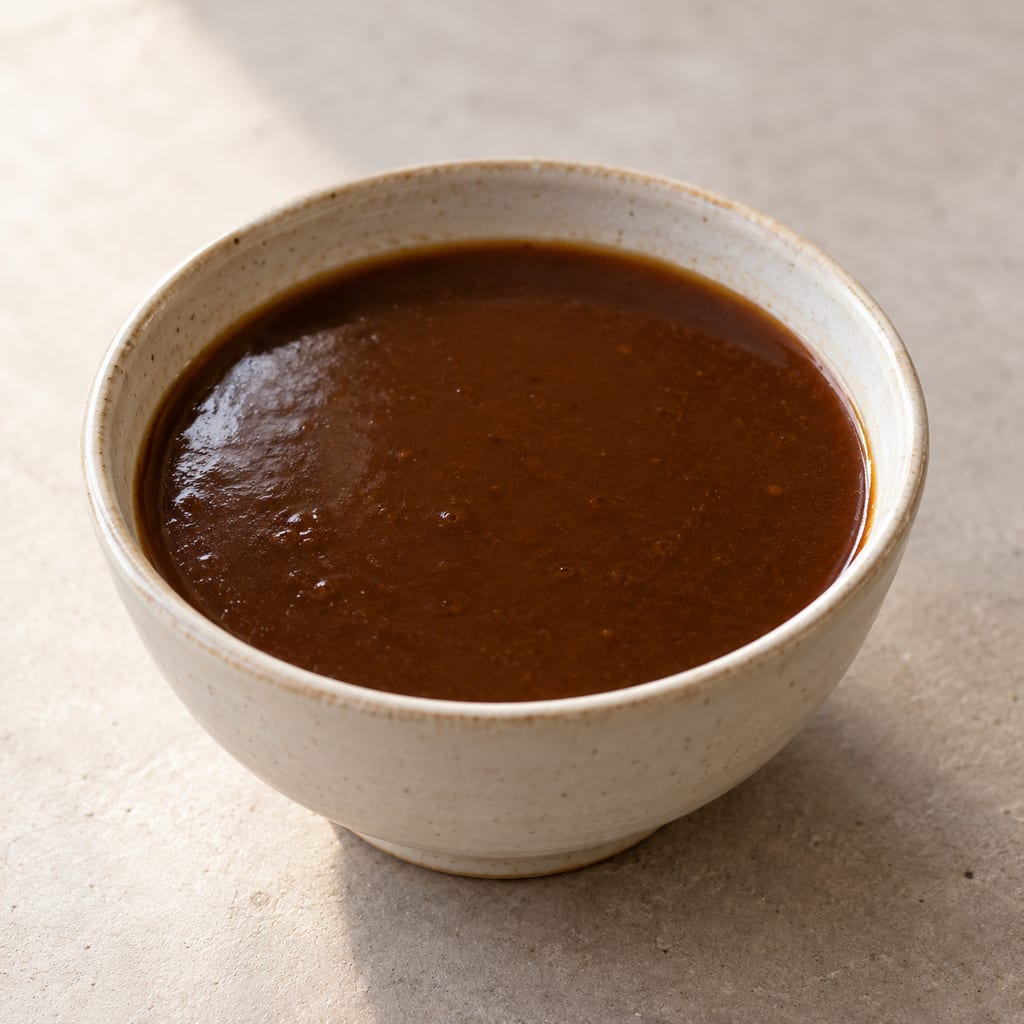
Concentrated pla-ra liquid and pla-ra ton are combined with shrimp paste, sugar and seasonings, simmered for about 30 minutes, strained and cooled.
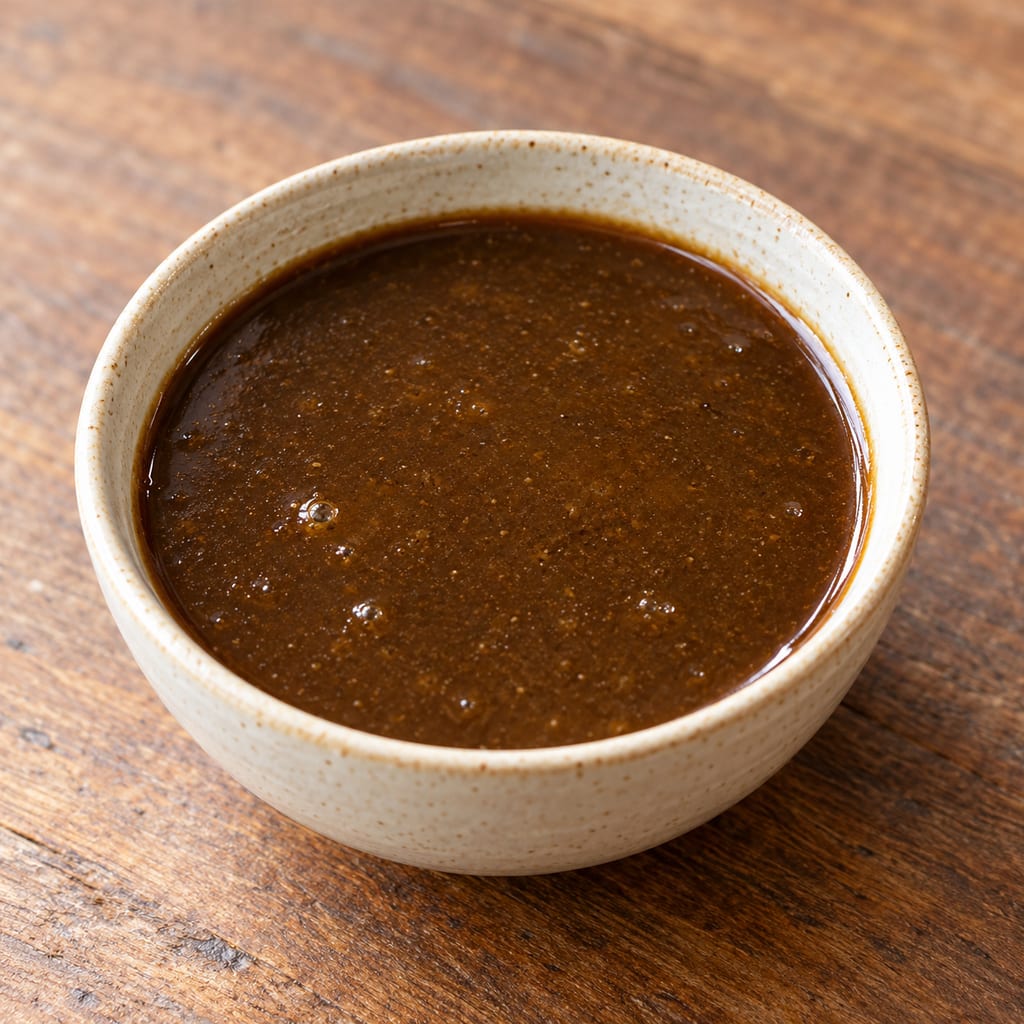
Purchased pla ra is boiled with pickled-garlic heads and water, then seasoned, boiled again, cooled and transferred; several captioned ingredient names or amounts remain unresolved.
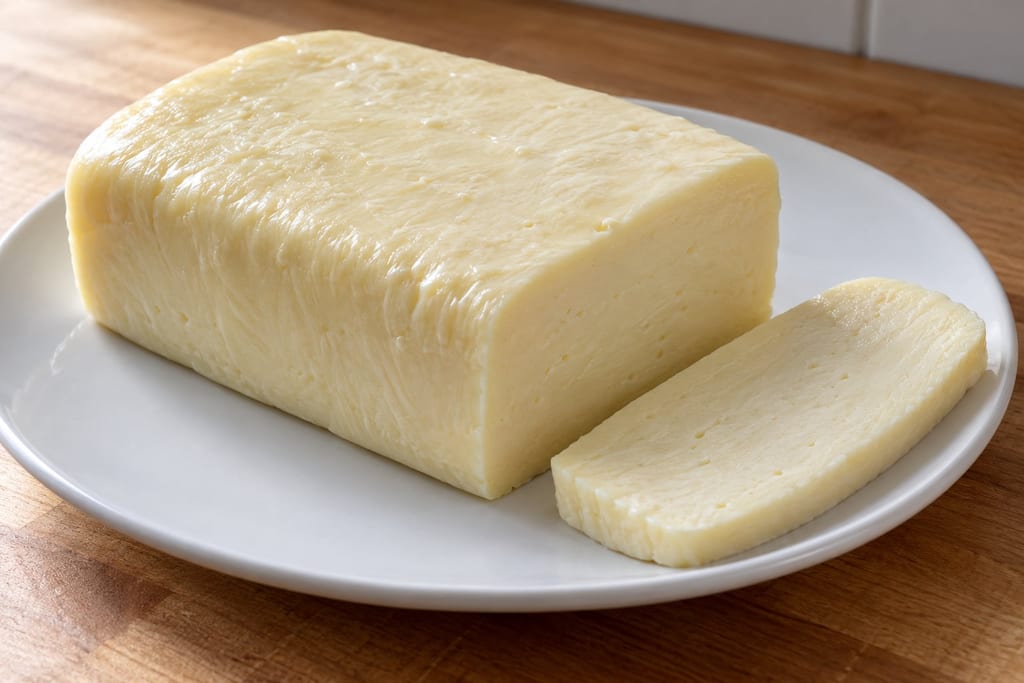
An eight-litre cow’s-milk batch uses thermophilic culture and rennet before controlled curd acidification, hot-water stretching and chilling for pizza cheese.
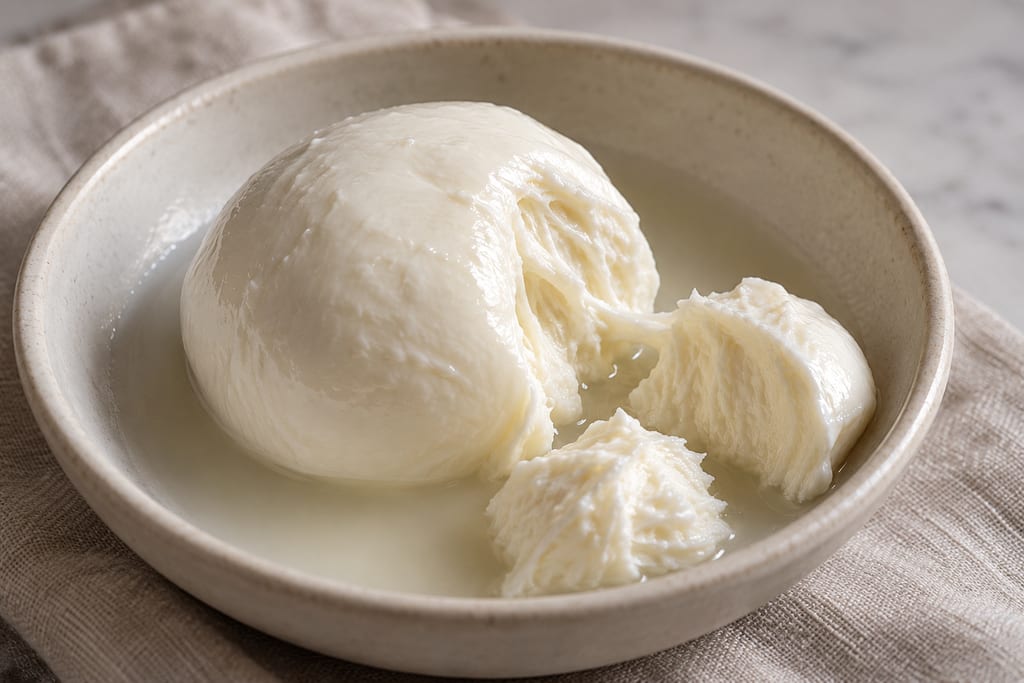
A creator sets raw cow’s milk with vinegar, presses the hot curd, warms it in short microwave intervals, then stretches it and cools it in water and ice.
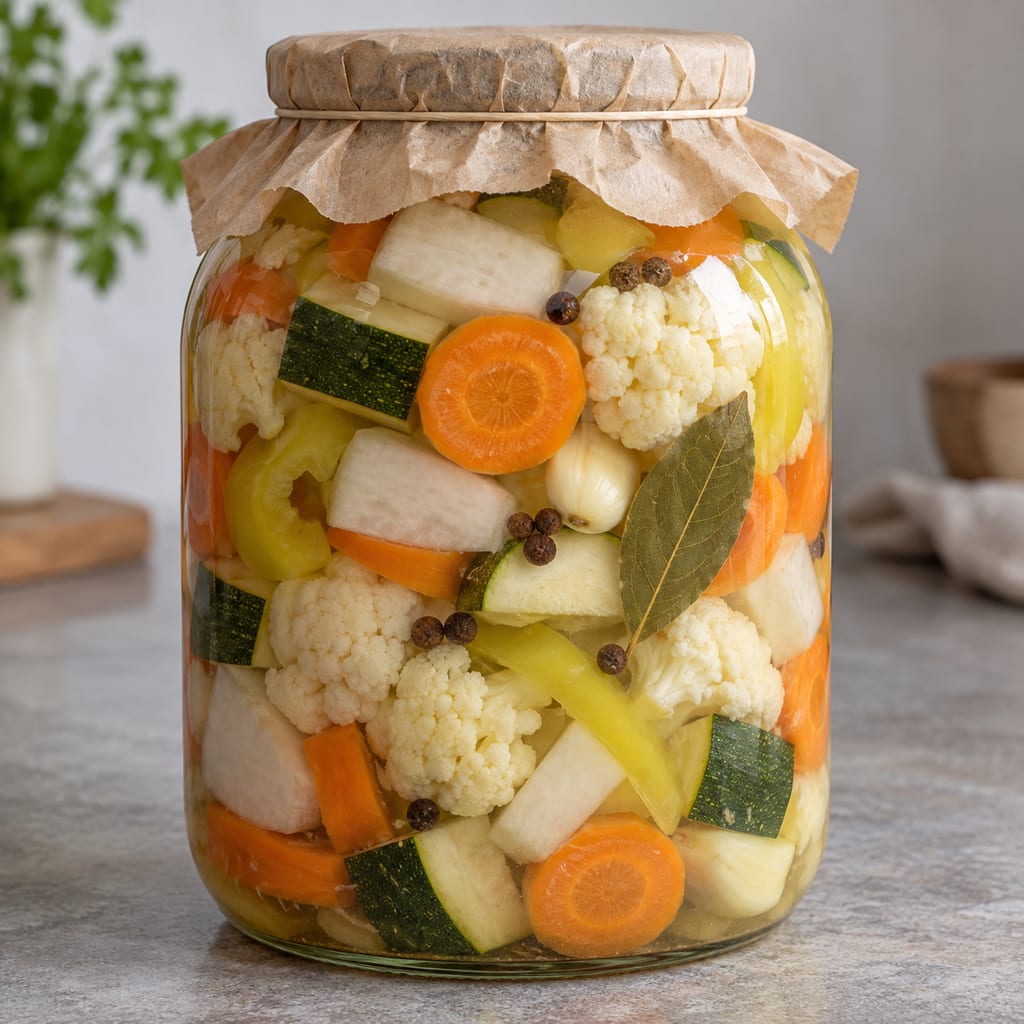
A 2 L jar holds cut carrot, radish, cauliflower, zucchini and pepper under a one-litre salt brine with aromatics; the source gives no produce mass or qualified endpoint.
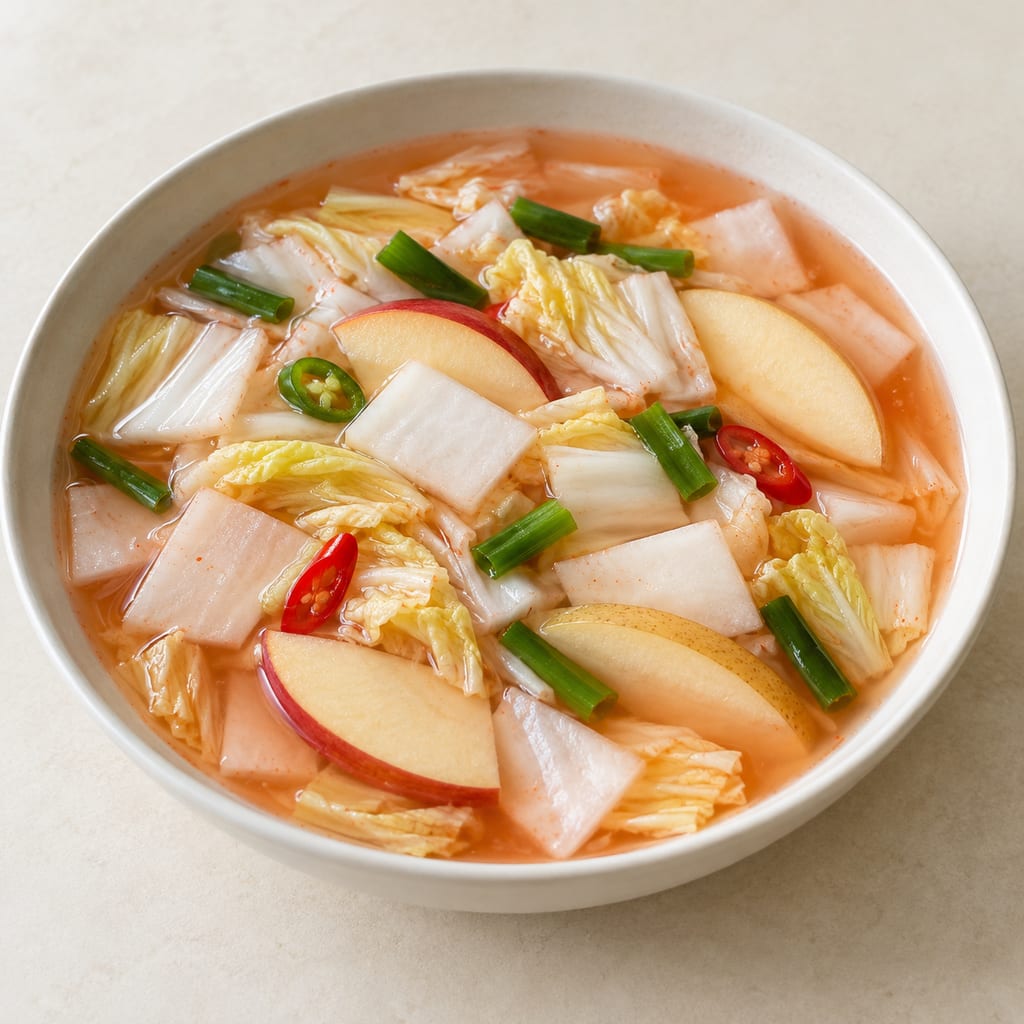
Cabbage-and-radish water kimchi with pear, apple and strained chili broth, following one Korean creator’s batch.
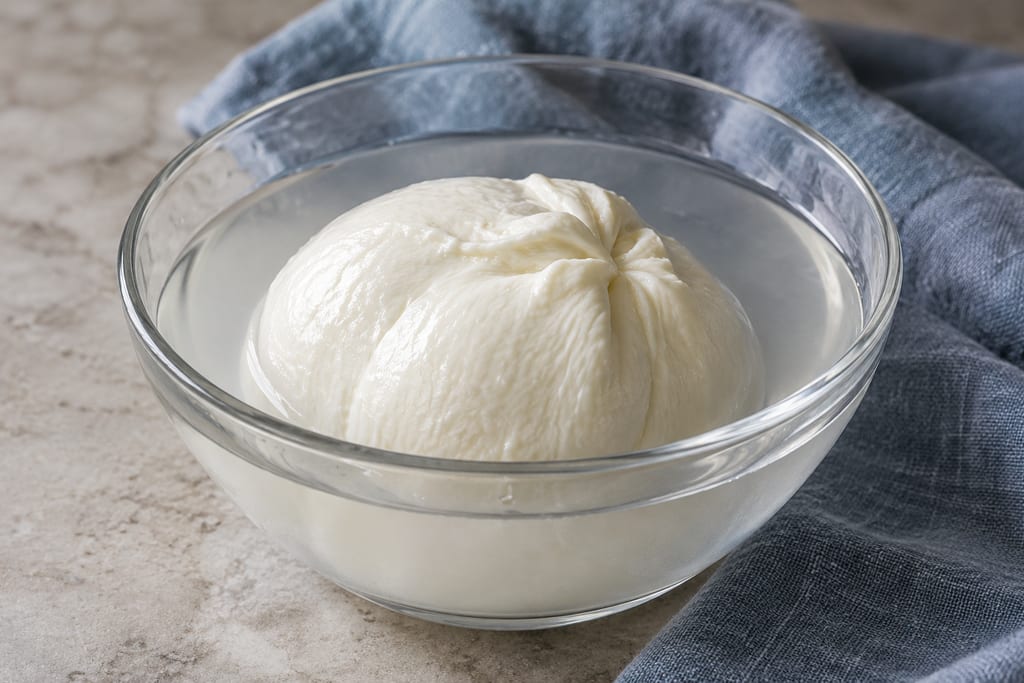
A Ukrainian creator sets fresh cow’s milk with vinegar, squeezes the curd, warms it in salted whey, then stretches it and cools it in water.
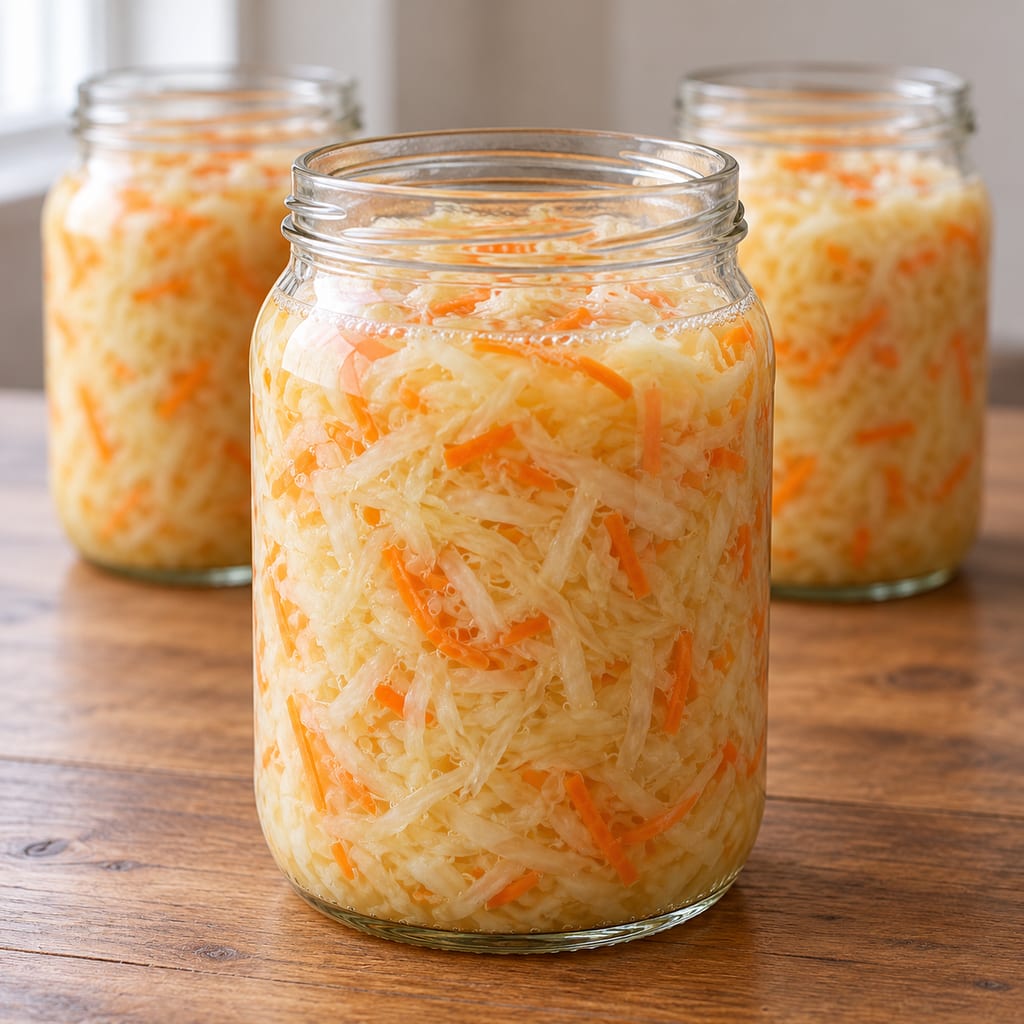
Shredded cabbage and grated carrot are salted to 20 g/kg, rested, packed into three jars and monitored during a creator-reported eight-day fermentation; measured temperature is not given.
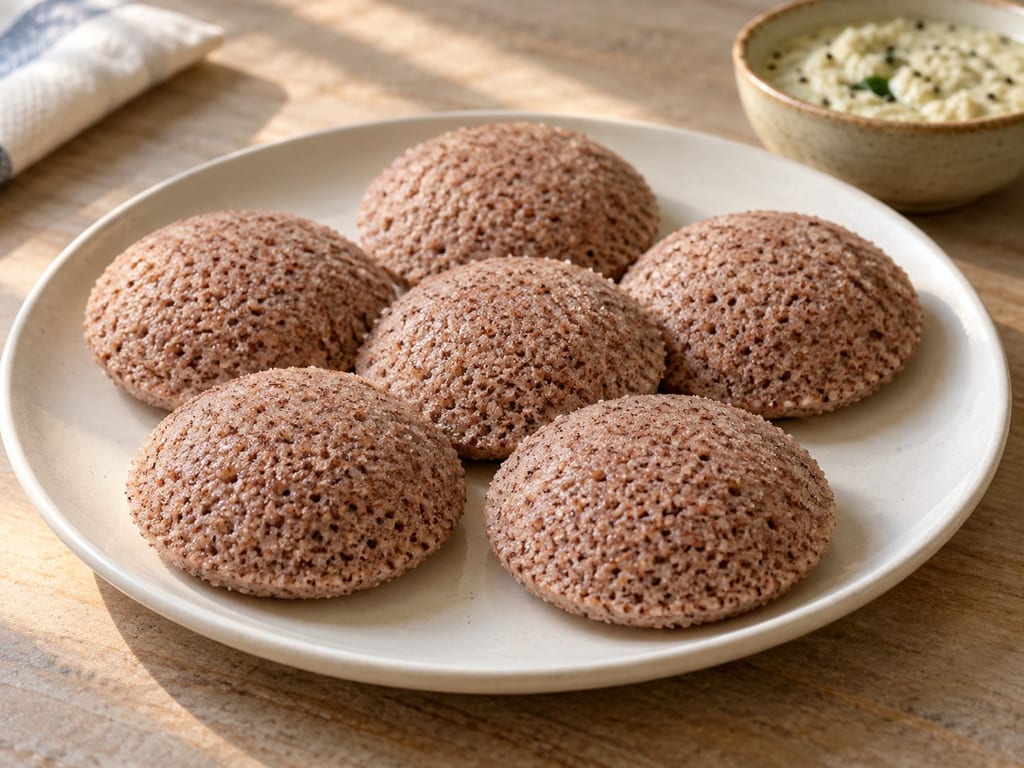
Ragi idli uses a source-specific naturally fermented grain and urad batter, then cooks it by steaming in moulds. The creator leaves some process measures unquantified.
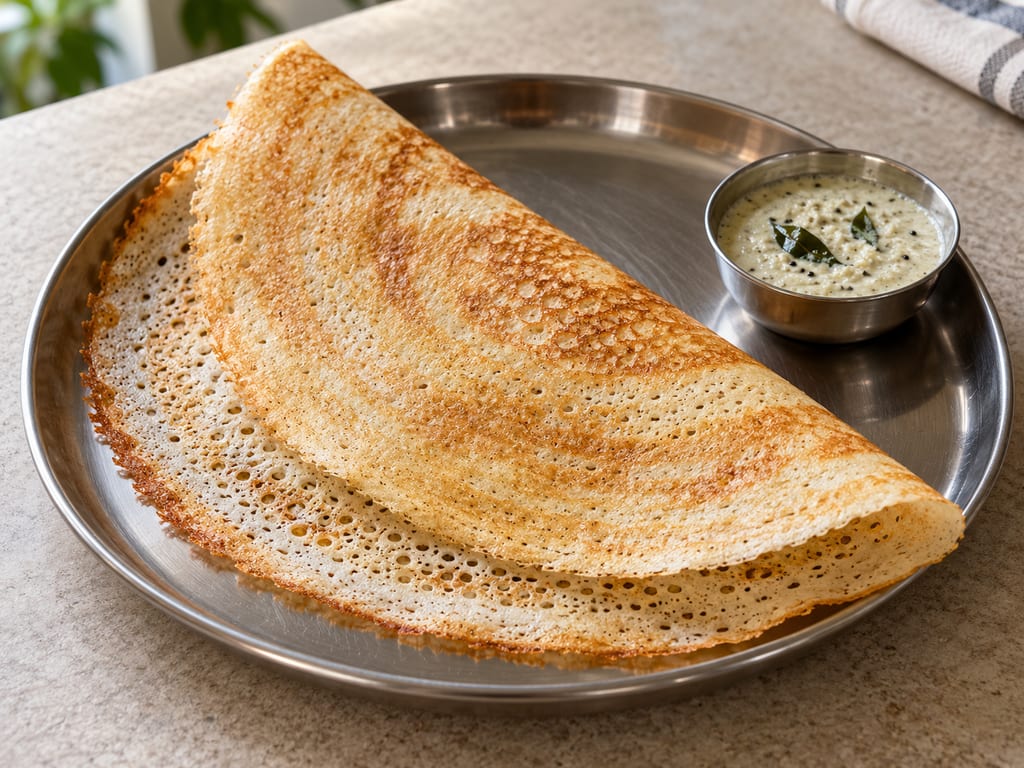
Rice and urad dosa uses a source-specific naturally fermented grain and urad batter, then cooks it by griddling. The creator leaves some process measures unquantified.
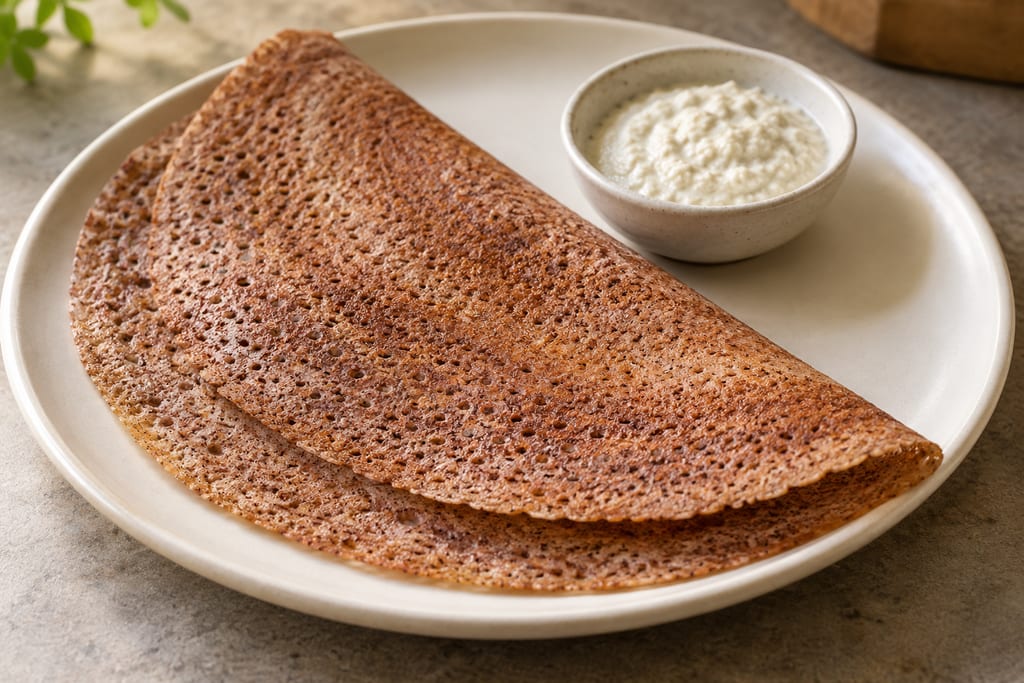
Ragi dosa uses a source-specific naturally fermented grain and urad batter, then cooks it by griddling. The creator leaves some process measures unquantified.
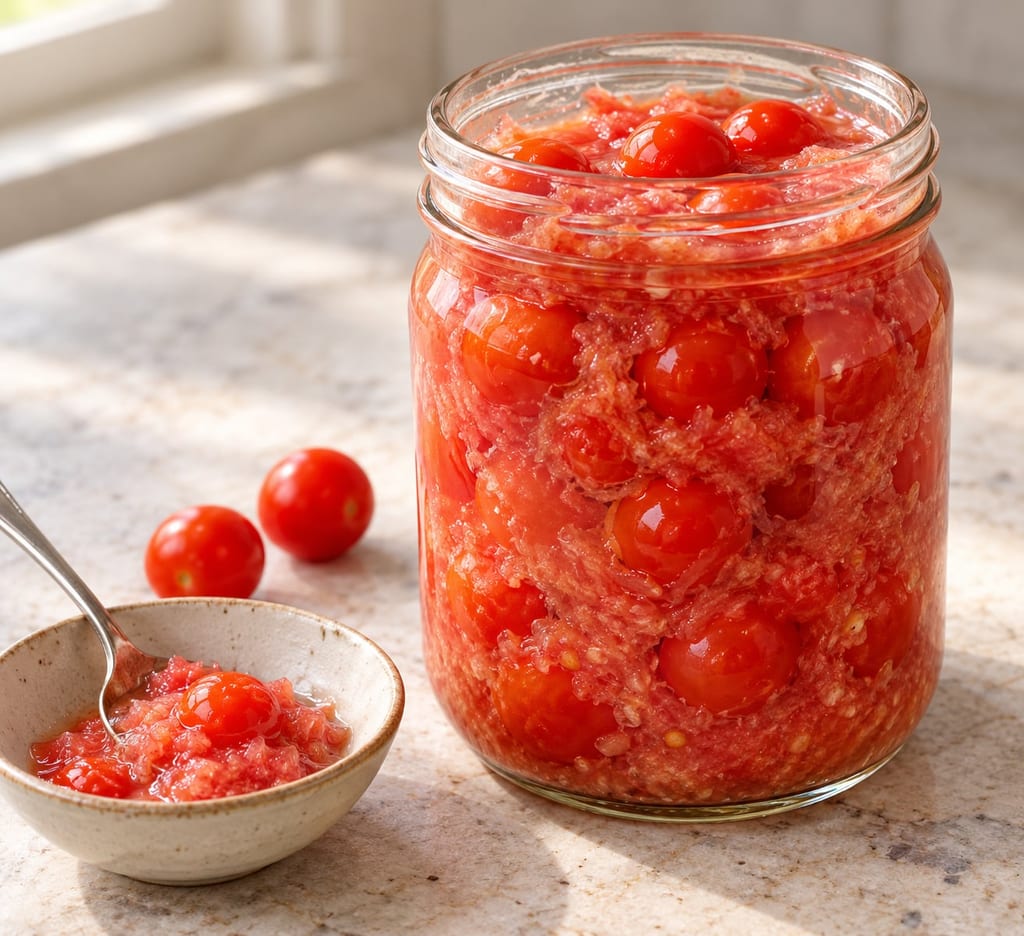
Cherry tomatoes sit beneath a salted grated-tomato layer for a five-to-seven-day room-temperature fermentation.
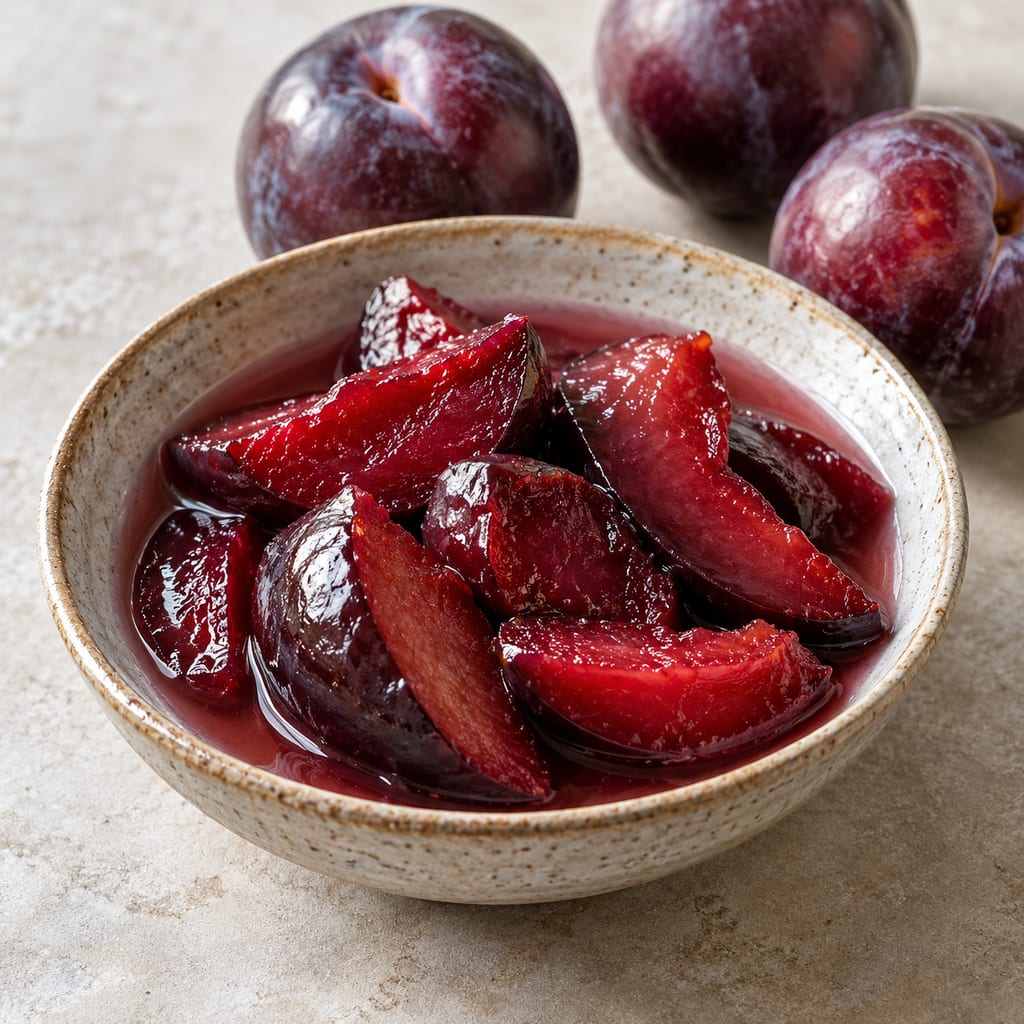
Pitted ripe plums release their own juice under a 2% salt cure, then ferment while weighted below the liquid.
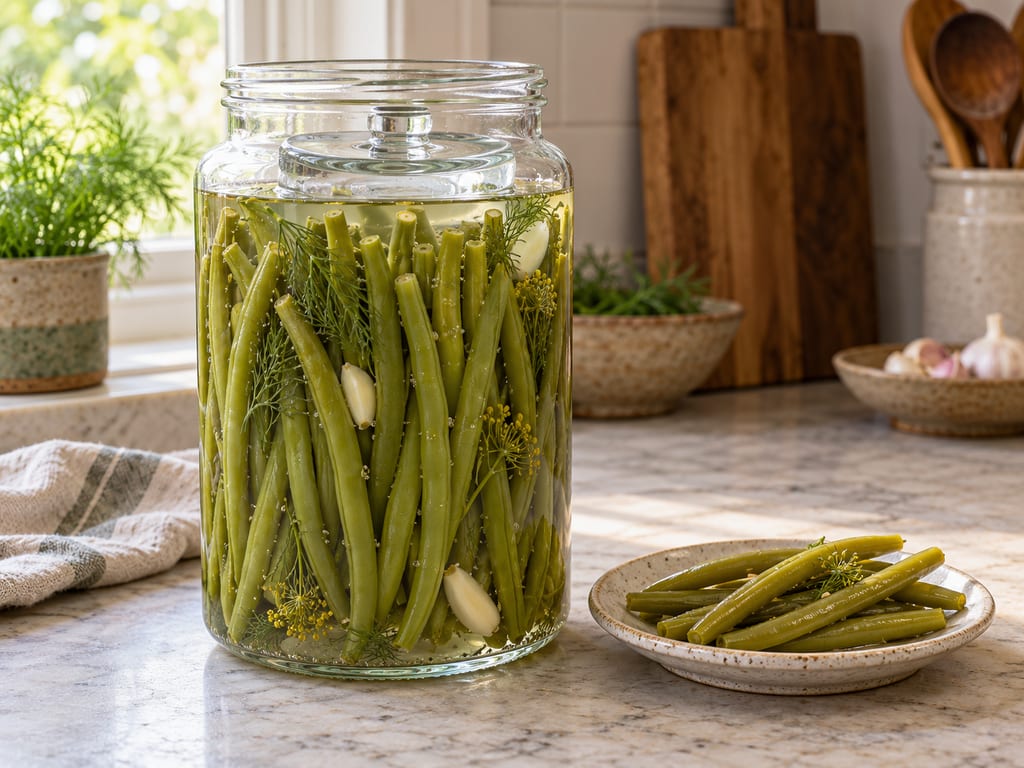
Whole green beans fermented in a salt brine, with dill and garlic as optional seasonings, staying crisp as they sour.
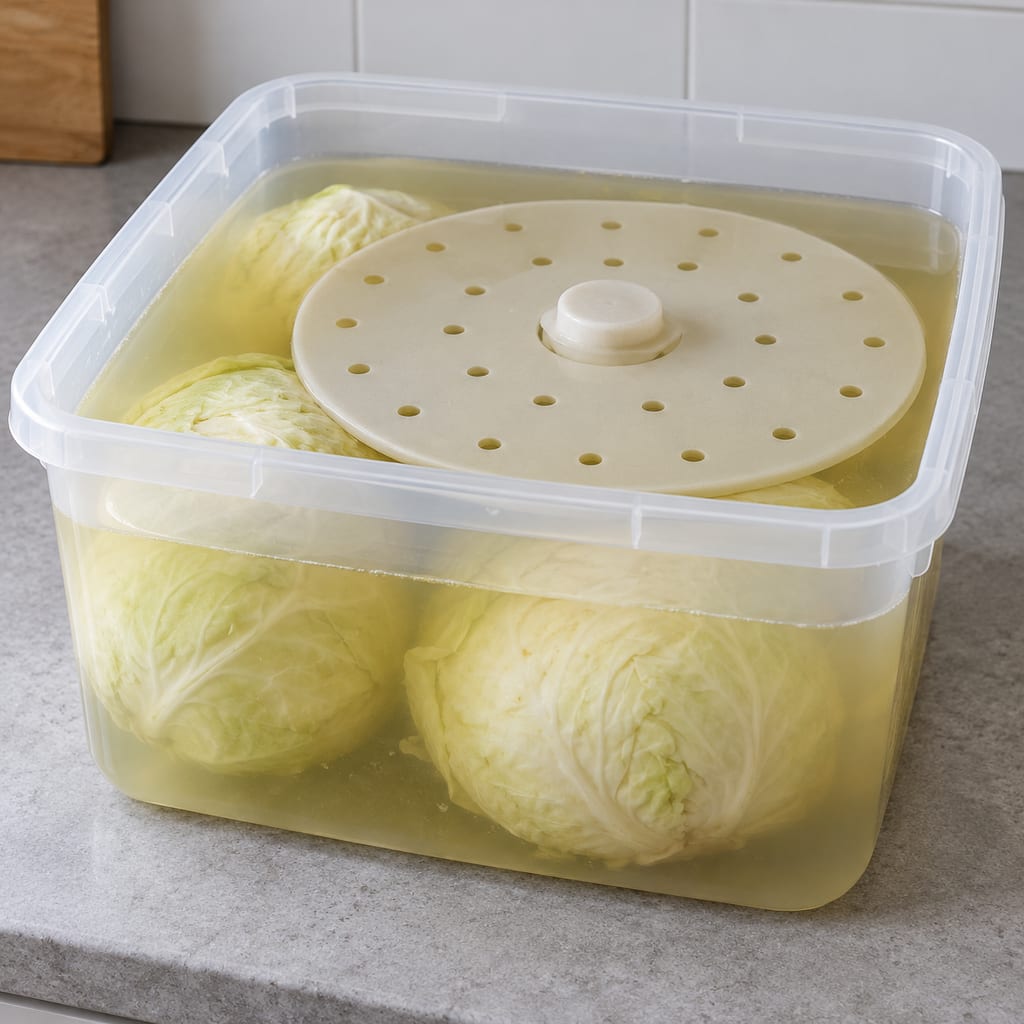
Cored cabbage heads ferment intact or halved under measured brine, with repeated surface checks over six weeks.
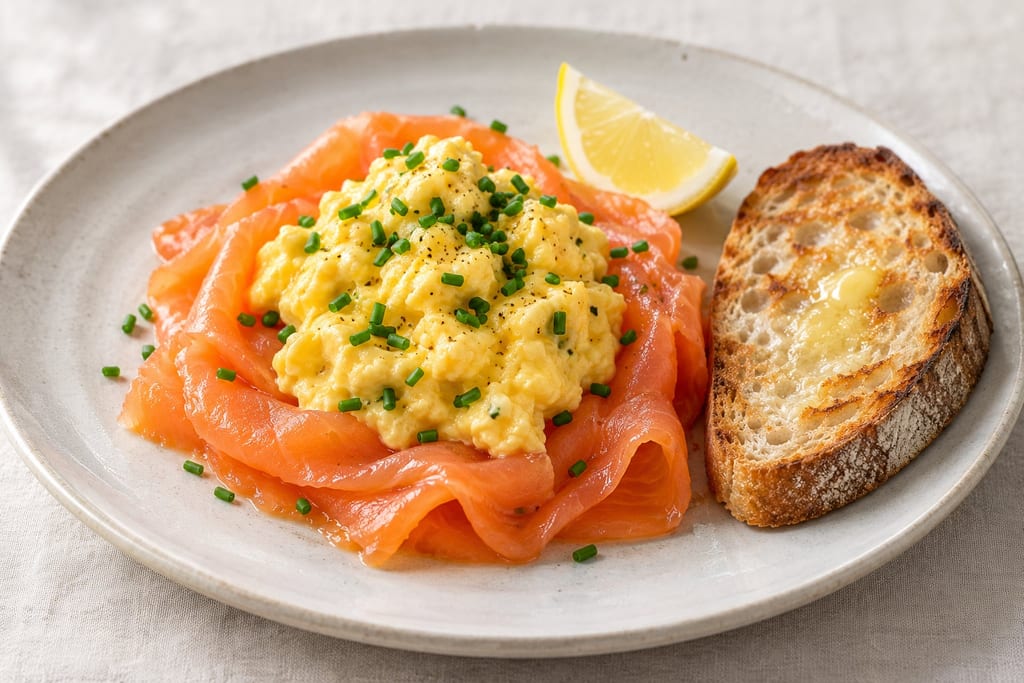
Softly scrambled eggs enriched with cream and butter, served with cold-smoked salmon, chives, lemon and sourdough toast as a British breakfast dish.
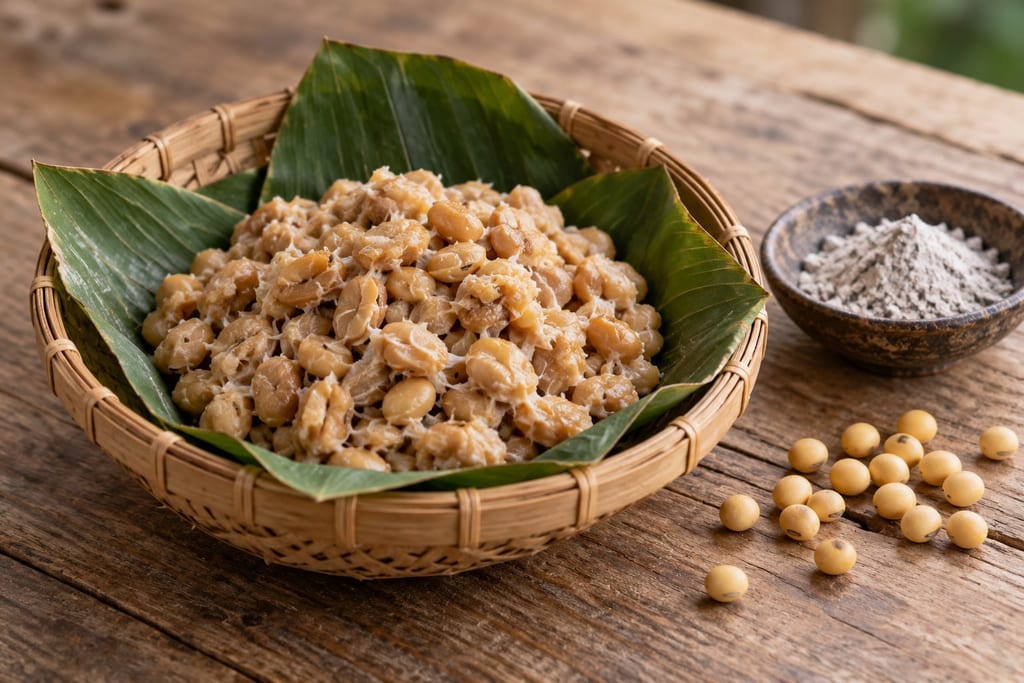
A sticky fermented soybean food of the eastern Himalaya, made here with a measured addition of firewood ash as an alkaline aid to the bacteria that drive it.