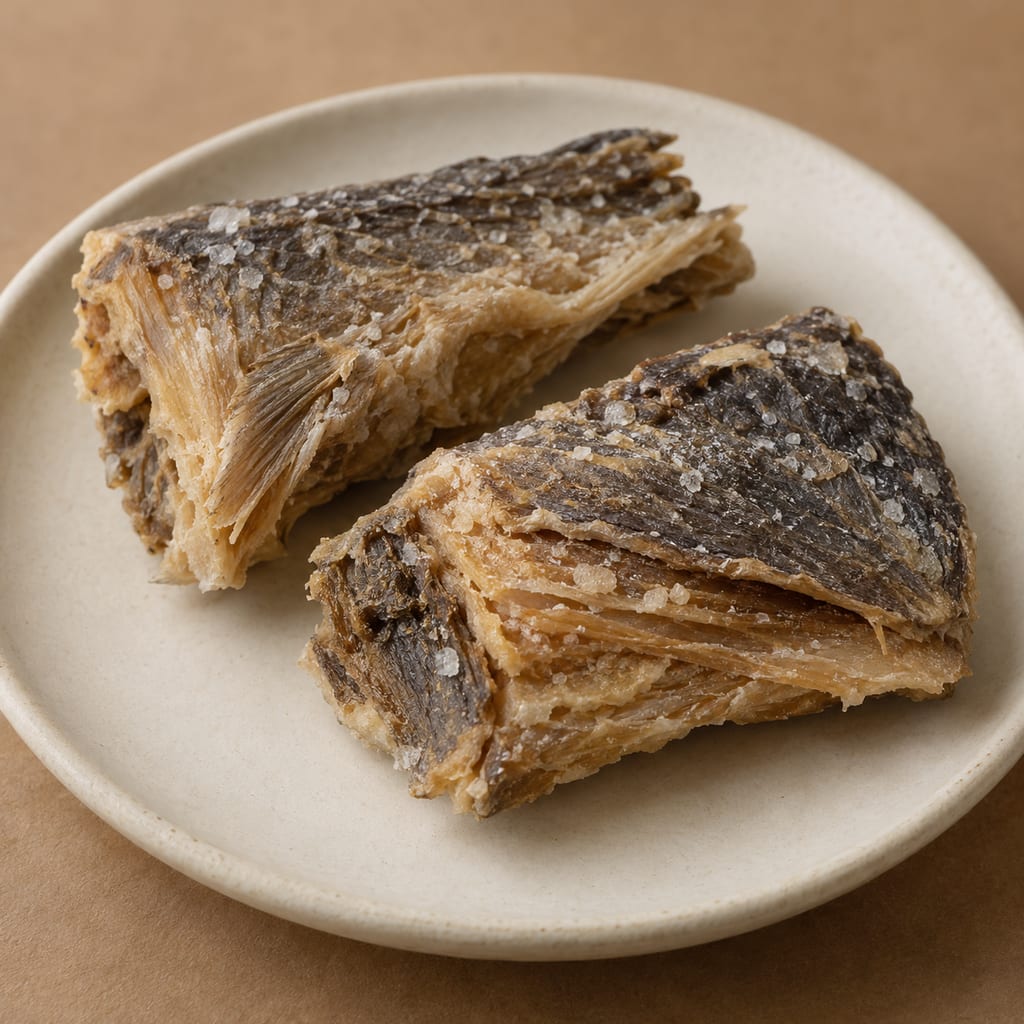
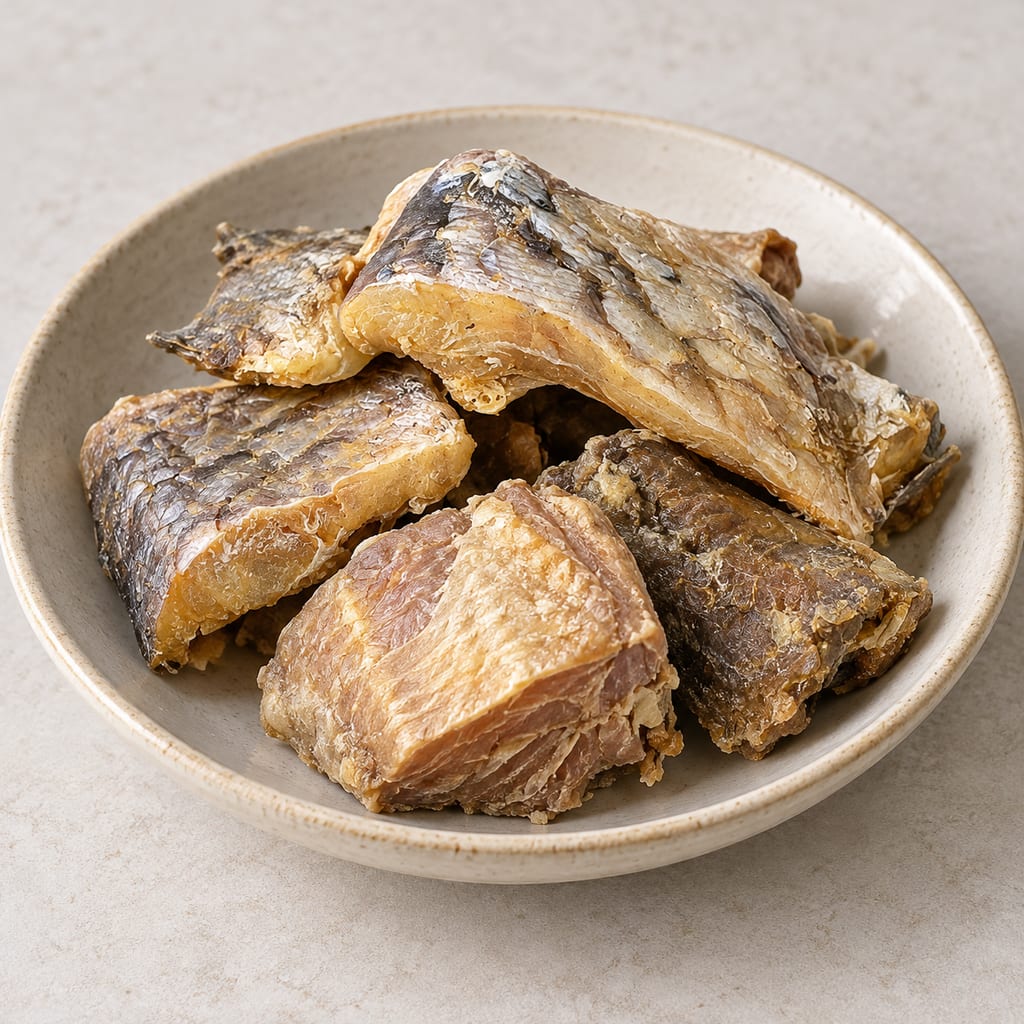
A fish batch is washed, mixed with 800 g salt per about 5 kg fish, and packed with an unresolved roasted-grain addition; cleaning weight and storage duration are unclear.
This creator batch is modern; the video does not establish the food's earliest history or origin.
Ingredients
Scaling: source batch only
Fish, species not statedAbout 5 kg; before/after cleaning basis unclear.
5 kg
SaltStated for the 5 kg fish batch; overall salt concentration not reported.
800 g
Roasted grain or rice bran (caption unclear)
Amount not stated
A roasted grain/bran addition is mentioned, but identity and amount are unclear.
Method
Risks and precautions · High risk
Preserved-fish hazards
FDA CPG 540.650 addresses botulism hazards in uneviscerated fish products that are salt-cured, dried or smoked. The captions here describe other or unresolved preparations; whether the guidance applies to this batch has not been established. It is general context, not a batch hazard assessment, control or validation.
Hazard source
Creator statements about flavour, aging time, lack of spoilage or storage life are not validated safety controls. No qualified process review or source-specific critical limits are established.
Wash the fish about three times. (source: https://www.youtube.com/watch?v=V2D-hpHwtFo&t=4s; captions 00:04–00:16)
Mix 800 g salt with about 5 kg fish. The source does not say whether the fish weight is before or after cleaning. (source: https://www.youtube.com/watch?v=V2D-hpHwtFo&t=16s; captions 00:16–00:24)
Keep the roasted-grain or rice-bran addition unresolved: the caption does not settle its identity, dose or exact position in the sequence. (source: https://www.youtube.com/watch?v=V2D-hpHwtFo&t=28s; captions 00:28–00:32)
Press the fish tightly into a tub or jar and close it. (source: https://www.youtube.com/watch?v=V2D-hpHwtFo&t=32s; captions 00:32–00:46)
Store away from direct sunlight. The creator claims the batch keeps for years but gives no reliable duration or validated storage condition. (source: https://www.youtube.com/watch?v=V2D-hpHwtFo&t=46s; captions 00:46–01:04)
Places
Unknown
Documented preparation · Place not established
Thai caption language does not establish filming location or food origin.
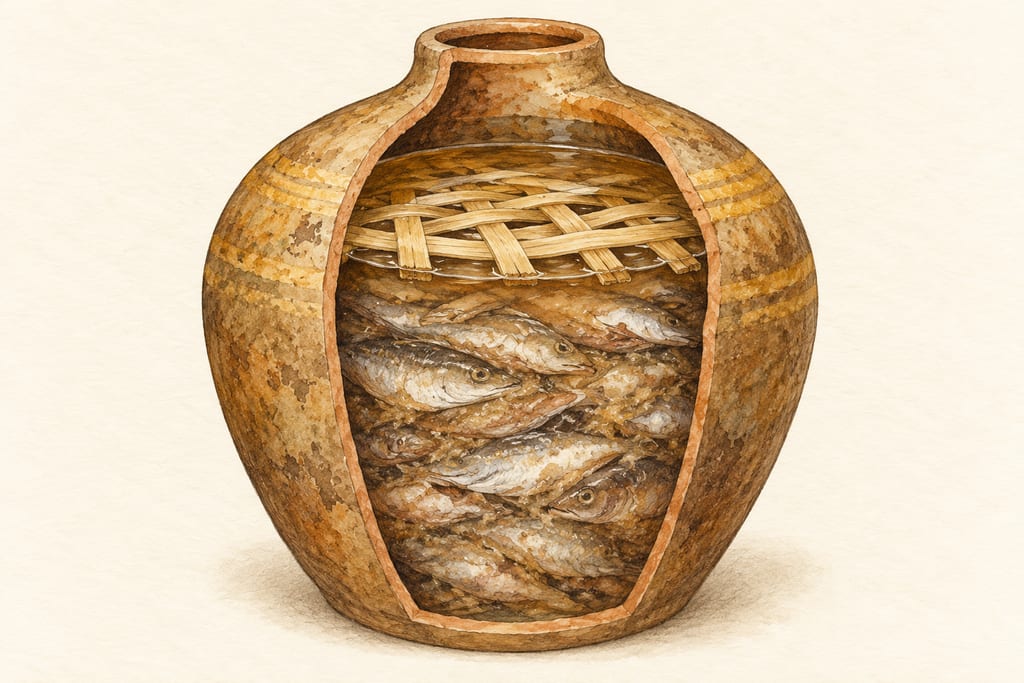
A narrow-necked earthenware jar for pla-ra fermentation, with woven bamboo strips pressed over the fish to keep it beneath the liquid. The jar is covered while allowing overflow; no standard size or lid design is established.
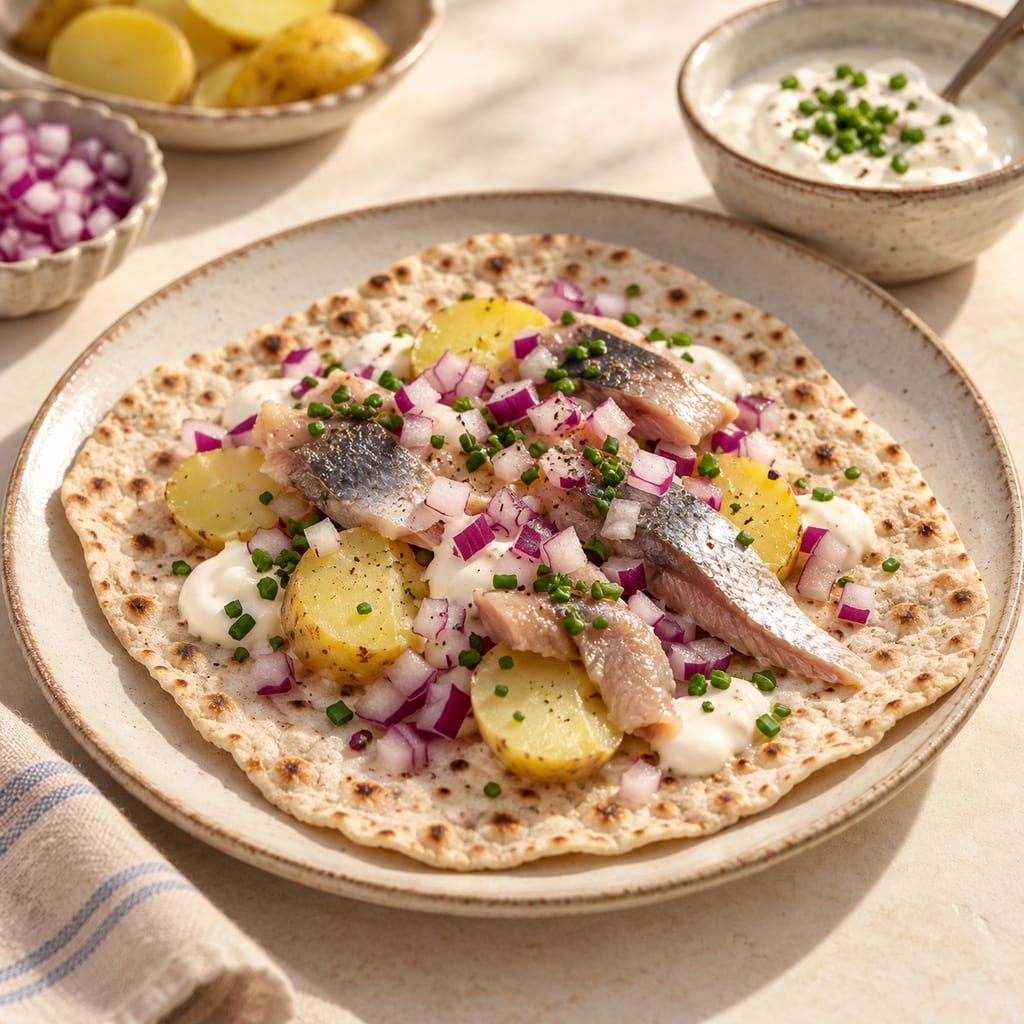
A Swedish late-summer meal of commercially prepared surströmming, tunnbröd, potatoes, onion and cultured cream. This is a serving preparation; the specialist fish fermentation is not made at home here.
A concrete fermentation tank installed below ground at a Senegalese fish-processing site was documented as an adaptation that emulated the older practice of burying fish during fermentation.
A documentary account of Icelandic hákarl, fermented and dried Greenland shark. It describes cultural context and one production study, not a home preparation method.
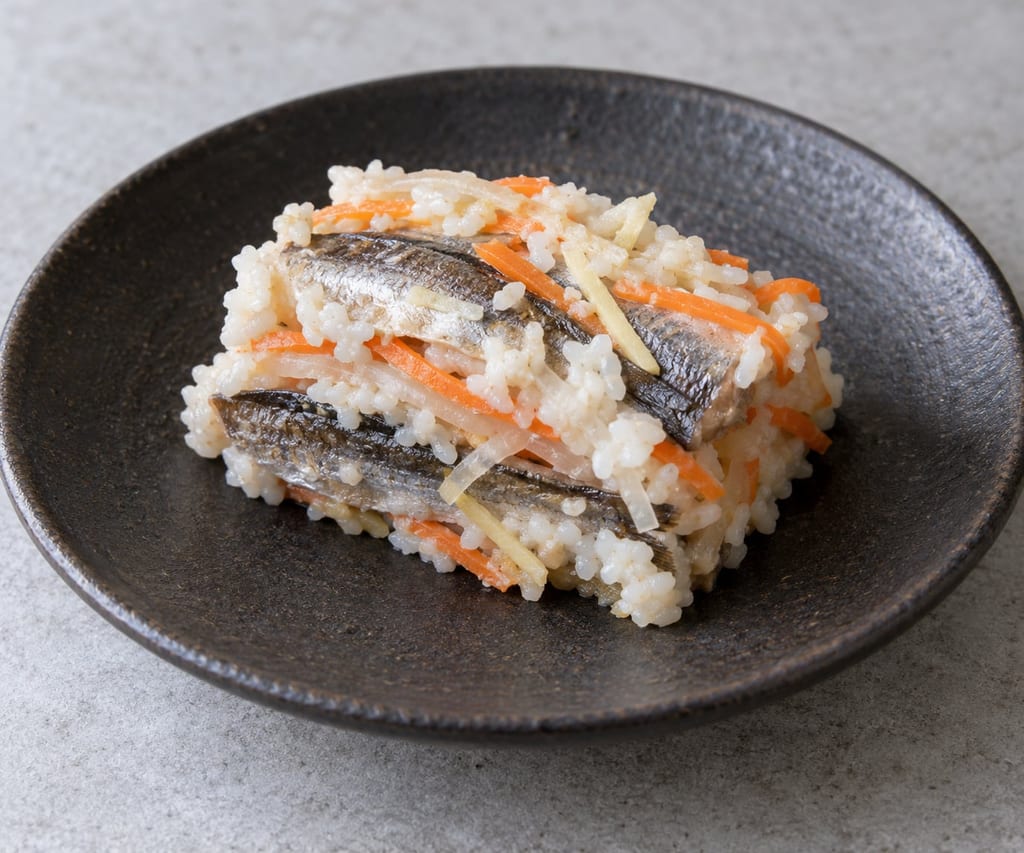
Hokkaido izushi layers fish, vegetables, rice and kōji for cold-season lactic fermentation. This MAFF recipe uses small hatahata with a vinegar pretreatment; it is one regional household formula, not a universal izushi method.
Lanhouin is a strongly flavoured fermented fish condiment documented in coastal West Africa, including southern Benin. This page records one published research reproduction as evidence, not as a validated home-preservation recipe.
Momone is a Ghanaian salted and fermented fish condiment made from varied marine fish. Historical surveys describe both semi-dried and drier products, with salting and drying methods differing across coastal communities.
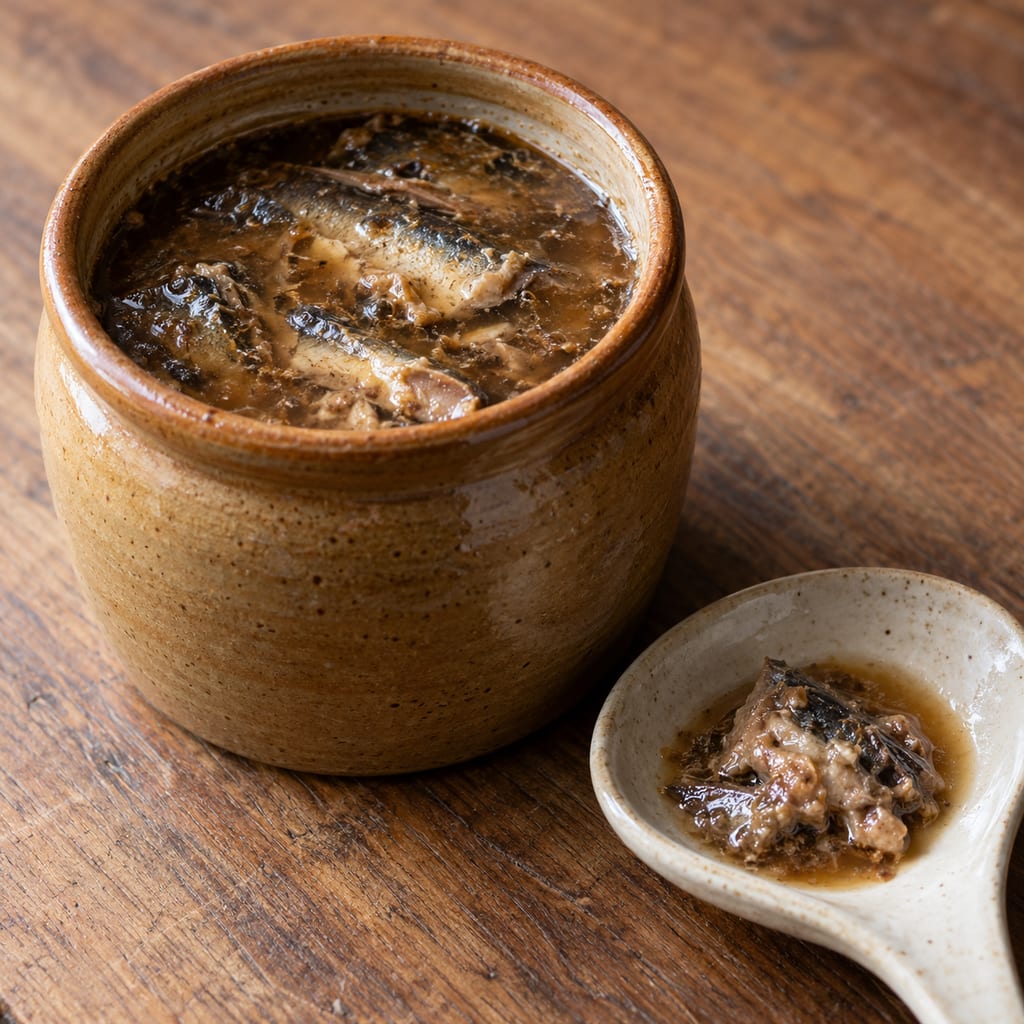
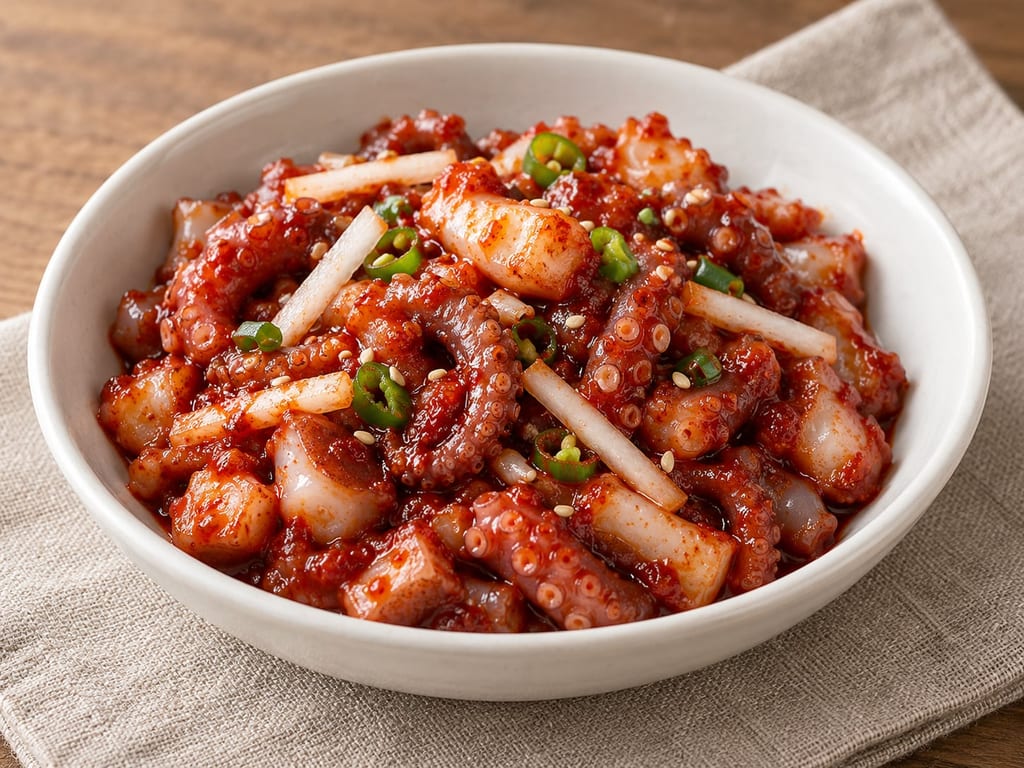
Nakji jeotgal is Korean salted octopus, served among jeotgal varieties with rice. This entry documents the dish and one creator’s quick-home version; it does not provide a household preparation method.
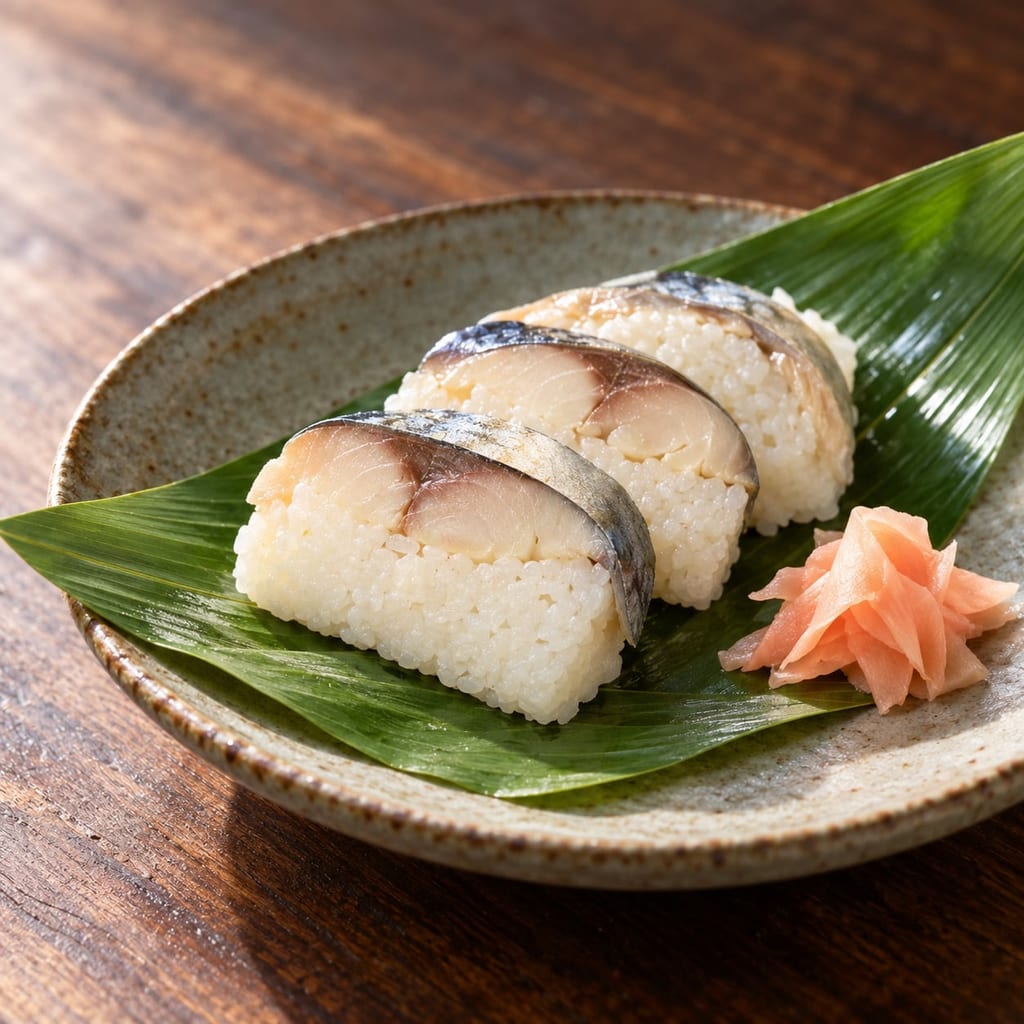
A documentary account of Japanese narezushi, a family of salted-fish and rice ferments. This entry preserves the East Kishu (Mie) source’s identity and regional context without providing a household preparation method.
Community
No community contributions have been published for this entry yet.
Share what you made
Sign in to contribute. Published comments and photos are free to read.
The creator's source batch and ordered operations are preserved in the structured ingredients and steps. Quantities, measures, storage statements, and gaps remain attributed to that source.
Ingredient dose — Fish, species not stated: https://www.youtube.com/watch?v=V2D-hpHwtFo&t=4s
The study describes pla-ra or pa-daek as salty-fermented fish paste used as a multipurpose seasoning in Thailand and Laos and samples products from central, northern and northeastern Thailand and Vientiane, Laos. It does not establish origin or validate this batch.
Accessed 2026-10-26
U.S. Food and Drug AdministrationGeneral hazard context
FDA guidance is scoped to uneviscerated fish products that are salt-cured, dried or smoked. This scope does not establish applicability to the described fermented fish batches or cooked sauce batches and does not validate them or set their controls.