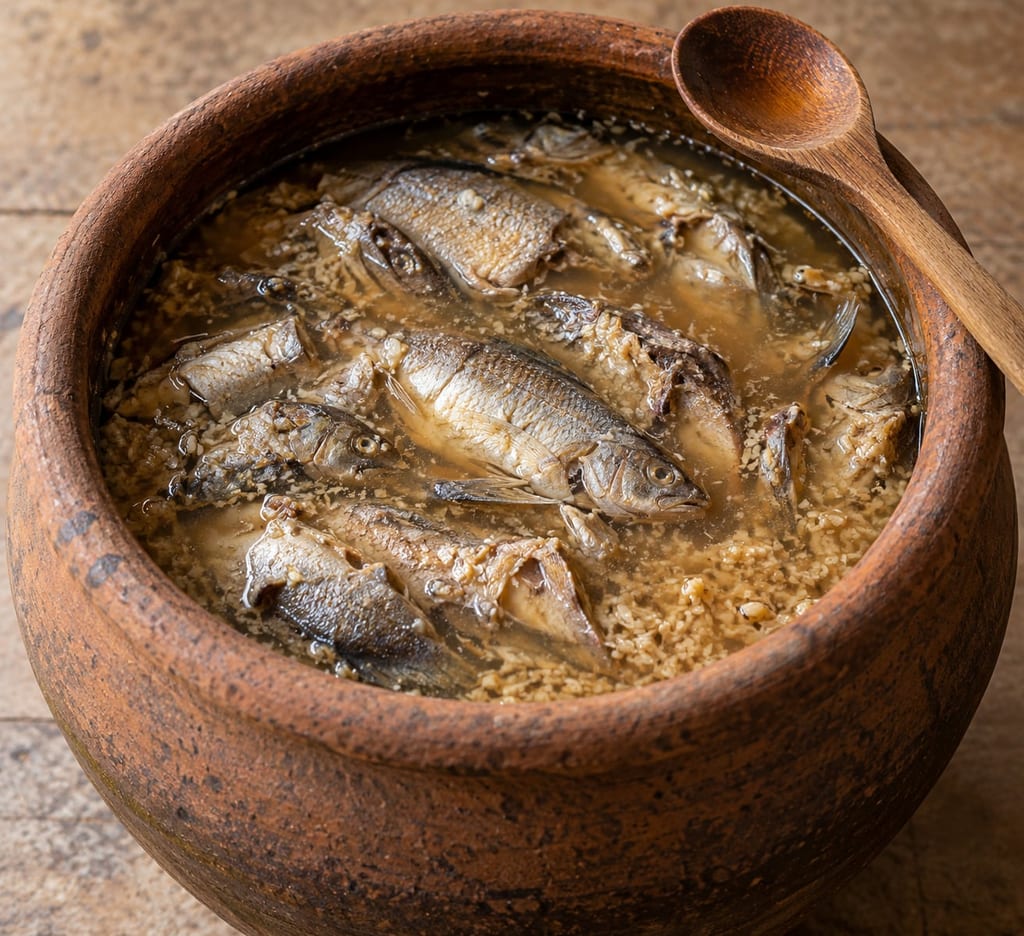
Pla ra with mixed freshwater fish
Mixed freshwater fish are soaked, repeatedly washed, salted and packed with toasted ground paddy rice; the creator gives a 1.5 kg fish batch and an unmeasured ladle dose.
 FermenteaWhere food goes to change
Equipment · Jars, pots and crocks
ปลาร้า ไห กระด้งไม้ไผ่ · ປາແດກ ໄຫ · padaek jar
A narrow-necked earthenware jar for pla-ra fermentation, with woven bamboo strips pressed over the fish to keep it beneath the liquid. The jar is covered while allowing overflow; no standard size or lid design is established.
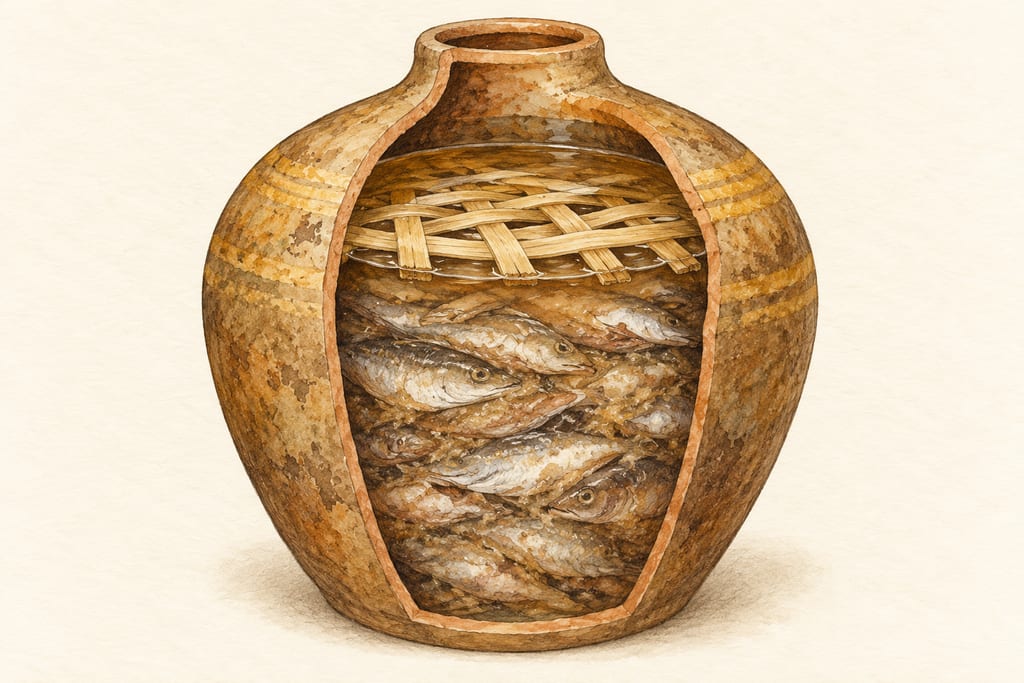
JIRCAS describes pla-ra made for longer fermentation in narrow-necked earthenware jars. The fish are packed in the jar and covered with salt. As liquid emerges, woven bamboo strips are pressed over the fish to hold them beneath the liquid. The jar’s neck constrains the opening around this internal restraint. It is a functional part of the fermentation setup, not a decorative basket placed around the outside.
The source specifies earthenware and bamboo, but gives no clay recipe, glaze or firing details. It also does not provide a standard capacity, neck width or mat diameter. The Thailand Foundation’s photograph shows many jars used for fermenting fish; it does not show the hidden bamboo strips, so it is evidence of jar use rather than a depiction of the complete jar-and-mat assembly.
After the bamboo restraint is placed, JIRCAS says the jars are covered to protect the fish from flies, while excess liquid is allowed to overflow. The jars are usually kept in shade. This description explains why a sealed modern bucket or a lid that traps all overflow would not be a faithful stand-in for the documented arrangement. The source does not specify a particular cover material or fastening method, so this account leaves those details open.
The restraint has a defined job: keep the fish under the liquid as fermentation proceeds. JIRCAS describes the later mixture being packed in earthenware jars and left for at least six months. That duration is the source’s account of pla-ra, not a fixed operating rule for every jar, region or producer.
JIRCAS lists plaa-daek as a northeastern Thai name, while its entry also records plaa-ha in the north and ra in the south. The Thailand Foundation places pla ra prominently in Isan and notes regional differences in ingredients and preparation. The jar described here belongs to a documented Thai method; those names do not prove that every regional fermented-fish tradition uses the same vessel or bamboo restraint.
The inspected sources establish the jar’s material, restricted neck and the bamboo restraint’s purpose, but not a single shape profile, size, glaze, firing, or long-term care routine. Some production photographs show groups of earthenware jars, but the hidden interior arrangement must be described from the method evidence. Exact measurements and construction details should be added only when a source identifies the particular vessel.
The bamboo strips are documented as a way to keep fish beneath liquid; the sources do not specify one universal mat size, weave or jar fit.
Source →Covers, overflow arrangements, ingredients and fermentation details vary; this record does not prescribe a single recipe or lid design.
Source →JIRCAS identifies plaa-daek as a northeastern Thai name and describes the earthen jar and bamboo restraint for plaa-raa. This records documented use, not an origin or exclusive distribution claim.
Mixed freshwater fish are soaked, repeatedly washed, salted and packed with toasted ground paddy rice; the creator gives a 1.5 kg fish batch and an unmeasured ladle dose.
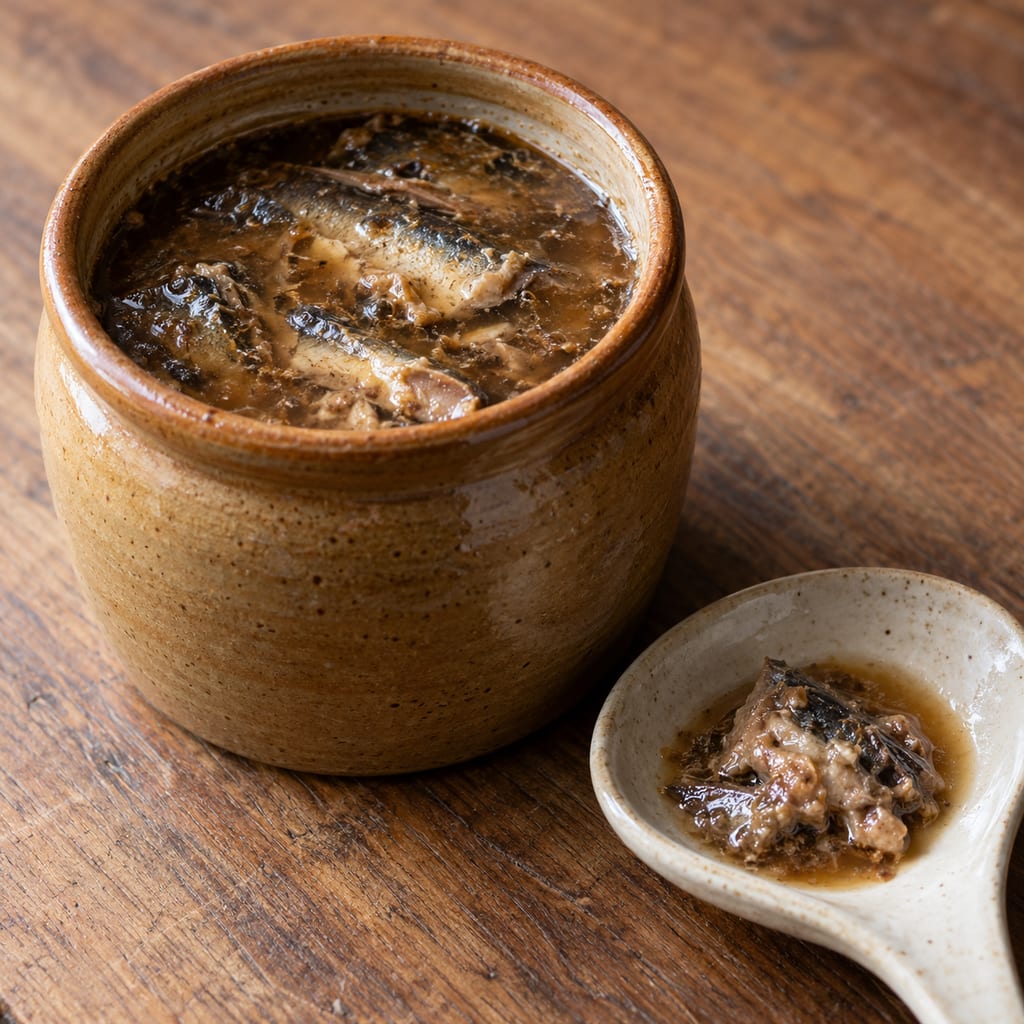
A fish batch is washed, mixed with 800 g salt per about 5 kg fish, and packed with an unresolved roasted-grain addition; cleaning weight and storage duration are unclear.
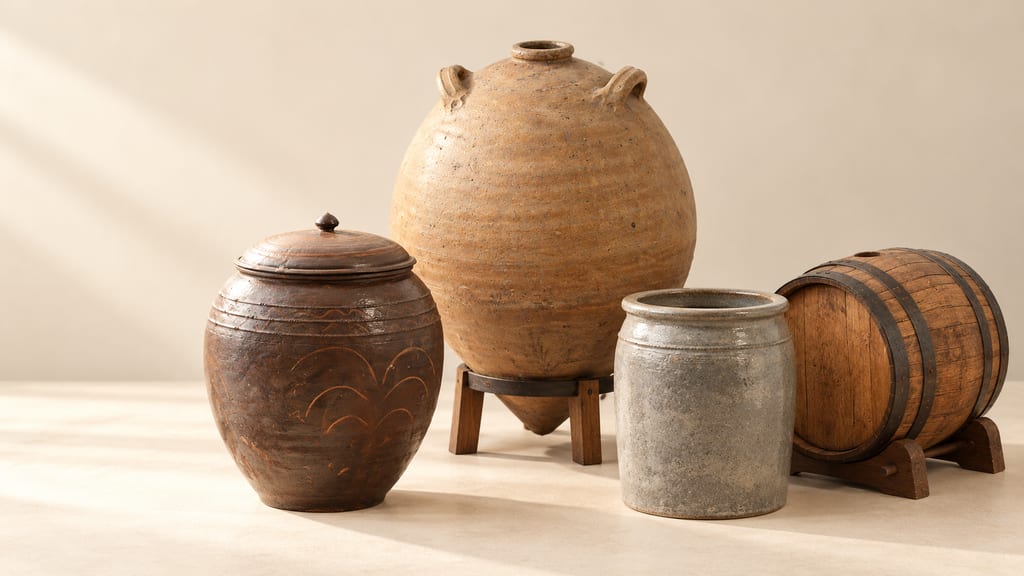
Jars, barrels, skins, leaves, pits and whole rooms decide much of what happens to fermented and cured food. This is how a container works on its contents, and how people in different places chose theirs.
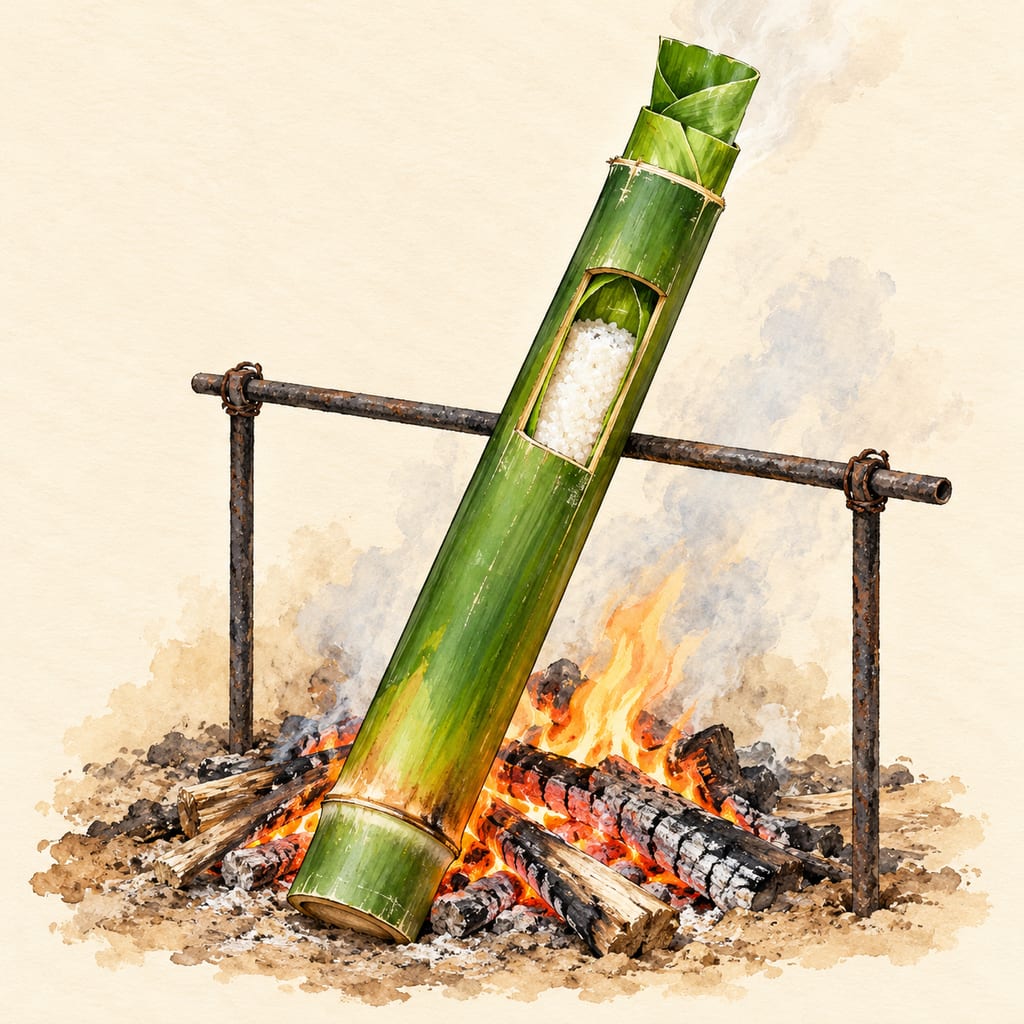
A bamboo internode can serve as the cooking vessel itself: its natural node closes one end while the open end holds food, often with a leaf lining or plug. Regional preparations differ in filling, fire arrangement and handling.
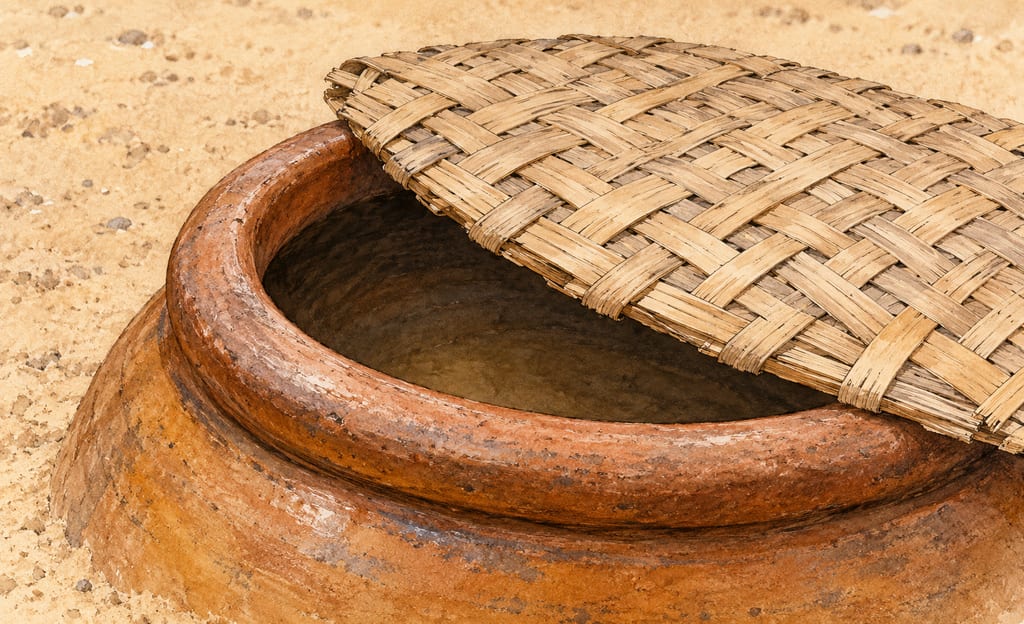
Earthenware jars hold salted fish while budu matures. Southern Thai accounts document bamboo mat, plastic and aluminum, and wood-board covers in different production settings.
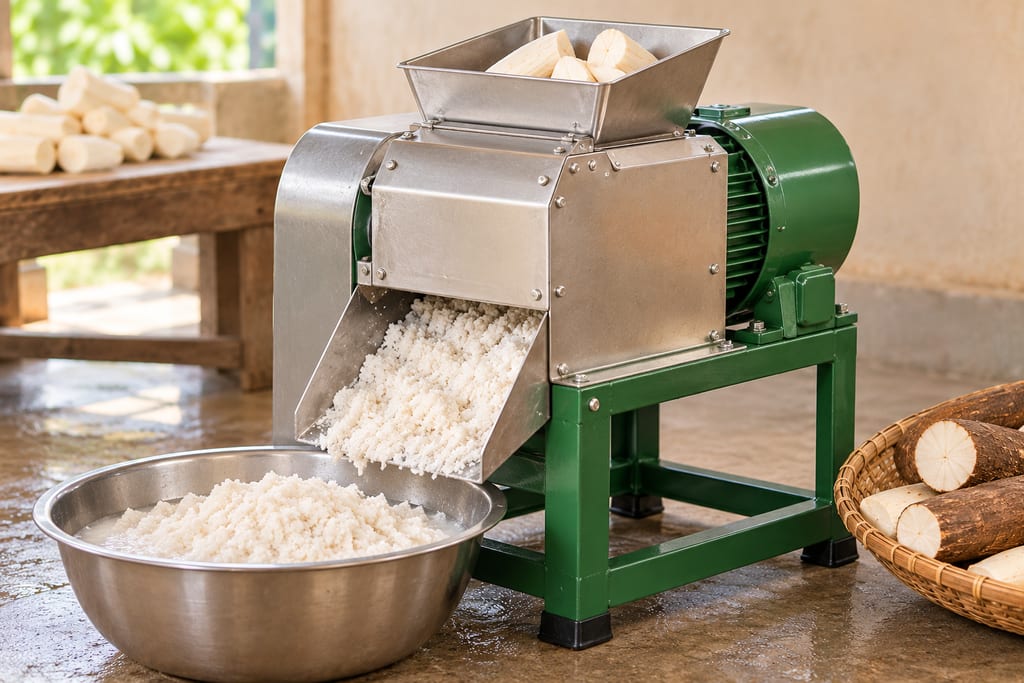
Graters, motorized rasping drums and processor grating discs reduce cassava or coconut to shreds or mash. They perform the grating stage only; later processing determines texture, extraction and cassava safety.
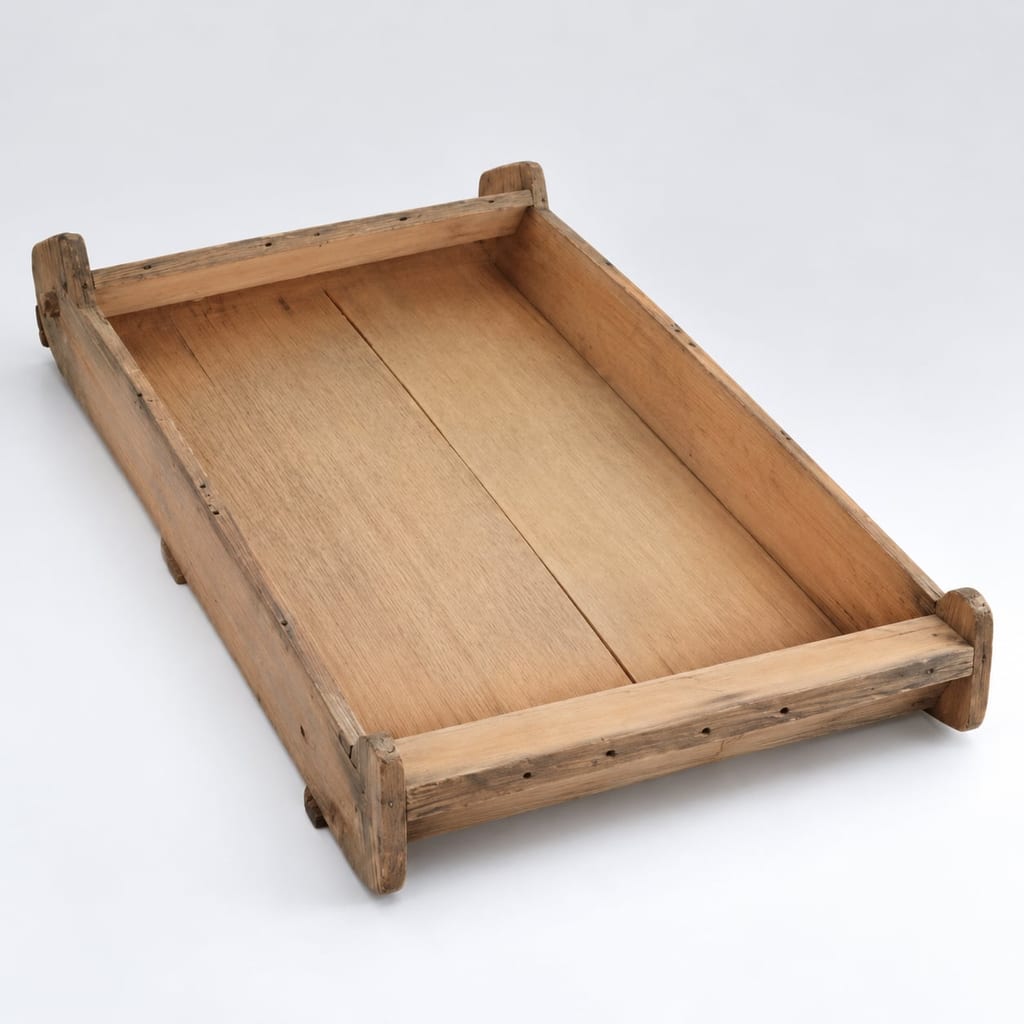
A shallow tray or basket carries grain or another solid food material during a mold-growing stage. Japanese koji trays and Southeast Asian bamboo trays share a broad function, but have distinct forms, histories and local uses.
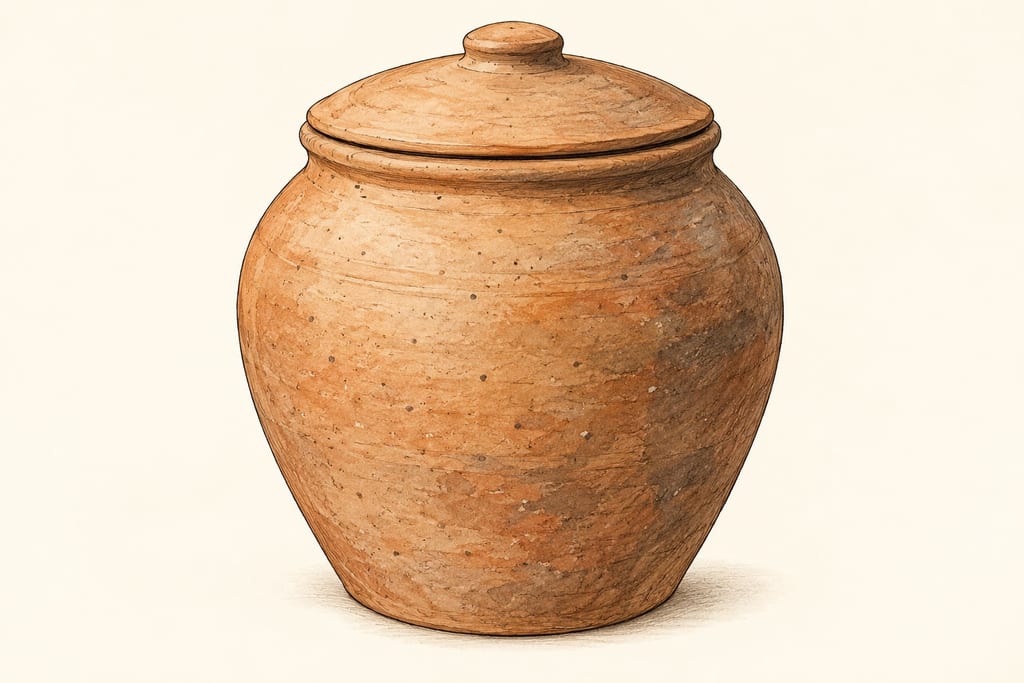
A closed earthen jar documented for fermenting tai-plaa, the salted fish-viscera product of southern Thailand. The sources do not establish one standard jar shape, capacity, lid, or date of first use.
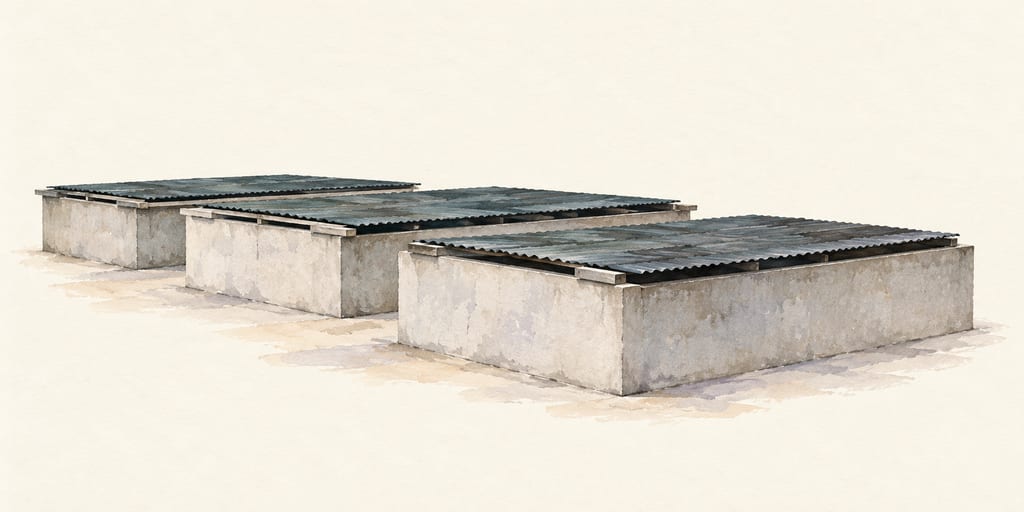
Thai nam pla ferments fish and salt in more than one kind of vessel. Sources document earthenware jars alongside larger wooden or cement tanks; no single shape, capacity or construction detail applies to every maker.
No community contributions have been published for this entry yet.
Sign in to contribute. Published comments and photos are free to read.
Japan International Research Center for Agricultural Sciences (JIRCAS)Vessel form · Internal bamboo restraint · Jar use and storage context
Plaa-raaFor longer pla-ra fermentation, JIRCAS describes tightly packed fish in narrow-necked earthenware jars, salt covering the fish, and woven bamboo strips pressed on top to keep fish beneath liquid.
The account says jars are covered against flies while allowing excess fluid to overflow, are usually kept in shade, and the final mixture is packed in earthenware jars for at least six months.
The database gives plaa-daek as a local name in northeastern Thailand and notes regional names including plaa-ha and ra.
Cited in: A narrow neck and an internal restraint; Covering the jar without sealing away overflow; A regional vessel form, not one universal pla-ra jar
Thailand FoundationRegional context · Linked image attribution
Pla Ra: Thai Fermented FishIdentifies pla ra and pla daek as fermented-fish names used in Thailand, including northeastern Thailand (Isan), while noting that terminology and preparations vary by region.
The article captions a photograph of fermenting fish jars and credits it to paidooo; the image documents a group of jars but does not show the internal bamboo restraint.
Cited in: A narrow neck and an internal restraint; A regional vessel form, not one universal pla-ra jar