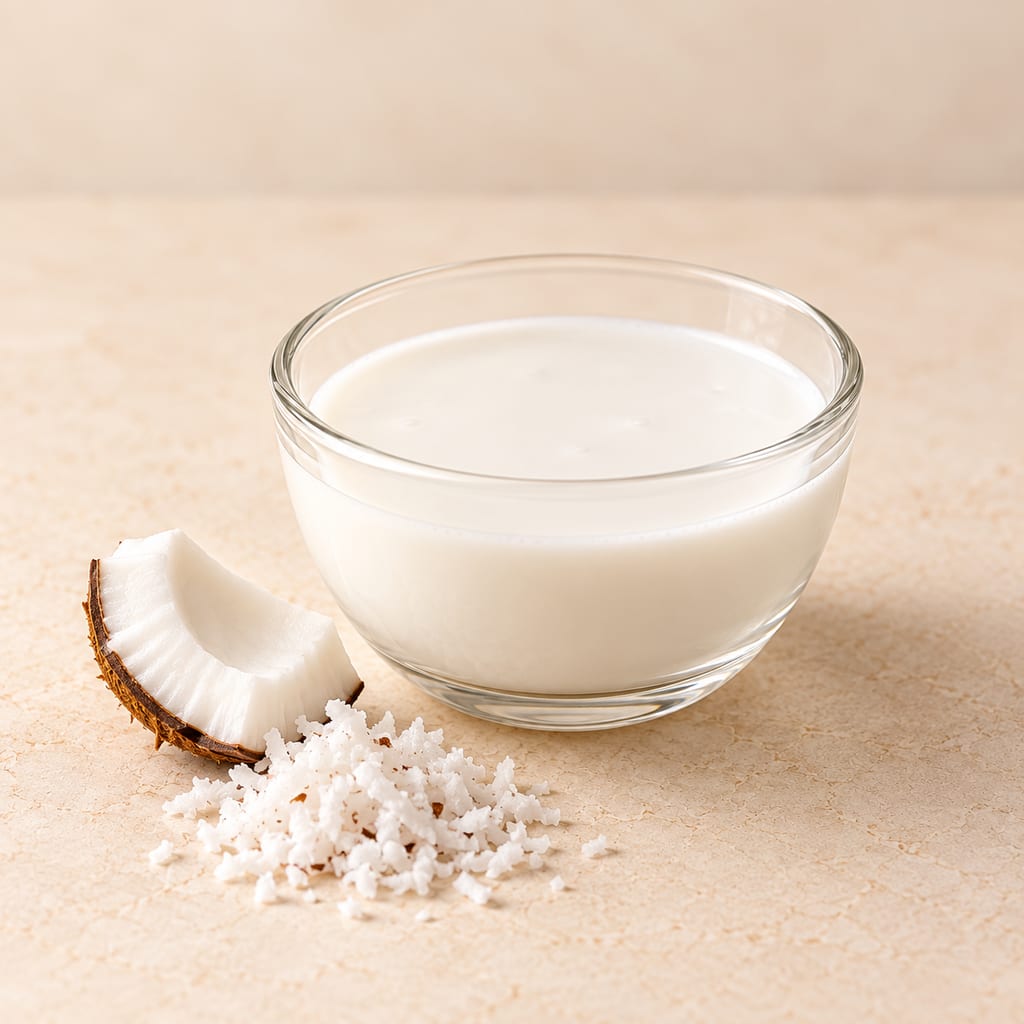
Coconut milk
Coconut milk is an aqueous emulsion extracted from mature coconut kernel, sold fresh, packaged or reconstituted. It is distinct from the liquid naturally inside a coconut.
 FermenteaWhere food goes to change
Equipment · Food graters and rasping machines
Food-rated grater or processor disc · cassava grater · coconut grater · rasping machine
Graters, motorized rasping drums and processor grating discs reduce cassava or coconut to shreds or mash. They perform the grating stage only; later processing determines texture, extraction and cassava safety.
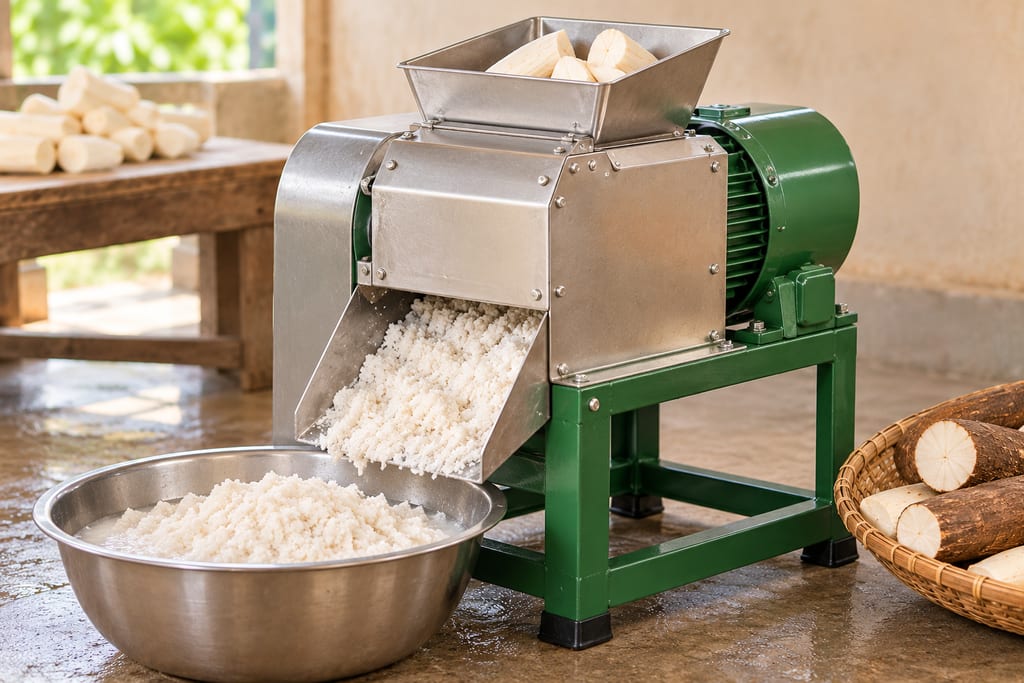
A grater reduces food by moving it across a rough or perforated surface. Depending on the tool, the result may be shreds, flakes or a wet mash. A hand grater, a processor disc and a motorized rasping drum do the same broad job but are not one standardized machine: scale, drive, feed opening and output differ. The sources do not compare their particle sizes or performance, so a processor disc is a possible home-scale alternative, not a proven equivalent to an industrial cassava grater.
The documented examples show two different scales. A market coconut machine has a metal hopper and motor housing, with a chute for grated coconut. An IITA smallholder guide describes a motorized cassava grater with stainless-steel drum, chute and robust frame. A photo from Nigeria shows a shed-scale machine. None of these sources defines a standard size or universal configuration.
In the IITA guide, peeled and washed cassava roots go through a motorized grater to become wet mash. Its production-scale machine has a stainless-steel drum and food-contact surfaces, powered by a petrol or diesel engine. The equipment table lists 2 tonnes per hour for that context; this is not a rating for a home appliance. The guide also describes traditional graters made from perforated metal sheets and discusses their slower, more labour-intensive use.
Grating is not a stand-alone detoxification treatment. Cassava roots contain cyanide, and the guide treats grating as one part of gari production. Mash must continue through de-watering and fermentation, followed by sieving and roasting. Freshly grated cassava is not ready to eat. The guide warns against pushing roots against the rotating drum with bare hands and recommends stainless steel on food-contact surfaces because mild steel can rust and contaminate the product.
A coconut grater prepares the flesh; it does not make coconut milk by itself. A 1993 study of coconut-oil extraction starts with fresh grated coconut meat. One documented route mixes grated flesh with hot water, kneads it, then squeezes and strains out coconut milk. Later settling and separation recover cream or oil; those are extraction steps, not grater functions. The publication reports traditional wet processing in Malaysia, Indonesia, Thailand and other coconut-producing countries, but does not name one grater design for those places.
The same distinction applies to a home processor disc. A grating disc can reduce coconut flesh to smaller pieces, but the study does not test processor discs against hand grating or motorized drums. Disc size and tooth pattern vary by model; the shreds still need the separate water, kneading, squeezing and straining stages specified by the selected method.
For gari, the grater makes mash; pressing or another de-watering step, fermentation, sieving and roasting follow. For coconut milk, the grater prepares flesh before water extraction and straining. The machine does not replace the press, fermentation stage, sieve or roaster, and it does not validate a food-preservation process.
The cited stainless-steel requirement applies to cassava-processing contact surfaces in the IITA guide. It is not a certification claim about every utensil sold as food-grade. A home processor disc must be assessed by the actual model's materials, guards and cleaning instructions; none of the cited sources compares one with the industrial machines.
IITA's 2012 gari guide specifies a motorized stainless-steel drum grater. A 1993 coconut-oil study starts with freshly grated coconut and discusses traditional wet processing. Neither source establishes the first use of hand graters or processor discs.
The IITA guide warns that pushing cassava against an operating drum with bare hands may cause injury.
Hazard sourceCassava roots contain cyanide; grating is only an early processing stage and does not make fresh mash safe to eat.
Hazard sourceGrating cassava alone does not remove the cyanide hazard or make fresh mash ready to eat; gari processing continues through de-watering, fermentation, sieving and roasting.
Source →A grater prepares coconut flesh but does not extract coconut milk or oil; water mixing, kneading, squeezing and straining are later operations in the cited wet route.
Source →The sources do not compare home processor discs with production-scale motorized graters, or establish common capacity, dimensions or output.
Source →This is a documented gari context, not a claim about the grater's origin.
The place describes the photographed work, not an invention point.
The study does not identify a particular grater model.
The study does not identify a particular grater model.
The study does not identify a particular grater model.
Coconut milk is an aqueous emulsion extracted from mature coconut kernel, sold fresh, packaged or reconstituted. It is distinct from the liquid naturally inside a coconut.
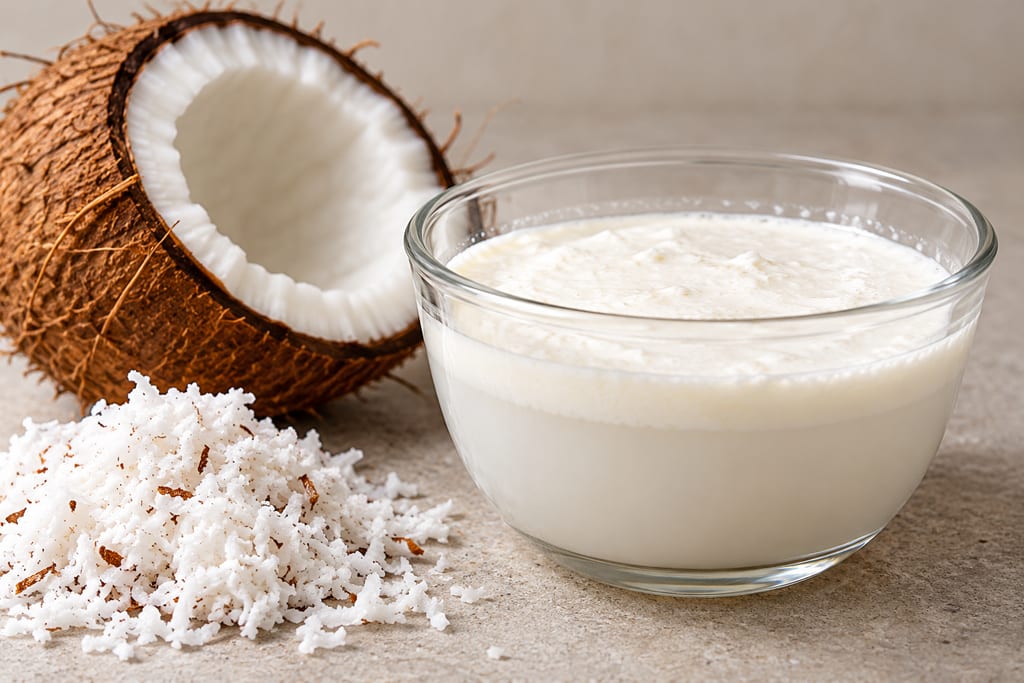
Grated or shredded coconut extracted with water and squeezed or strained into a milky emulsion; left to stand, it separates into cream and a watery layer.
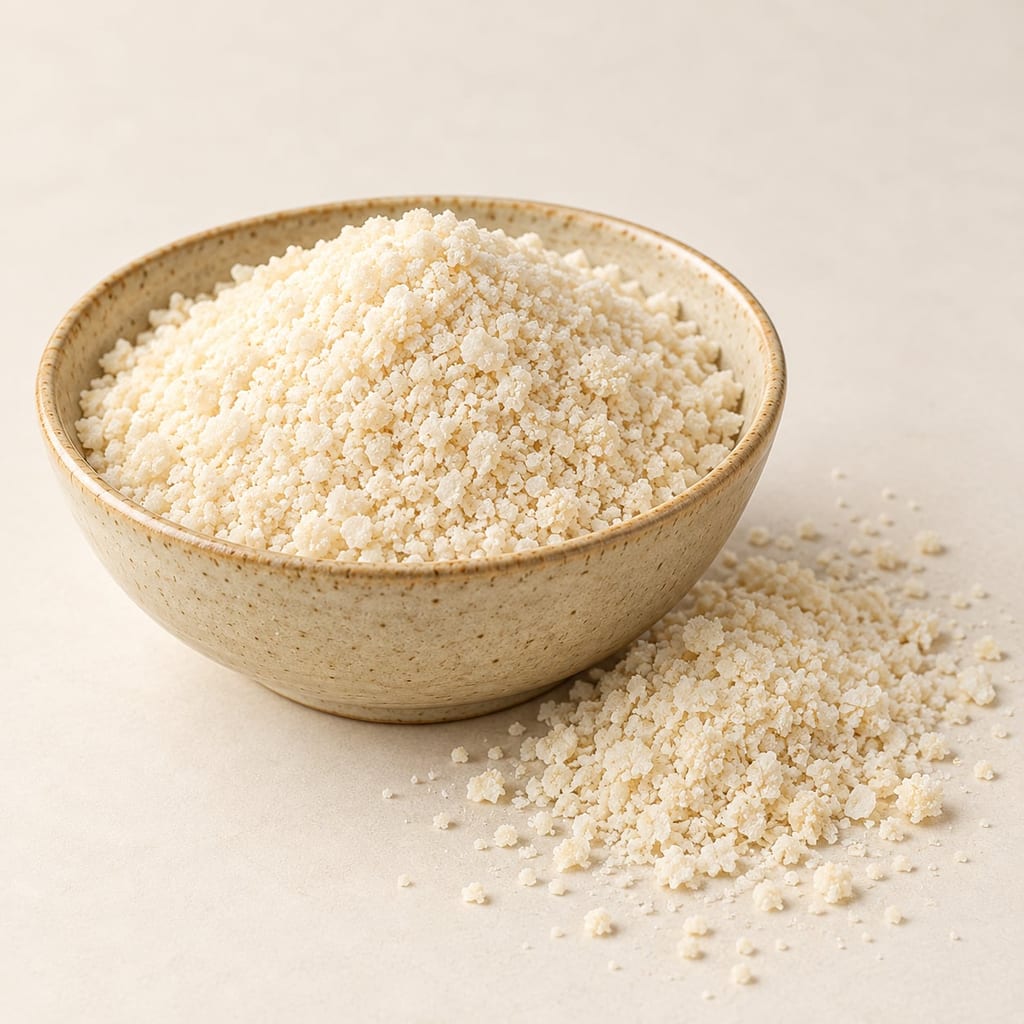
White gari is grated cassava fermented for three days, then pressed, sieved and toasted dry into a coarse West African meal eaten soaked or as a stiff porridge.
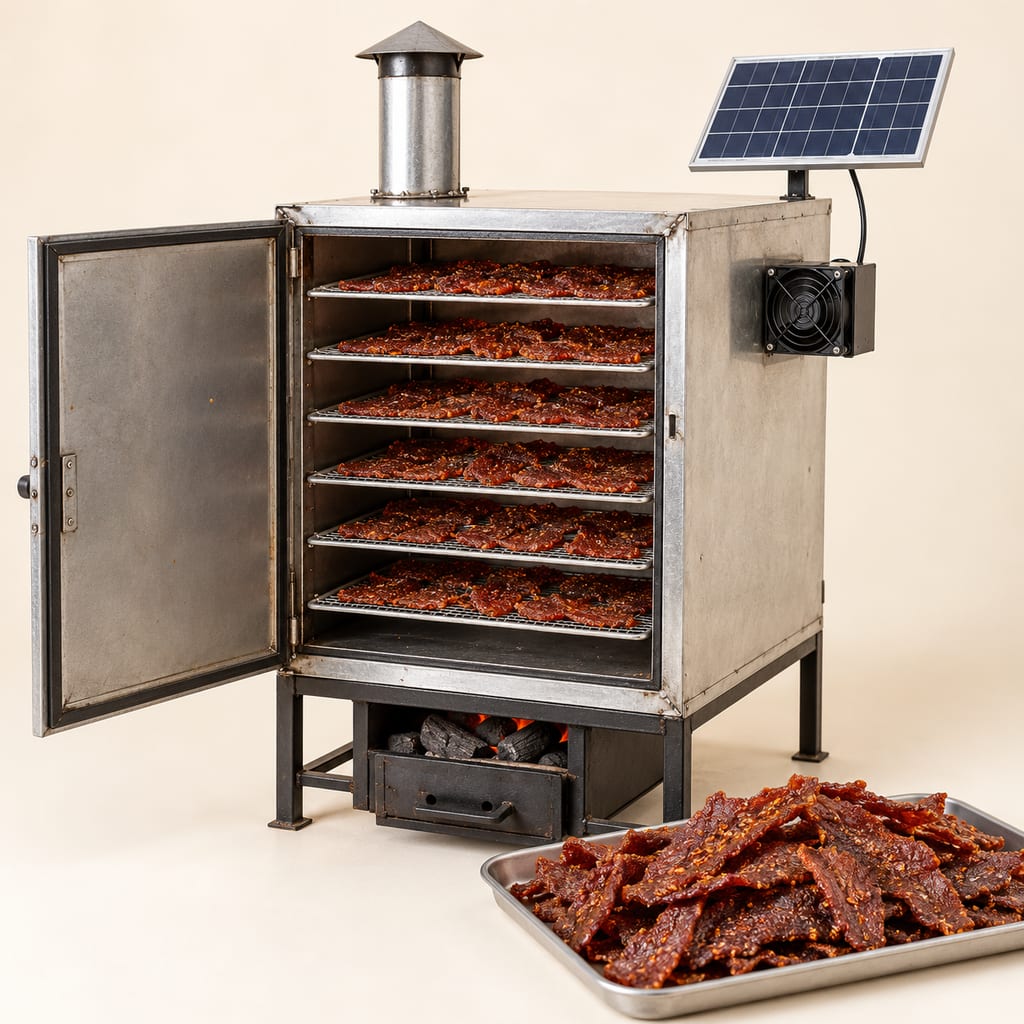
A six-tray charcoal-fired cabinet, modified at Ahmadu Bello University to dry kilishi with insulation, a DC fan on a photovoltaic panel and a relocated chimney.
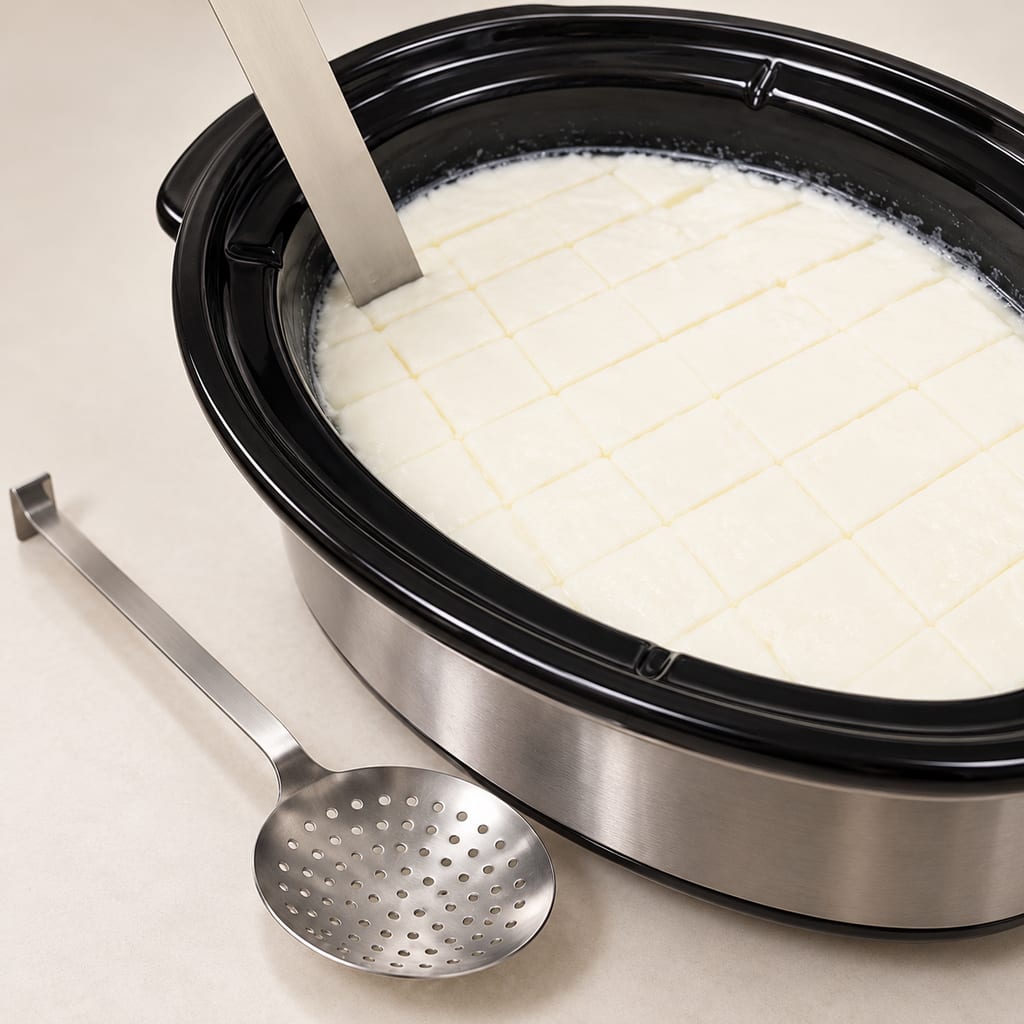
A curd knife cuts set milk into recipe-sized pieces; a perforated ladle lifts and moves curd while whey drains. The hand tools work at different moments in an open cheesemaking vessel.
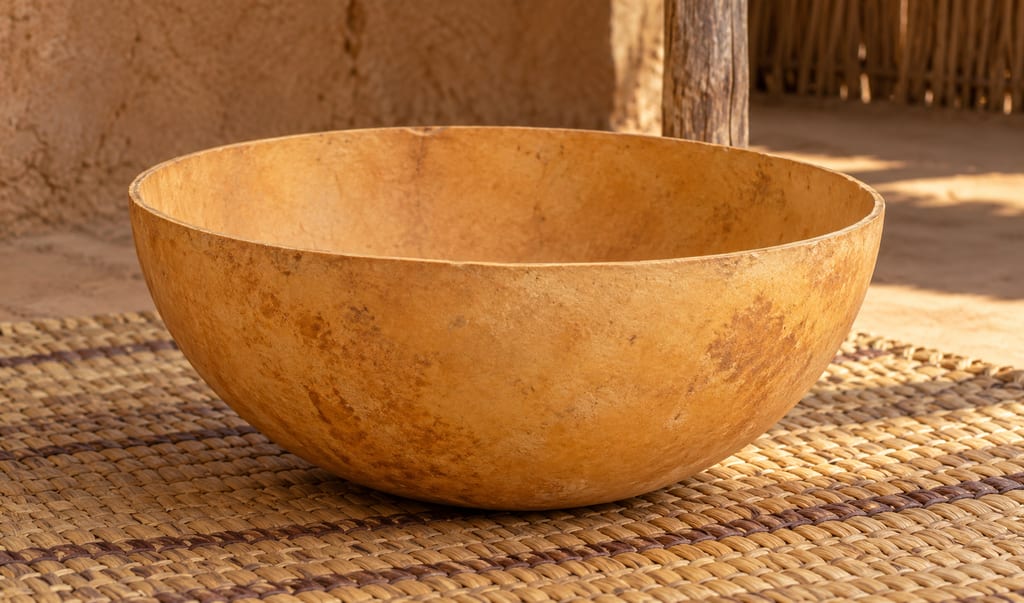
A Kworia is a large calabash used in northern Nigerian nono production: fresh milk ferments in calabashes before cream is skimmed and the sour milk is handled or sold.
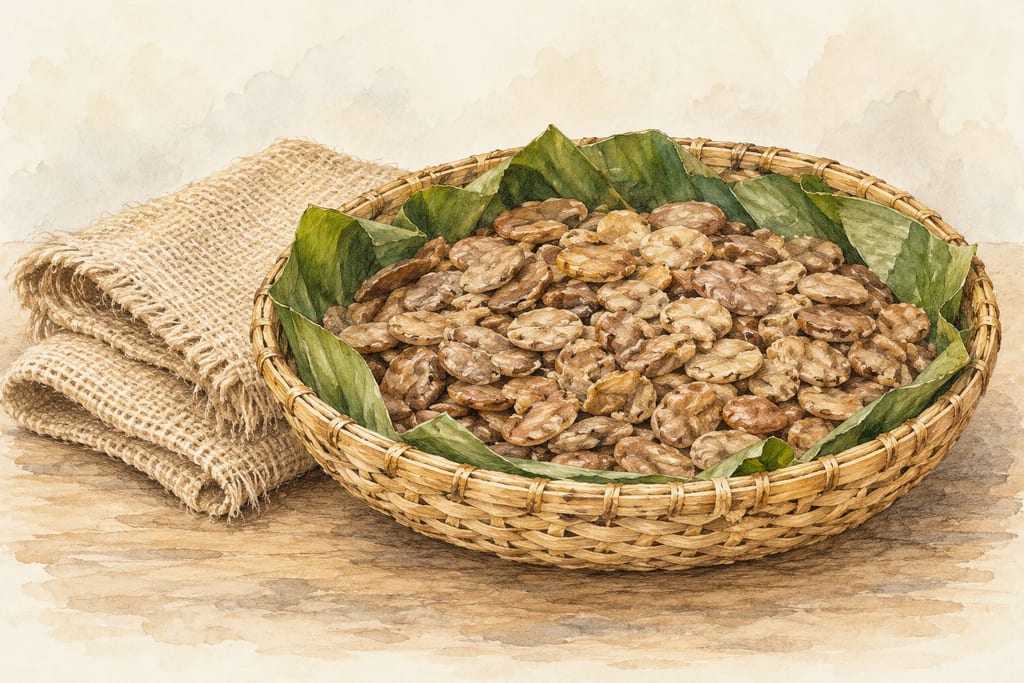
A shallow woven basket or tray can hold cooked, dehulled seeds while they ferment into alkaline condiments. Beninese and Nigerian sources document different basket, tray and cover arrangements rather than one regional standard.
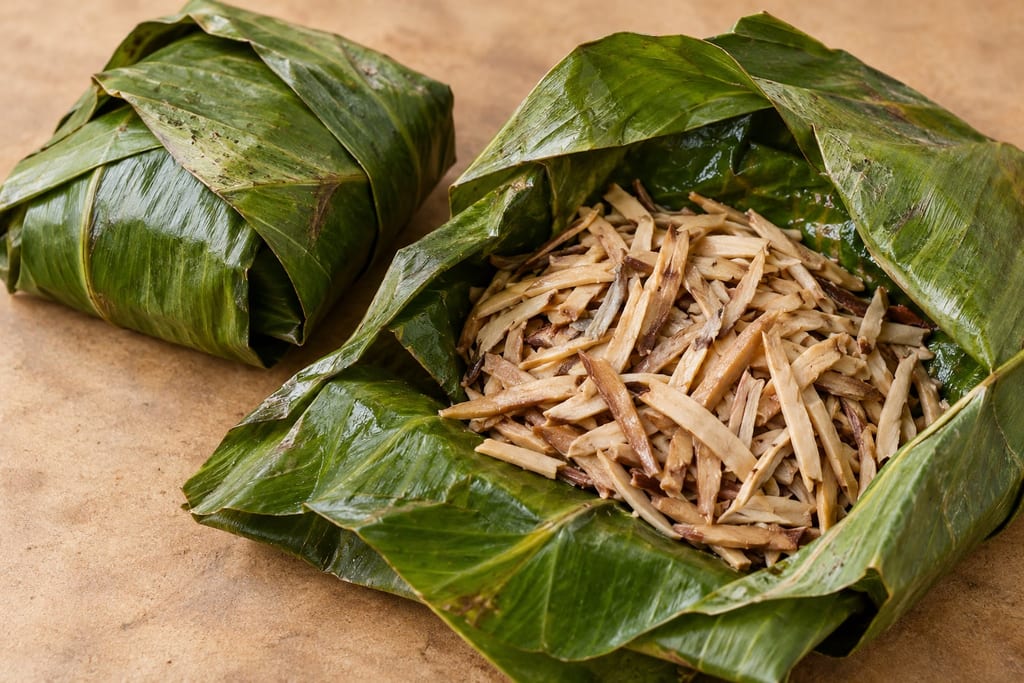
A flexible leaf parcel encloses sliced African oil-bean cotyledons during some Ugba preparations in southeastern Nigeria. Leaf species and layers vary by documented method.
No community contributions have been published for this entry yet.
Sign in to contribute. Published comments and photos are free to read.
International Institute of Tropical Agriculture (IITA), Ibadan, NigeriaForm · Materials · Mechanism · Safety · Gari stage · Geography
Producing Gari from Cassava: An illustrated guide for smallholder cassava processorsThe guide describes a motorized grater with stainless-steel drum, chute and food-contact surfaces; its equipment table lists 2 tonnes/hour for its production-scale grater.
The guide says grating makes peeled cassava roots into mash and is followed by de-watering and fermentation, then sieving and roasting; grating alone does not complete cyanide reduction.
It specifies stainless-steel food-contact parts, warns that mild steel can rust and contaminate product, and warns against pushing roots against the rotating drum with bare hands.
The guide describes traditional cassava graters as perforated metal sheets and says they are slow and difficult to keep clean.
Cited in: One grating action, several kinds of tool; Cassava for gari: the grater is only an early stage; Match the grater to its stage
CORD, International Coconut CommunityCoconut grating · Coconut milk extraction · Geography
Three improved methods for coconut oil extractionThe study begins with fresh grated coconut and documents a hot-water, kneading, squeezing and straining route to coconut milk.
Its introduction describes grating in traditional wet coconut-oil processing practiced in Malaysia, Indonesia, Thailand and other coconut-producing countries.
The study does not identify one grater model; extraction follows the grating step.
Cited in: Coconut grating before extraction; Match the grater to its stage
Wikimedia CommonsImage reference · Form · Coconut grating
Coconut grating machine.JPGThe inspected 2009 image shows a worker feeding coconut into a metal hopper on a motorized market grater; grated flesh exits a chute into a bag.
The image is licensed CC BY 3.0; it documents a coconut grating machine, not a specific processor disc.
Cited in: One grating action, several kinds of tool
Wikimedia CommonsImage reference · Form · Cassava grating · Geography
Grating cassava.jpgThe inspected 2017 image shows cassava processors feeding peeled roots into a motorized grater at a shed-scale operation in Nigeria.
The image is licensed CC BY-SA 4.0; it depicts a processing-scale grater, not a home appliance.
Cited in: One grating action, several kinds of tool