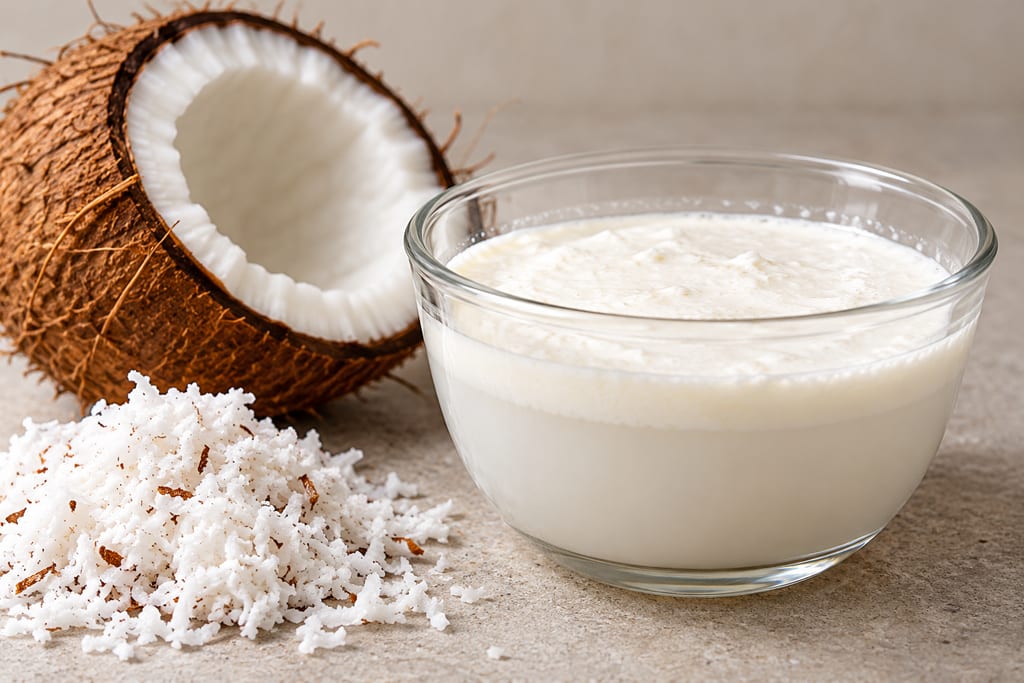
Grated or shredded coconut extracted with water and squeezed or strained into a milky emulsion; left to stand, it separates into cream and a watery layer.
Coconut milk here has two documented routes. The Vitamix recipe uses dried, unsweetened shredded coconut blended with water for one minute. The research route uses fresh grated coconut that is kneaded with 70 °C water and squeezed by hand, repeated three times.
The blender milk suits cooking and baking unstrained, and it is strained for smooth sauces and drinks. The hand-squeezed milk from the 1993 paper is the village process for the oil that the wet-route record also describes.
Left to stand for two hours, the milk divides into an upper cream layer and a lower layer that is mainly water. The separation is the first stage of the wet route to coconut oil. Vitamix recommends refrigeration in an airtight container, with use within the week and a shake before use.
The sources do not measure the fat content of the milk, and the 1993 paper does not give a volume for each repeated extraction.
Fresh grated coconut meat (research route)Mix with the hot water and knead by hand for 5 minutes, then squeeze and strain out the milk.
500 g
Hot water at 70 °C (research route)Use at 70 °C (158 °F) for each extraction.
1 L
Per extraction, as printed; the extraction is repeated three times.
Method
Risks and precautions · Standard risk
Refrigerate in an airtight container and use within the week; shake before using.
Control source
Blender route (Vitamix): put 4 cups (960 ml) of water and 2 cups (150 g) of unsweetened shredded coconut into the blender and secure the lid.
Start on the lowest speed, quickly increase to the highest and blend for 60 seconds.
Use the milk unstrained for cooking and baking. Strain it for smooth sauces or drinking.
Research route (Suhardiyono et al.): mix 500 g of fresh grated coconut with 1 L of water at 70 °C (158 °F), knead by hand for 5 minutes, then squeeze and strain out the milk.
Repeat the extraction three times and combine the milk.
To separate cream, let the milk stand for 2 hours. It divides into an upper cream layer and a lower, mainly watery layer.
Conditions
Temperature70°C
Places
Malaysia
Documented use · Country evidence
The village wet process was still practised in Malaysia, Indonesia and Thailand in 1993, per the paper. This is a country-level association.
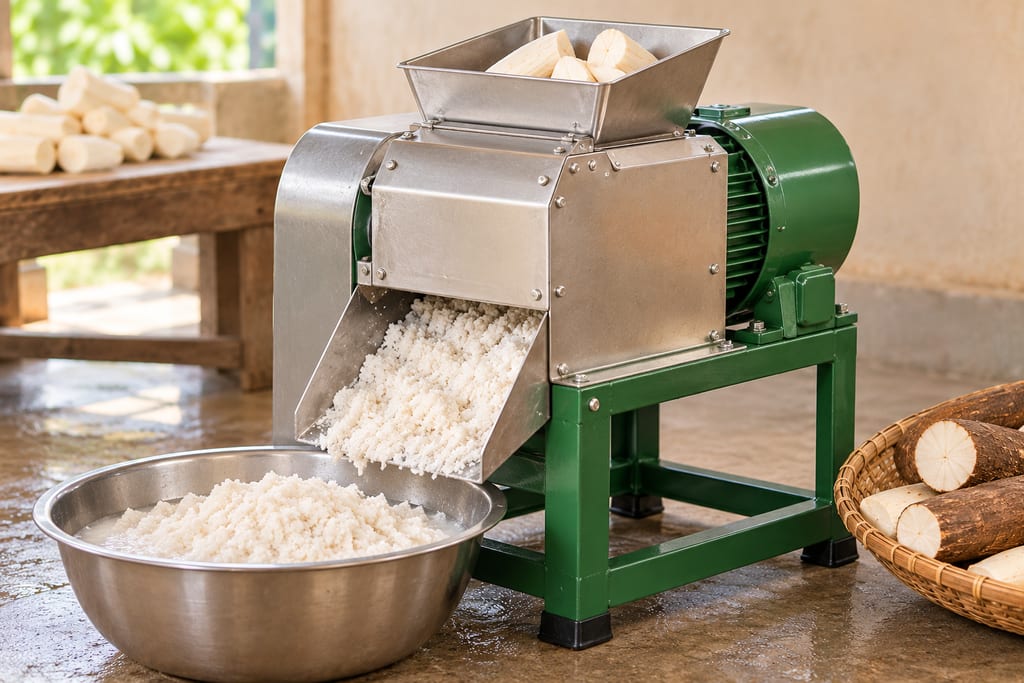
Graters, motorized rasping drums and processor grating discs reduce cassava or coconut to shreds or mash. They perform the grating stage only; later processing determines texture, extraction and cassava safety.
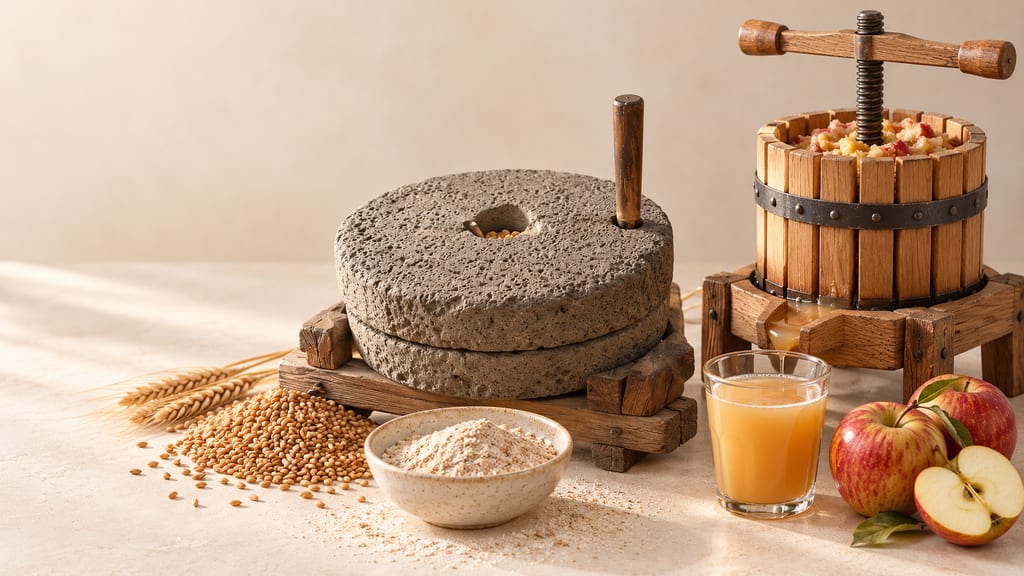
A blender, a stone refiner and a small screw press each replace hours of pounding or squeezing, but grinding, pressing oil and extracting a milk are different jobs with different limits.
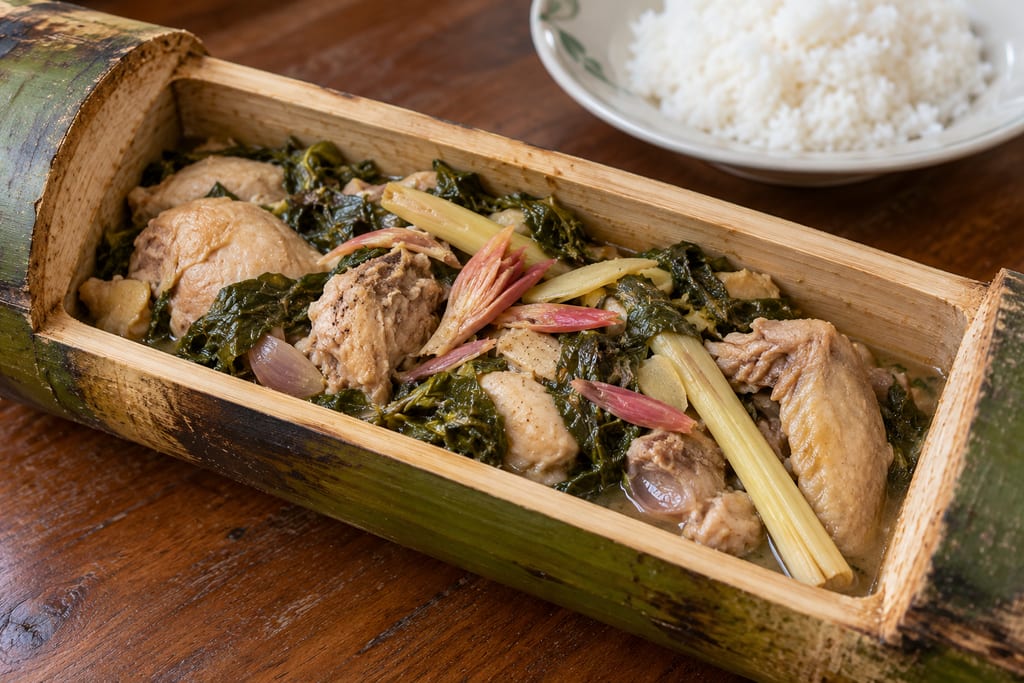
Manuk pansuh is Iban chicken cooked slowly inside a fresh bamboo tube with aromatics and leafy greens. The bamboo holds the food and shapes the steamy, fragrant cooking environment; recipes vary by household and locality.
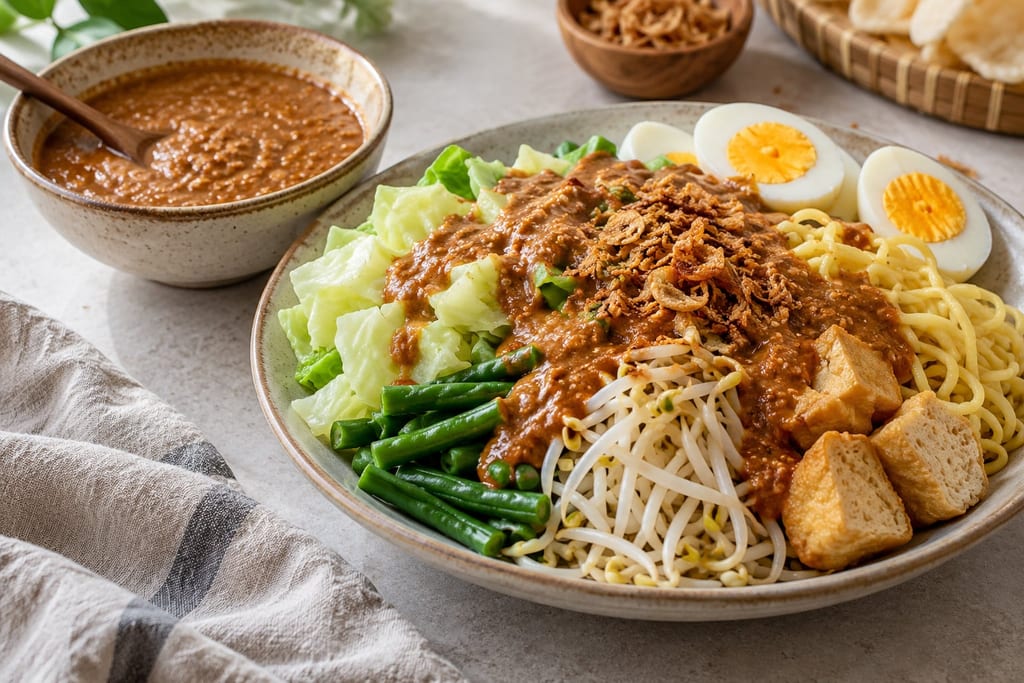
A cooked peanut sauce of ground roasted peanuts, aromatics, shrimp paste and coconut cream, as made for gado-gado; pecel and Malaysian satay sauces are close relatives with different formulas.
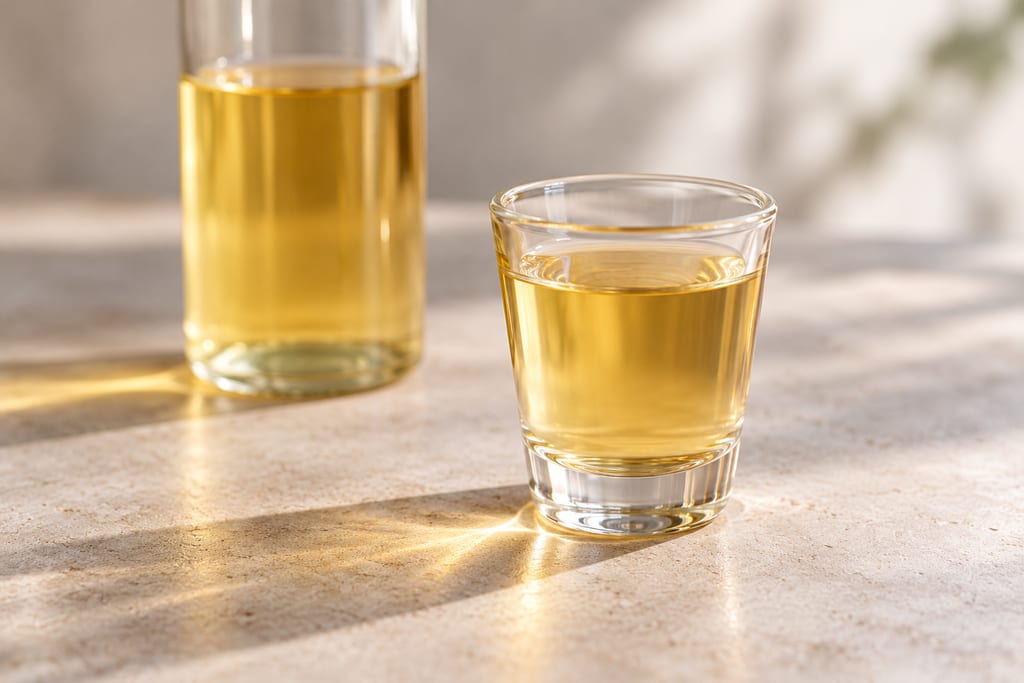
A 2024 Ranau account describes Kadazan-Dusun Lihing as glutinous rice fermented with sasad for two to three months or longer. Starter quantity and a validated safety endpoint are not established.
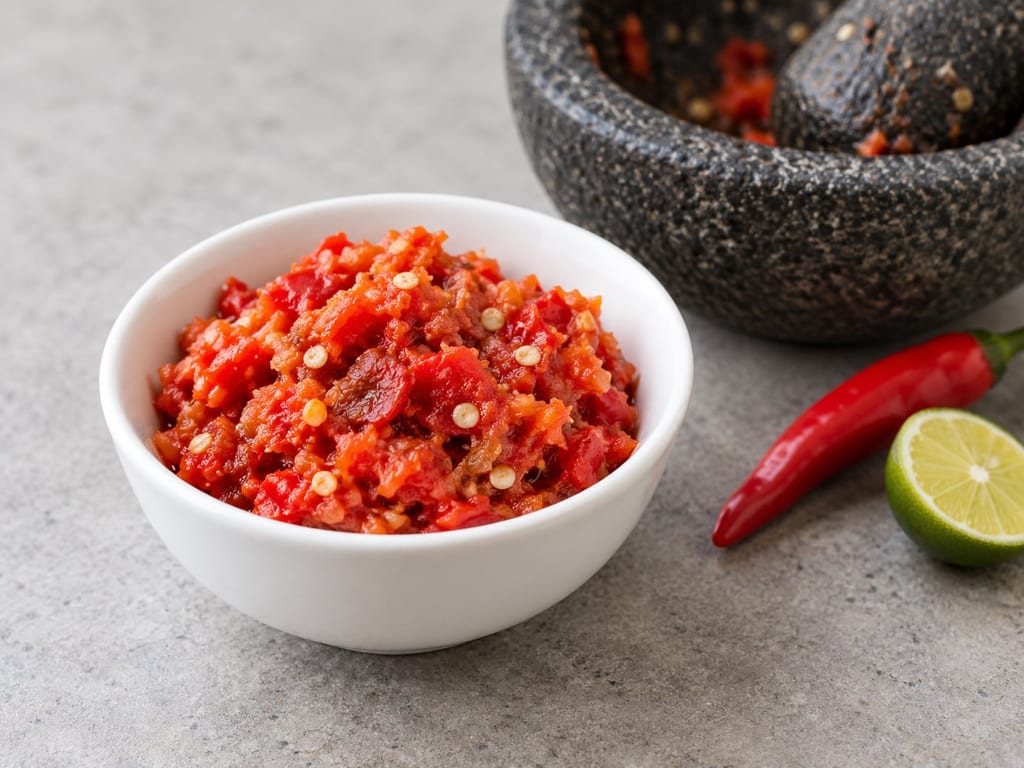
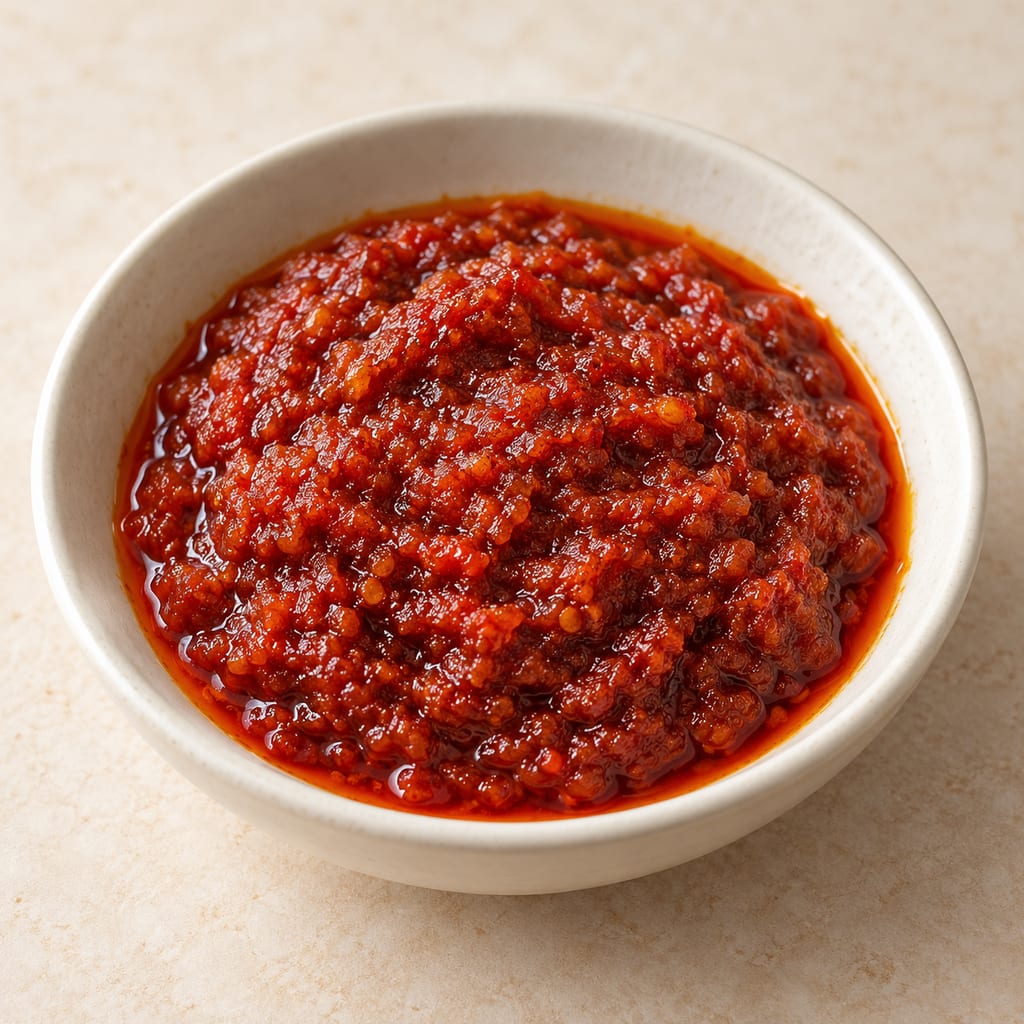
Sambal tumis is a Malaysian chilli paste fried in oil until it breaks, then simmered with tamarind and sugar, used as a condiment and as a cooking base.
Community
No community contributions have been published for this entry yet.
Share what you made
Sign in to contribute. Published comments and photos are free to read.