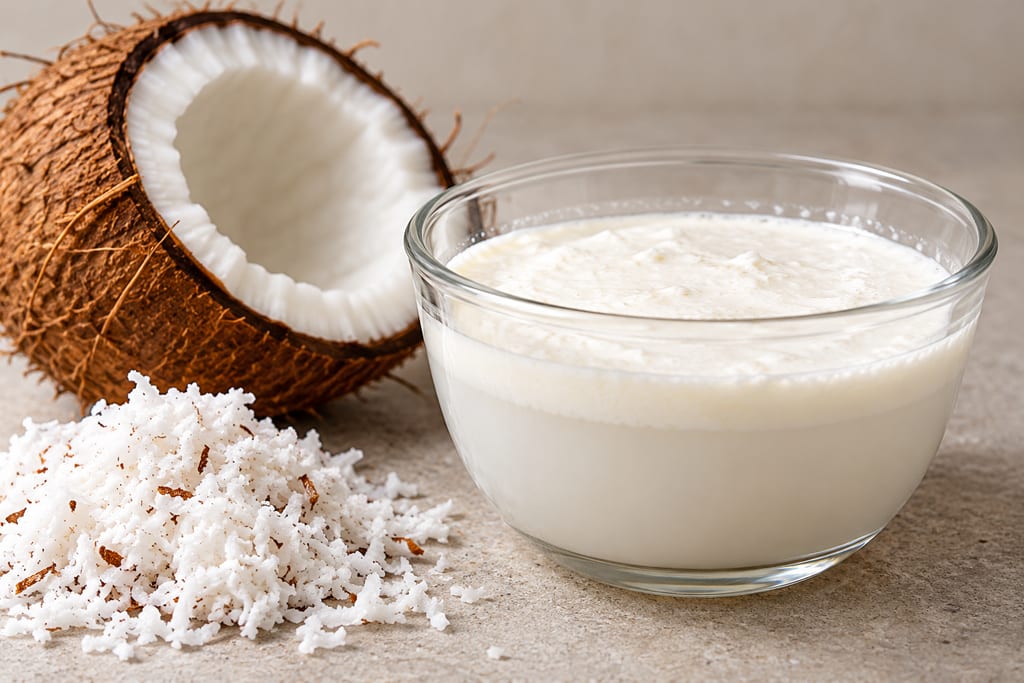
Coconut milk and cream
Grated or shredded coconut extracted with water and squeezed or strained into a milky emulsion; left to stand, it separates into cream and a watery layer.
 FermenteaWhere food goes to change
A 2024 Ranau account describes Kadazan-Dusun Lihing as glutinous rice fermented with sasad for two to three months or longer. Starter quantity and a validated safety endpoint are not established.

A 2006 study describes tapai as an indigenous alcoholic beverage associated with Kadazan-Dusun-Murut communities in East Malaysia and with festive occasions and gatherings. Chiang's 2008 thesis also distinguishes Sabah's beverage use of tapai from food preparations elsewhere in Southeast Asia that may share the name. This record stays with the Sabah material and does not treat Indonesian tape ketan, Peninsular Malaysian tapai pulut or cassava tapai as interchangeable preparations.
The sources do not give a first attestation or origin date for Lihing. The 2006 and 2008 publication dates mark research documentation, not the beginning of the practice.
Chiang's 2008 thesis describes a specific glutinous-rice sequence: wash and cook the rice, spread it to cool on an open surface at about 30°C, then mix in powdered sasad from a previous batch at approximately 1.0–1.5% of the rice's weight. A wooden scoop is named for mixing. The inoculated rice is transferred to a tajau, described as an earthen jar, left open for one day and then sealed. The thesis says mature tapai in this process ferments for three weeks and points to an appendix on processing at Tambunan Village Resort Centre.
These source details do not form a full batch: the thesis passage gives no starting rice weight, sasad recipe, jar capacity or validated endpoint. Its account must not be expanded to other substrates or producers. The thesis says sasad uses rice flour with spices and plant-derived additions, while naming those ingredients and proportions as producer-specific and closely guarded.
In the 2008 thesis, hing or lihing names the wine must separated from tapai. Kinomulok is the fermented glutinous rice after that liquid is removed; linutau is a water extract from kinomulok. The source also describes siopon or sisopon as sipping extracts through a thin bamboo straw from water-added kinomol. Montoku and talak are identified there as distilled wine must, a further transformation rather than the same undistilled beverage.
An indexed excerpt of a Malaysian government cultural-information entry describes Kinomol as a shorter one-to-two-week ferment and Lihing as a longer two-to-three-month ferment. I could not retrieve the full page in this pass. The thesis calls its mature tapai three weeks and uses lihing/hing for the separated wine. These source usages do not establish one naming rule or universal duration; they remain attributed descriptions.
The 2006 paper and 2008 thesis investigate microbial and compositional changes in studied samples; neither establishes a complete consumer recipe or universal safety control. The 2008 thesis itself describes traditional sasad preparation as lacking controlled incubation. No source cited here supplies a representative Lihing batch size, a validated endpoint, a universal alcohol strength, a water-to-kinomulok extraction ratio, or a safe storage period.
The paper's sample-level microbial results are not a safety test for every home or commercial batch. Fermentation duration, sourness, bubbles or apparent alcohol cannot replace a validated process. Distillation details are outside this note; montoku and talak remain separate products.
An official Malaysian cultural entry records Kinomol and Lihing in an account associated with Kadazan-Dusun informants Alice Kinsui and Stella Jonnes in Kampung Bongkud, Ranau; the page dates their account to 6 October 2024. It lists 3 kg glutinous rice and provides a preparation sequence. It describes Kinomol at one to two weeks and Lihing at two to three months or longer. These details belong to that attributed account and do not establish a uniform Sabah method.
The page defines Lihing as the longer fermented liquid, distinct from its Kinomol label for the shorter ferment. Chiang's 2008 thesis instead uses hing/lihing for wine must, kinomulok for fermented rice after that liquid is separated, and linutau for a water extraction. The page gives no sasad amount, water measure or tested alcohol endpoint; these two source-specific naming and preparation contexts remain separate.
The JKKN page also reports that some families store sealed Lihing vessels for years, but it supplies no verified stability study. The duration and storage claim are not used as safety controls. The structured method above records the steps supplied by this 2024 account while retaining the missing batch and safety evidence.
The 2006 study and 2008 thesis document Sabah tapai among Kadazan-Dusun-Murut communities and describe related forms and use. The sources consulted here do not establish a first attestation, origin date or unchanged historical recipe for Lihing.
Scaling: source batch only
This is an alcoholic beverage; the 2024 account gives no measured alcohol strength.
The listed 3 kg rice and two-to-three-month-or-longer fermentation are from one attributed Kadazan-Dusun account, not validated safety controls or a universal Lihing process.
The JKKN entry reports storing sealed Lihing vessels for years, but the cited page gives no verified shelf-stability study; that claim is not treated here as a validated storage life.
Neither source provides a measured endpoint that establishes the safety of a home or commercial batch.
Sources associate the beverage with Kadazan-Dusun-Murut communities or, in the government cultural page, Kadazan-Dusun. They do not make the terminology or process uniform across Sabah.
The thesis refers to a Tapai Factory Division at Tambunan Village Resort Centre and acknowledges a local producer. This is a source-specific study location, not an origin claim or a representative household method.
Grated or shredded coconut extracted with water and squeezed or strained into a milky emulsion; left to stand, it separates into cream and a watery layer.
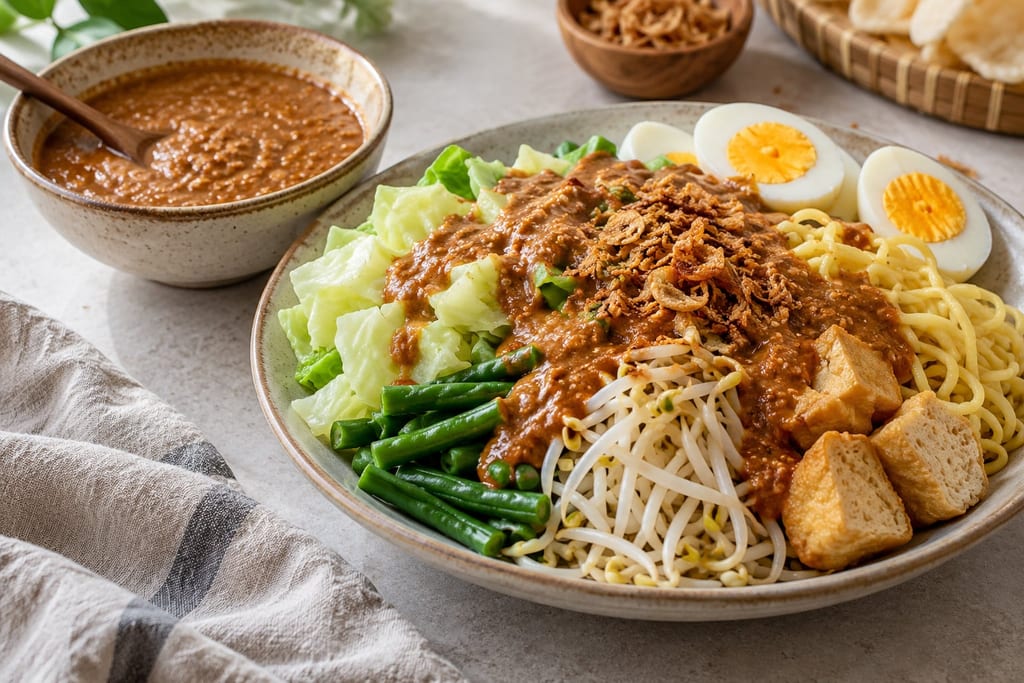
A cooked peanut sauce of ground roasted peanuts, aromatics, shrimp paste and coconut cream, as made for gado-gado; pecel and Malaysian satay sauces are close relatives with different formulas.
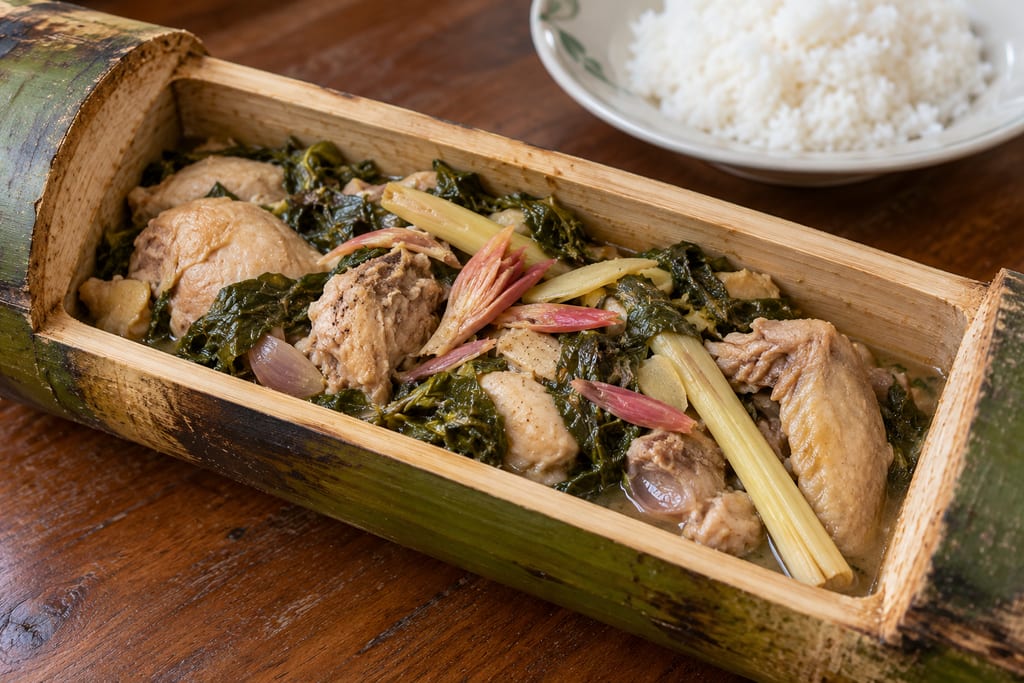
Manuk pansuh is Iban chicken cooked slowly inside a fresh bamboo tube with aromatics and leafy greens. The bamboo holds the food and shapes the steamy, fragrant cooking environment; recipes vary by household and locality.
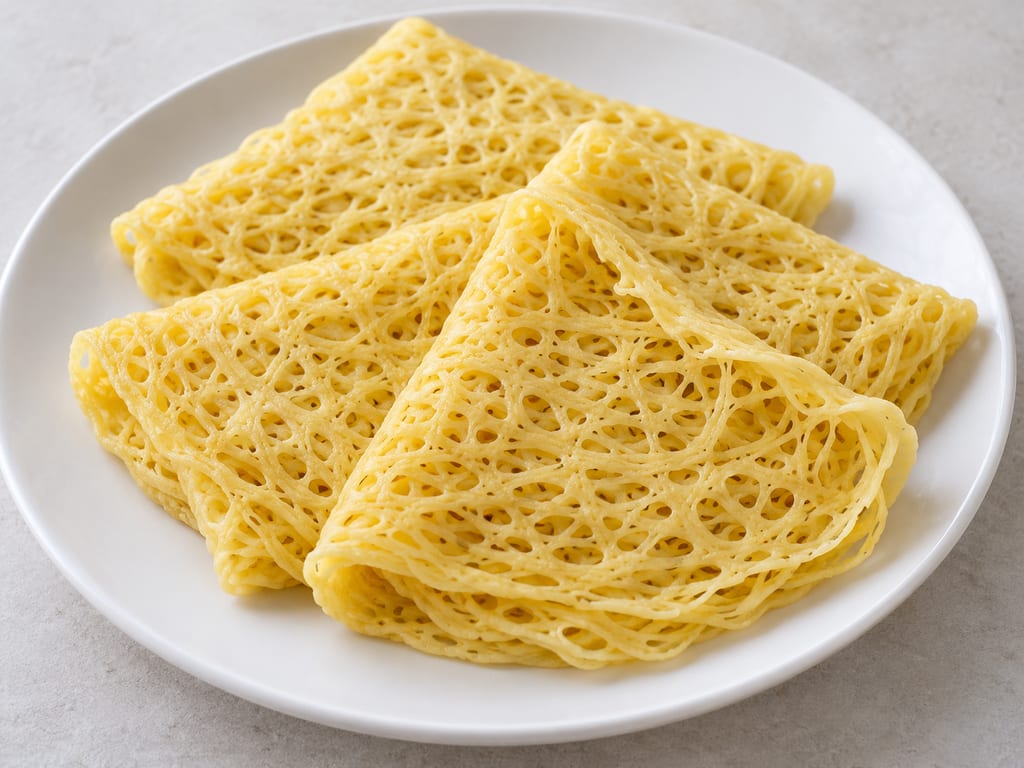
Malaysian lacy pancakes made by pouring coconut-milk batter in a net on a hot pan.
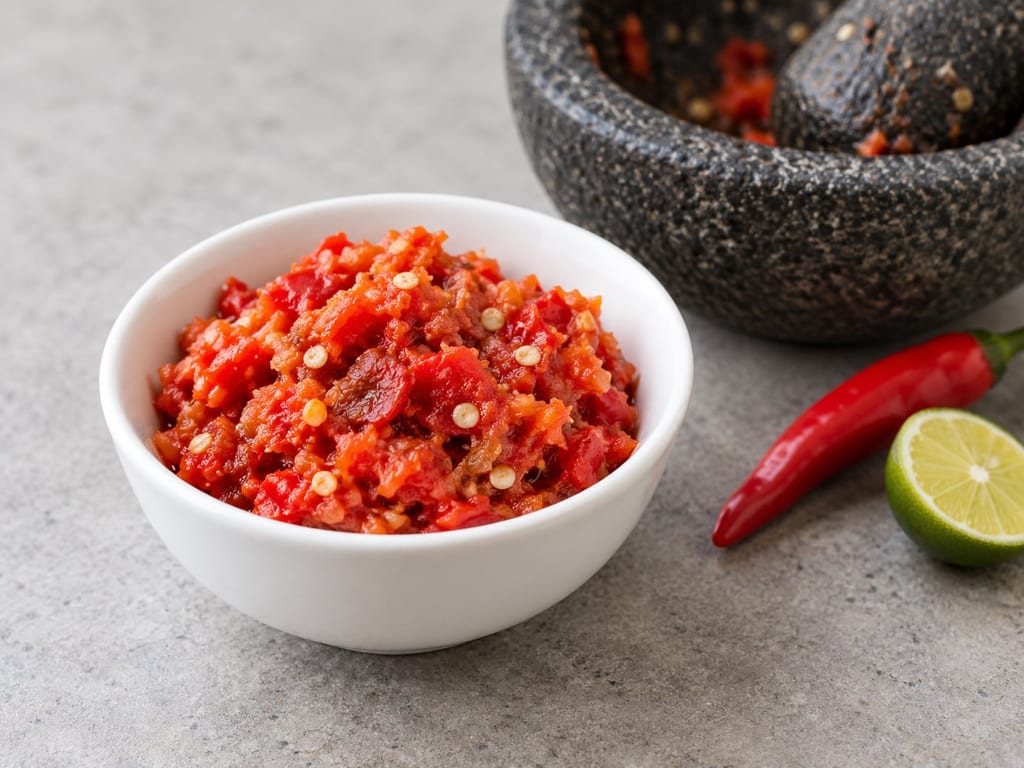
Red chillies pounded with belacan shrimp paste, then mixed with lime or calamansi and sugar for a fresh relish. Contains crustacean shellfish.
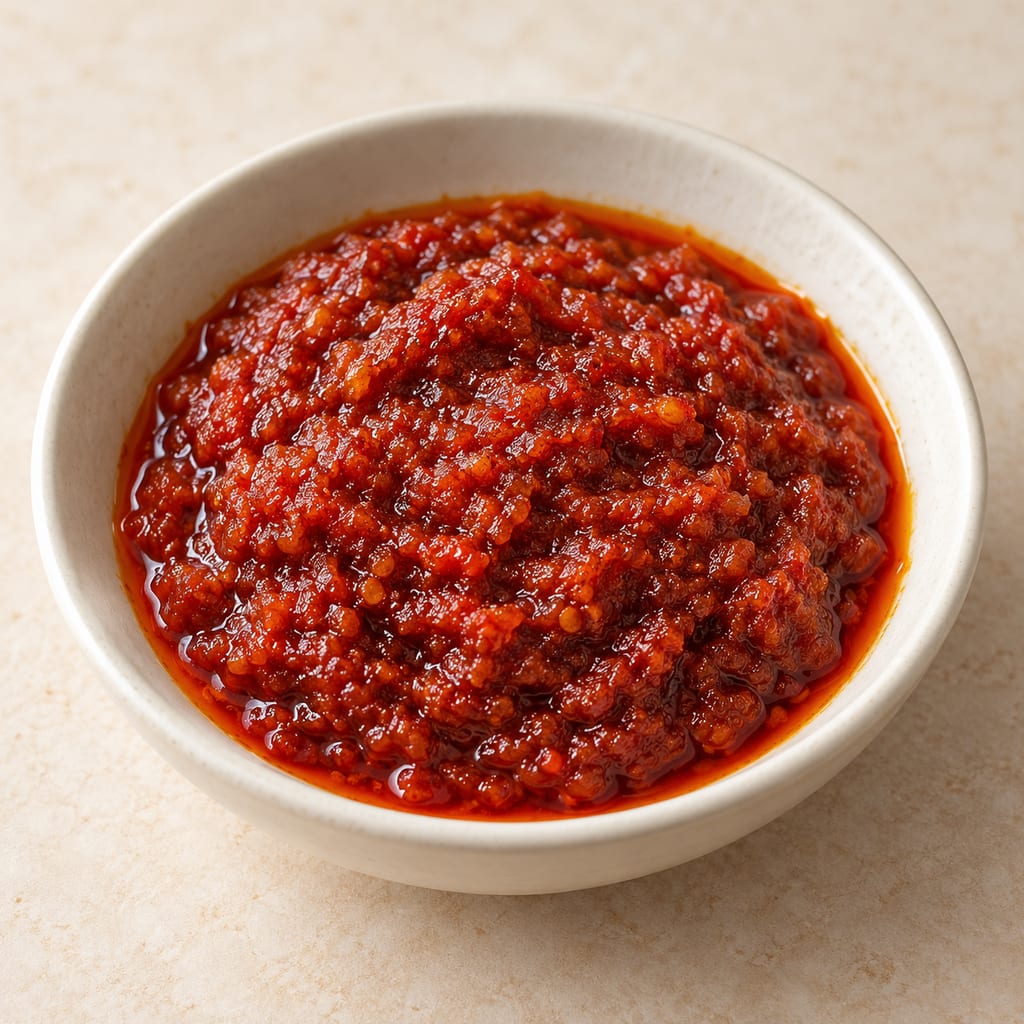
Sambal tumis is a Malaysian chilli paste fried in oil until it breaks, then simmered with tamarind and sugar, used as a condiment and as a cooking base.
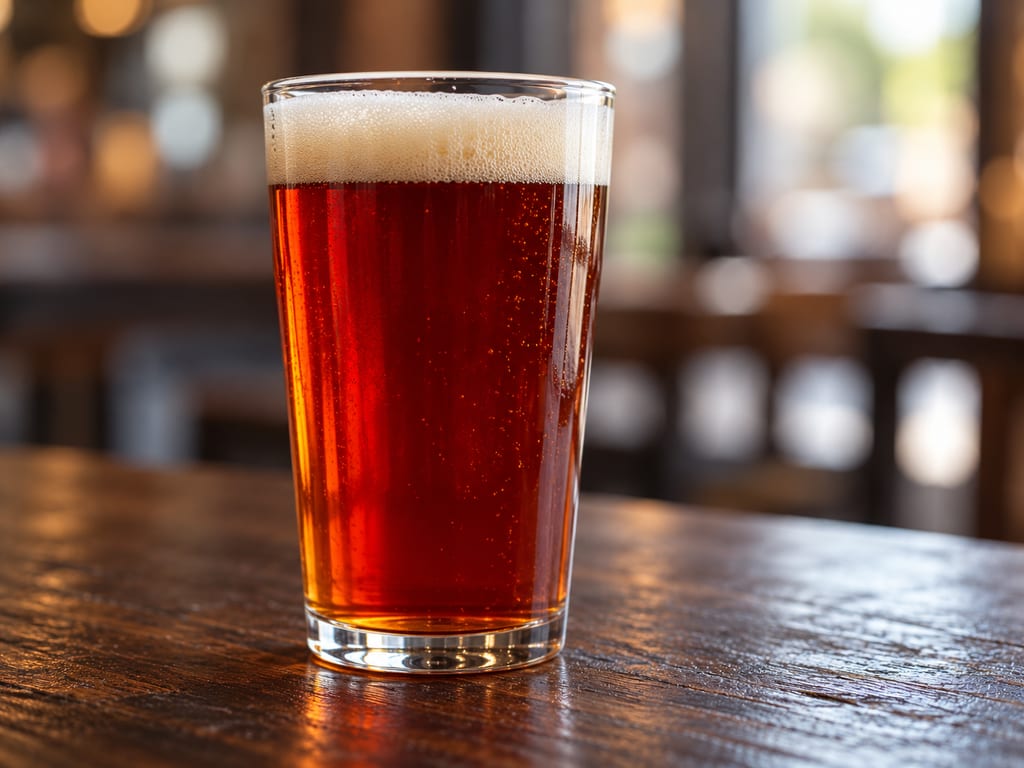
A deep amber-red American ale brewed from pale, Munich, CaraVienne and chocolate malts, bittered with Columbus hops and finished with Amarillo.
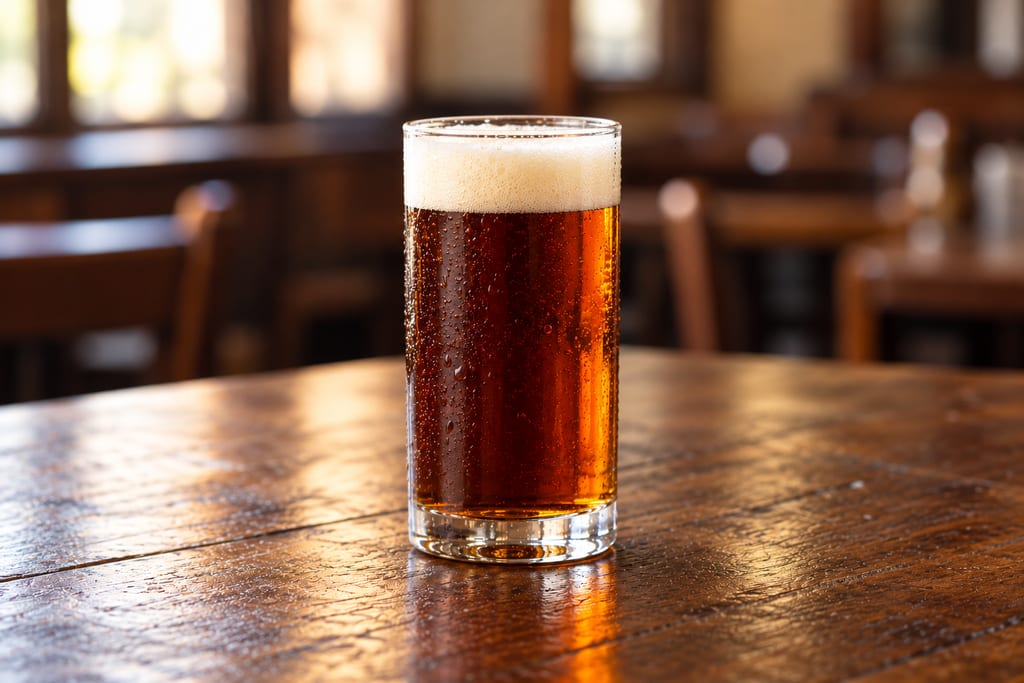
A source-specific modern extract adaptation of Düsseldorf Altbier, with specialty malts, two hop additions and an ale yeast. It is distinct from a brewery's commercial Altbier process and from Kölsch.
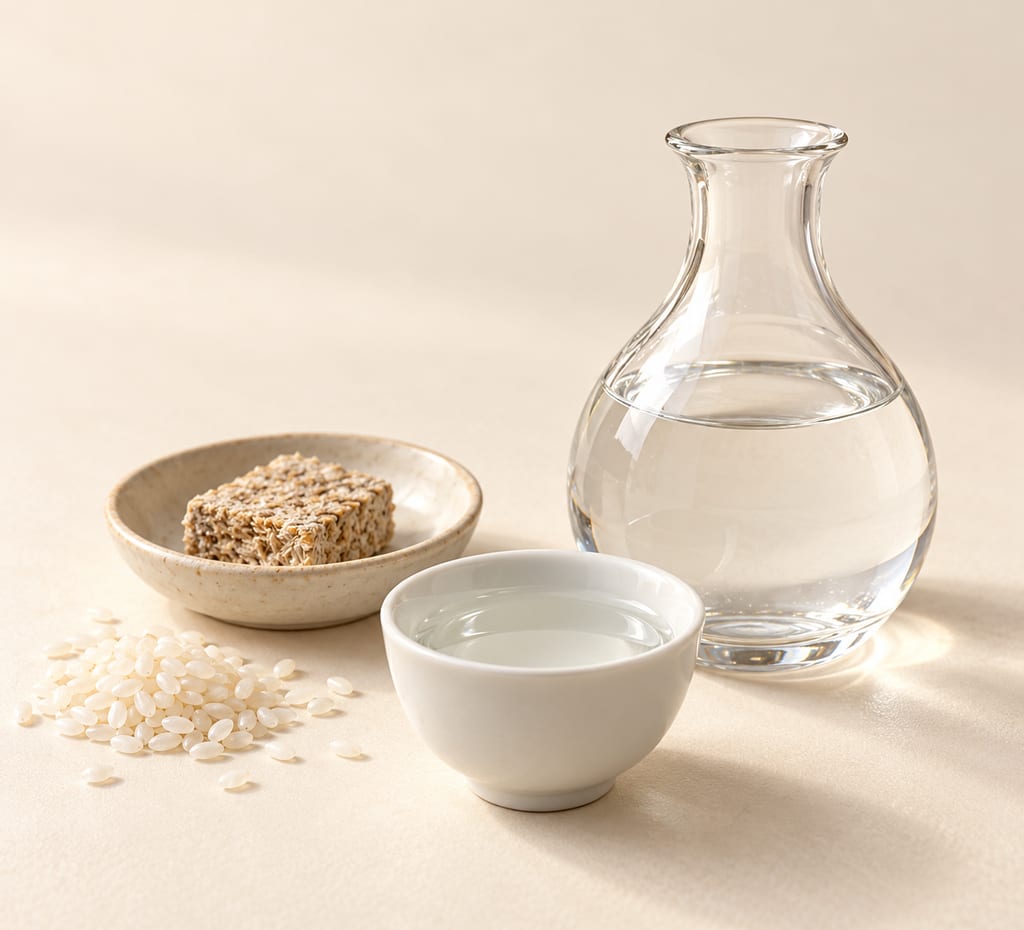
Andong soju is a rice spirit from North Gyeongsang, distilled from steamed rice and wheat nuruk. This method makes the starter before fermenting the rice mash in a jar.
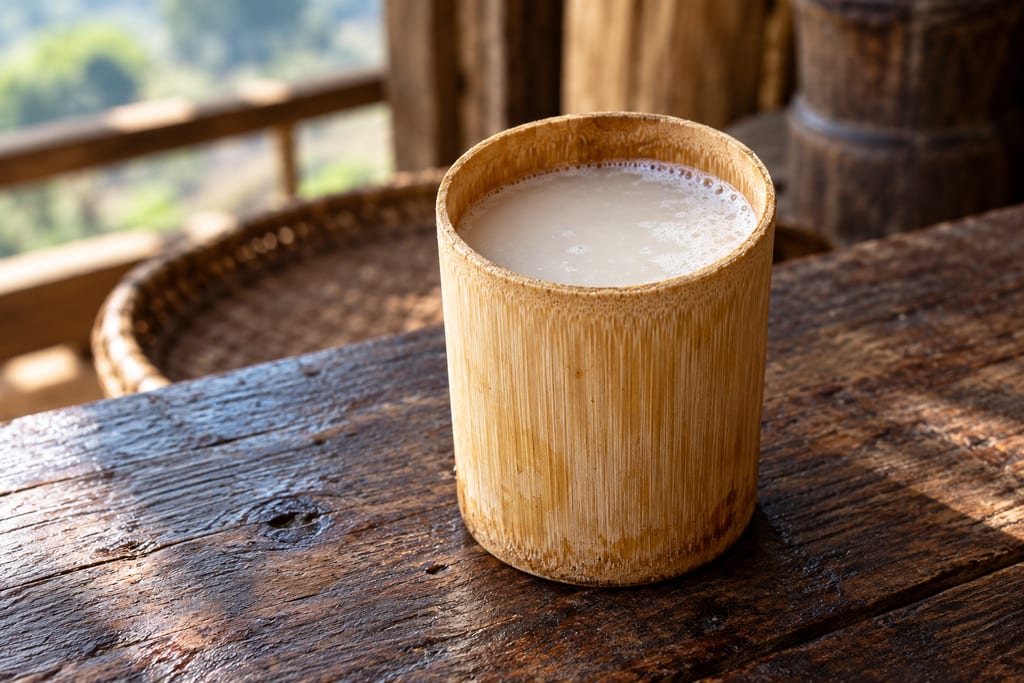
Angami rice beer from Nagaland. A surveyed method mixed cooked rice with piazu, fermented it for about four days in summer or a week in winter, then added water and filtered it. The starter ratio leaves the rice-weight basis unclear.
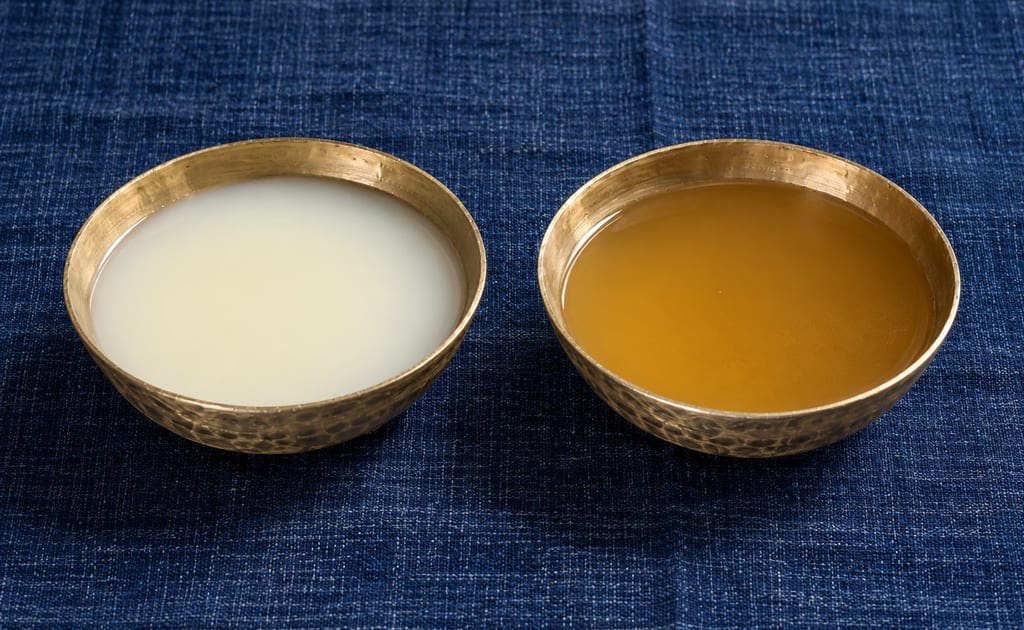
Apong names Mising rice beverages in Assam, including pale Nogin and ash-associated Po:ro. Sources describe distinct preparations and do not establish one unified household recipe or validated safety endpoint.
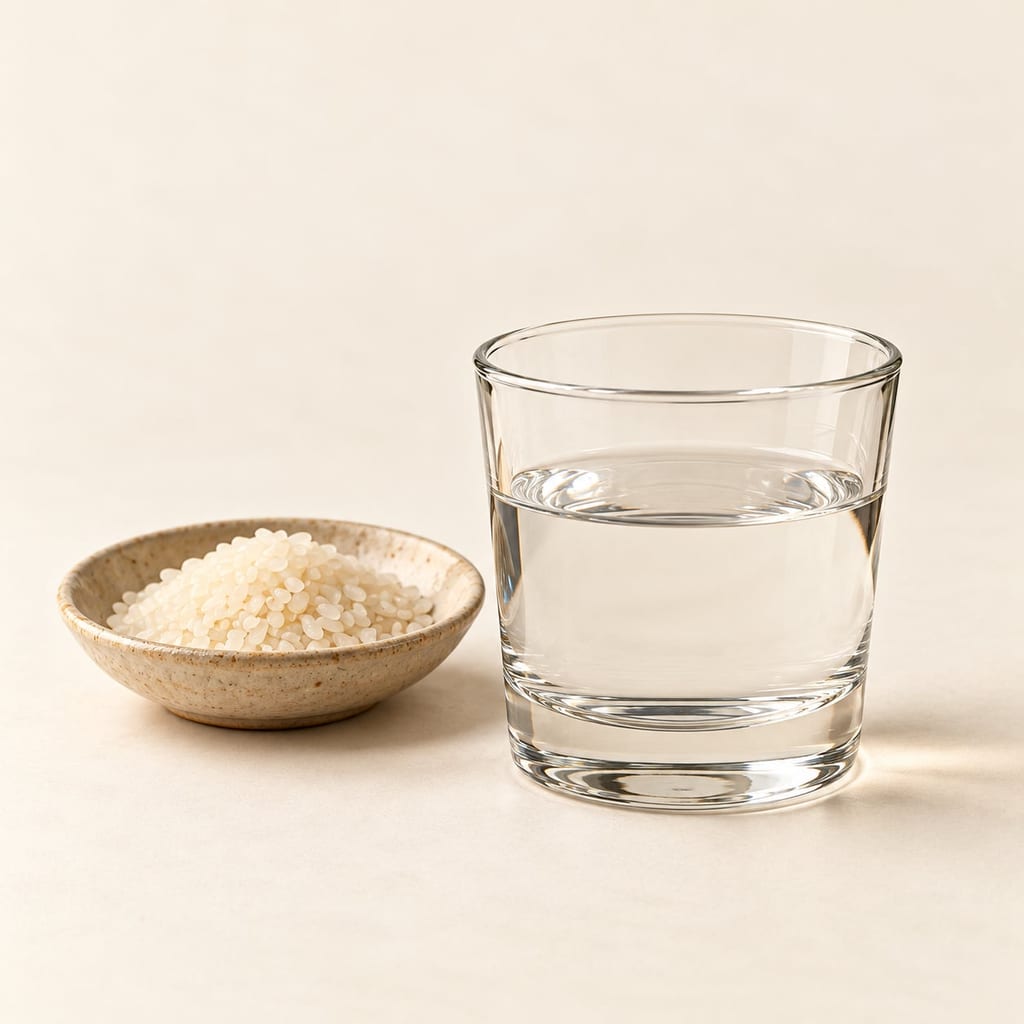
An Okinawan rice spirit made by turning all the rice into black koji, fermenting it with water and yeast, then pot-distilling and maturing the spirit.
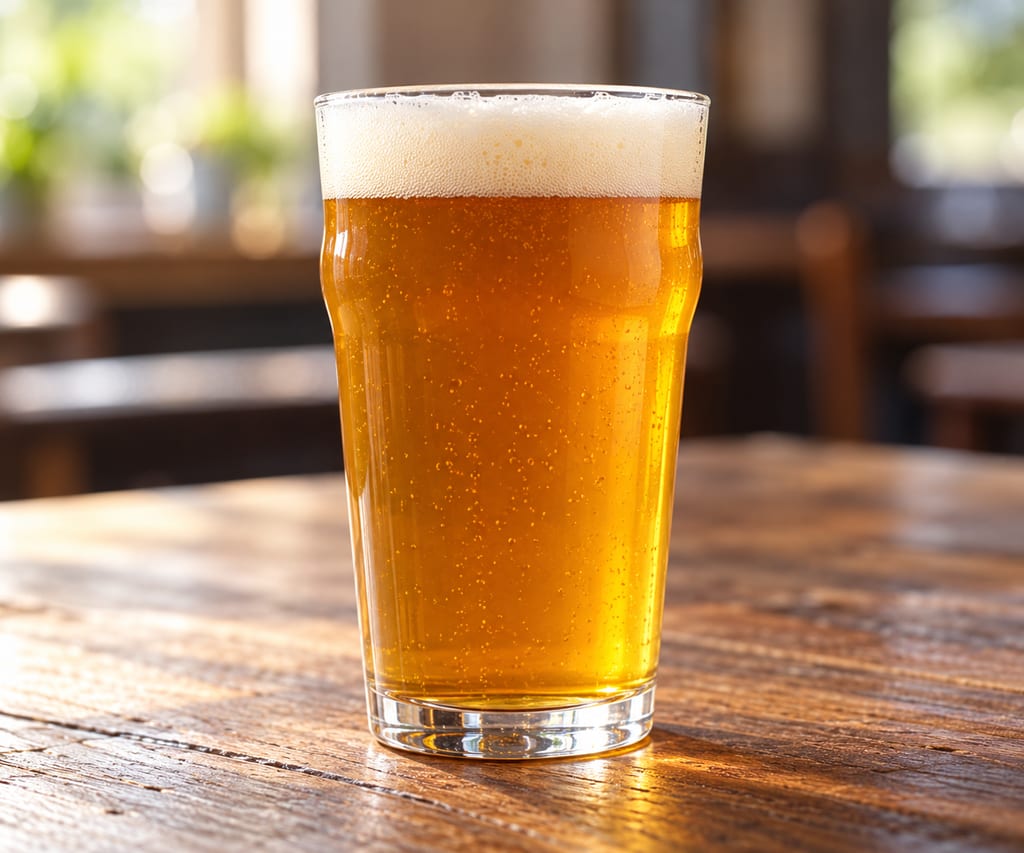
This is a process overview, not a complete batch recipe: key quantities, yield and packaging directions are absent. The AHA tutorial uses Hop Hammer Imperial IPA as an example; this page is not that full formulation.
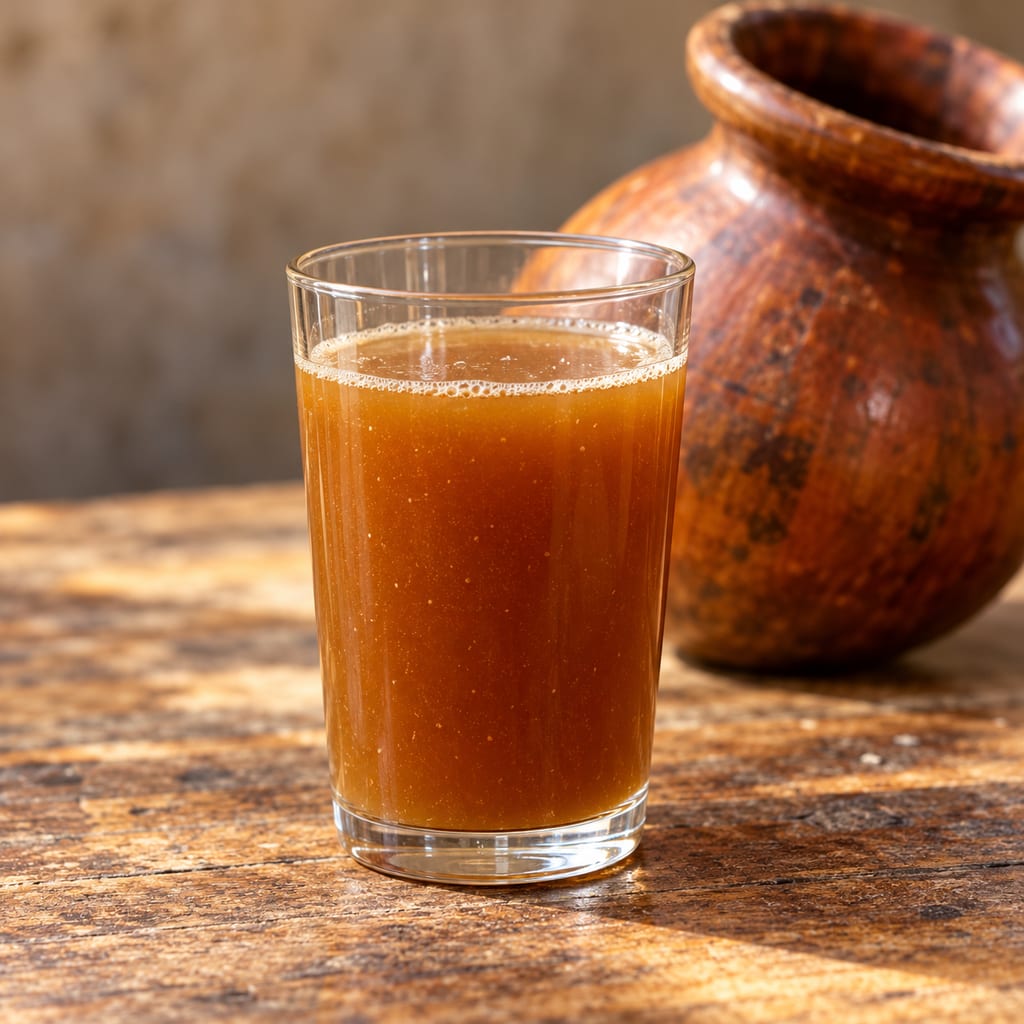
A darker Ethiopian maize tella, brewed from maize baked into a hot, dry kita pancake and then fermented in three stages with barley malt, gesho and water.
No community contributions have been published for this entry yet.
Sign in to contribute. Published comments and photos are free to read.
Malaysian Journal of Microbiology, 2(1), 1–6History · Geography · Microbiology · Safety
Microbial Diversity and Proximate Composition of Tapai, A Sabah’s Fermented BeverageThe authors describe tapai as an indigenous fermented alcoholic beverage among Kadazan-Dusun-Murut communities in East Malaysia and document a producer-sample microbial study.
Its abstract reports results from that study; those measured outcomes do not provide a universal safety conclusion or Lihing specification.
Cited in: A Sabah-specific name; Evidence and safety limits
Universiti Malaysia Sabah, MSc thesis, 2008Method · Geography · Microbiology · History
Isolation and Identification of Microflora Involved in Tapai, a Sabah’s Fermented Alcoholic BeverageThe thesis describes glutinous rice preparation using about 1.0–1.5% powdered previous-batch sasad by weight, cooling near 30°C, mixing with a wooden scoop, transfer to a tajau, one open day before sealing and three weeks for mature tapai; these are one source-specific account, not a complete validated home batch.
The thesis defines hing or lihing as wine must; kinomulok as rice after wine separation; linutau as water extract from kinomulok; siopon/sisopon as a straw-sipped water-added form; and montoku/talak as distilled wine must.
It documents Kadazan, Dusun and Murut use and names the Tambunan Village Resort Centre Tapai Factory Division in relation to a processing account.
Cited in: A Sabah-specific name; One glutinous-rice process described in a thesis; The name depends on which fraction is served; Evidence and safety limits
Jabatan Kebudayaan dan Kesenian Negara (JKKN), MalaysiaHistory · Geography · Culture · Process
Kinomol dan LihingThe official JKKN cultural entry describes Kinomol and Lihing as traditional Kadazan-Dusun drinks in Sabah, using glutinous rice and sasad.
The entry records an account attributed to Alice Kinsui and Stella Jonnes in Kampung Bongkud, Ranau, dated 6 October 2024. It lists 3 kg glutinous rice and distinguishes Kinomol (1–2 weeks) from Lihing (2–3 months or longer); these are this entry's claims, not universal time controls.
This page uses Lihing for the more mature liquid. Chiang's 2008 thesis uses hing/lihing for wine must, kinomulok for fermented rice after wine separation and linutau for a water extract. These source-specific terms are retained separately rather than forced into one universal stage map.
The JKKN entry reports no measured residual safety endpoint or verified storage-stability results. Its duration and storage claims are not treated as validated safety controls.
Cited in: The name depends on which fraction is served; A 2024 Kadazan-Dusun account in Ranau