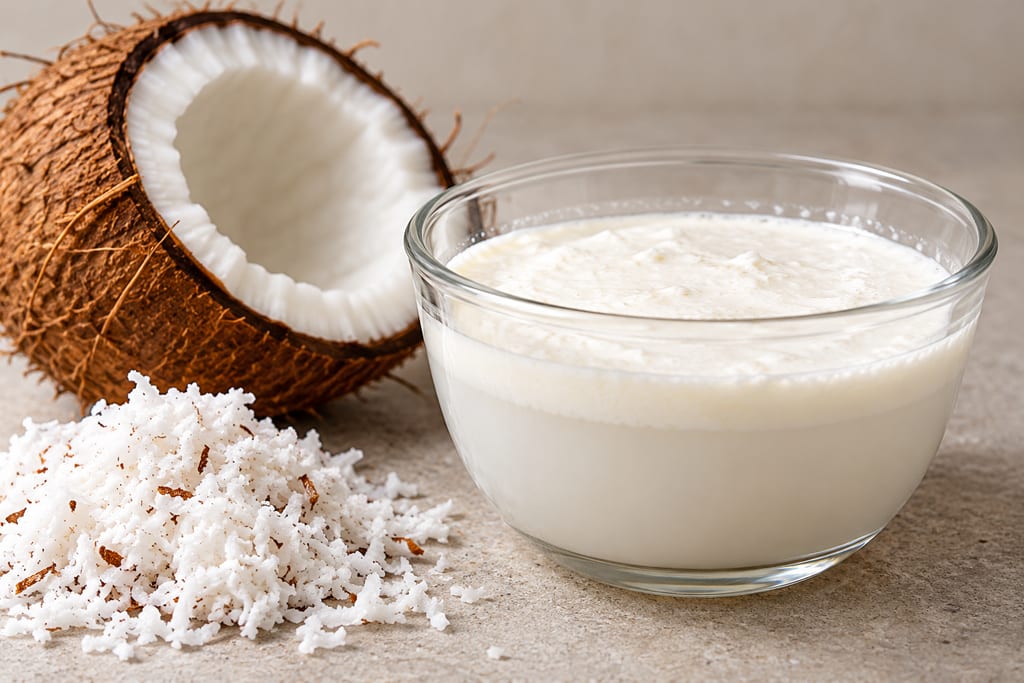
Coconut milk and cream
Grated or shredded coconut extracted with water and squeezed or strained into a milky emulsion; left to stand, it separates into cream and a watery layer.
 FermenteaWhere food goes to change
Manuk pansuh · pansoh · ayam pansuh
Manuk pansuh is Iban chicken cooked slowly inside a fresh bamboo tube with aromatics and leafy greens. The bamboo holds the food and shapes the steamy, fragrant cooking environment; recipes vary by household and locality.
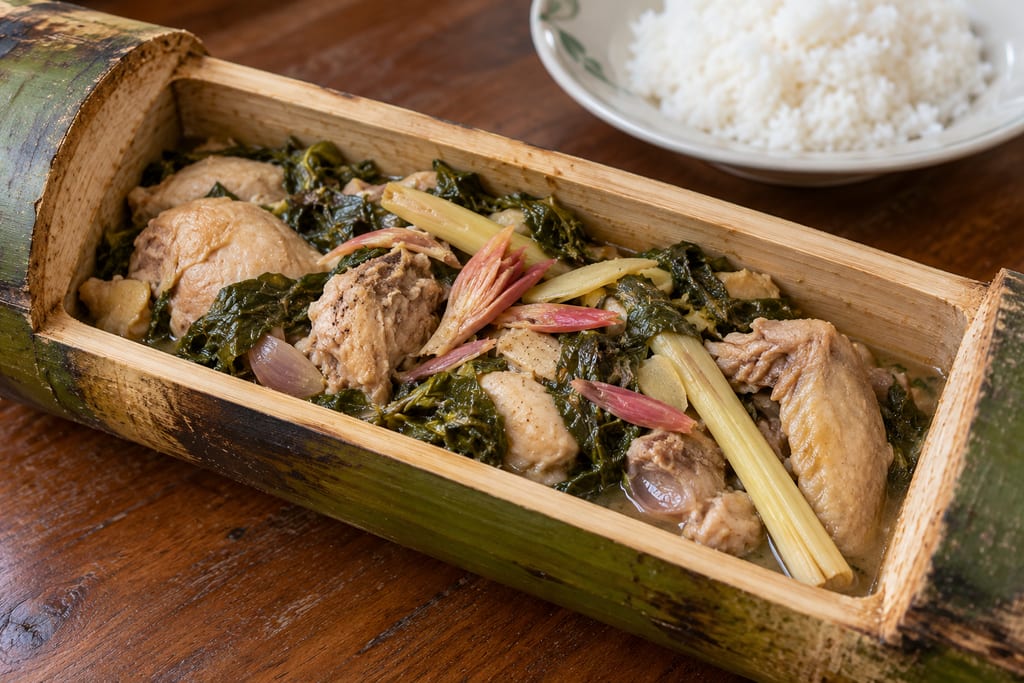
Pansuh describes food cooked inside bamboo. Manuk pansuh is the chicken preparation; the Malay-facing name ayam pansuh is also used in Sarawak. The bamboo is a cooking vessel, not an ingredient eaten with the chicken. A fresh section is filled with seasoned meat and aromatics, covered with leaves, then heated over a fire. Moisture from the food and added water, where used, turns the tube into a small covered cooking chamber. The result is closer to a gently braised, steamy dish than to meat exposed directly to flame.
The dish is associated especially with Iban communities in Sarawak, though the wider landscape of bamboo cooking includes neighboring peoples and related foods. The name and ingredients are not a license to collapse all those traditions into one recipe. The version below follows one published 1 kg manok pansoh formula; households adapt the aromatics, leaves, meat and cooking vessel.
A 2026 study based on fieldwork in Rumah Liam, Ulu Engkari, describes pansuh as knowledge carried through everyday practice: choosing bamboo, managing a fire and gathering or recognizing forest herbs are learned across generations. The author connects the meal with Iban identity, hospitality and Gawai Dayak, while stressing that a single longhouse case cannot stand for every Iban community.
The cooking method has changed as access to bamboo changes. Fieldwork records a shift to iron cookware where access to bamboo declines. A pot version can preserve a related combination of chicken, leaves and aromatics, but it is not bamboo pansuh: the bamboo itself contributes the vessel geometry, moisture retention and distinctive cooking context. The technique is living heritage rather than a frozen formula.
Chicken supplies the principal protein and juices. Shallot, ginger and lemongrass form a fragrant aromatic base; torch ginger flower adds another local ginger-family note in the published formula. Tapioca leaves (cassava leaves) sit with the chicken and also cover the bamboo opening in accounts of the dish. White pepper seasons it, salt makes the aromatics legible, and palm oil carries flavor across the meat. The cited formula includes palm oil, while other preparations may not.
The fresh bamboo tube confines the food and holds steam and juices close to the chicken. The fire heats the tube from outside; it does not mean the dish is grilled directly over the flame. Bamboo diameter, wall thickness, fire intensity and the amount of food vary, so cooking time from one version cannot be transferred as a guaranteed endpoint. The leaves help cover the opening but do not create a pressure vessel: this is an open-ended cooking method, not sealed fermentation.
This version follows the Malaysian Palm Oil Council's formula for 1 kg chicken. That recipe briefly half-cooks the chicken before adding a blended paste of shallot, ginger, lemongrass and ginger flower, along with salt and palm oil. It then transfers the mix to a cleaned bamboo section, covers the opening with tapioca leaves and cooks over charcoal for roughly 45 minutes. These quantities and this preliminary browning are features of that specific published recipe; they are not mandatory across all household methods.
Other descriptions use fresh chicken marinated with ginger, lemongrass, garlic and additional aromatics, sometimes adding water or using different leaves. The 2020 New Straits Times article presents a pot adaptation for city kitchens and explicitly calls the pot a replacement for bamboo. Keeping that distinction clear lets readers understand both the practical adaptation and what makes bamboo-cooked pansuh distinctive.
The bamboo must be stable over the heat and turned carefully. Published examples use charcoal or open fire; the exact setup is local and practical rather than standardized. Keep chicken pieces loose enough to heat evenly. The cited 45 minutes is a recipe instruction, not a food-safety guarantee: confirm the thickest pieces are fully cooked using a thermometer and current poultry guidance. Hot bamboo contains steam; use tools and open the tube away from the face.
Serve the chicken and its juices hot, commonly with steamed white rice. JKKN also mentions glutinous rice cooked in bamboo as an accompaniment, a reminder that bamboo can shape more than one part of a meal. At Gawai Dayak and other cultural gatherings, manuk pansuh has a celebratory and hospitable role, while contemporary eateries have made it available beyond festival occasions. Local herbs and leaves vary, and the proper choice belongs to the place and cook rather than a universal substitution chart.
Pansuh is sometimes encountered alongside fermented foods in descriptions of Indigenous foodways, but bamboo cooking itself does not ferment or preserve the chicken. No microbial starter, salt-curing stage or controlled acidification is involved. Its shelf life cannot be inferred from fermentation practice. Treat the result as cooked poultry: serve promptly and manage leftovers according to current local food-safety guidance.
If the bamboo is unavailable, a lidded pot can make a related stew, as the reported urban adaptation demonstrates. It will cook by a different vessel and heat pattern, so call it a pot adaptation rather than claiming that it reproduces the bamboo aroma or the full material tradition of pansuh. The best account of this food keeps both hospitality and technique in view: the meal is made through knowledge of ingredients, bamboo and fire, not just a list of seasonings.
The tube is part of the cooking method, not theatrical packaging. It holds the pieces together, limits direct exposure to flame and creates an enclosed space in which the meat, leaves and aromatics heat in their own moisture. A bamboo section is open at one end and covered with leaves, rather than pressure-sealed. The method therefore resembles covered steaming and braising while still depending on the radiant heat and handling of a fire. The chicken yields juices as it cooks; these mingle with water when a version adds it and make the broth served with the meat.
Descriptions of bamboo cooking sometimes speak broadly of smoky flavor. That may describe the fire and the material setting, but it should not be interpreted as a measured smoke infusion or as proof that every recipe tastes the same. Firewood, charcoal, bamboo type, tube size, dampness and the leaf cover all affect how heat reaches the food. The published recipe used here has a defined ingredient list and cooking time; sources do not supply a standard bamboo species, tube diameter or internal temperature for pansuh. Do not invent those specifications in an attempt to make a household tradition look industrially standardized.
The formula's aromatics are not a generic curry paste. Ginger and lemongrass give a fresh, citrusy direction; shallot supplies a sweet allium base; and torch ginger flower contributes a vivid floral, tart fragrance used in regional cooking. Tapioca leaves bring a green, earthy element and are used to cover the tube in several descriptions. These ingredients are visible choices within a particular written version, not an exhaustive list of what an Iban cook may use.
Accounts vary: some name garlic, galangal, pepper, local wild gingers or other leaves; others add water or use different meat. That variation reflects household practice and what is available, not necessarily a disagreement over one canonical formula. The 2020 newspaper account combines multiple aromatics and cassava leaves in a pot-based city adaptation, while the council recipe includes torch ginger flower and palm oil in its bamboo method. They are useful records of different formulations, but they should not be merged into a claim that every ingredient is required.
A recipe can also include fish or pork rather than chicken. The broader term pansuh points to the cooking technique, while manuk identifies chicken in the named dish. A preparation with another protein should be described on its own terms if it becomes a separate recipe record. This page retains the documented chicken formula and does not silently substitute proteins whose thickness, fat and cooking time differ.
Manuk pansuh belongs to a social food setting as much as a cooking technique. JKKN describes it as a dish served at Gawai Dayak and cultural events and names both plain white rice and sweet glutinous rice cooked in bamboo as accompaniments. The field study links the preparation with hospitality and Iban identity. These are not decorative details: they explain why a meal prepared in a shared, locally understood vessel can carry meaning beyond the flavor of chicken and herbs.
At the same time, the dish is not restricted to a festival menu. Official and tourism accounts describe it as available at stalls and restaurants today, with urban cooks sometimes changing the method because bamboo is less convenient. A pot adaptation helps keep the flavor profile accessible, but the vessel-dependent technique and knowledge of managing bamboo and fire are not reproduced by changing only the cookware label.
Approach the published measures as one useful record rather than a test of cultural authenticity. Pansuh is taught and adapted in families, and the recent community study explicitly treats its practice as living knowledge shaped by resource access. A careful recipe page can preserve a documented version while naming its limits and leaving room for the cooks who carry other versions.
Pansuh is a living Iban cooking practice. A 2026 study documents it in Rumah Liam, Ulu Engkari, Sarawak, and describes transmitted knowledge of bamboo selection, fire management and forest herbs; this does not establish a single origin date.
Yield 4 servings · Scaling: source batch only
Chicken must be cooked thoroughly; bamboo cook times vary with fire and tube geometry.
Hazard sourceThe bamboo vessel and its contents become very hot and can release steam when opened.
Hazard sourceCheck the thickest chicken pieces with a food thermometer and follow local poultry cooking guidance; use stable fire equipment and open the hot tube away from the face.
Control sourceThis is cooking, not a fermentation or preservation method. Refrigerate leftovers promptly under local food-safety guidance; the sources do not establish a shelf life for this recipe.
Pansuh is documented among Iban communities in Sarawak; the sources do not make the preparation exclusive to a single locality.
Grated or shredded coconut extracted with water and squeezed or strained into a milky emulsion; left to stand, it separates into cream and a watery layer.
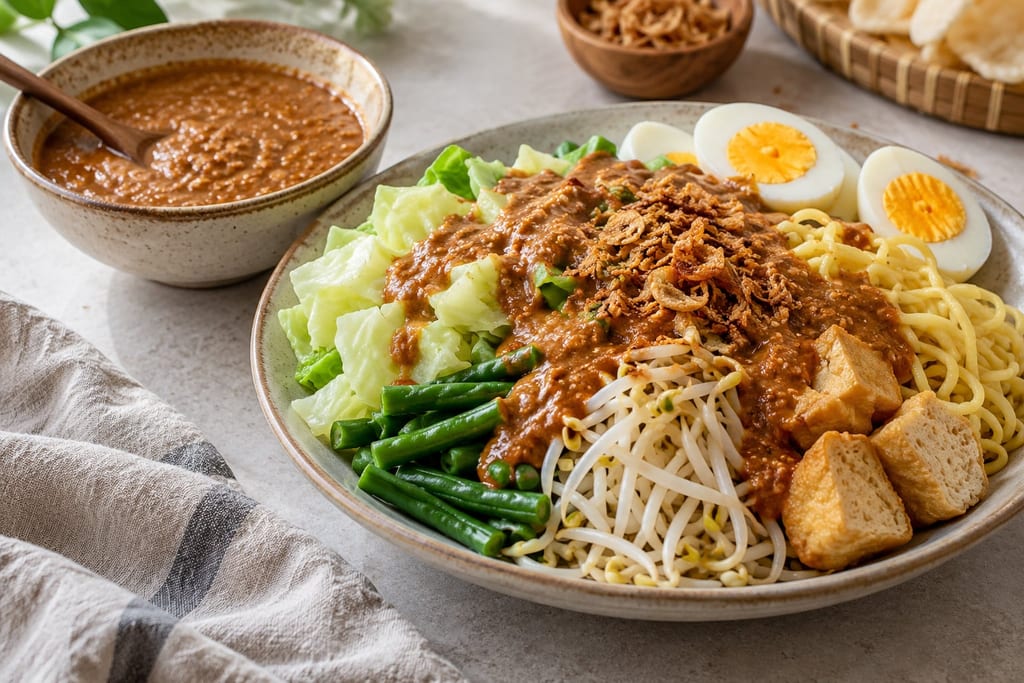
A cooked peanut sauce of ground roasted peanuts, aromatics, shrimp paste and coconut cream, as made for gado-gado; pecel and Malaysian satay sauces are close relatives with different formulas.

A 2024 Ranau account describes Kadazan-Dusun Lihing as glutinous rice fermented with sasad for two to three months or longer. Starter quantity and a validated safety endpoint are not established.
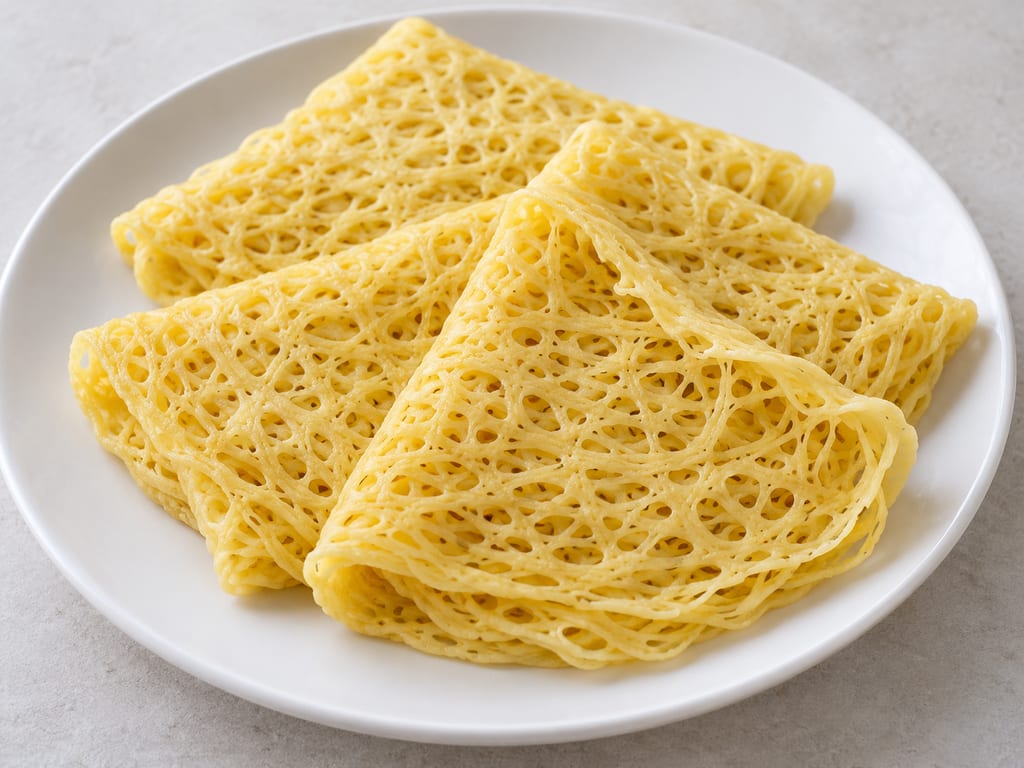
Malaysian lacy pancakes made by pouring coconut-milk batter in a net on a hot pan.
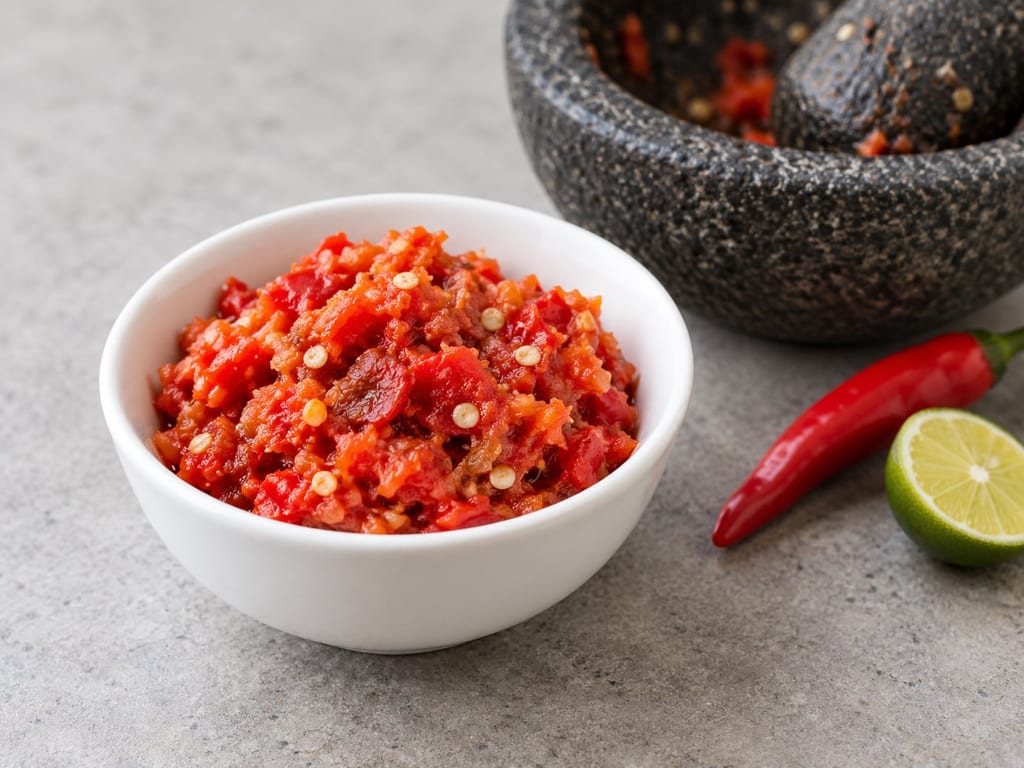
Red chillies pounded with belacan shrimp paste, then mixed with lime or calamansi and sugar for a fresh relish. Contains crustacean shellfish.
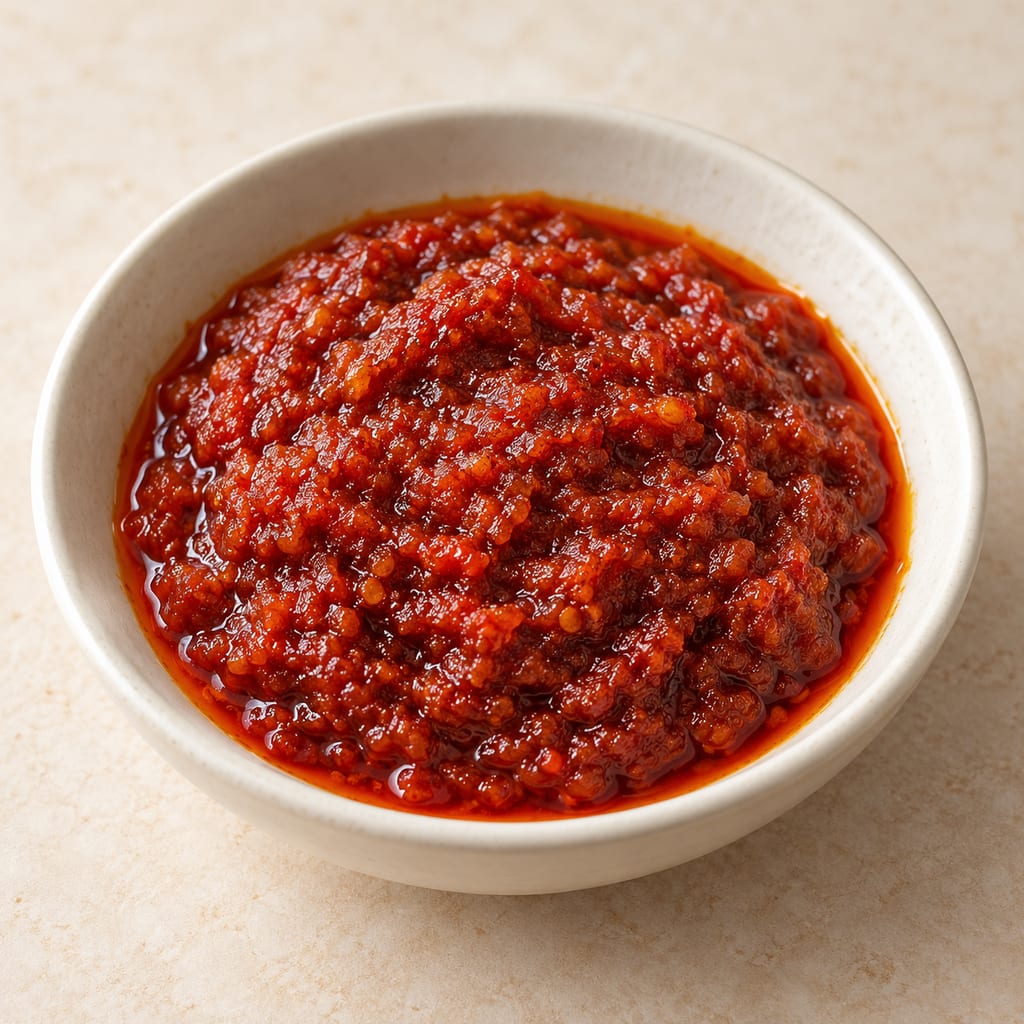
Sambal tumis is a Malaysian chilli paste fried in oil until it breaks, then simmered with tamarind and sugar, used as a condiment and as a cooking base.
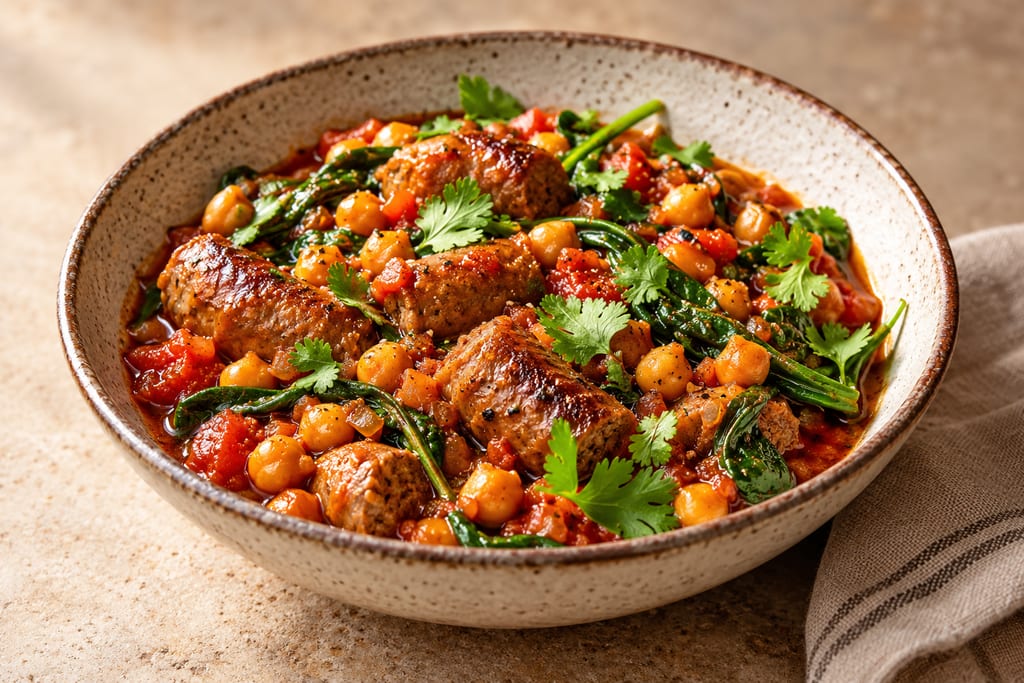
Lesego Semenya’s contemporary South African stew combines browned boerewors, chickpeas, tomato, spinach and warm spices.
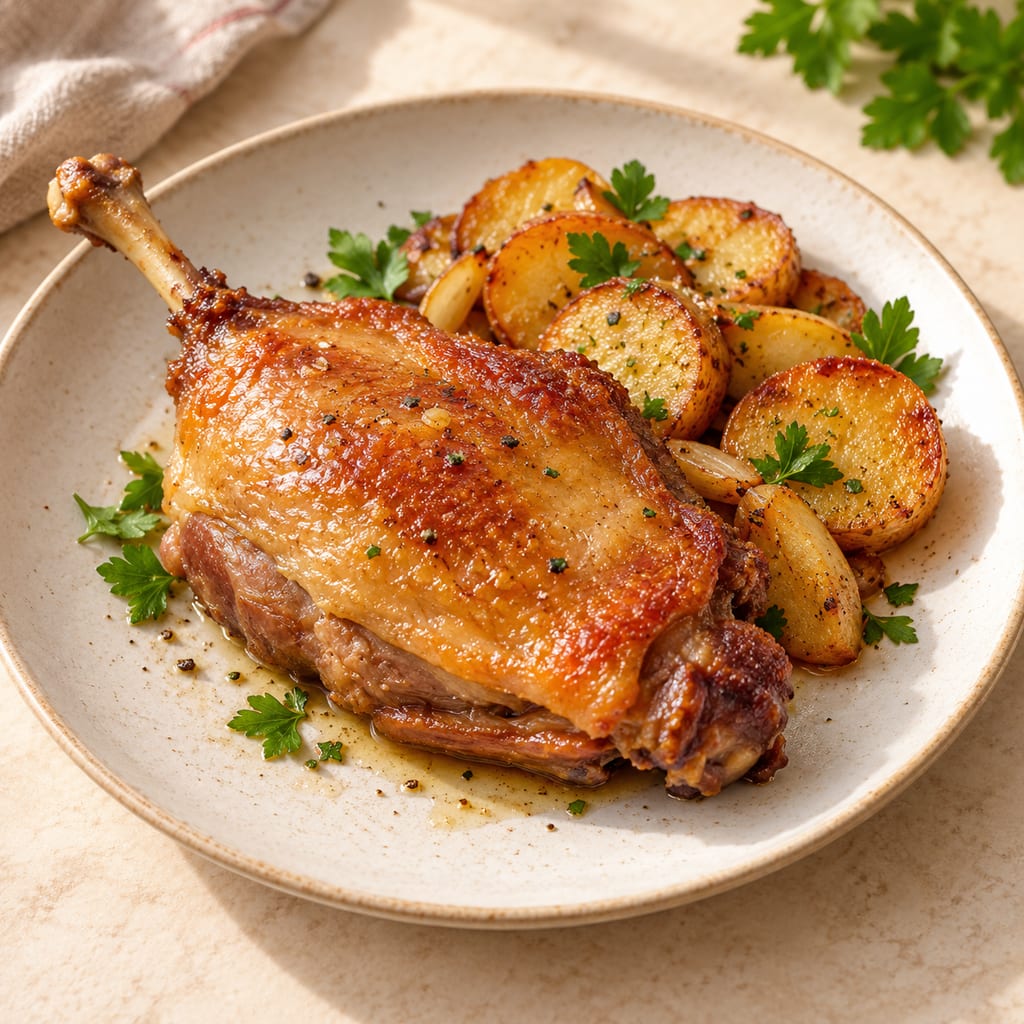
Meat salted, slowly cooked in its own fat and kept under a covering of that fat. The fat cap limits air but does not acidify or sterilise, so home confit needs refrigeration or freezing.
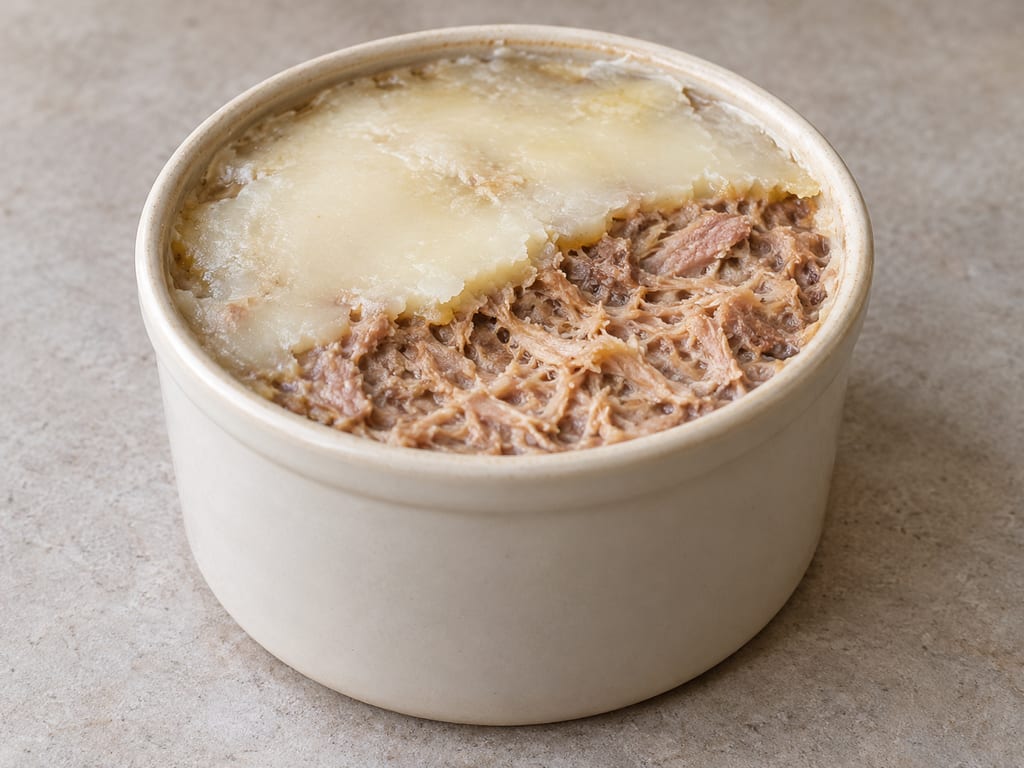
Cooked meat or fish shredded or pounded, packed into pots and covered with fat. Heat, salt, moisture reduction and the fat cover work together, and the texture separates rillettes from whole-piece confit.

Omani celebration dish of spiced meat wrapped in leaves, sewn into palm-fibre bags and cooked in a sealed pit of embers for up to a day.
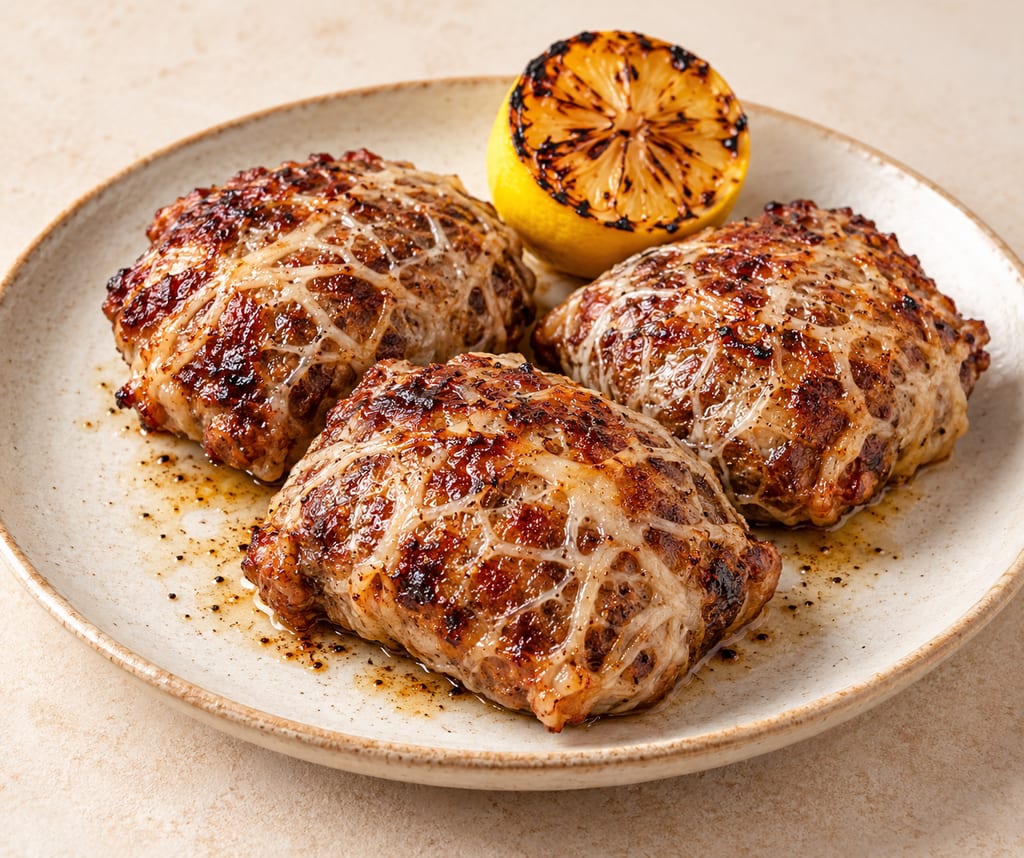
South African braai parcels of seasoned lamb liver wrapped in caul fat (netvet), which crisps and renders as the filling cooks.
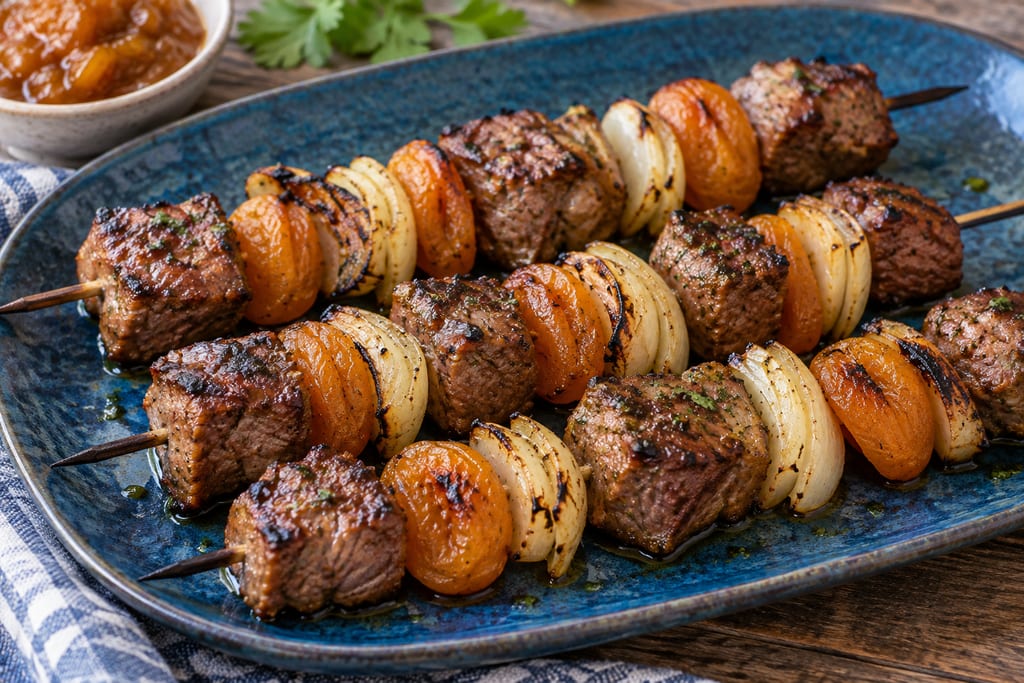
Cape skewers of marinated lamb or mutton threaded with onion, fat or dried fruit and grilled, their marinade balancing curry spice against vinegar or tamarind and something sweet.
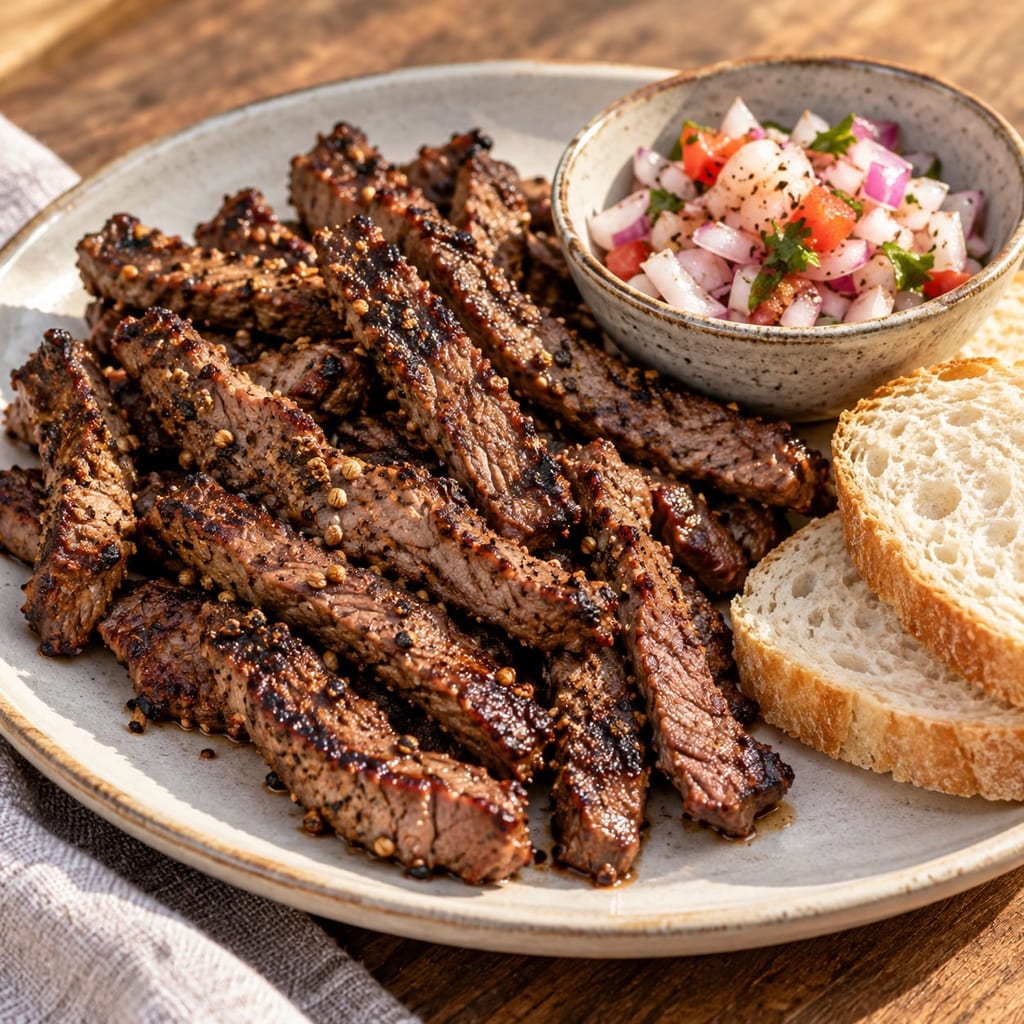
Beef rump takes vinegar, toasted coriander and pepper from the flavour family of tassal, then meets a thermometer-checked braai fire as a fresh-cooked meal.
No community contributions have been published for this entry yet.
Sign in to contribute. Published comments and photos are free to read.
Southeastern Philippines Journal of Research and DevelopmentHistory · Geography · Cultural use · Technique
Pansuh: Sustaining the Iban Bamboo-Cooking Tradition through Cultural Ecology and Heritage Preservation2026 study based on fieldwork at Rumah Liam, Ulu Engkari, Sarawak, with participant observation and interviews with ten residents.
Bamboo choice, fire management and forest-herb knowledge are transmitted orally; pansuh is connected with Iban identity, hospitality and Gawai Dayak.
The study records increased use of iron cookware where bamboo access declines and is a single-community case, not a universal recipe.
Cited in: Practice, place and continuity; Fire, serving and variation; A cooking dish, not a preserved food; Reading the bamboo vessel; Serving it in its cultural setting
Jabatan Kebudayaan dan Kesenian Negara (JKKN), Government of MalaysiaIdentity · History · Serving · Ingredients
Manok PansuhManok means chicken and pansuh means cooked in bamboo in this dish name.
JKKN identifies manok pansuh as an Iban traditional Sarawak dish and notes service with white rice or glutinous rice cooked in bamboo and at Gawai Dayak or cultural events.
The account lists a bamboo section and chicken among its ingredients; it notes that urban cooks may use bamboo less often.
Cited in: A meal cooked in its vessel; Fire, serving and variation; Serving it in its cultural setting
Malaysian Palm Oil CouncilMethod · Ingredients · Serving
Manok PansohA documented version uses 1 kg chicken with shallot, ginger, lemongrass, ginger flower, tapioca leaves, bamboo, pepper, salt and palm oil.
The recipe browns chicken briefly, marinates it with pounded aromatics for 30 minutes, cooks it in bamboo under tapioca leaves over charcoal for about 45 minutes, and serves with rice.
Cited in: A meal cooked in its vessel; Why these ingredients work together; A measured published version; Reading the bamboo vessel; Aromatics and household choice
New Straits TimesRegional context · Ingredients · Method
#JOM! EAT: An exotic dish of SarawakThe report describes manok pansuh as chicken cooked in bamboo with seasonings and cassava leaves, usually prepared by Iban and Bidayuh communities for festivals including Gawai Dayak.
It distinguishes a city pot adaptation from bamboo cooking and reports its own pot-cooking sequence; this page uses bamboo instead.
Cited in: Practice, place and continuity; A measured published version; A cooking dish, not a preserved food; Aromatics and household choice
Journal of Tourism, Hospitality & Culinary Arts / UiTM PressRegional context · Cultural use · Method
Sarawak Cuisine: An Overview and Its IdentityThe paper identifies pansuh as meat cooked with bamboo among Iban foods and discusses Sarawak's multiple ethnic cuisines.
Its section on ayam pansuh describes bamboo as a cooking vessel, chicken or other meats, tapioca leaves and aromatics, while noting Gawai and contemporary restaurant service.
The authors state that Sarawak ethnic-food recipes do not have one indefinite standardized method.
Cited in: A meal cooked in its vessel; Why these ingredients work together; Aromatics and household choice