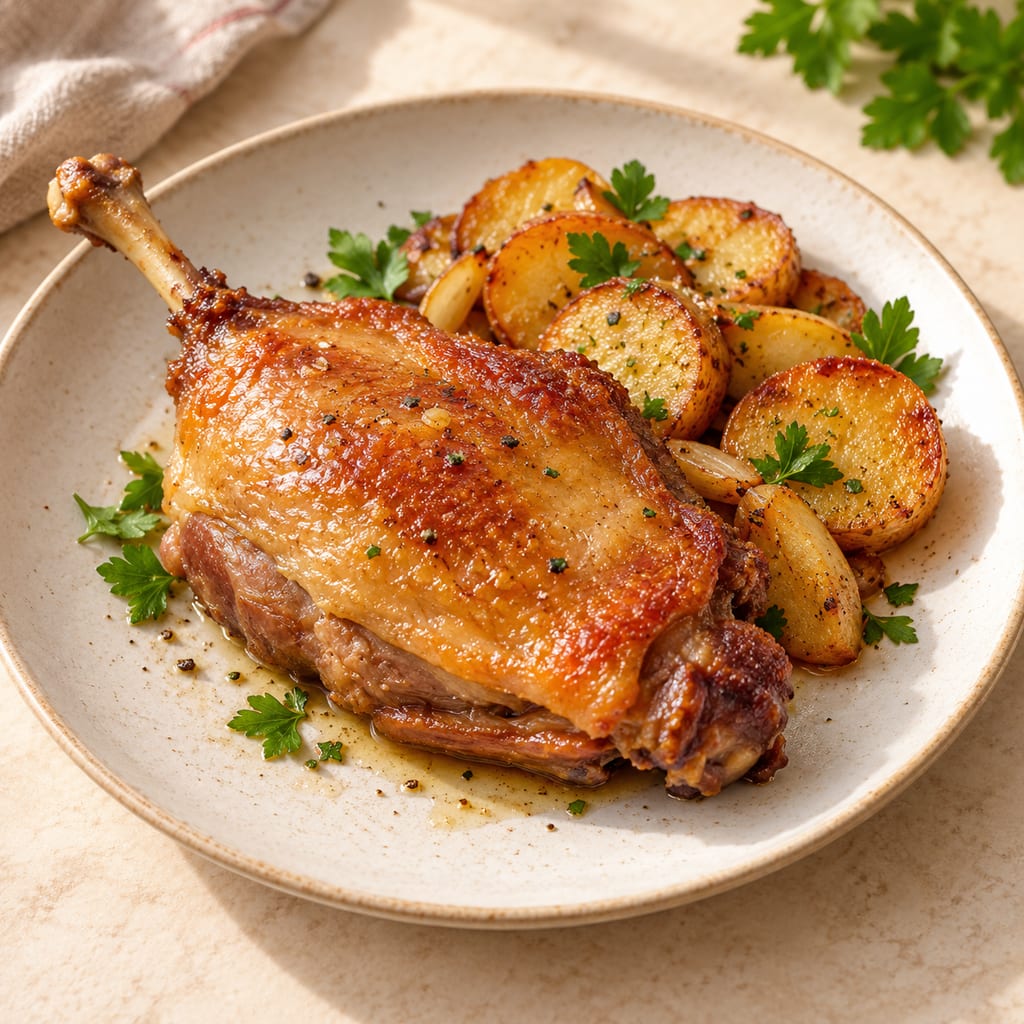
Meat salted, slowly cooked in its own fat and kept under a covering of that fat. The fat cap limits air but does not acidify or sterilise, so home confit needs refrigeration or freezing.
Confit salts the meat, cooks it slowly in fat, and keeps it under a covering of that fat. The fat does not acidify the meat or sterilise it, so the keeping depends on the complete process.
Historically the method is associated with duck and goose in southwestern France.
Confit is historically associated with southwestern France, where goose confit is documented from the seventeenth century. The method combines salting with slow cooking in fat and storage under that fat.
Ingredients
Scaling: not established by the sources.
Meatgoose or duck, the historical forms named in the sources
Amount not stated
Salt
Amount not stated
Fatrendered fat to cook in
Amount not stated
Method
Risks and precautions · Elevated risk
Fat cover does not preserve by itself
The fat cap limits air but does not acidify or sterilise the meat, so keeping depends on the full process.
Hazard source
Refrigerate or freeze homemade confit; do not store it at room temperature
Control source
No validated shelf life is recorded for home confit.
Salt the meat and leave it to take up the salt.
Cook the meat slowly in its fat until it is tender.
Pack the meat in its fat and keep it covered by that fat.
Places
Southwestern France
Traditional preparation · Region evidence
Regional association from the catalogue and the protected product record.
Every preserved food is a stack of barriers against microbes, enzymes, air and time. This is how they work, what a recipe's numbers measure, and how cooks worldwide build them.
Bechamel is a white sauce of milk thickened with a butter and flour roux, one of the French mother sauces, and the base from which Mornay and other cheese and cream sauces are made.
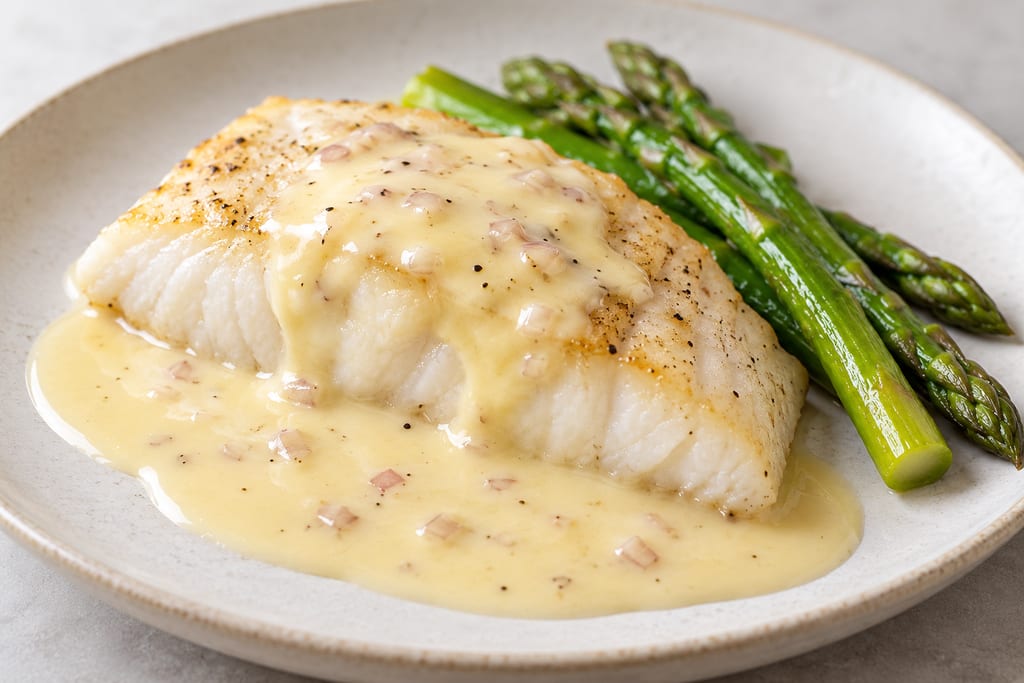
Beurre blanc is a warm emulsion of cold butter whisked into a reduction of white wine, vinegar or lemon juice and shallot, a sauce from the Loire Valley and its red-wine version, beurre rouge.
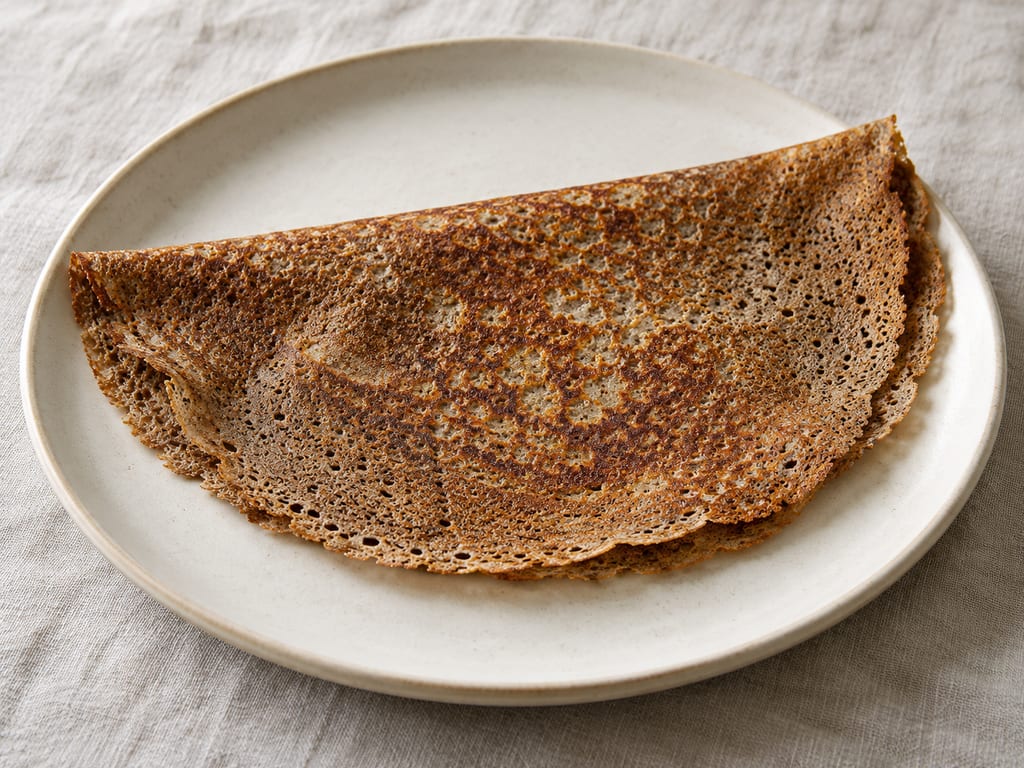
A thin Brittany galette made from buckwheat flour, water and Guérande salt. This Atelier de la Crêpe method rests the batter in a refrigerator before cooking it on a hot crêpière.
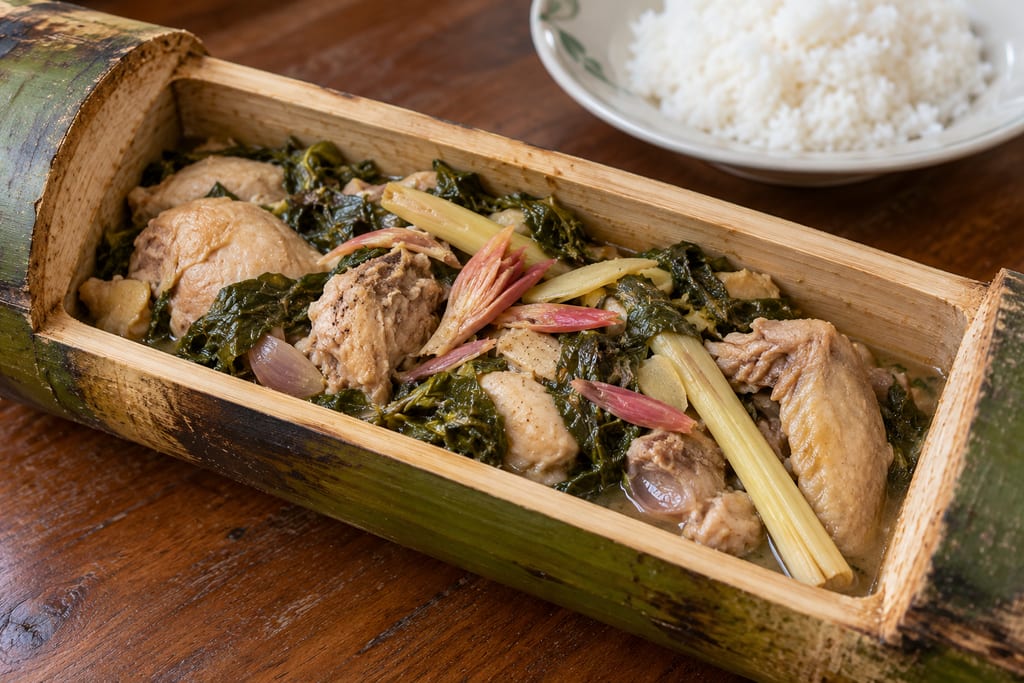
Manuk pansuh is Iban chicken cooked slowly inside a fresh bamboo tube with aromatics and leafy greens. The bamboo holds the food and shapes the steamy, fragrant cooking environment; recipes vary by household and locality.
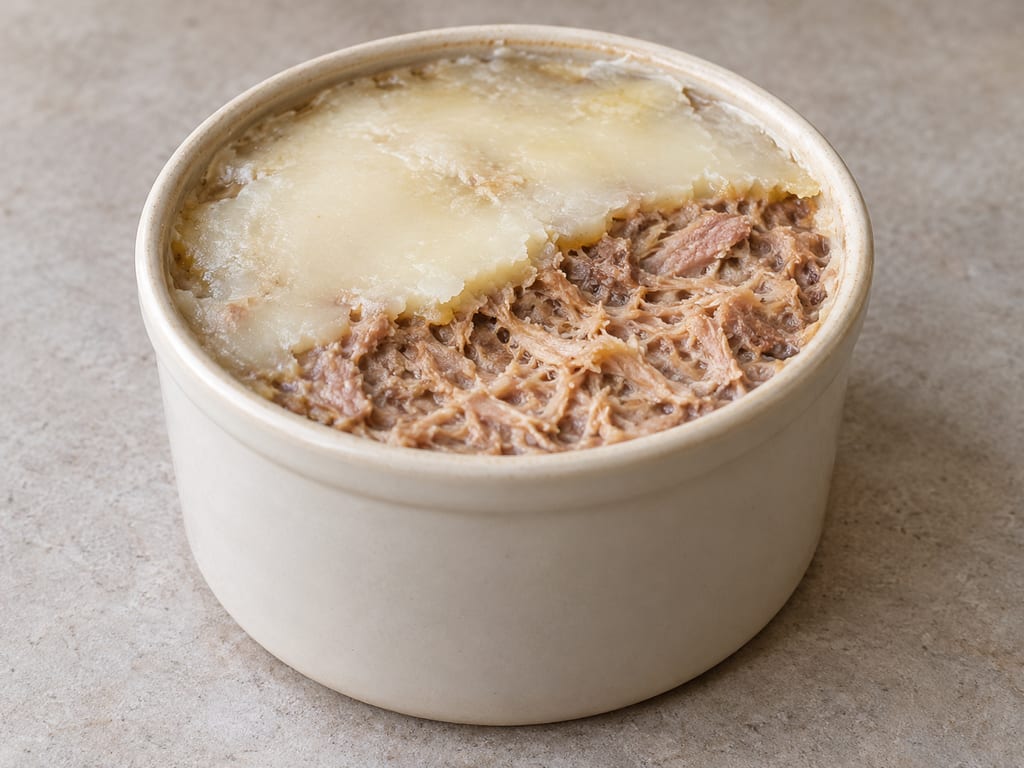
Cooked meat or fish shredded or pounded, packed into pots and covered with fat. Heat, salt, moisture reduction and the fat cover work together, and the texture separates rillettes from whole-piece confit.
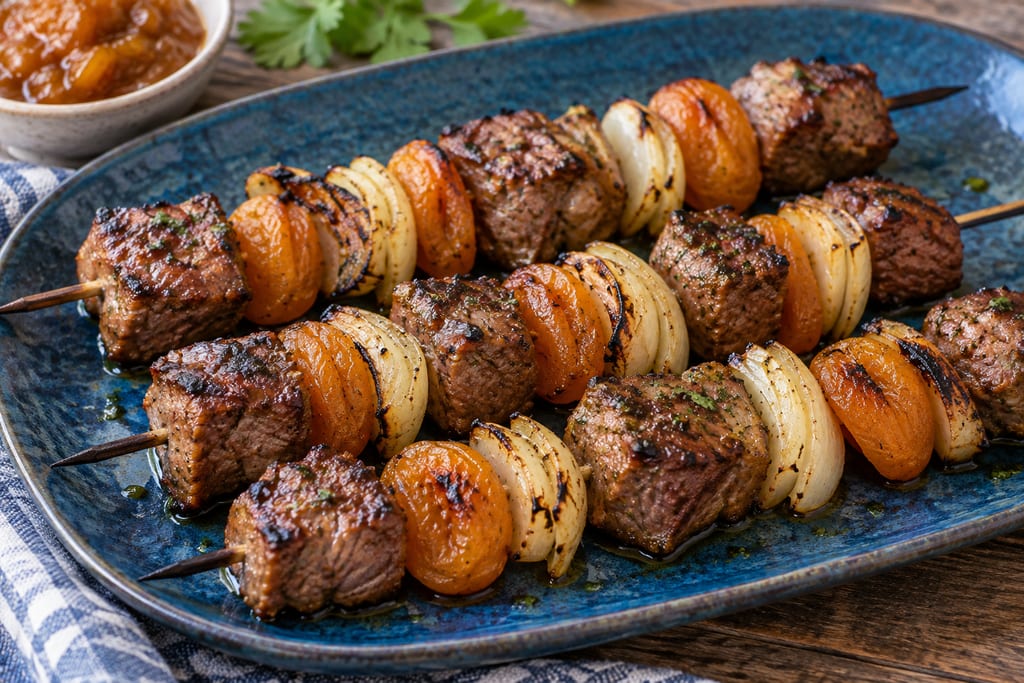
Cape skewers of marinated lamb or mutton threaded with onion, fat or dried fruit and grilled, their marinade balancing curry spice against vinegar or tamarind and something sweet.
Beef rump takes vinegar, toasted coriander and pepper from the flavour family of tassal, then meets a thermometer-checked braai fire as a fresh-cooked meal.
A gelling polysaccharide extracted from red seaweeds, sold as kanten strips or powder; it sets firm at a low concentration and stays solid until about 85 °C.
A Dominican table and seasoning condiment of sour orange juice, mixed with lime and salt and bottled raw; garlic, oregano or a hot pepper may be added for meat or a spicier bottle.
Cicerbita alpina is an alpine perennial whose tender shoots and leaves have been eaten raw or cooked. Sámi milk preparations and modern Carnian dishes are distinct uses, with serious identification and preservation limits.
Japanese skipjack tuna cooked, then repeatedly smoked and dried over a wood fire by the hand-fired tebiyama method into a hard block for shaving into dashi: the first stage of katsuobushi.
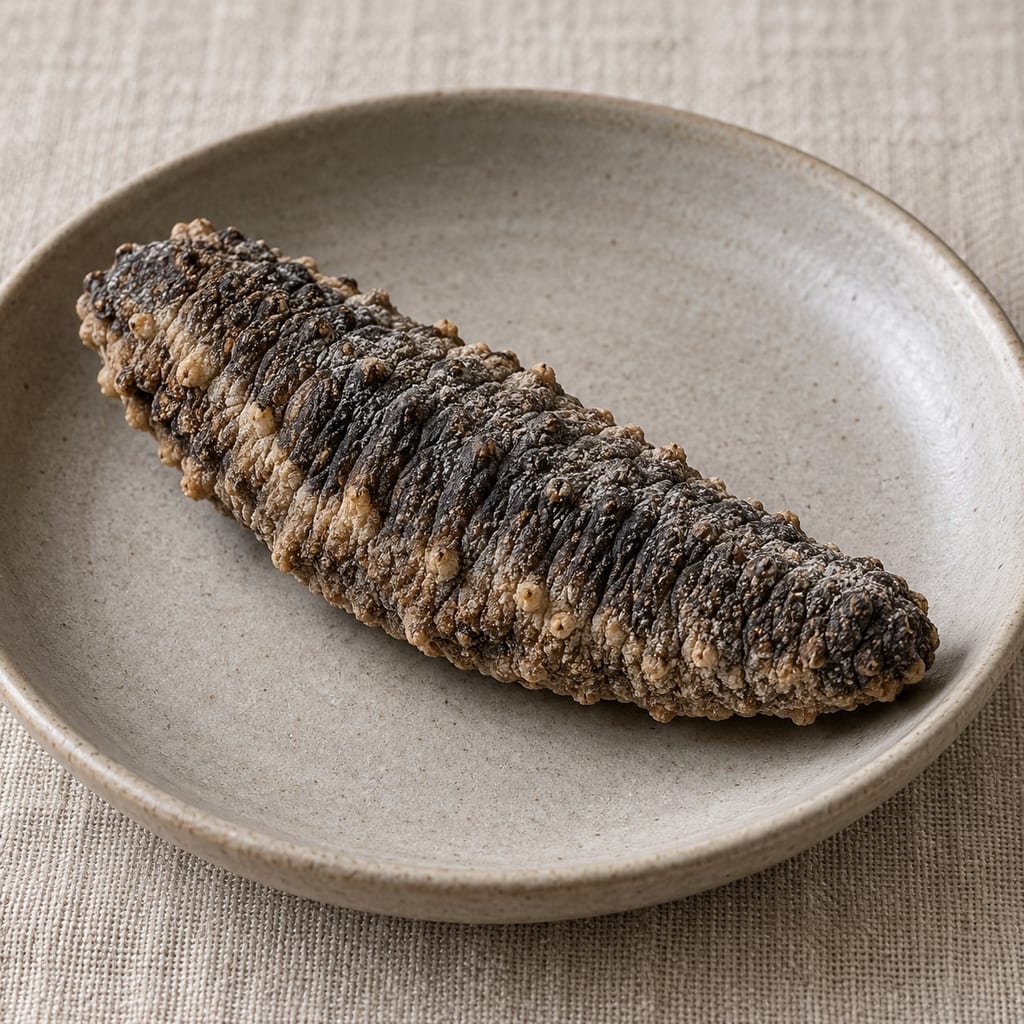
Sea cucumber cleaned, boiled and dried, sometimes with smoke, into a long-keeping trade product; Makassan processing in Arnhem Land is documented from at least the eighteenth century.
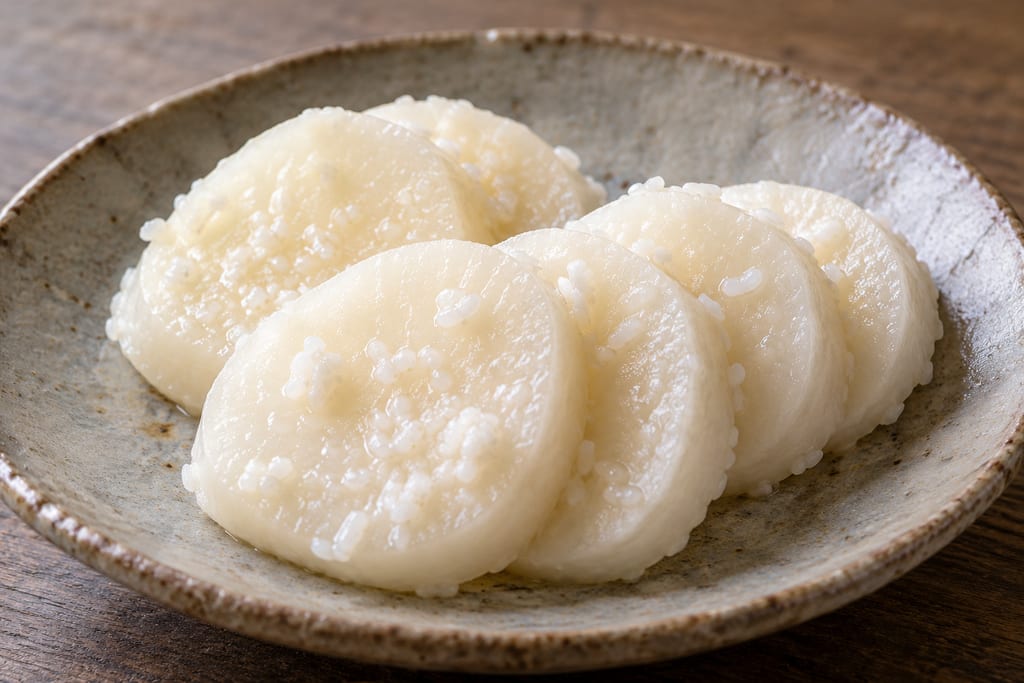
A sweet, crisp Japanese daikon pickle from Tokyo's Nihonbashi district, made by salting fresh radish and dressing it in rice koji, sugar or koji amazake without the heavy drying used for takuan.
Community
No community contributions have been published for this entry yet.
Share what you made
Sign in to contribute. Published comments and photos are free to read.