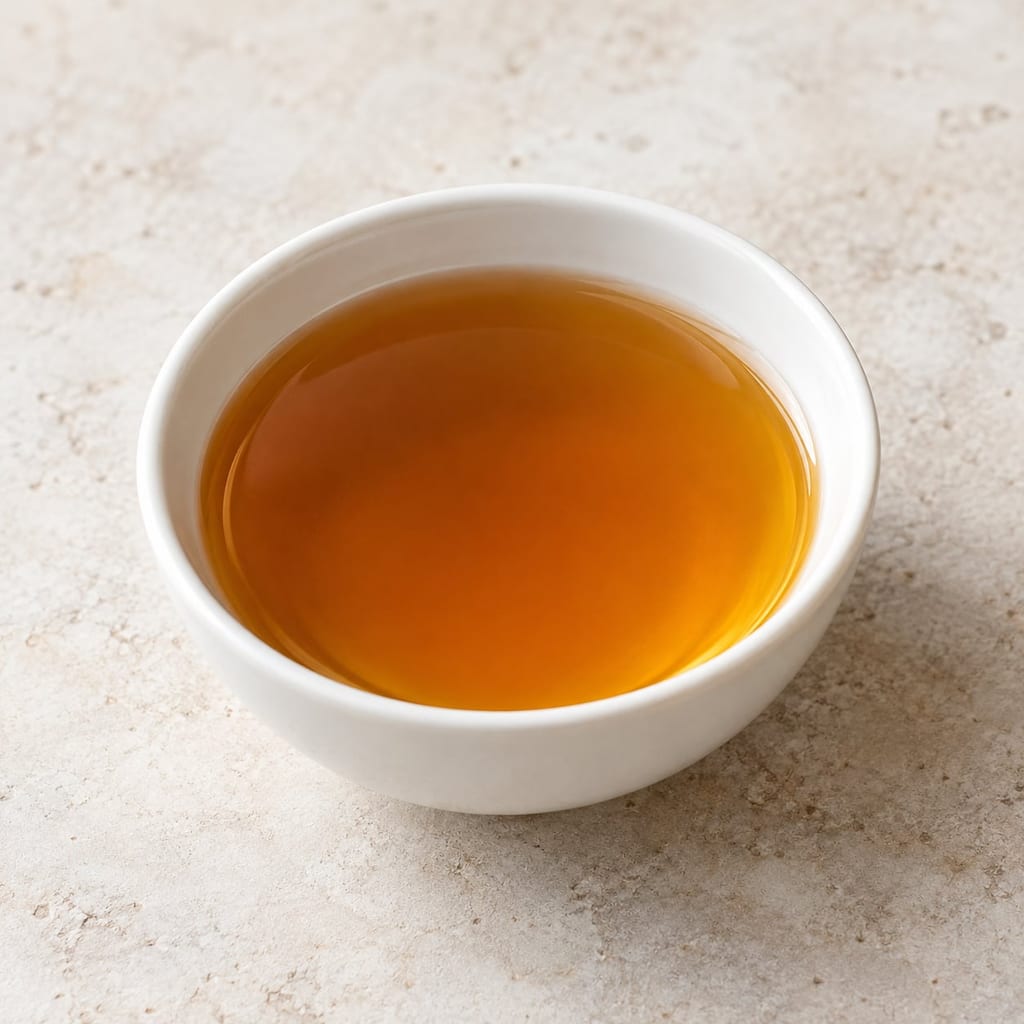
Nam pla
Thai fish sauce is a clear yellow-brown seasoning drawn from salted fish. Tank maturation produces a first extract, with further brine extractions giving other grades.
 FermenteaWhere food goes to change
Equipment · Tanks and vats
น้ำปลา บ่อหมัก โอ่งหมัก · nam pla fermentation tank · Thai fish-sauce jar
Thai nam pla ferments fish and salt in more than one kind of vessel. Sources document earthenware jars alongside larger wooden or cement tanks; no single shape, capacity or construction detail applies to every maker.
Nam pla (น้ำปลา) is Thailand's fish sauce: a clear, salty liquid made as fish and salt mature together. The container is part of a working system, not a decorative jar. Sources describe earthenware vessels used at smaller scale as well as wooden and cement tanks used for fermentation. The category therefore covers related equipment forms rather than a single standardized pot.
Keep nam pla separate from other salty Thai fish products. The Thailand Foundation article distinguishes nam pla from pla ra, fermented fish, and other regional condiments. Their ingredients and outcomes differ, so a jar photographed for one product cannot automatically stand in as evidence for another.
A Thai Foundation account describes a traditional method in which small fish and salt are packed into a clay jar or cement pit, covered by a mat and held down with a stone. The detail explains the jar's practical role: it contains the salted fish mass while a separate cover and weight help keep the material packed down. It does not specify a universal jar shape, exact clay, glaze, or capacity.
The JIRCAS nam-plaa record describes wooden or cement tanks and earthenware jars used to store the sauce. These are different stages and scales: a fermentation tank holds fish and salt over time, while an earthenware storage jar can hold the recovered liquid. The 2010 SEAFDEC regional manual includes a Thailand section on nam-pla and places the product within the equipment and process-control context of small and medium traditional fish establishments.
These references do not justify a single cross-country blueprint. The item includes only the materials that sources name. They do not establish whether a given vessel is glazed, lined, sealed, sun-exposed, buried, or fitted with a particular drain.
In the JIRCAS account, washed fish and salt are put into a wooden or cement tank, and a weight keeps the fish below the brine. Over months, liquid separates from the fish mass and is skimmed or drained. The sauce is then filtered and exposed to sunlight until ripe. The recorded durations range from several months to more than a year; that range belongs to the documented method, not to every maker or every fish-sauce style.
This equipment controls containment and access to the product during maturation and liquid recovery. It does not alone determine taste, grade, or safety. Fish species, salt proportion, elapsed time, and post-fermentation handling vary in the sources; the tank's material is not evidence of a particular flavour or quality.
Thailand Foundation places an early fish-sauce factory in Chonburi and recounts a producer's use of small clay jars or wooden barrels. It presents this as a popular history of Thai fish sauce, not an archaeological date for jars or tanks. Its account also notes that vessel materials and practices change with production scale.
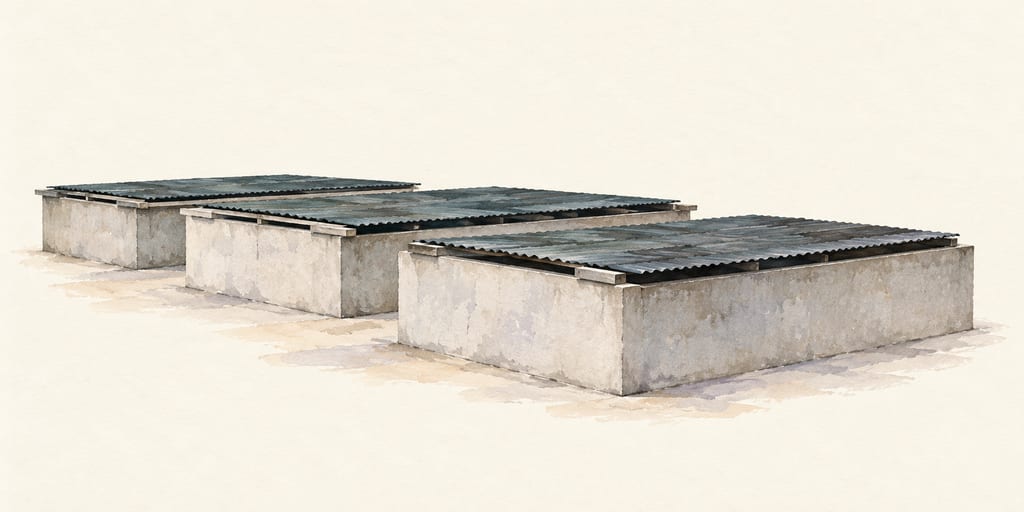
A 2019 interview with a fourth-generation producer in Pak Nam Rayong describes that family's transition from small jars to an industrial facility and reports 1,000 fermentation pits at the plant. This is one local case, not a national inventory. The linked photograph shows the outdoor tank yard from the interview; it does not show the inside of a tank or establish a standard construction design.
The sources do not give capacities or dimensions for the Thai jars and tanks in this entry. They also do not establish one universal lid, surface treatment, cleaning sequence, or tank outlet. The Rayong image documents a particular facility's exterior, while the JIRCAS and SEAFDEC materials describe forms and practice more broadly.
The ceramic jar and the larger tank should not be collapsed into a single vessel drawing. This page records the traditional earthenware form alongside documented wood and cement alternatives, while leaving unreported details open. For a working installation, the vessel must be selected and maintained to the producer's design and applicable food-contact and hygiene requirements; the sources here do not supply a home-use sanitation recipe.
A 2022 Thailand Foundation account recounts small-fish and salt fermentation in a clay jar or cement pit; JIRCAS describes wooden or cement tanks and earthenware storage jars. A 2019 Rayong producer interview documents one later industrial-scale example, not the origin of the vessel forms.
The sources do not give a universal capacity, dimension, lining, or cover design for Thai fish-sauce jars and tanks; do not treat the Rayong factory photograph as a standard plan.
Source →The forms are not interchangeable as objects: an earthenware jar is portable, while a large fixed cement tank belongs to a different production scale and site.
Source →Country-level relationship for Thai fish sauce only; it does not claim that every producer uses every listed vessel type or establish the forms' date of origin.
This is a specific producer example, not a claim that the vessel forms originated in or are exclusive to Rayong.
Thai fish sauce is a clear yellow-brown seasoning drawn from salted fish. Tank maturation produces a first extract, with further brine extractions giving other grades.
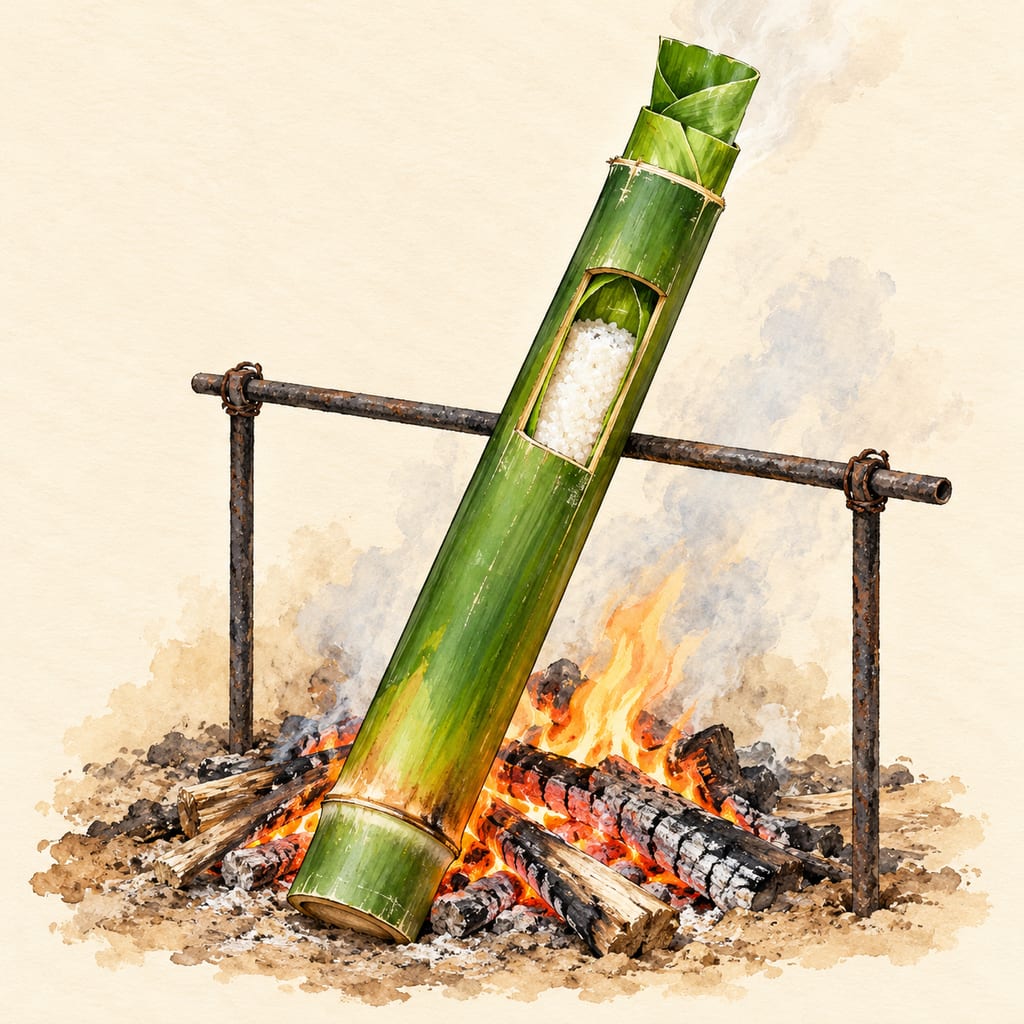
A bamboo internode can serve as the cooking vessel itself: its natural node closes one end while the open end holds food, often with a leaf lining or plug. Regional preparations differ in filling, fire arrangement and handling.
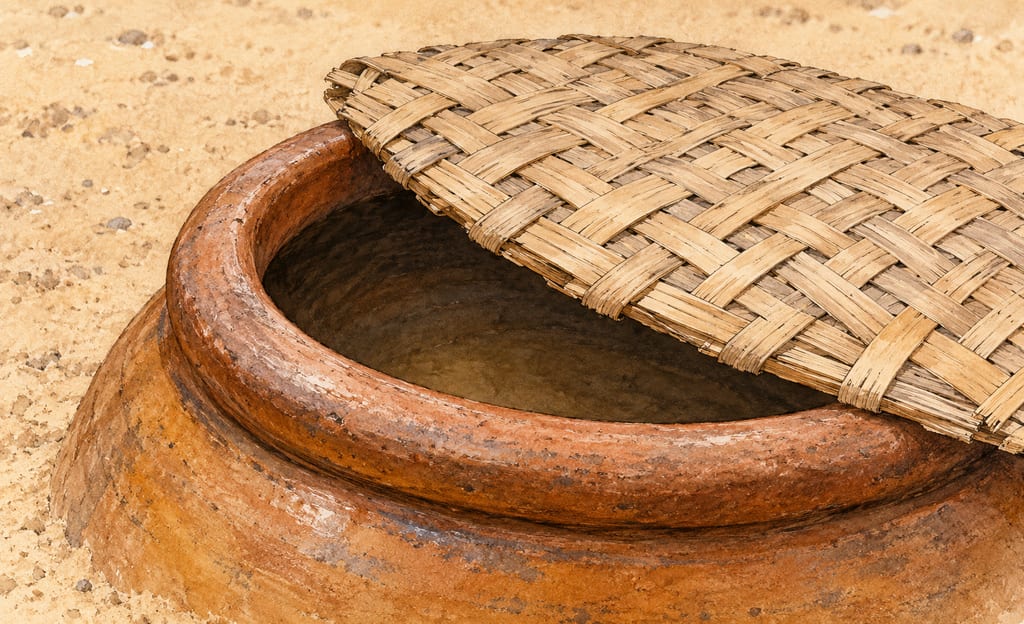
Earthenware jars hold salted fish while budu matures. Southern Thai accounts document bamboo mat, plastic and aluminum, and wood-board covers in different production settings.
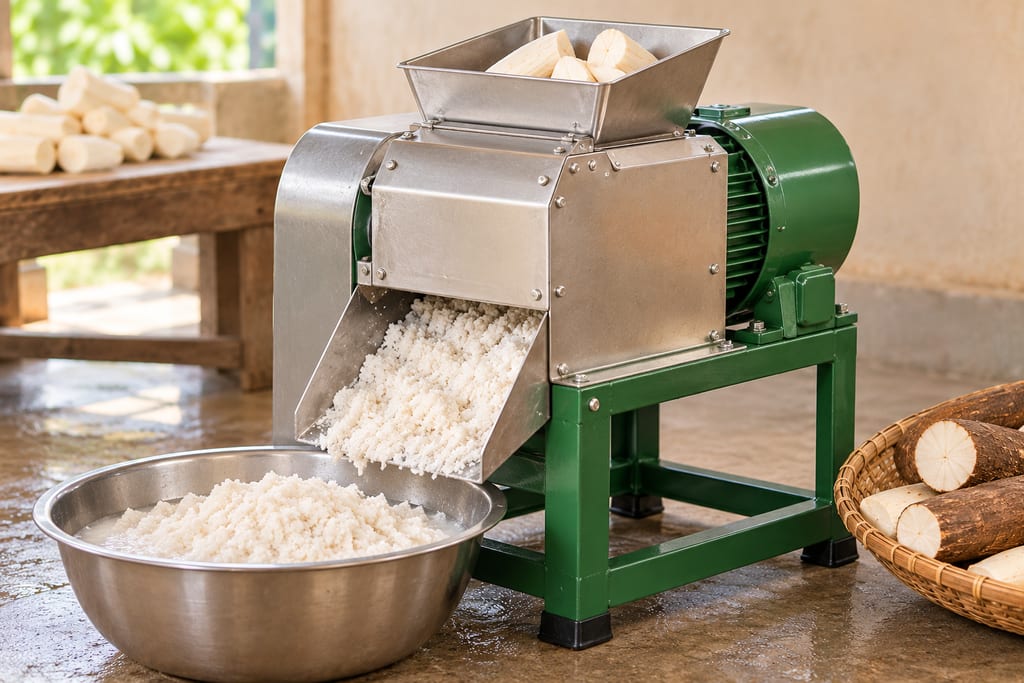
Graters, motorized rasping drums and processor grating discs reduce cassava or coconut to shreds or mash. They perform the grating stage only; later processing determines texture, extraction and cassava safety.
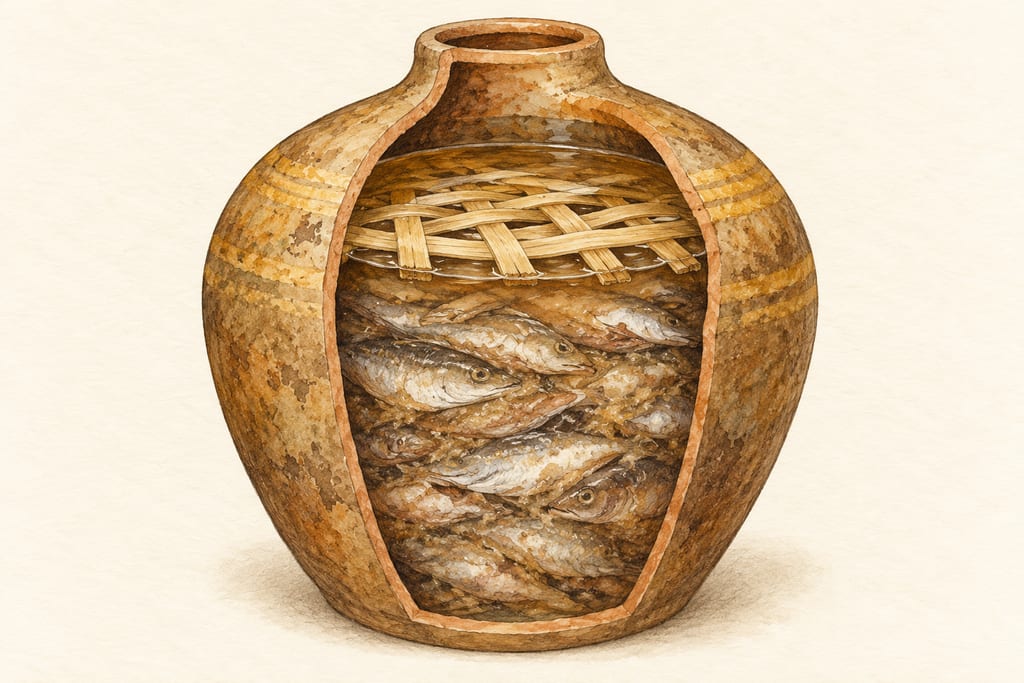
A narrow-necked earthenware jar for pla-ra fermentation, with woven bamboo strips pressed over the fish to keep it beneath the liquid. The jar is covered while allowing overflow; no standard size or lid design is established.
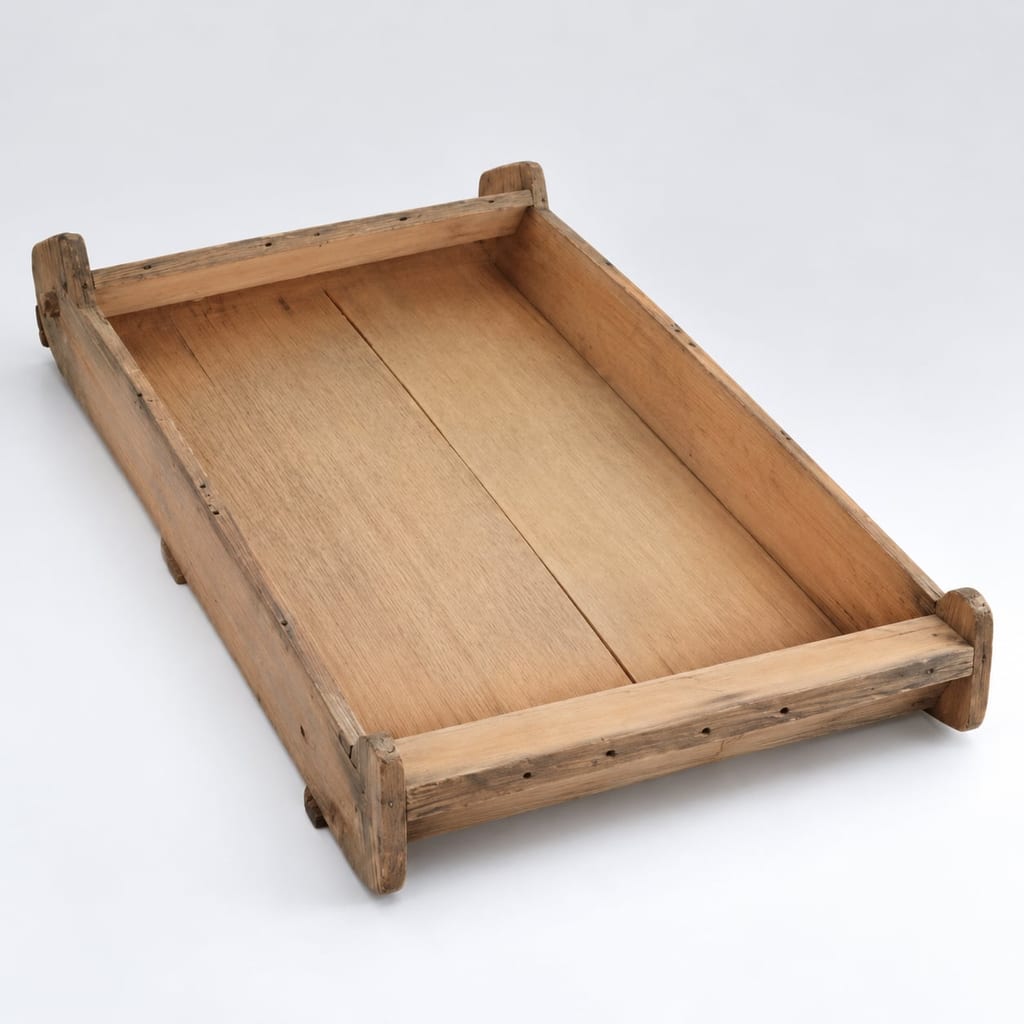
A shallow tray or basket carries grain or another solid food material during a mold-growing stage. Japanese koji trays and Southeast Asian bamboo trays share a broad function, but have distinct forms, histories and local uses.
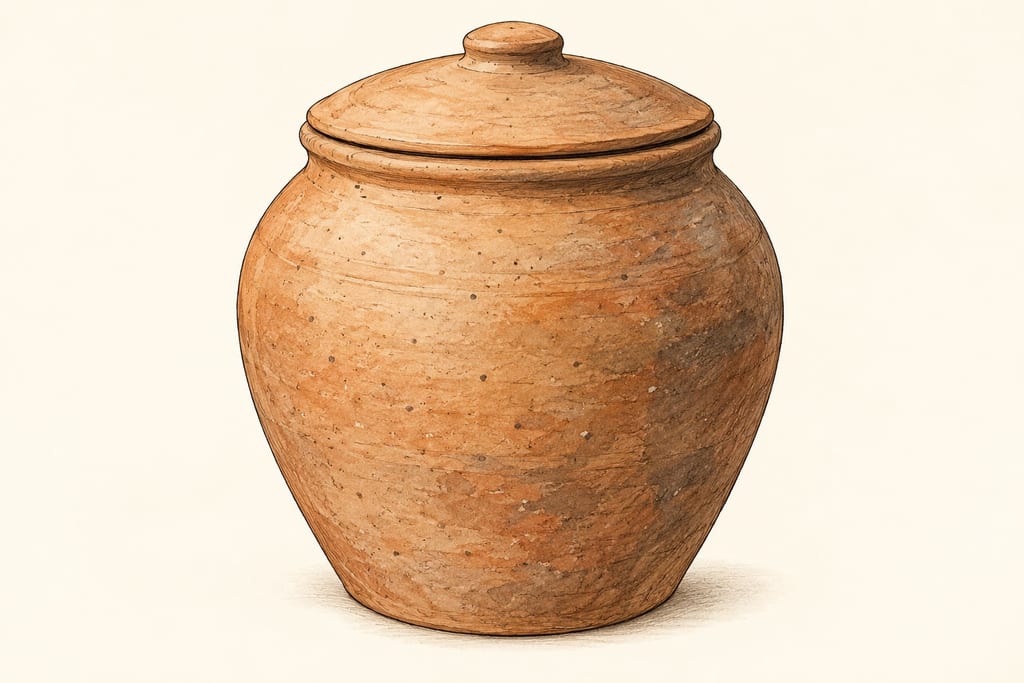
A closed earthen jar documented for fermenting tai-plaa, the salted fish-viscera product of southern Thailand. The sources do not establish one standard jar shape, capacity, lid, or date of first use.
No community contributions have been published for this entry yet.
Sign in to contribute. Published comments and photos are free to read.
Southeast Asian Fisheries Development Center, Marine Fisheries Research DepartmentTechnical reference · Equipment · Method
Good Manufacturing Practice (GMP) for Small and Medium-sized Traditional Fish Products Processing Establishments in ASEANThe 2010 regional manual includes a Thailand chapter on fish sauce (nam-pla) and addresses equipment and processing in traditional fish-product establishments.
The supplied vessels atlas records this manual as a technical and photographic reference for Thai nampla tanks and jars; it does not establish one universal vessel design or capacity.
Cited in: Clay jars, wood and cement; The vessel through the fermentation; Reading the equipment evidence
Japan International Research Center for Agricultural SciencesMethod · Equipment · Geography
Nam-plaaJIRCAS documents Thai nam-plaa made in wooden or cement tanks, with a weight keeping fish below the brine and liquid skimmed or drained after fermentation.
The entry describes earthenware jars for storing sauce and records a broad fermentation-duration range; its method is one documented profile, not a universal specification.
Cited in: One sauce, several vessel forms; Clay jars, wood and cement; The vessel through the fermentation; Reading the equipment evidence
Thailand FoundationHistory · Method · Geography
Fish Sauce: A Classic Scent of Thai CuisineThe article describes traditional Thai fish-sauce production using small fish and salt in a clay jar or cement pit, covered with a mat and weight.
Its account associates the first Thai fish-sauce factory with Chonburi, but this is a modern popular-history narrative and does not date all vessel forms.
Cited in: One sauce, several vessel forms; Clay jars, wood and cement; Local histories and production scale
a day magazineDocumented use · Geography · Image reference
คุยกับทายาทรุ่นสี่ ‘โรงน้ำปลาตราชูตราชั่ง’ ว่าด้วยมรดกอาชีพแห่งปากน้ำระยองA fourth-generation Tra Chang fish-sauce producer in Pak Nam Rayong says the family began with small jars and later expanded to an industrial facility; the interview reports 1,000 fermentation pits for this plant.
The article's photograph shows the exterior arrangement of the Rayong facility's tanks; the image does not reveal their contents or state their dimensions.
Cited in: Local histories and production scale; Reading the equipment evidence