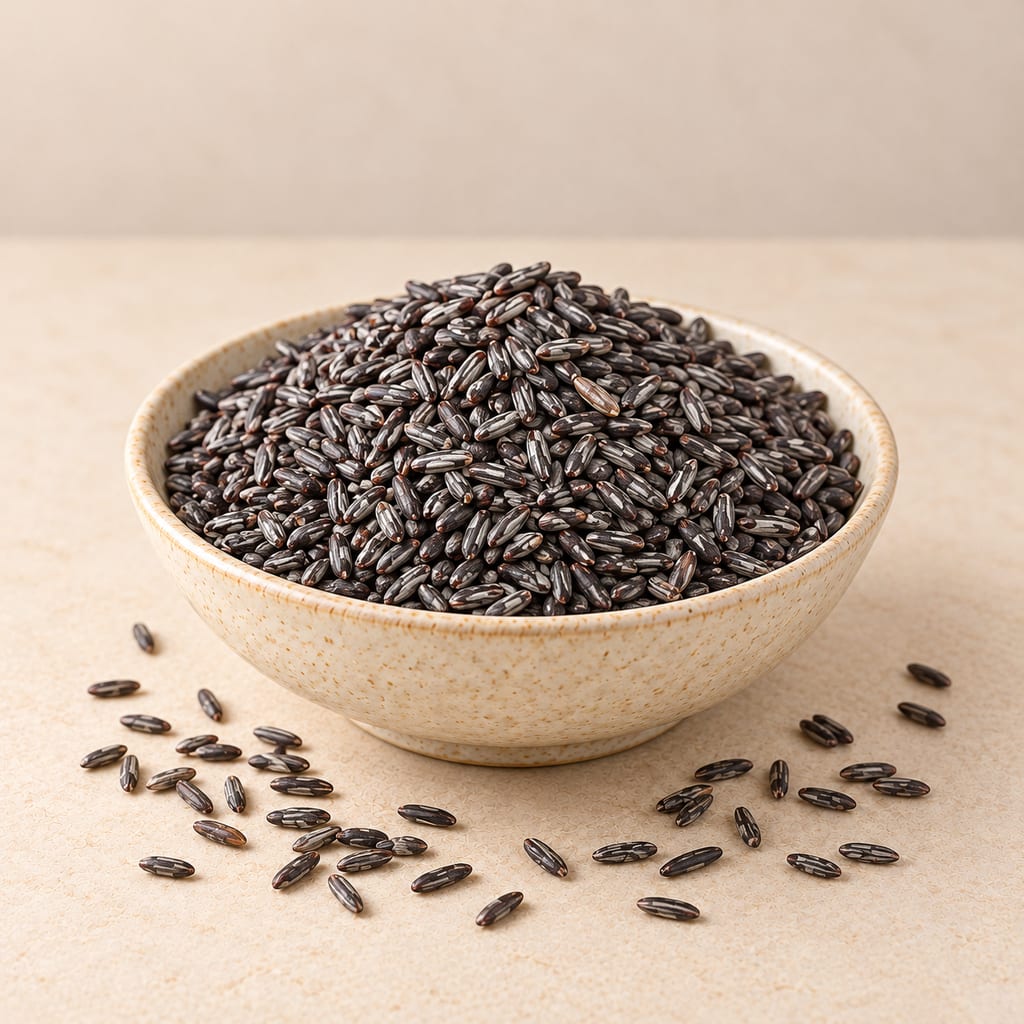
Dahyangheukmi pigmented rice
Dahyangheukmi (다향흑미) is a registered Korean black-rice cultivar with an aromatic, non-glutinous grain. It has been used to make rice-flour nuruk, yakju and gochujang in published studies.
 FermenteaWhere food goes to change
Modern method
약주 (yakju) · 다향흑미 약주 · Dahyangheukmi rice wine
A clear Korean rice wine made with aromatic Dahyangheukmi pigmented rice, matching rice-flour nuruk and takju yeast.
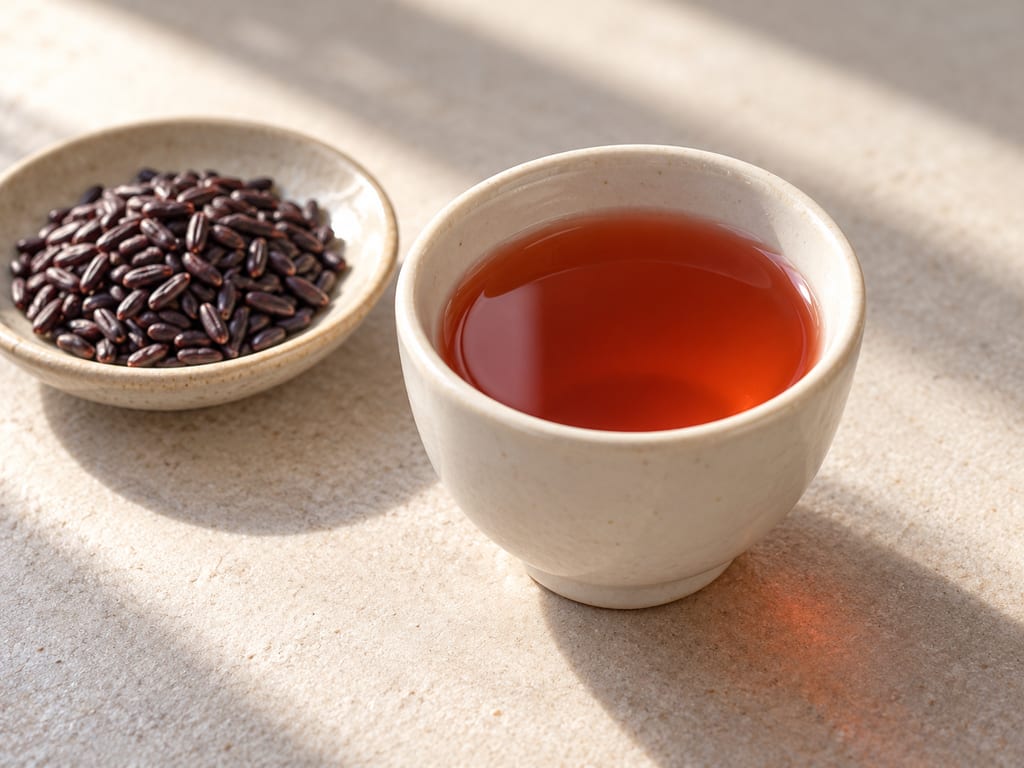
Dahyangheukmi yakju brings an aromatic, dark-grained rice into the Korean tradition of clear rice wine. Its colour is striking because clarity and paleness are different properties. The liquid can be separated from its cloudy mash and still carry colour extracted from the grain. In the published study photograph, the pigmented-rice wine is clear and amber-red beside a much paler white-rice comparison. The colour comes with a recipe built from rice, its matching rice-flour starter, yeast and water.
This particular formulation has a recent and unusually visible history. Hong-Bi Han and colleagues published it in 2021 while investigating rice-flour nuruk and the qualities of the wine made with it. They paired Dahyangheukmi rice with a starter prepared from the same pigmented rice flour. A separate wine used white rice and white-rice-flour nuruk. The experiment therefore places a new cultivar and a deliberately prepared starter inside a much older kind of drink.
The grain and its matching starter give this wine a particular identity within that broad family. Their partnership explains how starch becomes available, how an enzyme-bearing material and yeast divide the work, and how rice can shape a clear wine's colour as well as supplying its fermentable material.
Yakju, written 약주, now commonly denotes clear liquor obtained by separating and filtering a fermented mash. The name also carries older meanings. Its meaning shifted from liquor associated with medicinal effects or made with medicinal ingredients towards clear liquor and a respectful way of referring to drink. The changing meaning is still useful when meeting the drink: a name that once suggested medicinal preparation can now identify a wine without an added herb.
Accounts of the name's origin differ. Some connect it with the language used to justify drinking during restrictions on grain use; another connects a renowned household wine with the name of a place. Those are competing explanations, rather than a secure moment when yakju was invented. The useful historical point is the breadth of the category. A familiar name could embrace differences in grain, starter treatment, repeated additions and household practice.
The same encyclopedia describes household pride in individual wines and the use of yakju among middle and upper social groups around Seoul in the late Joseon and early colonial periods. Household differences included the rice preparation and the treatment of the starter, not just an extra ingredient added to a standard liquid. A family's pride could therefore reside in the making as much as in the wine's name.
One historical household method begins with a base made from non-glutinous rice and nuruk, then adds steamed glutinous rice. Preparing a base and later feeding it changes the organisation of brewing: the maker tends an existing mash before bringing in more grain. The rice preparation can differ too. In that method, rice flour is steamed or cooked into a thick preparation for the base, while the later rice is steamed as grain.
Weather also enters that account. In cold conditions the vessel is kept indoors and insulated; in warm weather it is treated differently. The description puts temperature management inside household practice, rather than imagining that a jar in every season behaves alike. These are historical practices, not temperature or holding instructions for the modern experimental formulation.
The older category also includes preparations differentiated by the number of additions. An initial base followed by one addition differs from wines built through three stages. This gives the reader a concrete meaning for variation within yakju: two wines can share rice and nuruk while their sequence of feeding and preparation differs. Dahyangheukmi's prepared flour nuruk and single reported final mash belong to another clearly described arrangement within that broader world of rice wine.
Dahyangheukmi, 다향흑미, is described as an aromatic, non-glutinous pigmented-rice cultivar developed by the Crop Research Institute of the Jeonnam Agricultural Research and Extension Services. The study records modern cultivar protection and uses the 2018 crop. Its choice was purposeful: the researchers were interested in the grain's aroma and dark pigmentation as material for a different clear rice wine. The rice brings a named agricultural identity to the preparation, alongside the older identity of yakju itself.
The matching nuruk makes that choice more consequential. Nuruk is a fermentation starter material, rather than the name of a single organism. In this experiment it was a shaped rice-flour preparation inoculated with a commercial white-koji starter. It had its own cultivation stages before it entered the wine mash. The pigmented wine received pigmented-rice-flour nuruk; the comparison received the white-rice equivalent. Calling both simply “starter” would conceal a material difference in the experiment.
The preparation has two microbial stages with different purposes. Cultivation of the flour starter develops an enzyme-bearing material; the later mash receives that material together with a separately supplied takju yeast. Nuruk therefore contributes more than the small amount of rice flour physically carried into the mash. It helps prepare food that the yeast can use.
Rice is rich in starch, while alcoholic fermentation uses fermentable sugars. The method must bridge that difference. Washing, soaking, draining and steaming prepare the grain physically. The subsequent work of nuruk enzymes is chemical: they break large food molecules into smaller ones. Yeast then uses fermentable sugars and produces ethanol and carbon dioxide. Steaming the rice, enzymatically releasing sugar and fermenting that sugar are connected operations, but they are not the same event.
The prepared nuruk was tested for alpha-amylase, beta-amylase and protease activity. The amylase measurements concern starch breakdown; the protease measurement concerns protein breakdown. These assays help explain why a small mass of starter can have a role beyond contributing grain of its own. It brings catalytic activity to the much larger cooked-rice batch. The activity of the starter connects its earlier cultivation to the behaviour of the final rice mash.
The mash also illustrates why sugar concentration is not a simple countdown to dryness. In the paired preparations, reducing sugars rose early in fermentation and then fell as alcohol increased. Sugar was being supplied by starch conversion while yeast was consuming it. The amount present at any observation reflects both processes. Sugar can be entering the liquid and disappearing into fermentation at the same time, rather than beginning as one fixed supply that only falls.
This relationship distinguishes a starch-based rice wine from a drink made by fermenting sugars already present in fruit juice. It also explains why the rice and nuruk pairing matters. Grain preparation affects the material presented to enzymes, starter preparation affects its catalytic contribution, and yeast works on the sugars that become available. Both the grain and the preparation of its starter belong to the making of the wine.
The practical batch begins with 2 kg of rice. Soaking for five hours, draining for two and steaming for one are separate stages in the published method; they should not be collapsed into “cook the rice.” The sequence describes how the study prepared its substrate before cooling it to 30°C. That cooling target precedes the addition of the prepared nuruk and yeast. It is not the temperature of the subsequent fermentation, which was kept at 23–25°C.
The nuruk itself had already gone through warm, humid cultivation and drying. Its manufacture therefore belongs to an earlier process with different materials and conditions. The flour was dry-milled; Figure 1A specifies 1 kg of flour mixed with 400 mL of water at 100°C, labelled 40%. After kneading, the dough was cooled to 30°C before the white-koji inoculum was added at 0.3%; the basis of that starter percentage is not explicit. The dough was shaped and cultured in a humid environment. The first stage kept the shaped material in its box; in the second the lid was removed and the nuruk was propped up inside it. Drying followed cultivation. This sequence makes nuruk a prepared ingredient in its own right, rather than a packet of yeast under another name.
For the final mash, the cooled rice was mixed with that 200 g of matching nuruk, 6 g of takju yeast and 3 L of brewing water. The written production method specifies 11 days of fermentation, which this recipe retains. Figure 1B instead shows 12 days at the same 23–25°C; the paper does not explain that difference. This is a single final-stage mixing of rice, prepared starter, yeast and water. The older repeated-addition methods of some yakju preparations offer a useful contrast: here the final mash does not receive successive charges of fresh rice during its reported fermentation.
The white-rice wine is useful because it gives the pigmented preparation something concrete to be compared with. Both arms used the corresponding rice and corresponding rice-flour nuruk within the same reported final-stage sequence. Their observed differences are therefore more informative than an isolated photograph or an assertion that dark rice is distinctive. They let the reader follow colour, sugars, acids, alcohol and starter activity within one published experiment.
The pairing also makes the comparison coherent. White rice goes with white-rice-flour nuruk, and pigmented rice with pigmented-rice-flour nuruk. The main grain and its prepared starter change together. The finished wines express those paired preparations, so their differences are best understood as the behaviour of the two complete systems.
The final measurements found 14.6% ethanol in the pigmented study wine, compared with 13.5% in the white-rice wine. The rise in ethanol accompanied the changing sugar supply. By following both, the researchers could describe a developing alcoholic drink rather than relying on bubbling or colour to stand for the whole transformation.
Pigmentation is the clearest visible difference. The authors associated the stronger red component of the pigmented wine with anthocyanins from the rice, and described increasing pigment extraction during fermentation. Their instrumental colour measurements recorded a darker, redder liquid than the white-rice comparison. “Clear” here refers to separation of suspended material; dissolved colour need not disappear when the cloudy solids are removed.
The chemical results give a broader picture. Glucose and maltose were measured, together with organic acids including succinic, lactic, acetic, malic, citric and oxalic acids. These components sit alongside alcohol and dissolved colour in the clear liquid. The wine has more dimensions than the darkness of its grain: a coloured rice can participate in a changing sugar-and-acid system while the suspended mash is eventually removed.
The small sensory comparison considered colour, aroma, taste and overall preference together. Its average scores favoured the pigmented preparation, although the reported differences were not statistically significant. Colour was therefore one part of the examination, not the sole measure of what makes the drink worth understanding.
The experiment ends by recovering the clear upper liquid, filtering it through No. 2 filter paper and centrifuging it with an MF-100. These are physical separation operations. Filtration retains material according to the filter used; centrifugation separates suspended material under the action of the rotating equipment. The result is a separated rice wine, with no distilling stage in its production method.
This finishing sequence also shows why yakju and turbid rice drinks should not be distinguished by grain alone. Similar materials could yield clear or cloudy drinks, and the historical boundaries were not always rigid. How the fermented mash is separated affects what reaches the cup. Rice identity alone does not explain whether the cup will contain a turbid suspension or a deliberately separated clear wine.
The wider category includes names that make the drink visually memorable. Baekhaju evokes white haze, Nokpaju green waves, and Buiju rice grains floating on clear liquor like ants. These are names and comparisons recorded for other wines, rather than tasting notes for Dahyangheukmi yakju. They reveal how appearance and the handling of the mash could enter the language used around rice wine. The modern pigmented preparation adds its own visible contrast: clarity with an amber-red colour.
The detailed source batch is not a complete household production specification. Figure 1A supplies the nuruk flour and water quantities, but the 0.3% fungal-starter basis remains unstated; the fermentation vessel and its gas-release arrangement are not described, and the production centrifuge settings are absent. A trained operator needs the equipment's own instructions rather than settings borrowed from the paper's unrelated analytical tests. Packaging, storage temperature, shelf life and recovered wine yield are also unreported.
Cooked rice has a relevant Bacillus cereus hazard when holding and cooling are unmanaged. General cooked-food storage advice cannot be substituted for a validated plan for this inoculated mash. Active fermentation also needs a suitable way for carbon dioxide to escape. These concerns are distinct from whether the wine becomes red, clear or pleasant to smell. The value of the published method is the preparation and comparison it documents; its gaps remain genuine practical limits.
Yakju is a clear Korean rice wine. In 2021, Hong-Bi Han and colleagues compared a wine made from Dahyangheukmi pigmented rice and its matching rice-flour nuruk with a separate white-rice wine. The aromatic cultivar gives this preparation its own rice and starter pairing. The comparison concerns a modern experimental formulation, distinct from the wider history of yakju.
Scaling: source batch only
The method steams rice and then cools it before inoculation. Cooked rice held too long at room temperature is a known source of illness.
Hazard sourceA closed vessel without gas release can accumulate carbon dioxide during alcoholic fermentation.
Hazard sourceThe separation uses powered laboratory equipment; unbalanced loads or an unsuitable rotor or speed can cause failure.
Hazard sourceUse a process-specific cooling and holding plan for the cooked rice. General leftover-storage advice does not establish safe conditions for the inoculated mash.
Control sourceProvide a suitable gas-release path during active fermentation; the study does not identify its vessel arrangement.
Control sourceHave a trained operator follow the centrifuge manufacturer’s instructions, balance the load and observe rotor and speed restrictions.
Control sourceCooked rice held too long at room temperature can support Bacillus cereus. The rice-cooling and holding stage needs a process-specific control plan; none is supplied for this batch.
Do not seal the active fermentation without a gas-release path.
Use the laboratory centrifuge only with trained operation, a balanced load and the manufacturer’s rotor and speed instructions.
Commercial white-koji starter (Chungmoo Fermentation) — Cultivates the rice-flour nuruk; the paper does not identify a species or strain.
Takju yeast (Bioland) — Ferments the rice mash; the paper does not identify a species or strain.
The paper gives Korean author affiliations and material suppliers but does not explicitly locate the brewing batch. An affiliation is not treated as proof of its production site or of yakju origin.
Dahyangheukmi (다향흑미) is a registered Korean black-rice cultivar with an aromatic, non-glutinous grain. It has been used to make rice-flour nuruk, yakju and gochujang in published studies.

Water carries dissolved ingredients, transfers heat and forms the liquid environment of many ferments; its minerals and treatment influence how it behaves.
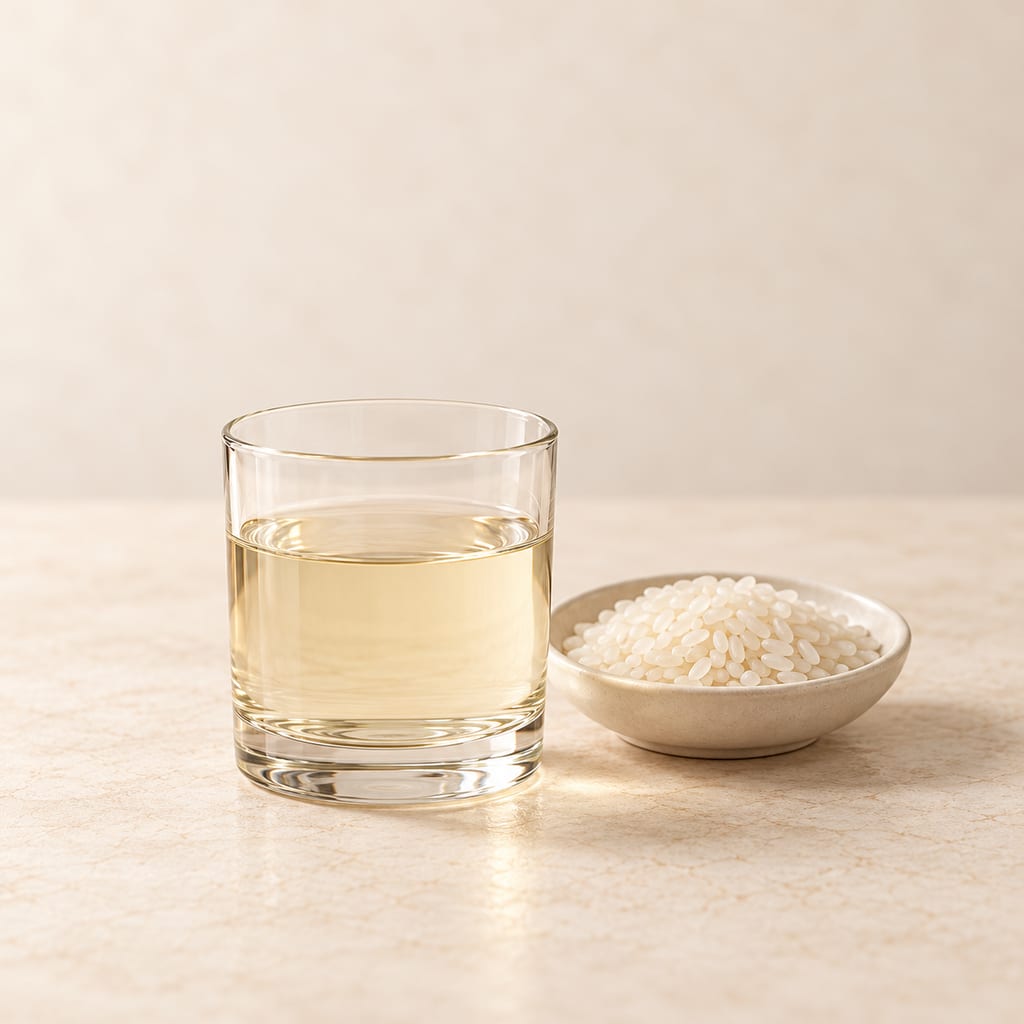
A 2021 study's white-rice yakju: steamed Hanareum rice ferments with rice-flour nuruk and takju yeast for 11 days, then the clear upper liquid is filtered and centrifuged.

A deep amber-red American ale brewed from pale, Munich, CaraVienne and chocolate malts, bittered with Columbus hops and finished with Amarillo.

A source-specific modern extract adaptation of Düsseldorf Altbier, with specialty malts, two hop additions and an ale yeast. It is distinct from a brewery's commercial Altbier process and from Kölsch.
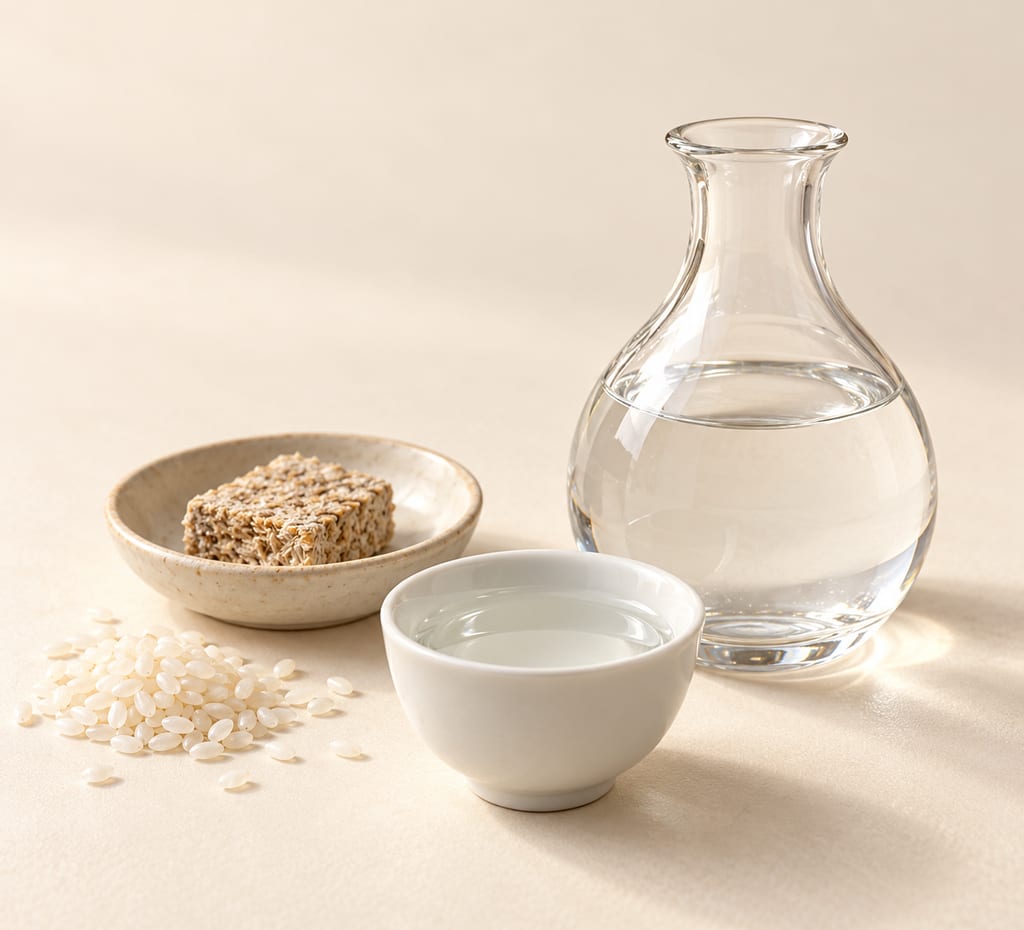
Andong soju is a rice spirit from North Gyeongsang, distilled from steamed rice and wheat nuruk. This method makes the starter before fermenting the rice mash in a jar.
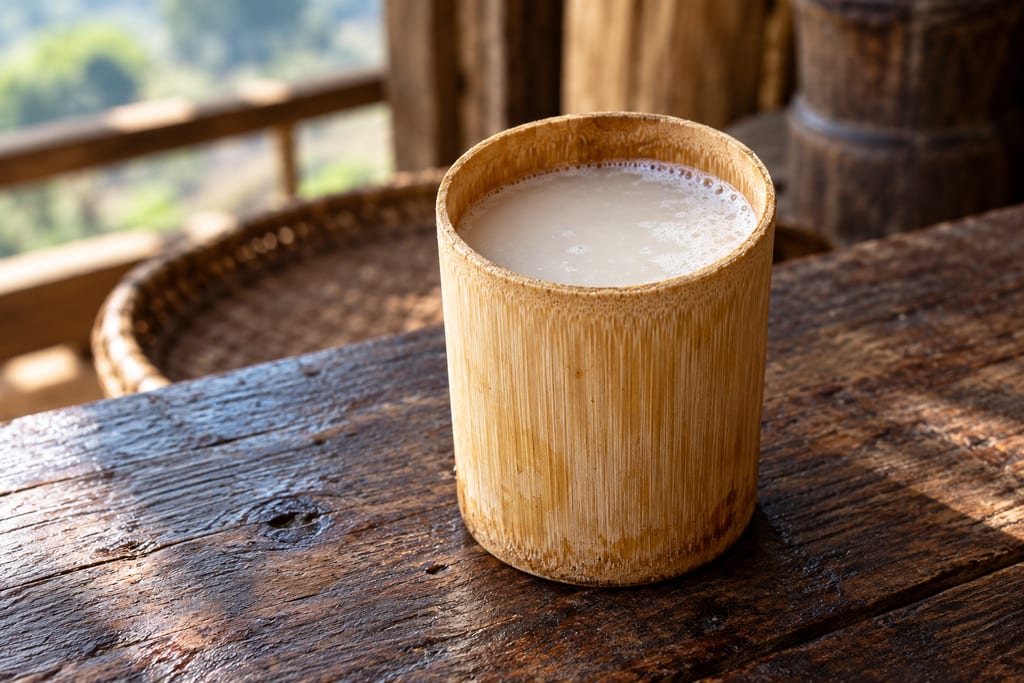
Angami rice beer from Nagaland. A surveyed method mixed cooked rice with piazu, fermented it for about four days in summer or a week in winter, then added water and filtered it. The starter ratio leaves the rice-weight basis unclear.
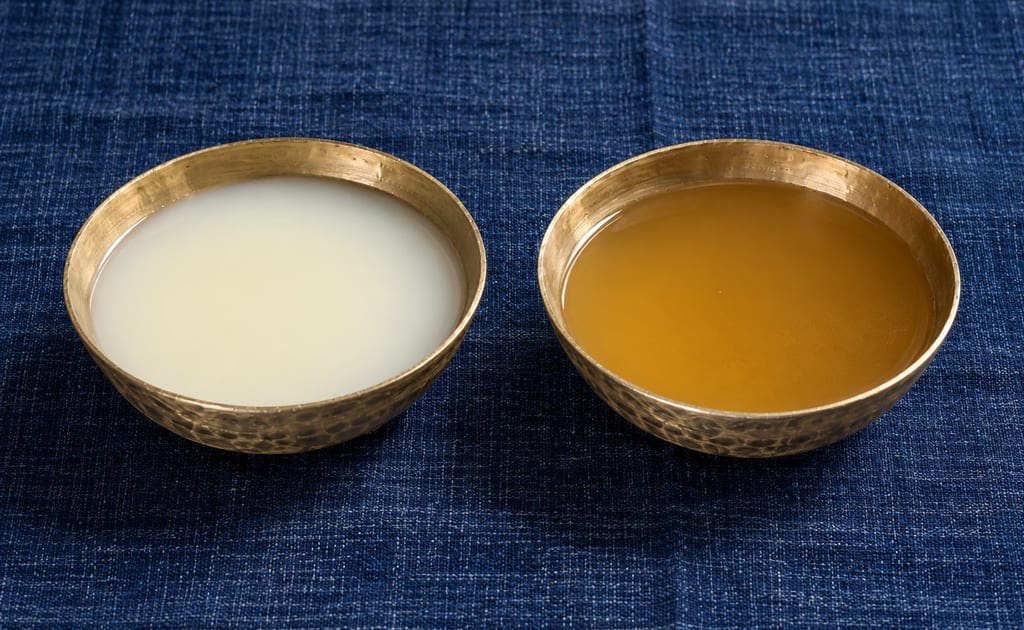
Apong names Mising rice beverages in Assam, including pale Nogin and ash-associated Po:ro. Sources describe distinct preparations and do not establish one unified household recipe or validated safety endpoint.
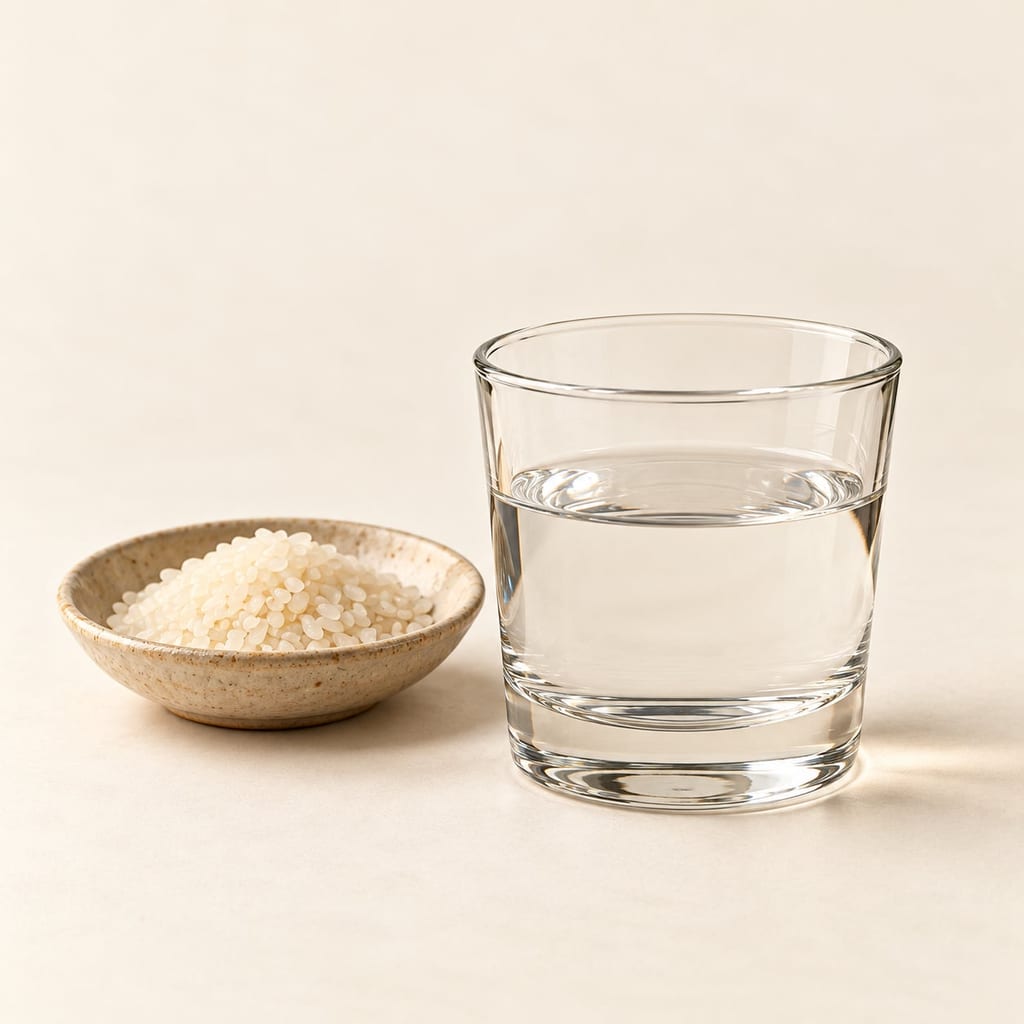
An Okinawan rice spirit made by turning all the rice into black koji, fermenting it with water and yeast, then pot-distilling and maturing the spirit.

This is a process overview, not a complete batch recipe: key quantities, yield and packaging directions are absent. The AHA tutorial uses Hop Hammer Imperial IPA as an example; this page is not that full formulation.
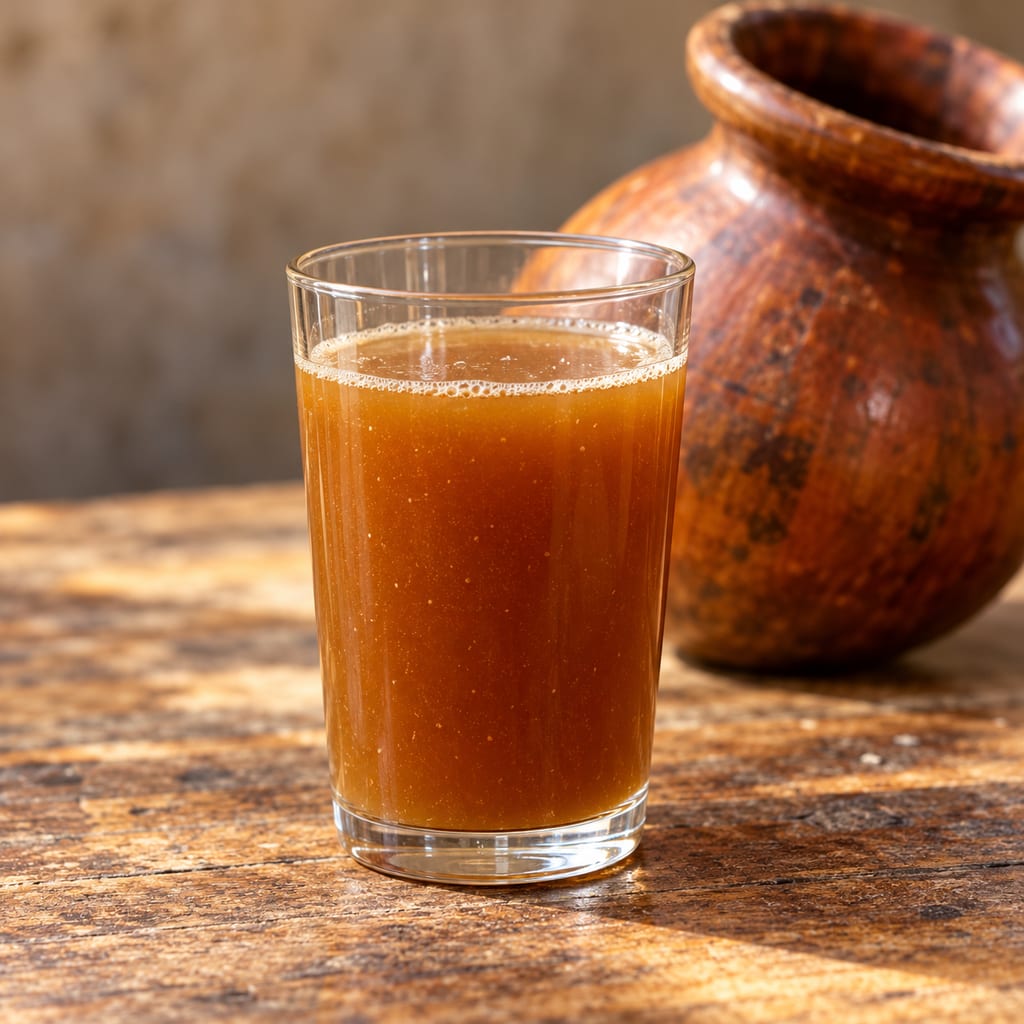
A darker Ethiopian maize tella, brewed from maize baked into a hot, dry kita pancake and then fermented in three stages with barley malt, gesho and water.

Soft, spreadable Calabrian pork sausage made with a great deal of red chilli and fatty pork, stuffed into natural casings, sometimes smoked and matured while staying soft.

A way to add independent temperature logging to an existing food dehydrator without changing its built-in controls or protections. It is a monitoring method, not a rewiring plan.

Pleurotus cystidiosus is the abalone mushroom, a cultivated oyster-type fungus with dark brown caps that grows more slowly and is more demanding than other Pleurotus species.

A dark, balanced vinegar from Emilia-Romagna made by combining cooked or concentrated grape must with wine vinegar, then acetifying and refining it in wood under a protected specification.

A living dairy inoculum that starts controlled cream fermentation, developing acidity and aroma before sour cream or cultured butter is finished.

A small electric incubator holds jars at a selected temperature for yogurt and other documented warm food preparations. Controls, capacity and vessel arrangement vary by model.

Adygean salt is a seasoned table salt associated with Adygea and the wider North Caucasian culinary tradition. Salt is blended with garlic and a variable selection of herbs and spices; the exact mix depends on the named style and maker.

The African Caesar-group mushroom, Amanita masasiensis, is a wild ectomycorrhizal species of central and southern African woodlands, eaten locally. The genus contains deadly poisonous species, so identification needs care.
No community contributions have been published for this entry yet.
Sign in to contribute. Published comments and photos are free to read.
Korean Journal of Food PreservationIngredients · Method
Quality and antioxidant characteristics of ‘Yakju’ prepared with pigmented rice flour ‘Nuruk’Materials and methods: Dahyangheukmi pigmented rice, corresponding improved rice-flour nuruk and Bioland takju yeast; exact final-stage ingredients and operations.
Nuruk preparation: Figure 1A gives 1 kg rice flour, 400 mL water at 100°C labelled40%, cooling to30°C and fungal starter0.3%; the starter percentage basis remains unstated. The written yakju method says11days but Figure1B says12days at23–25°C. Centrifuge settings, yield, packaging and storage remain unreported.
Introduction, abstract and Figure 2: Korean yakju context, modern cultivar comparison, and appearance of the pigmented-rice wine in panel D.
A clear wine with colour in the grain: Dahyangheukmi/white-rice paired wines,2021 paper, clear amber-red Fig2D and composition.
A cultivar and its matching nuruk: Cultivar identity/2018 crop, matched flour nuruk and white-koji/takju product roles.
Cooking, saccharification and fermentation: Measured amylase/protease activities, reducing sugar rise/fall and simultaneous sugar supply/consumption.
Why the preparation has separate stages: Exact final batch stages/quantities/temperatures; distinct earlier flour nuruk kneading/cultivation/drying. AKS comparison to repeated feeding.
Two wines, and what a comparison can show: Paired ingredients change together; final ethanol14.6% versus13.5%; no factor-isolation assertion.
Colour, acidity and the limits of tasting evidence: Colour/anthocyanin interpretation, Table3 sugars/acids, Table5 nonsignificant sensory comparison.
Separation and the place of clear wine: Filtration and centrifugation are physical separation; AKS clear/turbid boundary and named visual wine imagery.
Notes on preparation and evidence: Figure1A flour/water quantities; unresolved fungal-starter percentage basis, Figure1B versus written-method fermentation timing, vessel/centrifuge/package/storage gaps; cooked-rice hazard context from FoodSafety.gov.
Cited in: A clear wine with colour in the grain; A cultivar and its matching nuruk; Cooking, saccharification and fermentation; Why the preparation has separate stages; Two wines, and what a comparison can show; Colour, acidity and the limits of tasting evidence; Separation and the place of clear wine; Notes on preparation and evidence
FoodSafety.govSafety
Bacteria and Viruses: Bacillus cereusRice and cooked food held too long at room temperature are associated with Bacillus cereus; general cooked-food handling is not a validated yakju fermentation control.
Notes on preparation and evidence: Nuruk mass/percentage-basis, vessel/centrifuge/package/storage gaps; cooked-rice hazard context from FoodSafety.gov.
Cited in: Notes on preparation and evidence
American Homebrewers AssociationSafety
Homebrew EquipmentGeneral fermentation-equipment principle: carbon dioxide must escape through an airlock or blow-off route to avoid pressure buildup.
Princeton University Office of Environmental Health and SafetySafety
CentrifugesTrained operators, balanced loads, closed lids, correct rotor and manufacturer speed restrictions; no MF-100 recipe settings supplied.
Academy of Korean Studies, Encyclopedia of Korean Culture; author Son Tae-hwaBackground
약주 (Yakju)What the name carries: Meaning of yakju, competing etymologies, Seoul social use and household pride.
A household wine could be built in stages: Base/addition method, flour preparation versus steamed later rice, weather-dependent vessel treatment, two/three-stage distinctions.
Why the preparation has separate stages: Exact final batch stages/quantities/temperatures; distinct earlier flour nuruk kneading/cultivation/drying. AKS comparison to repeated feeding.
Separation and the place of clear wine: Filtration and centrifugation are physical separation; AKS clear/turbid boundary and named visual wine imagery.
Cited in: What the name carries; A household wine could be built in stages; Why the preparation has separate stages; Separation and the place of clear wine