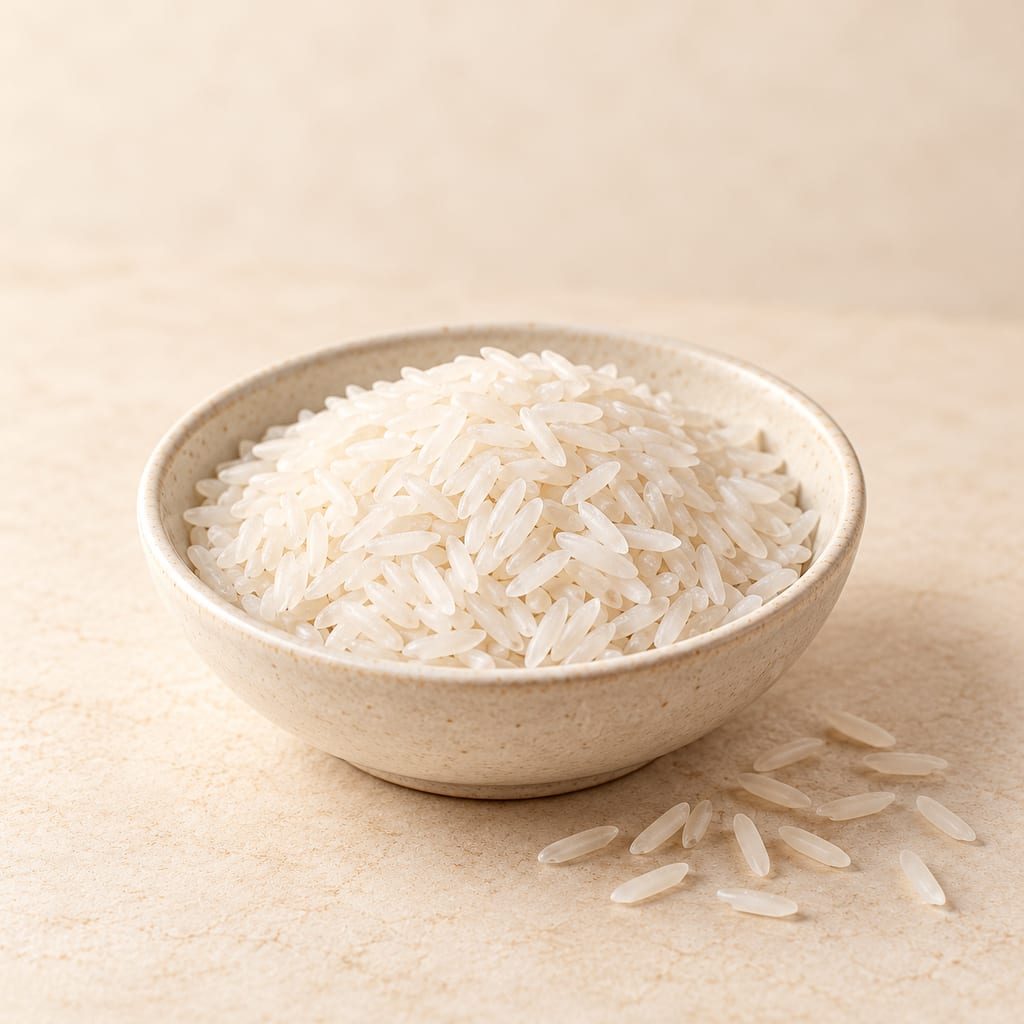
Rice
Rice contributes starch to flatbreads, steamed breads, batters and many distinct fermentations. Its species, milling and starch character shape how it cooks, binds, expands and feeds enzymes.
 FermenteaWhere food goes to change
Modern method
약주 (yakju) · 藥酒
A 2021 study's white-rice yakju: steamed Hanareum rice ferments with rice-flour nuruk and takju yeast for 11 days, then the clear upper liquid is filtered and centrifuged.
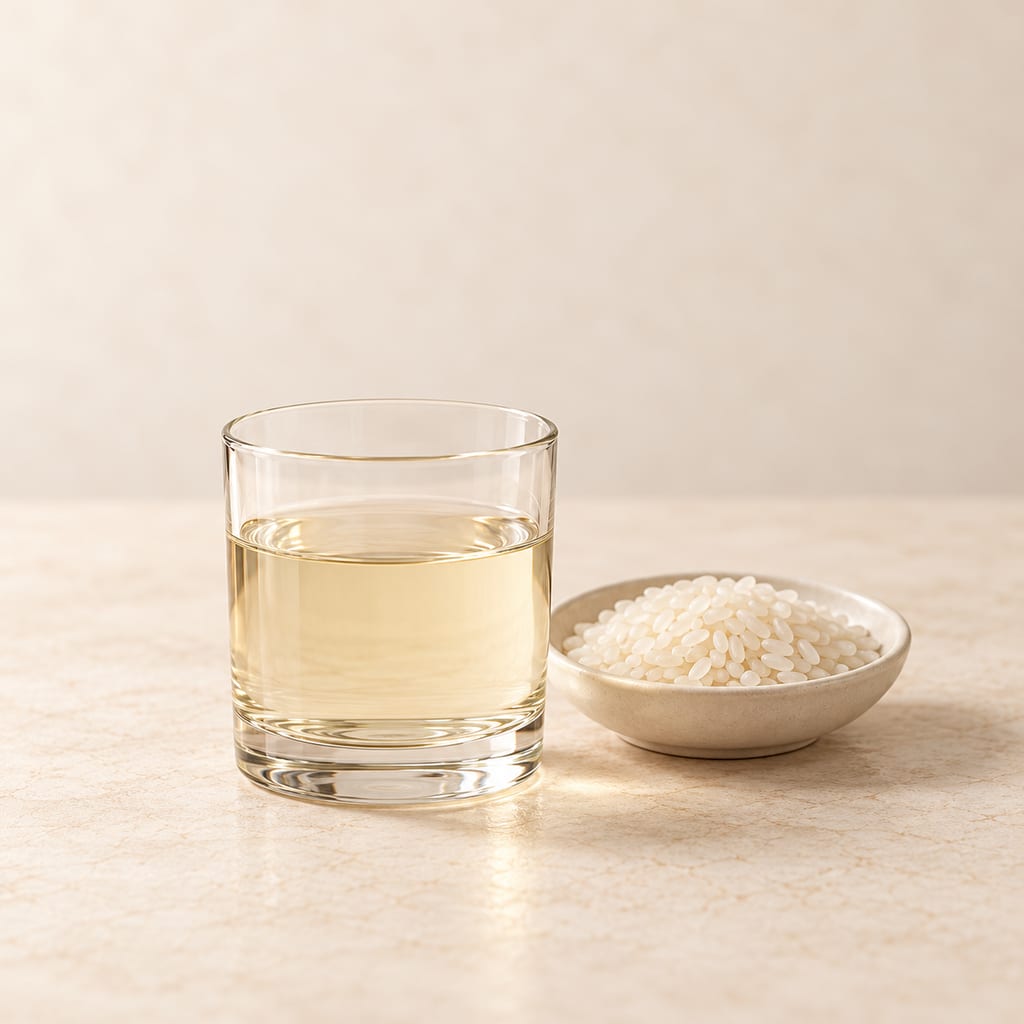
The 2021 Korean study calls yakju a traditional alcoholic beverage and compares two separate batches: this white-rice arm and a pigmented-rice arm. Its white-rice batch used prepared white-rice-flour nuruk rather than traditional wheat nuruk. The white-rice wine reached 13.23% ethanol on day five and 13.5% on day eleven; its pH fell from 4.82 to 3.90 by day three before rising. Those results describe this experiment, not all yakju. Korean government background describes historical clear and cloudy rice wines but does not date the first use of the name yakju or this 2021 method.
Scaling: source batch only
Cooked rice is a higher-risk starchy food for Bacillus cereus; spores and some toxins may survive cooking.
Hazard sourceKeep hands and equipment clean when handling the cooked rice and starter; do not hold cooked rice for later use without rapid cooling and refrigeration.
Control sourceCooked rice can carry Bacillus cereus even after steaming. The study reports analytical results, not validation of this procedure as a household safety process.
The article identifies yakju as a Korean traditional alcoholic beverage. This national context does not locate the study's experimental batch or establish the drink's birthplace.
Rice contributes starch to flatbreads, steamed breads, batters and many distinct fermentations. Its species, milling and starch character shape how it cooks, binds, expands and feeds enzymes.
A shaped, inoculated white-rice-flour starter prepared by Han and colleagues for a 2021 yakju comparison; the commercial baekguk strain was not identified.
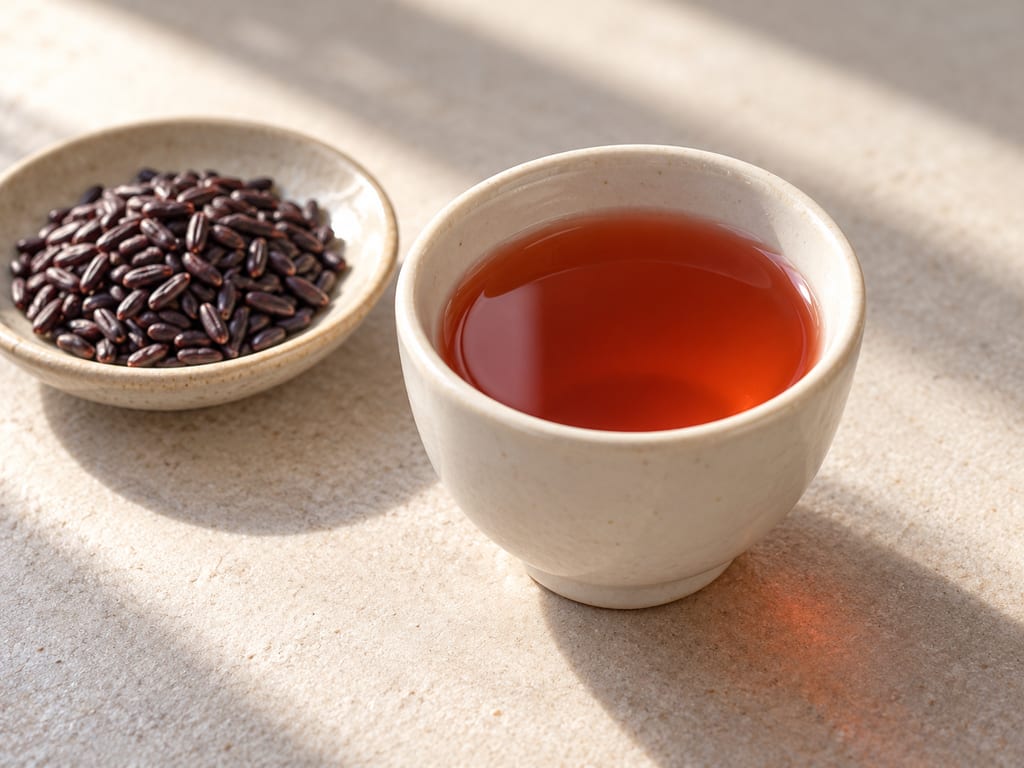
A clear Korean rice wine made with aromatic Dahyangheukmi pigmented rice, matching rice-flour nuruk and takju yeast.
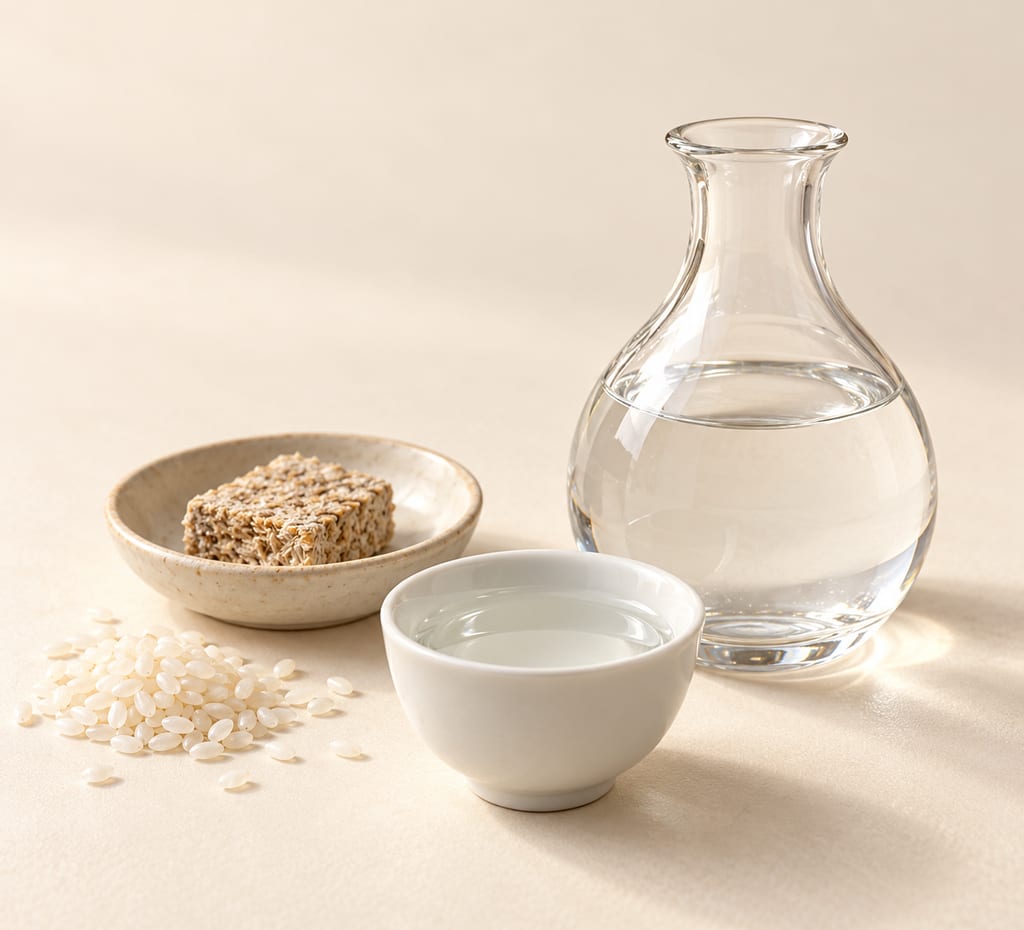
Andong soju is a rice spirit from North Gyeongsang, distilled from steamed rice and wheat nuruk. This method makes the starter before fermenting the rice mash in a jar.
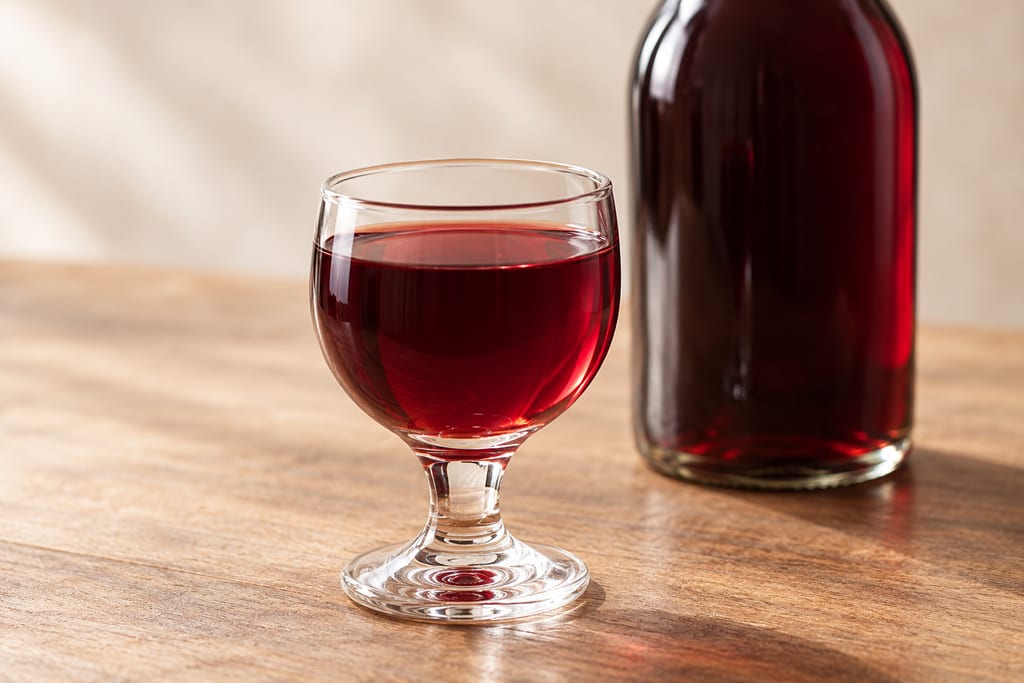
Korean black raspberry wine: crushed bokbunja berries with their seeds, sweetened to 20 °Brix, fermented 15 days at 25 °C with wine yeast, filtered and matured three months.
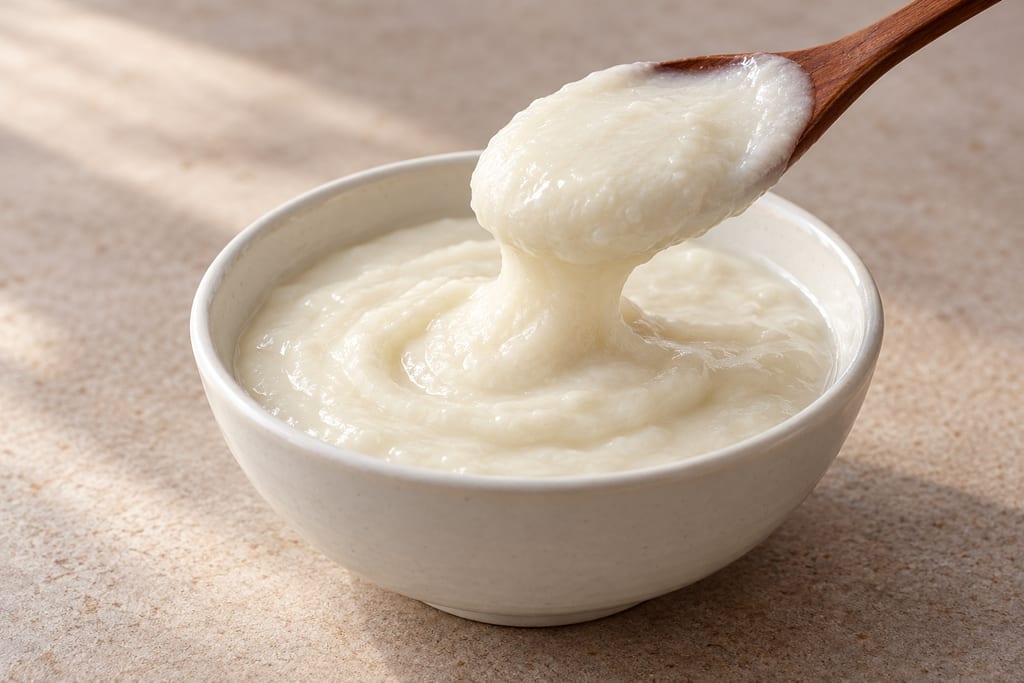
Thick, sweet Korean rice wine made with a rice-based starter called ihwagok and almost no added water, fermented into a paste that is eaten with a spoon or thinned with cold water.
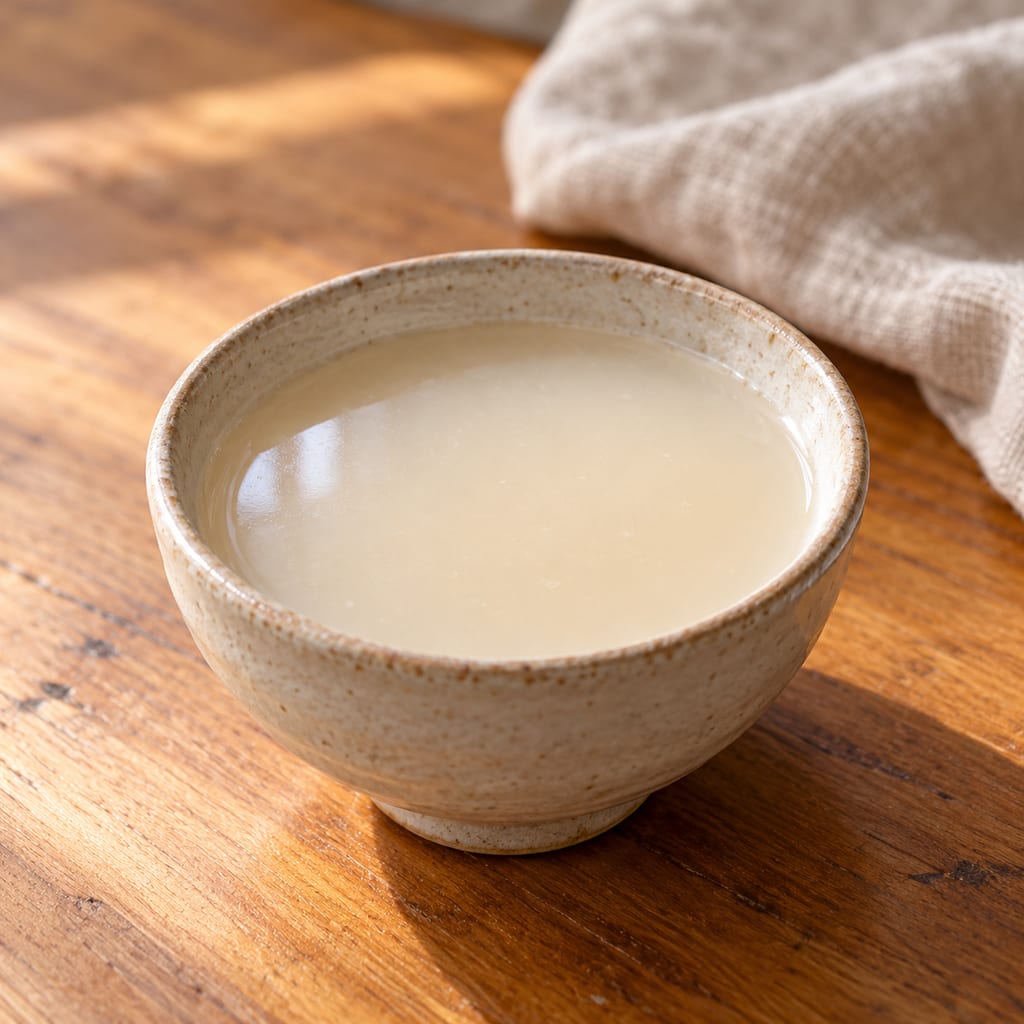
An alcoholic Korean rice drink of steamed glutinous rice and nuruk, mashed in a single stage and fermented for 7 to 14 days.
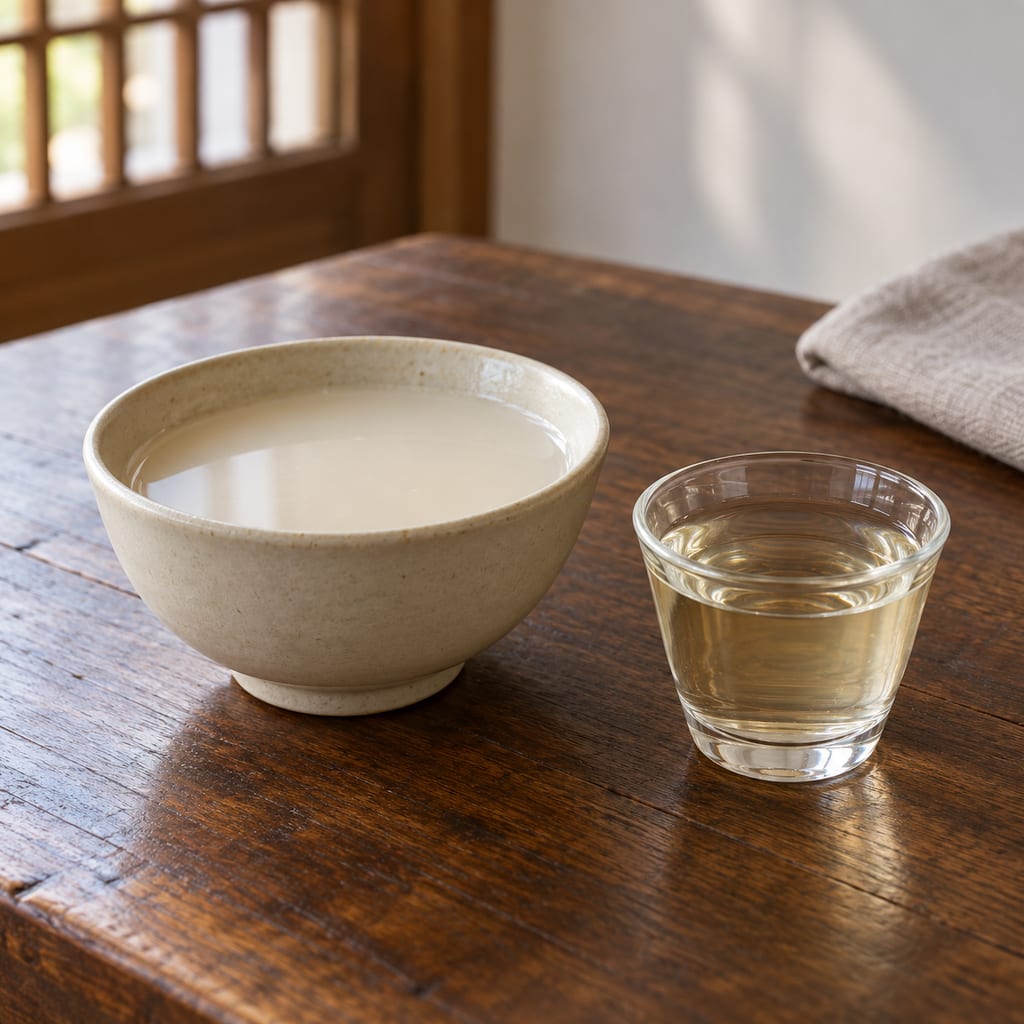
A Korean grain wine fermented from steamed rice, nuruk and yeast in two mash additions, drawn off clear as yakju or blended cloudy with rice solids and water as makgeolli.
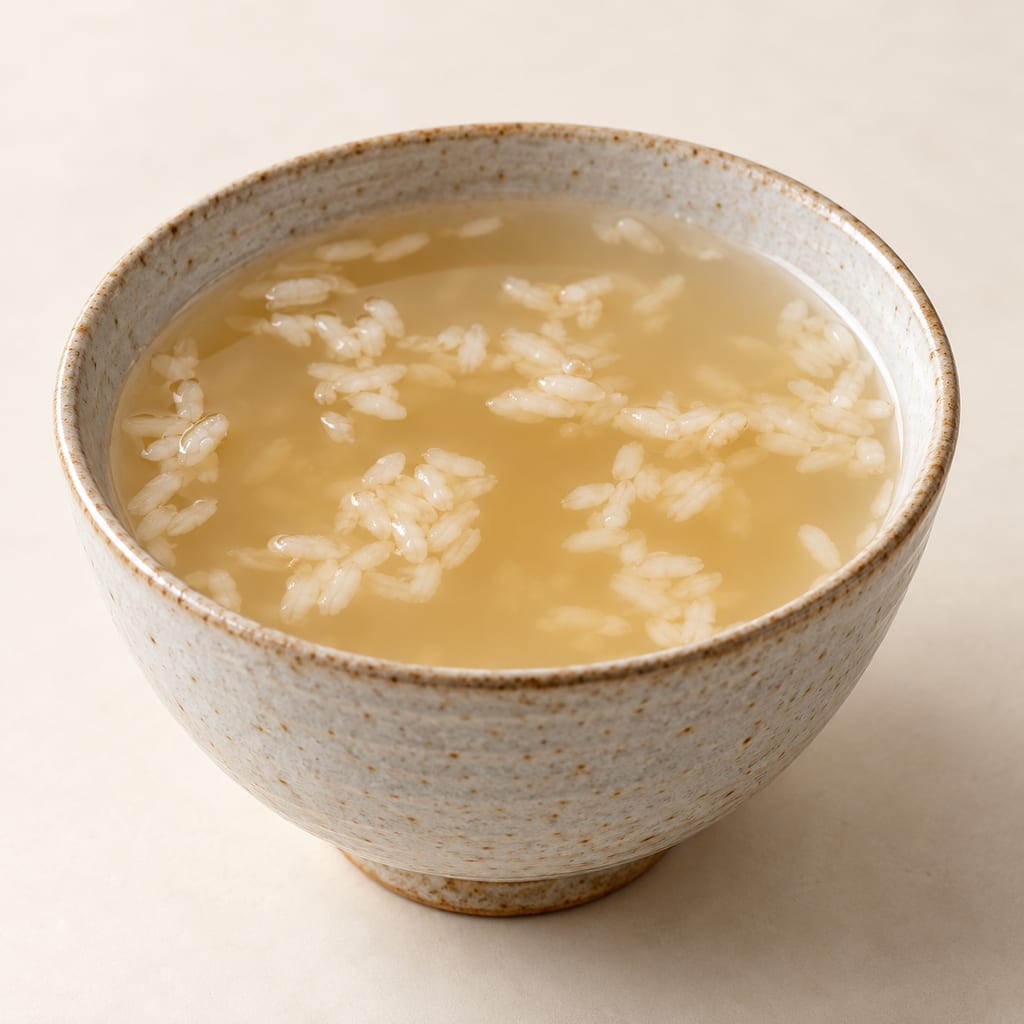
A Korean sweet rice drink made by holding cooked rice in water drawn off barley malt until the grains float, then boiling and chilling it.
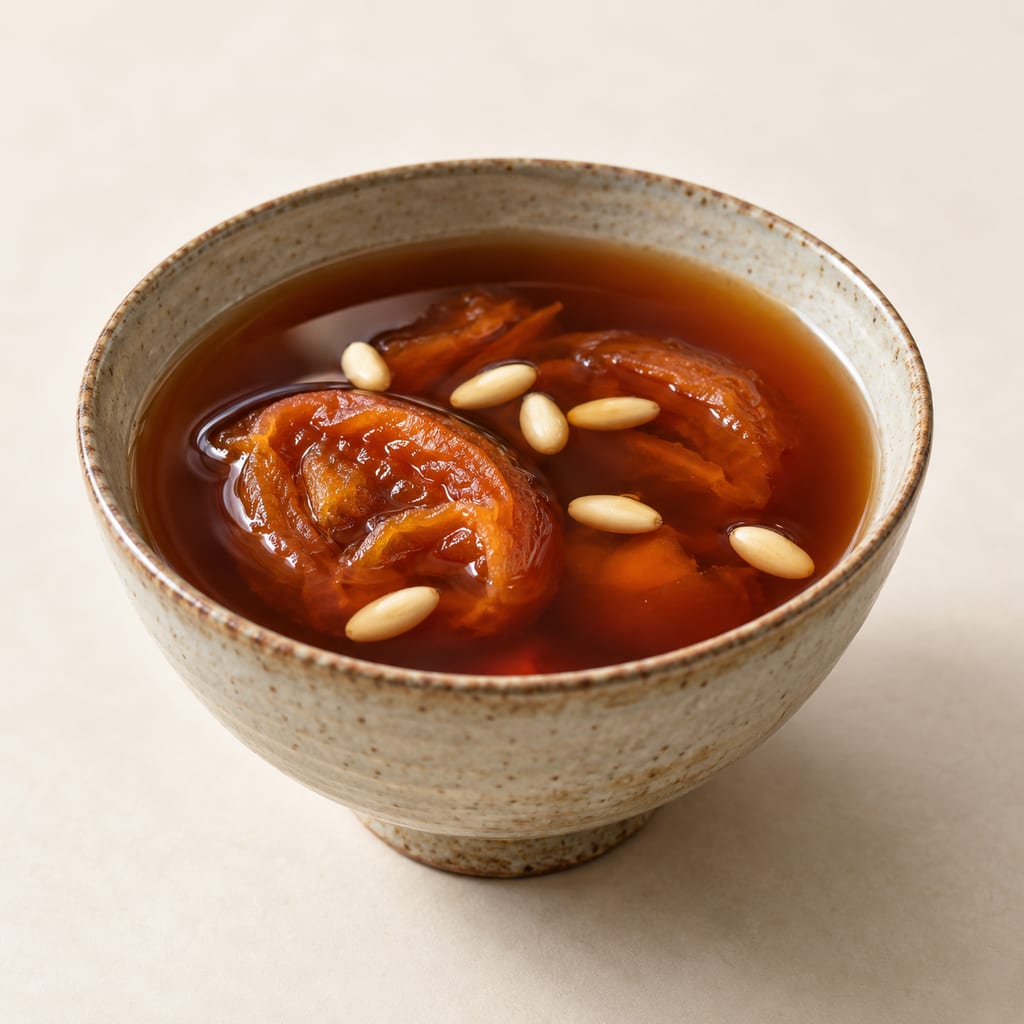
A chilled Korean dessert punch of cinnamon and ginger boiled in water, sweetened and poured over dried persimmons.
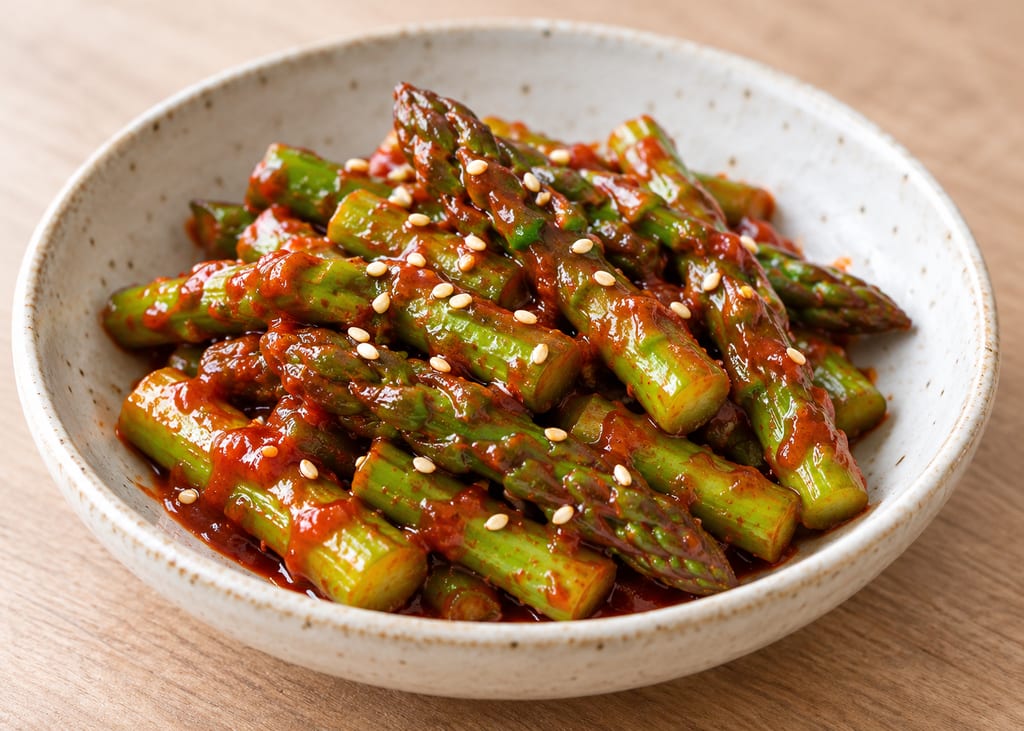
A Korean banchan of blanched asparagus dressed with a sweet-sour cho-gochujang sauce; Hyosun's version cools the spears in ice water before tossing.
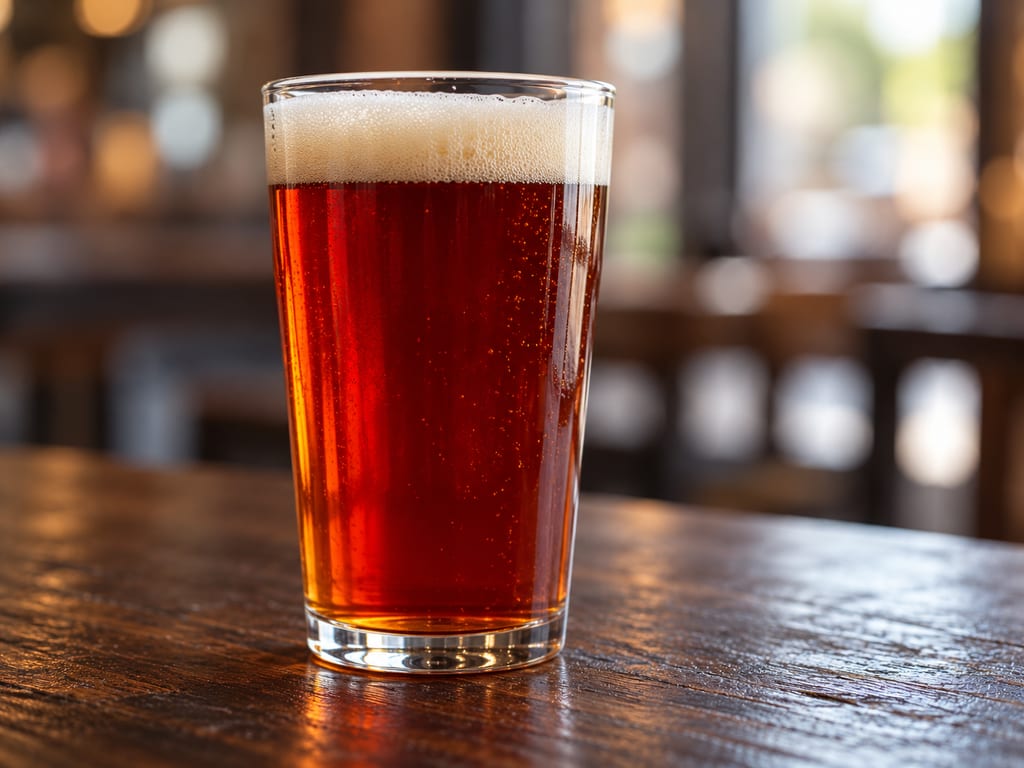
A deep amber-red American ale brewed from pale, Munich, CaraVienne and chocolate malts, bittered with Columbus hops and finished with Amarillo.
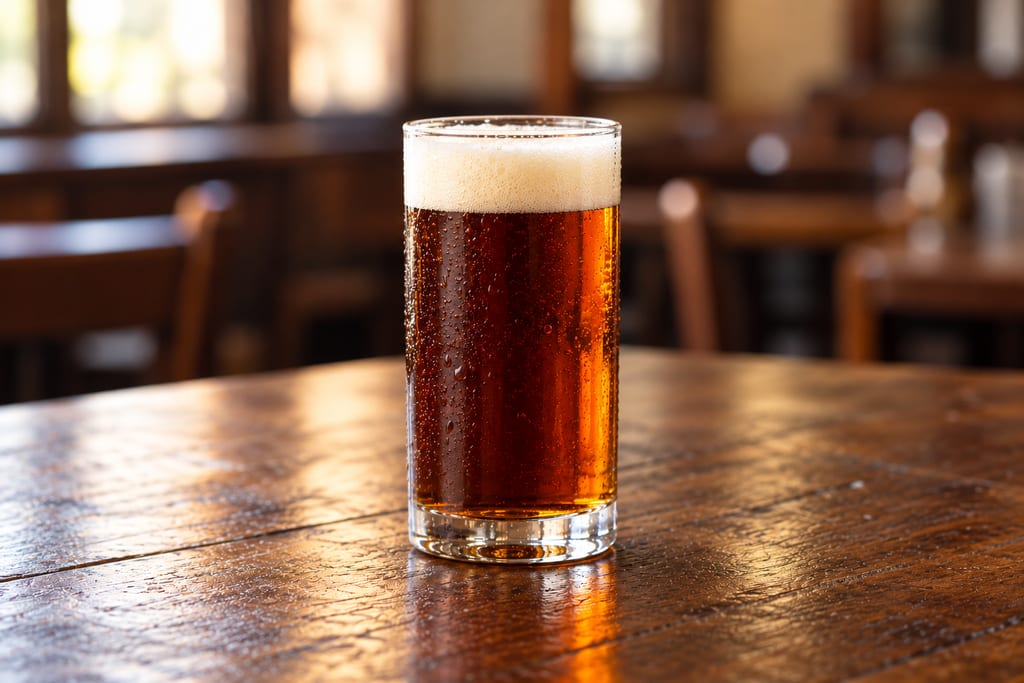
A source-specific modern extract adaptation of Düsseldorf Altbier, with specialty malts, two hop additions and an ale yeast. It is distinct from a brewery's commercial Altbier process and from Kölsch.
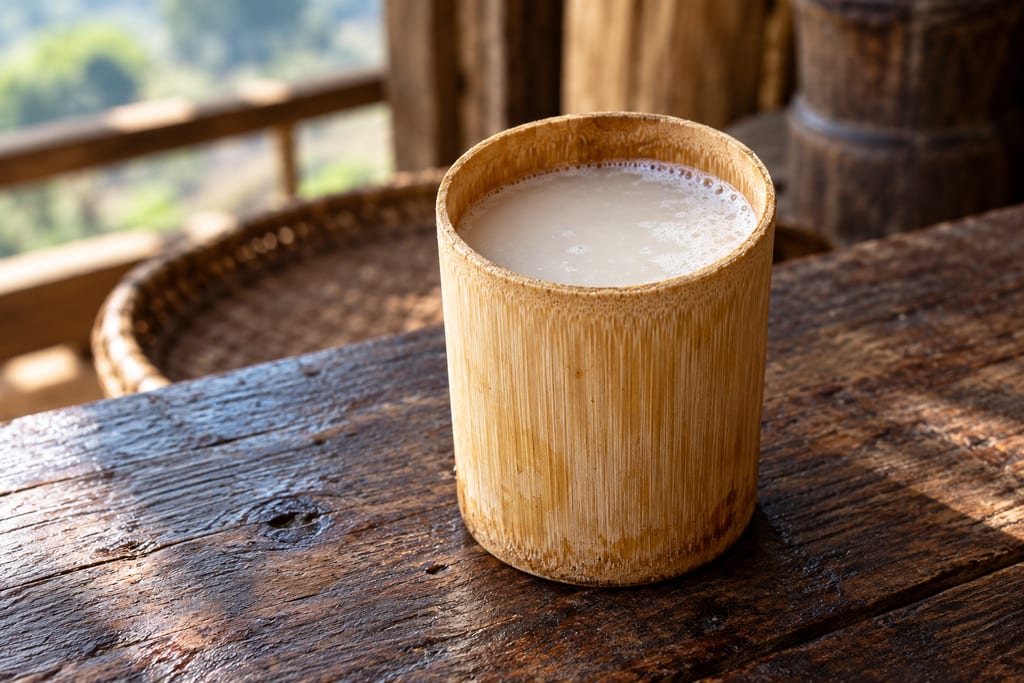
Angami rice beer from Nagaland. A surveyed method mixed cooked rice with piazu, fermented it for about four days in summer or a week in winter, then added water and filtered it. The starter ratio leaves the rice-weight basis unclear.
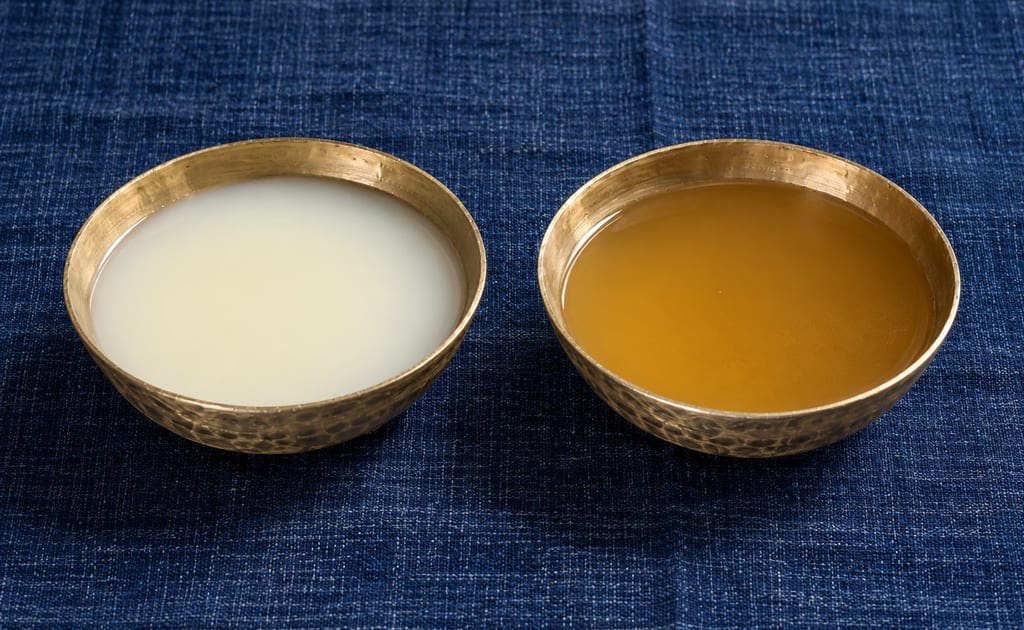
Apong names Mising rice beverages in Assam, including pale Nogin and ash-associated Po:ro. Sources describe distinct preparations and do not establish one unified household recipe or validated safety endpoint.
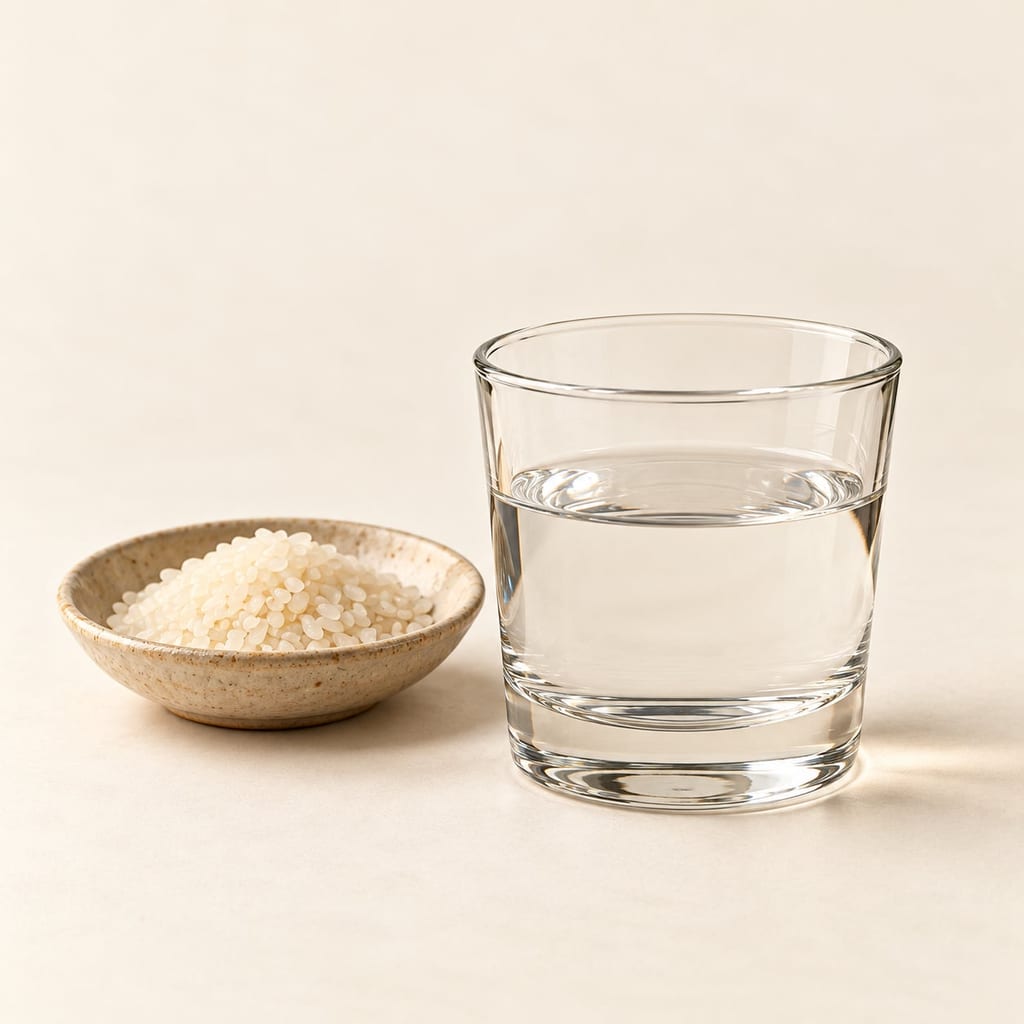
An Okinawan rice spirit made by turning all the rice into black koji, fermenting it with water and yeast, then pot-distilling and maturing the spirit.
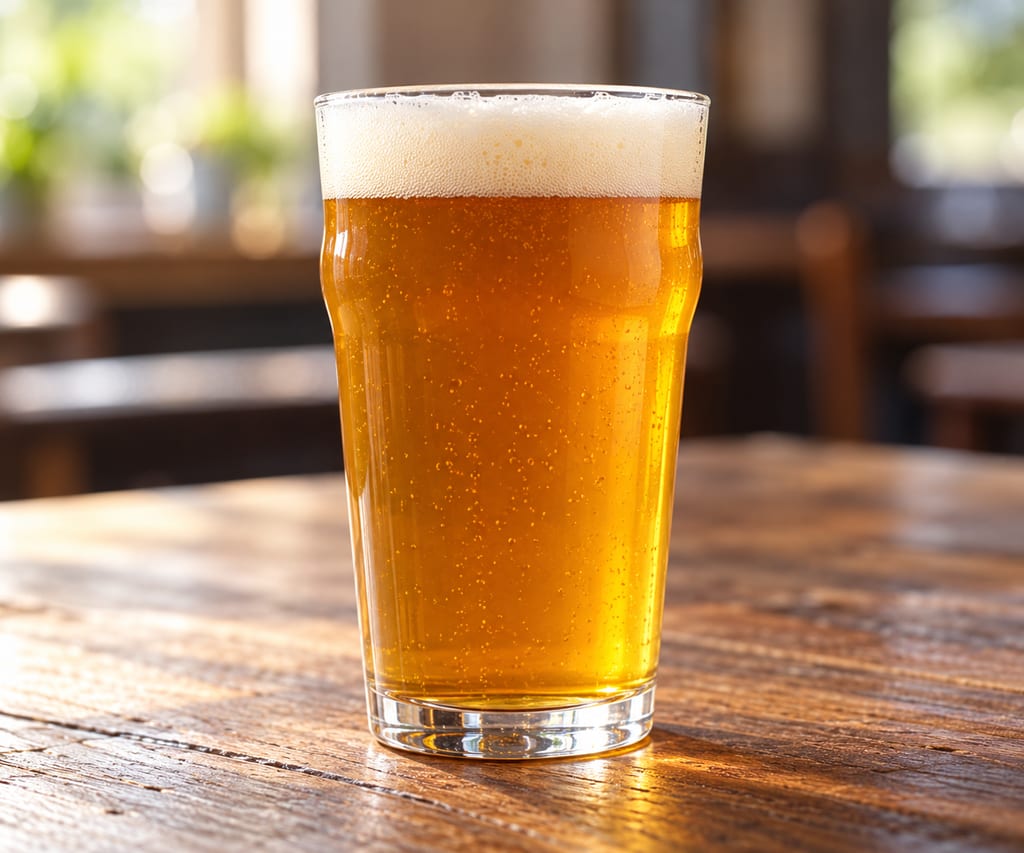
This is a process overview, not a complete batch recipe: key quantities, yield and packaging directions are absent. The AHA tutorial uses Hop Hammer Imperial IPA as an example; this page is not that full formulation.
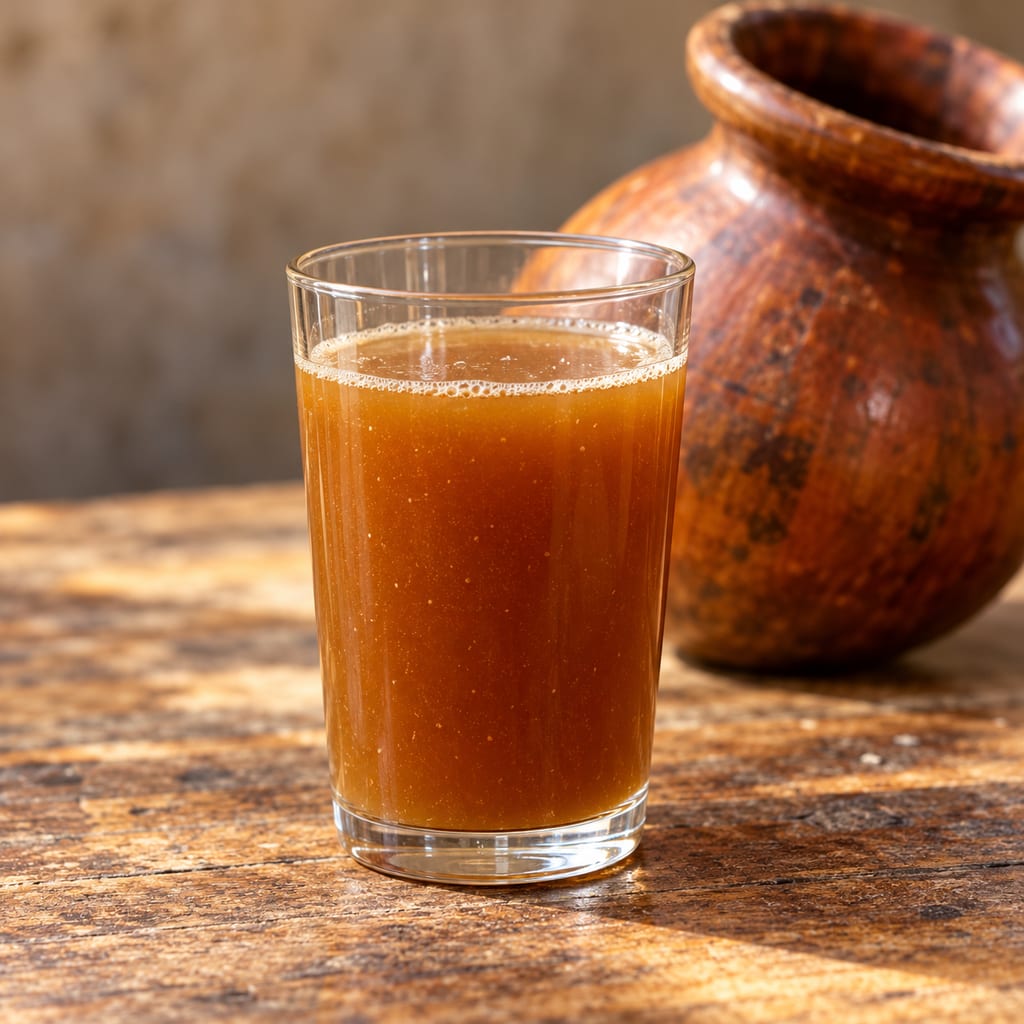
A darker Ethiopian maize tella, brewed from maize baked into a hot, dry kita pancake and then fermented in three stages with barley malt, gesho and water.
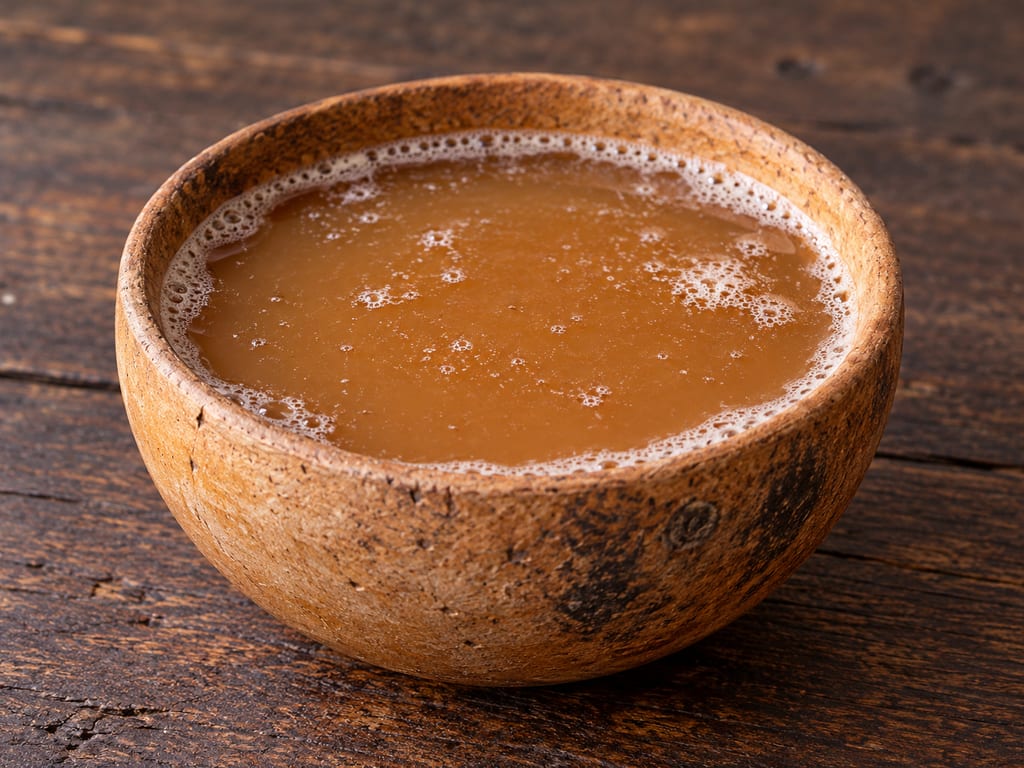
A Burkina Faso sorghum beer brewed from malted grain, soured by a spontaneous lactic stage and then fermented with a traditional yeast leaven.
No community contributions have been published for this entry yet.
Sign in to contribute. Published comments and photos are free to read.
Korean Journal of Food PreservationIngredients · Method · History
Han et al., Quality and antioxidant characteristics of Yakju prepared with pigmented rice flour Nuruk (2021), 28(2):240-251Materials and methods: 2018 Hanareum white rice; prepared white-rice-flour nuruk, 2 kg rice, 200 g nuruk, 6 g Bioland takju yeast, 3 L brewing water, 23–25°C for 11 days, upper clear liquid filtered through Advantec No. 2 and centrifuged with MF-100.
Rice-flour nuruk method: 100-mesh flour, 400 mL hot water called 40% and 0.3% white-koji starter; flour batch mass and percentage bases are not specified in text; 48 h at 30°C and 85% humidity, 7 d at 25°C and 85% humidity, dried to about 10% moisture.
White-rice WY results: pH 4.82 to 3.90 by day 3, ethanol 13.23% day 5 and 13.5% day 11. The 14.6% day-11 result belongs to PY.
Figure 2 caption identifies panel C as white-rice-flour-nuruk yakju; it does not establish final clarity.
WikipediaBackground
Cheongju (drink)Previously used as a history lead; the current period and history text are based on the journal and government sources.
Food Safety Korea (Ministry of Food and Drug Safety)History
Types of alcoholic drinks and their history (Korean traditional liquor)Goryeo-period account of Korean liquor, the inference that Goryeo had cheongju and takju, the Yi Gyu-bo poem on pressing the mash for clear cheongju, and the court office Yangonseo brewing cheongju and beopju for the king.
Food Standards Australia New ZealandSafety
Bacillus cereus in foodCooked starchy foods including rice are a higher-risk setting for B. cereus; its spores and toxins may survive cooking; guidance advises clean hands and equipment and rapid cooling if cooked food is held. General food safety guidance, not validation of fermented yakju.