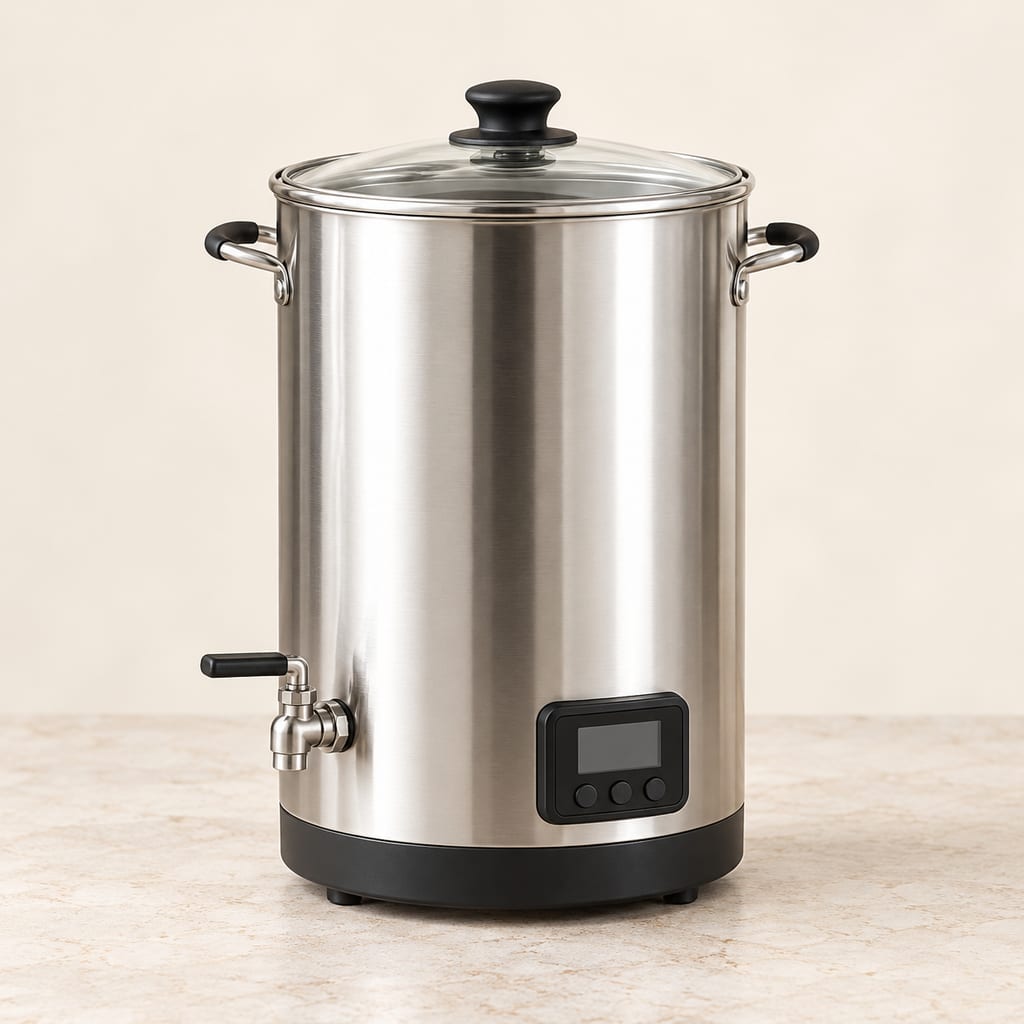
All-in-one brewer or electric mash kettle
An electric brewing vessel that combines controlled heating with a removable grain basket and, on the documented models, a recirculation pump for mashing and boiling wort.
 FermenteaWhere food goes to change
Modern adaptation
식혜 · rice punch · shikhye
A Korean sweet rice drink made by holding cooked rice in water drawn off barley malt until the grains float, then boiling and chilling it.
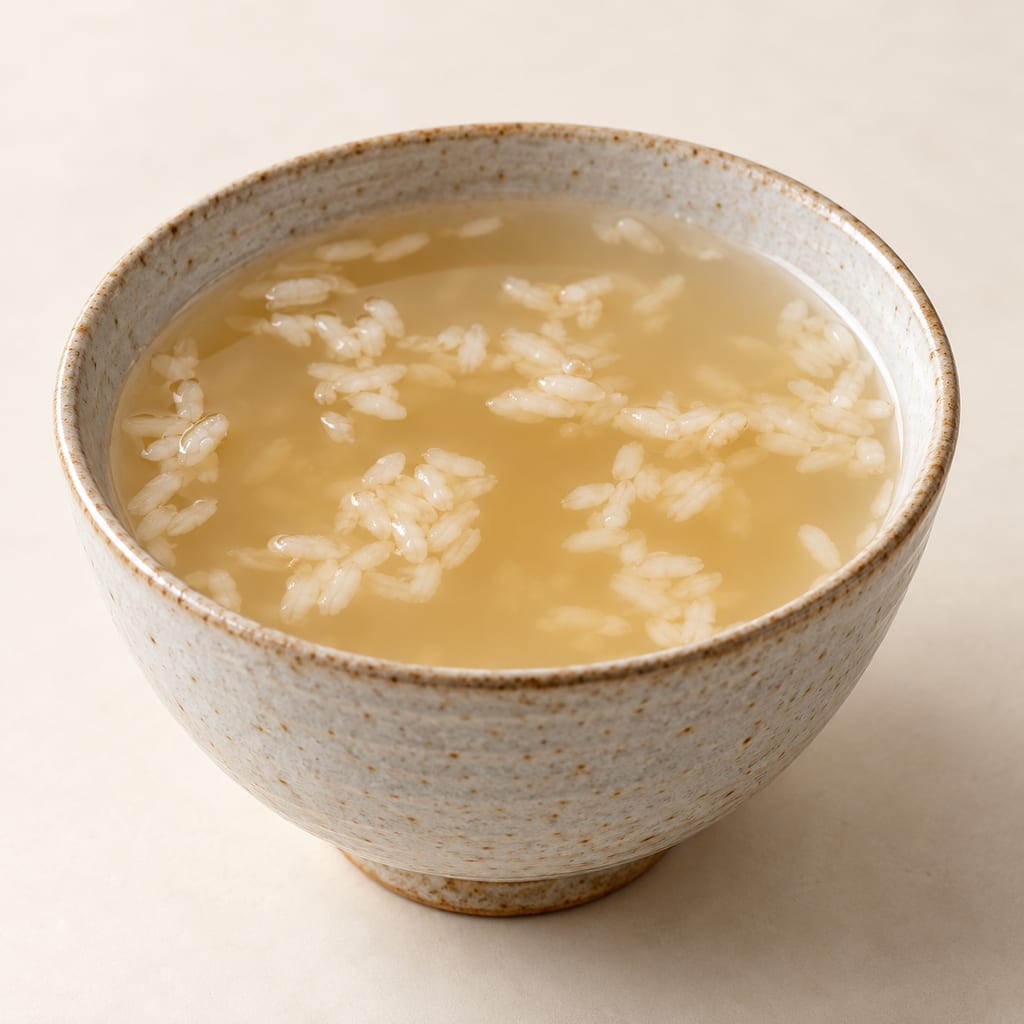
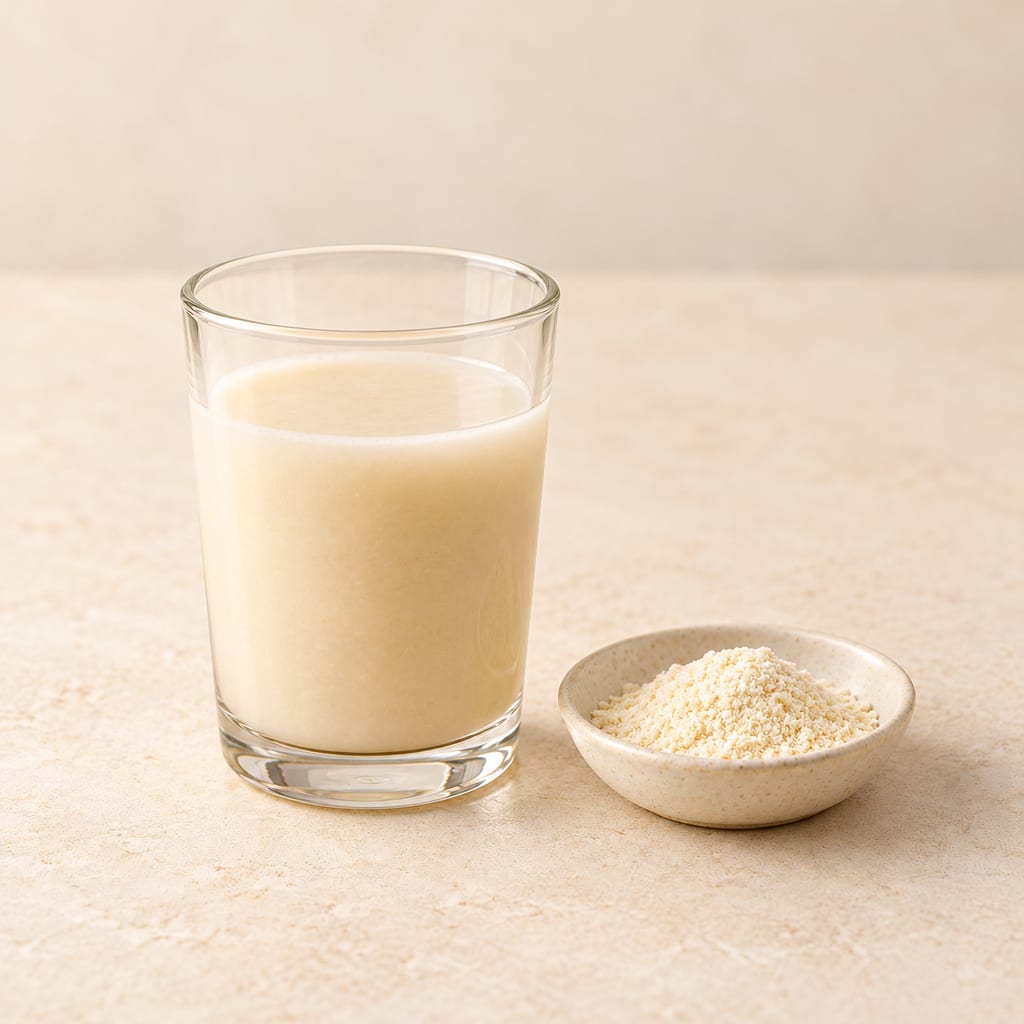
Sikhye is a Korean rice drink that is sweet without sugar in its basic form. It is made from cooked rice and the water drawn from barley malt powder (yeotgireum-garu). The malt's enzymes turn part of the rice starch into sugars during a warm hold, and the rice grains themselves are the visible sign of progress: they loosen and float when enough of the starch has been converted. The drink is served cold, with the rinsed rice and a garnish of pine nuts and jujube, and it is not alcoholic.
Because the sweetness comes from the enzyme conversion rather than from added sugar, the warm hold is the step that decides the drink. Too short and the rice stays heavy and the drink tastes of starch; held too hot, the enzymes that do the work are destroyed. Sugar is optional and is added at the boil in the recipe given.
The malt powder is whisked into cold water and left for two to three hours so that the powder settles. The clear water is then poured off, and the washed rice is cooked with a little water in a rice cooker. When the rice is done, the clear malt water is poured over it, the cooker is set to its warm setting, and the mixture is left. The reserved sediment is covered with a second measure of water and allowed to settle again.
After about four hours the mixture is checked for rice grains floating; if few have risen, the hold is extended by an hour. The hot liquid is then poured into a large pot, mixed with a further measure of the clear malt water, covered and boiled for ten minutes, with the sugar added at this stage if used. The boil stops the enzyme conversion. Without a rice cooker, the same mixture is held between 50 and 65°C for about four hours, measured in the liquid, before the boil.
The Korean Traditional Knowledge Portal keeps gochu sikhye, a chilli sikhye from South Chungcheong, as a separate regional food. Its record is a 2008 collection, and it describes an overnight hold at 50-60°C without naming an appliance. It is a different preparation from the rice-cooker sikhye above, and the two are not merged here. The regional entry is recorded as a documented variant only.
A 2012 study in Letters in Applied Microbiology treated Bacillus cereus spores as the hazard in sikhye and tested modified tyndallisation processes. The reported D95 values were 2.8 to 4.9 minutes at 95°C, and the conventional heat treatment was the least effective of those tested. A ten-minute boil is therefore not sterilisation, and it does not replace refrigeration.
The publisher's method says to refrigerate the liquid in a glass jar and to keep the rinsed rice in cold water in an airtight container in the refrigerator, floating some rice in each serving. No keeping time is given in the sources, and none is stated here.
No yield is printed, so the batch size and the scaling are not known. The warm setting of rice cookers is not stated and must be measured in the liquid. The keeping time for the finished drink and for the rinsed rice is not given. The page's quantities and holds were read from the source's text and should be checked against the live page when it is next opened.
The Korean Traditional Knowledge Portal records a gochu sikhye (chilli sikhye) in a 2008 collection of South Chungcheong regional foods. No dated source for plain sikhye was read here.
Scaling: source batch only
A 2012 study treated B. cereus spores as the hazard in sikhye; D95 °C 2.8–4.9 min, conventional heat treatment least effective of those tested, so a 10-minute boil is not sterilisation.
Hazard sourceRefrigerate the finished drink
Control sourceBoiling ends the enzyme conversion but does not sterilise the drink. Keep the finished sikhye cold.
Bacillus cereus spores survive the heat treatments tested in a 2012 study of sikhye, so the drink needs refrigeration after it is made.
Association, not a claim of origin.
For the gochu sikhye variant only.
An electric brewing vessel that combines controlled heating with a removable grain basket and, on the documented models, a recirculation pump for mashing and boiling wort.
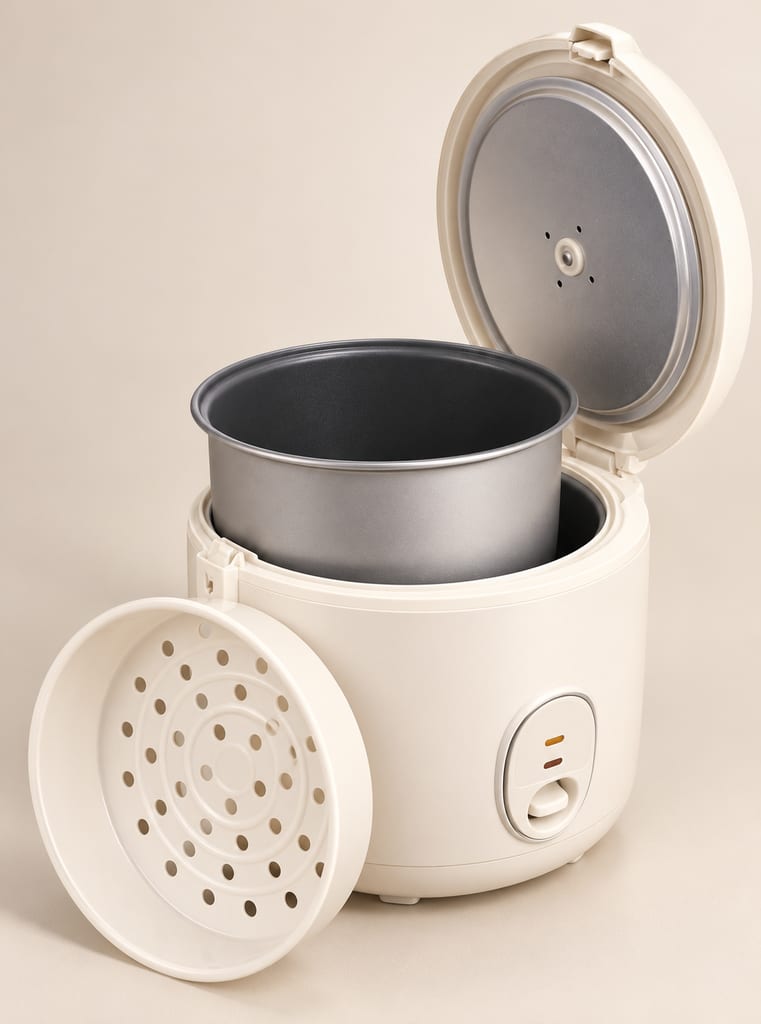
A modern electric pot that cooks rice and may provide a model-specific keep-warm stage. Documented Japanese and Korean recipes use it for koji amazake, sikhye and ssal-jocheong; measure warm settings rather than assume.
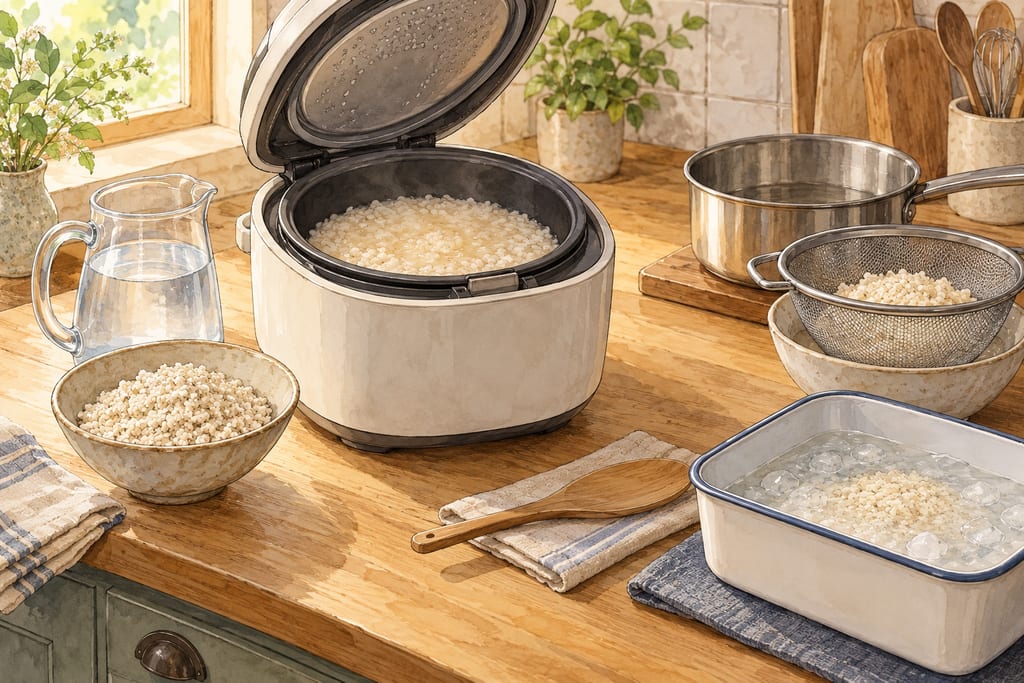
One rice cooker run as two stages: cook the rice, then add koji or malt water and hold it warm with the lid managed, before boiling, straining or chilling elsewhere.
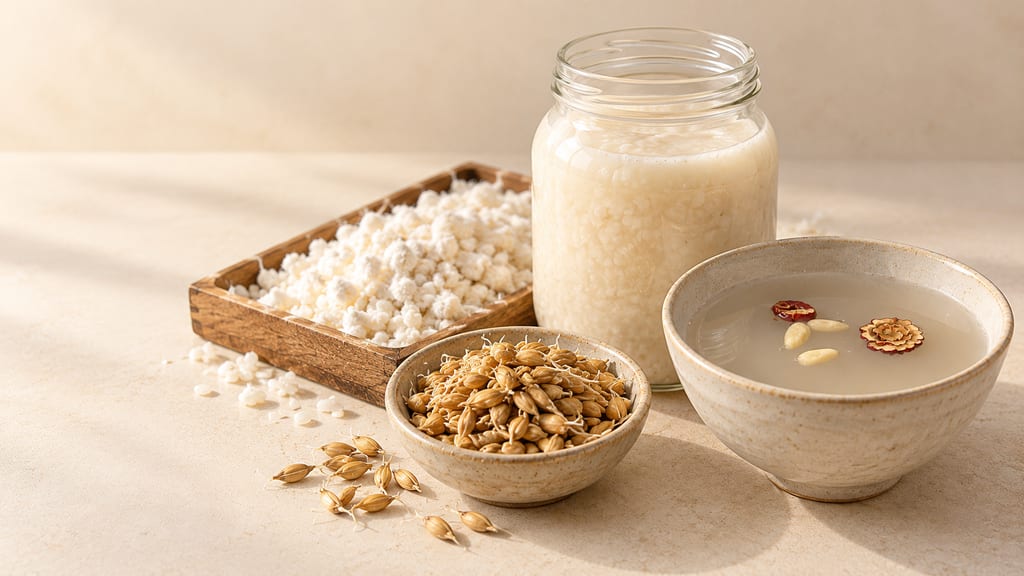
Amazake, sikhye and rice syrup turn cooked rice sweet with enzymes from koji or barley malt, held at the right warmth. Jiu niang and idli batter look similar but depend on living microbes, at very different temperatures.
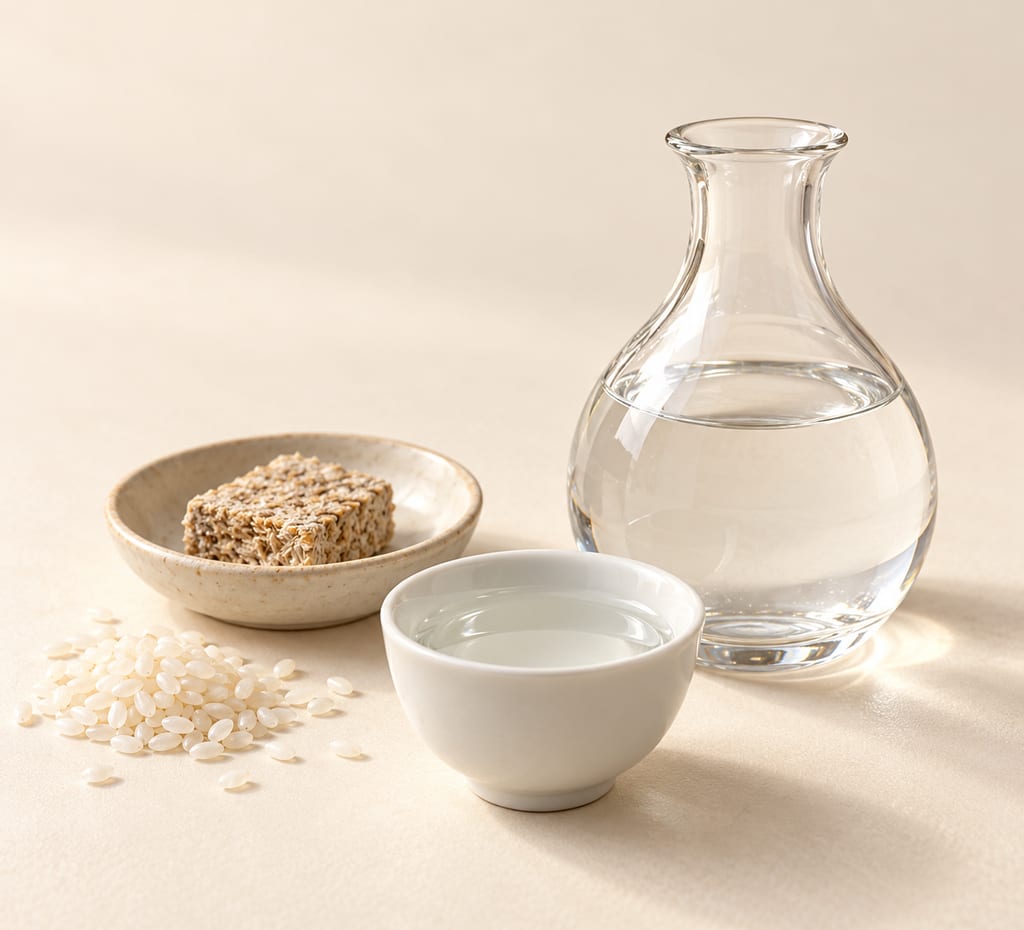
Andong soju is a rice spirit from North Gyeongsang, distilled from steamed rice and wheat nuruk. This method makes the starter before fermenting the rice mash in a jar.
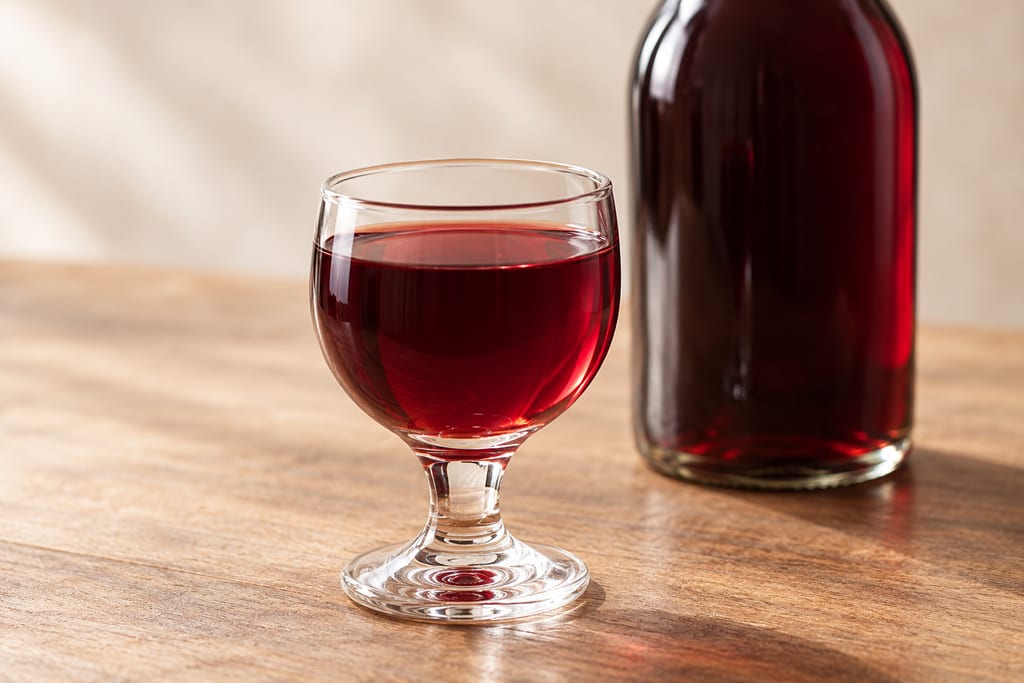
Korean black raspberry wine: crushed bokbunja berries with their seeds, sweetened to 20 °Brix, fermented 15 days at 25 °C with wine yeast, filtered and matured three months.
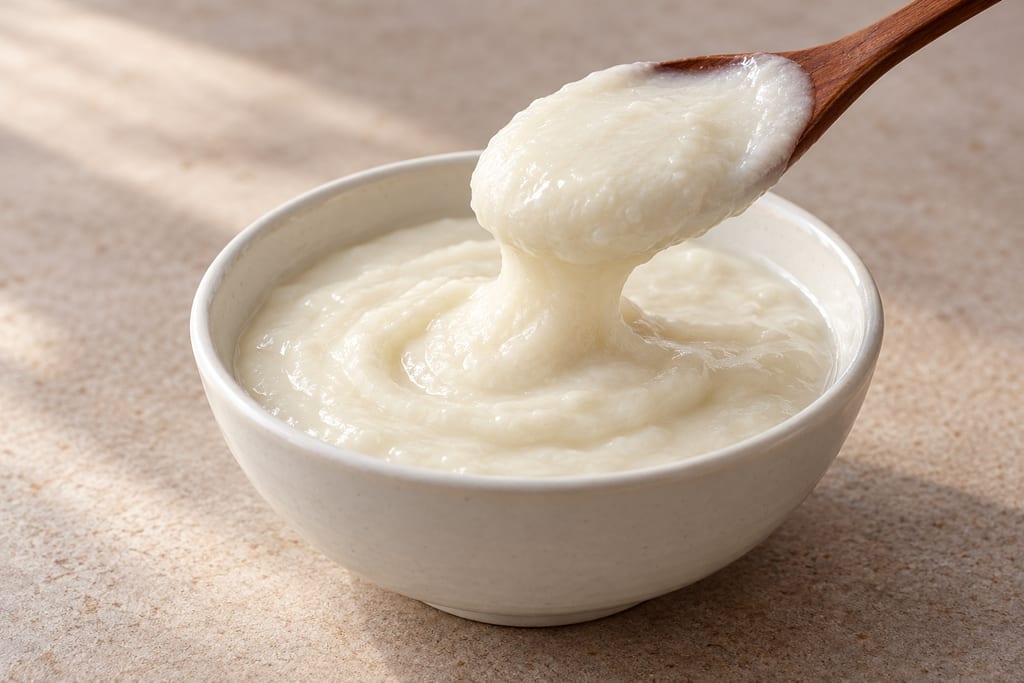
Thick, sweet Korean rice wine made with a rice-based starter called ihwagok and almost no added water, fermented into a paste that is eaten with a spoon or thinned with cold water.
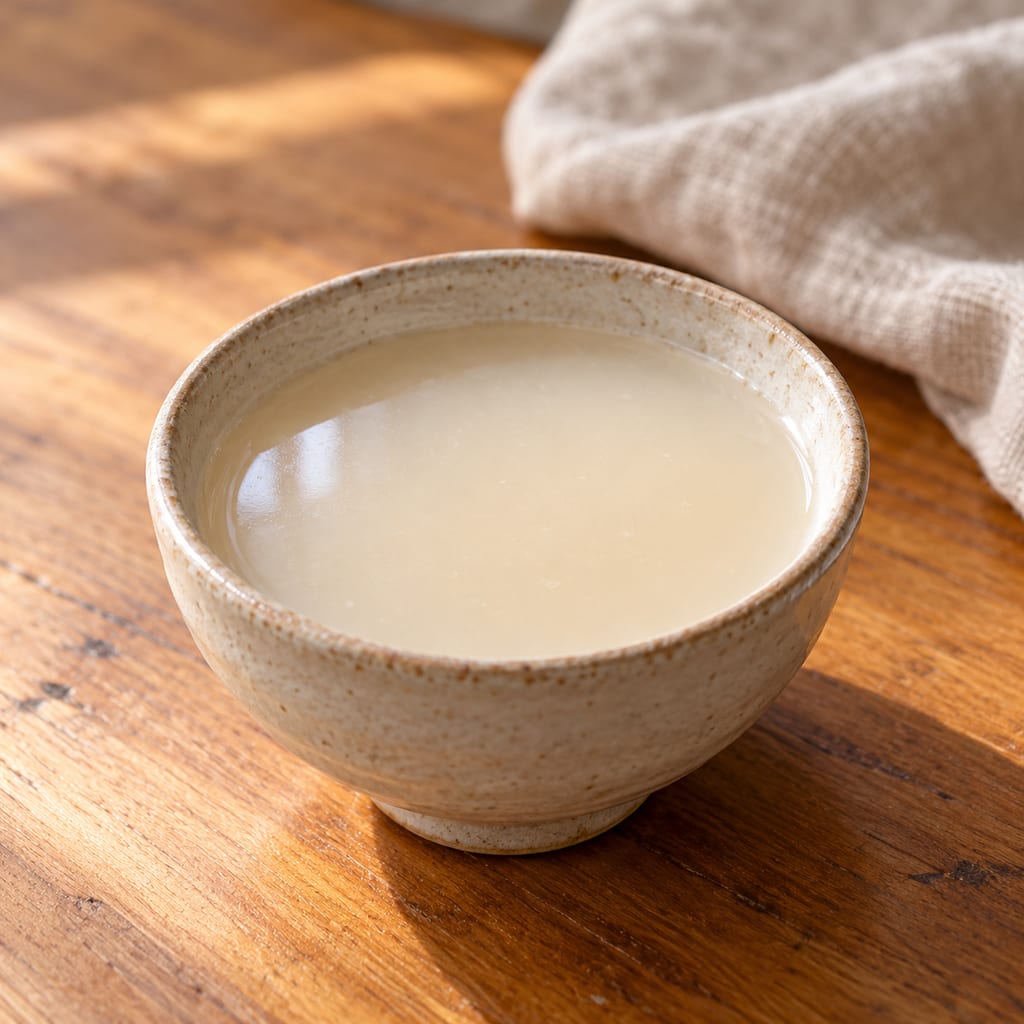
An alcoholic Korean rice drink of steamed glutinous rice and nuruk, mashed in a single stage and fermented for 7 to 14 days.
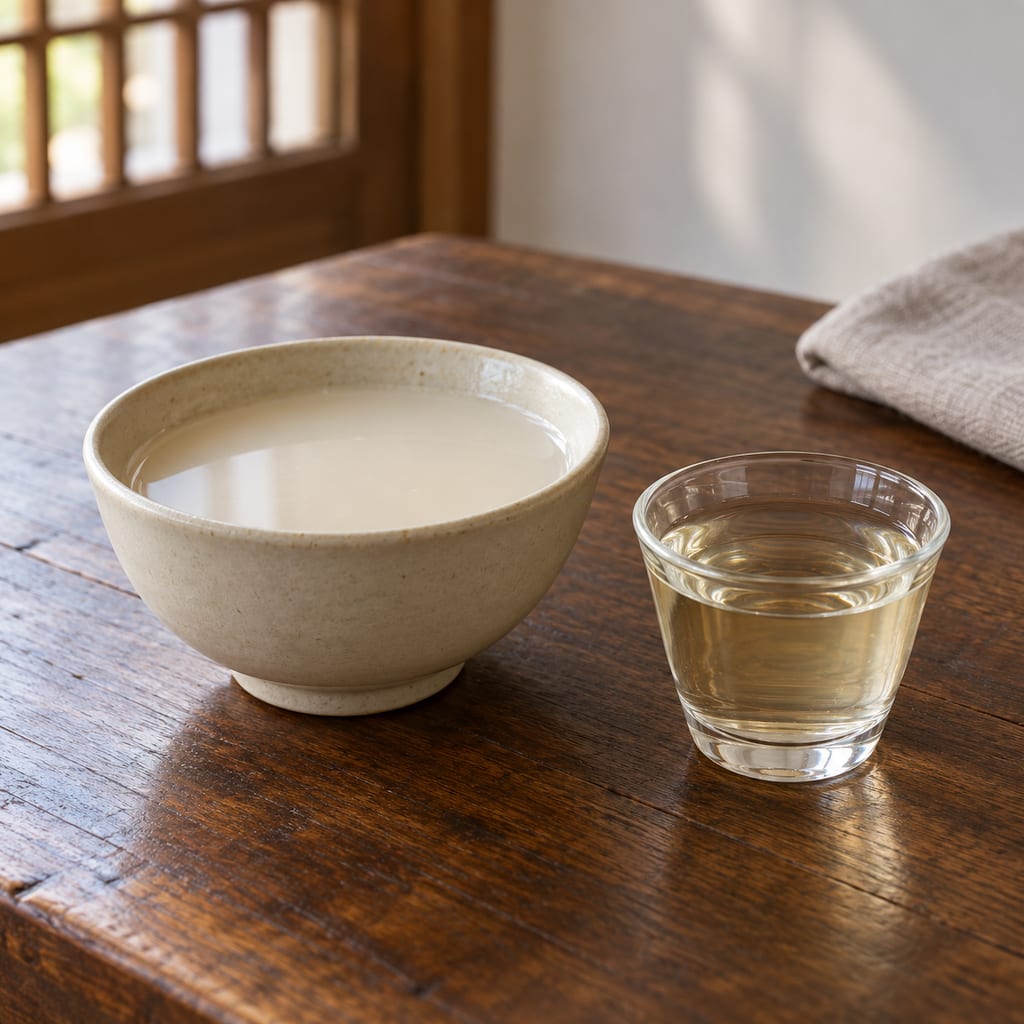
A Korean grain wine fermented from steamed rice, nuruk and yeast in two mash additions, drawn off clear as yakju or blended cloudy with rice solids and water as makgeolli.
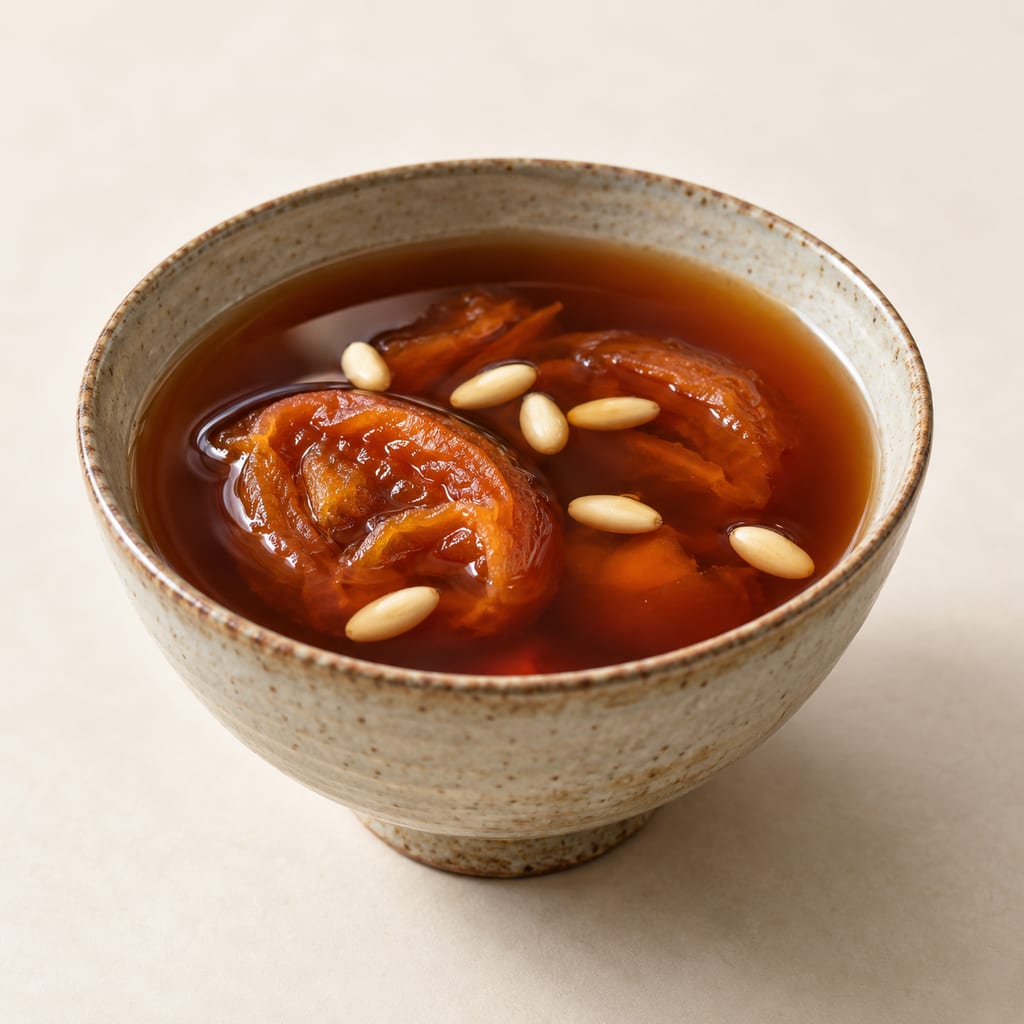
A chilled Korean dessert punch of cinnamon and ginger boiled in water, sweetened and poured over dried persimmons.
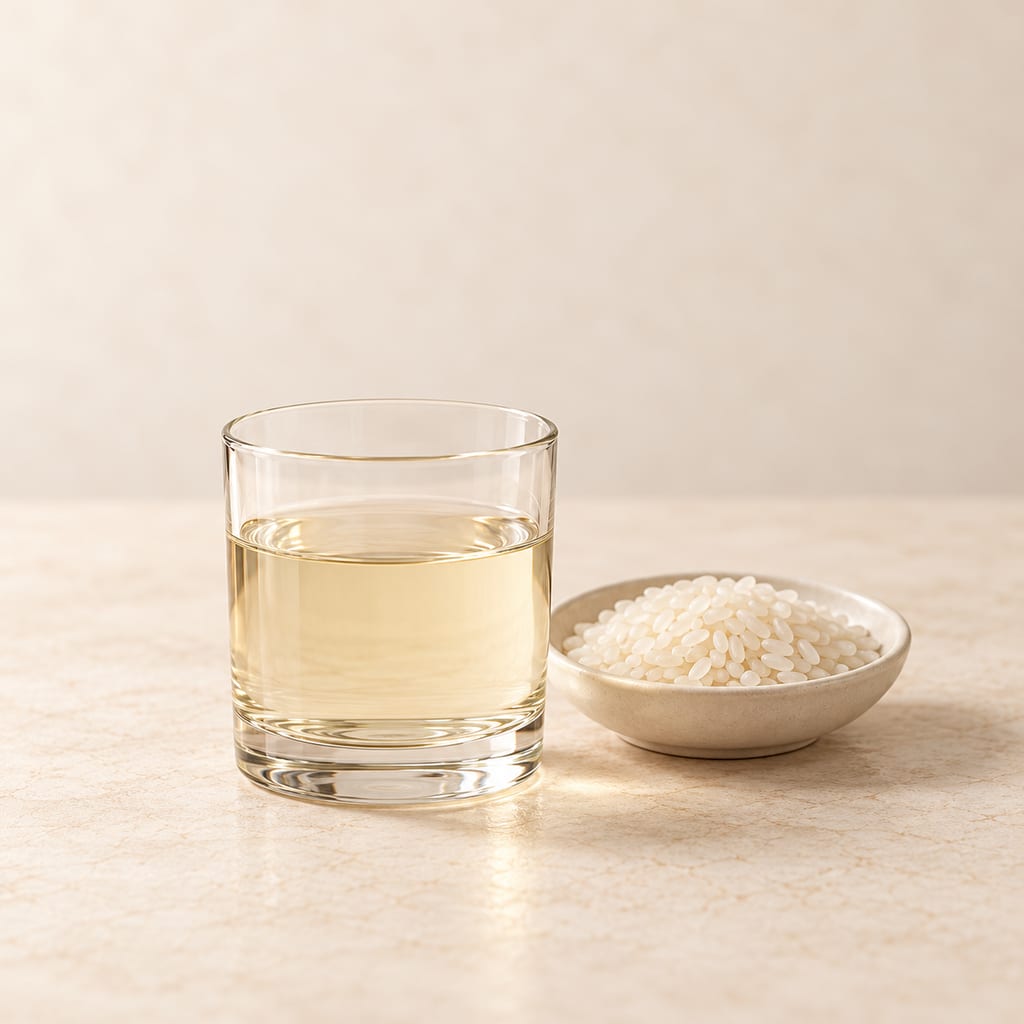
A 2021 study's white-rice yakju: steamed Hanareum rice ferments with rice-flour nuruk and takju yeast for 11 days, then the clear upper liquid is filtered and centrifuged.
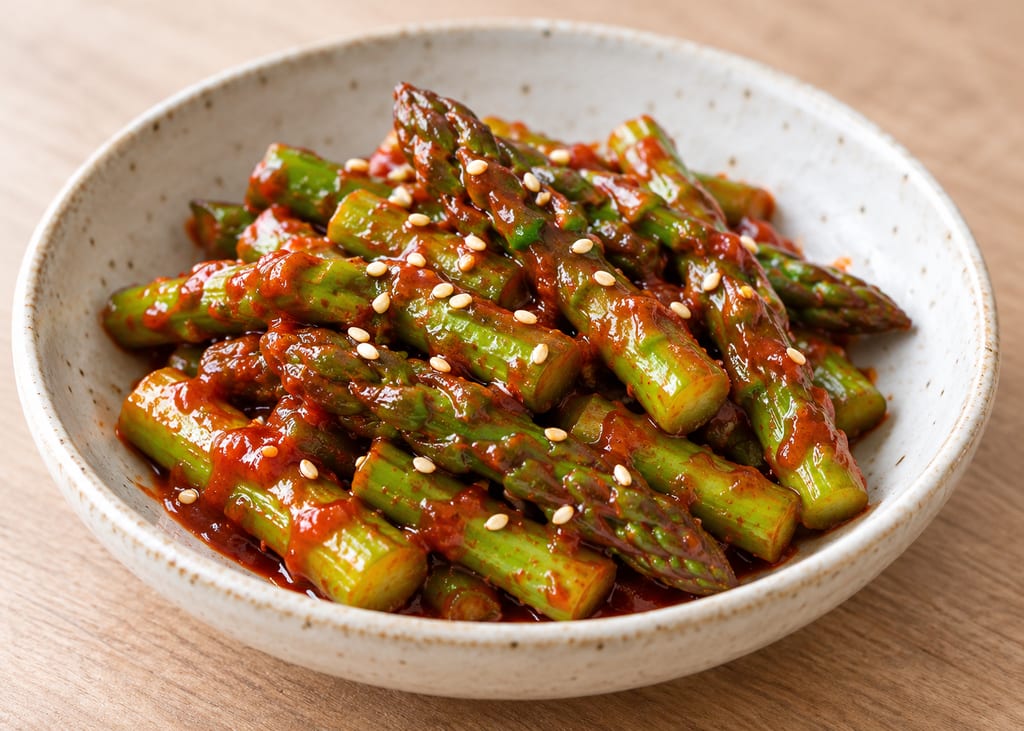
A Korean banchan of blanched asparagus dressed with a sweet-sour cho-gochujang sauce; Hyosun's version cools the spears in ice water before tossing.
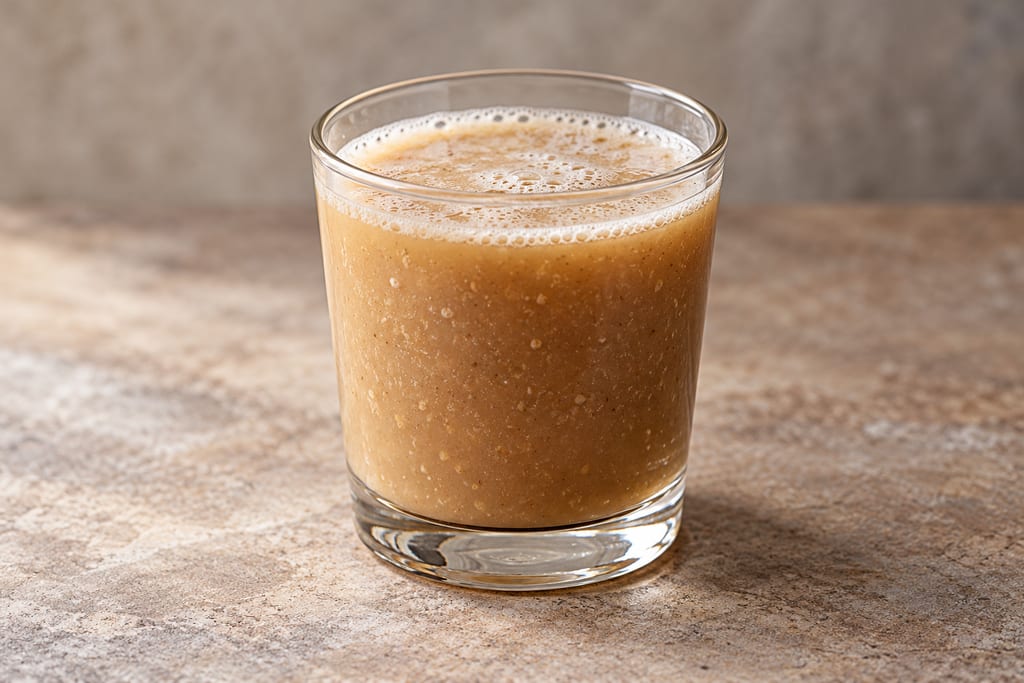
A thick, faintly fizzy Ethiopian cereal drink in which a wheat dough is fermented, roasted dark, then fermented a second time with barley malt into a drinkable slurry.

Hi-ire is the Japanese heat treatment of finished sake, about 65 °C, used to stop re-fermentation and souring. Brewers applied it from the Muromachi era.
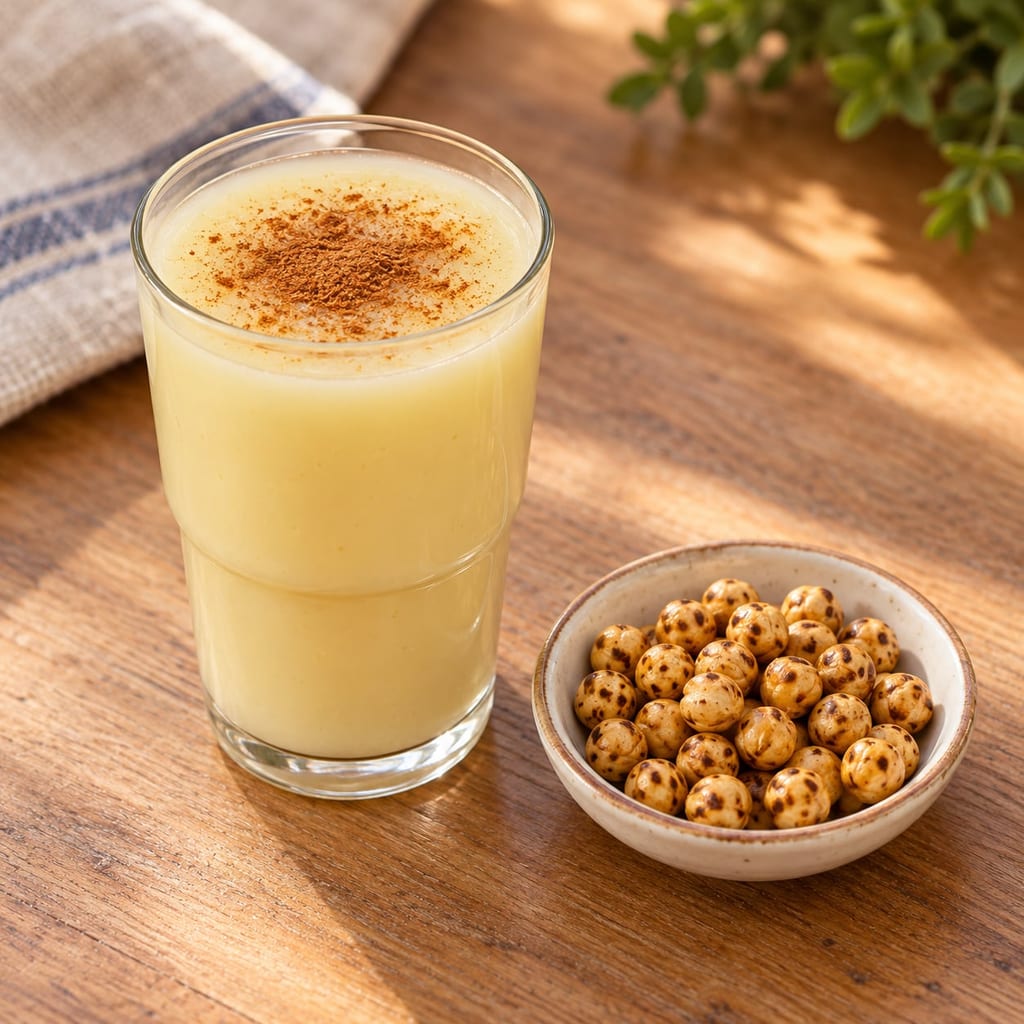
A thick, pale Turkish winter drink of bulgur and rice cooked to a soft cereal base, sweetened with grape molasses and fermented for two days.
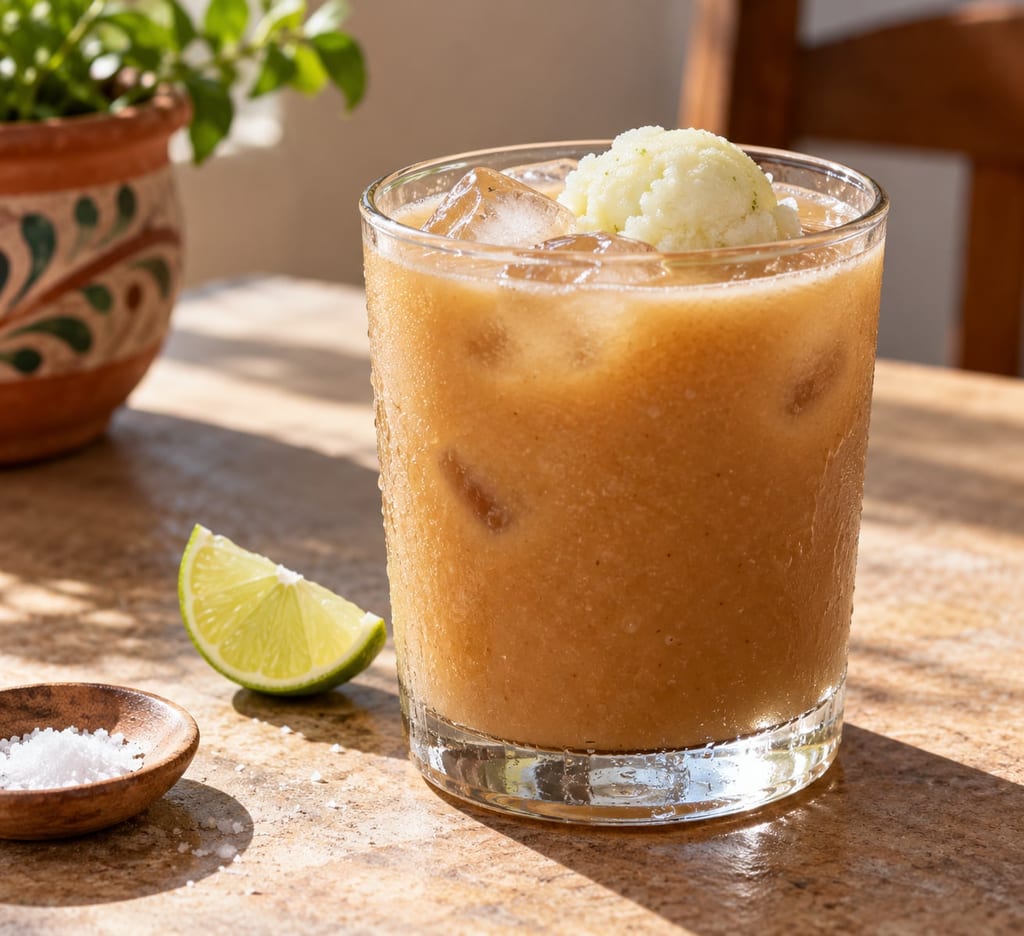
A tart, lightly fermented drink of Jalisco: nixtamalized maize masa cooked with piloncillo and limed, then diluted over ice and salted at serving.
A Ugandan maize drink remade with a defined two-strain starter: roasted maize dough boiled to porridge, cooled and fermented under controlled conditions.
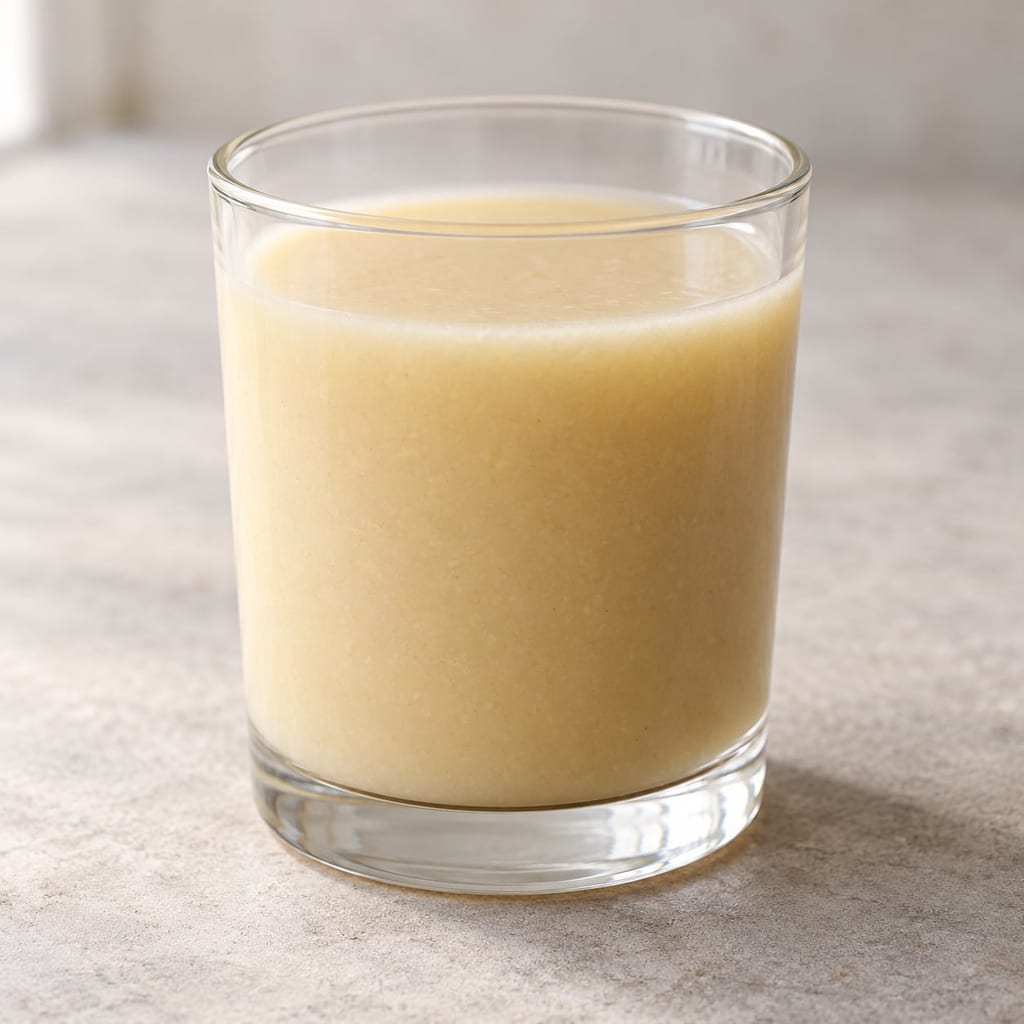
Kyrgyz Bozo is a mixed-fermented cereal drink made with ground grits, sprouted-wheat ugut and carried-over starter. This registry preparation leaves cereal selection, water and starter allocation unresolved.

A documentary entry on Latvian rye-bread kvass, preserved from a modern Latvian rye collection. It records a food tradition, not a home-fermentation method.
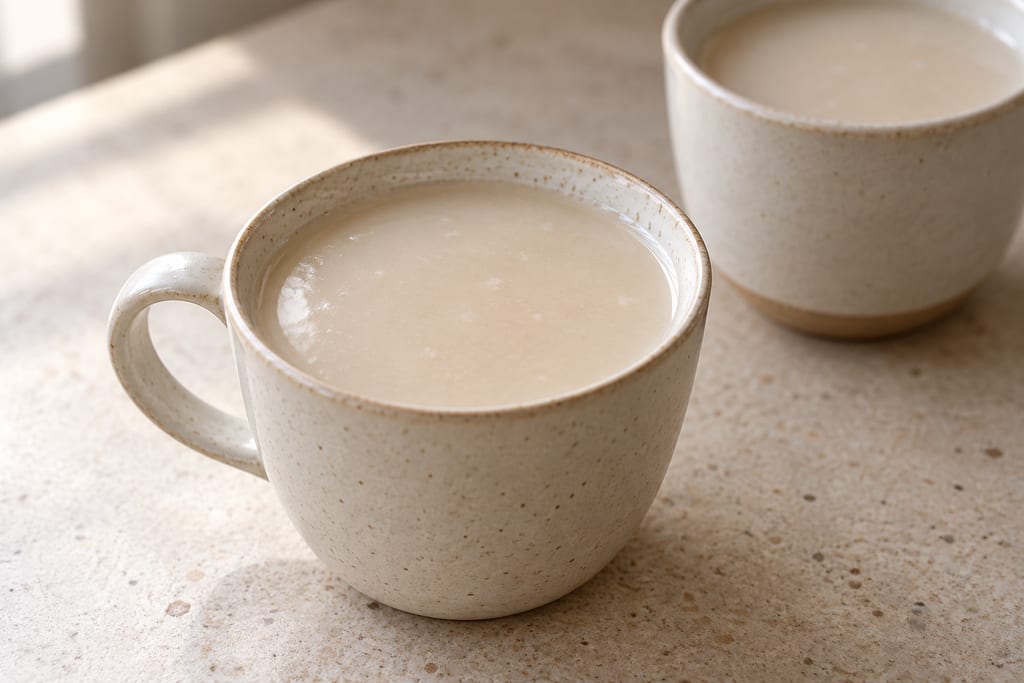
A documentary account of Zimbabwean mahewu and one producer's formula. Its quantities exceed the stated vessels, and research does not validate it as a safe home method.
No community contributions have been published for this entry yet.
Sign in to contribute. Published comments and photos are free to read.
MaangchiMethod
Rice punch (Sikhye: 식혜) recipe by MaangchiQuantities, rice-cooker method, 4-hour check, 10-minute boil
Stove alternative 122–150 °F (50–65 °C)
Refrigeration; not alcoholic
Cited in: A rice drink sweetened by malt; How the method runs; Heat, spores and cold storage; Open questions
Korean Traditional Knowledge PortalMethod · Regional variant
고추식혜 [한국전통지식포탈-향토음식]Gochu sikhye quantities and overnight 50–60 °C hold
Cited in: A regional chilli variant
Letters in Applied MicrobiologySafety
Reduction of Bacillus cereus spores in sikhye, a traditional Korean rice beverage, by modified tyndallization processes with and without carbon dioxide injectionB. cereus spores; D95 °C 2.8–4.9 min
Cited in: Heat, spores and cold storage