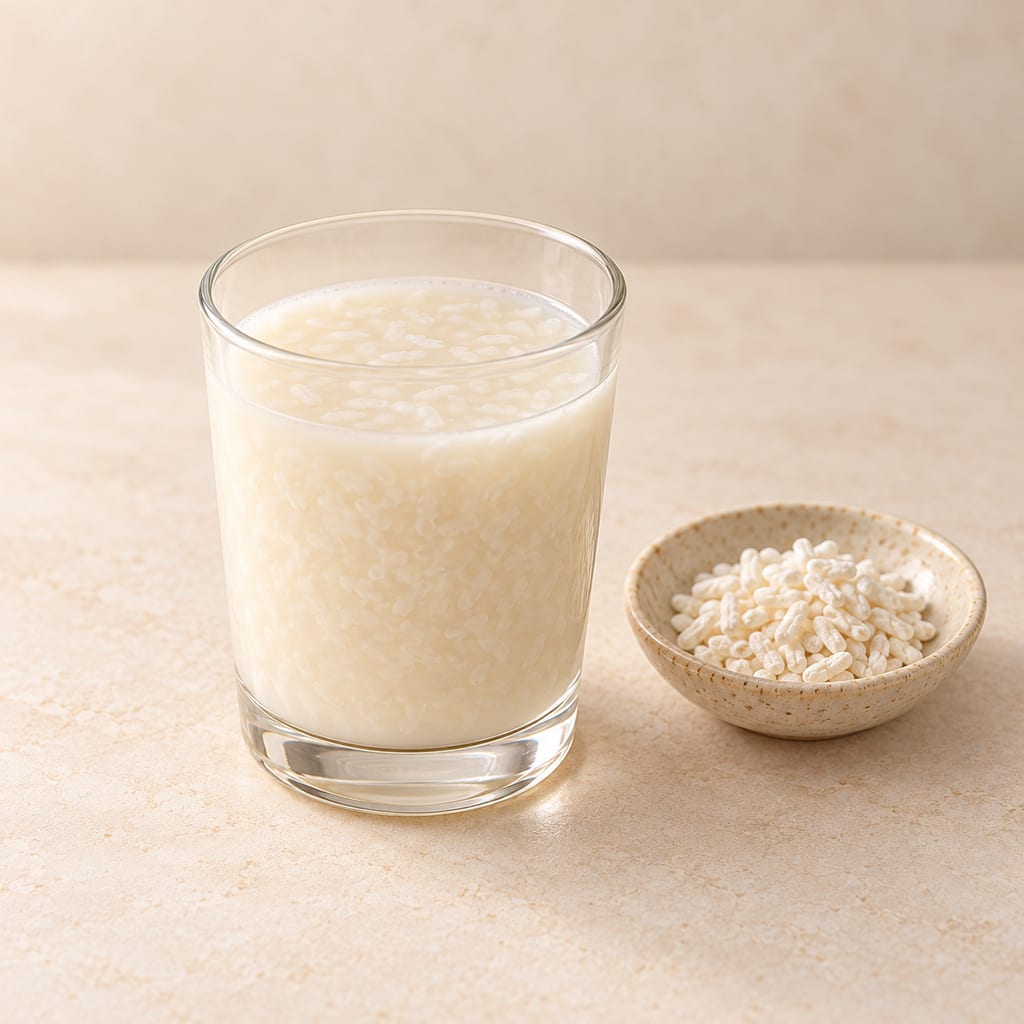
Rice-koji amazake
Cooked rice, rice koji and water are held warm for hours so koji enzymes turn the rice starch to sugars, giving a naturally sweet Japanese drink with no added sugar and no second fermentation.
 FermenteaWhere food goes to change
Equipment · All-in-one appliances
Electric rice cooker · Jeongi bapsot
A modern electric pot that cooks rice and may provide a model-specific keep-warm stage. Documented Japanese and Korean recipes use it for koji amazake, sikhye and ssal-jocheong; measure warm settings rather than assume.
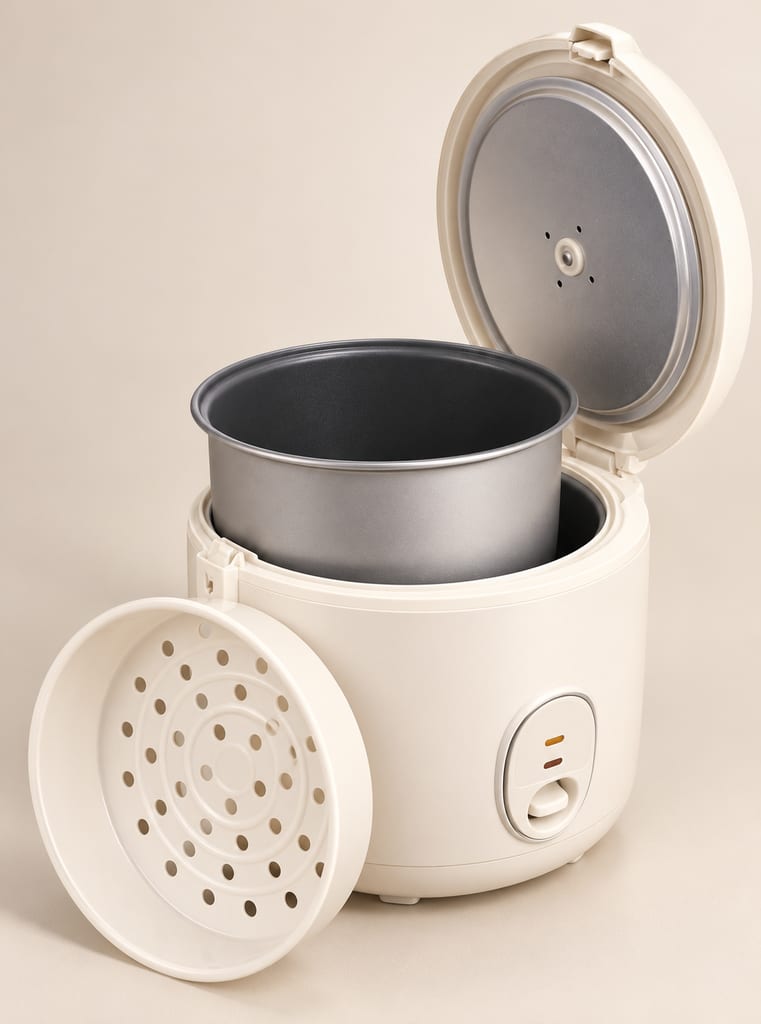
A domestic electric rice cooker combines a heated base, a removable inner pot and a lid. In a straightforward rice cycle, the appliance heats the water and grain; once its cooking control changes state, a keep-warm setting may maintain heat. This is modern manufactured equipment, not a single timeless vessel design. Models differ: simple cookers, fuzzy-logic models and multicookers can have different sensors, programs and warm behavior. The references here document generic cooker uses and one disassembled cooker, not a particular brand or a universal temperature.
That distinction matters when a cook uses the appliance for a process beyond its intended rice cycle. A warm indicator is not a thermometer, and the word “keep warm” does not define a food temperature. The inner pot’s measured contents, not the control label, determine what temperature a recipe stage has reached.
Marukome documents one Japanese home method for koji amazake using a rice cooker. The cook mixes cooked rice with hot water, lets the mixture settle near 60 °C, then adds rice koji. For the conversion stage, Marukome describes an open lid with a cloth cover, intermittent stirring and a target range around 50–60 °C over five to ten hours. If the mixture runs hot, the directions say to switch keep-warm off and stir to cool; if it falls, briefly closing the lid can bring it back up.
This is a recipe-specific management technique, not a promise about an appliance’s built-in program. Marukome explicitly warns that temperature control varies among cookers and recommends consulting the manual. Use a thermometer in the mixture and observe its movement through the hold; never infer a safe or suitable temperature from a lamp or button.
Maangchi documents rice cookers in two Korean preparations. For sikhye, rice is cooked in the cooker; clear liquid from settled barley malt powder is poured over it, and the warming setting holds the mixture while malt enzymes convert starch. Maangchi checks after about four hours, looking for some rice grains to float, and allows more time if needed. The recipe then moves the hot mixture to a pot for boiling. It also gives a stovetop alternative, so the rice cooker is a convenient documented option rather than a required traditional vessel.
For ssal-jocheong, Maangchi describes a warm conversion hold followed by straining and reducing the liquid in the open cooker. These steps illustrate how a single appliance can cook rice, provide a warm interval and, with its lid open, reduce syrup. They do not establish the temperature of any cooker model. Both recipes name a ten-cup cooker or warming setting only as needed for that method; they do not provide a general specification for capacity or temperature.
Keep-warm programs are designed around cooked rice, and their behavior is model-specific. Marukome directs users to their manual and uses a thermometer; that is especially important when an enzyme conversion depends on a limited temperature window. A multicooker’s automatic keep-warm range can be higher than a koji recipe’s target, so do not assume a rice-cooker method transfers unchanged to a pressure cooker or another appliance. The published Instant Pot Duo manual, for example, gives a Keep Warm range of 145–172 °F (63–78 °C), illustrating that the label alone cannot establish suitability.
Describe a cooker by its actual controls and measured performance rather than by a generalized promise. The reference photo shows one cooker with its bowl and steam insert removed; it is useful for understanding component relationships, not as evidence that every modern cooker includes an identical insert. No capacity, dimensions or commercial model are claimed for this entry.
Keep-warm temperature and control behavior vary by model; an indicator light does not establish the temperature of the food.
Source →The cited recipe methods do not establish a universal cooker temperature, capacity or program for enzyme conversion.
Source →An automatic multicooker Keep Warm setting may exceed a recipe’s target; the Instant Pot Duo manual specifies 63–78 °C for that model family.
Source →Recipe use example, not a place of origin claim.
Culturally specific recipe examples, not a single traditional cooker design or exclusive national use.
Cooked rice, rice koji and water are held warm for hours so koji enzymes turn the rice starch to sugars, giving a naturally sweet Japanese drink with no added sugar and no second fermentation.
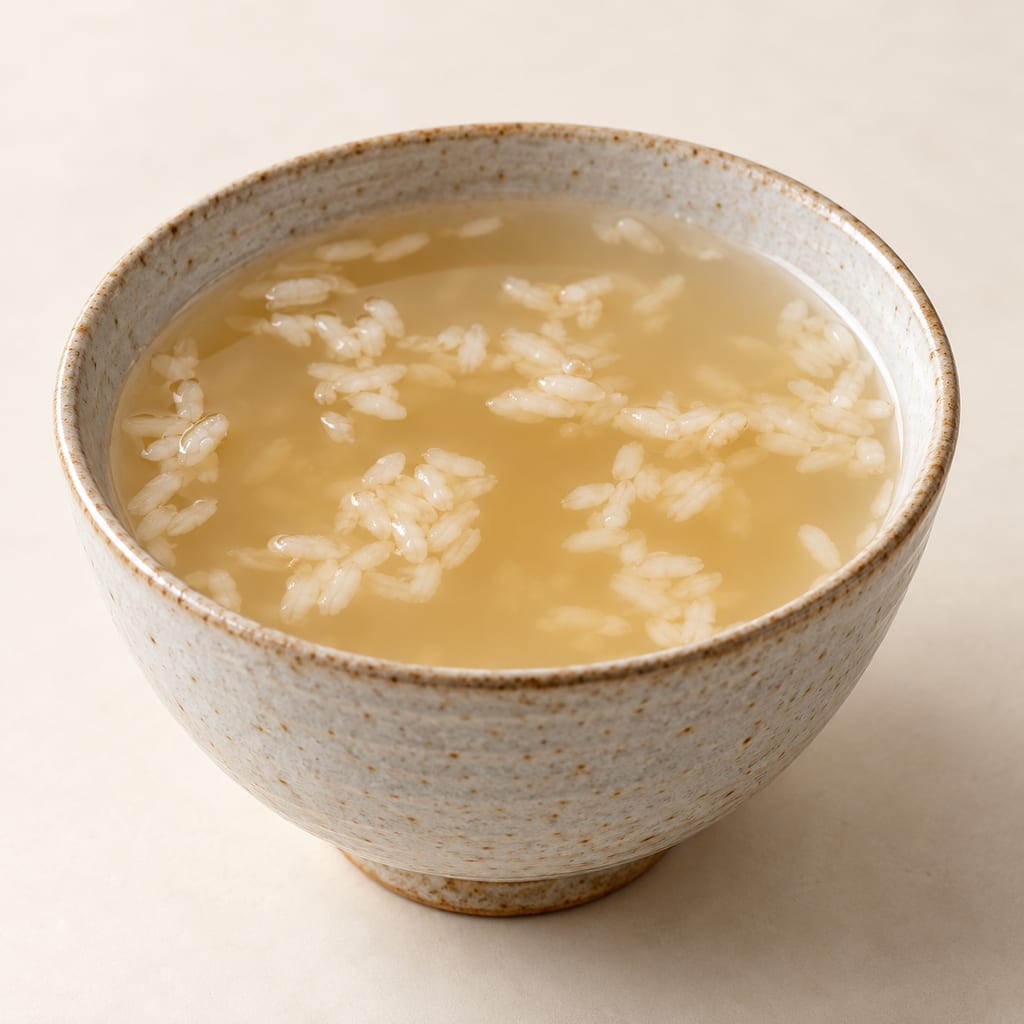
A Korean sweet rice drink made by holding cooked rice in water drawn off barley malt until the grains float, then boiling and chilling it.
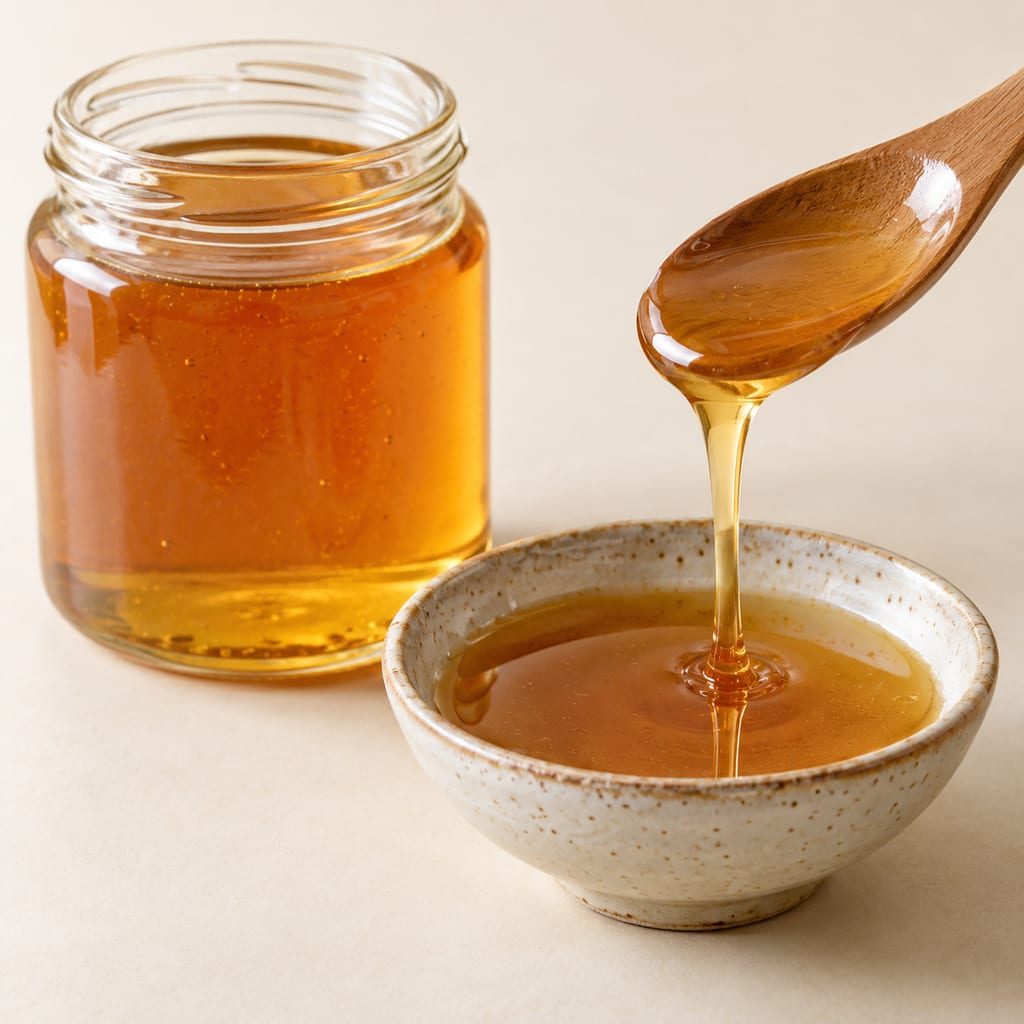
A Korean rice syrup: cooked rice is converted by barley malt in a long warm hold, strained, and the sweet liquid is boiled down until it pours like maple syrup.

A small electric incubator holds jars at a selected temperature for yogurt and other documented warm food preparations. Controls, capacity and vessel arrangement vary by model.
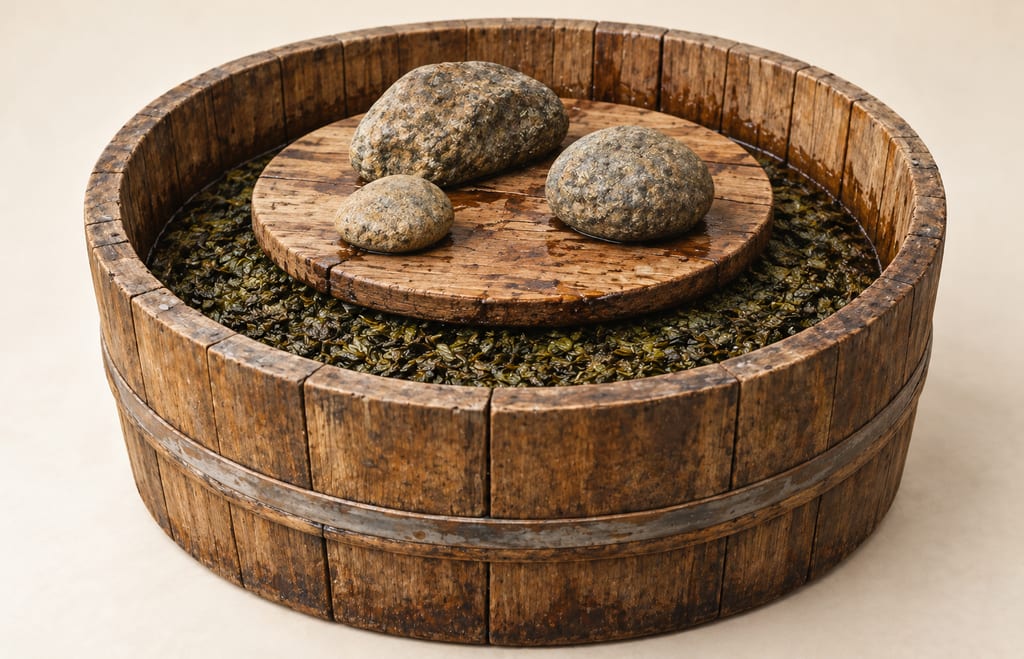
A large wooden tub used in Tokushima to ferment heated, worked Awabancha leaves with their cooking liquor. Its size and construction details are not specified in the sources.
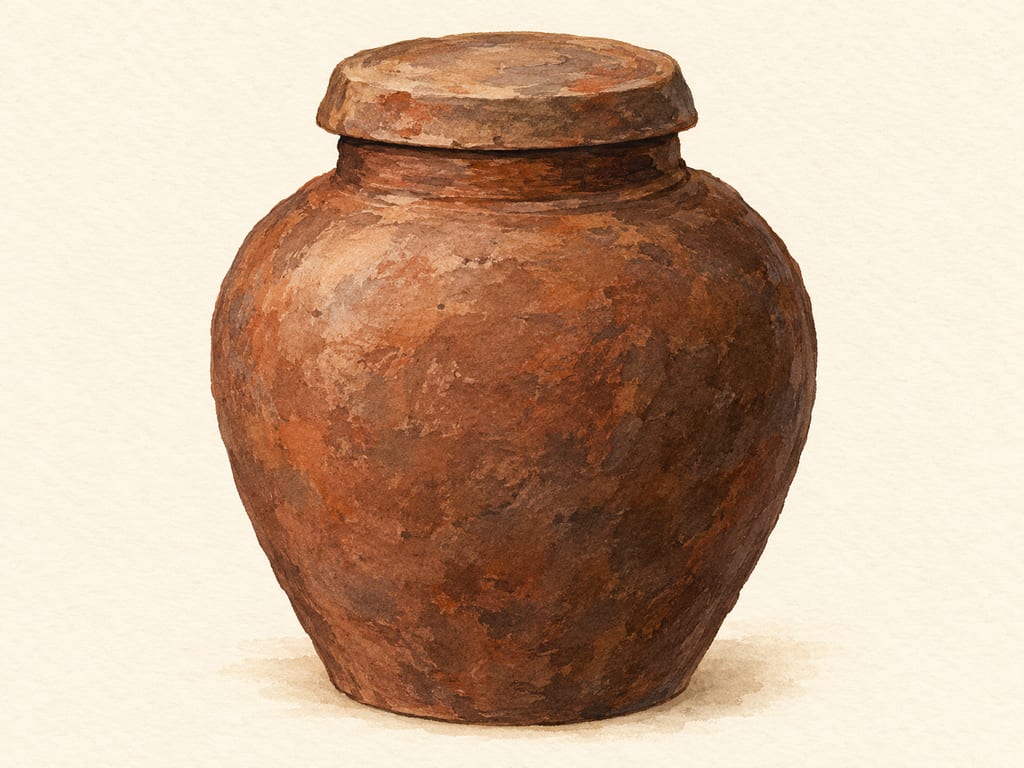
A ceramic jar used in Okinawa to store and mature distilled awamori into kusu; it holds the finished spirit after distillation rather than fermenting the rice mash.
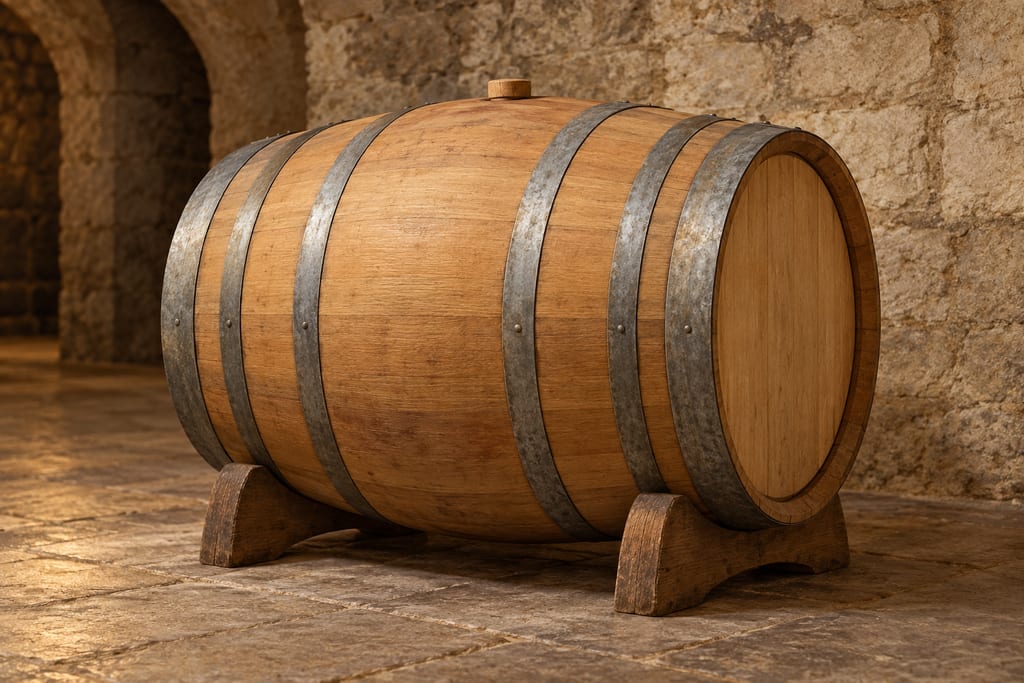
Coopered vessels use shaped staves and hoops, but portable barrels, large foeders and upright wooden vats serve different roles. Materials and uses vary by place and process.
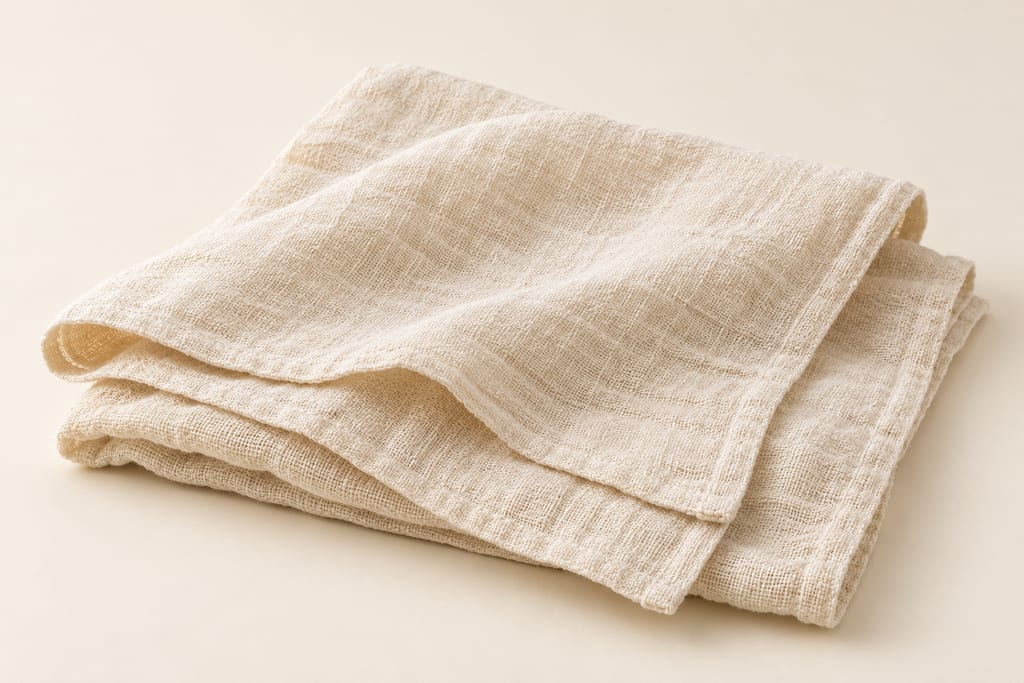
A cloth listed for steaming rice in a rice-koji method and identified as cloth for a koshiki in a brewery-museum caption; its fiber, weave, and size are not specified.
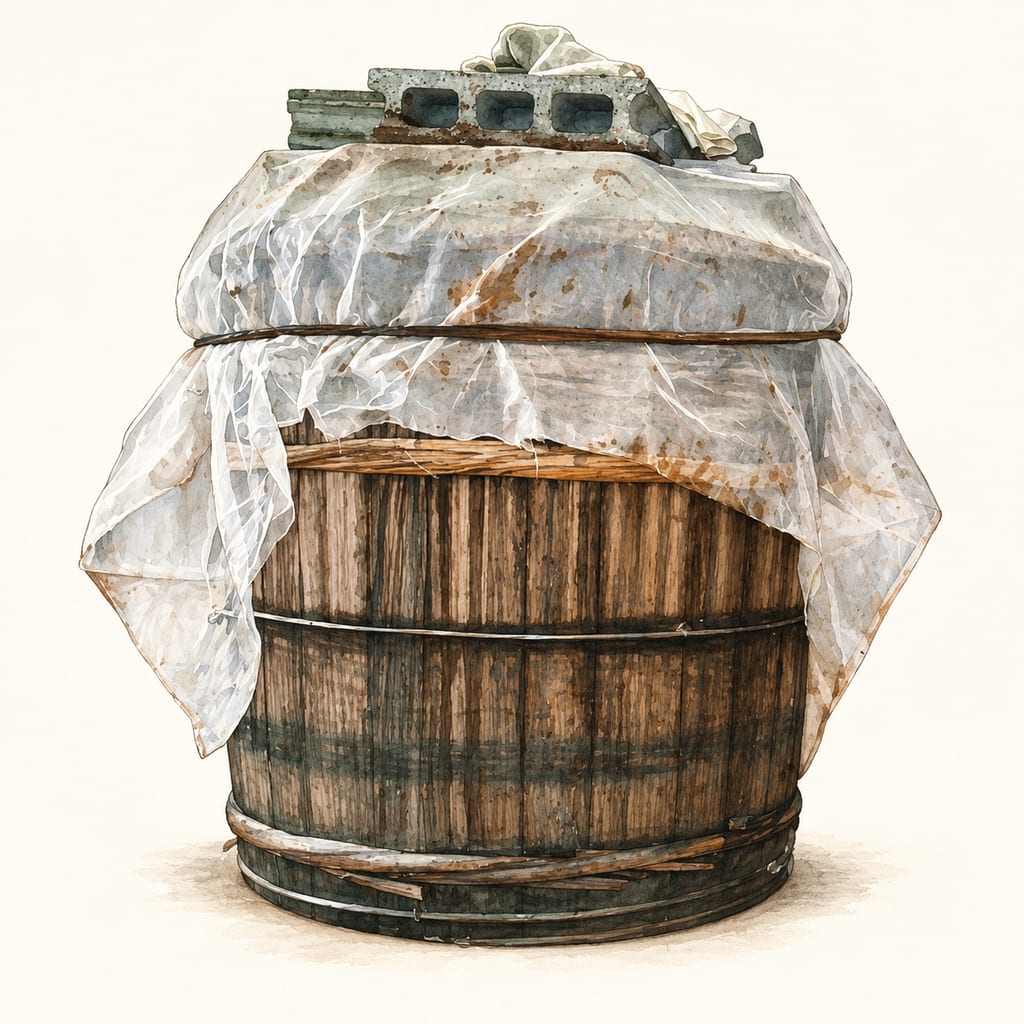
A Goishicha weighted tub holds tea leaves and steaming liquor during the second, wet fermentation stage in Ōtoyo, Kōchi. A current producer photograph documents one covered wooden tub under concrete-block weight.
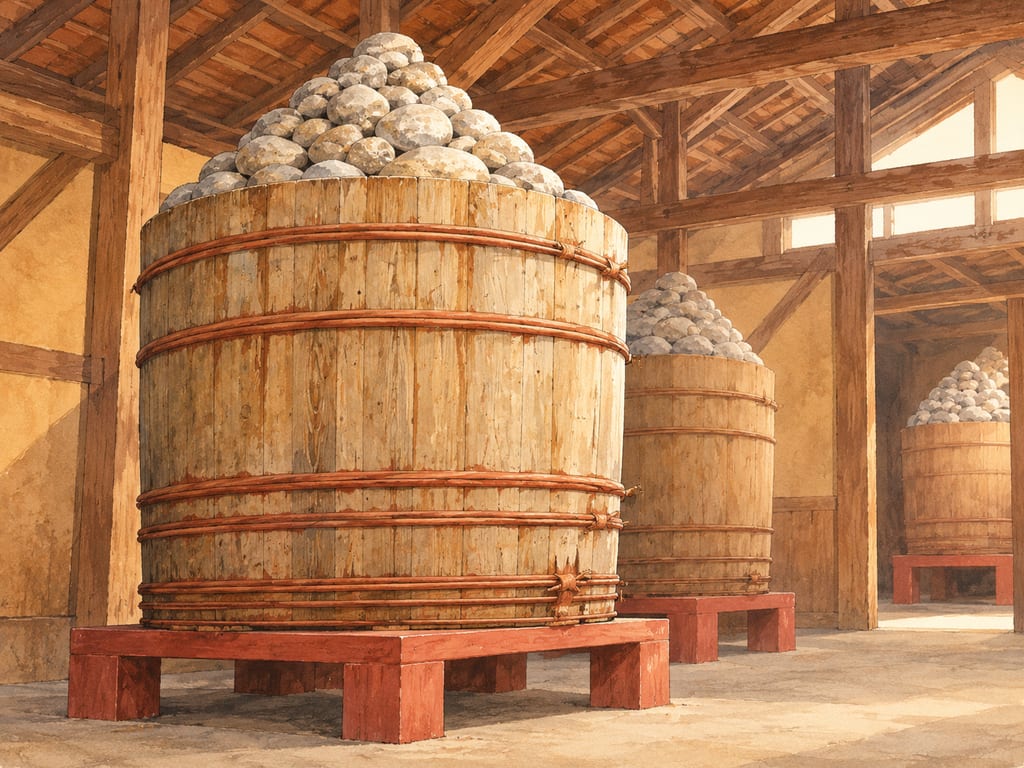
A coopered wooden kioke used by Kakukyu in Okazaki for Hatcho miso: a broad vat capped with a carefully stacked pyramid of river stones during maturation lasting more than two years.
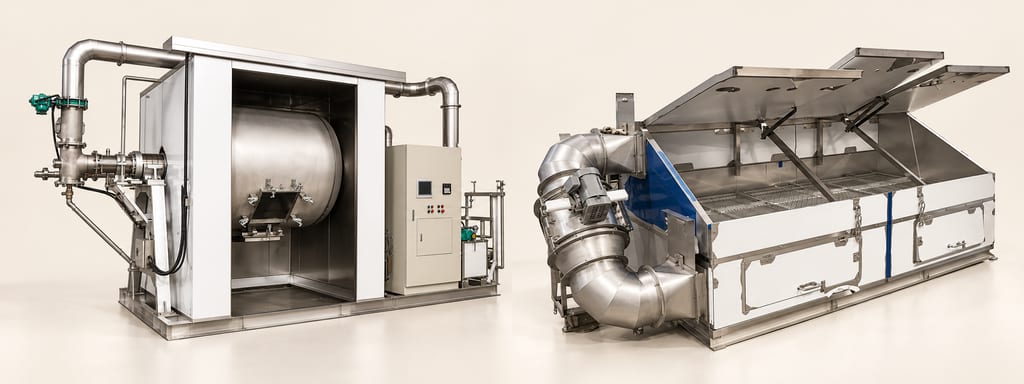
Industrial koji machines cultivate mold on prepared grain before sake, shochu, miso or soy-sauce production. Commercial designs include rotating drums and aerated beds.

Soft, spreadable Calabrian pork sausage made with a great deal of red chilli and fatty pork, stuffed into natural casings, sometimes smoked and matured while staying soft.

A way to add independent temperature logging to an existing food dehydrator without changing its built-in controls or protections. It is a monitoring method, not a rewiring plan.

Pleurotus cystidiosus is the abalone mushroom, a cultivated oyster-type fungus with dark brown caps that grows more slowly and is more demanding than other Pleurotus species.

A dark, balanced vinegar from Emilia-Romagna made by combining cooked or concentrated grape must with wine vinegar, then acetifying and refining it in wood under a protected specification.

A living dairy inoculum that starts controlled cream fermentation, developing acidity and aroma before sour cream or cultured butter is finished.

Adygean salt is a seasoned table salt associated with Adygea and the wider North Caucasian culinary tradition. Salt is blended with garlic and a variable selection of herbs and spices; the exact mix depends on the named style and maker.

The African Caesar-group mushroom, Amanita masasiensis, is a wild ectomycorrhizal species of central and southern African woodlands, eaten locally. The genus contains deadly poisonous species, so identification needs care.
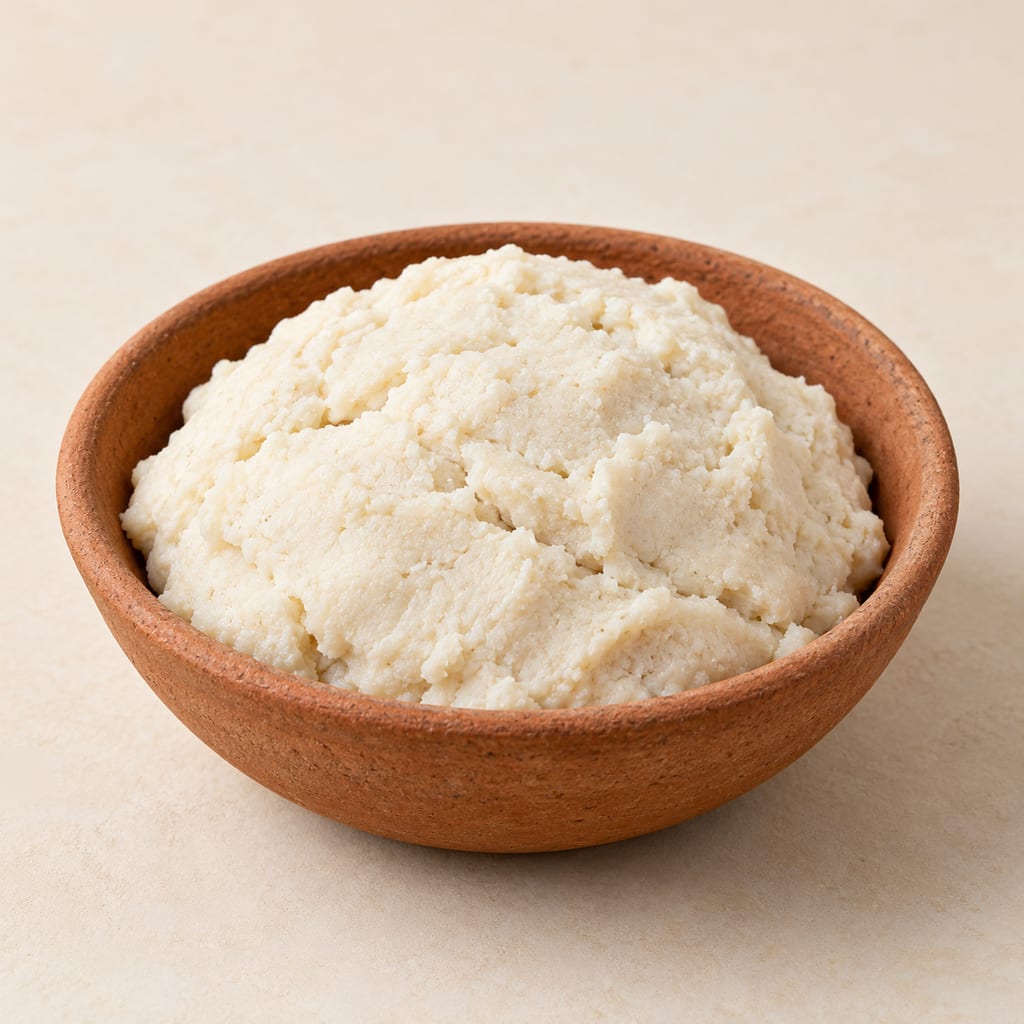
Ghanaian sour cassava dough fermented with traditional inoculum and drained during fermentation. It is used as a base for cooked foods such as banku and akple; process variants and safety outcomes differ.
No community contributions have been published for this entry yet.
Sign in to contribute. Published comments and photos are free to read.
Marukome Co., Ltd.Documented use · Temperature handling · Safety
How to make koji amazakeMarukome's rice-cooker method manages koji amazake at 50–60 °C with the lid open under a cloth, checking and stirring for 5–10 hours.
It warns that cooker temperatures vary by model and recommends consulting the manual and measuring with a thermometer.
Cited in: A modern pot with a second setting; Koji amazake: monitor an open warm hold; Use the right control for the stage
MaangchiDocumented use · Korean recipe · Temperature
Rice punch (Sikhye: 식혜)Maangchi documents rice cooked in a rice cooker, then held with settled barley-malt water on the warming setting; check at four hours and extend if needed.
The recipe also describes a pot-on-stove method and says its warming period is for amylase conversion rather than cooking; cooker brand and temperature are not specified.
Cited in: Korean malt-and-rice preparations
MaangchiDocumented use · Korean recipe
Homemade rice syrup (Ssal-jocheong)This Korean rice syrup recipe uses a rice cooker warm stage for six hours, then strains the liquid and reduces it with the lid open in the cooker.
The recipe is a documented use example, not evidence that every model has the same temperature or control.
Cited in: Korean malt-and-rice preparations
Wikimedia CommonsVisual reference · Construction
File:E reiskocher.JPGThe 2005 photograph shows one electric rice cooker disassembled: outer housing, removable inner bowl, steam insert and opened lid.
The uploader dedicated the image to the public domain. The image documents this particular modern product, not all cooker forms.
Cited in: A modern pot with a second setting
Marukome Co., Ltd.Temperature handling · Model variation
Temperature setting when making amazake in a rice cookerMarukome's FAQ says rice-cooker keep-warm temperatures differ by model, recommends a thermometer and manual, and gives steps for adjusting the lid if the mixture is too hot or cool.
Cited in: Use the right control for the stage
Instant PotModel specification · Temperature
Programmable Electric Pressure Cooker User Manual, Models IP-DUO60/80This manual specifies Keep Warm at 145–172 °F (63–78 °C) for the named Instant Pot Duo model family; this is an example specification, not a rice-cooker standard.
Cited in: Use the right control for the stage