Built structures
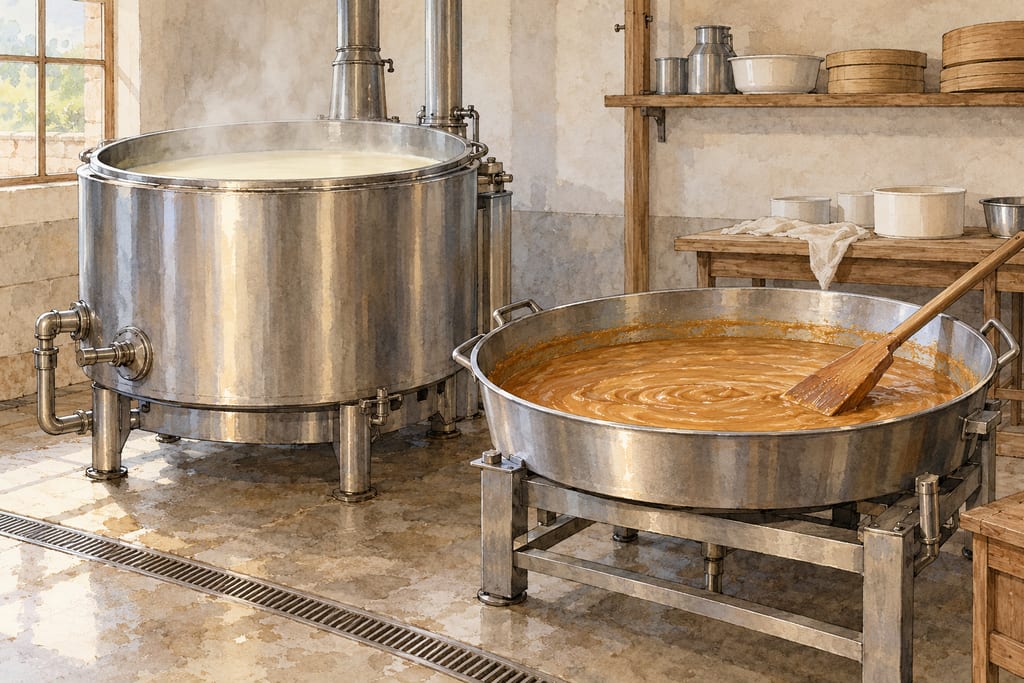
Brewer for bulk work and a finishing pan
The kettle heats and reduces a large volume of thin liquid such as whey; before it nears the brewer's minimum fill the batch moves to a wide pan for the thick, stirred finish.
 FermenteaWhere food goes to change
626 sourced equipment pages: vessels, tools, appliances and built structures.
The kettle heats and reduces a large volume of thin liquid such as whey; before it nears the brewer's minimum fill the batch moves to a wide pan for the thick, stirred finish.
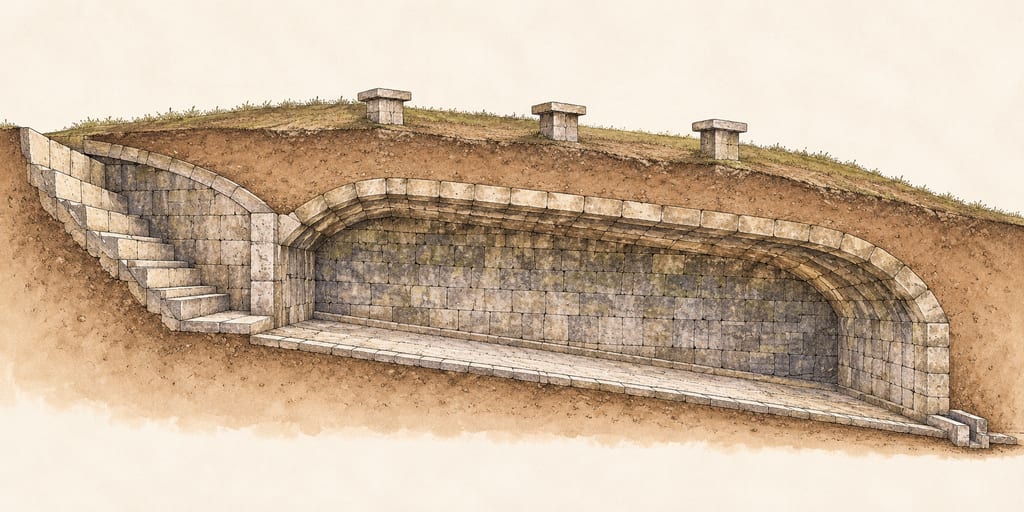
Gyeongju Seokbinggo is a Joseon-era semi-subterranean stone ice store at Wolseong in Gyeongju, Korea. The surviving stone structure dates to 1738 and was moved to its present site four years later.
Show on map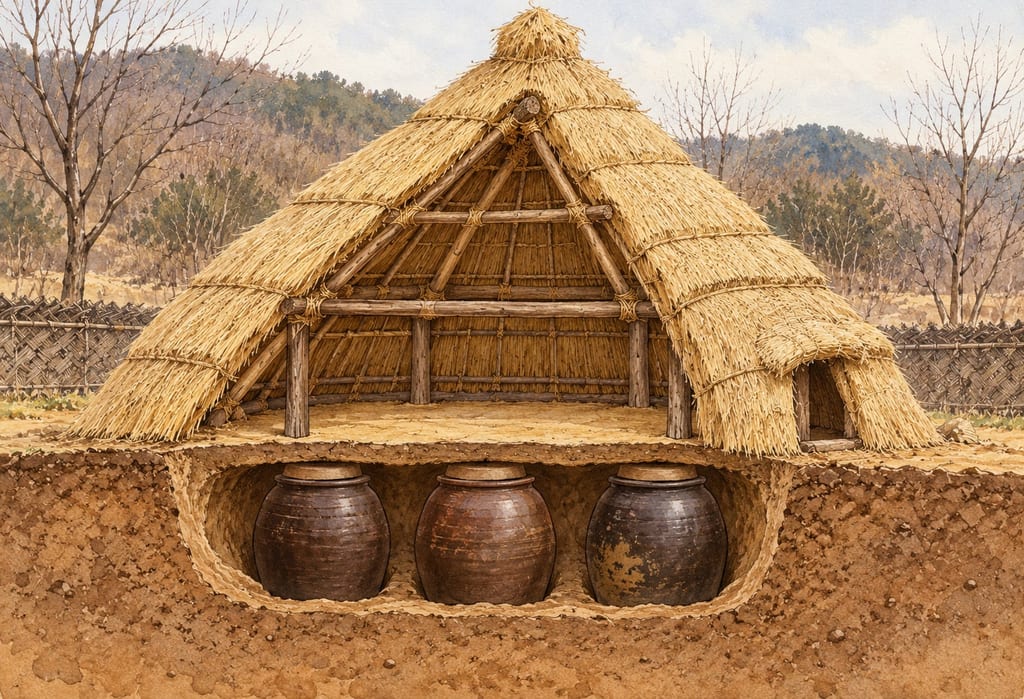
A Kimchi-gwang is a small storehouse built over buried kimchi jars. Korean references describe a framed, thatch-roofed shelter with a tight side entrance, mainly in Gyeonggi-do.
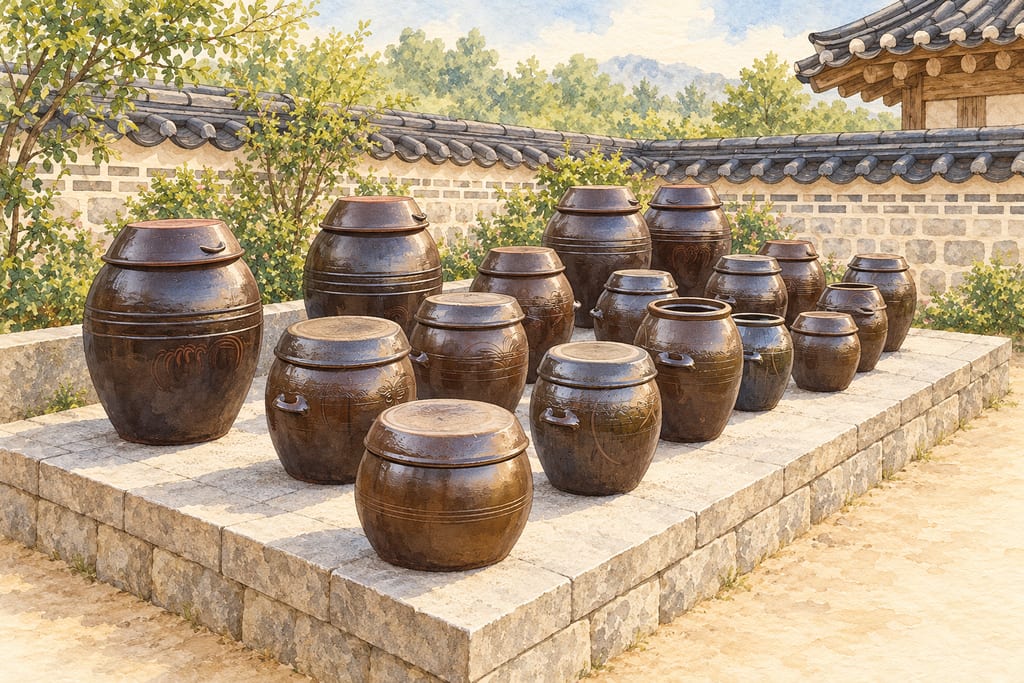
An outdoor platform where households arrange onggi jars for fermenting, aging and storing Korean jang sauces. Platform materials and layouts vary; no single standard design is established.
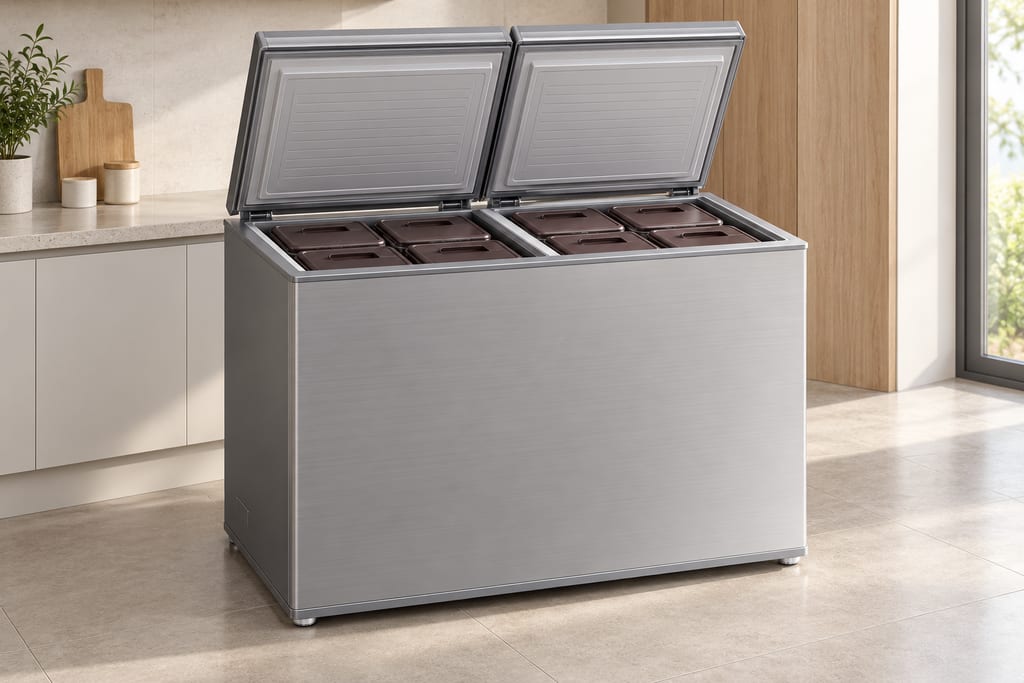
A Korean kimchi refrigerator uses separate cooled compartments and removable lidded bins to ferment or hold kimchi. Models vary; it is a modern appliance, not an onggi or buried crock.
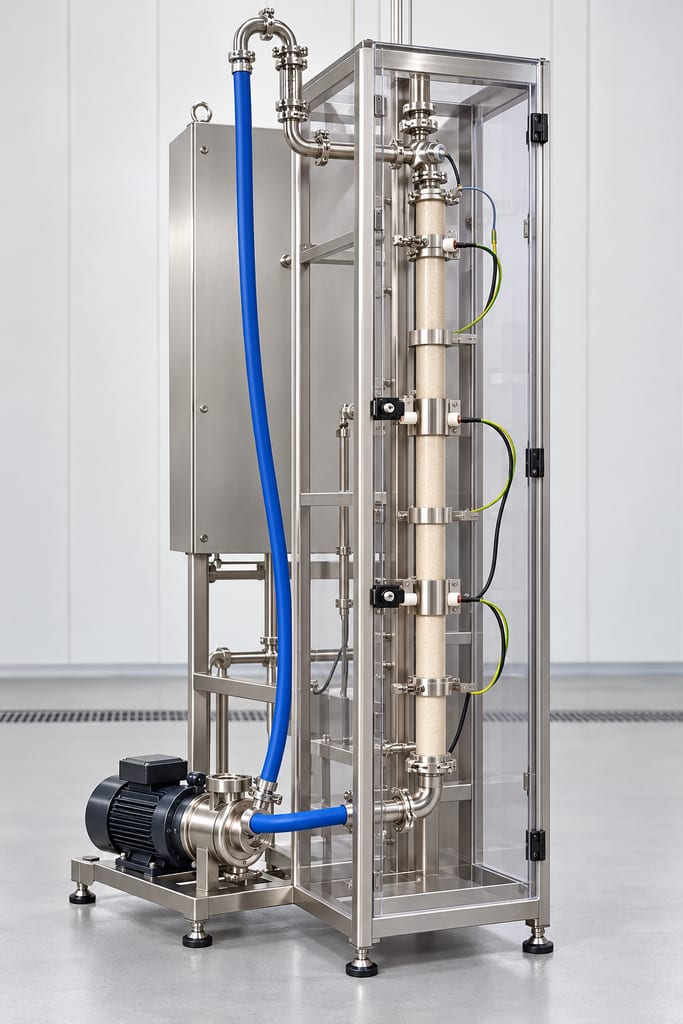
An ohmic heater passes electric current through conductive food so electrical resistance generates heat inside the product.
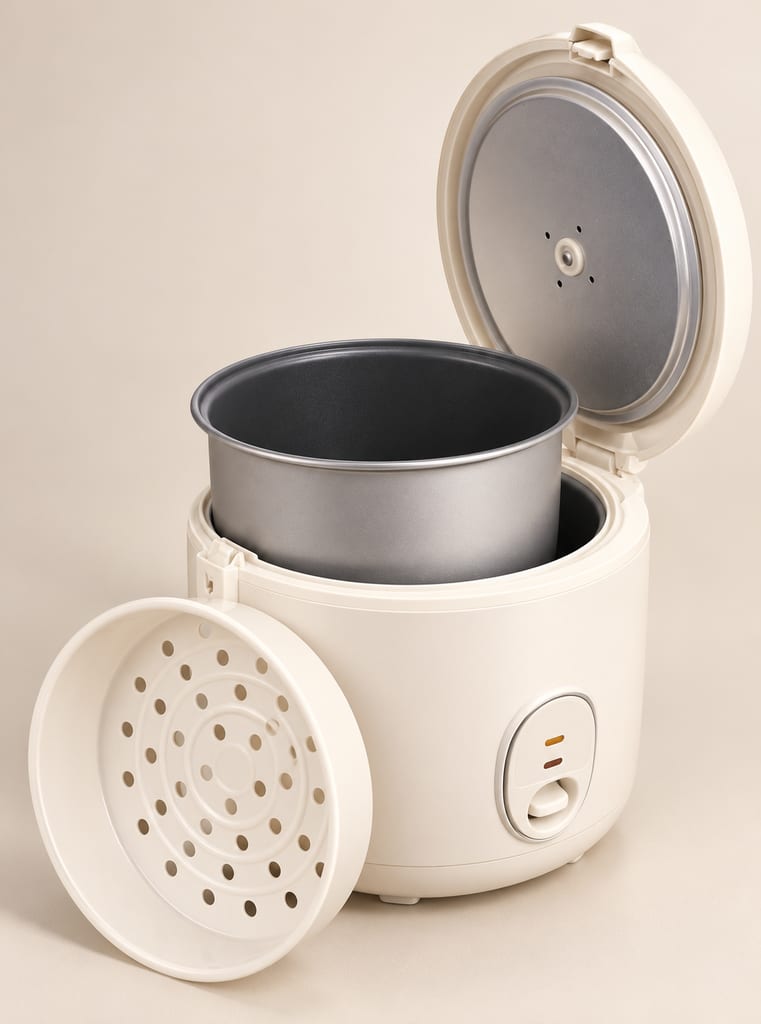
A modern electric pot that cooks rice and may provide a model-specific keep-warm stage. Documented Japanese and Korean recipes use it for koji amazake, sikhye and ssal-jocheong; measure warm settings rather than assume.
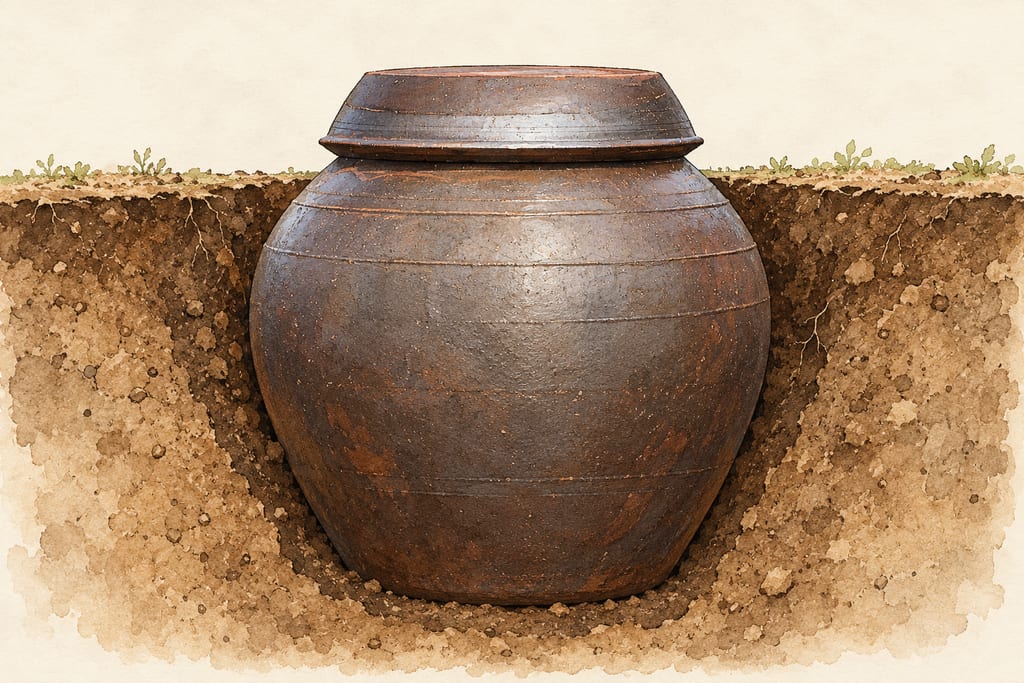
A traditional Korean onggi used in winter kimjang for kimchi storage could be buried to moderate temperature. The sources support the practice but not one standard burial depth or jar profile.
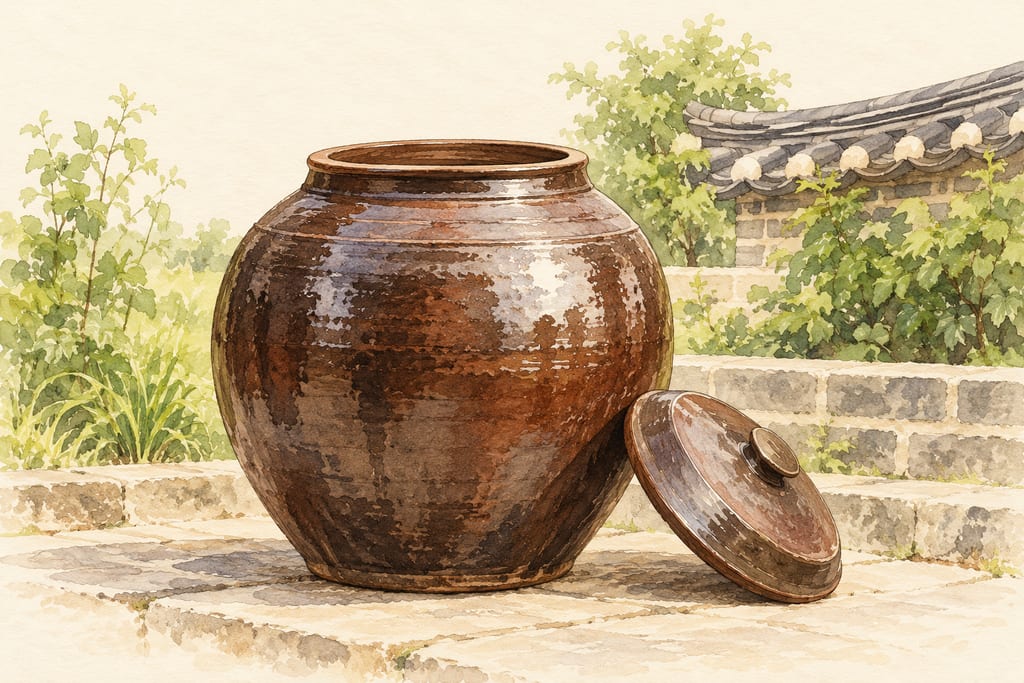
Korean earthenware jars, glazed or unglazed, used to ferment and store kimchi, soy sauces and pastes. Their form and wall properties vary with the potter, firing and intended use.