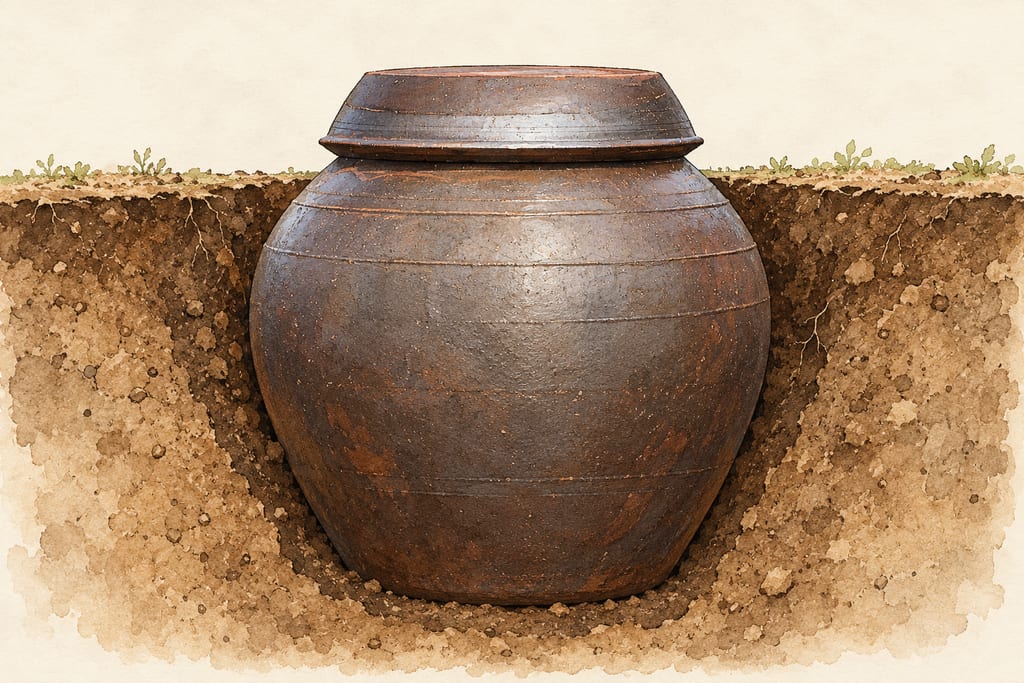
Buried winter kimchi jar
A traditional Korean onggi used in winter kimjang for kimchi storage could be buried to moderate temperature. The sources support the practice but not one standard burial depth or jar profile.
 FermenteaWhere food goes to change
Equipment · Jars, pots and crocks
옹기
Korean earthenware jars, glazed or unglazed, used to ferment and store kimchi, soy sauces and pastes. Their form and wall properties vary with the potter, firing and intended use.
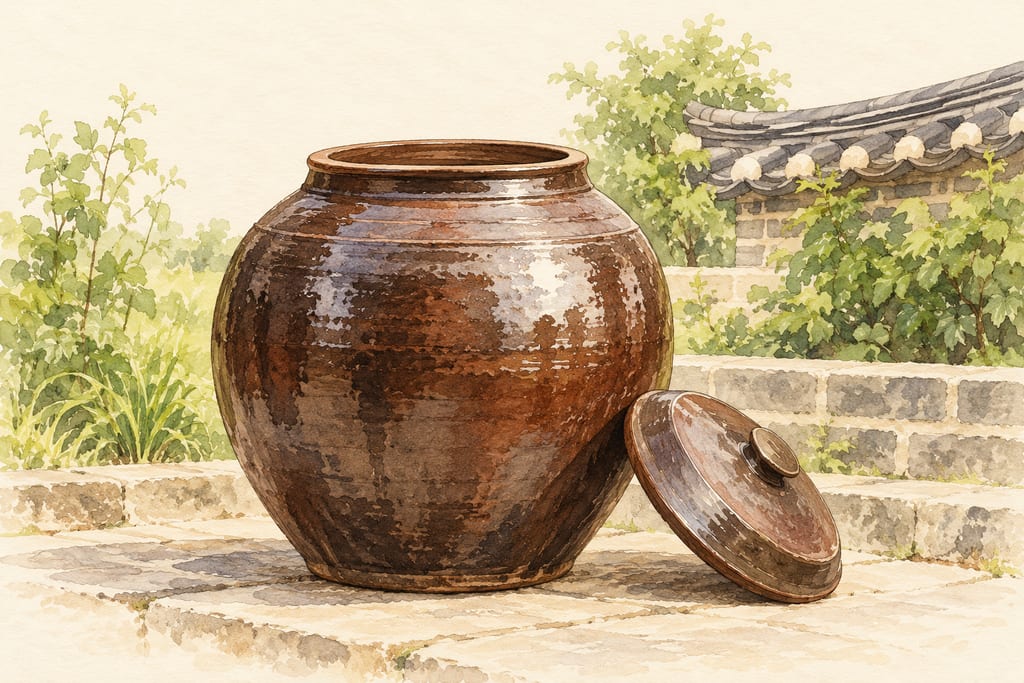
Onggi belongs to Korean domestic pottery rather than to a single standard container. Names such as hangari and dok occur around the storage-jar tradition, and glazed and unglazed examples serve different household jobs. The useful question is which jar, made in which way, is being used for which food.
Fermenting and keeping kimchi, soy sauce and soybean pastes are established uses. A jar for one of these jobs is an object made by a potter and then placed where it will be used. The outdoor platform or the pit around a buried jar is part of its setting; it is not the same object as the ceramic container.
The clay body, mouth, shoulder, foot and lid distinguish actual jars more reliably than a generic brown-pot silhouette. Glaze changes the surface, while small marks and differences in form can record how a potter worked the body. Size alone does not identify the intended food or the conditions in which the jar was used.
The large British Museum example gives a concrete comparison: its full height with lid is 113.8 cm, while its mouth is 37 cm across. Its body and lid are separate parts. Those measurements describe a collection object dated 1875–1925; they do not define a size range for all onggi.
The onggi industry includes tools, workshop arrangements and patterns of working as well as the finished vessels. The 1987 field monograph follows that broader setting. Reading a jar only as a fermentation gadget loses the people and production methods that account for its different forms.
A potter-made jar and a modern appliance therefore answer different practical questions. The jar provides a ceramic container and closure, while its surrounding yard, soil or room helps determine the conditions. An electrically controlled refrigerator can alter the environment around a food container; it does not make its wall the same material as onggi.
A comparison of an unglazed onggi and a glass jar found measurable carbon-dioxide transfer through the ceramic wall and faster kimchi fermentation in the tested onggi. It is evidence that the container can affect the gas environment of a ferment, rather than merely hold the ingredients.
The scope of that result matters. The experiment concerned a particular unglazed Jeju vessel and a particular comparison with glass. Firing, glazing, pore structure and the identity of the specimen prevent the result from becoming a rule for every brown jar. Describing onggi as breathing does not mean that its wall selects beneficial gases or guarantees a safe fermentation.
Begin with a vessel whose intended food use and construction are documented. The onggi name covers a pottery tradition broader than food storage, so a historical object’s appearance alone does not establish its suitability for a current batch. The food, the actual jar and its placement need to be considered together.
The associated recipes identify what an individual equipment page is used for. Their process conditions remain with those recipes: the presence of an earthenware jar does not supply an unrecorded salt concentration, fermentation temperature or storage life.
Dated museum objects and a 1987 field monograph document the pottery tradition; contemporary research examines the behaviour of a particular unglazed jar. Those records do not establish a first invention date for every vessel called onggi.
The carbon-dioxide comparison concerns a particular unglazed Jeju vessel. It does not establish identical permeability or fermentation speed for every glazed or unglazed onggi.
Source →An object called onggi is not necessarily a food jar: the pottery tradition also includes objects made for other uses. Identify the intended use of the particular vessel.
Source →The cited field study surveyed workshops in South Korean provinces. This documents use and production, without assigning an exclusive birthplace to the whole tradition.
A traditional Korean onggi used in winter kimjang for kimchi storage could be buried to moderate temperature. The sources support the practice but not one standard burial depth or jar profile.
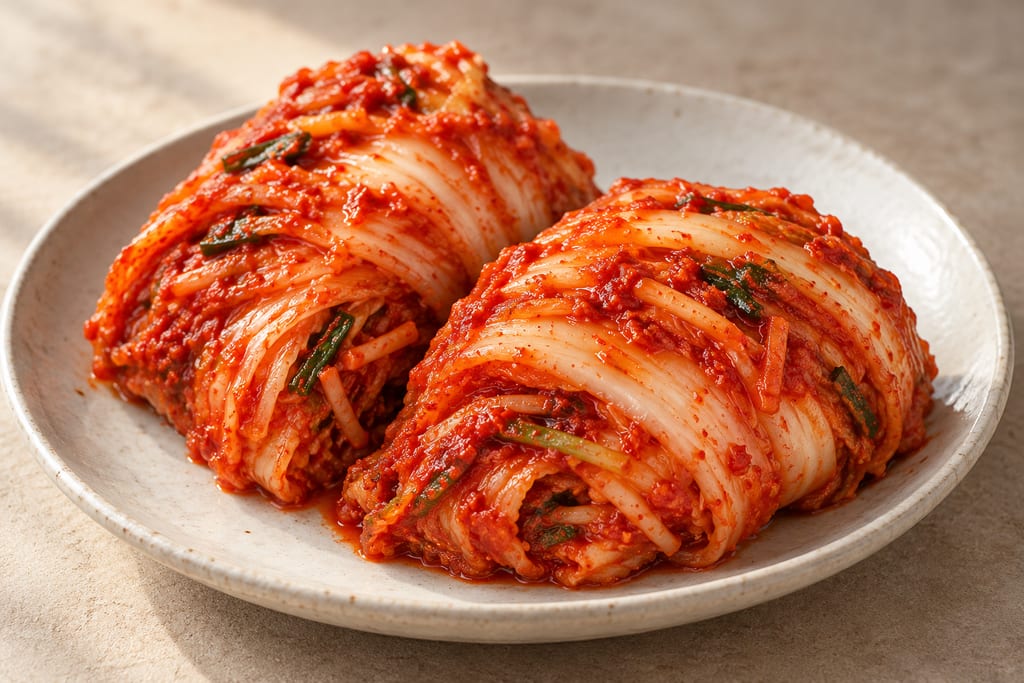
Napa cabbage salted, seasoned with a paste of gochugaru, garlic, ginger and salted seafood, and left to sour through lactic fermentation; Korea's everyday winter preserve.
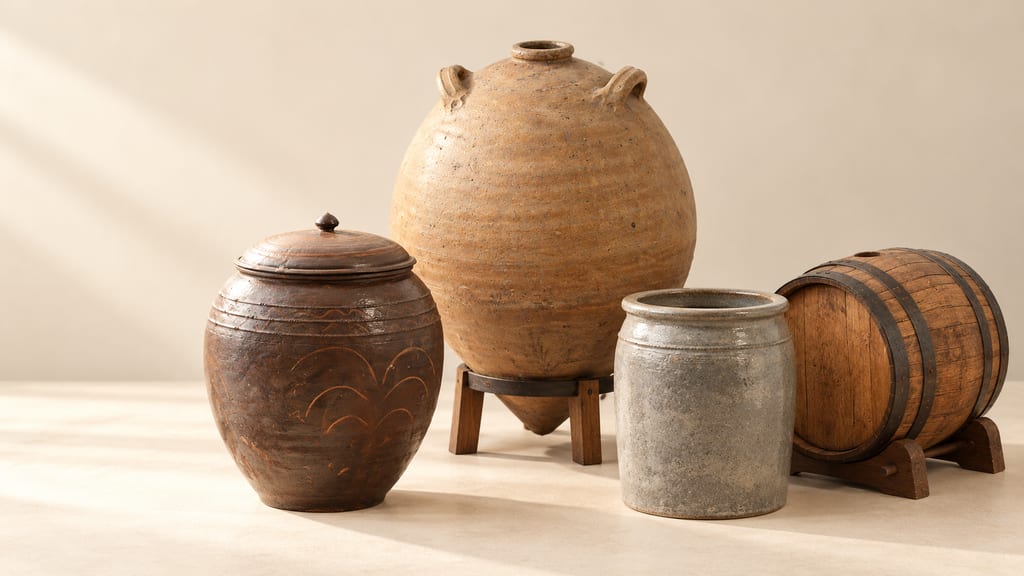
Jars, barrels, skins, leaves, pits and whole rooms decide much of what happens to fermented and cured food. This is how a container works on its contents, and how people in different places chose theirs.
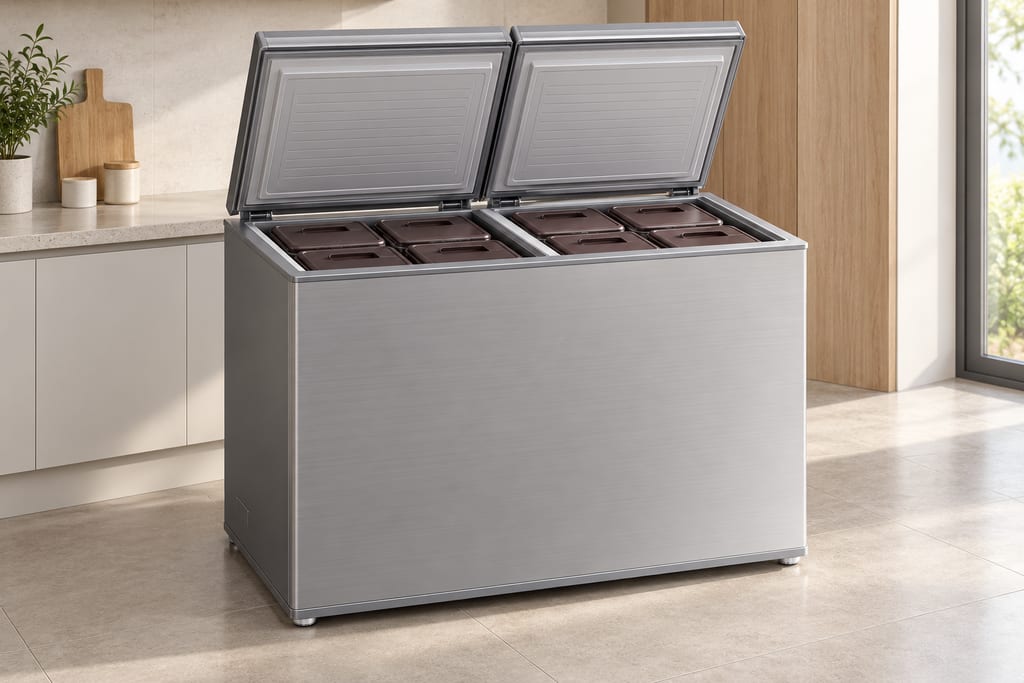
A Korean kimchi refrigerator uses separate cooled compartments and removable lidded bins to ferment or hold kimchi. Models vary; it is a modern appliance, not an onggi or buried crock.
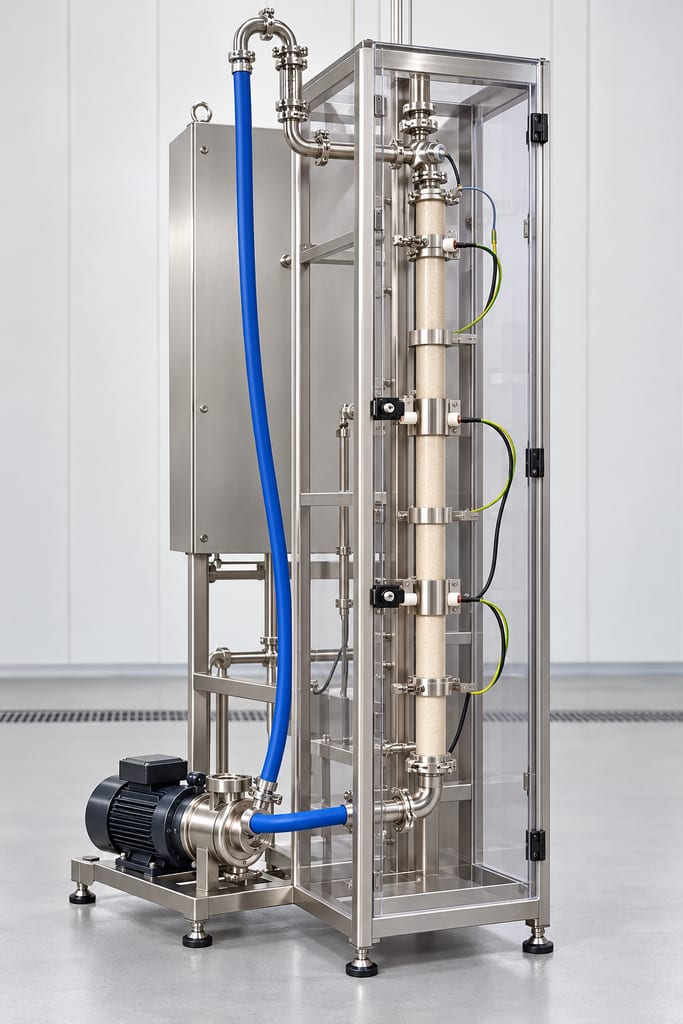
An ohmic heater passes electric current through conductive food so electrical resistance generates heat inside the product.
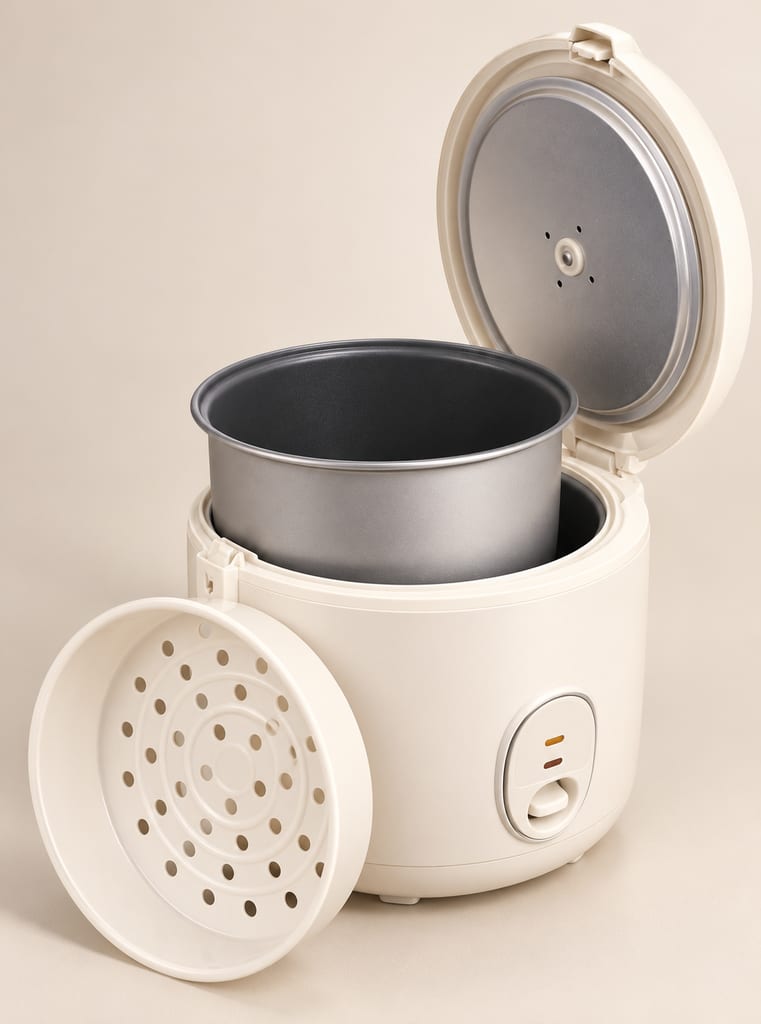
A modern electric pot that cooks rice and may provide a model-specific keep-warm stage. Documented Japanese and Korean recipes use it for koji amazake, sikhye and ssal-jocheong; measure warm settings rather than assume.
No community contributions have been published for this entry yet.
Sign in to contribute. Published comments and photos are free to read.
British MuseumHistory · Equipment
Lidded onggi jar, museum number 1990,1114.9.a-bIndividual object dated 1875–1925, fabrication, dimensions and documented uses.
Cited in: A family of working jars; Recognising a particular vessel; Choosing by the job
Smithsonian InstitutionHistory · Equipment
The Korean Onggi Potter — Robert Sayers with Ralph Rinzler (1987)Pottery production, domestic uses and fieldwork across South Korean workshops.
Cited in: A family of working jars; A potter’s vessel and a household’s equipment; Choosing by the job
Sujin Kim and David L. Hu; Journal of the Royal Society Interface (2023)Equipment · Method
Onggi’s permeability to carbon dioxide accelerates kimchi fermentationThe source-supplied comparison between a particular unglazed vessel and glass, with limits on generalisation.
Cited in: A family of working jars; A potter’s vessel and a household’s equipment; What the porous wall can change; Choosing by the job