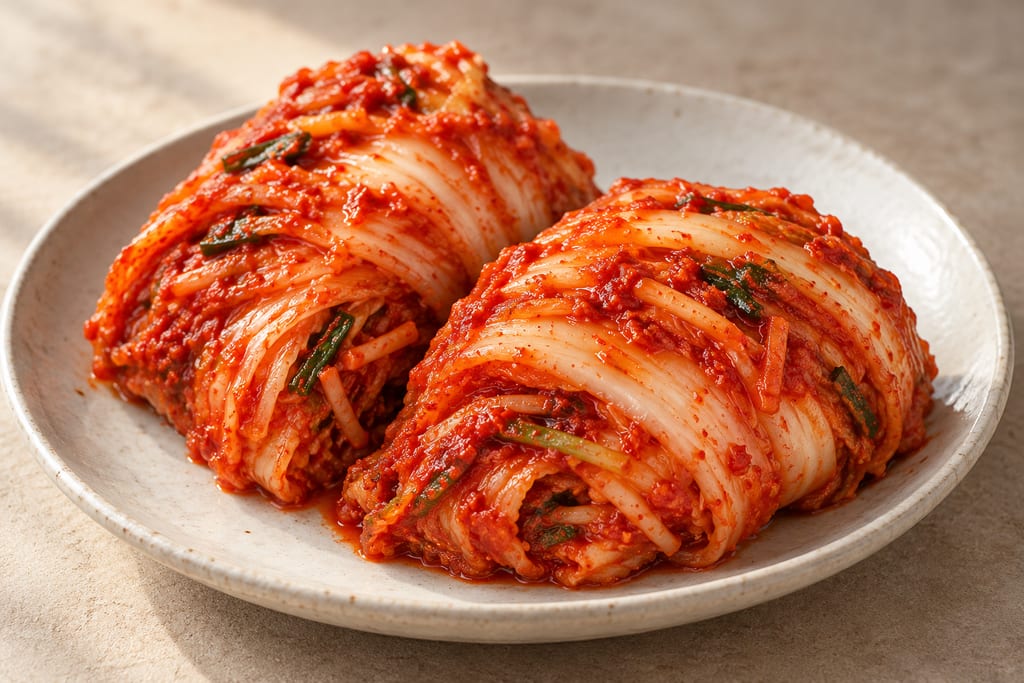
Baechu kimchi
Napa cabbage salted, seasoned with a paste of gochugaru, garlic, ginger and salted seafood, and left to sour through lactic fermentation; Korea's everyday winter preserve.
 FermenteaWhere food goes to change
Equipment · All-in-one appliances
김치냉장고
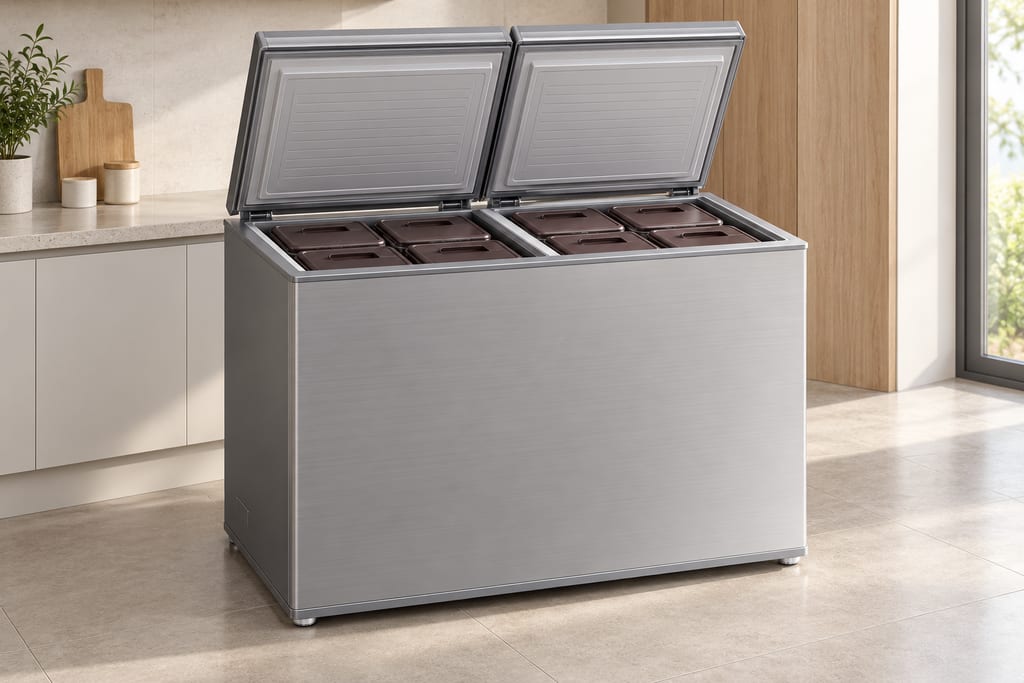
A Korean kimchi refrigerator uses separate cooled compartments and removable lidded bins to ferment or hold kimchi. Models vary; it is a modern appliance, not an onggi or buried crock.
Kimchi refrigerators belong to a modern Korean history of changing homes and food storage. Kimchi was traditionally kept in vessels such as onggi, often buried to moderate seasonal temperature changes. As urban apartment living spread through South Korea during the 1960s and 1970s, households had less access to the ground and outdoor space used by older storage practices. The move toward a dedicated electric appliance was one response among several, not a sudden disappearance of jars or household variation. A historical study identifies a Goldstar appliance manufactured in 1984 as the first electric product known as a kimchi refrigerator.
The continuity is the effort to manage kimchi's ripening and keep it available; the method is different. An onggi is a porous fired-clay vessel whose material and placement matter. A refrigerator is an insulated, powered cabinet that controls its internal conditions through refrigeration and model-specific settings. It cannot recreate the vessel, soil, seasonal rhythm, or microbial surroundings of buried storage.
The name 김치냉장고 covers more than one appliance layout. Chest versions open from the top and may divide the interior into separate compartments. Upright products with drawers are another form; they should not be blended with a chest appliance in a picture or description. Even within one manufacturer's range, the containers, count, lids, materials, controls and modes vary by model and generation.
One Samsung US chest model, the RP22T31137Z, is specified with two compartments and four containers in each. The arrangement offers a practical way to separate batches or keep containers accessible while limiting the need to open the whole appliance. That specification describes the named model only. Samsung's Korean RP22C3231Z3 listing is a separate contemporary top-loading example and explicitly notes that kimchi-container type and count vary among models. Its product page also describes left/right compartments and tailored storage modes. Neither model establishes a single standard design.
A dedicated appliance can offer separate compartments and selectable modes for fermentation or preservation. The selected program shapes how the appliance manages cooling; it is not a recipe in itself. A particular manufacturer's mode names, operating range and behavior must be checked in the manual for the exact appliance. Avoid transferring a temperature range, bin arrangement, capacity or mode from one model to another.
A recipe remains responsible for the food and its process. The refrigerator does not confirm that a batch was prepared correctly, prove that fermentation has reached a safe endpoint, or make a display reading equivalent to the temperature inside every loaded container. Batch size, contents, placement and repeated opening can affect conditions. Use clean, compatible containers, keep lids and seals as the manual directs, and follow the recipe's handling instructions rather than treating the appliance as a safety guarantee.
The published baechu-kimchi recipe is a relevant companion: its cabbage is salted and seasoned before souring through lactic fermentation. A kimchi refrigerator may be used as a contemporary option for managing fermentation or holding a prepared batch, but it is not presented as a required traditional step. Its role is the controlled cold enclosure around the container, while ingredients and recipe method determine the batch.
Choose by the required use and the exact model's documented capabilities. Check compartment layout, bin compatibility, modes, settings, electrical requirements and service instructions. Do not assume that removable containers from one model fit another, or that the number of bins shown in a photograph is typical. A top-opening chest has a different loading pattern from an upright drawer model, even if both are sold as kimchi refrigerators.
The appliance is a modern Korean adaptation with an identifiable 1984 history. It offers a separate, managed space in homes where buried storage may be impractical, but it is not an electronic onggi. The older vessel's clay and soil relationship and the refrigerator's engineered compartments are different material systems. Describing both as ways households manage kimchi storage preserves the historical connection without claiming that one reproduces the other.
The cited history places the first electric kimchi refrigerator in South Korea; no exact locality or universal current manufacturing geography is claimed.
Napa cabbage salted, seasoned with a paste of gochugaru, garlic, ginger and salted seafood, and left to sour through lactic fermentation; Korea's everyday winter preserve.
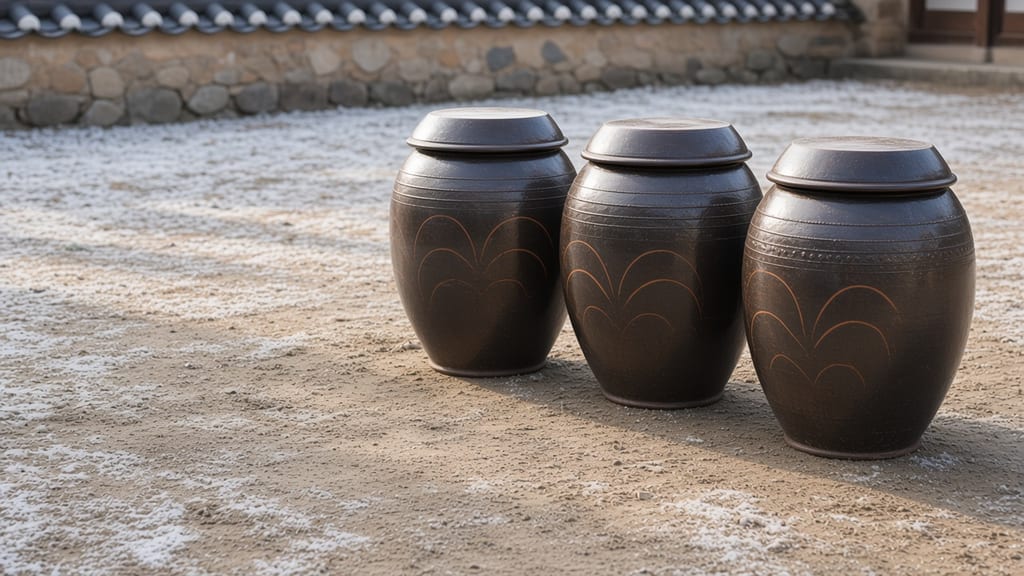
In 1766 chilli entered a Korean kimchi recipe for the first time. Joseon households made winter kimchi in late autumn and kept it in onggi jars buried in straw, at a few degrees above freezing until spring.
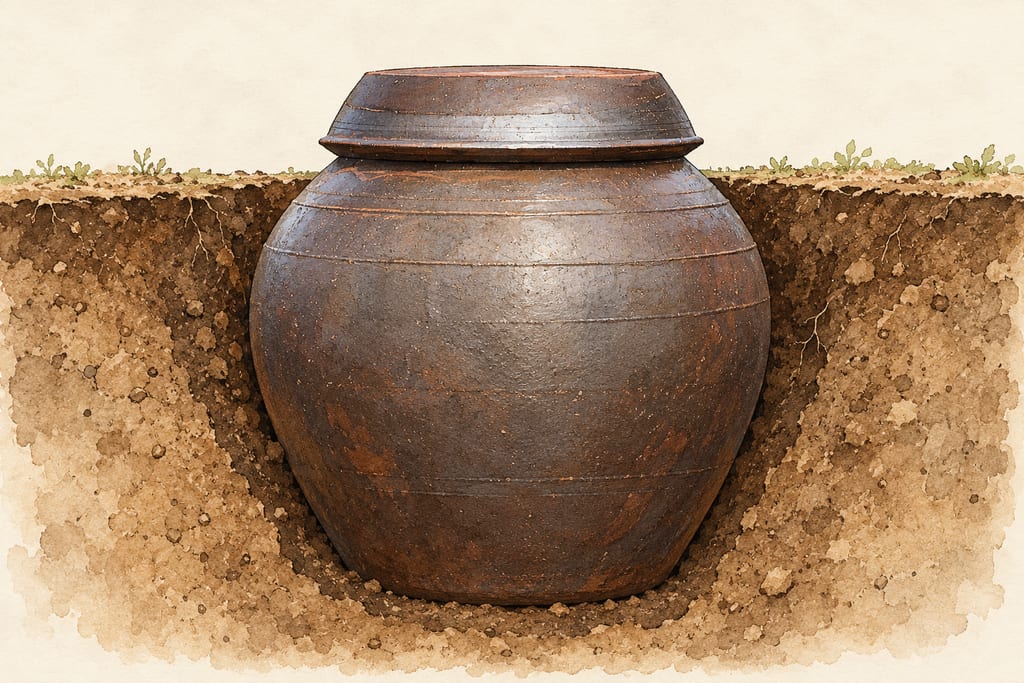
A traditional Korean onggi used in winter kimjang for kimchi storage could be buried to moderate temperature. The sources support the practice but not one standard burial depth or jar profile.
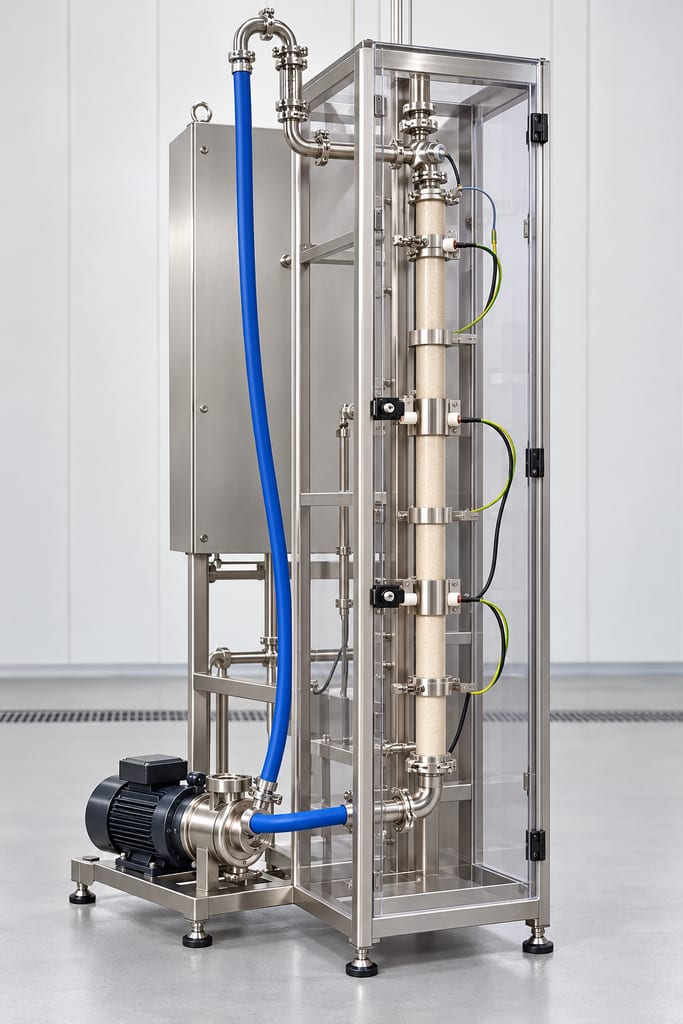
An ohmic heater passes electric current through conductive food so electrical resistance generates heat inside the product.
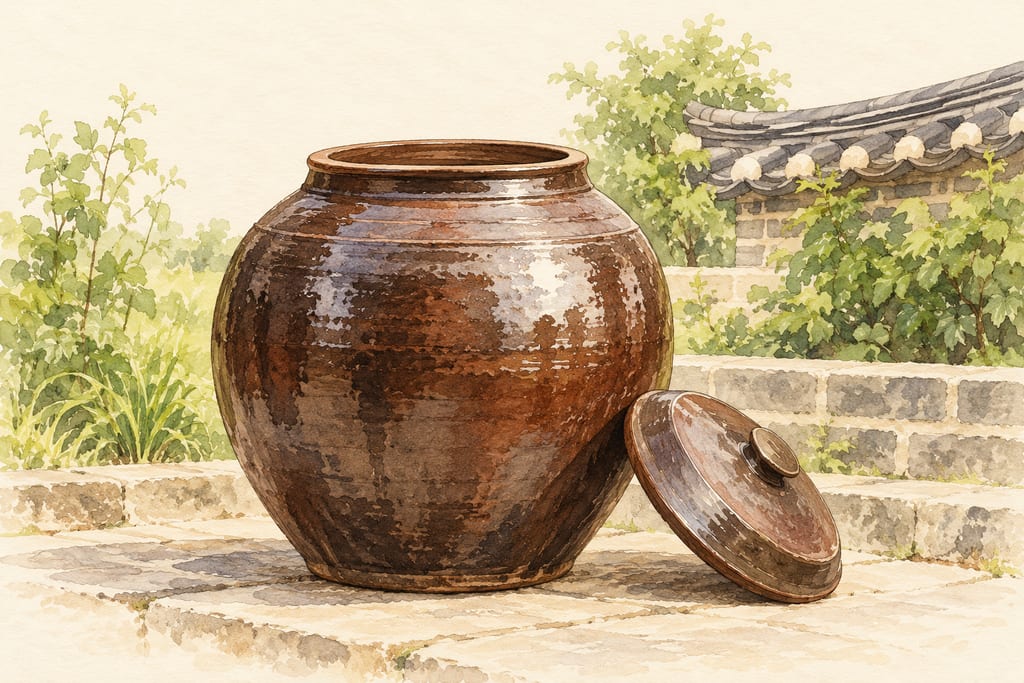
Korean earthenware jars, glazed or unglazed, used to ferment and store kimchi, soy sauces and pastes. Their form and wall properties vary with the potter, firing and intended use.
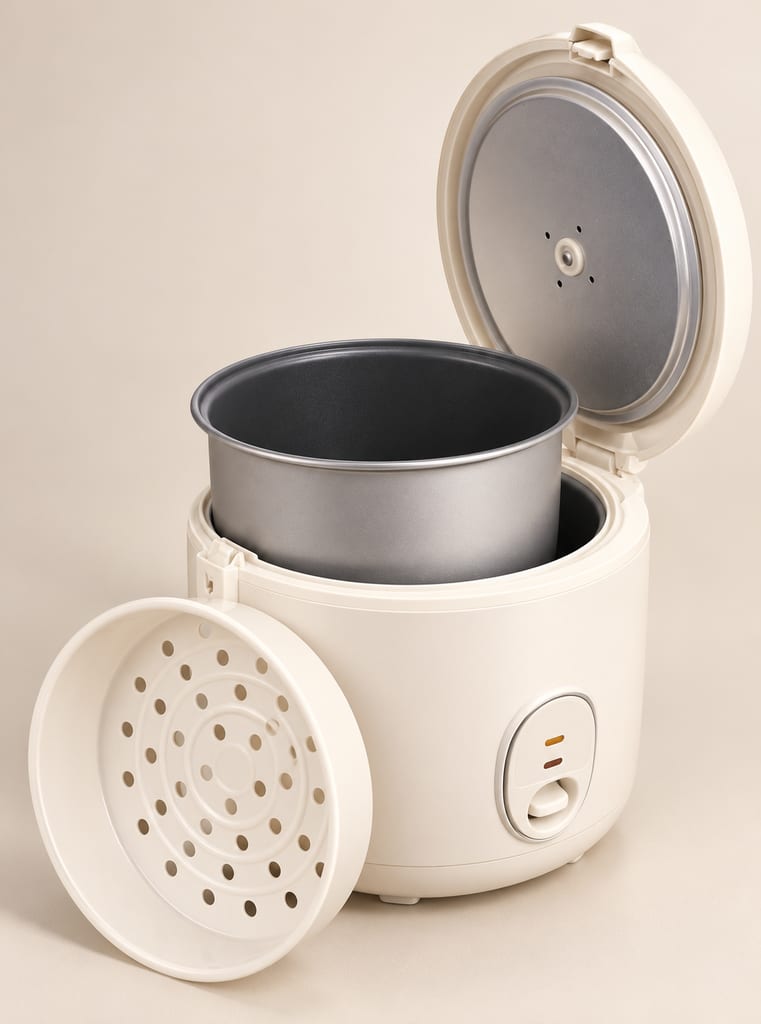
A modern electric pot that cooks rice and may provide a model-specific keep-warm stage. Documented Japanese and Korean recipes use it for koji amazake, sikhye and ssal-jocheong; measure warm settings rather than assume.

Soft, spreadable Calabrian pork sausage made with a great deal of red chilli and fatty pork, stuffed into natural casings, sometimes smoked and matured while staying soft.

A way to add independent temperature logging to an existing food dehydrator without changing its built-in controls or protections. It is a monitoring method, not a rewiring plan.

Pleurotus cystidiosus is the abalone mushroom, a cultivated oyster-type fungus with dark brown caps that grows more slowly and is more demanding than other Pleurotus species.

A dark, balanced vinegar from Emilia-Romagna made by combining cooked or concentrated grape must with wine vinegar, then acetifying and refining it in wood under a protected specification.

A living dairy inoculum that starts controlled cream fermentation, developing acidity and aroma before sour cream or cultured butter is finished.

A small electric incubator holds jars at a selected temperature for yogurt and other documented warm food preparations. Controls, capacity and vessel arrangement vary by model.

Adygean salt is a seasoned table salt associated with Adygea and the wider North Caucasian culinary tradition. Salt is blended with garlic and a variable selection of herbs and spices; the exact mix depends on the named style and maker.

The African Caesar-group mushroom, Amanita masasiensis, is a wild ectomycorrhizal species of central and southern African woodlands, eaten locally. The genus contains deadly poisonous species, so identification needs care.
No community contributions have been published for this entry yet.
Sign in to contribute. Published comments and photos are free to read.
Tae-Ho Kim and Hyungsub Choi, Seoul National University of Science and Technology; Food Science and Industry 56(3), 2023History · Geography · Urban housing context
The birth of the kimchi refrigerator: Fermented foods, new living environment, and refrigeration technologyThe article traces the development of the kimchi refrigerator in South Korea amid rapid housing changes in the 1960s and 1970s and the spread of urban apartments, which challenged traditional kimchi-storage methods.
It identifies the first electric appliance known as the kimchi refrigerator as a Goldstar product manufactured in 1984.
Earlier responses included other storage methods; the appliance belongs to a changing history of preservation rather than replacing all traditional practice.
Cited in: From buried storage to a purpose-built appliance; Choosing one without confusing it with a crock
Samsung Electronics AmericaProduct form · Compartment and bin example · Functions
RP22T31137Z Kimchi Chest Refrigerator specificationsThis particular Samsung chest model is specified with two compartments, four containers in each compartment, and multiple selectable modes including Ferment and Preserve.
Specifications describe one model and are not universal for kimchi refrigerators.
Cited in: Chest and drawer forms; Fermenting and holding; Choosing one without confusing it with a crock
Samsung Electronics KoreaCurrent product example · Form · Geography · Container variation
김치플러스 뚜껑형 221L (5면 메탈쿨링) | RP22C3231Z3Current Samsung Korea listing for a 221 L top-loading kimchi refrigerator with separate left and right compartments and different storage modes.
The page says container types and counts vary by model and describes the PP containers for this model family; it does not make those details universal.
Cited in: Chest and drawer forms; Fermenting and holding; Choosing one without confusing it with a crock