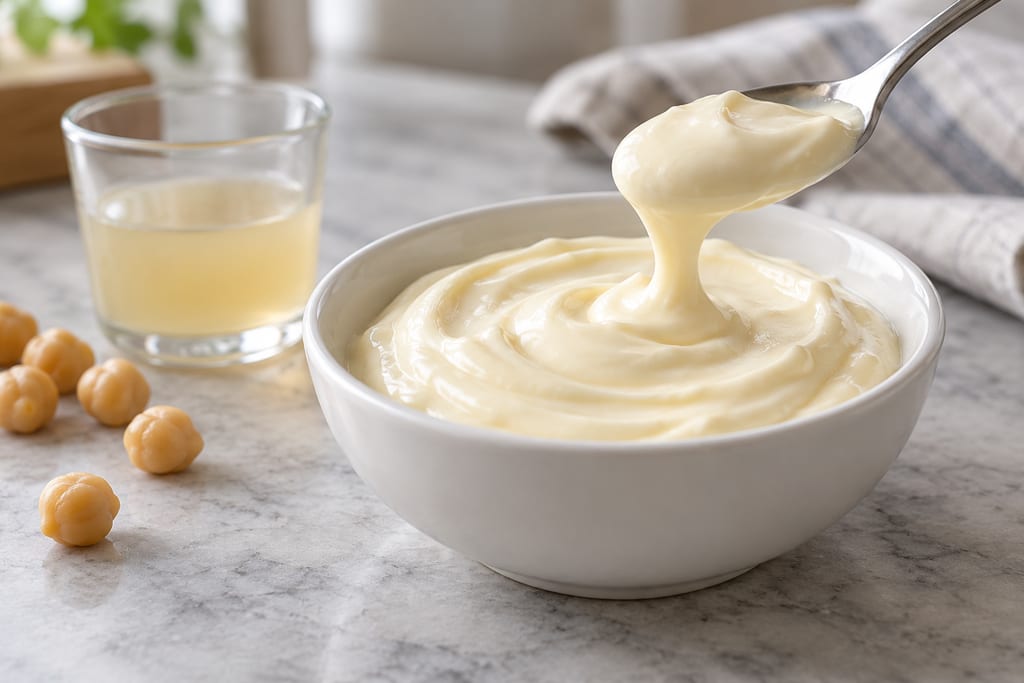
Aquafaba mayonnaise-style sauce
An eggless, untested emulsion made with canned chickpea liquid. Nominal yield 255 g.
 FermenteaWhere food goes to change
Modern method
An untested eggless emulsion made by blending unsweetened soy milk with vinegar and Dijon, then slowly adding neutral oil. The 265 g formula has no validated shelf life.
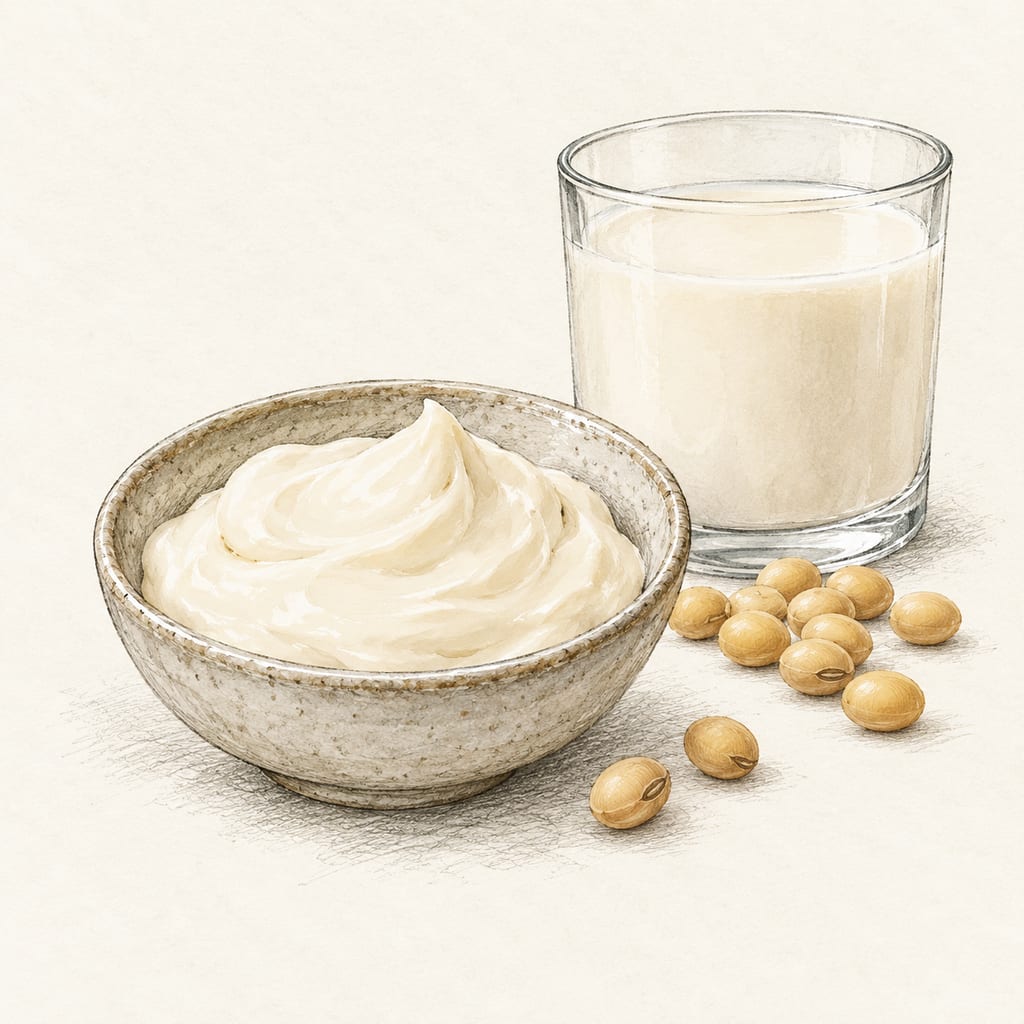
This small, eggless mayonnaise-style sauce is a modern, untested development formula. It combines plain unsweetened commercial soy milk, vinegar, Dijon, salt and sugar, then blends in neutral refined oil. The reported yield is nominally 265 g. The sauce is an emulsion, not a ferment, and the ingredient list does not make it shelf-stable.
A published study examined soy milk as an emulsifier in mayonnaise. The researchers prepared their soy milk from full-fat soy flour and hot water, reported a protein content of 10%, and tested replacement of egg with soy milk at 25%, 50%, 75% and 100%. Their mayonnaise model also included xanthan and guar gums and used controlled mixing equipment. Compared with the egg-yolk control, stability and viscosity declined as the soy-milk share increased; sensory acceptance was reported as similar to the egg control through 50% replacement. The paper appeared online in 2012 and in a 2014 journal issue. These findings show that soy milk can form a mayonnaise-style emulsion under the tested conditions. They do not validate this recipe: its commercial soy beverage, proportions, lack of added gums, home blender and storage conditions differ from the research formulation.
The method combines soy milk, vinegar, Dijon, salt and sugar in a narrow blending vessel before oil is added. With the blender running, the oil is streamed in gradually until the sauce looks creamy. The motor should not be allowed to appreciably warm the mixture. These steps describe the report's proposed home method; they are not the laboratory process from the paper and have not been tested as a safety or performance protocol. The type and protein content of soy beverages vary, so the report asks cooks to keep to the same brand during development. It does not establish that another brand, oat drink or almond drink can be substituted one-for-one.
The listed ingredients suggest a creamy, tangy sauce with mild mustard, a little sweetness and a possible soy note. That description is an expectation based on the formula, not a sensory result: no batch has been tested. The cited research found that formulation changed stability, viscosity, color and sensory scores, which is one reason this recipe does not promise a particular thickness or taste. If a development batch separates or stays thin, the record supplies no validated rescue procedure; changing the soy drink, oil stream, vessel and ingredient ratios together would also make it hard to identify what changed.
Soy is a major food allergen identified by the FDA. This formula also contains Dijon mustard, so check the mustard product and avoid serving the sauce to anyone with a relevant allergy. Removing egg removes the egg hazard but does not establish that the sauce is safe at room temperature or for long storage. Use clean equipment, refrigerate promptly and keep the refrigerator at 4°C or below under general FoodSafety.gov advice. No final pH, pathogen-reduction step or recipe-specific storage life is established. The recipe is not for canning or room-temperature storage.
This is a contemporary experimental sauce inspired by published research on soy milk as a mayonnaise emulsifier. The cited researchers prepared soy milk from full-fat soy flour; that experiment does not date or locate this separate retail-soy-drink formula.
Yield 265 g nominal · Scaling: source batch only
Soy milk is a major food allergen and is a central ingredient in this formula.
Hazard sourceThis uncooked emulsion has no measured microbiological shelf-life or validated final pH, and egg-free composition does not establish shelf stability.
Hazard sourceIdentify soy milk clearly in the ingredient list and avoid serving it to anyone with a soy allergy.
Control sourceUse clean equipment and promptly refrigerate the perishable sauce at 4°C or below. General refrigeration guidance does not establish its safe storage life.
Control sourceContains soy and mustard.
Untested development formula: not kitchen-tested, sensory-validated or shelf-life tested.
Eggless does not mean shelf-stable. This recipe has no measured final pH, validated pathogen reduction or storage duration.
Do not can or store at room temperature.
Published research studies soy milk as a mayonnaise emulsifier but does not locate or date this separate retail-soy-drink formula.
An eggless, untested emulsion made with canned chickpea liquid. Nominal yield 255 g.
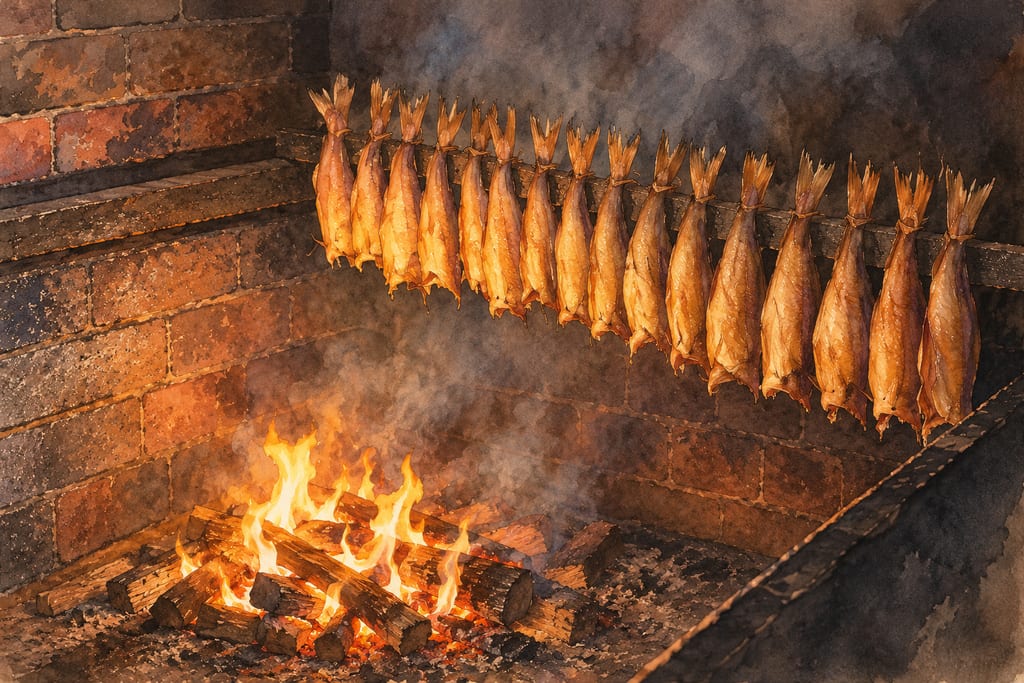
The Arbroath “barrel” is a hardwood-fired smoking pit with triangular rails and a cover. Its documented form belongs to the traditional hot-smoking of haddock around Arbroath and Auchmithie, Scotland.
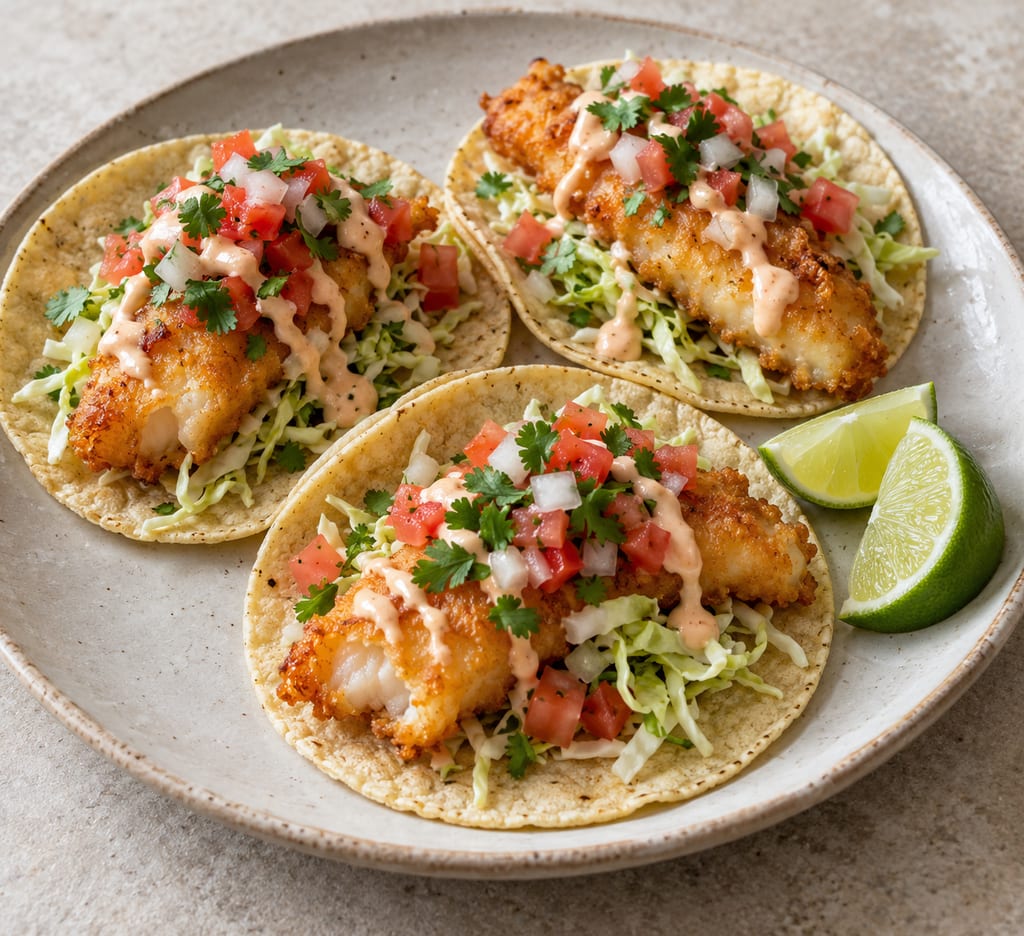
Crisp battered white fish in warm corn tortillas with shredded cabbage, lime and fresh salsa. This home version draws on the Ensenada style without claiming to be a definitive historic formula.
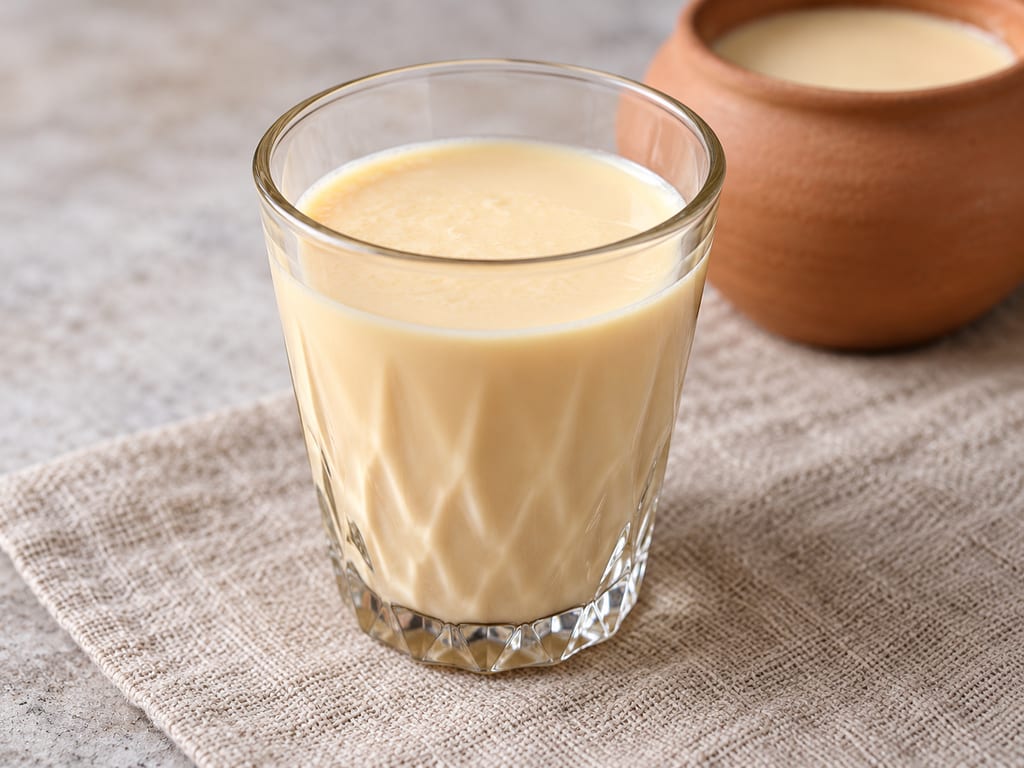
Baked milk is an Eastern European preparation of milk held at high heat for hours until it turns cream-coloured with a cooked, mildly sweet flavour, without any fermentation.
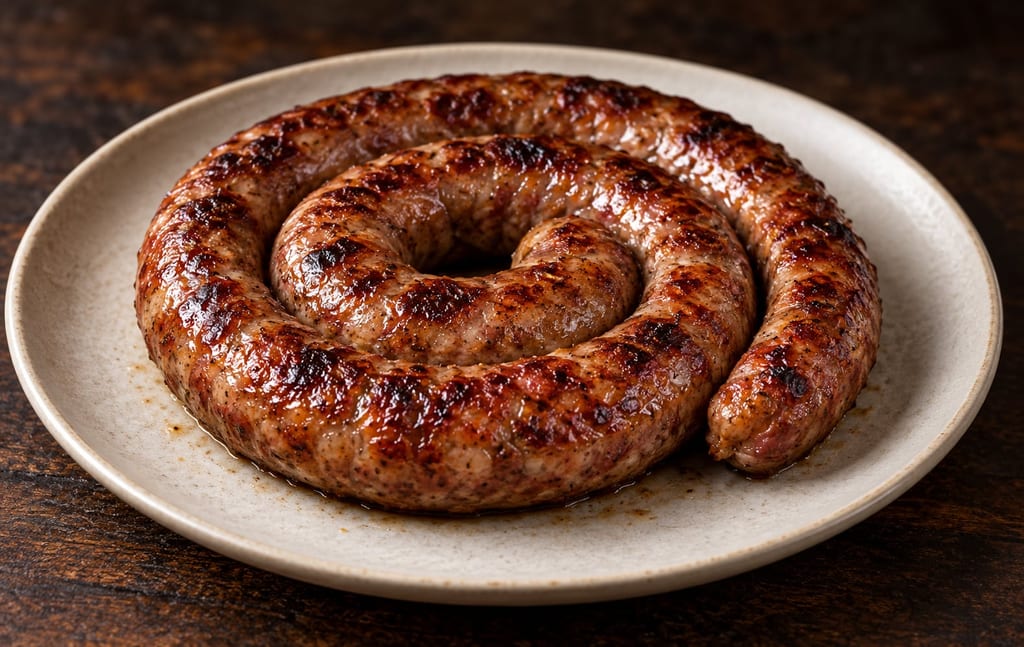
A coarse South African farmhouse sausage of beef with pork or mutton fat, defined by its coriander seasoning and cooked fresh over coals rather than preserved.
A flood-season pit store described for Omagua communities along the Amazon: manioc tubers were buried before inundation and recovered as waters receded. Its shape and lining are not recorded.
A temporary, in-place earthen oven used to cook camas with heat retained by fire-heated stones. The dimensions described here belong to one Kalispel-supervised reconstruction, not a universal form.

Chuño negro is a source-documented Andean potato-preservation practice. This entry records producer tradition; it is not a validated household process for making potentially toxic bitter potatoes safe.
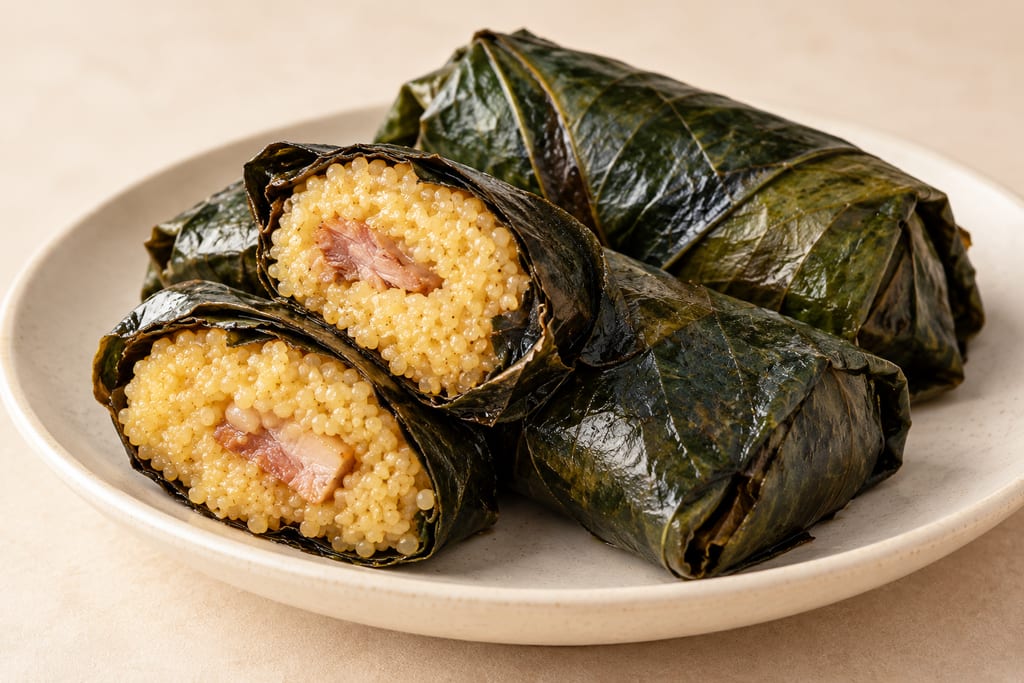
Cinavu is a Paiwan leaf-wrapped parcel built around millet or taro, meat and locally gathered leaves. It belongs to a food culture of harvest, hospitality and shared work, with village recipes differing in both filling and cooking time.
No community contributions have been published for this entry yet.
Sign in to contribute. Published comments and photos are free to read.
Journal of Food Science and Technology / PubMed CentralResearch context · Emulsion method context
Soy milk as an emulsifier in mayonnaise: physico-chemical, stability and sensory evaluationThe study prepared soy milk from full-fat soy flour and tested 25–100% egg replacement in controlled mayonnaise formulations with added xanthan and guar. Soy-milk share affected stability and sensory results. The study does not test this retail-soy-drink recipe or its storage.
Cited in: Overview; Research background and limits; Making this development batch; Flavor and texture
U.S. Food and Drug AdministrationAllergen guidance
What is a Major Food Allergen?FDA identifies soybeans among major food allergens.
Cited in: Allergens, handling and storage
FoodSafety.govCold handling guidance
4 Steps to Food SafetyPerishable foods should be refrigerated promptly; refrigerator should be 4°C/40°F or below. This guidance does not determine this sauce’s storage life.
Cited in: Allergens, handling and storage