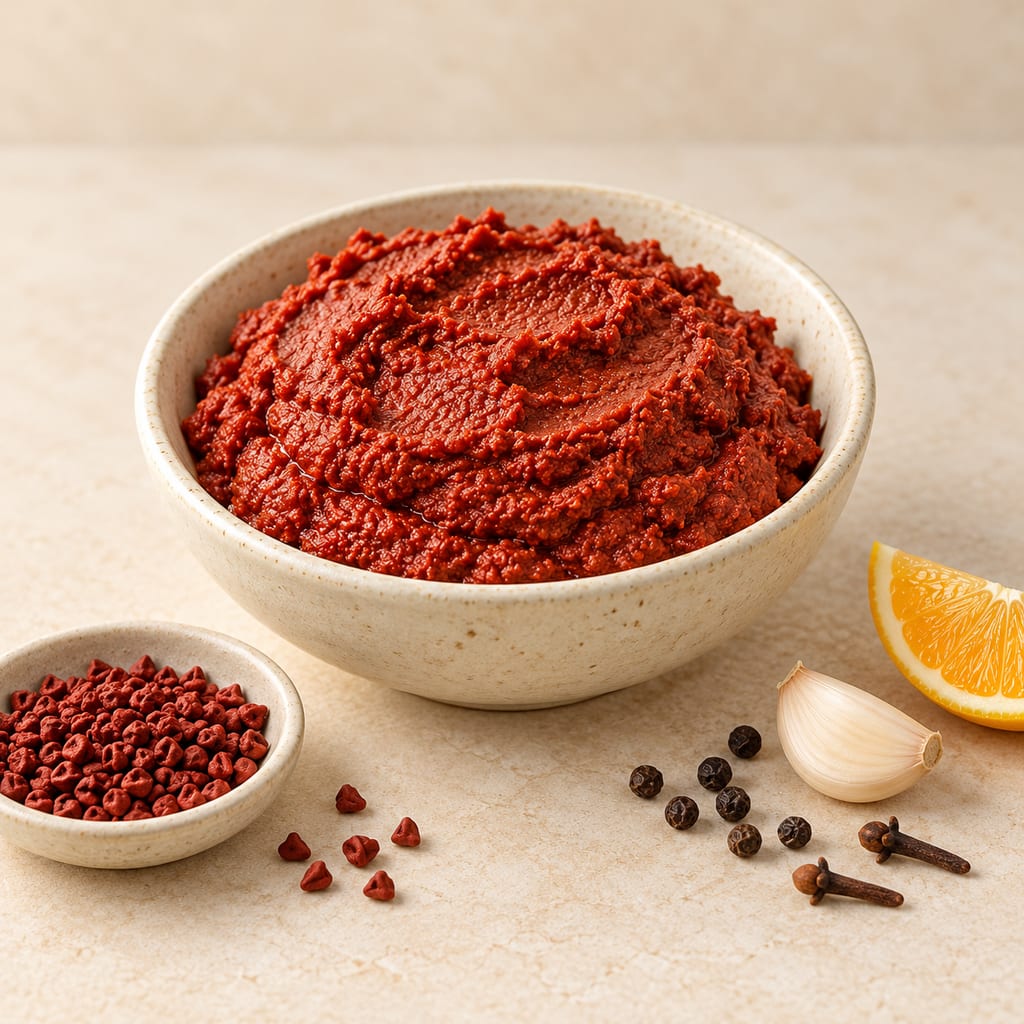
Achiote paste
A Yucatecan recado rojo is a brick-red seasoning paste built on annatto seed, garlic and sour orange. This measured home version shows one route into a much wider family of market and household recados.
 FermenteaWhere food goes to change
Traditional method
Salsa fresca · Salsa cruda · Salsa picada · Salsa mexicana · Salsa bandera
A fresh Mexican condiment of chopped tomato, onion, chile, cilantro and lime, served raw so that its pieces stay distinct. Its name translates as rooster's beak, and its origin is disputed.
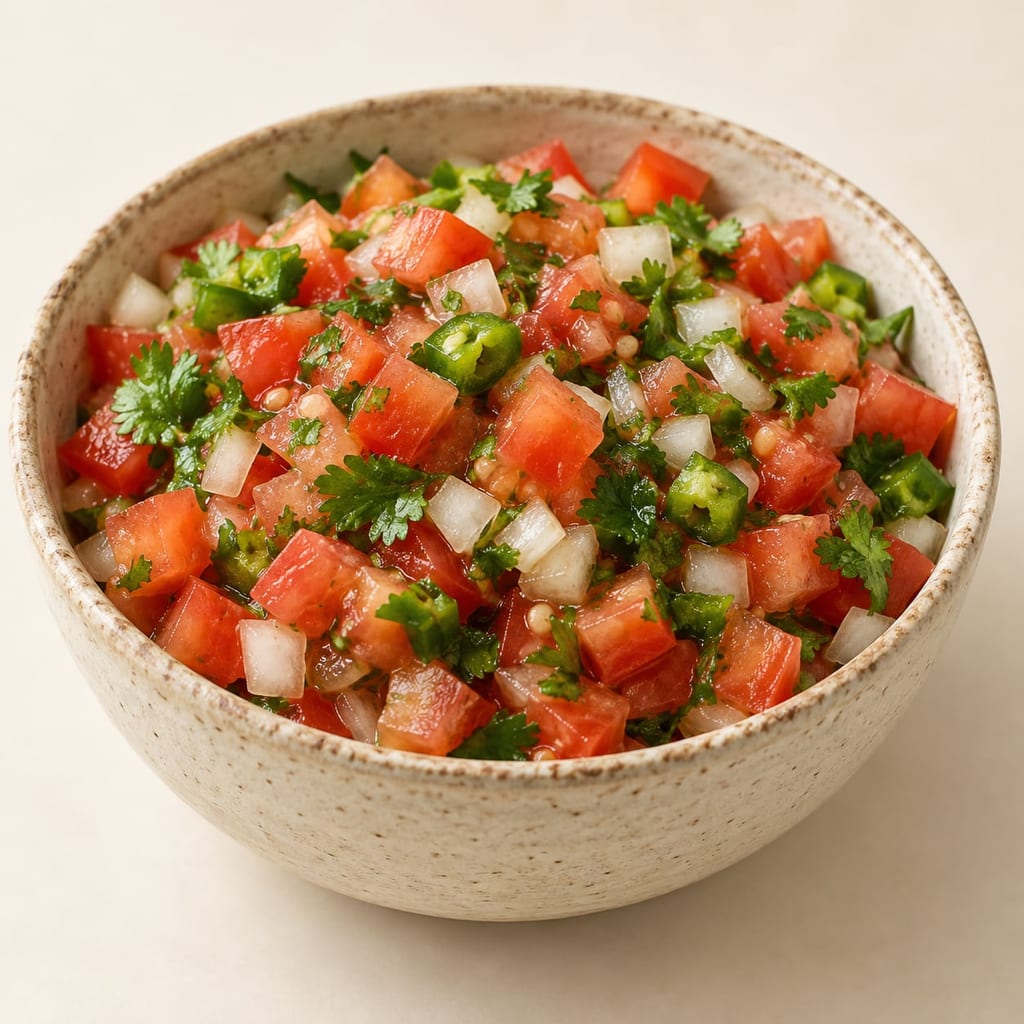
Pico de gallo is a fresh condiment built from chopped tomato, onion, chile, cilantro and lime juice. Its defining feature is texture: the ingredients are chopped rather than blended, so each piece keeps its shape. That makes knife work, the moisture of the tomato and the time between mixing and serving part of the result. Wikipedia notes that because it has less liquid than Mexican liquid salsas, it can be used as a main ingredient in dishes such as tacos and fajitas.
The same article gives other names for it: salsa fresca, salsa cruda and simply pico. In Mexico it is usually called salsa mexicana. The tomato-based version is salsa picada, which means minced sauce. Salsa bandera, or flag sauce, refers to its red, white and green colours, a claim the article marks as needing a citation.
The Spanish name translates to rooster's beak. The article gives several explanations and does not settle between them. One is that people in Sonora say the name comes from the beak-like shape of the serrano pepper, a claim cited to Janos Wilder's The Great Chiles Rellenos Book. Another, from Sharon Tyler Herbst's Food Lover's Companion, says the dish was originally eaten by pinching pieces between thumb and forefinger. A third, from Rick Bayless and Deann Groen's Authentic Mexican, speculates that the name refers to the texture of the chopped mixture, which resembles birdseed.
The page as a whole is marked as needing more citations, and its origin claims are not firmly established. This page does not give a date or a place of origin for pico de gallo.
In many parts of Mexico the term pico de gallo covers a wider group of salads, salsas and fillings than the tomato version. Wikipedia lists fruit salads and dishes made with tomatillo, avocado, orange, jicama, cucumber, papaya or mild chiles, tossed with lime juice and often finished with hot sauce or chamoy and salty chile powder. These are separate preparations under one name, and they are not interchangeable with the classic tomato, onion, chile and lime version.
No dated source has been found for the origin of the tomato version. Claims about Aztec origin, and about Puebla as the place of origin, were not confirmed by the sources read, so they are not stated here.
The name means rooster's beak. Explanations for the name and for its origin are disputed, and the sources read give no firm date.
Pico de gallo is described as a Mexican condiment. The sources do not place its origin in one region; several regions are named for variants.
A Yucatecan recado rojo is a brick-red seasoning paste built on annatto seed, garlic and sour orange. This measured home version shows one route into a much wider family of market and household recados.
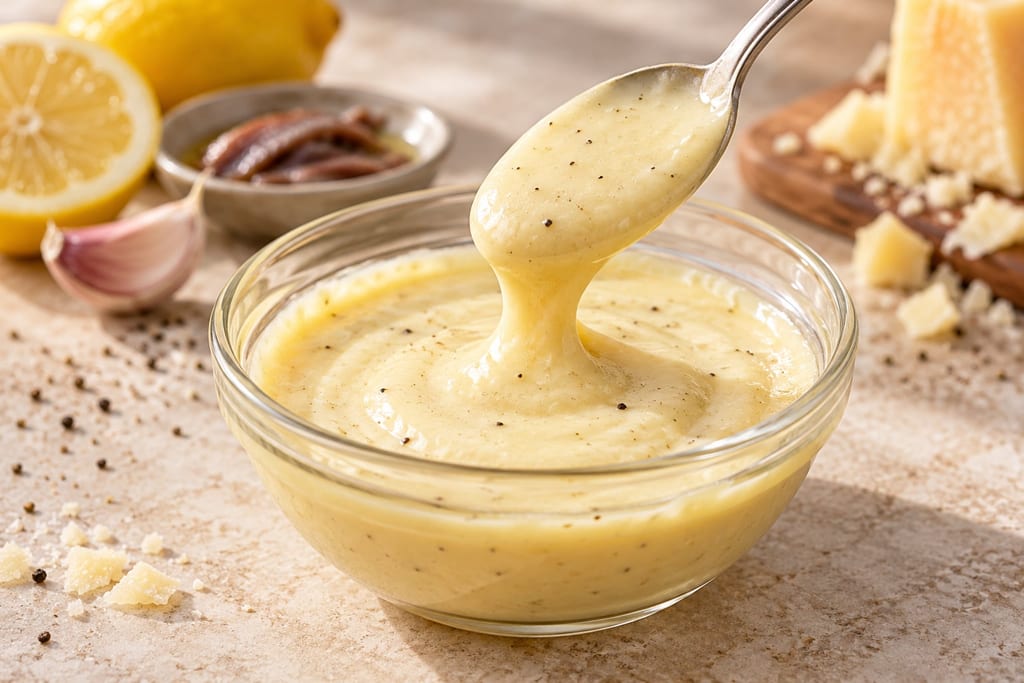
A source-specific Caesar dressing made with pasteurized egg yolks, Parmesan, lemon, anchovy, garlic, mustard and olive oil. This modern Vitamix formulation is distinct from the salad’s disputed 1924 origin accounts.
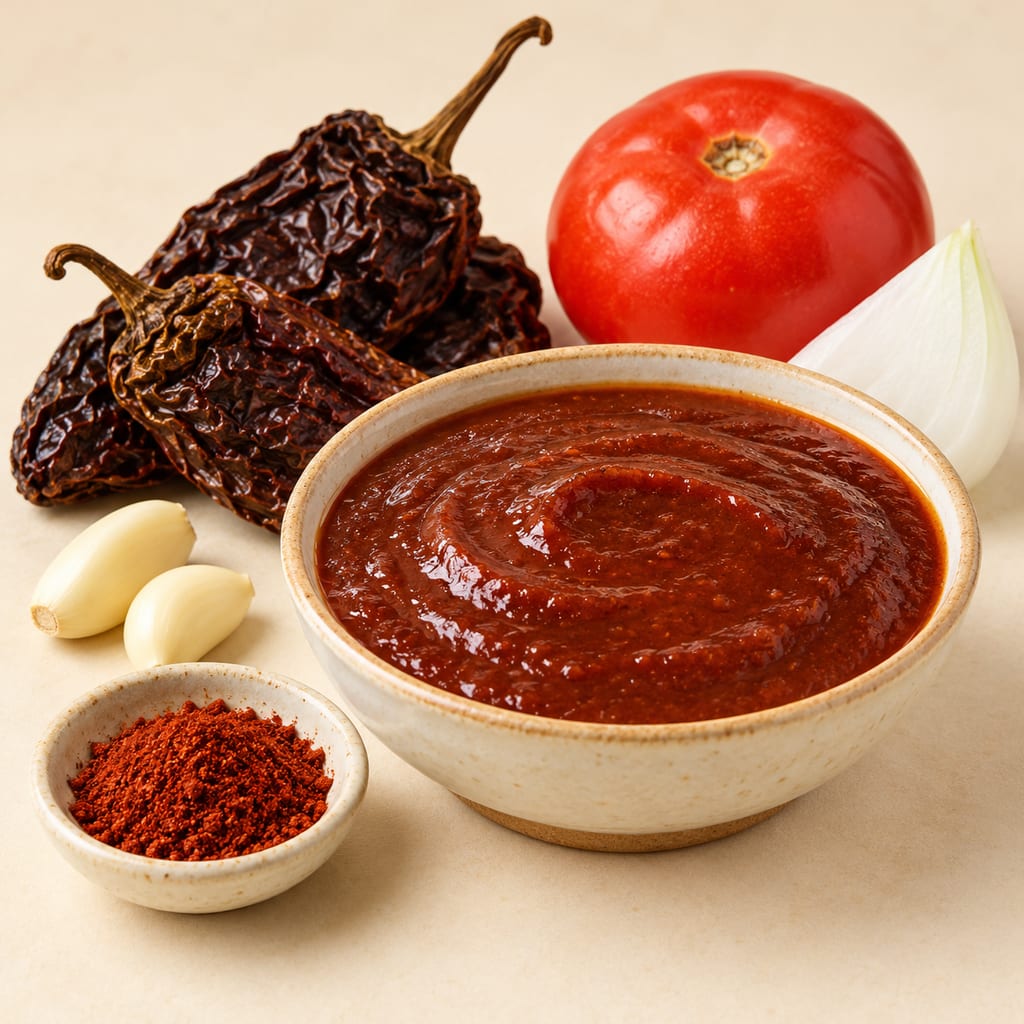
Chipotle adobo is a cooked sauce of smoked chipotle chiles, tomato, onion, garlic, dried chile powder, spices and vinegar, the form in which chipotles are most often sold in the United States.
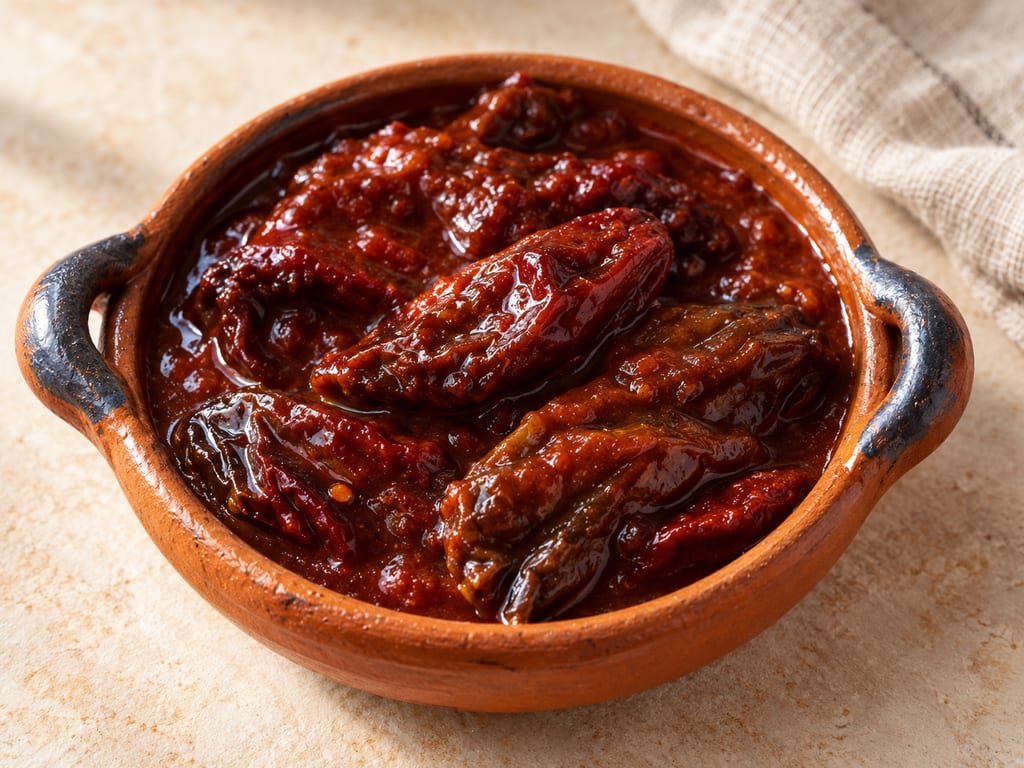
Whole smoked-dried chipotles simmer in a tomato, vinegar and spice adobo: a Mexican condiment with smoky heat and a sauce that seasons the chile as it softens.
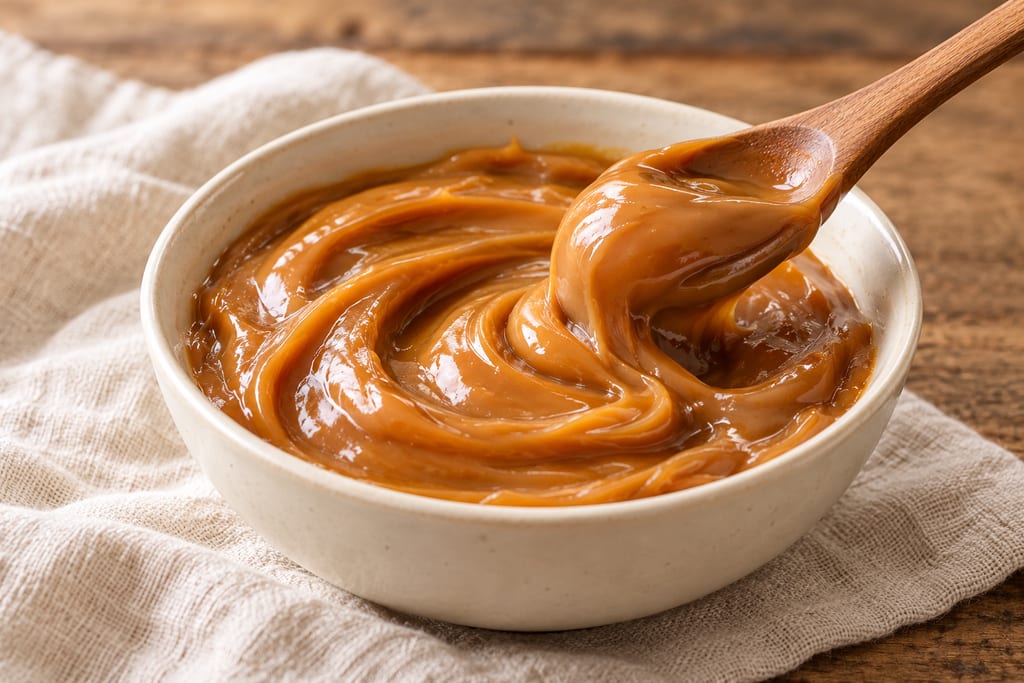
Dulce de leche and its relatives, including Mexican cajeta from goat's milk, are milk and sugar cooked slowly until thick and brown. The name changes across Latin America, and the browning gives each its character.
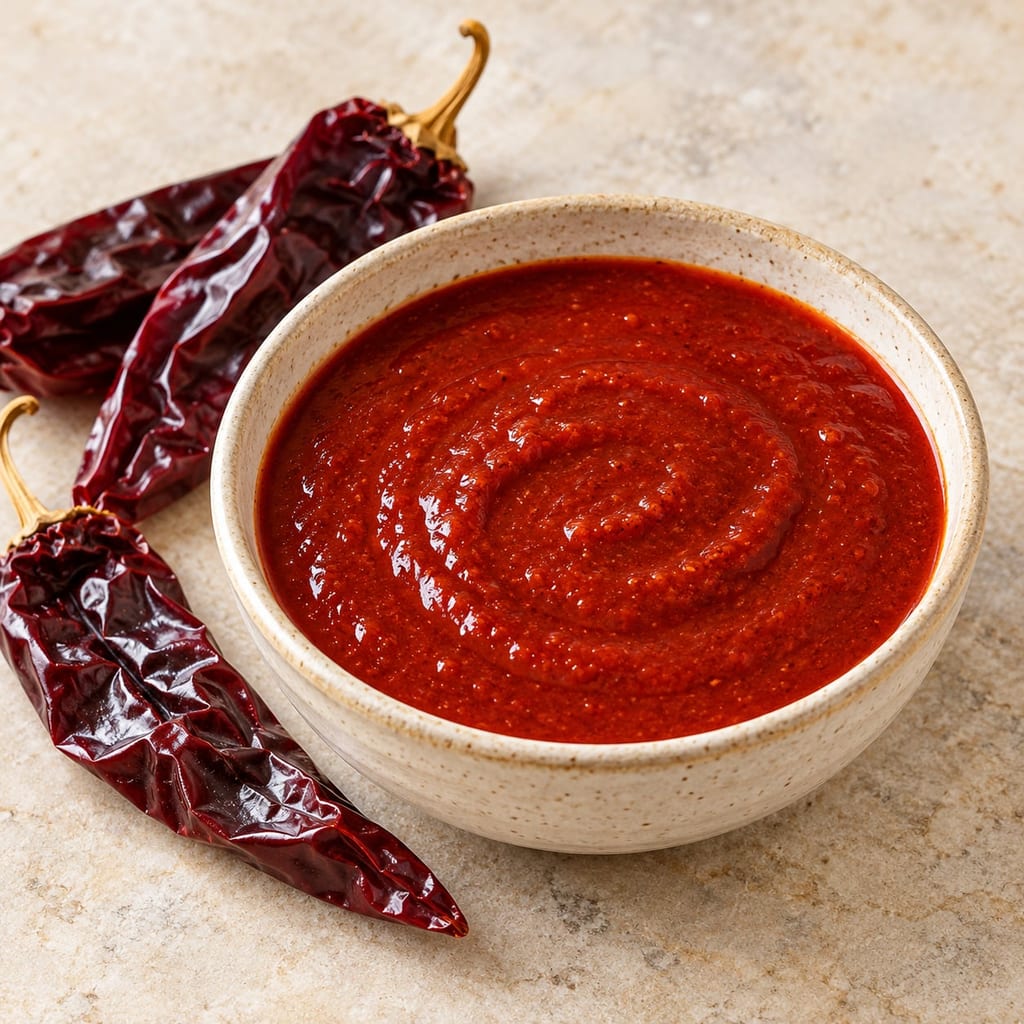
A Mexican sauce in which dried guajillo chiles, toasted and softened in hot water, supply most of the flavour. It is a family of dried-chile salsas, not a tomato sauce with chile added.
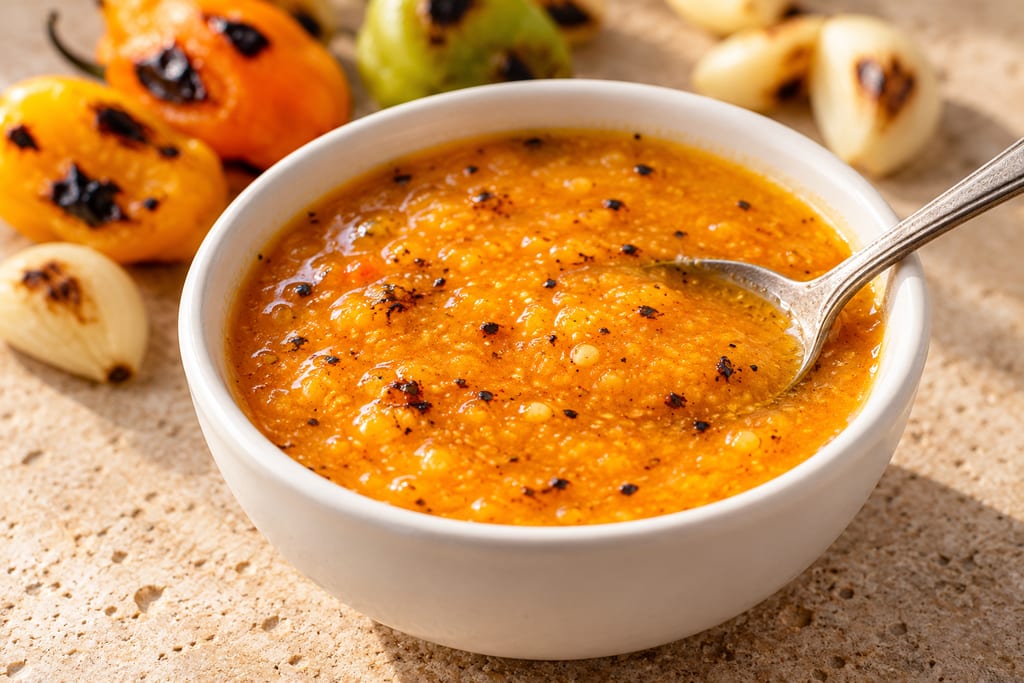
A hot, fruity chile sauce of the Yucatán, built on habanero peppers and often charred with garlic. It sits on the table as a condiment, and the recipes vary widely.
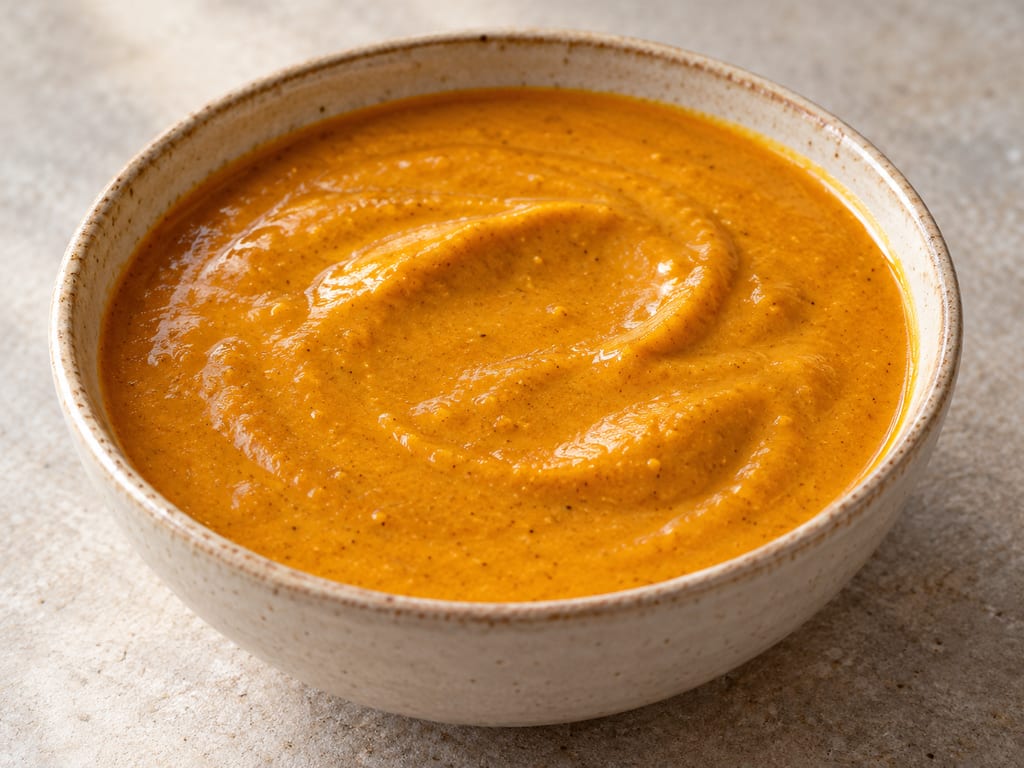
Mole amarillo, also called amarillito, is a yellow to orange Oaxacan mole built on cooked chile purée, thickened with corn masa and flavoured with herbs such as hoja santa, with no chocolate or dense nut mixture.
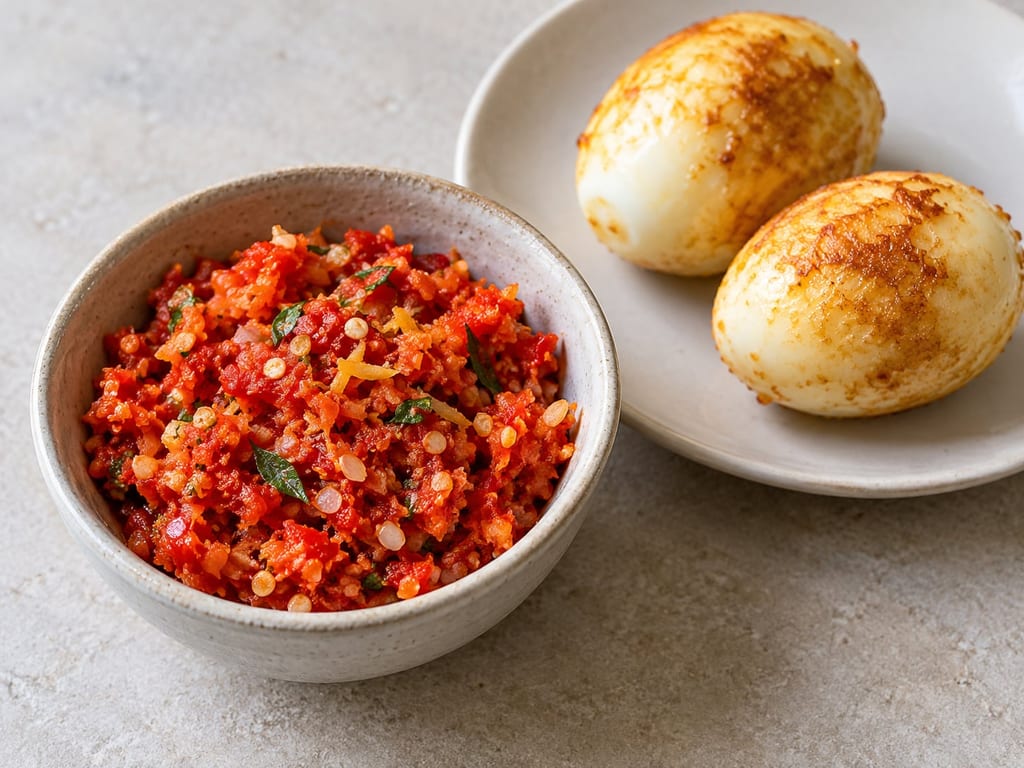
Ai-manas is described as a very hot chilli paste served with Timorese meals. One published version blends fresh chillies, shallots, garlic, Thai basil, ginger, lemon and salt, and serves it with eggs. Sources do not establish a standard formula, precise birthplace or earliest date.
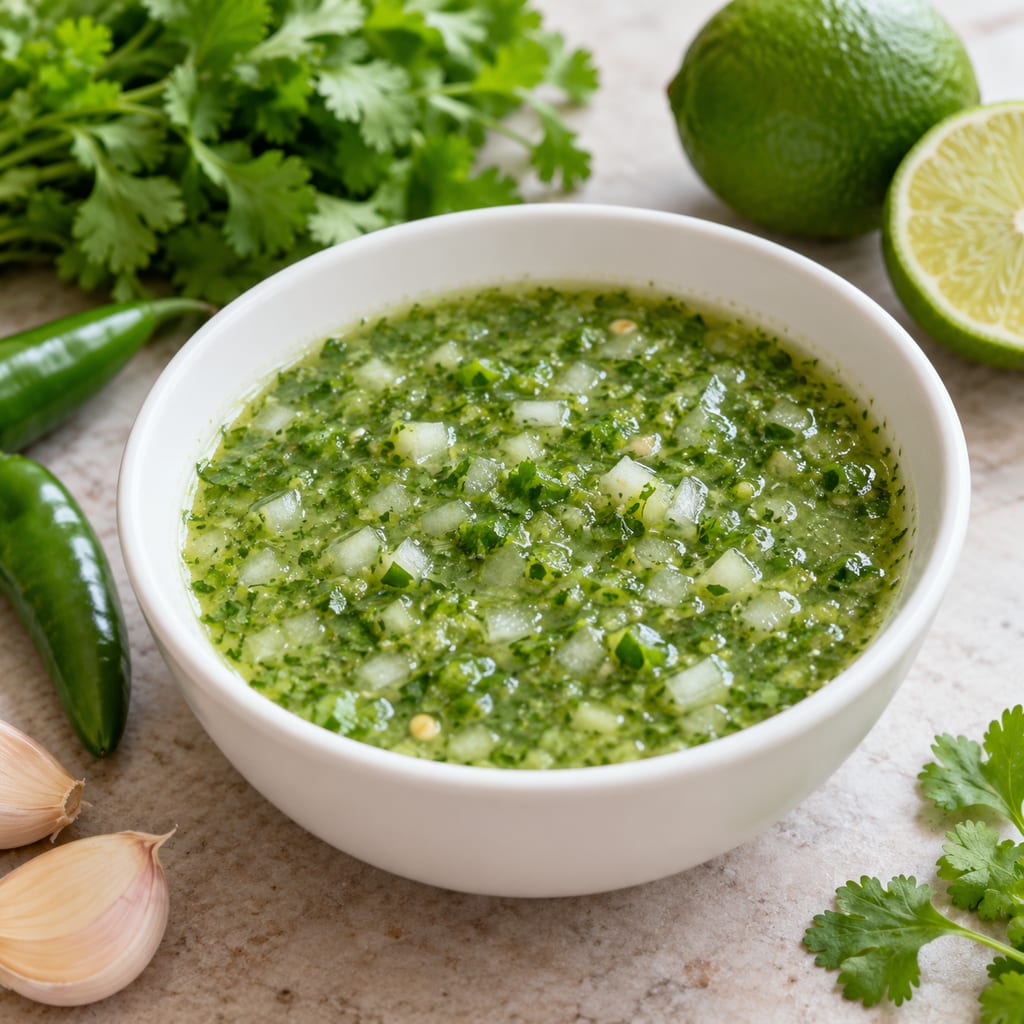
A fresh, uncooked Ecuadorian table sauce of hot pepper, cilantro, garlic and lime, served with most everyday dishes.
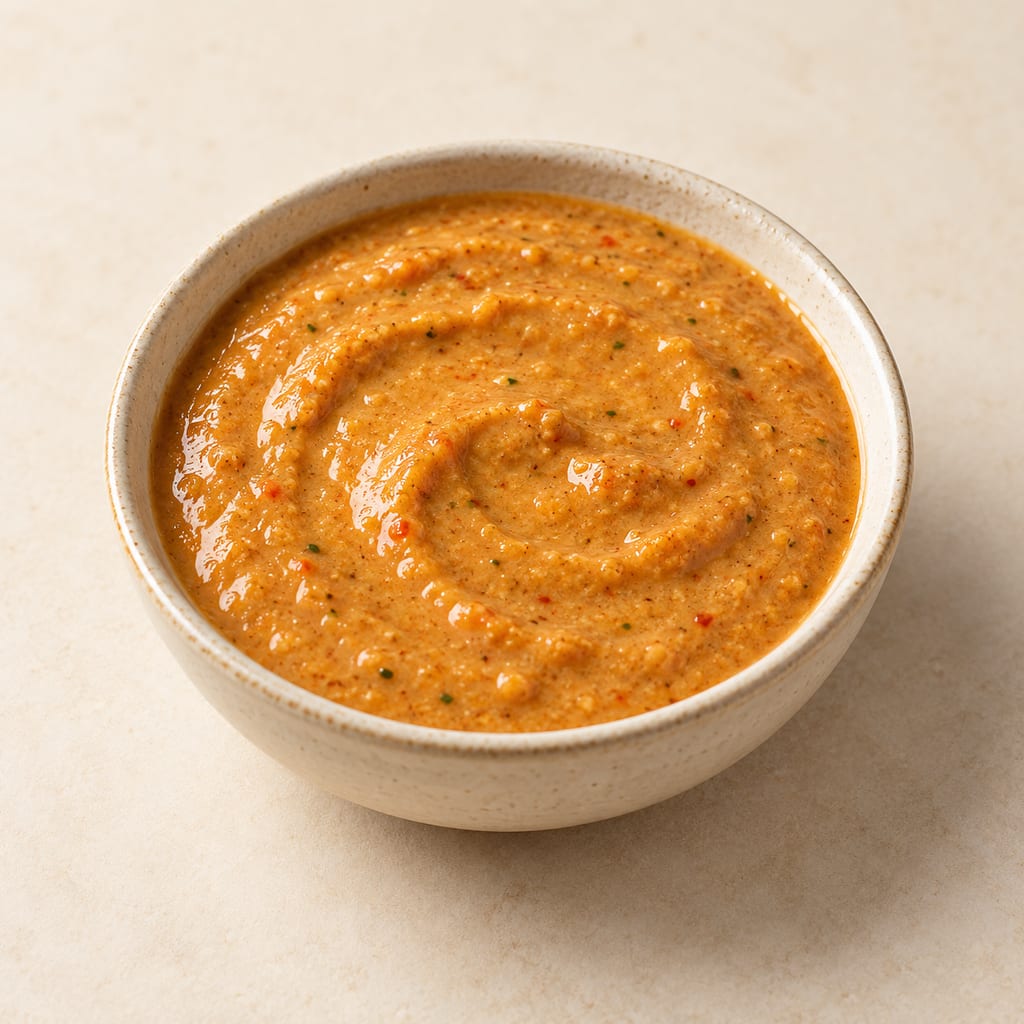
A spicy peanut hot sauce from the Popayán and Cauca region of Colombia, traditionally served with pipián empanadas and tamales.
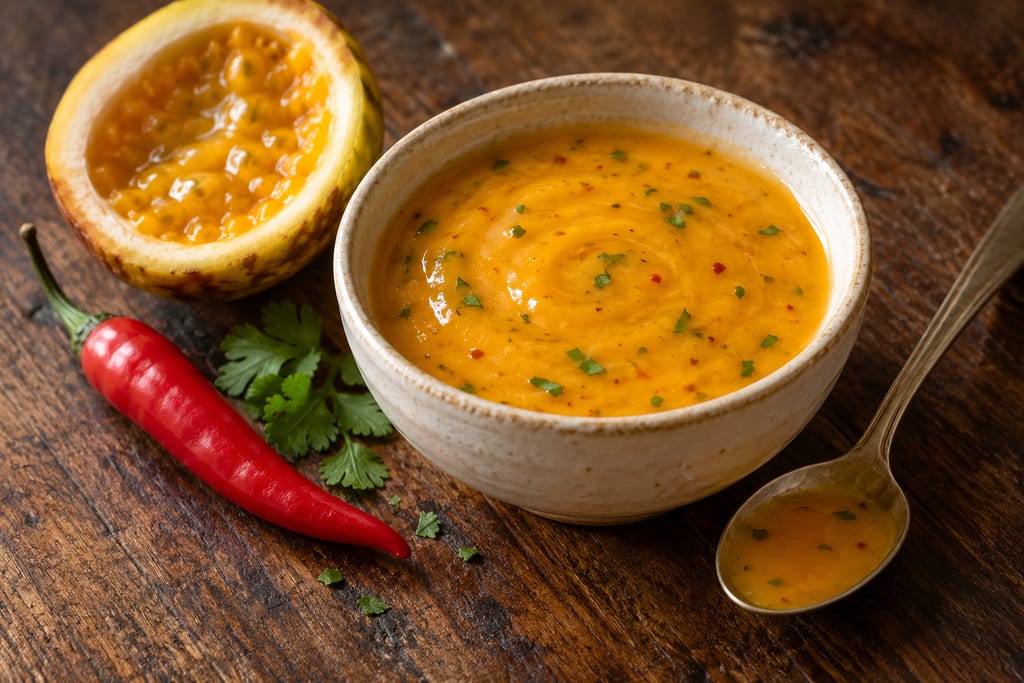
A contemporary Ecuadorian hot sauce that pairs passion fruit juice with boiled chile peppers, oil and lime.
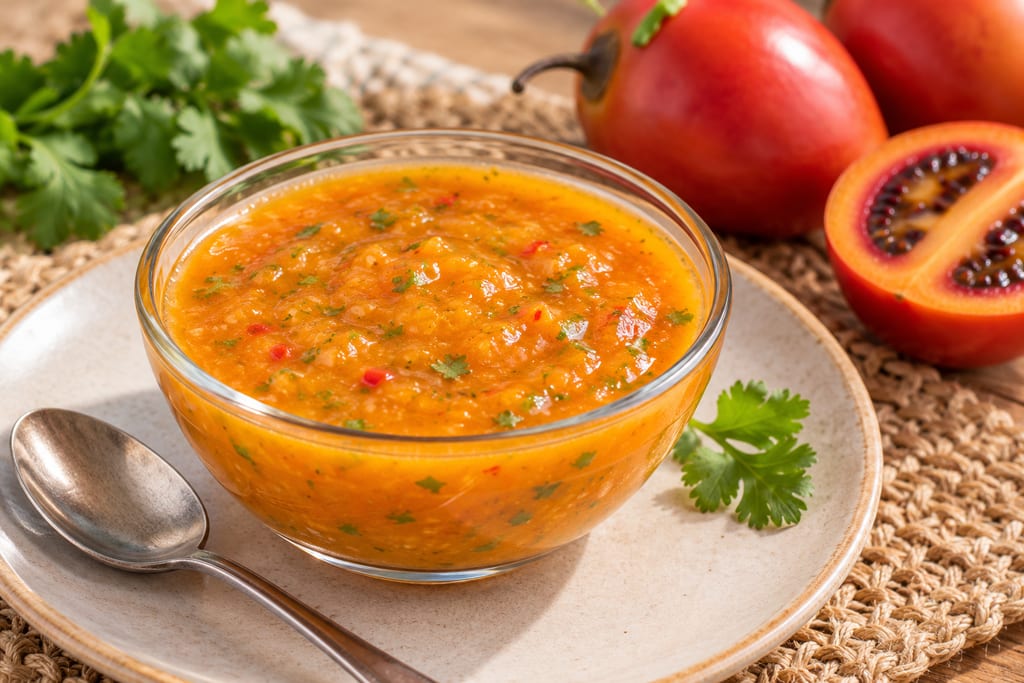
An Ecuadorian hot sauce built on tamarillo, a tart fruit that gives a sharper, fleshier base than ordinary tomato salsa.
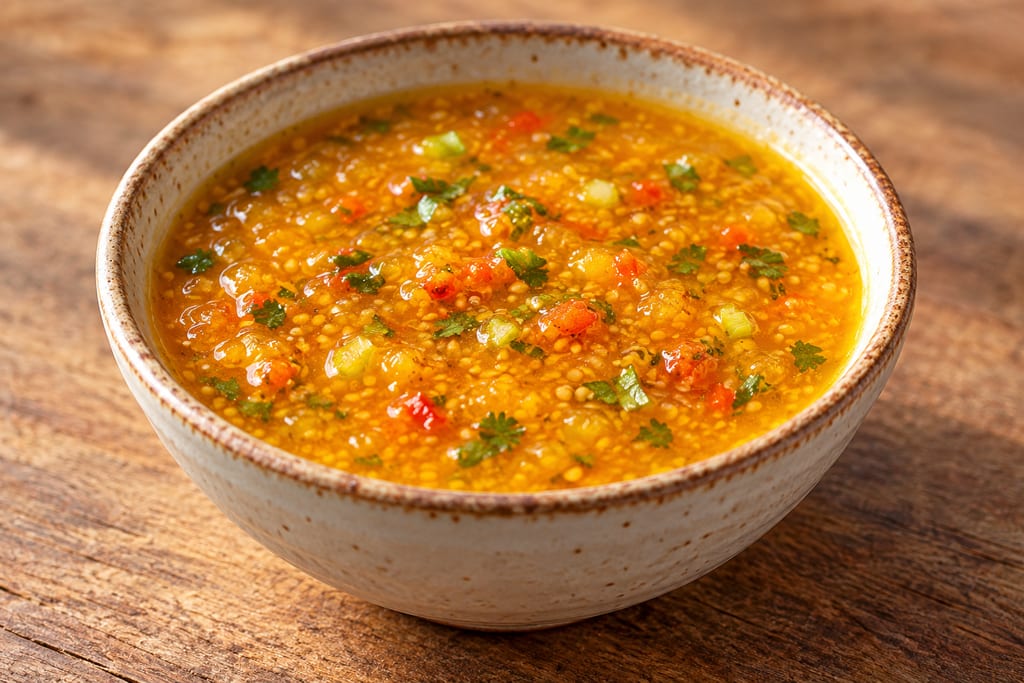
A sweet, tart and spicy Colombian sauce of uchuva, the yellow physalis fruit, with hot pepper, scallion, cilantro and lime.
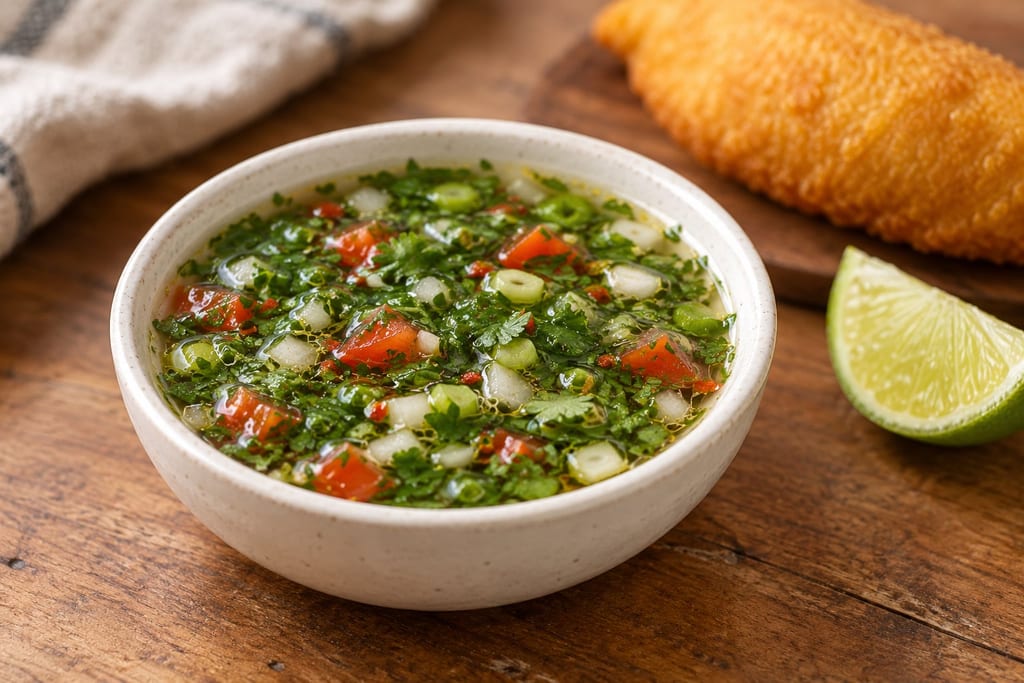
A fresh Colombian table condiment of chopped herbs, scallion and tomato in a vinegar and chile base, served beside fried and filled dishes.
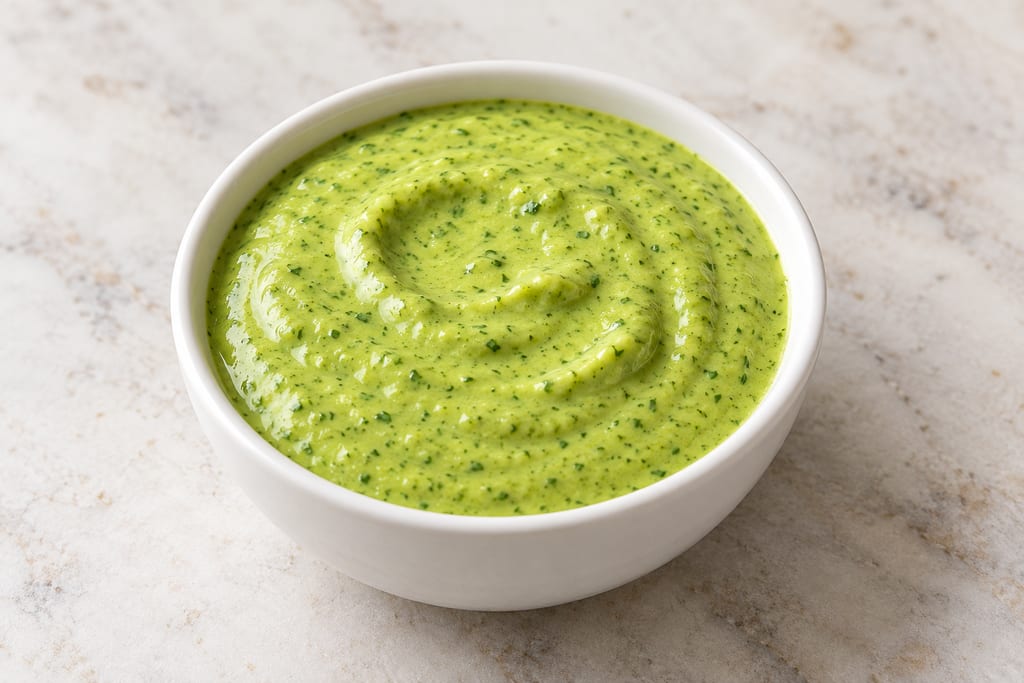
Ají verde is a Peruvian green sauce of coriander, chilli, onion and garlic in a mayonnaise or cheese base. It is best known through Peruvian restaurant cooking abroad.
No community contributions have been published for this entry yet.
Sign in to contribute. Published comments and photos are free to read.
WikipediaHistory · Ingredients · Method · Names
Pico de galloName translates as rooster's beak
Other names: salsa fresca, salsa cruda, pico, salsa mexicana, salsa picada, salsa bandera
Traditional ingredients: tomato, onion, serrano, salt, lime juice and cilantro; jalapeño or habanero can substitute
Less liquid than liquid salsas, so usable in tacos and fajitas
Regional variants with fruit, tomatillo, avocado and others
Origin claims are disputed or citation-needed
Cited in: A salsa that stays in pieces; The name and its origin; Regional forms; Open questions