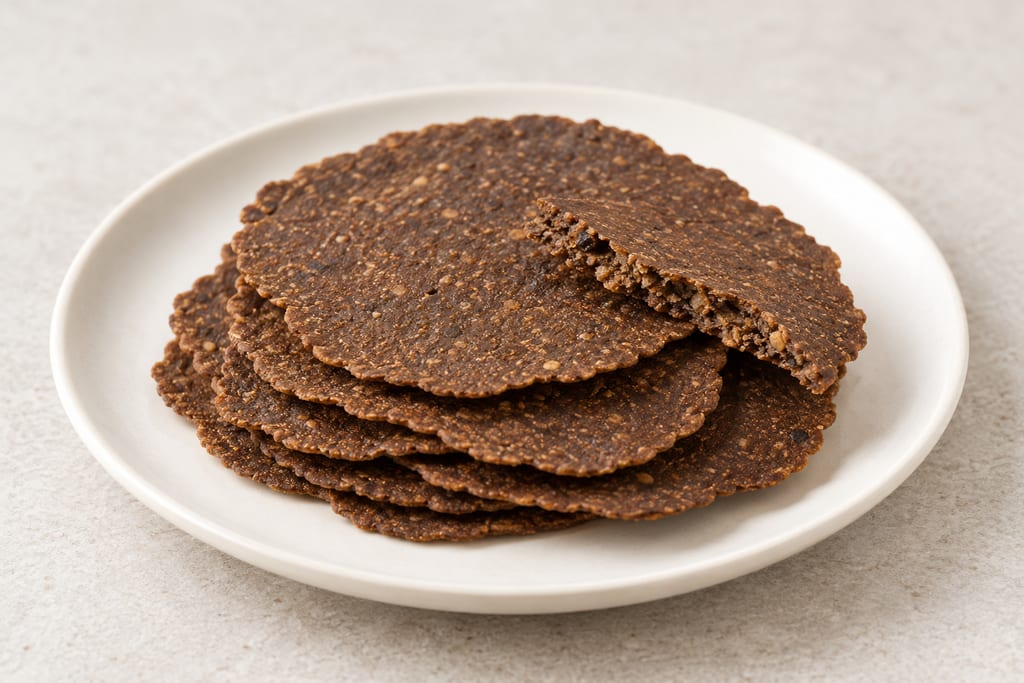
Black soybean thua nao with Bacillus subtilis
Black soybeans cooked, inoculated with a named Bacillus subtilis culture and fermented warm and humid into northern Thailand's thua nao, then optionally dried into thin discs.
 FermenteaWhere food goes to change
Modern adaptation
โรตี · roti · ro tee · Thai street roti · banana roti
An unleavened wheat dough is rested in oiled portions, stretched almost transparent, coiled, flattened and fried on an oiled griddle. This source batch serves plain roti with optional condensed milk and sugar.
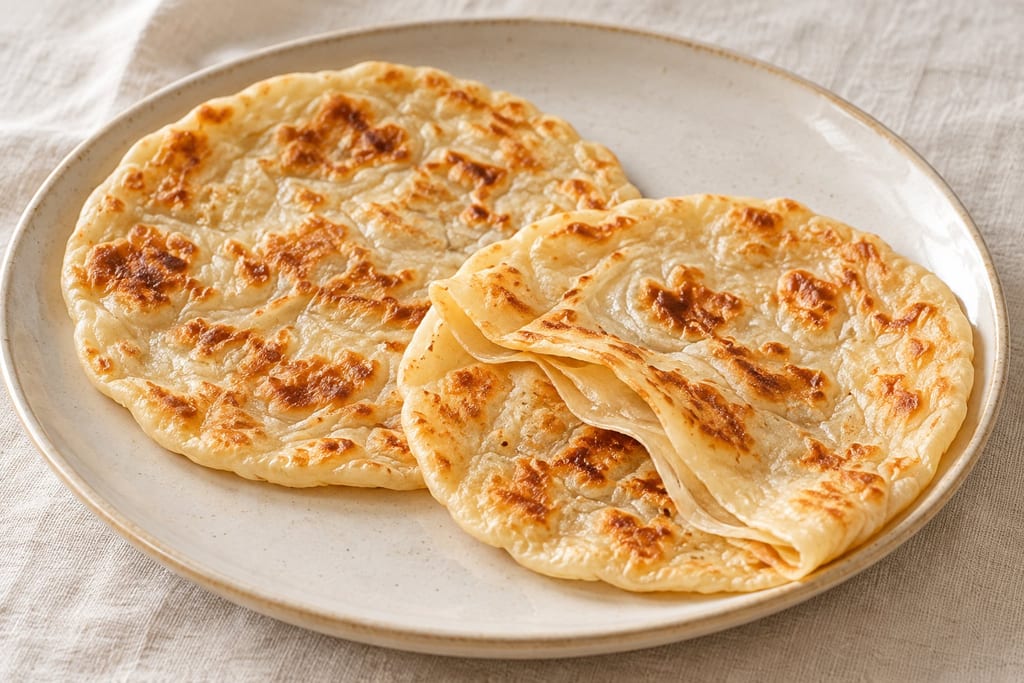
This 16-piece formula uses one pound of unbleached white flour, salt, sugar, beaten egg, milk and water. The dough contains no yeast or other leavener. It becomes flexible through kneading and resting, and the oil or ghee is for coating and griddle frying rather than a measured addition to the dough. The original measurements equate one pound of flour with 3 1/4 cups; no assumed flour weight per cup is needed. The batch serves four, but no advice is given for multiplying or dividing it. This page follows that batch and does not suggest that timing or handling scales unchanged.
The defining step is to pull the rested, oiled dough into a very thin sheet. Hold it by the edges and stretch it in a circular forward motion until it is almost transparent, then gather it into a loose coil. The technique depends on rested dough and gradual handling; fast vendor-style flipping takes practice. Flatten the coil again to about five inches for cooking. Begin with an oil-covered hot griddle, then reduce the heat to medium and turn the round until both sides brown, brushing with butter. No measured heat or cooking duration is given, so neither is added here. The dough sheet is coiled before frying; this is not the same formula as banana-and-egg roti filled on the griddle.
Serve the cooked bread hot with curry or with condensed milk and sugar. Banana and egg also appear as accompaniments in Thai roti, but this formula does not give a filled-roti method. The recipe therefore keeps its centre plain. Do not add raw egg or banana before cooking by borrowing a filling technique from another recipe: no filling amount, fold or centre-cooking endpoint is specified here. If banana is served after cooking, cut and plate it with clean utensils after raw dough has been cleared away. The formula contains raw flour and egg before cooking. Do not taste the dough; wash hands, utensils and work surfaces after contact, and keep ready-to-eat toppings away from it. The cooking cue is browning on both sides; no internal temperature or frying time is listed. No storage claim is made.
This style is associated with Thai street-vendor cooking and is served sweet with condensed milk and sugar or alongside curry in southern Thailand. Those details support a country-level association and distinct serving contexts; they do not identify a village of origin or establish when the preparation began. The recipe is adapted from Kasma Loha-unchit and offers a home route to the stretched street-vendor form. No dated first attestation appears in the inspected material, so the historical period remains unknown rather than being inferred from the cultural setting.
The inspected recipe describes a Thai street-vendor style and says it is adapted from Kasma Loha-unchit. It does not date the first attestation or establish a single place of origin.
Yield 16 roti · Scaling: source batch only
The dough contains flour and beaten egg before cooking; tasting or transferring it to ready-to-eat toppings can spread pathogens.
Hazard sourceThe formula uses beaten egg in the dough, so hands, utensils and surfaces contact raw egg.
Hazard sourceThe griddle is heated over high heat before cooking and can cause burns or oil splashes.
Hazard sourceDo not taste uncooked dough. Wash hands, utensils and surfaces after handling the flour-and-egg dough; keep ready-to-eat toppings away from raw dough.
Control sourceStay by the stove while heating and cooking; use suitable tools and take care around hot oil and cookware.
Control sourceThe source gives no objective cooking temperature or timed endpoint; its cue is browning on both sides. Do not treat surface color alone as proof that every dough layer is cooked through.
This is a plain roti formula. Banana and egg fillings belong to other versions and need a method that specifies filling amounts, folding and cooking through the centre.
Temple of Thai presents this as a Thai street-vendor style roti and describes sweet and curry accompaniments; this country-level association does not identify a narrower origin.
Black soybeans cooked, inoculated with a named Bacillus subtilis culture and fermented warm and humid into northern Thailand's thua nao, then optionally dried into thin discs.
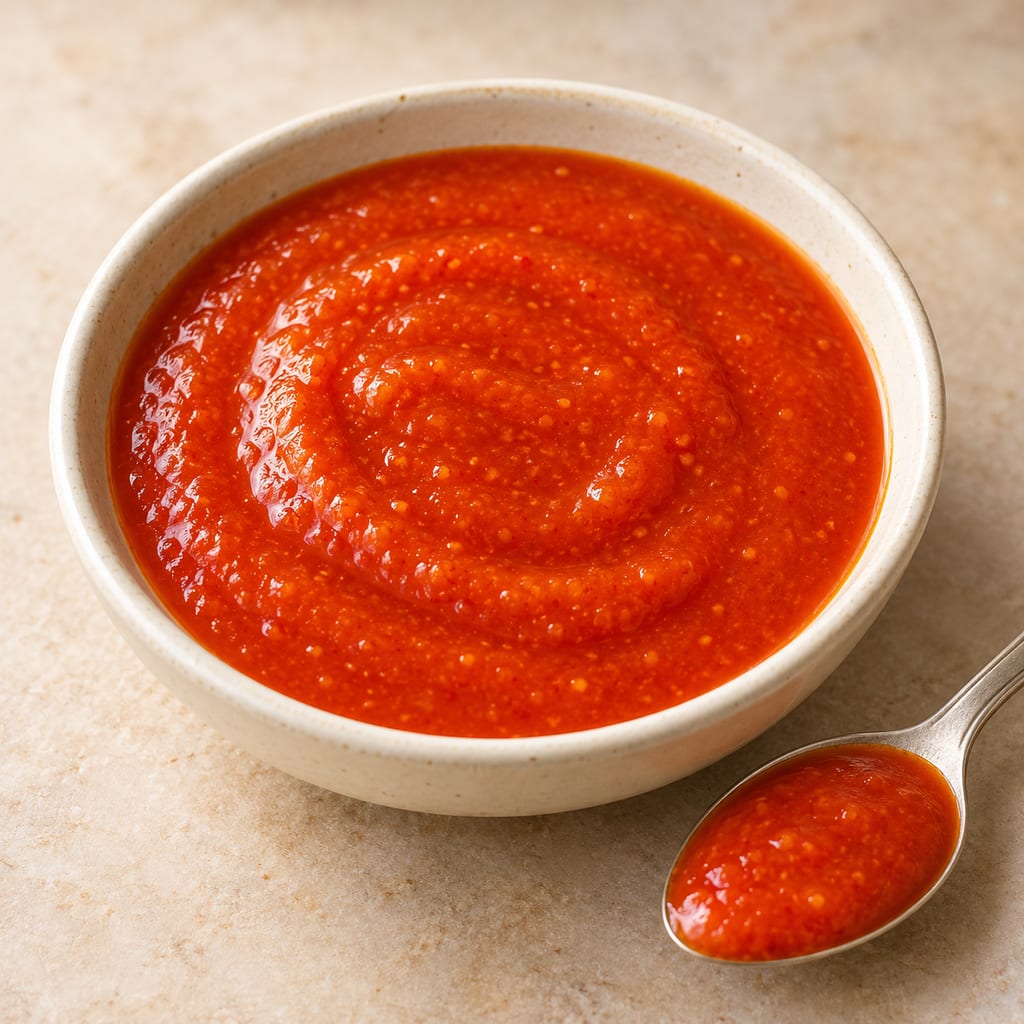
Ripe red chillies, garlic, labelled 5% vinegar, sugar, water and salt are blended, simmered and blended smooth into a cooked chilli sauce.
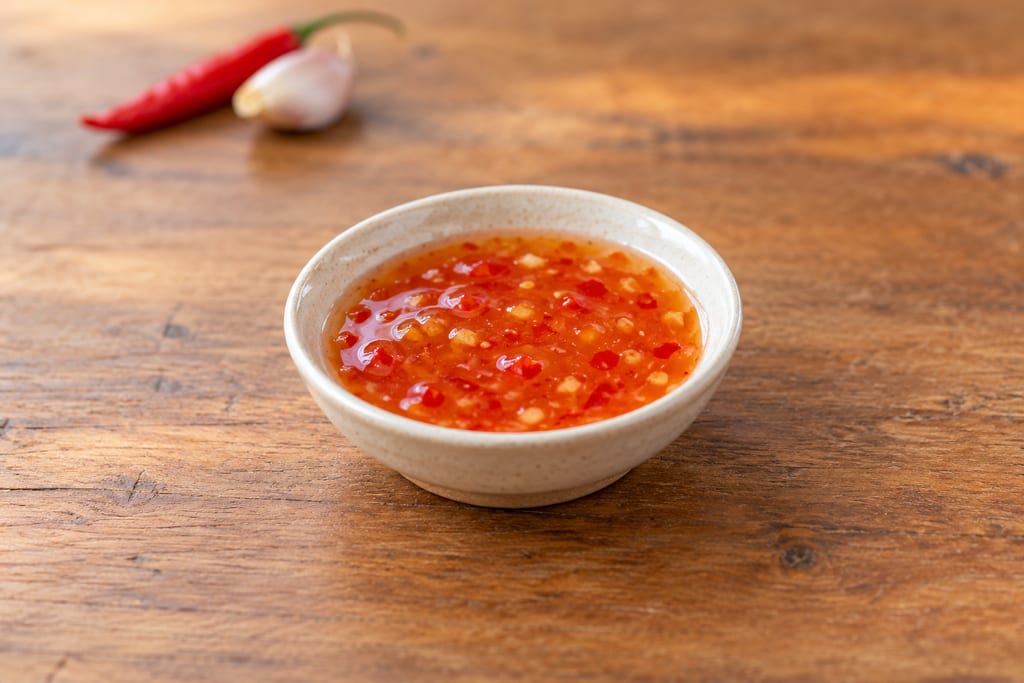
A cooked Thai-style sweet chilli dip combines red chillies, garlic, sugar and vinegar, then uses a small cornflour slurry to give this batch a glossy, spoonable body.
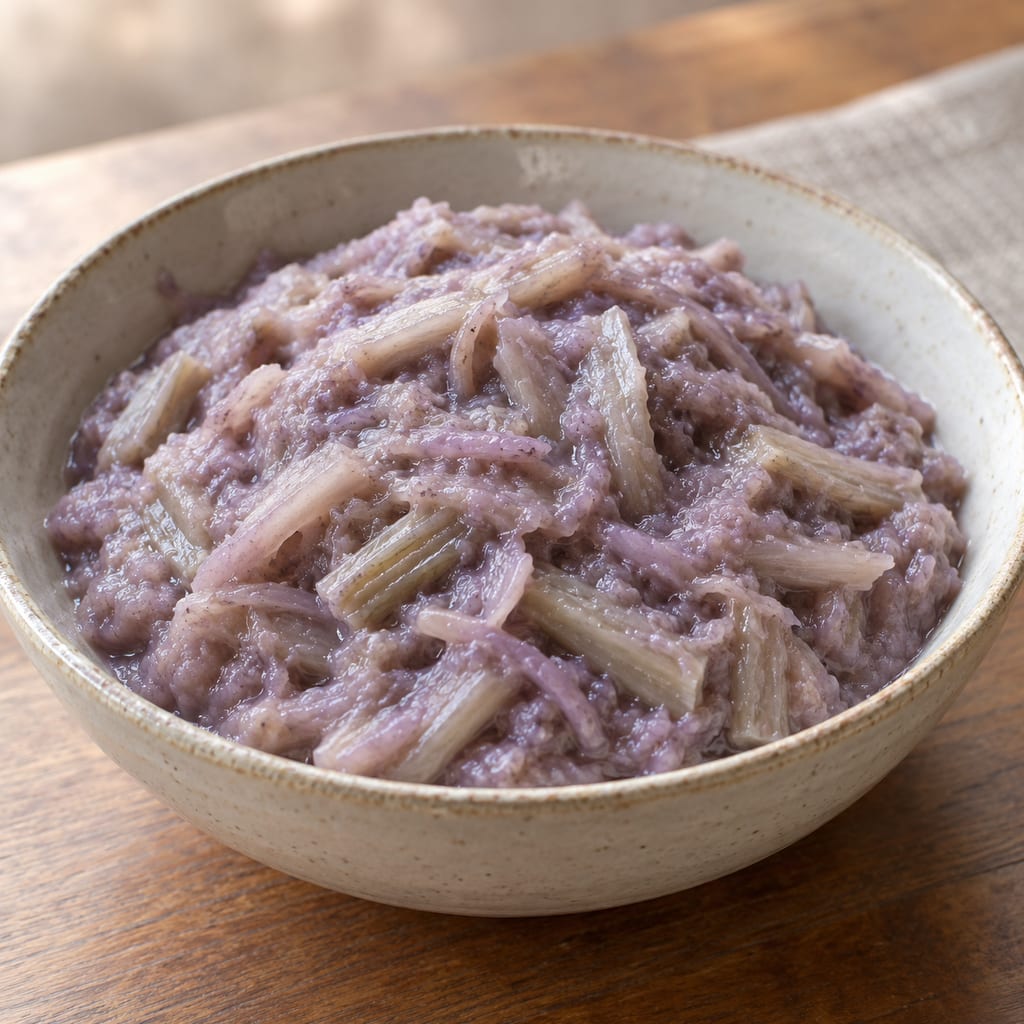
Thai pickle of young taro leaf stalks, salted, kneaded and held in rice-washing water in an earthen jar at room temperature. JIRCAS records it as a home-level product with no validated endpoint.

A cultural account of luk niang dong, a Thai djenkol-bean pickle associated with southern Thailand. Not a recipe or eating recommendation: sources do not establish that pickling controls djenkolism.
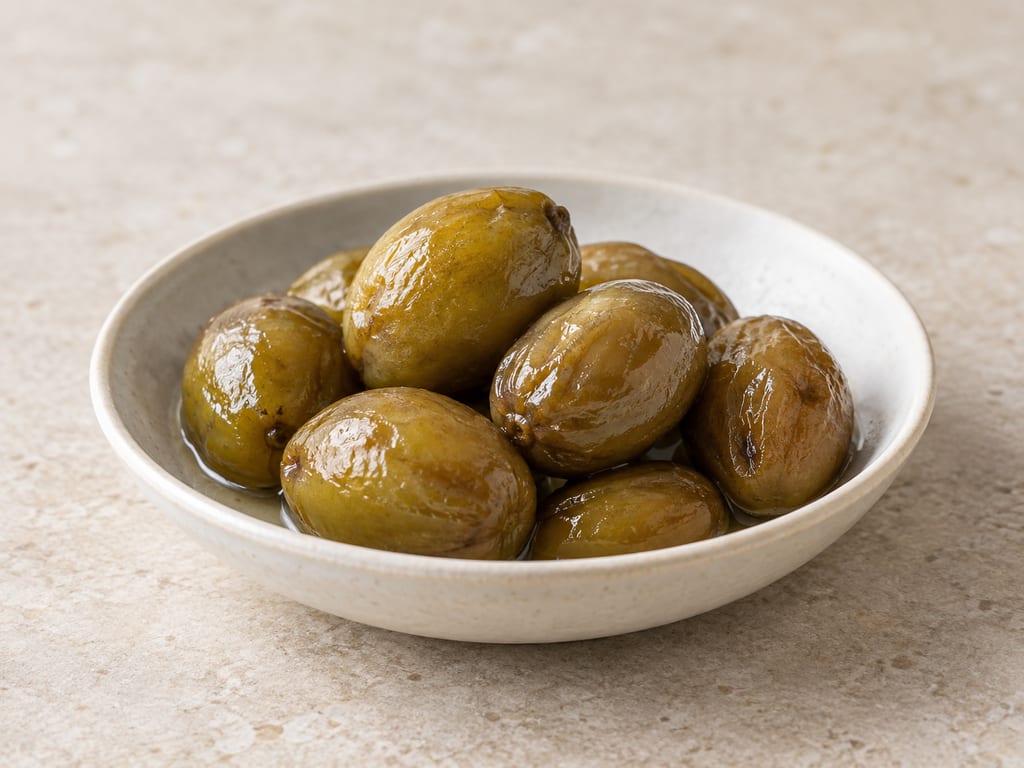
Mature Spanish plums are covered with a 20% volume salt solution and fermented under shade for ten days.

Northern Thai fermented tea leaf: Assam tea leaves tied in bundles, steamed, packed in a lined tank and held under weight for three to four months. Eaten after meals.
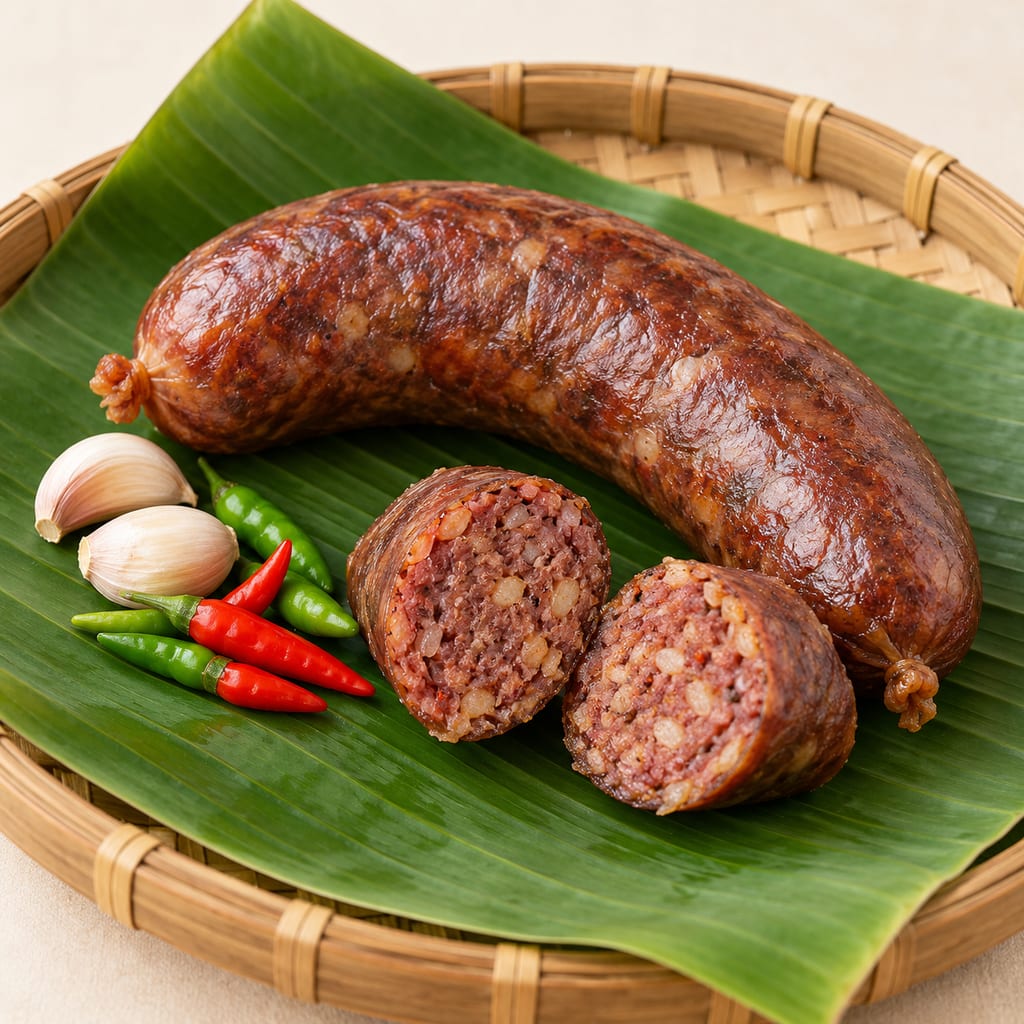
Mum is a Thai family of fermented meat preparations with distinct pork Mam-moo and beef Mam-neua forms. Sources document ingredients, casing and serving traditions, but not a validated home process.
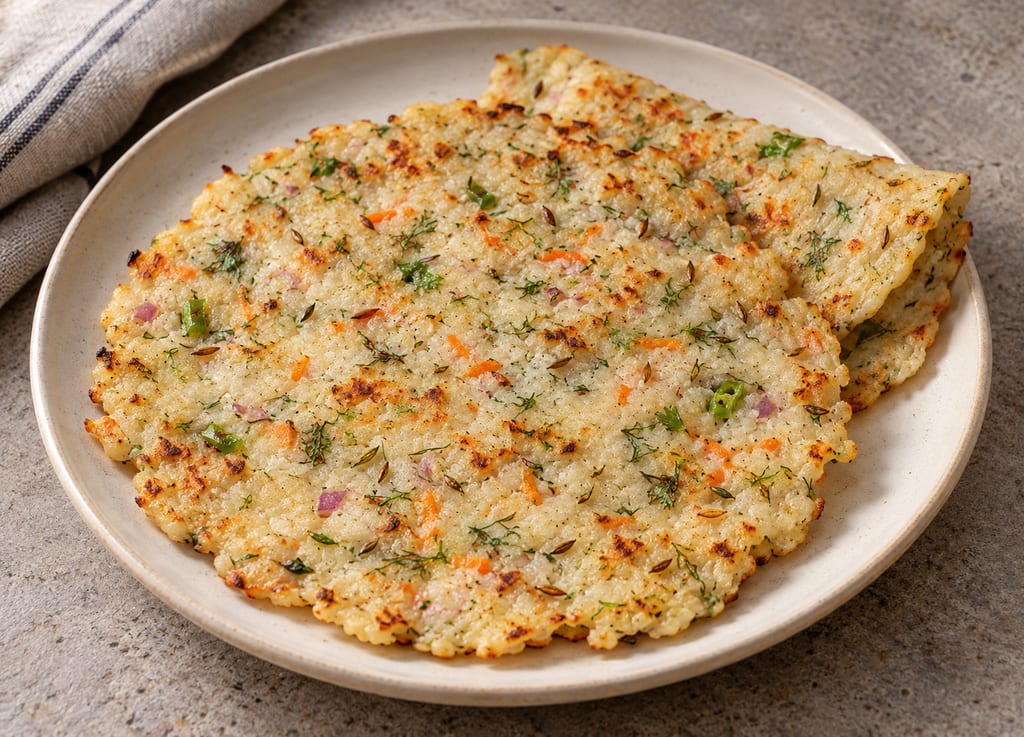
This Karnataka-style akki rotti mixes fine rice flour with vegetables, coconut, herbs and spices, then hand-pats and griddle-cooks the dough.

A Colombian Andean griddle cake made from fresh sweet-corn batter, cooked in butter and served with white cheese.
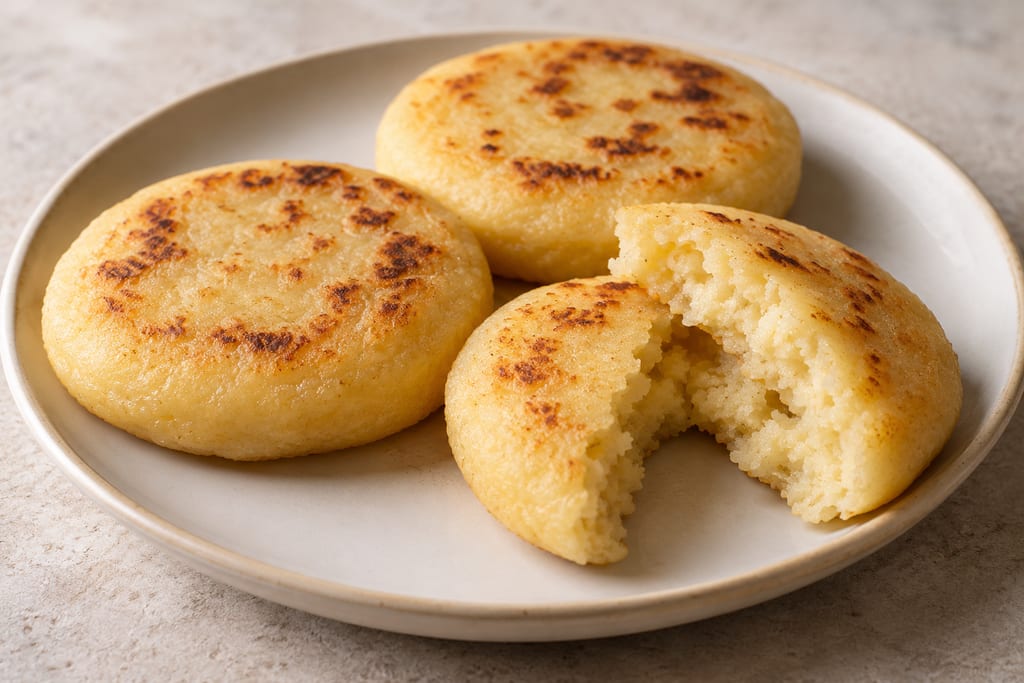
This household version combines precooked corn flour, warm water and salt, then cooks thick rounds on a lightly oiled skillet or griddle. It is one source-specific arepa method, not a universal Colombian or Venezuelan formula.
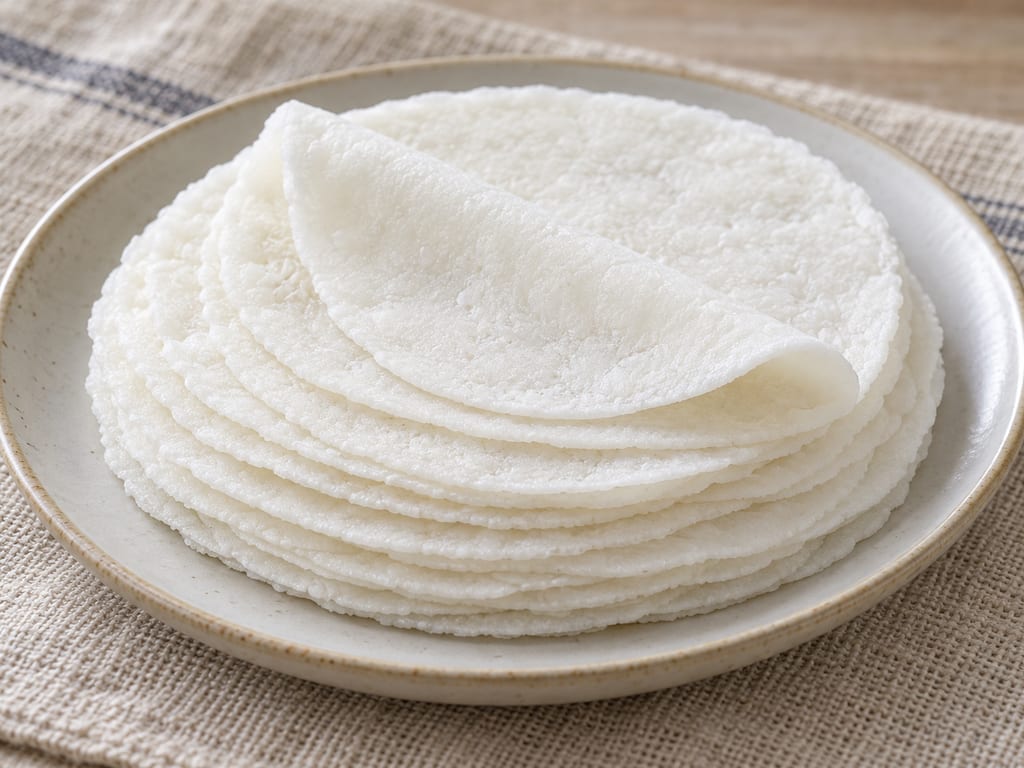
Thin Malabar rice-flour rounds made from roasted rice flour cooked into salted boiling water, kneaded after cooling, and rolled to about 1 mm. They cook on a hot griddle without taking on colour.
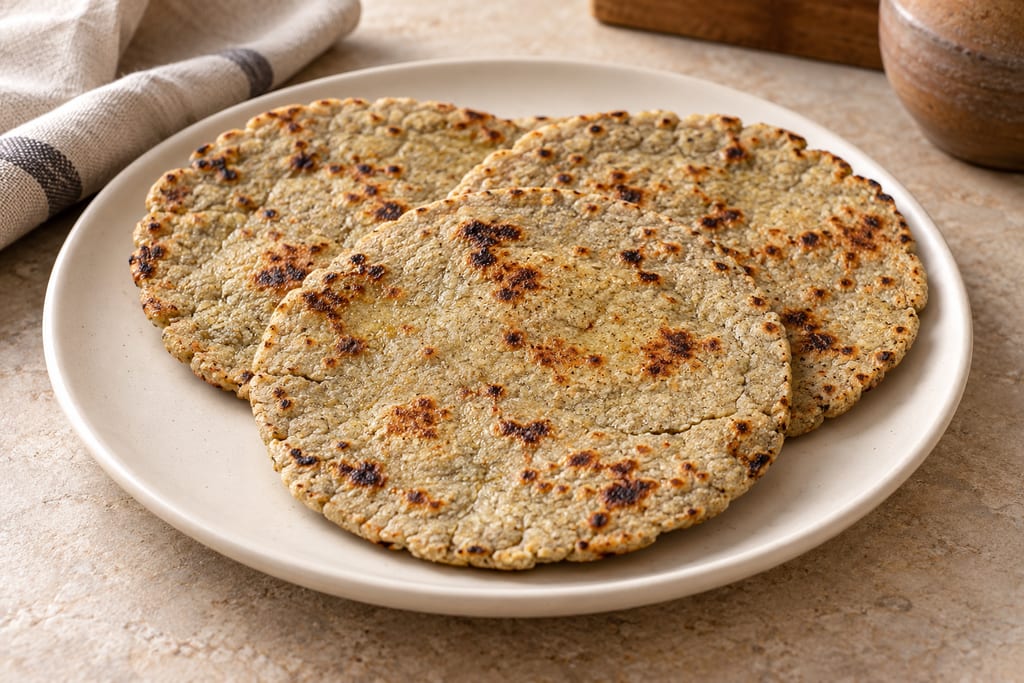
A pearl-millet flatbread shaped between sheets and cooked on a hot tawa. This home batch makes eight.
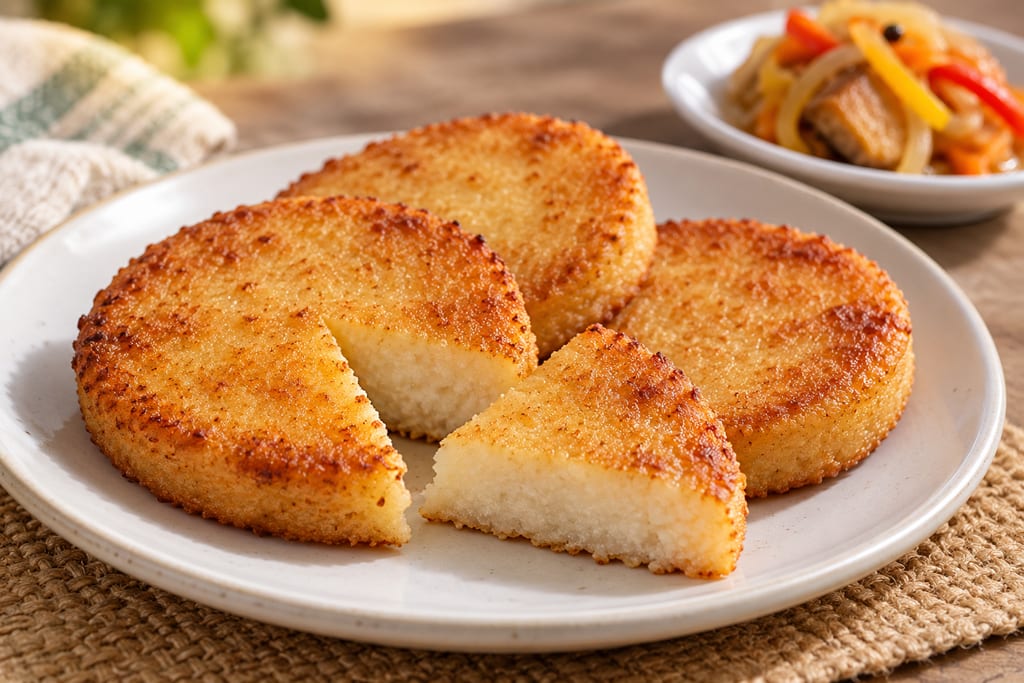
A serving method for approved, prepared bammy rounds: soak them in coconut milk and refry until golden. It does not process raw cassava.
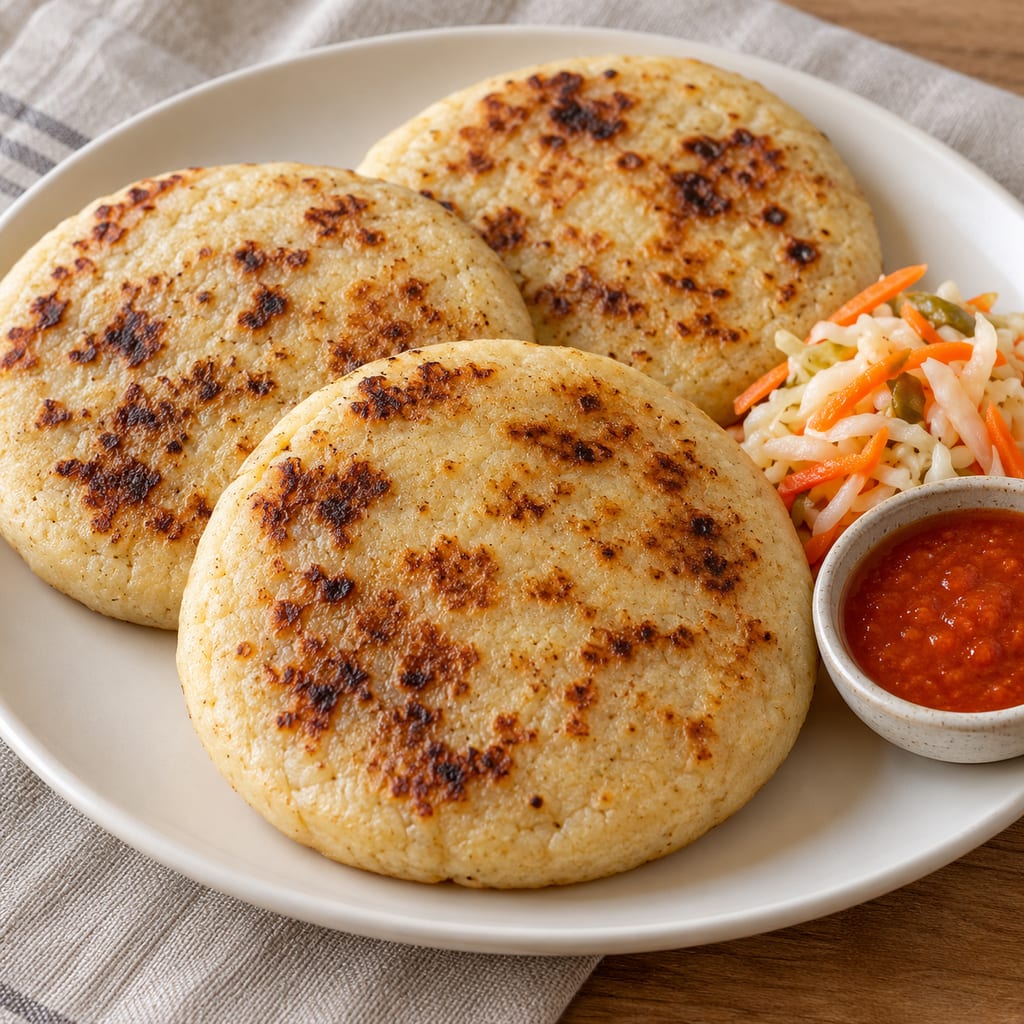
Salvadoran-style masa harina cakes filled with refried beans and cheese, sealed and cooked on an oiled skillet.
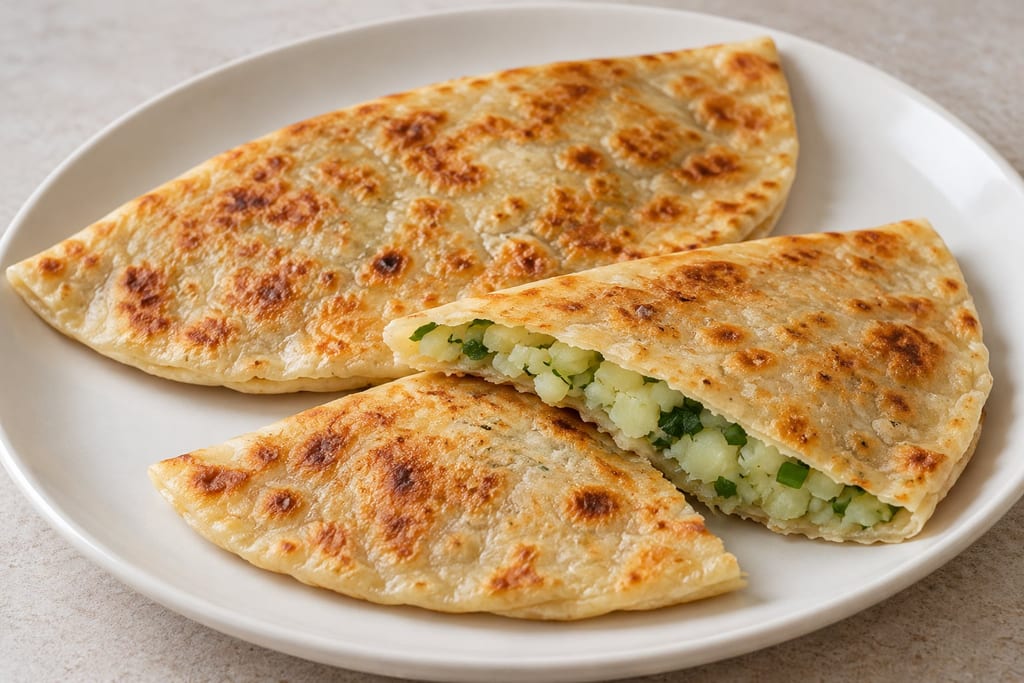
A thin, unleavened Afghan flatbread filled with mashed potato, scallion and cilantro, folded and pan-browned. This version uses a dough made from scratch.
No community contributions have been published for this entry yet.
Sign in to contribute. Published comments and photos are free to read.
Temple of ThaiMethod · Identity · Geographic context
Thai Street Vendor Style Roti RecipeIngredient amounts and yield of 16 portions; recipe serves four.
Two rests of at least 30 minutes; elastic kneading; stretched almost-transparent sheet gathered into a coil; approximately 5-inch roti fried on an oiled griddle after lowering heat from high to medium; brown both sides and brush with butter.
The page describes Thai street-vendor roti and optional condensed milk and sugar or curry; it does not specify a pan temperature, frying time or filled-roti endpoint.
U.S. Food and Drug AdministrationSafety
Handling Flour Safely: What You Need to KnowRaw flour may contain harmful bacteria; do not taste raw dough and prevent cross-contamination.
U.S. Food and Drug AdministrationSafety
What You Need to Know About Egg SafetyWash hands, utensils, equipment and work surfaces with hot, soapy water before and after contact with raw eggs and foods containing raw eggs.
Health CanadaSafety
Cooking safetyStay in the kitchen while cooking and take care around hot stovetops and cookware.