
Rice koji
Rice koji is steamed white rice through which koji mold has grown. It carries the enzymes that turn rice starch into sugar, and it is the starting point of sake, sweet miso, amazake and shio koji.
 FermenteaWhere food goes to change
Modern method
된장 (doenjang)
A Korean fermented soybean paste built on rice koji instead of traditional meju blocks, matured warm for thirty days with salt holding the water activity down.
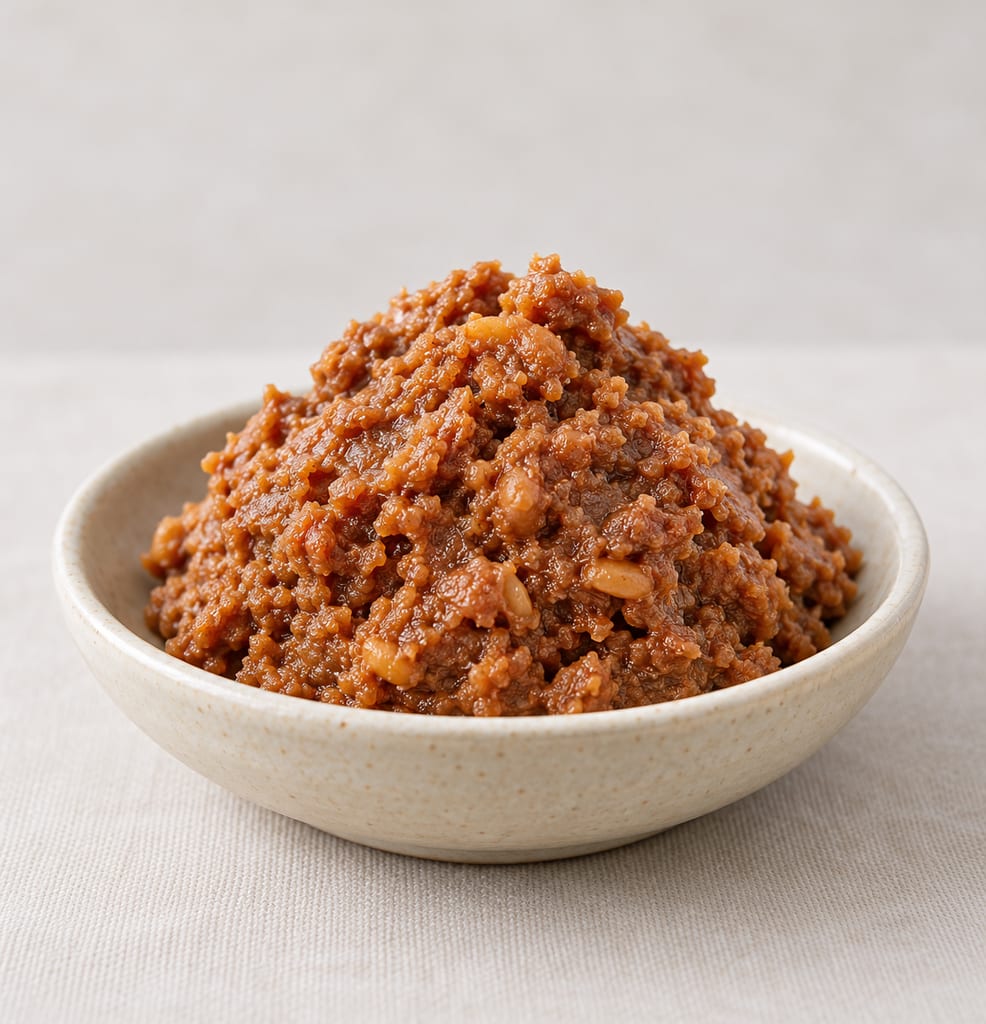
Doenjang is a Korean fermented soybean paste prized for its rich, savoury flavour and its ability to provide depth to soups, stews and sauces.
Its Korean name is 된장, romanised doenjang. The term combines doen, referring to thickness or firmness, with jang, the broad Korean category of fermented sauces and pastes.
The main biological ingredient is soybean, Glycine max (L.) Merr.
Traditional doenjang is commonly associated with fermented soybean blocks called meju (메주), brine and prolonged maturation.
This recipe is different. It uses rice koji, prepared using the mould Aspergillus oryzae, alongside cooked soybeans, salt and water.
The controlled study was designed to examine how changing the amount of rice koji affects the chemical and enzymatic properties of doenjang during 30 days of fermentation.
It is therefore a modern experimental formulation of a Korean paste, not a reconstruction of a historical household process.
The distinction is important because traditional doenjang, rice-koji doenjang and Japanese miso may share ingredients and microorganisms while differing in production and culinary identity.
Soybean fermentation is an established part of Korean culinary history.
The family of fermented condiments known as jang includes doenjang, ganjang and gochujang.
Ganjang is a liquid soy-based seasoning. Doenjang is a thicker soybean paste. Gochujang incorporates chilli and starch-based ingredients to produce a different flavour and texture.
Traditional Korean soybean processing often involves cooking soybeans, crushing or shaping them into blocks and allowing microbial activity to develop before brining and maturation.
The blocks are called meju.
Historical evidence for Korean soybean fermentation reaches back well before the development of contemporary laboratory koji systems.
However, the current formula cannot be assigned a traditional invention date.
It was documented in a scientific investigation published in 2021, undertaken at Jeonbuk National University.
The researchers used a controlled koji process and compared three formulations.
This makes the recipe particularly valuable for understanding the role of koji concentration in Korean soybean-paste chemistry.
It also makes it unsuitable as evidence that all traditional doenjang has historically been prepared using rice inoculated with pure Aspergillus oryzae.
Koji is a substrate, commonly rice or another cereal, cultivated with a selected food-fermentation mould.
In this preparation, the mould is Aspergillus oryzae.
As the mould develops on the cooked rice, it produces enzymes capable of breaking down starches and proteins.
Amylases act on starch molecules, producing smaller carbohydrates.
Proteases act on proteins, producing peptides and amino acids.
These enzymatic transformations are fundamental to the development of fermented soybean paste.
The sugars contribute sweetness and may become substrates for other microorganisms.
The amino acids, including glutamate, contribute savoury flavour.
Because soybeans are relatively rich in protein, the proteolytic part of the process is especially important.
The koji is not simply a flavouring sprinkled into the paste. It is an enzyme-bearing ingredient that changes the chemistry of the mixture during maturation.
Traditional meju is usually made from soybeans themselves.
Its microbial population can be diverse, involving moulds, bacteria and yeasts.
Rice koji begins with rice prepared under controlled conditions and deliberately inoculated with a selected mould.
The resulting enzyme profile may be more predictable, although actual activity depends on the culture and growth conditions.
Using rice koji also adds cereal-derived carbohydrates to the finished paste.
This can affect sweetness and the balance between carbohydrate breakdown and protein breakdown.
Consequently, rice-koji doenjang may develop characteristics different from a paste made predominantly with traditional soybean meju.
The modern experiment investigates this interaction rather than treating the two fermentation systems as automatically equivalent.
The study compared three recipes, labelled K1, K2 and K3.
Each totals 2,000 g of listed ingredients before accounting for any subsequent processing changes.
The present recipe follows K1.
The soybean and salt quantities remain constant across all three formulations.
Increasing koji is balanced by reducing water.
This means the study changes both koji percentage and moisture-related formulation conditions.
The K1 mixture contains 20% koji and 12.5% added salt by initial total ingredient weight.
K2 contains 22.5% koji, and K3 contains 25%.
These percentages are formulation values, not final analytical concentrations after fermentation.
Soybeans — 800 g — 800 g — 800 g
Rice koji — 400 g — 450 g — 500 g
Salt — 250 g — 250 g — 250 g
Water — 550 g — 500 g — 450 g
Main paste formulation
Separate from this, the study prepares rice koji from:
Not all the finished koji is incorporated into K1.
That is the central correction to the original record, which listed 500 g koji in the ingredients while its method used 400 g.
Soybeans — 800 g — Protein-rich substrate
Finished rice koji — 400 g — Source of enzymes and cereal material
Salt — 250 g — Flavour and water-activity control
Water — 550 g — Adjusts paste consistency and processing conditions
Koji ingredient — Quantity
Rice — 500 g
Water for soaking — 750 mL
Aspergillus oryzae starter — 0.2% by weight
The rice stage is a controlled fungal cultivation rather than a general instruction to let rice grow mould.
The study uses selected Aspergillus oryzae starter material.
The culture's identity matters because the genus Aspergillus contains species with substantially different properties, including organisms that can produce undesirable mycotoxins.
Unidentified environmental mould is not an acceptable substitute for a food-grade koji starter.
The method includes high-temperature treatment in an autoclave, cooling under controlled conditions and subsequent mould incubation.
The process must provide suitable oxygen and moisture for growth.
Mixing during incubation redistributes the material and changes the conditions experienced by the developing mould.
The experiment specifies both the temperature and the relative humidity.
These parameters should be retained when documenting the research.
Rice-koji cultivation 72 hours · Soybean soaking 9 hours · Paste fermentation 30 days at 35°C
These steps reproduce the scientific methodology. They do not constitute a validated domestic food-production procedure.
Prepare the rice. Wash 500 g rice and soak in 750 mL water at 20°C for 30 minutes. Drain the soaking liquid.
Sterilise the rice. The experiment uses an autoclave at 121°C for 40 minutes, under the documented pressure condition of 0.1 MPa. Cool the material promptly to 25°C.
Inoculate the rice. Introduce the selected Aspergillus oryzae starter at 0.2% by weight. The study uses a named commercial culture; this is not an instruction to collect an unidentified mould.
Cultivate the koji. Incubate the rice for 72 hours at 35°C and 85% relative humidity. Mix the culture using sterilised utensils at 24-hour intervals.
Prepare the soybeans. Soak 800 g soybeans in 1,200 mL water for 9 hours at 20°C. Drain the soaking water.
Heat-treat the soybeans. Sterilise in the laboratory autoclave at 121°C for 40 minutes. Cool promptly to 25°C.
Mix K1. Combine the prepared soybeans with 400 g finished rice koji, 250 g salt and 550 g water. Blend until the ingredients are distributed through a consistent paste.
Ferment the paste. Incubate for 30 days at 35°C and 85% relative humidity. The experiment mixed the paste evenly with sterilised utensils every 24 hours.
Assess the finished research samples. The study collected samples at five-day intervals, measuring chemical and enzymatic changes. It did not establish a general household release criterion or extended storage life.
Doenjang fermentation involves a combination of enzyme activity and microbial metabolism.
Koji-derived proteases break soybean proteins into progressively smaller molecules.
Amino acids accumulate as protein breakdown proceeds.
This can increase the savoury quality of the paste.
Amylases break down accessible carbohydrates, changing the distribution of sugars.
Yeasts and other microorganisms may use some of these sugars to produce further metabolites.
Organic acids can develop, contributing to acidity.
At the same time, reactions involving amino compounds and other substances contribute to changes in flavour and aroma.
The process is not governed by one fermentation organism in the same way as the deliberately inoculated natto study.
Koji supplies the selected mould system, but the subsequent paste fermentation may involve additional microbial activity.
The pH declined during fermentation.
The K1 pH was reported as decreasing from approximately 6.15 to 5.47 in the investigation's summary analysis.
The researchers also recorded pH differences between formulations during fermentation.
These results help show that acidification occurs, even though proteolysis is an important part of the product's flavour development.
Doenjang is not simply a paste in which acidity is driven as low as possible.
Its final balance depends on salt, enzyme activity, microbial succession and maturation.
The measured pH values describe experimental outcomes.
They are not independent safety thresholds.
A central result of the study was the relationship between koji percentage and enzyme activity.
The researchers measured α-amylase, β-amylase, acidic protease and neutral protease.
By day 30, acidic protease activity in K1 had increased from approximately 7.20 to 24.33 units/g.
Neutral protease activity rose from 7.28 to 31.12 units/g.
The K3 treatment, containing the greatest proportion of koji, generally showed higher final protease activity.
This is consistent with the idea that more enzyme-bearing koji can increase the capacity of the paste to break down proteins.
However, it does not establish that K3 is universally the best-tasting or safest formulation.
Higher enzyme activity may change flavour, but consumer preference and microbiological stability require separate assessment.
Traditional doenjang is often produced through meju fermentation followed by brining and maturation.
Regional household methods can vary according to season, soybean preparation and vessel use.
Some forms are matured in earthenware jars called onggi (옹기).
Rice-koji-assisted doenjang represents a more controlled modern variant.
The use of rice changes the carbohydrate contribution.
The chosen koji strain can also affect the enzyme system.
The three experimental formulas differ in their koji percentage and water allocation.
They should remain variants on one page, rather than separate foods.
Japanese miso is technologically related but belongs to a different culinary tradition and includes its own range of formulations.
Similarity in ingredients is not sufficient reason to merge the product identities.
Doenjang is central to numerous Korean dishes.
Doenjang-jjigae (된장찌개) is a hearty soybean-paste stew.
It may contain tofu, vegetables and other ingredients.
Doenjang-guk (된장국) is a soup incorporating the paste.
Doenjang can also be used in dipping sauces and vegetable preparations.
The paste contributes saltiness, fermented aroma and umami.
Its intensity means it is typically used as a seasoning component rather than consumed in large quantities alone.
The current K1 formula may differ in flavour from a traditionally matured meju-based doenjang.
A scientific formulation should not be assumed to reproduce every flavour associated with a long-aged household paste.
A developing paste may change colour, aroma, acidity and texture.
The research measured these changes rather than relying entirely on appearance.
Variations in colour can reflect enzymatic and chemical reactions.
However, darkening alone is not proof that fermentation is progressing safely.
An unusual fuzzy growth, unexpected discolouration or evidence of deterioration should prompt rejection or professional investigation.
The presence of mould cannot be judged safe merely because the recipe includes Aspergillus oryzae during the earlier koji stage.
The intended mould was deliberately selected and grown under controlled conditions.
An unknown organism appearing later in the paste is a separate issue.
This recipe uses laboratory sterilisation and controlled incubation.
It should not be casually rewritten for an ordinary pressure cooker.
The starter strain must be suitable for food fermentation.
Salt plays an important role in the fermentation environment, but its initial percentage alone does not validate the final product.
The BC Centre for Disease Control has published process-specific guidance for koji and miso-type fermentations, including the importance of culture control and appropriate process conditions.
The original doenjang study investigated physicochemical and enzymatic changes rather than providing a complete microbiological safety validation for home use.
It does not establish a general shelf life for the K1 product.
Any commercial or household adaptation must recognise these limits.
This modern controlled study presents an experimental rice-koji doenjang formula. Doenjang is a Korean product, but this protocol is not presented as a traditional household method.
Yield 2000 g formulated paste before fermentation (approximate sum of listed components) · Scaling: source batch only
The recipe deliberately uses Aspergillus oryzae, but a strain or food-production starter must be identified; spontaneous molds cannot be assumed to be the intended culture.
Hazard sourceUse a food-grade, identified A. oryzae starter and clean equipment; follow the starter supplier's instructions. The research paper does not establish commercial validation for this home-scale recipe.
Control sourceThis is a controlled research formula, not a professionally validated home process. Do not substitute unknown mold or treat surface appearance as proof of identity or safety.
The study gives a Korean institutional/provenance context. It does not establish the recipe as a traditional local preparation.
Rice koji is steamed white rice through which koji mold has grown. It carries the enzymes that turn rice starch into sugar, and it is the starting point of sake, sweet miso, amazake and shio koji.
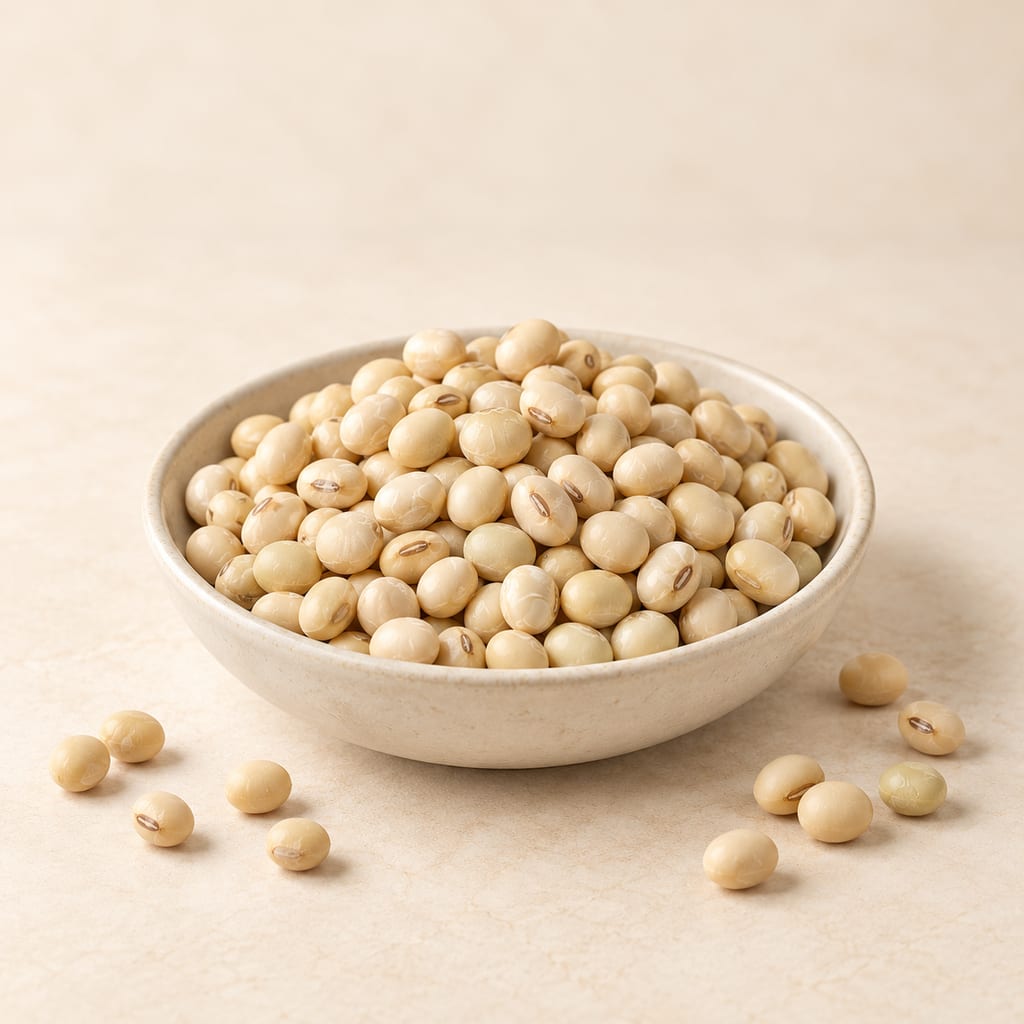
Soybeans are the mature dry seeds of Glycine max, about 40 percent protein and 20 percent oil, the substrate of tempeh, natto, miso, soy sauce and many other fermented foods.
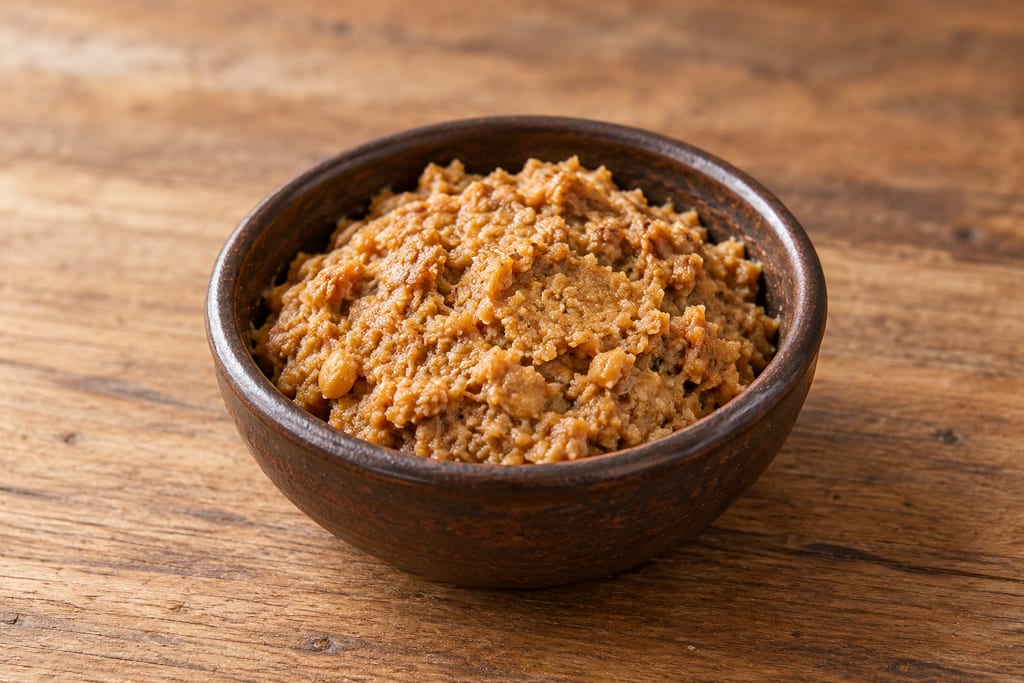
Doenjang (된장) is a Korean fermented soybean paste made by brining meju, separating ganjang, then mashing and aging the solids. This recipe follows one documented Sunchang processing study.
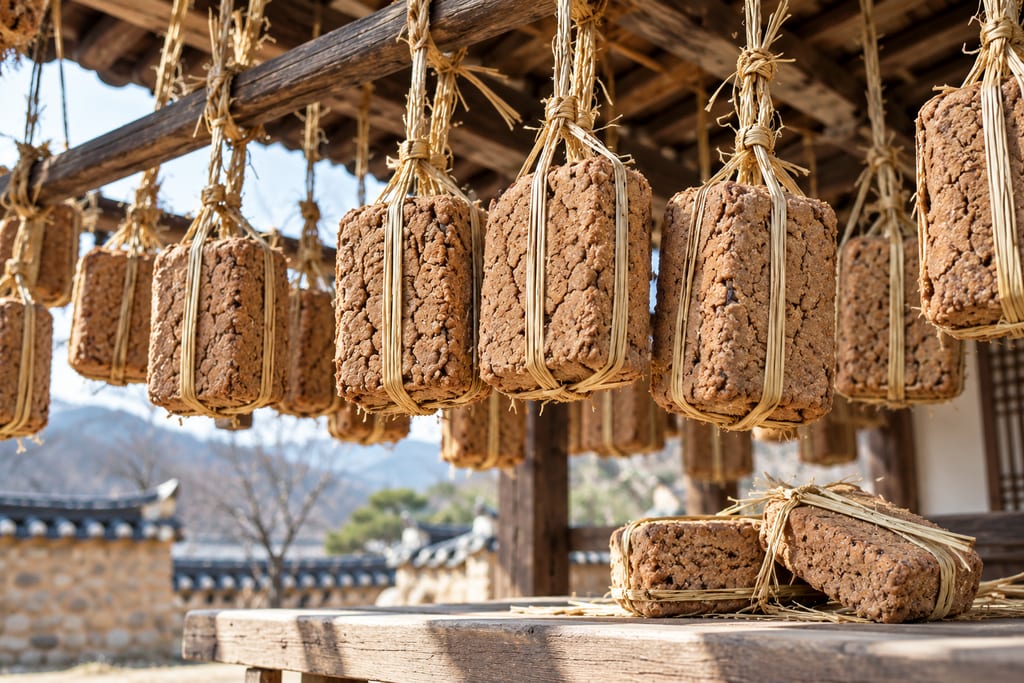
A cooked soybean brick, shaped and dried, that is fermented as a solid and later brined to make the Korean soy paste doenjang and the soy sauce ganjang.
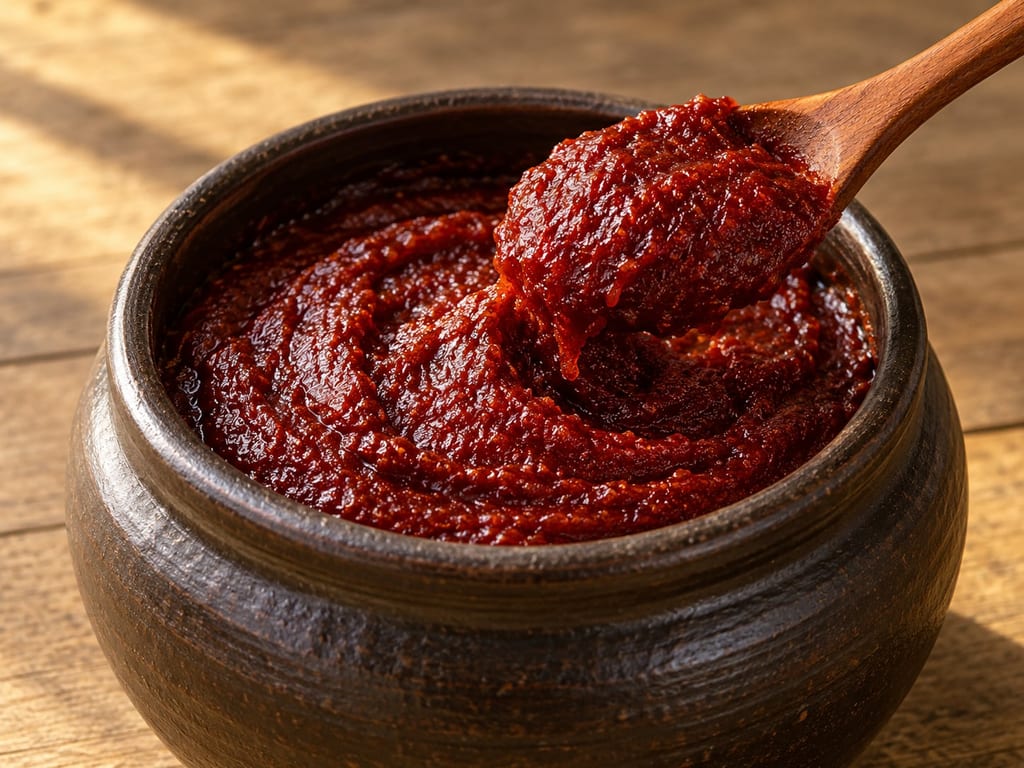
Korea’s sweet, savoury and fiery red paste of glutinous rice, barley-malt enzymes, fermented soybean meju powder and chilli powder, matured in earthenware.
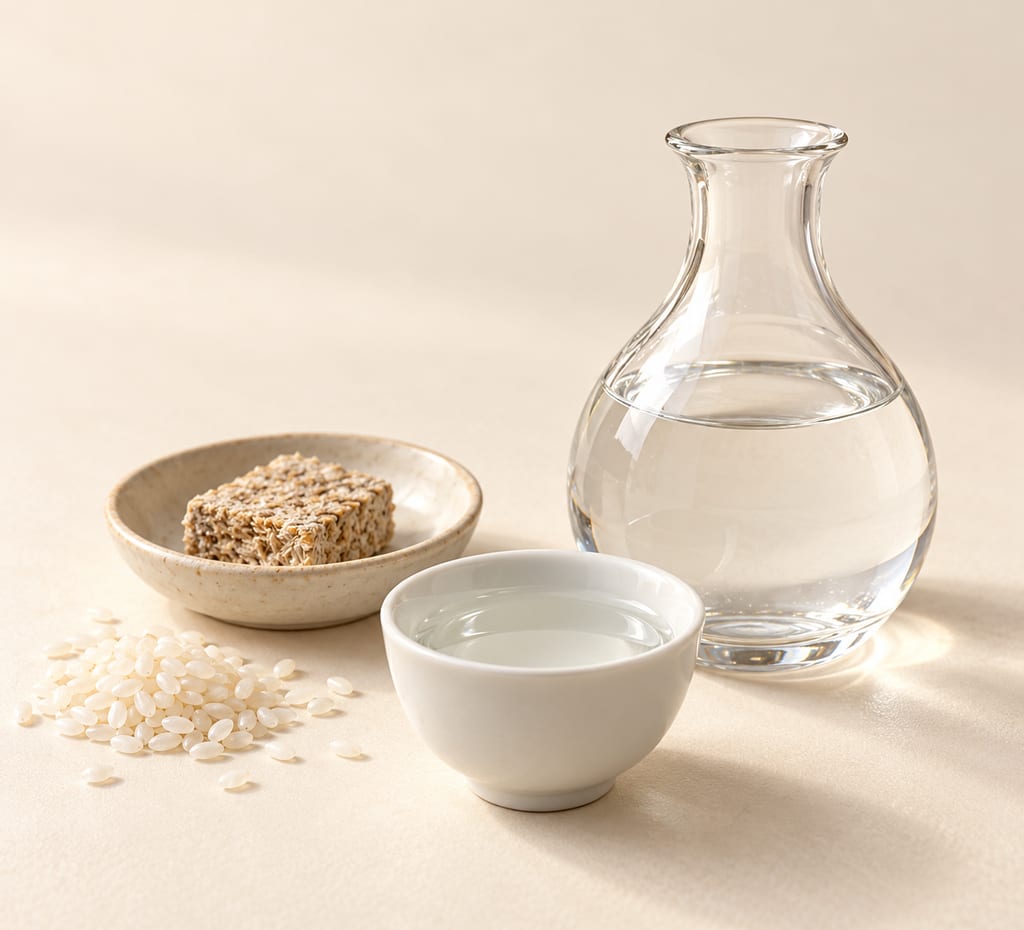
Andong soju is a rice spirit from North Gyeongsang, distilled from steamed rice and wheat nuruk. This method makes the starter before fermenting the rice mash in a jar.
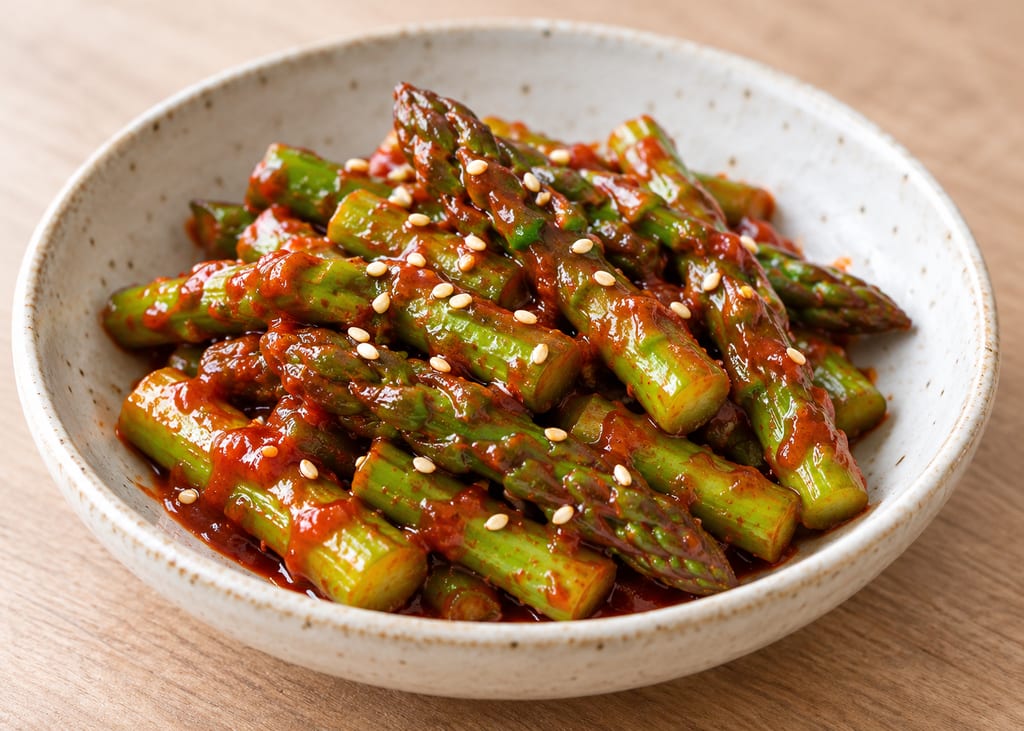
A Korean banchan of blanched asparagus dressed with a sweet-sour cho-gochujang sauce; Hyosun's version cools the spears in ice water before tossing.
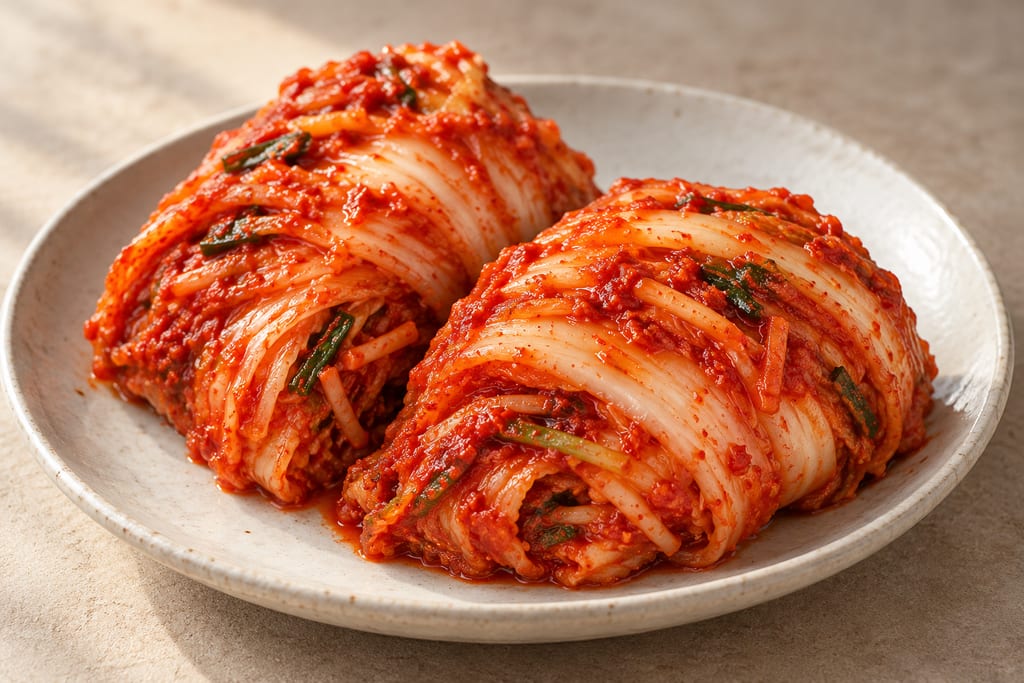
Napa cabbage salted, seasoned with a paste of gochugaru, garlic, ginger and salted seafood, and left to sour through lactic fermentation; Korea's everyday winter preserve.
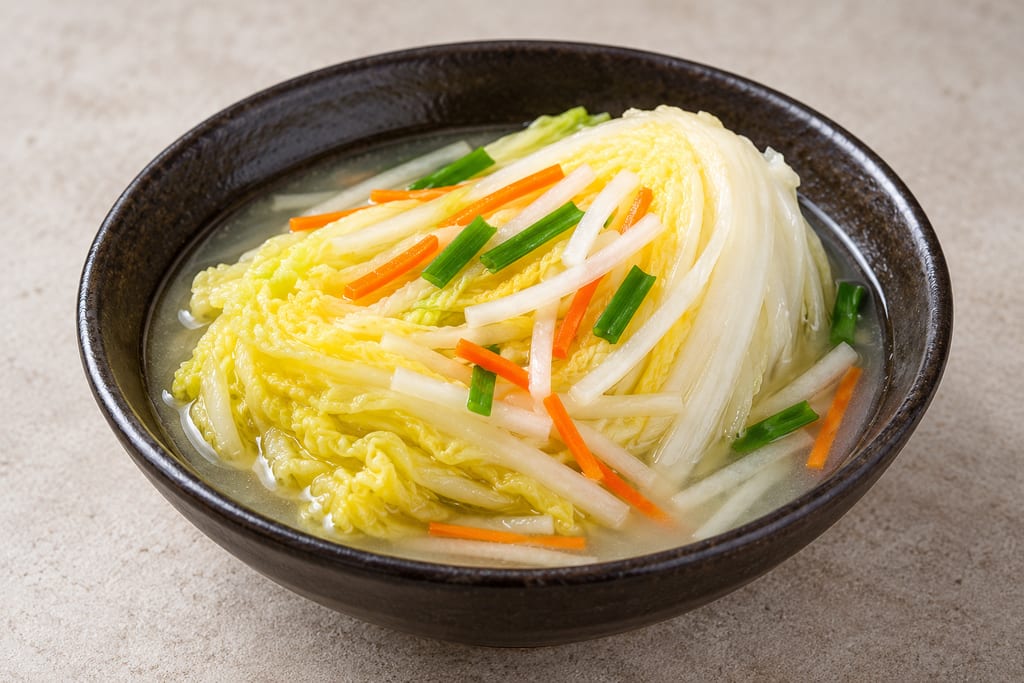
Napa cabbage is brined and filled with pear, radish, alliums, chives and fruit; this Korean kimchi omits red pepper flakes.
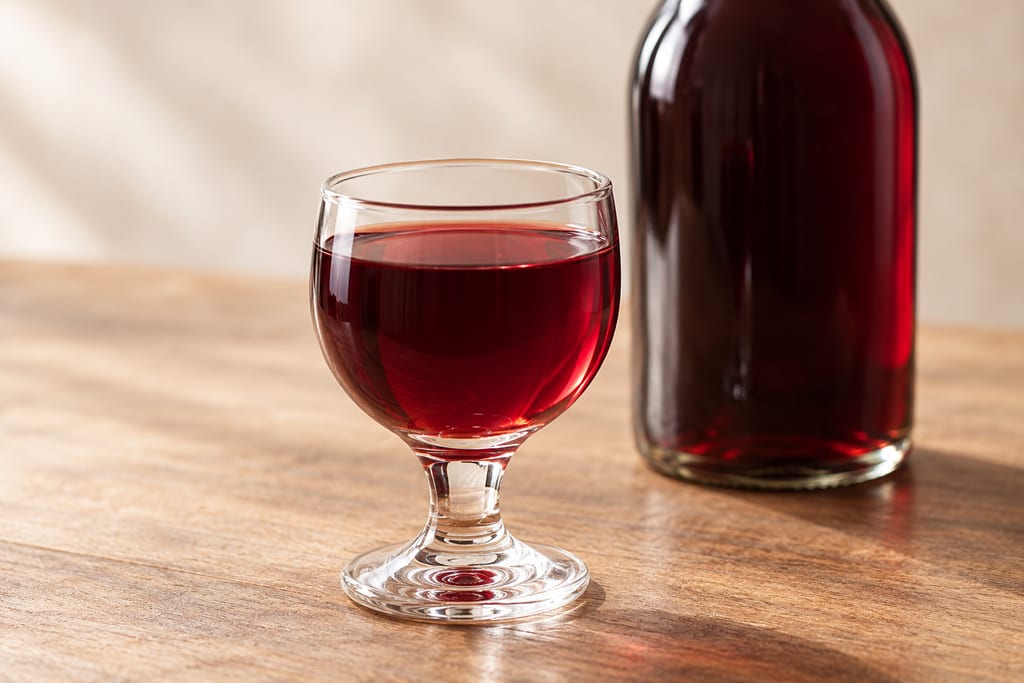
Korean black raspberry wine: crushed bokbunja berries with their seeds, sweetened to 20 °Brix, fermented 15 days at 25 °C with wine yeast, filtered and matured three months.
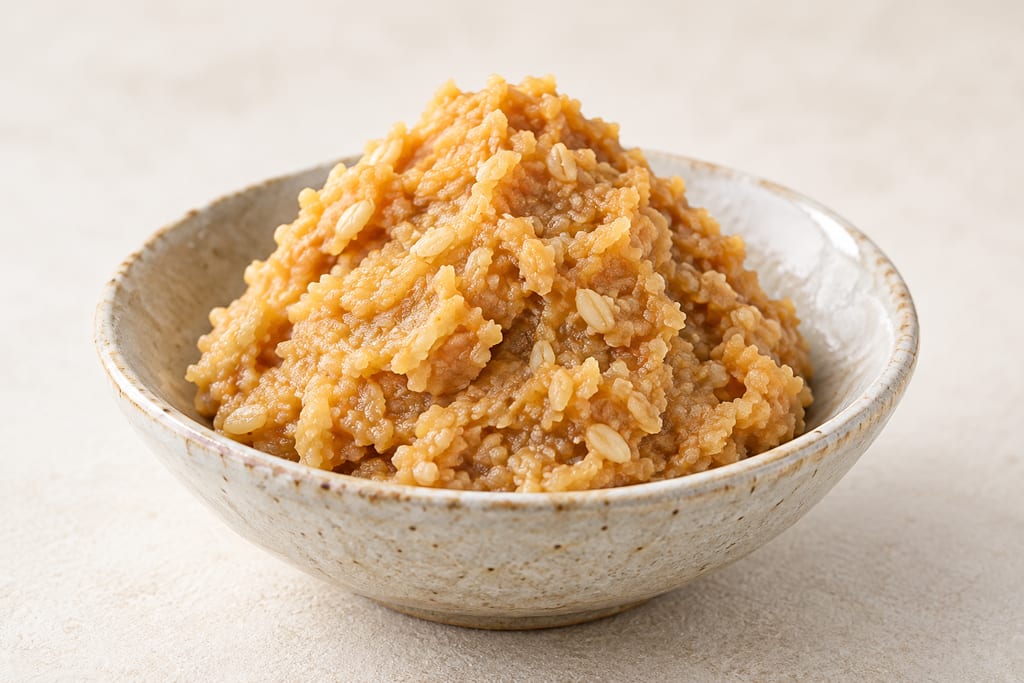
A Japanese soybean paste fermented with barley koji and salt, made mostly in Kyushu, Shikoku and western Japan. It is sweet, savoury and grainy.
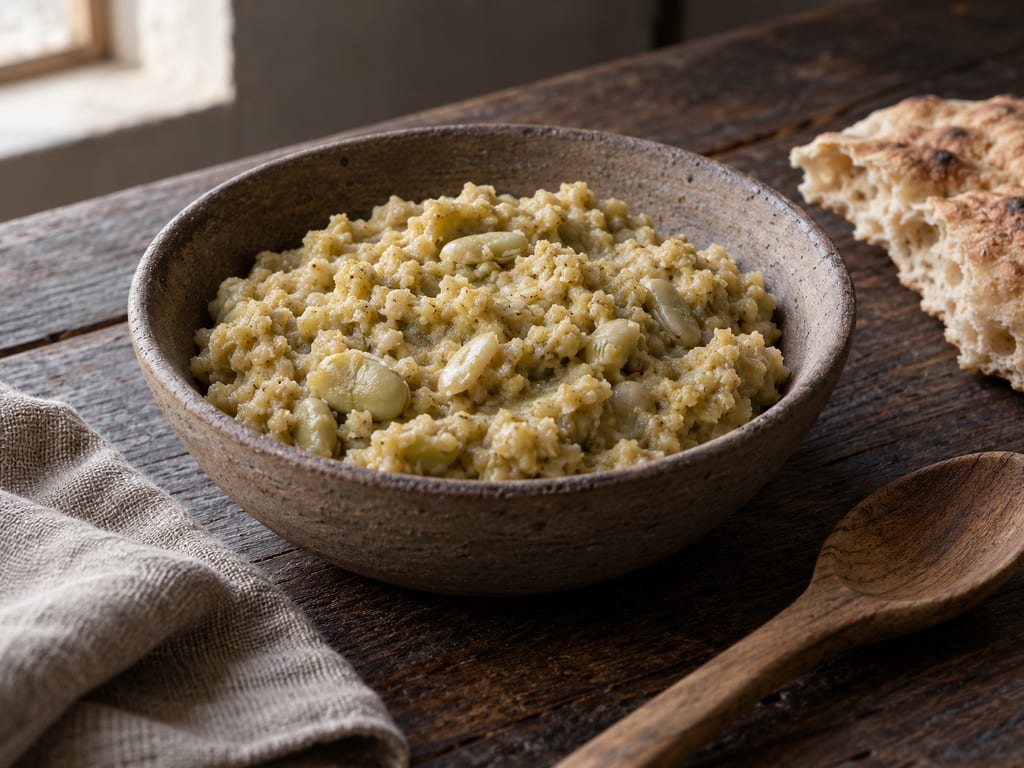
Cooked broad beans crushed to a thick paste with garlic and salt, a museum preparation built on the one European pulse that was already old when the Viking Age began.
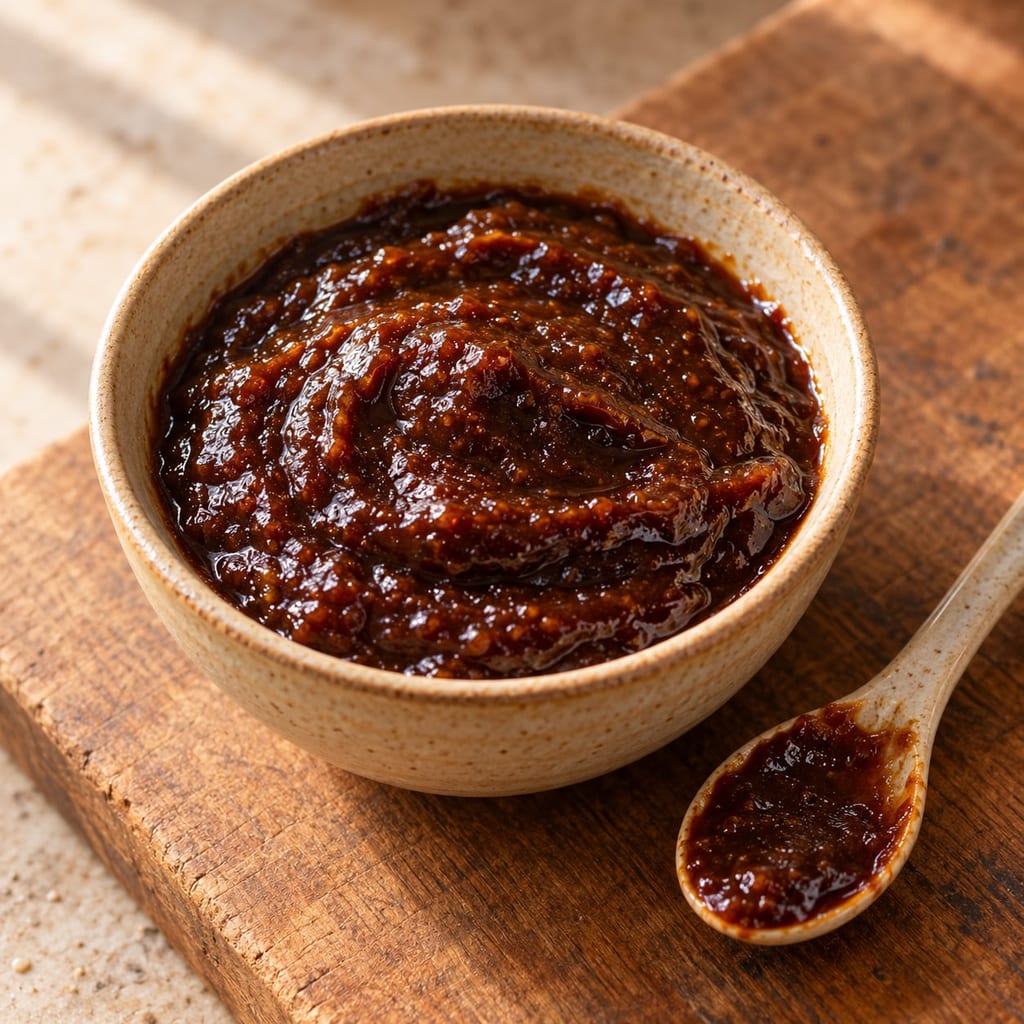
Chu hou is a sweet, savoury Cantonese paste of fermented soybeans, fermented bean curd, garlic, ginger and sesame, used mainly to braise meat.
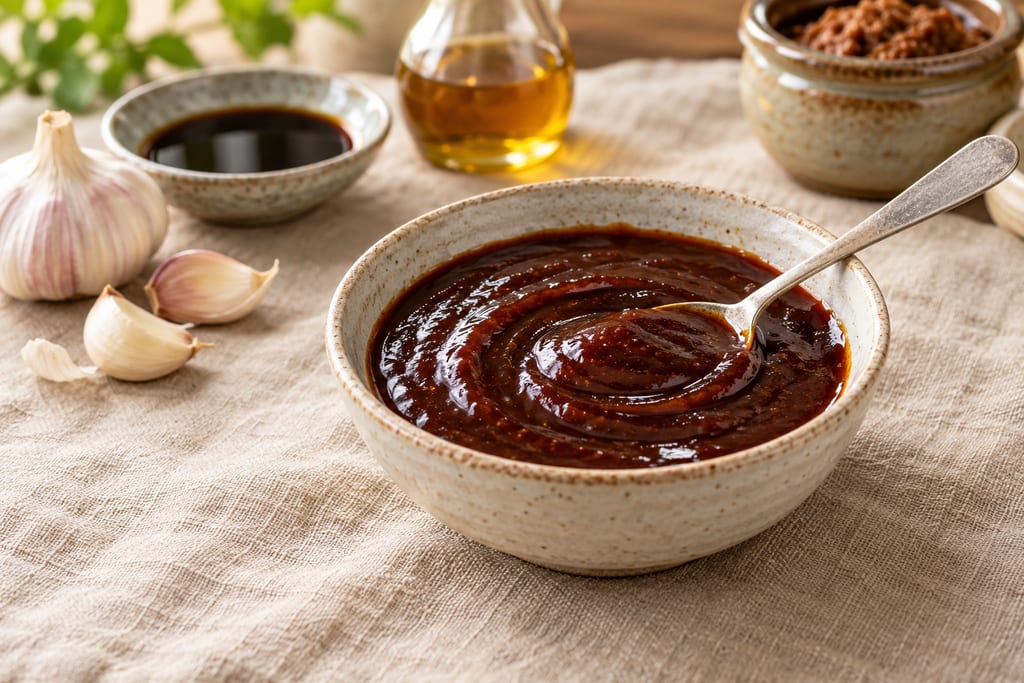
A thick, dark, sweet-salty Chinese condiment built on fermented soybean paste. This page gives one quick home version and records how commercial formulas differ.
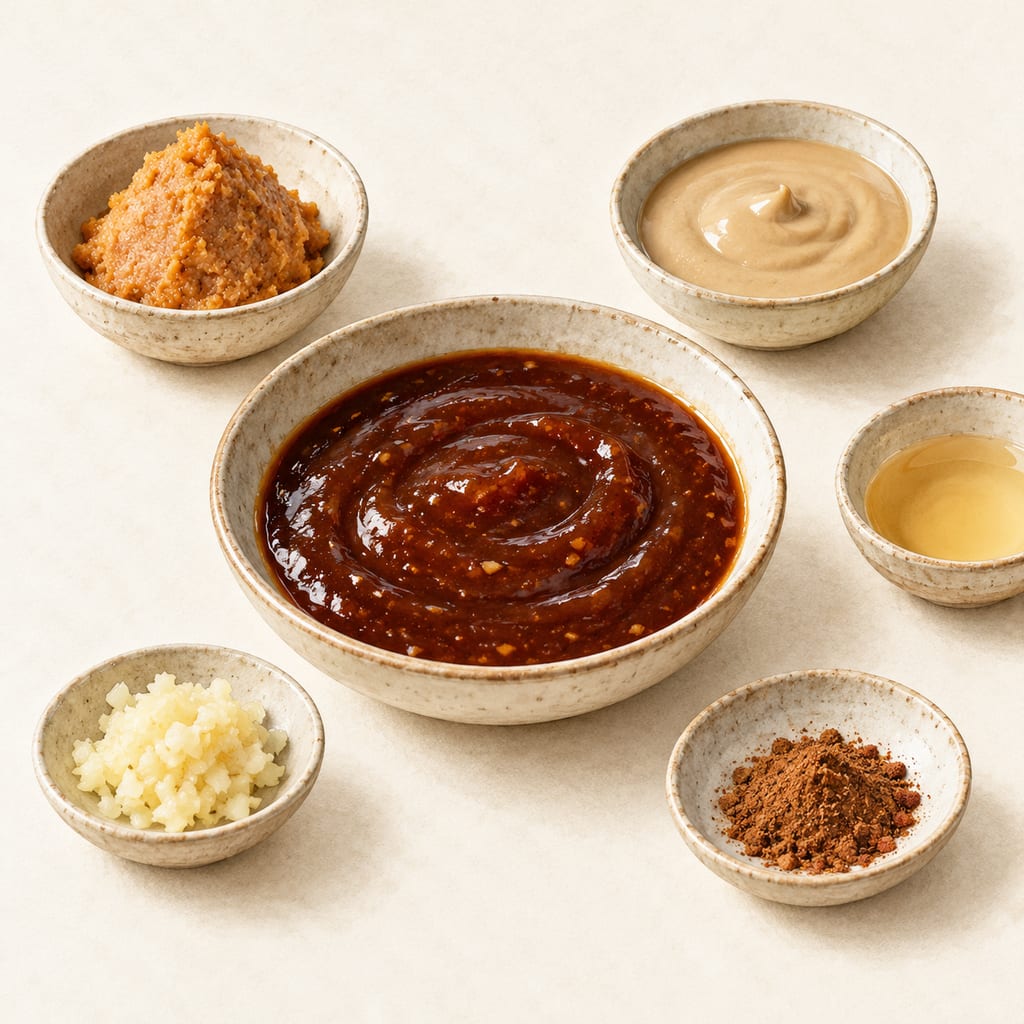
An untested modern miso-based sauce inspired by hoisin's sweet, savory profile; this prototype is not traditional hoisin or a copy of a commercial brand.
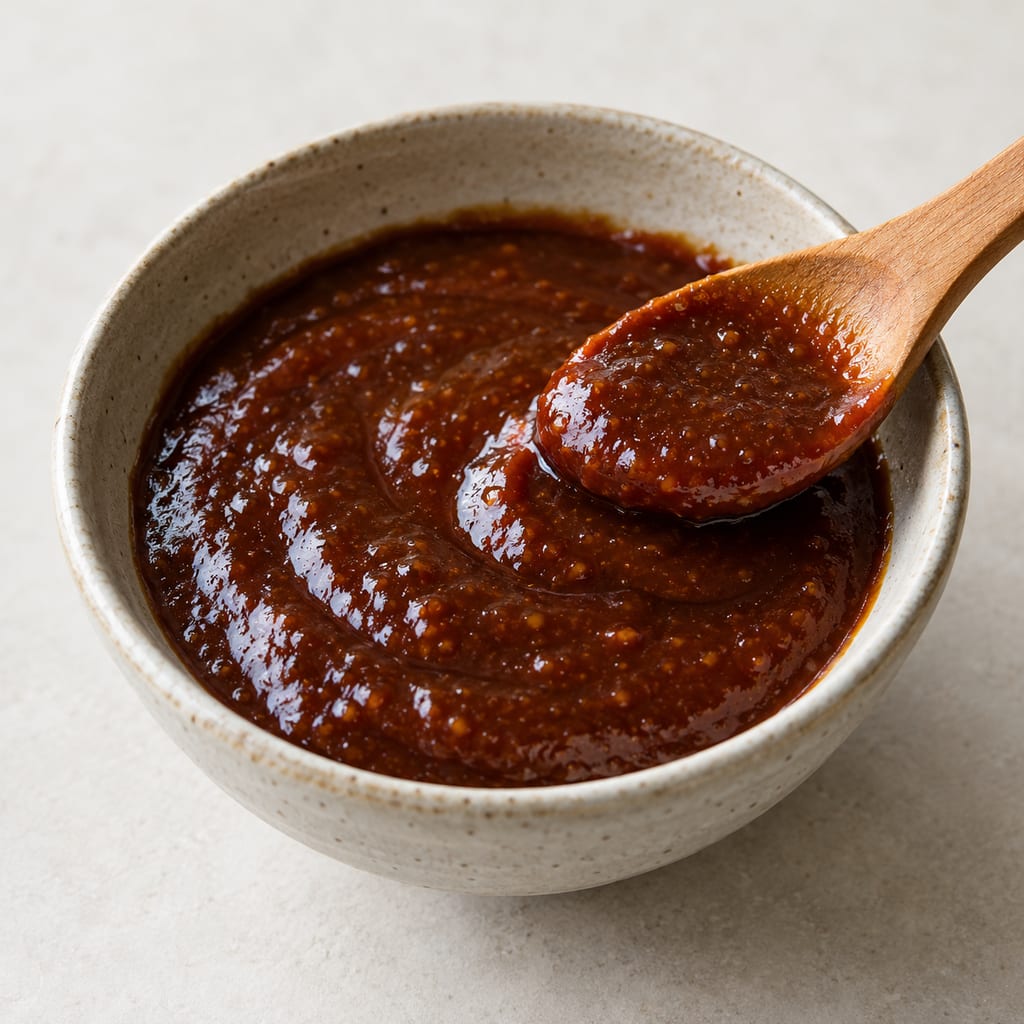
A sweet-salty Japanese glaze of miso, mirin, sake and sugar, warmed until thick and spread on grilled tofu, eggplant, daikon or konnyaku. Regional versions in Aichi use red miso and dashi.
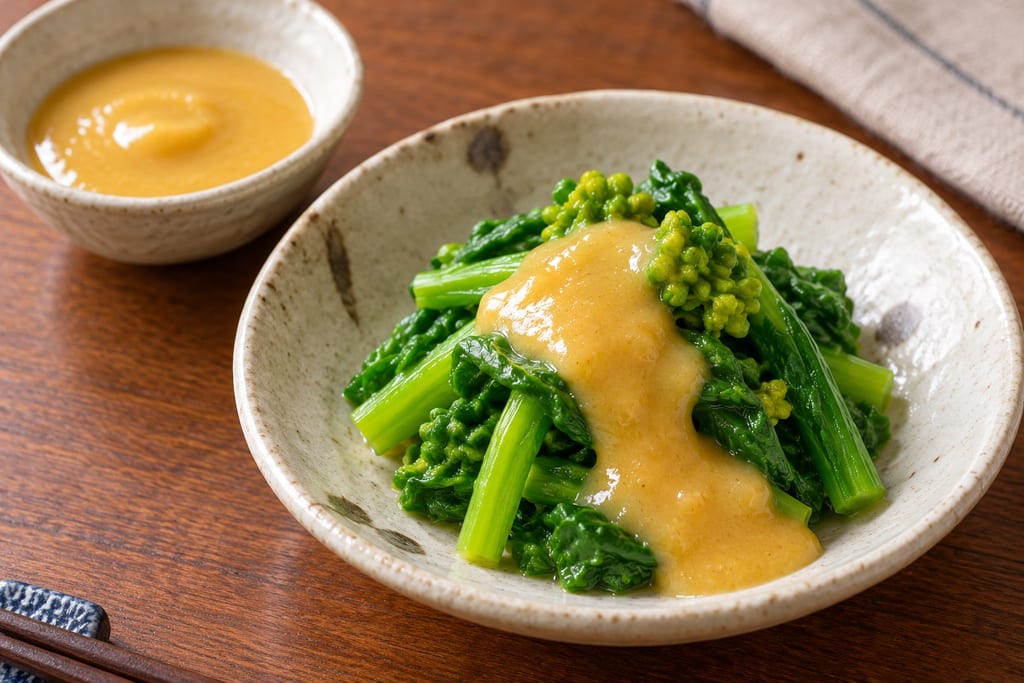
Karashi-su-miso is a smooth Japanese sauce of sweet miso, rice vinegar and hot mustard, stirred together for vegetables, seafood or poached fish.
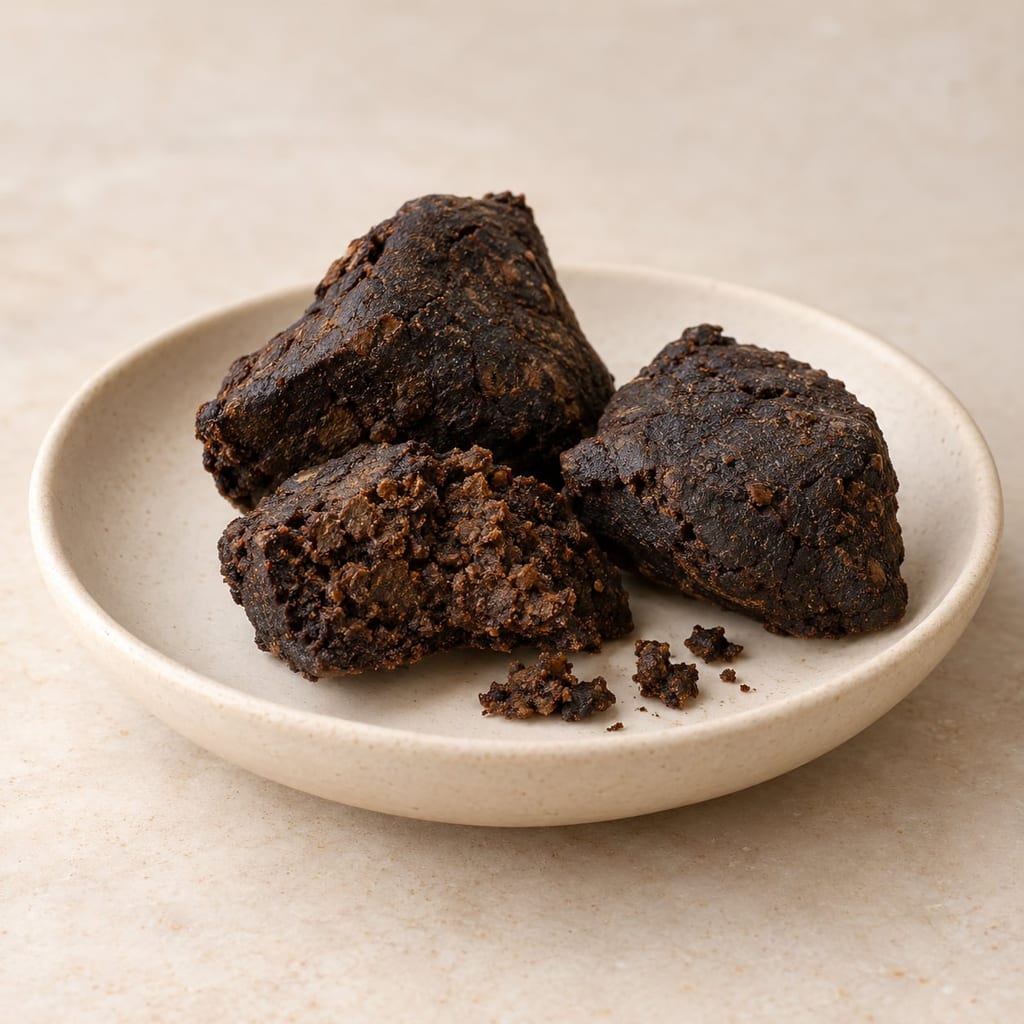
Okpiye, also written okpeye, is a Nigerian condiment from fermented Prosopis africana seeds; published studies describe laboratory batches, not a validated home method.
No community contributions have been published for this entry yet.
Sign in to contribute. Published comments and photos are free to read.
Journal of Microbiology and BiotechnologyInspiration · Process
Changes of Physiochemical and Enzymatic Activities of Doenjang Prepared with Different Amount of Rice koji during 30 Days of FermentationPreparation of rice koji with 0.2% Aspergillus oryzae; K1 formula of 800 g soybeans, 400 g koji, 250 g salt and 550 g water; 35°C/85% humidity for 30 days
Cited in: A modern approach to an old Korean soybean paste; The role of rice koji; Why rice koji differs from meju; The three experimental formulations; Ingredients for K1; Preparing the rice koji; Method; What changes during maturation?; Measured pH changes; Enzyme measurements; Traditional and modern variations; How doenjang is eaten; Signs of successful fermentation
BC Centre for Disease ControlSafety
Safety of fermented foods: Koji and misoFood-grade identified koji culture and process-specific safety review
Cited in: A modern approach to an old Korean soybean paste; Historical context; The role of rice koji; Why rice koji differs from meju; The three experimental formulations; Ingredients for K1; Preparing the rice koji; Method; Measured pH changes; Traditional and modern variations; How doenjang is eaten; Signs of successful fermentation; Safety and storage
FoodsHistory · Method
Foods — Original experimental tables and methodsOriginal experimental tables and methods
Cited in: A modern approach to an old Korean soybean paste; Historical context; The role of rice koji; Why rice koji differs from meju; The three experimental formulations; Ingredients for K1; Preparing the rice koji; Method; Measured pH changes; Traditional and modern variations; How doenjang is eaten; Signs of successful fermentation
Korea Tourism OrganizationHistory
Korea Tourism Organization — Korean jang cultureKorean jang culture
Cited in: Historical context