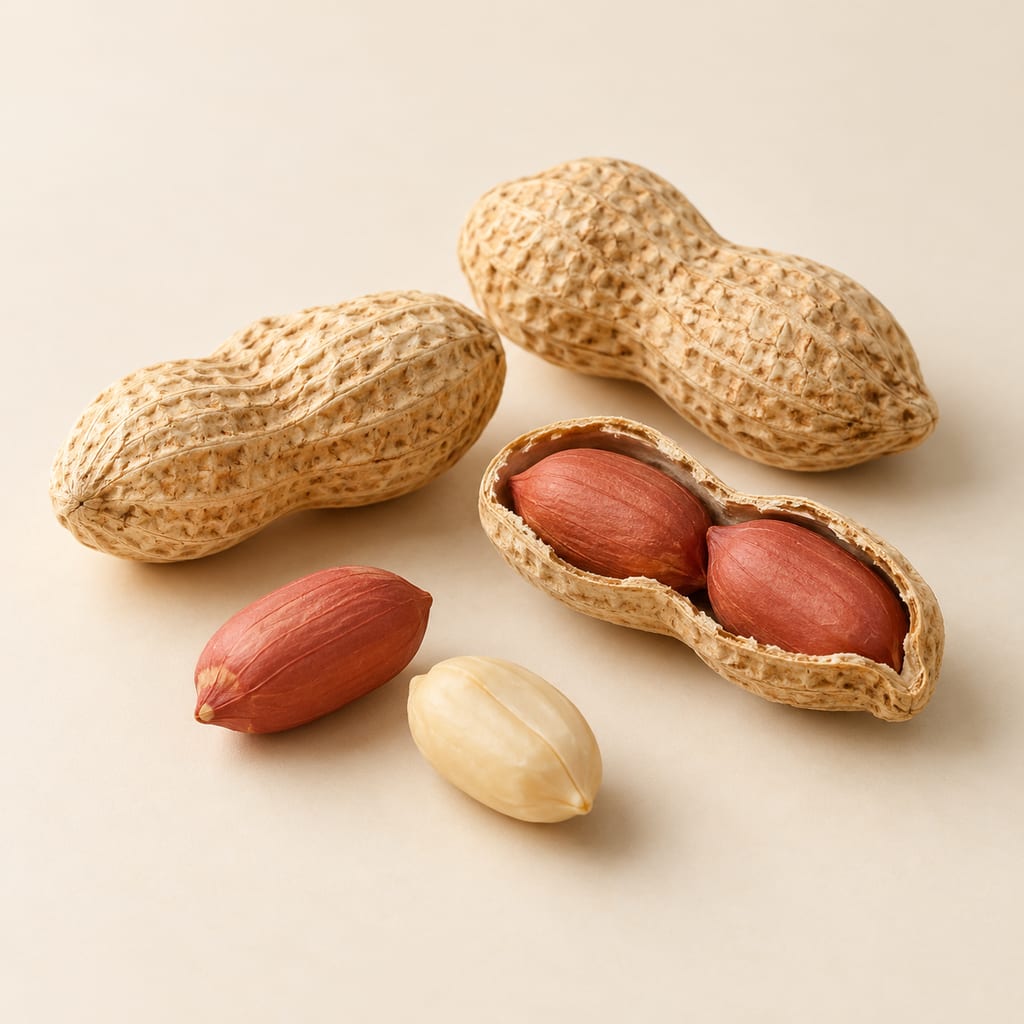
Peanuts
Peanuts are the edible seeds of Arachis hypogaea, a cultivated legume. They are eaten whole, roasted and ground, and peanut oil-press cake is a separate byproduct used in some fermentations.
 FermenteaWhere food goes to change
Spices and aromatics
Lemongrass is Cymbopogon citratus, a tropical grass whose lemon-scented stalks and leaves flavour cooking across South and Southeast Asia. The common name also covers other Cymbopogon species.
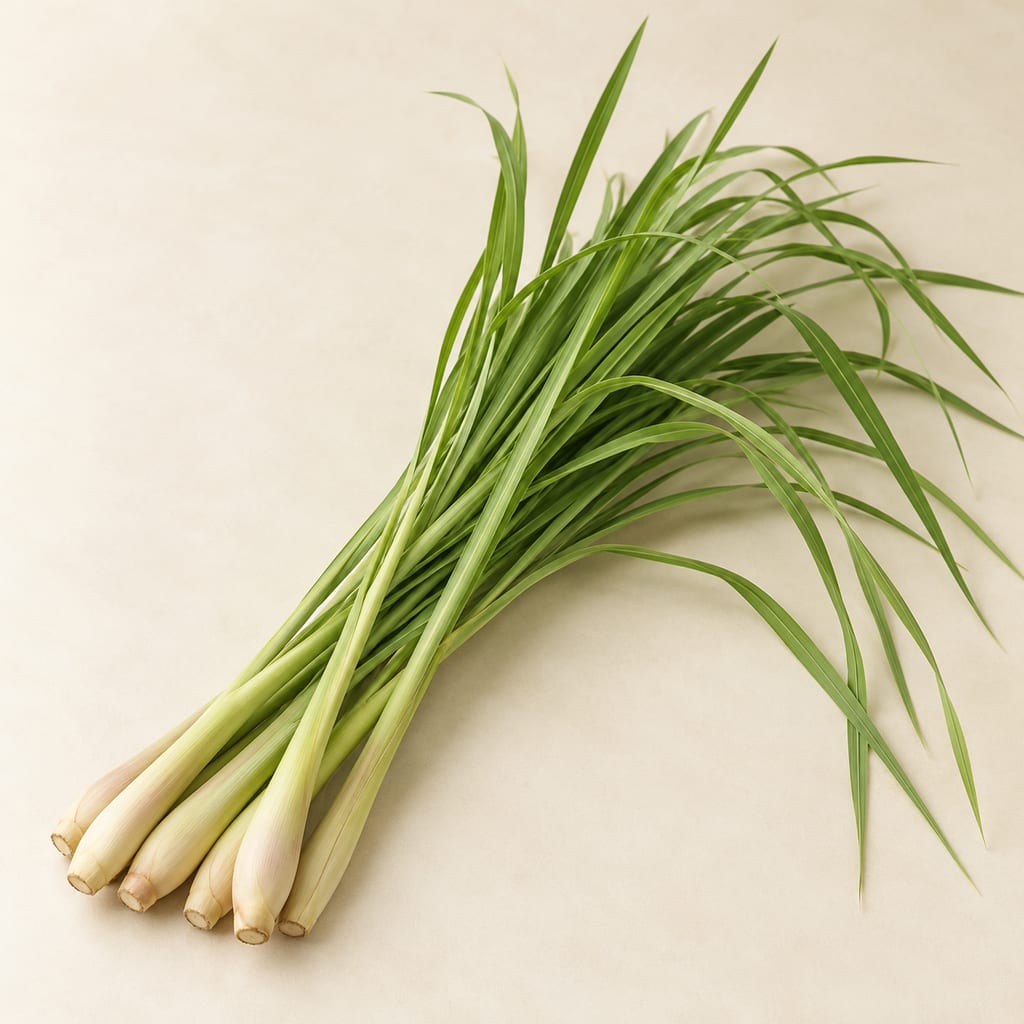
Lemongrass in cooking is Cymbopogon citratus, a tall tropical grass in the Poaceae. Kew accepts the name Cymbopogon citratus (DC.) Stapf, and the species is often called West Indian lemongrass. The common name can also refer to other Cymbopogon species, so a market label alone does not establish the plant. East Indian lemongrass, Cymbopogon flexuosus, is grown mainly for its essential oil and is a separate product.
The name changes from place to place. PROSEA records serai dapur or sereh in Indonesia, tanglad in the Philippines and cha khrai in Thailand. A recipe that names lemongrass in a language or market list should be read with this overlap in mind.
The tender white stem at the base is the part most cooks want. The long blades and tough outer sheaths are fibrous. Illinois Extension describes the stem and leaves as the parts used, with the stem most prized, and notes their use in Vietnamese and Thai dishes. Wisconsin Extension advises removing the outer layers, bruising the stalk and simmering it so the aroma comes out, then taking the stalk out before the dish is served.
In Java, PROSEA records the leaf sheaths in sambal goreng, sambal petis, cooked fish and fish sauces, and young shoot hearts eaten with rice. The sources give no quantities and no storage limits for a complete recipe, so any amount has to come from the recipe that uses it.
Illinois Extension describes the stems and leaves as giving food a strong lemon flavour. The aroma comes from the plant's aromatic oils. Citral is a major constituent of lemongrass oil. PROSEA describes the distilled oil as grassy, lemon-like and herbaceous. That is a description of the oil, not a precise taste of the fresh plant, and this entry does not treat it as one.
Crushing, bruising or simmering releases more of the aroma, which is why the stalk is usually prepared before it goes into a pot. A large piece can flavour a dish well and still be too fibrous to eat.
The sources do not agree on where the plant came from. Kew and the Royal Horticultural Society give South India and Sri Lanka as the native range. PROSEA says the exact origin is unknown and a Malesian origin is most likely, and it reports cultivation for food in South and Southeast Asia for several centuries. None of these sources dates a first culinary use.
The origin is unresolved. A crop range or a record of use in Java does not establish a birthplace. Lemongrass is now grown in many warm regions, and its place in each local cuisine is documented use, not proof that the cuisine invented it.
Lemongrass oil is a separate product from the fresh stalk. PROSEA reports that trade statistics for the oil often combine Cymbopogon citratus with Cymbopogon flexuosus. Figures for the oil should therefore not be read as figures for the culinary plant alone.
The sources do not give a distillation method or a domestic dose of oil, and an essential oil is not a food preparation or a preservative. Its smell is not a test of safety.
The FDA advises washing fresh produce under running water before cutting or peeling it, including parts that will be thrown away. Soap, detergent and commercial produce washes are not for produce. Washing lowers surface bacteria but does not remove them all, so clean hands and utensils, cut away damaged parts and keep produce apart from raw meat, poultry and seafood and the tools used for them.
No lemongrass-specific foodborne hazard, validated home preservation process or safe shelf life is established by these sources. A fermented, canned or oil-packed recipe that uses lemongrass needs its own process evidence and controls. Lemongrass flavour and aroma are not a safety control.
PROSEA reports cultivation for food in South and South-East Asia; it does not date a first food use.
PROSEA records leaf sheaths in sambal goreng, sambal petis, cooked fish and fish sauces, and young shoot hearts eaten with rice.
Peanuts are the edible seeds of Arachis hypogaea, a cultivated legume. They are eaten whole, roasted and ground, and peanut oil-press cake is a separate byproduct used in some fermentations.
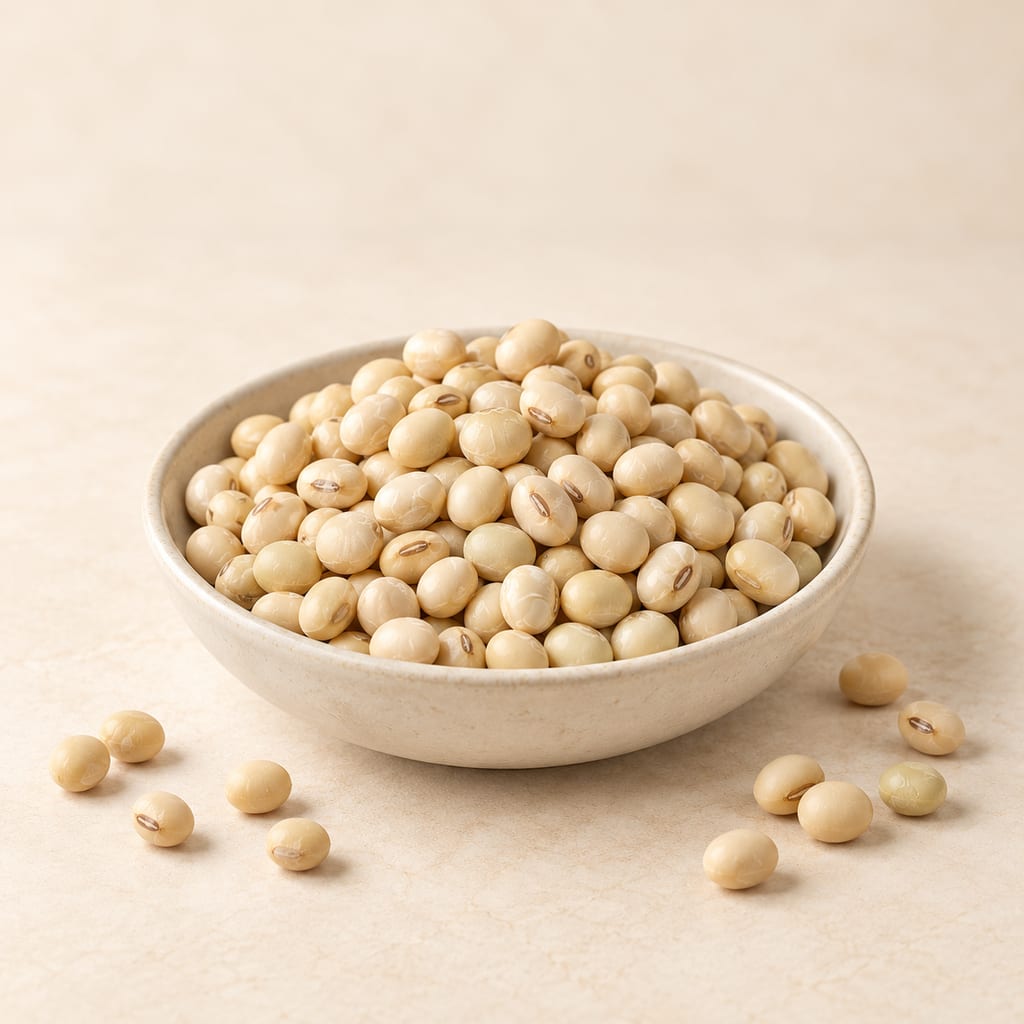
Soybeans are the mature dry seeds of Glycine max, about 40 percent protein and 20 percent oil, the substrate of tempeh, natto, miso, soy sauce and many other fermented foods.
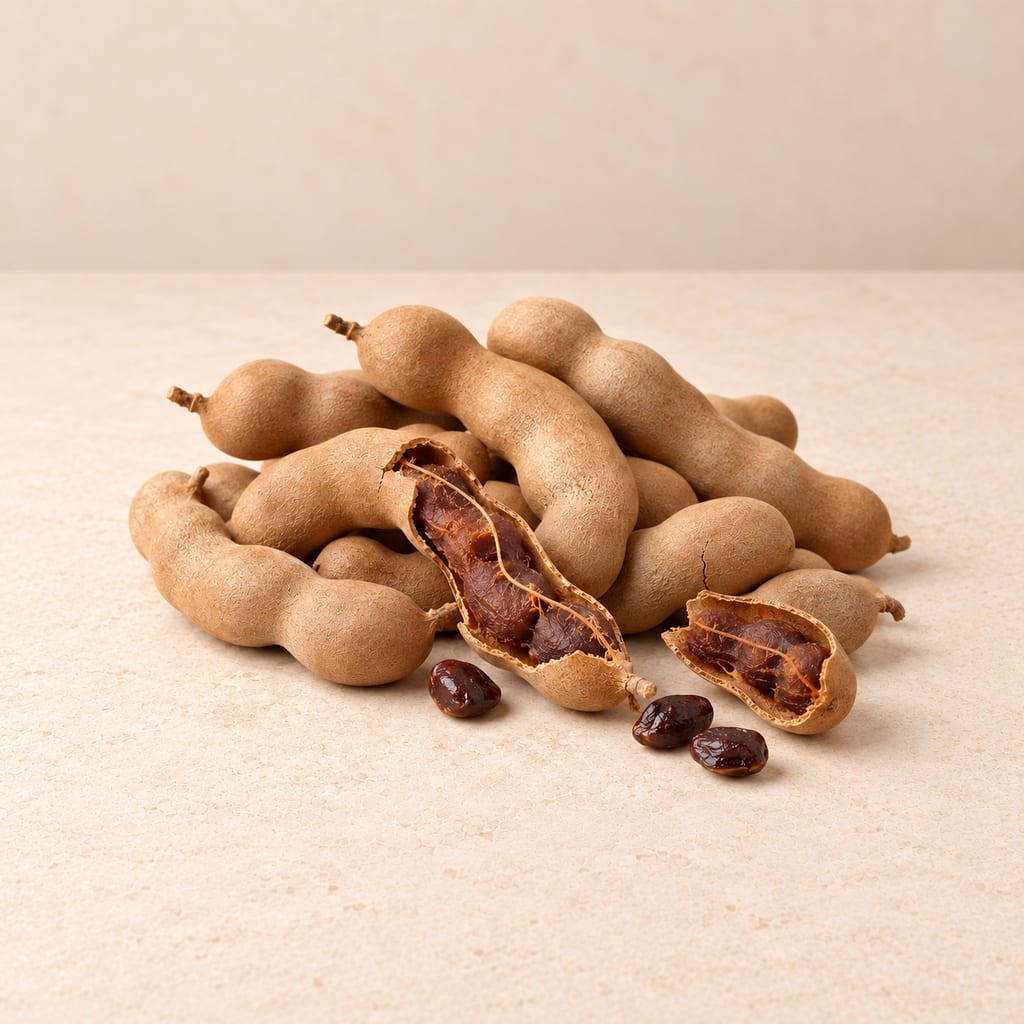
Tamarind pulp is the sweet-sour flesh of Tamarindus indica. It brings a tartaric-acid-led fruit flavour to chutneys, sauces and drinks; water content and sourness vary across forms and brands.
No community contributions have been published for this entry yet.
Sign in to contribute. Published comments and photos are free to read.
Royal Botanic Gardens, Kew, Plants of the World OnlineIdentity · Geography
Cymbopogon citratus (DC.) StapfAccepted name Cymbopogon citratus (DC.) Stapf
Native range given as South India and Sri Lanka
Cited in: The plant and its name; Origin and spread
PROSEA, Plant Resources of South-East AsiaHistory · Method · Geography · Identity
Cymbopogon citratus (PROSEA)Regional names serai dapur or sereh, tanglad and cha khrai
Origin unknown, Malesian origin most likely
Java use of leaf sheaths in sambal goreng, sambal petis, fish and fish sauces
Oil statistics often combine C. citratus with C. flexuosus
Cited in: The plant and its name; Which part is used; Flavour; Origin and spread; Essential oil and related species
Royal Horticultural SocietyGeography
Cymbopogon citratusSouth India and Sri Lanka as native range
Cited in: Origin and spread
University of Illinois ExtensionMethod · Use
Lemon GrassTender white stem is the most desirable part
Stems and leaves give food a strong lemon flavour
Use in Vietnamese and Thai dishes
Cited in: Which part is used; Flavour
University of Wisconsin-Madison ExtensionMethod
Lemongrass, Cymbopogon spp.Outer layers are removed, the stalk is bruised and simmered, then removed before serving
Cited in: Which part is used; Flavour
U.S. Food and Drug AdministrationSafety
Selecting and Serving Produce SafelyWash fresh produce under running water before cutting, even parts that will be discarded
Washing does not eliminate surface bacteria
Cited in: Handling