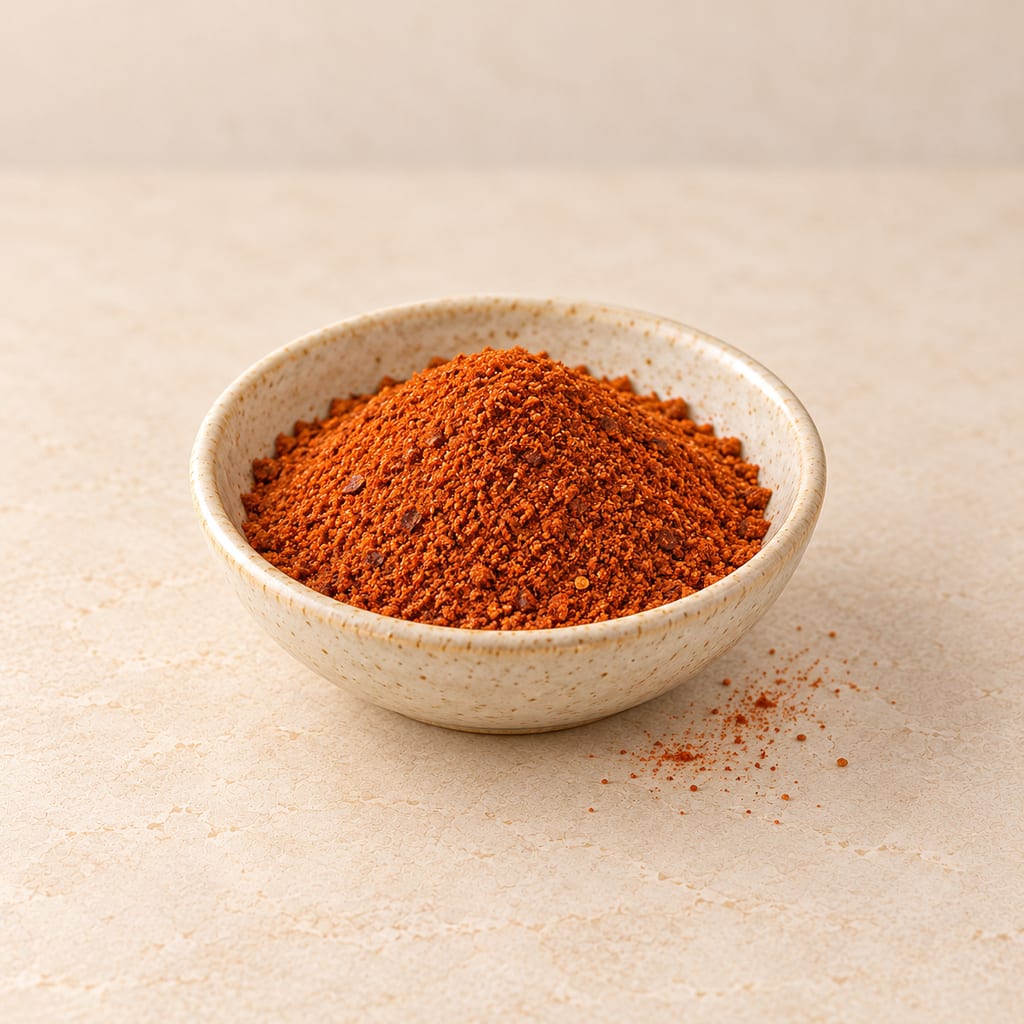
Chilli powder
Chilli powder is dried chilli fruit ground fine, sold either as plain ground chillies or, in the United States, as a seasoning blend with salt, garlic and cumin.
 FermenteaWhere food goes to change
Mushrooms
Blushing false truffle, Rhizopogon roseolus, is a pine-associated false truffle. It is recorded as a food in Europe and in Japan, where it is called shoro. Its food use depends on maturity, and its name needs checking.
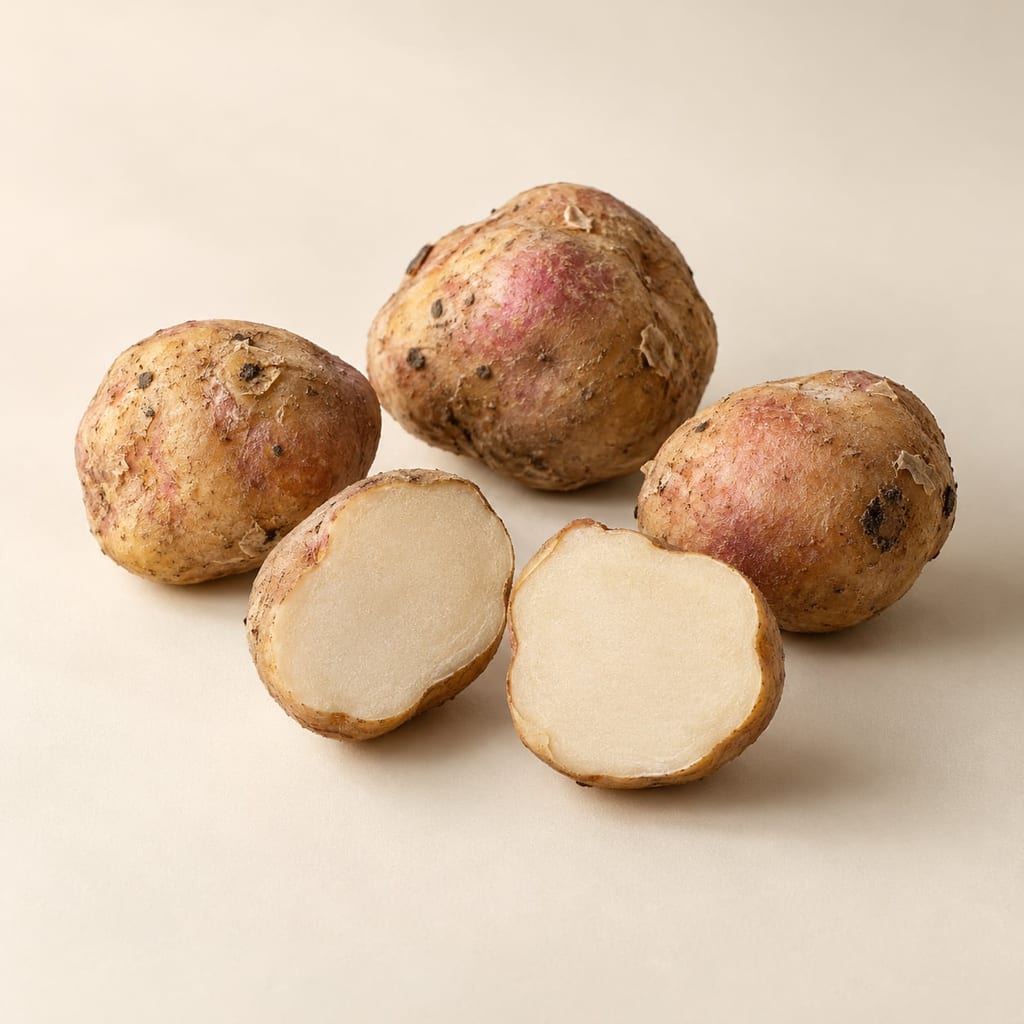
Rhizopogon roseolus is a false truffle, a fungus that fruits underground or at the soil surface and is not a true Tuber truffle. It forms partnerships with the roots of pine trees and is recorded in pine woods in Europe and North America.
The name is not settled. Texas Mushrooms lists Rhizopogon rubescens among its synonyms, and some older sources use that name. The catalogue records the name as a research label, and it notes that the maturity stage and the taxonomic concept both need checking.
In Japan the fungus is known as shoro, and Wikipedia reports that it is considered a delicacy there. A commercial seller of Japanese produce states that only young shoro are considered edible, and describes young specimens as having white, firm flesh with a faint pine-like aroma and a mild, slightly sweet flavour.
These are the only sources on this page that describe eating the fungus. The seller's page is a commercial description, so the eating window it gives should be read as the seller's claim, not an independent assessment.
The supplied catalogue records a regional use of immature false truffles in Europe, and places it among the food-use records with processing, stage or identification conditions. The catalogue does not give a preparation method, a quantity or a dish for the European record, and this page does not add one.
In Texas the species has been found with loblolly pine and shortleaf pine. Texas Mushrooms reports that it typically fruits from late summer to early autumn. Pine association and season vary with place, and this page does not extend the Texas record to other regions.
Because the catalogue marks the food use as conditional on stage and on identification, a young fruiting body should be checked closely against the mature form and against other false truffles before it is eaten. The sources reviewed here describe no safe quantity and no storage time.
Confirm any identification with an experienced local forager or a mycologist before eating a wild fungus. This page does not give an identification or an edibility verdict for Rhizopogon roseolus.
Wikipedia reports the species as a delicacy in Japan under the name shoro. The commercial seller's page is a secondary source for the eating window.
Regional immature false-truffle food use recorded in the supplied catalogue. The record gives no country.
Recorded under loblolly and shortleaf pine. This is a habitat record, not a food record.
Chilli powder is dried chilli fruit ground fine, sold either as plain ground chillies or, in the United States, as a seasoning blend with salt, garlic and cumin.
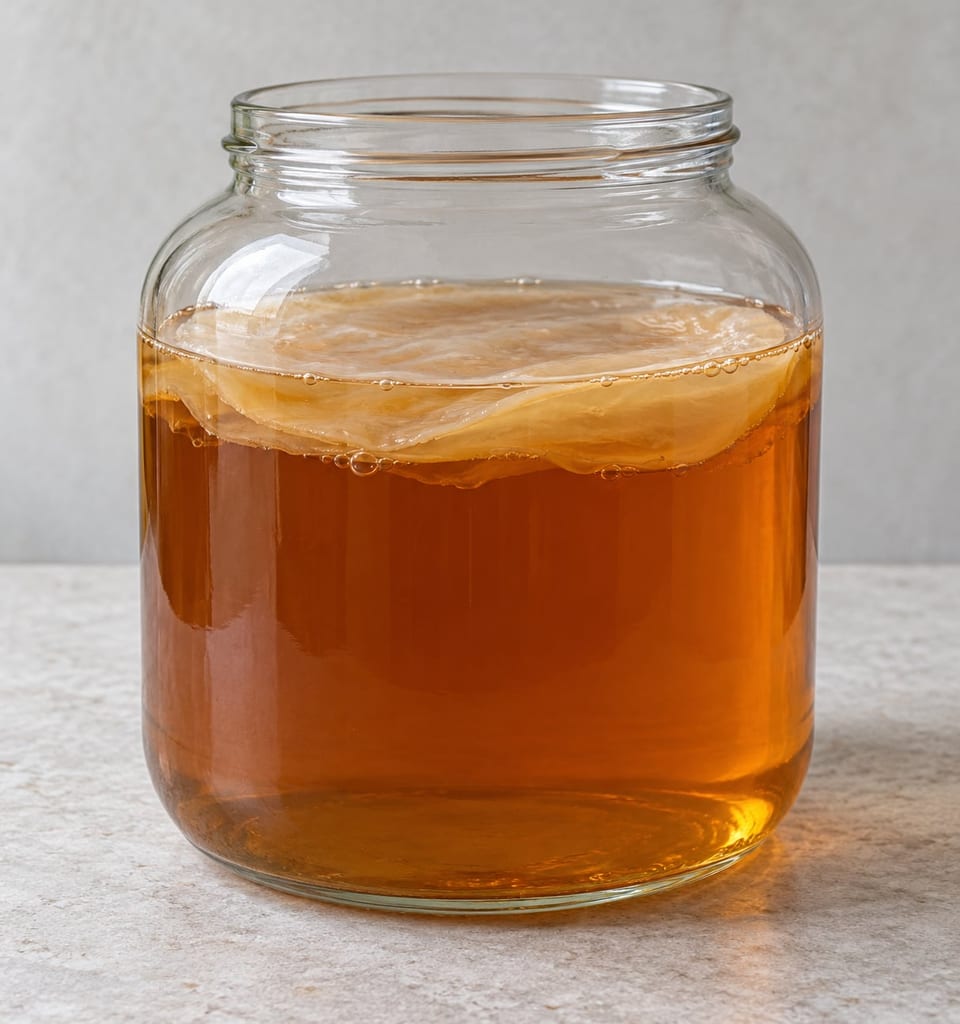
Kombucha culture is the mixed starter, a retained liquid with a cellulose pellicle, that ferments sweetened tea into kombucha. Its organisms vary between samples, and a visible mat does not identify them.
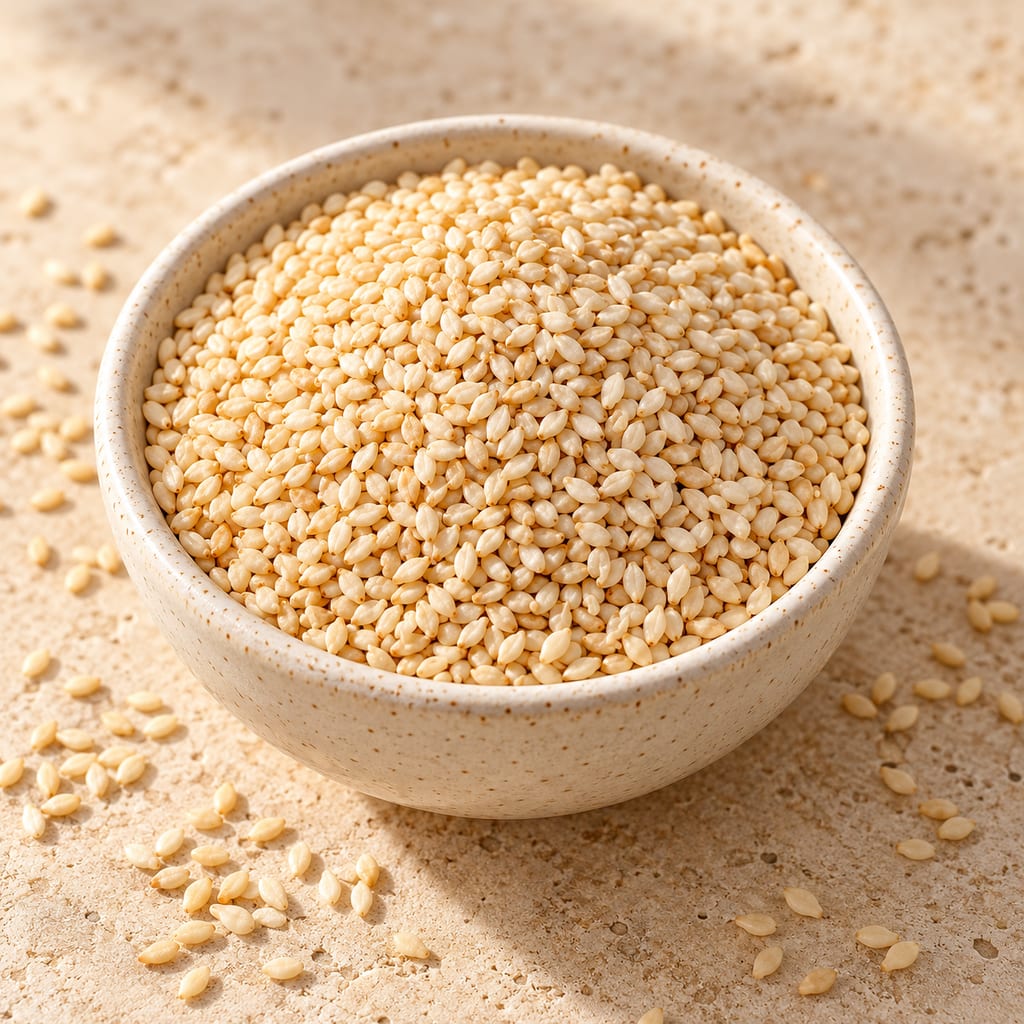
Sesame seed, from Sesamum indicum, is about half oil and is eaten whole, ground into paste or pressed into oil. It was a crop of South Asia by the Harappan period and reached Mesopotamia before 2000 BC.
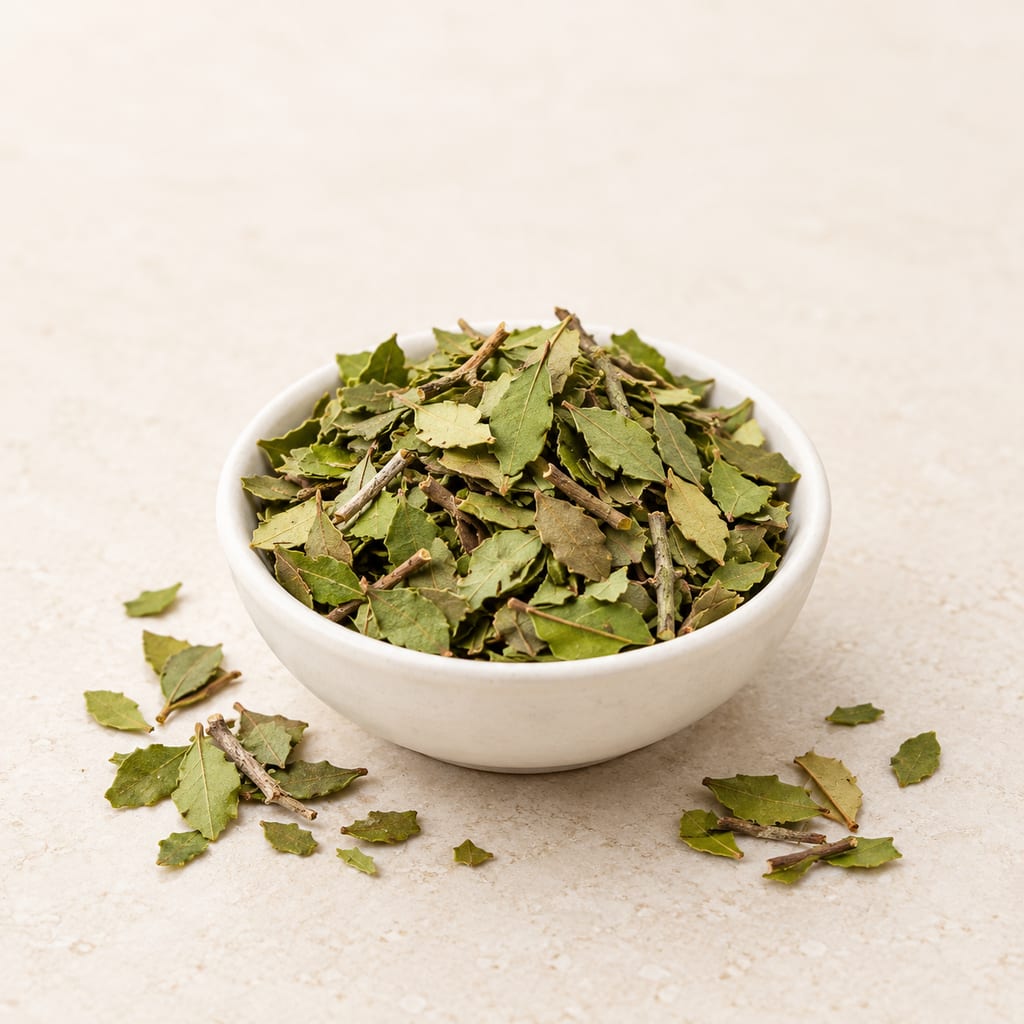
Yaupon is the caffeinated leaf of the southeastern North American holly Ilex vomitoria, dried and sometimes roasted for infusions. Its identity and cultural history differ from other hollies.
No community contributions have been published for this entry yet.
Sign in to contribute. Published comments and photos are free to read.
WikipediaFood use · Taxonomy
RhizopogonRhizopogon roseolus, also called rubescens, is considered a delicacy in Japan as shoro.
Cited in: Food use in Japan
Specialty ProduceFood use · Preparation
Shoro (Rhizopogon roseolus) product pageOnly young shoro are considered edible.
Young specimens have pure white, solid, firm flesh with a faint pine aroma and a mild, subtly sweet flavour.
Cited in: Food use in Japan; Identification and safety
Texas MushroomsHabitat · Taxonomy
Rhizopogon roseolusFound with loblolly and shortleaf pine in Texas.
Typically fruits late summer to early fall.
Rhizopogon rubescens listed among synonyms.
Cited in: What the fungus is; Habitat and season
Boletin Oficial del EstadoFood use
Supplied catalogue reference (BOE-A-2009-1110)Regional immature false-truffle food use in Europe; not a true Tuber truffle; maturity and taxonomic concept require checking.
Cited in: What the fungus is; Food use in Europe; Identification and safety