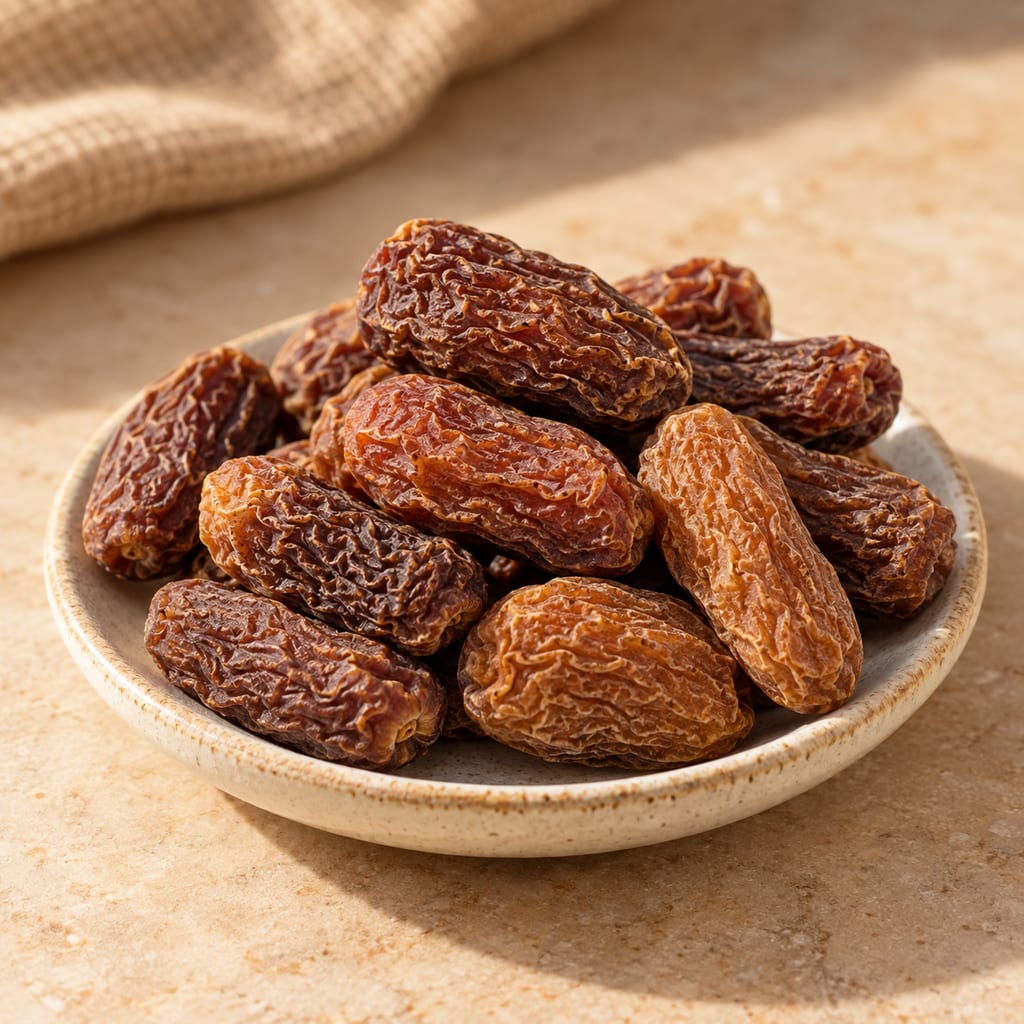
Chuhara
Chuhara is a processed dried-date product named in Pakistani date-production studies, distinct from other dried dates. Its household method is not established.
 FermenteaWhere food goes to change
Traditional method
Pakistani pickled mango · Pakistani pickled mango
This Pakistani pickle coats firm green mango with chilli, turmeric, fenugreek, fennel and mustard oil. Its published sun-exposure schedule records a household method, but does not validate shelf-stable storage.
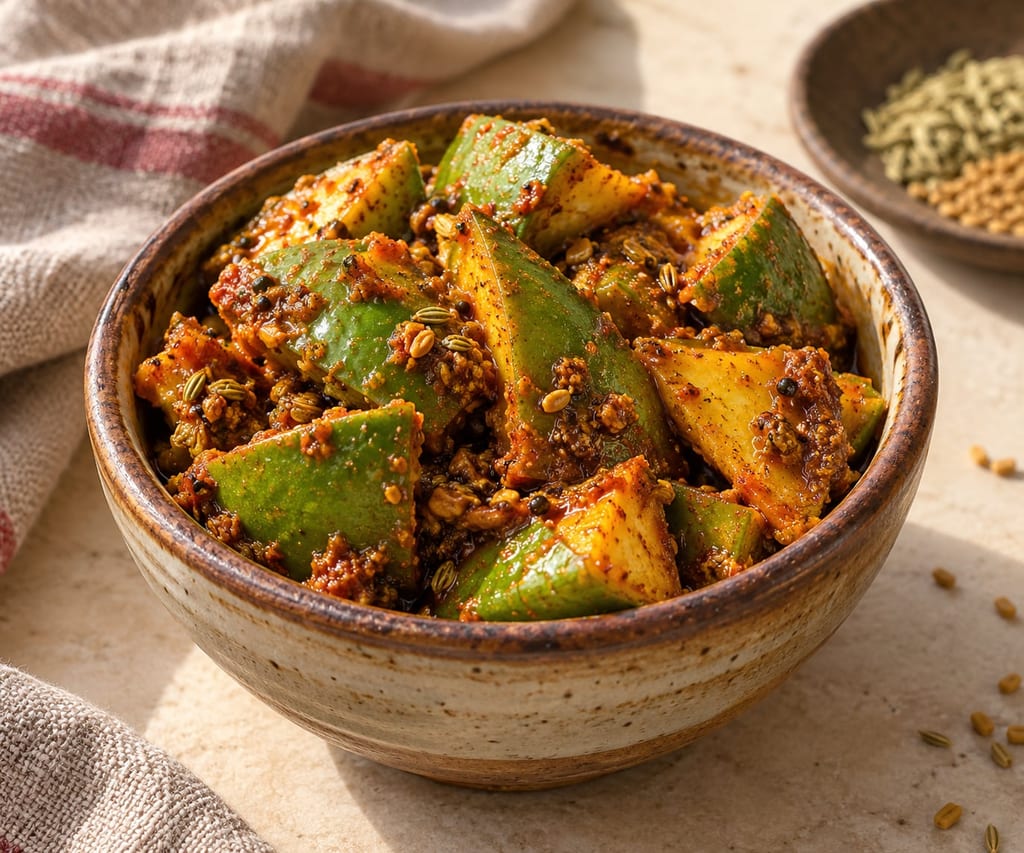
Mango pickle is a name for a family of condiments rather than a single standardized formula. This page records one recipe published as Pakistani pickled mango by the Australian Centre for International Agricultural Research (ACIAR). In that version, firm green mango pieces are dressed with red chilli, turmeric, salt, fenugreek and fennel, then covered with mustard oil. ACIAR's published sequence gives several days of sun exposure before the mixture is transferred to a jar, followed by a further few days before serving. That schedule belongs to the cited recipe; it is not a validated shelf-life or safety endpoint.
The result is meant to be eaten as an assertive accompaniment: tart, firm mango against warm oil, salt and aromatic spice. A green mango's acidity and texture vary with cultivar, maturity and growing conditions, so even the same written quantities need not produce identical flavour or tenderness. The recipe is useful as a record of one culinary treatment, not a universal standard for Pakistan or South Asia.
Mango has a long history of cultivation and movement across South and Southeast Asia. The FAO post-harvest compendium discusses mango's botanical diversity, cultivation and the ways harvest maturity shapes fruit quality. Those broad histories help explain why mango preparations vary widely, but they do not tell us when this particular pickle began or where within Pakistan it was first made. The ACIAR publication names the formula as Pakistani without assigning it to a city, province or community, so this entry keeps its geographic claim at country level.
ACIAR situates household pickle-making within a practical agricultural economy: households, often women, process fruit considered unsuitable for market, while small businesses can turn seasonal surplus into an income stream. Pickling therefore joins taste to harvest timing, household labour and efforts to reduce post-harvest loss. This context matters, but it should not flatten the work into a single timeless custom: the source discusses practices and enterprise opportunities, not every household's routine or a uniform national tradition.
The wider history of achar is documented more clearly than the origin of this exact formula. Historical discussions point to a 14th-century Kannada treatise, Nala Champu, that names green-mango pickle among foods served at court, and to later travel accounts describing pickles carried on journeys. These records place mango achar in a much broader South Asian food culture; they do not date this Pakistani mustard-oil recipe or identify its first maker.
ACIAR describes mango pieces mixed with salt, powdered spices and mustard oil, exposed to sunlight for three to four days, then covered with the remaining oil and left for another three to four days. It does not say whether microbial fermentation occurs, and it reports no measured acidity or microbial observations. The source therefore does not establish whether this specific preparation is fermented or non-fermented; the classification remains not-established.
FAO's chapter on fermented fruits and vegetables describes a separate green-mango pickle process in which pieces are soaked in brine and then treated with seasonings and oil. Its brining and additive steps are absent from ACIAR's Pakistani formula. That separate process cannot determine whether fermentation contributes to ACIAR's recipe, and its controls should not be transferred here.
The name 'pickle' covers different processes, including brined ferments, vinegar pickles, oil-packed condiments and other seasoned preparations. ACIAR gives no pH, water activity, microbial study or validated heat process for this recipe. Its reported timing describes the source's method, not a validated fermentation or preservation endpoint.
The published batch begins with two kilograms of unripe mango and lists thirty grams each of red chilli, salt, fenugreek and fennel, sixty grams of turmeric, and two litres of mustard oil. The method divides the oil between the spice coating and the later step of covering the fruit in the jar. It does not give a measured split between those stages, a final yield, or a reliable scaling rule. The ingredient list preserves the source quantities rather than calculating a new proportion.
Choose fruit that is green and firm enough to cut into pieces that keep their shape. ACIAR instructs cooks to rinse and wipe the mangoes dry before cutting. That instruction is recorded faithfully; it does not establish a validated moisture limit. The FAO mango compendium shows why the phrase 'unripe mango' cannot designate one universal fruit: cultivars and maturity stages affect texture, acidity and post-harvest behaviour. A fully mature but still green fruit may not behave like a very young fruit.
The spice mix combines chilli heat with turmeric's colour and earthy bitterness, fennel's sweet-anise aroma and fenugreek's bitter, maple-like fragrance. Mustard oil carries the spices and contributes its own pungency. The published formula leaves fenugreek and fennel as whole seeds; it gives no instruction to toast or grind them, so this version preserves that form.
After rinsing, drying and cutting the fruit, the ACIAR recipe coats it with chilli, turmeric, salt, fenugreek, fennel and mustard oil in a steel bowl. The coated pieces are left in sunlight for three to four days. ACIAR provides no thermometer reading, weather conditions, covering instruction or measurable endpoint for the sun stage. Those omissions are important: the printed timing is a description, not a controlled process.
The mango and remaining spice mixture are then transferred to a jar, topped with enough oil to cover the pieces and stirred. ACIAR's directions give a further three to four days before the pickle is served. It gives no final acidity measurement or preservation validation. This entry retains that sensory schedule as a source fact while explicitly separating it from a food-safety guarantee.
The method is intentionally presented as a historical and culinary record. A reader seeking a pantry-stable preserve should use a current tested recipe from a food-preservation authority and follow its exact proportions and processing directions. The National Center for Home Food Preservation explains that acidity and tested ingredient ratios matter to pickled-product safety. It does not validate this oil-based preparation. The ACIAR text's statement that the pickle can be served through the year is useful evidence of how the source presents the food, but it is not accompanied by storage conditions or a shelf-life study.
Sun exposure is the operation specified here; the formula does not document a measured drying stage. Other South Asian preparations do dry produce, ferment mango in brine or use vinegar, but those are distinct methods. Drying removes moisture, brining creates an aqueous salt environment, and vinegar contributes acid; none of those controls can be inferred from this recipe's time in sunlight. No water loss, acidity measurement or preservation endpoint is reported for this batch.
ACIAR presents pickled fruit and vegetables as a common accompaniment to meals in Pakistan. This mango preparation belongs to that condiment tradition: tart fruit, pungent oil and concentrated spices can be served in a small amount alongside a meal. The publication does not prescribe a single dish or portion, and the wider South Asian habit of serving achar with rice or other staples should not be mistaken for a rule specific to every Pakistani household.
South Asian mango achar is not one recipe. Regional and household versions may use mustard or sesame oil, brine, vinegar, sugar or different spice blends. Mango may remain whole, be stuffed with spices, sliced or grated, and it can be used at different stages of maturity. These are documented forms of a broad tradition, not substitutions for the ACIAR formula: changing the fruit cut, acid, brine or oil changes the preparation and its preservation behaviour.
Even within mango pickles, fruit acidity changes outcomes. A 1974 study from the Central Food Technological Research Institute compared mangoes of different acidity in particular formulations and found quality differences between those tests. It does not provide a universal rule for choosing a mango or validate the ACIAR proportions. It does reinforce a practical point: one can preserve a source formula on paper while acknowledging that fruit variety and maturity affect the result.
When comparing versions, keep the process visible alongside the ingredient list. A brined mango may first rely on salt and fermentation; a vinegar pickle relies on an acid ingredient and, for shelf-stable canning, a tested formulation and process; an oil-packed achar may emphasize spice carried in oil. These broad descriptions help explain culinary variety but do not establish one method as a safe substitute for another. Even recipes with similar names and colours can have different proportions, moisture levels and processing steps.
A food history page can record a traditional or commercial method without recommending it as a tested home-preservation procedure. That distinction is especially important for recipes published for cultural or agricultural documentation, where the intended purpose may be to describe a household product, explore market opportunities or introduce a regional food. The ACIAR formula is valuable for those purposes and is reproduced here as a specific Pakistani example. Its original context does not make it equivalent to a current tested canning recipe.
This formula is not validated for room-temperature storage, canning or long-term preservation. The oil layer is not evidence that the mango has reached a safe acidity, and several days in sunlight are not a measured heat treatment. Smell, appearance and taste cannot supply a missing process validation, and this page does not offer instructions for salvaging a questionable jar.
For someone interested in the culinary idea, the important contribution of the recipe is its combination of green mango, mustard oil and a compact spice group, along with the household and seasonal context ACIAR records. For someone seeking a safe preserve, the important boundary is that an old or regional recipe can document practice without providing the controls required by current preservation guidance. Those are different purposes, and the page keeps them distinct.
The name mustard oil also deserves care when translating a printed formula into a modern kitchen. ACIAR specifies the oil as an ingredient, but the publication does not discuss product standards, pretreatment, or local rules governing culinary mustard oil. This recipe does not add instructions about heating it, because no such step is documented in the cited method. A reader should use only an edible product sold for cooking in their jurisdiction and should follow its label; this is a contemporary sourcing consideration, not a preservation control.
The recipe's proportions also explain why a small serving is enough. It uses a large volume of oil relative to a condiment portion, with concentrated salt and spice, so a little can contribute several flavours at once. That observation is about how the condiment reads at the table, not a nutrition claim. Serving practices vary by household and meal, and the source does not define a standard portion. Readers can treat it as an accompaniment and decide how much to place on a plate without changing the recorded batch.
The fruit cut is one of the details worth preserving when comparing recipes. ACIAR specifies six to eight pieces per mango and discards the seed, leaving large recognizable segments rather than a fine relish. The published method gives no adjustment for smaller pieces, a different cultivar or a different jar, so the quantities and timings remain tied to the documented batch.
This entry follows one Pakistani formula documented by ACIAR; it should not be read as a single national recipe or as the origin of mango achar. South Asian pickle traditions include many ingredients and processes, and the history of the wider family cannot establish when this specific oil-packed version began.
Scaling: source batch only
The published method gives no measured acidity, water activity, validated heat process or storage study; a layer of oil and several days of sun do not establish room-temperature safety.
Hazard sourceTreat the source as a culinary formula only; do not can it or use it as shelf-stable room-temperature preservation. For preserving mango, follow a current tested recipe from a qualified food-preservation authority without changing its proportions or process.
Control sourceACIAR reports that this pickle can be served throughout the year, but provides no validated shelf-life or storage conditions; that statement is not a safety guarantee.
Sun exposure and oil coverage are not substitutes for a tested preservation process. Do not infer room-temperature shelf stability or can this recipe.
ACIAR documents this formula as Pakistani; it does not specify a narrower locality or establish a single national method.
Chuhara is a processed dried-date product named in Pakistani date-production studies, distinct from other dried dates. Its household method is not established.
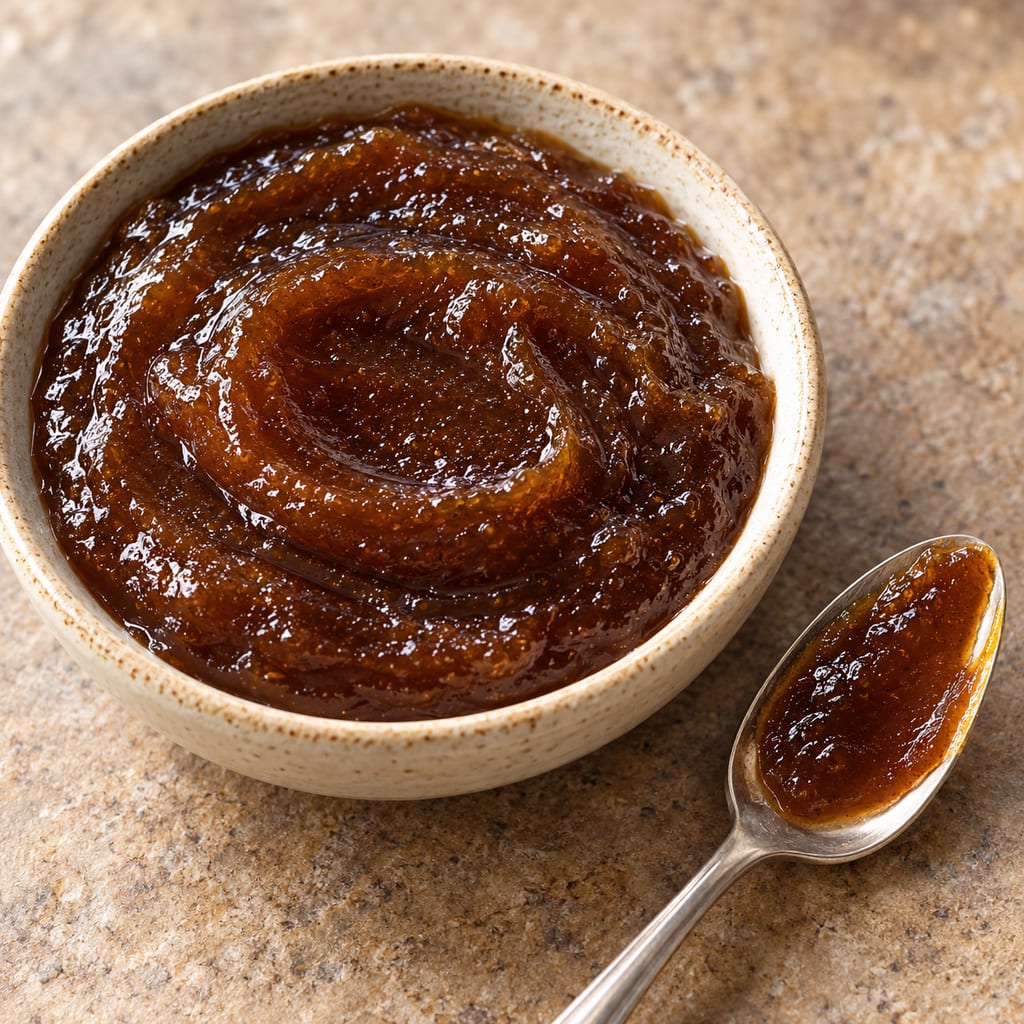
An experimental sweet mushroom preserve developed in Indian food-processing research, made by cooking mushroom pulp with sugar, added pectin and citric acid until concentrated into a thick, spreadable jam.
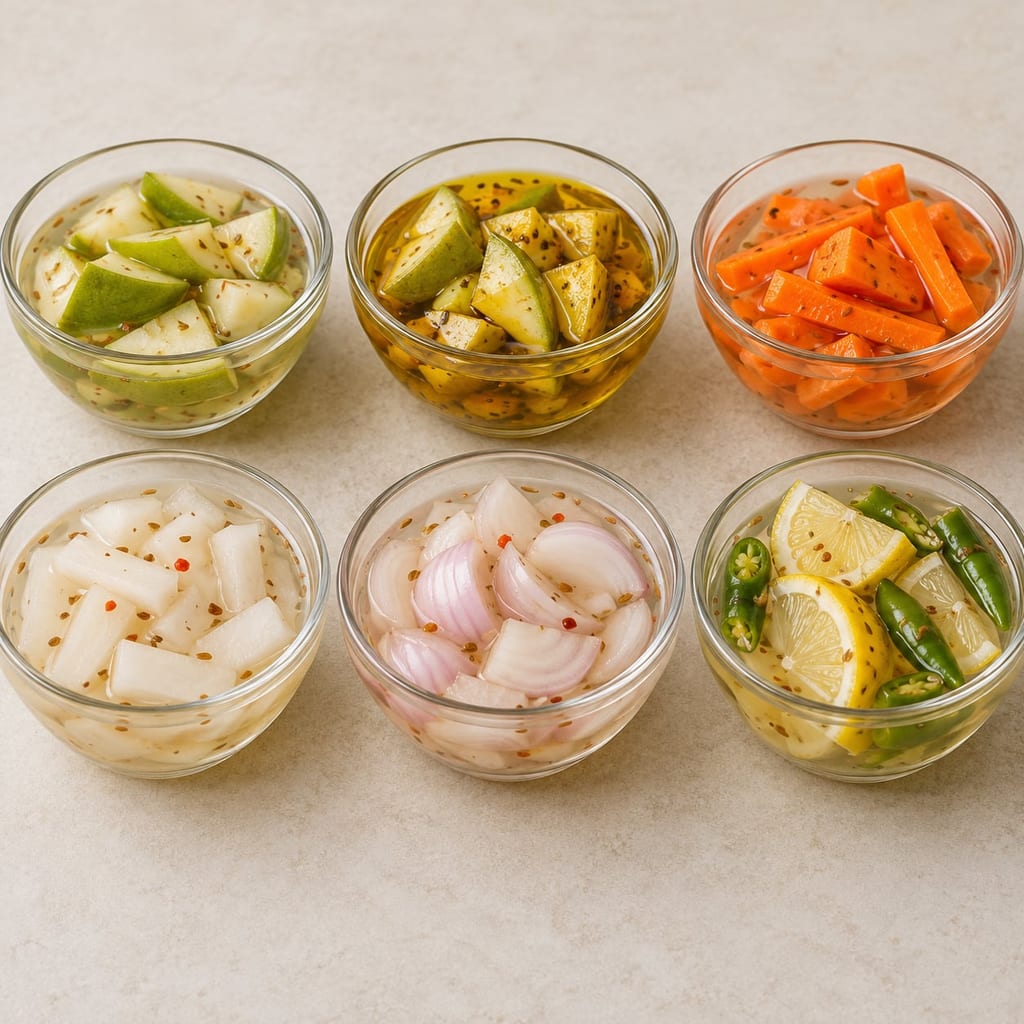
A 2025 study in rural Matiari, Sindh, describes five fermented achar preparations of radish, carrot, onion, mango and lemon with chilli. The shared method quantities do not give a per-food recipe.

A Pakistani-style enriched yeast naan, marked before baking and finished with butter. This home method serves five.
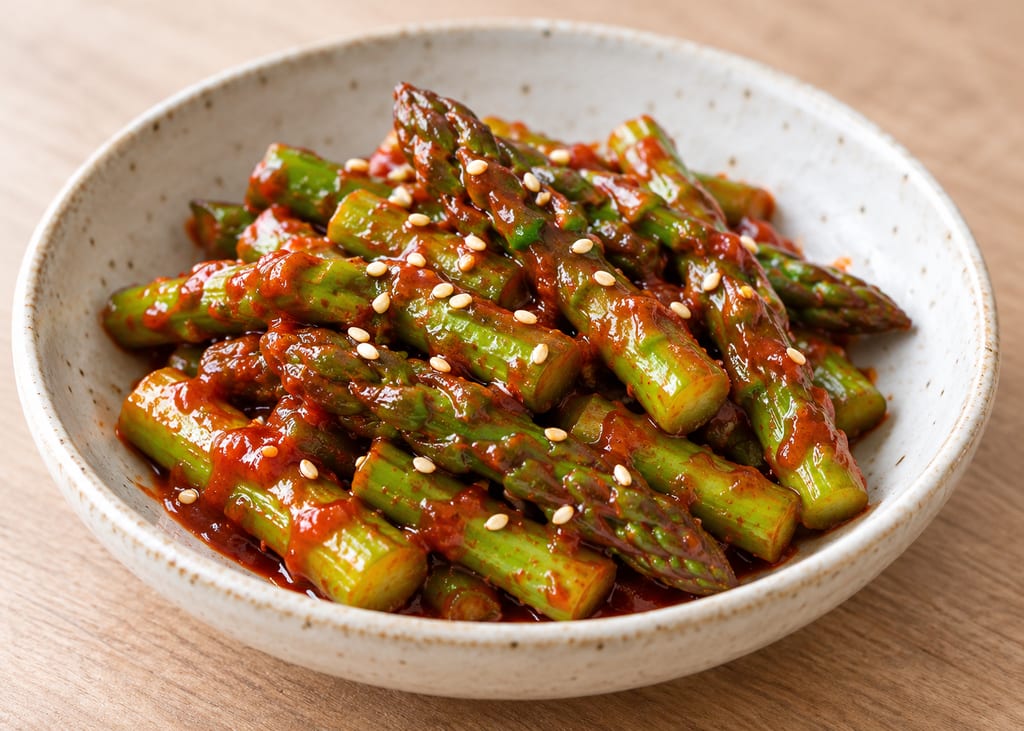
A Korean banchan of blanched asparagus dressed with a sweet-sour cho-gochujang sauce; Hyosun's version cools the spears in ice water before tossing.
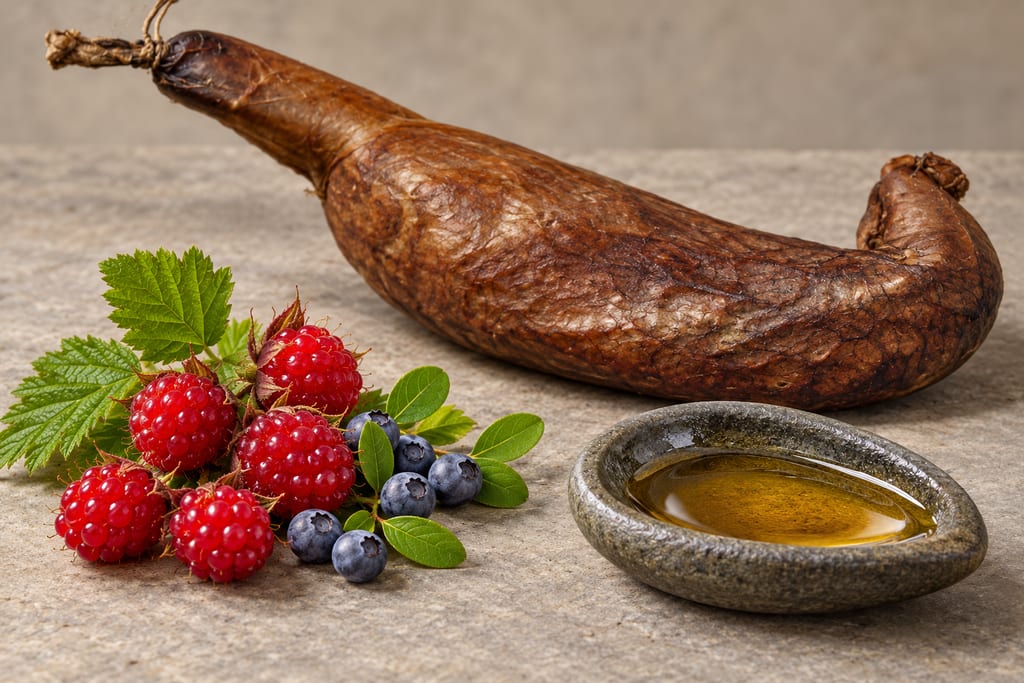
Berries, greens and fish eggs were kept in seal oil by Indigenous Alaskan communities. The oil seals the food from air, and the result depends on preparation and the surrounding conditions.
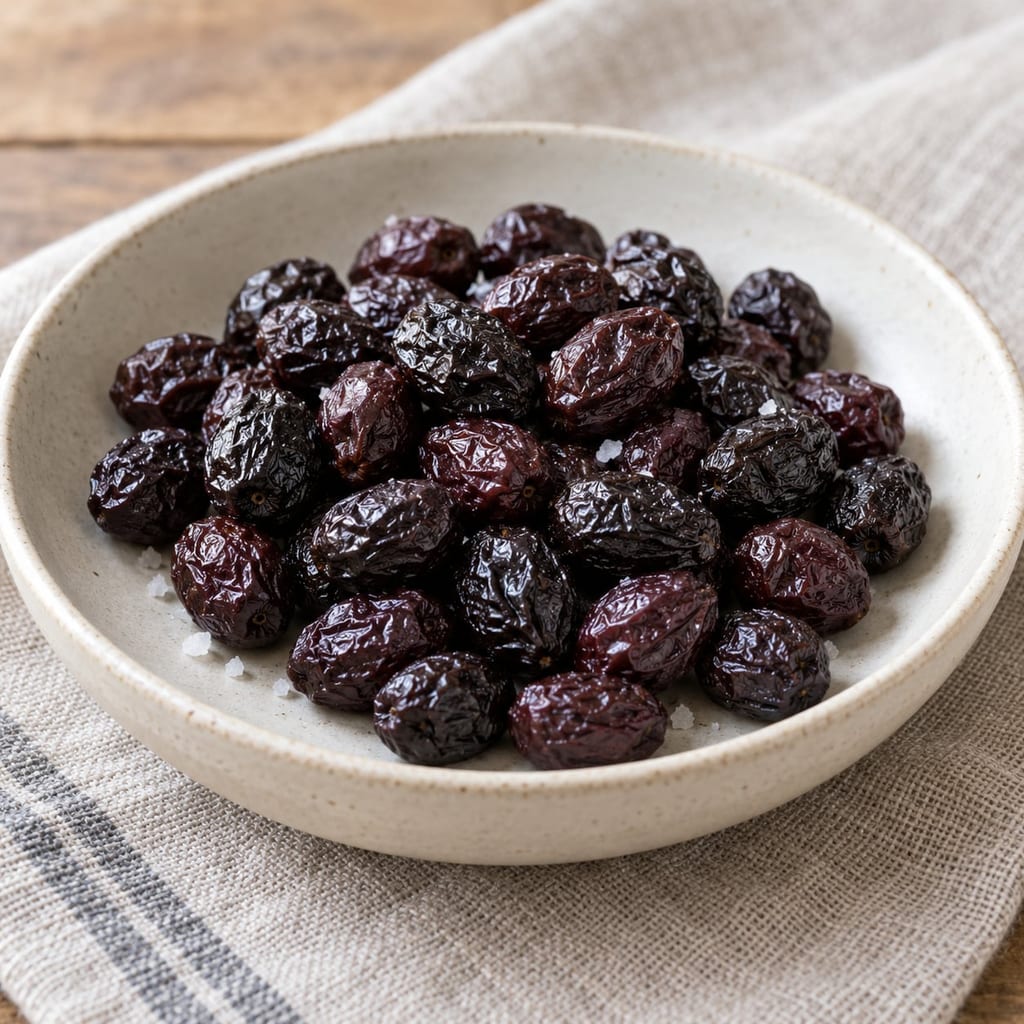
Fully ripe dark olives are mixed with salt and turned weekly as salt draws out moisture. Distinct from existing brine-fermented and lye-treated olives.
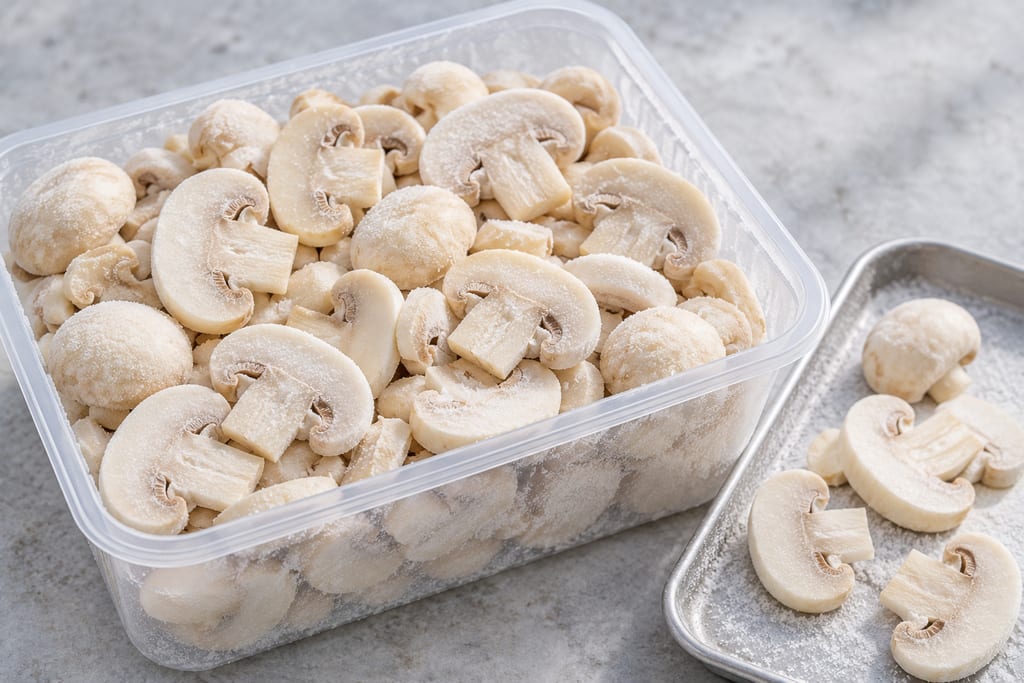
Steam-blanched frozen mushrooms are whole, button, quartered or sliced mushrooms given a short steam treatment, cooled promptly, packed with headspace and kept frozen.
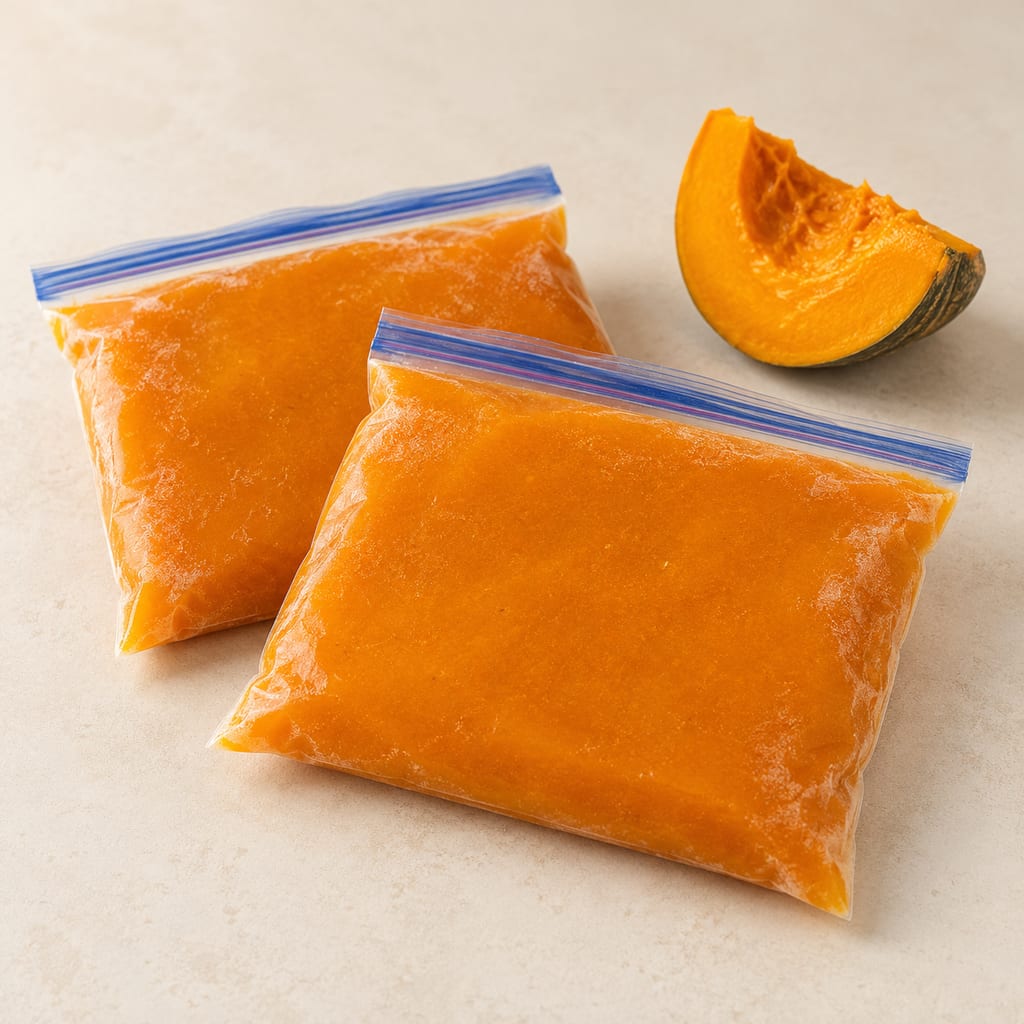
Cooked pumpkin mashed, cooled and frozen in portions: a plain base for pies, soups and baking without canning a dense purée.
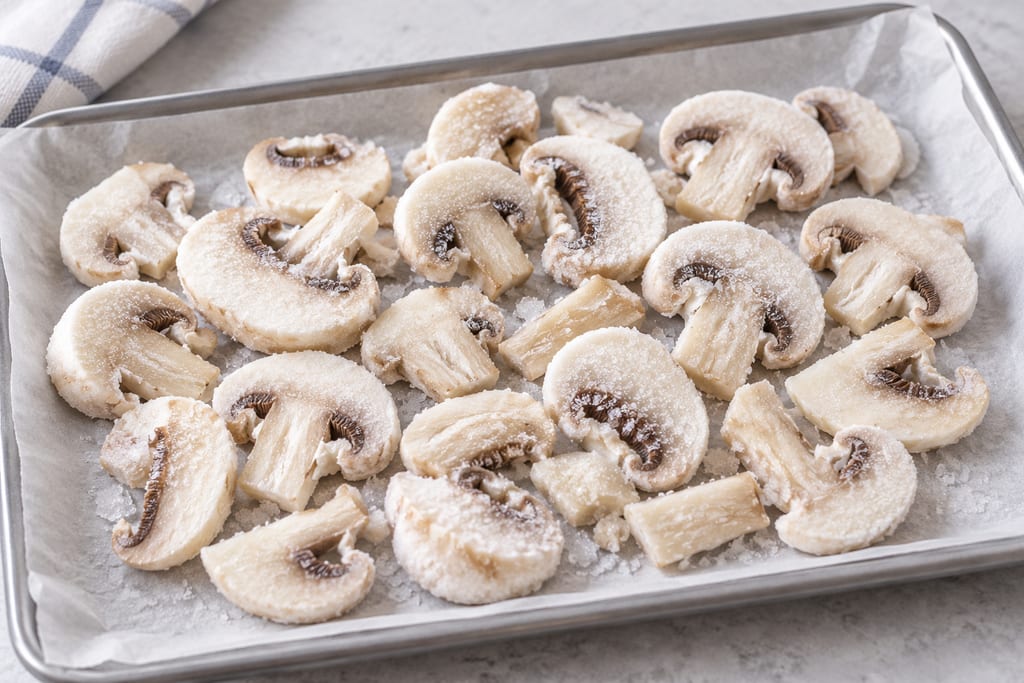
Frozen raw mushrooms are cleaned mushrooms frozen without a preheating step, the variant a Japanese forest-volunteer manual describes beside its cooked version.
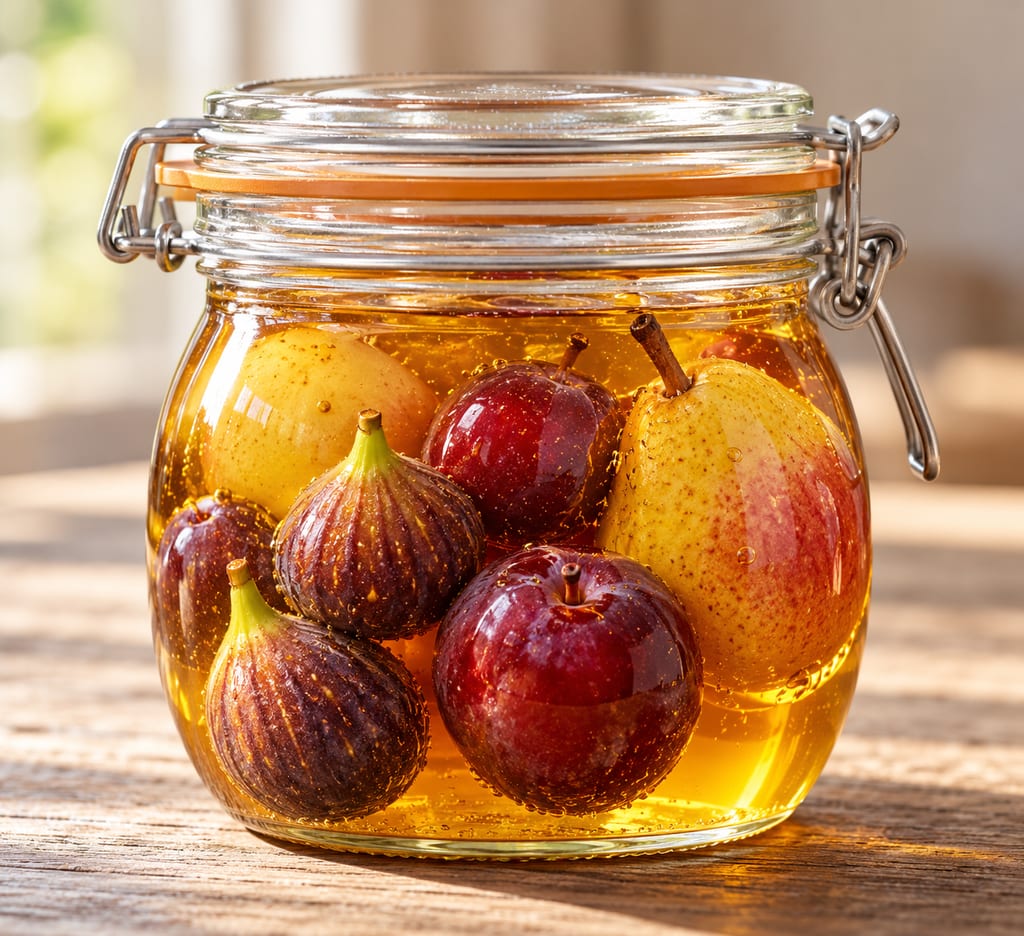
Fruit and some other foods were placed in honey in ancient Mediterranean kitchens. The honey's concentrated sugar does the preserving, and wet ingredients weaken it.
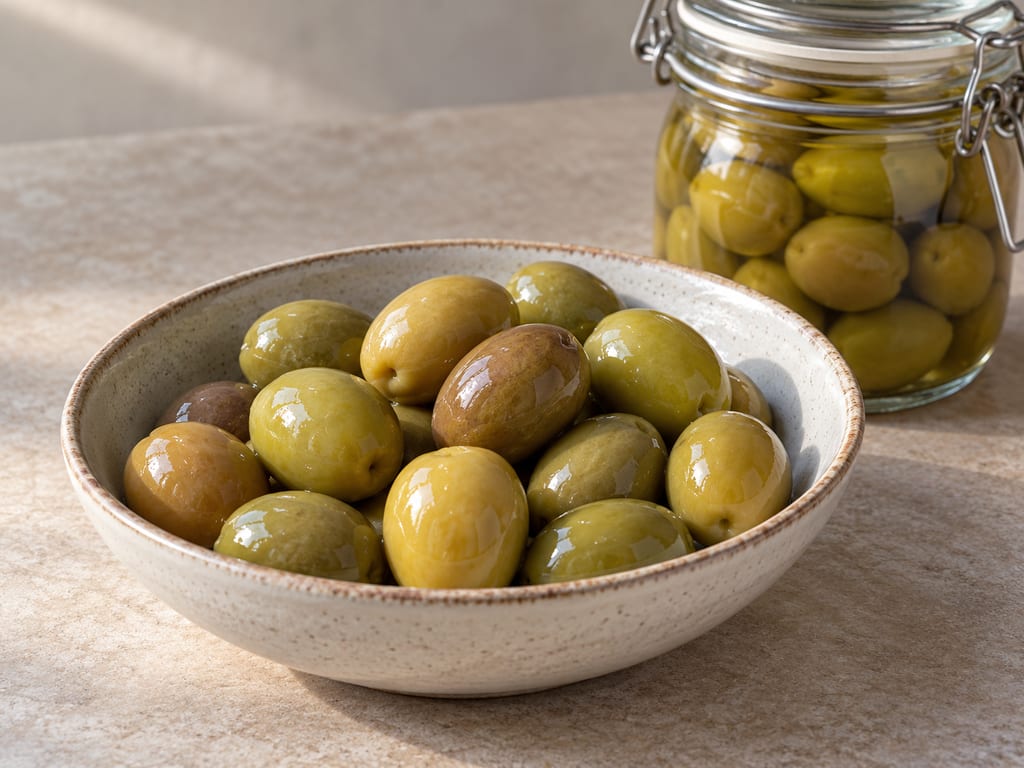
Green olives debittered in a sodium hydroxide solution, then rinsed repeatedly and held in brine, by the University of California's published home-pickling method.
No community contributions have been published for this entry yet.
Sign in to contribute. Published comments and photos are free to read.
Australian Centre for International Agricultural Research (ACIAR)Method · Ingredients · History
Pakistani Pickled MangoThe 2 kg green-mango formula and listed spice and oil quantities.
Cutting, coating, sun-exposure and jar steps, including source-stated durations.
ACIAR's contextual account of Pakistani household pickle production and small-scale enterprise; its year-round serving claim is reported but not treated as validated storage guidance.
Cited in: A particular mango achar; Mango, season and household work; What the source establishes about fermentation; Reading the source quantities; The documented sequence; What the evidence does not establish
Food and Agriculture Organization of the United NationsGeography · Variants · Process distinction
Fermented Fruits and Vegetables: A Global Perspective, Chapter 6The chapter describes a distinct brined green-mango pickle process and discusses mango-pickle traditions across South Asia and other regions; it is not the method used here.
Cited in: What the source establishes about fermentation; Serving and adapting
Food and Agriculture Organization of the United NationsIngredient · Agriculture
Mango: Post-harvest OperationsMango is harvested at different maturity stages and cultivar and post-harvest choices affect fruit characteristics; supports choosing firm unripe fruit without assigning a universal cultivar.
Cited in: Mango, season and household work; Reading the source quantities
CSIR-Central Food Technological Research InstituteIngredients · Variation
Studies on Indian pickles. I. Preparation and storage of pickles from mangoesA 1974 study reports that mango acidity and pickle formulation affect the quality of the tested preparations; it does not validate the ACIAR recipe or its storage claim.
Cited in: A particular mango achar; Serving and adapting
The Indian ExpressHistory · Geography · Uses · Variants
Decoding the Indian culinary art of the achaarA reported account of regional achaar customs, oil-based pickle forms and historical references to mango pickle in South Asian texts; these attest broader traditions rather than the exact Pakistani formula.
Cited in: Mango, season and household work; Serving and adapting
National Center for Home Food PreservationSafety
General Information on PicklingThe NCHFP explains that acidity matters to safety and advises using tested ingredient proportions; supports not inferring a validated preservation process from an oil-packed recipe without testing.
Cited in: What the source establishes about fermentation; The documented sequence; What the evidence does not establish
University of Minnesota ExtensionProcess distinction · Safety
Preserving food at home: FermentationGeneral fermentation safety practices; cited only to distinguish measured brined fermentation principles from the oil-packed method, not as a validation of this recipe.
Assam Department of HorticultureRegional variation
Package of Practices for Horticultural CropsA separate Assamese agricultural manual includes a mango-pickle preparation; it illustrates regional variation and is not substituted into this Pakistani method.
Cited in: Serving and adapting