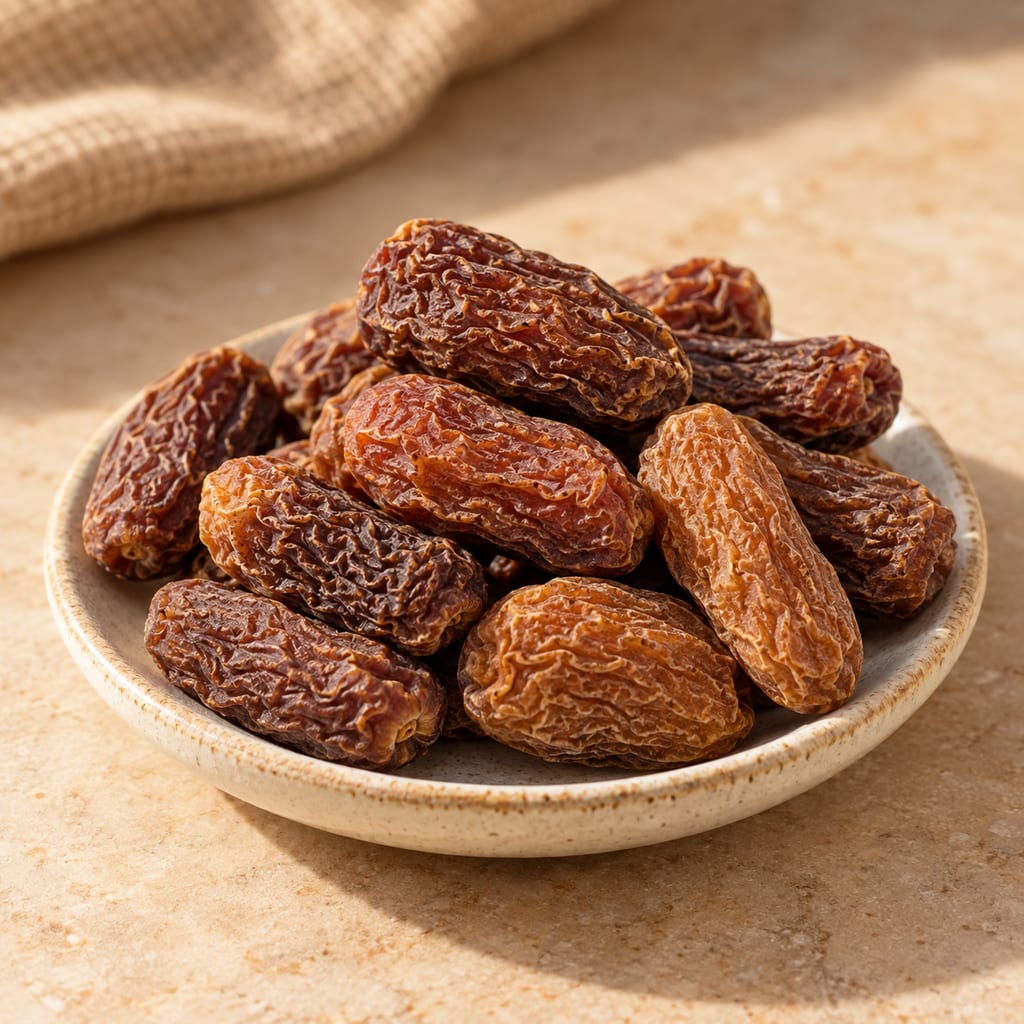
Chuhara
Chuhara is a processed dried-date product named in Pakistani date-production studies, distinct from other dried dates. Its household method is not established.
 FermenteaWhere food goes to change
Matiari fermented achar · Sindh fermented achar
A 2025 study in rural Matiari, Sindh, describes five fermented achar preparations of radish, carrot, onion, mango and lemon with chilli. The shared method quantities do not give a per-food recipe.
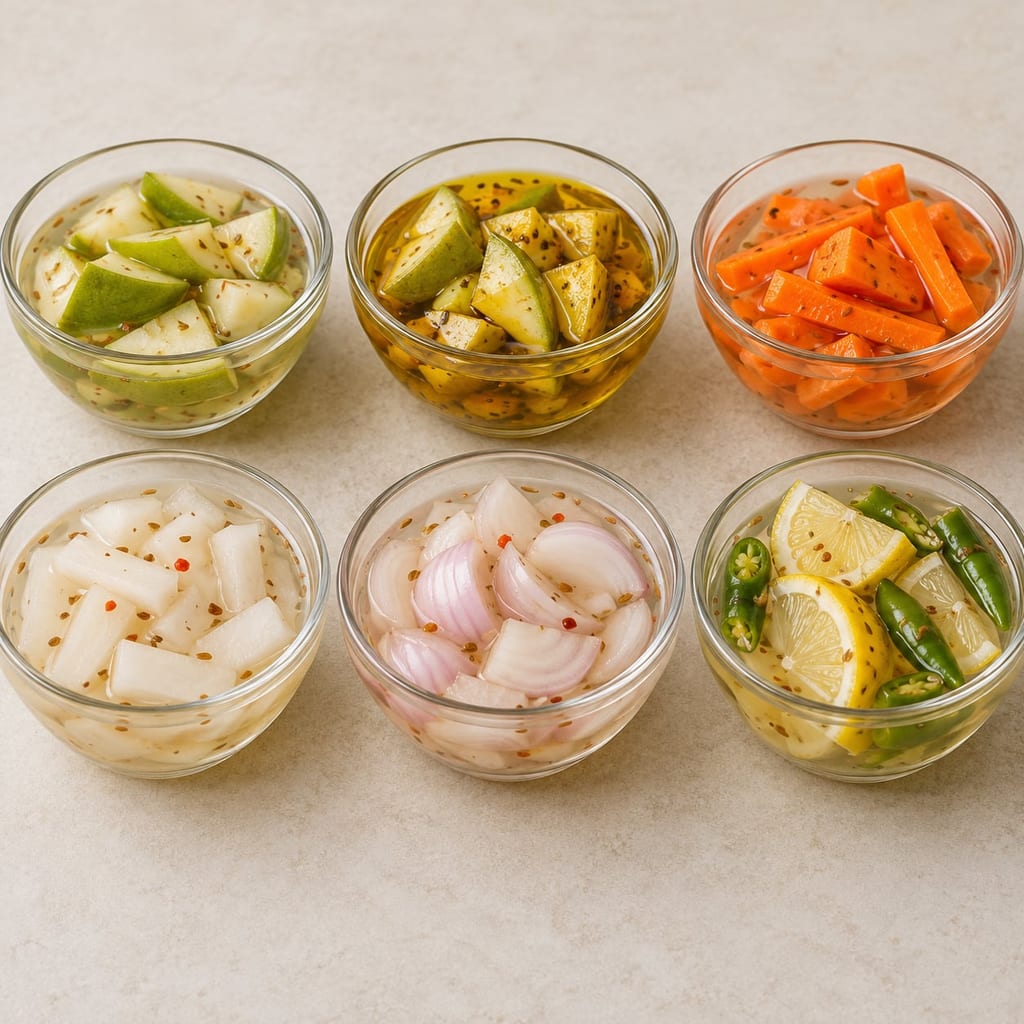
A 2025 paper describes five fermented achar preparations for a study in rural Matiari, Sindh: radish, carrot, onion, mango and lemon with chilli. Mango appears in water-based and oil-based forms; these are two variants of the mango preparation, not additional foods. The study-site association does not establish where achar began or represent every Sindhi or Pakistani preparation.
The paper uses the Latin spelling “achar.” It does not verify a food-specific local-script name. Its use of the word also does not mean that every food called achar is fermented.
The methods list 5 kg of fresh vegetables and fruits “separately,” alongside turmeric, salt, mashed mustard seeds, chilli powder, spring garlic, mustard oil and 3 L of water or oil depending on the achar type. The paper does not make clear how the 5 kg or shared ingredient amounts are allocated among the named foods, or how the separately listed mustard oil relates to the water-or-oil addition. These are shared study-method quantities, not amounts for each preparation.
The same methods paragraph describes holding the mixture in shade at 20–30°C for 2–14 days, followed by 3–5 days of sun-drying and packing. Figure 1b gives different routes: its fruit path shows salted storage in drums for 1–2 weeks before separate water and oil branches, while its vegetable path shows salting for 1–2 days at 20–30°C before spices and water. Both figure routes show 3–5 days of sun-drying. The paper does not map all five study foods to these figure paths, and the timings differ from the methods paragraph.
The paper shows culturable bacteria from pickle samples. Its supplementary the supplementary bacterial-count figure concerns bacterial counts, and the supplementary isolate table lists selected isolates under onion, carrot, radish, lemon-chilli and mango-oil labels. the supplementary isolate table has no mango-water row. The selected-isolate listings do not establish a recommended starter, an endpoint for fermentation or a validated preservation process.
The source shows no unambiguous per-food or per-mango-variant formula, no mapping from every food to a process route, and no objective household endpoint or finished-product storage conditions. The methods paragraph and Figure 1b retain different timing descriptions. Together, these limits prevent the study account from serving as a complete household procedure.
Local-language names, community use, serving context, flavour and texture need food-focused local sources or practitioner review; the study site alone does not establish wider regional practice or origin.
The source does not clarify the 5 kg denominator or allocate shared ingredients to each named preparation and mango variant. Its separately listed mustard oil and 3 L water-or-oil addition are not reconciled.
Figure 1b does not map each named food to a route, and its fruit and vegetable timings differ from the methods paragraph. A food-specific process account is needed before the descriptions can be compared or adapted.
The paper and supplements do not establish a recommended starter, objective fermentation endpoint, validated household controls or finished-product storage conditions. Selected isolates are not process validation.
The exact vessel specifications, cleaning, packing materials, equipment per food and activity-specific household difficulty remain undocumented.
Study site only; it does not establish where achar began or wider regional practice.
Chuhara is a processed dried-date product named in Pakistani date-production studies, distinct from other dried dates. Its household method is not established.
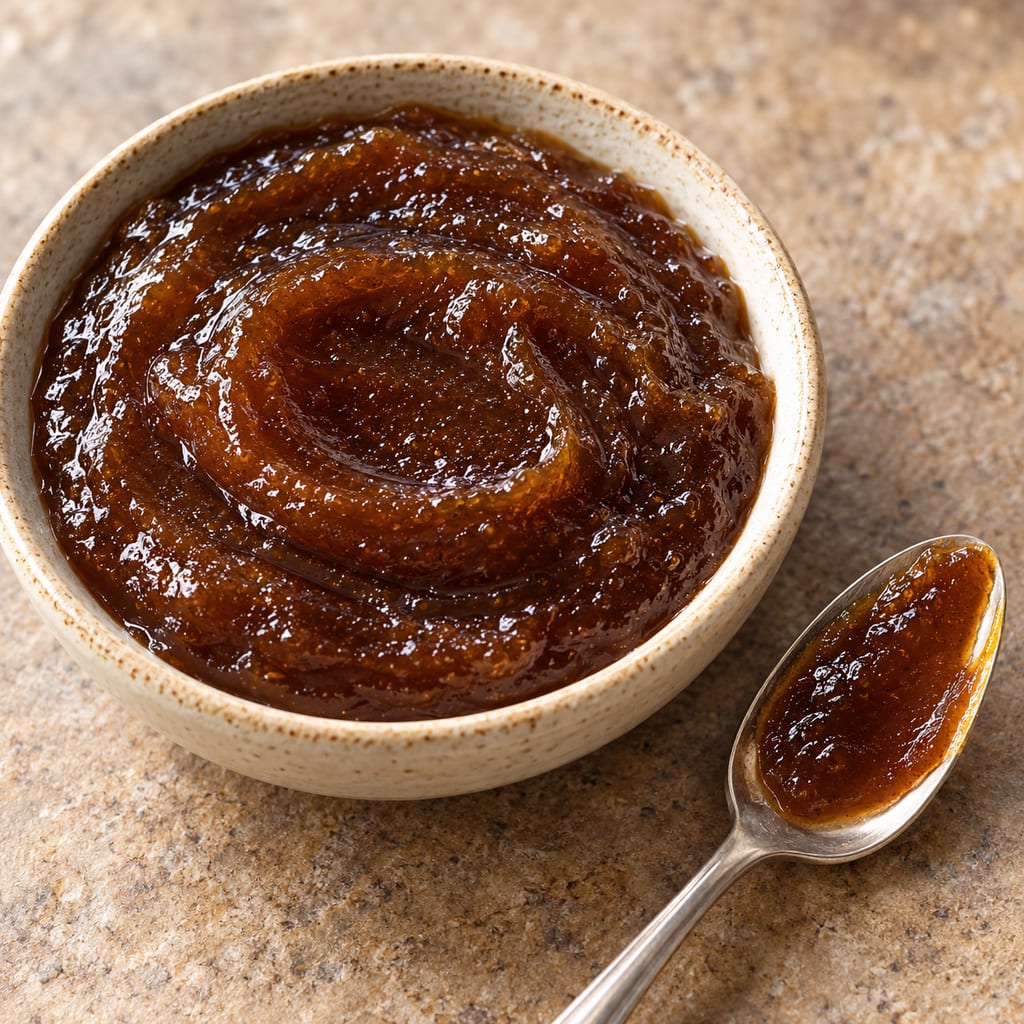
An experimental sweet mushroom preserve developed in Indian food-processing research, made by cooking mushroom pulp with sugar, added pectin and citric acid until concentrated into a thick, spreadable jam.
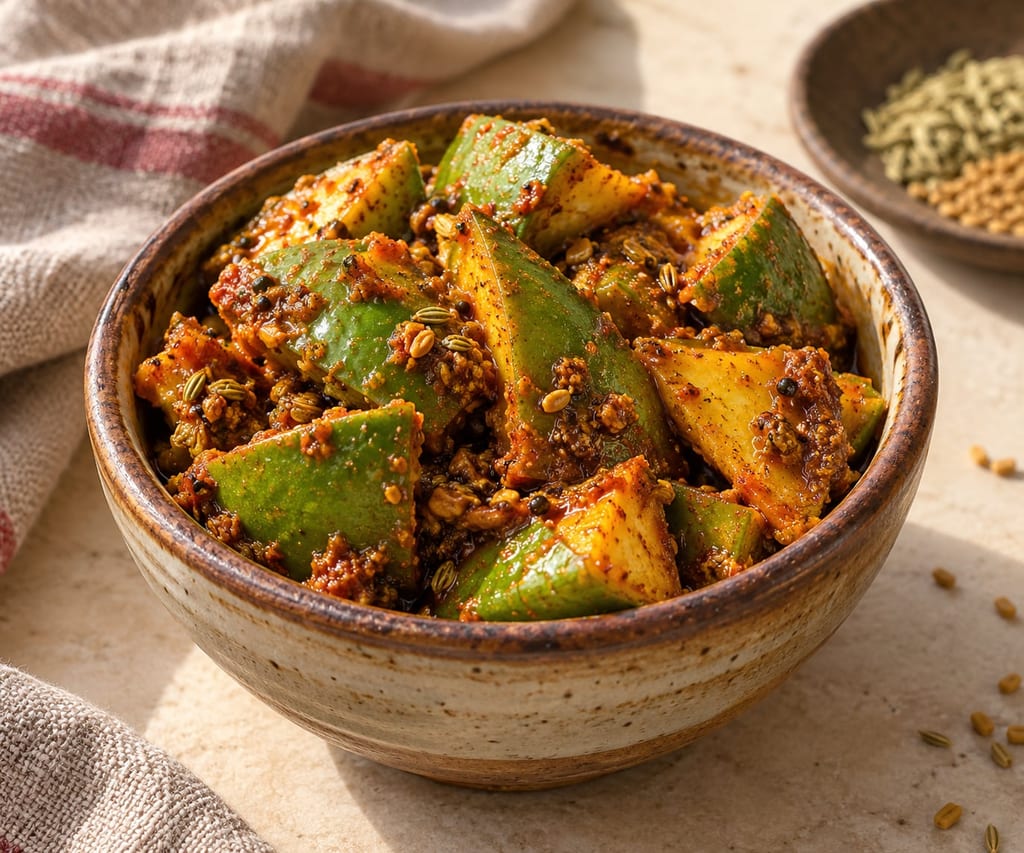
This Pakistani pickle coats firm green mango with chilli, turmeric, fenugreek, fennel and mustard oil. Its published sun-exposure schedule records a household method, but does not validate shelf-stable storage.
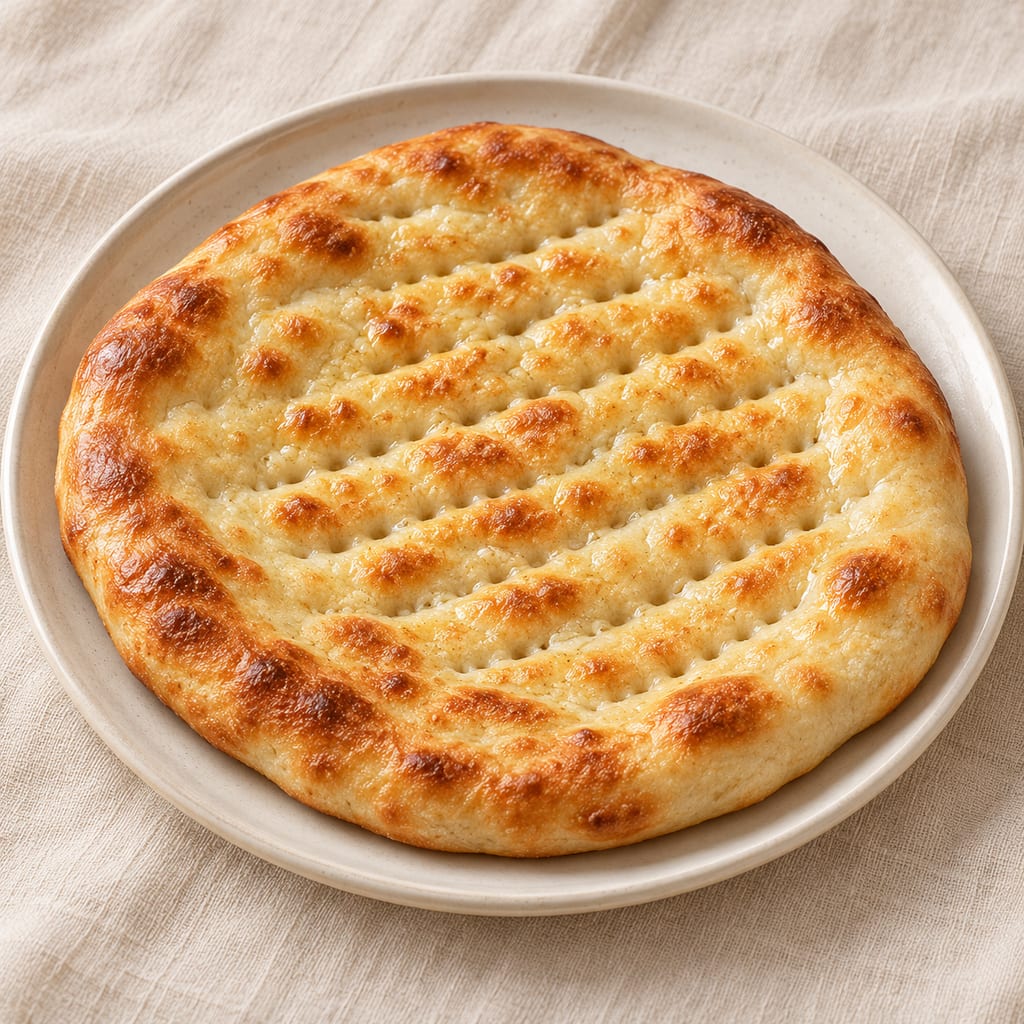
A Pakistani-style enriched yeast naan, marked before baking and finished with butter. This home method serves five.
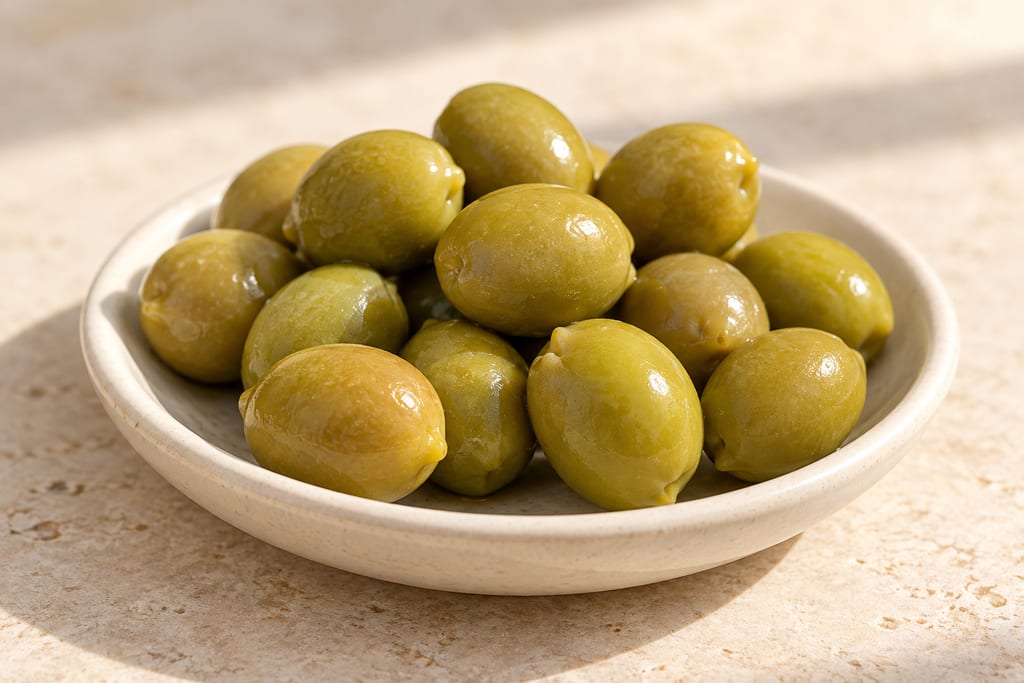
A Portuguese table-olive product from the Negrinha cultivar in northeastern Portugal, sold in three commercial styles, two of them brined fermentations and one oxidised to black.
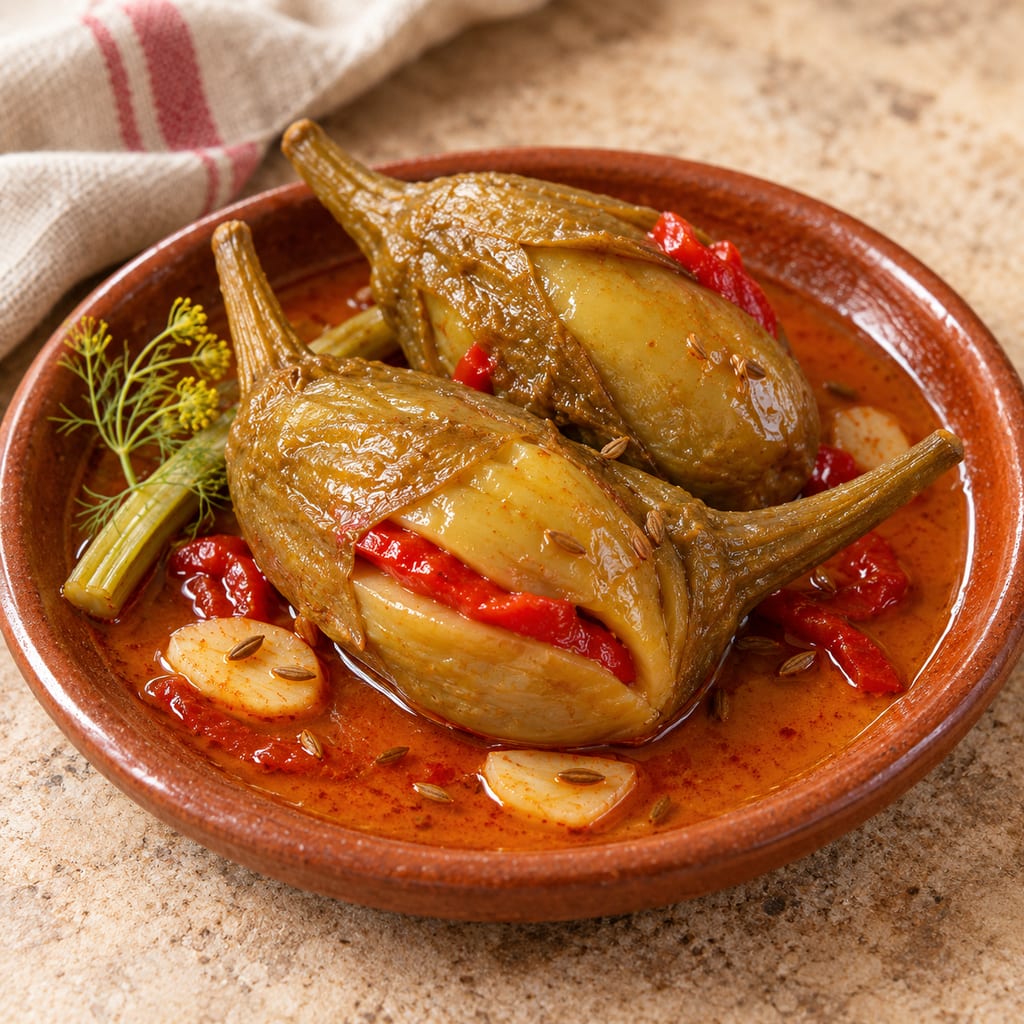
A protected aubergine preserve from Ciudad Real in Spain: tender fruit of the local Dealmagro variety, cooked briefly and then fermented in a vinegared, paprika-seasoned dressing.
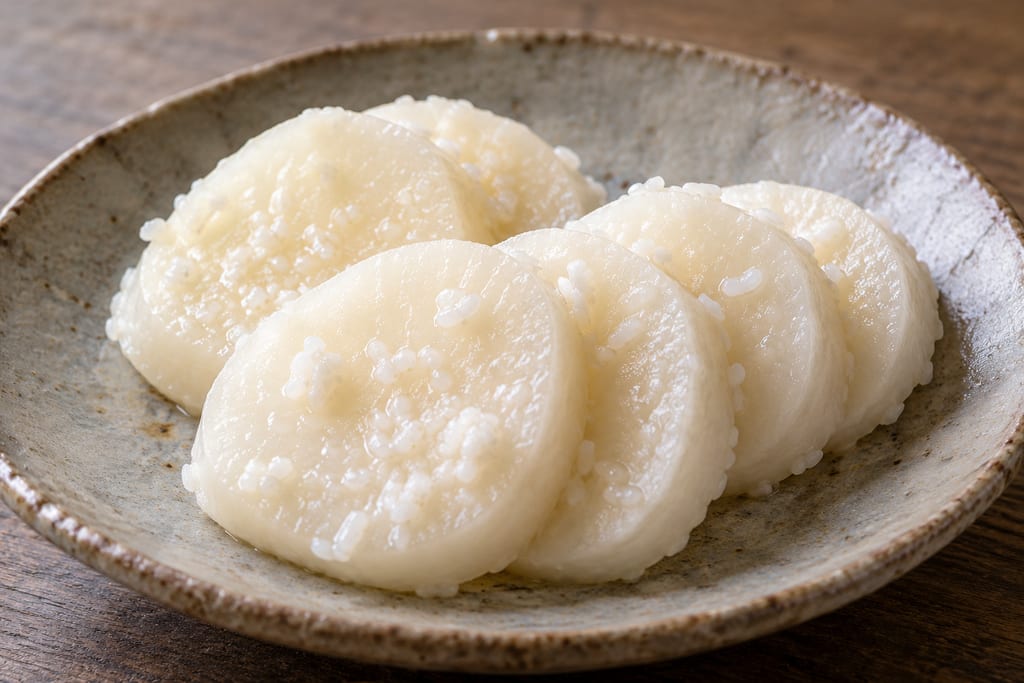
A sweet, crisp Japanese daikon pickle from Tokyo's Nihonbashi district, made by salting fresh radish and dressing it in rice koji, sugar or koji amazake without the heavy drying used for takuan.
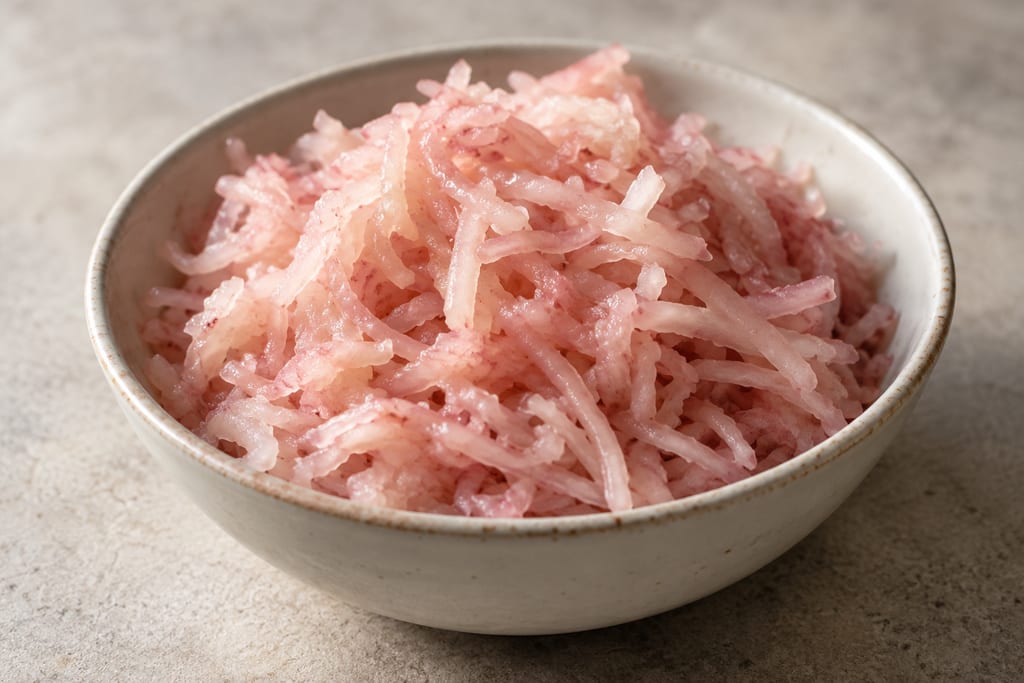
Source-specific Brovada DOP producer method for Friuli Venezia Giulia turnips and red-grape marc. This records a regulated producer process; it is not a validated home-scale recipe.
An industrial fermentation patio places factory-made fiberglass-reinforced polyester olive tanks below floor level, with drainage and transfer infrastructure arranged around the buried vessels.
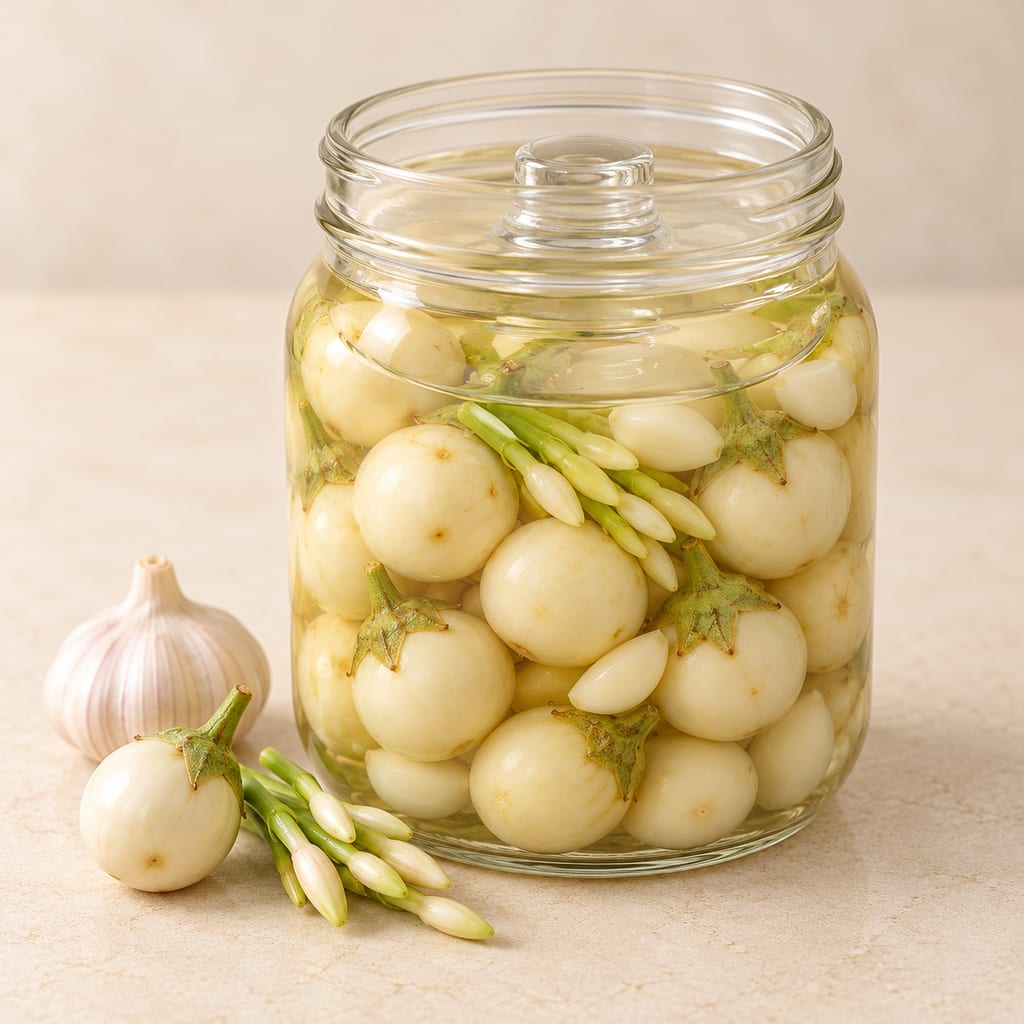
Vietnamese salted and fermented small eggplant, dried on the day of purchase, then held submerged in warm salty water with garlic and galingale flower for a week or longer.
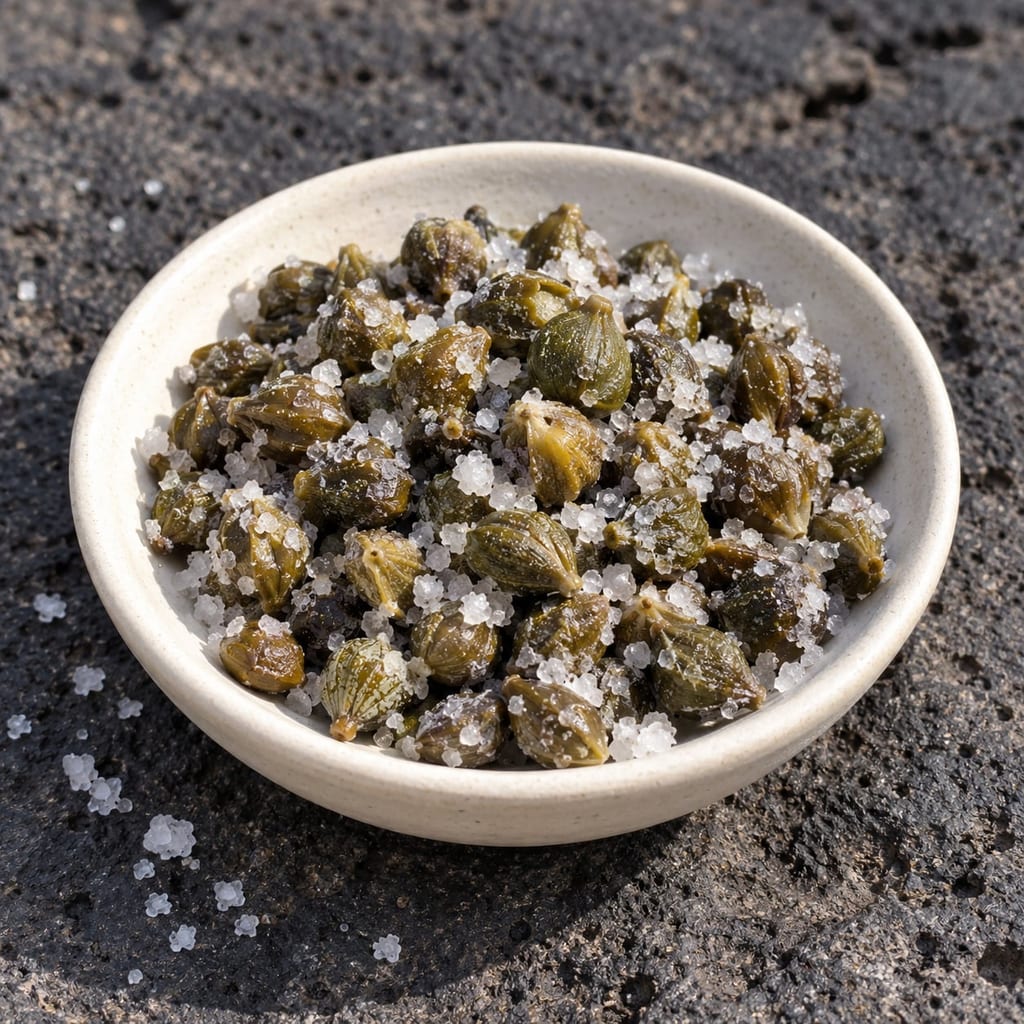
A protected Sicilian product: unopened caper buds from the island of Pantelleria, dry-salted with sea salt in a two-stage process that encourages lactic fermentation.
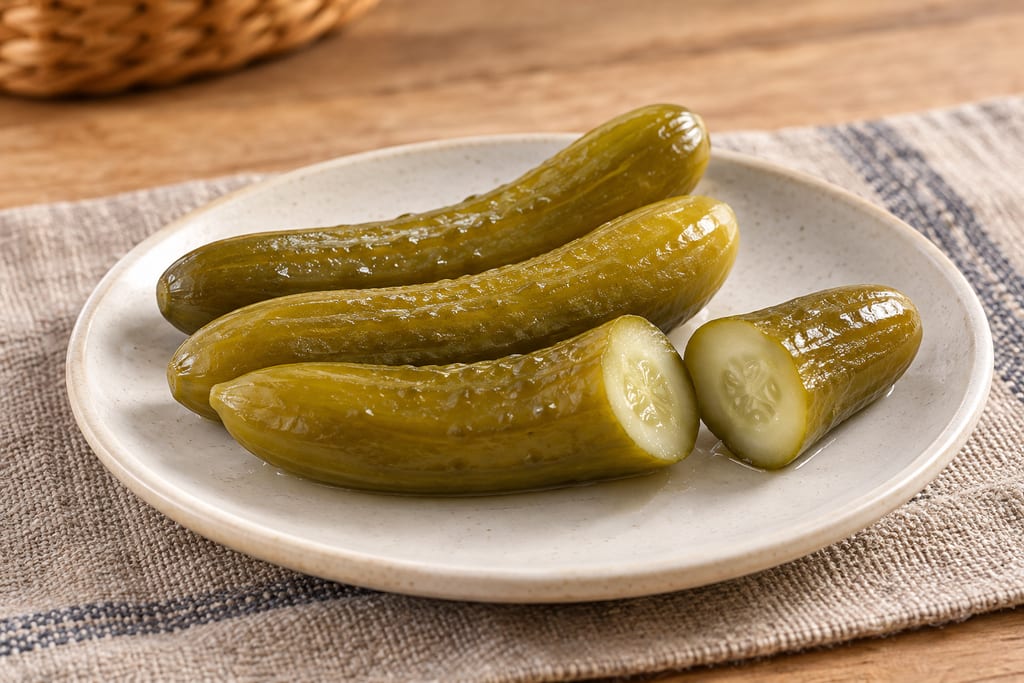
Çubuk turşusu is a registered pickle from Çubuk district in Ankara. Its cucumber variant is sold as Salatalık Turşusu, and a commercial specification sets its brine and room-temperature period.
No community contributions have been published for this entry yet.
Sign in to contribute. Published comments and photos are free to read.
Scientific Reports 15, article 34522; Nature PortfolioMethod
Fermented pickles improve gut microbiota and immune profile in women in a community trial in rural PakistanCited in: Five study foods; What the paper shows about preparation; What the microbial material can establish; A research description, not a home recipe; Open questions in the sources
Scientific Reports 15, article 34522; Springer NatureMethod
Supplementary Information 1: Supplementary figuresCited in: What the microbial material can establish; A research description, not a home recipe; Open questions in the sources
Scientific Reports 15, article 34522; Springer NatureMethod
Supplementary Information 2: Supplementary tablesCited in: What the microbial material can establish; A research description, not a home recipe; Open questions in the sources