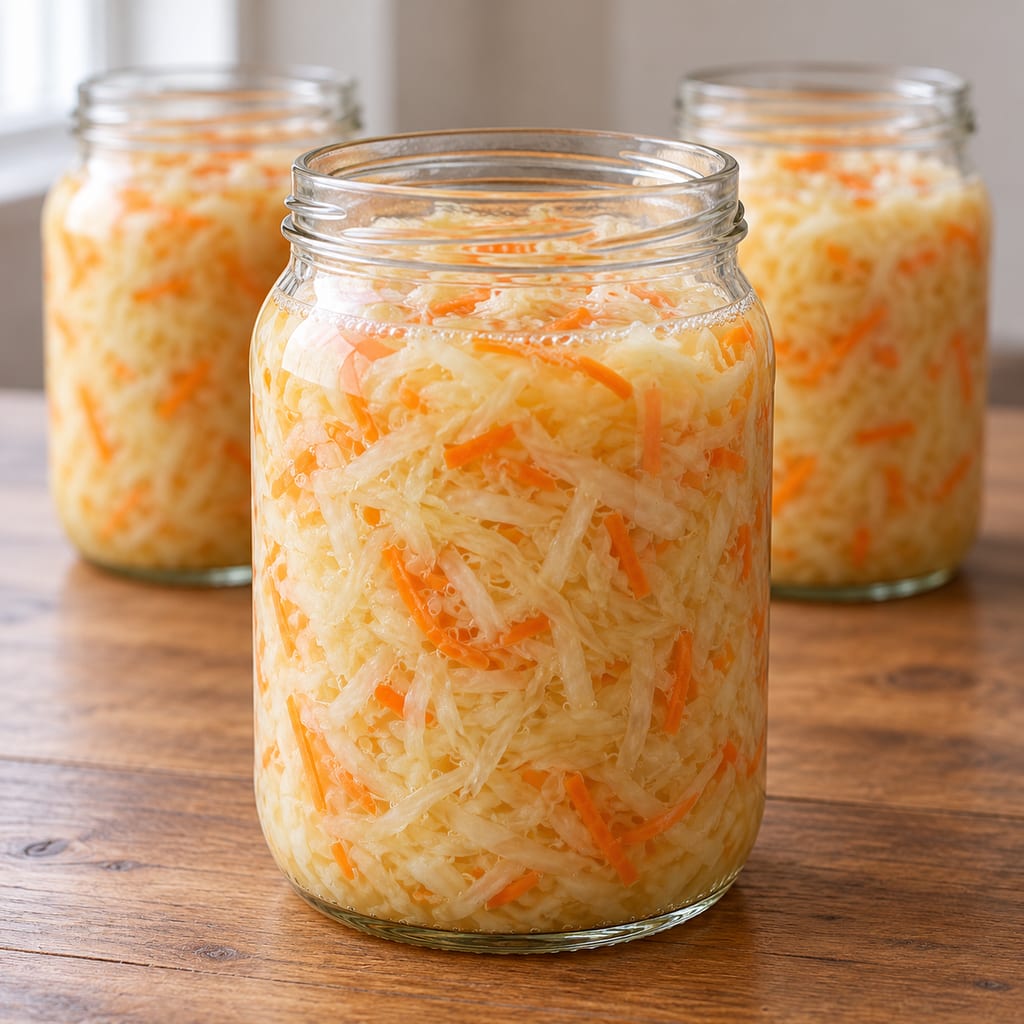
Jar sauerkraut with carrot
Shredded cabbage and grated carrot are salted to 20 g/kg, rested, packed into three jars and monitored during a creator-reported eight-day fermentation; measured temperature is not given.
 FermenteaWhere food goes to change
Substrates
Carrot is the sweet taproot of Daucus carota subsp. sativus, domesticated in Central Asia, and the raw material of kanji and a common companion in fermented vegetable mixes.
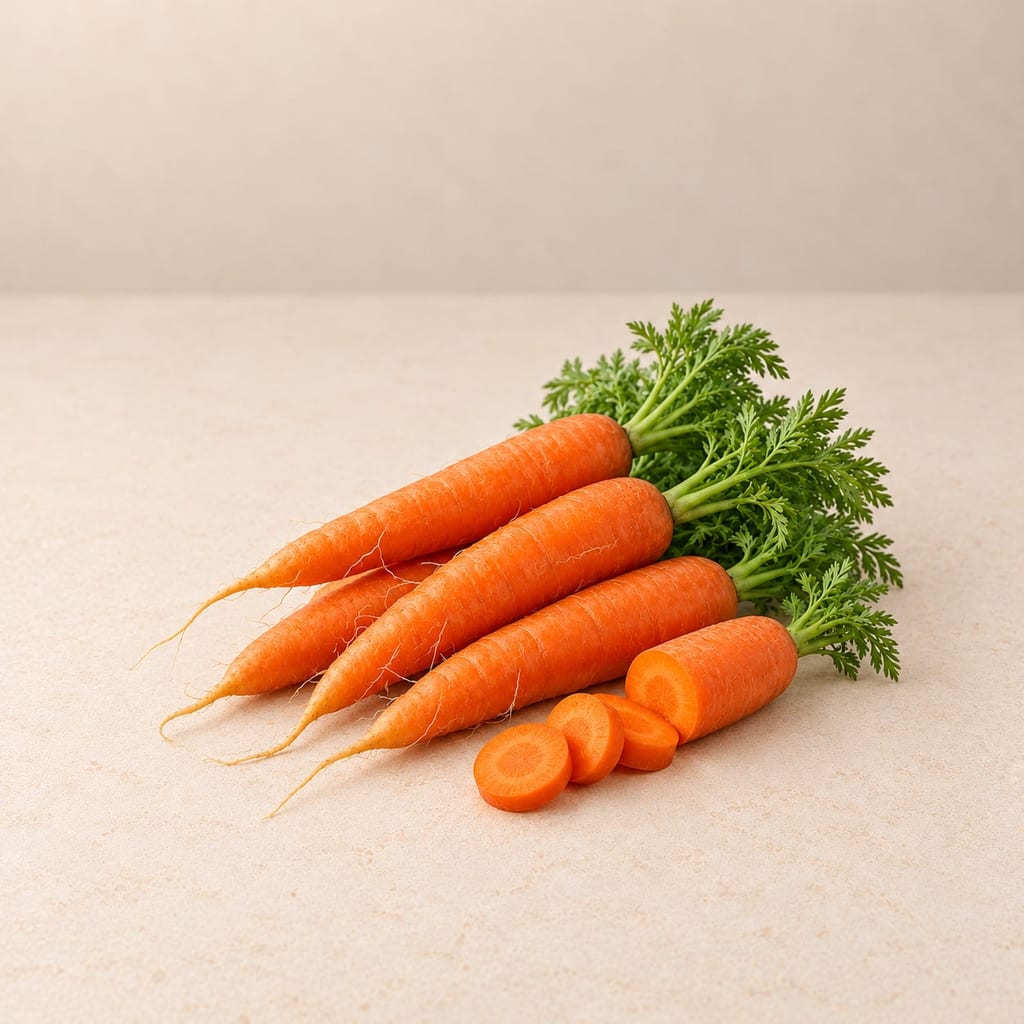
The carrot is the swollen taproot of Daucus carota subsp. sativus, a member of the umbellifer family Apiaceae, alongside parsley, celery, fennel and coriander. Carl Linnaeus described the wild species, Daucus carota, in 1753, and the name of the domestic subspecies was published in 1834. The plant is a biennial grown from seed, and carrots usually mature in 70 to 80 days, although some take up to 120. Raw carrot is about 88 percent water, with about 41 kilocalories per 100 grams, 9.6 grams of carbohydrate of which 4.7 grams is sugar, 2.8 grams of fibre, 0.93 grams of protein and 0.24 grams of fat. It supplies about 93 percent of the daily value of vitamin A in the form of beta-carotene, and about 11 percent each of vitamin K and potassium.
Colour is the carrot's most variable trait. Orange carrots owe their colour to carotene, mainly beta-carotene. Purple ones owe it to anthocyanin pigments, and a white cultivar lacks carotene because of a recessive gene. Early carrots were often purple or yellow, and roots from West Asia, India and Europe were purple in the tenth century; accounts from the eleventh and twelfth centuries also describe red and yellow carrots. The orange carrot of supermarkets is a relatively recent development, and the pigment shows in the kitchen: a purple carrot gives kanji its colour.
Carrot domestication had a single origin in Central Asia, and the wild ancestors likely grew in Greater Persia, which remains the centre of diversity for wild carrots. The wild carrot, Daucus carota, also known as Queen Anne's lace, has white, thin, bitter roots with a woody centre that become too woody to eat quickly; its leaves and seeds are edible. Breeders selected plants to reduce bitterness, increase sweetness and minimise the woody core. Early carrots were grown mainly for their aromatic leaves and seeds, and carrot seeds found in Switzerland and southern Germany date to 2000 to 3000 BC. The first classical mention of the root dates from the first century AD; the Romans ate a root called pastinaca that may have been carrot or parsnip. The Juliana Anicia Codex, a sixth-century copy of Dioscorides' first-century pharmacopoeia, states that the root can be cooked and eaten, and a related codex shows purple roots.
Eastern carrots were domesticated in Persia, probably in what is now Iran and Afghanistan, in the tenth century or possibly earlier, and are often purple or yellow with branched roots. From there the carrot travelled both ways. It reached Spain with the Moors in the eighth century, cultivated carrots appear in China in the twelfth century and in Japan in the sixteenth or seventeenth. Paintings of the sixteenth and seventeenth centuries show yellow and red roots in Turkey, North Africa and Spain, and orange roots in the seventeenth-century Netherlands. Dutch growers developed the orange carrot, and the Long Orange, bred in the early eighteenth century, is considered the first stable orange variety.
Carrots prefer full sun, an optimum temperature of 16 to 21 degrees Celsius and a soil pH of 6.3 to 6.8, and seedlings are thinned to 8 to 10 centimetres apart. Rich or rocky soil gives misshapen roots, and splitting and breakage can affect more than 30 percent of commercial crops. World production of carrots and turnips together topped 42 million tonnes in 2022, with China producing 44 percent; Uzbekistan, Russia and the United States were the other countries above a million tonnes in 2024.
The main pests are the carrot fly, whose larvae damage the roots, Alternaria leaf blight, which can wipe out entire crops, bacterial leaf blight, root-knot nematodes and cavity spot. Western cultivars include Chantenay, Danvers, developed in 1871 in Danvers, Massachusetts, Imperator, the most widely grown commercially, and Nantes. The Kintoki carrot is a Japanese cultivar from Kyoto Prefecture, and baby carrots, peeled and cut into uniform cylinders, have been sold since the late 1980s.
In a ferment a carrot offers water, fermentable sugar and a firm cell structure. Raw carrot is 88 percent water and holds 4.7 grams of sugar per 100 grams, which is the material the lactic acid bacteria can turn into acid. The root's best-known nutrient, beta-carotene, behaves in a particular way: only about 3 percent of it is released during digestion from the raw root, and pulping, cooking and adding oil raise that to about 39 percent. A purple carrot adds a second pigment class, the anthocyanins, which give a ferment its colour.
Carrots are chiefly a companion in vegetable ferments and the main ingredient of two fermented drinks, kanji and şalgam, in which the root's pigment and sugar are the whole point.
A purple carrot's colour comes from anthocyanins, water-soluble pigments that look red or pink in acidic solutions, purple near neutral and greenish-yellow in alkaline ones, and that are so sensitive to pH that they serve as natural pH indicators. Their stability depends on structure, pH, temperature, light, oxygen and metal ions, and they generally degrade faster at higher pH. In a lactic ferment the falling pH pushes the pigment towards red, which suits the purple-red colour of kanji, and breeders have developed carrot cultivars with dense, chemically stable acylated pigments. Anthocyanins are approved as food colourants (E163) in the European Union, Australia and New Zealand.
Orange carrots are different. Their carotene is fat-soluble, not water-soluble, so it stays in the root and contributes sweetness and nutrition, not colour to the brine.
Pickling preserves by anaerobic fermentation in brine or by immersion in vinegar, and the pickling solutions are typically highly acidic, with a pH of 4.6 or lower. In a fermented carrot, lactic acid bacteria, mainly Lactobacillus, produce lactic acid as the main preservative. At low salt and low temperature Leuconostoc mesenteroides tends to dominate, producing acids, alcohol and aroma compounds, while at higher temperatures Lactobacillus plantarum takes over; many pickles start with Leuconostoc and shift to Lactobacillus as the acidity rises. Salt concentration, temperature and the exclusion of oxygen decide which microbes dominate and the final flavour.
That is the frame in which the carrot ferments are read. Kanji uses 200 grams of salt to 7 litres of water and a kilogram of carrot, with mustard seed and chilli, and takes 7 to 10 days; sauerkraut with carrots takes 3 to 4 weeks at 70 to 75 degrees Fahrenheit; a measured kimchi takes 24 to 36 hours at 20 to 22 degrees Celsius and then a week. The carrot supplies sugar and structure, but the brine, the temperature and the time decide the result.
Kanji is a fermented drink of northern India and Pakistan, made above all from deep purple carrots, which are in season in winter and early spring. A formula for it takes 7 litres of water, 200 grams of salt, 40 grams of crushed mustard seed and 8 grams of hot chilli powder for each kilogram of finely grated carrot. The mixture goes into a glazed earthenware pot that is sealed except for a tiny hole that lets the fermentation gases escape, and it ferments for 7 to 10 days away from air. Lactic acid bacteria do the work, and the acid they make lowers the pH enough to inhibit food-poisoning organisms. The liquid is strained through fine muslin and comes out slightly acidic and purple-red, at just over 7 litres per kilogram of carrot. It is drunk within three to four days, after which it spoils, and has a reputation for cooling and soothing properties.
Festival versions, made around Holi, combine black carrots with beetroot, mustard seeds and asafoetida and are served with boondi, small fried gram-flour pellets, sprinkled on top. Eleven probiotic strains have been isolated from kanji, and a strain of Pediococcus acidilactici from it has been characterised. The two versions are different drinks.
Şalgam is the Turkish counterpart: a traditional fermented beverage associated with southern Turkey, Adana, Hatay, Tarsus, Mersin, Kahramanmaraş, İzmir and the Çukurova region. It is made from the sour, salty brine of purple carrot pickles, salted and spiced and flavoured with aromatic turnip, fermented in barrels with ground bulgur and rock salt. Its taste comes from lactic acid and ethanol, because the process combines spontaneous lactic acid fermentation with a yeast fermentation. There is no standard technique, and the traditional method uses sourdough and carrot fermentation; traditional production takes 10 to 12 days, and industrial production, which began in 1996, takes 4 to 5 days. Pierre Belon described its production in the sixteenth century.
Şalgam is sold by street vendors from large goblets and in pickle shops, garnished with a slice of purple carrot, paprika wedges or garlic, and drunk after kebab alongside ayran or in a separate glass with rakı. It is most popular in winter, and the Adana Kebap ve Şalgam Festivali has been held in Adana since 2010 on the second Saturday night of December. Reports of health benefits, from digestion to hangover cure, are common but not established, and its high sodium content may be a concern for people with heart disease.
Outside the drinks the carrot is more often a companion. Eastern European sauerkraut is often made with carrots and eaten cold as a salad. A measured kimchi recipe includes a grated carrot with its napa cabbage and the usual garlic, ginger and fish sauce, and ferments under the same rules as any kimchi, with a final salt concentration of 2 to 5 percent. Torshi, the pickled vegetables of the Middle East, the Caucasus and the Balkans, often include carrots among cucumbers, turnips, onions and olives, mostly in vinegar, and giardiniera, the Italian relish, preserves carrots with cauliflower, celery and peppers in vinegar or oil. A carrot in vinegar is preserved by acid alone; a carrot in a salt brine is preserved by lactic acid fermentation, and the two do not behave alike.
In every case the root's firm texture and sweetness are its contribution, and the fermentation rules belong to the brine: a fermented vegetable stays submerged, stays cool enough to avoid softening, and is discarded if slimy, mouldy or foul-smelling.
Beyond the ferment, carrots are eaten raw, boiled, fried or steamed and go into soups and stews, carrot cake, carrot pudding, juice and jam. The greens are edible but rarely eaten, and some accounts say they contain toxic alkaloids, so the root is the part to use. Danvers carrots, developed in 1871, and the commercial Imperator type are the roots most often sold for the table.
Carrots store best at 0 to 4 degrees Celsius and 90 to 95 percent humidity, and low levels of ethylene in the store help prevent bitterness. For fermenting a firm, unbruised root is the sensible choice. Carrot allergy is uncommon: a 2010 European study found that 3.6 percent of young adults showed some sensitivity. Eating very large amounts for a long time can cause carotenemia, a harmless yellow-orange tint of the skin.
Single origin of domestication in Central Asia; wild ancestors in Greater Persia; not a precise birthplace.
Kanji from deep purple carrots; the source places the drink in the region but no finer location.
Dutch growers developed the orange carrot; the Long Orange of the early eighteenth century is the first stable orange variety.
Shredded cabbage and grated carrot are salted to 20 g/kg, rested, packed into three jars and monitored during a creator-reported eight-day fermentation; measured temperature is not given.
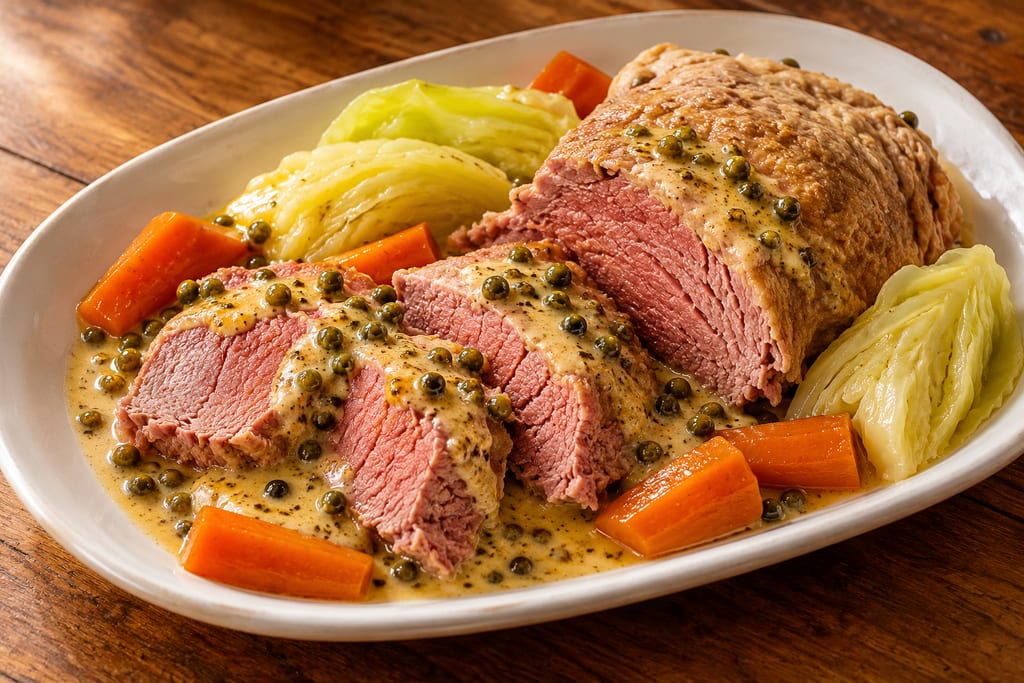
A Karoo-style festive dish of already cured salt beef simmered with vegetables and aromatics, served with a cream sauce of brined green peppercorns and wholegrain mustard.
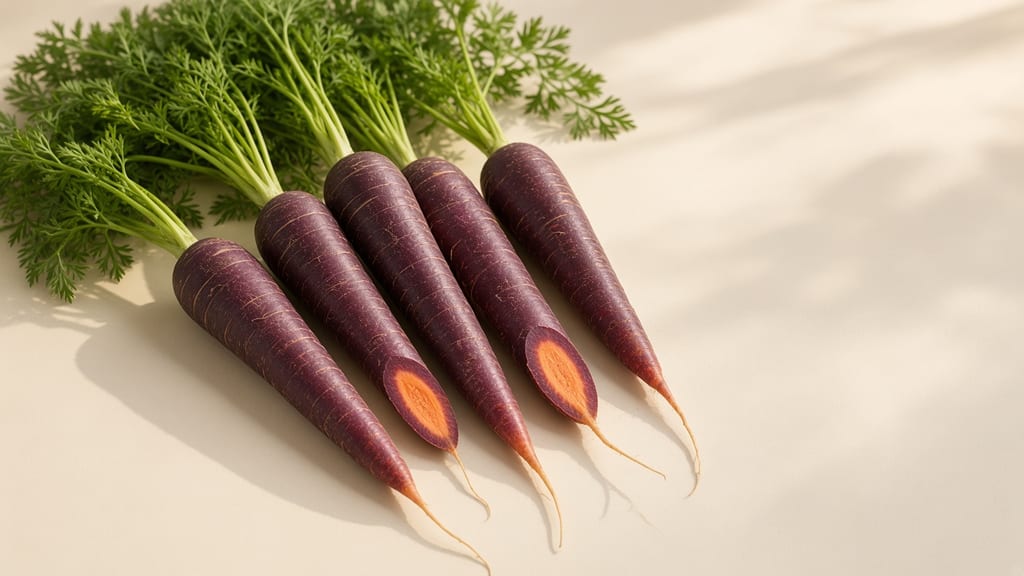
Black carrot is the anthocyanin-pigmented Eastern carrot (Daucus carota var. atrorubens), the purple root that preceded orange types and still colours kanji and şalgam.
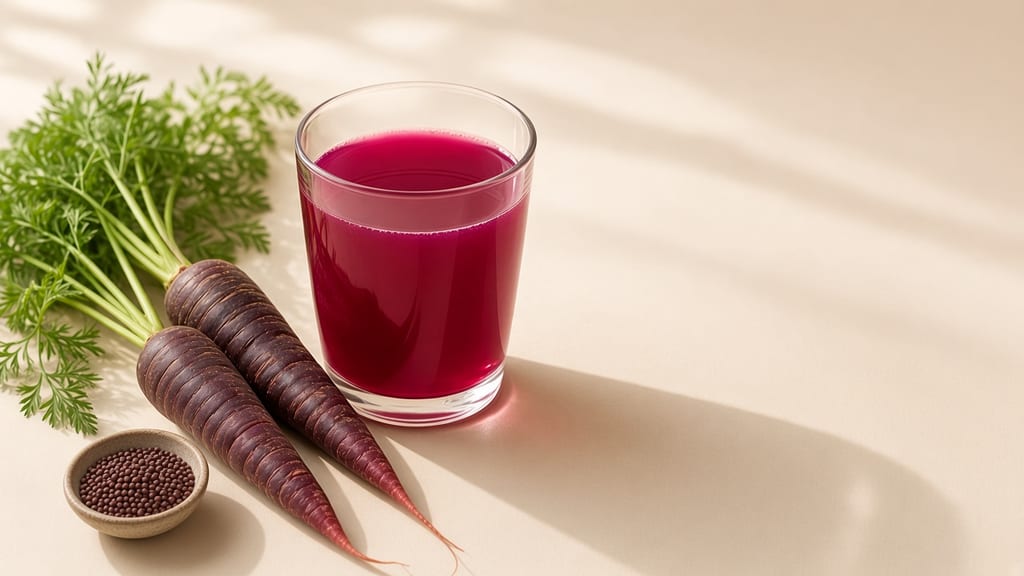
Purple and yellow carrots preceded Europe's orange root. In Punjab, kanji kept kali gajar working as a lactic drink substrate long after orange took the supermarket.

A gelling polysaccharide extracted from red seaweeds, sold as kanten strips or powder; it sets firm at a low concentration and stays solid until about 85 °C.
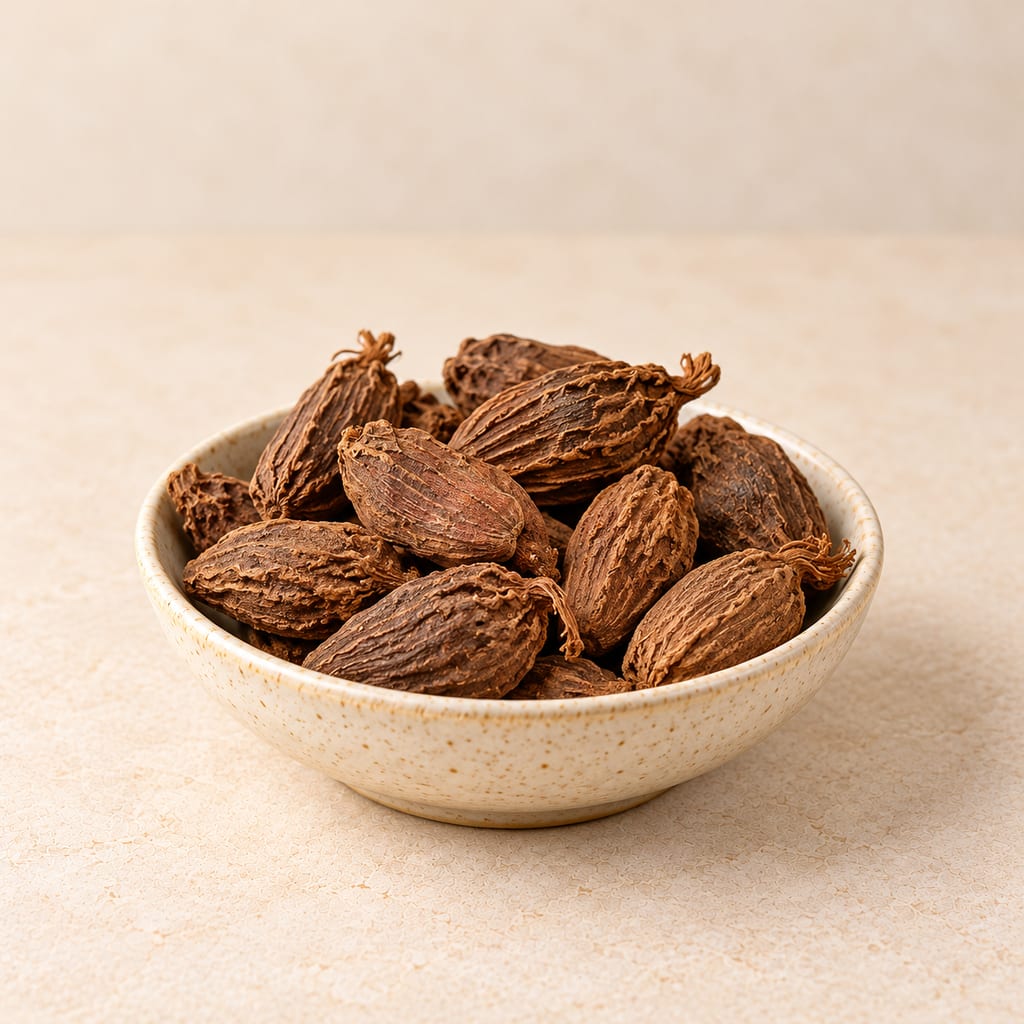
Alainchi is the large or black cardamom of the eastern Himalaya, the dark, smoke-dried pods of Amomum subulatum. Its camphor-cool, smoky seeds season Himalayan and North Indian cooking and a sweet Nepali lapsi achar.
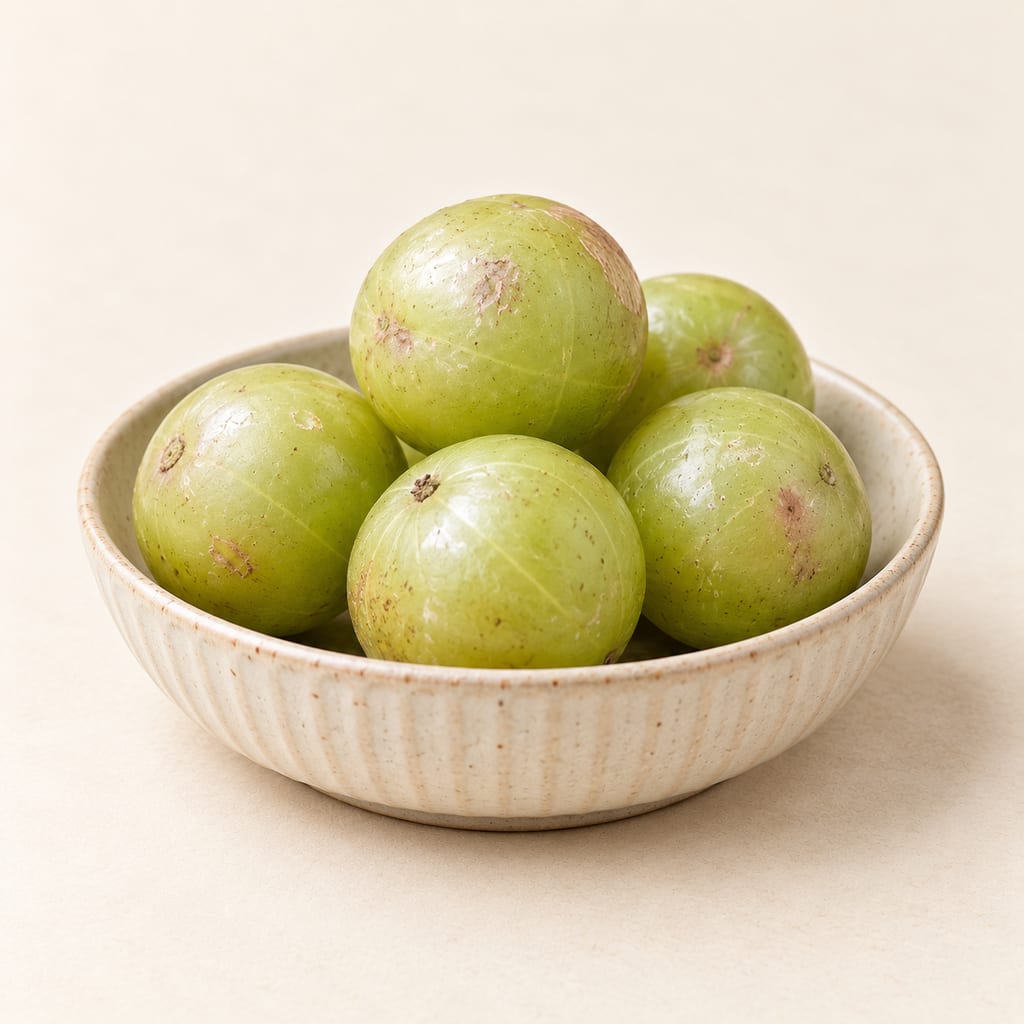
Amla is the firm, sharply sour fruit of Phyllanthus emblica. Cooks transform it into murabba, pickles, chutneys, drinks and dried snacks.
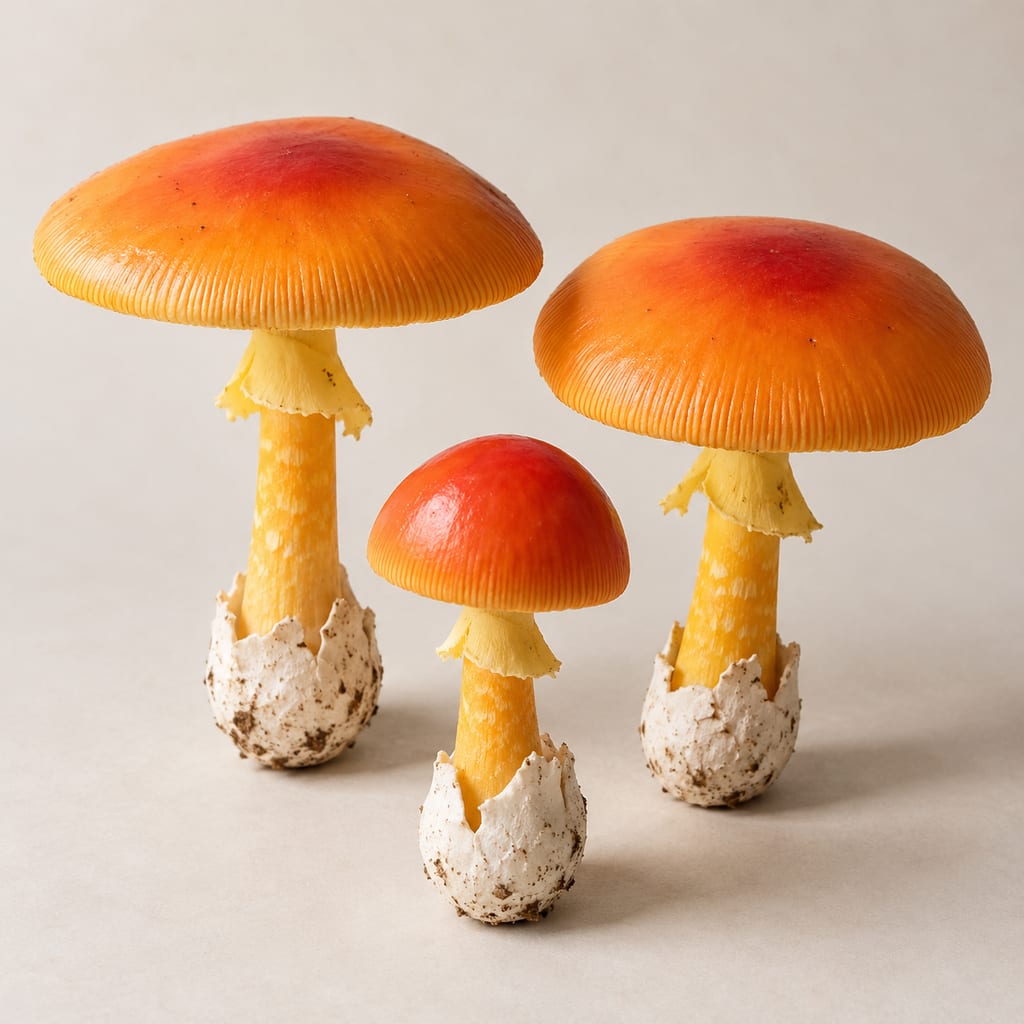
A wild Asian Amanita reported as food in regional literature and listed in China’s edible-fungi catalogue. Lookalikes include lethal species; this record is not a guide to identifying wild mushrooms.
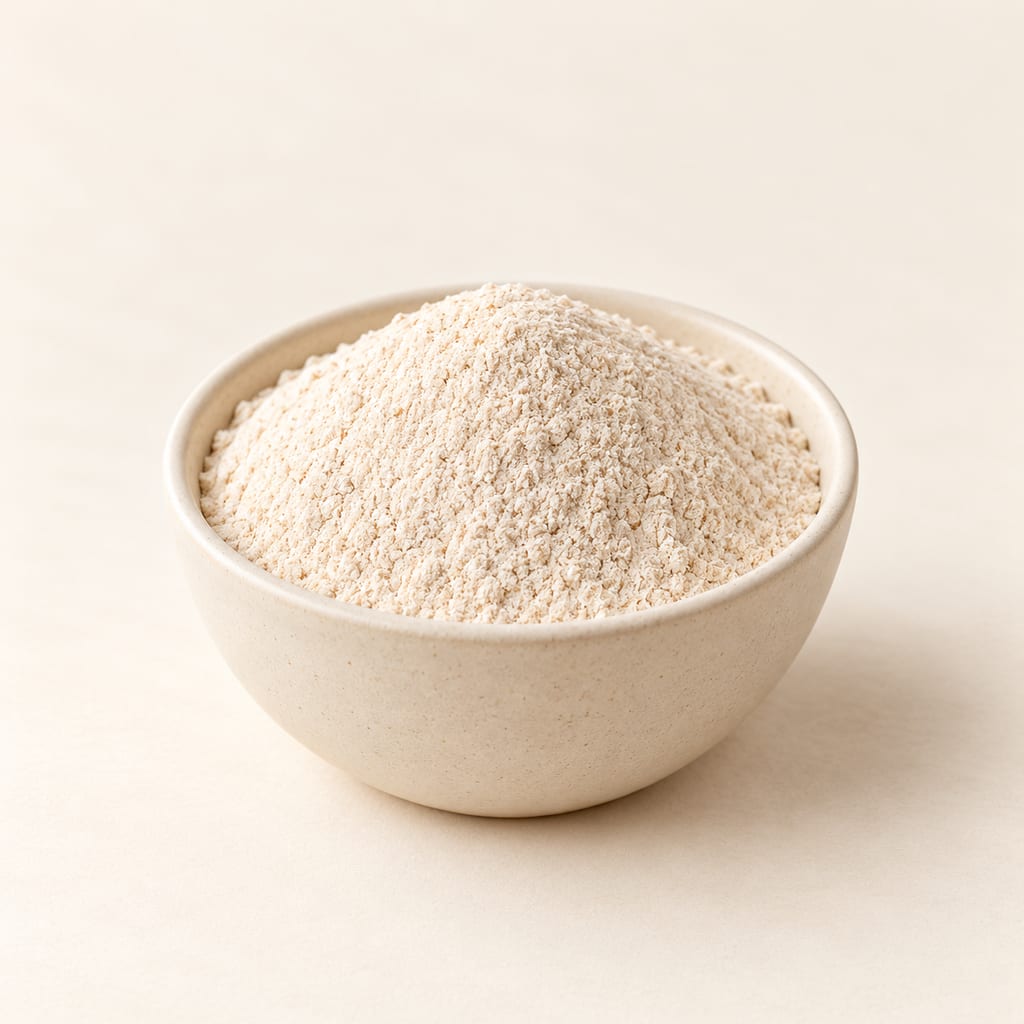
Atta is wheat flour used across South Asian bread traditions. Indian standards distinguish wheat flour (atta) from resultant atta; milling route and particle size shape its behavior in chapati dough.
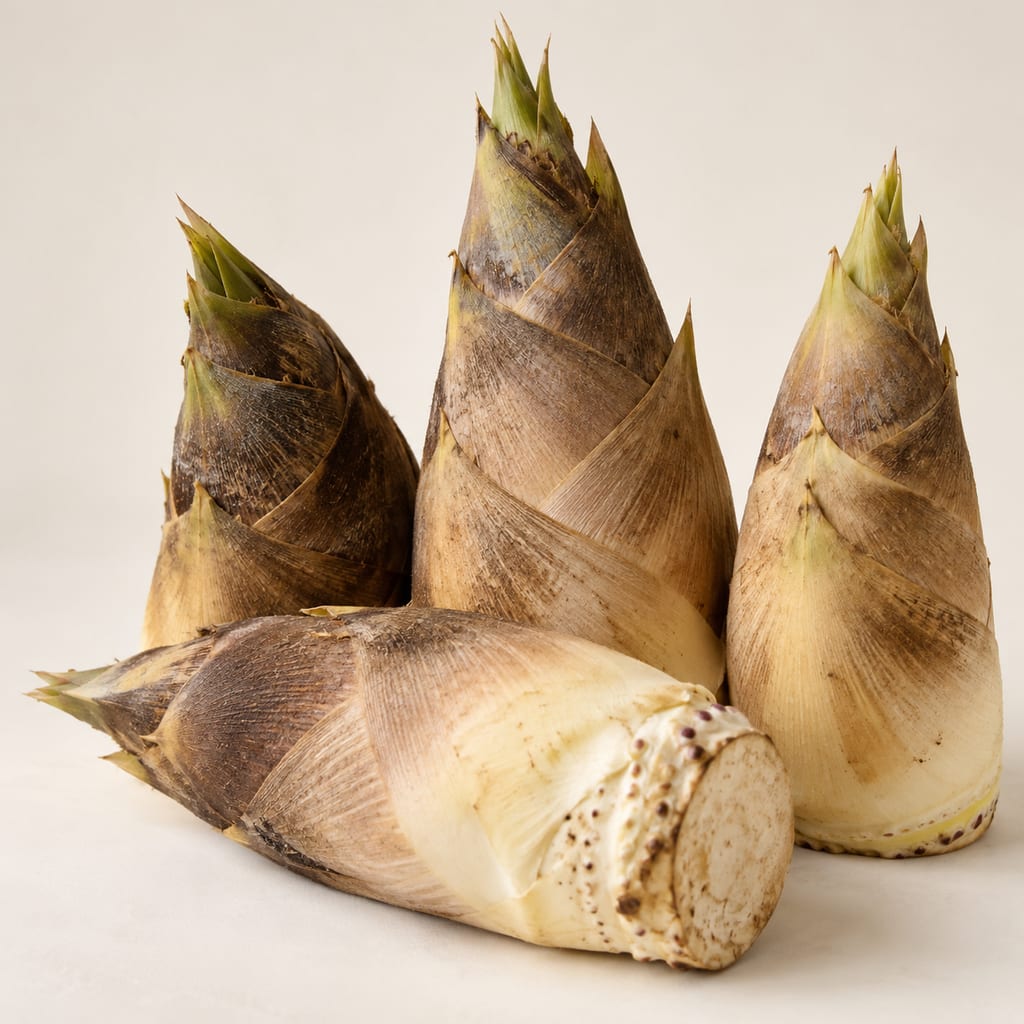
Bamboo shoots are the young culms of many bamboo species, eaten after boiling or leaching in Asia, and fermented into sour and preserved foods in the Himalayas, northeast India and Burma.
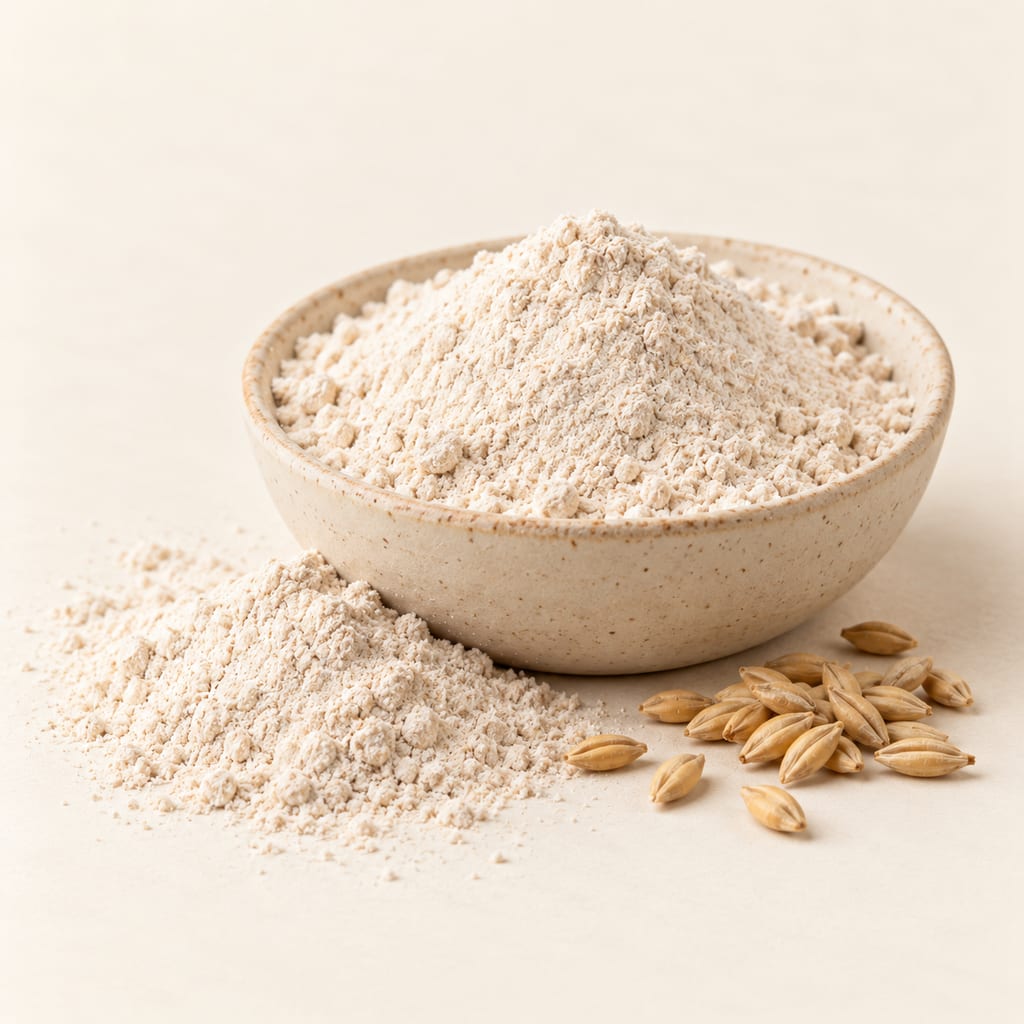
Barley flour is ground barley grain; whether it comes from pearled or hulless kernels, its milling and limited wheat-like gluten-forming ability shape the doughs and foods it can make.
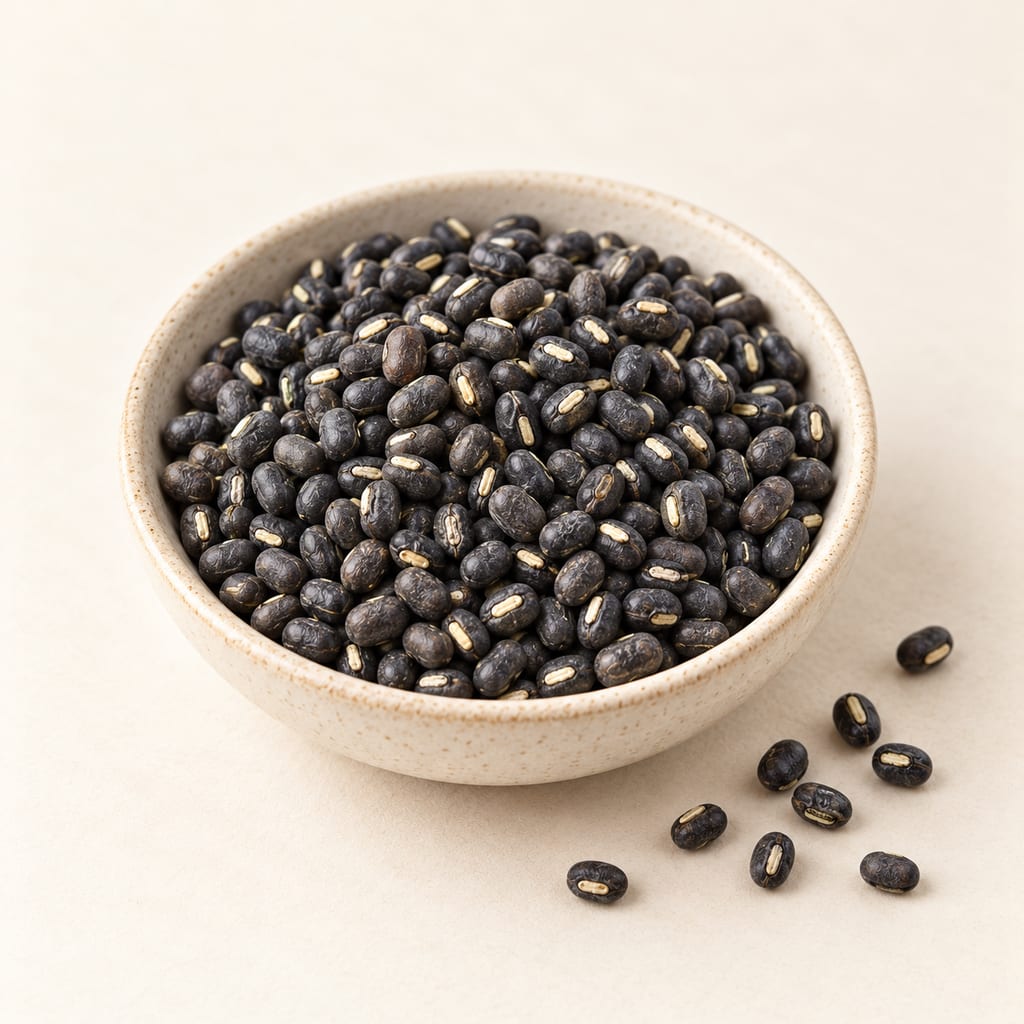
Black gram, or urad, is a South Asian pulse whose whole dark seeds and dehulled white dal make distinct cooked and fermented foods.

At North Abydos in Egypt, a fixed early Dynastic brewery comprised parallel semi-subterranean installations with rows of ceramic mash vats; excavation reports revise their number, scale and estimated batch capacity.

Ají amarillo is the orange-yellow Peruvian chilli cultivar group of Capsicum baccatum, used to colour and season huancaína sauce and ají de gallina. Published heat estimates do not establish one range for the named cultivar.

Toasted almonds are whole sweet almond kernels dry-roasted until golden to brown. Heat replaces their marzipan note with a roasted, nutty one; they thicken and flavour romesco.

Kodiak salmon, halibut and cod cut as seg'aq and hung on an initaq rack to become tamuuq, with kac'amaasaq and kupcuunaq named as different results.

Aniseed is the dried ripe fruit of Pimpinella anisum, an aromatic Apiaceae spice commonly called a seed. It adds a sweet, warm aroma to breads such as Moroccan krachel and South African mosbolletjies, and is distinct from star anise.

A fixed Late Chalcolithic installation in Areni-1 cave combined a shallow clay pressing basin with a large jar set into the cave floor and storage vessels nearby.

Ripe avocado flesh is the soft, buttery, fat-rich pulp of Persea americana, eaten raw. It is low in acid, so it is a fresh ingredient that needs care in chilled dishes.

A portable dome and pan used over a hearth, with embers on the lid and heat from below. Regional peka and saç forms share this principle while differing in materials, pan shape and how the food is cooked.
No community contributions have been published for this entry yet.
Sign in to contribute. Published comments and photos are free to read.
WikipediaIdentity · History · Production · Nutrition
CarrotTaxonomy, origin, colours and history of the orange carrot
Nutrition, beta-carotene release, production in 2024
Growing, storage, cultivars, uses, allergy and carotenemia
Cited in: A sweet root in many colours; From Persia to the Dutch orange carrot; Growing the crop; What a carrot brings to a ferment; Colour in the jar; Choosing and storing carrots
Food and Agriculture Organization of the United NationsFermentation · Method
Fermented fruits and vegetables: a global perspective, Chapter 6: Typical products of bacterial fermentationsKanji formula per kilogram of grated carrot, earthenware pot, 7 to 10 days, shelf life 3 to 4 days
Cited in: How a carrot ferments; Kanji, the carrot drink
WikipediaFermentation · Use
Kanji (drink)Black carrot, beetroot, mustard seed and asafoetida; Holi; boondi; probiotic strains
Cited in: What a carrot brings to a ferment; Kanji, the carrot drink
WikipediaUse
SauerkrautEastern European sauerkraut with carrots
Cited in: Carrot in cabbage, kimchi and mixed pickles
National Center for Home Food PreservationMethod
SauerkrautSauerkraut fermentation temperatures and times
Cited in: How a carrot ferments; Carrot in cabbage, kimchi and mixed pickles
Oregon State University ExtensionMethod
Kimchi basicsFinal salt concentration of 2 to 5 percent in a measured kimchi
Cited in: How a carrot ferments; Carrot in cabbage, kimchi and mixed pickles
WikipediaIdentity · Safety
Daucus carotaWild carrot description and range
Look-alike poison hemlock
Colours of carrots in historic paintings
Cited in: From Persia to the Dutch orange carrot
WikipediaScience
AnthocyaninpH-dependent colour and stability of anthocyanins
E163 food colourant approval
Cited in: Colour in the jar
WikipediaHistory
Black carrotEastern carrots domesticated in Persia, anthocyanin colour
Cited in: From Persia to the Dutch orange carrot; Growing the crop; Colour in the jar
WikipediaFermentation · Use
ŞalgamTurkish fermented drink of purple carrot brine, bulgur and rock salt
Production times, regions, serving and festival
Cited in: What a carrot brings to a ferment; Şalgam, the purple carrot drink of southern Turkey
WikipediaUse
TorshiTorshi pickled vegetables including carrots
Cited in: Carrot in cabbage, kimchi and mixed pickles
WikipediaUse
GiardinieraItalian pickled vegetables including carrots in vinegar or oil
Cited in: Carrot in cabbage, kimchi and mixed pickles
WikipediaFermentation
PicklingBrine pickling by fermentation versus vinegar pickling
Cited in: How a carrot ferments; Carrot in cabbage, kimchi and mixed pickles