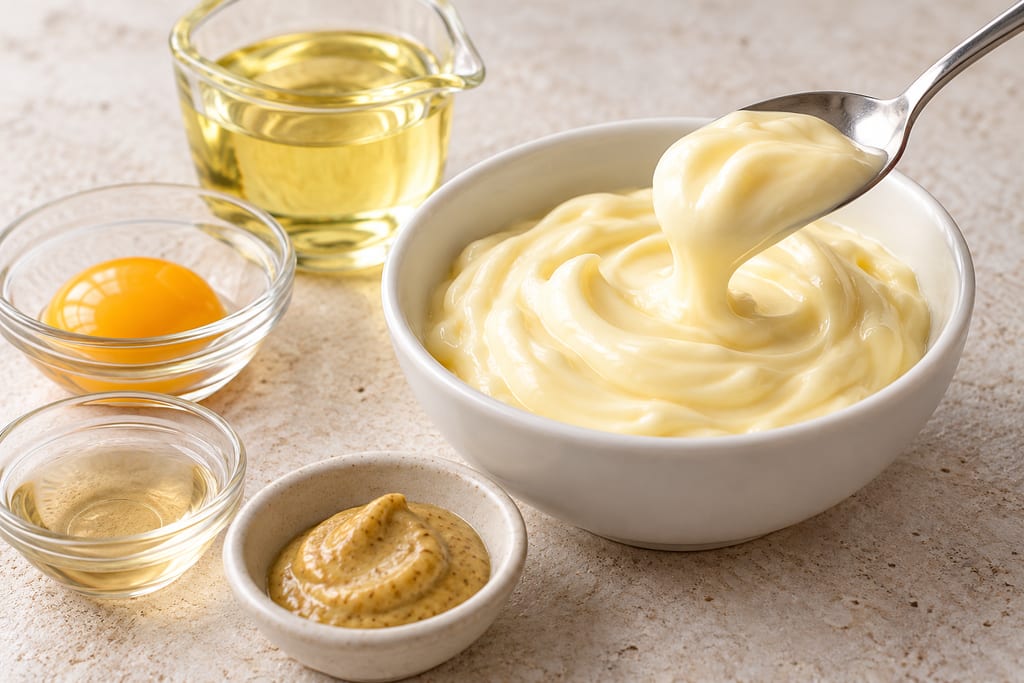
Neutral classic mayonnaise
A plain mayonnaise of 200 g refined neutral oil emulsified into pasteurised yolk, vinegar, water and a little Dijon mustard: a clean base for tasting, comparing and flavouring.
 FermenteaWhere food goes to change
Modern method
Salāti ar šprotēm
A Latvian Šprotes page’s layered salad uses one can of sprats in oil, grated vegetables and eggs with mayonnaise. The page gives no serving yield, can size or complete vegetable-cooking method.
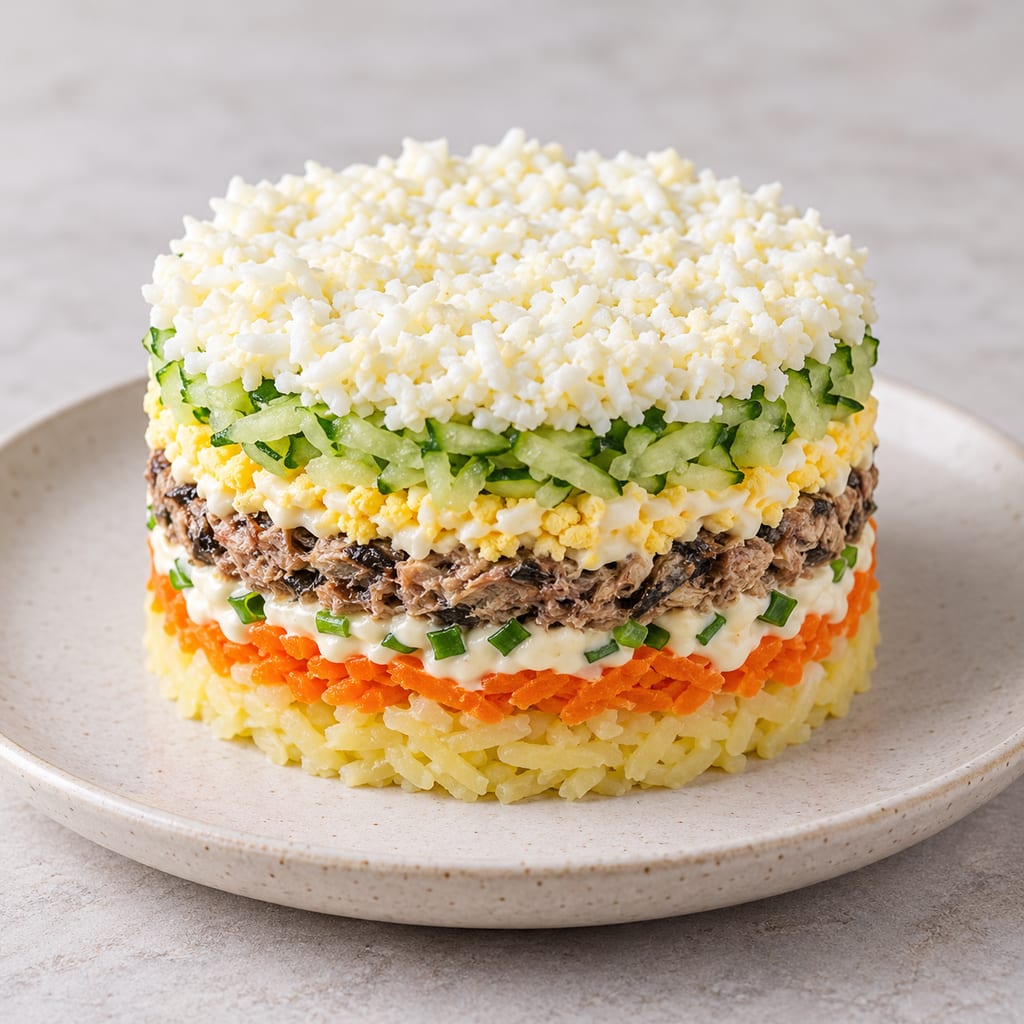
Layered salad with Latvian sprats is a cold dish built from smoked fish, cooked potatoes, carrots, eggs, fresh cucumber and mayonnaise. The ingredients are arranged in distinct layers rather than mixed into a conventional chopped salad, allowing the rich fish to contrast with vegetables and a creamy dressing.
The most important ingredient is Latvian smoked sprats preserved in oil. These small fish have a pronounced smoky flavour and relatively soft texture. When mashed with a fork, they create a concentrated layer that seasons the surrounding potatoes, eggs and vegetables.
The finished dish is particularly suited to a cold buffet or a table of shared appetisers. Its structure makes it visually attractive, especially when assembled inside a culinary ring and unmoulded before serving.
It is a contemporary Latvian recipe rather than a fermentation. The relevant food transformations are smoking, heat preservation, cooking, emulsification and chilling.
Latvian — Salāti ar šprotēm
English — Layered salad with Latvian sprats
The European sprat is Sprattus sprattus. Traditional Latvian canned sprat products may also contain small Baltic herring, Clupea harengus membras.
Smoked sprats are strongly associated with Latvia's fish-processing industry and the wider eastern Baltic.
Fishing communities around the Baltic Sea have a long history of using small pelagic fish, but the modern canned sprat product belongs specifically to an industrial history of smoking, oil packing and heat sterilisation.
Commercial recognition of Latvian sprats is documented in early twentieth-century sources. Latvian trade material and press references from the 1920s and 1930s demonstrate that the product was already sufficiently established to be marketed and discussed internationally.
The standard traditional product is made from smoked sprats or small herring packed in oil with salt and commercially sterilised.
Smoking develops the characteristic flavour before the fish is sealed in tins.
Oil contributes the familiar mouthfeel and helps surround the fish in the finished product. The crucial preservation step for shelf-stable unopened tins is the validated industrial heat process, not the oil alone.
The traditional Latvian product description specifies fish caught in a defined Baltic area during the October–March season.
That association should be distinguished from generic tins of smoked sardines, anchovies or other fish sold internationally.
The recipe itself is modern. Its exact first appearance is not established by the available sources, and it would be misleading to assign it a nineteenth-century origin simply because smoked fish was commercially important then.
The following quantities reproduce the published Latvian sprat-industry recipe. The original source does not specify a serving count or tin weight.
Latvian sprats in oil — 1 tin — Principal smoky and savoury flavour
Fresh cucumber — 1 — Freshness, moisture and crispness
Eggs — 2 — Protein, binding texture and contrasting colours
Potatoes, boiled — 3 — Structural foundation and mild starch
Carrot, boiled — 1 — Sweetness and orange colour
Mayonnaise — 100 g — Creamy dressing and cohesion
Spring onions — Quantity not specified — Fresh onion flavour and colour
The published method also allows mayonnaise mixed with sour cream in some layers. The recorded method gives no proportions for that substitution.
Use properly commercially canned smoked sprats.
Small, tender fish can be mashed with a fork without substantial preparation. However, quality and texture vary between brands.
The oil inside the tin carries smoke-derived flavour compounds, so completely rinsing the fish can noticeably change the result.
The original salad method does not instruct cooks to wash the sprats.
Drain excessive free oil if necessary to prevent the fish layer from becoming wet, but retain the fish's characteristic flavour.
The potatoes form the foundation of the salad.
Cooked potatoes contain gelatinised starch, and after cooling they become firmer and easier to grate.
Excessively wet or overcooked potatoes may form a paste rather than distinct shreds.
The recipe does not name a particular cultivar, so no historically authentic potato variety should be claimed.
The eggs are boiled, cooled, peeled and separated into whites and yolks.
The two portions are used in different layers.
Yolks contribute a richer texture and yellow colour, while whites provide a paler, slightly firmer finishing layer.
This separation is mainly culinary and visual, although it also changes how the dressing coats each layer.
A saucepan is needed to cook the vegetables and eggs, together with a grater, knife, fork and mixing utensils.
A culinary ring helps form clean, even layers, although the salad can also be prepared in a transparent bowl.
Use a clean plate large enough to support the completed salad.
A refrigerator is required because the finished dish contains cooked eggs, fish and mayonnaise.
Cook the potatoes and carrot until tender.
The published recipe assumes that both vegetables are already boiled and does not give a cooking time.
The duration depends on their size and the cooking method. Do not substitute a fixed time as though it came from the source.
Drain the vegetables and allow them to cool under hygienic conditions.
They should be firm enough to grate rather than disintegrate.
Boil the two eggs until fully cooked.
The recorded method does not provide an exact boiling duration.
Cool, peel and separate the whites from the yolks.
Keep the two portions apart because they will be used in different layers.
Wash the cucumber and spring onions.
Finely chop the spring onions.
Grate the cucumber using the coarse side of the grater.
Open the sprat tin and transfer the fish to a suitable bowl.
Mash gently with a fork.
The aim is a spreadable fish layer with recognisable texture, not an entirely smooth purée.
Place a culinary ring on the serving plate.
Grate the cooked potatoes and distribute them inside the ring.
Press gently to create an even foundation.
Do not compress them so firmly that they become heavy and gluey.
The potato layer supports everything above it.
Grate the boiled carrot and place it over the potato.
Level the surface and press lightly.
This produces the orange second layer.
Spread some mayonnaise over the carrot.
The published recipe permits mayonnaise mixed with sour cream as an alternative.
Scatter the chopped spring onions across the dressing.
Their fresh flavour provides a counterpoint to the smoked fish that follows.
Spread the mashed sprats over the spring onions.
Distribute them evenly so that the smoky flavour reaches each portion.
The recorded method does not specify that the tin should be divided into two fish layers.
Crush the hard-boiled yolks and spread them over the fish.
Cover with another portion of mayonnaise or sour cream.
The quantity of dressing allocated to each layer is not specified; the total published mayonnaise quantity is 100 g.
Grate the cucumber coarsely and distribute it above the dressed yolks.
The cucumber provides freshness and water content.
If it is exceptionally wet, excess free liquid may be drained as a practical quality adjustment. This is not a separate stage specified by the original recipe.
Crush the cooked egg whites with a fork.
Arrange them as the uppermost layer.
Their pale colour gives the salad a clean finish.
Carefully remove the culinary ring.
Refrigerate the salad for approximately 30 minutes before serving.
This is the one exact chilling duration supplied by the published Latvian recipe.
Keep the salad refrigerated during this resting period.
The recorded method does not provide a safe unrefrigerated display time.
The dish is built around contrasts.
Potatoes provide starch and mild flavour. The carrot contributes sweetness. Sprats supply smoke, salt, fat and substantial savoury intensity.
The mayonnaise coats the ingredients and produces a creamier mouthfeel.
Fresh cucumber introduces both water and a distinctly fresh vegetal flavour.
Spring onions provide volatile sulfur compounds associated with onion aroma.
Because these ingredients remain in separate layers, they are not experienced uniformly in every mouthful.
This is part of the appeal.
A portion containing more sprat will taste strongly smoky, while one dominated by potato and cucumber will seem milder.
The layered structure also gives the cook control over appearance.
Grated ingredients distribute more evenly than large chunks and create a more coherent surface.
Fish smoking produces several transformations.
The fish is exposed to heat, smoke compounds and varying levels of dehydration, depending on the production method.
Smoke contains numerous volatile compounds generated through the thermal decomposition of wood constituents.
Phenolic compounds contribute much of the characteristic smoky aroma.
Other carbonyl compounds participate in flavour and colour development.
Heat changes the structure of fish proteins and may reduce moisture.
In commercial Latvian sprats, further processing includes packing in oil and thermal sterilisation.
The sealed product is therefore different from freshly smoked fish sold for refrigerated consumption.
A tin is shelf-stable only when its industrial processing and packaging are appropriate.
Once opened, the original sealed preservation system has been broken.
The fish must then be handled as a perishable ingredient.
Mayonnaise is an oil-in-water emulsion stabilised by emulsifying ingredients, including components of egg yolk in conventional mayonnaise.
Oil droplets are dispersed through an aqueous phase.
The dressing distributes fat across the surfaces of the vegetables and fish.
This changes lubrication during chewing and carries fat-soluble aroma compounds.
It also gives the layers enough cohesion to hold their arrangement after the culinary ring is removed.
The mayonnaise does not act as a preserving system for the completed salad.
Commercial mayonnaise may be acidic, but the addition of potatoes, eggs, cucumber and fish changes the overall food environment.
The finished salad remains perishable.
Several related layered sprat salads occur across Latvia and neighbouring eastern European food traditions.
One style uses boiled potatoes, carrot, eggs and mayonnaise, closely resembling the published Latvian preparation.
Other versions introduce pickled cucumber or beetroot.
Pickled cucumber provides acidity rather than the fresh, watery crunch of raw cucumber.
Beetroot adds sweetness, earthiness and strong colour.
Some versions include cheese, while others use additional spring onions or dill.
A separate published Latvian smoked-sprat salad incorporates red onions, gherkins, boiled potatoes, eggs and pickled beetroot, with a dressing made from mayonnaise, cream, mustard, sugar and dill.
That version is more complex and includes a longer refrigerated rest.
It is best understood as a variation of the layered sprat-salad family rather than a separate ancient tradition.
The principal recipe above remains the simpler industry-published Latvian version.
Serve chilled, cut into portions with a spoon or serving utensil that can pass through all the layers.
Dark rye bread is a particularly appropriate accompaniment.
Its dense texture and distinct cereal flavour complement smoked fish.
The salad also works alongside other cold appetisers, pickled vegetables and simple cooked potatoes.
Avoid adding so many strongly flavoured side dishes that the sprats become indistinguishable.
The fish should remain the central flavour.
The salad collapses when the ring is removed. The ingredients may be excessively wet, too coarsely cut or inadequately supported by the base. Wet cucumber and large amounts of free sprat oil are possible contributors.
The lower layers are soggy. Drain cooked vegetables adequately and avoid allowing cucumber liquid to run through the salad.
The fish dominates the flavour. A particularly intense tin of sprats may overpower the vegetables. The recorded method provides no alternative fish-to-potato ratio, so adjusting it would create a new recipe variation.
The potatoes form a paste. They may have been overcooked or grated while too warm.
The top becomes discoloured. Exposed ingredients can dry or oxidise during storage. Serve relatively promptly after preparation.
The salad develops an unusual odour. Discard it. The normal smoke aroma of sprats should not be confused with the smell of deteriorating fish or other ingredients.
Buy intact commercial tins and follow their storage instructions.
Do not use tins that are bulging, leaking or otherwise suspect.
The salad includes fish and eggs, both recognised allergens. Conventional mayonnaise also contains egg.
Use fully cooked eggs and clean preparation equipment.
Cool cooked vegetables promptly and avoid leaving the salad at room temperature for prolonged periods.
Food Standards Scotland recommends keeping the refrigerator between 0°C and 5°C.
The Latvian recipe specifies a 30-minute chill for serving quality, not a measured shelf life.
Store leftovers refrigerated and observe applicable food-safety guidance; do not assume that a salad assembled from shelf-stable canned fish is itself shelf-stable.
The smoked and canned sprat industry is historically documented.
The specific layered salad is a modern preparation.
No reliable date for its invention is supplied by the sources examined.
Its value as a recipe is therefore practical and culinary rather than archaeological.
It demonstrates how an intensely flavoured preserved fish can become the principal ingredient in a substantial cold dish using simple household vegetables.
The cited recipe is a contemporary serving preparation; its date does not establish the origin or historical period of Rīgas šprotes.
Scaling: source batch only
The source assembles a chilled salad with eggs, mayonnaise, vegetables and a canned fish ingredient; FSS lists prepared salads among chilled ready-to-eat foods and gives consumer handling guidance.
Hazard sourceThe recipe says one can of Latvian sprats in oil but gives no can size or thermal-processing details. The separate smokehouse dossier does not establish a full canning/sterilisation sequence.
Hazard sourceFor any chilled ready-to-eat version, follow the ingredient package storage and use-by instructions, keep chilled foods at 5°C or below, and keep raw and ready-to-eat foods separate as described by FSS. This does not validate the canning process or extend its storage life.
Control sourceThe page’s 30-minute chilling instruction is not a preservation step or a shelf-life claim. It gives no storage duration for the assembled salad; follow package instructions for opened sprats and other chilled ingredients.
This records the source-specific product or recipe association, not an origin or wider household-process claim.
A plain mayonnaise of 200 g refined neutral oil emulsified into pasteurised yolk, vinegar, water and a little Dijon mustard: a clean base for tasting, comparing and flavouring.
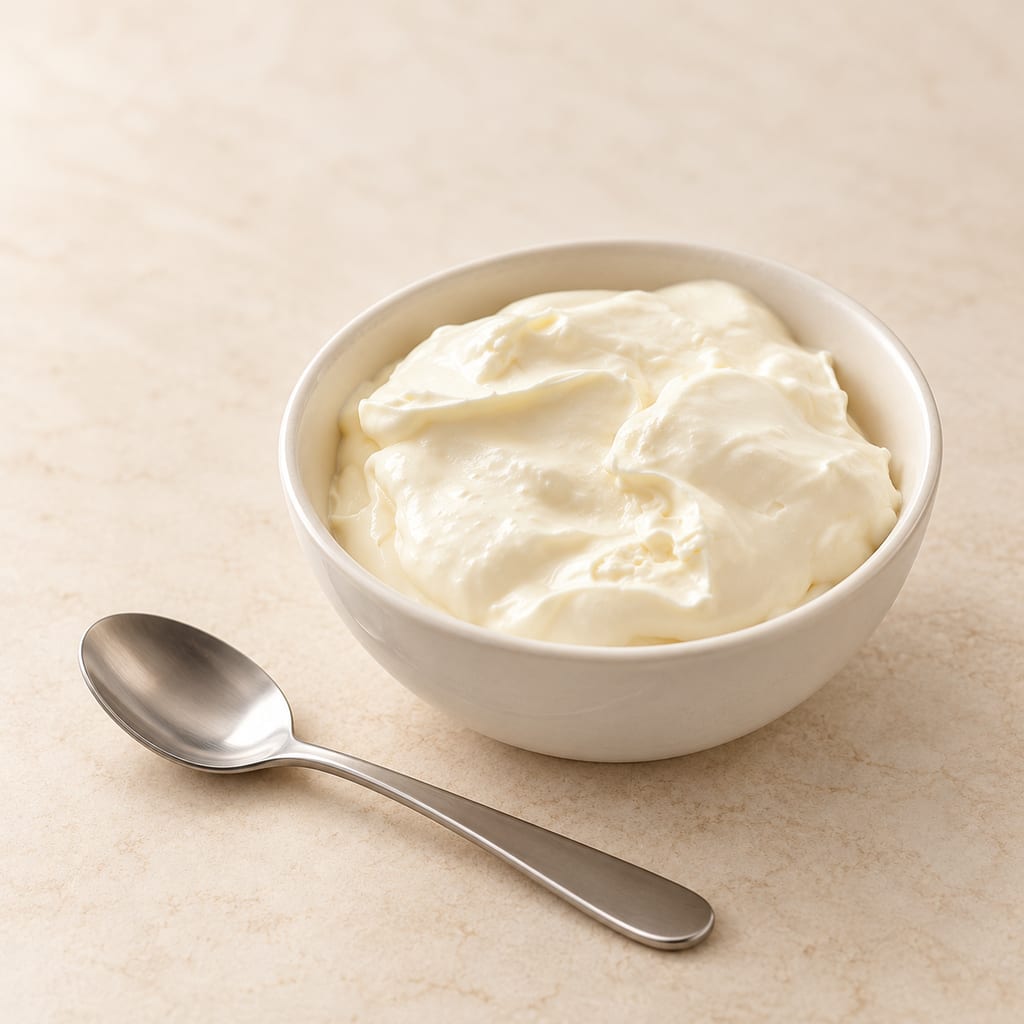
Sour cream is light cream thickened and soured by a lactic starter. This Canadian method uses homogenized cream and lets the gel form in its storage container.
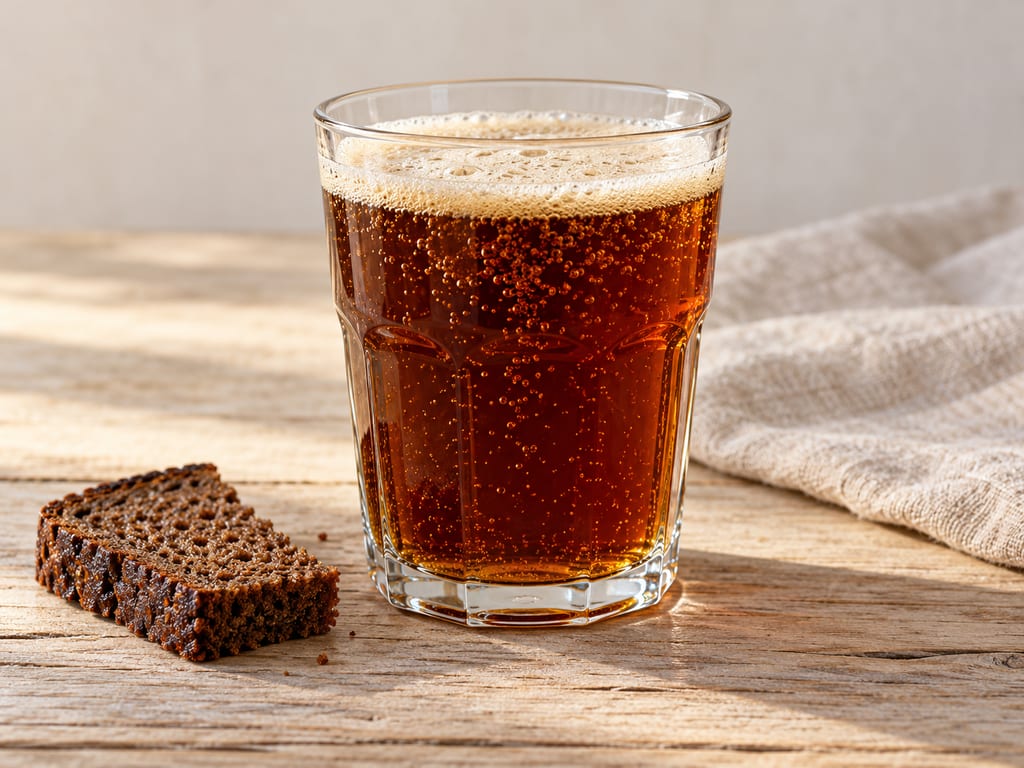
A documentary entry on Latvian rye-bread kvass, preserved from a modern Latvian rye collection. It records a food tradition, not a home-fermentation method.
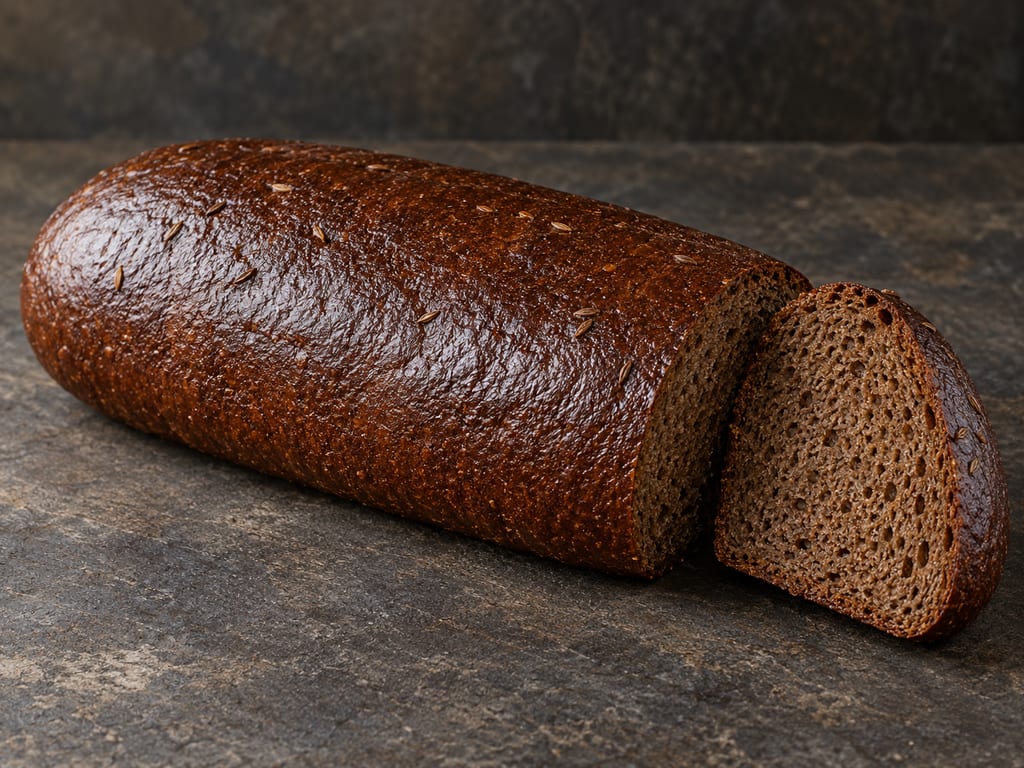
Latvian naturally leavened rye bread made with a hot-water scald of part of the flour, unfermented rye malt and caraway; shaped as long loaves and hearth-baked.

Japanese skipjack tuna cooked, then repeatedly smoked and dried over a wood fire by the hand-fired tebiyama method into a hard block for shaving into dashi: the first stage of katsuobushi.
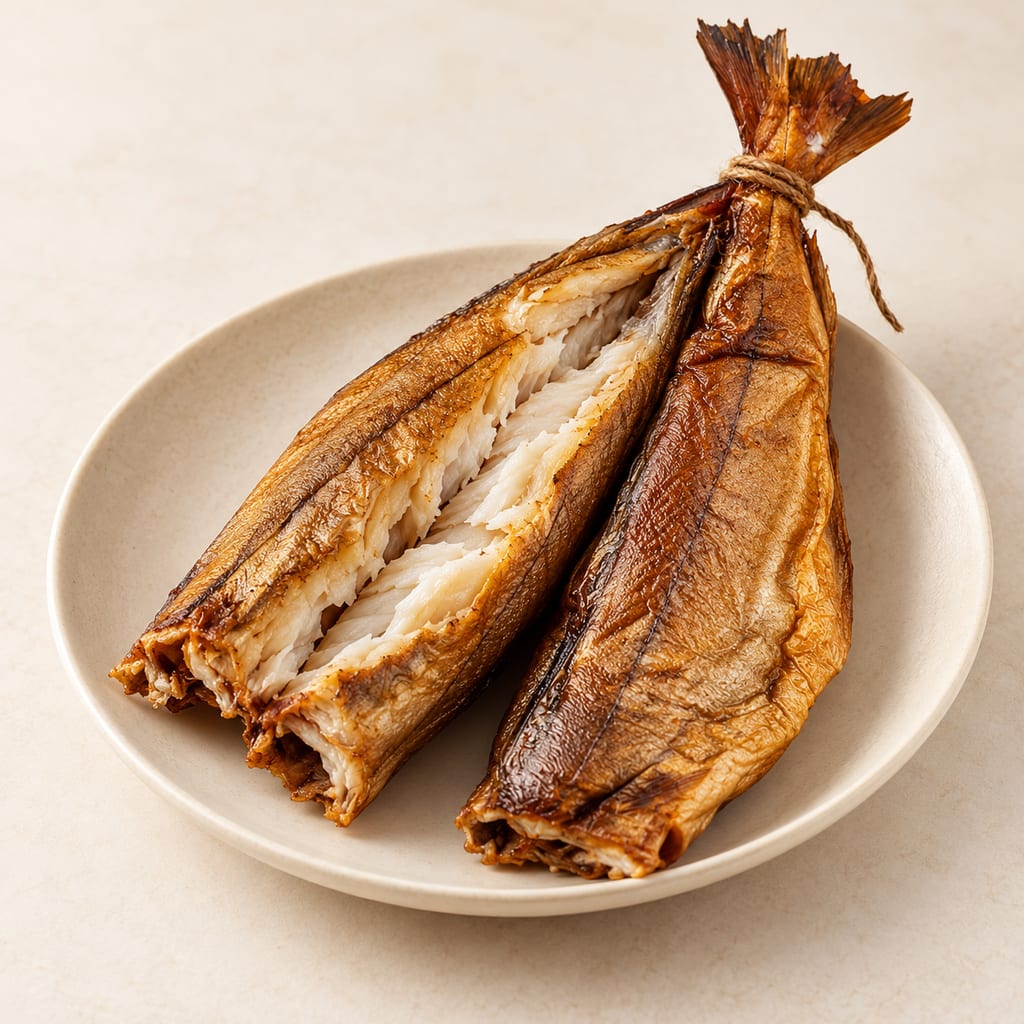
Arbroath smokies are whole haddock dry-salted, paired by the tail and hot-smoked in a protected coastal area. Their recorded history links Auchmithie and Arbroath, though the exact origin is unsettled.
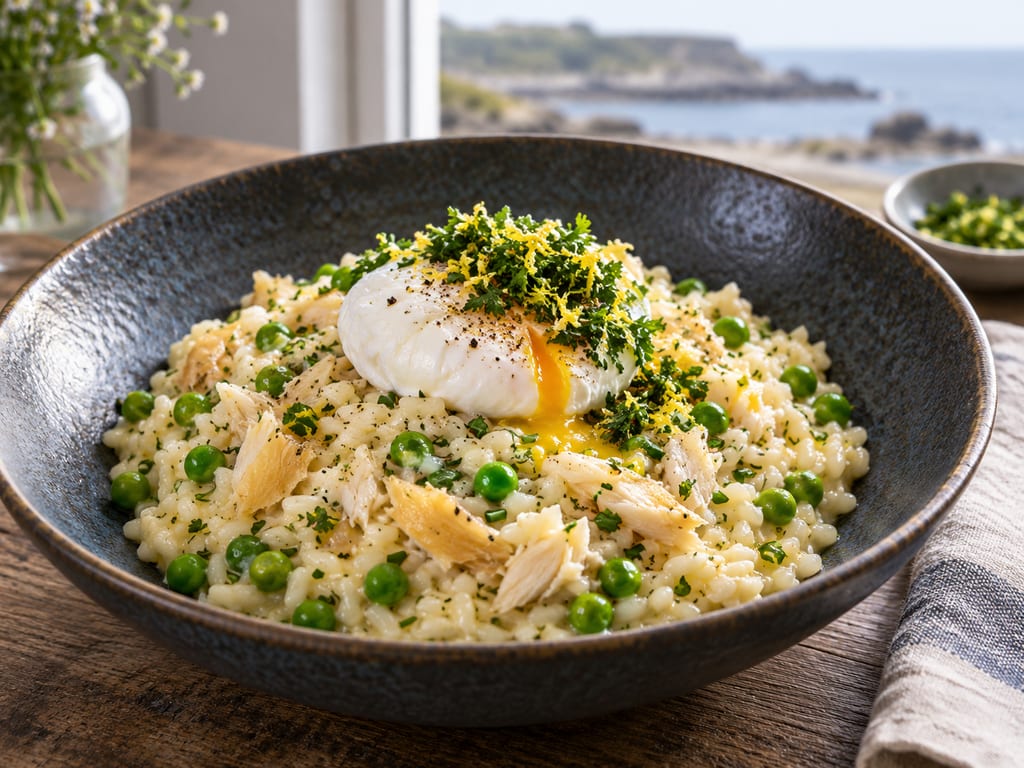
A four-serving risotto published in the 2014 Arbroath Smokie Trail booklet and credited to Hayley Wilkes. It cooks with finished Arbroath smokies; it does not describe smoking fish.
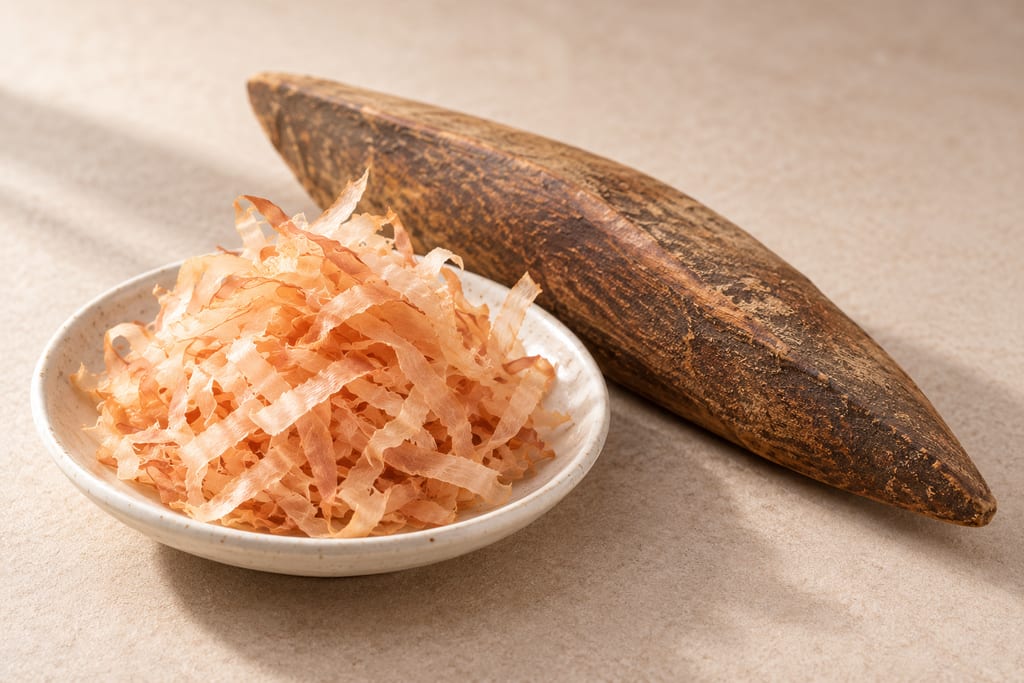
Katsuobushi is skipjack tuna cooked, smoked and dried into a hard block that is shaved into flakes for dashi and toppings. Some styles stop at the smoke-dried stage; others receive carefully managed mold maturation.
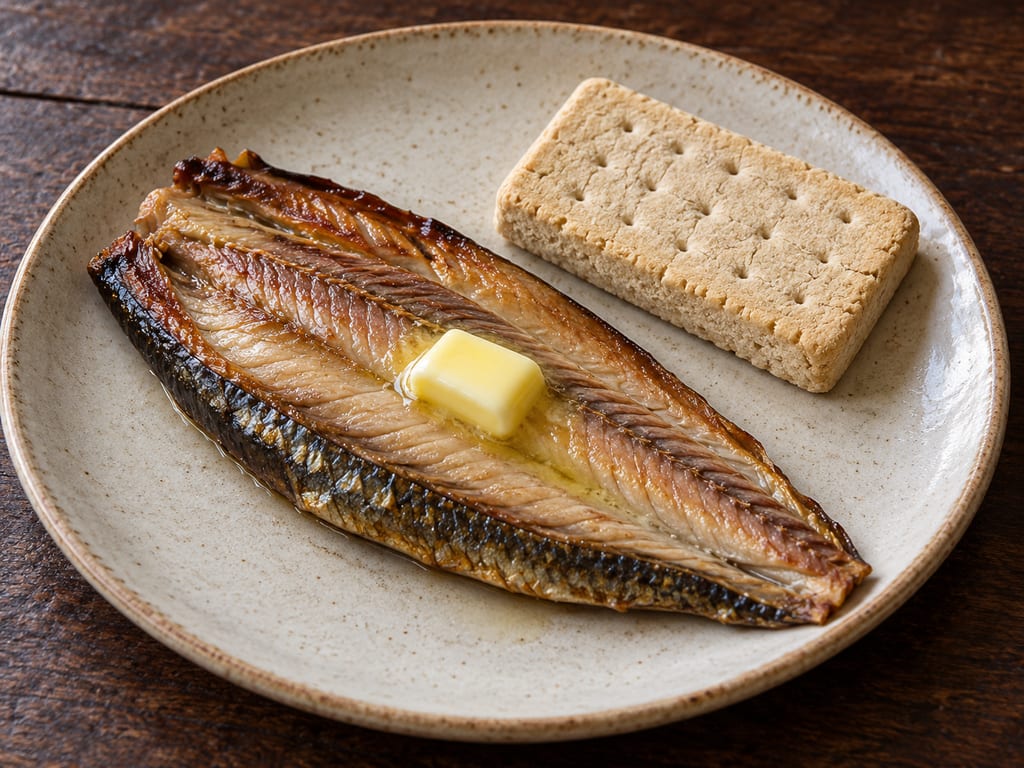
A Victorian way with Great Yarmouth bloaters: the lightly salted, cold-smoked whole herring is broiled and served with fresh butter and a warmed captain's biscuit.
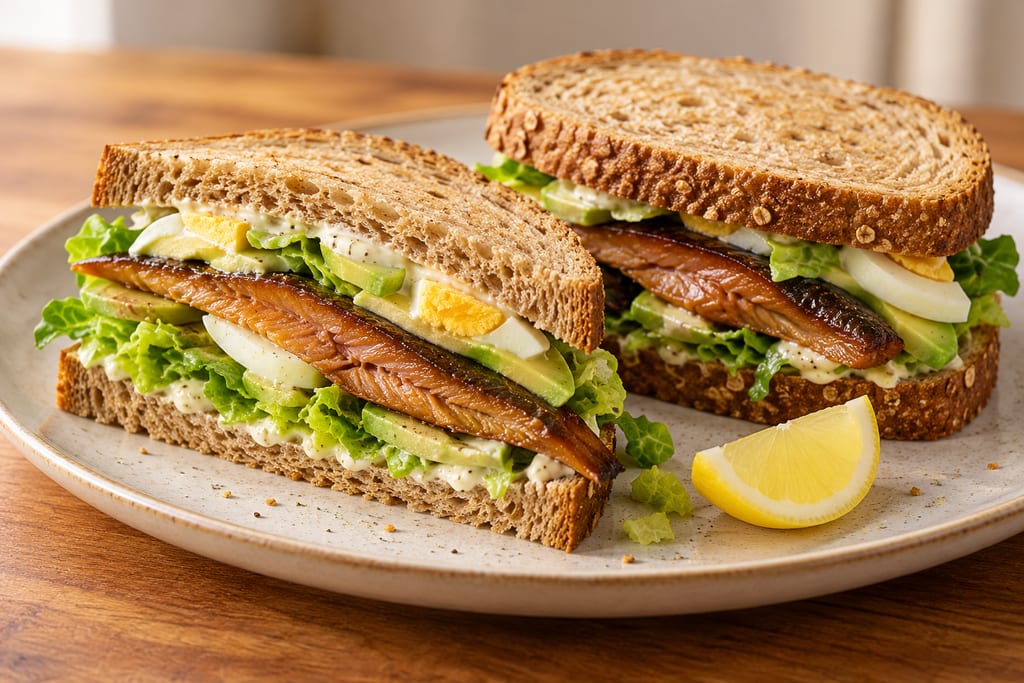
A warm club sandwich of oak-smoked Craster kipper fillets layered with soft-boiled egg, romaine, avocado and lemon mayonnaise on brown bread.
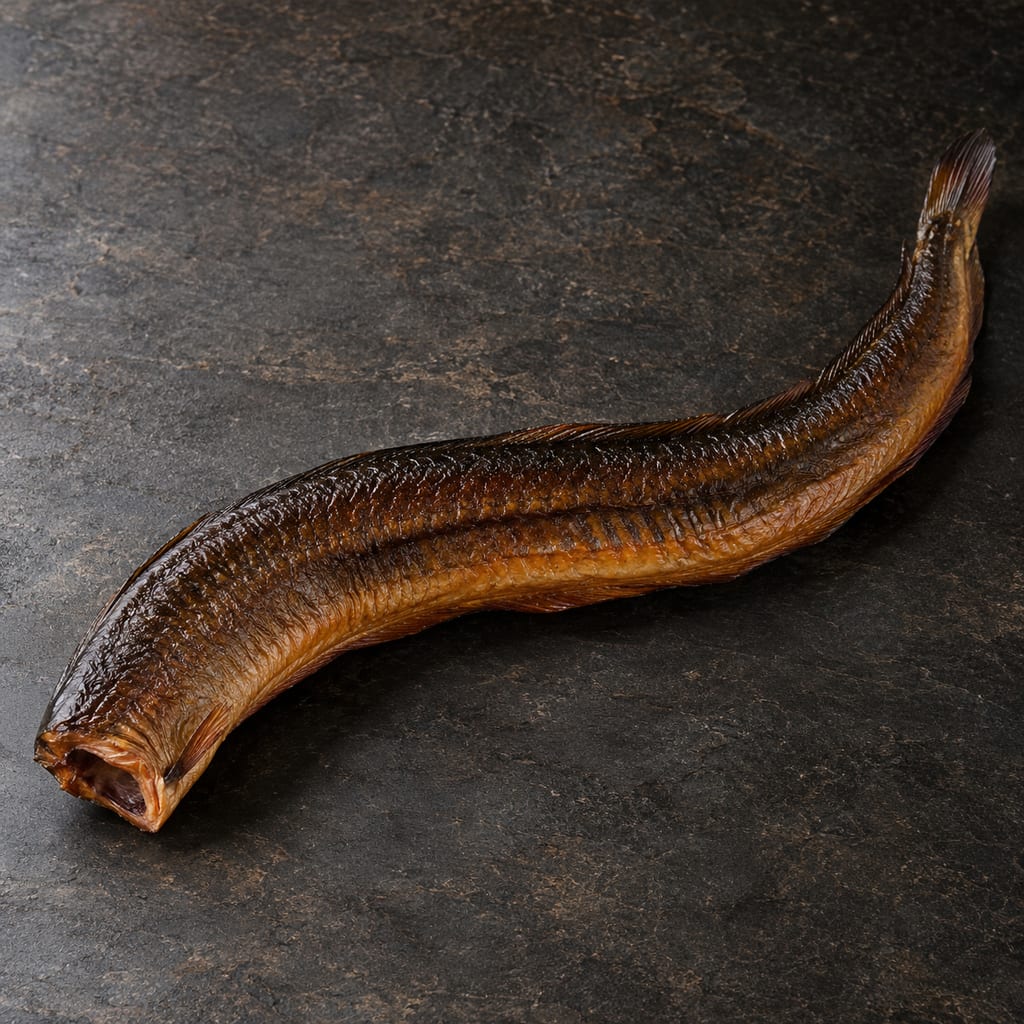
Short-finned eels, kooyang, smoked for a sustained period in the hollows of large trees at Budj Bim in south-western Victoria, a combined heat, smoke and drying method of the Gunditjmara people.
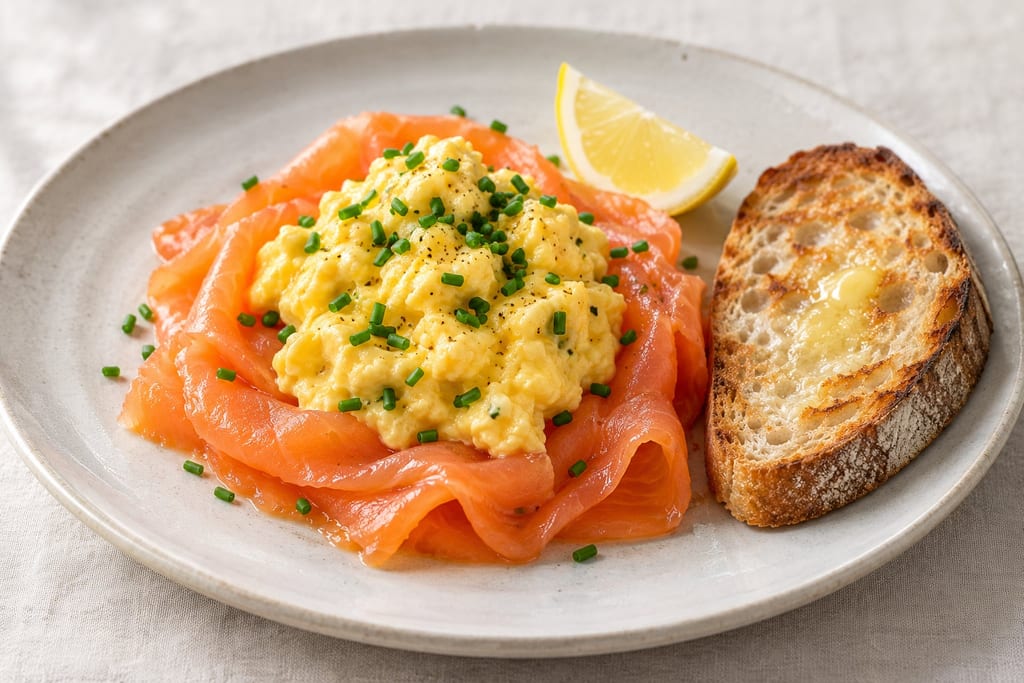
Softly scrambled eggs enriched with cream and butter, served with cold-smoked salmon, chives, lemon and sourdough toast as a British breakfast dish.
No community contributions have been published for this entry yet.
Sign in to contribute. Published comments and photos are free to read.
Latvijas Šprotes site; individual author not identifiedSource batch · Recipe
Salāti ar šprotēmThe page lists one can of Latvian sprats in oil, one cucumber, two eggs, three boiled potatoes, one boiled carrot, 100 g mayonnaise and scallions; it describes layered assembly, boiling/cooling/peeling eggs, and about 30 minutes chilling, without yield or can size.
Cited in: What is layered sprat salad?; The Latvian sprat tradition; Ingredients; Choosing the sprats; Choosing the potatoes; The role of eggs; Equipment; Stage 1 — Cook the vegetables; Stage 2 — Cook and cool the eggs; Stage 3 — Prepare the other ingredients; Stage 4 — Arrange the potato layer; Stage 5 — Add the carrot; Stage 6 — Dress and add spring onions; Stage 7 — Add the sprats; Stage 8 — Add the egg yolks; Stage 9 — Add cucumber; Stage 10 — Finish with egg whites; Stage 11 — Chill and unmould; Why the layering works; What happens to the fish during smoking,; Mayonnaise and emulsion chemistry; Regional variations; How it is served
Food Standards ScotlandConsumer safety guidance
Listeria monocytogenesThe page lists cured deli meats and prepared salads among chilled ready-to-eat foods; says chilled ready-to-eat foods should be held at 5°C or below, used by their use-by date, stored per label, opened foods used within two days unless the label differs, ready-to-eat food eaten within four hours out of refrigeration, and raw/RTE foods kept separate. For higher-risk groups, the smoked/cured fish advice is specific to cold-smoked/cured fish; it separately lists tinned/canned smoked fish as a safer alternative.
Cited in: Ingredients; Equipment; Stage 1 — Cook the vegetables; Stage 2 — Cook and cool the eggs; Stage 3 — Prepare the other ingredients; Stage 4 — Arrange the potato layer; Stage 5 — Add the carrot; Stage 6 — Dress and add spring onions; Stage 7 — Add the sprats; Stage 8 — Add the egg yolks; Stage 9 — Add cucumber; Stage 10 — Finish with egg whites; Stage 11 — Chill and unmould; Regional variations; Troubleshooting; Food safety
Republic of Latvia, official legislation portal likumi.lvProcess context
Requirements for Food Quality Schemes, Procedures for the Implementation, Operation, Monitoring, and Control Thereof; Cabinet Regulation No. 461The annex describes smokehouse regulation for sprats and chilled interim holding, but does not give a complete packing/thermal-sterilisation sequence or prove a household method.
Cited in: Ingredients; Equipment; Stage 1 — Cook the vegetables; Stage 2 — Cook and cool the eggs; Stage 3 — Prepare the other ingredients; Stage 4 — Arrange the potato layer; Stage 5 — Add the carrot; Stage 6 — Dress and add spring onions; Stage 7 — Add the sprats; Stage 8 — Add the egg yolks; Stage 9 — Add cucumber; Stage 10 — Finish with egg whites; Stage 11 — Chill and unmould; Regional variations
Latvian SpratsReference
Latvian Sprats — Salad with Spratsoriginal recipe, ingredients and assembly sequence. latvijassprotes.lv
Cited in: Names and identification; Ingredients; Equipment; Stage 1 — Cook the vegetables; Stage 2 — Cook and cool the eggs; Stage 3 — Prepare the other ingredients; Stage 4 — Arrange the potato layer; Stage 5 — Add the carrot; Stage 6 — Dress and add spring onions; Stage 7 — Add the sprats; Stage 8 — Add the egg yolks; Stage 9 — Add cucumber; Stage 10 — Finish with egg whites; Stage 11 — Chill and unmould; Regional variations; Historical limits
Latvian SpratsReference
Latvian Sprats — Product historyspecies, production and historical commercial references. latvijassprotes.lv
Cited in: Names and identification; Historical limits
Fabulous Fusion FoodReference
Fabulous Fusion Food — K?pin?tas Br?tli?as Salātirelated layered salad with beetroot and gherkins
Cited in: Ingredients; Equipment; Stage 1 — Cook the vegetables; Stage 2 — Cook and cool the eggs; Stage 3 — Prepare the other ingredients; Stage 4 — Arrange the potato layer; Stage 5 — Add the carrot; Stage 6 — Dress and add spring onions; Stage 7 — Add the sprats; Stage 8 — Add the egg yolks; Stage 9 — Add cucumber; Stage 10 — Finish with egg whites; Stage 11 — Chill and unmould; Regional variations
Food Standards ScotlandReference
Food Standards Scotland — Cooking and refrigerationmodern food handling
Cited in: Ingredients; Equipment; Stage 1 — Cook the vegetables; Stage 2 — Cook and cool the eggs; Stage 3 — Prepare the other ingredients; Stage 4 — Arrange the potato layer; Stage 5 — Add the carrot; Stage 6 — Dress and add spring onions; Stage 7 — Add the sprats; Stage 8 — Add the egg yolks; Stage 9 — Add cucumber; Stage 10 — Finish with egg whites; Stage 11 — Chill and unmould; Regional variations; Troubleshooting; Food safety