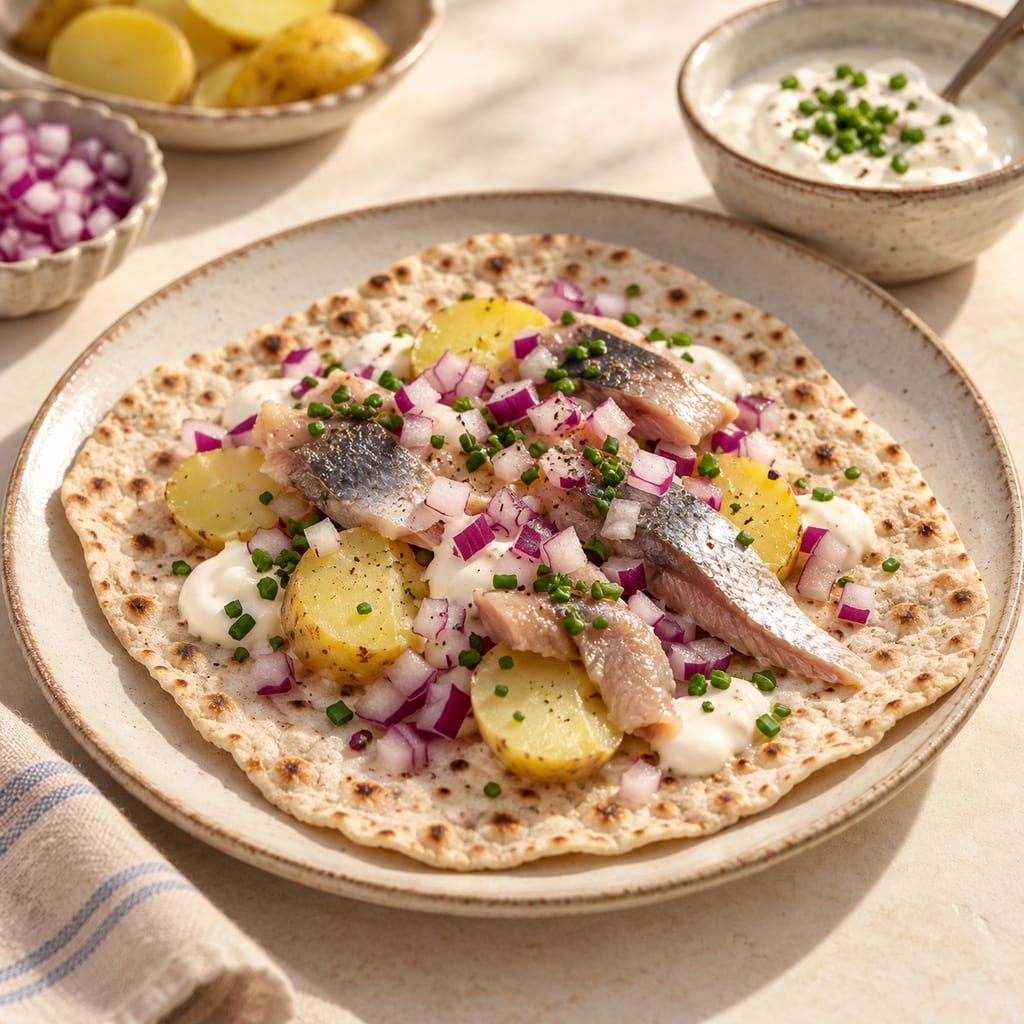
A surströmming meal
A Swedish late-summer meal of commercially prepared surströmming, tunnbröd, potatoes, onion and cultured cream. This is a serving preparation; the specialist fish fermentation is not made at home here.
 FermenteaWhere food goes to change
Modern method
Sour cream is light cream thickened and soured by a lactic starter. This Canadian method uses homogenized cream and lets the gel form in its storage container.
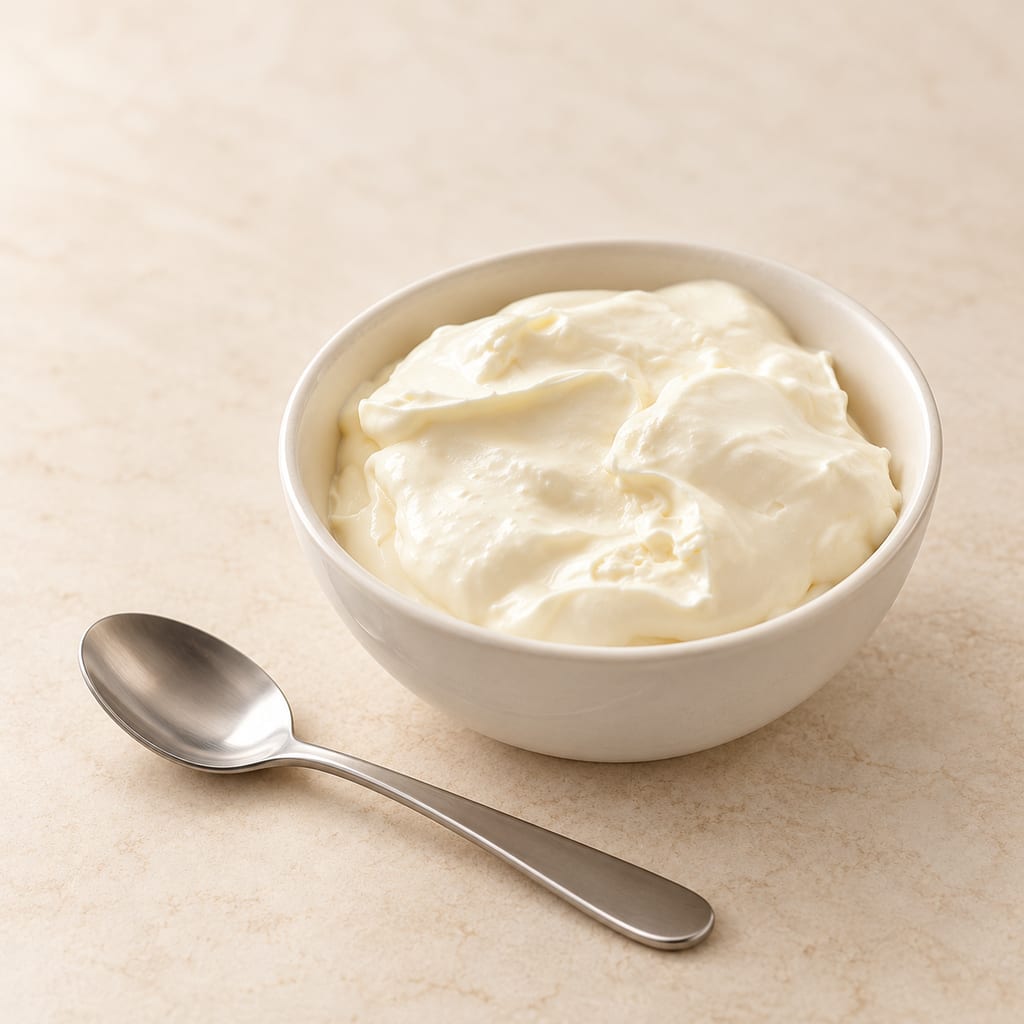
Sour cream is cream given a soft acid set by a living culture. It should be spoonable and smooth, with dairy richness, tang and an aroma that can recall butter. The Canadian preparation here uses pasteurized, homogenized light cream. Nothing is strained away. Its body comes from the interaction of milk proteins, dispersed fat and fermentation, rather than from turning milk into a concentrated cheese.
A spoonful served cold can keep its shape on food, while the same cream stirred into a sauce becomes part of the sauce's texture. This versatility helps explain why sour cream appears both as a condiment and as a cooking ingredient. The properties that make it useful also create its familiar difficulties: it can release liquid, lose smoothness when roughly handled or form grains in a hot dish. Understanding cream before it sours makes those changes less mysterious.
The Canadian recipe makes a lightly rich cultured cream, with an acid-set structure that remains tender enough to spoon. Its cream has been homogenized before it reaches the kitchen. That starting condition matters both while the gel develops and when the finished sour cream is moved, served or added to another food.
A community cookbook from Jackson, Michigan, gives a concrete historical view of sour cream in use. The Junior Dorcas Society's first edition, published in 1921, includes sour cream in savoury cooking and baking. Its veal-and-rice preparation uses sour cream during a slow simmer; its sour-cream pie brings the ingredient into a sweet filling. Other cakes place it alongside chemical leaveners. This is evidence of a working kitchen ingredient with several jobs, rather than a novelty reserved for a final decorative spoonful.
The book's sour-cream cake combines the dairy with eggs and flour and uses both baking soda and baking powder. Its pie combines sour cream with raisins, spices, sugar and egg. A brown-sugar frosting cooks sour cream with sugar and butter before beating. These are quite different textures built from the same ingredient: a cake crumb, a baked filling and a cooked icing. Sour cream was already part of the mixture, not merely something put on the finished dish.
The veal preparation has a different aim again. Meat is browned in butter, then simmered slowly with sour cream and served with rice. The cream is the body of a savoury cooking medium. Read beside the cakes, it shows how acidity and richness could enter both dinner and dessert in the same community cookbook. The book documents those uses in Jackson in 1921; it does not establish the food's origin.
Present-day North American uses include dips, dressings, baked potatoes, cakes and sauces. They preserve both roles visible in the older cookbook: sour cream can remain a distinct accompaniment or disappear into a cooked mixture. The distinction matters because a condiment is judged directly by its smoothness, while an ingredient must also behave appropriately with heat, liquid, flour or other components.
Cream is an emulsion: small droplets of fat are distributed through a watery phase containing milk proteins, lactose and minerals. It is not simply fat with a little water added. The surrounding milk components take part in fermentation and in the structure of the finished food. A higher fat content changes richness, but the proteins in the liquid phase still matter to the acid set.
Homogenization changes this starting structure mechanically. It breaks fat globules into smaller droplets, increasing the total area between fat and the surrounding liquid. Milk proteins help cover those new surfaces. The droplets consequently behave differently within a cultured product. Homogenization reduces the tendency to form a separate cream layer and can contribute to a more stable texture. It does not create acid or inoculate the cream with bacteria.
Homogenized cream is preferred in this preparation for its smoother, thicker gel and reduced liquid separation. That connects a purchasing specification to a visible result. Homogenization changes the fat droplets before culturing; the later acid gel develops around an already modified dispersion. Mixing a separated carton by hand redistributes its contents, but does not perform that same mechanical treatment on the fat globules.
Fat content and homogenization affect several distinct texture properties. In tested sour-cream formulations, changing these conditions changed hardness, cohesiveness and adhesiveness differently. Hardness describes resistance to deformation; cohesiveness concerns how the sample holds together; adhesiveness concerns how it sticks. A firmer cream was not simply an improvement in every property. Texture has several dimensions, which helps explain why a dense tub can still feel quite different from another dense tub.
Lactic-acid bacteria use lactose and form lactic acid. As the cream becomes more acidic, casein proteins associate into a network. That network helps turn a flowing cream into a soft gel. Fat remains part of the food throughout this change; it has not been converted into acid or extracted as butter. The living transformation and the physical setting of the proteins are connected stages of the same preparation.
Aroma has its own chemistry. Suitable cultured-dairy organisms can metabolize citrate and produce diacetyl, a compound associated with buttery aroma. Research aimed at sour-cream flavour has deliberately selected strains for that ability. Tang and aroma therefore need not increase in lockstep: acid production and aroma production are related aspects of the culture, with different pathways and influences.
Diacetyl is not the only aroma compound found in sour-cream research. Acetoin has a related but weaker buttery character, while acetaldehyde is more associated with yogurt's fresh, fruity aroma. All three have been detected together in experimentally prepared sour creams, contributing to a combined aroma rather than an isolated scent. The balance matters to the whole aroma: a compound can be present without being the defining note. The starter used here is not identified to strain, so those findings explain the product family rather than predict this jar's aroma composition.
Direct acidification is another way commercial products can be thickened and soured. It adds acid rather than relying on fermentation to produce it. A product made that way may look similar in a spoon, but appearance does not show which process occurred. This recipe deliberately uses a living starter, so adding vinegar would change the preparation rather than complete the same method faster.
Inoculating the cream in its intended storage container avoids pouring and repackaging a newly formed gel. The warm cream is still mobile enough for the starter to be distributed through it. As acidification progresses, the same vessel holds an increasingly connected structure. Keeping that structure quiet preserves a different consistency from one deliberately broken by stirring after fermentation.
The warm rest gives the starter an opportunity to acidify the cream. Warmer does not automatically mean better or more reliable. A culture's activity depends on its conditions, and an uncontrolled warm hold also gives unwanted organisms an opportunity to grow. The thermometer and the starter's freshness are therefore more informative than the assumption that any room will provide the right environment.
After ripening, prompt cooling slows further culture activity. Moving the container gently helps preserve the texture already developed. Cooling and gentle handling have different functions: the former controls the subsequent temperature history, while the latter protects the gel from unnecessary mechanical disruption. Neither action removes contamination already present in the cream.
Pasteurization, homogenization and refrigeration also do different jobs. Pasteurization concerns the starting dairy's microbial treatment; homogenization concerns fat dispersion; refrigeration concerns storage conditions. A cream can be pasteurized without being homogenized, or homogenized without being suitable for a particular recipe. Reading all the ingredient qualifications together is more useful than treating any one word on the carton as a complete specification.
German saure Sahne, Schmand and crème fraîche show how closely related foods can occupy different culinary places. Saure Sahne is the lighter, more acidic member of this group in the German market, suitable for cold dishes or addition after cooking. Schmand is generally richer and milder, with a place in fruit cakes as well as savoury dishes. Crème fraîche is richer again and useful in hot sauces, tarts and Flammkuchen.
Schmandkuchen gives the richer German cream a sweet role, often with fruit such as mandarin or raspberry. Crème fraîche brings cultured dairy to Flammkuchen and tarts as well as hot sauces. These dishes put cream into different combinations of heat, moisture and other ingredients. Their recipes work with those combinations, rather than using sourness alone to decide which cream belongs in the mixture.
Regional comparison also explains why there is no single best cultured cream for every dish. A sharp, lighter cream may provide the desired contrast in a cold dressing. A rich cream can give a different balance in a hot sauce. Cakes depend on their own combination of fat, liquid, acidity and leavener. A cook needs the requirements of the dish as well as a translation of the ingredient's name.
Experimentally prepared sour creams showed shear-thinning during flow tests: apparent viscosity fell as the applied rate of movement rose. A material can therefore resist movement in a resting spoonful yet spread more readily when worked. The creams with added milk protein concentrate also held more water and separated less serum under the study's test. Their formulation differed from this household cream, but the result reveals two distinct questions: how the cream flows while moving, and how well it retains liquid.
Cold uses make sour cream's character particularly clear. In a dip or dressing it supplies both dairy body and acidity; on a baked potato it remains a distinct accompaniment. In baking it joins a much larger system of ingredients. Its liquid, fat and acid all enter the mixture, so a substitution can change several things at once even if the replacement seems equally thick.
Heat can make sour cream curdle or lose smoothness. Gradual warming, gentle stirring and late addition help when the desired result is a smooth hot dish enriched with sour cream. Those are texture techniques. They are not temperatures or timings that make a questionable batch safe. A dish in which sour cream is cooked throughout may deliberately accept a different texture or use other ingredients that change the result.
The older simmered veal and modern late-addition advice address different dishes and desired results. In a sauce where smoothness is central, gentle incorporation helps preserve a uniform appearance. In the community cookbook, sour cream is cooked with the meat throughout. Fat, protein, acid and the surrounding ingredients all contribute to what emerges from the pan; the mere presence of a cultured cream does not determine a single cooking technique.
A separated jar has released serum from its gel. The network may still contain plenty of liquid even when some collects at the surface. Homogenization, protein content and handling can influence that balance. This is why a layer of whey is a useful texture observation but a poor single explanation: it records liquid movement, not which earlier condition caused it.
For a failed or unusually slow set, examine the starter and temperature history rather than leaving the cream warm indefinitely. Poor, old, contaminated or insufficient starter can contribute to that failure. A clean container protects the process only if the utensils and inoculum are handled carefully too. The practical controls belong together, from the pasteurized starting cream to prompt chilling.
The starter's exact organisms, batch acidity and finished yield were not measured in the recipe source. Its historical keeping advice is not a validated shelf life for this home batch. Refrigerate promptly at 4°C or lower.
The Canadian home-dairy publication that replaced the earlier guide in the government catalogue gives a different sour-cream batch. It uses table cream with cultured buttermilk as the inoculum, and it sets the cream in a covered vessel by its own method. It names glass or stainless-steel vessels.
The replacement gives no numerical room temperature and no measured acidity endpoint, and it does not identify the organisms in the culture. Its amounts and conditions are not combined with the earlier batch on this page.
The two Canadian publications disagree about how long the cultured cream keeps refrigerated. The period in the earlier guide is longer than the period in the replacement. Each statement belongs to its own batch, and neither is validated shelf-life advice for a home batch.
A Utah State Extension method warms cream to about 42.3°C for a cultured cream labelled crème fraîche. It is a different product, so it is not used to fill the gaps in either Canadian batch.
Creator videos add further variants, taken from caption passages and not from full videos. One warms raw cream with a spoonful of yogurt to about 80–85°F and holds it for 12 to 24 hours. Another uses about a pint of heavy cream with a teaspoon of liquid milk kefir, held at room temperature until thick and then chilled. A third describes a paired milk-and-added-cream batch that matches neither Canadian formula. These are creator reports, not validated procedures, and no raw-cream method is recommended here.
A Ukrainian-language video uses sour cream as the base for a strained, labane-style cheese. The cheese is salted, drained overnight and finished in seasoned oil. That is a use of sour cream, not a method for culturing it, and the video does not establish safe storage for the oil-packed product.
Sour cream is cultured light cream: lactic souring turns it into a thick, acidic gel. A Canadian home method documented in 1978 used homogenized cream for a smoother body with less separated whey. Its wider origins are not dated by that household account.
Scaling: source batch only
Raw dairy can carry Listeria and other harmful germs.
Hazard sourceUnsanitized vessels, utensils or contaminated starter can introduce unwanted organisms into cultured dairy.
Hazard sourcePoor starter activity can allow competing organisms, including pathogens, to grow during warm incubation.
Hazard sourceStart with pasteurized dairy and wash and sanitize the container and utensils before inoculation.
Control sourceUse active starter, monitor the specified incubation conditions and investigate a failed set rather than continuing an uncontrolled warm hold.
Control sourceRefrigerate promptly after culturing, with the refrigerator set to 4°C (40°F) or lower.
Control sourceCream can be contaminated after pasteurization. Sanitize its storage container and utensils, use active starter and cool the cultured cream promptly to 4°C (39°F).
Active lactic starter — Fresh cultured buttermilk is an allowed starter; species and strains are not identified.
A Canadian home-dairy method; the publication does not establish the food’s birthplace.
A Swedish late-summer meal of commercially prepared surströmming, tunnbröd, potatoes, onion and cultured cream. This is a serving preparation; the specialist fish fermentation is not made at home here.
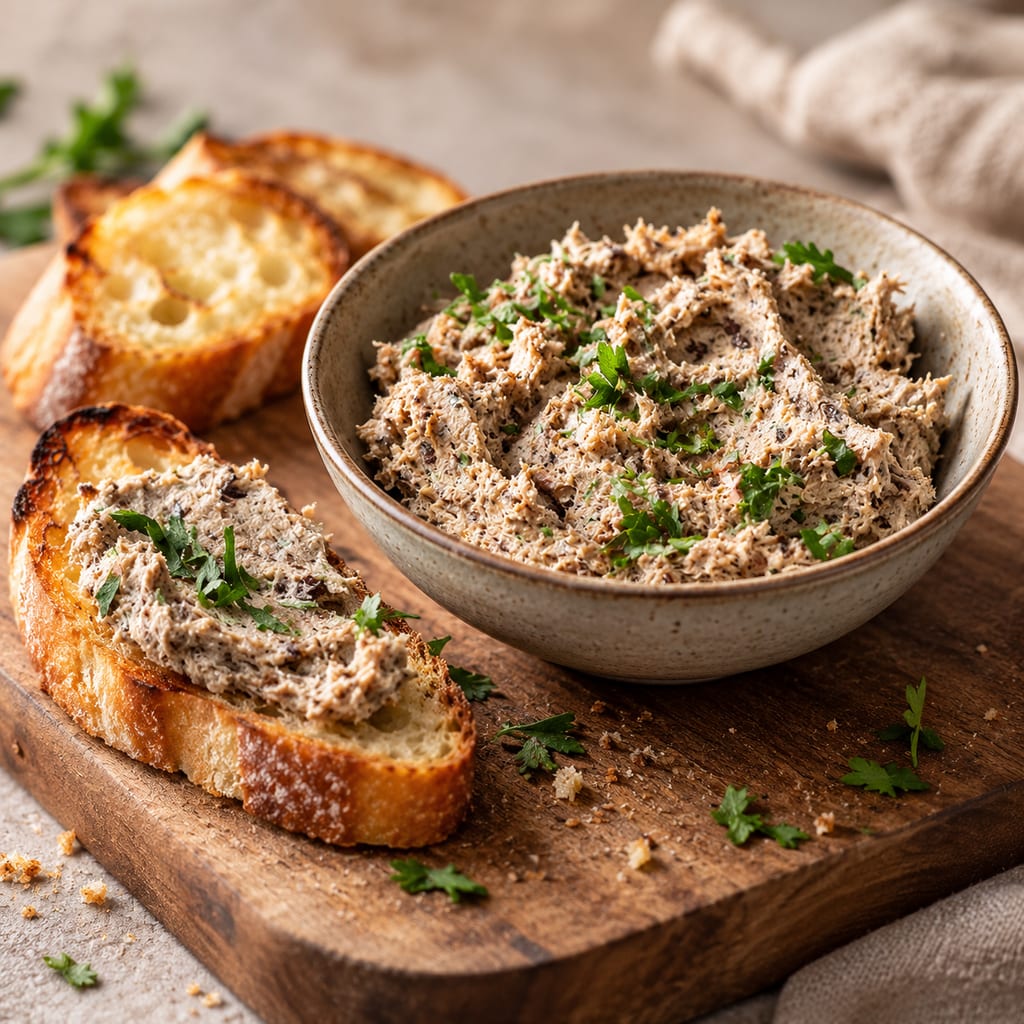
A cold biltong spread with sour cream, mayonnaise, mustard, lemon and herbs; serve it with crackers, crostini or bread.
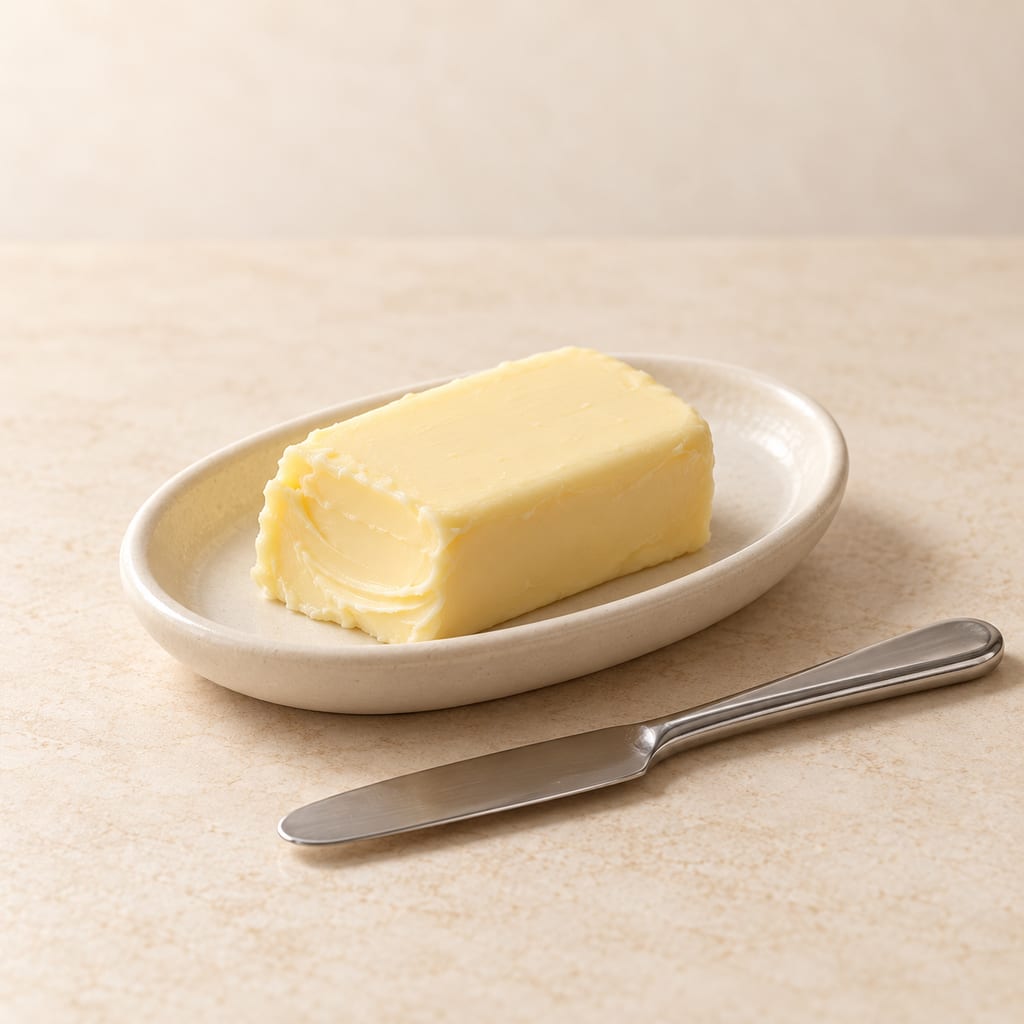
Cultured butter is churned from cream soured with lactic cultures. Its lightly tart flavour comes from the cultured cream, which separates into butter grains and buttermilk.
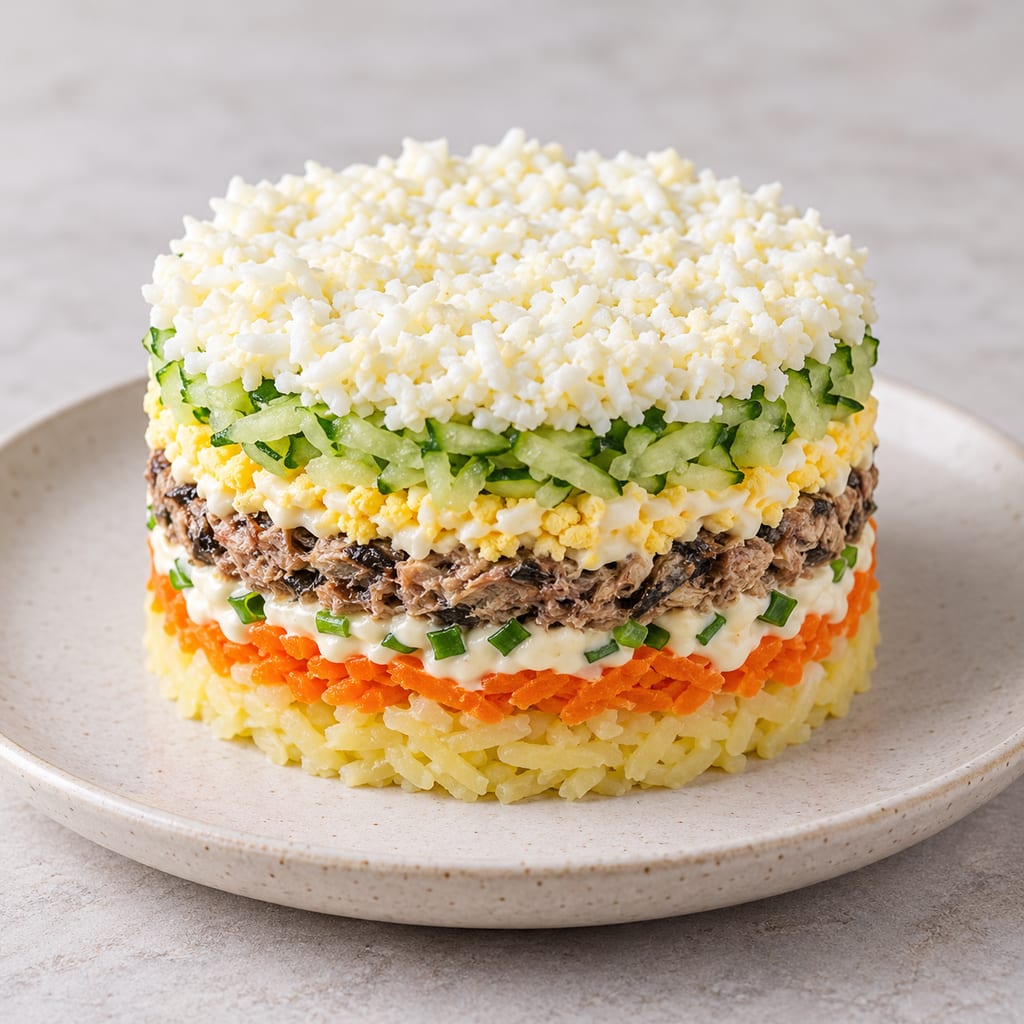
A Latvian Šprotes page’s layered salad uses one can of sprats in oil, grated vegetables and eggs with mayonnaise. The page gives no serving yield, can size or complete vegetable-cooking method.
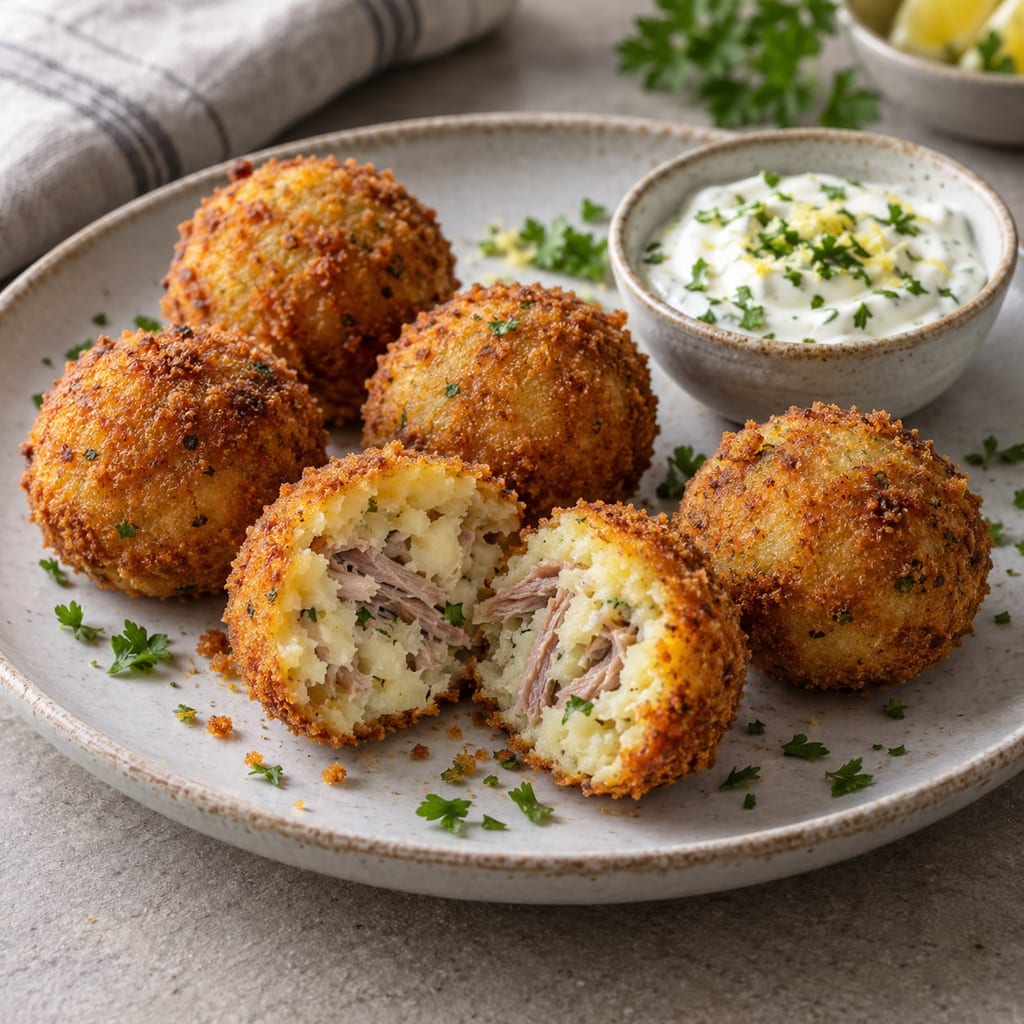
Pinnekjøttboller are potato-and-pinnekjøtt balls coated in breadcrumbs, deep-fried and served with lemon-parsley sour-cream dip.
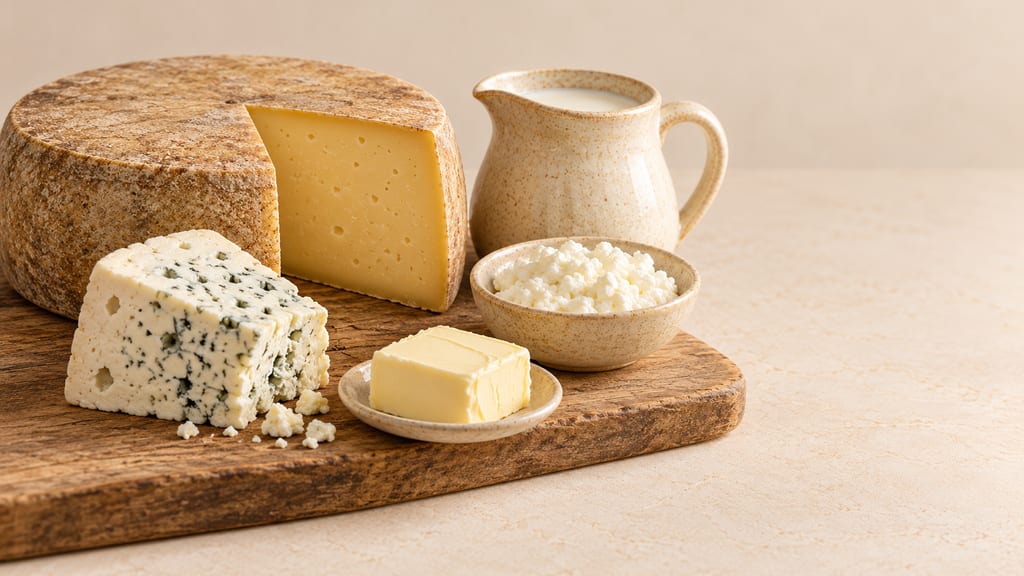
Follow milk into cheese, cultured drinks, butter, dried curds and sweets: a journey through the animals, seasons and household decisions behind the world's dairy foods.
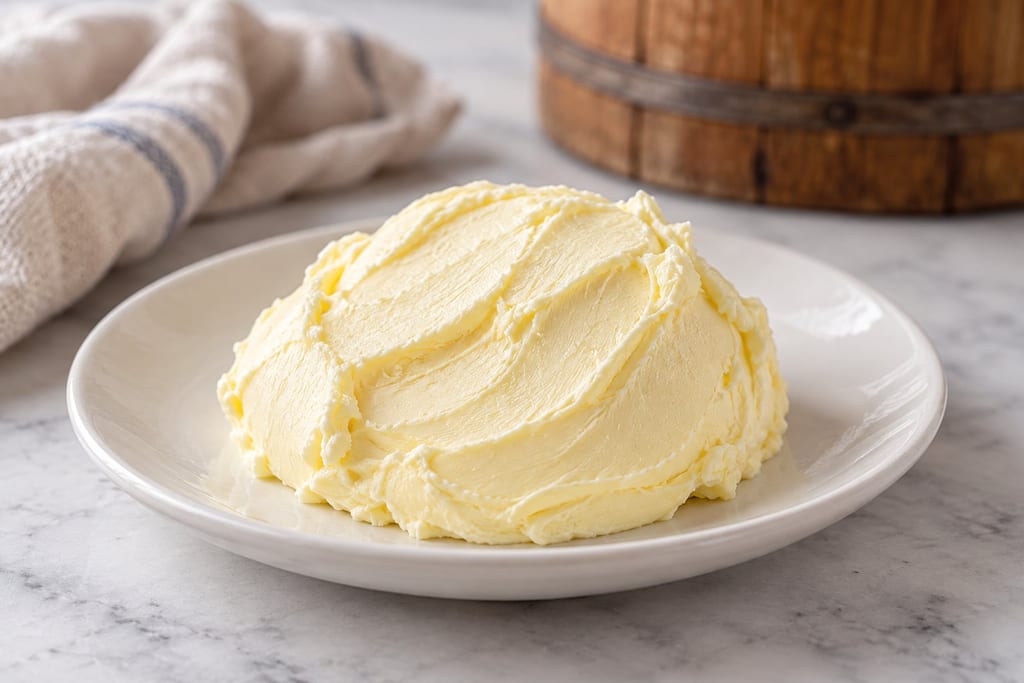
Sweet-cream butter is made by churning unsoured cream until its butterfat globules join, then draining, washing, salting and packing the butter.
Cultured buttermilk is skim milk soured with a lactic starter into a tangy drink. This Canadian home method sets the milk without churning cream.
Set yogurt keeps the milk’s cultured gel intact in its final container. This Canadian home method follows the same heating and inoculation as stirred yogurt, without the final stirring.
This plain yogurt is heated, cultured warm and stirred smooth after chilling. A Canadian home method uses fresh plain yogurt to start the lactic fermentation.
This flour, baking-powder and oil dough is Parks Canada’s contemporary Métis-interpreter version prepared at Rocky Mountain House; its specific recipe origin is unknown.
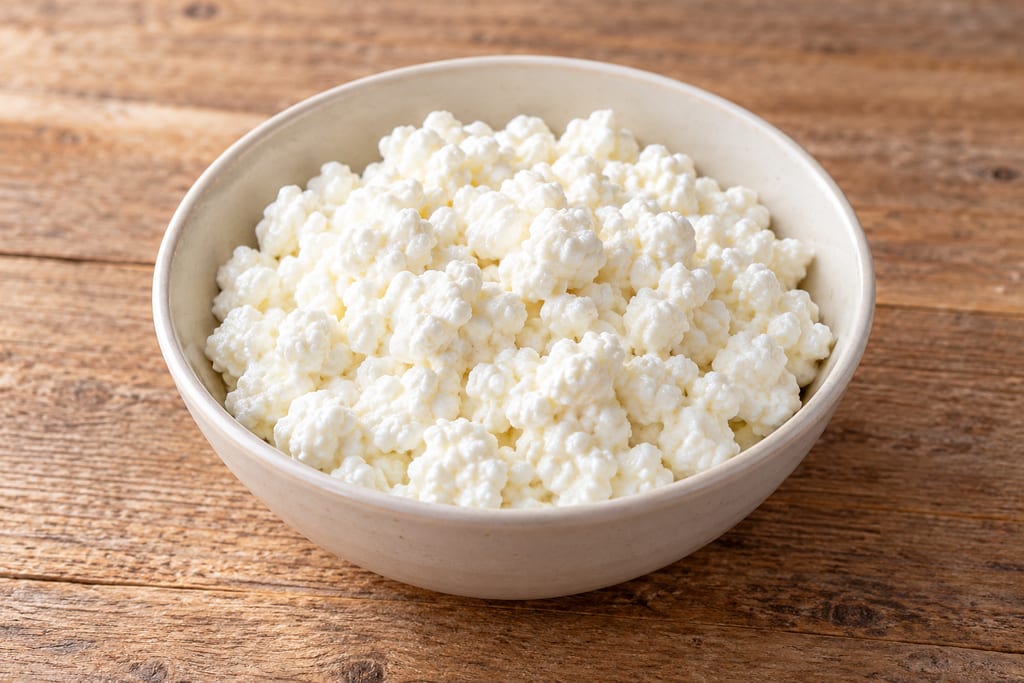
Skim milk is cultured slowly, cut into curds, warmed and drained to make fresh cottage cheese. Cold-water washing softens its flavour before cream and salt are added.
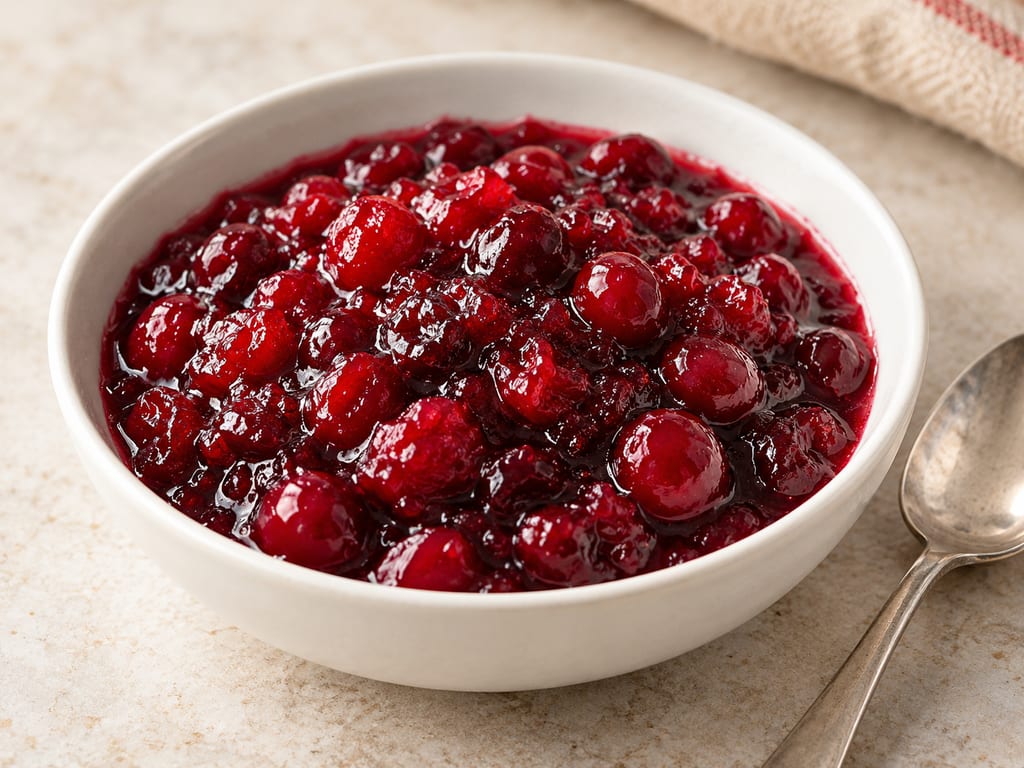
Cranberry sauce is a sauce of cranberries cooked in sugar syrup until the berries burst and thicken, served with roast turkey, pork, chicken and ham.
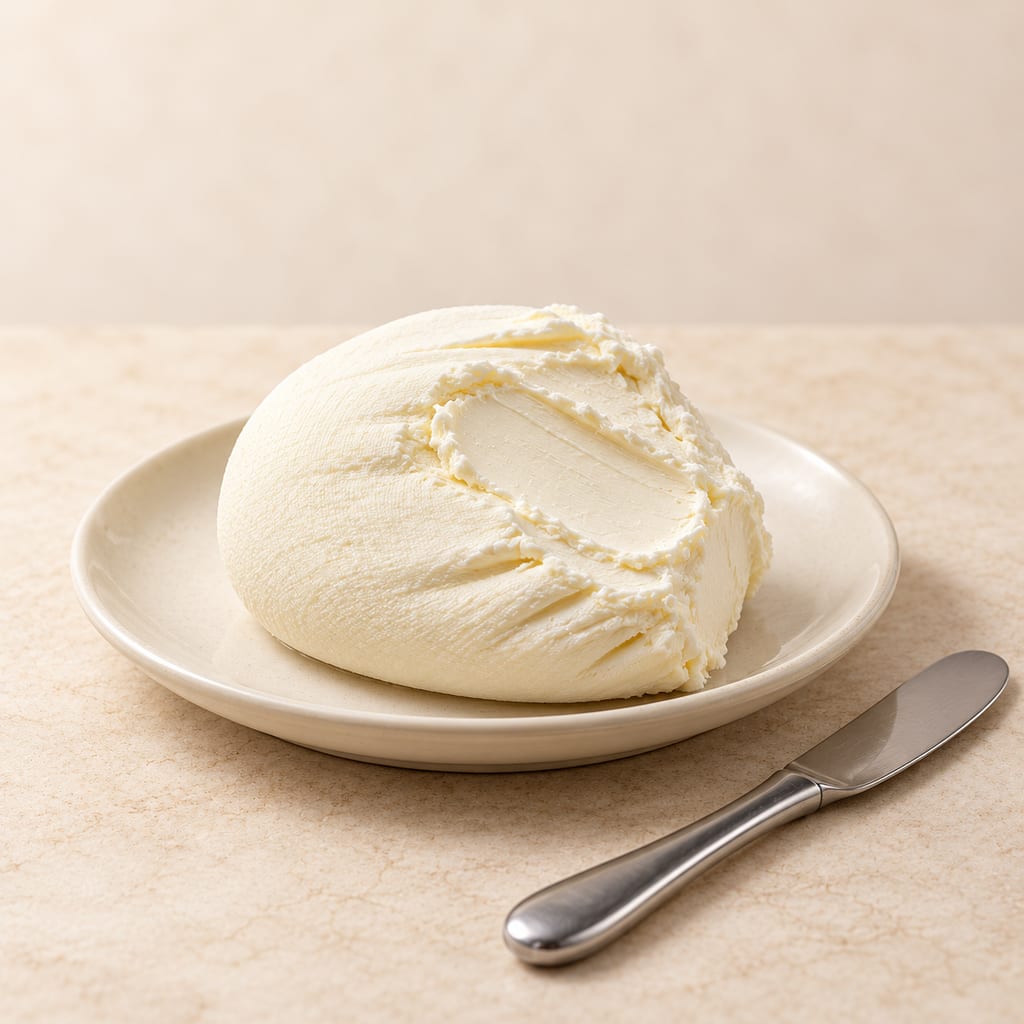
A fresh cultured-cream spread, set gently and drained in muslin in the refrigerator. This home method uses light cream and a small amount of cultured buttermilk.
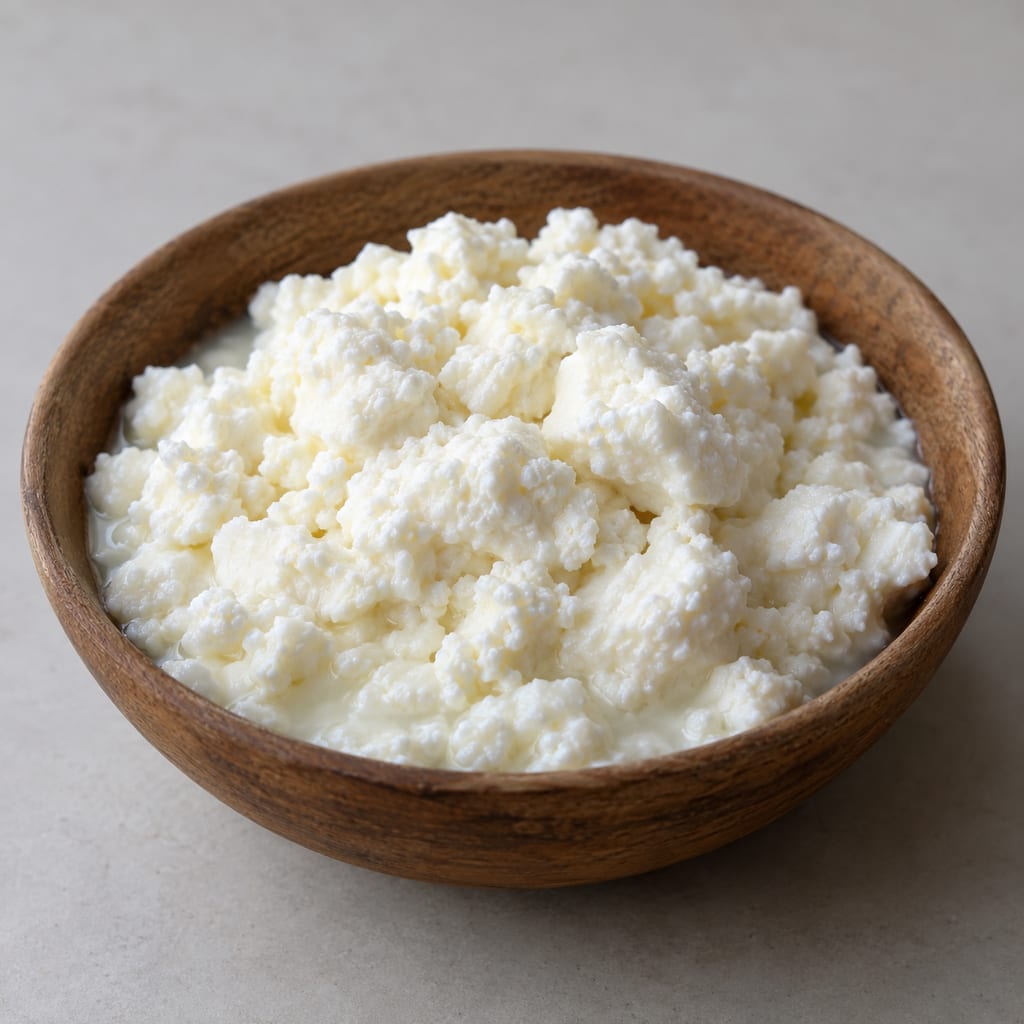
Aarts is a soft Mongolian curd made by draining boiled fermented yogurt; it remains wet, unlike aaruul, which is dried.
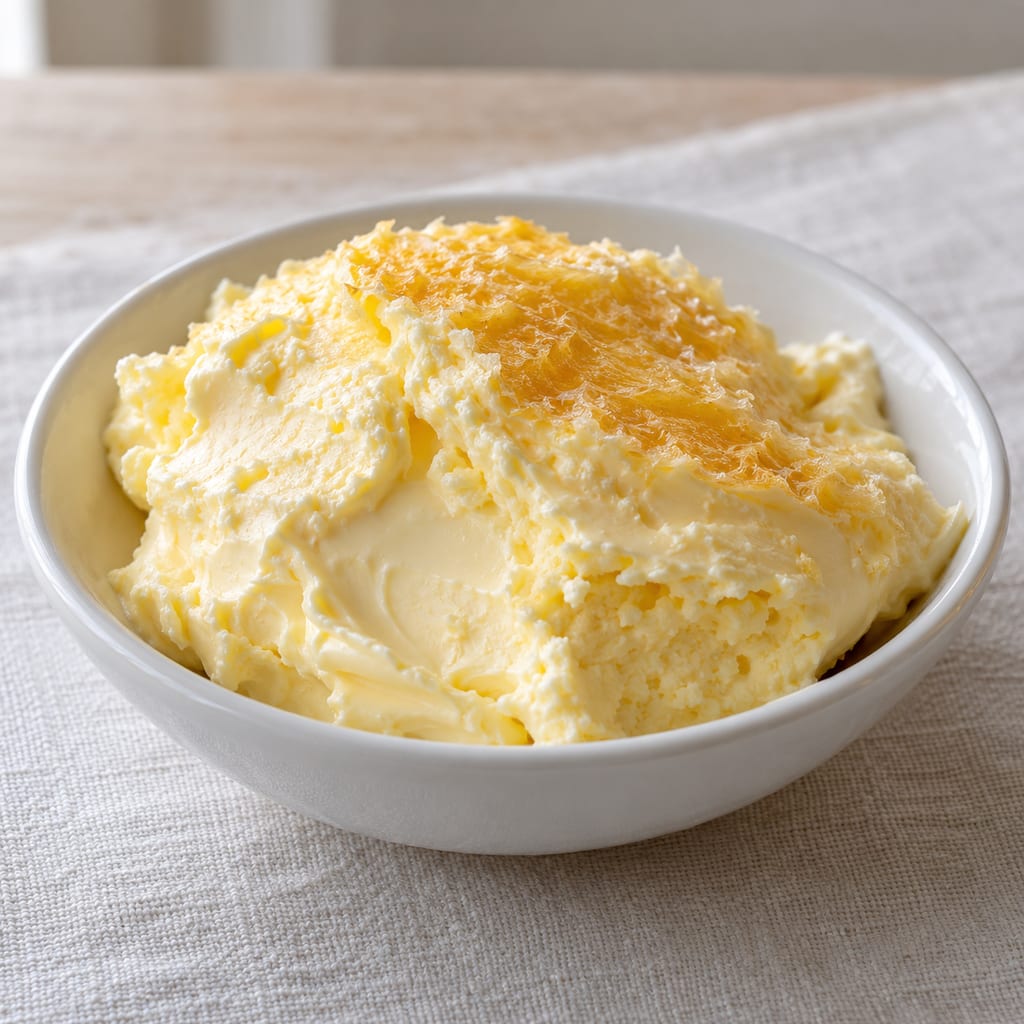
High-fat cream scalded below boiling for at least an hour until a thick crust forms, then cooled hard so the crust sets and the cream beneath thickens.
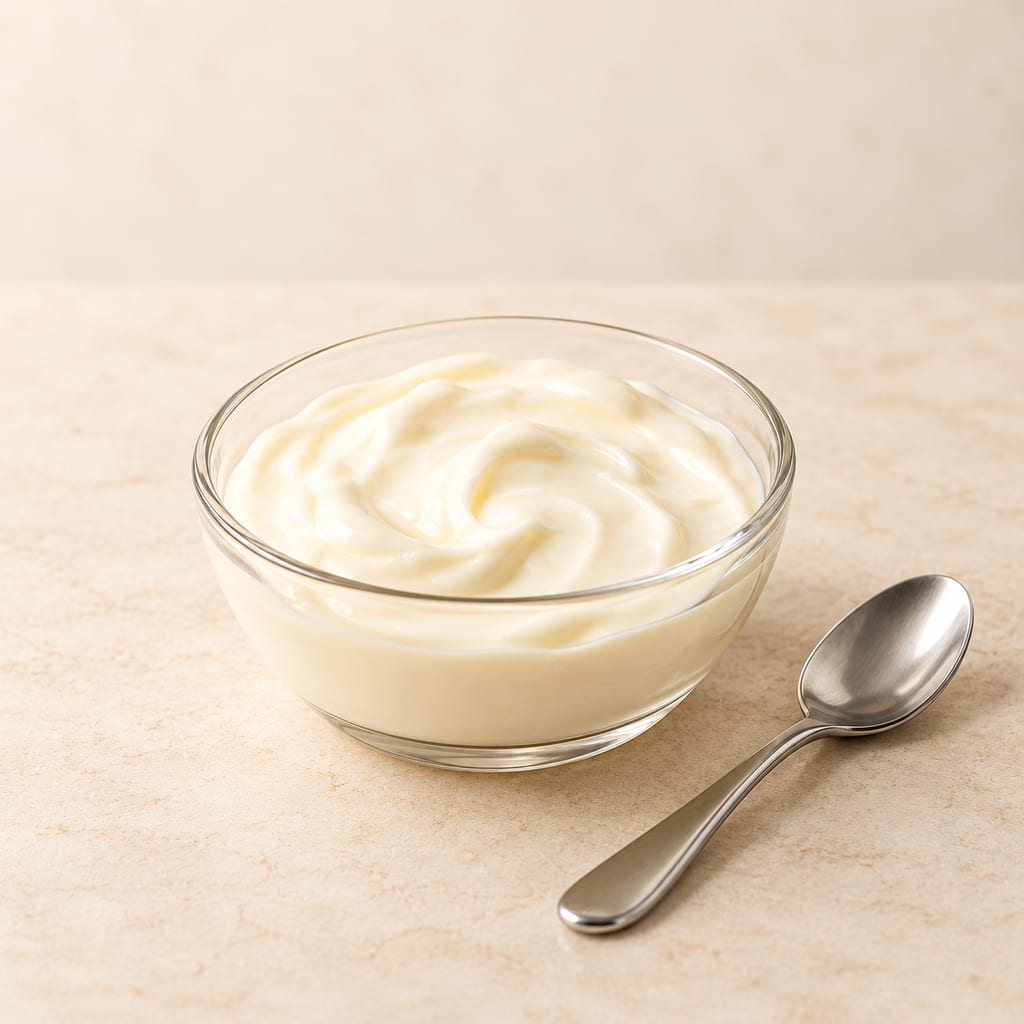
Crème fraîche is cream soured by lactic cultures into a thick, mild topping. It suits fruit and desserts as well as soups, sauces and other savoury dishes.
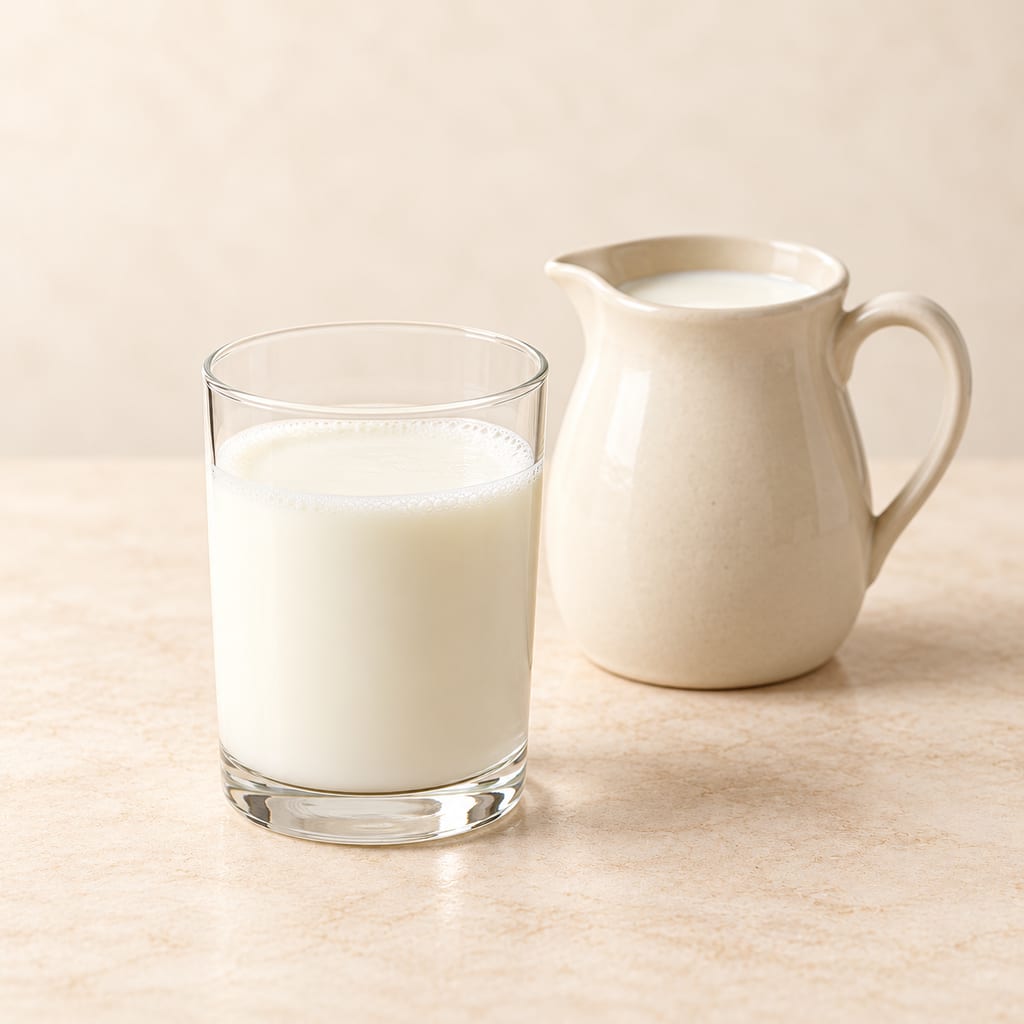
Milk thickened with a packet of buttermilk culture makes a tangy drink and a baking ingredient. This warm-incubated version uses whole milk.
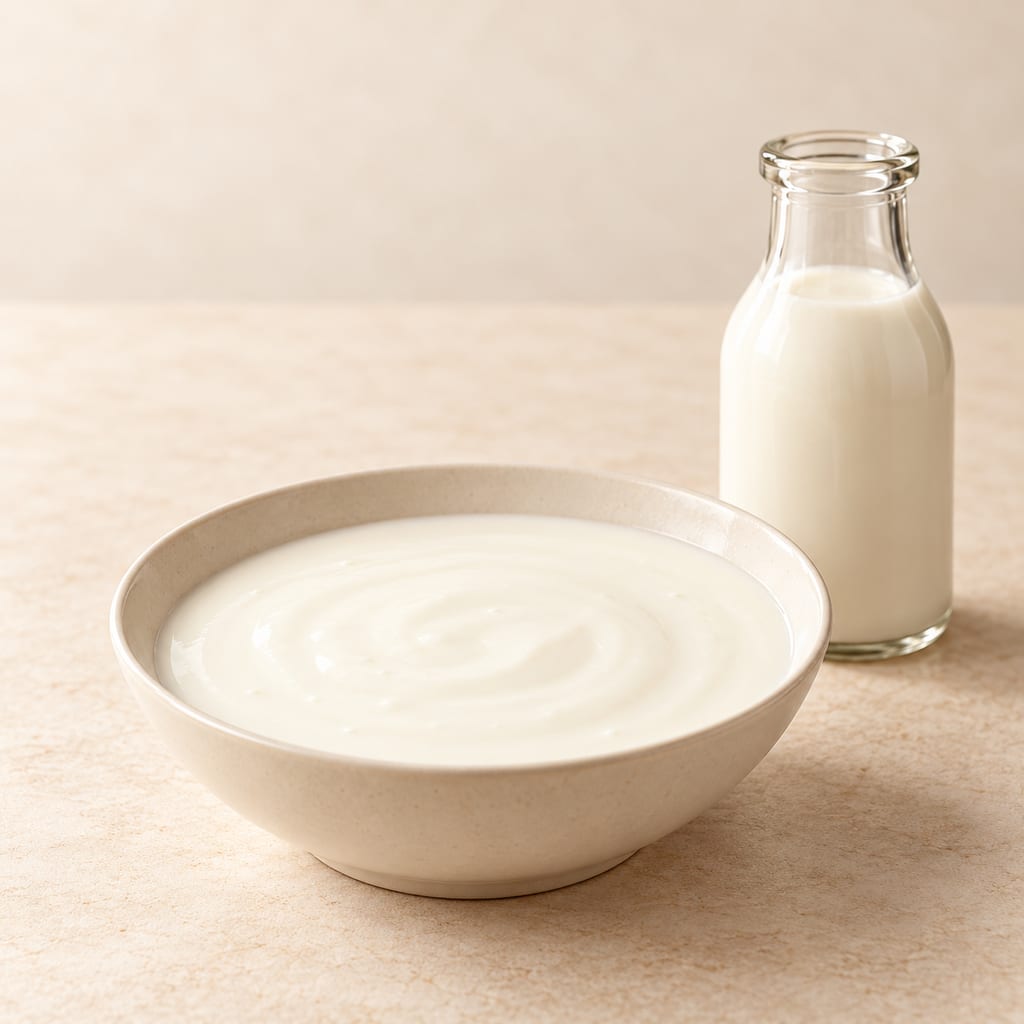
Filmjölk is a Swedish cultured milk with mild acidity and a spoonable body. This recurring batch uses filmjölk from the previous batch to culture fresh milk.
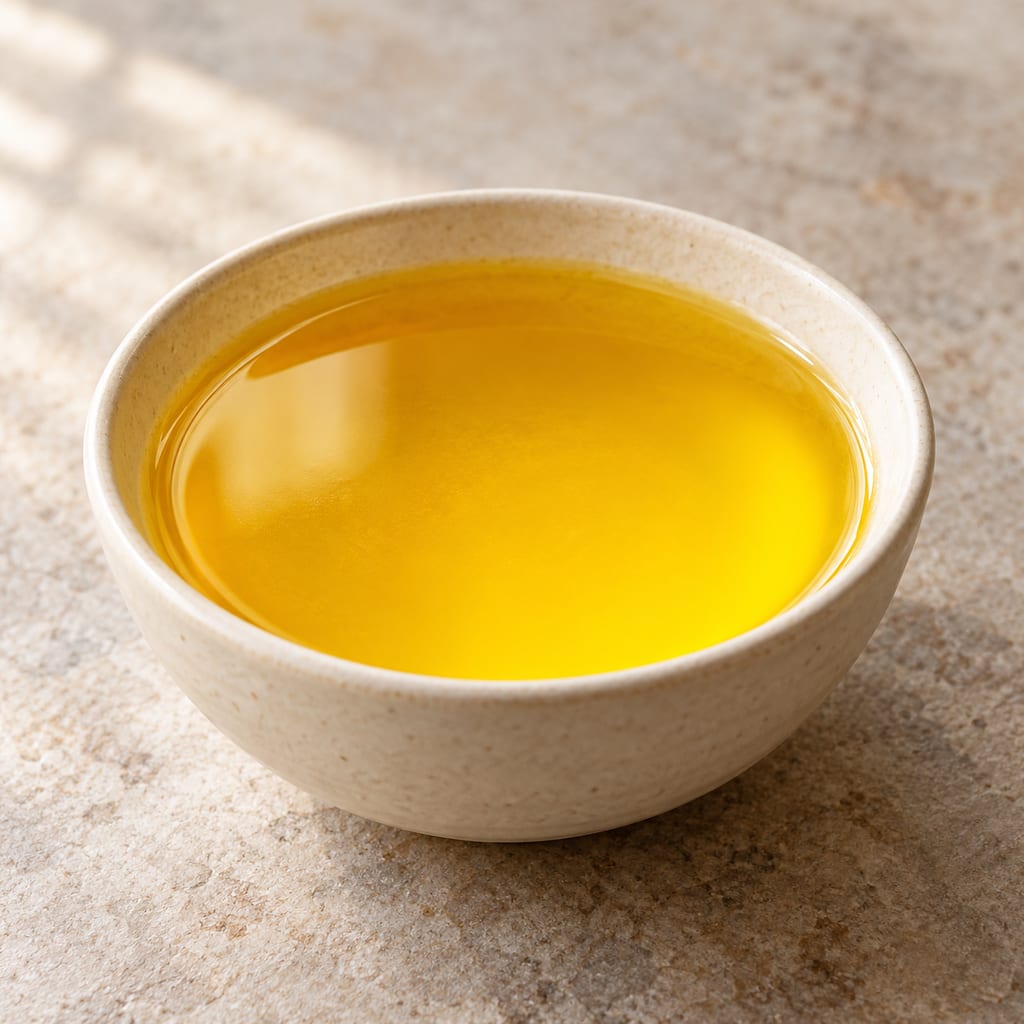
Butter heated until most water leaves and the milk solids separate, giving a fat that keeps far longer than butter. Rendering applies the same heat to animal tissue to make lard and tallow.
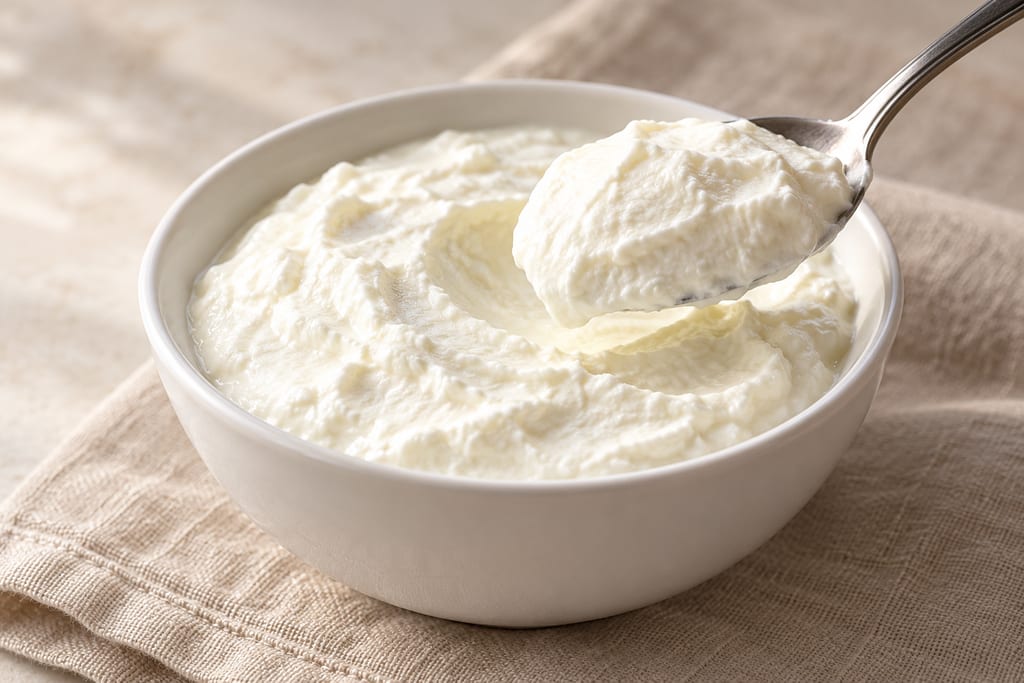
Greek-style strained yogurt is cultured whole milk drained through cloth to remove whey. This modern Utah home method makes a thick yogurt from a gallon batch.
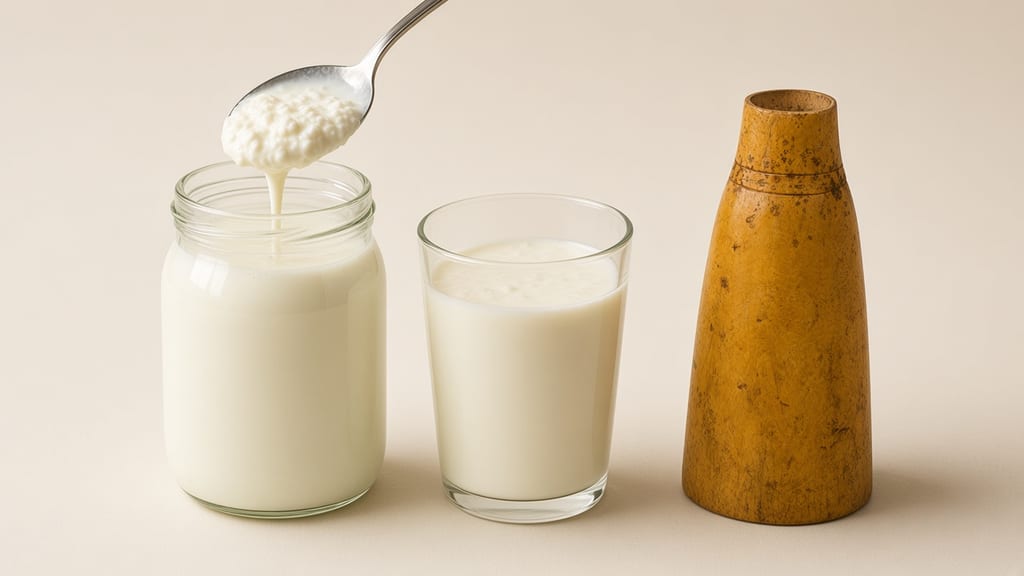
Ikivuguto is Rwanda's thick soured milk. This home version sets pasteurised whole milk with cultured buttermilk overnight at about 21 °C, then chills it for a mild, spoonable drink.
No community contributions have been published for this entry yet.
Sign in to contribute. Published comments and photos are free to read.
Agriculture CanadaInspiration · Process
Home-made dairy products, Publication 1669Cultured dairy methods, utensils and contamination prevention; copyright 1978, reprinted 1981.
Sour cream, printed page 11: 1 L pasteurized homogenized 18% cream, 20 mL active starter, 22°C, 14–16 hours; cool rapidly to 4°C with little disturbance. Starter section allows fresh commercial cultured buttermilk.
Selected household formulas and sequence; pasteurized dairy; active cultured starter; milk options; homogenized cream; temperature control; quiet set; buttermilk cooling/agitation; yogurt cold stirring versus intact set; possible starter/milk faults.
Cited in: A spoonful that begins as cream; Cream has a structure before fermentation; Why the container and the quiet rest matter; Using sour cream without losing the texture; Evidence and handling notes
Health CanadaSafety
Safe food handling in the homeRefrigerators at 4°C (40°F) or lower; clean food-contact surfaces and utensils.
Refrigerator at 4°C or lower; hygiene and clean food-contact equipment.
Cited in: Evidence and handling notes
Centers for Disease Control and PreventionSafety
How Listeria Spread: Soft Cheeses and Raw MilkRaw milk and raw-milk yogurt can carry Listeria and other harmful germs; choose pasteurized dairy.
Canadian Food Inspection AgencySafety
Dairy processing: Non-thermal processing systemsFermentation and slow vat: slow acidification can allow competing organisms including pathogens; monitor acidification and address failed starter activity. Commercial guidance, not a household critical limit.
Slow acidification can permit competing organisms, including pathogens; commercial control context, not a validated household endpoint.
Cited in: Why the container and the quiet rest matter; Evidence and handling notes
Food Science of Animal Resources 43(3):540–551Process
Rheological, Physicochemical, Microbiological, and Aroma Characteristics of Sour Creams Supplemented with Milk Protein ConcentrateStudy shear-thinning, water-holding effects, acid gel and fat/protein relationships; detected acetaldehyde/diacetyl/acetoin and aroma differences. No study ratios transferred as home instructions.
Cited in: A spoonful that begins as cream; The culture makes acid and aroma; Related creams in different kitchens; Using sour cream without losing the texture
Junior Dorcas Society, Jackson, Michigan; Michigan State University Libraries digital collectionHistory
Junior Dorcas Cook Book, first editionNamed household uses in one 1921 community: slow-simmered veal with rice, pie, cakes and cooked frosting. No invention/prevalence claim.
Cited in: A food already at work in the kitchen; Using sour cream without losing the texture
California Dairy Press Room & ResourcesProcess
Sour CreamCultured versus direct-acidified cream; dips, dressings, potatoes, baking, hot sauces; gradual warming, late addition and gentle stirring for smoothness.
Cited in: A food already at work in the kitchen; The culture makes acid and aroma; Using sour cream without losing the texture
Tetra PakProcess
Homogenizers, Dairy Processing HandbookMechanical fat-globule disruption; increased interface; adsorbed proteins; reduced creaming; cultured-dairy stability.
Cited in: Cream has a structure before fermentation; Why the container and the quiet rest matter
Nippon Shokuhin Kogyo Gakkaishi41(6):407–412Process
Effect of Homogenisation Pressure on Physical Properties of Sour CreamFat and homogenization pressure changed hardness, cohesiveness, adhesiveness, serum separation and hot-water curd formation differently.
Cited in: Cream has a structure before fermentation
Food Science of Animal Resources 41(3):373–385Process
Isolation of Lactococcus lactis ssp. cremoris LRCC5306 and Optimization of Diacetyl Production Conditions for Manufacturing Sour CreamLactic fermentation and citrate metabolism in cultured cream; diacetyl buttery aroma; specific strain study is not this starter.
Cited in: The culture makes acid and aroma
Bundeszentrum für ErnährungProcess
Saure Sahne, Schmand, Crème fraîche: Unterschiede kurz erklärtGerman market differences; relative richness/acidity; Schmandkuchen; crème fraîche in Flammkuchen/tarts/hot sauces; heat response. No fat percentages copied into formula.
Cited in: Related creams in different kitchens
Agriculture CanadaMethod · Storage
Making dairy products at home, Publication 1759Publication 1759 (Making dairy products at home): table cream with cultured buttermilk as inoculum, its own covered-vessel method, glass or stainless-steel vessels; no numerical room temperature or measured acidity endpoint; refrigerated storage period shorter than Publication 1669; replaces Publication 1669 in the catalogue.
Cited in: A later Canadian batch with cultured buttermilk; Conflicting storage statements
Government of Canada PublicationsHistory
Publication catalogueGovernment of Canada publication catalogue: Publication 1759 replaces the earlier publication; records succession, not confirmation of the storage duration.
Cited in: A later Canadian batch with cultured buttermilk; Conflicting storage statements
Utah State University ExtensionMethod
Cultured Cream (Fraîche)Utah State Extension cultured cream: warmed-cream method at about 42.3°C labelled crème fraîche, a different product from sour cream.
Cited in: Crème fraîche and creator variants
Homesteading FamilyMethod
How She Makes All Her Dairy in 2 Hours! (Homemade Cheddar Cheese, Yogurt and more)Homesteading Family English captions: paired milk-and-added-cream batch; not either Canadian formula.
Cited in: Crème fraîche and creator variants
From Scratch FarmsteadMethod
How to Make Your Own Sour Cream | Homemade Cultured Cream Recipe with Raw or Pasteurized CreamFrom Scratch Farmstead captions: raw cream with a spoonful of yogurt warmed to about 80–85°F and held 12–24 hours; pasteurized cream needs mesophilic starter; complete alternative dose not in the inspected passage.
Cited in: Crème fraîche and creator variants
Insane in the BrineMethod
Homemade Kefir Sour Cream: Fermentation TutorialInsane in the Brine captions: about a pint of heavy cream with a teaspoon of liquid milk kefir, held at room temperature until thick, then chilled; no numerical endpoint.
Cited in: Crème fraîche and creator variants
Домашні клопотиMethod
АРОМАТНИЙ М’ЯКИЙ СИР (ЛАБАНЕ) - рецепт від Домашні клопотиUkrainian-language video: sour cream as the base for a strained labane-style cheese, salted, drained overnight, finished in seasoned oil; a derivative use, not a culturing method.
Cited in: Sour cream as a base for a strained cheese