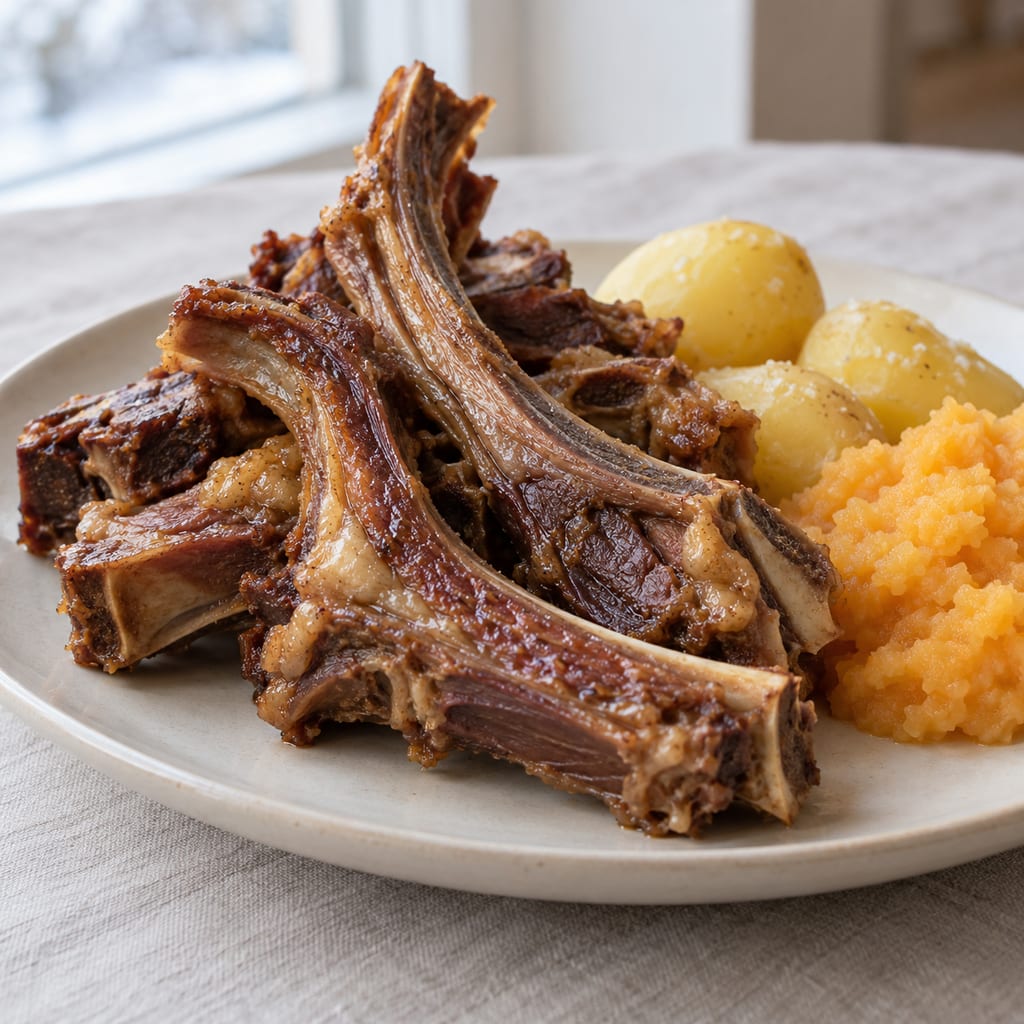
Norwegian pinnekjøtt
Norwegian Christmas lamb ribs, salted, matured and dried, then soaked and steamed over birch twigs. Smoked and unsmoked versions are both made.
 FermenteaWhere food goes to change
Modern adaptation
Pinnekjøttboller
Pinnekjøttboller are potato-and-pinnekjøtt balls coated in breadcrumbs, deep-fried and served with lemon-parsley sour-cream dip.
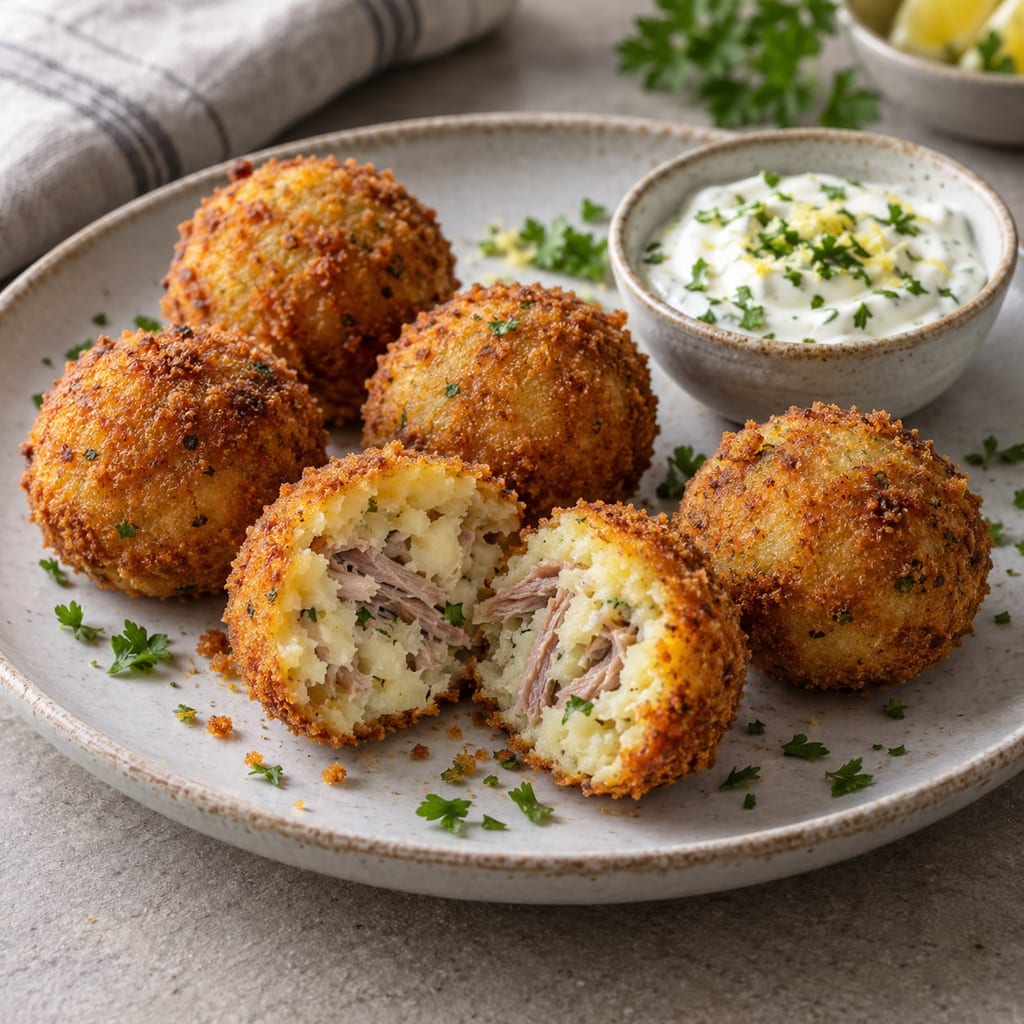
Pinnekjøttboller are small, crisp potato-and-meat balls prepared from cooked Norwegian pinnekjøtt, mashed potatoes, egg, onion, parsley, lemon zest and potato starch.
The mixture is shaped into balls approximately the size of golf balls, coated in breadcrumbs and deep-fried until golden.
They are served hot with a cool sour-cream dip flavoured with lemon juice and parsley.
The dish is especially well suited to using leftover meat after a traditional Norwegian Christmas meal.
Pinnekjøtt itself is made from sheep ribs or related cuts that have been salted and dried, sometimes with additional smoking.
The meat is normally soaked and cooked before serving.
The croquette recipe begins after that cooking has already happened. It does not describe how to cure, dry or steam raw pinnekjøtt.
The modern recipe is published by Matprat, Norway's food-information and recipe platform.
Its creators identify Portuguese salt-cod croquettes, bolinhos de bacalhau, as an inspiration.
This culinary connection is important: pinnekjøttboller combine a traditional Norwegian preserved meat with a modern croquette-style preparation. They should not be presented as an ancient Norwegian Christmas recipe.
Norwegian Bokmål — Pinnekjøttboller
Norwegian Nynorsk — Pinnekjøtbollar
Norwegian — Pinnekjøtt
Norwegian — Potetboller — potato balls, broader term
Norwegian — Rømmedipp — sour-cream dip
Portuguese — Bolinhos de bacalhau — salt-cod fritters
English — Pinnekjøtt potato balls, Norwegian preserved-lamb croquettes
The meat comes from domestic sheep, Ovis aries.
Pinnekjøtt may be made from lamb or mutton.
The potatoes belong to Solanum tuberosum.
The parsley is Petroselinum crispum, and the lemon is commonly Citrus × limon.
Pinnekjøtt is one of Norway's most recognisable traditional Christmas foods.
It has particularly strong historical associations with western Norway.
The principal raw material is sheep ribs, which are salted and dried before cooking.
Some regional preparations are additionally smoked.
The method allowed meat from seasonal slaughter to be preserved for later use.
Historically, dried and salted meat was valuable in communities where access to refrigeration was unavailable.
The technology connects animal husbandry with seasonal food storage.
Documentary evidence for pinnekjøtt extends back to the eighteenth century.
The practice may be older, but a specific earlier date cannot be established simply from the antiquity of drying or salting.
Pinnekjøtt became especially associated with Christmas celebrations.
In modern Norway, it is eaten widely beyond its older western strongholds.
The traditional dish is commonly served with potatoes, mashed swede or rutabaga and sometimes sausages.
The potato balls described here represent a later stage of the food's story: a traditional preserved meat is transformed into a new dish using leftovers.
The origin of the name is debated.
One explanation associates pinne with sticks used to support meat above water during steaming.
Another connects it with the exposed rib bones, which resemble sticks.
Some historical traditions describe meat cooked directly over embers, sometimes on wooden skewers.
These variations complicate a simple explanation of the name.
What is secure is that pinnekjøtt refers to a recognisable family of preserved sheep-meat preparations.
Its precise methods and terminology vary regionally.
The published croquette recipe uses the modern product name without taking a position on the historical etymological debate.
Traditional pinnekjøtt undergoes processing before it reaches the cooking stage.
Fresh sheep meat is salted.
Salt affects the availability and movement of water within the meat.
Drying removes additional moisture.
Some products are smoked, introducing characteristic aroma compounds.
This combined processing changes flavour, structure and storage characteristics.
The finished dried meat is not necessarily ready to eat without further preparation.
It is commonly soaked to remove excess salt and restore moisture.
The soaked meat is then cooked, often by steaming.
The particular soaking time depends on the producer, the thickness and the degree of salting.
The original potato-ball recipe does not provide a pinnekjøtt soaking schedule.
That omission must not be filled with a universal number.
Anyone preparing the underlying meat should follow the instructions supplied with the purchased pinnekjøtt.
Both smoked and unsmoked versions are part of Norwegian food culture.
Smoking adds volatile compounds to the surface of the meat.
Phenolic compounds contribute smoke aroma.
Heat and airflow may also change the moisture content, depending on the process.
An unsmoked product retains a different flavour balance, often placing greater emphasis on cured sheep meat.
The croquettes can reflect whichever cooked pinnekjøtt is available.
A smoked version will generally produce a more pronounced smoky aroma.
An unsmoked version will have a different savoury profile.
The recipe does not instruct cooks to add liquid smoke or smoke the formed balls.
It simply reuses the already prepared meat.
A traditional Christmas meal may produce leftover cooked pinnekjøtt.
The meat is already seasoned and has undergone substantial processing.
It can therefore contribute intense flavour to a new dish without the cook needing to prepare a large quantity of fresh meat.
Mixing it with potatoes stretches the available meat across multiple portions.
Potatoes also moderate the saltiness and richness.
Egg and potato starch help bind the mixture.
Breadcrumbs create a crisp coating during frying.
This is a familiar culinary logic in many food cultures: a strongly flavoured cooked protein is combined with a starchy ingredient and transformed into small fried portions.
The Norwegian recipe's comparison with Portuguese salt-cod fritters makes that relationship explicit.
Potatoes contain substantial starch.
When boiled, starch granules absorb water and gelatinise.
The potato flesh softens.
After draining, some surface moisture evaporates, making the cooked potato easier to mash into a relatively firm mass.
The original recipe specifically tells cooks to allow the drained potatoes to steam dry.
This stage matters.
If too much free water remains, the croquette mixture may become difficult to shape and could break apart during frying.
Floury potatoes are preferred because they generally produce a drier, more easily mashed texture than many waxy varieties.
The recipe then adds potato starch.
Potato starch can absorb water and contribute to binding during heating.
It helps the mixture hold together.
The egg supplies proteins that coagulate when cooked, providing an additional structural contribution.
Together, these ingredients transform shredded meat and mashed potato into a mixture that can be formed into balls.
Published Matprat quantities. The original source does not give a fixed number of finished balls or a measured total yield.
The original method describes a preparation time of 20–40 minutes for the croquettes.
That estimate assumes the pinnekjøtt is already fully cooked and available.
It does not include soaking and steaming an initial batch of dried meat.
The meat supplies the dish's defining flavour.
Because it has already been salted and possibly smoked, it is strongly seasoned.
The potatoes provide the principal bulk and a relatively mild flavour.
They also create a texture suitable for shaping.
Egg protein helps bind the mixture.
During frying, it coagulates and contributes to the structure.
Finely chopped onion contributes sweetness and aromatic compounds.
The original recipe does not specify precooking the onion.
Parsley adds colour and a fresh herbal flavour.
The outer coloured part of lemon peel contains aromatic oils.
Zest introduces citrus aroma without adding the same amount of liquid as juice.
The starch helps hold the mixture together.
Breadcrumbs form the outer coating.
During frying, they dry and brown, creating a crisp exterior.
The oil transfers heat to the surface during deep-frying.
Sour cream provides a cool, acidic accompaniment.
Its acidity and fat contrast with the fried croquette.
Prepare a saucepan for boiling potatoes, colander, mixing bowl, fork, knife, grater, wide heavy pot suitable for deep-frying, slotted spoon and kitchen paper.
A suitable kitchen thermometer is useful for monitoring the frying oil.
The source uses a bread-browning test rather than prescribing an exact oil temperature.
The test is part of the original procedure, but it does not replace safe control of the frying operation.
Make sure the pot is stable and suitable for the volume of oil.
Keep water away from hot oil.
Begin with 400 g fully steamed pinnekjøtt without bones.
Pull the meat into fine shreds.
This is easier while the meat is still warm.
Remove any remaining bone fragments, cartilage or unsuitable material.
Peel 400 g floury potatoes.
The source does not specify a cultivar.
Cook the potatoes in unsalted water until tender.
Using unsalted water is intentional because the pinnekjøtt may already contain substantial salt.
The recipe does not give a boiling duration.
Pour off the cooking water.
Allow the potatoes to steam dry.
The surface should become less wet before mashing.
Mash the potatoes with a fork.
The source does not call for blending them into a completely smooth purée.
A fork creates a workable mash without necessarily making the mixture gluey.
Mix the finely shredded cooked pinnekjøtt into the potatoes.
Distribute it evenly.
Add 1 egg and 1 finely chopped onion.
Mix thoroughly.
Add 2 tablespoons chopped fresh parsley and 2 teaspoons grated lemon zest.
These ingredients provide a fresher flavour against the preserved meat.
Stir in 2 tablespoons potato starch.
The mixture should become sufficiently cohesive to shape.
Add black pepper.
Salt is optional.
Taste seasoning carefully because the meat has already been cured.
The recipe does not give a measured salt addition.
Form the mixture into balls approximately the size of golf balls.
The exact weight of each ball is not specified.
Try to keep the portions reasonably consistent so they cook evenly.
Roll the balls in 1 dl breadcrumbs, using the amount as required to cover them.
The coating should adhere to the surface.
Place the prepared balls in the refrigerator until ready to fry.
The source does not give a precise chilling duration.
Place 5 dl frying oil in a suitable wide pot.
Heat carefully.
The original recipe uses a small piece of bread as a readiness indicator: the bread should brown in approximately 30 seconds.
No numerical oil temperature is specified.
Lower the balls carefully into the hot oil.
Do not overcrowd the pot.
Fry until golden on all sides.
The source does not specify a total frying duration.
Remove the balls with a suitable utensil.
Place them on kitchen paper to drain excess oil.
Mix 2 dl light sour cream, 2 tablespoons lemon juice and 2 tablespoons chopped flat-leaf parsley.
Season with salt and pepper if desired.
Serve the potato balls hot with the sour-cream dip.
They can form a small dish on their own or appear among a selection of Christmas appetisers.
Chilling helps a formed mixture hold its shape.
The mashed potato and fat-containing ingredients become firmer at lower temperatures.
This can make the balls easier to handle.
The breadcrumb coating also has time to adhere.
However, the source does not identify a precise chilling interval.
It would be misleading to invent a required number of minutes.
The important practical point is that the balls should remain refrigerated rather than sitting unnecessarily at room temperature before cooking.
The breadcrumb coating contains starch and proteins.
During frying, hot oil transfers heat rapidly to the surface.
Moisture evaporates from the coating.
As it becomes hotter and drier, browning reactions develop.
The surface becomes firmer and crisp.
The interior remains relatively soft because the potato-and-meat mixture contains considerably more moisture.
This creates the contrast central to a successful croquette.
If the oil is too cool, the coating may absorb excessive oil before browning.
If it is too hot, the exterior may become dark before the centre is thoroughly heated.
Appropriate frying conditions are therefore important for both quality and safety.
Pinnekjøtt has a strong savoury and salty character.
The lemon zest in the mixture contributes citrus aroma.
The lemon juice in the dip adds acidity.
These two uses have different effects.
Zest mainly contributes volatile aromatic compounds.
Juice contributes citric acid and additional water.
The resulting combination balances the richness of meat, potato and fried coating.
Parsley reinforces that freshness.
This contrast is particularly effective when the balls are served hot and the sour-cream dip remains chilled.
The recipe explicitly draws inspiration from Portuguese salt-cod fritters, commonly known as bolinhos de bacalhau.
These are generally made from cooked salted cod combined with potato, eggs or other binding ingredients and seasonings, then fried.
The similarity is structural.
Both recipes transform a strongly flavoured preserved protein into a starchy croquette.
The principal difference is the preserved ingredient.
Portuguese salt cod is fish cured with salt and often dried.
Pinnekjøtt is sheep meat preserved by salting and drying, sometimes with smoking.
Their flavour compounds, texture and culinary histories differ substantially.
The Norwegian adaptation retains the general croquette concept while giving it a distinctly local Christmas identity.
Matprat also suggests using leftover rotmos, or root-vegetable mash.
This may contain swede and other vegetables traditionally served with pinnekjøtt.
Such a substitution creates a slightly different flavour and texture.
Root mash may contain more free moisture than plain mashed potato.
The original source warns that additional potato starch may be required if the mixture becomes too soft.
It does not give a fixed extra quantity.
That amount should therefore be adjusted carefully as a modern practical variation rather than presented as part of the original measured formula.
Traditional pinnekjøtt has particularly strong associations with western Norway, although it is widely eaten elsewhere today.
Pinnekjøttboller are designed as a small modern dish rather than as a complete conventional Christmas dinner.
They can be served as juletapas, a selection of small Christmas foods.
The sour-cream dip complements their rich flavour.
They may also be presented as a warm appetiser before a larger meal.
The source does not prescribe an additional potato side dish because the croquettes already contain potatoes.
Serving them with another heavy starch is possible, but not necessary to reproduce the recipe.
The exterior should be evenly golden.
The breadcrumb coating should be crisp.
The interior should hold together when cut.
Shredded meat should be distributed through the potato mixture rather than concentrated in one part.
The lemon and parsley should remain perceptible without overpowering the meat.
The sour-cream dip should be smooth and lightly acidic.
The balls should be hot throughout when served.
They should not leak large quantities of oil.
The balls collapse during shaping. The mixture may be too wet or insufficiently bound.
They break apart in the oil. The coating may not have adhered, or the interior mixture may be too soft.
The exterior browns very quickly. The oil may be too hot.
The coating becomes greasy. The oil may have cooled excessively during frying.
The croquettes taste very salty. The pinnekjøtt may have retained substantial curing salt, and additional salt may have been unnecessary.
The potatoes become gluey. Excessive processing may have changed their texture.
The inside is cold after frying. The balls may have been too large or not heated sufficiently.
The dip tastes too sharp. Lemon intensity can vary, but the source's measured lemon quantity should remain identified as the original formulation.
The recipe assumes the pinnekjøtt is already fully steamed.
Dried, uncooked pinnekjøtt is not an equivalent ingredient.
If preparing the meat from its dried state, follow the supplier's complete soaking and cooking instructions.
Do not treat the croquette frying stage as a substitute for properly cooking the original meat.
Cooked meat leftovers must have been chilled and stored safely before reuse.
The final croquettes should be thoroughly heated.
The original recipe does not provide an internal temperature endpoint for the balls.
Use current food-safety guidance to verify reheating where appropriate.
Deep-frying also presents a burn and fire hazard.
Never add water to burning or excessively hot oil.
Use suitable equipment, avoid overcrowding and keep children away from the frying area.
The recipe contains egg and milk in the dip. Breadcrumbs generally contain gluten unless a verified alternative is used.
The traditional ingredient pinnekjøtt is historically documented from the eighteenth century, with older preservation practices likely contributing to its development.
The specific potato-ball recipe is modern.
Its Portuguese inspiration is openly acknowledged in the published source.
The recipe gives precise amounts for its principal ingredients but no finished ball count, internal frying temperature or universal frying duration.
These omissions should not be filled with invented data.
The finished dish is a practical example of how traditional preserved food can become part of contemporary cooking while retaining a recognisable regional identity.
Matprat’s undated page presents this preparation as a way to use leftovers and describes the potato balls as inspired by Portuguese bolinhos. No date for the first use is given.
Scaling: source batch only
Matprat specifies fully steamed leftover pinnekjøtt but says nothing about how it was cooled or stored before the balls are made. Mattilsynet explains that bacteria can grow during slow cooling and that leftover handling depends on the food and its production/storage conditions. The recipe therefore has an unresolved storage-history hazard; this is not a claim that the source meal is unsafe.
Hazard sourceIf using cooked leftovers, follow Mattilsynet’s household advice: cool recently cooked food quickly, keep it refrigerated in suitable covered packaging, and use its general two-to-four-day leftover guidance rather than inventing a pinnekjøtt-specific shelf life. The source recipe does not document the meat’s prior storage.
Control sourceThe source specifies fully steamed leftover meat but does not define its storage before use, a measured endpoint for the balls, or storage for the prepared batch. Apply the cited general leftover guidance only to household storage; the recipe does not establish a pinnekjøtt-specific shelf life. The source does not identify the meat as smoked.
Matprat presents the recipe as a way to use leftover pinnekjøtt; the source does not say whether its batch uses smoked or unsmoked meat.
Norwegian Christmas lamb ribs, salted, matured and dried, then soaked and steamed over birch twigs. Smoked and unsmoked versions are both made.
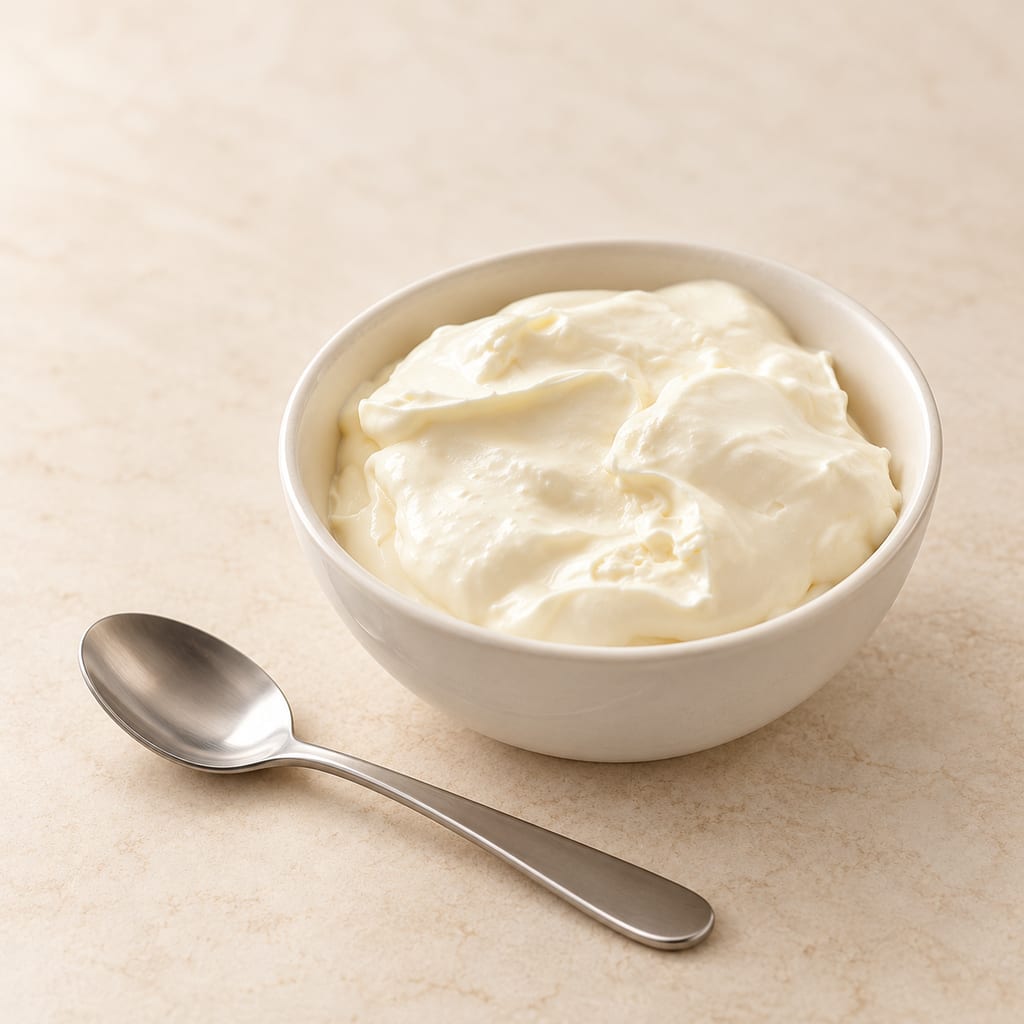
Sour cream is light cream thickened and soured by a lactic starter. This Canadian method uses homogenized cream and lets the gel form in its storage container.
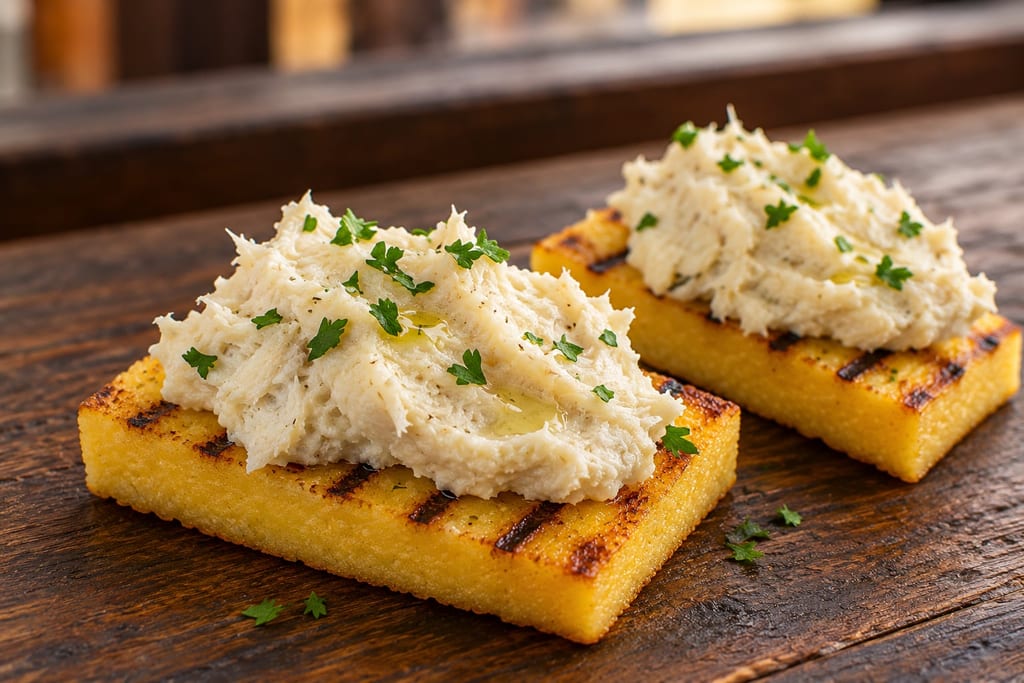
A Venetian cicchetto of cooked unsalted stockfish beaten with oil until it turns into a pale, aerated cream, spooned onto grilled polenta in the city's wine bars.
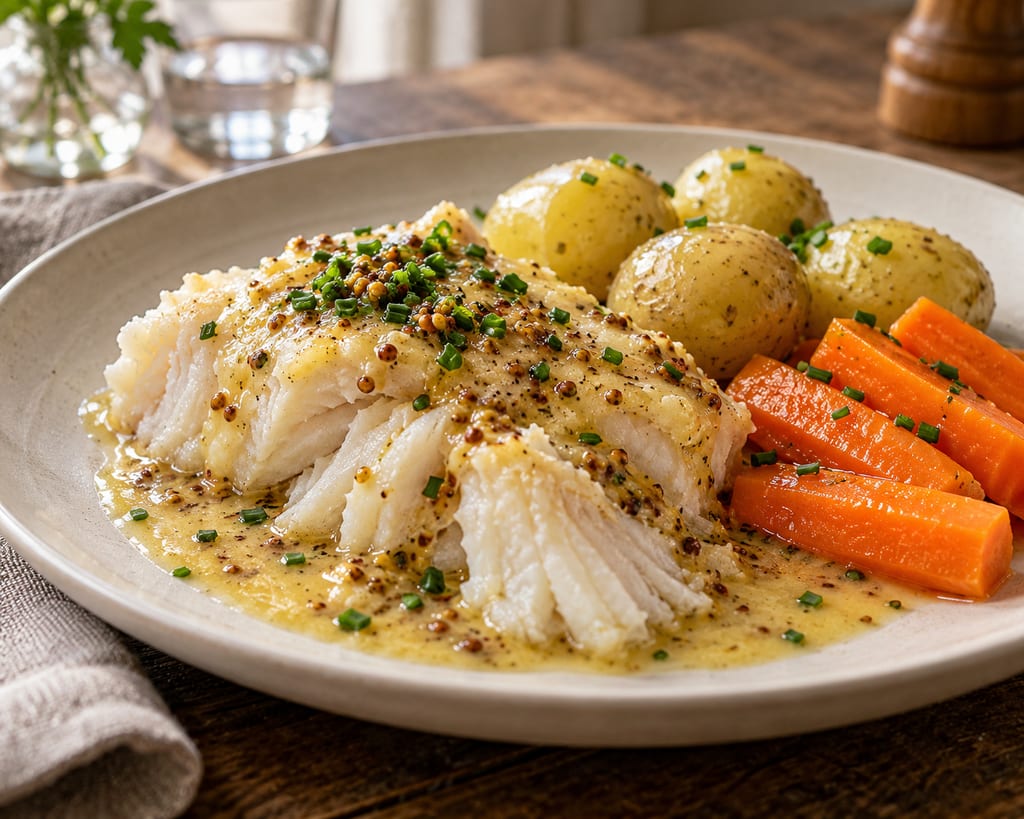
Rehydrated air-dried Norwegian cod simmered until it flakes, served with boiled potatoes and carrots under a wholegrain-mustard butter whisked from the fish's own poaching liquid.
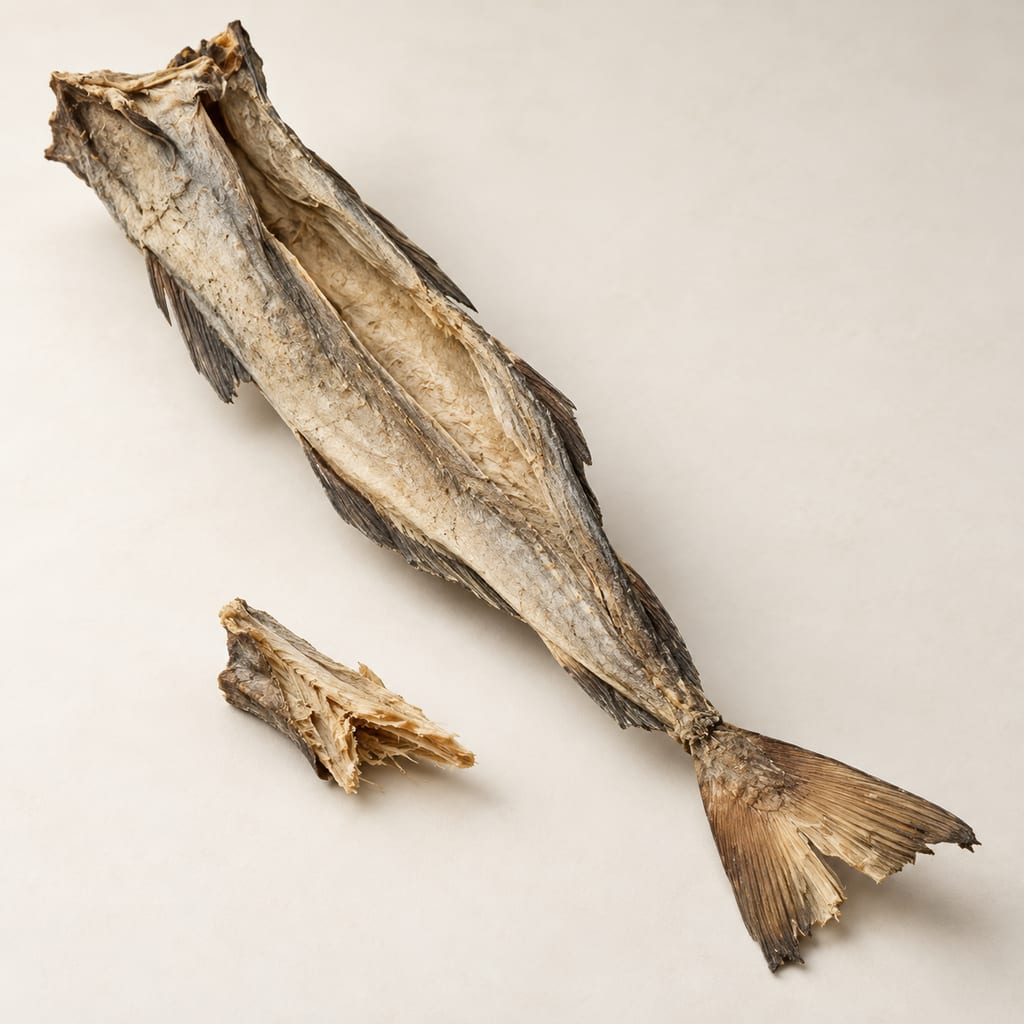
Cod hung on open racks in cold northern air until most of its water has gone, leaving a hard, light, unsalted fish that keeps and travels and must be soaked for days before cooking.
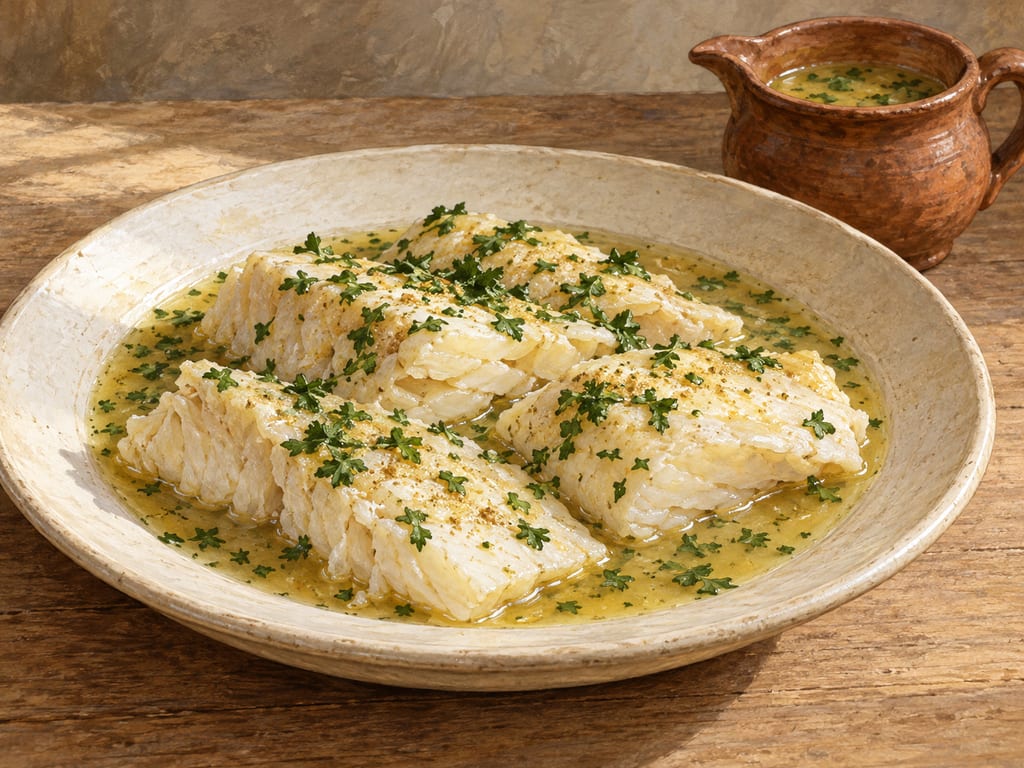
A fifteenth-century English way to serve cooked stockfish: strained fish broth boiled with chopped parsley, powdered ginger and a little verjuice, then poured hot over the fish.
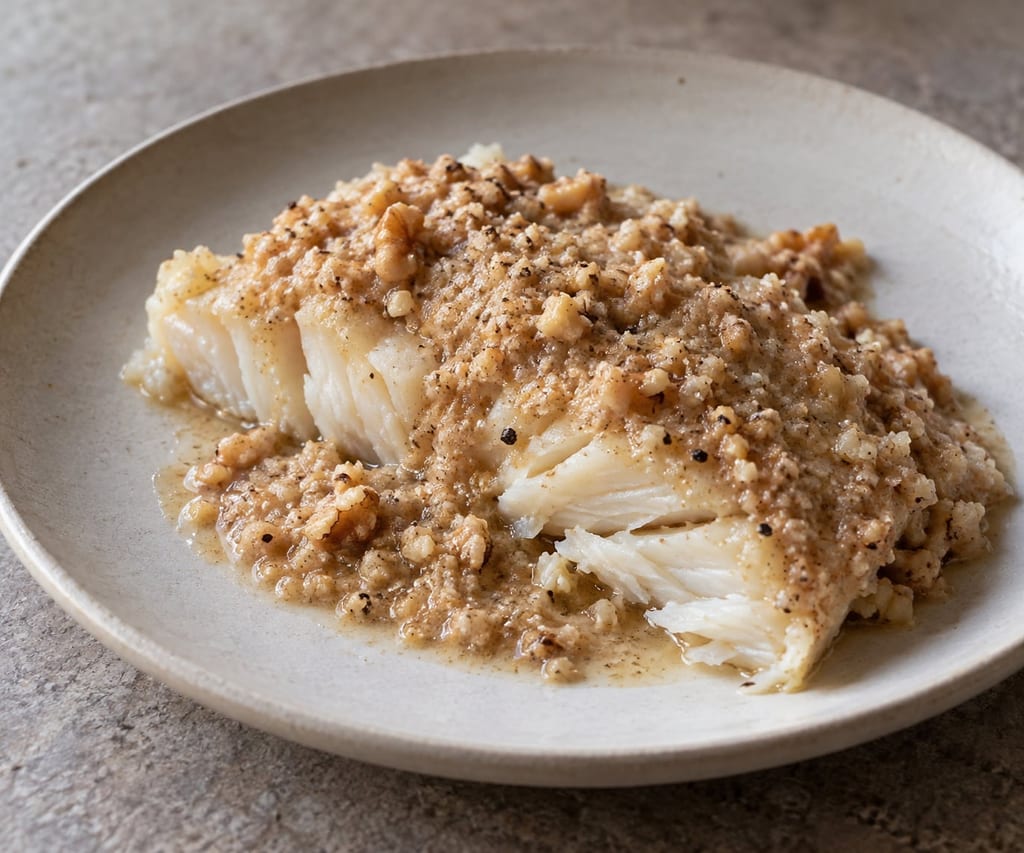
The second stockfish sauce from a fifteenth-century English manuscript: walnuts, garlic, bread, pepper and salt ground in a mortar and loosened with the fish's own broth.
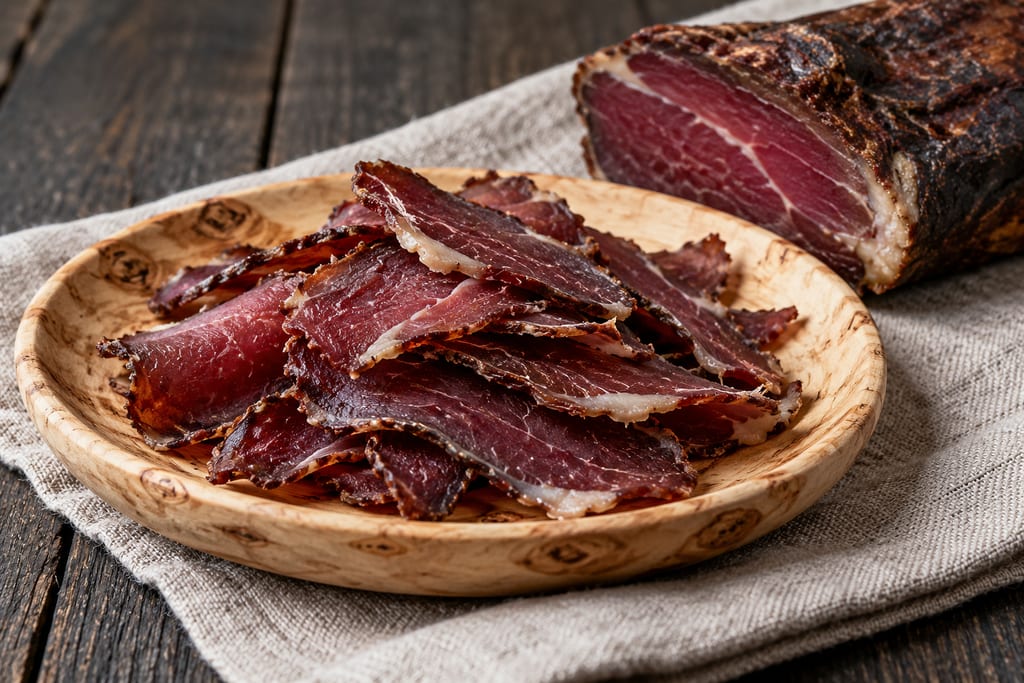
Salted reindeer meat hung in the smoke of a lávvu fire over willow, birch or juniper, then cooled and in some Sámi communities dried outdoors into travelling provisions.
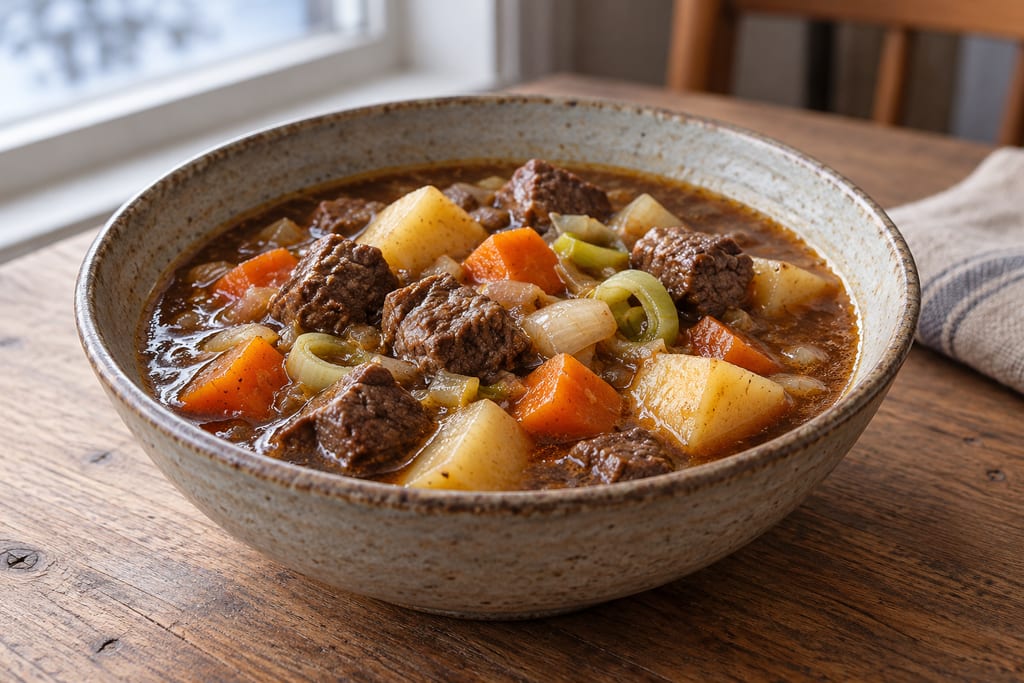
Ann-Kristine Bongo's four-serving bidus from Sami Siida in Alta is a contemporary, festive reindeer stew simmered with onion, carrots and potatoes.
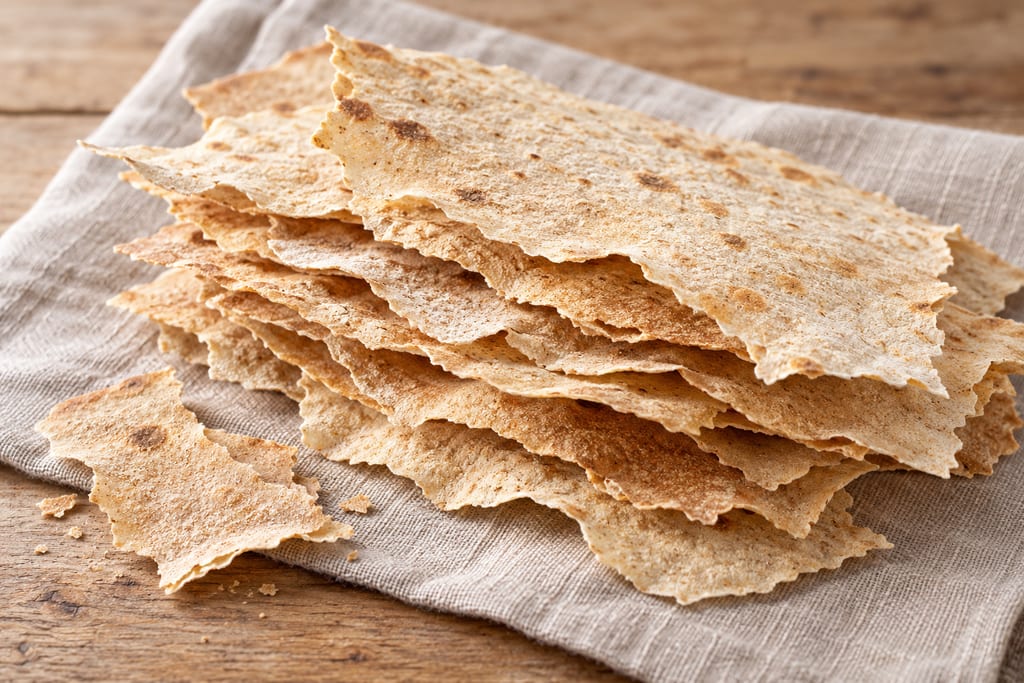
Thin, unleavened Norwegian flatbread made from sifted wheat and oat flours, fine whole rye, salt and water, then rolled with barley flour and cooked on a takke.
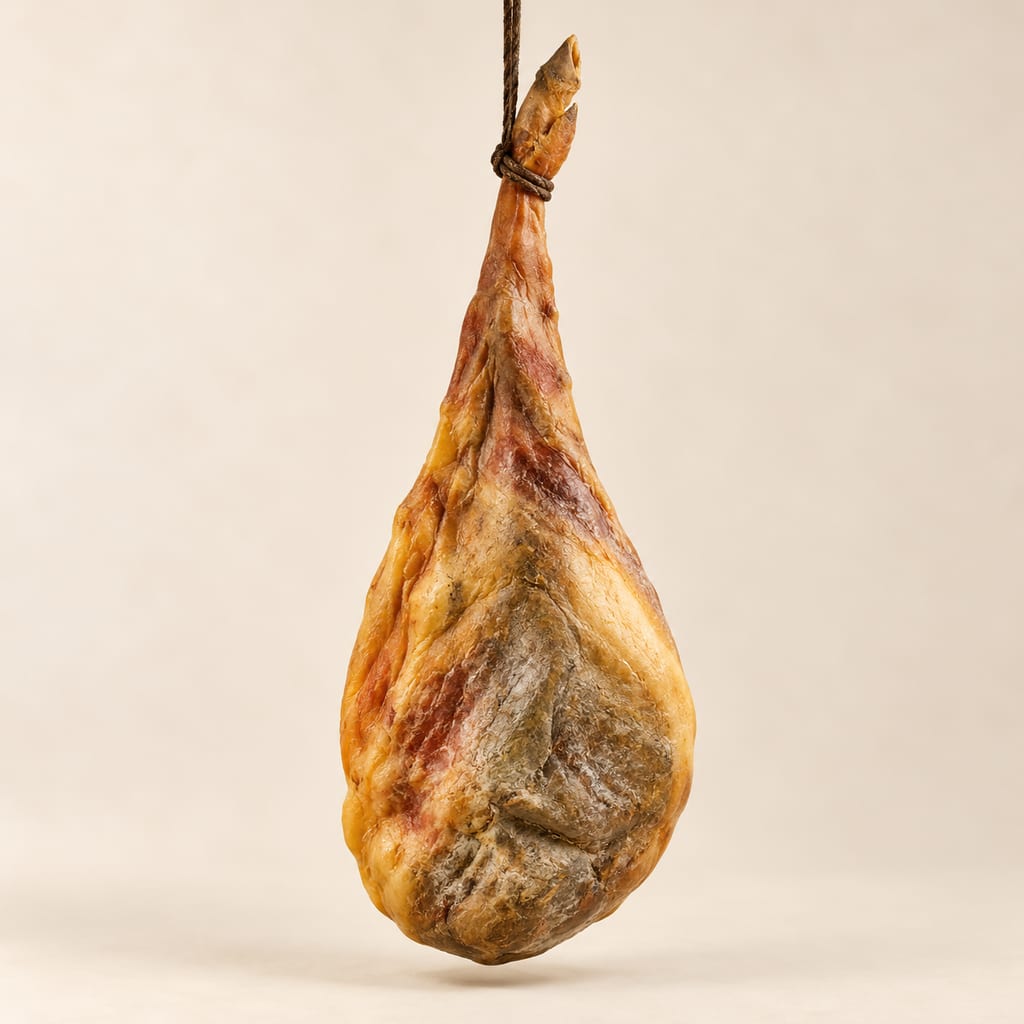
Cato the Elder records a second-century BCE sequence for salting, air-drying, and smoking ham. This historical account is not a validated modern curing protocol.
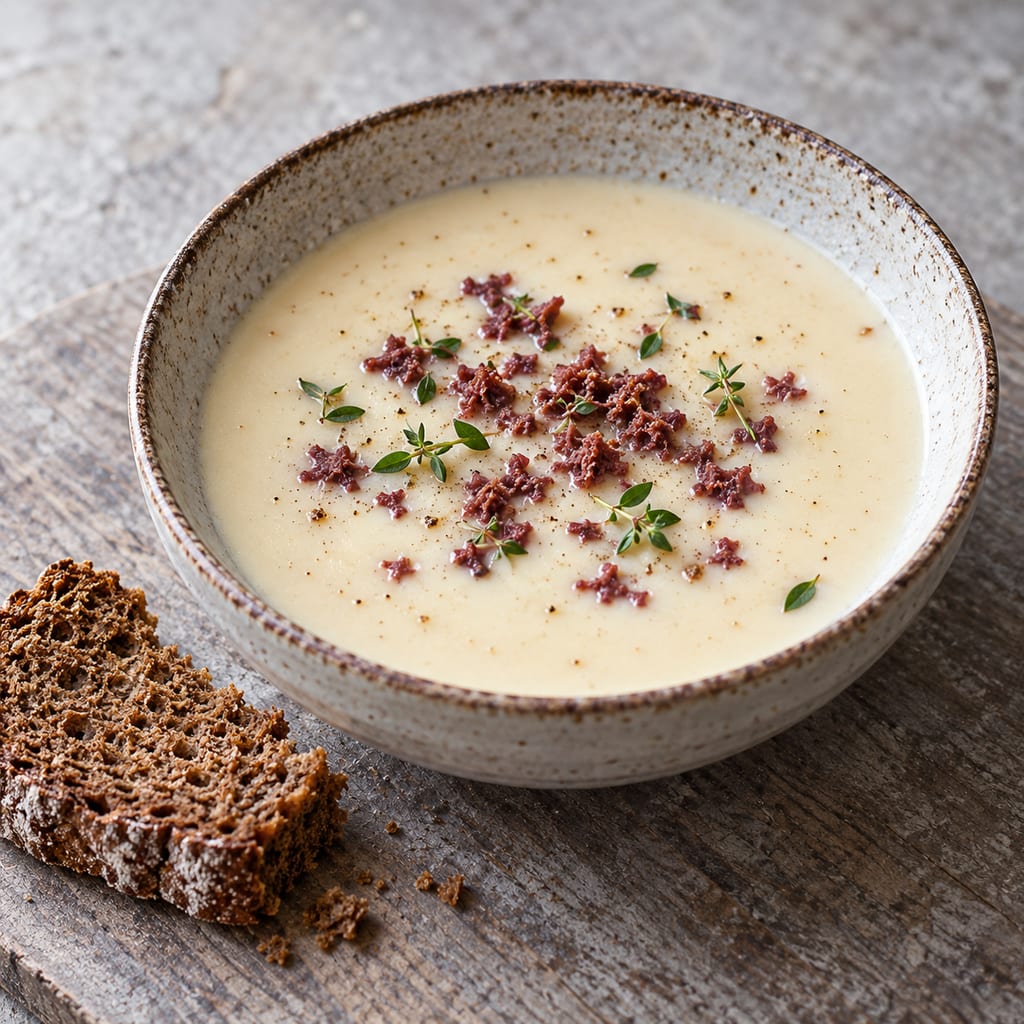
Kylmäsavuporokeitto is a creamy cold-smoked reindeer soup with onion, stock and cheese, served with bread.
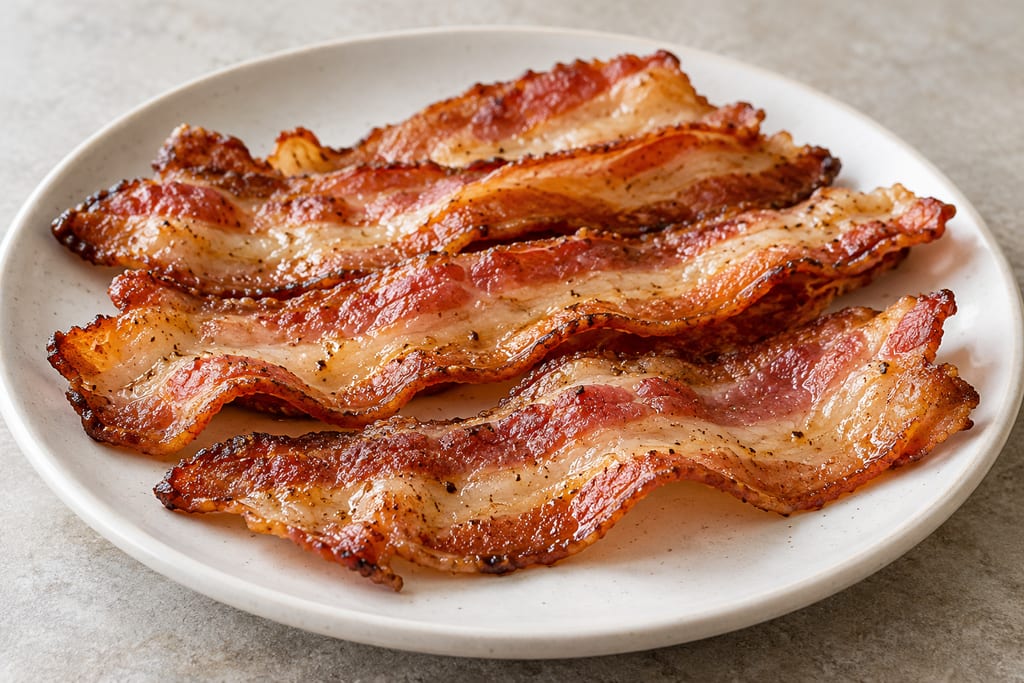
Pork belly receives a measured salt-and-sugar cure with coffee and spices, then is refrigerated before cooking or hot smoking.

Finnish pea soup simmers dried peas with palvikinkku or a vegetable alternative, then is served with mustard and chopped onion.
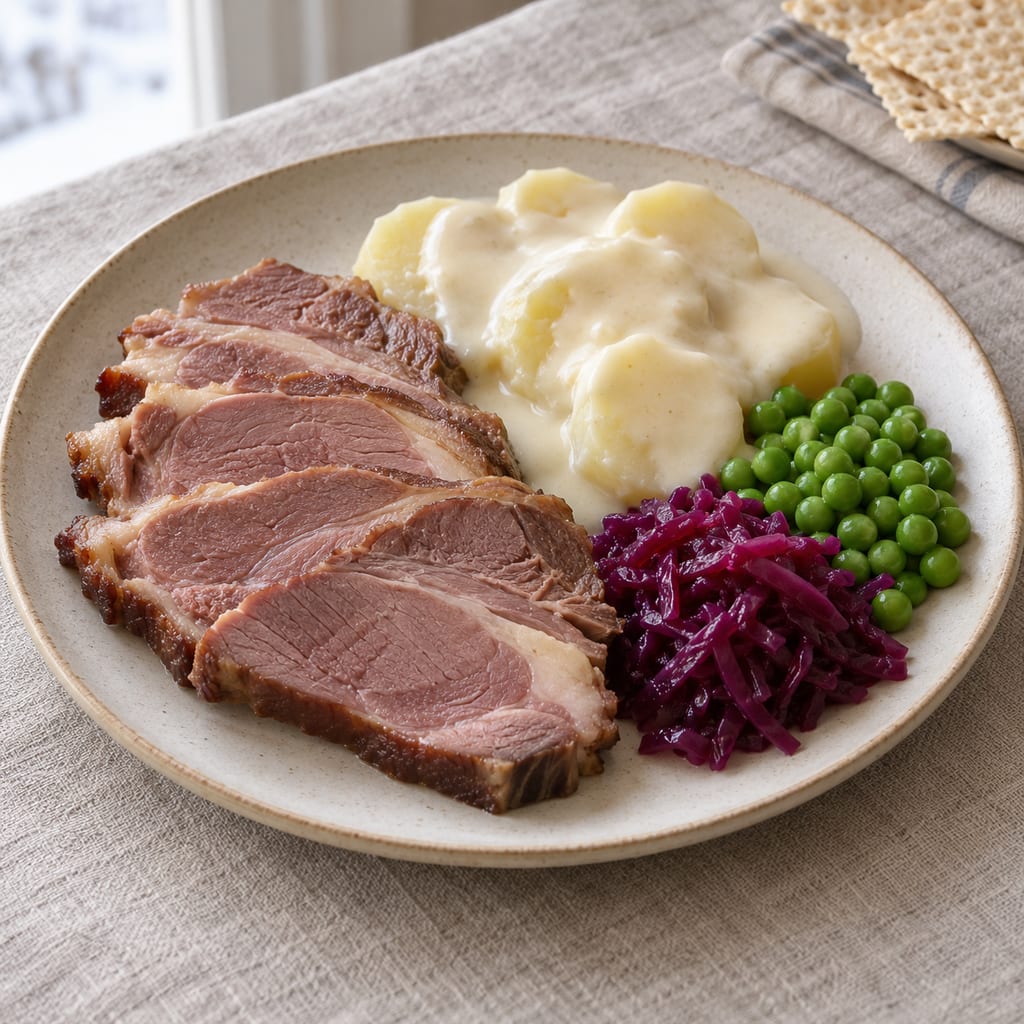
A six-person Icelandic Lamb serving recipe for deboned hangikjöt with potato bechamel, pickled cabbage, peas and laufabrauð. It cooks the product; it does not smoke or cure it.
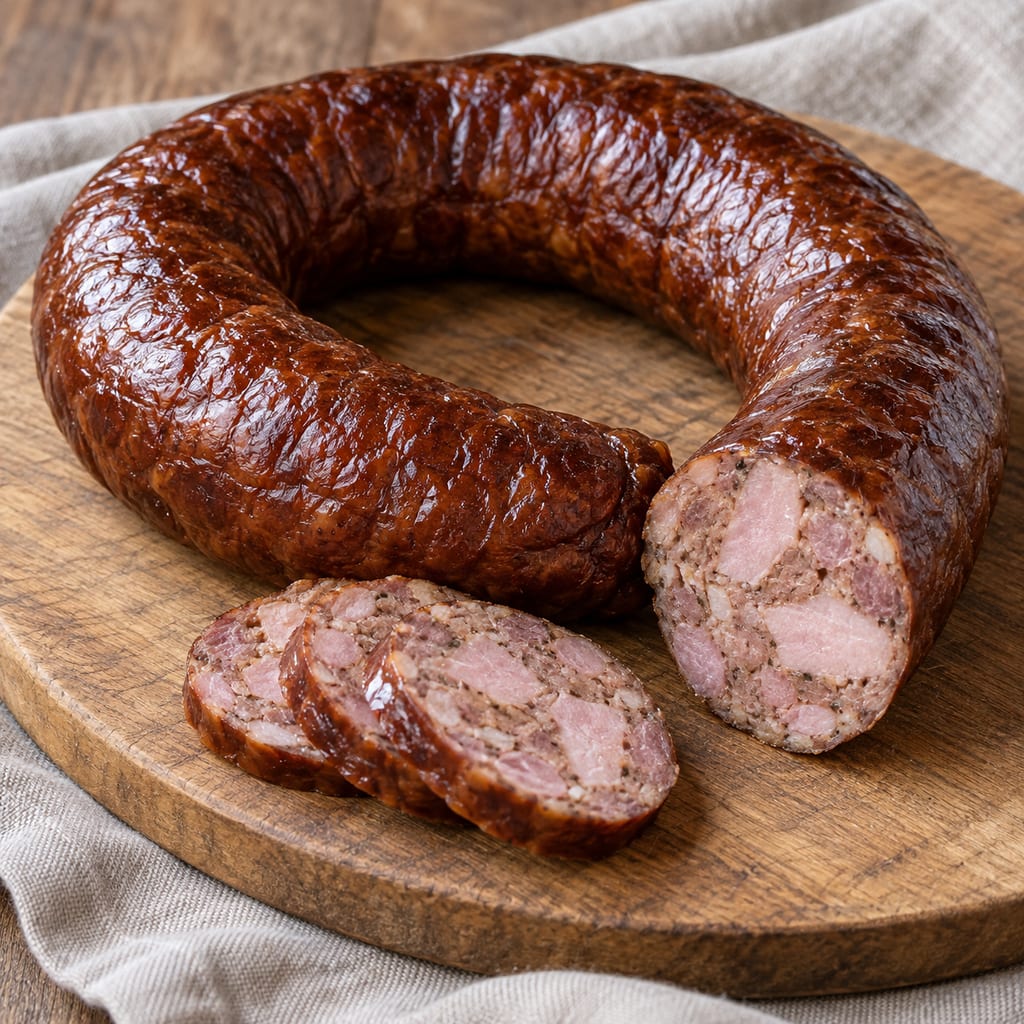
A protected pork sausage associated with Liszki and Czernichów; its application describes commercial curing and smoking, not a home batch.
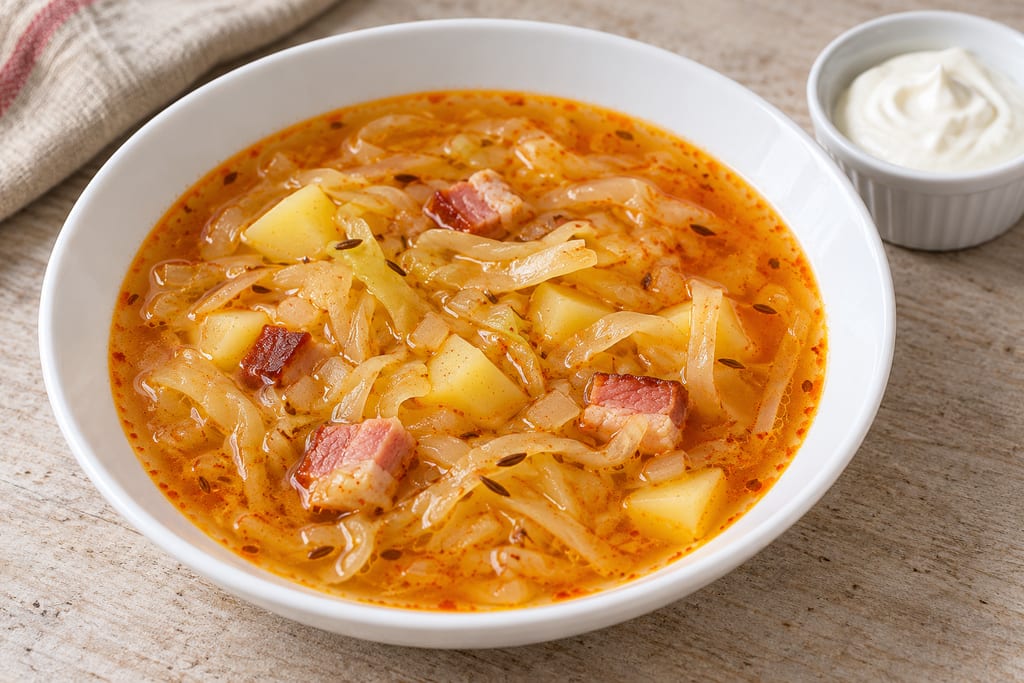
A two-portion cabbage soup with onion, potato and finished Geselchtes, served with garlic sour cream.
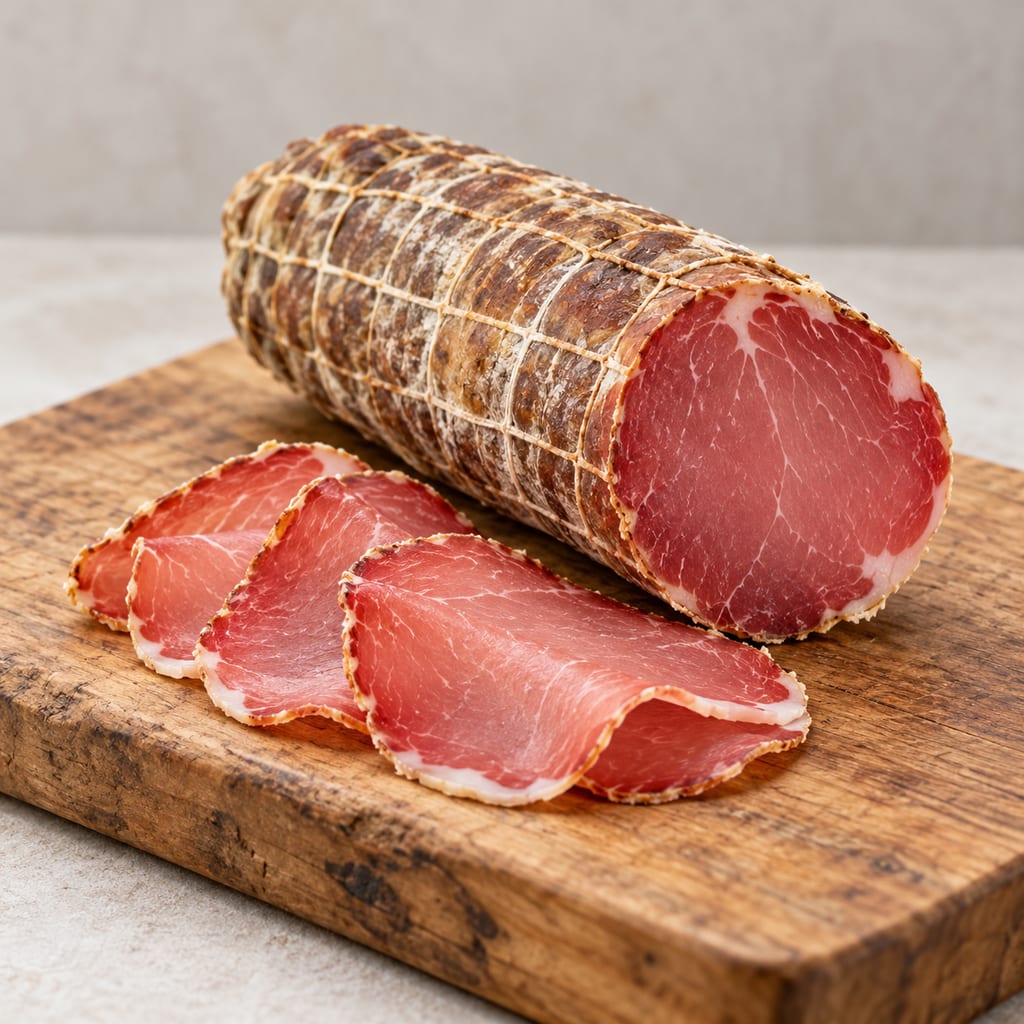
Documentary account of Italian regional cured-loin traditions, including Tuscan and Marche variations; no home-cure instructions are provided because the published professional methods lack validated safety controls.
No community contributions have been published for this entry yet.
Sign in to contribute. Published comments and photos are free to read.
MatpratRecipe · Use
PinnekjøttbollerThe full page lists 400 g fully steamed pinnekjøtt, potatoes, egg, herbs, coating and dip ingredients, seven ordered stages, a 20–40 minute total time and a bread-browning oil cue. It gives no visible yield or storage duration; it does not specify smoked versus unsmoked meat.
Cited in: What are pinnekjøttboller?; Names and identification; The history of pinnekjøtt; Why is it called pinnekjøtt?; Pinnekjøtt as a preserved ingredient; Smoked and unsmoked pinnekjøtt; Why the leftover preparation makes sense; The chemistry of the potato mixture; Ingredients; Sour-cream dip; Pinnekjøtt; Potatoes; Egg; Onion; Parsley; Lemon zest; Potato starch; Breadcrumbs; Oil; Sour cream; Equipment; Stage 1 — Prepare the cooked meat; Stage 2 — Peel the potatoes; Stage 3 — Boil; Stage 4 — Drain; Stage 5 — Mash; Stage 6 — Add the meat; Stage 7 — Add the egg and onion; Stage 8 — Add parsley and lemon; Stage 9 — Add the binding starch; Stage 10 — Season; Stage 11 — Shape; Stage 12 — Coat; Stage 13 — Chill; Stage 14 — Heat the oil; Stage 15 — Fry in batches; Stage 16 — Drain; Stage 17 — Make the dip; Stage 18 — Serve; Why the balls are chilled before frying; Why breadcrumbs become crisp; Why lemon belongs in a preserved-meat croquette; The Portuguese connection; A variation using leftover root mash; Regional context and serving; Quality indicators; Troubleshooting; Food safety; Historical limits
Norwegian Food Safety Authority / Lovdata reproduction at FAOLEXIdentity · Context
Forskrift om beskyttelse av Pinnekjøtt fra Norge som geografisk betegnelseThe designation includes smoked and unsmoked variants; it does not establish which variant is used in the Matprat leftover recipe.
Norwegian Food Safety Authority (Mattilsynet)Safety
Råd for oppbevaring av mat og drikkeGeneral household leftover handling advice; the Matprat recipe itself gives no storage history or storage time for its pinnekjøtt. (Locator: Page reviewed 2026-02-20, “Heimelaga mat og middagsrestar”, lines 131–147: no general shelf life can be given; recently heated food should cool quickly, appropriate refrigeration and packaging matter, and the general leftover guidance is two to four days.)
Store norske leksikonHistory · Context
Store norske leksikon — Pinnekjøtthistory, terminology and regional traditions
Cited in: Names and identification; The history of pinnekjøtt; Regional context and serving; Historical limits
MatpratMethod · History
Matprat — Traditional Pinnekjøttinitial dried-meat preparation and serving context
Cited in: Names and identification; The history of pinnekjøtt; Pinnekjøtt as a preserved ingredient; Ingredients; Equipment; Stage 1 — Prepare the cooked meat; Stage 2 — Peel the potatoes; Stage 3 — Boil; Stage 4 — Drain; Stage 5 — Mash; Stage 6 — Add the meat; Stage 7 — Add the egg and onion; Stage 8 — Add parsley and lemon; Stage 9 — Add the binding starch; Stage 10 — Season; Stage 11 — Shape; Stage 12 — Coat; Stage 13 — Chill; Stage 14 — Heat the oil; Stage 15 — Fry in batches; Stage 16 — Drain; Stage 17 — Make the dip; Stage 18 — Serve; Why lemon belongs in a preserved-meat croquette; A variation using leftover root mash; Regional context and serving; Quality indicators; Troubleshooting; Historical limits
MatpratInspiration
Matprat — Pinnekjøtt med kålrabistappeconventional accompaniment
Cited in: Pinnekjøtt as a preserved ingredient; Ingredients; Equipment; Stage 1 — Prepare the cooked meat; Stage 2 — Peel the potatoes; Stage 3 — Boil; Stage 4 — Drain; Stage 5 — Mash; Stage 6 — Add the meat; Stage 7 — Add the egg and onion; Stage 8 — Add parsley and lemon; Stage 9 — Add the binding starch; Stage 10 — Season; Stage 11 — Shape; Stage 12 — Coat; Stage 13 — Chill; Stage 14 — Heat the oil; Stage 15 — Fry in batches; Stage 16 — Drain; Stage 17 — Make the dip; Stage 18 — Serve; Why lemon belongs in a preserved-meat croquette; A variation using leftover root mash; Regional context and serving; Quality indicators; Troubleshooting
Norwegian Food FoundationHistory · Context
Norwegian Food Foundation — Protected Norwegian traditional foodsfood heritage framework
Cited in: Names and identification; The history of pinnekjøtt; Regional context and serving; Historical limits
Food Standards ScotlandMethod · Safety
Food Standards Scotland — Cooking and leftoverssafe preparation and refrigeration
Cited in: Pinnekjøtt as a preserved ingredient; Ingredients; Equipment; Stage 1 — Prepare the cooked meat; Stage 2 — Peel the potatoes; Stage 3 — Boil; Stage 4 — Drain; Stage 5 — Mash; Stage 6 — Add the meat; Stage 7 — Add the egg and onion; Stage 8 — Add parsley and lemon; Stage 9 — Add the binding starch; Stage 10 — Season; Stage 11 — Shape; Stage 12 — Coat; Stage 13 — Chill; Stage 14 — Heat the oil; Stage 15 — Fry in batches; Stage 16 — Drain; Stage 17 — Make the dip; Stage 18 — Serve; Why lemon belongs in a preserved-meat croquette; A variation using leftover root mash; Regional context and serving; Quality indicators; Troubleshooting; Food safety