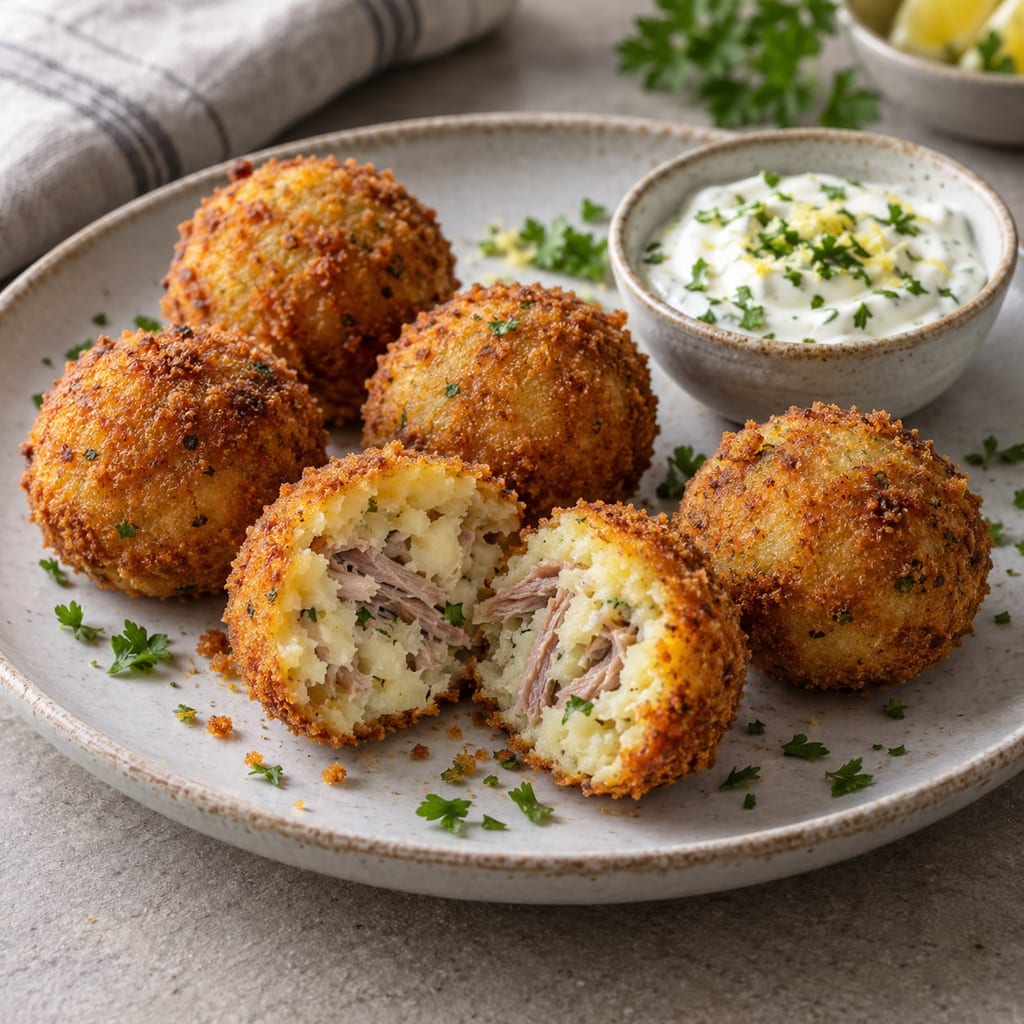
Pinnekjøtt potato balls
Pinnekjøttboller are potato-and-pinnekjøtt balls coated in breadcrumbs, deep-fried and served with lemon-parsley sour-cream dip.
 FermenteaWhere food goes to change
Traditional method
Pinnekjøtt · Pinnekjøtt fra Norge · Saueribbe
Norwegian Christmas lamb ribs, salted, matured and dried, then soaked and steamed over birch twigs. Smoked and unsmoked versions are both made.
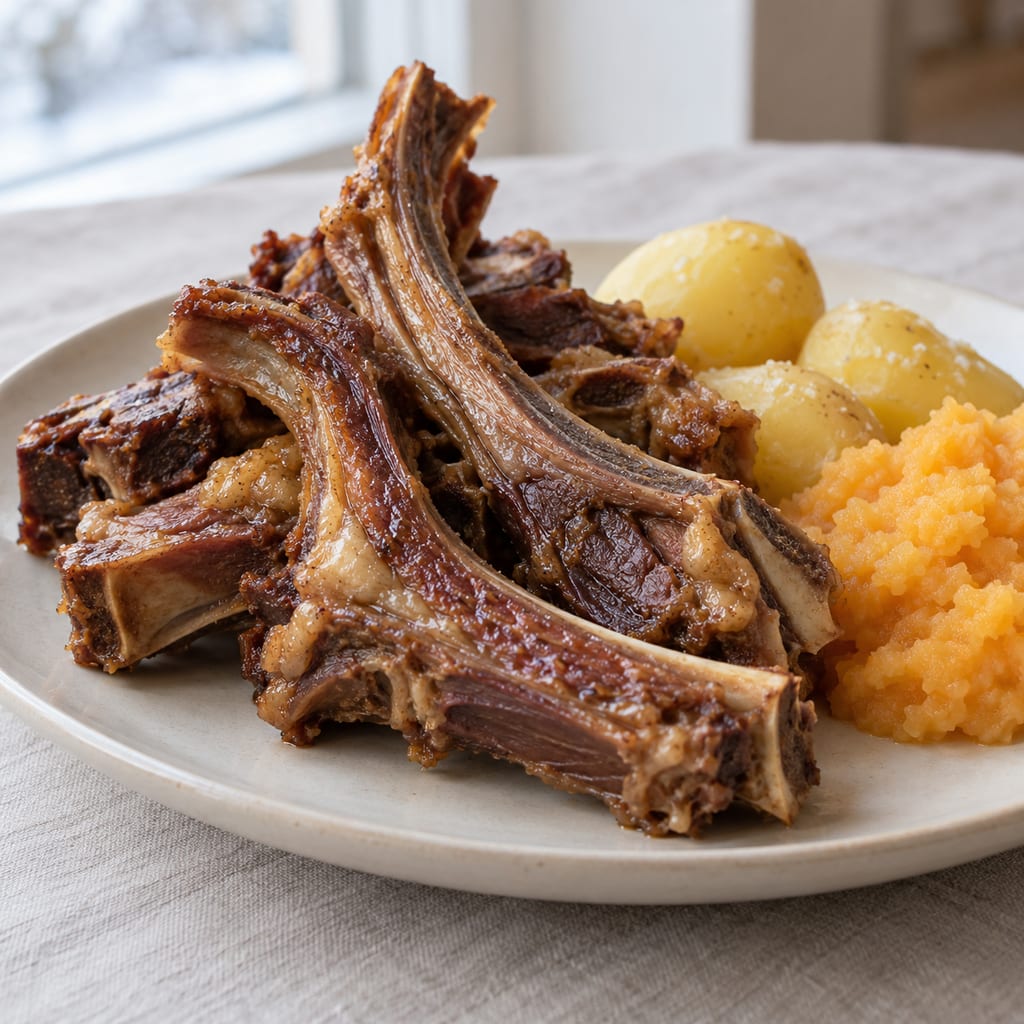
Pinnekjøtt is a preserved lamb or sheep rib dish from Norway. The ribs are salted, dried for weeks, soaked to draw out the salt, and then steamed over a bed of birch twigs. Its name is usually read as 'stick meat': the steaming grid of birch sticks, or the rib bones themselves, are the 'pinne' in the name. Norwegian encyclopaedia entries give both readings, and the first is the more common.
The dish is best known as a Christmas meal. In Western Norway, the strongest tradition, a large share of people eat it on Christmas Eve, and it is also served across the North. Supermarkets now sell it before Christmas, smoked or unsmoked, often already cut and soaked. The traditional home method, though, is still a rack of lamb cured and hung in a cold room.
Salting and drying are the old preservation methods that made the meat last through the winter. Drying is among the oldest methods of preserving meat. The salt draws water out of the meat and leaves it too dry for most spoilage bacteria to grow, while the cool hanging finishes the drying and lets the flavour develop.
Norwegian sources link the wide use of the method to the import of cheap salt in the 1700s. Before that, salting was less common, and dried meat was a more limited food. Sources describe the cure as the stage that makes the meat safe to keep, not as a fermentation.
A household cure rubs salt and a little sugar into the whole rack. The salt is worked into every part, the released juices are poured back over the meat each day, and the rack is kept cool for two to three days. Brushing off the surface salt comes next, and the rack is hung on a hook in a cool, dry, well-ventilated place.
Drying is the stage the sources disagree about. One household recipe hangs the rack for four to six weeks; another suggests six to eight weeks; a third says a few days is enough at home. The rack is judged by sound: a knock produces a hollow note when it is dry enough. The commercial rules are stricter. The Norwegian PGI regulation sets a minimum weight loss of 33 percent and a water activity of 0.9 or lower, and it allows the racks to be smoked after salting with wood smoke, but not with liquid smoke.
Before cooking, the dried rack is cut between the bones. The ribs soak in cold water to take out the salt and to rehydrate the meat. Household accounts give anything from an overnight soak to 30 to 36 hours, changing the water at least once.
The ribs are packed into a large pot on a grid of peeled birch twigs. Water is added only to the height of the twigs, so the meat steams rather than boils. The lid stays on, and the pot is kept gently hot for two to three hours until the meat loosens easily from the bone. Some families boil the ribs instead, or finish them in a hot oven to crisp the surface, and the regional variants differ mainly here.
Pinnekjøtt is served with mashed rutabaga and carrot, boiled potatoes and a spoon of the cooking juices. Sausages are often served alongside. Beer and aquavit are the traditional drinks.
Variants are mostly about smoking and cooking. Smoked racks come from Hordaland and Sunnmøre, where fresh racks were often smoked before drying. Unsmoked racks are the common form. Oven-cooked fresh ribs, called steikovnsside in one source, are a modern variant that became possible with freezers.
Norwegian sources document the dish from the 1700s and link cheap imported salt of that period to wider salting. Its link to Christmas Eve is later: meat was banned during Advent before the Reformation.
Scaling: source batch only
The cure and drying do not by themselves establish that the meat is ready to eat. Norwegian food-safety guidance treats cured and raw meat as a concern for pregnant people.
Hazard sourceHanging in a cool place with uncontrolled humidity can let mould grow on the surface. Surface mould should be removed, but the sources do not give a standard for when a rack is unsafe.
Hazard sourceSteam or simmer until the meat is tender and loose from the bone; cook the meat fully before serving.
Control sourcePinnekjøtt is a home-cured meat. Cook it fully before eating, and do not judge its safety by smell, colour or appearance.
Do not use the drying time alone as a safety measure. The sources give different times.
Pregnant people should follow the national food-safety advice on cured meat.
Strongest regional tradition by the cited survey; a regional association, not a single point of origin.
Pinnekjøttboller are potato-and-pinnekjøtt balls coated in breadcrumbs, deep-fried and served with lemon-parsley sour-cream dip.
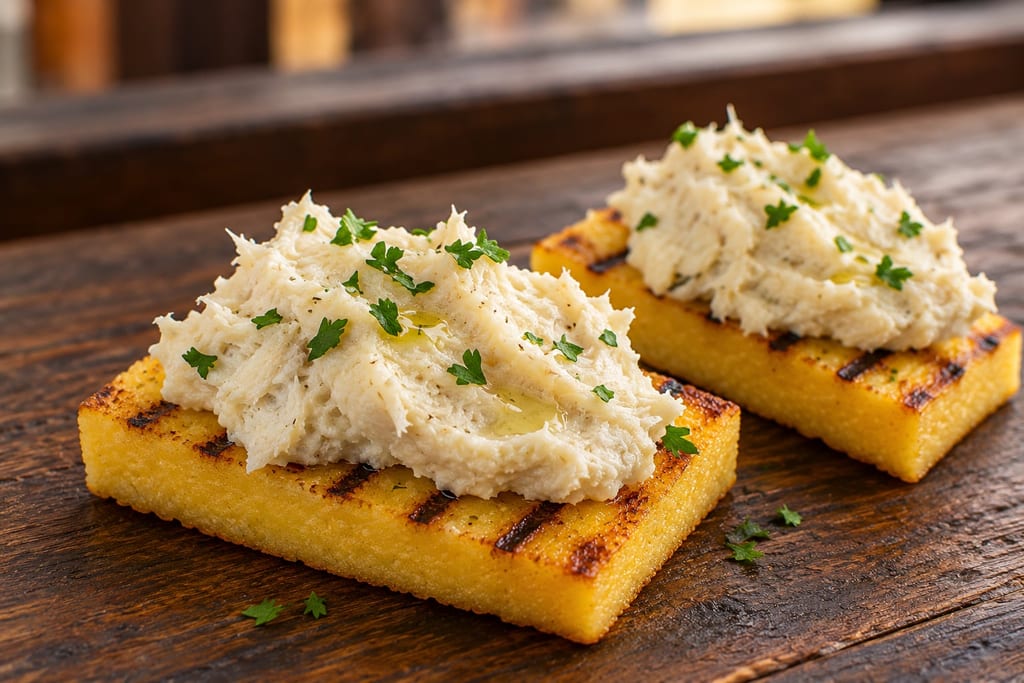
A Venetian cicchetto of cooked unsalted stockfish beaten with oil until it turns into a pale, aerated cream, spooned onto grilled polenta in the city's wine bars.
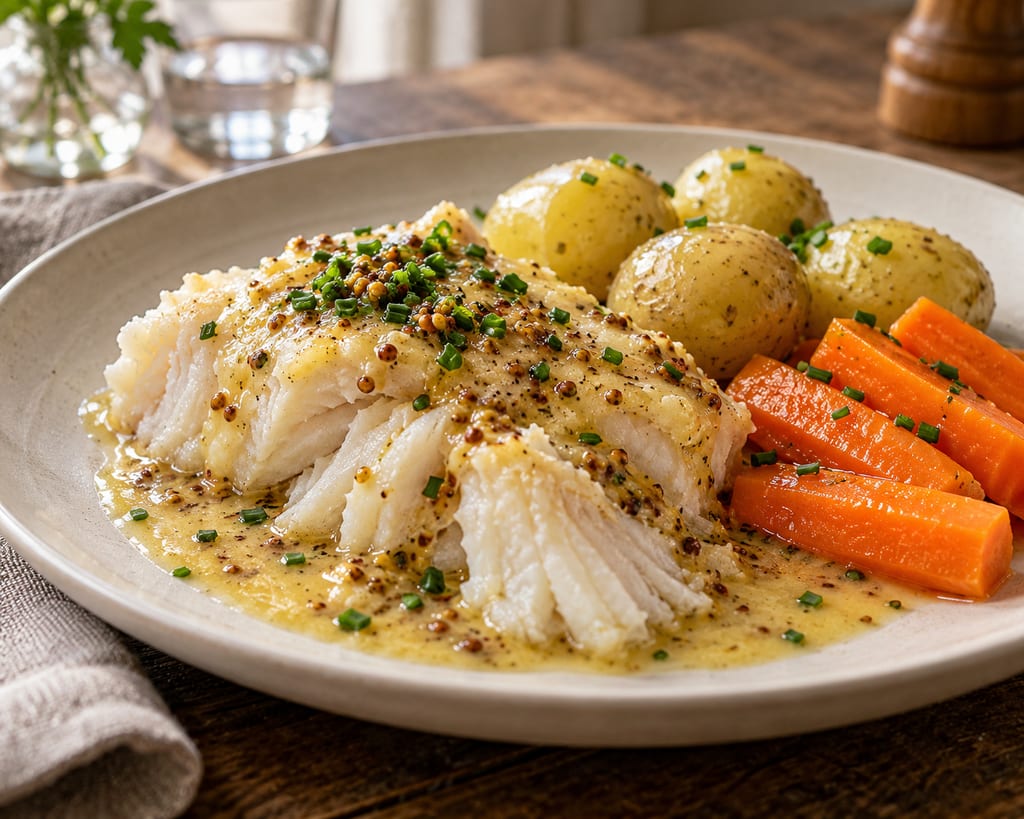
Rehydrated air-dried Norwegian cod simmered until it flakes, served with boiled potatoes and carrots under a wholegrain-mustard butter whisked from the fish's own poaching liquid.
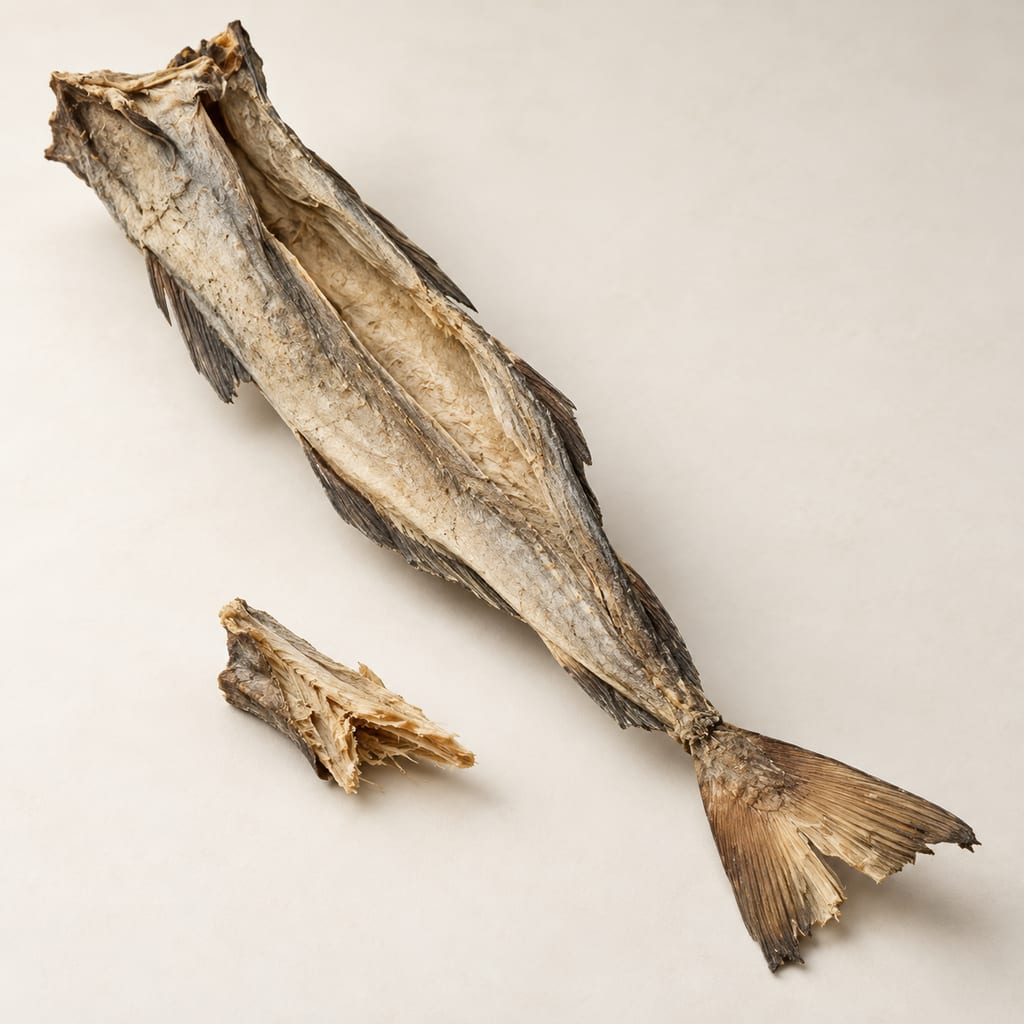
Cod hung on open racks in cold northern air until most of its water has gone, leaving a hard, light, unsalted fish that keeps and travels and must be soaked for days before cooking.
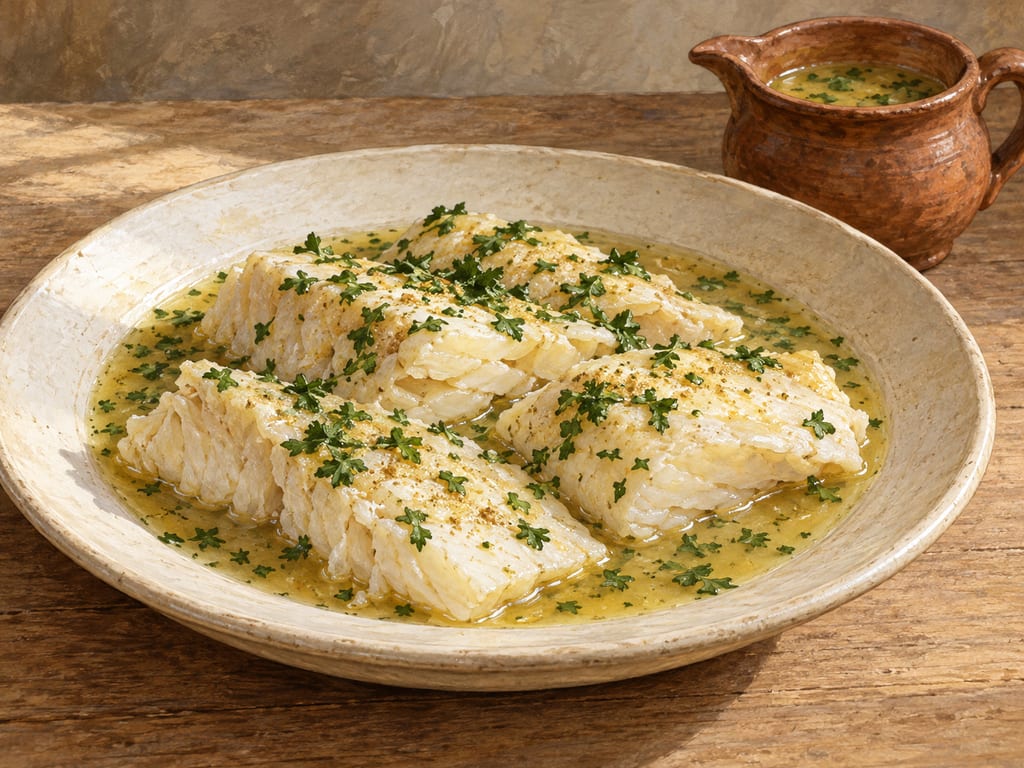
A fifteenth-century English way to serve cooked stockfish: strained fish broth boiled with chopped parsley, powdered ginger and a little verjuice, then poured hot over the fish.
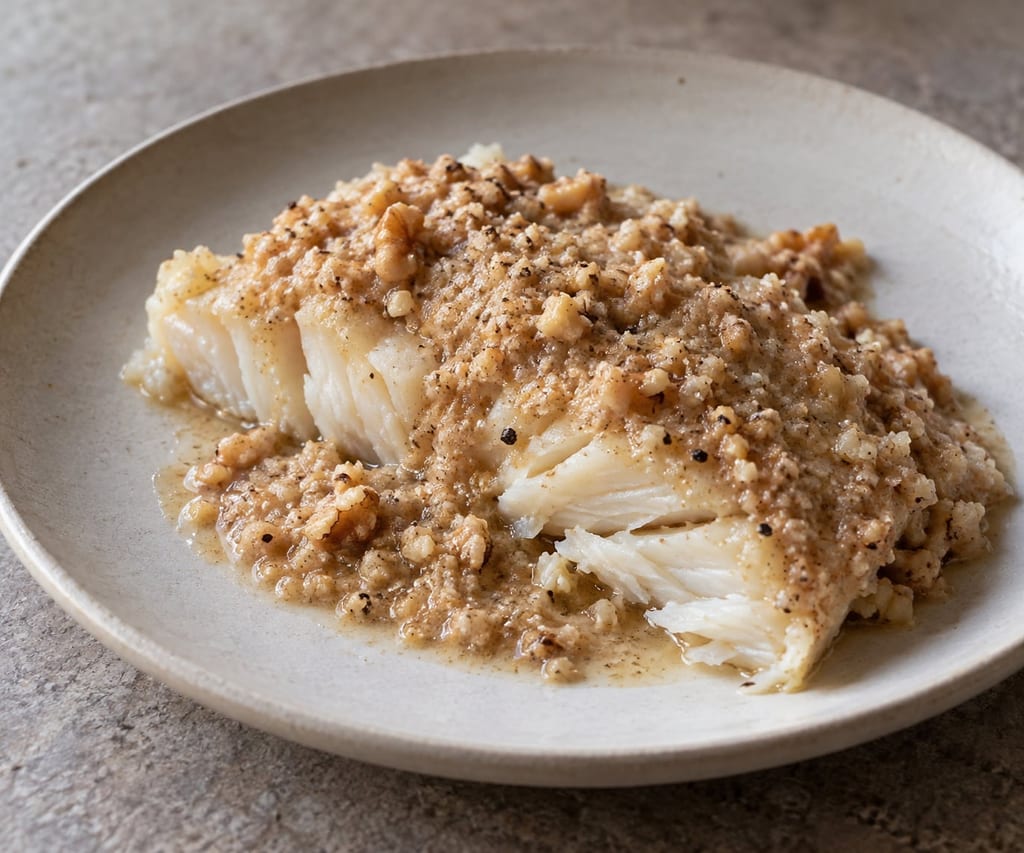
The second stockfish sauce from a fifteenth-century English manuscript: walnuts, garlic, bread, pepper and salt ground in a mortar and loosened with the fish's own broth.
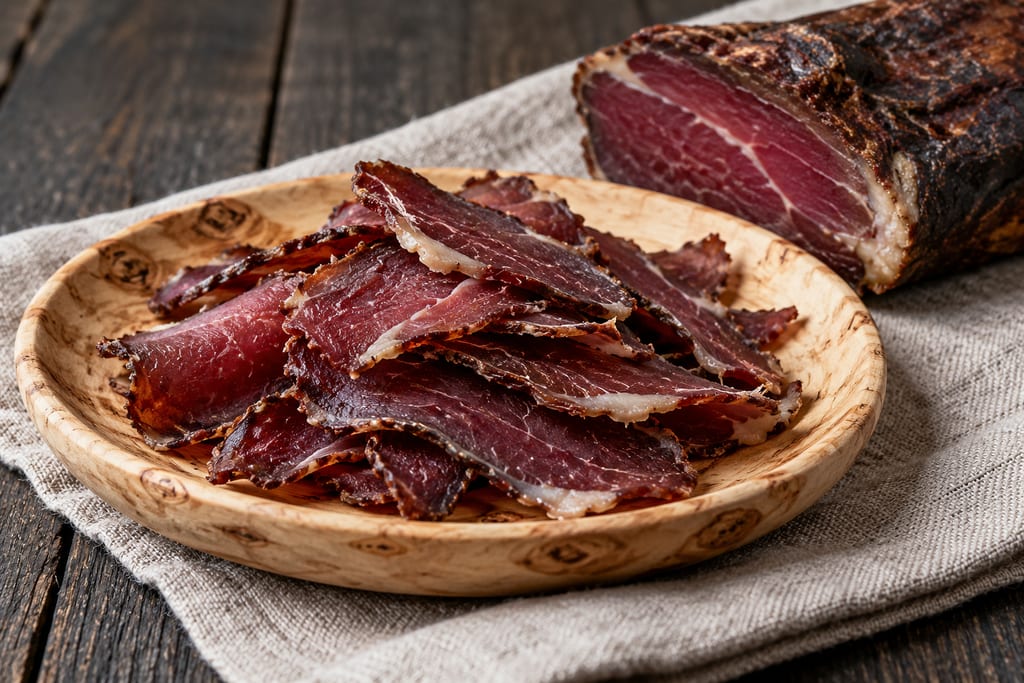
Salted reindeer meat hung in the smoke of a lávvu fire over willow, birch or juniper, then cooled and in some Sámi communities dried outdoors into travelling provisions.
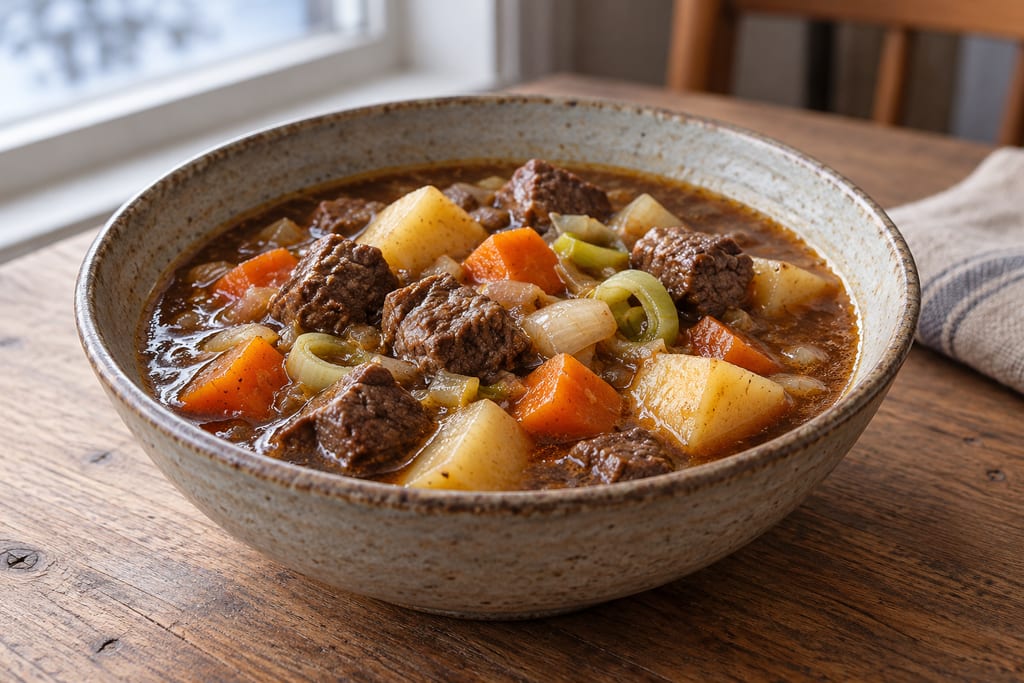
Ann-Kristine Bongo's four-serving bidus from Sami Siida in Alta is a contemporary, festive reindeer stew simmered with onion, carrots and potatoes.
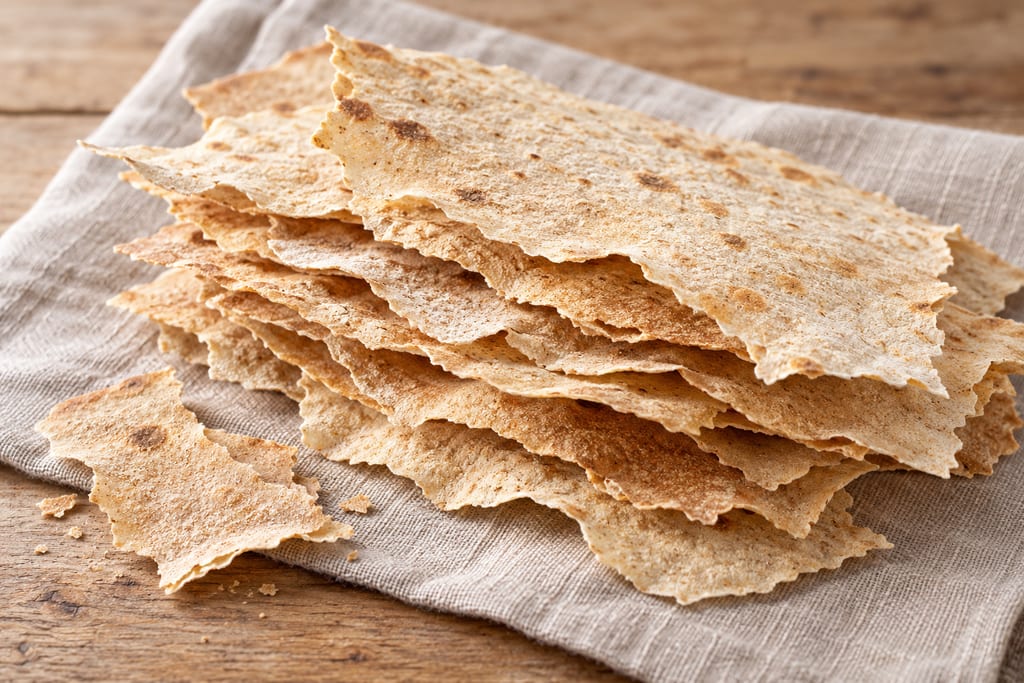
Thin, unleavened Norwegian flatbread made from sifted wheat and oat flours, fine whole rye, salt and water, then rolled with barley flour and cooked on a takke.
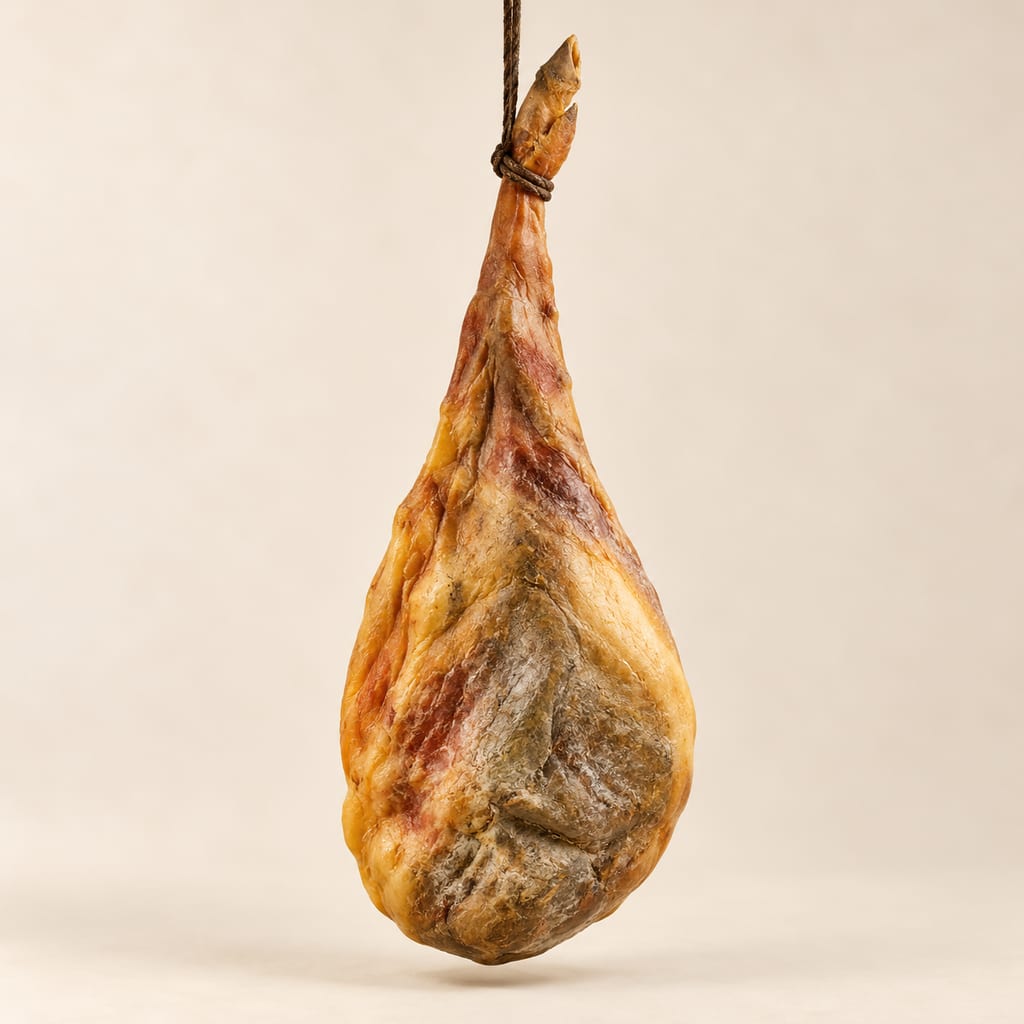
Cato the Elder records a second-century BCE sequence for salting, air-drying, and smoking ham. This historical account is not a validated modern curing protocol.
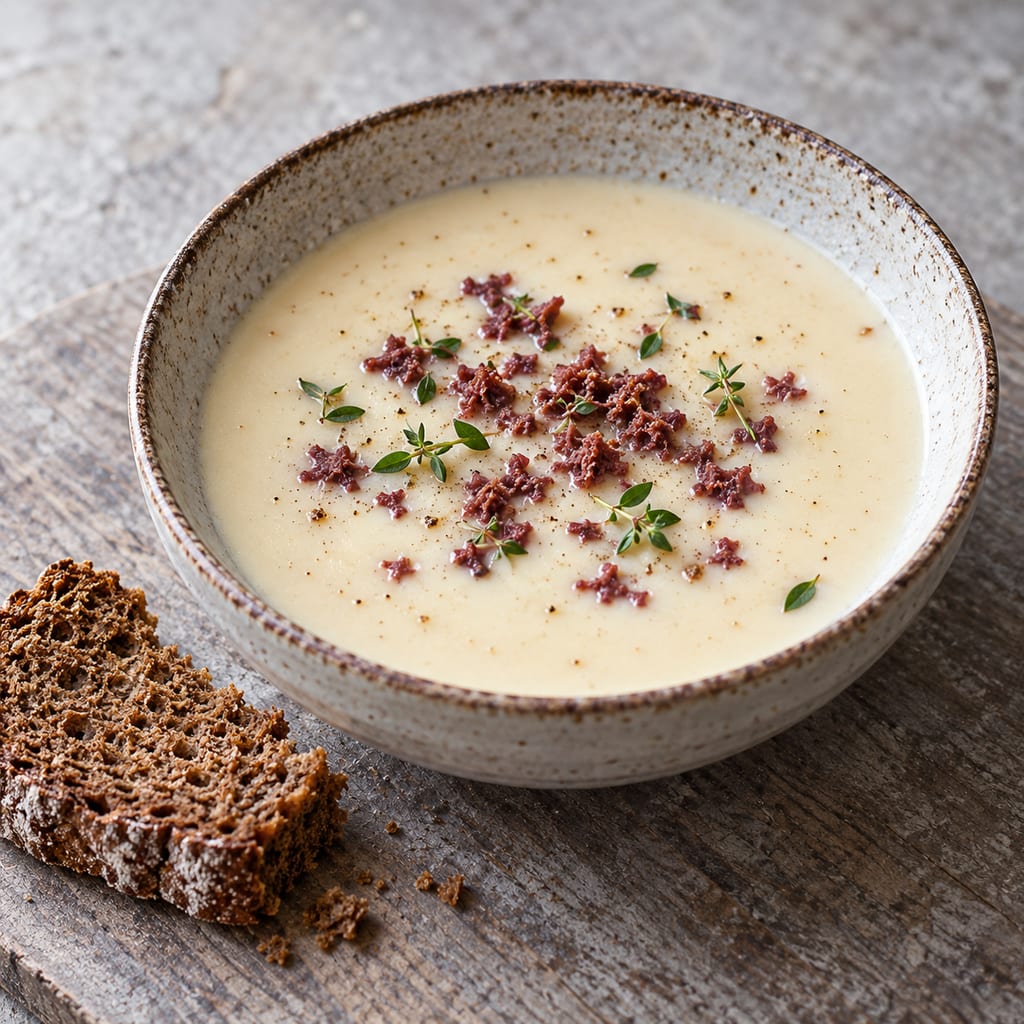
Kylmäsavuporokeitto is a creamy cold-smoked reindeer soup with onion, stock and cheese, served with bread.
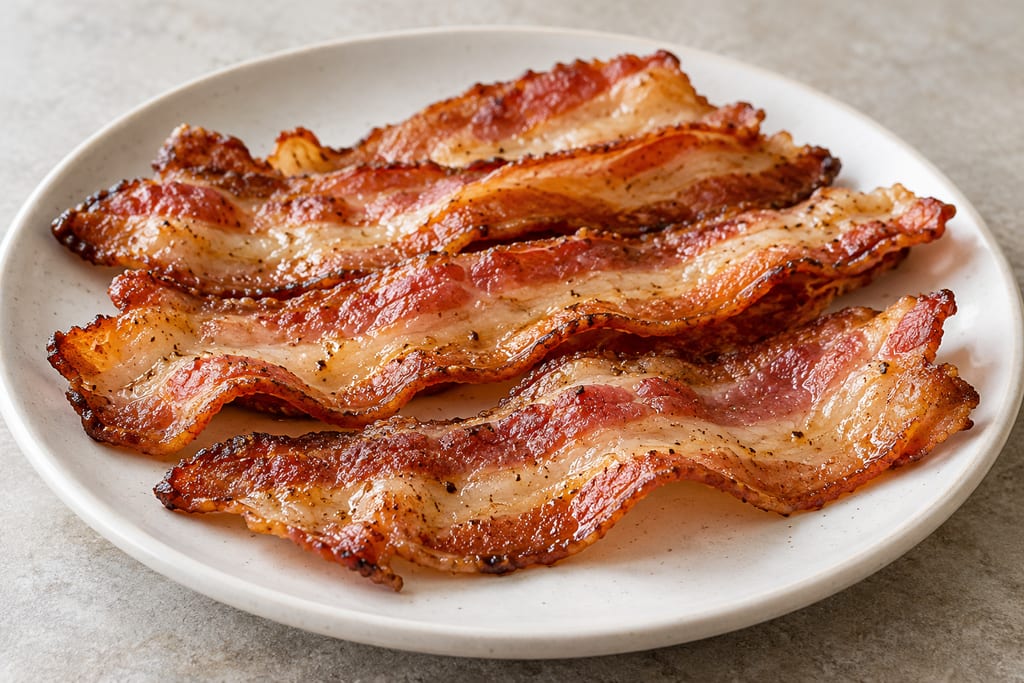
Pork belly receives a measured salt-and-sugar cure with coffee and spices, then is refrigerated before cooking or hot smoking.

Finnish pea soup simmers dried peas with palvikinkku or a vegetable alternative, then is served with mustard and chopped onion.
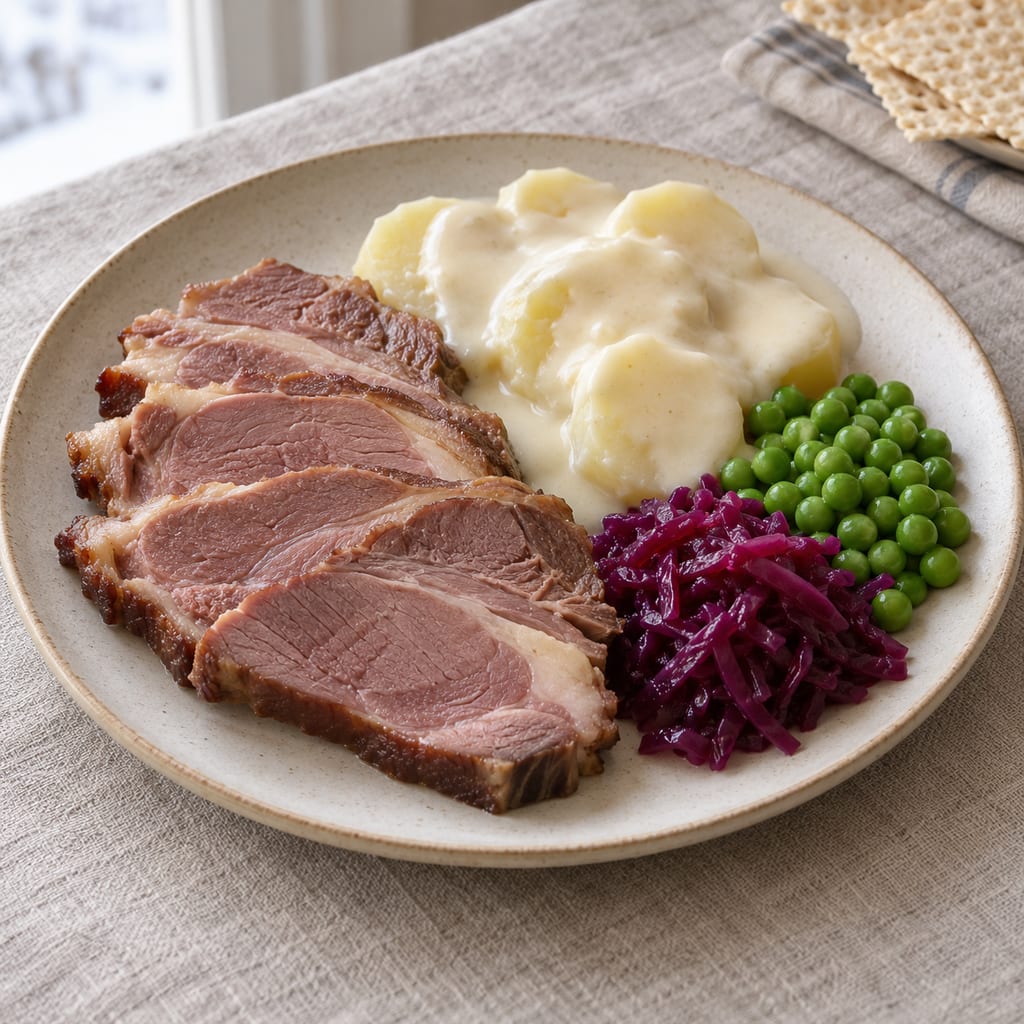
A six-person Icelandic Lamb serving recipe for deboned hangikjöt with potato bechamel, pickled cabbage, peas and laufabrauð. It cooks the product; it does not smoke or cure it.
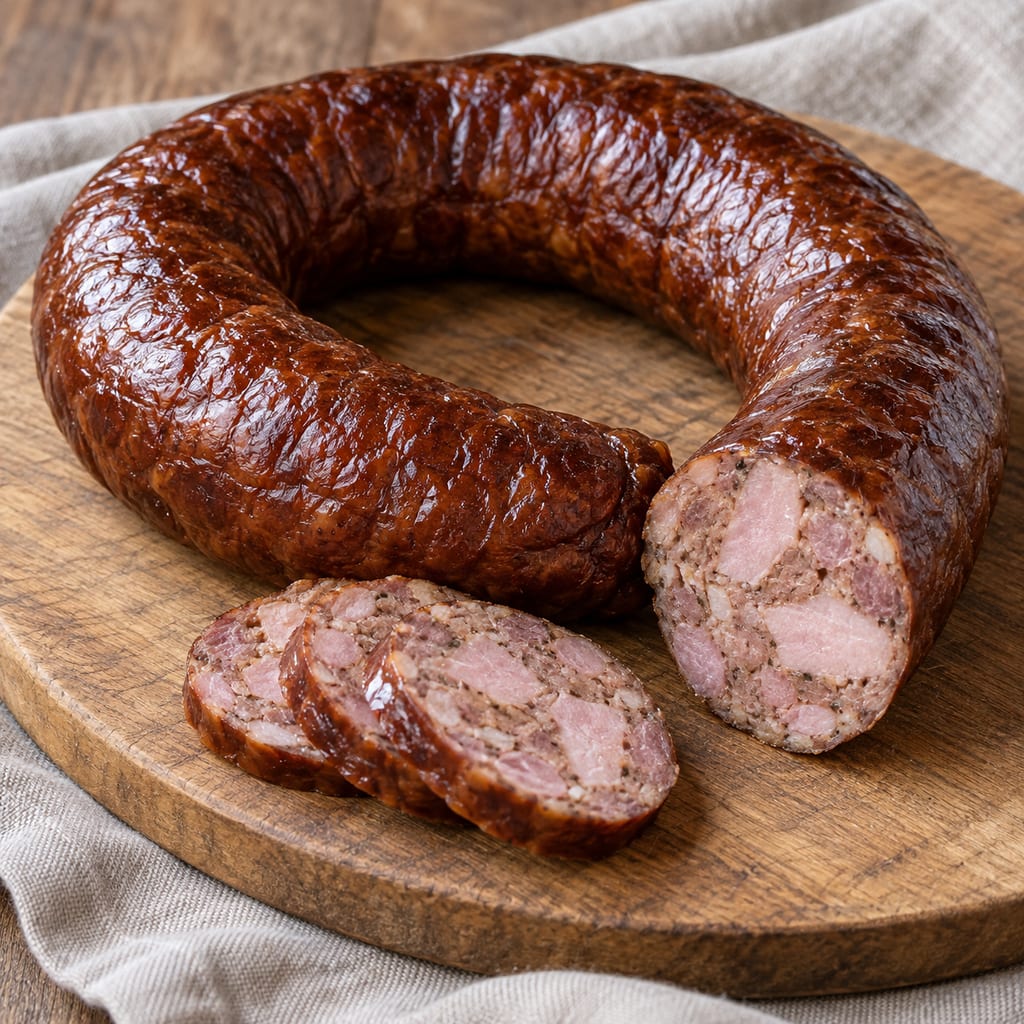
A protected pork sausage associated with Liszki and Czernichów; its application describes commercial curing and smoking, not a home batch.
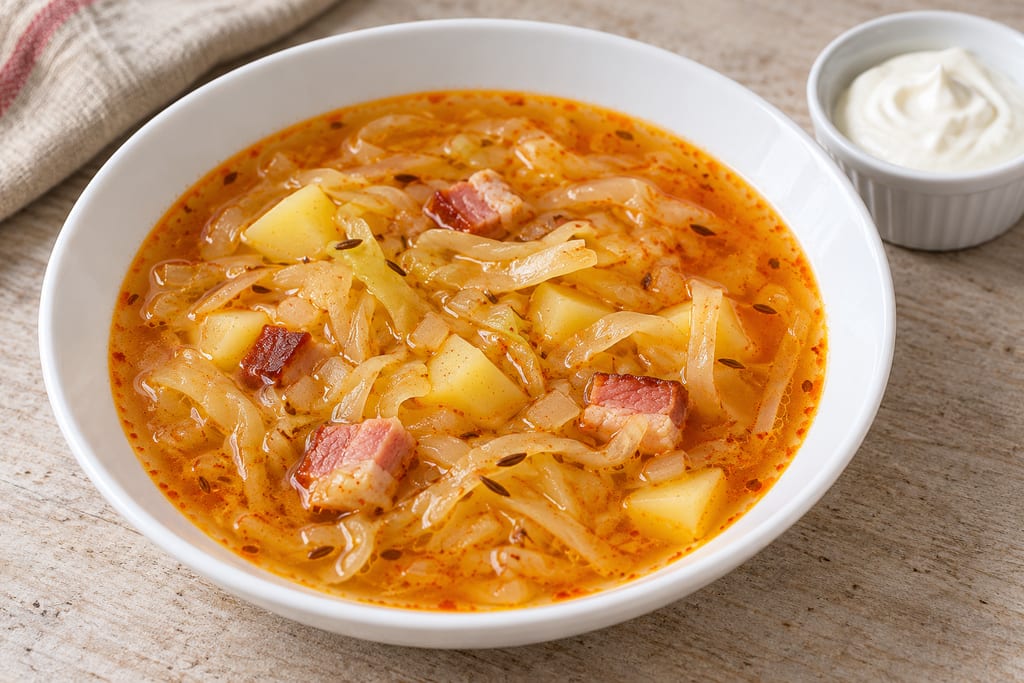
A two-portion cabbage soup with onion, potato and finished Geselchtes, served with garlic sour cream.
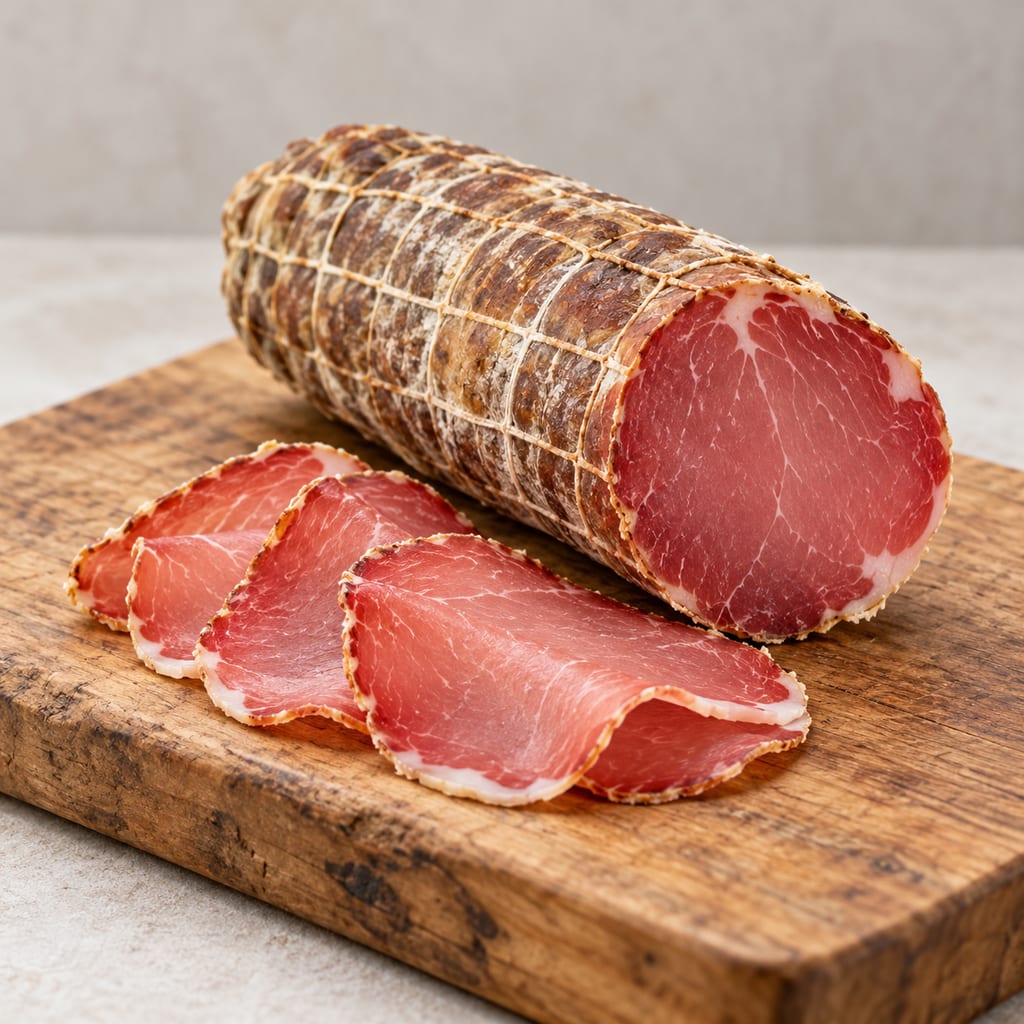
Documentary account of Italian regional cured-loin traditions, including Tuscan and Marche variations; no home-cure instructions are provided because the published professional methods lack validated safety controls.

A gelling polysaccharide extracted from red seaweeds, sold as kanten strips or powder; it sets firm at a low concentration and stays solid until about 85 °C.

A Dominican table and seasoning condiment of sour orange juice, mixed with lime and salt and bottled raw; garlic, oregano or a hot pepper may be added for meat or a spicier bottle.

Cicerbita alpina is an alpine perennial whose tender shoots and leaves have been eaten raw or cooked. Sámi milk preparations and modern Carnian dishes are distinct uses, with serious identification and preservation limits.

Japanese skipjack tuna cooked, then repeatedly smoked and dried over a wood fire by the hand-fired tebiyama method into a hard block for shaving into dashi: the first stage of katsuobushi.

A Swedish-style spirit vinegar made by fermenting neutral alcohol with live vinegar bacteria, with a separate guide to commercial ättika strengths.

A yeast-raised wheat ring shaped from a firm dough, briefly boiled and baked. This source-batch formula gives a gently malted crust and a chewy crumb.

A warm dip of garlic, anchovy and olive oil, often enriched with butter, that Piedmont serves over a flame with raw and cooked vegetables and bread.

Bechamel is a white sauce of milk thickened with a butter and flour roux, one of the French mother sauces, and the base from which Mornay and other cheese and cream sauces are made.
No community contributions have been published for this entry yet.
Sign in to contribute. Published comments and photos are free to read.
North Wild KitchenMethod · Use
Far's Traditional Pinnekjøtt (Lamb Ribs)Cure of one rack with 250 g salt and 10 g sugar for 2 to 3 days.
Hanging for 4 to 6 weeks until a knock sounds hollow.
Overnight soak, then boiling until tender, then an oven finish at 225 °C.
Cited in: Curing, hanging and reading the drying; Soaking and steaming
Store norske leksikonHistory · Geography · Use
PinnekjøttDocumented from the 1700s and probably older.
Regional tradition: strongest in Western Norway.
Explanation of the name from the steaming sticks or the rib bones.
Cited in: A Christmas dish of salted lamb; Why the meat is salted and dried; Serving and variants
WikipediaHistory · Method
PinnekjøttSalted, dried and sometimes smoked lamb ribs.
Steaming over birch twigs.
Served with mashed rutabaga, potatoes and sausages.
Cited in: A Christmas dish of salted lamb; Soaking and steaming; Serving and variants
Lovdata (Norwegian regulation)Process rules · Safety
Forskrift om beskyttelse av Pinnekjøtt fra Norge som geografisk betegnelseSalting within 7 days of slaughter, dry or brine or a combination, no brine spraying.
Optional smoking with wood smoke; liquid smoke flavouring not allowed.
At least 33 percent weight loss and water activity of 0.9 or lower.
Cited in: Curing, hanging and reading the drying
Mattilsynet (Norwegian Food Safety Authority)Safety
Kjøtt og vilt når du er gravidAdvice for pregnant people on cured and raw meat.