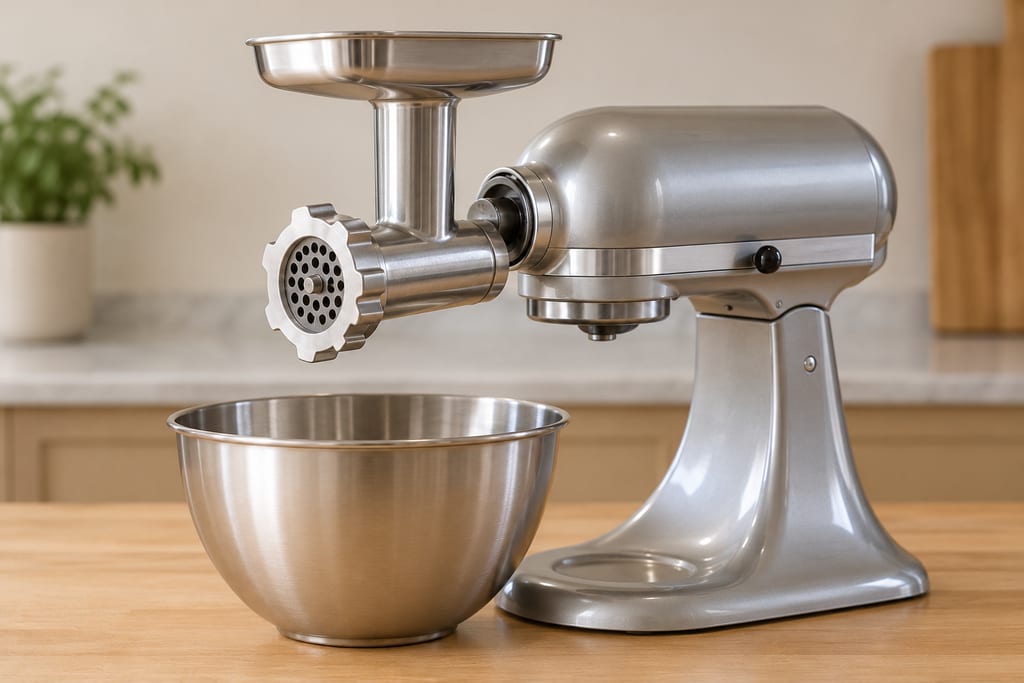
KitchenAid stand mixer and food grinder
A KitchenAid stand mixer can work as a shared powered base for ordinary mixing and a separately fitted food grinder. The hub-driven grinder is a removable attachment, not a grinder built into the mixer.
 FermenteaWhere food goes to change
Sweet-cream butter is made by churning unsoured cream until its butterfat globules join, then draining, washing, salting and packing the butter.
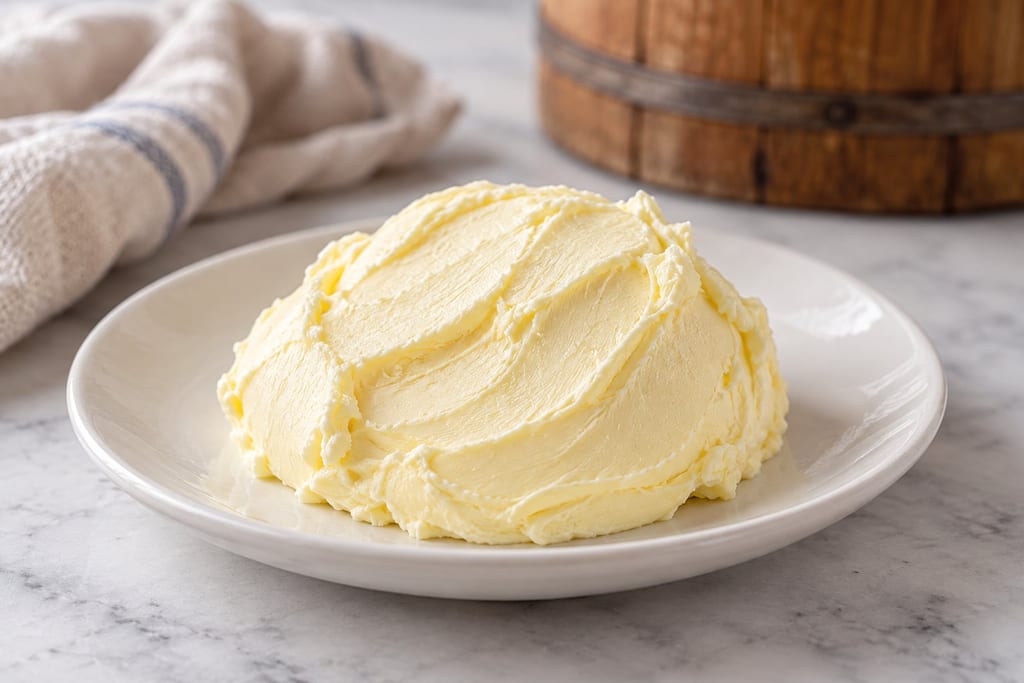
Sweet-cream butter forms when cream is agitated until the butterfat globules join together. The liquid that drains away is buttermilk, but it is the liquid left from churning sweet cream, not cultured buttermilk. Cultured buttermilk is made by fermenting milk with a starter, and the two products should not be confused.
Because the cream is not inoculated, the process depends on the cream and on the churning, not on a starter culture.
The Canadian home-dairy guide specifies pasteurized, non-homogenized cream. Its small batch uses a 4.5 L glass churn filled to half its capacity, which is 2.25 L of cream. The cream starts at 13–16°C.
Churning continues vigorously for about 30–40 minutes. The guide recommends loosening the lid every few minutes to release gas. The endpoint is reached when the butter forms globules about the size of corn kernels. The guide does not give a finished yield.
The buttermilk is drained away first. The butter is then washed with cool water, and the remaining droplets are worked out with a wooden paddle before the butter is drained again.
The guide adds 15 g of salt for every 0.5 kg of finished butter and says the amount can be adjusted to taste. It recommends closable containers, or rolls and blocks wrapped in wax paper. These details belong to the historical batch and are not a validated modern process.
A creator video describes one quart of cream brought to about 62°F and churned in a KitchenAid mixer on low. The archived English captions do not establish a separation endpoint, washing, salt or finished storage, so this account cannot be completed from the captions alone.
The Canadian guide says the butter may be refrigerated or frozen for several weeks but does not give an exact storage temperature. That is historical advice and not a validated shelf life.
The CDC recommends choosing pasteurized dairy as general advice. That recommendation does not validate this batch, its washing or its storage period.
The sources reviewed here do not establish the earliest attestation of sweet-cream butter, its regional origin or any seasonal pattern. The guide is a single household method, not a general history of butter.
The sources give no measured yield and no exact storage temperature, and no qualified process review of this method is recorded.
The method comes from a Canadian home-dairy publication copyrighted in 1978 and reprinted in 1981. The inspected sources do not date sweet-cream butter or say where it began.
Scaling: source batch only
Butter handled, washed and packed by hand is open to contamination; the sources give no measured limit for it.
Hazard sourceChoose pasteurized dairy, as the CDC general advice recommends.
Control sourceThe guide says refrigerated or frozen butter keeps for several weeks; that is historical guidance, not a validated shelf life.
A Canadian home-dairy publication; it does not establish where the practice began.
A KitchenAid stand mixer can work as a shared powered base for ordinary mixing and a separately fitted food grinder. The hub-driven grinder is a removable attachment, not a grinder built into the mixer.
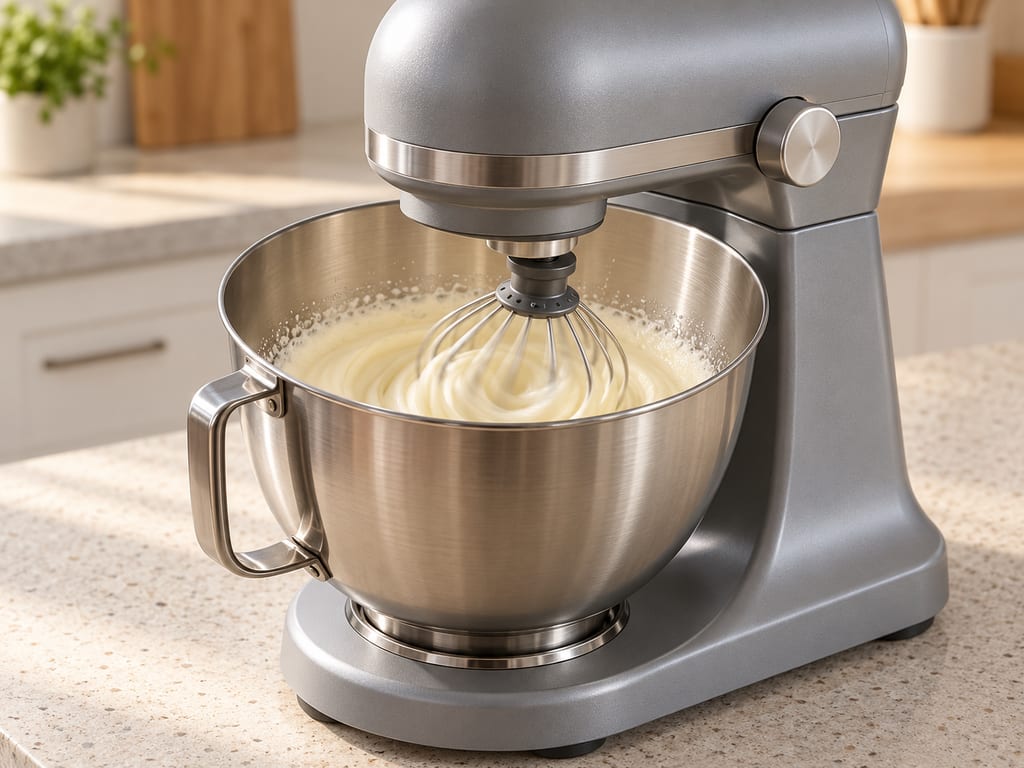
A stand mixer is a powered mixing machine built around a stationary base, a supported bowl and a driven beater or other tool. It can stir, beat, whip and knead; particular models may also accept separate accessories for other jobs.
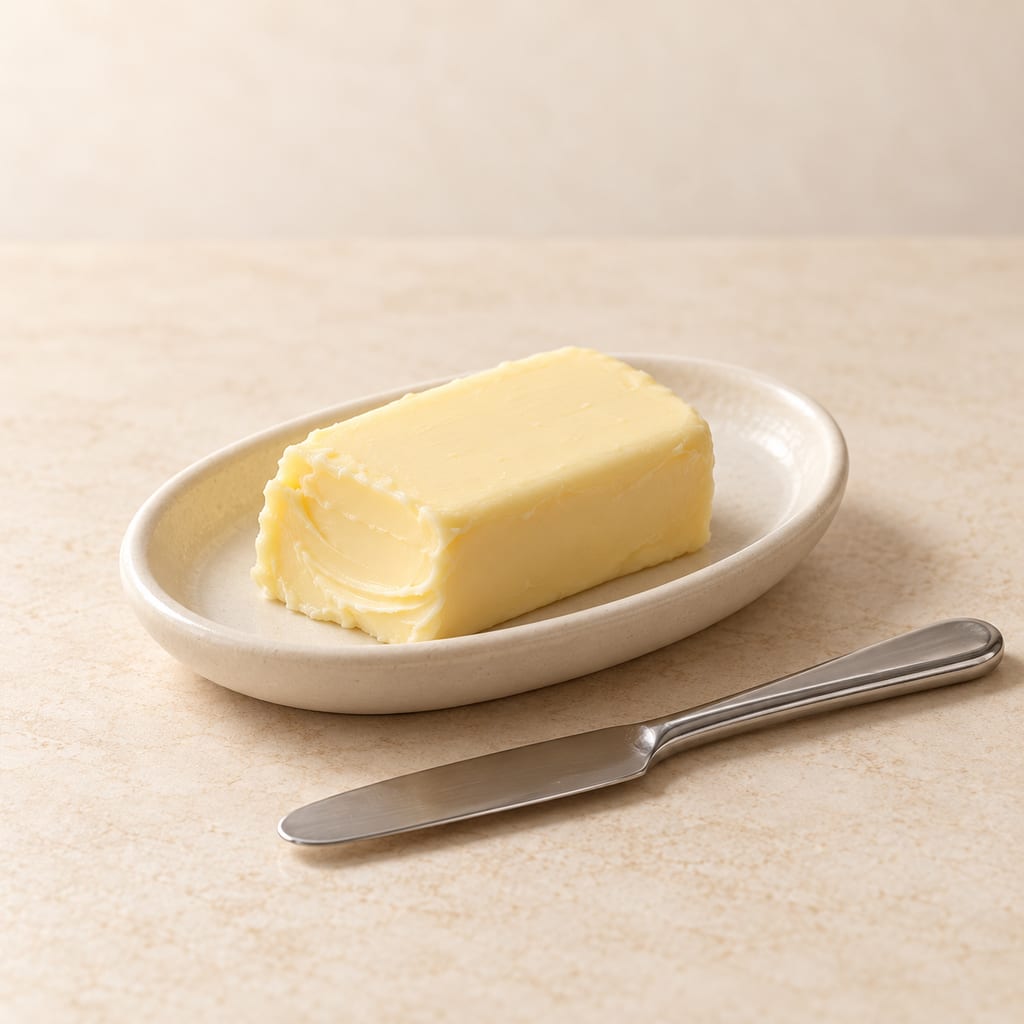
Cultured butter is churned from cream soured with lactic cultures. Its lightly tart flavour comes from the cultured cream, which separates into butter grains and buttermilk.
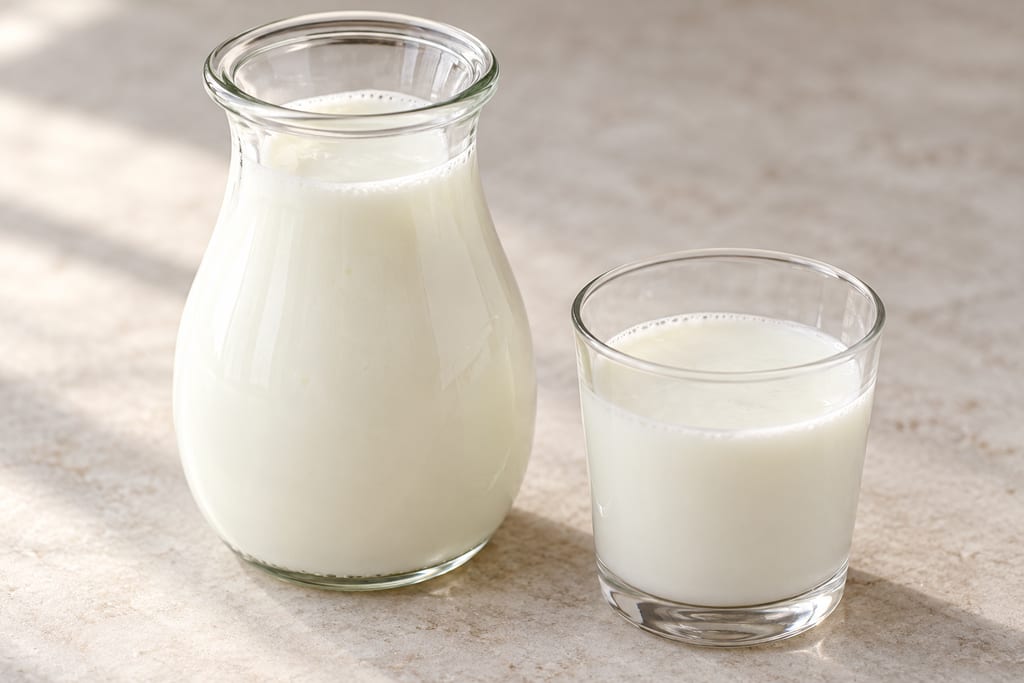
Cultured buttermilk is skim milk soured with a lactic starter into a tangy drink. This Canadian home method sets the milk without churning cream.
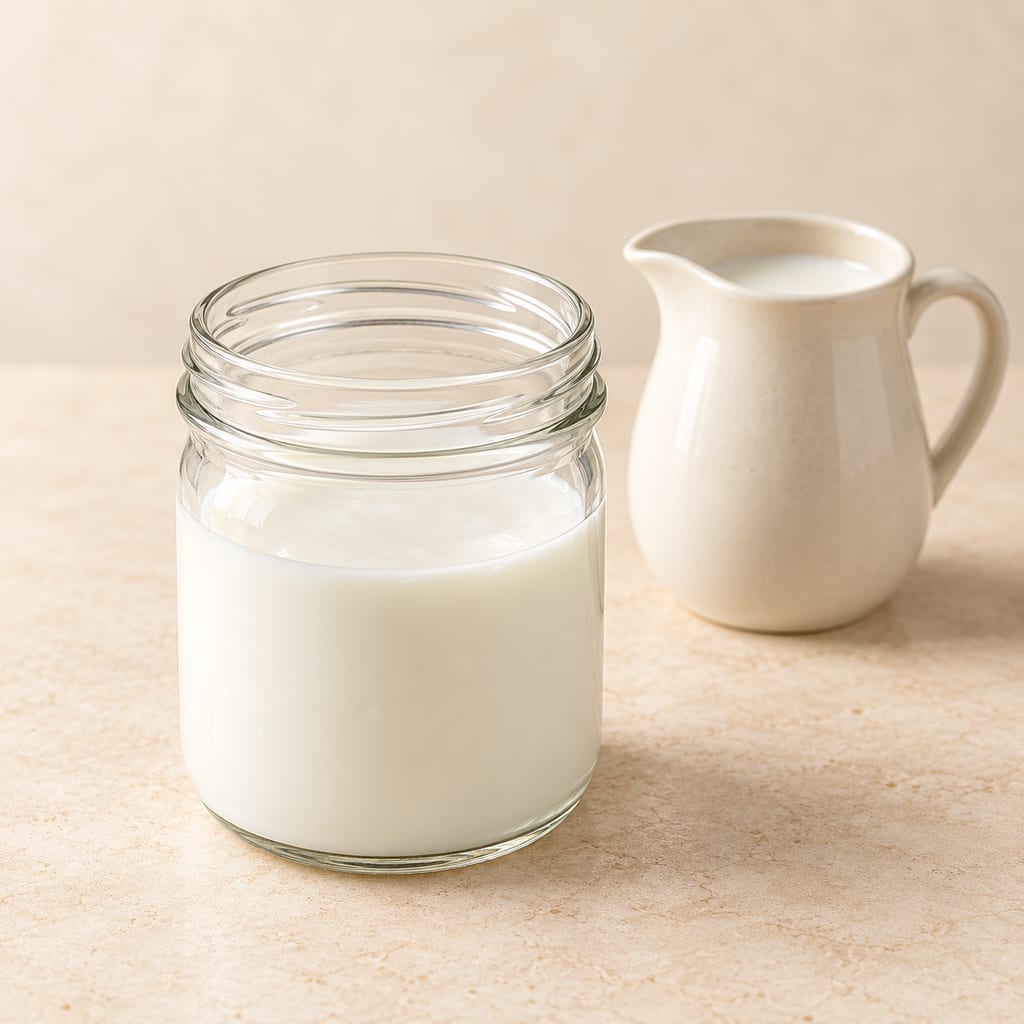
Set yogurt keeps the milk’s cultured gel intact in its final container. This Canadian home method follows the same heating and inoculation as stirred yogurt, without the final stirring.
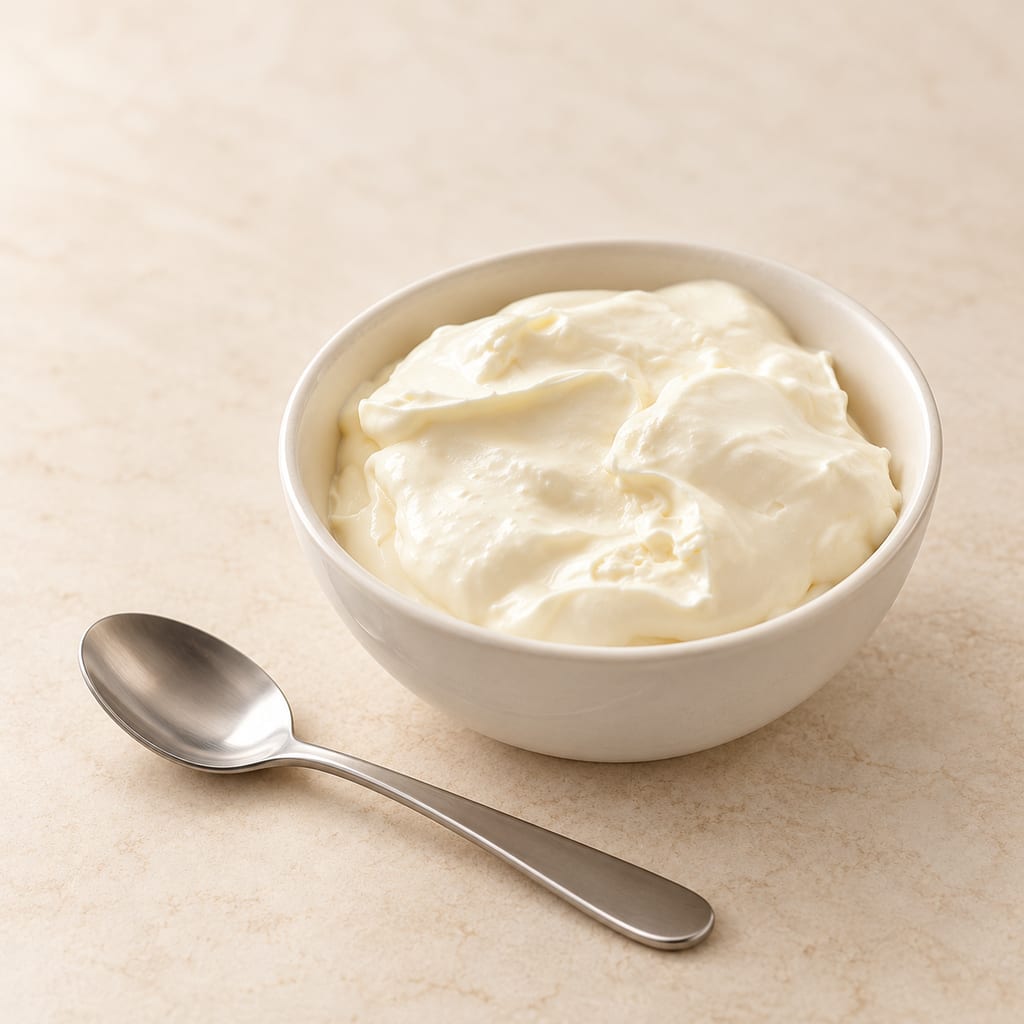
Sour cream is light cream thickened and soured by a lactic starter. This Canadian method uses homogenized cream and lets the gel form in its storage container.
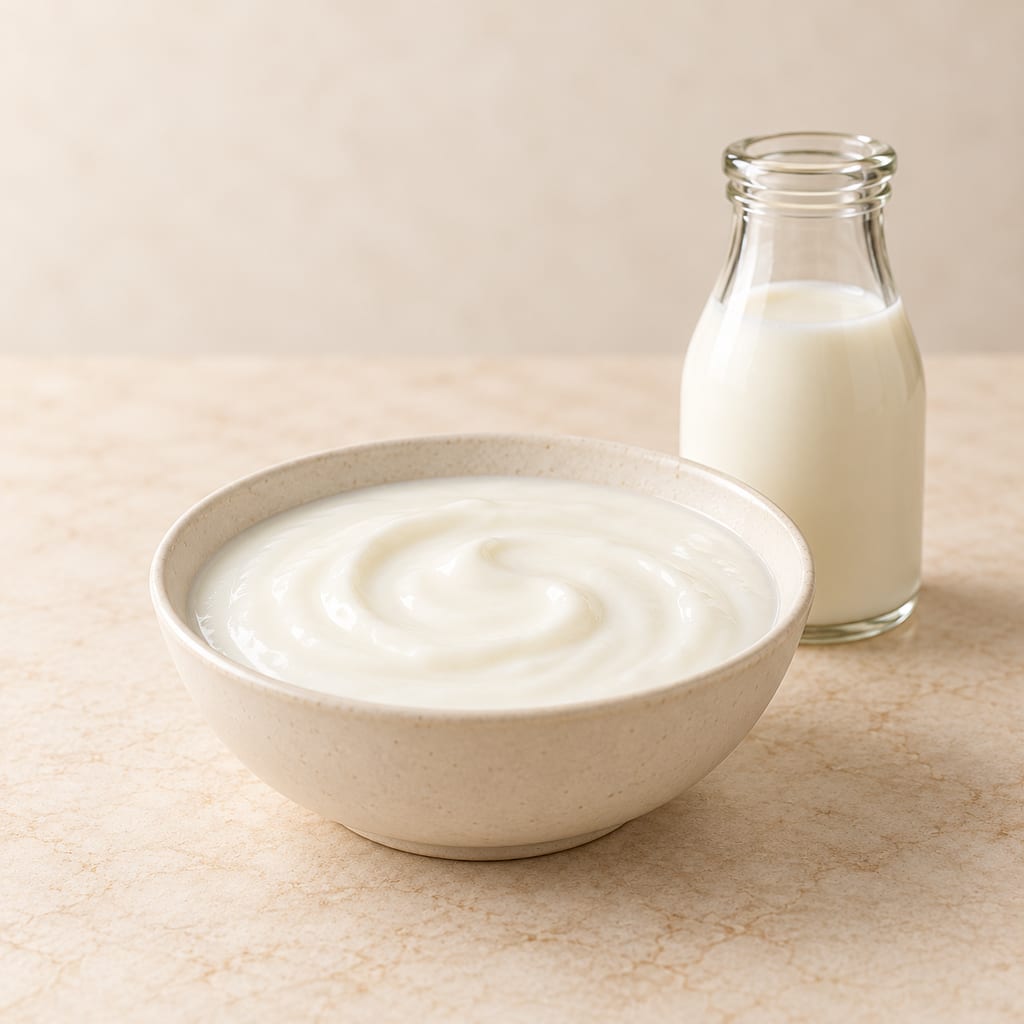
This plain yogurt is heated, cultured warm and stirred smooth after chilling. A Canadian home method uses fresh plain yogurt to start the lactic fermentation.
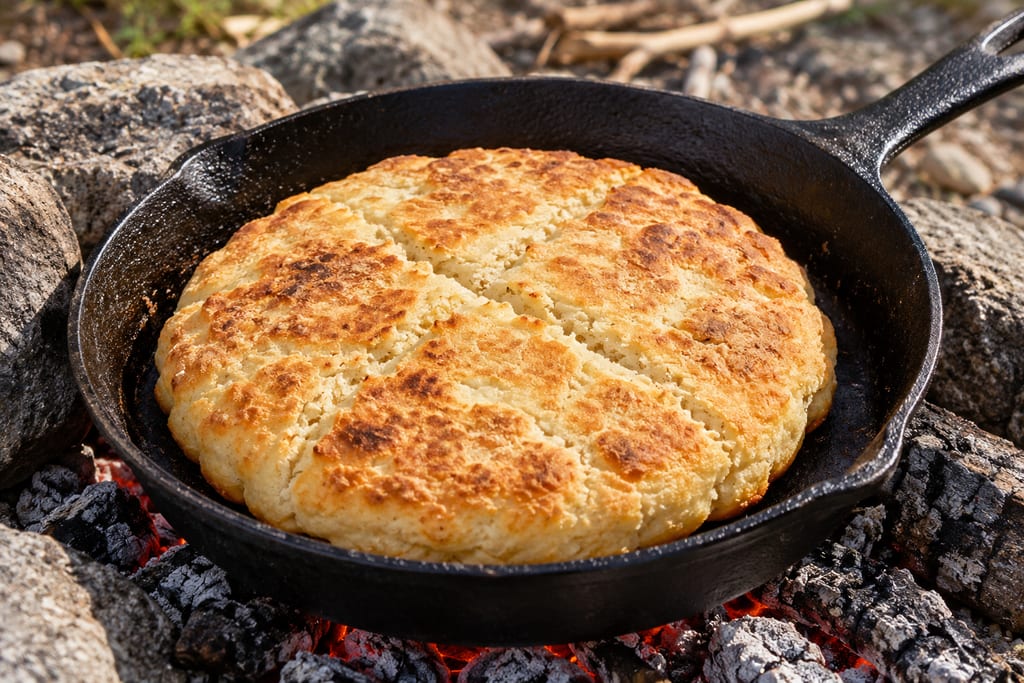
This flour, baking-powder and oil dough is Parks Canada’s contemporary Métis-interpreter version prepared at Rocky Mountain House; its specific recipe origin is unknown.
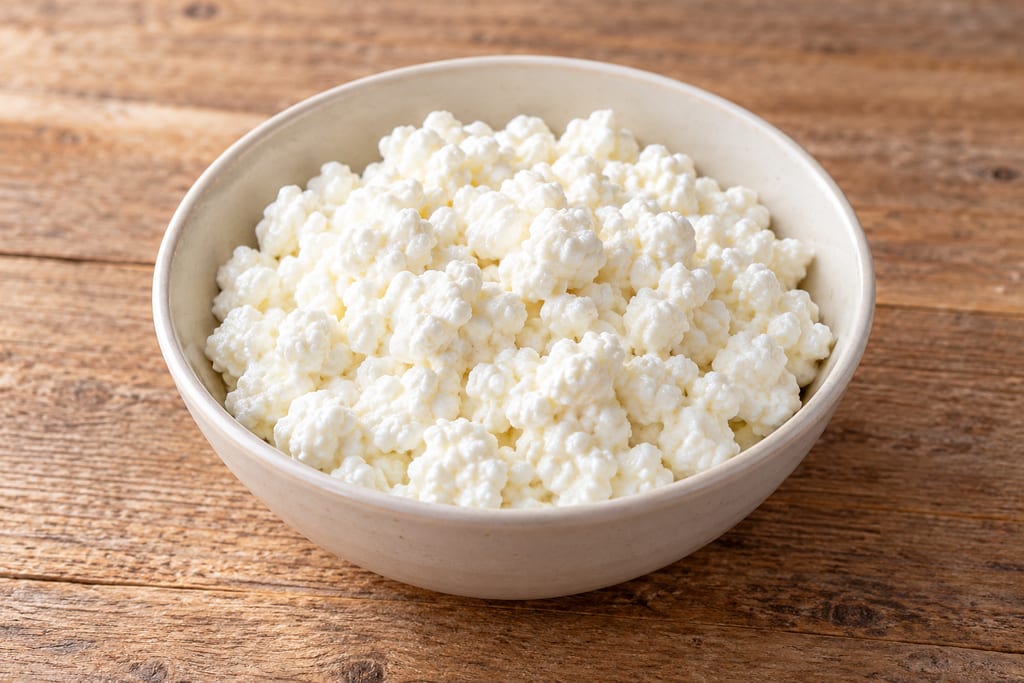
Skim milk is cultured slowly, cut into curds, warmed and drained to make fresh cottage cheese. Cold-water washing softens its flavour before cream and salt are added.
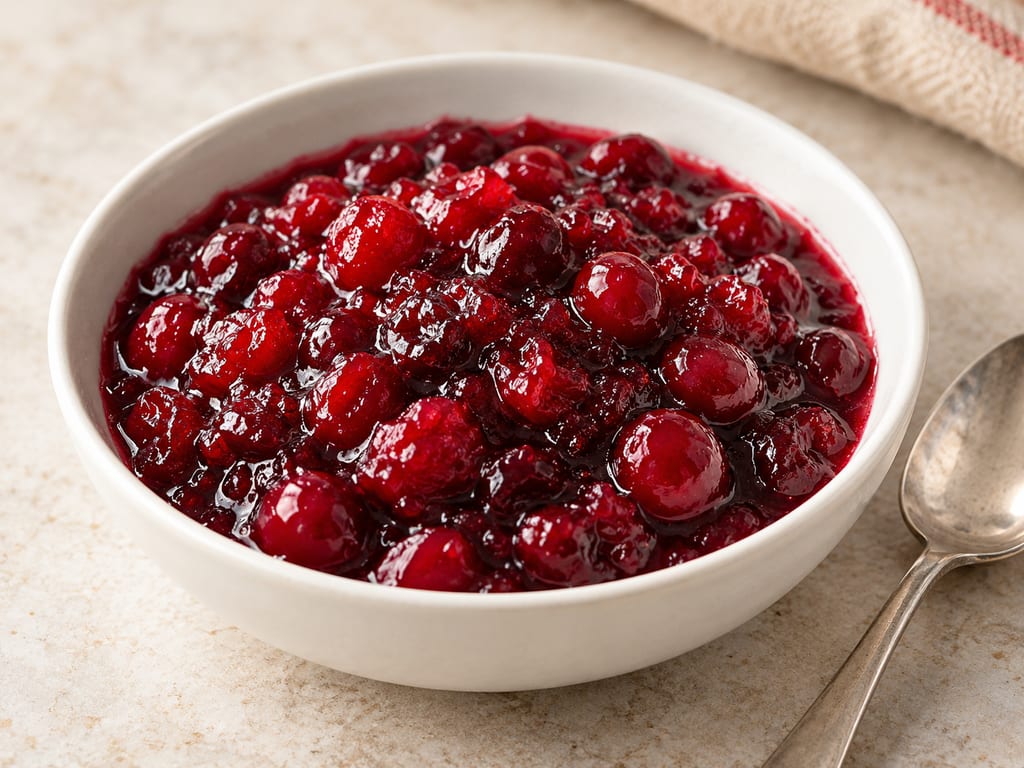
Cranberry sauce is a sauce of cranberries cooked in sugar syrup until the berries burst and thicken, served with roast turkey, pork, chicken and ham.
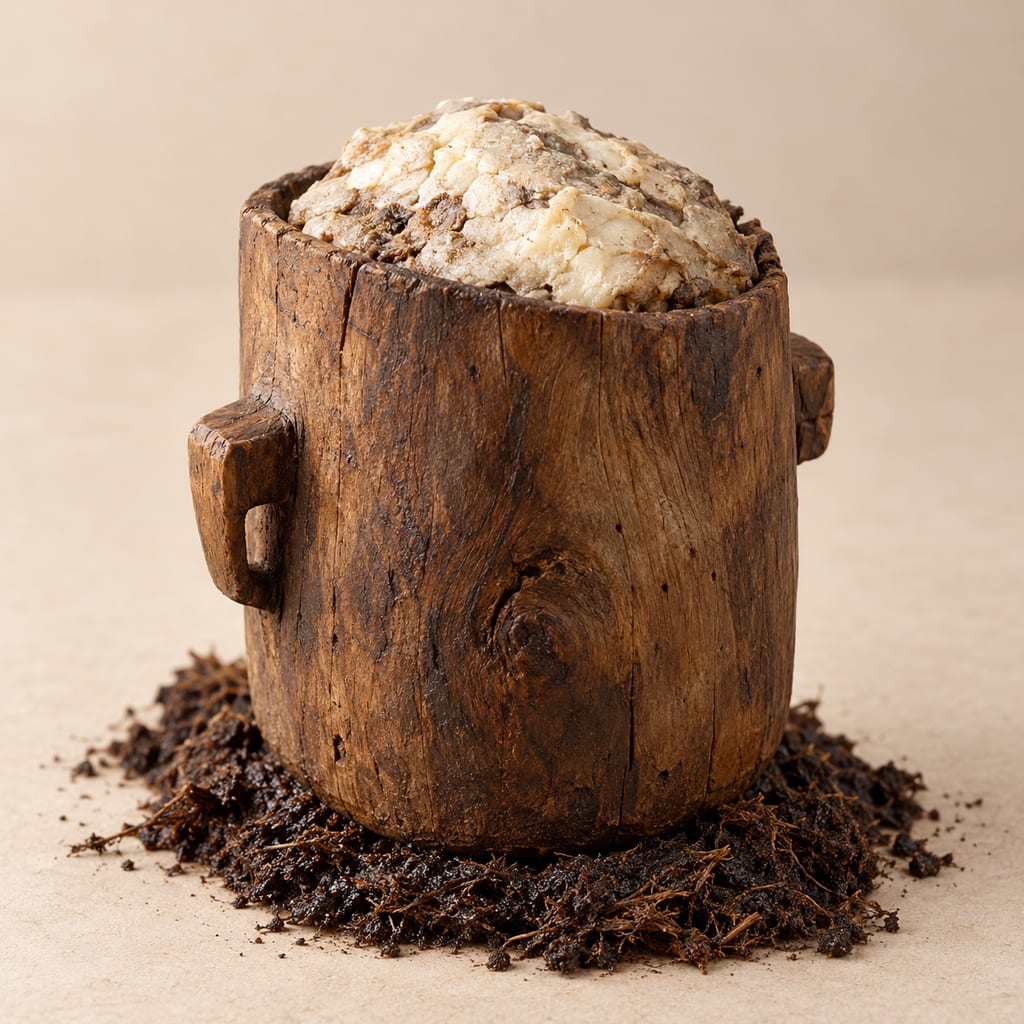
Butter packed into wooden containers and buried in cool, wet peat in Ireland and Scotland, a practice known from finds that may reflect storage, concealment or ritual.
No community contributions have been published for this entry yet.
Sign in to contribute. Published comments and photos are free to read.
Agriculture Canada; J. A. Elliott and D. B. EmmonsMethod · History
Home-made dairy products, Publication 1669Pasteurized non-homogenized cream churned until butterfat globules join; buttermilk drained off.
Small batch: 4.5 L glass churn half filled with 2.25 L cream, started at 13–16°C, 30–40 minutes of vigorous churning, lid loosened every few minutes, endpoint about corn-kernel-sized globules; no finished yield given.
Washing with cool water, working out droplets with a wooden paddle, 15 g salt per 0.5 kg butter adjustable to taste, closable containers or wax-paper rolls and blocks; refrigerated or frozen for several weeks without an exact temperature.
Cited in: What the churn separates; The historical small batch; Washing, salting and packing; Keeping and safety; Origin and limits of the evidence
Centers for Disease Control and PreventionSafety
How Listeria Spread: Soft Cheeses and Raw MilkCDC recommends pasteurized dairy as general advice; this does not validate a batch or its shelf life.
Cited in: Keeping and safety
Homesteading FamilyMethod
How She Makes All Her Dairy in 2 Hours! (Homemade Cheddar Cheese, Yogurt and more)Creator caption: one quart of cream brought to about 62°F and churned in a KitchenAid mixer on low; separation, washing, salt and storage not established by the inspected passage.
Cited in: A mixer account from a creator