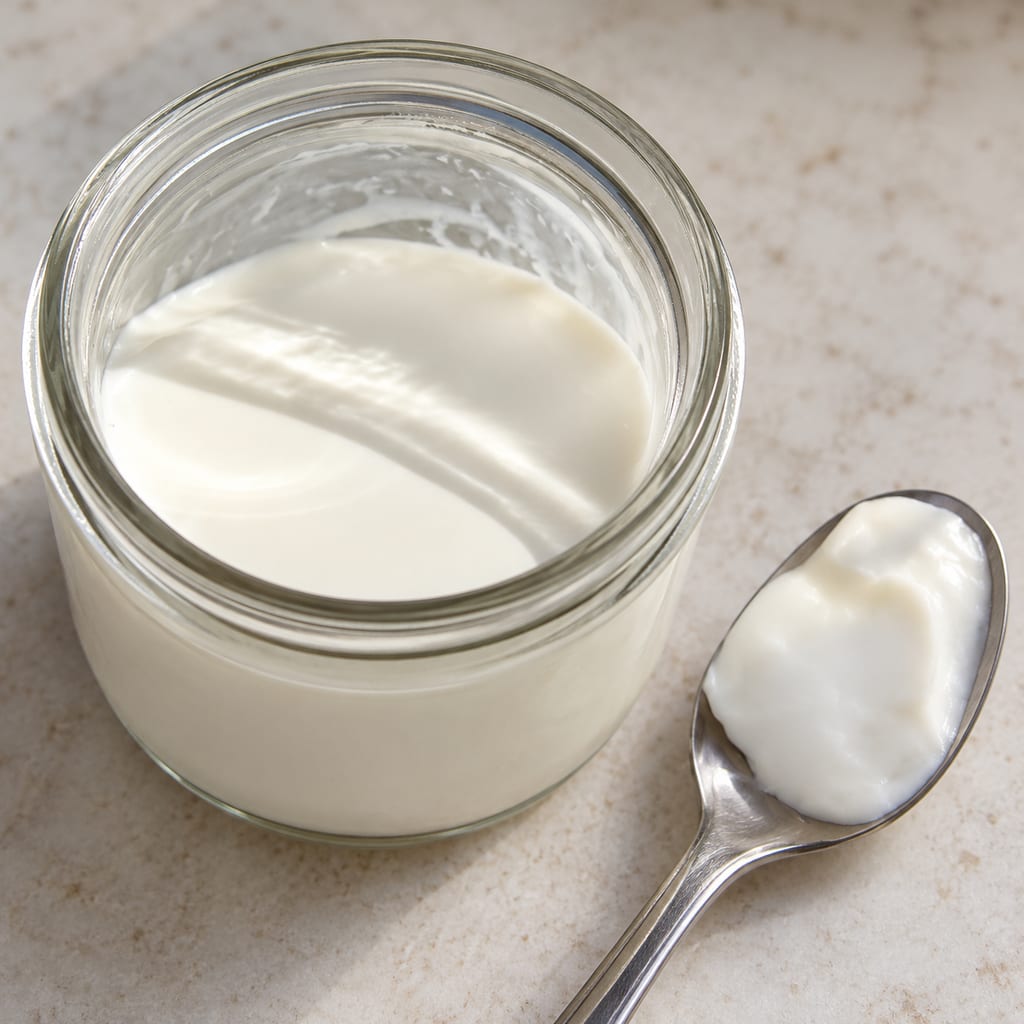
Actively growing dairy starter culture
A dairy inoculum grown before use to direct souring in household cheese, including acid-set and rennet-set preparations.
 FermenteaWhere food goes to change
Modern method
Cottage cheese
Skim milk is cultured slowly, cut into curds, warmed and drained to make fresh cottage cheese. Cold-water washing softens its flavour before cream and salt are added.
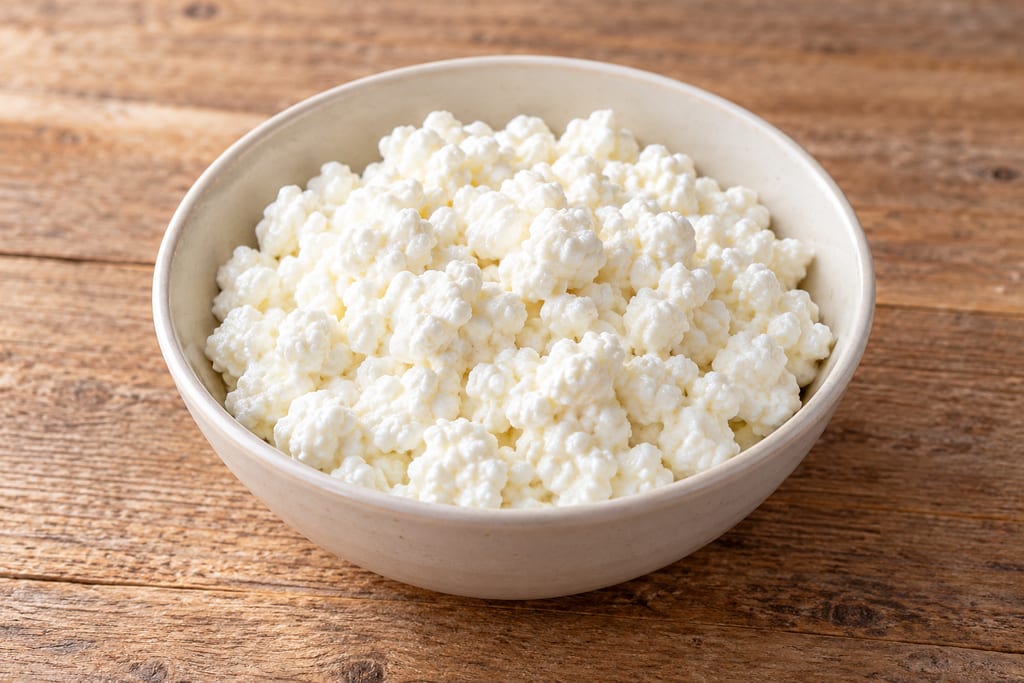
Cottage cheese is a fresh cheese whose curds remain visible rather than becoming a ripened wheel. A spoonful can contain small, moist pieces, larger grains or a softer mass worked together with cream. Its mild acidity and pale colour leave room for both savoury and sweet accompaniments. The curd and its dressing contribute different things: the curd supplies the cheese’s structure, while added cream moistens and enriches it.
The long-set preparation here starts with pasteurized skim milk and an active dairy starter. Acid develops during the set, the gel is cut, and gradual warming helps whey leave the pieces. Washing is a choice that changes flavour. Cream and salt are added after drainage, and the cheese goes into small containers for immediate refrigeration.
That sequence makes a cheese with several points of adjustment. The set establishes the first gel; cutting and cooking develop the grains; washing changes what surrounds them; dressing brings some richness back to a skim-milk curd. The result depends on those operations as well as on the starting milk.
An 1831 issue of The Lady’s Book includes a small glass dish of curds in a story called “Country Lodgings.” The narrator calls the food smear-case and reports that the hostess calls it cottage-cheese. It appears beside bread, crackers, cakes and dried beef at tea. The scene is sharply critical of the lodging house’s hospitality, but the curd dish is recognizable enough to need no recipe explanation.
This is evidence that the two names overlapped in that setting. It neither identifies a first maker nor establishes a universal formula. The dish is part of an American household scene, rather than a claim about an ancient or precisely located origin.
Eliza Leslie’s Complete Cookery, in its 1853 edition, also connects cottage cheese with Smear Case. Her recipe drains a sour-milk curd in a pointed linen bag, works it with rich cream, and adds salt and butter. The finished mixture is held cold until tea time. She describes a soft, thoroughly worked food rather than insisting on the separate, even grains familiar in many current tubs.
Leslie also permits sweet milk curdled with rennet. The name already accommodated more than one route to curd formation in that household cookbook.
The starting skim milk matters historically as well as technically. Removing cream leaves a milk that still contains proteins and milk sugar. Turning it into curd provides another food from the dairy supply, alongside the cream or butter already obtained from it.
In their 1925 USDA bulletin, Kenneth J. Matheson and Jessie M. Hoover promoted cottage cheese as a household use for skim milk that might otherwise feed farm animals. They offered both small home methods and more elaborate methods for selling cheese. Their argument concerned the management of an existing milk supply: fresh curd could become family food or a product for a local market.
A Canadian commercial circular issued in 1938 likewise presented cottage cheese as an outlet for surplus skim milk. Its concern extended beyond making a curd to maintaining separate particles, adding cream, packaging and prompt distribution. Glass jars, tumblers and waxed paper cups connected the dairy’s handling of the cheese with the form in which customers bought it.
The later Agriculture Canada household method brings the work back to a small kitchen batch. These publications document changing uses and scales of production. They show officials teaching people to make and sell cottage cheese, rather than dating the beginning of the food itself.
The home booklet gives about 100 g of cheese from a litre of milk as a general estimate for the methods that follow. That indicates the scale of the work; it is not a measured yield for this particular cottage-cheese batch.
The dairy starter produces lactic acid as its organisms use milk sugar. As acidity rises, the casein particles in milk change their interactions and form a connected network. Water and some other milk components remain held within that structure. Milk that flowed freely can therefore become a set curd without an added dose of rennet.
Acidification changes both electrical interactions between the proteins and the mineral balance associated with them. Temperature and the rate at which acid develops also influence the gel. The familiar phrase “the milk has set” describes a visible result of several connected chemical and biological changes.
An acid gel is only the beginning of this cheese. It contains much more liquid than the final drained curd. Cutting, warming and drainage turn that gel into pieces that can be handled and dressed. Those later stages remove liquid physically; they do not merely continue making the milk sour.
The starter is consequently a working ingredient. Its small volume does not reflect its importance to the transformation. Skim milk supplies most of the batch, while the starter initiates the acid development that makes the subsequent curd treatment possible.
The selected home method uses a long set with a small volume of active culture. This places much of the elapsed time before cutting. The cook needs somewhere that can maintain the specified milk temperature, then needs to return for the more active work of cutting, heating and draining.
Other cottage-cheese methods use a small addition of rennet as well as starter. Rennet provides a milk-clotting enzyme, which changes the proteins through a different mechanism from acid production. In commercial cottage cheese, it firms the curd and encourages whey release.
The 1938 Canadian circular sought distinct grains that would retain their shape when mixed with cream. That commercial aim helps explain its rennet-assisted make. It is a different process from the long-set home version, whose ingredient list contains no rennet.
Setting time alone therefore does not identify the whole method. A recipe can vary starter activity, milk temperature and enzyme use, then handle the curd differently afterward. To understand a cottage cheese, follow the entire make from the milk through to dressing, rather than judging it by how quickly the first gel appears.
The home method cuts the gel into approximately 15 mm strips or cubes, then allows a short rest. A knife turns one large mass into many pieces with exposed surfaces. Liquid has a shorter route out of the gel, and whey begins collecting around the curd.
Cheesemakers call contraction of the curd and the accompanying release of whey syneresis. It is central to the change from a set vessel of cultured milk into cheese grains. The curd becomes more concentrated as liquid leaves, while the amount of whey in the pan increases.
Cutting and stirring also require restraint. Newly formed curd can break into fragments. Small fragments may leave with whey rather than remaining among the grains, so vigorous handling is not simply a faster version of gentle handling. Uneven pieces can also respond differently as the batch warms.
The rest after cutting gives the new surfaces time before the curd is moved again. Later gentle stirring keeps pieces from matting together while they firm. The knife, the pause and the spoon each have a separate purpose within a stage that can otherwise look like little more than stirring sour milk.
The curd is warmed slowly rather than exposed to the final cooking temperature at once. This stage develops the pieces while whey continues to leave them. A thermometer and controlled heat matter because the work concerns the curd throughout the vessel, not just the temperature of the pan’s surface.
Gentle movement helps prevent the pieces from settling into a matted mass. The cook is balancing two tasks: keeping curd separated and avoiding unnecessary breakage. The desired grains emerge through a combination of acid development, cutting, heat and handling.
If the curd remains mushy, this make allows part of the whey to be replaced with water at the cooking temperature. It changes the liquid surrounding the pieces while keeping the treatment warm.
Overly soft curd can be associated with excessive heat treatment of the milk or excessive acidity. That makes the earlier stages relevant when a later texture disappoints: a difficulty seen during cooking can have begun before the knife entered the gel.
Washing is an optional flavour choice in this home method. Unwashed curd gives a stronger result. For a milder cheese, the curd is placed in cold water, drained and washed again. The repeated exchange replaces liquid around and within the grains as it cools them.
Washing removes lactose and lactic acid. Less lactose remains available for further acid production, and the curd carries less of the acidic whey into its final dressing. The exchange of acidic whey for cold water also makes the flavour milder.
Draining follows washing. Dressing is a separate addition afterward: cream brings dairy fat and liquid to curd originally made from skim milk. Salt then seasons the cheese. The cream has not produced the original protein network; it changes the eating qualities of grains that already exist.
This distinction also explains dry-curd cottage cheese, which is sold without a cream dressing. A creamed product and an undressed one share the curd-making foundation while offering different moisture, richness and handling in the kitchen. The home formula leaves cream and salt to taste rather than specifying a commercial finished composition.
The 1925 USDA bulletin shows cottage cheese moving through much more than a bowl served plain. It pairs cheese with fruit and nuts, uses it in salads and sandwich fillings, and includes cooked loaves and patties. Some presentations depend on its ability to hold a shape; others work it into another mixture.
Its cold dishes make particularly good use of contrast. Crisp vegetables sit beside moist curd, while fruit brings sweetness and a different texture. In sandwiches, the cheese can carry chopped additions or form one layer with another ingredient laid over it. The bulletin’s examples document a broad household repertoire rather than one mandatory accompaniment.
Current uses extend to pasta fillings, breakfast foods, baking, dips and sauces. A filling uses the soft curd as a substantial part of a dish, while puréeing it into a dip removes the distinct grain texture. The same cheese can therefore be used for either the presence or the disappearance of its curds.
For the long-set home batch, the washed or unwashed flavour choice happens before those uses. Dressing and further mixing then give the cook additional decisions at the table. A mildly dressed spoonful and a thoroughly worked filling are different preparations of the same fresh curd.
Use pasteurized milk and clean equipment, and refrigerate the finished cheese immediately in small containers as the home method directs. Warming the curd is a texture-making stage; the source does not establish it as a pathogen-kill treatment.
No starter species or strain, measured acidity endpoint, recipe-specific yield, cream or salt quantity, refrigerator temperature or finished-product storage duration is given. The historical preparations and commercial examples explain the food’s range, but their numbers and keeping advice are not substitutes for those missing controls.
Cottage cheese is a fresh curd cheese that can be served with a stronger cultured flavour or washed for a milder result. Agriculture Canada included both long-set and faster-setting preparations in its 1978 home-dairy guide, reprinted in 1981. This long-set version begins with skim milk; the booklet also permits nonhomogenized whole milk, for which added cream is unnecessary. The Canadian publication records a preparation rather than a Canadian birthplace for the food.
Scaling: source batch only
Milk, cream and finished cultured dairy can be contaminated by unsanitized equipment.
Hazard sourceUse pasteurized dairy and cleaned, sanitized equipment; refrigerate the finished product.
Control sourceUse pasteurized milk and sanitized utensils. Cool promptly after curd handling and refrigerate the finished cheese immediately in small containers.
Actively growing dairy starter culture — Bacterial starter forms lactic acid; species and strains are not specified for this batch.
Fresh cheese: cool promptly and refrigerate immediately after draining and dressing.
Canadian home-dairy preparation, not a claim of origin for cottage cheese.
A dairy inoculum grown before use to direct souring in household cheese, including acid-set and rennet-set preparations.
The fat-rich fraction of milk, used as a pouring ingredient, a whipped foam, a cultured dairy substrate or the starting material for butter.
Liquid milk with most fat removed and a pasteurizing treatment applied, used as a protein-rich base for fresh curds.
Food-grade sodium chloride seasons food and changes water movement in brines and cures; crystal size and the recipe's measurement method matter.

Water carries dissolved ingredients, transfers heat and forms the liquid environment of many ferments; its minerals and treatment influence how it behaves.
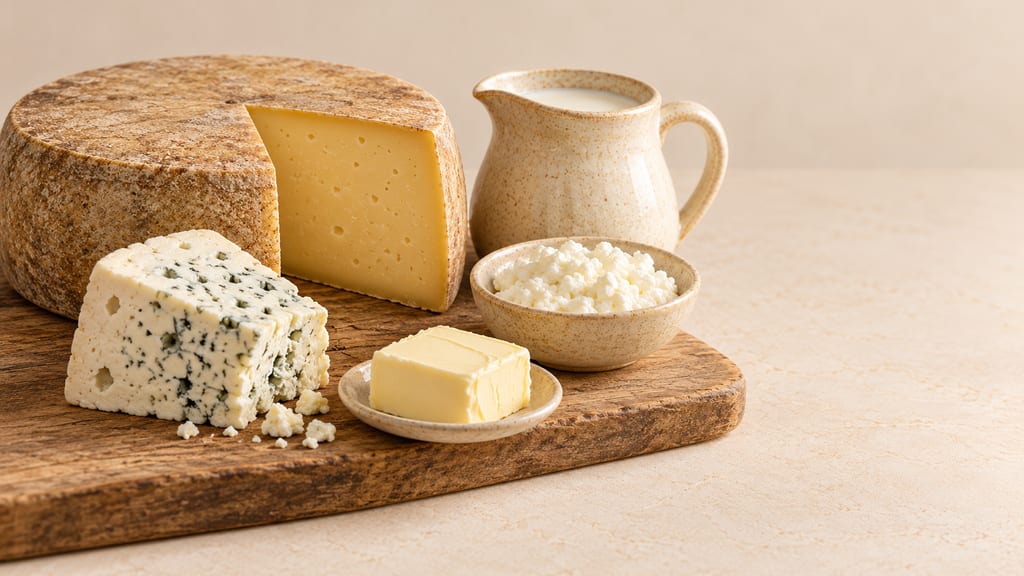
Follow milk into cheese, cultured drinks, butter, dried curds and sweets: a journey through the animals, seasons and household decisions behind the world's dairy foods.
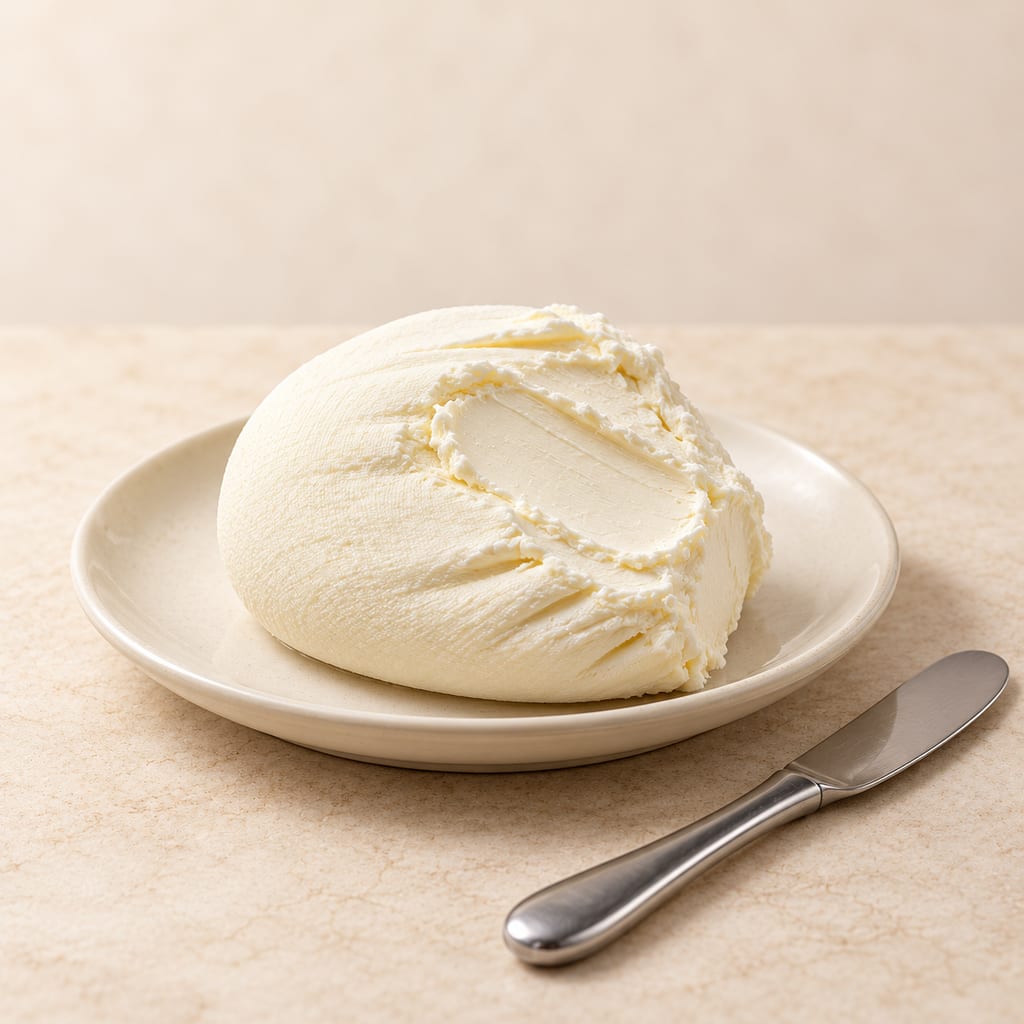
A fresh cultured-cream spread, set gently and drained in muslin in the refrigerator. This home method uses light cream and a small amount of cultured buttermilk.
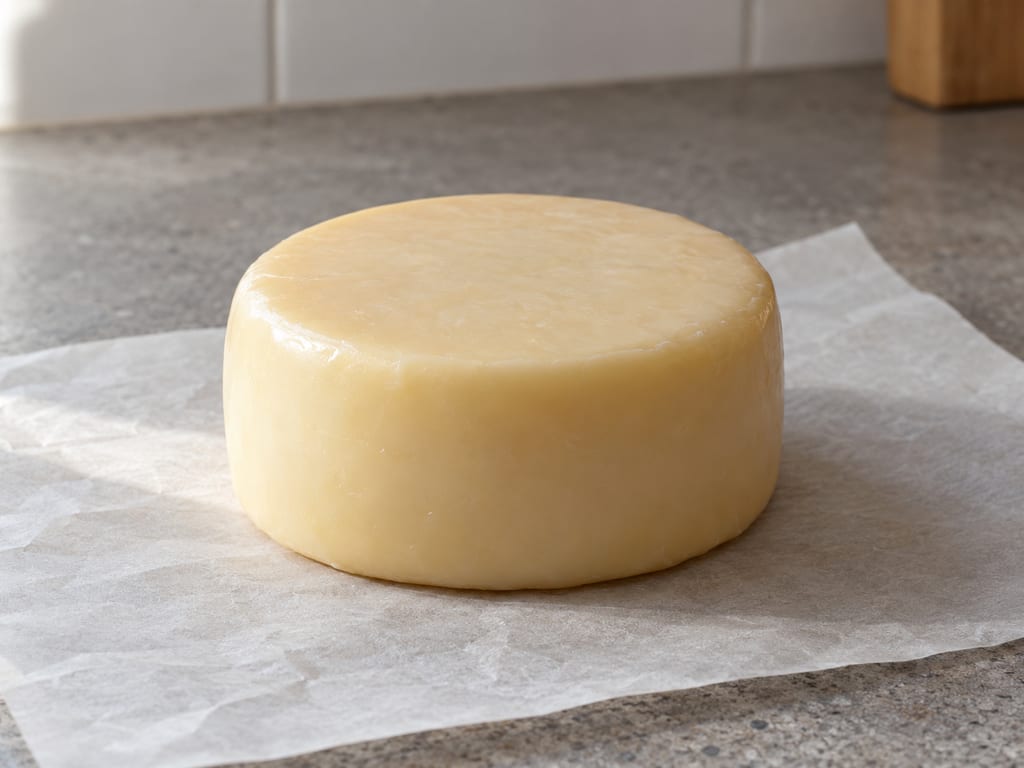
A mild whole-milk cheese set with starter and rennet, drained in a mould, dry-salted and ripened. This small-batch method appeared in Canadian home-dairy guidance.
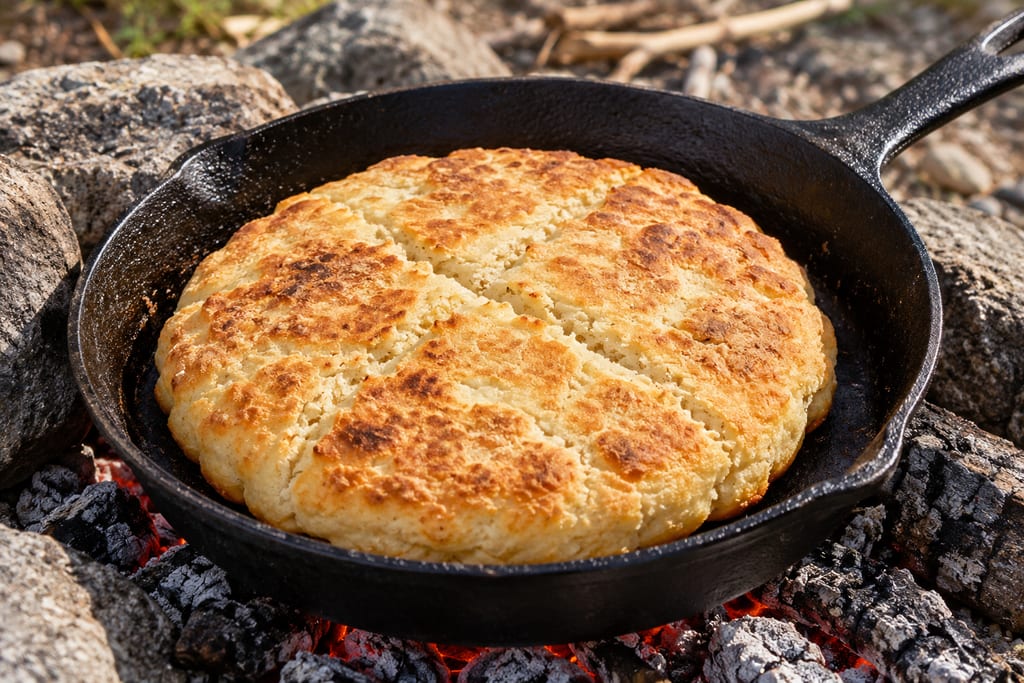
This flour, baking-powder and oil dough is Parks Canada’s contemporary Métis-interpreter version prepared at Rocky Mountain House; its specific recipe origin is unknown.
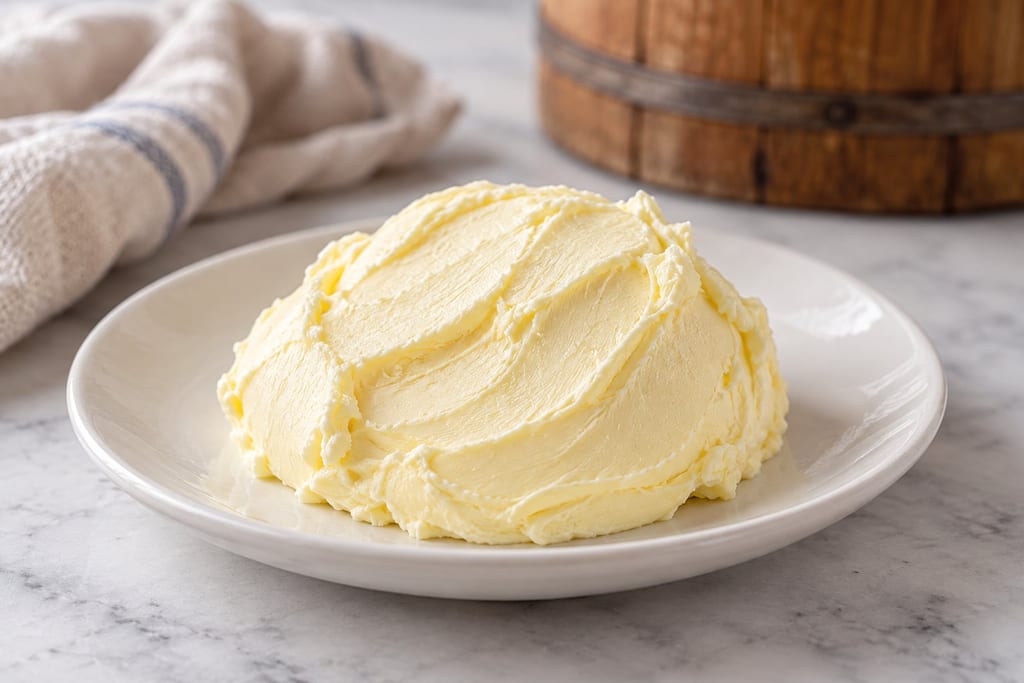
Sweet-cream butter is made by churning unsoured cream until its butterfat globules join, then draining, washing, salting and packing the butter.
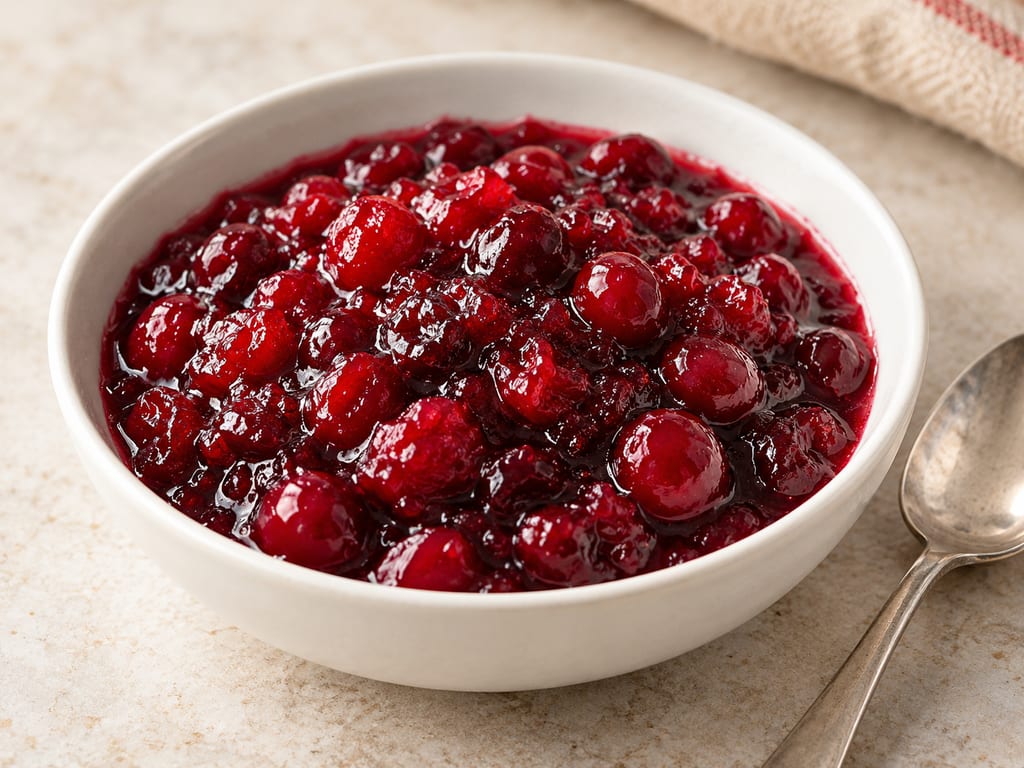
Cranberry sauce is a sauce of cranberries cooked in sugar syrup until the berries burst and thicken, served with roast turkey, pork, chicken and ham.
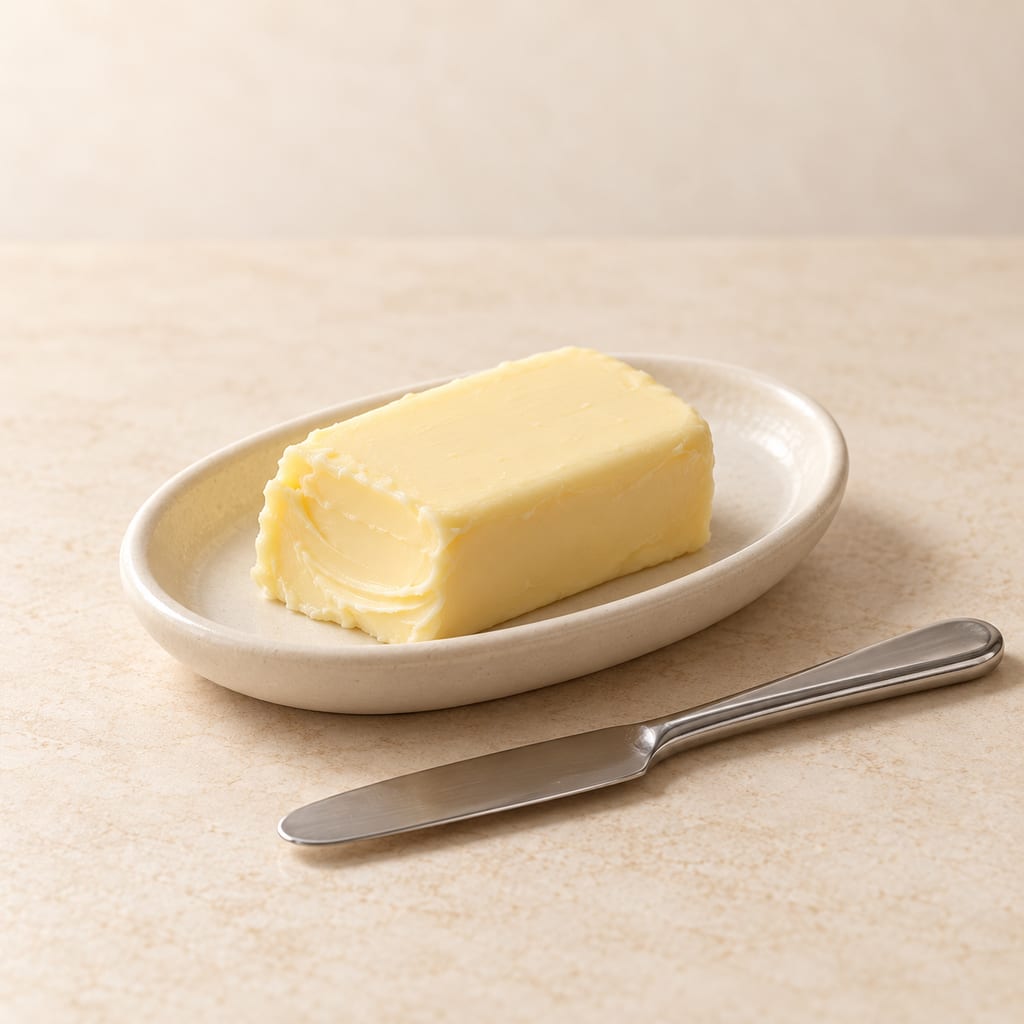
Cultured butter is churned from cream soured with lactic cultures. Its lightly tart flavour comes from the cultured cream, which separates into butter grains and buttermilk.
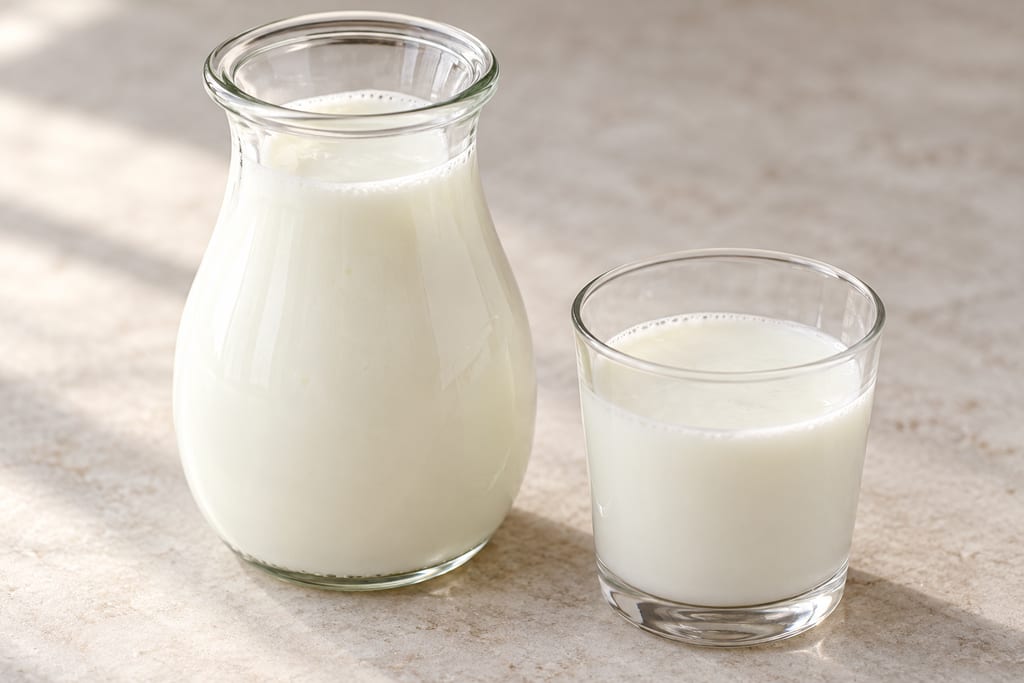
Cultured buttermilk is skim milk soured with a lactic starter into a tangy drink. This Canadian home method sets the milk without churning cream.
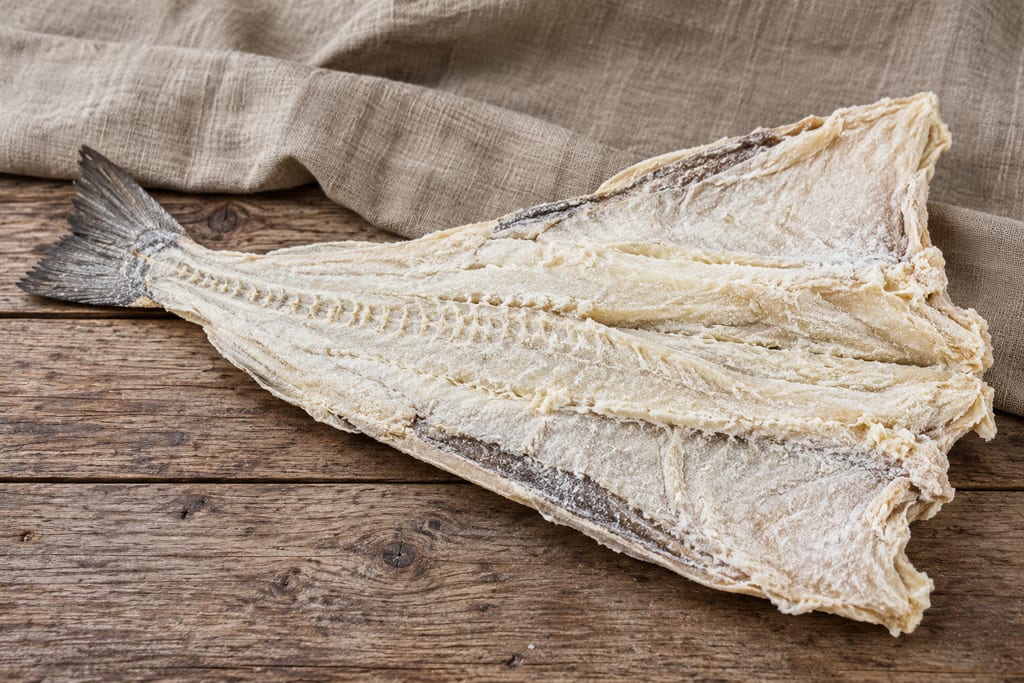
Cod split, salted and dried on flakes until hard, a long-keeping fish that must be desalted and rehydrated before use; the salting and the extensive drying together make it portable where light salting or partial drying does not.
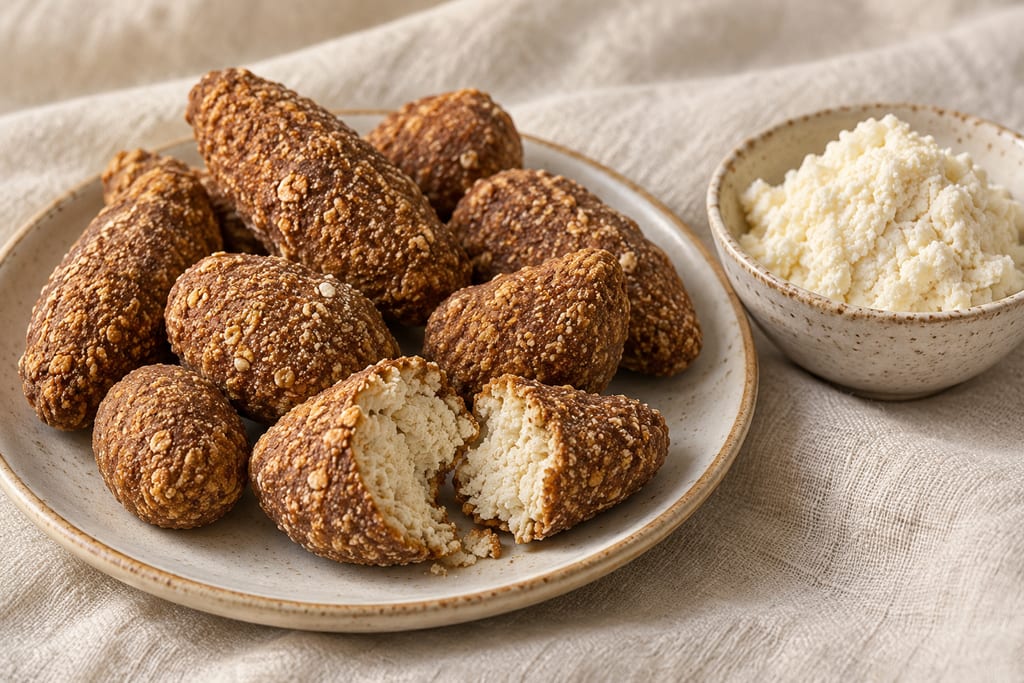
A two-stage Altai dairy preparation: sour chegen is heated into soft aarchi, then portions are drained, pressed and traditionally smoked into firm kurut.

A washed-curd cheese with propionic bacteria, warmed by hot water in two steps and then held in a warm room for weeks so the bacteria can form its holes.
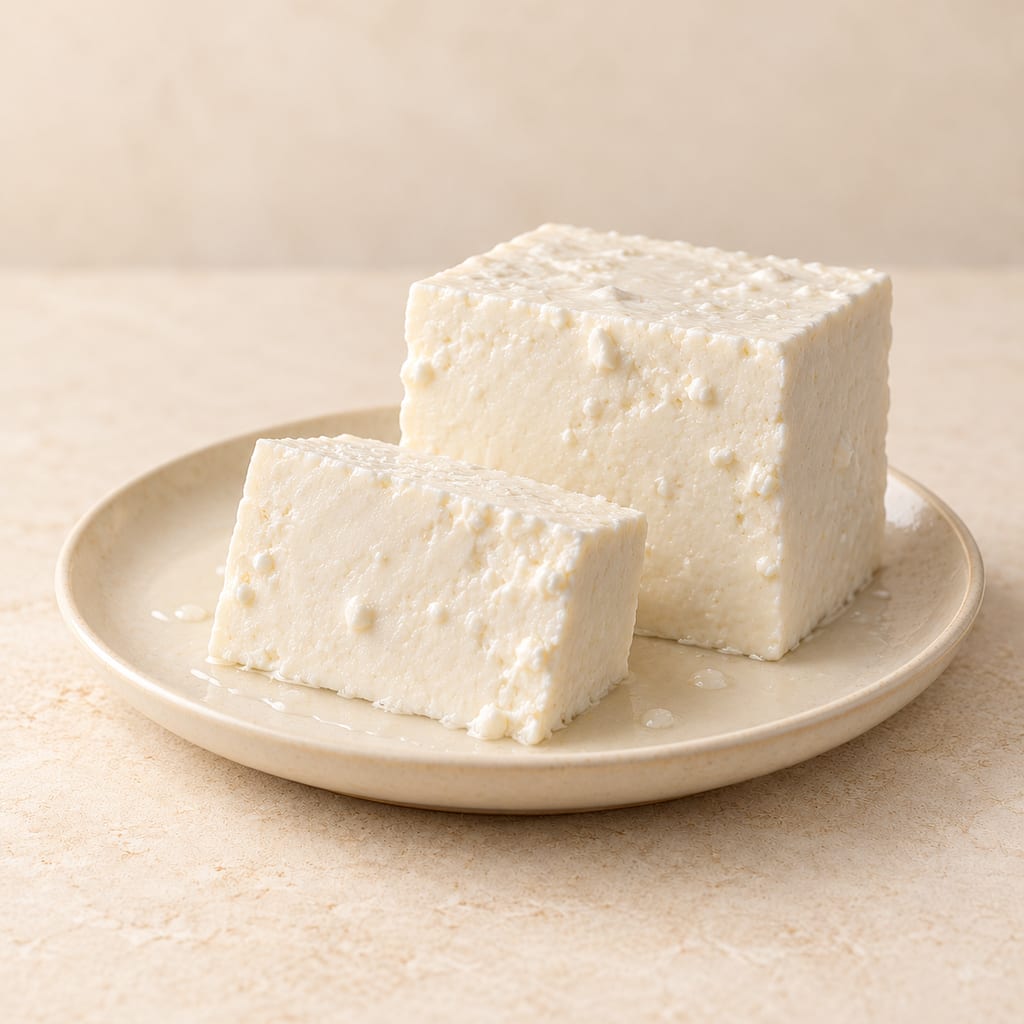
Beyaz peynir is a Turkish white cheese matured in brine. Sheep milk, alone or mixed with other milks, gives a close-textured cheese cut into blocks and packed in cans.
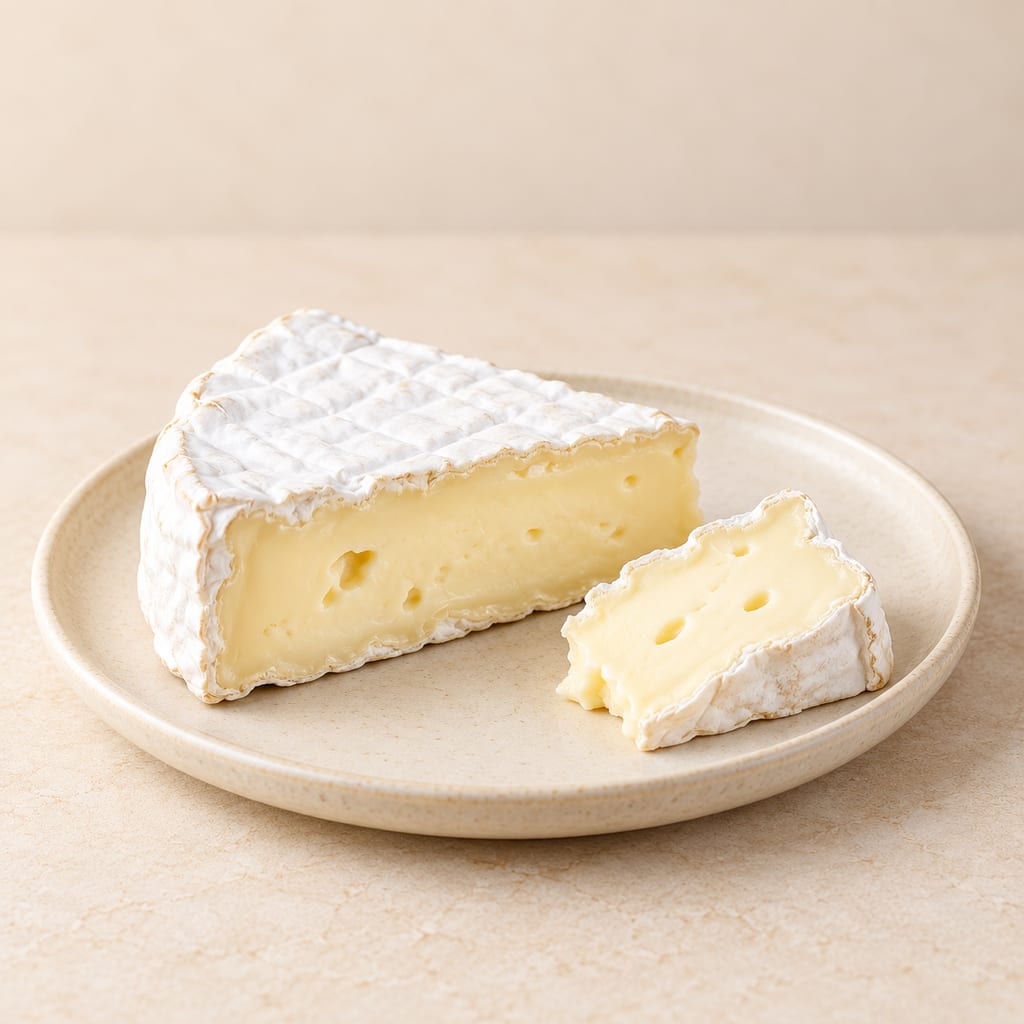
A cream-enriched Brie with a white bloomy rind and a softening center, made from pasteurized milk with lactic and surface cultures.
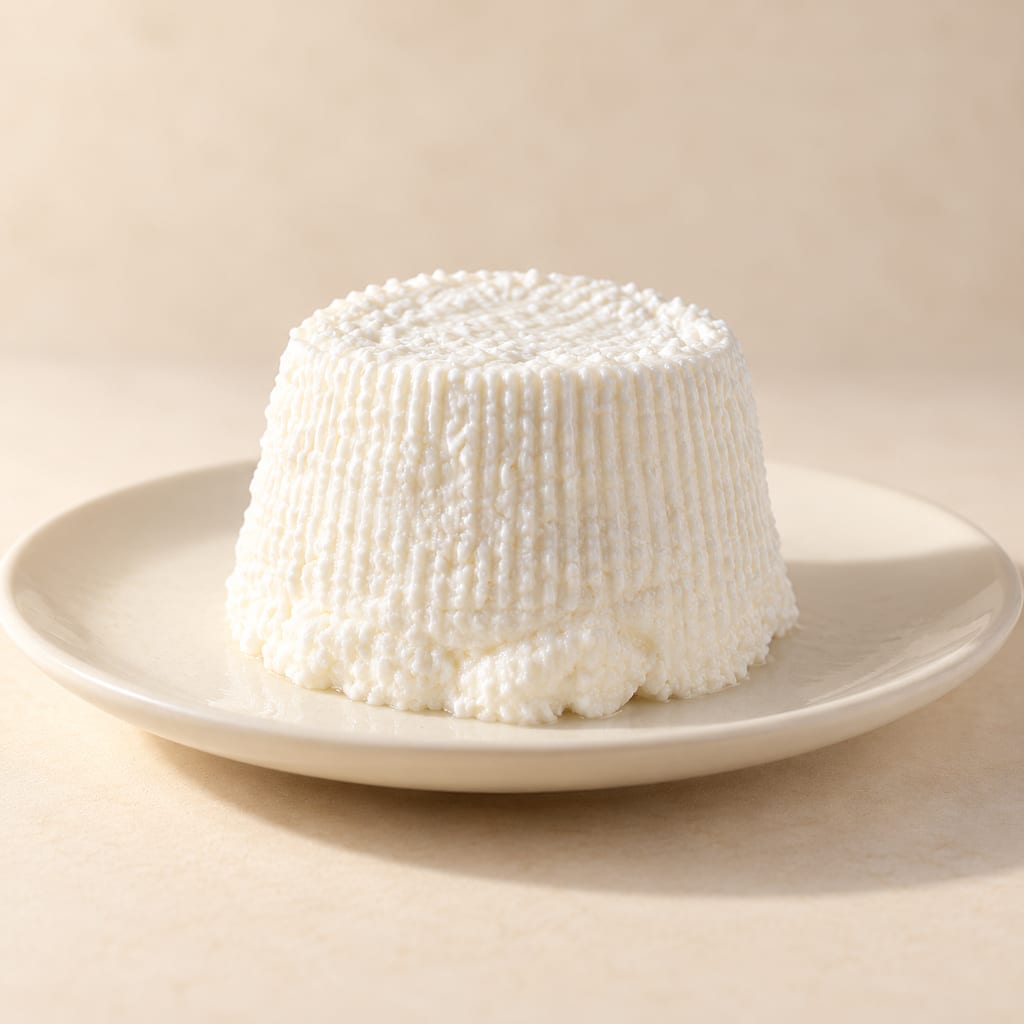
Corsican Brocciu is a whey cheese made by heating sheep's or goat's whey with whole milk and salt, then gently draining the flocculated curds. It is eaten fresh or salted and ripened as Brocciu passu.
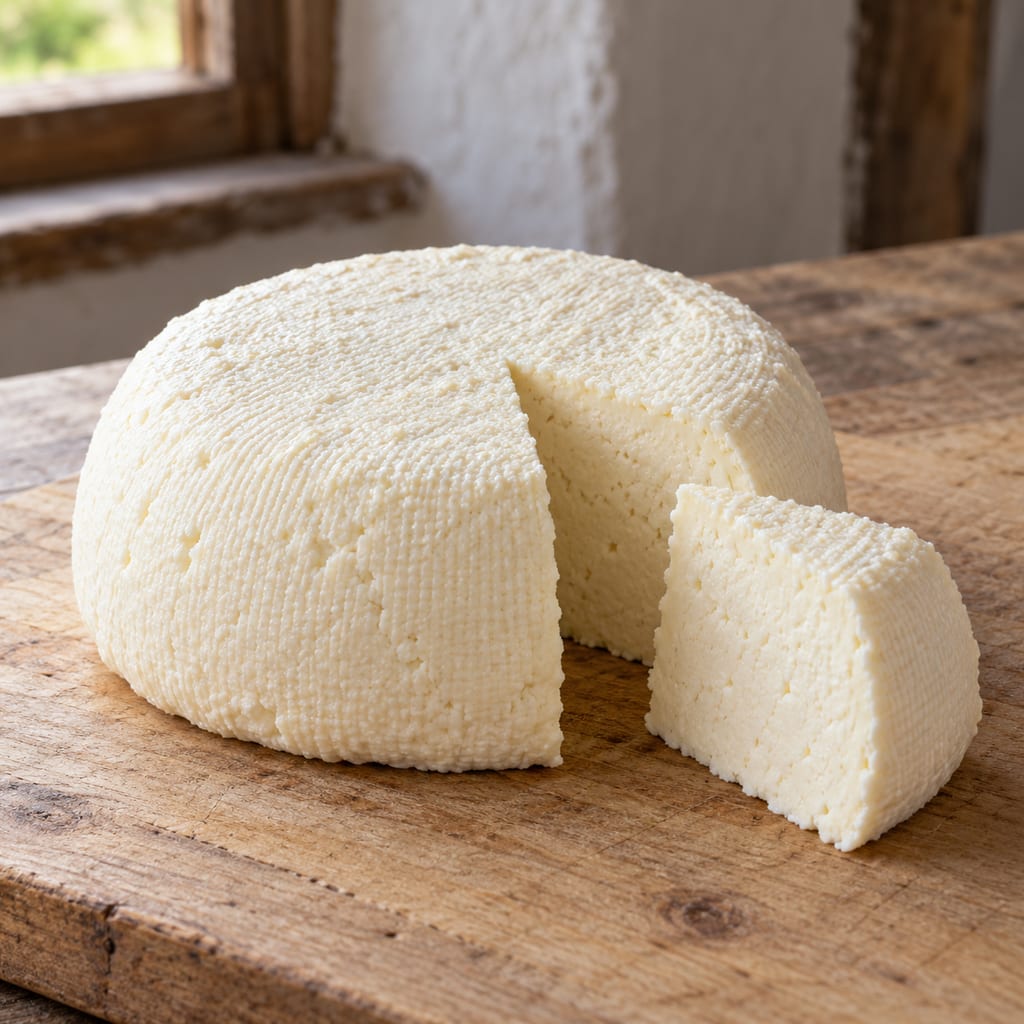
Budz is a traditional Hutsul rennet-set cheese made from sheep, cow or goat milk in the Ukrainian Carpathians, forming a fresh curd that can be eaten, smoked or processed into salted bryndza.
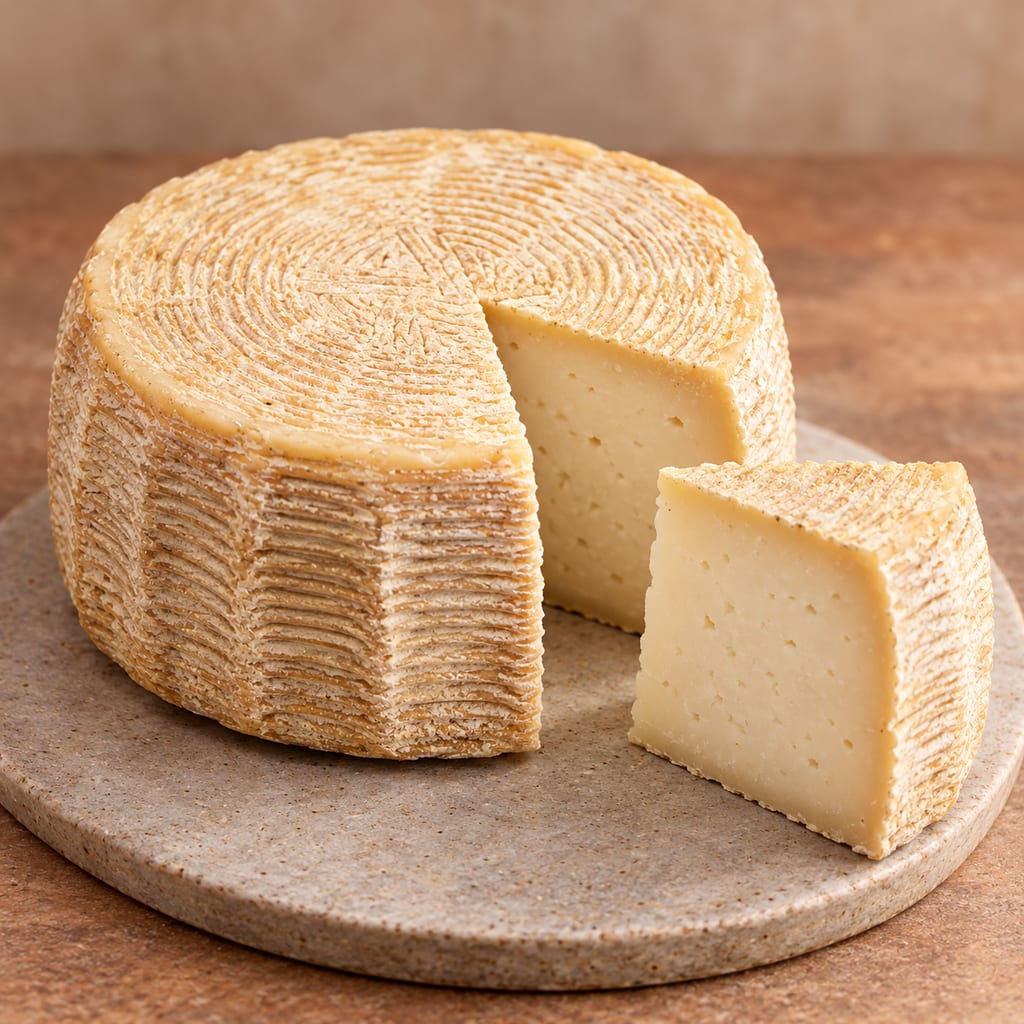
A scalded cheese moulded in baskets and re-cooked in its forms in hot whey, made alongside a ricotta from the same milk, then acidified, brined and aged for months.
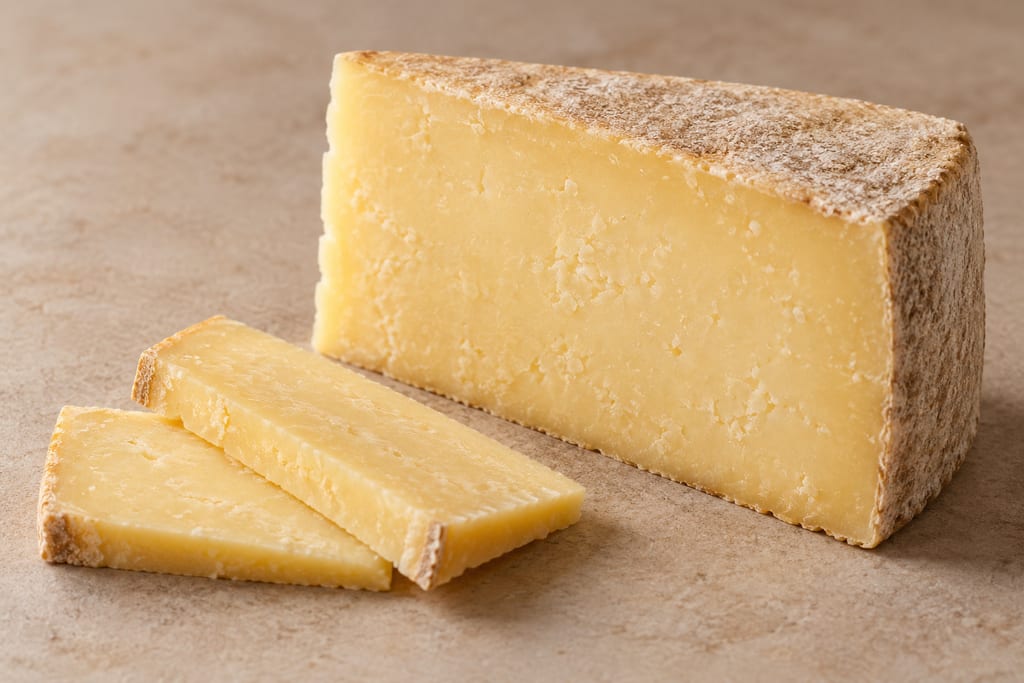
A pressed cheese whose curd is cooked slowly, then cheddared: kept warm in slabs that are turned and stacked for hours before milling, salting and pressing.
No community contributions have been published for this entry yet.
Sign in to contribute. Published comments and photos are free to read.
Agriculture CanadaInspiration · Process
Home-made dairy products, Publication 1669Home-dairy context and hygiene guidance; complete cheese method and handling in the 1978 booklet, reprinted 1981.
Cited in: Fresh curds with room for variation; Skim milk in the dairy economy; The starter builds an acid gel; Long setting and a separate rennet route; Cutting creates routes for whey; Gradual cooking develops the grains; Washing and dressing change different things; Cold dishes, sandwiches and cooking; Handling and evidence notes
Cultures for HealthImage reference
Cottage Cheese with Buttermilk RecipeFinished cultured cottage-cheese curds pictured in bowls; separate source formula, with no quantities or conditions transferred.
The Lady’s BookHistory
Country Lodgings.—A Sketch, The Lady’s Book, vol. IIIAn 1831 Country Lodgings tea-table passage using cottage-cheese and smear-case together; page image independently checked.
Cited in: A name at the tea table
Henry Carey Baird, PhiladelphiaHistory
Miss Leslie’s Complete Cookery, 49th editionThe 1853 household cottage-cheese recipe, cloth drainage, cream dressing, tea service and separate rennet alternative.
Cited in: A name at the tea table
Government of CanadaHistory
The Manufacture of Cottage Cheese, Publication 630, Circular 135The 1938 Canadian commercial rennet-assisted cottage-cheese method and packaging; not the home long-set formula.
Cited in: Skim milk in the dairy economy; Long setting and a separate rennet route
Bureau of Dairying, U.S. Department of AgricultureHistory
Making and Using Cottage Cheese in the Home, Farmers’ Bulletin 1451The 1925 USDA account of skim-milk use and cottage cheese in cold dishes, salads, sandwiches and cooking.
Cited in: Skim milk in the dairy economy; Cold dishes, sandwiches and cooking
Canadian Dairy CommissionContext
Cottage CheeseCurrent cottage-cheese curd formation, washing, dressing and culinary uses; commercial comparison only.
Cited in: Fresh curds with room for variation; Long setting and a separate rennet route; Washing and dressing change different things; Cold dishes, sandwiches and cooking
Tetra PakContext
Dairy Processing Handbook, chapter 16: CheeseGeneral syneresis, curd handling and commercial cottage-cheese stages; corrupted figures not adopted.
Cited in: Cutting creates routes for whey; Gradual cooking develops the grains; Washing and dressing change different things
Royal Society of ChemistryContext
Coagulants and Starter Cultures, chapter 2 in Handbook of Cheese ChemistryQualitative acid-coagulation chemistry and the effects of protein charge, mineral balance and handling.
Cited in: The starter builds an acid gel; Cutting creates routes for whey