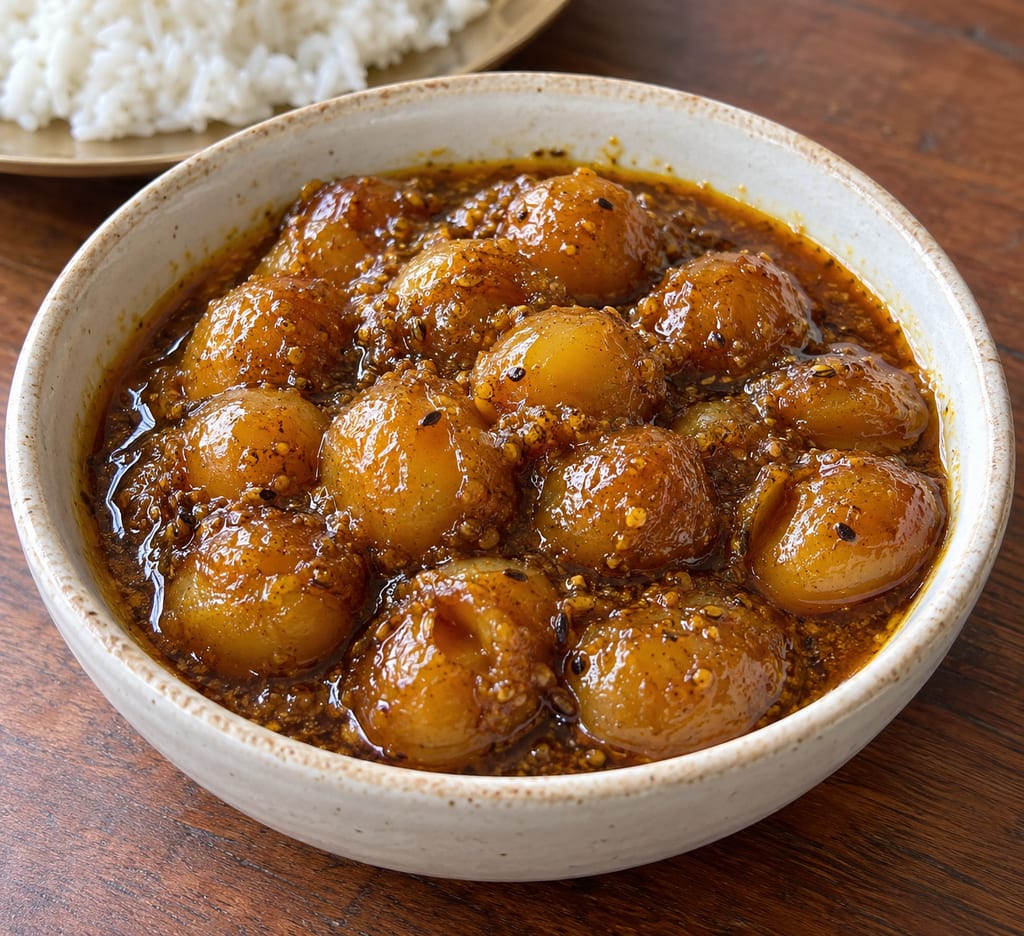
Lapsi ko achar with mustard oil
Ripe Nepali lapsi is boiled, peeled and cooked with mustard oil, salt, sugar and roasted spices to make a sweet-sour achar served alongside a meal.
 FermenteaWhere food goes to change
Spices and aromatics
Fenugreek seed is the bitter, fragrant dry seed of Trigonella foenum-graecum, used in tempering, pickles, breads and spice mixtures.
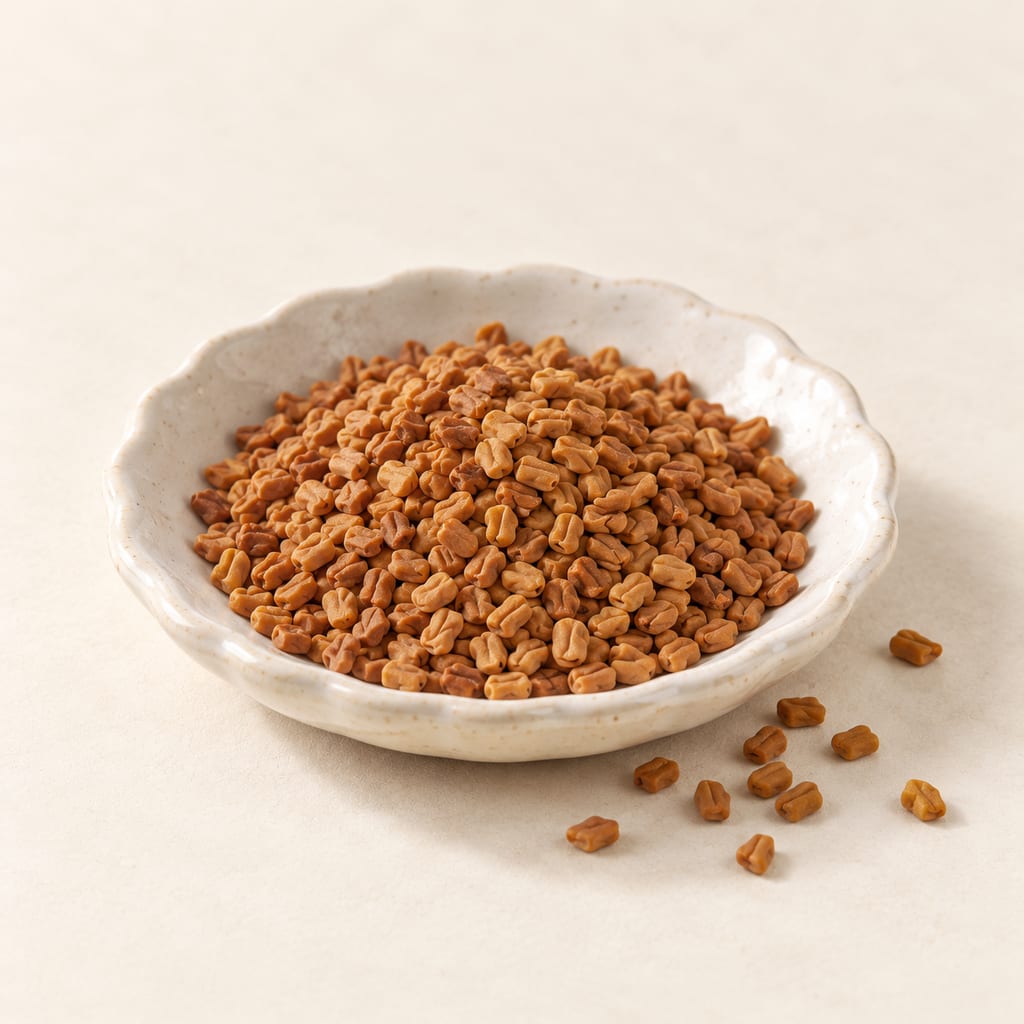
Fenugreek seed is the small, hard, angular seed of *Trigonella foenum-graecum* L., an annual member of the pea family, Fabaceae. The dry seed is usually yellow-brown to brown, with a pronounced groove and a shape that can look like a tiny irregular stone. Its smell is warm, sweet-savory and recognizable even in a jar; its taste combines a rounded, maple-like aromatic note with a persistent bitter edge. In Nepal the name is *methi* (मेथी); *methi dana* means the seed. The Nepali food standard defines methi as seed of *T. foenum-graecum*, a useful national identity marker rather than a description of every product sold internationally as fenugreek.
The plant offers several ingredients. Whole methi is the intact seed; crushing or grinding it spreads its bitter, warm taste through a dish, while soaking softens the seed and brings its soluble gum into the liquid. Green fenugreek leaves are cooked as a vegetable or dried as an herb. *Kasuri methi* usually names those dried leaves, whose leafy character is different from the seed. Young shoots and sprouts are other forms again. A cook looking for seed in a spice tempering needs the seed, not a packet of leaves.
A packet of methi seed can identify the plant without identifying the farm. Kew records *T. foenum-graecum* as native from Iraq to northern Pakistan and introduced in Nepal. Nepal’s standard defines the food as its seed, while Nirmala’s lapsi achar specifies half a teaspoon of fenugreek seed among the spices and gives no cultivar or seed origin. For that achar, the useful identity is the small whole seed that will meet the hot mustard oil before the fruit is added.
The Latin *foenum-graecum* means “Greek hay,” recalling a crop grown for fodder as well as seasoning. Fenugreek has travelled through western Asia, the Mediterranean and South Asia over a long cultivated history. PROSEA places its probable original range across the eastern Mediterranean, western Asia and India, whereas Kew’s accepted native range runs from Iraq to northern Pakistan. Cultivation over centuries has blurred the boundary between wild origin and the places where people made the seed part of daily food.
Fenugreek spread as both a field crop and a kitchen ingredient to China, Ethiopia, Europe and the Arab world. Its hay use and use of seed and leaf as seasoning belong to the same adaptable plant, but its culinary expressions differ by place. A seed may become a bitter element of a spice blend or a softened grain in food; leaves can become a green vegetable. The old crop history explains its reach without requiring a single route or a dated first Nepali recipe.
That field life continues in Rajasthan, where growers raise fenugreek for seed as a winter crop. Demonstrations in irrigated fields in Pali district during the 2013–2019 rabi seasons used named varieties, illustrating how specific local seed and growing conditions sit behind an ordinary spice packet. The seed in a kitchen jar has already passed through drying, sorting and trade; its brown-gold color and hard surface offer more visible clues to condition than to where it grew.
Fenugreek is grown as an annual herb, harvested for pods and seed as well as for leaves or herbage. The pod is long and narrow, straight or slightly curved, and contains a row of seeds. PROSEA describes a mature seed as a small, brownish, oblong-rhomboidal grain, roughly three to five millimeters long, divided by a deep groove into unequal lobes. In the spice trade seed color varies from pale yellow to tan or brown; a uniform, clean lot is easier to assess than one mixed with stems, dust or broken pieces. These are not botanical varieties by themselves: crop variety, maturity, drying and handling can all alter color and size.
Once dry, seeds keep as a hard whole spice and can be sold whole, cracked or ground. The forms change the food’s texture: intact seeds remain small points in a pickle or tempering, while powder disperses through a sauce or dough. Soaking is another transformation, as the seed absorbs water, softens and releases gum into the surrounding liquid. Sprouting turns it into a young plant with a different bite and use. None of these forms supplies an automatic substitute for the others.
Processing also changes the smell. A food-science comparison of raw, sprouted, boiled, roasted and microwaved fenugreek seed and flour found different volatile profiles after treatment. In the kitchen the first warm smell from a pan of seeds is therefore different from the smell of dry seed tipped from a jar. The study measures particular treatments, while a cook still follows the recipe’s amount and watches how quickly a small seed warms.
Raw fenugreek seed can seem surprisingly bitter for a spice with a sweet, maple-like fragrance. Saponins are one group of seed compounds associated with bitterness, while the volatile compound sotolon is strongly associated with fenugreek’s characteristic curry-like seasoning aroma. In tasting, these impressions coexist: a sweet smell does not mean a sweet taste. A small amount can add a low, dark, slightly bitter line beneath more obvious chile, sour fruit or toasted spice; an unmeasured handful can make that bitterness dominate. The seed’s mucilaginous fiber can also thicken a wet mixture when hydrated, especially in larger or ground amounts.
Roasting changes aroma rather than simply removing bitterness. In one controlled flour study, 50 grams of seed were stirred in an open pan at about 130°C for seven minutes, until lightly brown and aromatic. That was the authors’ experimental condition, not a required home recipe. A separate analysis of processed seed found that heat treatments shifted the volatile compounds measured, and each process produced its own profile. At the stove, the practical cue is the short transition from raw, dusty seed smell to a distinctly warm, toasted fragrance. Because small seeds heat rapidly, continued dry roasting after that moment risks a harsh, burnt bitterness rather than more complexity.
In Nirmala’s achar, fenugreek seed enters hot mustard oil with turmeric before the cooked lapsi is added. This brief tempering changes the seed’s smell and places it through the oily spice coating around the fruit; the source recipe does not measure which molecules enter the oil. Leave the seeds whole for occasional small bites, or use ground fenugreek only where a different recipe calls for its more even presence. The distinction is visible in the finished condiment as well as in its taste.
Fenugreek’s bitterness gives a sour pickle a deeper savoury finish, but a heavy hand can overwhelm the fruit. Start with the recipe’s modest measure and notice how it plays beside chilli, salt and lapsi’s acidity. A seed-flour experiment compared soaking, germination and roasting; it does not prescribe an achar seasoning level. The work of balancing the pickle happens at the pan and the table, where tart fruit, hot spice and bitter seed meet in one mouthful.
In Nepal, methi can appear as a final aromatic note on vegetables and pickles, but the seed also enters dishes built around it. A Nepal Tourism Board heritage-cuisine booklet lists methi jaulo, sprouted methi salad, methi kheer and methi haluwa. Green leaves, fresh or dried, are cooked as curry. Porridge, sprouts, milk pudding and sweets ask the plant for qualities beyond the brief bitter note of seed in oil, giving methi several places in a meal.
A 2025 personal essay by London-based Nepali R&D chef Binod Baral adds household examples: his mother tempered curries, pickles and achar with methi, put seed into rice soaked for sel roti, and made a drink called misri kada from overnight-soaked seed and rock sugar. Baral also recalls methi in western Nepal’s chukani and Kathmandu Valley choila. These are reported as family memory and regional observations, not universal requirements for those dishes. Their value is precisely their specificity: a spice can be routine in one kitchen, quietly distinctive in a dish, and absent from another cook’s version.
Nirmala’s lapsi achar pairs half a teaspoon of whole fenugreek seed with two kilograms of ripe hog plum, mustard oil, turmeric, sugar, salt and other spices. The seed goes into hot oil before the fruit; as the achar thickens it remains visible among pieces of cooked lapsi. The fruit supplies a forceful sourness, while the methi offers small bitter, aromatic bursts. The recipe’s specified seed form matters because a spoon of ground methi would spread differently through the same mixture.
Baral’s account places methi in everyday curries and in the rice soaking for sel roti, where the seed has time to soften before frying. The tourism-board dishes show another range: a sprout eaten for its tender bite, or seed woven into porridge and sweets. These foods let cooks use the plant’s bitterness deliberately, sometimes as a counterpoint to sourness and sometimes against grain, milk or sweetness.
Across the wider regions described by PROSEA, fenugreek seed is used whole or ground, sometimes roasted, in spice blends and curry powders. Its nutty, celery-like and maple-like notes can season meat, poultry and marinated vegetables; in North African cooking it is mixed with bread doughs, and Arab cooking uses it in hulba. Boiled or parched seeds with honey are described as a snack. The handbook also records roasted seed used as a coffee substitute and sprouted roots eaten as a vegetable. These are distinct food traditions, not an invitation to assemble one pan from every example. Each form calls for a different preparation and delivers a different texture.
Baral also describes soaking and grinding fenugreek seed into a rice-and-lentil dosa batter. Its hydrated gum can contribute to the batter’s body, while the seed remains one ingredient in the mixture. The account gives a culinary use; it does not identify the microorganisms in a particular batter or establish fenugreek as a starter culture. A dosa with methi is valuable as a food example in its own right: the seed has left the spice tempering and become part of the batter’s texture and taste.
The choice of form follows the food. In a spice blend, ground seed can spread evenly through a measured mix; in hulba or a honeyed snack, boiled or parched seed becomes something to eat rather than merely a background seasoning. Sprouted roots and green leaves bring the plant to the plate as vegetables. These uses are distant from a small spoonful of dry seed in achar, yet the same warm, bitter family resemblance links them.
For whole seed, look for a clean, dry lot with an even golden-to-brown colour and a clear, characteristic smell. Avoid visible dampness, mould, insects or a stale odour. A package that names the producer and ingredient form helps distinguish seed from dried leaf or powder. At home, close the container against humidity and use the form a recipe asks for; neither a seed’s colour nor its smell can establish its age or safety.
Like other dry spices, fenugreek should be kept dry, closed against humidity and protected from heat and strong light. The studies cited here used controlled storage for experiments; they do not establish a retail shelf-life for every home jar. Do not treat spice age or a normal smell as a food-safety test. If a package is damp, visibly contaminated or damaged, discard it. Once seeds are soaked or sprouted, they are hydrated food rather than dry spice, and need the ordinary handling controls for perishable foods; no shelf-life limit is inferred here.
At the pan, choose the path the dish needs. Dry-roast seeds while stirring and stop as their scent turns toasted; blackening or an acrid smell signals that the brief fragrant stage has passed. In a tempering, Nirmala adds whole seed to hot mustard oil before cooked lapsi. For a dough or sauce that calls for ground seed, measure the powder rather than assuming an equal spoonful will behave exactly like whole grains. Soaking suits a dish that wants a softened seed and the body its hydrated gum brings.
Fenugreek is a legume, and individual allergy is possible. Anyone with known fenugreek allergy should avoid it and follow clinician guidance. Under U.S. federal law fenugreek is not one of the nine major allergens FDA requires to be declared by name; that does not mean it cannot cause allergy. Check the full package label and seek individualized advice for serious allergies.
Nepal Tourism Board documents methi seed in Nepalese dishes.
Ripe Nepali lapsi is boiled, peeled and cooked with mustard oil, salt, sugar and roasted spices to make a sweet-sour achar served alongside a meal.
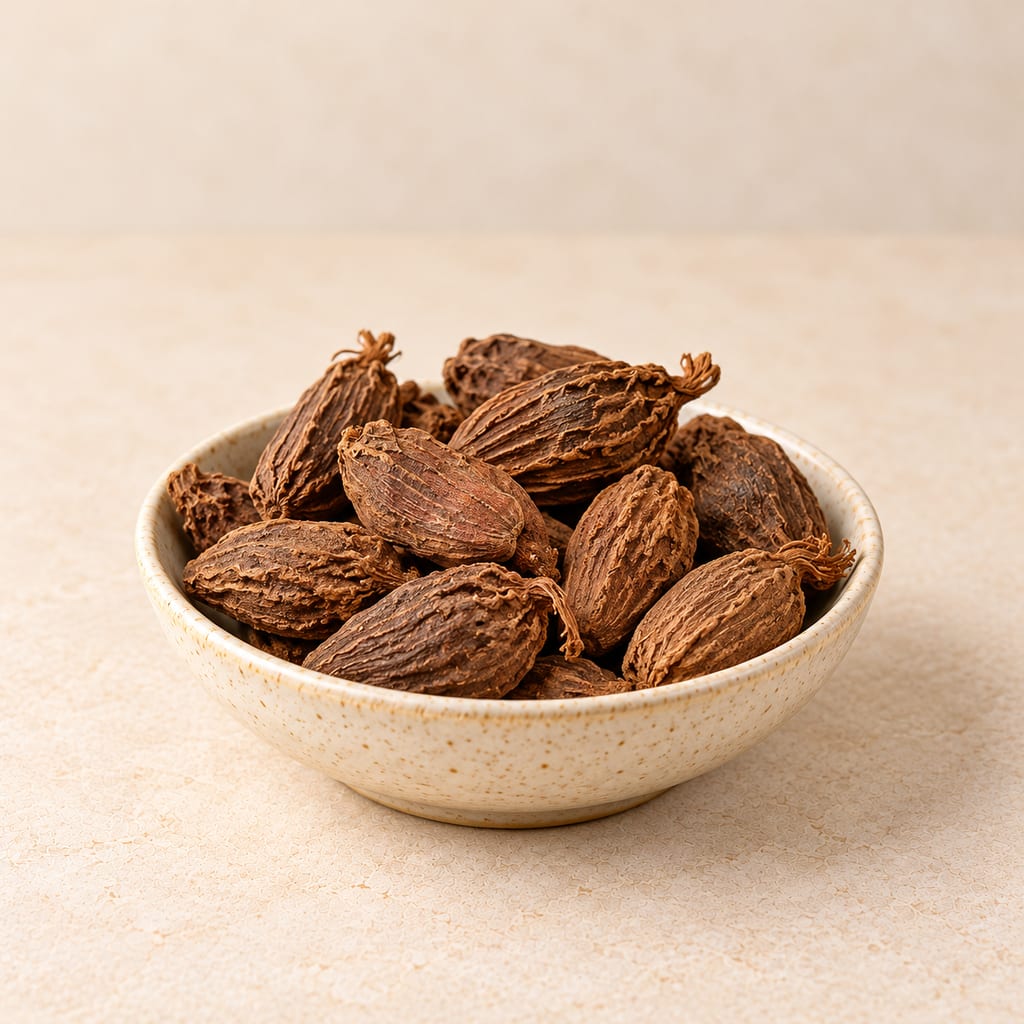
Alainchi is the large or black cardamom of the eastern Himalaya, the dark, smoke-dried pods of Amomum subulatum. Its camphor-cool, smoky seeds season Himalayan and North Indian cooking and a sweet Nepali lapsi achar.
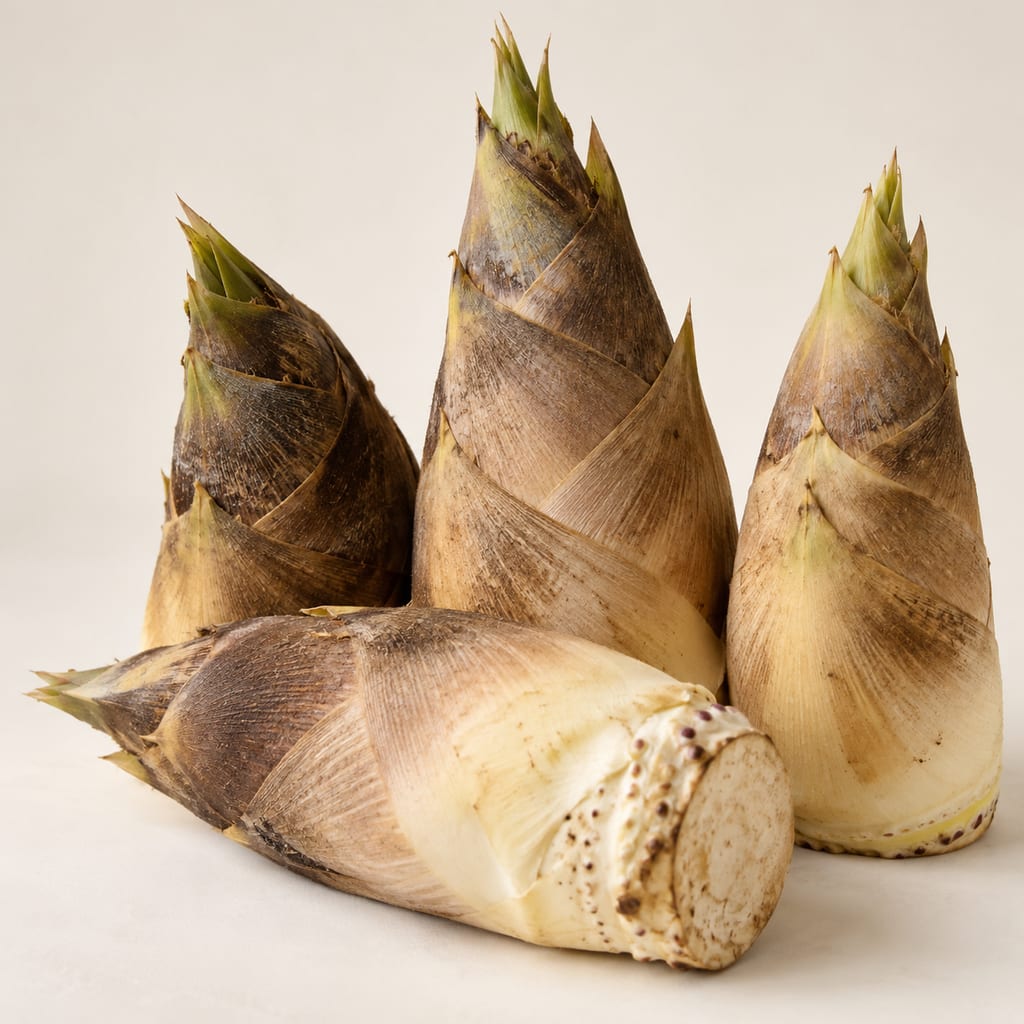
Bamboo shoots are the young culms of many bamboo species, eaten after boiling or leaching in Asia, and fermented into sour and preserved foods in the Himalayas, northeast India and Burma.
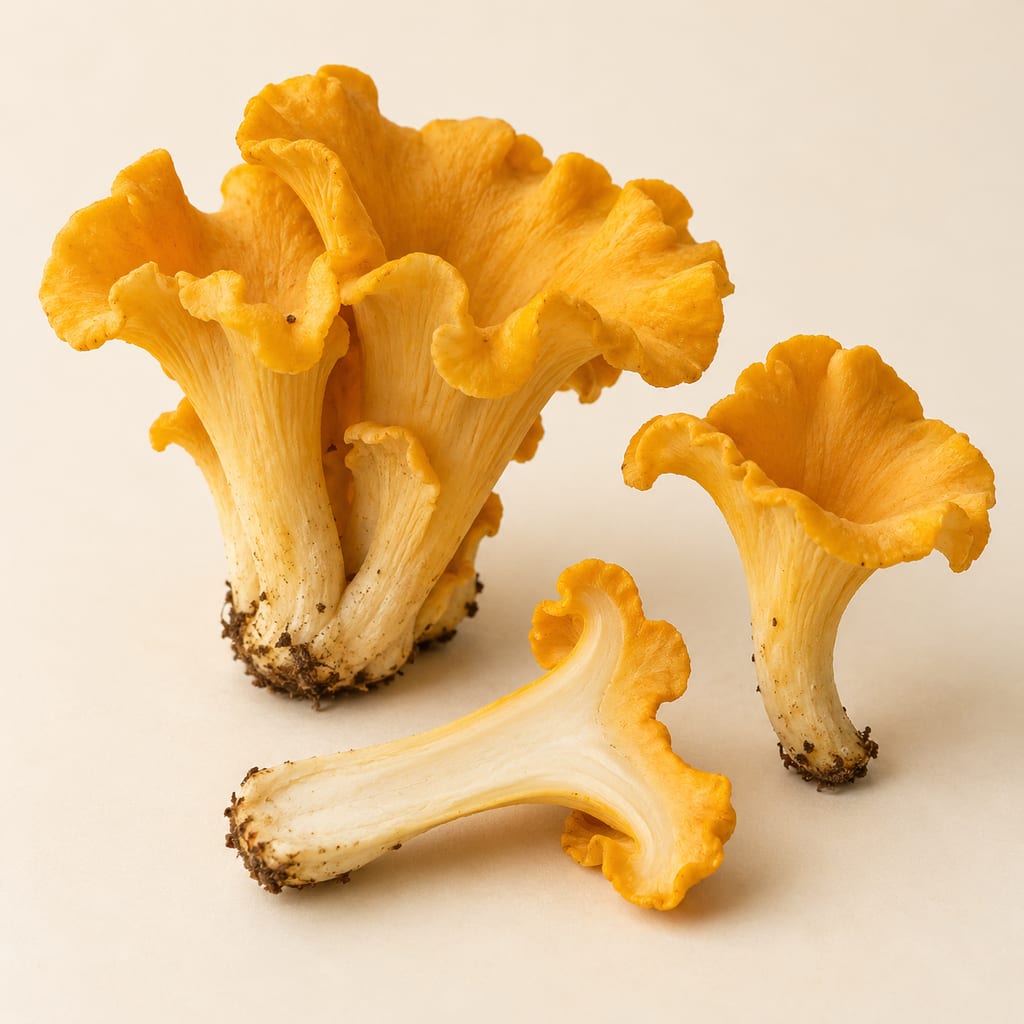
Cantharellus odoratus, the fragrant chanterelle, is a North American and Central American oak-woodland fungus. It was sold in a Veracruz market in the 1980s and in Guatemala in 2002, and its name is still disputed.
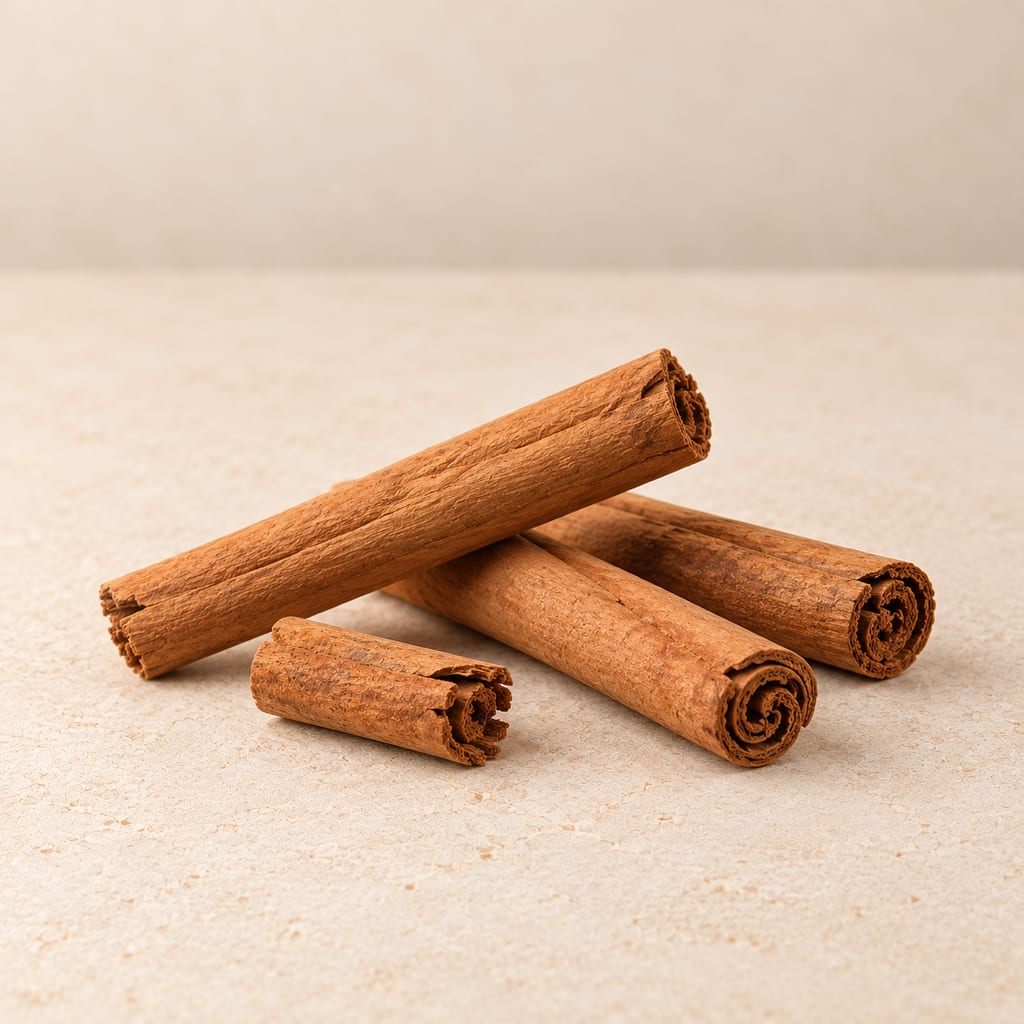
Cinnamon is the dried inner bark of Cinnamomum trees, rolled into quills or ground; Ceylon cinnamon comes from C. verum of Sri Lanka and cassia from related species.
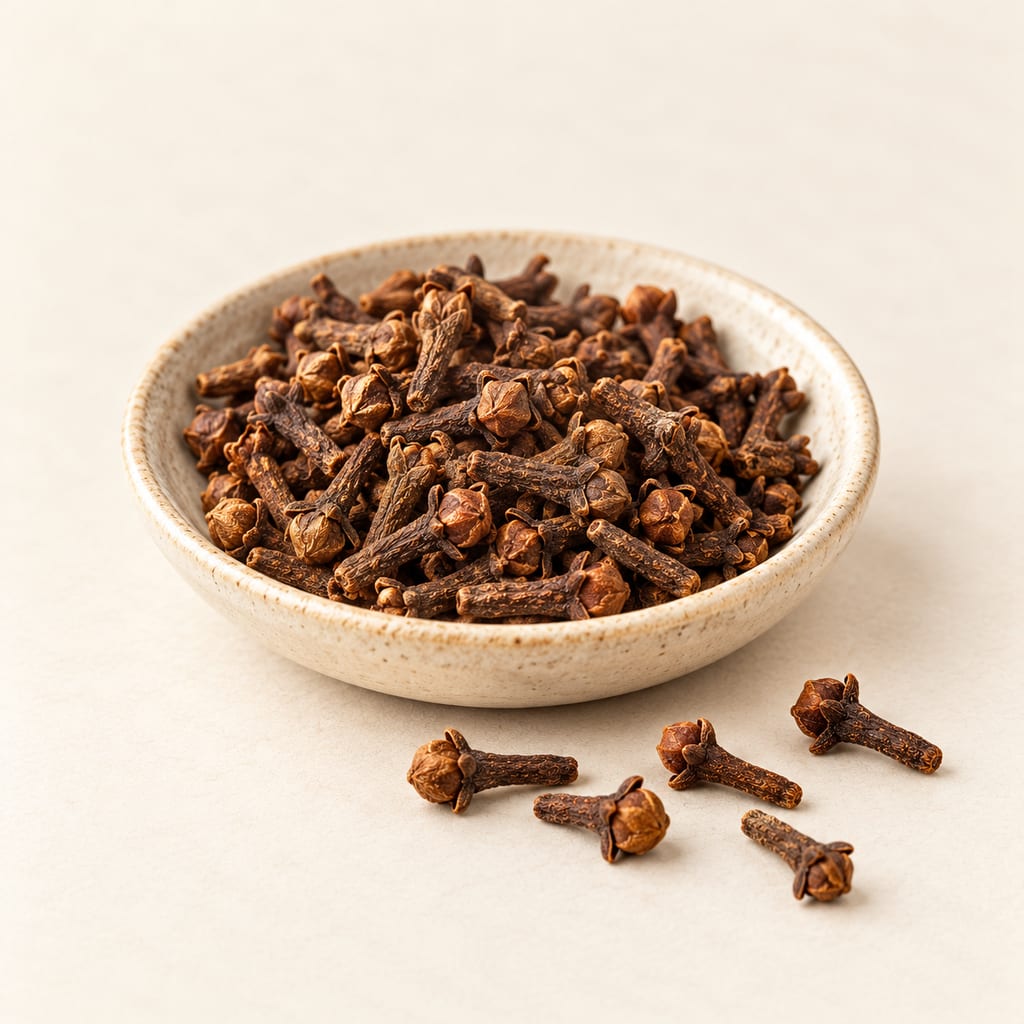
Cloves are the dried unopened flower buds of Syzygium aromaticum. Whole buds infuse liquids and can be removed; ground clove disperses its intense aroma through food.
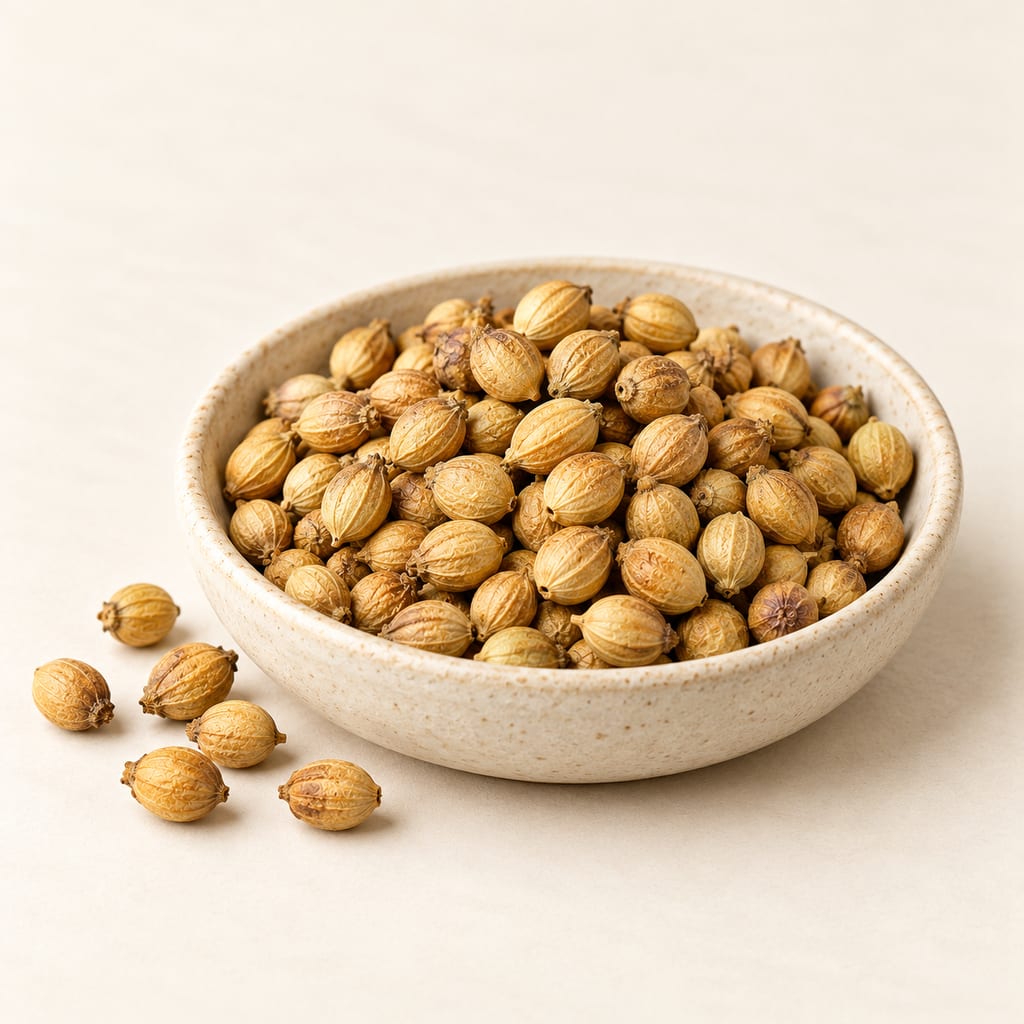
Coriander seed is the dried, aromatic fruit of Coriandrum sativum, used whole, cracked or ground in spice blends, pickles and cooked dishes.
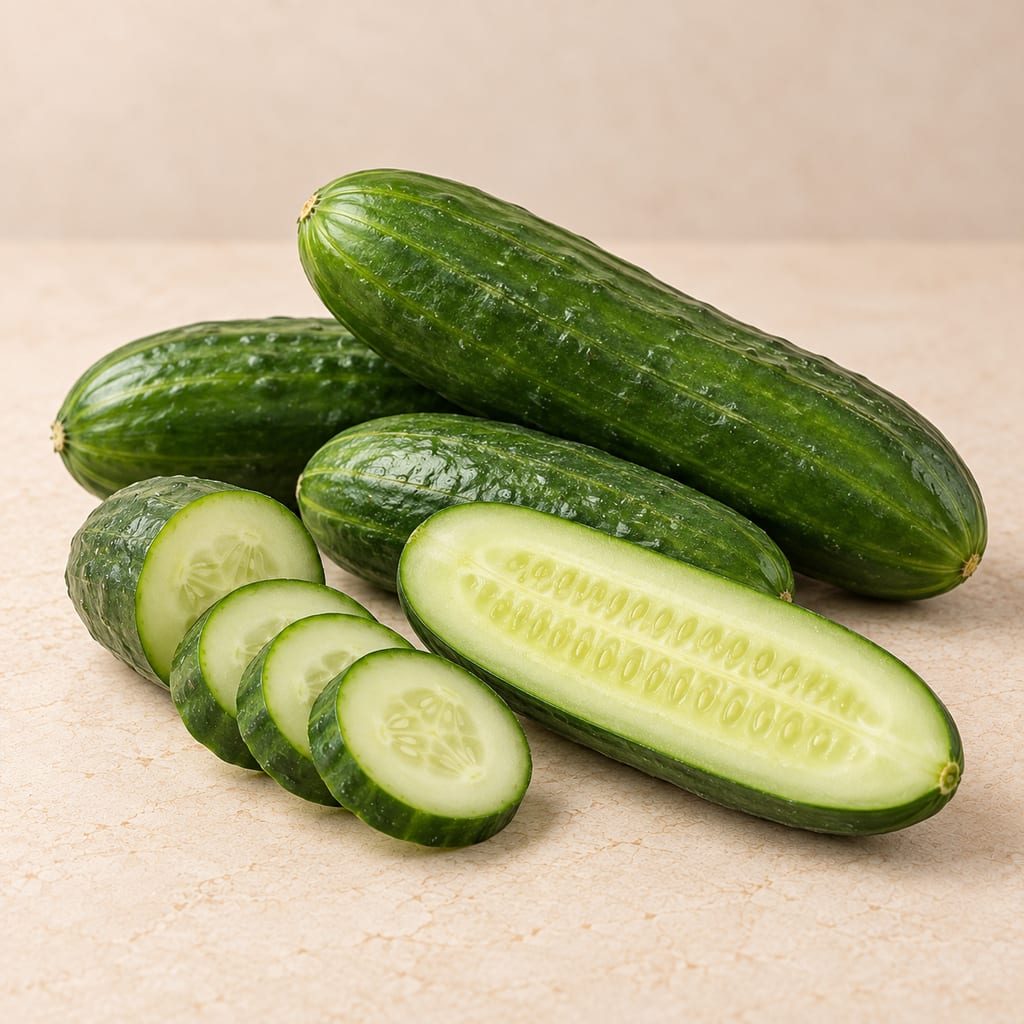
Cucumber is the watery fruit of Cucumis sativus, domesticated in India, and the classic raw material of brine pickles from New York dills to Nepali khalpi and Korean oi-sobagi.
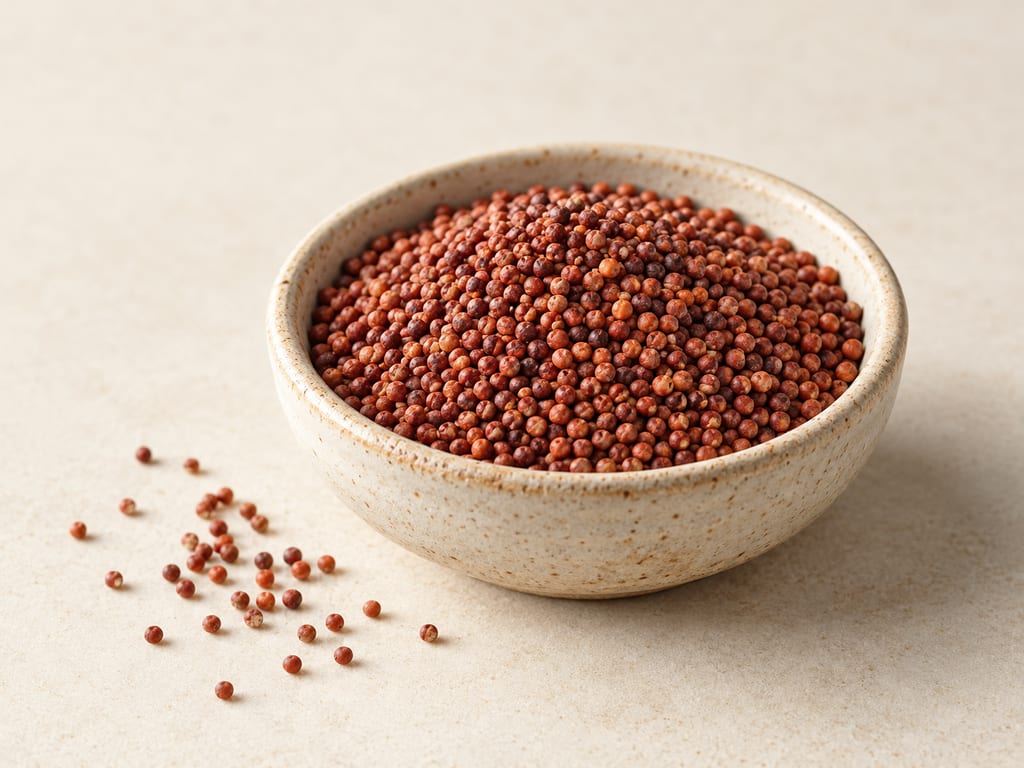
Finger millet (Eleusine coracana) is a small-grained cereal grown across parts of Africa and Asia. It is milled, cooked, malted and fermented in distinct food traditions.
No community contributions have been published for this entry yet.
Sign in to contribute. Published comments and photos are free to read.
Royal Botanic Gardens, Kew, Plants of the World OnlineTaxonomy · Range
Trigonella foenum-graecum L.Accepted species and author citation; annual Fabaceae; native range Iraq to northern Pakistan; Nepal listed introduced
Cited in: The seed called methi; An old crop with an unsettled birthplace
Government of Nepal, Department of Food Technology and Quality ControlNepali identity · Food standard
Mandatory Food and Feed Standards, entry 04.16 FenugreekNepali entry मेथी defines fenugreek as seed of Trigonella foenum-graecum L.
Cited in: The seed called methi
PROSEA FoundationIdentity · History · Morphology · Uses · Chemistry
Trigonella foenum-graecum L., Record 601, PROSEA Handbook 13: SpicesProbable Old World range, cultivated since antiquity, historic fodder and culinary uses, seed shape, listed regional seed/leaf/sprout applications and sotolon
Cited in: The seed called methi; An old crop with an unsettled birthplace; From pod to pantry spice; Bitterness, maple notes and the bloom in oil; Uses beyond the pickle jar; Choosing, storing and cooking fenugreek
PROSEA / Backhuys PublishersBibliographic verification
PROSEA, Volume 13: SpicesEditors, book title, publisher and publication year
Cited in: An old crop with an unsettled birthplace
International Journal of Seed Spices / ICARCultivation
Dissemination of Fenugreek varieties through frontline demonstrations approach for sustainable fenugreek production in Pali district of Rajasthan, IndiaAgronomic demonstration setting in Pali during 2013–2019 rabi seasons using named varieties in irrigated farming
Cited in: An old crop with an unsettled birthplace; From pod to pantry spice
Industrial Crops and Products / ElsevierAroma chemistry
HS-SPME-GC–MS characterization of volatile chemicals released from microwaving and conventional processing methods of fenugreek seeds and floursStudy compared raw, sprouted, boiled, roasted and microwaved seed/flour; treatment changed volatile profile; lab findings are process-specific
Cited in: From pod to pantry spice; Bitterness, maple notes and the bloom in oil
Journal of Food Science and TechnologyRoasting example · Dry seed handling
Effect of processing techniques on nutritional composition and antioxidant activity of fenugreek (Trigonella foenum-graecum) seed flourOne experimental roast used 50 g at 130±5°C for 7 minutes, stirred until lightly brown/aromatic; seeds were dried and stored airtight for study, not a home shelf-life
Cited in: Bitterness, maple notes and the bloom in oil; Choosing, storing and cooking fenugreek
American Chemical Society, ACS Symposium Series 660Sotolon chemistry
The Principal Flavor Components of Fenugreek (Trigonella foenum-graecum L.)primary aroma analysis identifies sotolon among compounds important to fenugreek seed aroma
describes the sensory character of fenugreek seed
Cited in: Bitterness, maple notes and the bloom in oil
Nepal Tourism Board, with HAN, CAN and REBANNepali uses · Seed/leaf distinction
Experience Nepal: Globalizing Nepalese Heritage CuisineMethi seed used for pickle and vegetable garnish; methi jaulo, sprouted salad, kheer, haluwa; fresh/dried leaves cooked as curry
Cited in: Methi in Nepal’s kitchens; Uses beyond the pickle jar
The Annapurna ExpressNepali household/regional examples
Methi: The unique identity of Nepali cuisinePersonal account of family tempering, sel roti soaking, misri kada; mentions chukani and choila as regional observations, not universal rule
Cited in: The seed called methi; Methi in Nepal’s kitchens; Uses beyond the pickle jar
Cuisine NepalSpecific recipe context
How to make lapsiko achar (Hog plum pickle)Nirmala’s lapsi achar recipe specifies methi seed without exact taxon cultivar or origin
Cited in: The seed called methi; Bitterness, maple notes and the bloom in oil; Methi in Nepal’s kitchens; Choosing, storing and cooking fenugreek
U.S. Food and Drug AdministrationU.S. allergen label context
Food AllergiesNine major U.S. food allergens; fenugreek is not listed, which is not a claim that it cannot trigger allergy
Cited in: Choosing, storing and cooking fenugreek
Wikimedia CommonsLinked subject image
File:Fenugreek seeds(মেথি).JPGWhole fenugreek seed photograph, Kolkata; own work; CC BY-SA 4.0; item-specific licence
