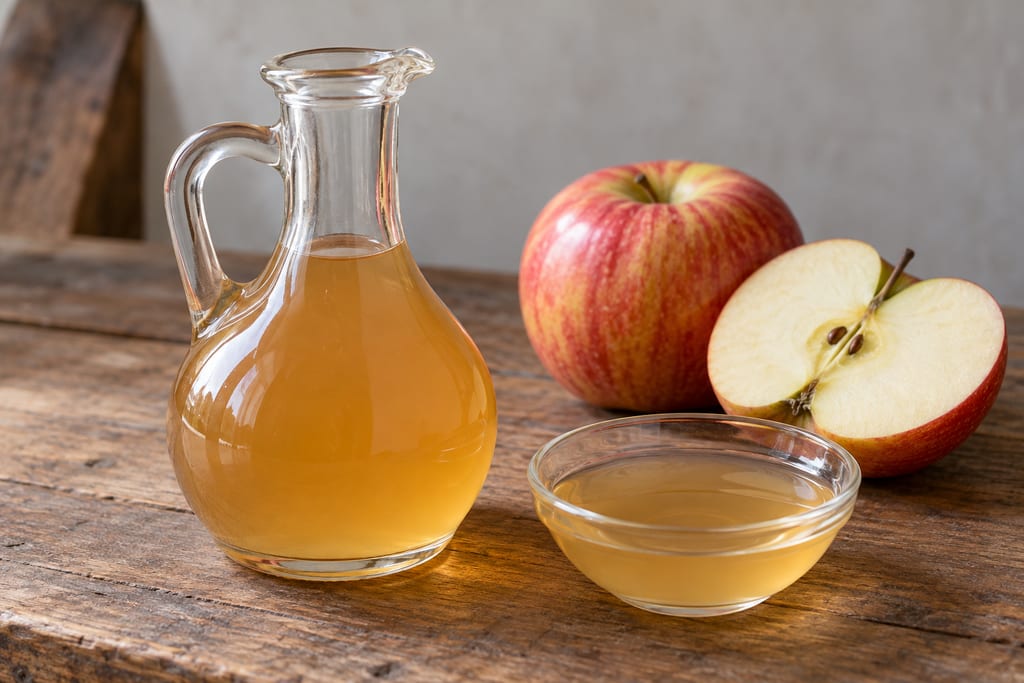
Cider vinegar
Cider vinegar is made when acetic-acid bacteria use oxygen to turn the alcohol in dry apple cider into acetic acid. This historical cask method begins with fermented cider and differs from apple-scrap vinegar made with sugar and water.
 FermenteaWhere food goes to change
Modern method
Pumpkin chunks and tart apples cooked with ginger, whole spices and cider vinegar. This version is for refrigeration or freezing, not cupboard storage.
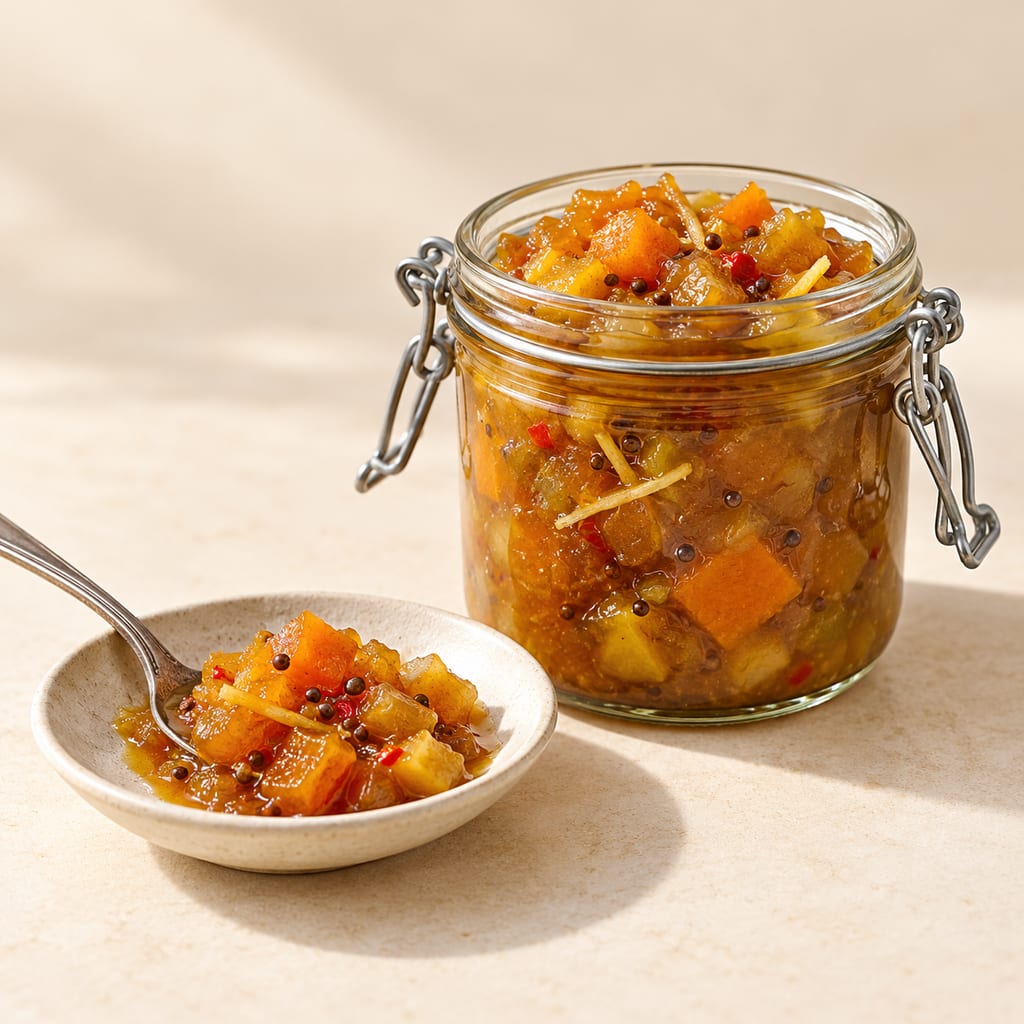
This cooked chutney keeps tender pumpkin pieces in a softer apple base. Ginger, chilli and whole spices distinguish it from a smooth sweet spread. Bramley apple is part of the selected formulation; butternut squash is the documented alternative to pumpkin.
The aromatics cook first, followed by garlic, pumpkin and apple. Sugar enters before vinegar, helping the pieces retain their identity during the later simmer. Stop with some syrupy liquid remaining because the chutney thickens as it cools.
The cooking formula is retained, but its original ambient-storage direction is replaced by refrigeration or freezing. Pumpkin chutneys have no recommended tested home-canning process. A closed lid does not establish shelf stability.
The apple provides the soft matrix around the pumpkin; the method does not ask for a blender. This matters when deciding the cooking endpoint: tender pieces with some syrup left are the goal. Reducing until the pan is dry would give a different result after cooling. Keep whole spices identifiable while serving rather than assuming every aromatic has dissolved.
This is a substantial batch for a household refrigerator. Divide it into useful portions and freeze the amount intended for later. For the refrigerated portion, use the general cooked-leftover limit of 3–4 days, rather than interpreting the recipe as a months-long larder preserve. This conservative storage rule does not validate a canning process or extend the keeping time of a thawed portion.
The storage instruction belongs to this formulation. Ball’s sweet pumpkin pickles and Bernardin’s pumpkin–pineapple compote have their own published boiling-water processes, with specified ingredient proportions, piece sizes, jars and processing schedules. Those recipes do not provide a canning method for this preparation. Keep this version chilled or frozen as directed.
The selected cooking formula was published in Good Food magazine in October 2013.
Yield 2 kg · Scaling: source batch only
Refrigerate or freeze; do not use the original cupboard-storage claim or an improvised water-bath process.
Hazard sourceRefrigerate or freeze; do not use the original cupboard-storage claim or an improvised water-bath process.
Control sourceRefrigerate or freeze; do not use the original cupboard-storage claim or an improvised water-bath process.
Documented association, not a birthplace claim.
Cider vinegar is made when acetic-acid bacteria use oxygen to turn the alcohol in dry apple cider into acetic acid. This historical cask method begins with fermented cider and differs from apple-scrap vinegar made with sugar and water.
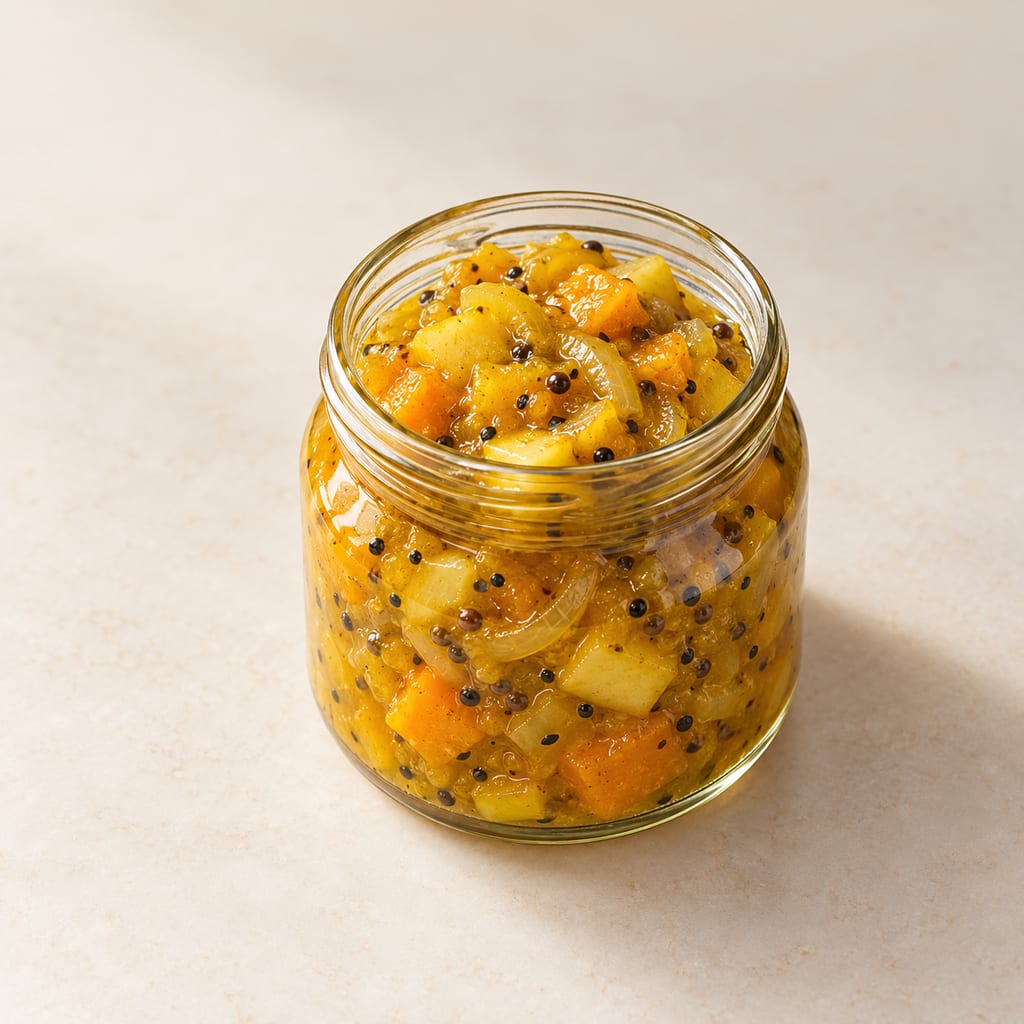
British pumpkin, apple and mustard pickle: Freeze for winter; small fresh portion refrigerated up to 48 hours.
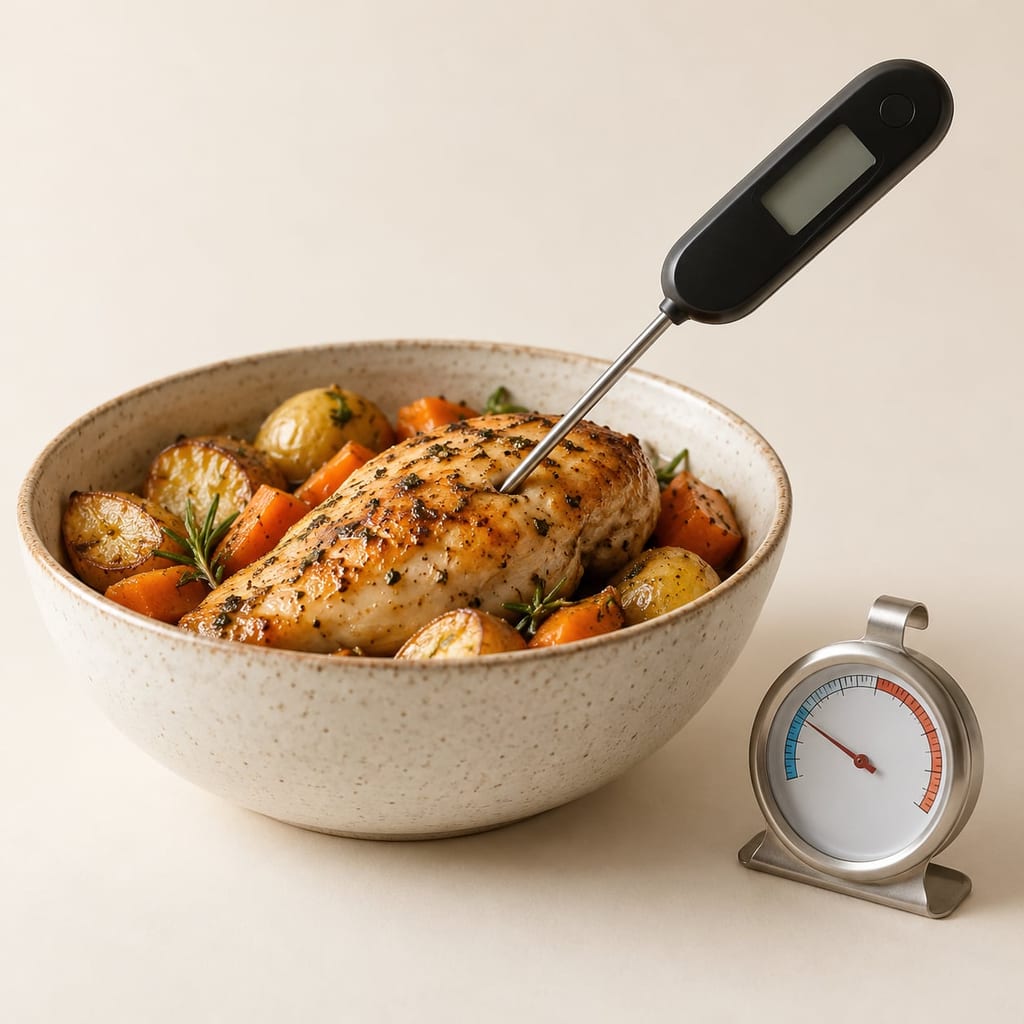
A food probe measures the temperature inside food at the probe tip; a refrigerator thermometer measures the cold storage environment. They answer different questions and cannot establish acidity or validate a preservation process.
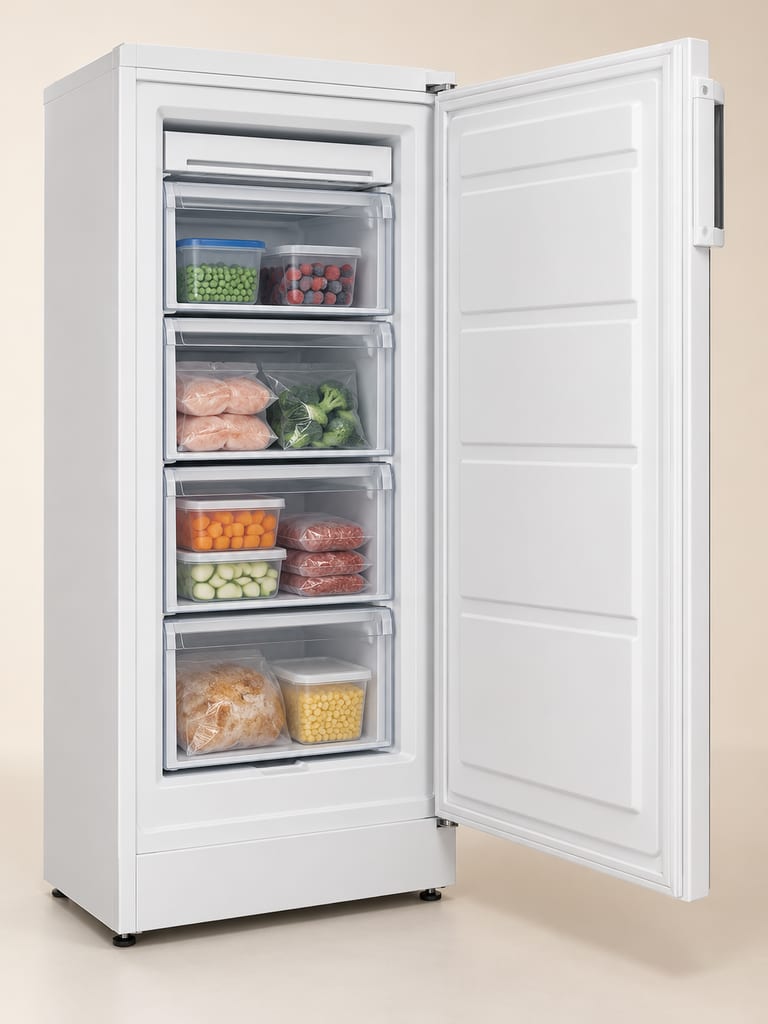
A household freezer holds food in a frozen state for storage and selected texture or separation work; its batch-storage role differs from industrial equipment that freezes individual pieces separately.
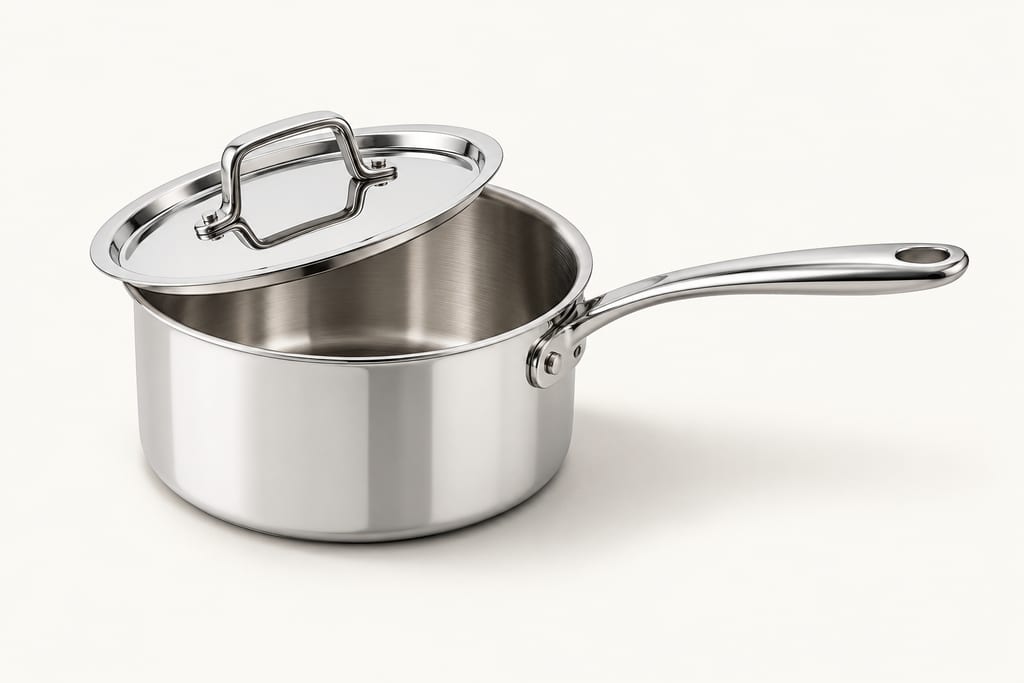
A modern, portable stovetop pan with a stainless-steel cooking surface for sauces and other small simmering jobs. Size, cladding, lid, compatibility and care vary by model.
An ordinary household refrigerator used to store selected fresh produce in vented crates or drawers, at low temperature and at a humidity chosen by the drawer. Not every crop benefits from cold.
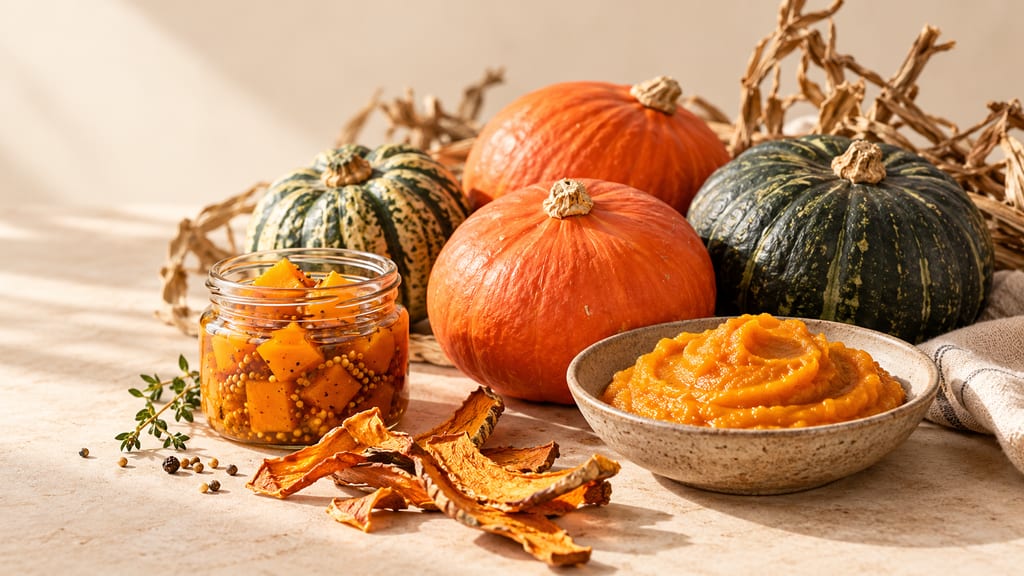
A full harvest-to-pantry guide to keeping pumpkins whole, drying and freezing them, and making pickles and sweet preserves around the world—with the exact distinction between tested canning and cold storage.
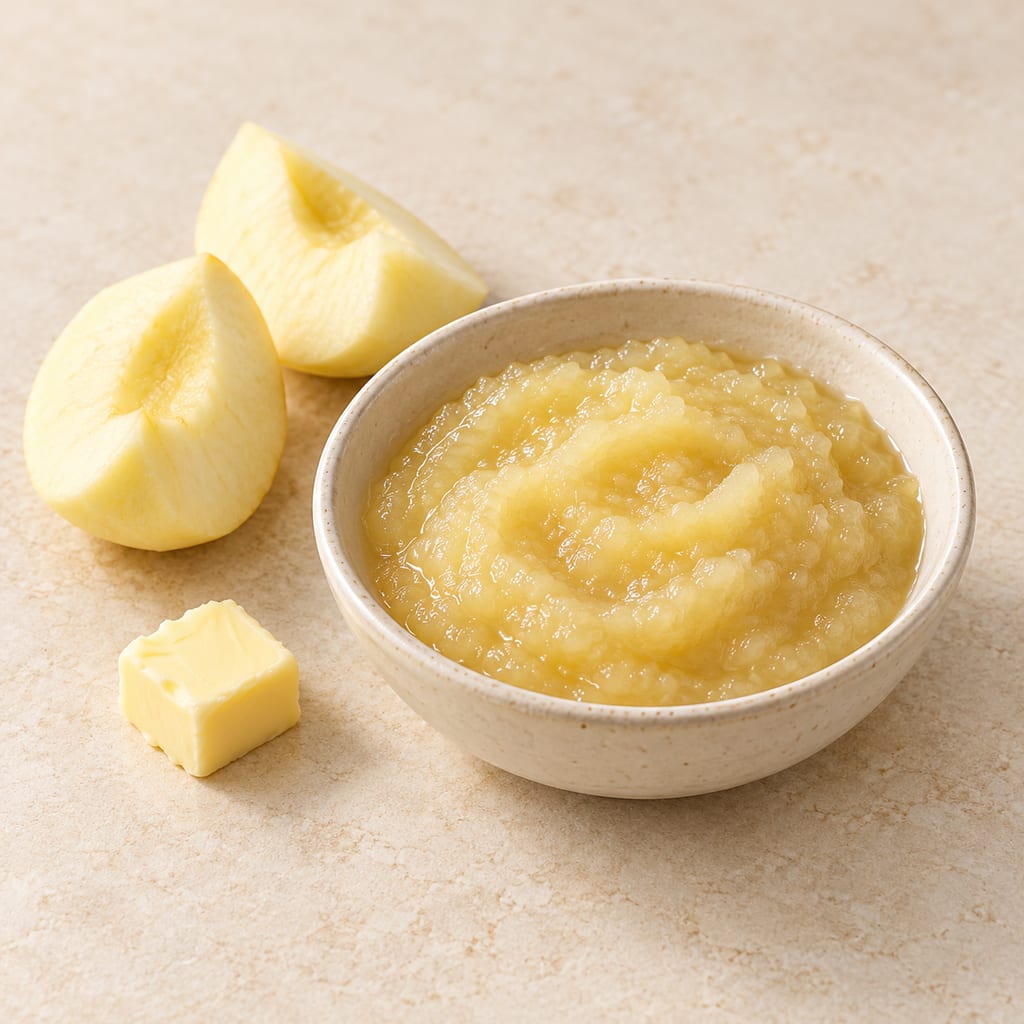
Apple sauce for goose and pork is a plain English accompaniment: cooked apples pulped with water, then sweetened with sugar and finished with a little butter.
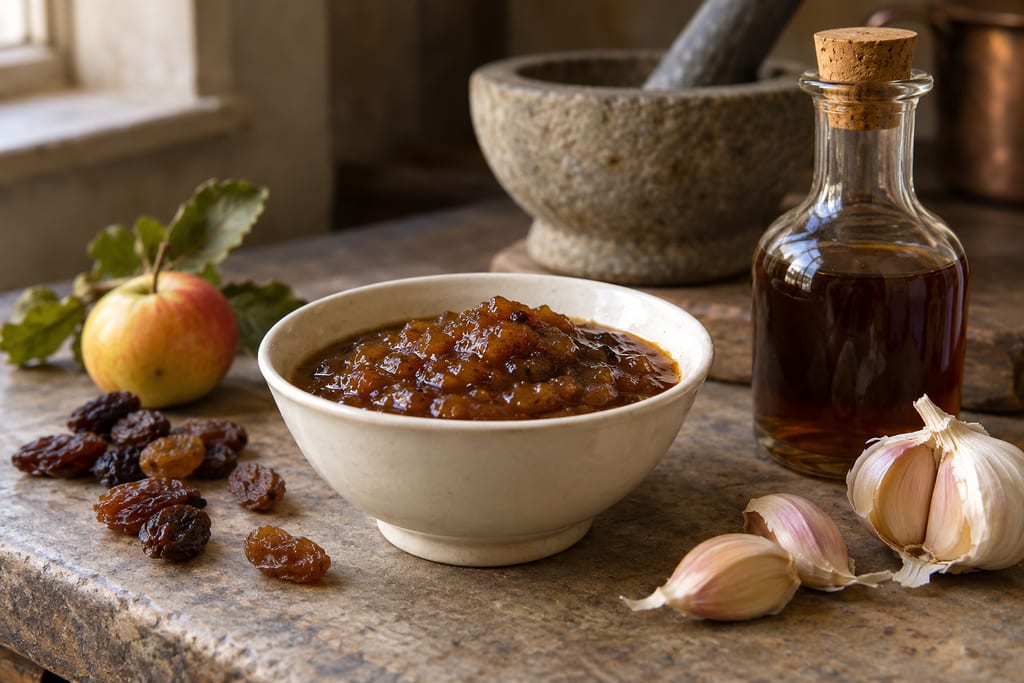
Eliza Acton's Bengal receipt for chetney sauce: stoned raisins and a hard acid fruit pounded with brown sugar, ginger, salt, cayenne and garlic, then thinned with vinegar to the consistence of thick cream.
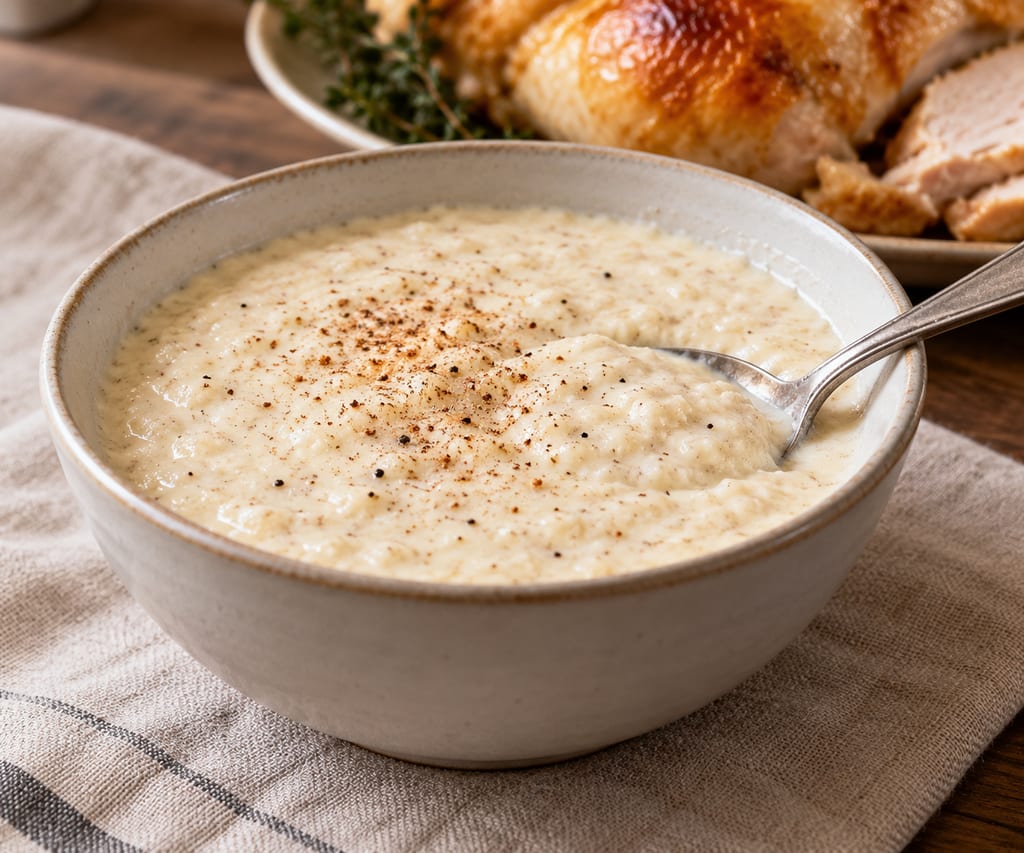
Bread sauce is a British sauce of milk infused with onion, clove and bay, thickened with stale breadcrumbs and finished with butter, served with roast chicken or turkey.
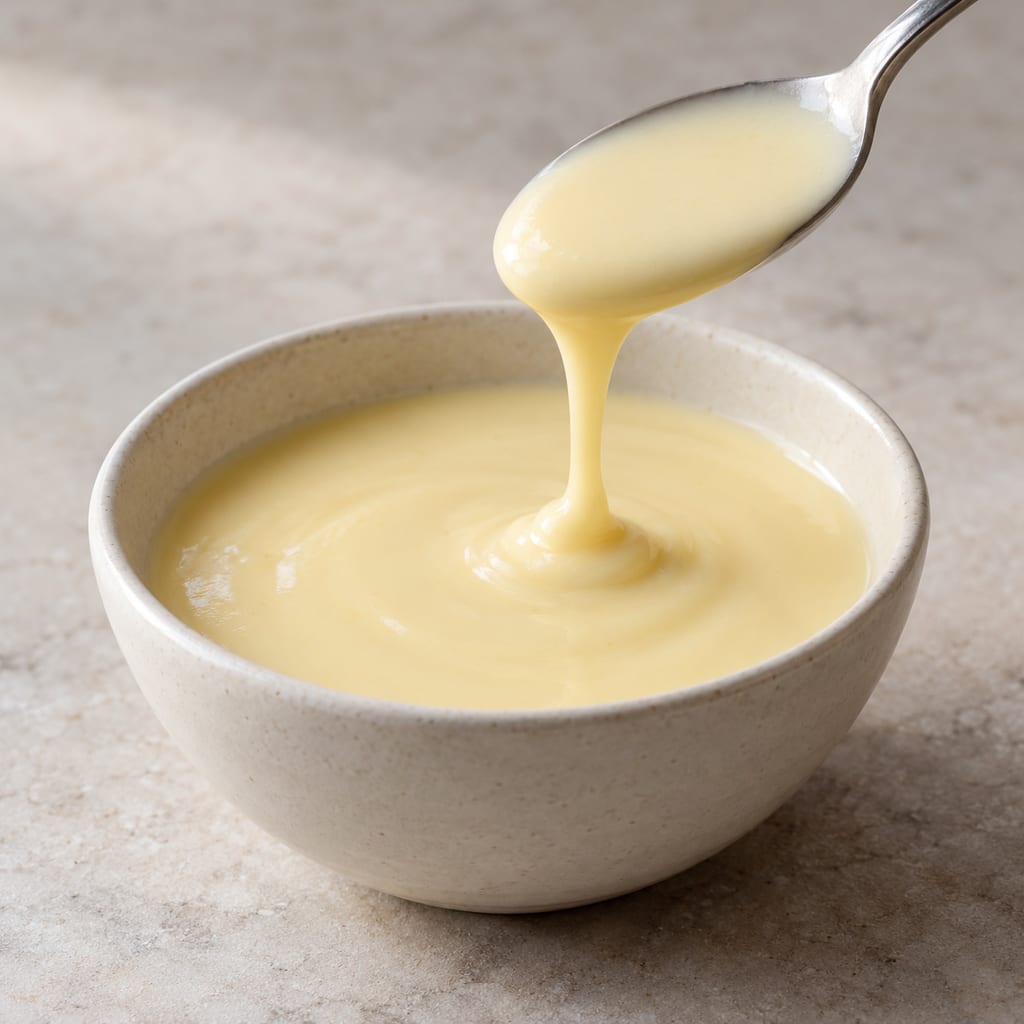
Starch-thickened salad-cream prototype with pasteurised yolk added after cooling; not a Heinz copy. Approximate yield 300 g.
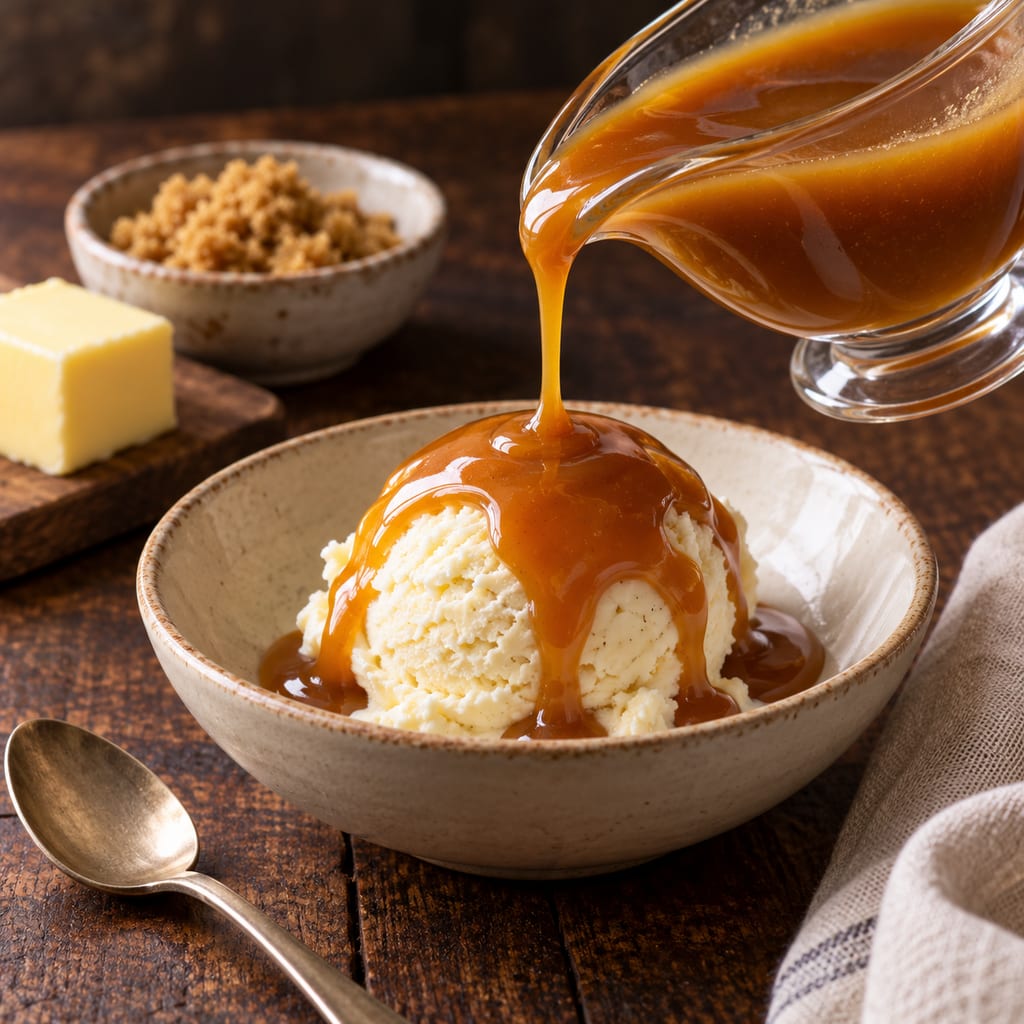
A pourable dessert sauce of brown sugar, butter and cream, with a little corn syrup and salt. It is the sauce form of the butterscotch confection and is made without water, unlike caramel.
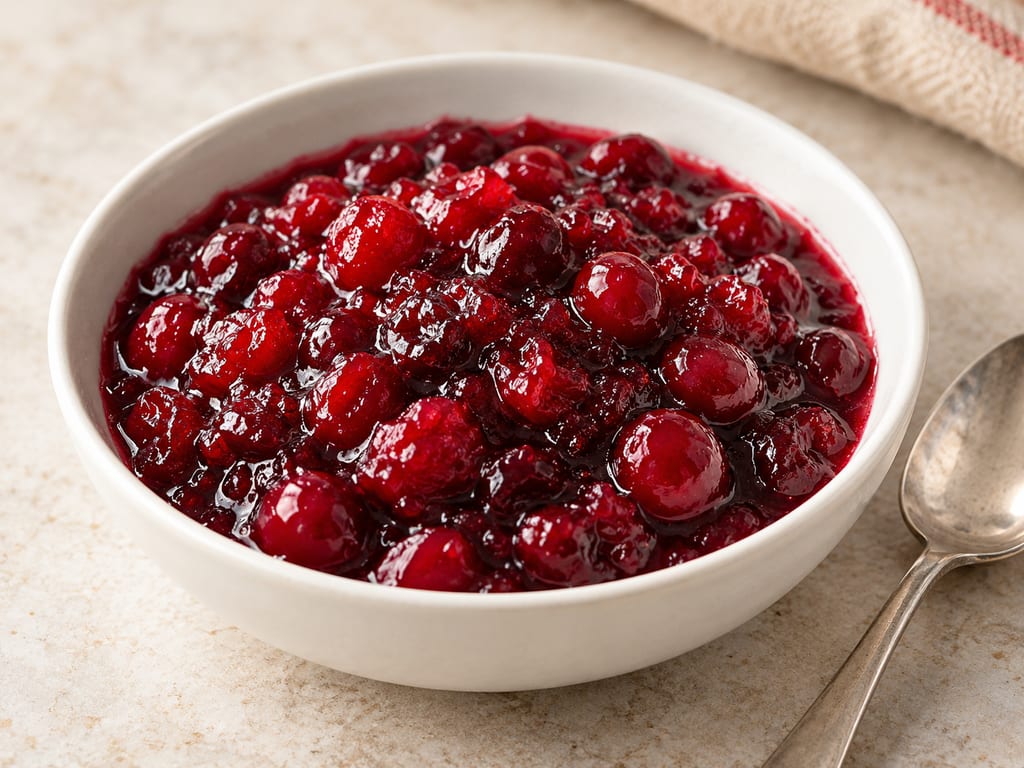
Cranberry sauce is a sauce of cranberries cooked in sugar syrup until the berries burst and thicken, served with roast turkey, pork, chicken and ham.
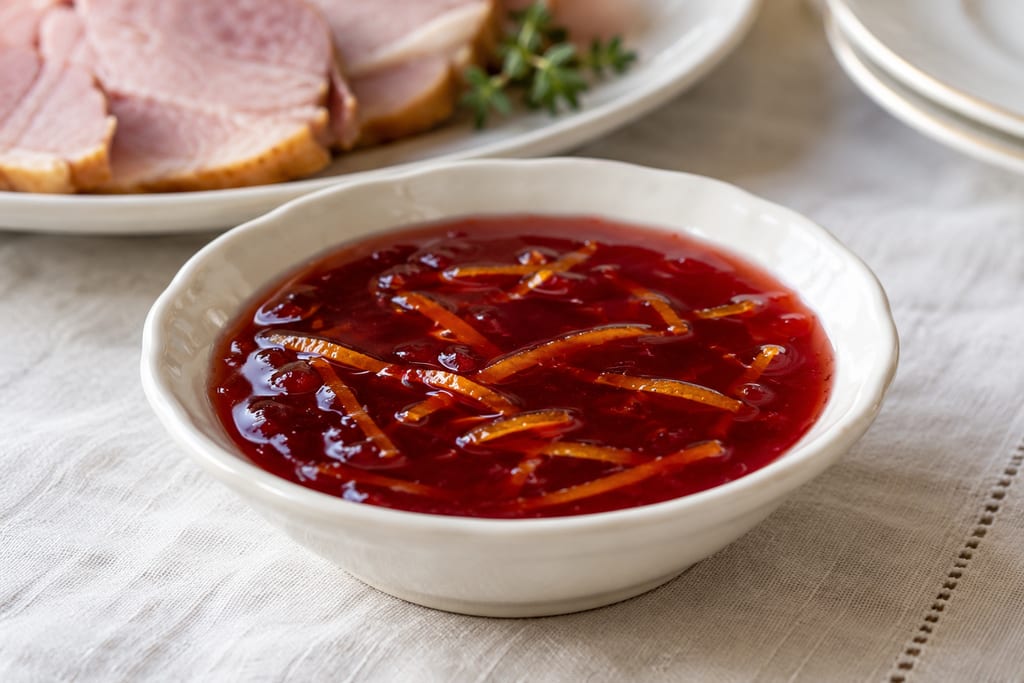
Cumberland sauce is a British condiment of redcurrant jelly, mustard, blanched orange peel and port, traditionally served cold with ham, game and cold meats.
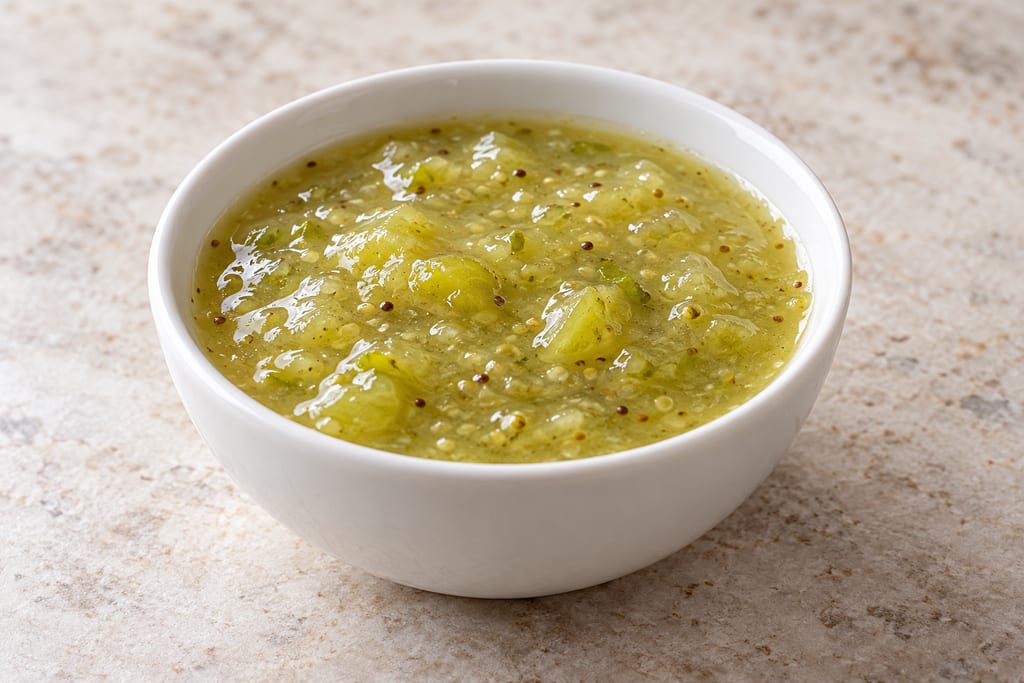
Gooseberry sauce is a soft, tart sauce of cooked green gooseberries, sharpened with wine or vinegar and lightly sweetened, traditionally served with mackerel.
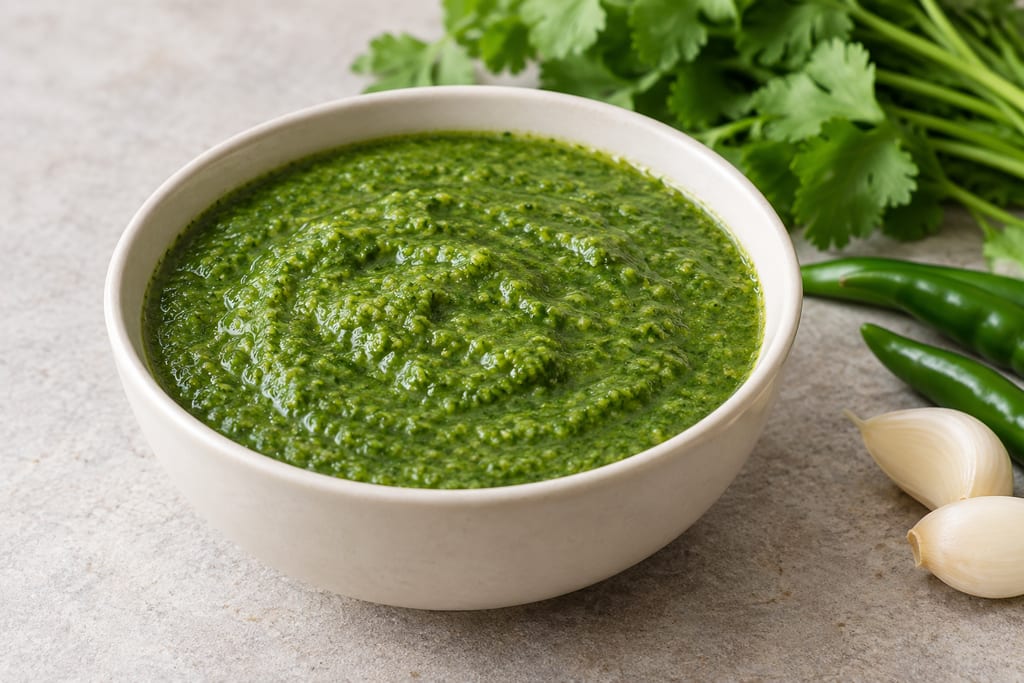
Afghan coriander chatni is a sharp, hot herb sauce with garlic and vinegar. A 2008 Afghanistan manual records green or red pepper and optional walnut; heat and household versions vary.
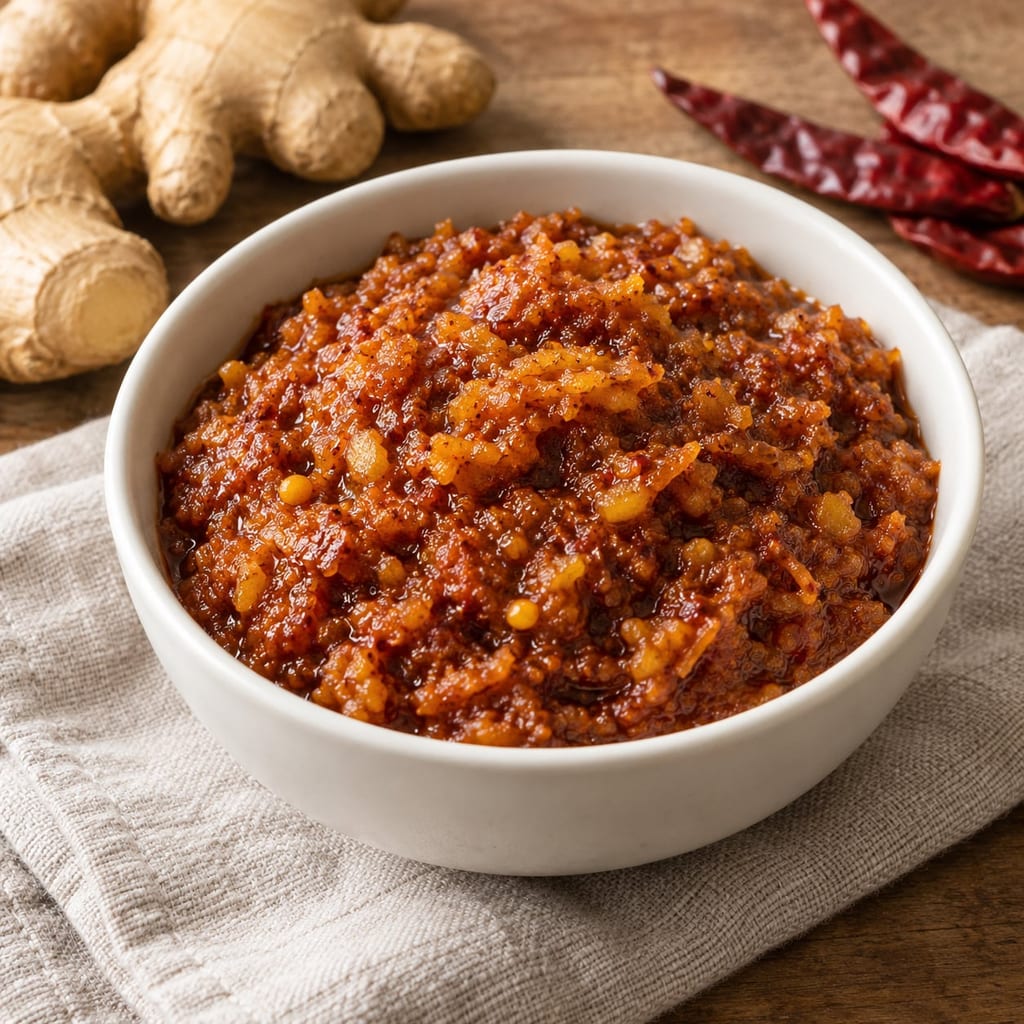
An Andhra ginger-and-urad chutney in which browned dal and briefly fried ginger and chillies are cooled, then ground with jaggery to a coarse paste.
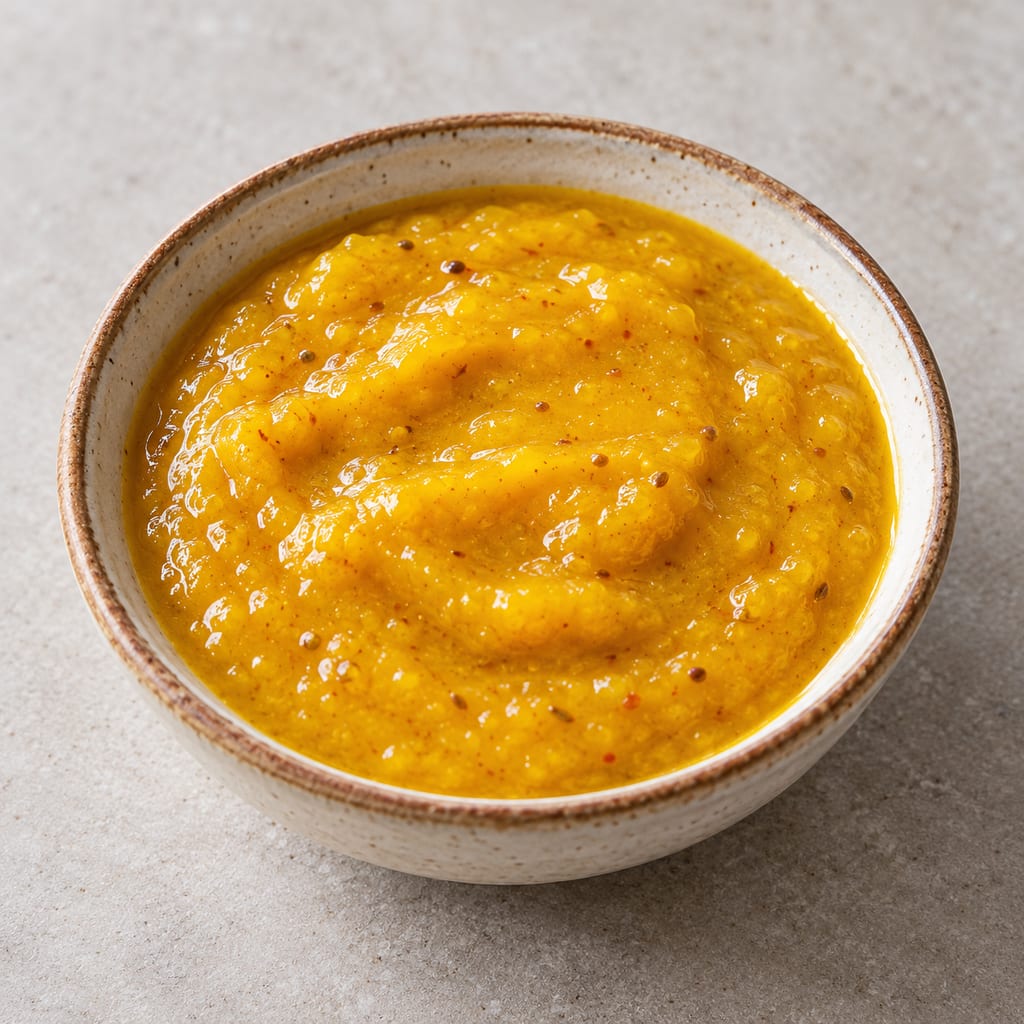
This cooked amba follows a Jewish Food Society recipe that simmers ripe mango with onion, garlic, mustard seed and warm spices into a tangy Middle Eastern condiment.
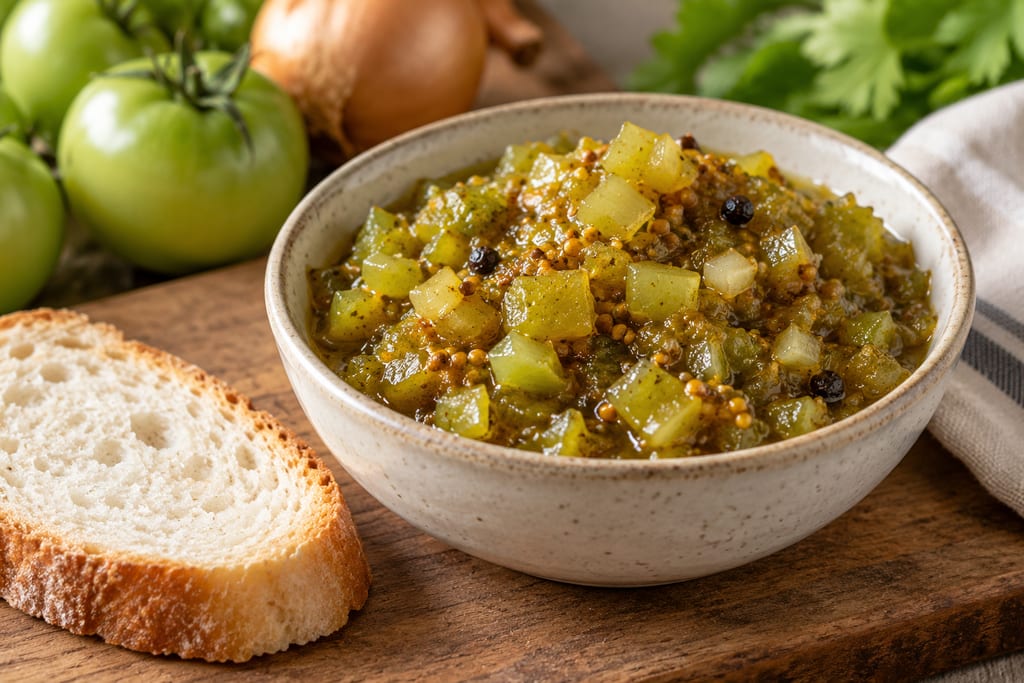
Australian green tomato pickles and relishes vary. This partial version follows ABC Western Victoria’s 2018 pickle recipe, not Beerenberg’s commercial formula. Sources document examples from 1944 onward, not a single origin.
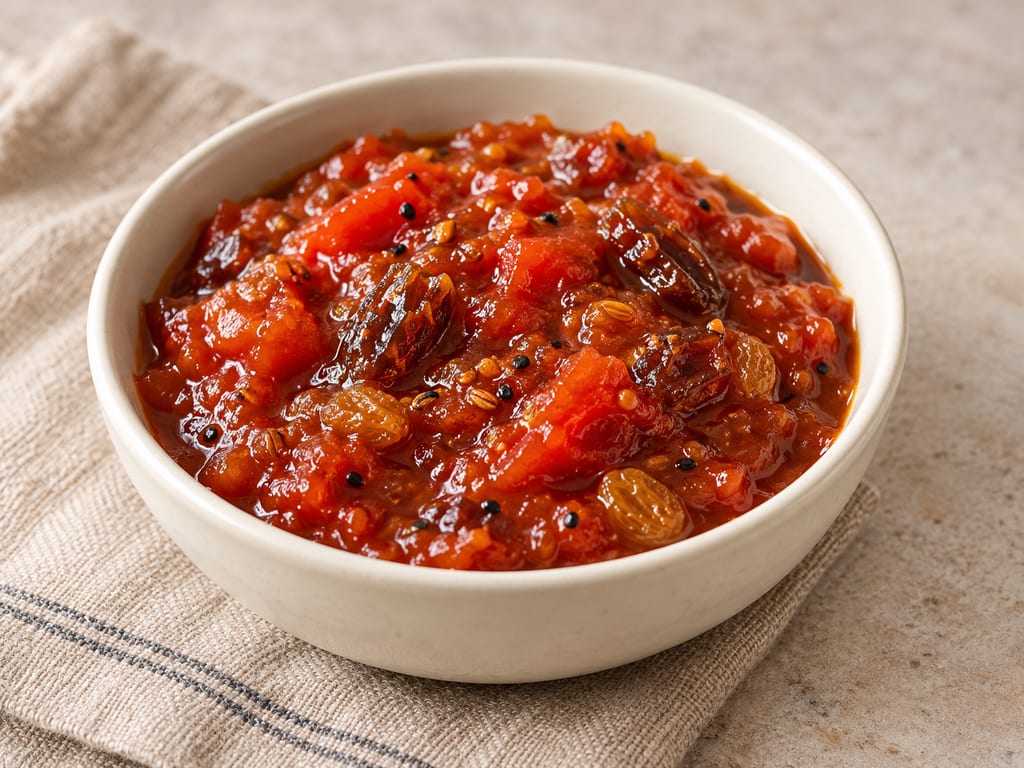
A cooked Bengali meal chutney combining tomatoes, dates, raisins, ginger and panch phoron.

A spicy South African vegetable relish of onion, carrot, pepper, tomato, curry seasoning and beans, cooked briefly and served warm or cold beside pap and grilled meat.
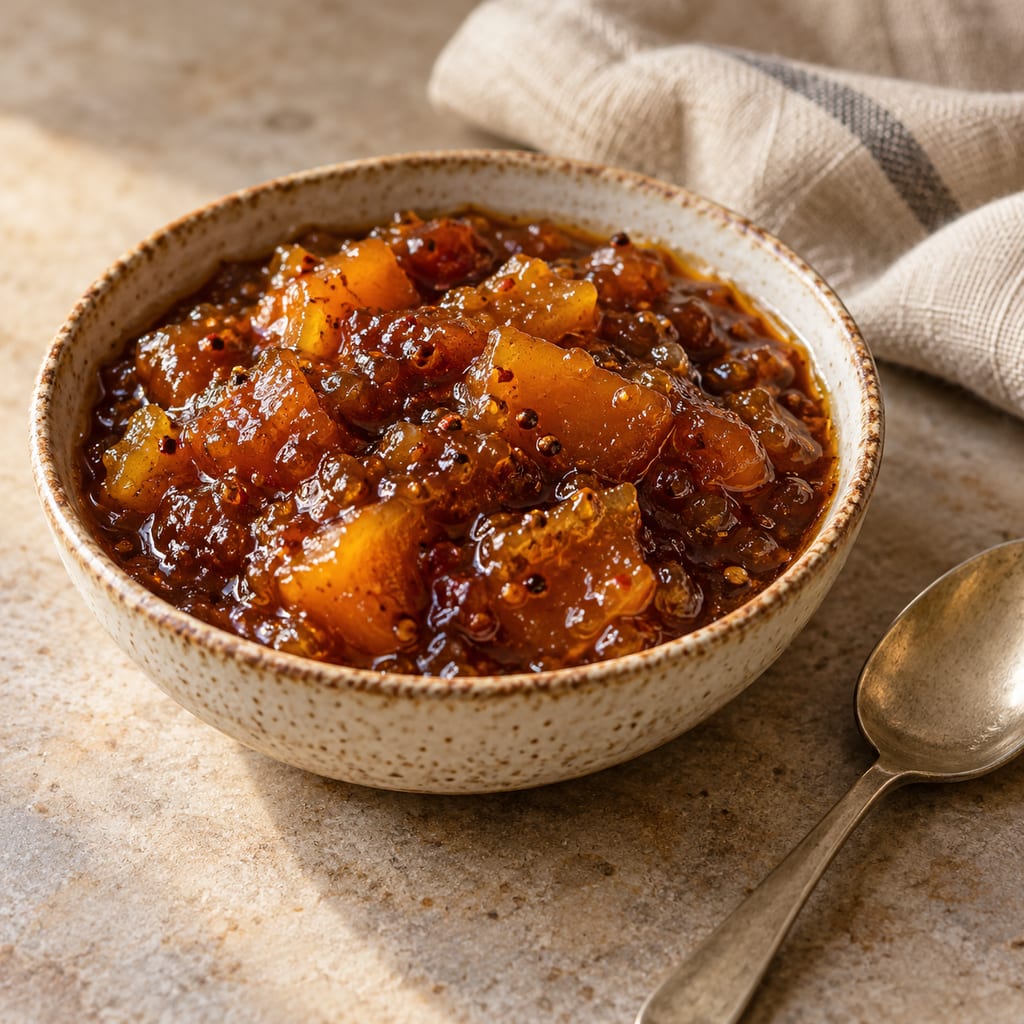
A broad account of cooked chutney traditions: fruit or vegetables combined with sugar, spices and sometimes acid, often boiled into a thick condiment. This record is historical and process context, not a formula or storage recipe.
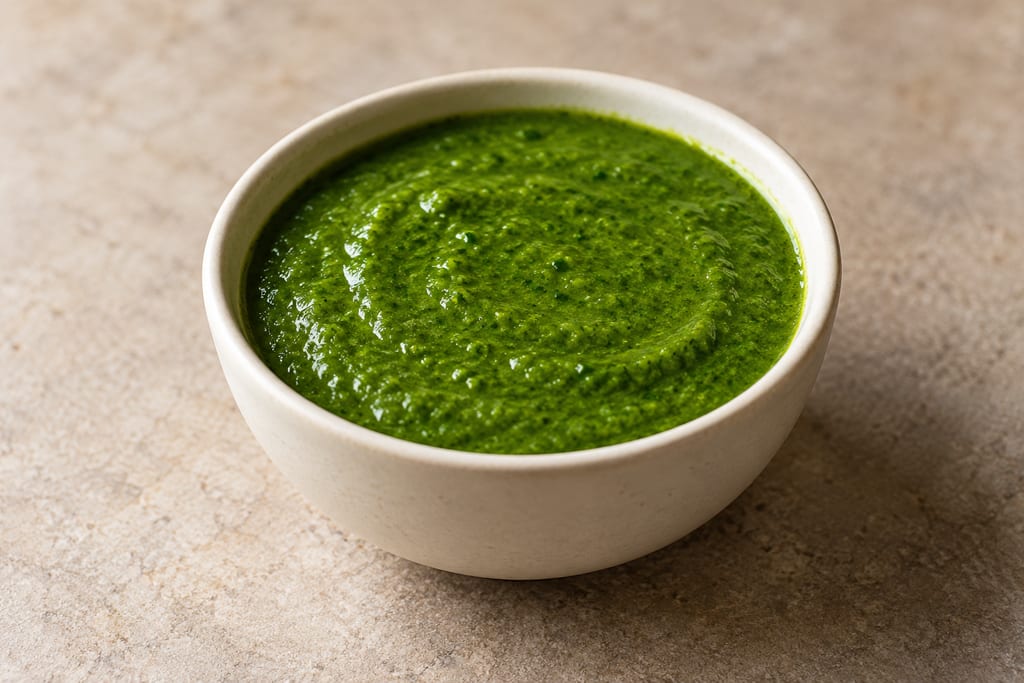
A cold-blended coriander and mint chutney with ginger, green chilli and optional cumin and lemon; the author serves it with snacks, chaat and sandwiches.
No community contributions have been published for this entry yet.
Sign in to contribute. Published comments and photos are free to read.
Good Food / Jane HornbyMethod · Safety
Spicy squash & apple chutneyIngredient batch, staged cooking, two-kilogram yield and freezable designation. Ambient-storage claim is not adopted.
Cited in: Chunks in a tart apple base; Why the ingredients enter in stages; Keep the pieces and plan the portions
University of California Master Food Preserver ProgramMethod · Safety
PumpkinsPumpkin is low acid; no tested home-canning process for purée, butter or pumpkin pickles. Steam blanch thin strips for three minutes; dry until brittle.
Cited in: A cold-stored adaptation
North Carolina Cooperative ExtensionMethod · Safety
Preserving Winter Squash and PumpkinsDry strips; rehydrate one cup dried pumpkin with two cups water, soak one hour then boil until tender. Refrigerate or freeze sweet pumpkin preserves.
Cited in: A cold-stored adaptation
USDA Food Safety and Inspection ServiceSafety
How do I handle leftovers safely?General cooked-leftover rule: refrigerate promptly in shallow containers, use within 3–4 days or freeze; not a pumpkin-specific shelf-life validation.
Cited in: Keep the pieces and plan the portions
US Food and Drug AdministrationSafety
Are You Storing Food Safely?Cold storage temperatures; freezing suppresses growth rather than killing most bacteria; prompt refrigeration.
www.bernardin.caMethod · Context · Handling
Bernardin: Pumpkin Pineapple Autumn Glory CompoteDocumented preparation, regional context or preservation handling, with the limits stated in the text.
Cited in: Choosing the right preservation route
ucanr.eduMethod · Context · Handling
UC Master Food Preservers: Sweet Pickled Pumpkin, 2020, from Ball Complete Book of Home Preserving p301Documented preparation, regional context or preservation handling, with the limits stated in the text.
Cited in: Choosing the right preservation route