The hottest of the mustards
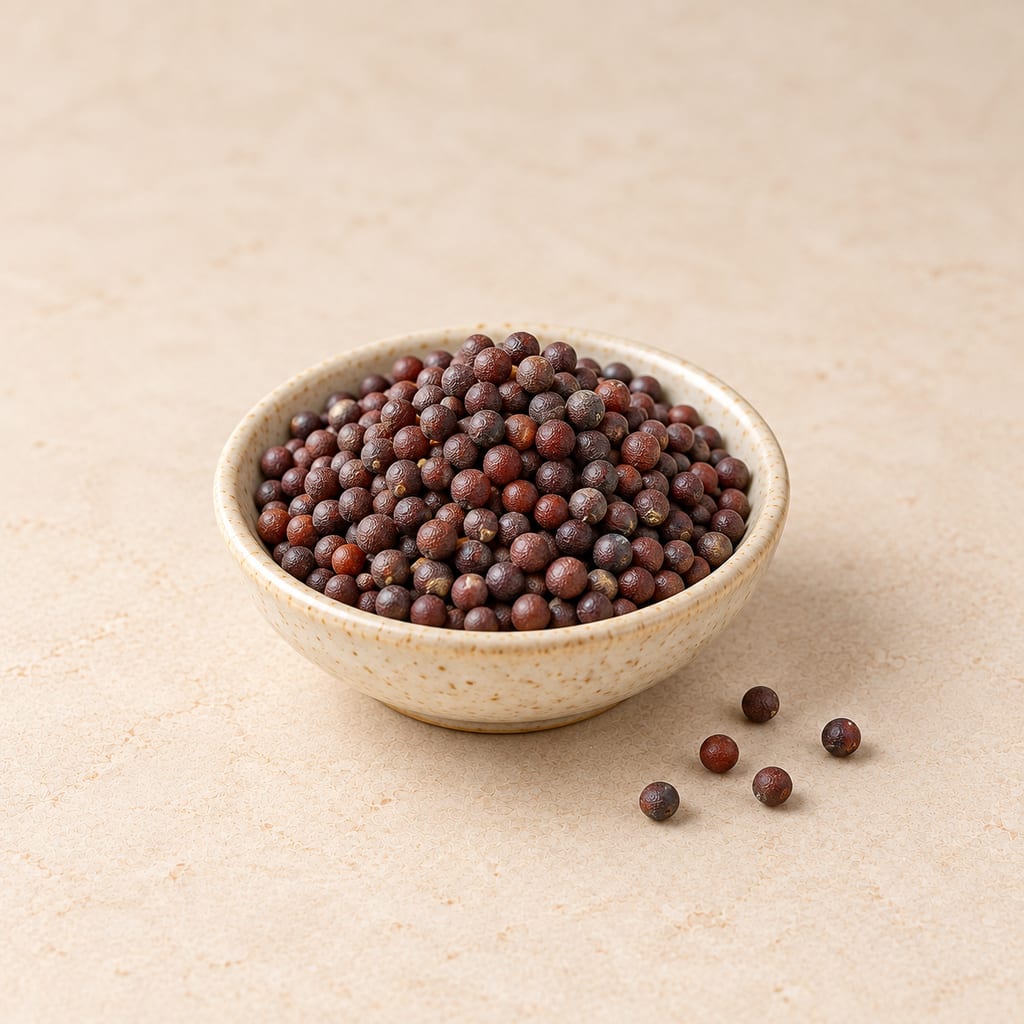
Black mustard is Brassica nigra (L.) W.D.J. Koch, once also called Sinapis nigra. It is grown for blackish brown to red-brown seeds that are slightly bitter and more pungent than those of white and brown mustard. Its main glucosinolate, sinigrin, breaks down into allyl isothiocyanate, the volatile oil that makes the nose and eyes run. The seed is a spice and its leaves a potherb, and it also yields oil. Of the three mustards that matter commercially, it is the sharpest.
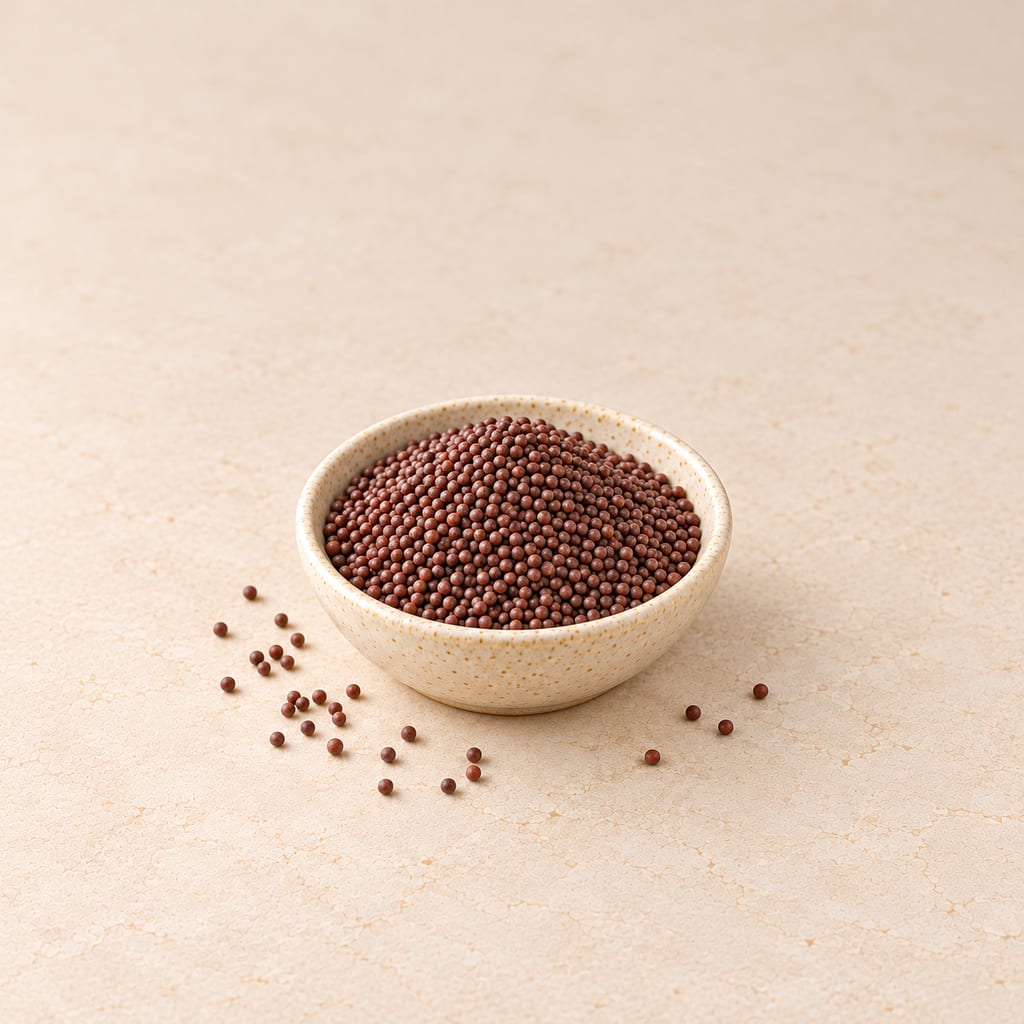
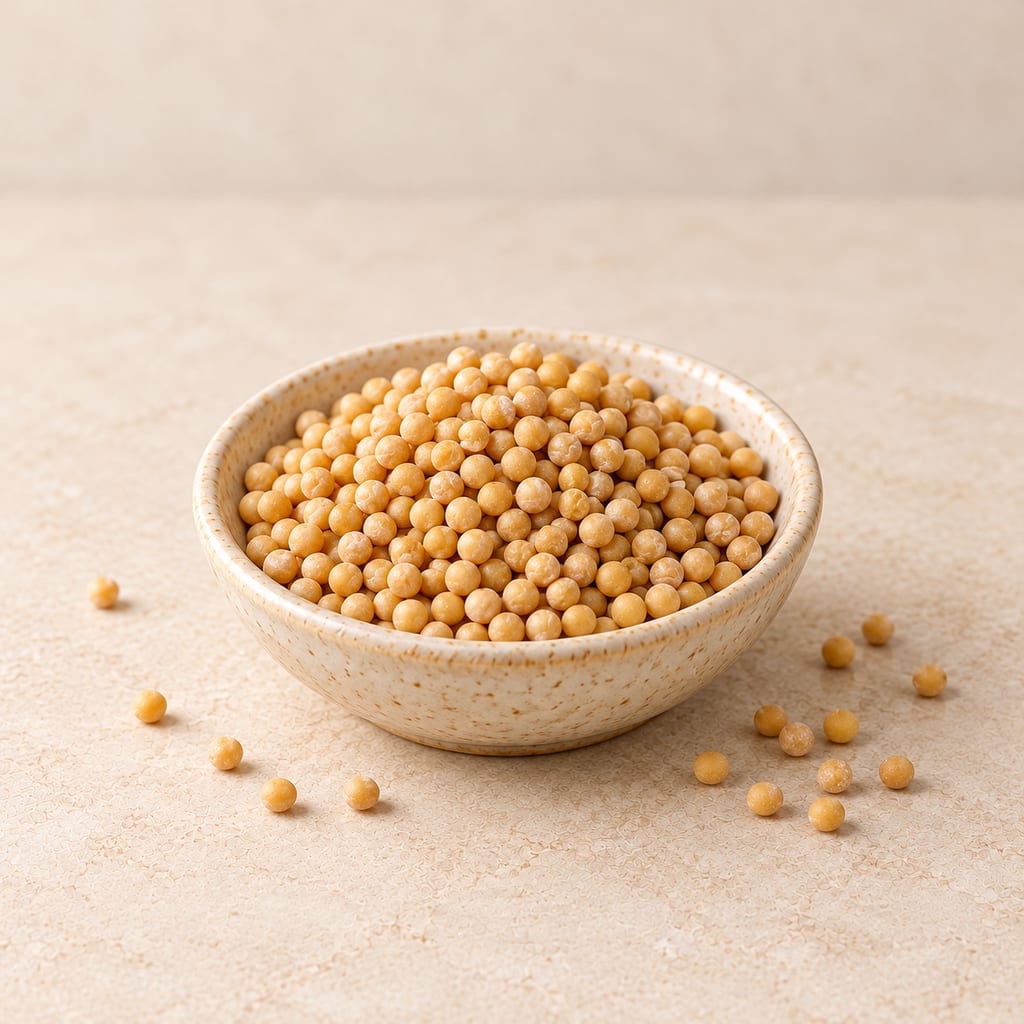
The species stands near the root of the whole mustard family. Brassica nigra carries the B genome in the triangle of U, the 1935 model of how three diploid ancestors, Brassica rapa, Brassica nigra and Brassica oleracea, gave rise by natural hybridisation to three tetraploid crops. Brown mustard, Brassica juncea, is the hybrid of black mustard and turnip rape, and by one account it took its fast growth from the turnip rape and its mustard oil from black mustard. White mustard, Sinapis alba, is a related genus. The three seeds differ in size: white mustard seed is slightly larger than the seeds of black and brown mustard.
An analysed sample of black mustard seed contained 38 g carbohydrate, 20.4 g protein and 17.5 g dietary fibre per 100 g, with 1.3 g of ash. The seed also holds fatty oil, and the oil of the three commercial mustards is high in erucic acid, over 30% of the fatty acids in the figures the review quotes. Reported values for black mustard seed oil run from about 20 to 45% across collections from Germany, India and Egypt. These numbers describe analysed samples, not every seed lot.
Sources for this section
Mustard in the ancient world
Mustard is among the oldest condiments. The first known cultivation and use of mustard plants is dated to about 3000 BC, and the crop is described as one of the first domesticated. Ancient Greeks and Romans ground the seed into a paste and a powder. Pliny the Elder gives the most vivid Roman verdict in book 19 of the Natural History: sinapi is sharpest in taste, fiery in its effect and most healthful to the body. He adds that it requires no cultivation and that it is hard to rid a place of it once it has been sown, since fallen seed turns green at once. Pliny does not say which species he means, so the passage speaks for mustard in general and not for black mustard alone.
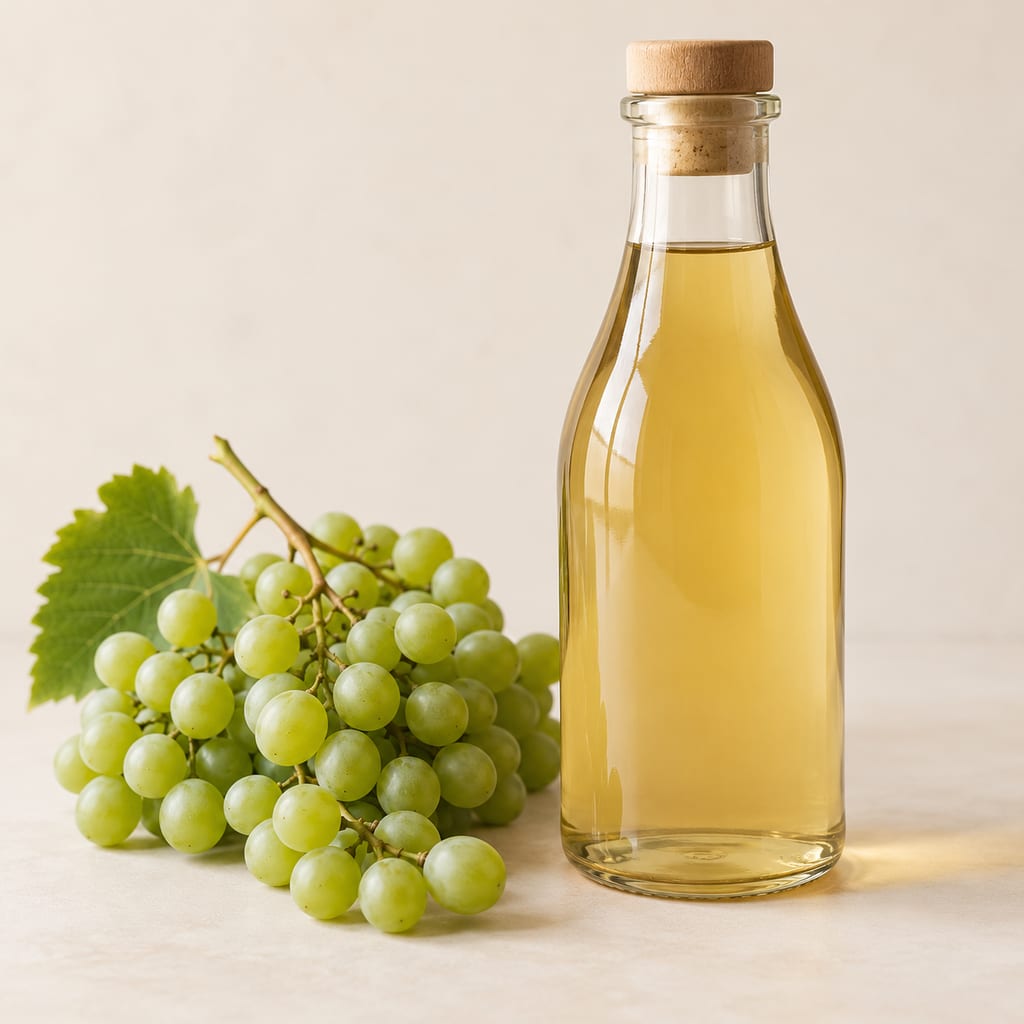
The word itself is later. Around 1300 the condiment was named after the practice of mixing ground seed with mustum, Latin for unfermented grape juice, and Purdue's crop manual notes that this is the origin of the name. The mixture of crushed seed and grape must or verjuice leads to the modern Dijon tradition, which Lietzow's review describes as made from black or brown seed blended with wine, vinegar or verjuice and seasonings. Add vinegar to a ground mixture of black and white seed, the same review says, and the result is a milder blend of the German kind.
North America came to mustard late. Supplies from western Europe were disrupted during the Second World War, which pushed North American farmers to grow it, and the crop that settled there was yellow mustard. The North American crop sources read for this page describe yellow, brown and oriental mustard and do not mention black.
Sources for this section
Why black mustard faded from the fields
Black mustard is grown for its seeds, as a spice and for oil, but in the United States and Europe difficulties in harvesting have reduced its popularity. Brown mustard offered the same pungent oil in a more manageable plant. Lietzow's review describes Brassica juncea as more suited to cultivation and mechanical harvest than black mustard because of its higher growth and pods less prone to bursting, which makes production less labour-intensive and cheaper, and it states that brown mustard increasingly replaces black. Brassica juncea plants are shorter and have larger seeds than their black mustard parent.
A cook who wants the particular sharpness of Brassica nigra should look for a seed that names the species on its label, because brown mustard is a close relative with a similar pungent chemistry and now takes its place in most commerce.
Sources for this section
Where the mustard trade lies
Mustard seed statistics do not usually separate the species. Nepal grew more than 32% of the world's mustard seed in 2019, according to the toxicology review, followed by Russia with 25% and Canada with 21%. The United States and Germany were the largest importers, then France, and the market splits by type: North America buys yellow mustard for its condiment industry, Europe buys brown mustard for specialty mustards such as Dijon, and the Asia-Pacific region buys brown mustard for spicy cooking oil and condiments. In 2019 the United Kingdom, Germany and Italy had the highest volumes of prepared mustard consumption, together 44% of the total. The sources read give no separate figures for black mustard.
Sources for this section
How the seed makes its heat
A dry black mustard seed has almost no smell. The heat is not stored in the seed as such. It waits in two separate compartments: sinigrin, a glucosinolate, in one set of cells and the enzyme myrosinase in another. Chewing, crushing or soaking the seed breaks the cells open, and in the presence of water the enzyme cuts sinigrin into glucose and an unstable intermediate that rearranges into allyl isothiocyanate. Ascorbic acid acts as a cofactor and some myrosinases are nearly inactive without it. In a neutral medium the isothiocyanate is the main product, 60 to 90% of the glucosinolate breakdown products under physiological conditions, while acid conditions, ferrous ions and specifier proteins steer the reaction toward nitriles, which are far less pungent.
The seed holds a great deal of sinigrin. In the figures collected in the review, black mustard seed contained 207 to 229 micromoles of glucosinolates per gram in one study, of which 202 to 227 micromoles were sinigrin, and 26 to 62 g per kilogram in another, of which 24.5 to 61.2 g were sinigrin. Other glucosinolates were present only in traces. Enzyme activity differs between species too. In one comparison myrosinase activity was highest in brown mustard at 2.75 units per millilitre, then black mustard at 1.50, and lowest in white mustard at 0.63. Black mustard myrosinase also proved more heat-stable than the white mustard enzyme.
Heat changes the outcome. Thermal treatment denatures myrosinase and preserves most of the glucosinolates. When whole seeds are added to cooked soups or stews, intact glucosinolates may therefore reach the colon, where bacteria with myrosinase-like activity can hydrolyse them to isothiocyanates, amines or nitriles.
Sources for this section
A seed that preserves
Allyl isothiocyanate is toxic to microbes, nematodes, fungi and insects, which is a plant's reason for making it. A 2026 Spanish study turned this into a packaging experiment. Defatted black mustard seed was ground and the coarse fraction, over 500 micrometres, was placed in packs with sweet cherries. In humid air the seed's myrosinase acted on its sinigrin and released allyl isothiocyanate into the headspace. In dishes at 25 degrees Celsius and 99% humidity, 50, 100 or 150 mg of seed stopped the growth of three of the six moulds tested for 96 hours, and the others were inhibited to different degrees. At the two lower doses inhibition of Alternaria, Botrytis and Geotrichum faded after 96 hours, which the authors link to the gas equilibrating in the environment; at 150 mg it stayed at about 90% or more.
On real fruit, 100 mg of seed controlled rot about as well as the fungicide fludioxonil over 28 days and kept the cherries firmer. A smaller dose of 50 mg cut infected fruit by 43% after 13 days at 1 degree Celsius, but by day 17 the treated fruit no longer differed from untreated. That is a result for one cherry variety in modified-atmosphere packs, not a rule for pickles. It shows what the seed does when moisture releases its gas, and why a dose matters.
In fermented foods mustard seed is used for flavour, and studies have begun to describe what else it does. A study of organic fermented sausage made without nitrite found that native or autoclaved mustard seed with acid whey lowered the pH during fermentation, and that over 90 days of vacuum storage the sausage resisted lipid oxidation about as well as a sausage cured with nitrite; the abstract does not name the mustard species. A Greek home tradition of keeping pears in water with seeds of the wild mustard Sinapis arvensis was shown to enhance lactic acid bacteria, mainly Leuconostoc mesenteroides, lower the pH and reduce Enterobacteriaceae, with higher oxalic acid as a suspected agent. That seed is from a different species, and the tradition shows only that mustard seed can steer a fermentation. A review also reports that mustard seed extract favoured lactic acid bacteria and reduced undesirable microbes, and that extract containing glucosinolates cut viable Listeria on bologna.
Sources for this section
In the kitchen
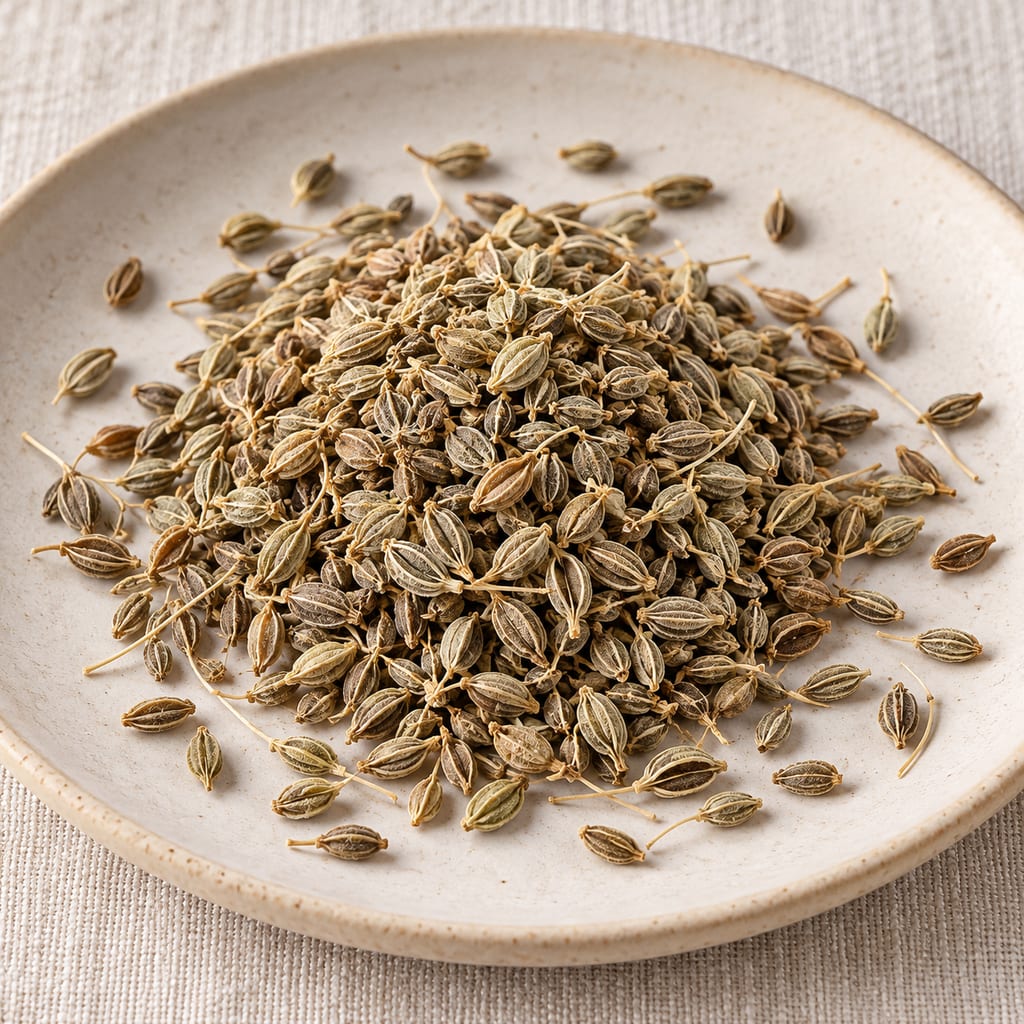
Black mustard is used whole, crushed and ground. Whole seeds are used as a seasoning in several dishes, and the review notes that white mustard seed is commonly used for pickling gherkins and mixed pickles and in sausages. Ground to meal and mixed with vinegar, black mustard seed makes a pungent condiment. Prepared mustard in general is a mixture of ground seed, mustard flour from peeled seed, or mustard cake, mixed with a liquid. The liquid, the temperature and the seed type decide how hot the paste is.
Black mustard oil, pressed from the seed, is used for soap and in traditional medicine remedies, according to the review, while the leaves of the plant are a potherb. Extension guidance for mustard crops stores seed at 9% moisture or less, and notes that wild mustard seed can be separated mechanically from large-seeded yellow mustard but not from brown or oriental seed.
Sources for this section
Allergy and other cautions
Mustard is a recognised food allergen. Mustard seed holds up to 36% protein depending on species, and its 2S albumins, called napins, are the major allergens. The WHO and IUIS allergen list records Sin a 1 for white mustard and Bra j 1 for brown, which are closely related, so people allergic to one mustard are likely to react to the other. It has no entry for black mustard, but the review assumes that Brassica nigra seed likewise contains allergenic 2S albumins. The proteins resist heat and digestion, so cooking and preparing table mustard cannot reduce the allergenic potential. About half of the patients allergic to mustard in one account were also sensitised to mugwort pollen and to a range of plant foods, mainly fruits of the rose family but also tree nuts, peanuts and legumes.
Allyl isothiocyanate can cause contact hypersensitivity and irritation, an immune reaction distinct from food allergy, and EFSA has noted that mustard contains irritants that can mimic allergic reactions. The seed oil is high in erucic acid, and the review lists mustard seed and table mustard as major sources of it in the European diet because little mustard oil is consumed there.
Sources for this section
Notes and open questions
The sources read do not say where Brassica nigra was first cultivated. Pliny's mustard is not tied to a species, and the 3000 BC figure for the first use of mustard plants is reported by a modern review without a species. The glucosinolate and nutrient figures describe analysed samples of black mustard. No source gives a shelf life for the whole seed.
Sources for this section
Places
Dijon
Traditional preparation · Locality evidenceTraditional Dijon mustard is made from black or brown seed with wine, vinegar or verjuice; the page does not claim the seed is grown there.
Unknown
Historical attestation · Place not establishedThe sources read do not establish where the species originated or was first cultivated.