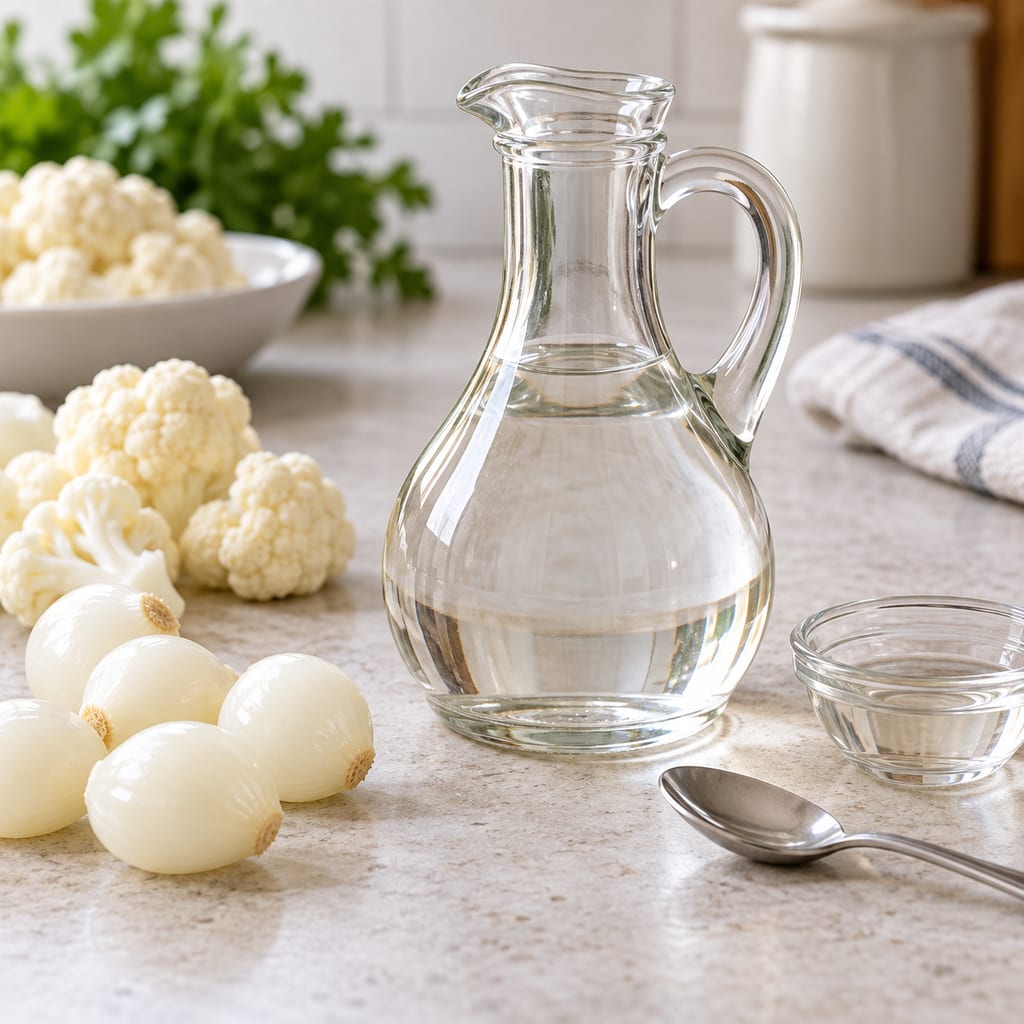
Spirit / distilled white vinegar
A clear, sharp vinegar made by acetifying alcohol. Its restrained color and aroma suit pickles, sauces and dressings where darker or more aromatic vinegars would change the result.
 FermenteaWhere food goes to change
Modern method
Dynia marynowana: Freeze for winter; small fresh portion refrigerated up to 48 hours.
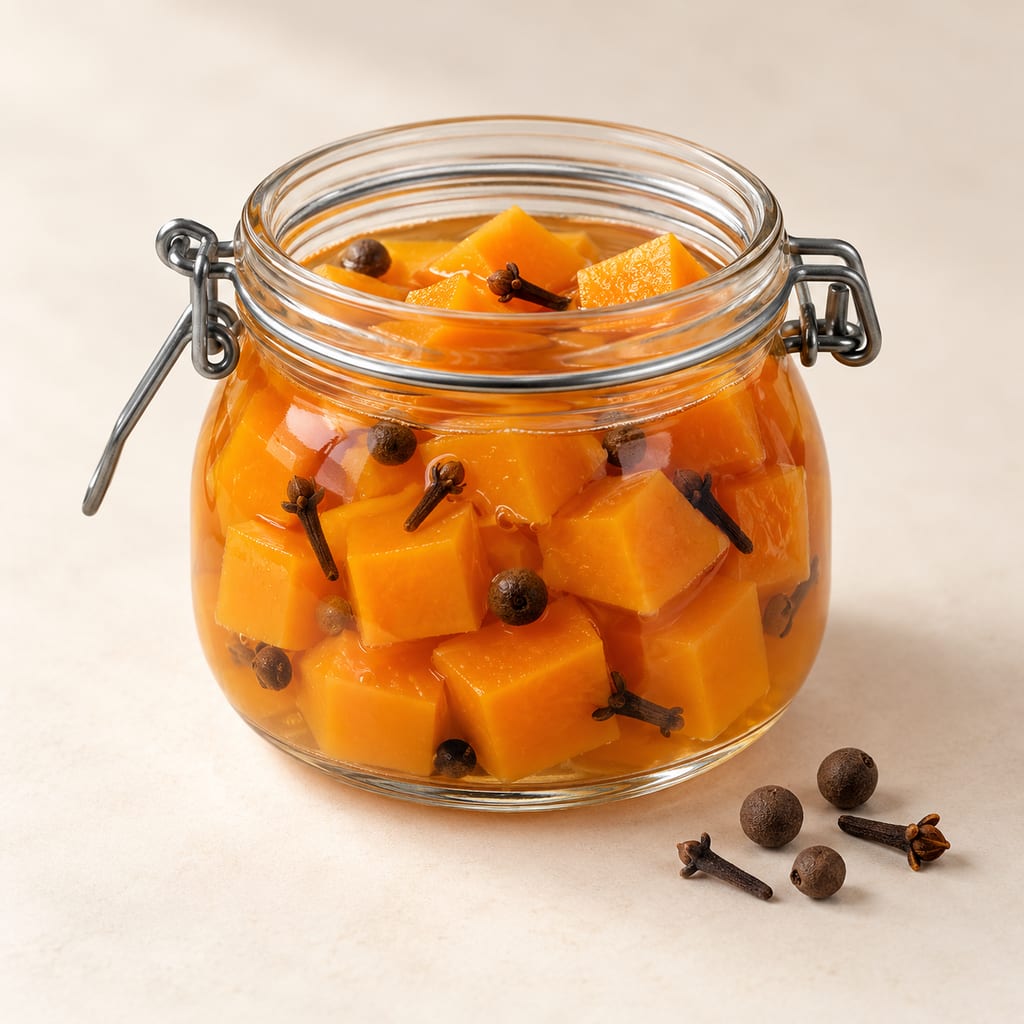
Polish chef Jakub Kuroń publishes a pumpkin preserve scented with cloves, allspice and cinnamon, using 10% spirit vinegar. This is a relatively lightly sweetened counterpart to the heavily sweetened Nordic version. It belongs to the same vinegar-pickle family; listing both records regional taste and preparation differences rather than inventing another preservation mechanism.
Batch: 1 kg prepared pumpkin; approximately 4–5 small jars, depending on packing. Work: roughly 30 minutes. Storage class: refrigerator or freezer. The source's jar pasteurisation and inversion directions are not reproduced as a validated canning process.
The sugar quantity and allspice count are fixed editorial choices within the author's less precise seasoning instructions. The source's 250 ml of 10% vinegar plus 350 ml water becomes 500 ml of 5% vinegar plus 100 ml water. This preserves the nominal acid quantity and 600 ml liquid volume; it does not validate canning or a storage period.
Keeping the cubes reasonably even is worthwhile: a jar containing both tiny dice and thick chunks can have a mixture of soft and hard pieces. Do the trimming before weighing. A kilogram of whole pumpkin is not the same batch as a kilogram of prepared flesh, and silently using the whole-fruit weight changes the relationship between vegetable and liquid.
Record the vinegar's labelled acidity beside the batch date. The familiar Polish ingredient name ocet spirytusowy does not by itself specify its strength. The conversion here is for the printed 10% version, and only for a cold-stored adaptation. It should not become a general rule for altering tested canning recipes.
Because this is a preserved ingredient rather than a completed dish, avoid adding oil, fresh garlic or a thickener to the storage containers. Season a removed portion later if wanted. Keeping the base preparation simple also makes its texture easier to evaluate after freezing.
The researched source describes several weeks of flavour development, but the page does not establish a validated shelf life or processing schedule. For this collection, cool in small portions and refrigerate at 0–5°C within one to two hours. Use the refrigerated portion within 48 hours and freeze the remaining portions promptly. Label them as frozen pumpkin pickle, not canned pumpkin. Thaw in the refrigerator and use within 24 hours of complete defrosting; the cubes may be softer than freshly made pickle.
For preserving a large autumn surplus while retaining the original crisp texture, the collection's whole-fruit storage method followed by small fresh batches may be more satisfactory than freezing every jar. That is a workflow recommendation rather than a promised life for this recipe.
Polish chef Jakub Kuroń publishes a pumpkin preserve scented with cloves, allspice and cinnamon, using 10% spirit vinegar. This is a relatively lightly sweetened counterpart to the heavily sweetened Nordic version. It belongs to the same vinegar-pickle family; listing both records regional taste and preparation differences rather than inventing another preservation mechanism.
Scaling: source batch only
Freeze for winter; small fresh portion refrigerated up to 48 hours
Hazard sourceFreeze for winter; small fresh portion refrigerated up to 48 hours
Control sourceFreeze for winter; small fresh portion refrigerated up to 48 hours
Do not transfer a canning schedule from a different pumpkin preparation.
Geographical association of this documented version, not an asserted origin.
A clear, sharp vinegar made by acetifying alcohol. Its restrained color and aroma suit pickles, sauces and dressings where darker or more aromatic vinegars would change the result.
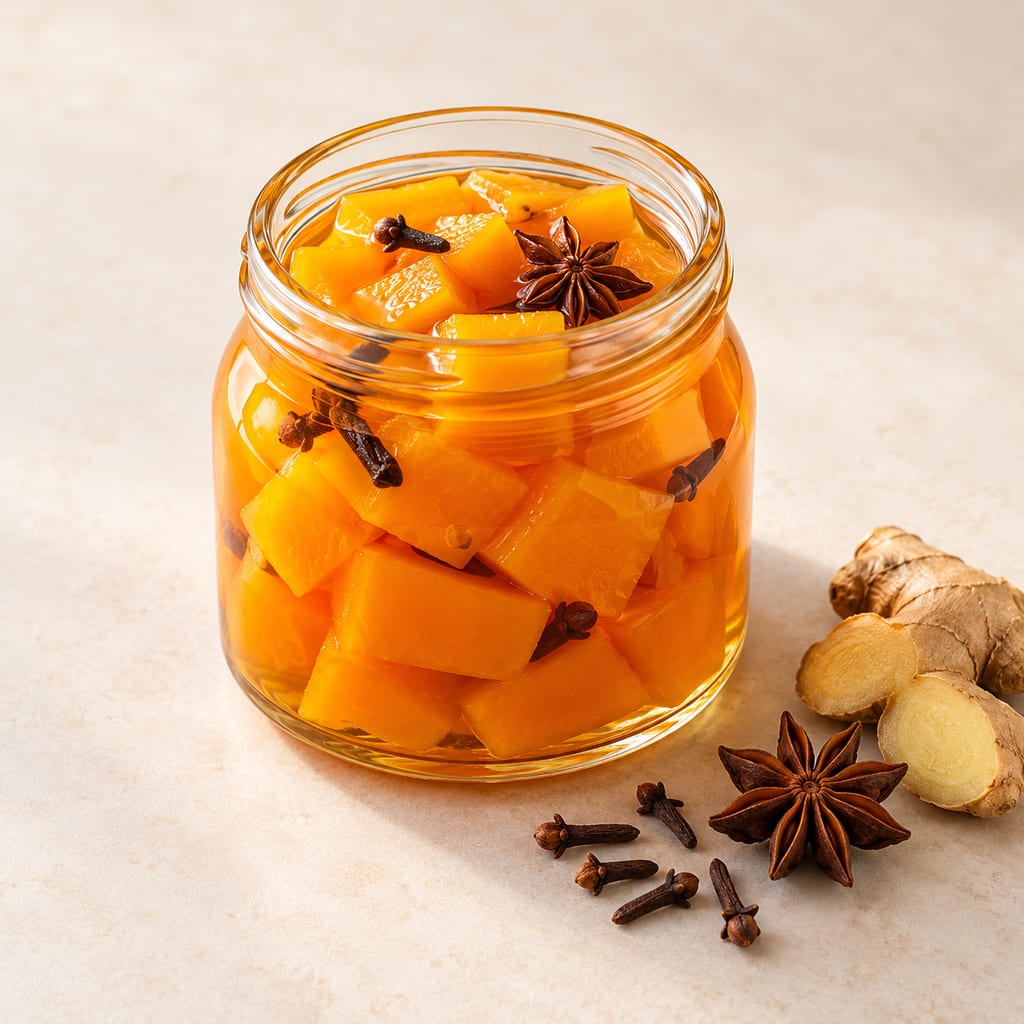
Marineeritud kõrvits: Freeze for winter; small fresh portion refrigerated up to 48 hours.
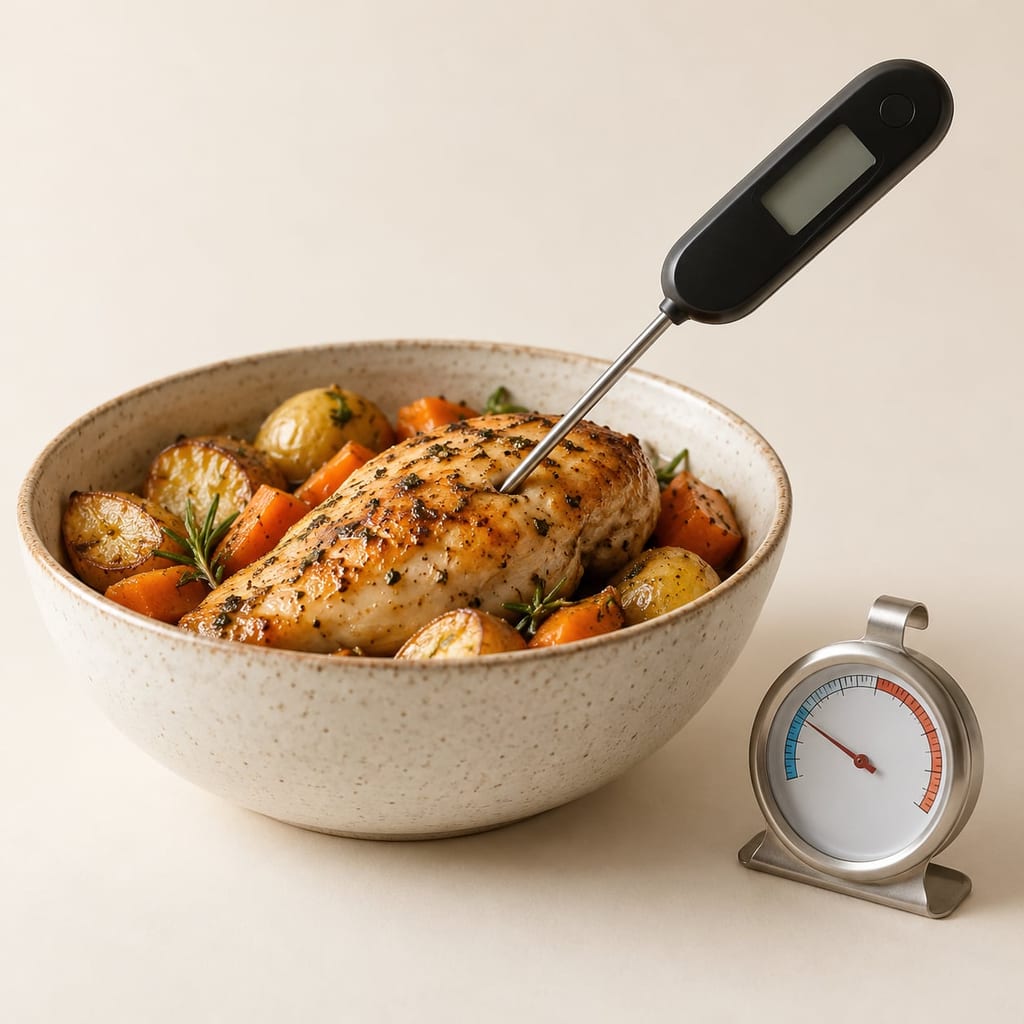
A food probe measures the temperature inside food at the probe tip; a refrigerator thermometer measures the cold storage environment. They answer different questions and cannot establish acidity or validate a preservation process.
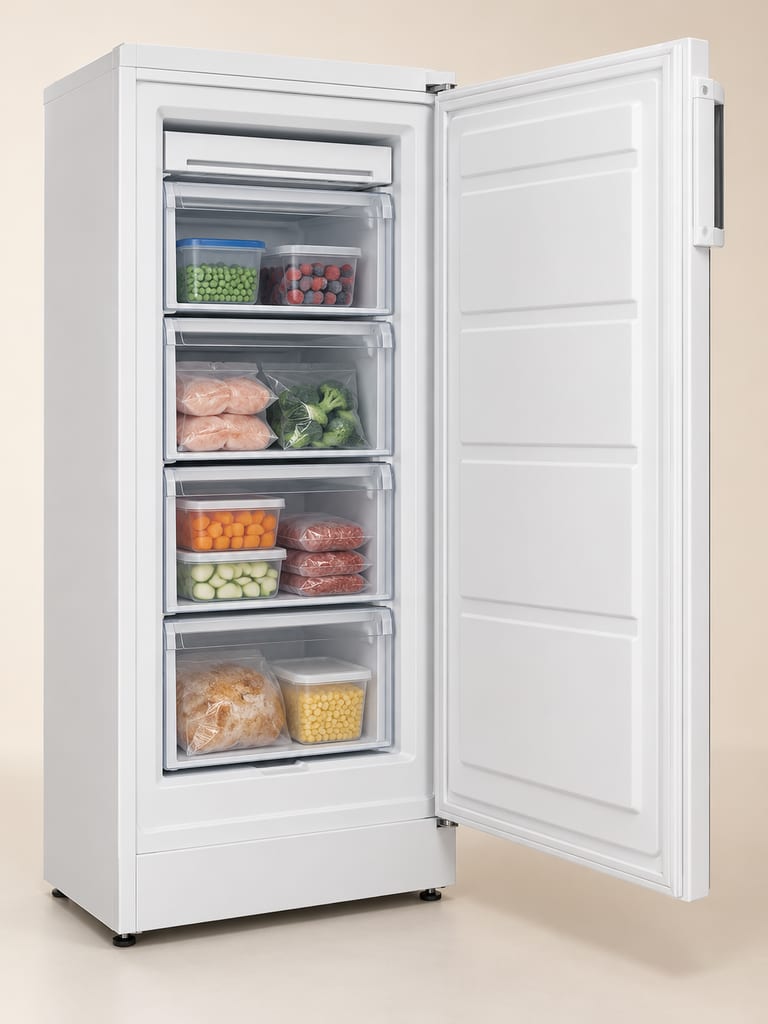
A household freezer holds food in a frozen state for storage and selected texture or separation work; its batch-storage role differs from industrial equipment that freezes individual pieces separately.
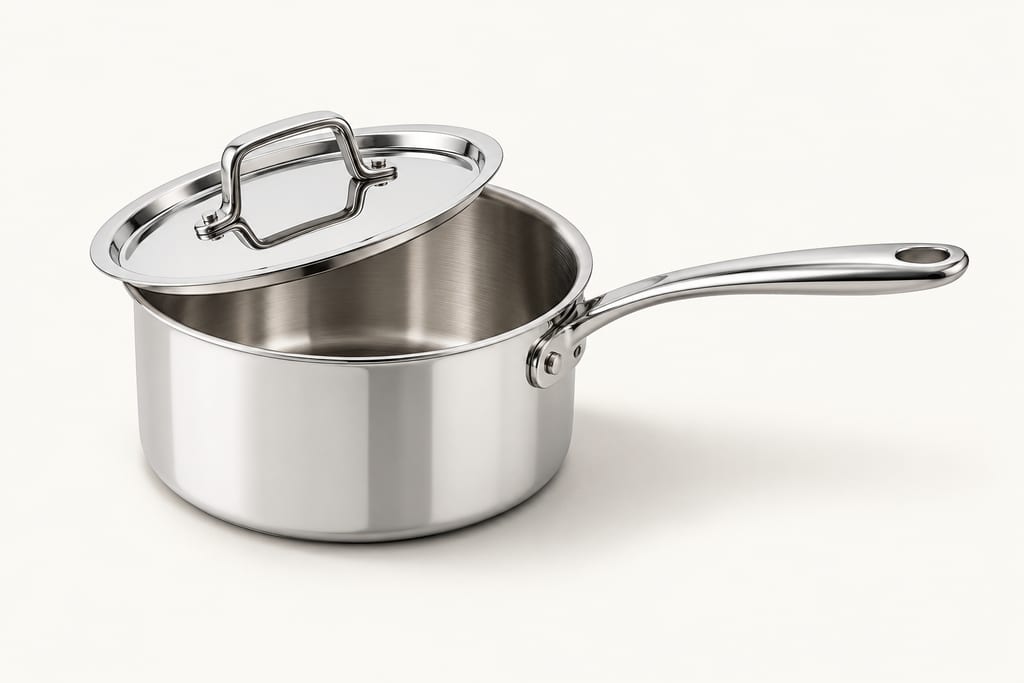
A modern, portable stovetop pan with a stainless-steel cooking surface for sauces and other small simmering jobs. Size, cladding, lid, compatibility and care vary by model.
An ordinary household refrigerator used to store selected fresh produce in vented crates or drawers, at low temperature and at a humidity chosen by the drawer. Not every crop benefits from cold.
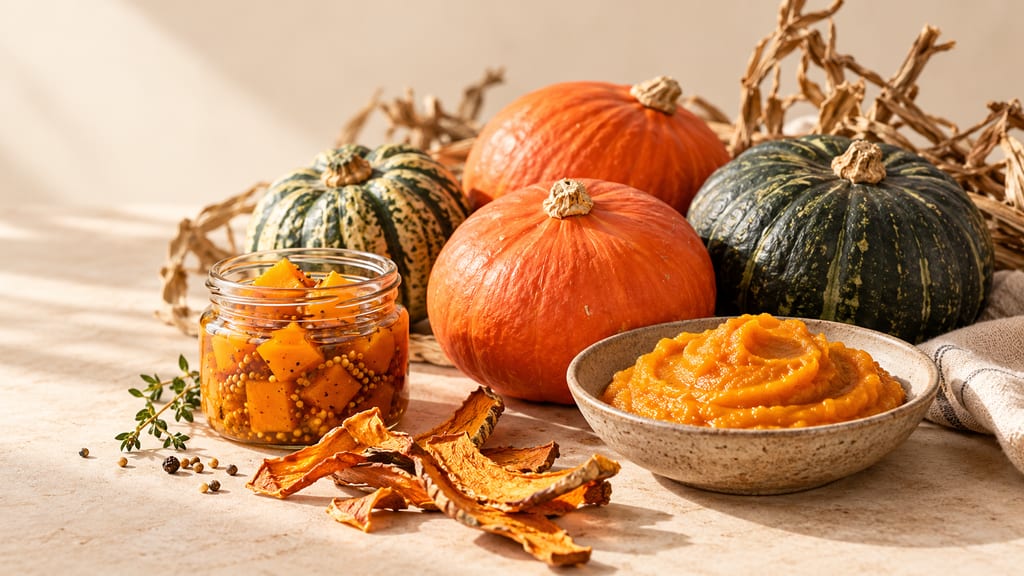
A full harvest-to-pantry guide to keeping pumpkins whole, drying and freezing them, and making pickles and sweet preserves around the world—with the exact distinction between tested canning and cold storage.
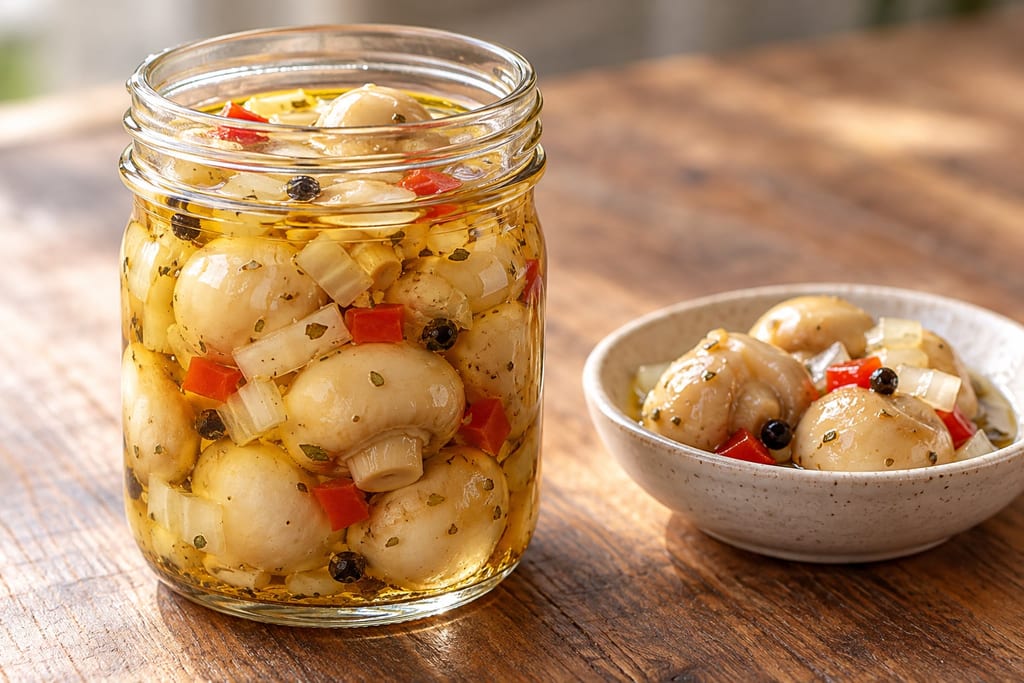
Small edible mushrooms are briefly cooked and packed in a seasoned vinegar marinade, a sweet-sour preserve served cold in Poland and neighbouring cuisines.

A yeast-raised wheat ring shaped from a firm dough, briefly boiled and baked. This source-batch formula gives a gently malted crust and a chewy crumb.
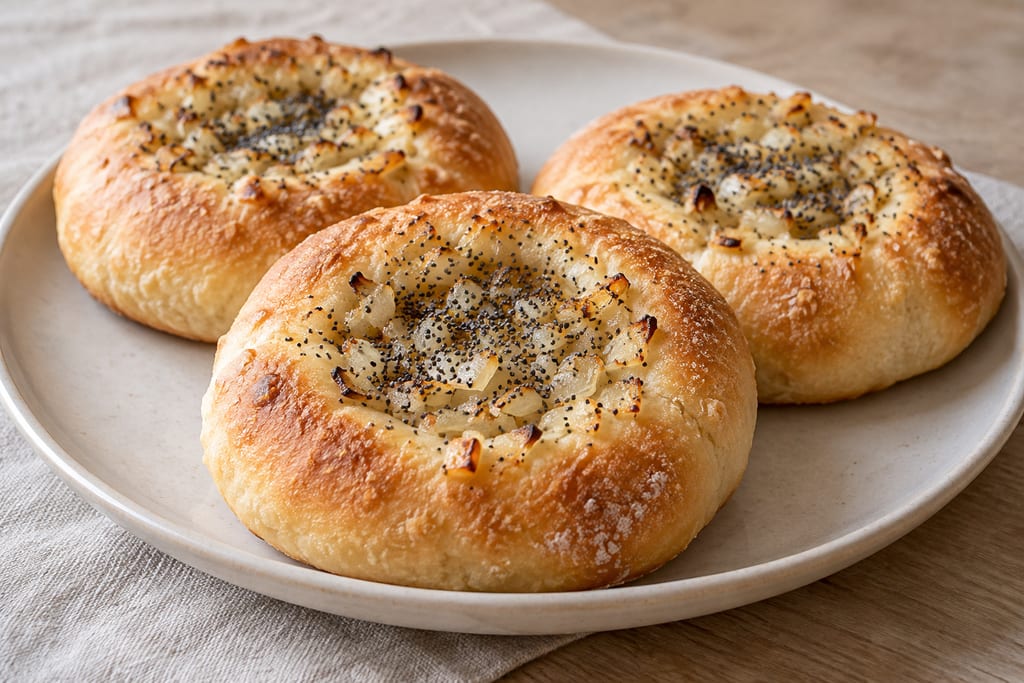
Bialys are soft, yeasted wheat rolls baked without boiling, each shaped with an onion-filled central depression instead of a hole.
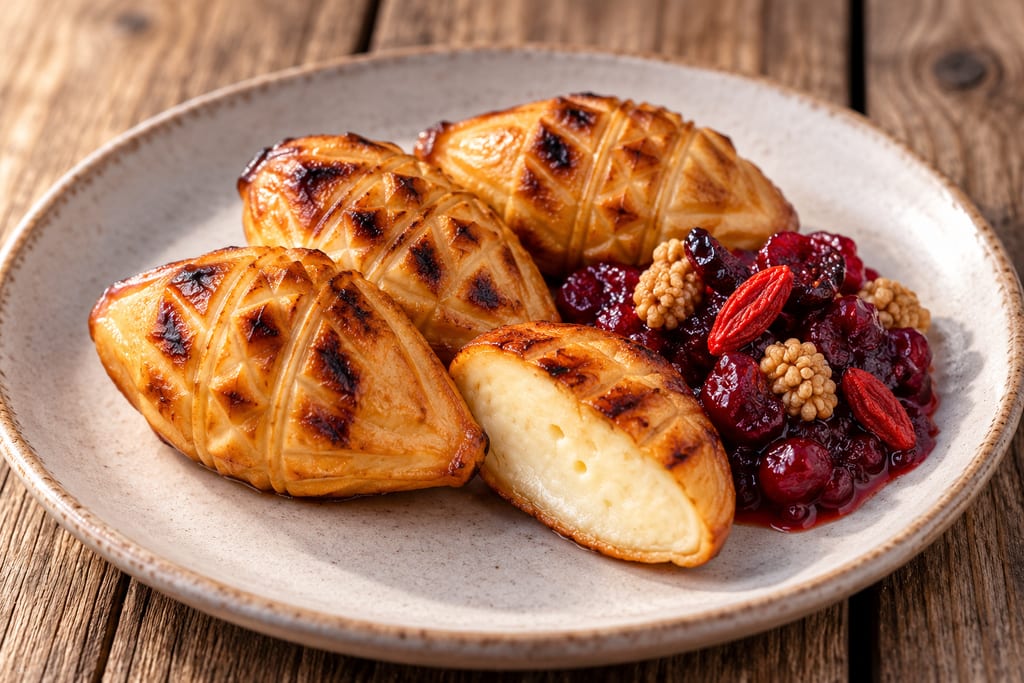
Small Oscypek are grilled until the exterior is crisp and the cheese softens, then served with cranberry, goji berries and mulberries.
The original Polish barszcz: young hogweed leaves soured in warm water for a few days, then boiled into soup with egg, butter, cream or millet. Recorded from 1595, with warnings about the sap and lookalikes.
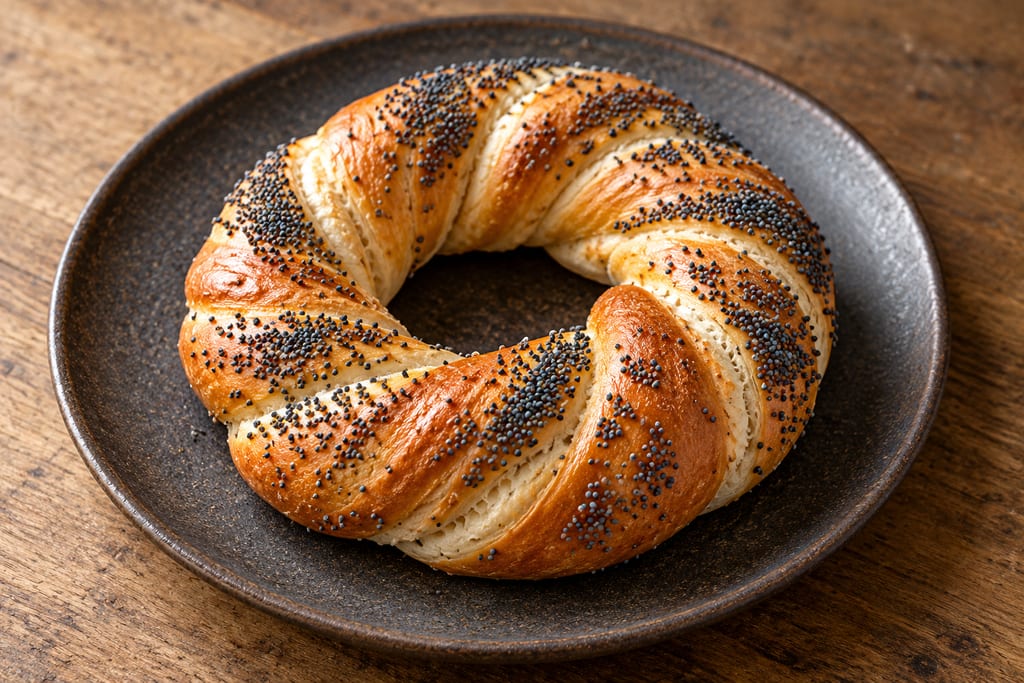
A home version of the Kraków twisted ring: yeast dough is braided, briefly dipped in boiling water, topped with seeds or salt, then baked. It is not represented as a certified PGI product.
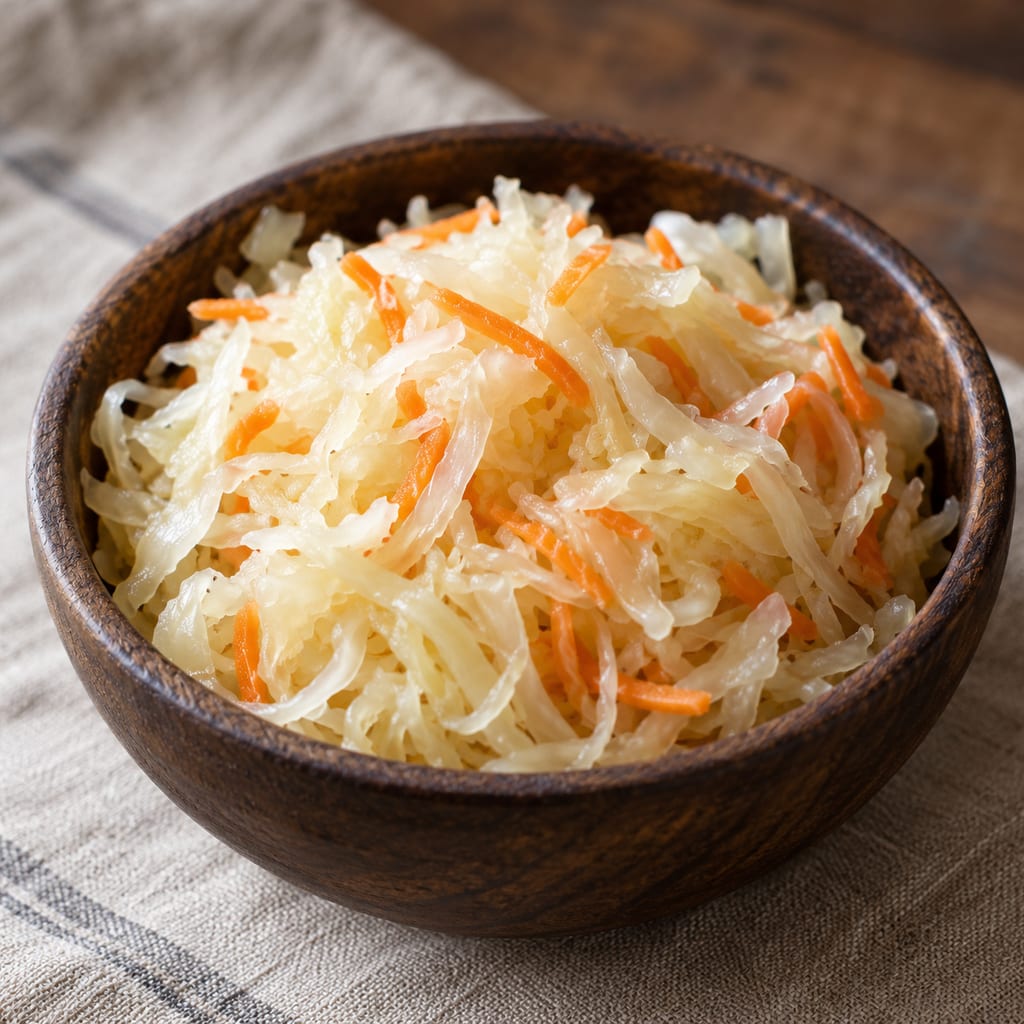
Kapusta kiszona z beczki is barrel-fermented cabbage from the Kołobrzeg area, entered on Poland’s List of Traditional Products in 2008. It is salted and fermented, with raw grated carrot added after souring.

A protected pork sausage associated with Liszki and Czernichów; its application describes commercial curing and smoking, not a home batch.
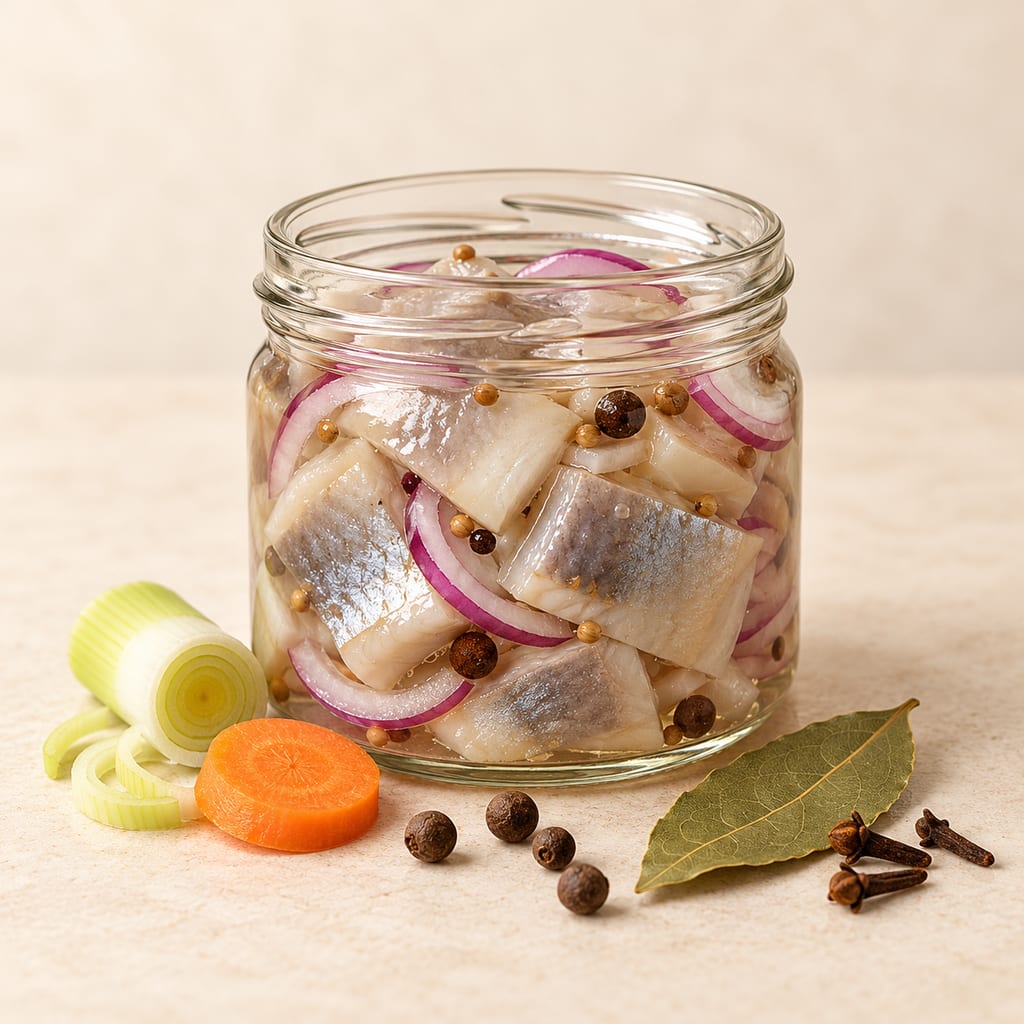
A Swedish ready-to-dress herring preparation: add the classic sliced aromatics and spices to already prepared herring, then serve or chill for fuller flavour.

Achcharu is a family of Sri Lankan vinegar pickles made with mixed vegetables or seasonal fruit and a piquant spice dressing. This version is a quick, refrigerated, non-fermented mixed-vegetable pickle.
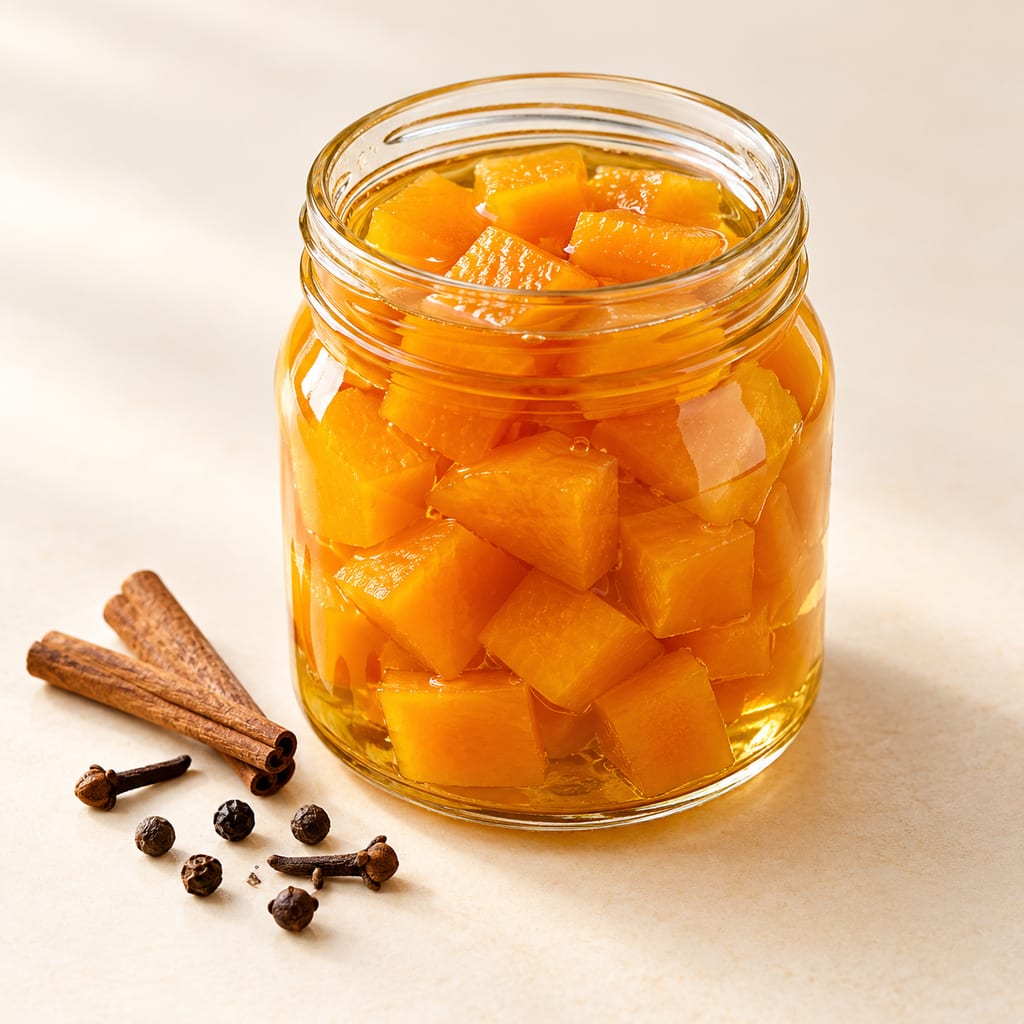
Ball sweet pumpkin pickles: Cupboard: exact published Ball formulation and water-bath process.
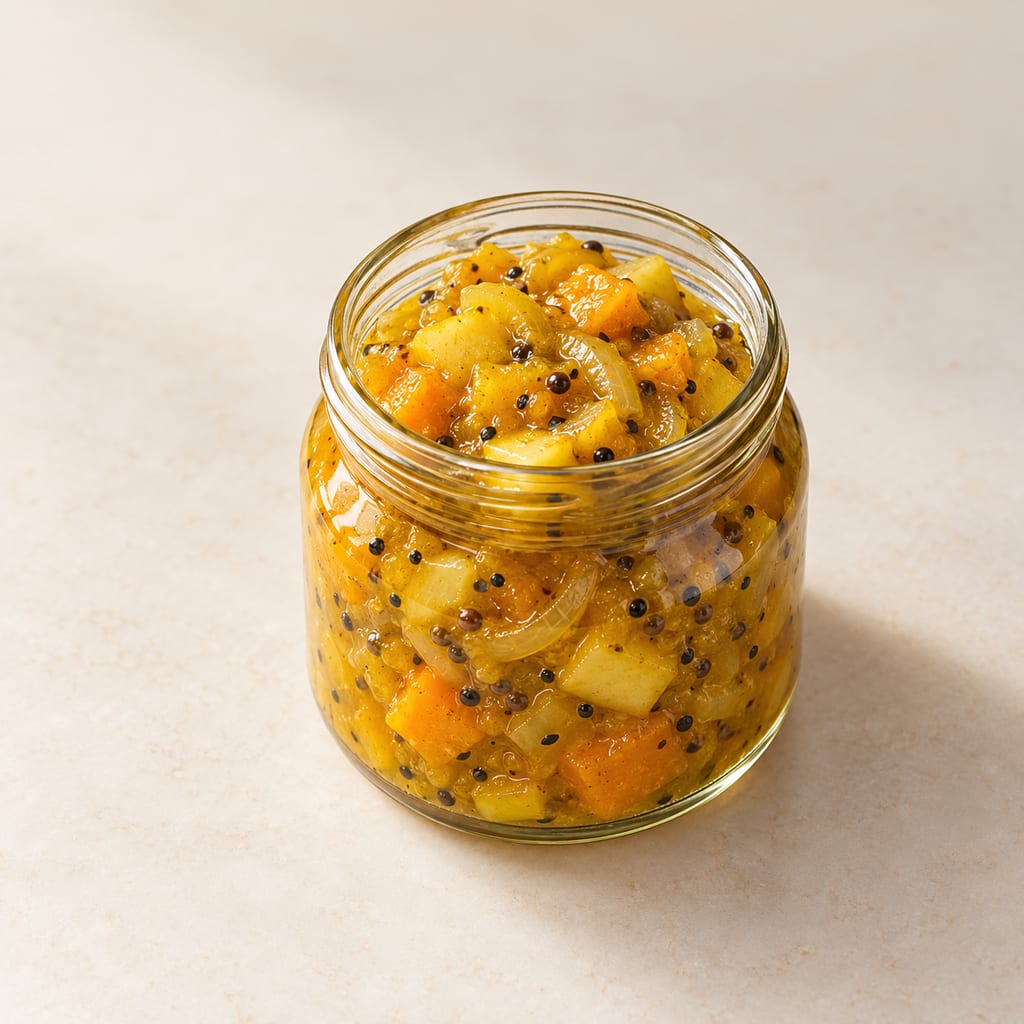
British pumpkin, apple and mustard pickle: Freeze for winter; small fresh portion refrigerated up to 48 hours.

Fried or cooked food covered in a vinegar-based preparation, the heat and the externally supplied acid working together; a family of methods whose early form is a Roman instruction for treating fried fish with hot vinegar.
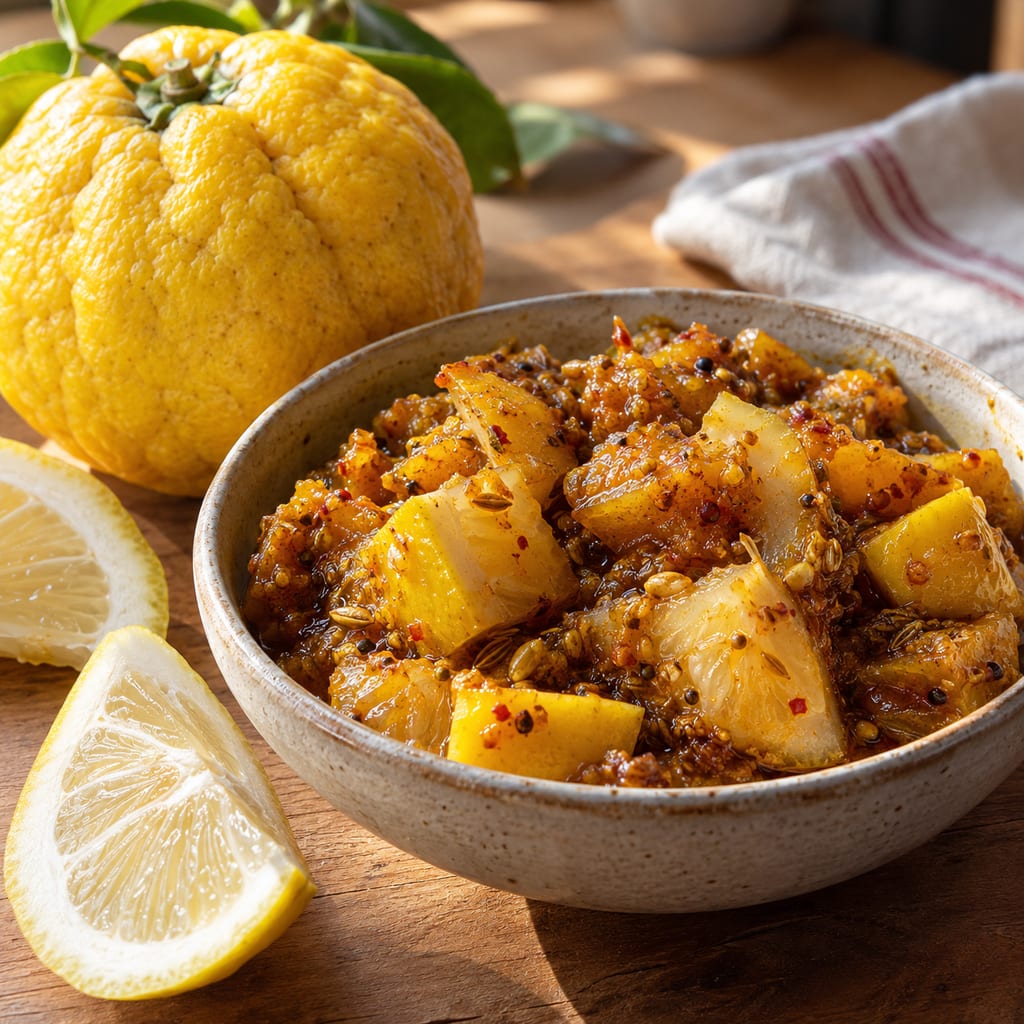
Ripe Himalayan galgal is boiled, sun-dried and cooked with mustard oil, spices and jaggery before a further rest in a ceramic jar.
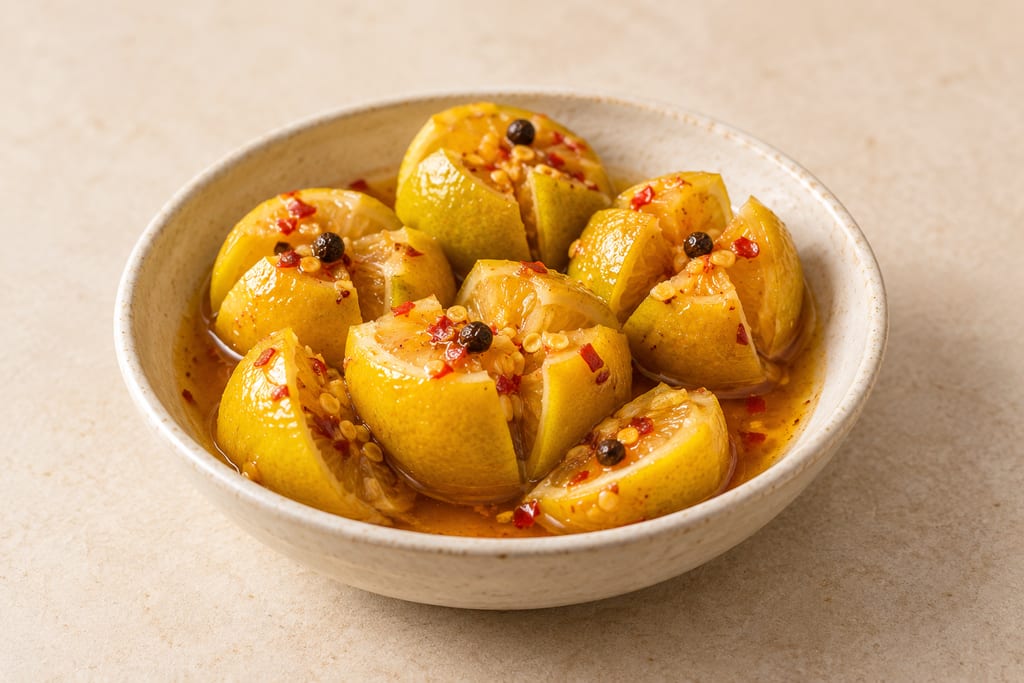
Peter Kuruvita’s published lime pickle stuffs 20 limes with rock salt, then simmers them in vinegar, sugar and chilli before a two-week rest.

Lunu dehi is Sri Lankan salted lime pickle. This version sun-dries cut, salt-stuffed ripe limes, then packs them with dried lime juice, chillies, spices and vinegar.
No community contributions have been published for this entry yet.
Sign in to contribute. Published comments and photos are free to read.
kuron.com.plMethod · Context · Handling
Jakub Kuron: Dynia marynowanaDocumented preparation, regional context or preservation handling, with the limits stated in the text.
Cited in: The preserve; Ingredients; Making the batch useful; Storage
www.foodstandards.gov.scotMethod · Context · Handling
Food Standards Scotland, Cooking food safelyDocumented preparation, regional context or preservation handling, with the limits stated in the text.
Cited in: The preserve; Ingredients; Making the batch useful; Storage
www.foodstandards.gov.scotMethod · Context · Handling
Chilling foodConservative cold-storage policy
Cited in: The preserve; Ingredients; Making the batch useful; Storage