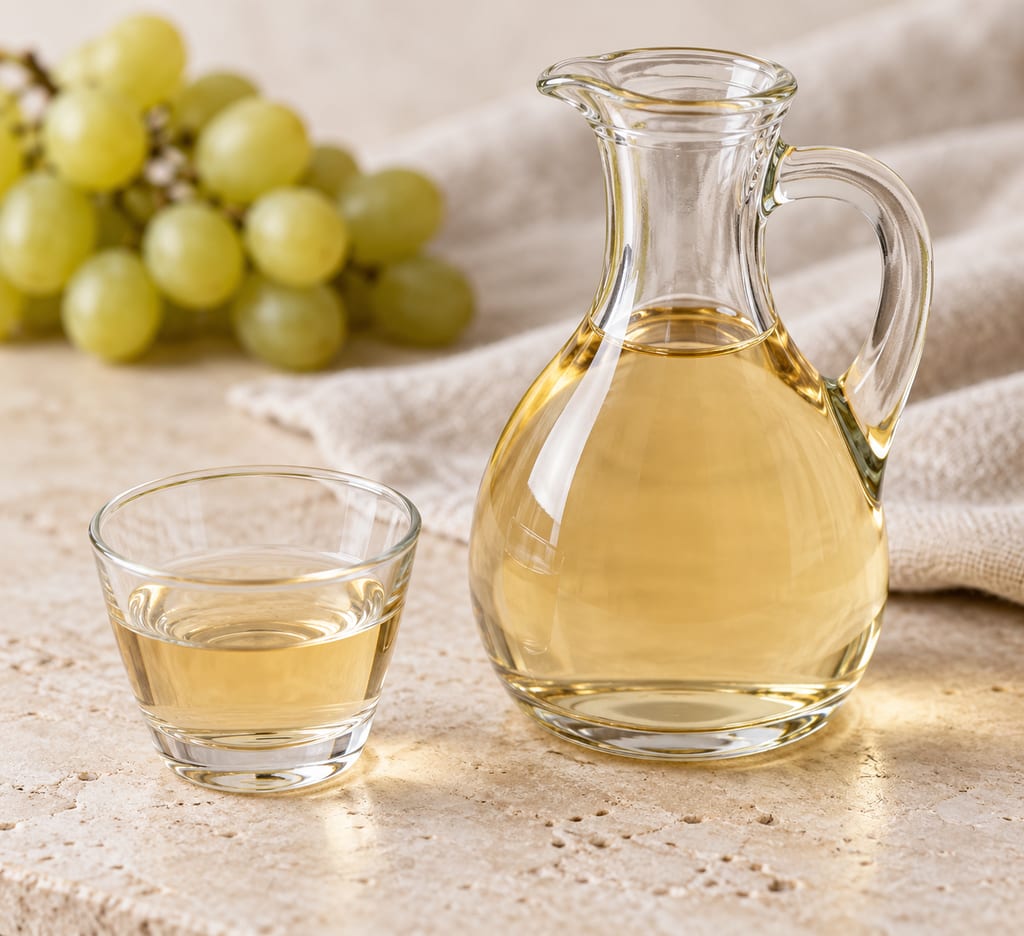
White-wine vinegar
White-wine vinegar is made when acetic acid bacteria oxidise the alcohol in finished white grape wine, yielding a pale, wine-derived souring condiment for dressings, sauces and cooking.
 FermenteaWhere food goes to change
Σκορδαλιά (skordalia) · Skordhalia · Skorthalia · Aliada · Aliatha
A thick Greek garlic purée bound with olive oil and a starch of potato, walnut, almond or soaked bread, served with fried fish and vegetables.
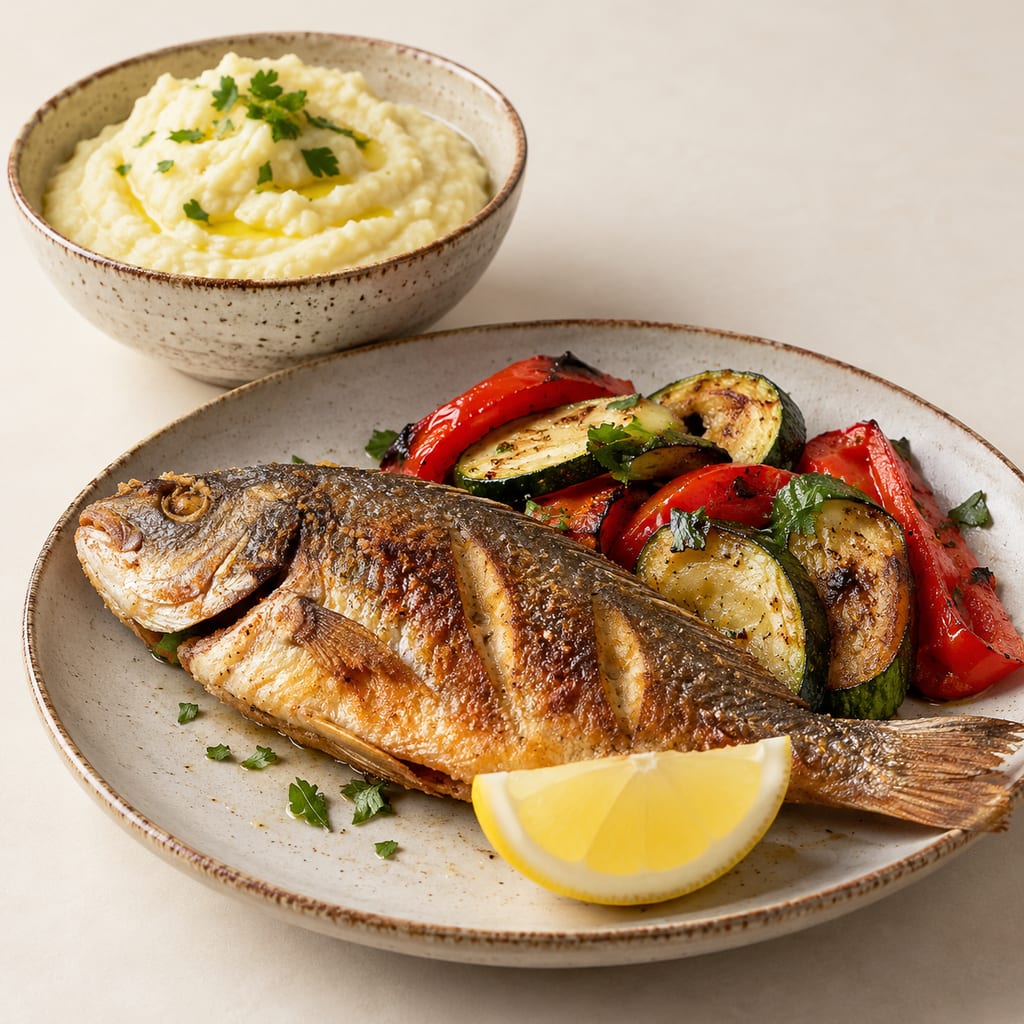
Skordalia is a thick garlic purée from Greek cuisine. The garlic is the flavour, and a starchy base gives the purée its body: potatoes are the most common, but walnuts, almonds or stale bread soaked in liquid are used too. Olive oil is beaten in until the mixture forms a smooth emulsion, and a little vinegar is added to sharpen it. It is traditionally made in a mortar and pestle, which the sources note as the usual method.
Wikipedia calls skordalia the modern equivalent of ancient skorothalmi, a garlic-based preparation. The term's own origin is uncertain: it may combine the Greek word for garlic, skordo, with the Italian agliata, a garlic sauce. The sources read present this as a possibility, not a settled etymology.
The starch is the part of the recipe that changes most between households. The sources name the bases without comparing their results in detail. Potato, bread, walnut and almond are the bases listed. The choice of base is what varies from house to house.
Eggs used as the emulsifier are a documented variant. That version comes close to the Provençal aïoli and the Catalan allioli, both garlic emulsions. The Wikipedia entry names these as points of comparison and does not claim they are the same dish.
Skordalia is mainly served with batter-fried salt cod, bakaliaros, especially during Lent and on 25 March, the Greek national holiday. It is also served with fried vegetables such as aubergine and courgette, with poached fish, and with boiled beetroot. In English-speaking countries it is often sold as a dip.
In the Ionian Islands, cod stock and lemon replace the vinegar, and skordalia is eaten as a main dish rather than an accompaniment.
The sources read give no shelf life, no holding temperature and no safe limit for skordalia. It is a fresh preparation, and the page does not state how long it keeps; a cook should check that limit against a food-safety source rather than rely on this page.
Wikipedia calls skordalia the modern equivalent of the ancient skorothalmi. Its name may combine Greek skordo, garlic, with Italian agliata, garlicky; the source notes this is a possibility, not a settled etymology.
Served with batter-fried cod in Lent and on 25 March; the source gives no locality.
A version with cod stock and lemon, eaten as a main dish.
White-wine vinegar is made when acetic acid bacteria oxidise the alcohol in finished white grape wine, yielding a pale, wine-derived souring condiment for dressings, sauces and cooking.
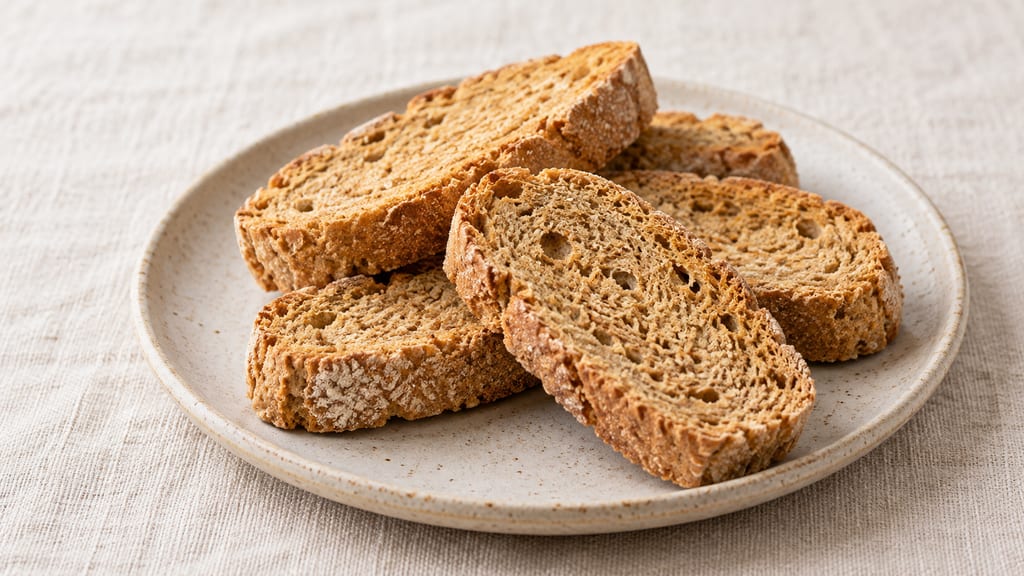
Cretan paximadi is a twice-baked rusk. This barley-wheat version is raised with yeast, baked as a loaf, sliced, and dried slowly until it keeps.
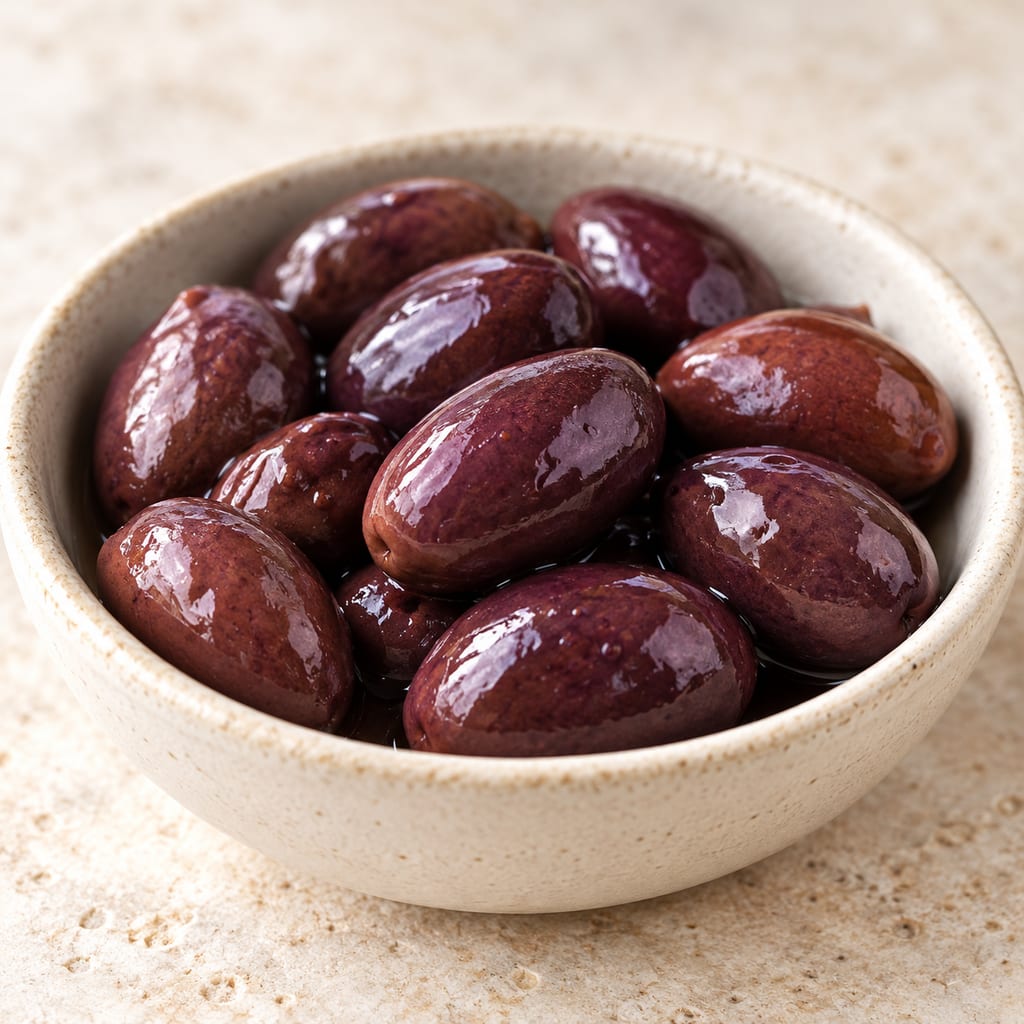
Elia Kalamatas is a Messinia table olive of the Kalamon variety, picked before full ripeness and fermented in brine for six to nine months; it is a PDO product, not a generic black olive.
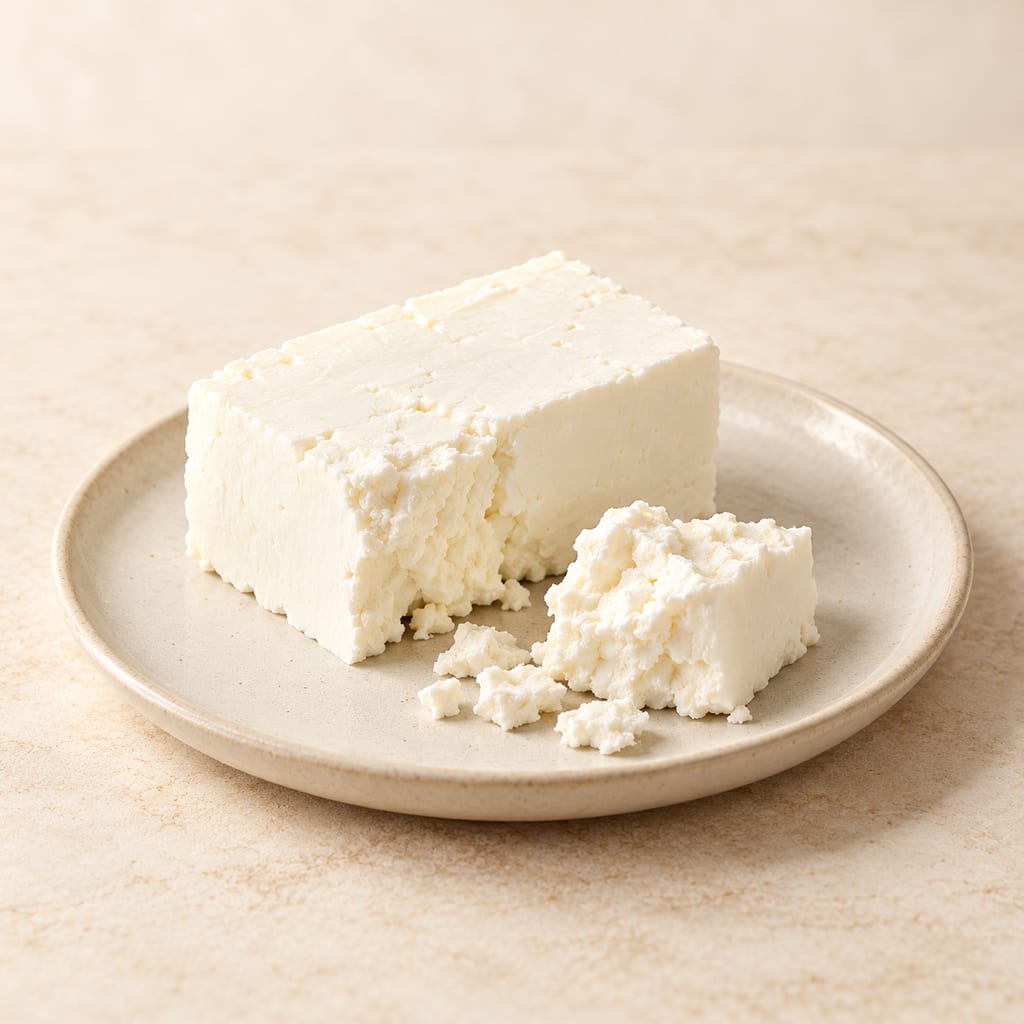
White cheese made with a lactic starter and rennet, drained without pressing, dry-salted and covered in brine. This home adaptation allows whole milk from different dairy animals.
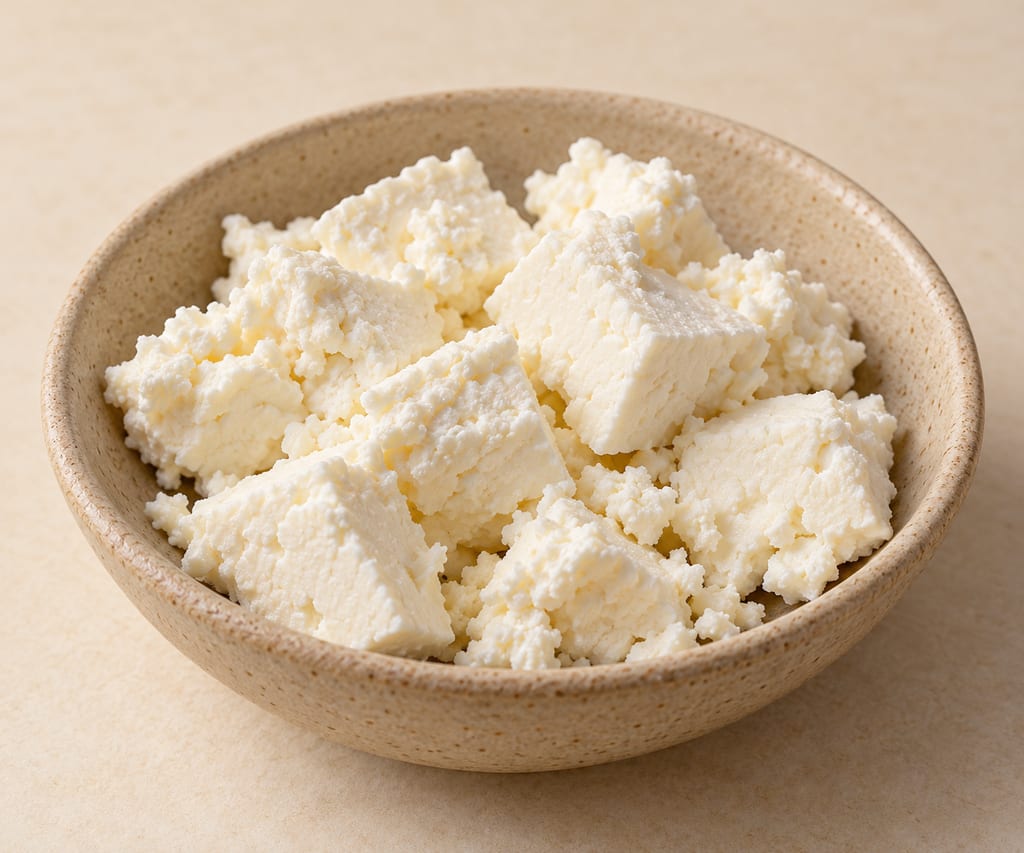
Whole milk set with a mesophilic starter and rennet makes a fresh, crumbly feta-style cheese. Its curds pass through hot salted whey before molding.
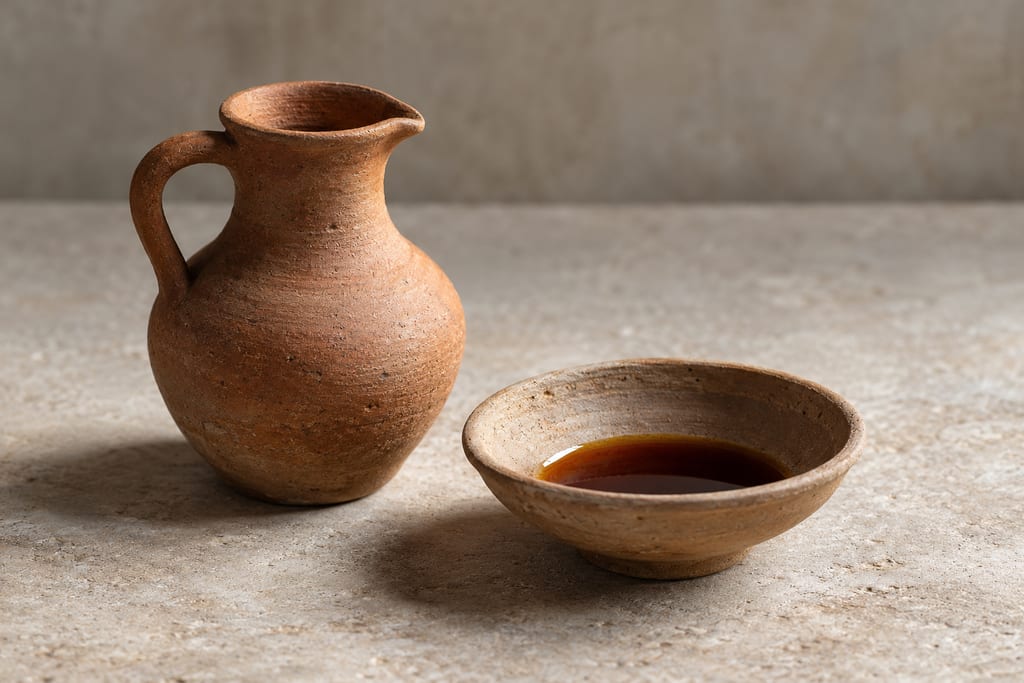
Garum, Greek garos and Latin liquamen, was the fish sauce of the ancient Mediterranean: fish and viscera salted and left in the sun, then drained off as a savoury liquid.
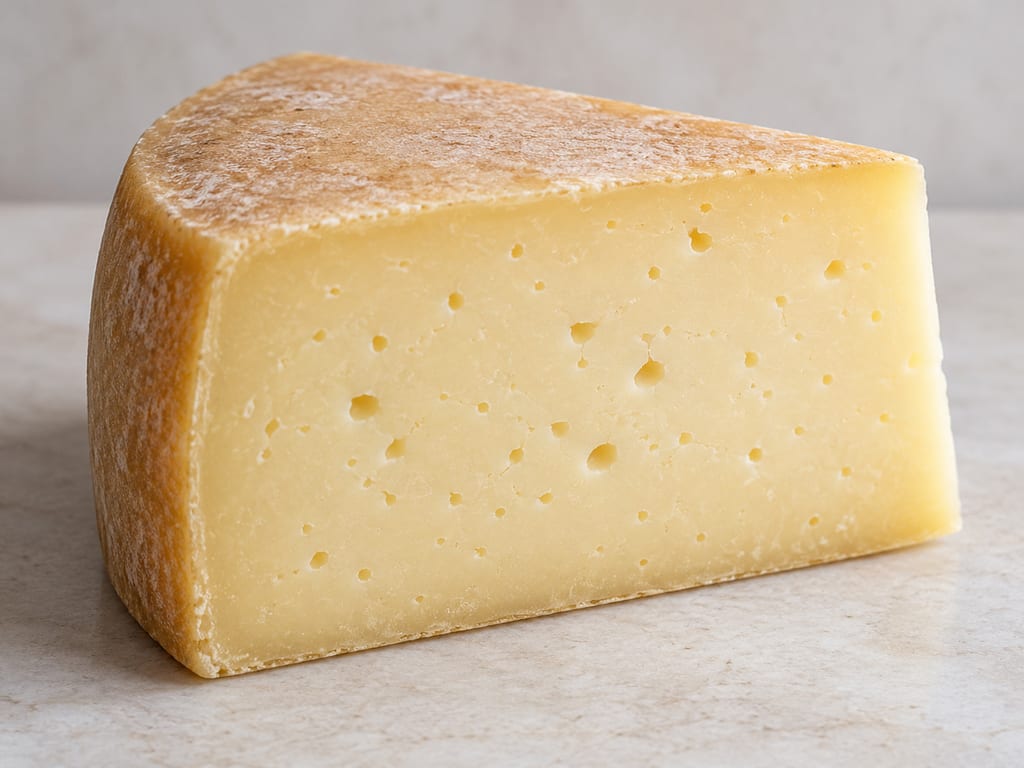
This Cypriot graviera is a hard sheep-milk cheese with a dry rind and round eyes. Its curd is heated, pressed and dry-salted before a long cool ripening.
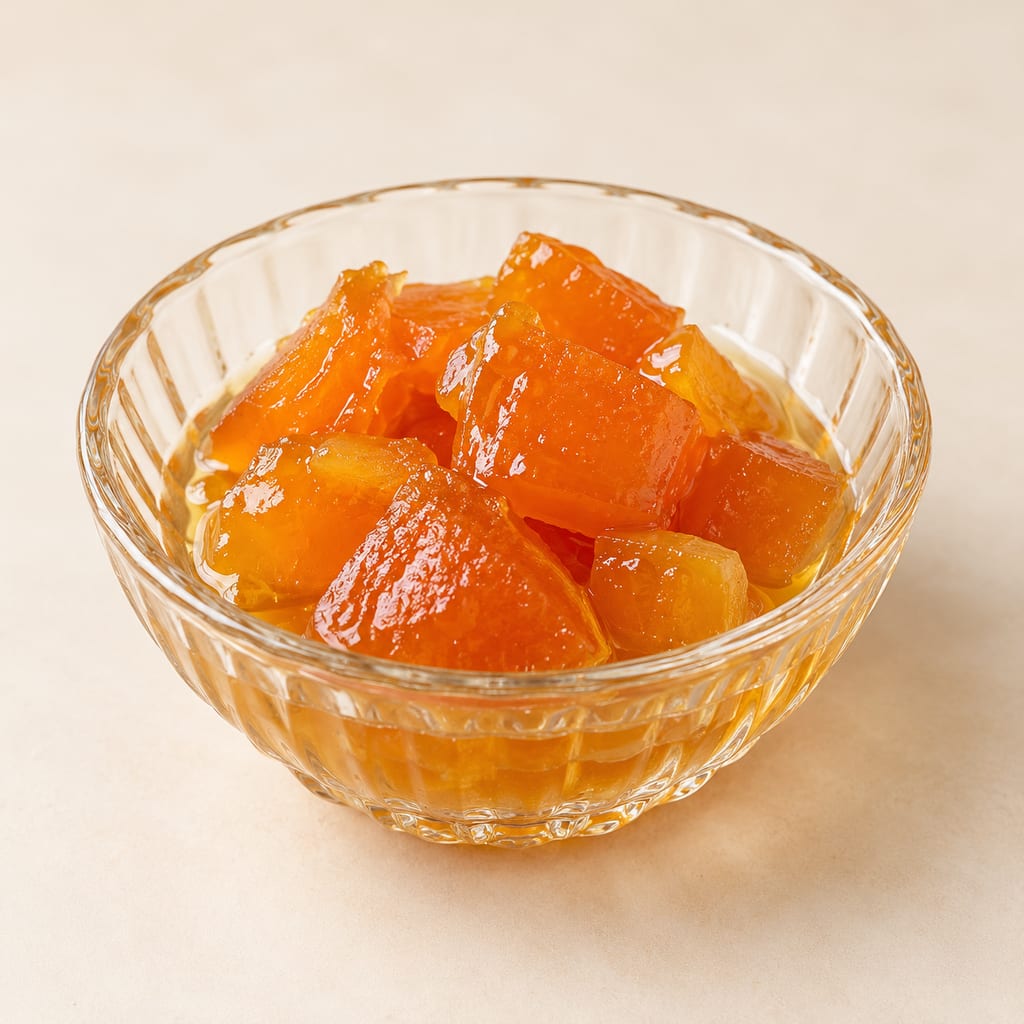
Greek pumpkin spoon sweet, with Cypriot context: Freeze for winter; small fresh portion refrigerated up to 48 hours.
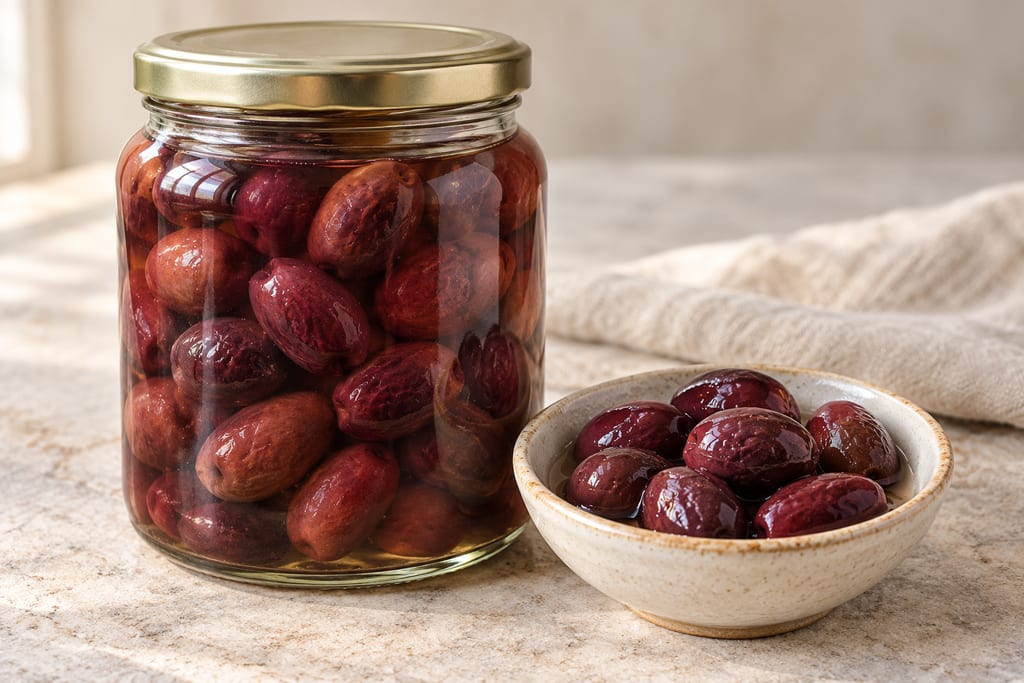
Ripe olives go straight into brine with no lye and cure for months, mostly by yeasts. The home method here is the University of California two-stage brine.
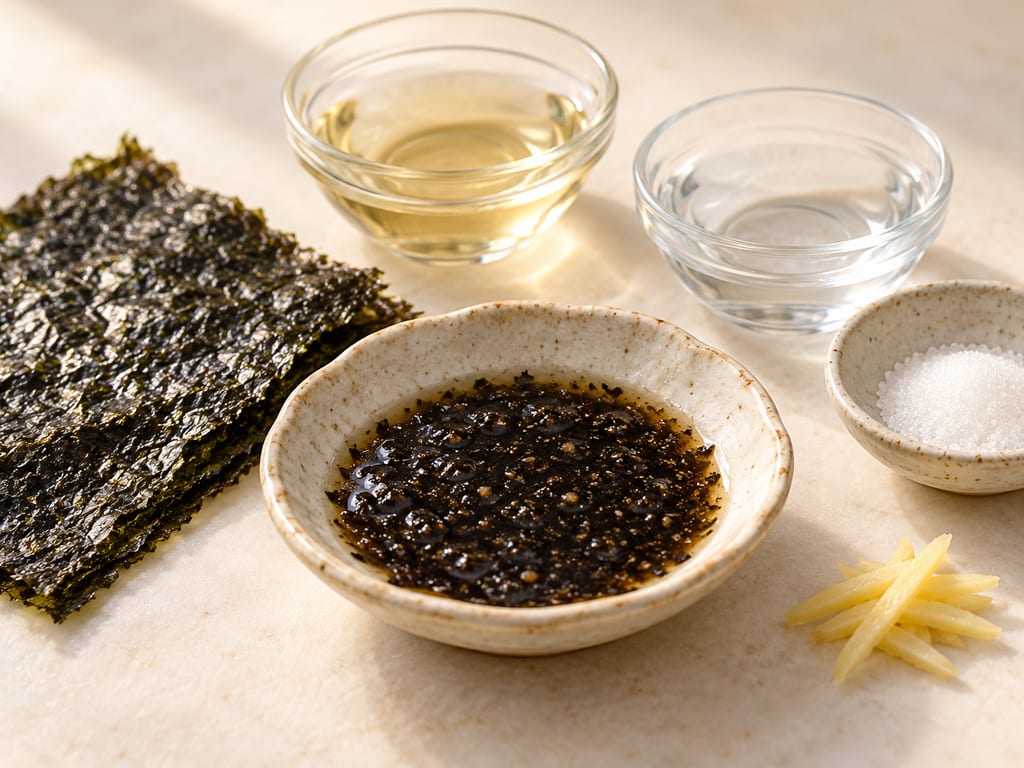
A fresh condiment in which crumbled nori softens in lightly sweetened vinegar and water. It is not vinegar fermented from seaweed.
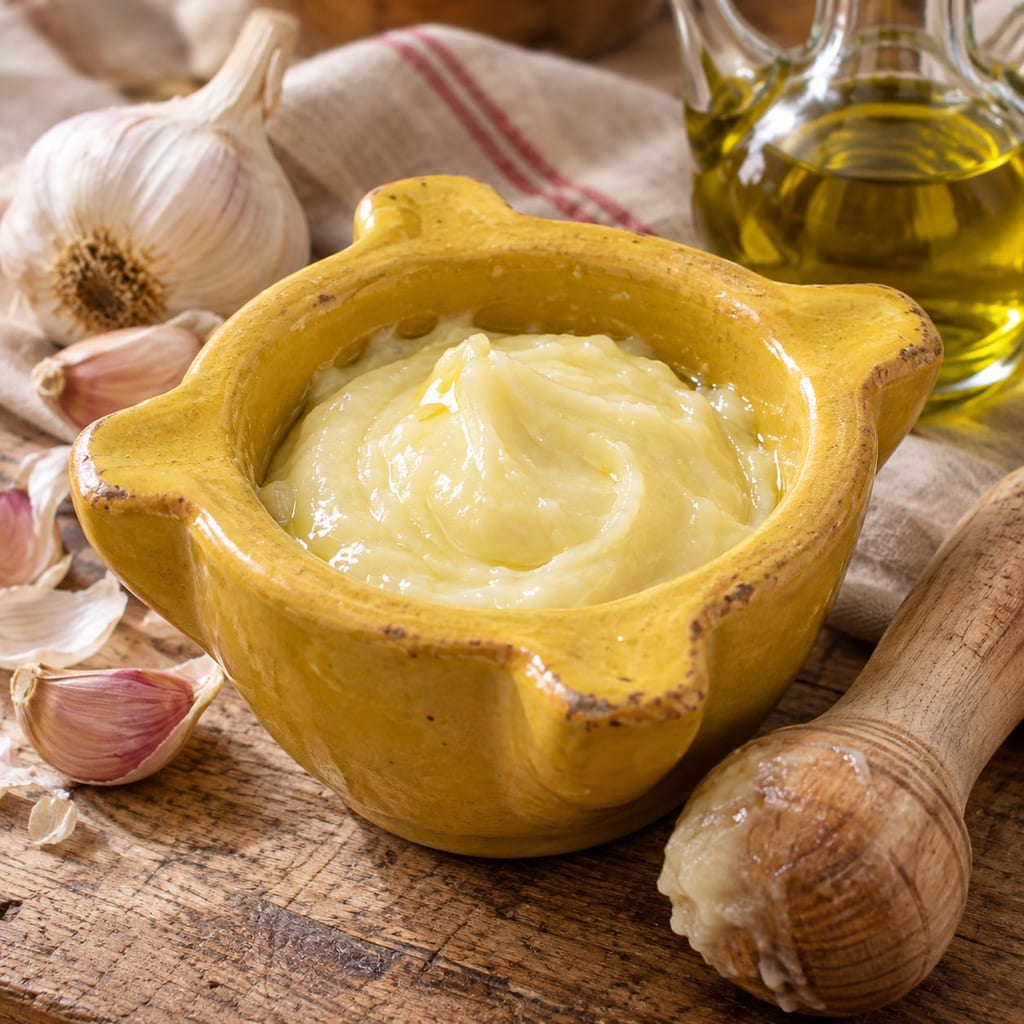
Traditional Catalan allioli is a dense emulsion of garlic, olive oil and salt made slowly in a mortar. This measured Barcelona-style version keeps egg-based garlic mayonnaise distinct.
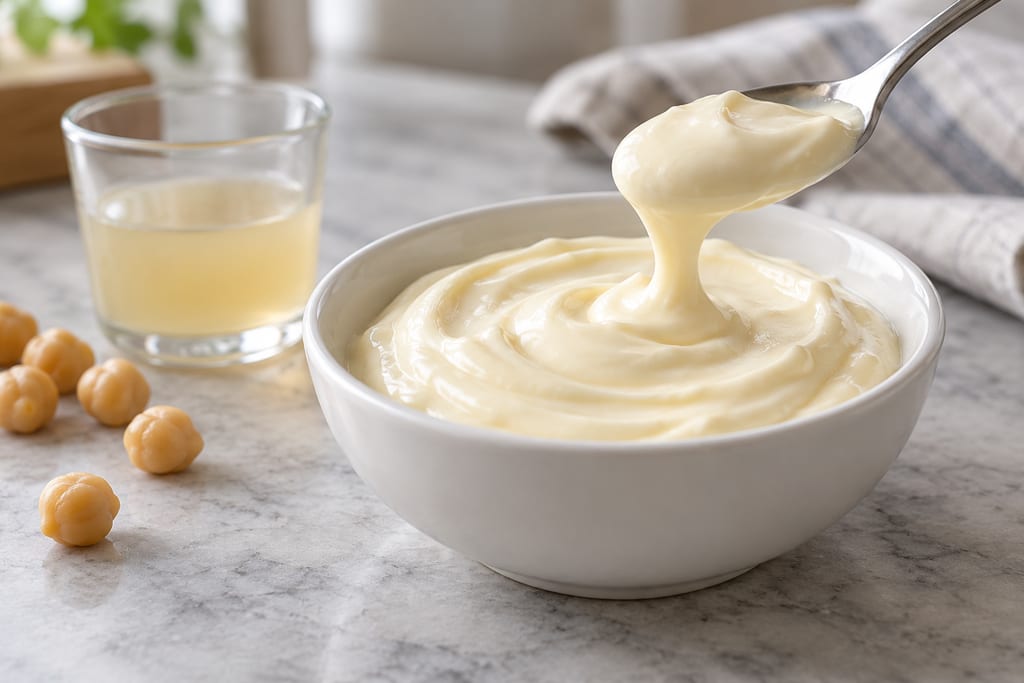
An eggless, untested emulsion made with canned chickpea liquid. Nominal yield 255 g.
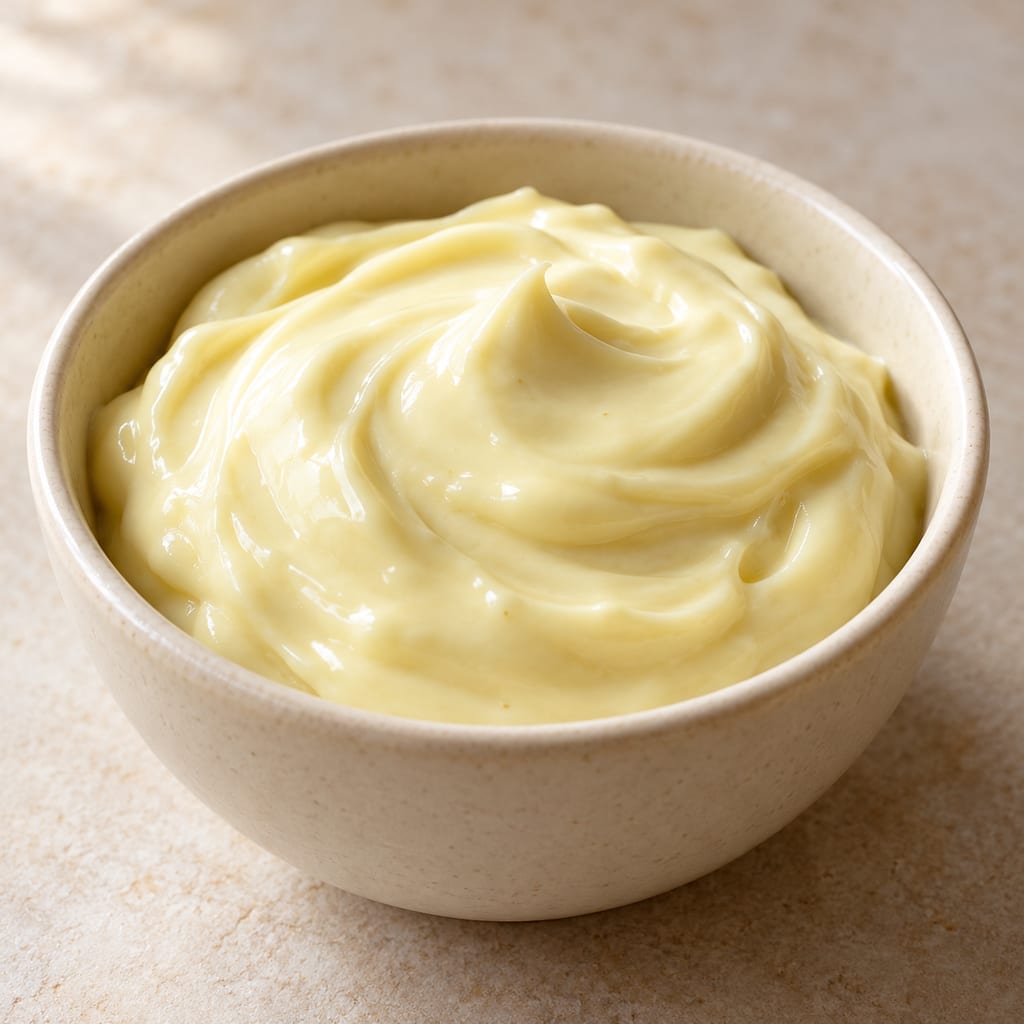
Avocado-oil mayonnaise is an ordinary egg-and-oil emulsion in which avocado oil supplies the oil phase. The oil changes flavour and colour, and it does not preserve the sauce.

Bechamel is a white sauce of milk thickened with a butter and flour roux, one of the French mother sauces, and the base from which Mornay and other cheese and cream sauces are made.
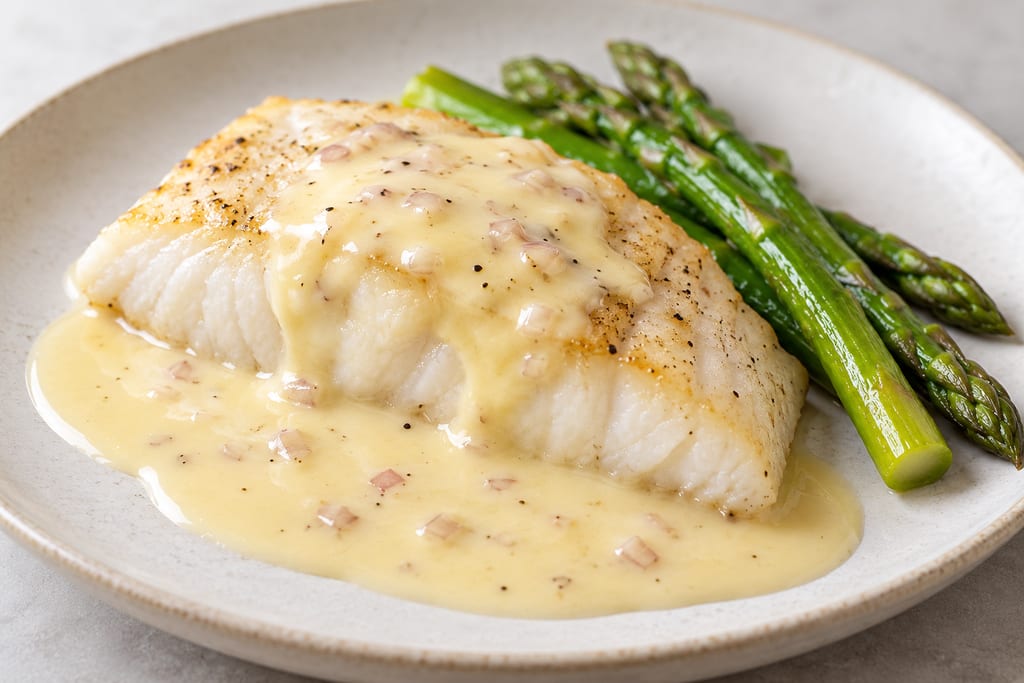
Beurre blanc is a warm emulsion of cold butter whisked into a reduction of white wine, vinegar or lemon juice and shallot, a sauce from the Loire Valley and its red-wine version, beurre rouge.
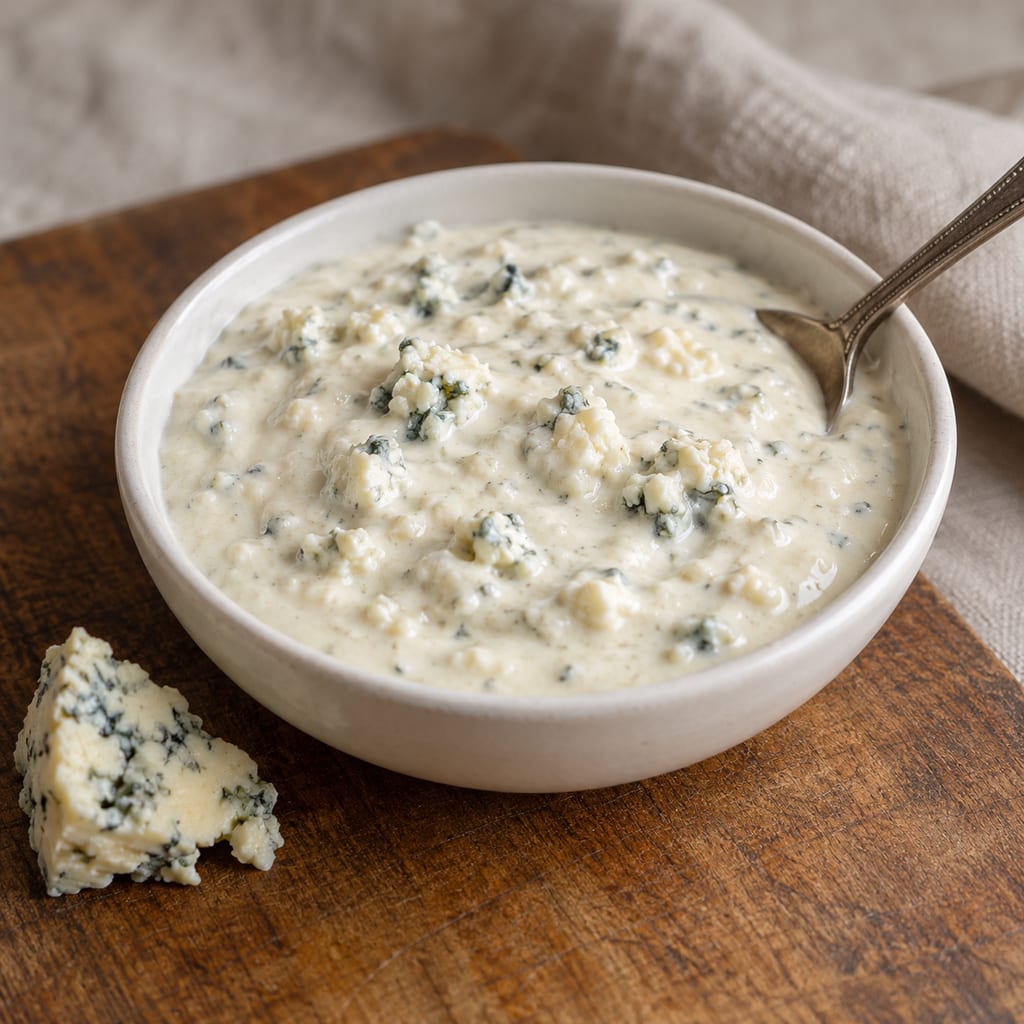
Blue cheese dressing is a creamy dressing built on crumbled blue cheese mashed into buttermilk, with sour cream, mayonnaise, vinegar and seasoning, and kept cold for up to two weeks.
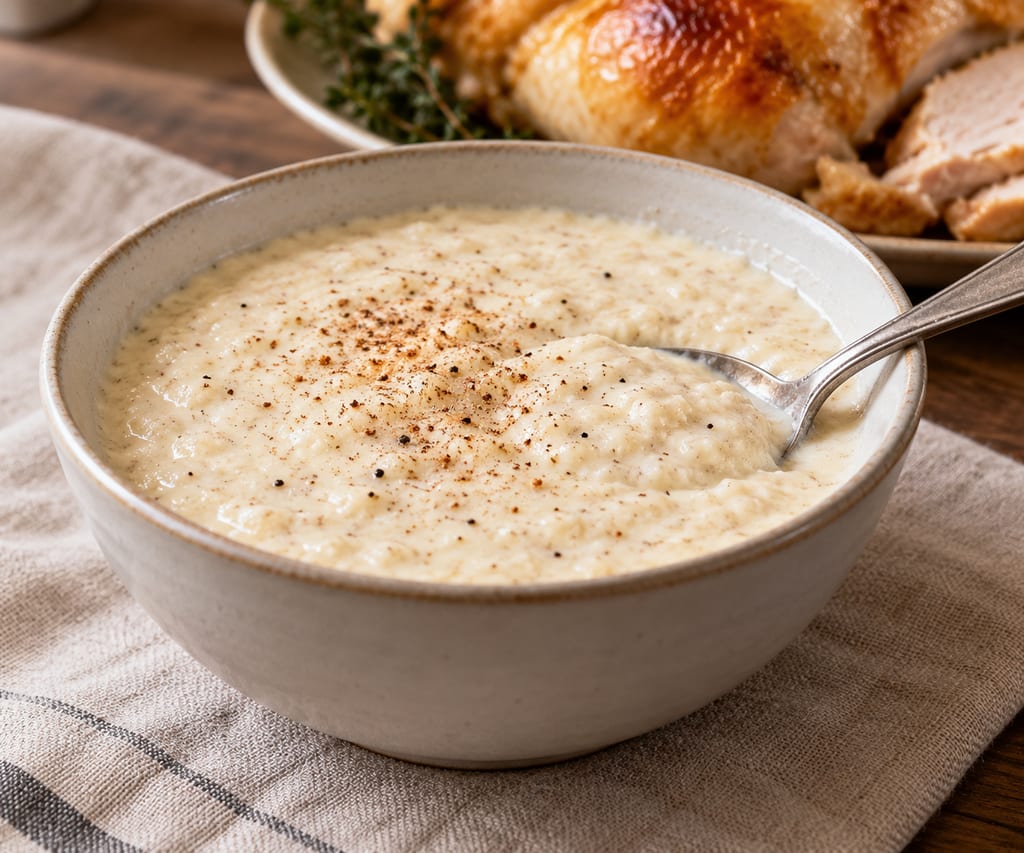
Bread sauce is a British sauce of milk infused with onion, clove and bay, thickened with stale breadcrumbs and finished with butter, served with roast chicken or turkey.
No community contributions have been published for this entry yet.
Sign in to contribute. Published comments and photos are free to read.
WikipediaIdentity · Method · Variations · History
SkordaliaGarlic purée in a base of potatoes, walnuts, almonds or soaked stale bread, olive oil as a smooth emulsion, with some vinegar; made in a mortar; served with batter-fried cod, fried vegetables, poached fish or boiled beets; egg-emulsified variants similar to aïoli; Ionian version with cod stock and lemon as a main dish; modern equivalent of ancient skorothalmi; name possibly from Greek skordo and Italian agliata
Cited in: A garlic purée with a starch in it; What the starch does; Serving; Keeping and handling