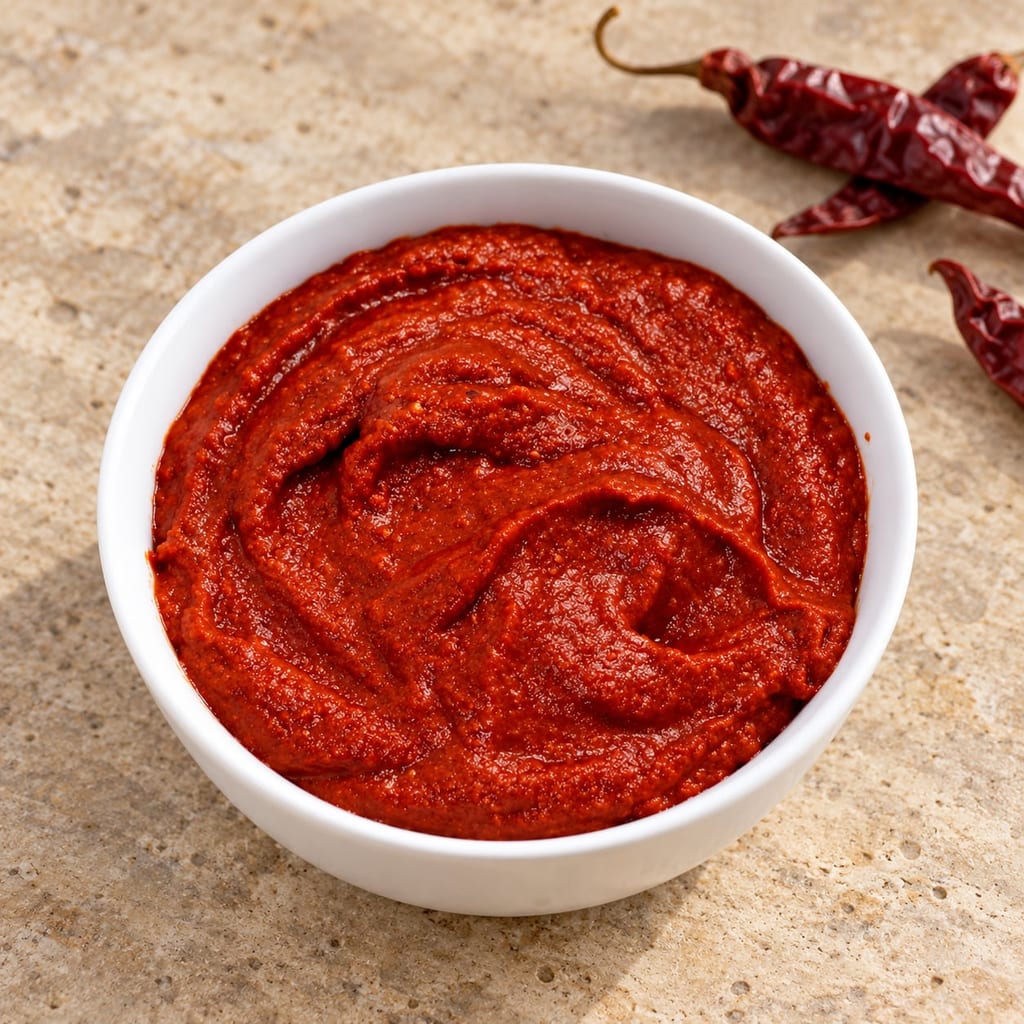
A base, not a sauce
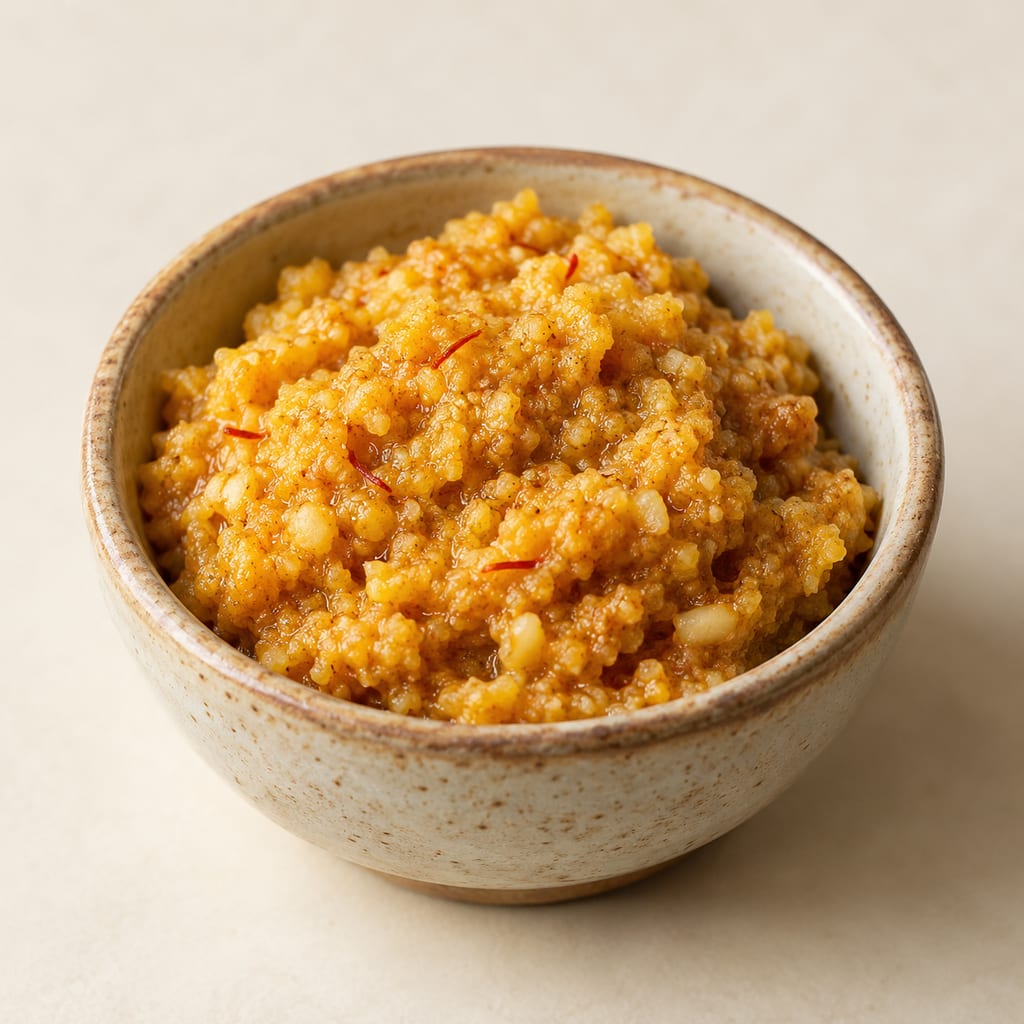
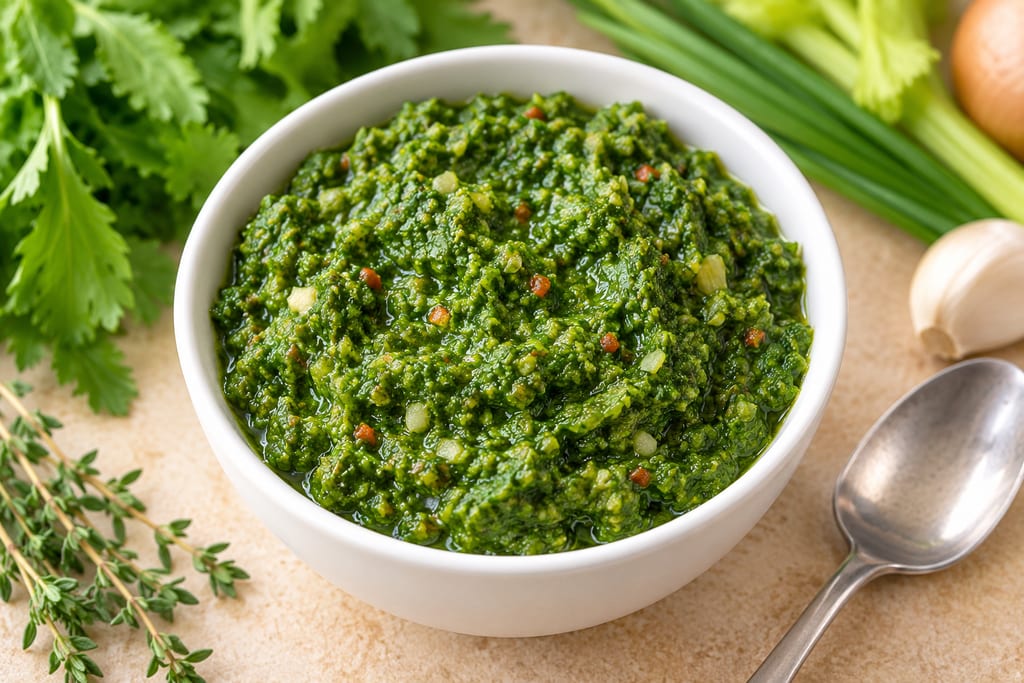
Picada is a pounded paste used to season and thicken a dish, not a sauce to pour on the plate. It is added during cooking, and its job is to blend with the cooking juices and give body. It is used in meats, fish, rice, soups, legumes and vegetables.
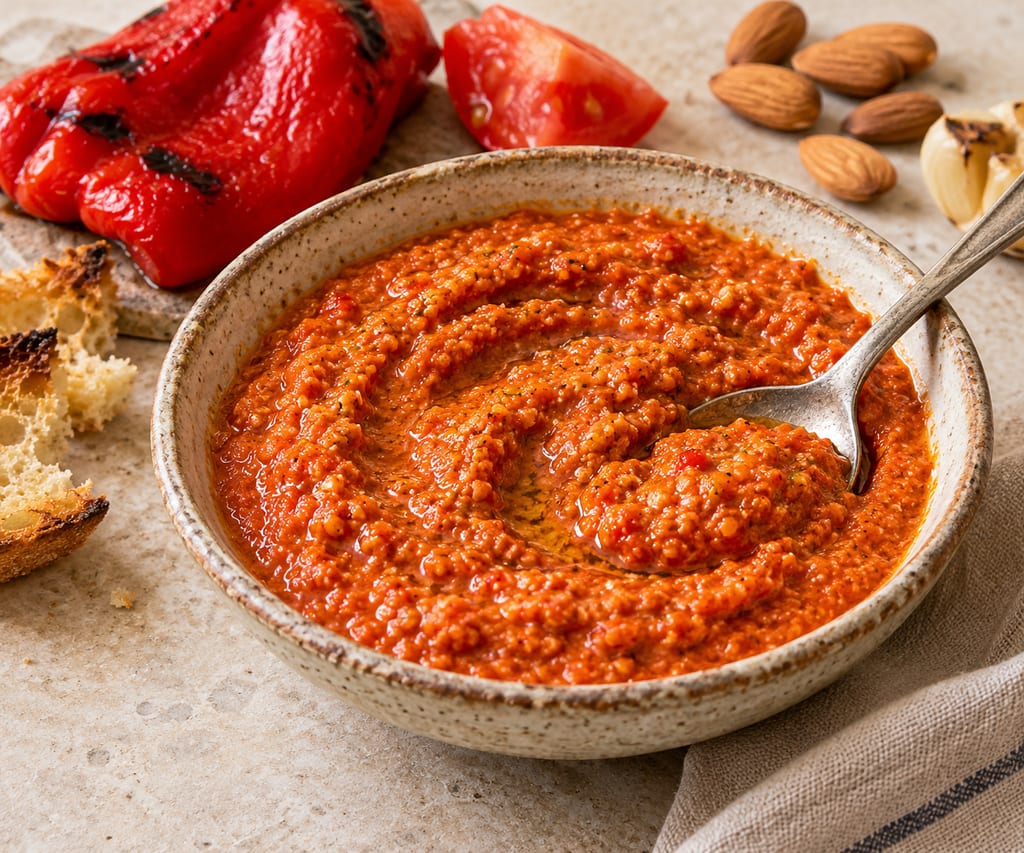
This is the main difference from a table sauce such as romesco. A picada is worked into the pot, so its texture and flavour depend on the dish it finishes.
Ingredients and method
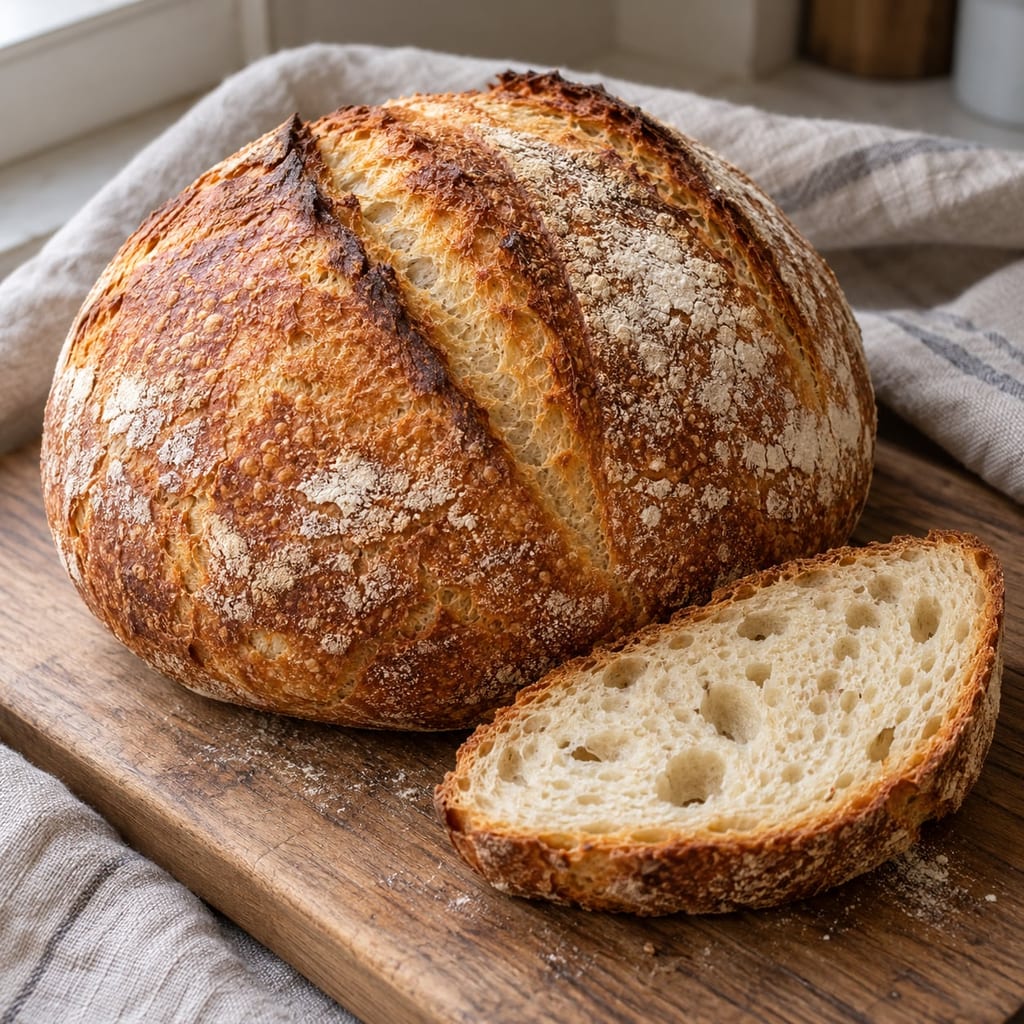
The basic triad is almond, dry bread and a liquid. The almonds are toasted, and the bread must be dry and hard; stale, toasted or oil-fried bread works, and a sweet biscuit may substitute. Garlic and saffron are called essential by many cooks, and parsley is common. Other nuts can replace the almonds, and cinnamon, cumin or other spices are added in some kitchens.
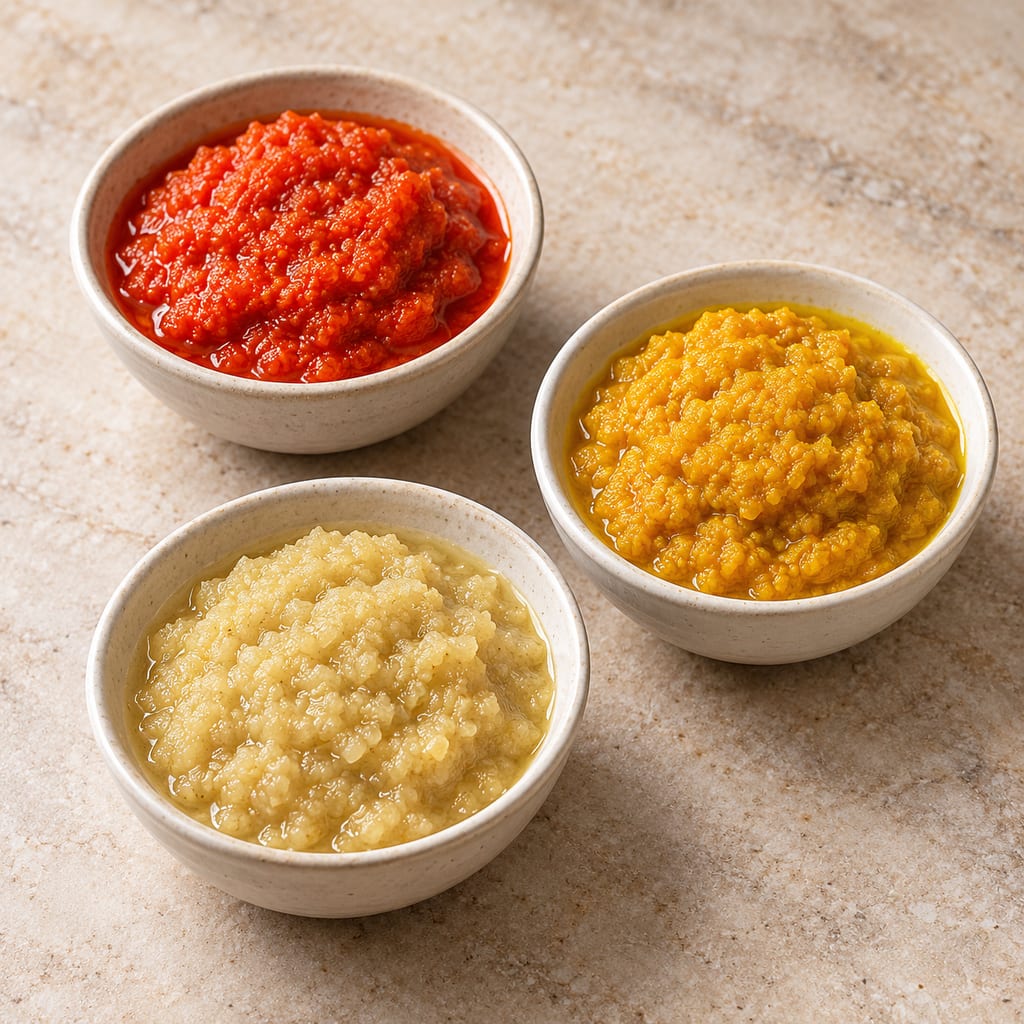
The paste is prepared in a mortar. The ingredients are crushed together, with the bread crushed after it has dried. Cooks usually start with a base sauce such as sofregit, then stir the picada in a few minutes before cooking ends. No quantities are given in the source read, so amounts are a matter of the cook's judgement.
Origin
The almond version is documented in Catalan cooking from the 13th century and appears in Robert de Nola's fifteenth-century Libre del Coch. The article gives no further detail on how the practice began.
History
Almond picada is documented in Catalan cooking from the 13th century and appears in Robert de Nola's fifteenth-century cookbook Libre del Coch.
Places
Catalonia
Documented preparation · Region evidenceThe page places picada in Catalan and Valencian cooking, with the almond version documented from the 13th century.
Valencia
Traditional use · Region evidenceThe page includes Valencia in the picada tradition; no date is given for the Valencian use.