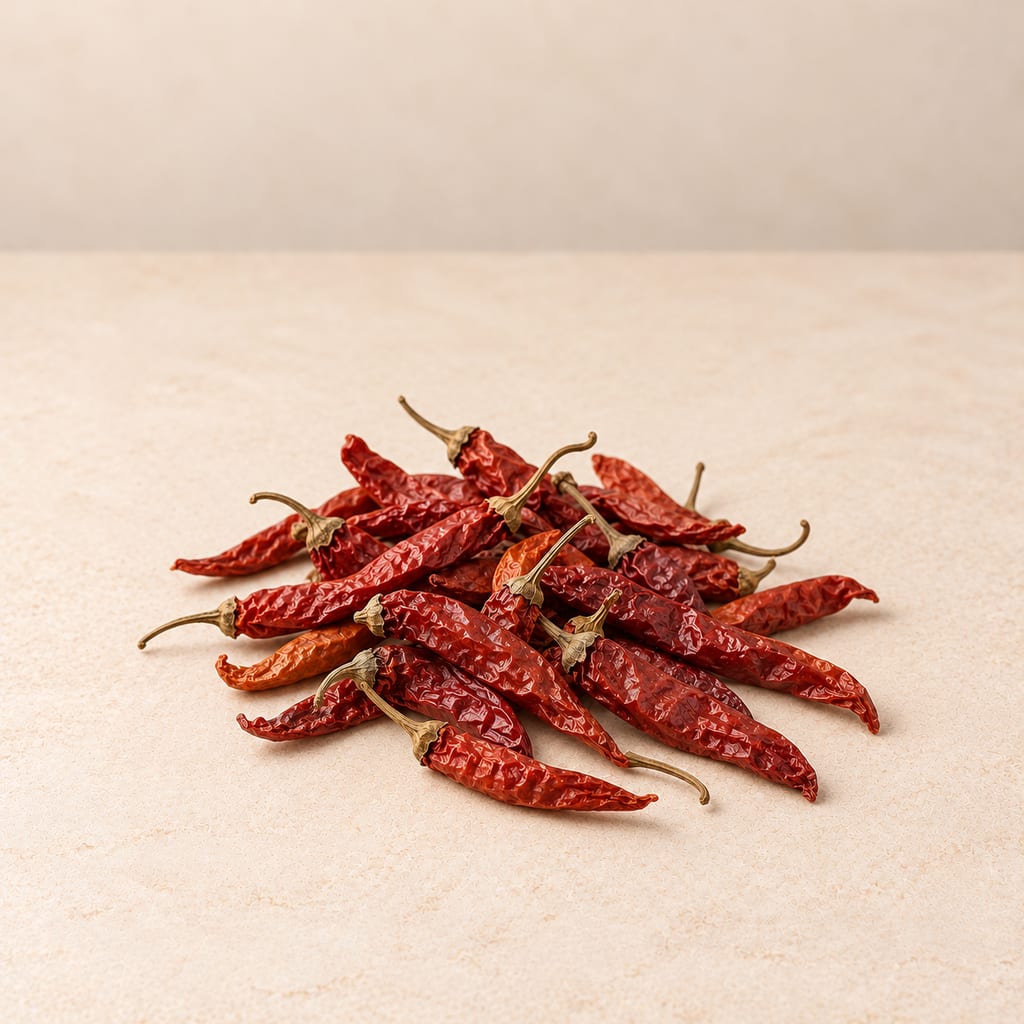
Dried red chillies
Dried red chillies are ripe chilli pods, mostly Capsicum annuum, preserved by drying and used whole, soaked, flaked or ground in pastes such as harissa and in spice blends.
 FermenteaWhere food goes to change
Modern adaptation
A fresh chilli paste made from rehydrated dried red peppers, garlic, olive oil, lemon and warm spices; this small-batch formula adapts the harissa family rather than reproducing a tested Tunisian method.
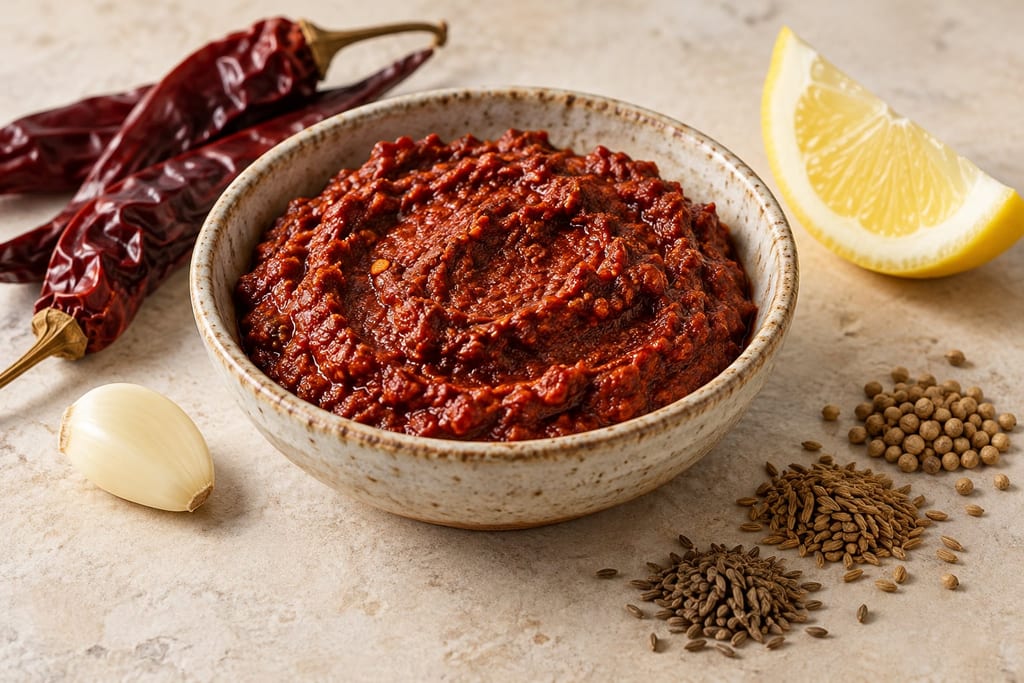
Harissa names a family of chilli preparations whose place at the table is bound up with everyday cooking and shared food knowledge in Tunisia. UNESCO's inscription recognizes not only a paste but also the associated skills and culinary and social practices. Its account describes dried chilli prepared with salt, garlic and coriander, and names communal and household contexts in which the preparation is made. This page's lemon-and-spice formula borrows the broad idea of a dried-chilli condiment, but it is a modern development recipe. The added olive oil, lemon juice, cumin and caraway, and the proportions used here, are not established by UNESCO as a traditional Tunisian formula.
The proportions in this page belong to a modern development formula. They are not established by UNESCO as a traditional Tunisian formula, and this batch has not been kitchen-tested, sensory-tested or tested for shelf life. A documented food tradition and an experimental adaptation are different kinds of evidence.
The proposed batch begins with about 40 g dried red chillies, stemmed and deseeded, then soaked in hot water until pliable. The drained chilli is weighed again, and the formula uses 110 g hydrated flesh. The dry amount is an approximate starting quantity, while 110 g is the ingredient mass that enters the blend. The excess soak water is drained away; it is not part of the stated 200 g yield.
The hydrated chilli is blended with 10 g garlic, 45 g olive oil, 25 g lemon juice, 3 g each of ground cumin and ground coriander, 2 g ground caraway and 2 g salt. Briefly toasting whole spices before grinding is an optional flavour-preparation stage in this development formula. No toast duration or temperature is specified. Blending breaks the softened pepper flesh and distributes oil, citrus juice, garlic, spices and salt through it. No fermentation, measured acidity target or heating stage is part of the method.
Use the paste in small spoonfuls to season couscous, soup or yoghurt dip. Those are suggested serving uses, not evidence that the prototype has been compared with a Tunisian harissa or that it behaves like a commercially preserved paste.
Garlic and oil in the same mixture require particular care. The National Center for Home Food Preservation warns that garlic-in-oil held at room temperature can support botulism risk. Its recommendations and storage limits concern garlic-in-oil mixtures; they do not establish a safe life for this different paste, whose other ingredients and proportions have not been tested. Lemon juice, salt and an oil layer are not proof of preservation, and the formula is not a canning recipe.
No tested storage life, validated room-temperature process or formula-specific safety validation is established. The UK's general chilling and leftovers guidance describes refrigerator practice, but it is not a study of this raw paste and does not establish its shelf life. Keep the batch refrigerated while deciding how to use it; do not infer a safe duration from general guidance. Freezing does not validate the formula or reverse unsafe handling.
The formula does not identify chilli varieties or their heat levels, or quantify how much water the peppers absorb during soaking. It gives an approximate dry starting mass and a weighed hydrated mass to anchor the proposed batch. It gives no sensory results. Treat it as a trial formula, not a tested recipe or preserve, and do not scale it by simple multiplication.
UNESCO records harissa as a living Tunisian culinary and social tradition. This lemon-and-spice formula is a modern development adaptation and is not evidence of a traditional Tunisian method.
Yield 200 g · Scaling: source batch only
This paste combines garlic and oil. NCHFP reports a botulism risk for garlic-in-oil held at room temperature; it has not established a safe storage life for this different formula.
Hazard sourceDo not store this paste at room temperature or treat an oil layer, lemon juice or salt as preservation. Refrigerate promptly while deciding how to use it; no tested storage life is established for this exact formula.
Control sourceThis fresh garlic-and-oil paste has no tested storage life or room-temperature process. NCHFP's product-specific garlic-in-oil limit does not validate this formula; do not can it or rely on an oil layer, lemon juice or salt for preservation.
The Tunisian connection is inspiration from UNESCO's documented harissa tradition, not a claim that this exact lemon-and-oil prototype is a Tunisian preparation.
Dried red chillies are ripe chilli pods, mostly Capsicum annuum, preserved by drying and used whole, soaked, flaked or ground in pastes such as harissa and in spice blends.
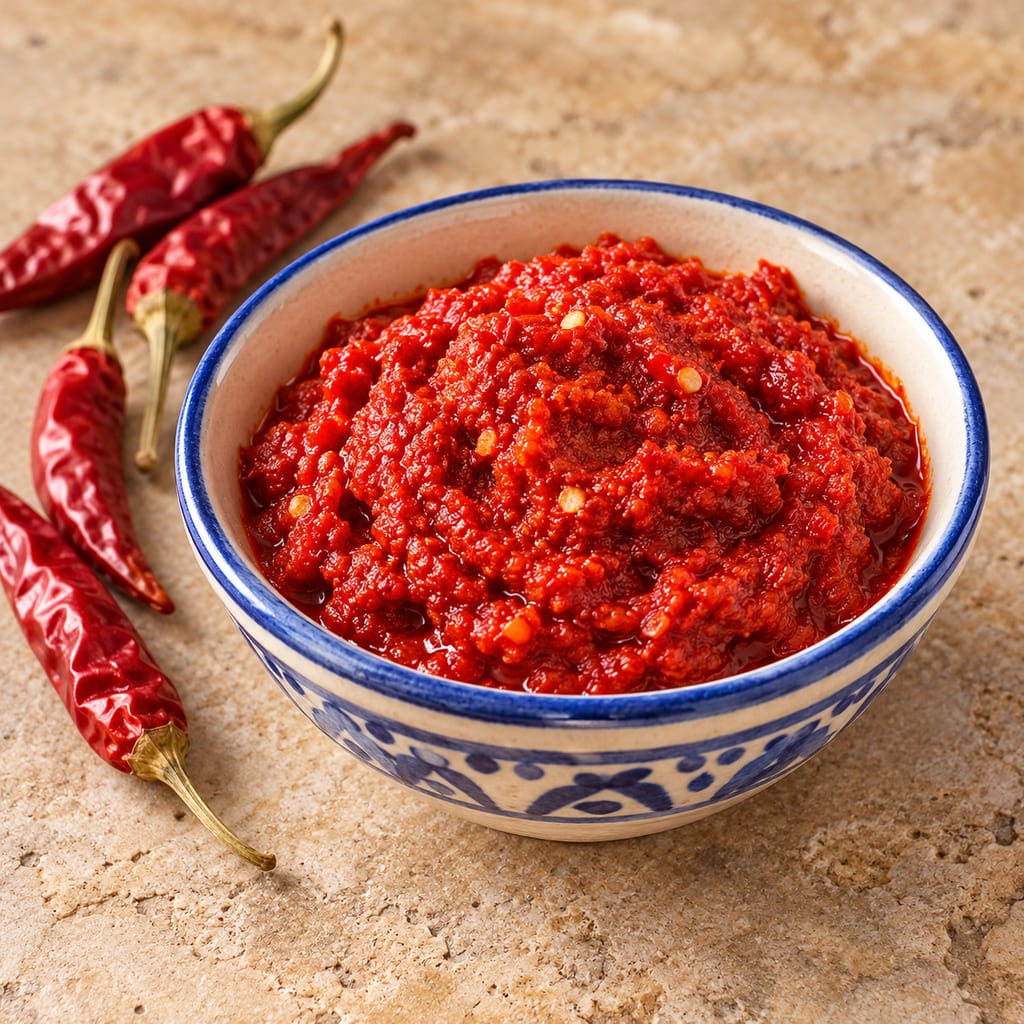
A Tunisian hot chilli paste from Cap Bon and Nabeul: red peppers pounded with garlic, caraway, coriander, cumin and olive oil, with many household and commercial variants.

In Tunisia chermoula is a cooked sweet-sour dish: floured fried fish returned briefly to a sauce of onions cooked in oil with harissa, vinegar, water, honey and raisins.
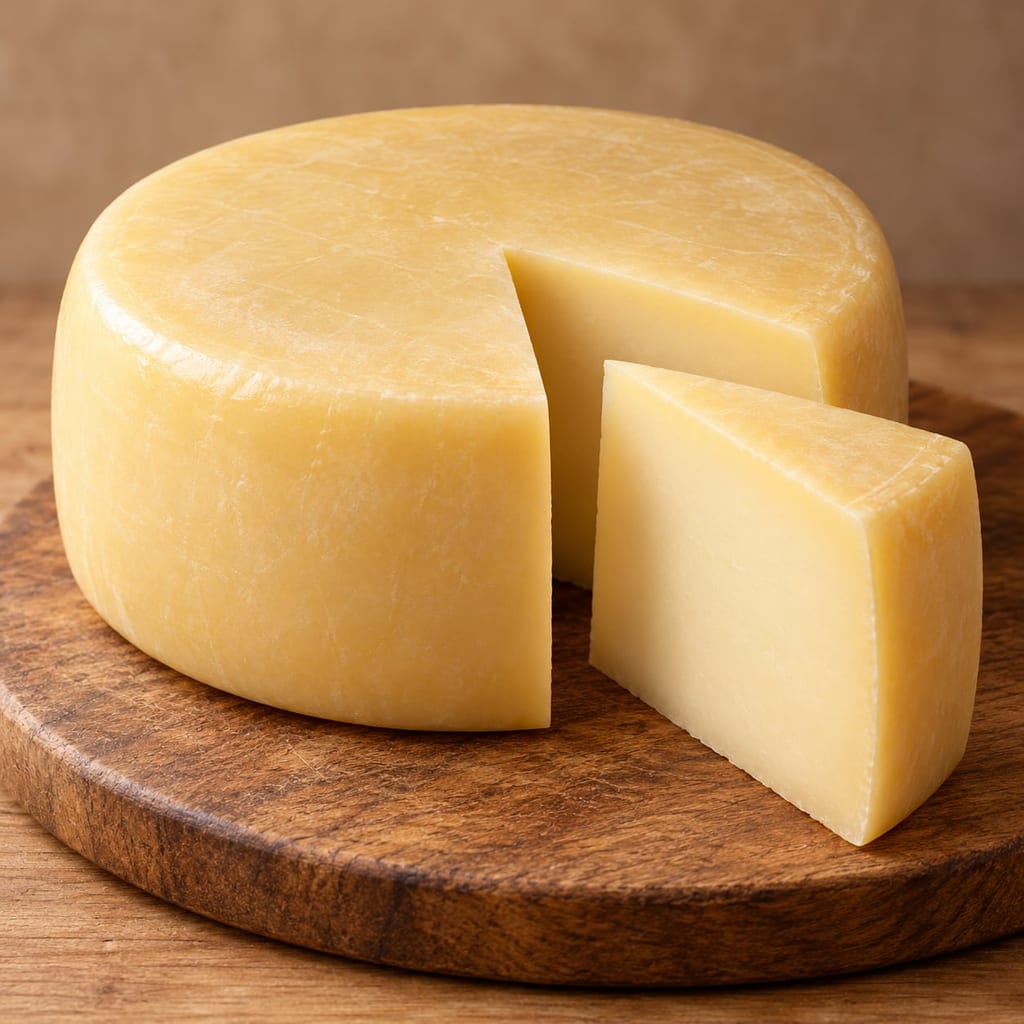
Kashkaval is a firm sheep-milk cheese whose acidified curd is worked in hot brine. This large-batch method finishes with repeated dry salting, wax coating and cool ripening.
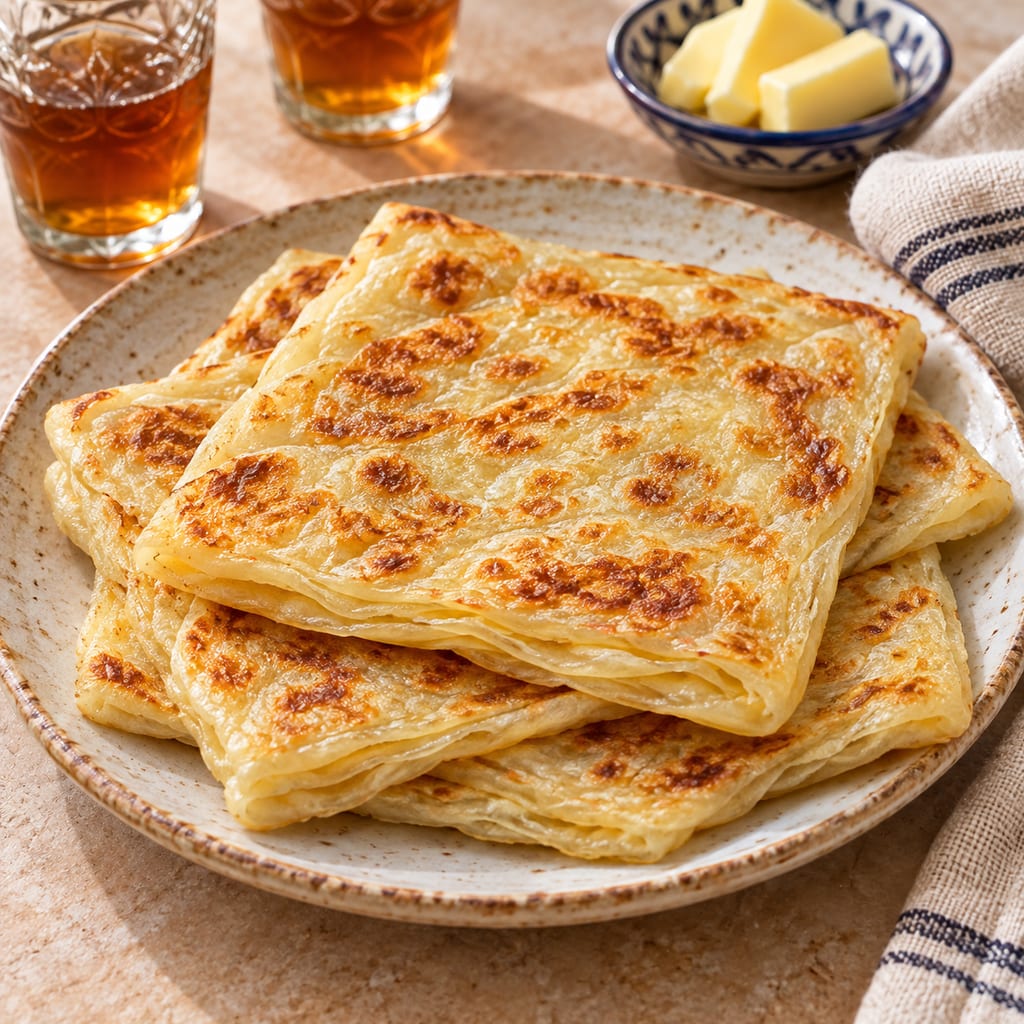
A square Moroccan layered griddle bread made from lightly yeasted wheat dough, stretched thin, folded with semolina and butter, and cooked until crisp and golden.
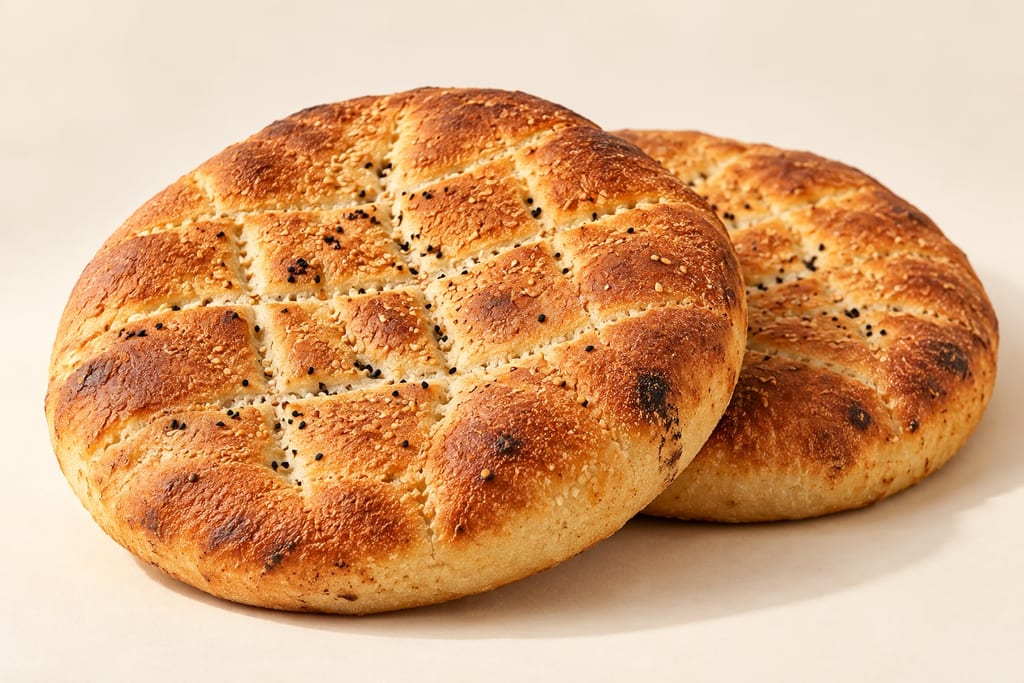
A Tunisian round semolina bread named for the clay oven in which it is traditionally baked, recorded here through one home-oven recipe.
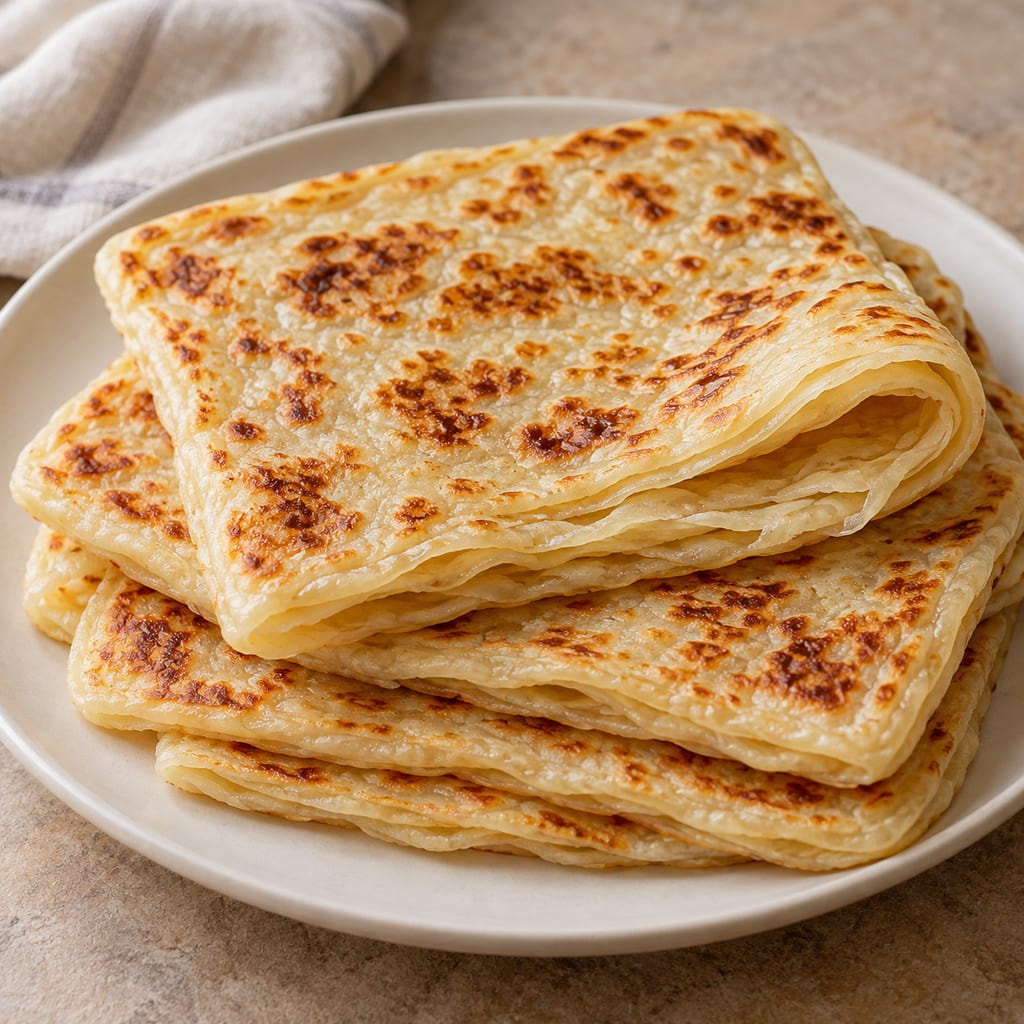
A Tunisian semolina flatbread, stretched with oil, folded into layers and cooked in a pan.
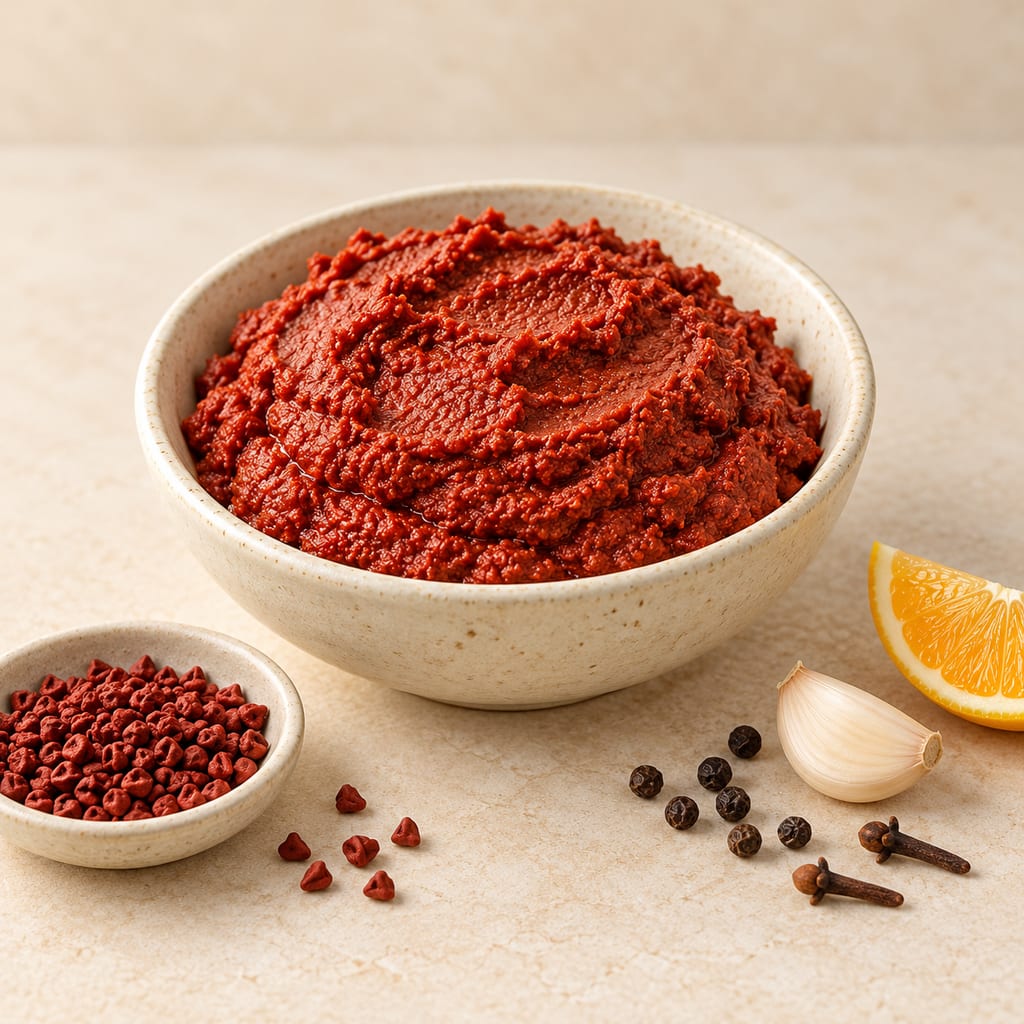
A Yucatecan recado rojo is a brick-red seasoning paste built on annatto seed, garlic and sour orange. This measured home version shows one route into a much wider family of market and household recados.
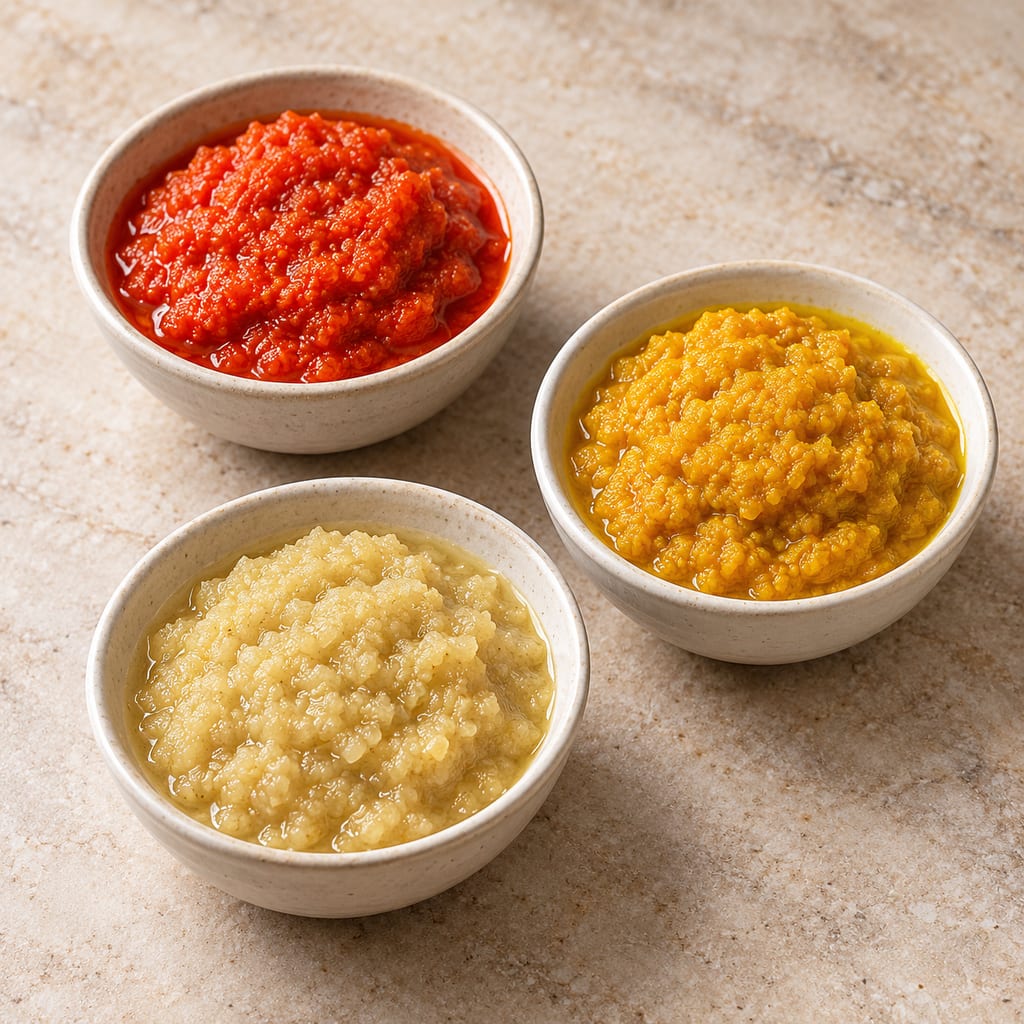
Bumbu dasar are the ground spice bases of Indonesian cooking: a white paste of shallot, garlic and salt, with chile added for red and turmeric for yellow, cooked into dishes.
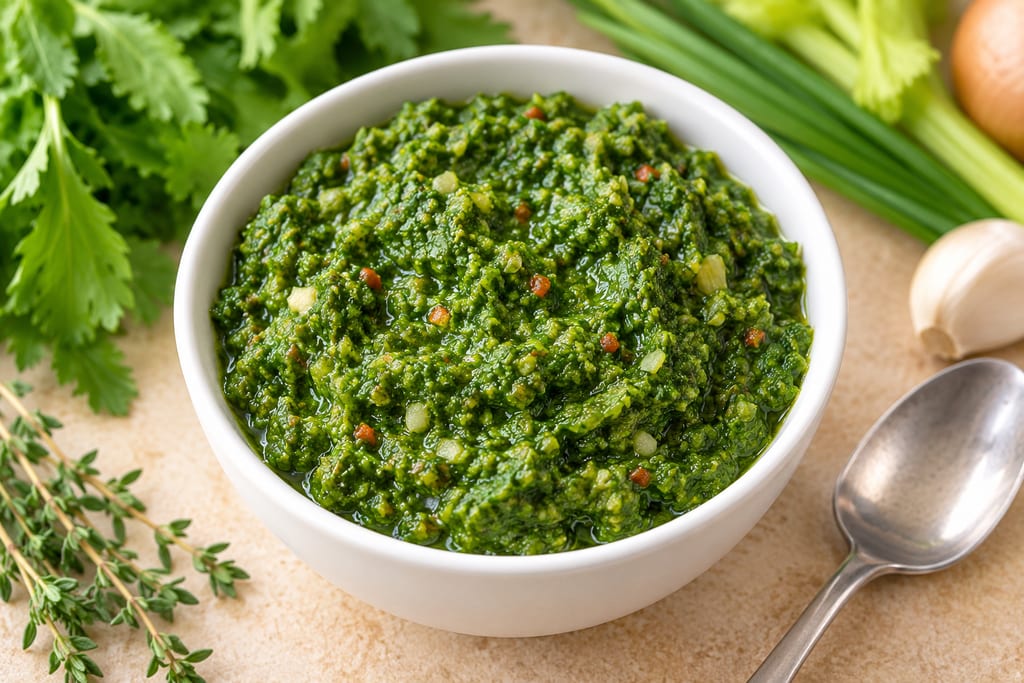
A fresh herb and aromatic paste of chadon beni (culantro), thyme, chives, celery, onion, garlic and peppers, blended with vinegar and water and used as the base for Trinidadian cooking.
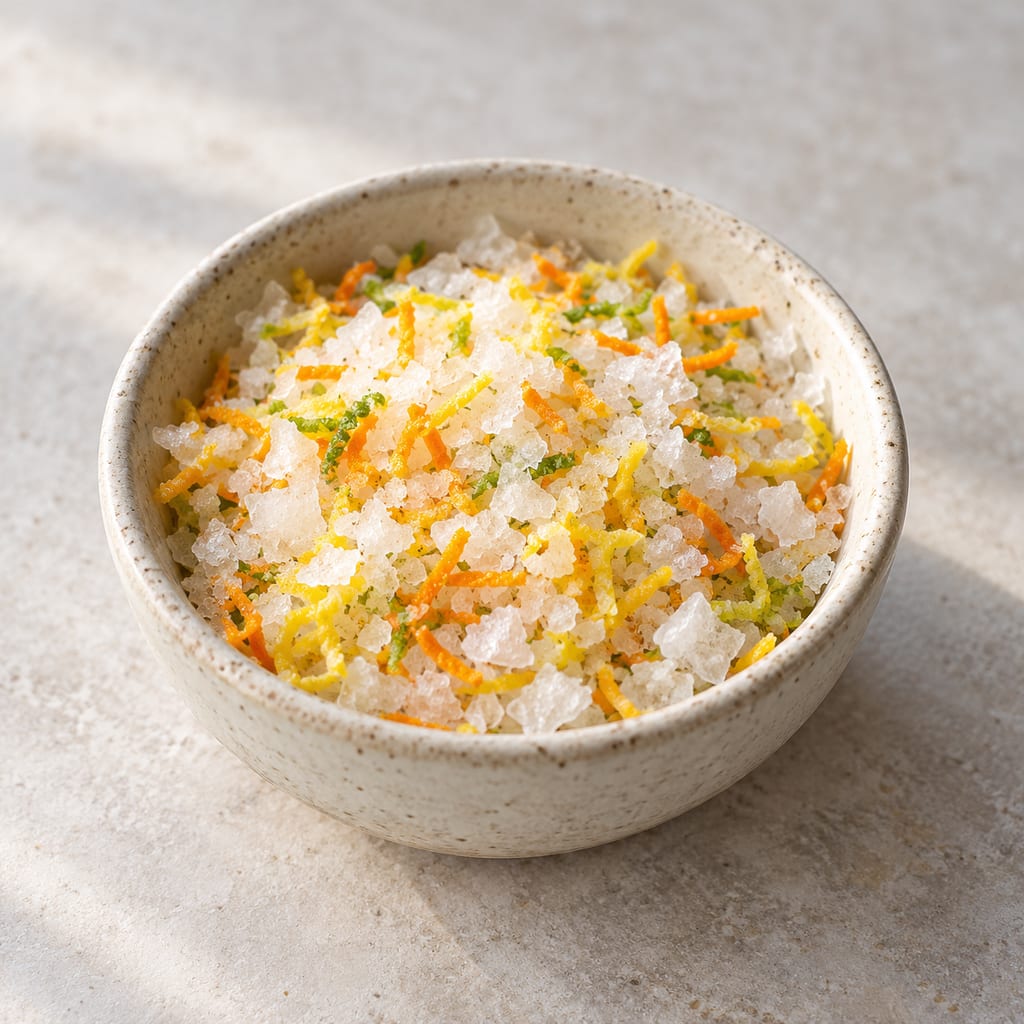
Citrus zest is rubbed into coarse or flake salt and dried on a tray. This peel-based seasoning preserves the chosen citrus aroma without adding juice.
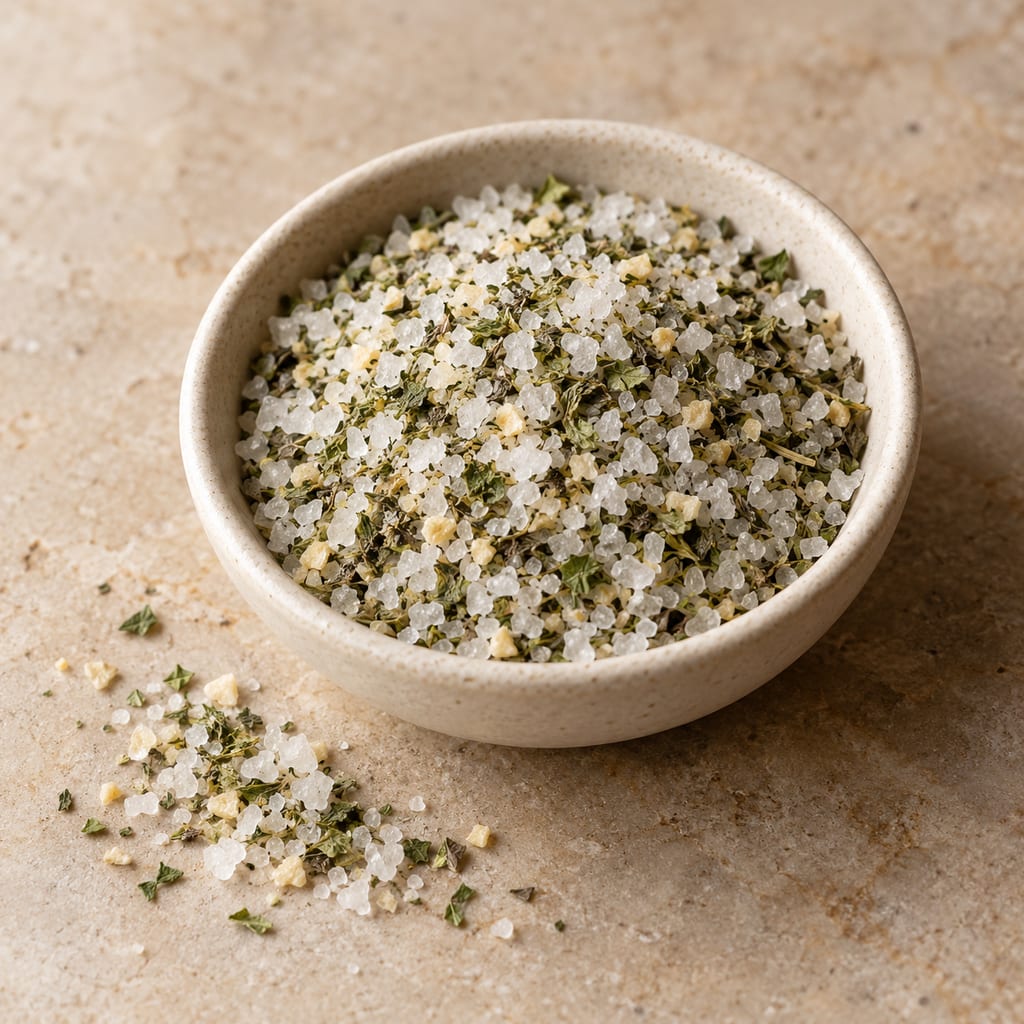
Fresh garlic and pungent herbs are chopped with kosher salt, then dried in the warmth of a switched-off oven. The blend keeps the selected herbs together in one seasoning.
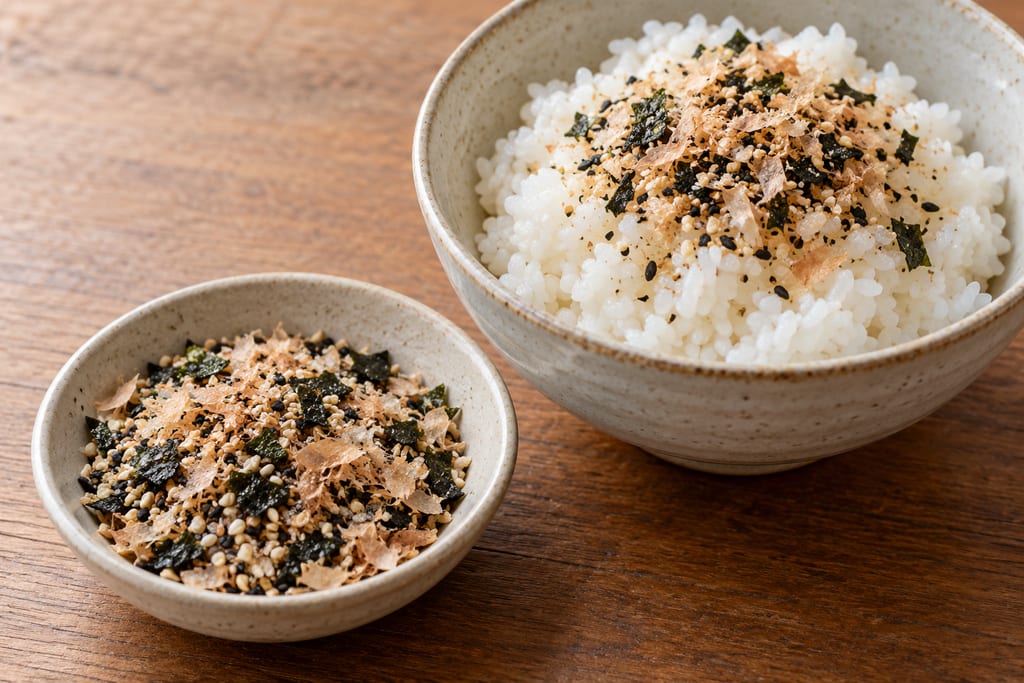
A dry Japanese rice seasoning of sesame, bonito, nori, sugar and salt. This documented home blend is one specific formula within a varied category with several early product histories.
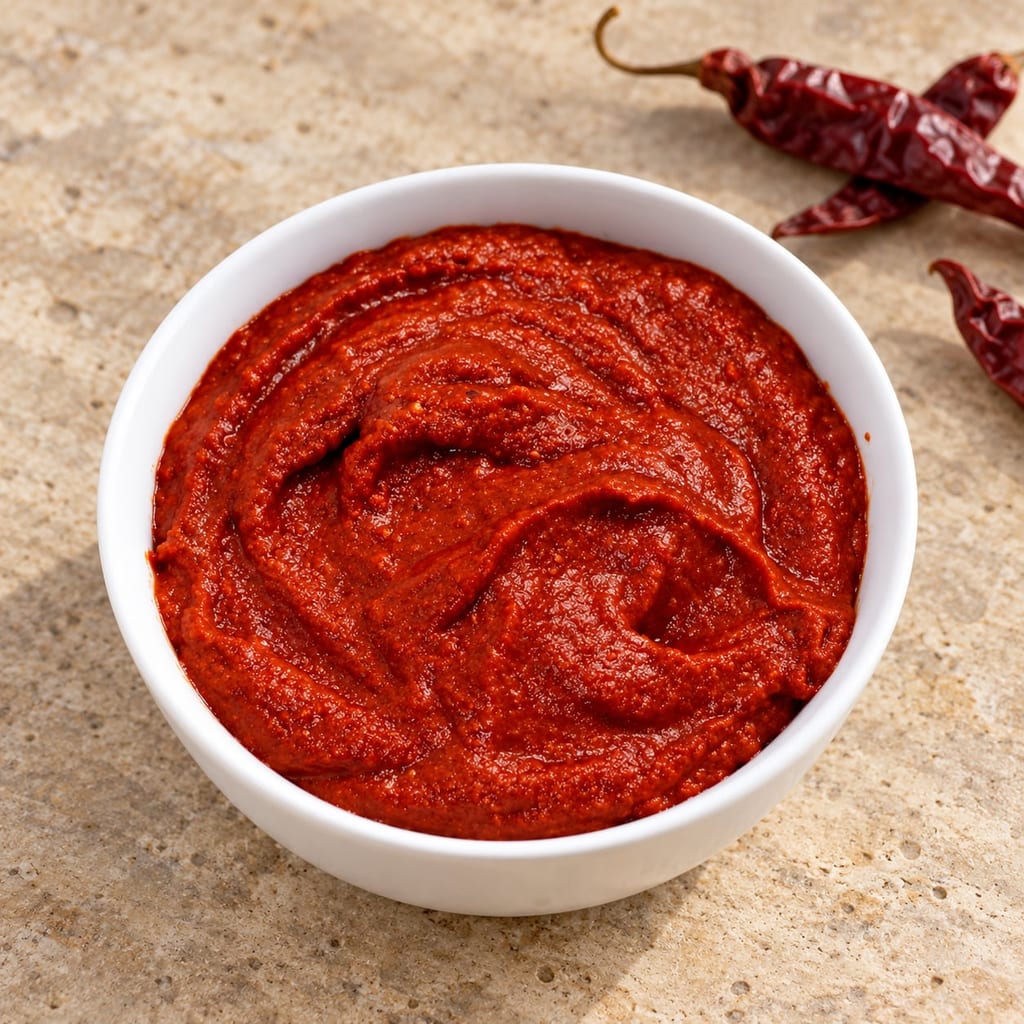
Recheado is a red Goan spice paste of Kashmiri chillies, garlic and spices ground in vinegar, best known as the stuffing for fried fish such as mackerel.
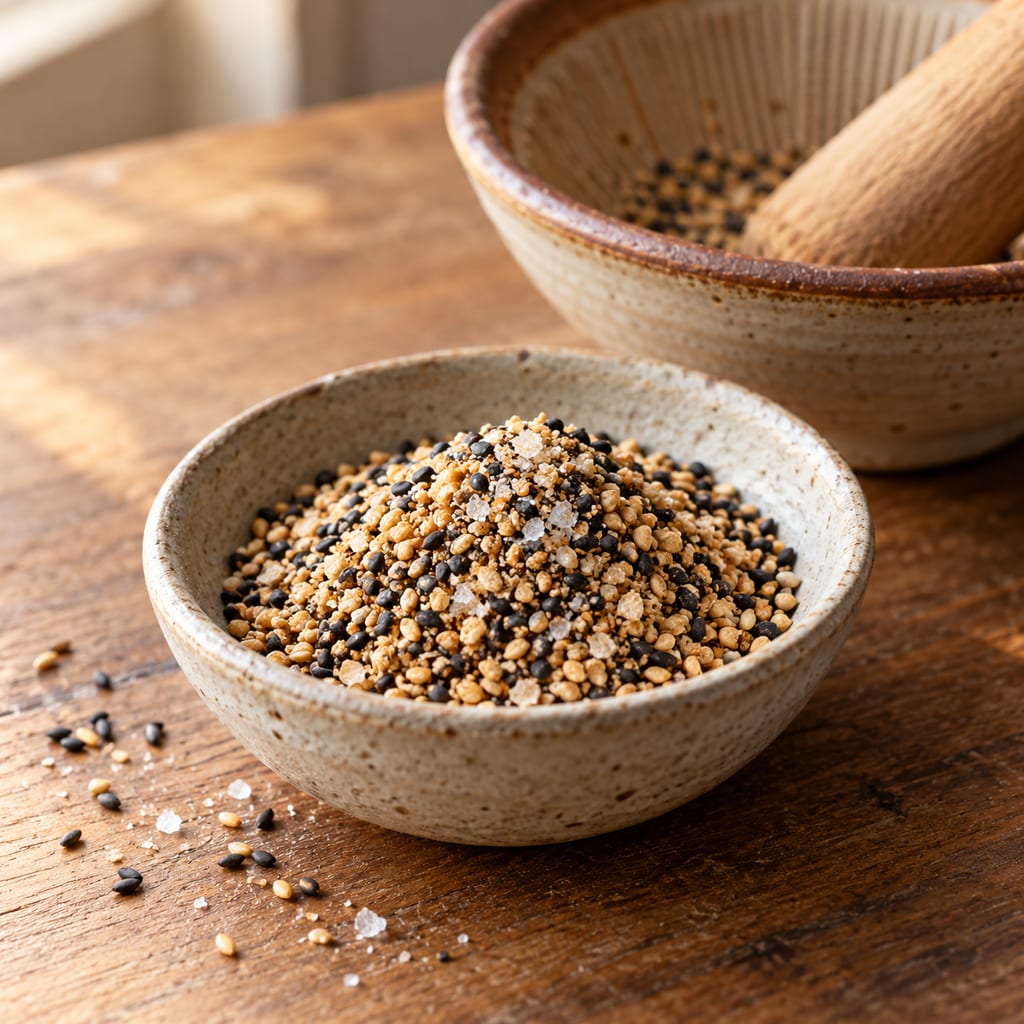
Toasted sesame seeds and sea salt are ground together into a coarse seasoning for rice. This small pan-roasted batch keeps most of the seed texture.
No community contributions have been published for this entry yet.
Sign in to contribute. Published comments and photos are free to read.
UNESCO Intangible Cultural HeritageHistory · Tradition · Inspiration
Harissa, knowledge, skills and culinary and social practicesUNESCO documents a Tunisian harissa tradition and its culinary and social context. Its description names dried chilli, salt, garlic and coriander; it does not document this recipe's lemon, oil, cumin or caraway formula.
Cited in: Harissa as a living Tunisian tradition; Making this fresh chilli paste
National Center for Home Food PreservationSafety
Freezing Garlic-in-OilGarlic-in-oil held at room temperature can present botulism risk. NCHFP supplies handling limits for garlic-in-oil mixtures, which are not treated as a validated shelf life for this formula.
Cited in: Handling and what remains unknown
UK Food Standards AgencyGeneral handling
How to chill, freeze and defrost food safelyGeneral refrigerator and leftover guidance only; it is not cited to establish a shelf life for this raw paste.
Cited in: Handling and what remains unknown