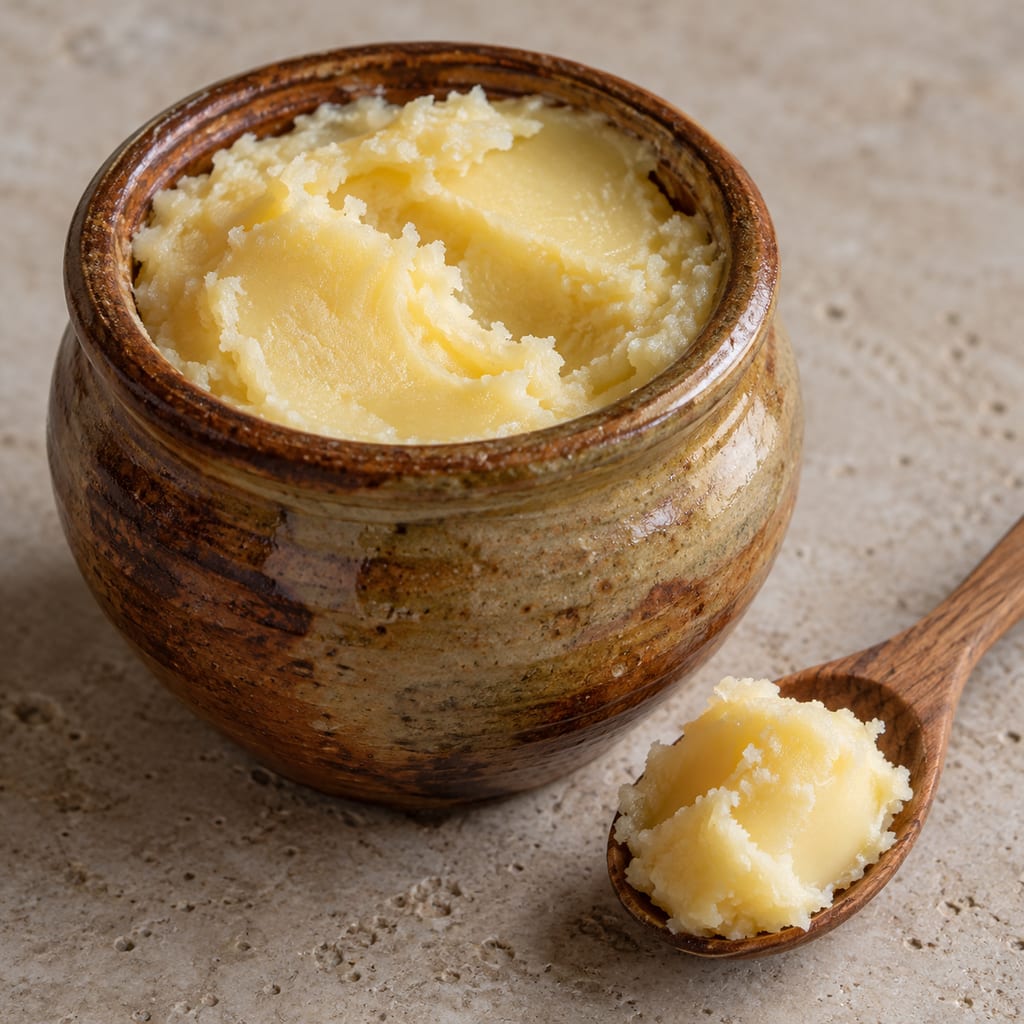
Smen
North Africa's matured butter: soured milk churned, the butter washed, heavily salted and left for months until lipolysis turns it into a pungent, cheese-like seasoning used a spoonful at a time.
 FermenteaWhere food goes to change
rghaif
A square Moroccan layered griddle bread made from lightly yeasted wheat dough, stretched thin, folded with semolina and butter, and cooked until crisp and golden.
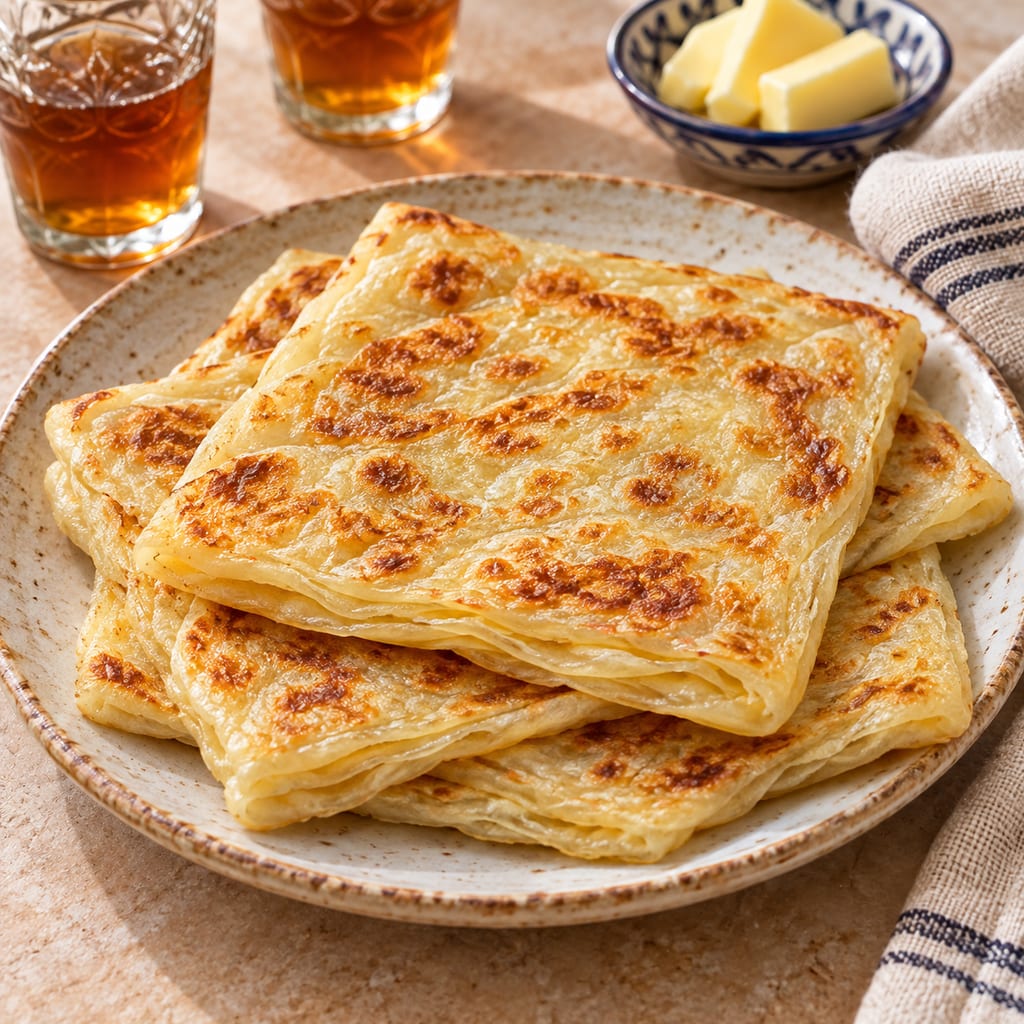
Msemen is a square, laminated Moroccan pancake served at breakfast or tea time. Christine Benlafquih calls it rghaif in some contexts and describes the measured recipe as popular in Morocco, Tunisia and Algeria. The formula below makes the square folded version. The source distinguishes it from meloui, a round, coiled relative, so the two names are kept separate here.
The dough is barely leavened with a small amount of yeast. Its layers come chiefly from stretching the dough very thin, spreading butter and semolina over it, and folding it repeatedly. The recipe uses a large work surface and generous oiling; much of that oil remains on the surface rather than entering the dough.
Combine white flour, fine semolina or durum flour, sugar, salt and ¼ teaspoon dry yeast, then mix in warm water. Knead until the dough is very smooth, soft and elastic but not sticky. Divide it into 20 small-plum-sized balls, place them on an oiled tray, cover loosely and rest for 10–15 minutes.
Oil the work surface and hands, then spread each ball outward with light, quick strokes until paper-thin. The sheet can be roughly circular; the folds make the square shape. Dot it with very soft butter, sprinkle with semolina and fold into thirds like a letter. Repeat the butter and semolina, then fold the rectangle into thirds again. Keep the folded squares in order, since the first one rests longest before cooking.
Heat a griddle or large pan over medium until quite hot. Place the first folded square on an oiled surface and pat it out to about twice its folded size, then move it to the pan. Turn it several times until cooked through, crisp on the outside and golden. Cook the squares in order, using more than one pan only if there is room to handle them without crowding.
After cooking, cool each square for a minute or two. Gently flex it back and forth by opposite ends to help loosen the laminated layers. Serve immediately or cool completely before freezing. The page describes reheating frozen msemen in a pan over medium-low heat or on a rack in a preheated 350°F (180°C) oven; that oven temperature is for reheating only.
Flour is raw and may carry harmful bacteria. Do not taste uncooked dough; keep flour away from ready-to-eat foods, then wash hands and clean tools and surfaces after handling it. Use care around the hot griddle and oily work area.
The recipe gives a complete approximate batch of 20 small squares, with approximate amounts for oil and butter because shaping may use more or less. It does not give a numeric griddle temperature, a separate dough rise, or a scale-up formula. The page reports use across the Maghreb but does not establish that its exact method is shared everywhere.
Christine Benlafquih identifies this measured formula as Moroccan msemen, sometimes called rghaif, and says the bread is popular in Tunisia and Algeria as well. The recipe page distinguishes the square folded form from round, coiled meloui. It does not date a first attestation or establish one formula across the Maghreb.
Yield 20 4-inch msemen (approx.) · Scaling: source batch only
Uncooked flour may carry harmful bacteria.
Hazard sourceThe method cooks oily dough on a hot pan or griddle and requires repeated handling.
Hazard sourceCook the dough before eating; keep raw flour and dough away from ready-to-eat food, then wash hands and clean utensils and work surfaces.
Control sourceUse care when working beside the heated griddle and transferring the oiled dough.
Control sourceDo not taste raw dough. Use care around the hot griddle and oily work surface.
Christine Benlafquih identifies this lightly yeasted, square, laminated recipe as Moroccan msemen. This entry records her formula rather than every bread called rghaif.
The author says msemen are popular in Tunisia as well as Morocco and Algeria. This is a use association; the entry does not attribute this exact recipe to Tunisia.
The author says msemen are popular in Algeria as well as Morocco and Tunisia. This is a use association; the entry does not attribute this exact recipe to Algeria.
North Africa's matured butter: soured milk churned, the butter washed, heavily salted and left for months until lipolysis turns it into a pungent, cheese-like seasoning used a spoonful at a time.
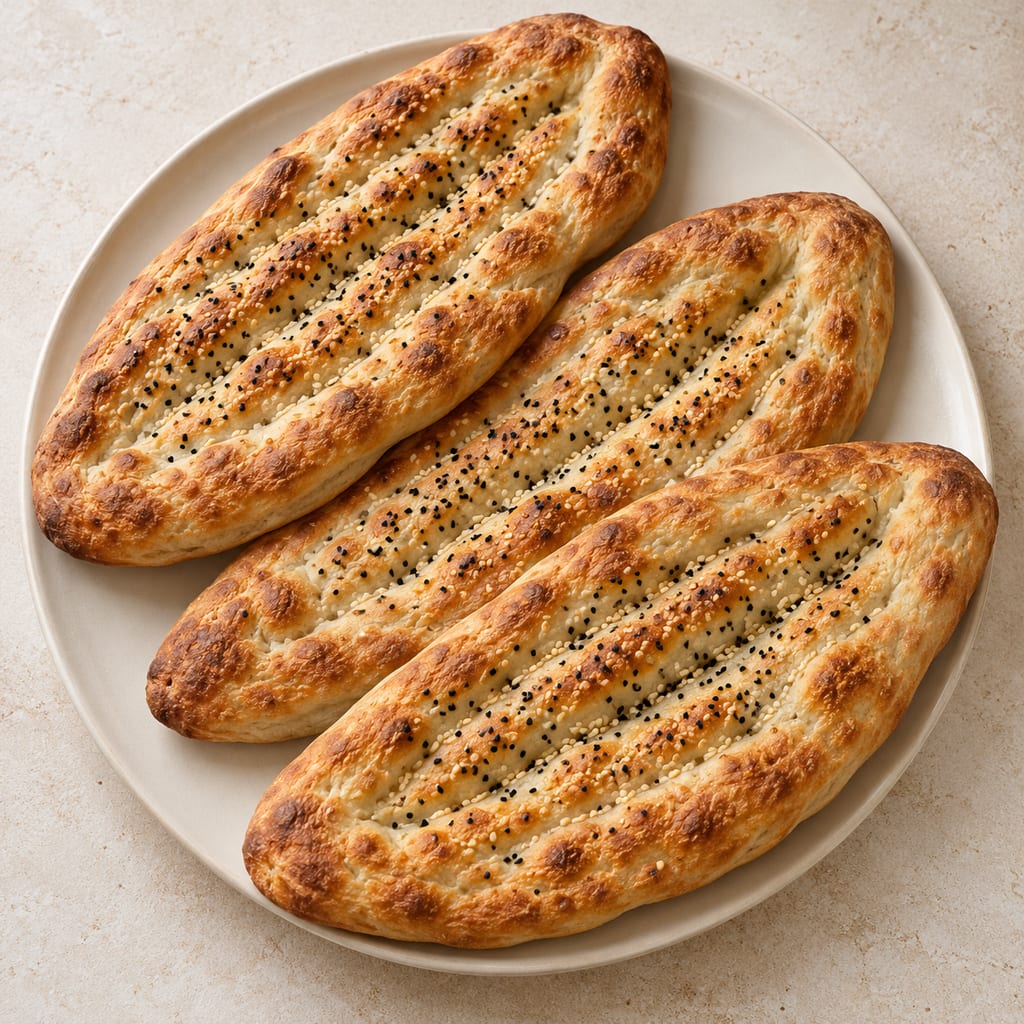
A long oval Afghan wheat bread, leavened with yeast, grooved along its length and baked until crisp outside and chewy within.
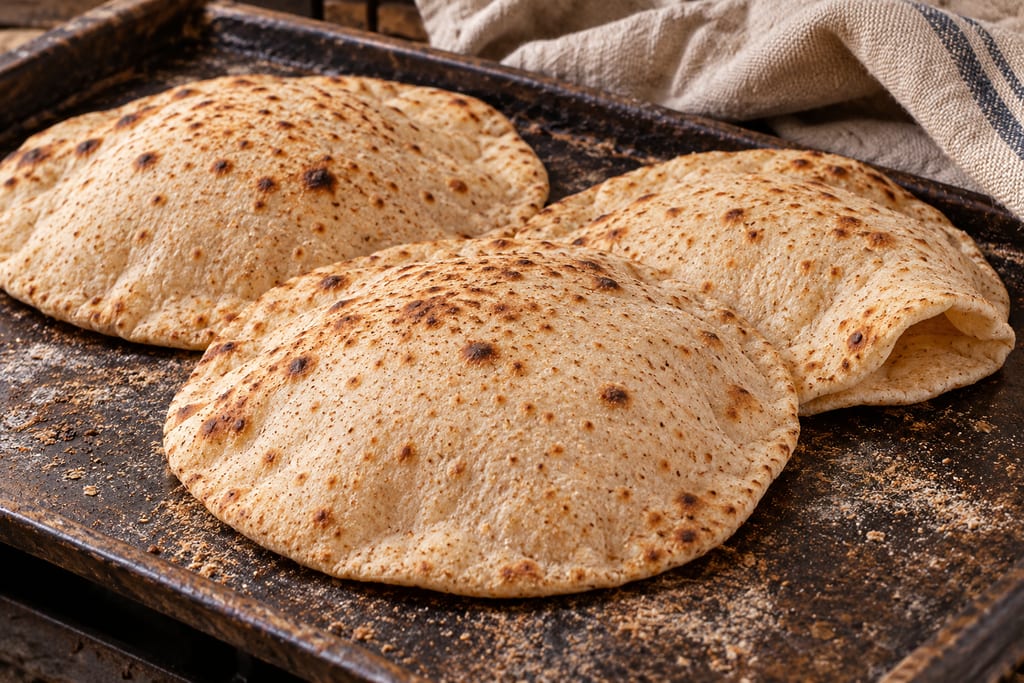
This home adaptation of Egyptian aish baladi uses a refrigerated yeast biga, whole-wheat dough, bran dusting and a very hot baking surface to make 16 pocketed rounds.
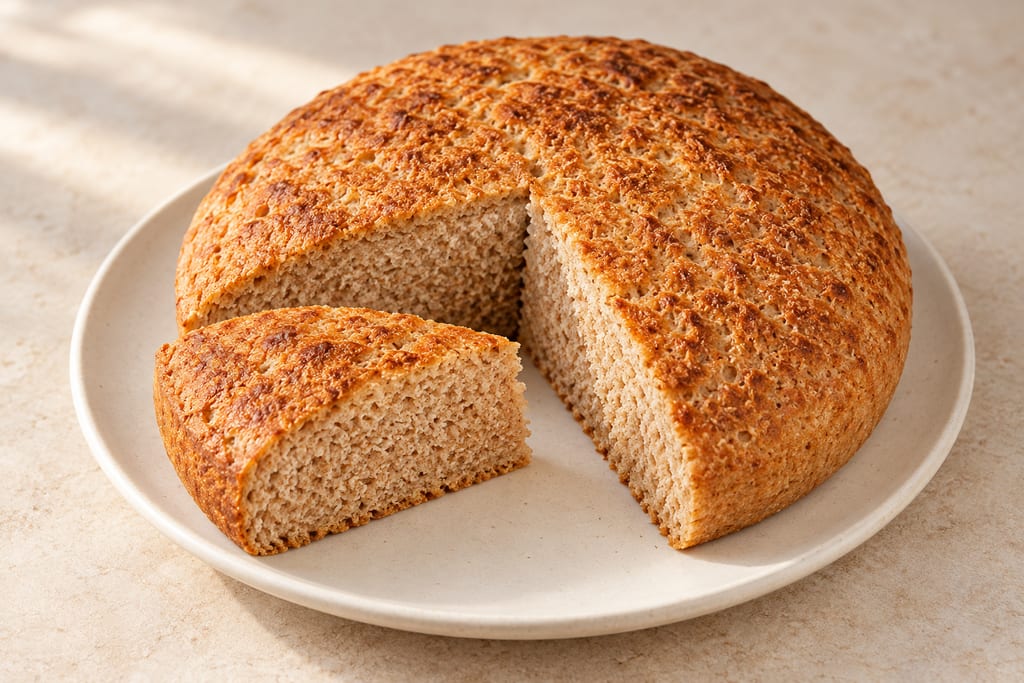
This oven-baked Amdo balep uses yeast, whole-wheat and white flour, a long covered rise and a two-sided bake in a heavy oven-safe pot.
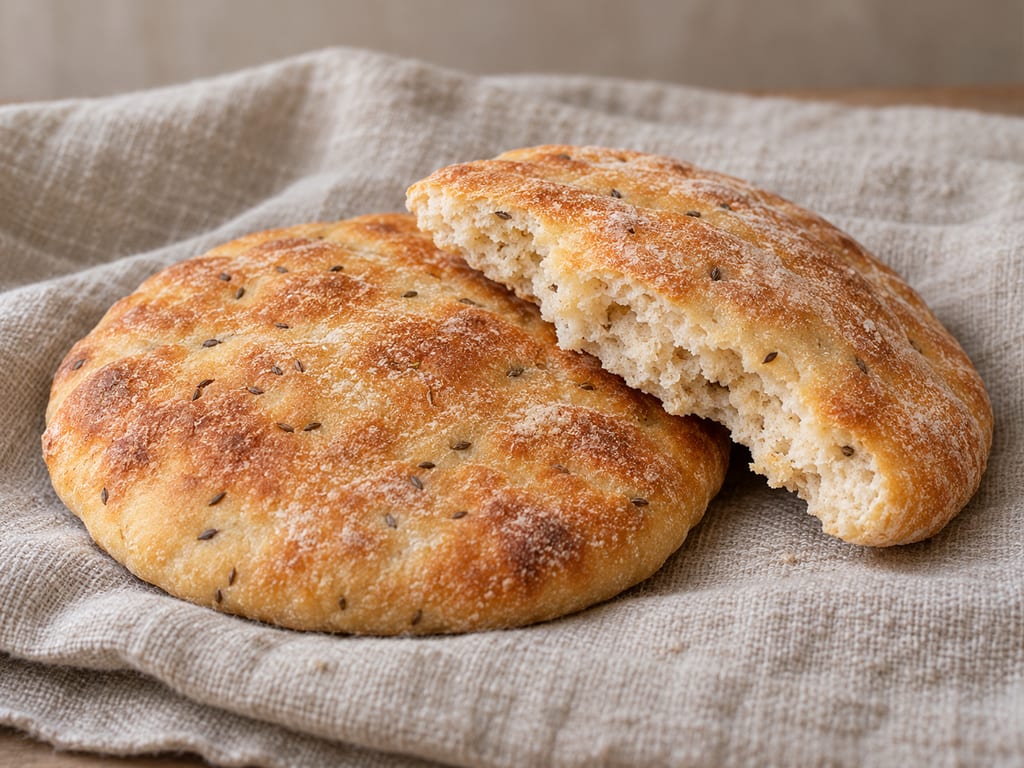
A measured, yeast-raised Ayacucho chapla home method shared by Thermomix Peru presenter Roxanna Salaverry. It makes thin, anise-scented rounds baked at 240°C; the historic qunchu-leavened form is documented separately.
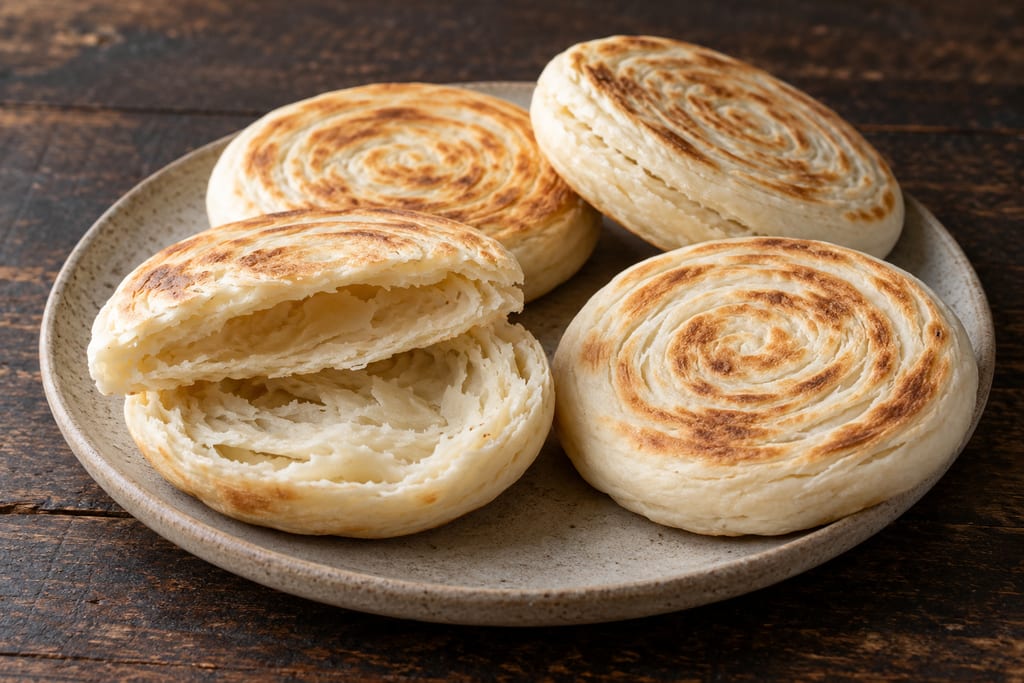
This Shaanxi-associated yeast flatbread uses a simple water dough, coiled shaping and a skillet bake. It is the bread used in roujiamo, not the filled meat dish.
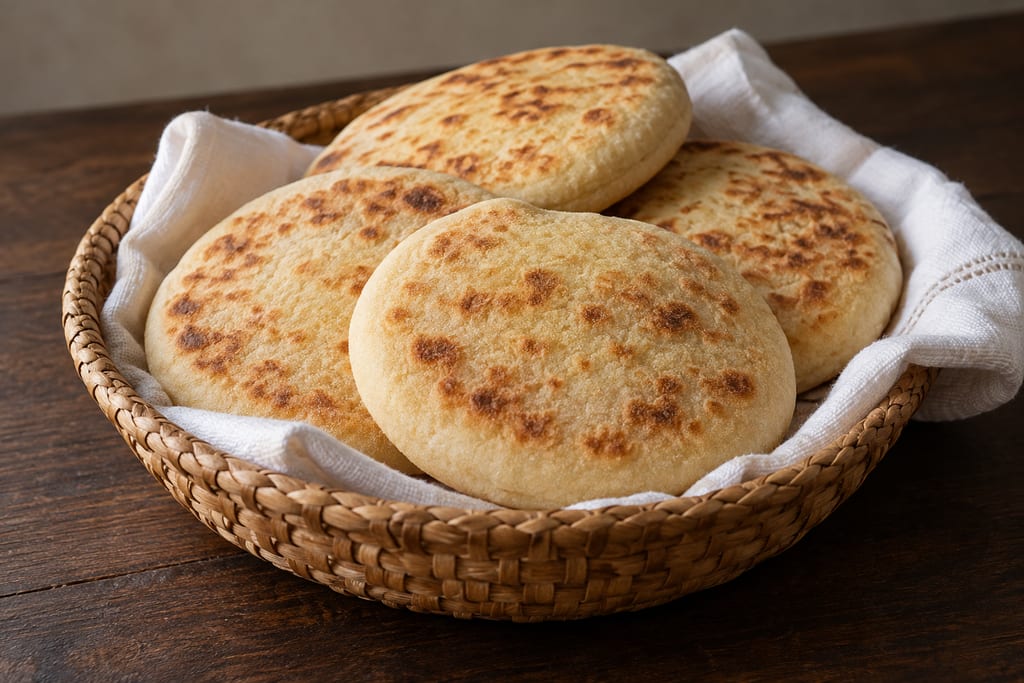
A Moroccan yeast-raised semolina pocket bread cooked on a dry pan or griddle; this measured batch makes about twenty 4-inch rounds.
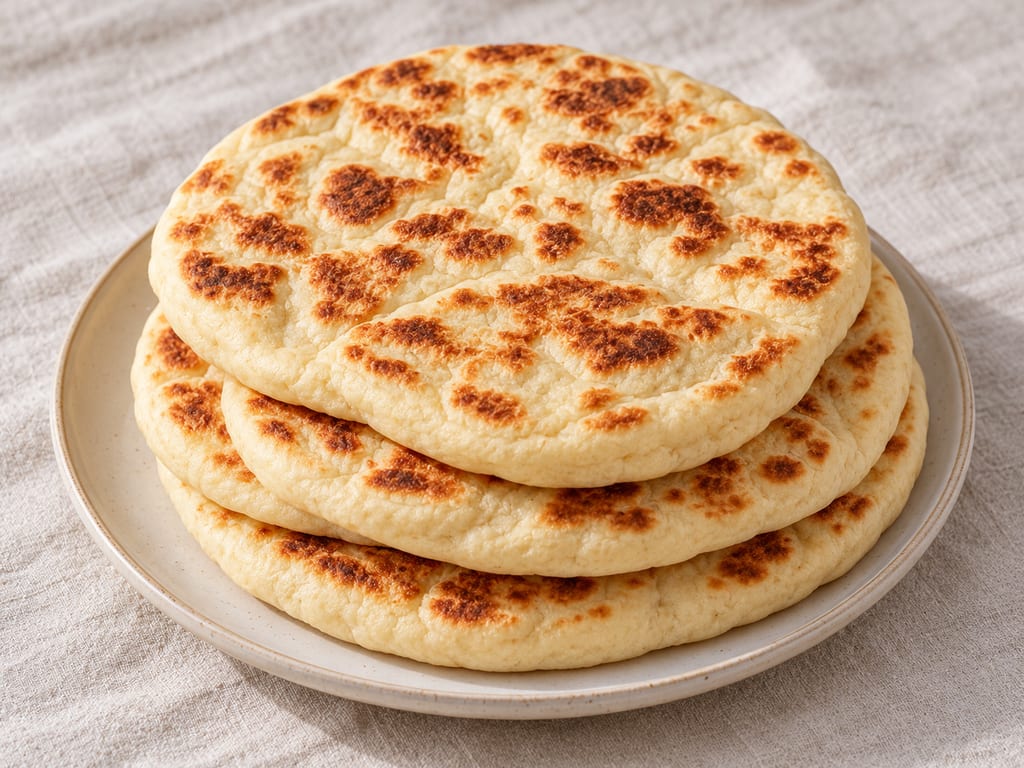
This Turkish bazlama uses yeast, plain yogurt and olive oil for a soft dough cooked in a skillet. Shape it into twelve small or six larger rounds, flip as bubbles appear, and wrap the breads to keep them soft.
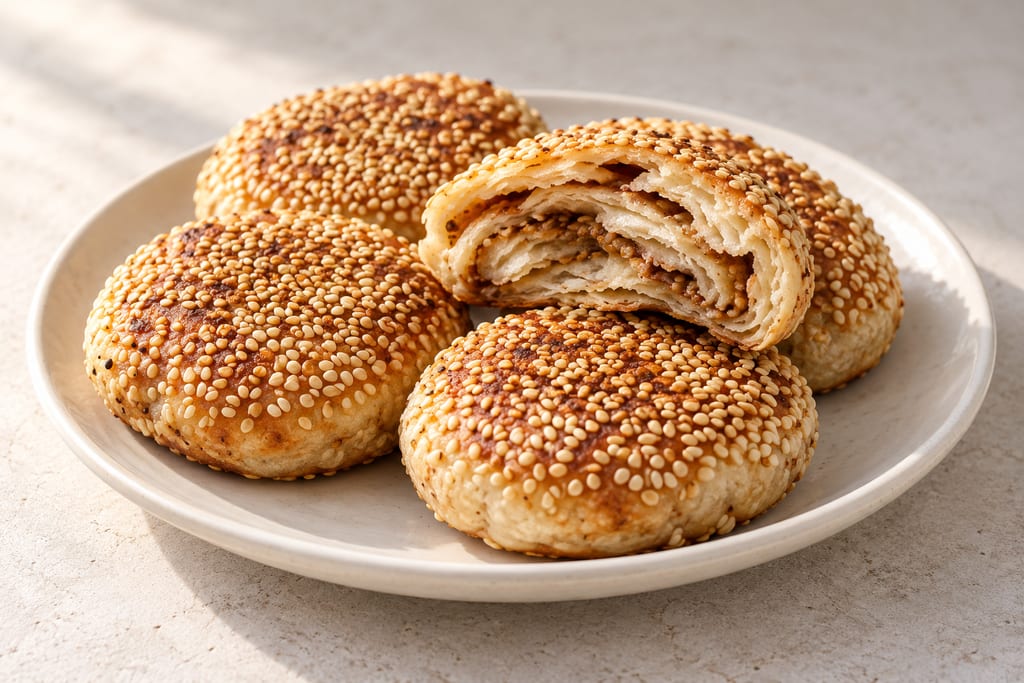
A Beijing-style yeast dough is layered with seasoned sesame paste, sealed into small buns, briefly pan-fried, seeded, and baked.
No community contributions have been published for this entry yet.
Sign in to contribute. Published comments and photos are free to read.
Taste of MarocInspiration · Method · Geography
Basic Msemen Recipe - Square Moroccan Pancakes20-piece measured recipe, 4-inch yield, flour blend, yeast, water, sugar, salt and shaping fat amounts; kneading, resting, paper-thin spreading, semolina/butter folding, griddle method, layer separation, freezing and reheating; Moroccan cuisine and reported popularity in Tunisia and Algeria; square msemen distinguished from round meloui.
Cited in: Square layered griddle bread; Mix, rest and stretch; Griddle cooking and layers; Handling and evidence limits
U.S. Food and Drug AdministrationSafety
Handling Flour Safely: What You Need to KnowFlour is raw and may carry harmful bacteria; do not taste raw flour or dough; cook and clean hands, utensils and surfaces after handling.
Cited in: Handling and evidence limits