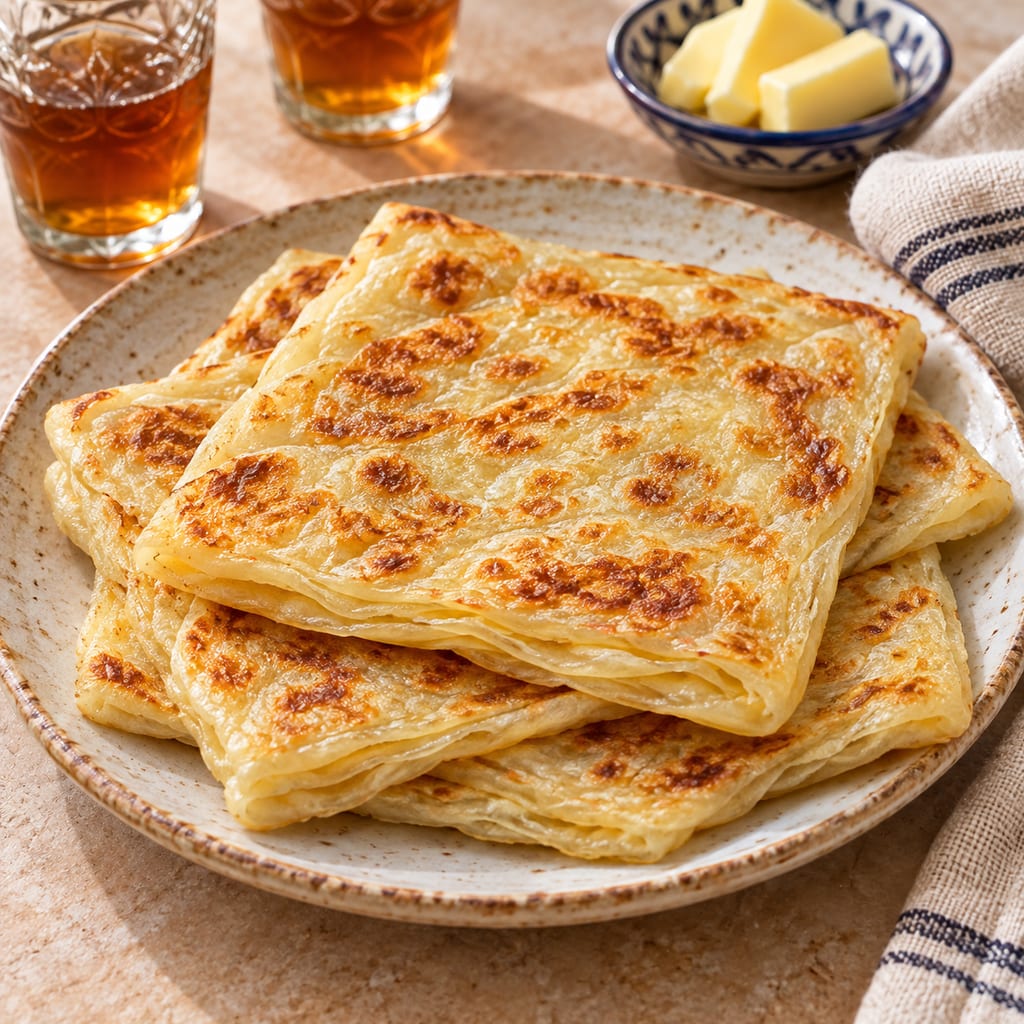
Msemen
A square Moroccan layered griddle bread made from lightly yeasted wheat dough, stretched thin, folded with semolina and butter, and cooked until crisp and golden.
 FermenteaWhere food goes to change
Modern adaptation
mlewi · mlaoui
A Tunisian semolina flatbread, stretched with oil, folded into layers and cooked in a pan.
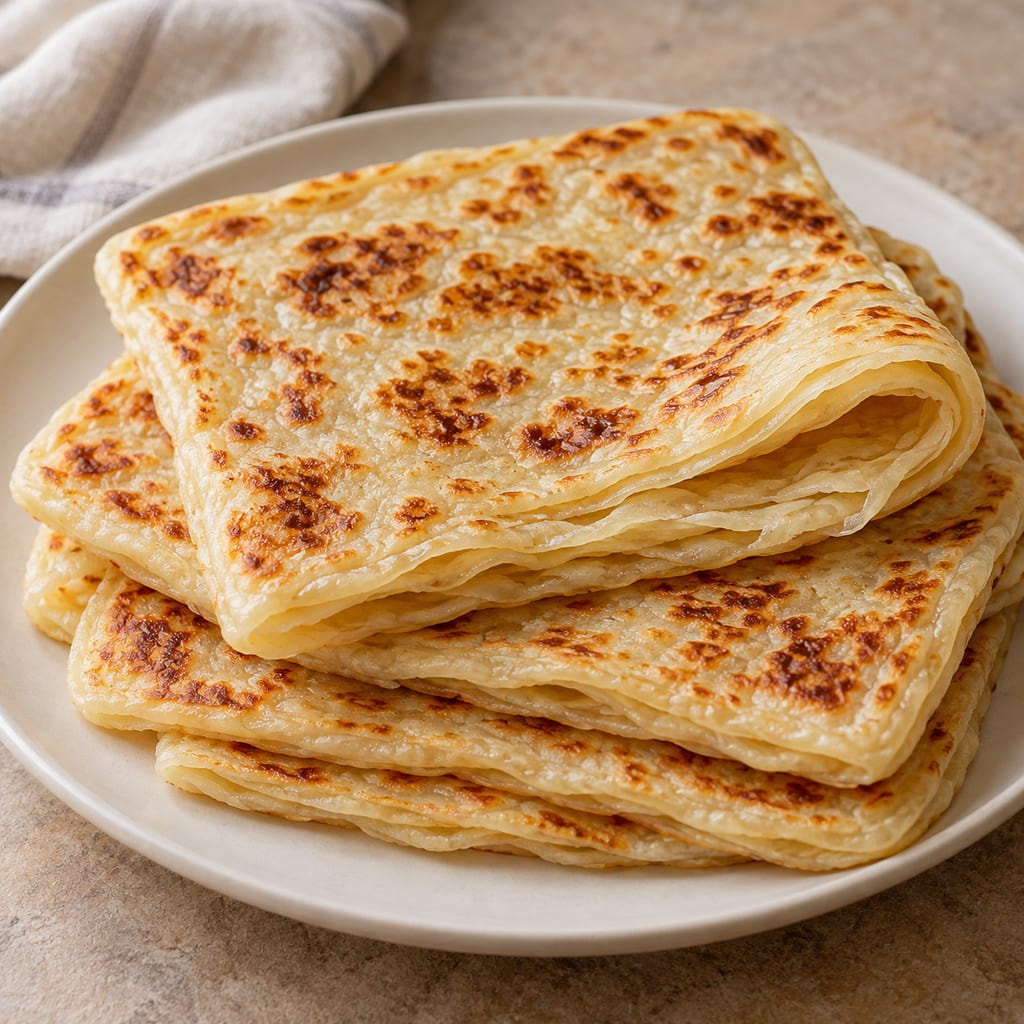
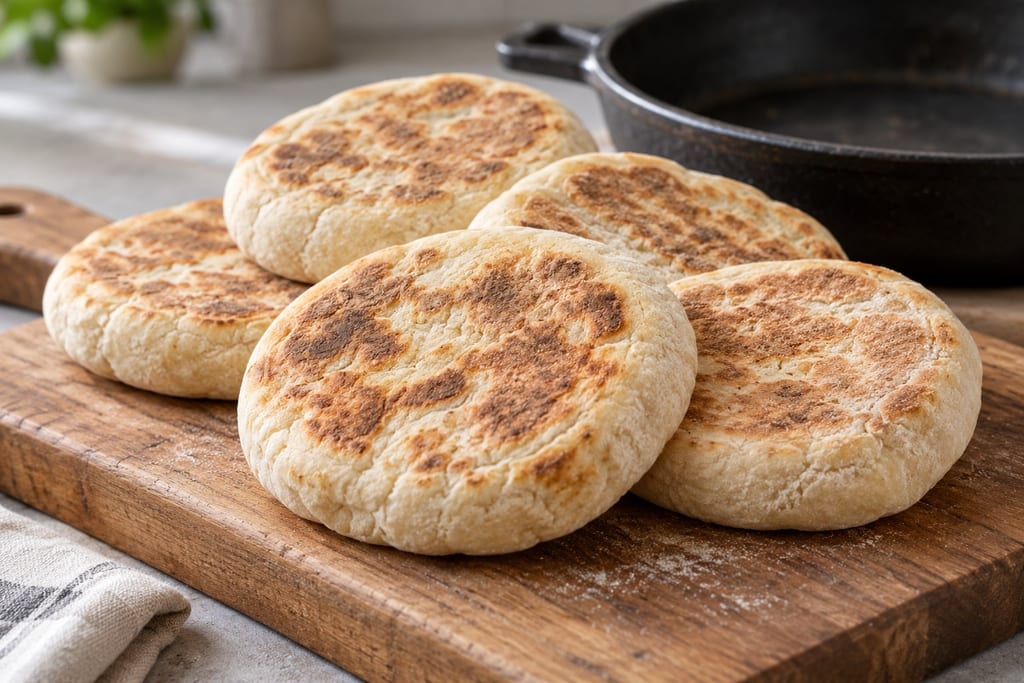
Mlawi is a Tunisian flatbread stretched with oil and folded before cooking. It can be eaten with sweet accompaniments or used for a filled street-food sandwich. This home recipe includes a small amount of yeast; other versions omit it.
A published transcript from il-Kaf in northwestern Tunisia places mlawi among locally prepared household breads. In sections 28–30, the speaker describes fine semolina, folding with oil and cooking in a tajin set over a gas stove. This is a documented account of equipment and handling, rather than a claim that the bread began in il-Kaf.
The transcript supports the importance of folding and pan cooking but supplies no replacement quantities for this batch. The Tunisian Way recipe's small yeast addition, one-hour rest and ten small portions remain intact; other versions need not use that same leavening.
Rahma Rekik describes mlewi as a Tunisian street-food sandwich, with possible fillings including harissa, cheese, egg or tuna. Her breakfast examples include dairy spreads, jam, olive oil and honey. These are serving choices, not ingredients added to the dough below.
The bread itself remains the subject of this recipe. A filled sandwich would introduce its own ingredients and handling needs. No single filling, historical origin or storage duration follows from the name mlewi.
Mlawi is documented in Tunisian home and street-food cooking; no first attestation is established.
Yield 10 small flatbreads · Scaling: source batch only
Contains wheat (semolina).
Do not taste raw dough; raw flour can contain harmful germs. Wash hands and surfaces after handling it.
Take care with the hot pan and oil.
Sources document Tunisian mlawi; a precise birthplace is not established.
A square Moroccan layered griddle bread made from lightly yeasted wheat dough, stretched thin, folded with semolina and butter, and cooked until crisp and golden.
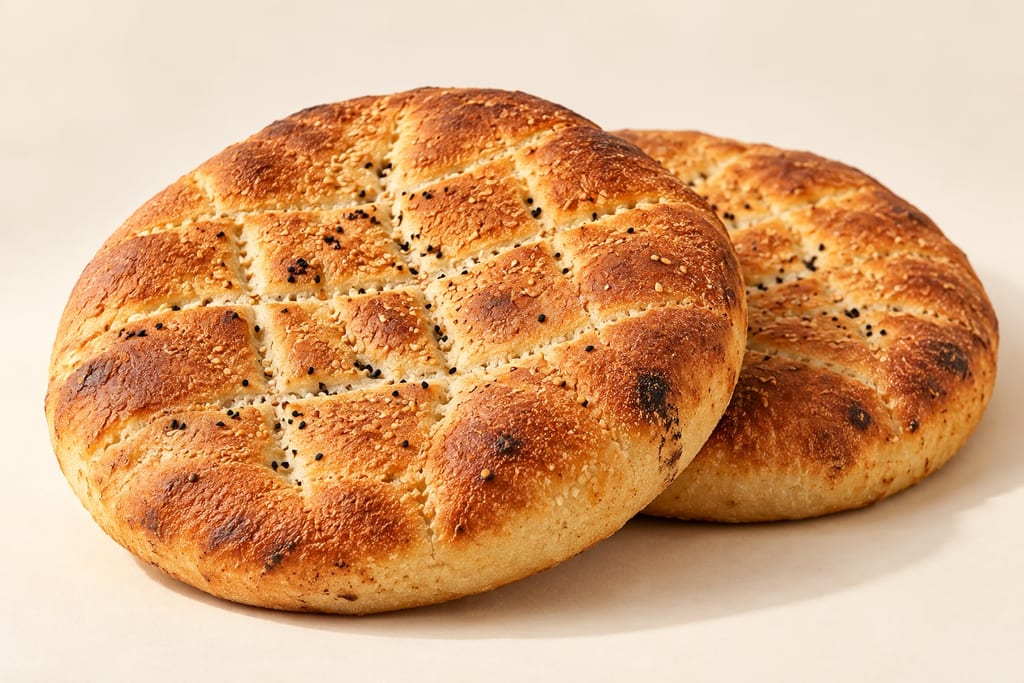
A Tunisian round semolina bread named for the clay oven in which it is traditionally baked, recorded here through one home-oven recipe.
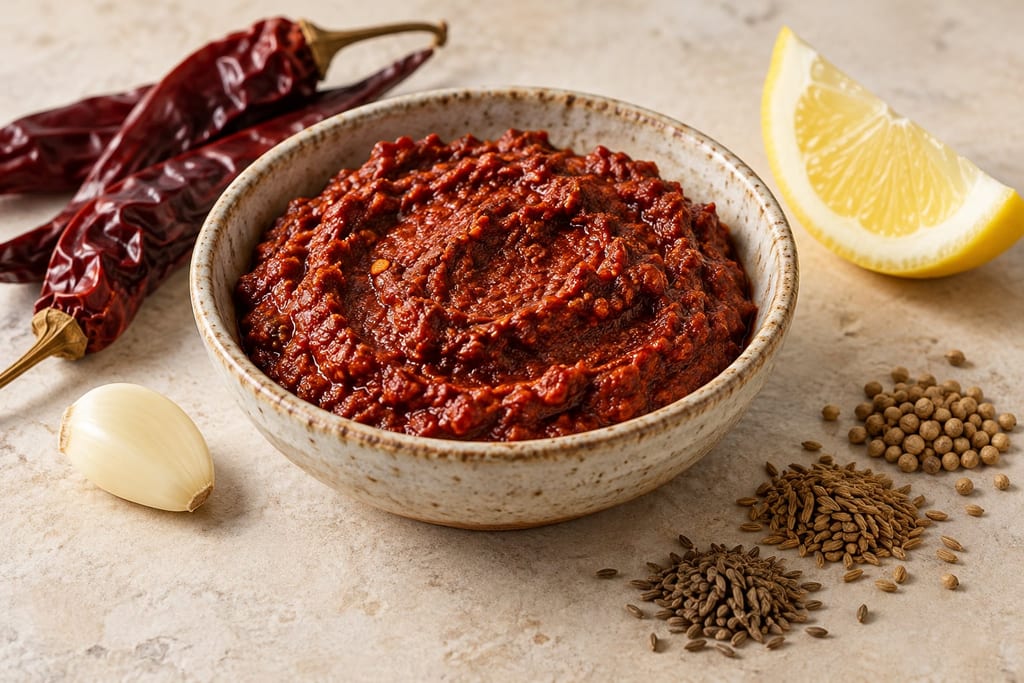
A fresh chilli paste made from rehydrated dried red peppers, garlic, olive oil, lemon and warm spices; this small-batch formula adapts the harissa family rather than reproducing a tested Tunisian method.
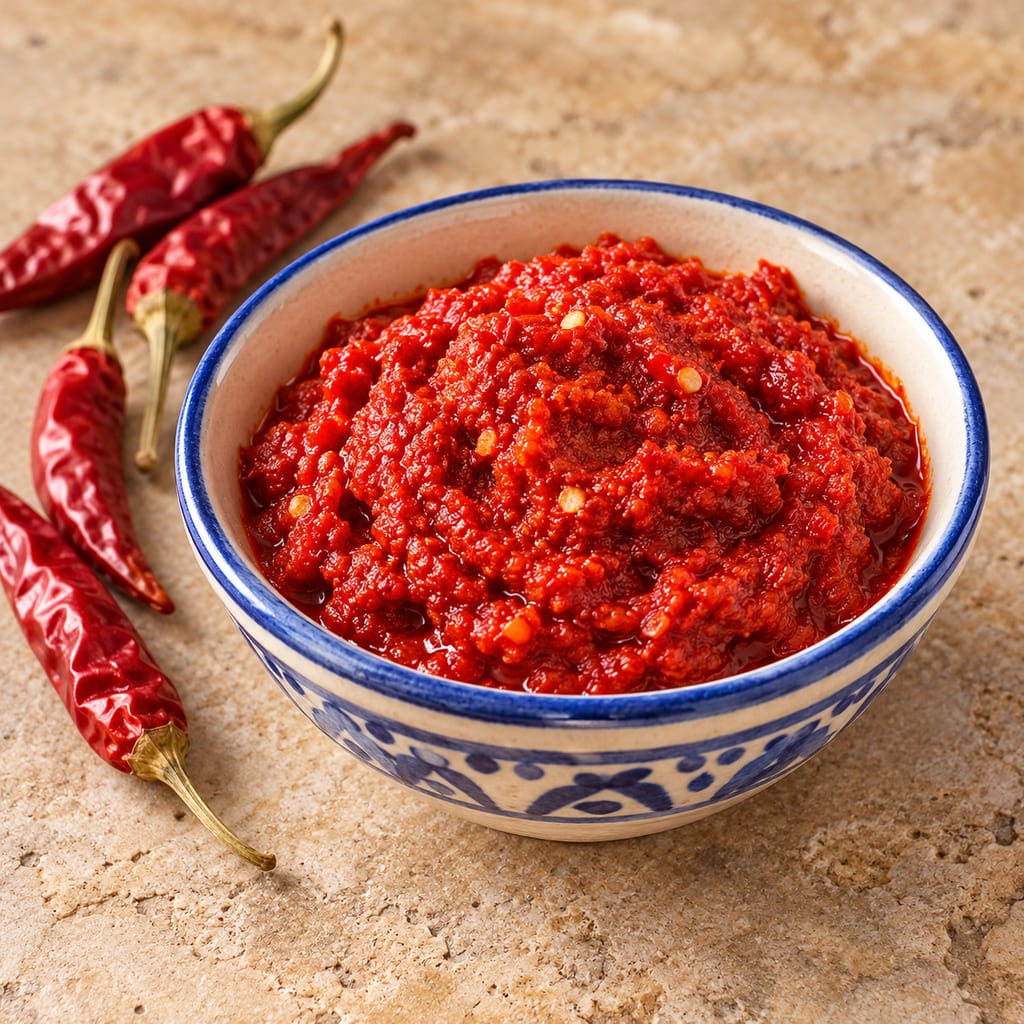
A Tunisian hot chilli paste from Cap Bon and Nabeul: red peppers pounded with garlic, caraway, coriander, cumin and olive oil, with many household and commercial variants.
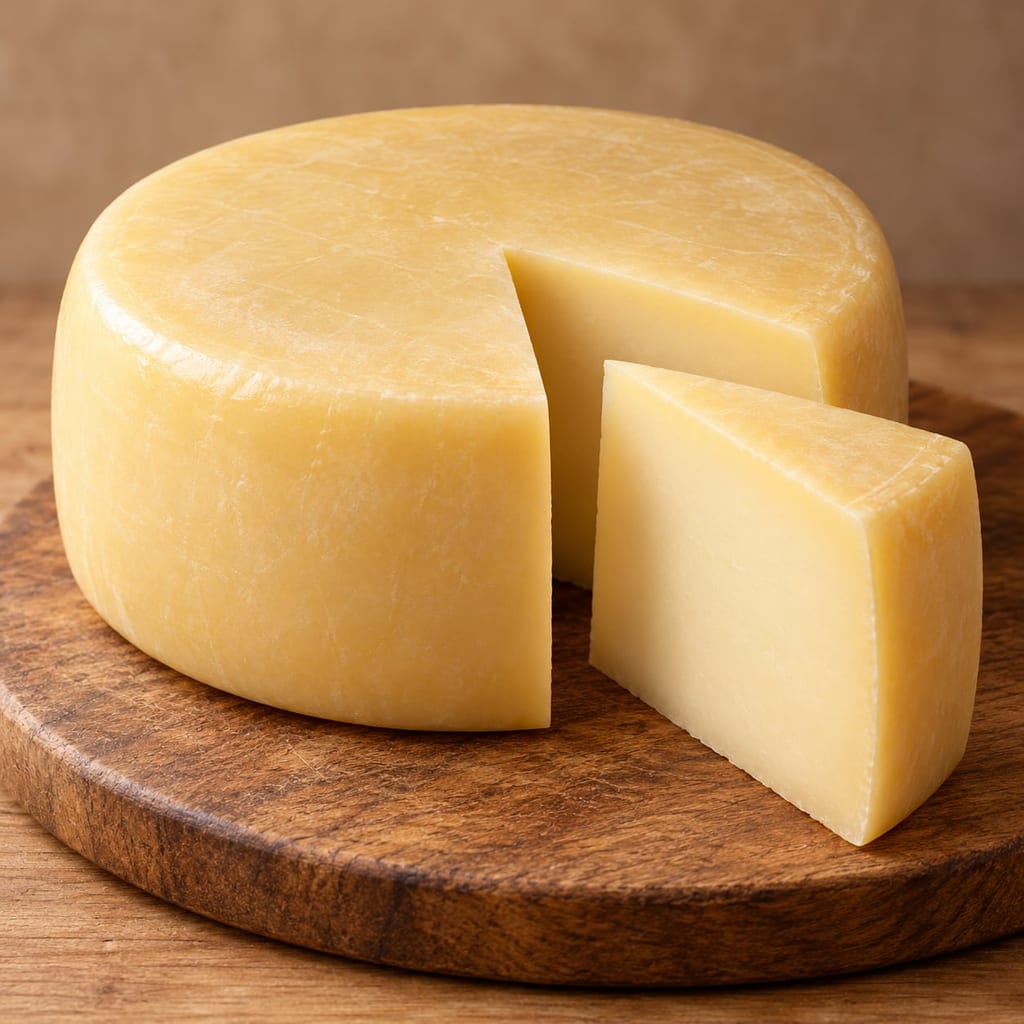
Kashkaval is a firm sheep-milk cheese whose acidified curd is worked in hot brine. This large-batch method finishes with repeated dry salting, wax coating and cool ripening.

In Tunisia chermoula is a cooked sweet-sour dish: floured fried fish returned briefly to a sauce of onions cooked in oil with harissa, vinegar, water, honey and raisins.
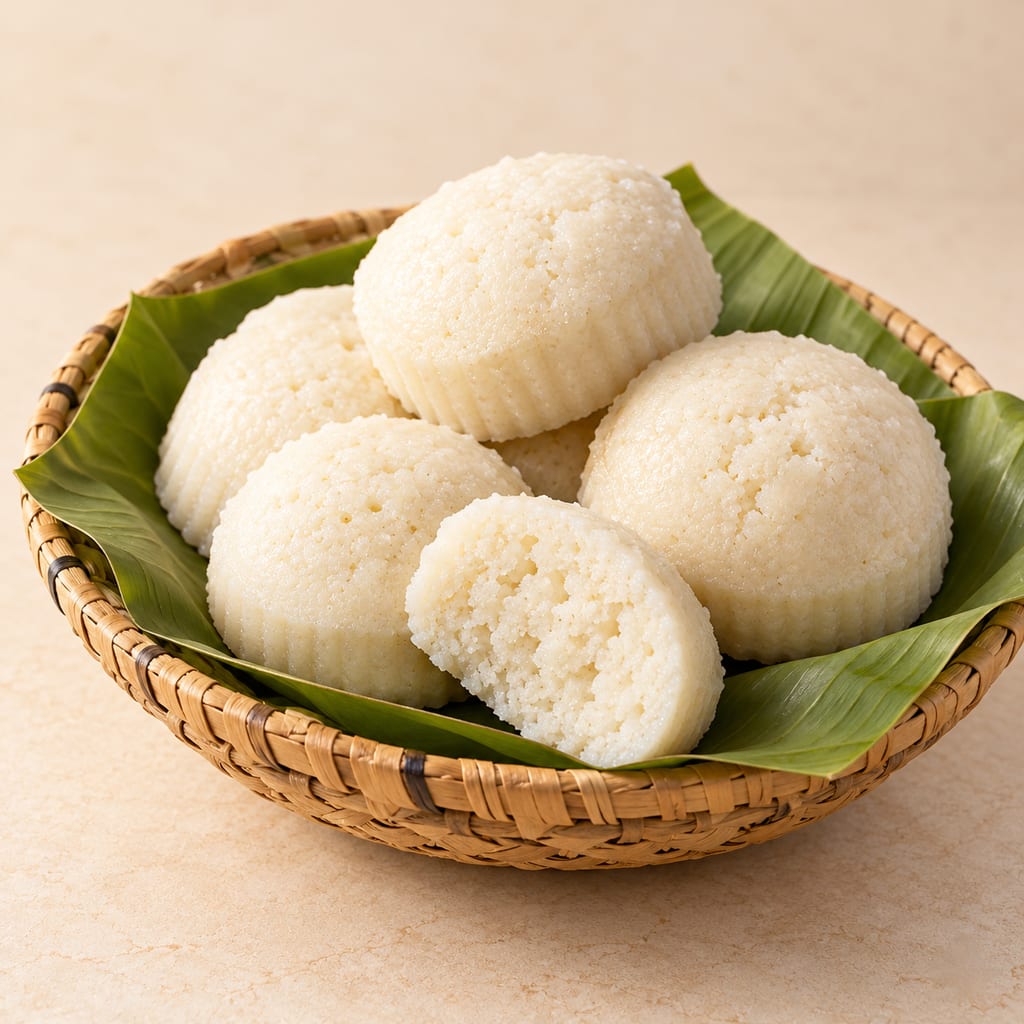
Soft, lightly tangy steamed cereal bread documented across Benin and Togo. This page gives one measured rice-flour research method; maize-based Ablo and mixed-grain versions remain distinct traditions.
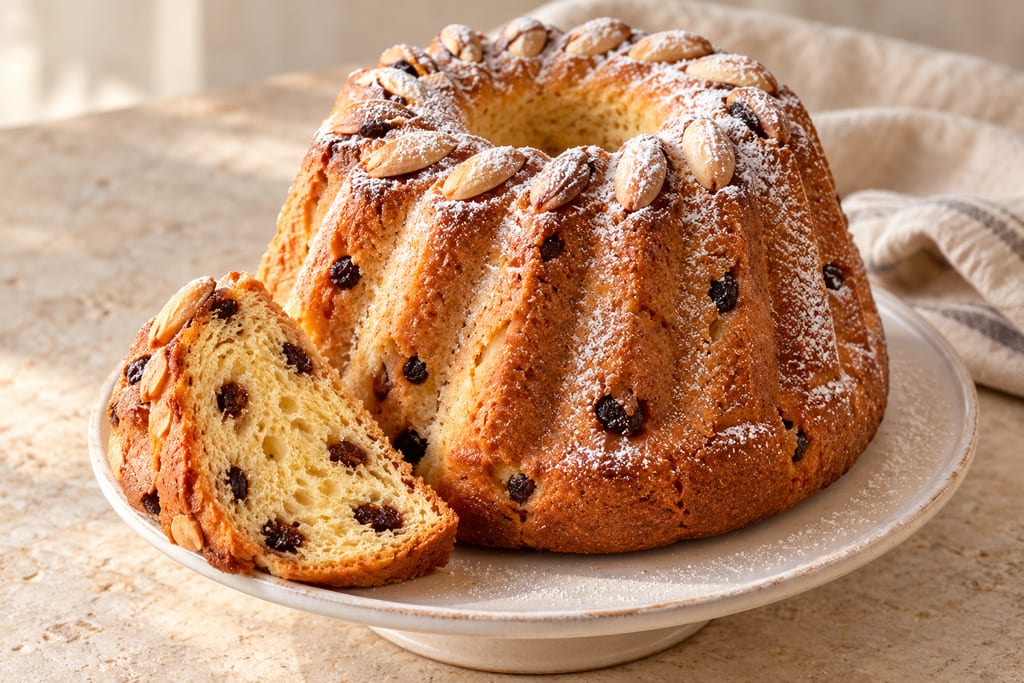
An enriched Alsatian yeast ring with raisins and almonds, kneaded with butter, proofed in a fluted mould and baked until browned.

Anpan is a soft wheat bun filled with sweet red-bean paste and finished with egg wash and black sesame. This dough rises with commercial instant yeast.
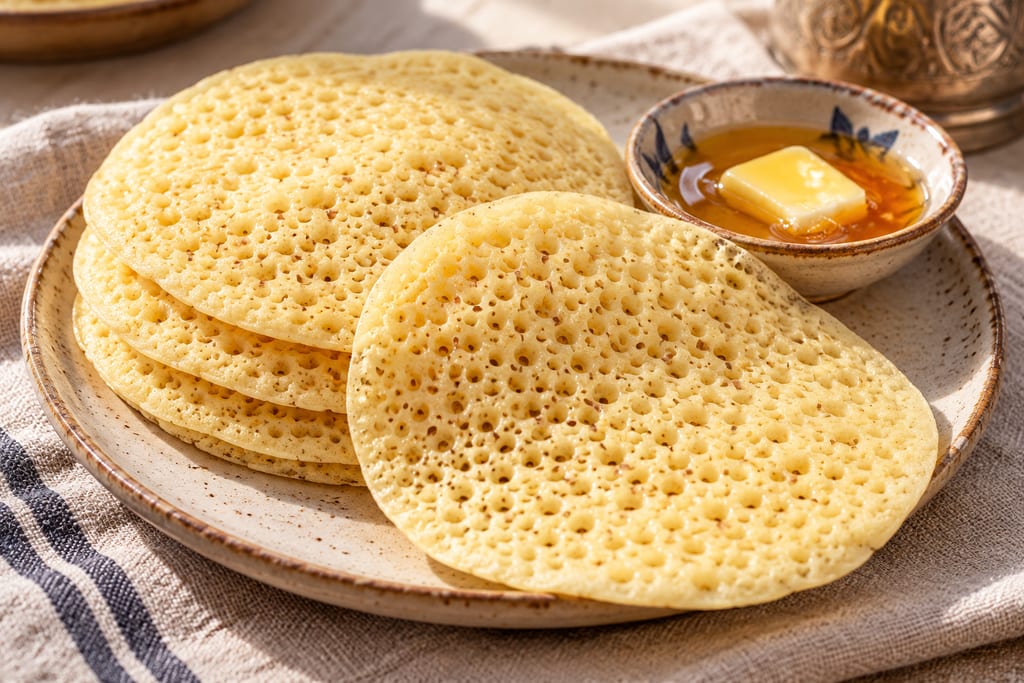
Moroccan semolina pancakes made from a thin yeast batter, rested until foamy and cooked on one side until the surface sets with a honeycomb of holes. This source-specific batch makes sixteen 5-inch pancakes.
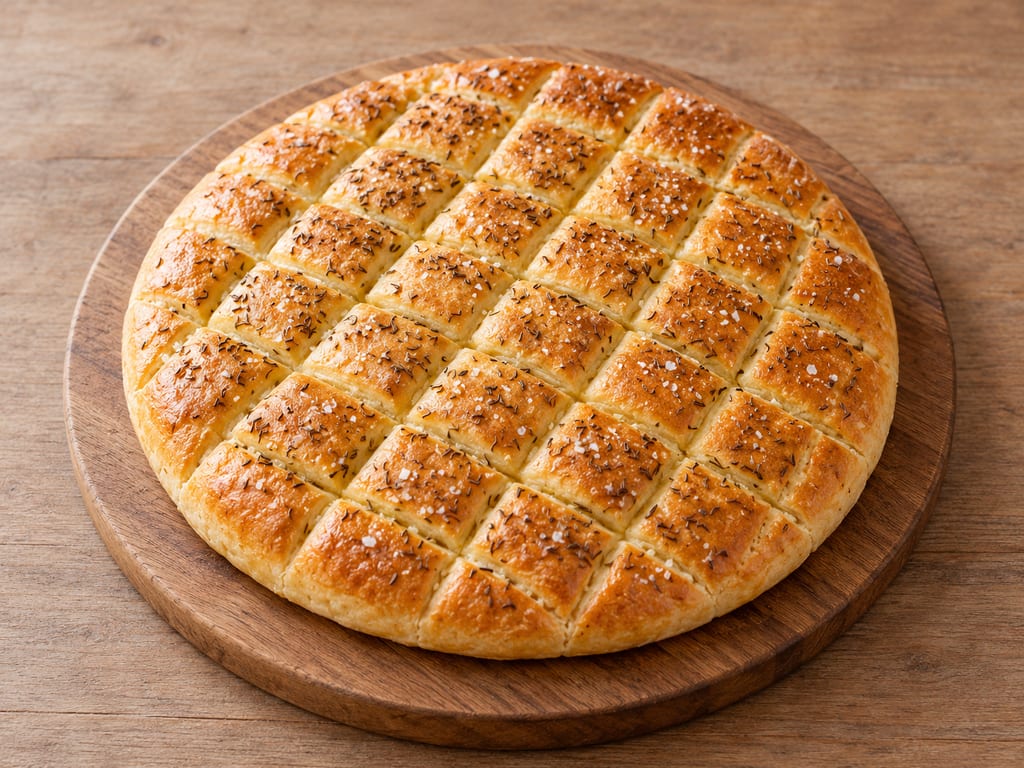
A round Slovenian flatbread scored in a grid and topped with caraway and coarse salt.
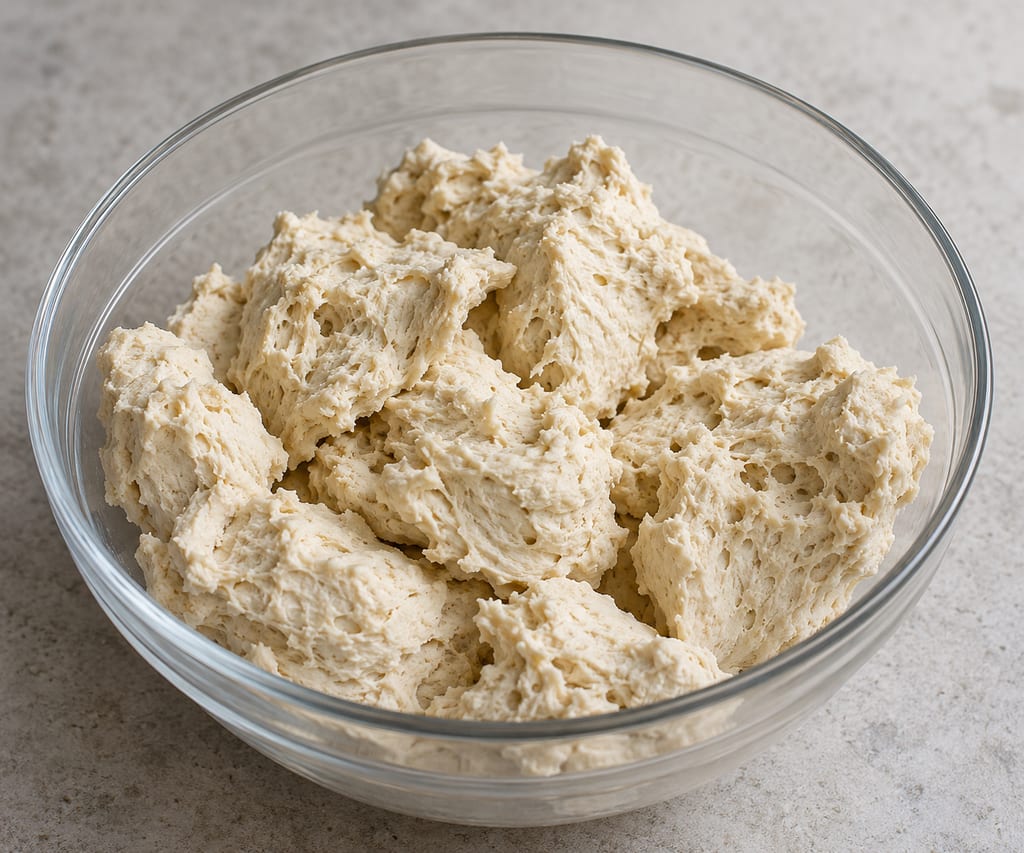
Biga is an Italian bread preferment of flour, water and a little yeast, usually a stiff unsalted mass of about 45 per cent water, fermented ahead and then mixed into the final dough.
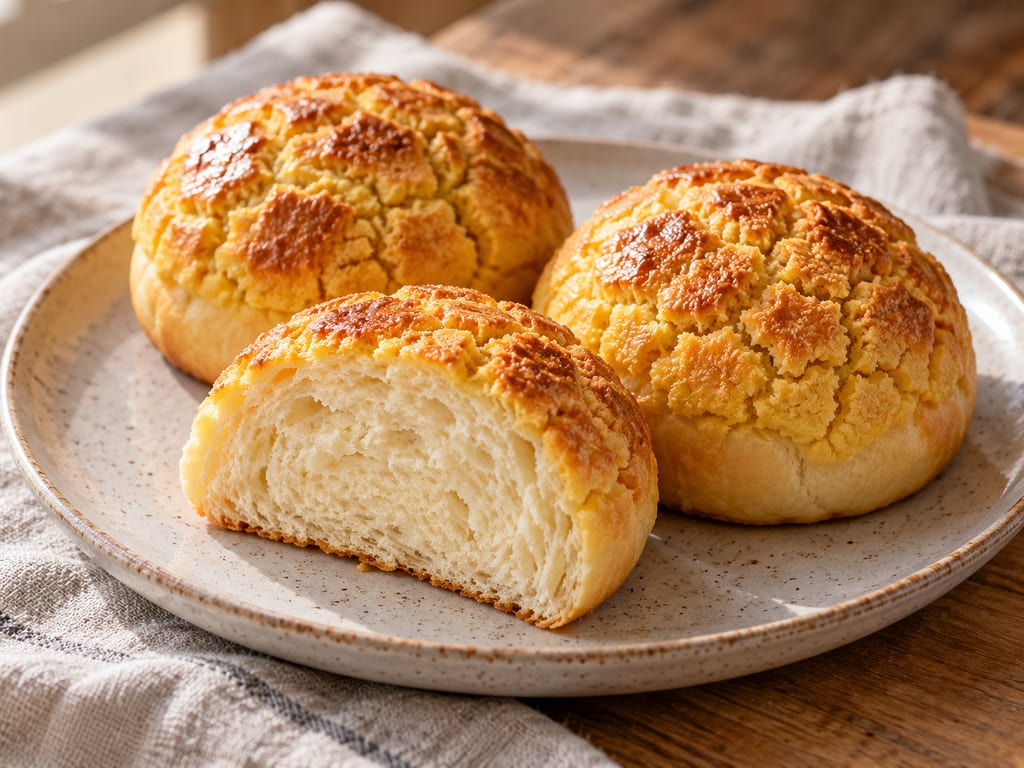
Hong Kong-style pineapple buns have soft yeast dough beneath a crisp, sweet pastry topping.
Sweet-potato wheat breads with fresh yeast, browned in a pan and finished in the oven. This is the bread component of Teleculinária's scrambled-egg dish.
No community contributions have been published for this entry yet.
Sign in to contribute. Published comments and photos are free to read.
The Tunisian WayInspiration · Method · Geography
Homemade Tunisian Mlawi – recipeMeasured semolina-and-yeast dough, ten small portions, oil folding and pan method.
Cited in: A layered Tunisian bread; A recorded household preparation in il-Kaf
Carthage MagazineContext · Geography
Mlewi: The Most Popular Tunisian FlatbreadTunisian street-food and breakfast uses; an alternative unmeasured-water preparation.
Cited in: A layered Tunisian bread; Plain bread or a filled meal
Heidelberg University PublishingContext
Traditional Recipes from il-Kǟf (Northwestern Tunisia)Indexed transcript sections 28–30 describes fine-semolina mlawi folded with oil and cooked in a tajin on a gas stove, among il-Kaf household breads. Direct chapter access denied by anti-bot protection.
Cited in: A recorded household preparation in il-Kaf
Wikimedia Commons / TouzrimounirImage reference
Mlawi 1.JPGIndividually checked CC BY-SA 4.0; not PD/CC0 and excluded.