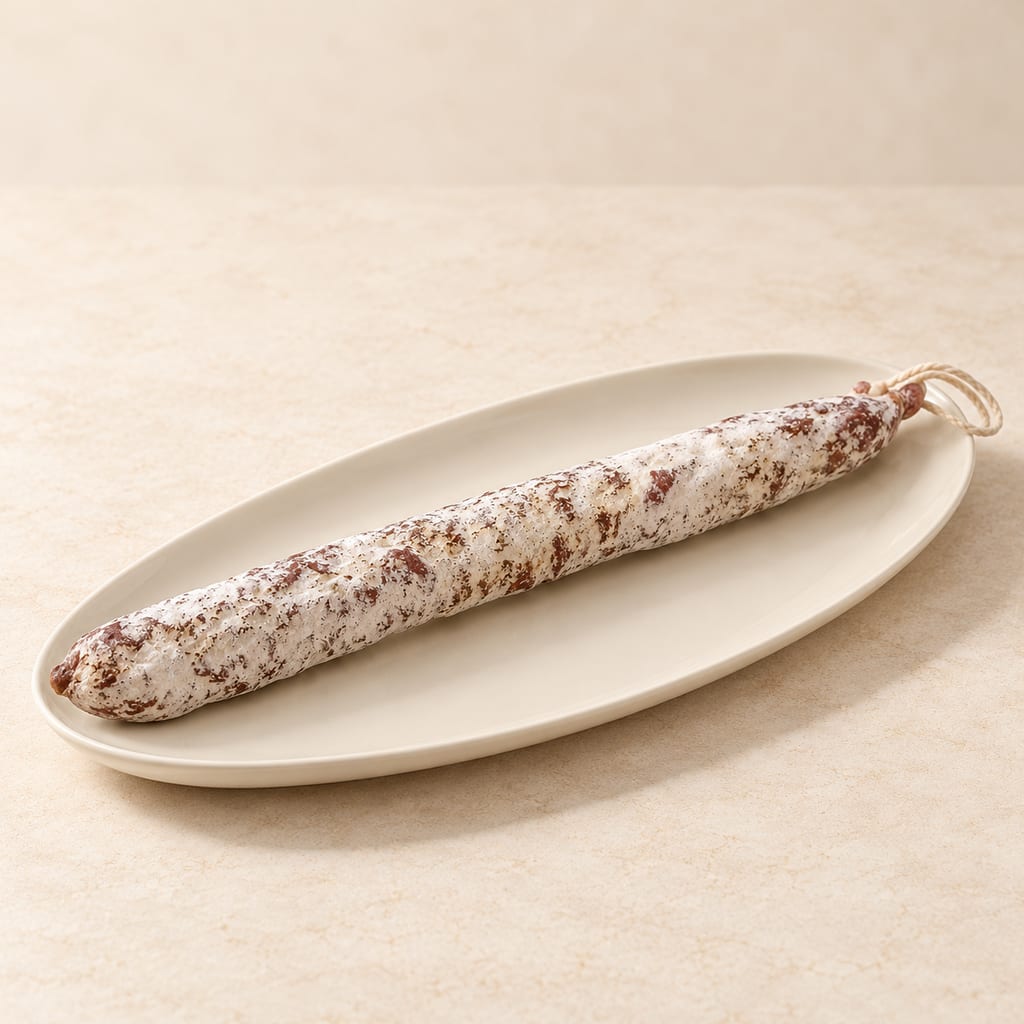
Fuet, starter-cultured
A documentary account of a modern starter-cultured Fuet formula and its place in Catalan sausage culture. The cited raw-pork process lacks matched safety validation, so this page does not present it as a household recipe.
 FermenteaWhere food goes to change
Modern adaptation
Pa de pagès català · Pa de Pagès Català · Catalan country bread
A Catalan country loaf from a tested home recipe, made with a fresh-yeast dough, long rise, hand-shaped round and steamed domestic-oven bake.
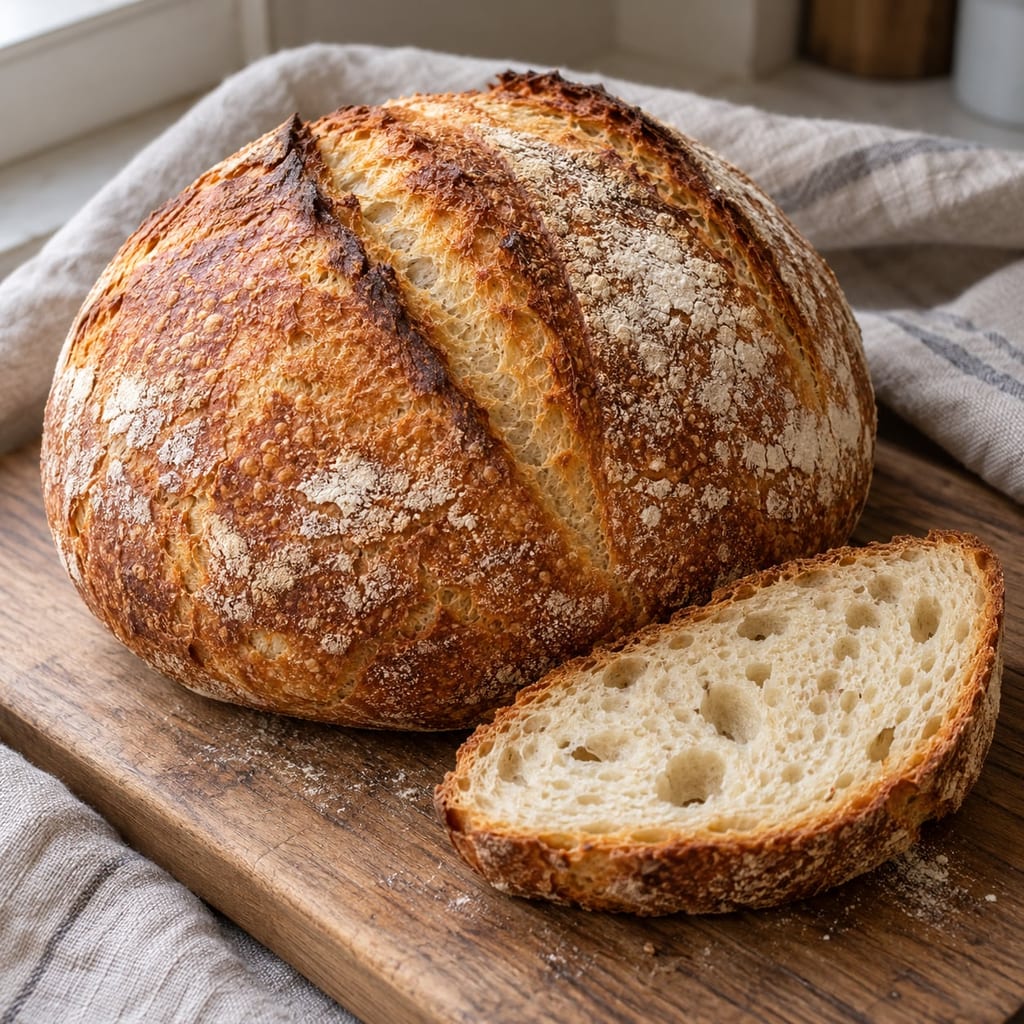
Pa de pagès means country bread in Catalan. The 2024 Catalan specification describes the protected loaf as round and rustic, with thick toasted crust and a tender crumb with large, irregular holes. It places the protected production area across Catalonia and requires traceable, registered operators. A loaf made at home from a published recipe may share the round country-bread style, but it is not thereby a protected Pa de Pagès Català.
The protected method and this home recipe differ in visible, practical ways. The specification requires at least four hours between the end of mixing and baking, manual final shaping, and a refractory oven floor; it says loaves are turned without scoring and steam is used at the baker’s discretion. Recepta.cat’s fresh-yeast home branch takes about five hours overall, uses two surface cuts and an ordinary domestic oven with steam. This catalogue record follows that measured home method and labels it as an adaptation rather than suggesting it reproduces PGI production.
The Catalan specification links the loaf to rural households and bakeries across the region. It says the current name seems to have become widespread around the middle of the twentieth century, while also citing earlier rural bread traditions and eighteenth-century accounts of pa de pagès brought to Barcelona from surrounding villages. That account supports a regional history, not one exact birthplace or inventor.
Recepta.cat gives a small home formula for eight portions: 400 g strong flour, 100 g bread flour or whole-wheat flour, 350 mL water, 5 g fresh baker’s yeast and 10 g salt. Its alternative sourdough branch has no stated starter amount, so this page records only the fresh-yeast version. The dough’s thirty-minute rest after mixing flour and water makes it easier to knead; yeast and salt are added after that rest. The author then builds strength with folds during the bulk rise, shapes a taut round and proofs it seam-up in a basket or bowl.
The source calls for an approximately two-hour room-temperature bulk rise and a one- to one-and-a-half-hour final proof. It also offers an overnight refrigerator option but gives no exact chilled time, so the recipe does not turn that phrase into a numerical range. The bake begins at 250°C with steam and continues at 220°C after fifteen minutes. The home source uses two scores, unlike the protected spec’s unscored loaf. These surface marks and domestic-oven settings belong to the recipe branch, not to the PGI method.
The protected specification’s earlier numerical limits for water and baker’s yeast were amended in 2024; the current rule leaves those additions to baker expertise and process context. It still describes starter or fermentative dough, wheat flour, water, yeast and salt, and allows some rye flour. The home formula is based on a published fixed measurement set, which is why its quantities remain useful at home without being passed off as a certified production formula. The flour alternative, portion count, room-temperature rise, scoring and oven sequence are retained as that source gives them.
The 2024 Catalan specification describes pa de pagès as a round rural bread made across Catalonia and says its name may have become widespread in the mid-twentieth century. It also cites older local traditions and eighteenth-century references to rural pa de pagès arriving in Barcelona. The sources do not identify a single inventor or exact birthplace. Protected production today covers Catalonia and requires hand shaping, slow fermentation, a refractory oven floor and registered controls. Recepta.cat's tested fresh-yeast home recipe is a separate adaptation: it uses a short room-temperature rise, optional overnight refrigeration, two scores and a domestic oven. Those differences are kept visible; this home method does not claim PGI certification.
Yield 8 servings · Scaling: source batch only
The flour is uncooked before baking and may carry harmful bacteria; do not taste the dough.
Hazard sourceThe home method creates oven steam with hot water or wall spraying, which can scald.
Hazard sourceKeep flour and raw dough away from ready-to-eat food, wash hands and surfaces after handling, and do not eat or taste raw dough.
Control sourceUse heatproof gloves and a stable oven-safe tray; place and remove it carefully, keeping hands and face away from escaping steam.
Control sourceDo not taste raw dough; raw flour may contain harmful bacteria.
Steam and oven surfaces can scald. No storage duration is stated by the home recipe.
Catalan home-recipe association and protected product region; this domestic recipe does not claim PGI status or a protected production site.
A documentary account of a modern starter-cultured Fuet formula and its place in Catalan sausage culture. The cited raw-pork process lacks matched safety validation, so this page does not present it as a household recipe.
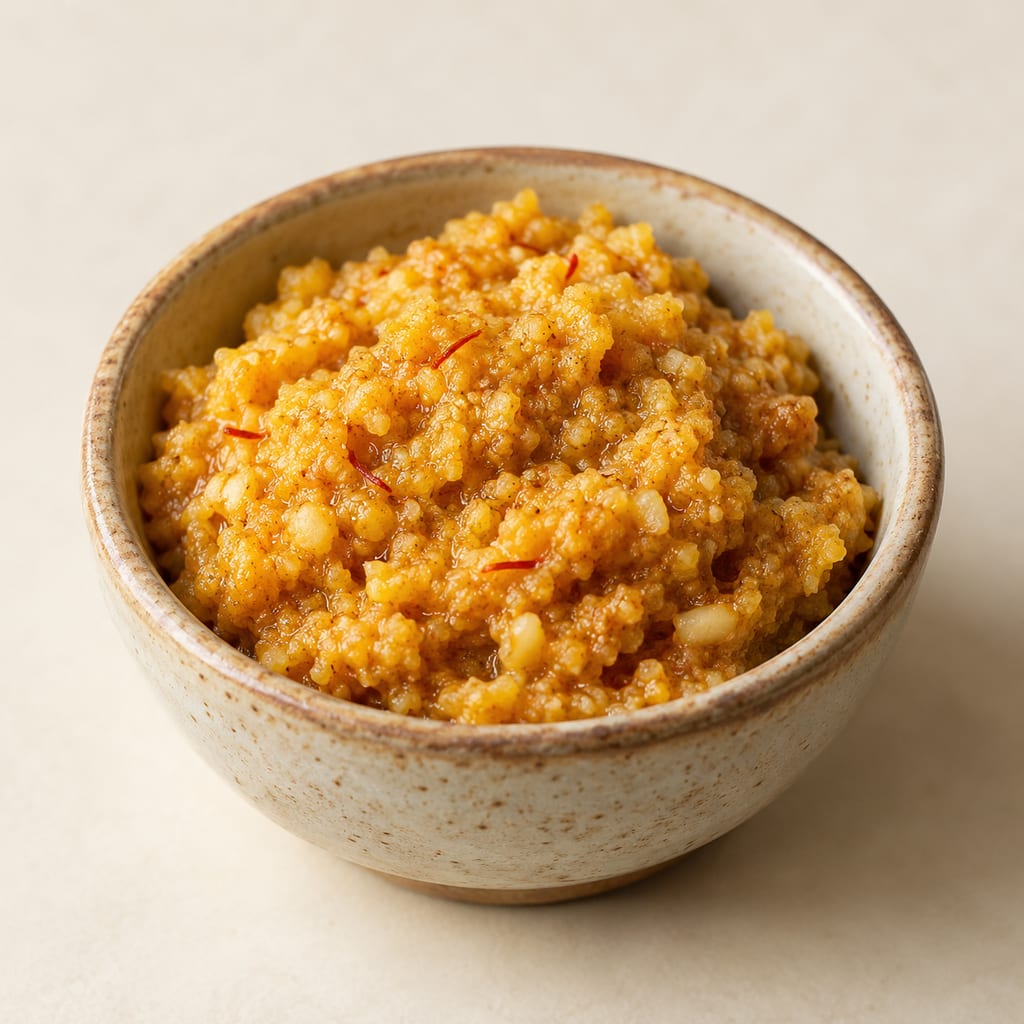
Picada is a Catalan pounded paste of toasted almonds, dry bread, garlic and saffron, stirred into a dish near the end of cooking to thicken and flavour it.
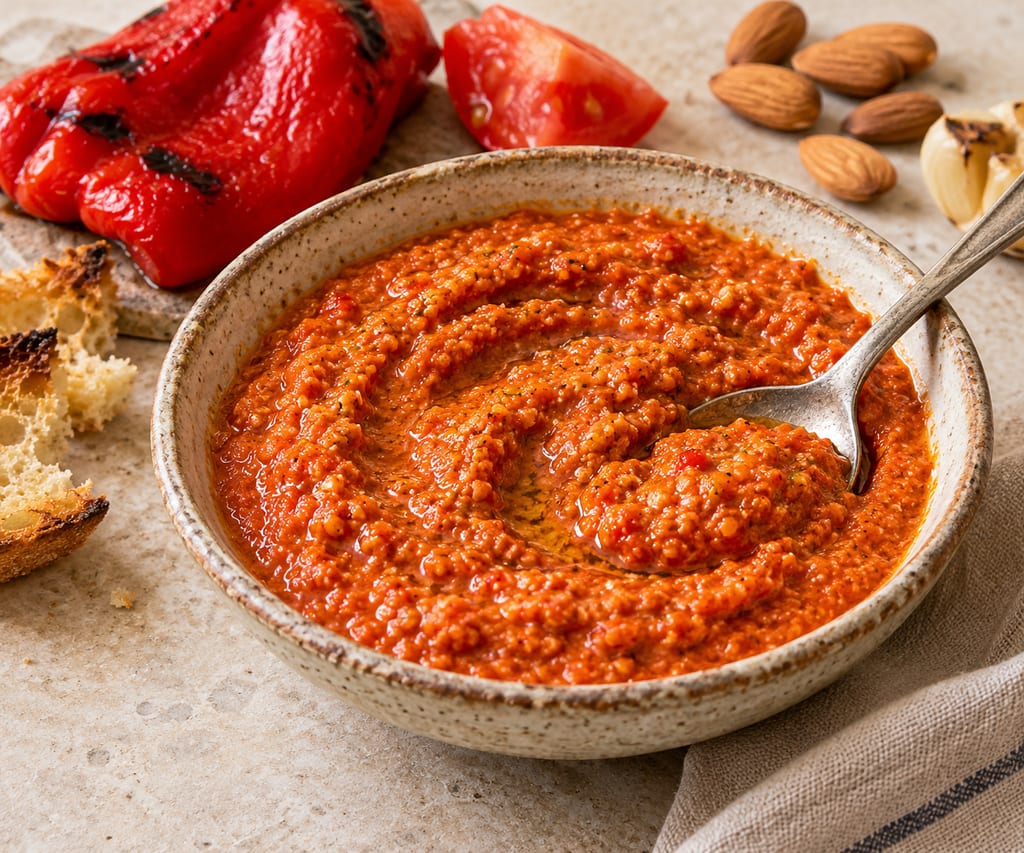
A coarse Catalan-inspired sauce of roasted tomato and red pepper, almonds, bread, garlic, olive oil and sherry vinegar. This modern pepper version is distinct from ñora-based romesco formulations and is not a preserve.
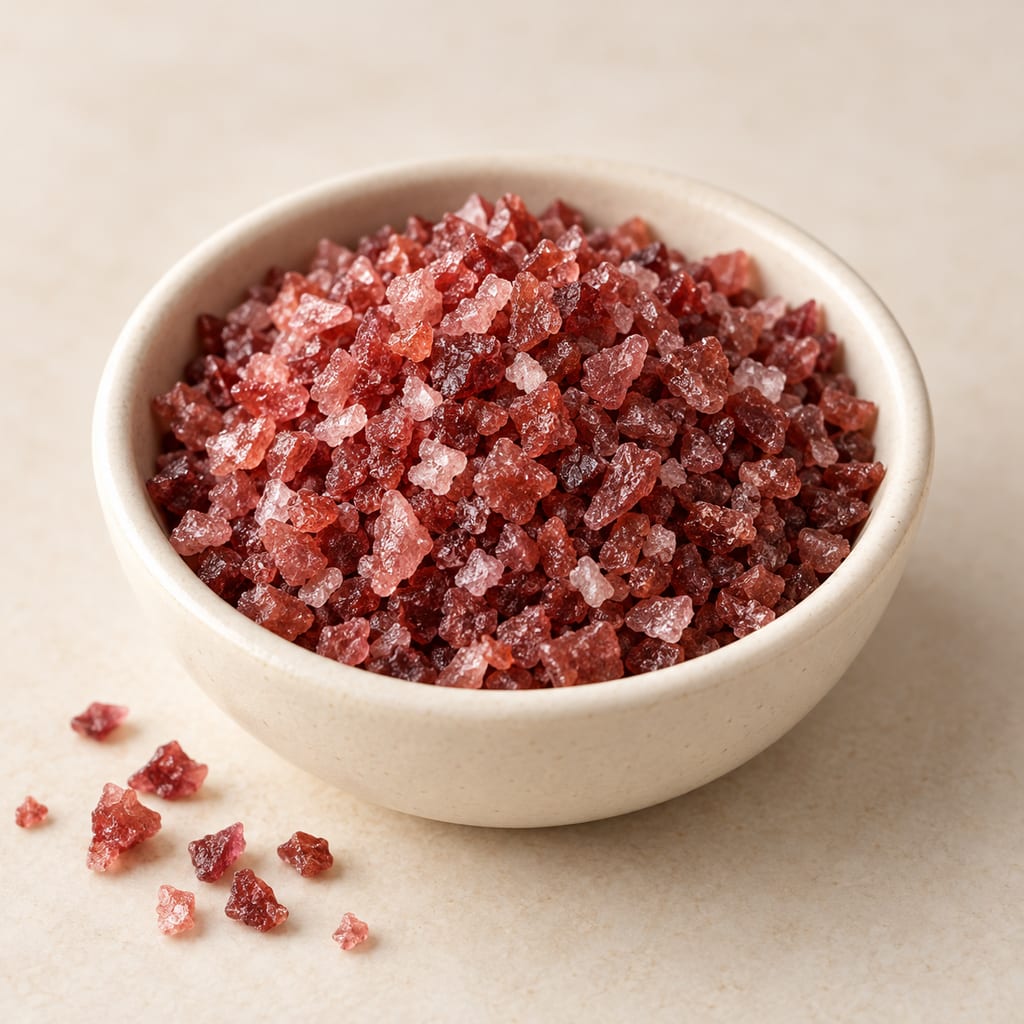
Wine-infused salt is coarse food salt carrying wine colour and aroma after a wine-and-salt mixture is reduced and dried. This version follows a Missouri Wines method at a one-to-three salt-to-wine ratio.
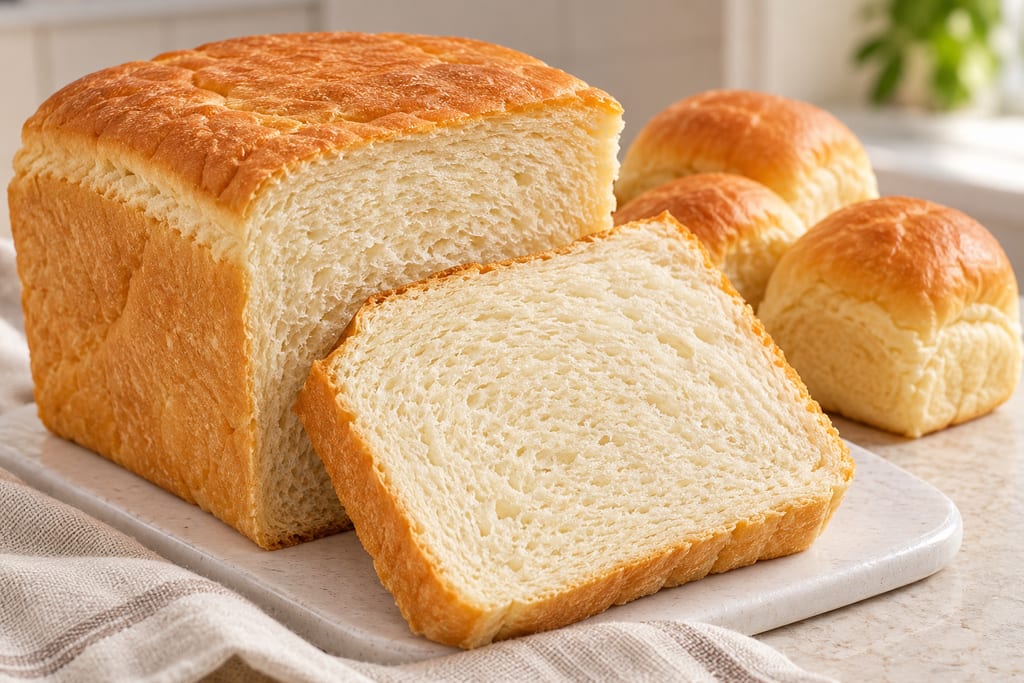
This softer home-style Agege bread uses a scalded flour paste, an enriched yeast dough and a 9×5-inch loaf pan, with rolls from the extra dough.
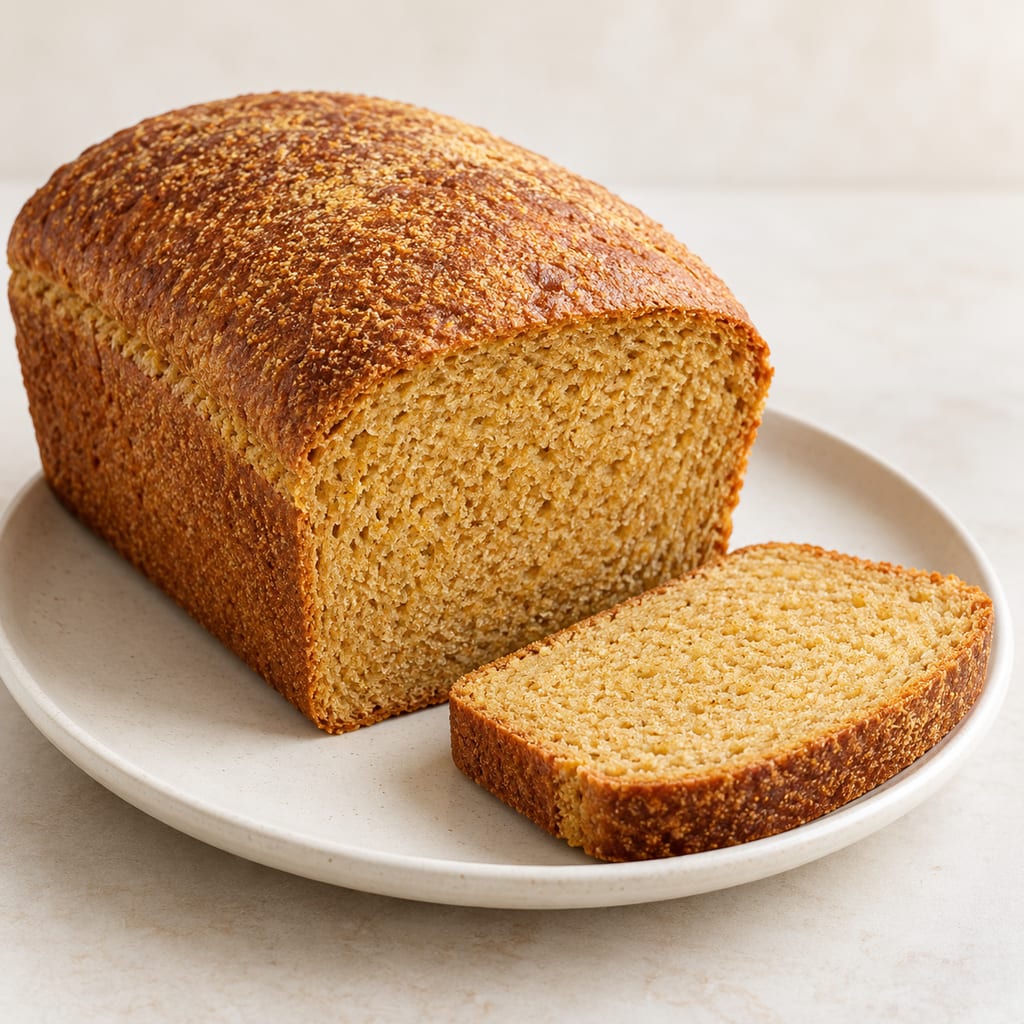
Anadama is a New England yeast loaf made with wheat flour, cornmeal and molasses. Scalded cornmeal enriches the dough, while molasses lends sweetness and a dark crust; it is especially good toasted or beside soup and baked beans.

A yeast-raised wheat ring shaped from a firm dough, briefly boiled and baked. This source-batch formula gives a gently malted crust and a chewy crumb.
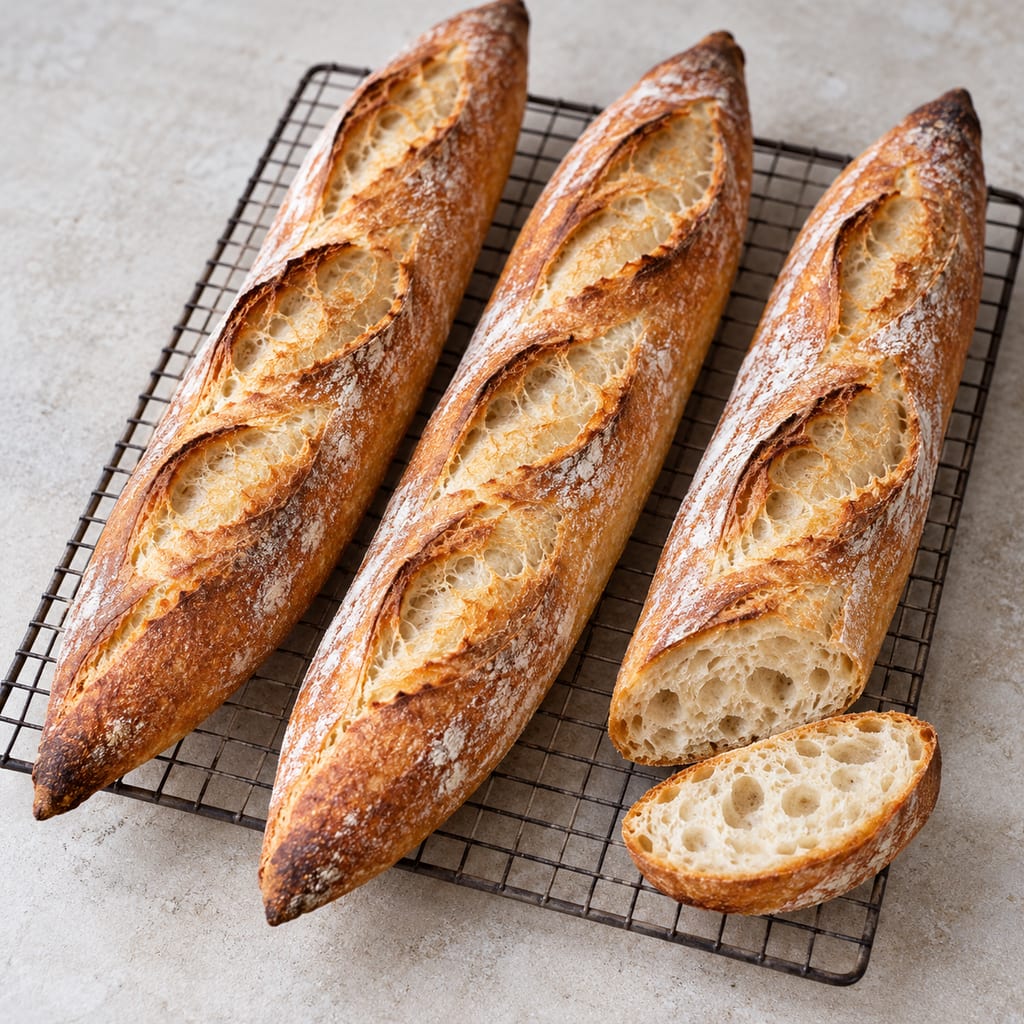
Three long, crusty wheat loaves made with an overnight yeast poolish, shaped by hand and baked with steam for a crisp crust.
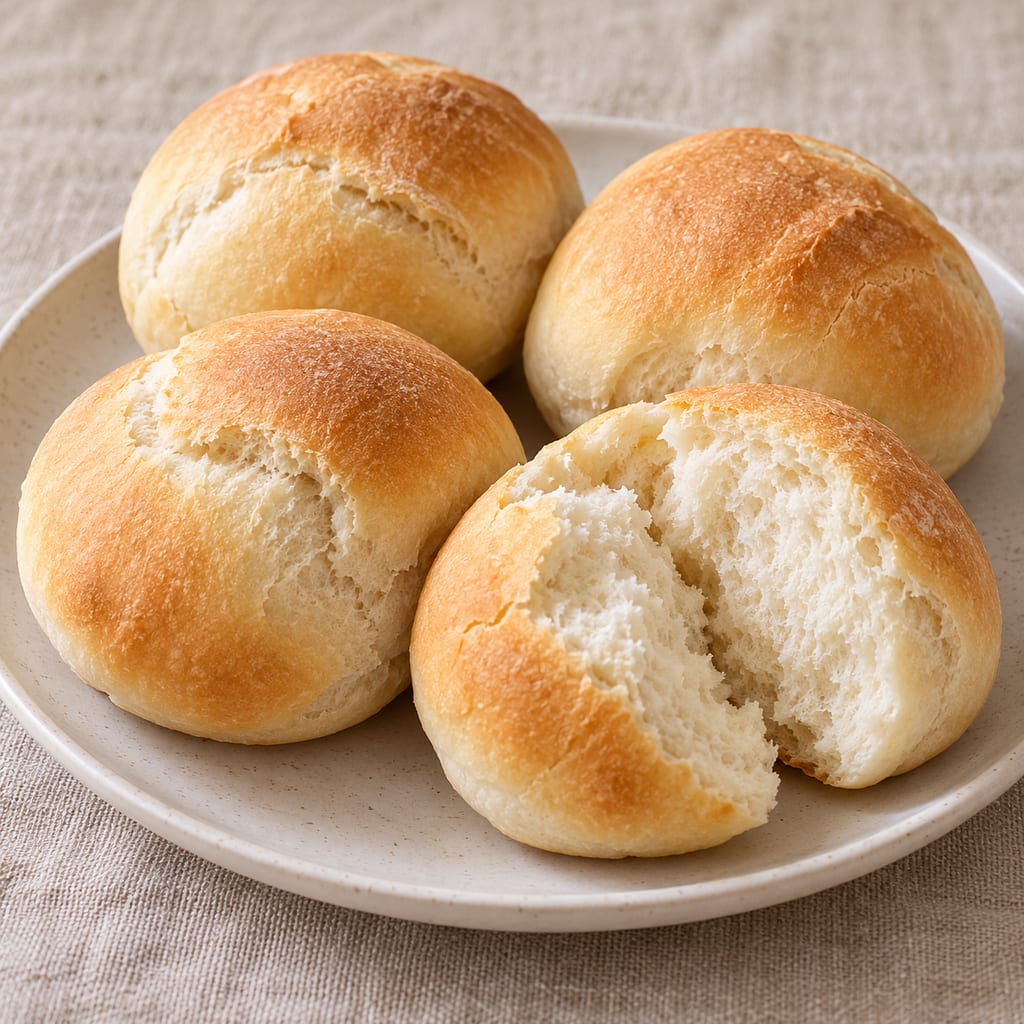
A lightly salted, yeast-raised Barbadian roll, baked in a dozen-roll home batch and often split for cutters.
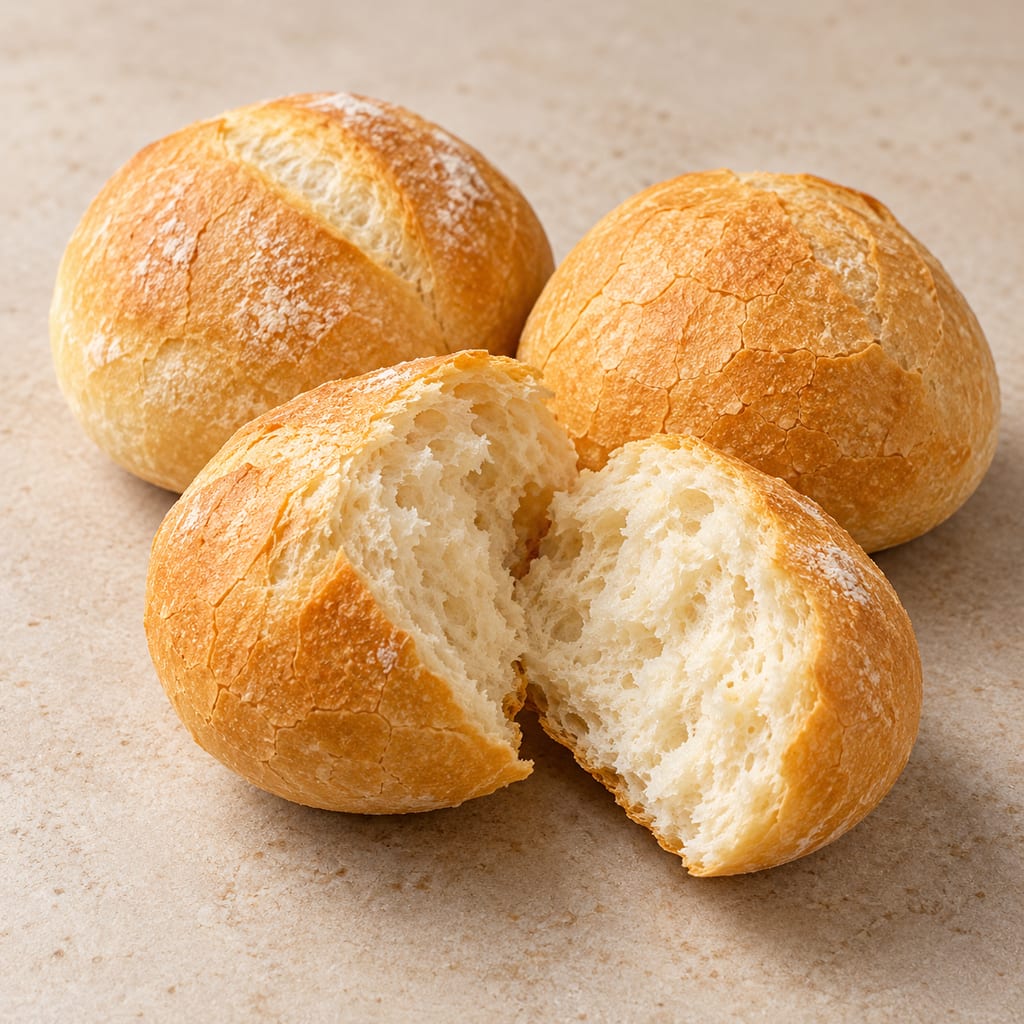
A crisp Belgian roll made from a supplier’s Croc-flour dough, mixed by hand or machine, proofed in rounds and baked with steam.
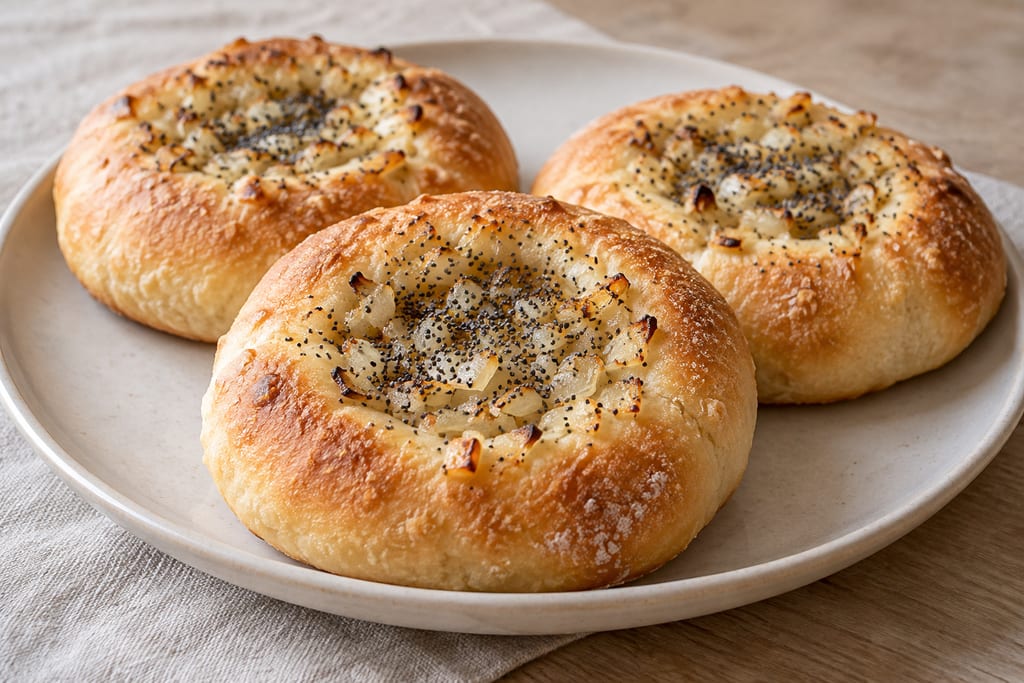
Bialys are soft, yeasted wheat rolls baked without boiling, each shaped with an onion-filled central depression instead of a hole.
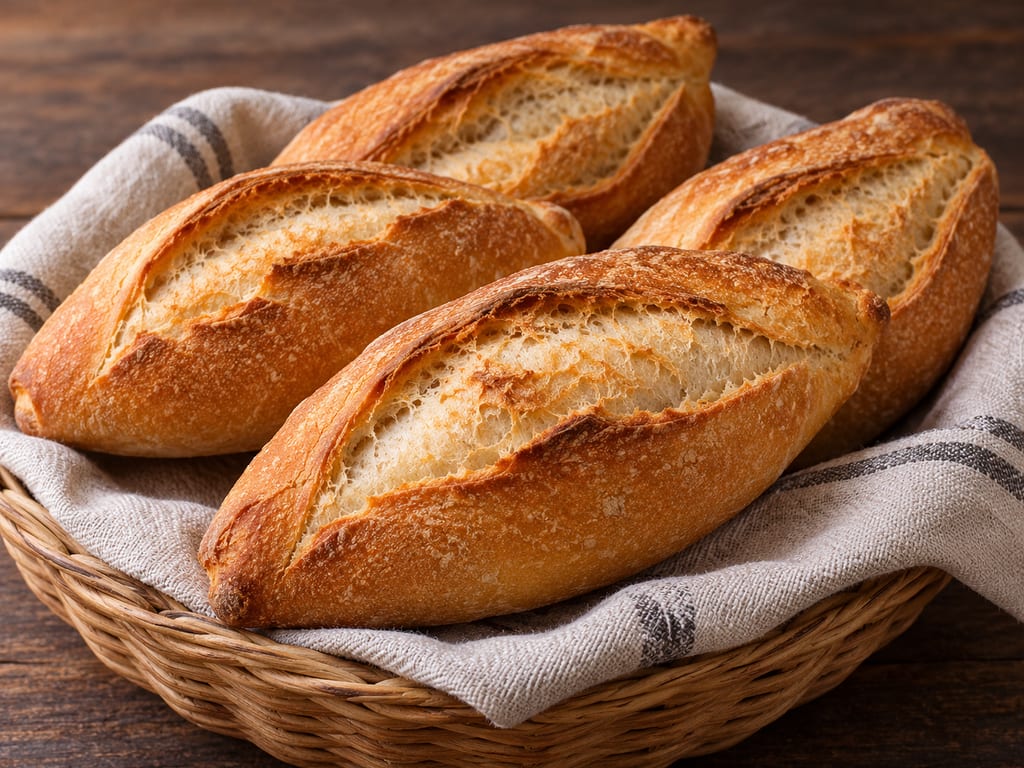
A measured, commercial-yeast home method for Guadalajara-style birote salado, with a six-hour preferment, shaped rolls and a two-temperature steam bake. This formula contains no egg.

Soft, spreadable Calabrian pork sausage made with a great deal of red chilli and fatty pork, stuffed into natural casings, sometimes smoked and matured while staying soft.

A way to add independent temperature logging to an existing food dehydrator without changing its built-in controls or protections. It is a monitoring method, not a rewiring plan.

Pleurotus cystidiosus is the abalone mushroom, a cultivated oyster-type fungus with dark brown caps that grows more slowly and is more demanding than other Pleurotus species.

A dark, balanced vinegar from Emilia-Romagna made by combining cooked or concentrated grape must with wine vinegar, then acetifying and refining it in wood under a protected specification.

A living dairy inoculum that starts controlled cream fermentation, developing acidity and aroma before sour cream or cultured butter is finished.

A small electric incubator holds jars at a selected temperature for yogurt and other documented warm food preparations. Controls, capacity and vessel arrangement vary by model.

Adygean salt is a seasoned table salt associated with Adygea and the wider North Caucasian culinary tradition. Salt is blended with garlic and a variable selection of herbs and spices; the exact mix depends on the named style and maker.

The African Caesar-group mushroom, Amanita masasiensis, is a wild ectomycorrhizal species of central and southern African woodlands, eaten locally. The genus contains deadly poisonous species, so identification needs care.
No community contributions have been published for this entry yet.
Sign in to contribute. Published comments and photos are free to read.
Recepta.catInspiration · Method
Pa de pagèsTested home formula updated 10 January 2026: 400 g strong flour, 100 g bread flour or whole-wheat flour, 350 mL water, 5 g fresh baker's yeast or an unquantified sourdough alternative, 10 g salt; recipe says 8 servings.
Home method: 30-minute autolyse; about 10 minutes hand kneading; approximately 2-hour ambient bulk rise with two folds in the first hour or optional overnight cold rest; shape round; proof 1–1.5 hours; two scores; 15 minutes at 250°C with steam, then 25–30 minutes at 220°C; cool on rack.
Home recipe says about 5 hours total and no loaf size or exact overnight rest duration.
Cited in: A Catalan country loaf
Departament d'Agricultura, Ramaderia, Pesca i Alimentació, Generalitat de CatalunyaMethod · Geography · History
Plec de condicions de la IGP Pa de Pagès Català (modificació normal 2024)Current May 2024 condition sheet: production area covers all Catalonia; registered producers and controls are required for the protected name.
Protected loaf is round, hand shaped at least at the final-forming stage, slowly fermented, baked on a refractory floor; ingredients include wheat flour, starter or fermentative dough, water, baker's yeast and table salt. Up to 10% rye flour may be used.
At least 4 hours from end of mixing to loading; the protected loaf is turned without scoring, baked on a refractory floor with steam applied at the baker's discretion, then cooled under hygienic conditions.
The specification says the name seems to have become widespread from the mid-twentieth century, while citing older rural traditions and historical references; no single origin is asserted.
Cited in: A Catalan country loaf
Official Journal of the European UnionHistory · Method · Geography
Communication of approval of a standard amendment: Pa de Pagès CatalàThe 2024 amendment records the Catalonia production area and protected sensory/shape identity; it states that certain former numeric formula limits for water and yeast were deleted in the current specification.
It recounts rural household and bakery production across Catalonia and notes Pa de Pagès in eighteenth-century descriptions of rural bread brought into Barcelona; the current name may have spread later.
Cited in: A Catalan country loaf
U.S. Food and Drug AdministrationSafety
Handling Flour Safely: What You Need to KnowRaw flour may carry harmful bacteria; do not taste raw flour or dough. Keep raw flour separate from ready-to-eat food and clean hands, tools and surfaces after handling.