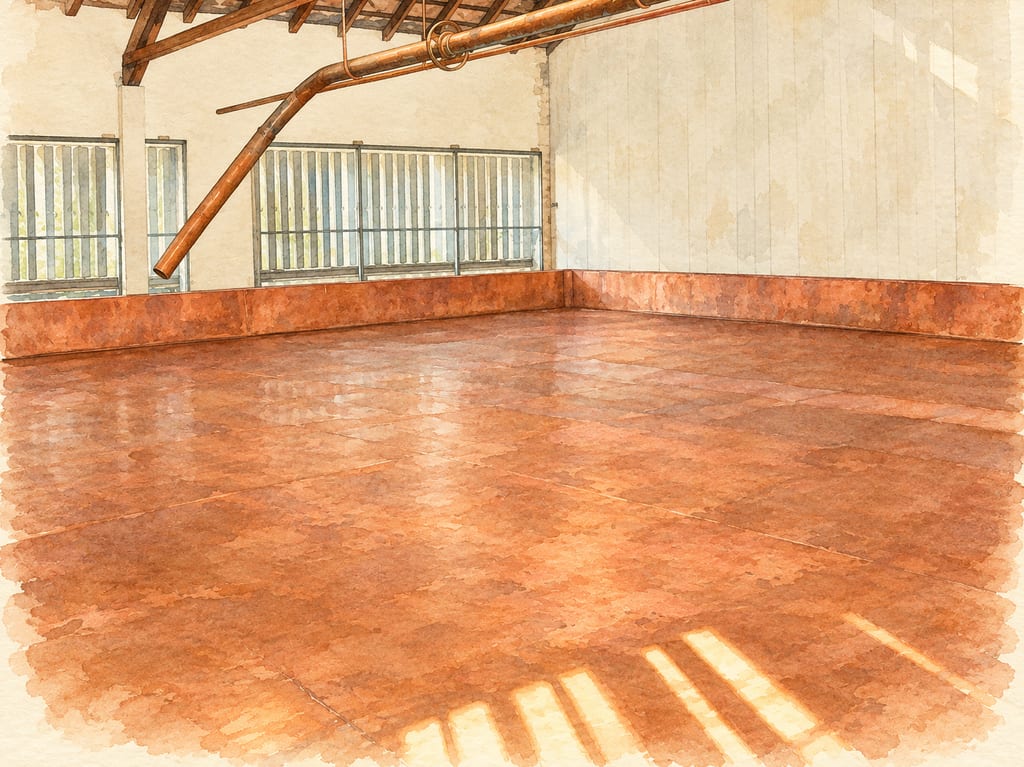
Coolship
A coolship (Dutch koelschip) is a broad, shallow, open vessel that cools hot wort before fermentation. In Belgian lambic brewing, its open surface exposes wort to the brewhouse environment; materials and results vary.
 FermenteaWhere food goes to change
Traditional method
Geuze · Geuze · Geuze-lambiek · Gueuze-lambic · Oude geuze · Vieille gueuze · Oude geuze-lambiek · Vieille gueuze-lambic
Belgian beer blended from young and mature spontaneously fermented lambics, then refermented in the bottle to natural carbonation. The recipe follows a 2,600-litre blend studied in 2024.
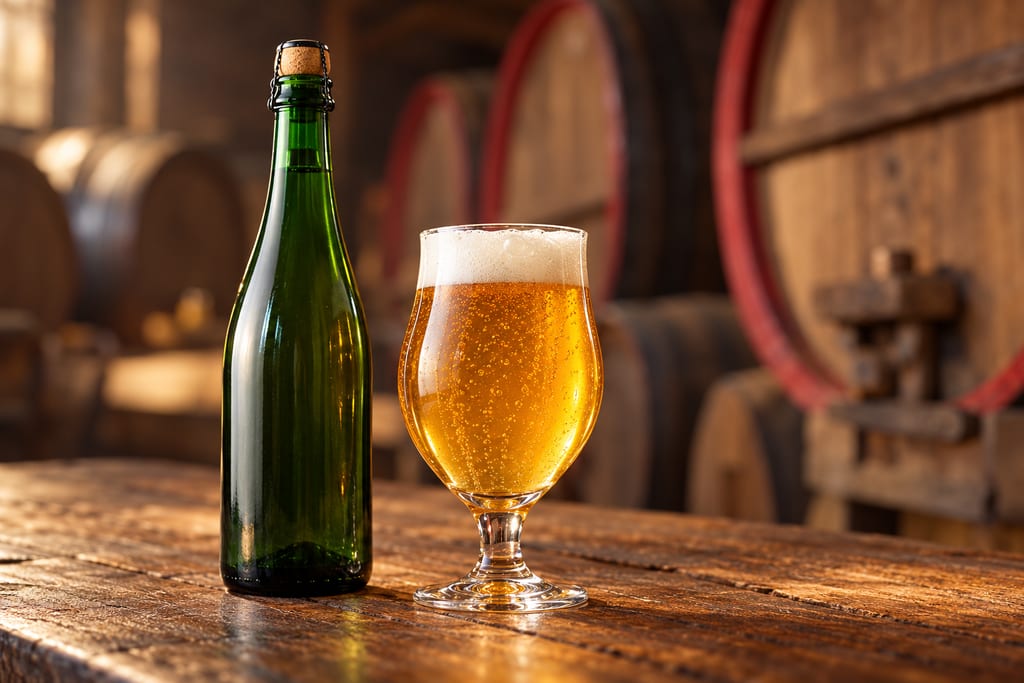
Gueuze, written geuze in Dutch, is a Belgian beer made by blending lambics of different ages and letting the blend ferment and mature in the bottle. It belongs to Brussels, the Senne Valley and the Pajottenland in Flemish Brabant. Lambic is the base beer. It is brewed from malted barley and unmalted wheat, ferments spontaneously and matures in wooden vessels. Blenders combine selected lambics to balance acidity, aroma, age and the fermentable carbohydrate left in the beer. Fermenting in the bottle gives the blend a natural carbonation that lambic drawn from the barrel largely lacks.
Traditional gueuze is golden, dry, acidic and highly carbonated. Its aroma can include citrus, apple, hay, leather and oak, along with the phenolic note of Brettanomyces yeasts. It is not normally sweet or strongly bitter. The Beer Judge Certification Program puts typical traditional versions at 5 to 8% alcohol by volume. Cantillon declares 5.5% for its standard Gueuze and Boon declares 7% for Oude Geuze Boon. These are product figures and style guidance, not a specification.
Gueuze and Oude Geuze are not the same. Oude geuze, or vieille gueuze in French, is a protected European traditional speciality with set rules. Its lambics must have a weighted average age of at least one year, the blend must include lambic aged at least three years in wood, and it must referment in the bottle. It also has analytical limits. A beer labelled simply gueuze may follow looser methods, including sweetening, filtering, pasteurising or adding carbon dioxide.
Traditional gueuze relies on the microorganisms already in its lambics rather than a single added brewing yeast. Young lambic brings leftover fermentable carbohydrate and active microbes. Mature lambic brings acidity, oak character and the products of years of microbial work. The blend keeps changing after bottling, so production runs over several years and does not end when the first alcoholic fermentation stops.
Both brewers and specialist blenders make gueuze. A brewery makes its own lambic wort. A geuzesteker, or gueuze blender, may buy young lambic from another brewery, mature it in its own barrels, assemble batches and bottle the result. Cantillon, Boon, 3 Fonteinen, De Cam and others make it. They share the method but differ in barrels, microbial populations, blending choices and maturation times.
Gueuze grew out of the lambic brewing and blending of Brussels and the Brabant countryside. Its history is much shorter than that of grain beer in the region. In 2018 the brewing historian Roel Mulder examined the references and found that the sixteenth-century evidence often repeated for lambic concerns other beers. The earliest references he finds in the Brussels lambic family are faro in 1721 and a beer called allambique in 1794. Neither shows modern sparkling gueuze.
A clearer reference is Jean-Baptiste Vrancken's brewing treatise of 1829, which describes a lambic aged for five years as geuzebier. It records the name and the value placed on long maturation, but not yet the full modern technique of blending young and old lambic for natural carbonation in the bottle. Mulder also finds gueuze sold in barrels in 1831 and, in 1844, bottled gueuze lambic exported to Constantinople and Rio de Janeiro. The bottled records matter, though their exact fermentation and blending methods are unknown.
In the later nineteenth century stronger glass bottles and specialised blending helped gueuze become a sparkling commercial beer. The name took several forms, including gueuse lambic and geuzenlambic. By the Brussels International Exposition of 1897 gueuze was a recognisable commercial category, and 4,405 litres of Lambic-Gueuse were consumed at the event. The bottled drink became tied to restaurants, cafes and the beer trade, while older still lambic was sold separately.
The twentieth century brought consolidation and competition from more stable, sweeter beers that were easier to distribute. Cantillon, founded in 1900, survived as a traditional brewer and is linked with the Brussels Museum of Gueuze, founded in 1978. Frank Boon helped revive traditional lambic blending in the same period. A Royal Decree of 1965 began Belgian legal protection, but the category still covered products made in very different ways, and the line between traditional Oude Geuze and looser commercial gueuze grew more important.
European recognition followed in 1997, and Commission Implementing Regulation (EU) 2017/2216 registered the names Oude Geuze and Vieille Gueuze with reservation of name. HORAL, founded in 1997, promotes and safeguards traditional lambic brewing and blending, and its Toer de Geuze and collaborative Megablend releases show the tradition still at work. It has changed a great deal since the nineteenth century and is not a fixed recipe preserved from the Middle Ages.
Gueuze comes from several overlapping fermentations, not from one isolated yeast. Lambic starts as wort holding fermentable sugars, dextrins and other grain nutrients. In the traditional turbid mash, malt enzymes break down starch while some larger carbohydrates stay available for slow conversion during maturation. The boiled wort cools in a shallow open vessel called a coolship, where microorganisms from the brewery environment enter it. Wooden barrels used again and again add established microorganisms of their own, so the fermentation depends on both the air and the brewery's equipment.
A two-year study published in 2014 followed lambic fermentation at Cantillon and found a succession of populations. Enterobacteriaceae were prominent in the first month. Saccharomyces yeasts and the lactic acid bacterium Pediococcus damnosus followed at about two months, and by about six months Dekkera bruxellensis, also called Brettanomyces bruxellensis, had become prominent. These timings describe the batches sampled and are not fixed stages in every barrel. Saccharomyces forms most of the ethanol, while Pediococcus and other lactic acid bacteria make acid.
Acetic acid bacteria, including Acetobacter lambici, also live in the lambic system. With oxygen they oxidise ethanol to acetic acid. A little adds to the beer's profile, but too much volatile acidity gives a vinegar-like fault. As oxygen, sugars and nutrients change, the populations shift. Brettanomyces can consume carbohydrates that ordinary yeast leaves behind and makes distinctive compounds, including the volatile phenols 4-ethylphenol and 4-ethylguaiacol, which give earthy, animal, smoky and spicy impressions.
Blending sets the chemical and microbial makeup before bottle fermentation. Young lambic supplies leftover fermentable material, and older lambic supplies acids, esters and the products of long maturation. In the closed bottle the remaining carbohydrate turns to ethanol and carbon dioxide. The gas stays dissolved and makes the beer sparkle when the bottle is opened. Fermentation in the bottle also changes ester levels and the balance of acidity and aroma.
A 2024 study followed bottled gueuze for two years. It found a changing lead among Pediococcus damnosus, Lentilactobacillus buchneri and Lactobacillus acetotolerans, with Brettanomyces important in the later stages. Ethyl acetate, ethyl lactate, higher alcohols and volatile phenols all changed, and some acids fell as esters rose. Bottle maturation is an active biochemical stage, not passive storage after carbonation.
Traditional gueuze starts with lambic. The grain is malted barley and unmalted wheat. Belgian traditional lambic specifications call for at least 30% wheat, with barley malt making up most of the rest. Boon describes its lambic as 60% malt and 40% wheat, and Cantillon gives its usual wheat share as 35%. The malt supplies the enzymes that convert starch, and the raw wheat adds starch and other grain compounds. Aged hops go in mainly to preserve the wort, not to give fresh-hop aroma. Grain amounts and hop weights differ from brewery to brewery.
The wort is mashed in the traditional way, often by drawing off and reheating turbid fractions. This keeps some complex carbohydrates for the yeasts and bacteria to work on during the long fermentation. The wort is boiled with the aged hops and moved to the coolship. Lambic is brewed mostly in the cold months, when overnight cooling lets the environment inoculate the wort. Boon describes a season from October to April, and 3 Fonteinen ties its brewing to nights below 8 °C. These are those producers' seasons, not universal temperature limits.
The cooled wort goes into oak barrels or larger oak foeders, where spontaneous fermentation and maturation continue. Lambic is usually aged one to three years before blending, and some batches are older. Wood affects oxygen exposure and acts as a lasting reservoir of microbes. The brewer follows each batch separately, because acidity, fermentation progress and aroma can differ a great deal. Lambic taken straight from a barrel is usually still or only lightly sparkling.
The blender then chooses lambics of different ages. Cantillon describes tasting about a dozen barrels and picking five or six. Its young lambic, about a year old, still holds fermentable sugar, and its three-year-old lambic gives developed flavour. Boon makes Oude Geuze from one-, two- and three-year-old lambics matured wholly in oak. The shares are chosen to suit the particular barrels. No equal-parts formula is required, and ages alone do not decide the amounts.
The finished blend is bottled so that its remaining carbohydrate can feed a second fermentation. At 3 Fonteinen the bottles rest on their sides at 18 °C for at least six months. Cantillon reports an average of a year of horizontal bottle maturation. The carbon dioxide stays trapped and carbonates the beer, while continuing yeast and bacterial activity changes aroma and acidity. The bottles need suitable glass, closures and pressure control. A bottle is ready to sell when the producer's conditioning and quality requirements are met, though the beer can go on developing for years.
The recipe on this page is the one blend that has been documented in detail: a 2,600-litre blend of a one-year-old, a four-year-old and a second one-year-old lambic, with 4.0 kg of sucrose. Thirty-three corked 750 mL sample bottles from it were kept on their sides at 20 °C and followed for 24 months. It shows what a measured blend looks like and how the sugars disappear in order. It does not give the brewing recipes of the three lambics, and it is not the only way to make gueuze.
Gueuze is tied to Brussels, the Senne Valley and the Pajottenland, but it is not limited to one village or brewery. Each area has its own brewing houses, barrel collections and blending habits. Cantillon works in Anderlecht, Boon in Lembeek and 3 Fonteinen in Beersel and Lot. Specialist blenders such as De Cam buy lambic wort from other breweries, mature it themselves and make their own gueuze. The EU designation is a Traditional Speciality Guaranteed. It protects the product and its method, not a place of origin.
The age of the lambics is one main variable. Boon combines lambics aged one, two and three years but publishes no fixed ratio. Cantillon picks several barrels after tasting. 3 Fonteinen describes a classic Oude Geuze with a weighted average lambic age of 18 months, followed by at least six months in the bottle. Special releases can use much older lambic: a Golden Blend bottled in 2022 held almost a third of five-year-old lambic, a weighted average age of nearly 35 months before bottle maturation.
Grain varies as well. Cantillon's regular lambic has about 35% unmalted wheat and Boon's has 40%. Historical brewing records give still other ratios. 3 Fonteinen has used locally grown landrace grains, a 2024 university study included a lambic made with Zeeuwse Witte wheat, and Cantillon's Gueuze 125 came from a specially brewed lambic with 50% raw wheat. All remain lambic-derived beers, but each grain bill and blending schedule should be recorded on its own.
The name gueuze was once broader than the modern protected product. The 1829 reference concerns lambic aged five years, and later nineteenth-century traders sold gueuze lambic in barrels as well as bottles. In the twentieth century some industrial producers used the name for filtered, sweetened, pasteurised or artificially carbonated beers. That is why Oude Geuze became a separate protected name. A sweetened modern gueuze can be a real commercial product without meeting the rules for traditional Oude Geuze.
Fruit lambics are different from ordinary gueuze. Kriek is lambic with cherries and framboise is lambic with raspberries. Faro is a related, historically sweetened beer. They share a brewing tradition but are not interchangeable recipes. Some current special gueuze blends add honey or selected grain varieties, and collaborative Megablend releases combine lambics from several producers. These are developments that leave the definition of a classic unsweetened Oude Geuze unchanged.
Traditional gueuze is served as a sparkling, dry beer, unlike the still lambic it is made from. Its carbonation raises a big head, and its acidity sets it well apart from ordinary pale ale or lager. Breweries recommend a clean glass that lets the aroma and foam develop. Boon recommends about 12 °C for Oude Geuze Boon and Cantillon recommends 15 °C for its Gueuze. These are those producers' recommendations, not a single required temperature.
Gueuze has long been part of Brussels drinking. In the nineteenth century lambic, faro and gueuze were sold through cafes, inns and beer merchants. The sparkling bottled beer became a separate offer beside still lambic. Gueuze was exported from Belgium during the nineteenth century, and public events late in the century brought it to wider audiences. Lambic could be drawn straight from a barrel. Gueuze came with a corked bottle and the act of opening and pouring it.
Today Oude Geuze is usually sold in strong glass bottles closed with a cork and wire cage. The packaging resembles sparkling wine because the beer builds real pressure inside. Producers commonly use 37.5 cl and 75 cl bottles, and smaller sizes exist. 3 Fonteinen stores its gueuze on its side so the cork stays in good condition during maturation. Open bottles carefully, since pressure and sediment can disturb the pour. Leaving the yeast sediment behind is a matter of preference. It does not mean the lees are harmful.
The beer is also kept for cellar ageing. It still contains living microorganisms and fermentation products, so its composition and flavour change with time. A 2024 study followed those changes for two years after bottling. 3 Fonteinen describes extended maturation for well-stored bottles, and Cantillon presents gueuze as suited to long keeping. This holds for properly produced and stored beers. It does not give a safe lifespan for any homemade spontaneous fermentation.
People drink gueuze in breweries, cafes, tasting rooms and restaurants and at beer events. HORAL's Toer de Geuze lets visitors meet brewers and blenders, and the Megablend releases show shared regional practice. The beer is often used for side-by-side tastings of different vintages or producers. Its documented use is as a drink. Kriek, faro and other lambic-derived beers belong to the same drinking culture but have their own methods and serving habits.
A well-made traditional gueuze is dry, acidic, aromatic and naturally carbonated, with its parts in balance. The Beer Judge Certification Program describes a clear golden colour, a substantial white head, citrus or other fruit notes, developed Brettanomyces character and little hop bitterness. Earthy, leathery and hay-like aromas can be right for the style. Strong faecal, putrid, cheesy or solvent-like notes are faults, and many Belgian producers also count excess vinegar-like acidity as one. Tasting guides blending, but it cannot show that the beer is microbiologically safe.
Spontaneous fermentation needs careful reading. The 2014 lambic study found Enterobacteriaceae prominent early, before yeasts and lactic acid bacteria took over. That is an observed succession. It is not advice to add enterobacteria, and it does not promise that unwanted organisms vanish on a fixed schedule. Traditional producers rely on established brewing conditions, the rise of acidity and alcohol, suitable equipment and long experience. Leaving ordinary wort open to the air does not make it safe or turn it into lambic.
Barrel condition affects both fermentation and spoilage. Wood supplies microorganisms the maturation needs, but oxygen exposure also feeds acetic acid bacteria, and too much oxygen can drive acetic acid too high. Barrels in poor repair, contamination during transfers or unsuitable storage can change the microbial population. A 2023 study of similar wooden barrels found that barrels help establish a recurring microbial ecosystem, and that their individual features also lead to differences between batches.
Blending adds further uncertainty. Young lambic holds leftover fermentable carbohydrate, and older barrels differ in acidity, aroma and remaining nutrients. A blending ratio picked at random cannot guarantee the carbonation or acidity you want. The European specification for Oude Geuze requires a weighted average lambic age of at least one year and an oldest component aged at least three years in wood, together with limits on acidity and esters. These rules define a traditional product. They do not validate a new fermentation for food safety.
Bottle refermentation builds real pressure. 3 Fonteinen uses packaging made for it and conditions at 18 °C for at least six months, and Cantillon allows about a year. A bottle with too much fermentable extract, or one that starts fermenting unexpectedly, can overcarbonate or fail. Choose packaging with care, monitor fermentation and store the bottles in controlled conditions. Do not judge bottle condition from elapsed time, appearance or the amount of sediment alone.
Long keeping has limits. The 2024 bottle study found lactic acid bacteria, Brettanomyces populations, esters and volatile phenols all still changing over two years. Flavour is not expected to stay fixed, but uncontrolled deterioration is not a desirable kind of maturation. Cloudiness, sediment and continuing aroma development can be normal, depending on the producer. Unexpected contamination, damaged closures, leaks or excess pressure call for investigation. No single cellar temperature, pH target, bottle-pressure limit or shelf life applies to every producer's gueuze.
A brewing treatise of 1829 describes a five-year-aged lambic called geuzebier. A record of 1831 shows gueuze lambic sold in barrels, and an 1844 record shows bottled gueuze lambic exported to Constantinople and Rio de Janeiro. These records do not show that each beer followed the modern blending and bottle-refermentation method. Sparkling bottled gueuze became prominent late in the century, and Cantillon was founded in Brussels in 1900. Belgian rules on lambic names began in 1965, and EU recognition followed in 1997. The claim that gueuze existed unchanged in the sixteenth century has no historical support.
Yield 2600 L
Gueuze keeps fermenting after bottling. Leftover carbohydrate, and in this recipe added sucrose, keeps producing carbon dioxide. A wrong reading of the fermentation, or the wrong bottle or closure, can push pressure past what the bottle holds.
Hazard sourceLambic fermentation depends on microorganisms from the environment and the barrels. A 2014 study found Enterobacteriaceae dominant in the first month of the batches it followed, before yeasts and lactic acid bacteria took over. That succession does not show that any spontaneous fermentation is safe.
Hazard sourceThe lambics used for gueuze differ in microbial makeup, acidity and leftover carbohydrate. Blending combines microorganisms and food sources from several production sites, which affects further fermentation and how stable the bottle is.
Hazard sourceAcetic acid bacteria, including Acetobacter lambici, live in lambic and gueuze. Oxygen drives them, and too much of it raises acetic acid and volatile acidity.
Hazard sourceLambics hold different amounts of sugar and dextrin. Brettanomyces and other organisms keep consuming carbohydrate during bottle maturation, so gas production is hard to predict without measurements.
Hazard sourceMoving beer between barrels, blending vessels and bottles gives microbes a way in. Acidity and alcohol do not replace clean equipment and careful handling.
Hazard sourceOak barrels carry established microorganisms and let in oxygen. A barrel in poor condition, dirty equipment or careless transfers can change the fermentation and raise the risk of spoilage.
Hazard sourceFermentation gives off carbon dioxide. Large fermentation and blending rooms can fill with gas and displace oxygen, especially cellars and the area around vessels.
Hazard sourceBrew the component lambics from food-grade barley, wheat and hops and potable water.
Control sourceTreat spontaneous fermentation and maturation as a controlled production system. Wort left open to the air does not give authentic or safe lambic.
Control sourceMeasure each lambic before blending, including acidity and leftover extract. The study recorded the pH and density of every component.
Control sourceRecord the age, origin and share of each lambic so the blend can be traced and checked against the product specification.
Control sourceWork out any priming addition from the measured beer and the pressure the package must hold. Do not treat the study's 4.0 kg of sucrose as a standard dose.
Control sourceUse pressure-rated glass bottles and closures that fit them, and set pressure controls for the carbonation and fermentation you expect.
Control sourceMonitor bottle fermentation. A fixed number of weeks does not guarantee that fermentation is finished or that pressure is safe.
Control sourceKeep blending, transfer and bottling equipment clean, including food-contact surfaces and containers.
Control sourceFor protected Oude Geuze, check the age, fermentation and analytical criteria through records and testing. These identify the product; they are not validated pathogen-control limits.
Control sourceVentilate cellars and check for carbon dioxide wherever fermentation happens in an enclosed work area.
Control sourceThis is a published commercial-scale blending experiment from 2024. It is not a household brewing recipe or a tested small-batch bottling method.
The 2,600-litre batch blends lambics from three breweries, and their own brewing recipes are not published.
The 35%, 40% and 25% shares come from one blend. They are not required ratios for Oude Geuze.
The 4.0 kg of sucrose belongs to this experiment. Do not scale it to another batch without validated carbonation and pressure calculations. Other traditional producers rely on the sugar left in young lambic.
The 20 °C bottle temperature and the 24-month monitoring period are conditions of the study, not requirements for gueuze.
Meeting the EU Oude Geuze specification does not by itself show that the beer is microbiologically safe.
The bacteria and yeasts seen in lambic fermentations are an observed succession. They are not a recommendation to inoculate beer with environmental microorganisms.
No universal bottle pressure limit, carbonation target, yeast count or shelf life applies to every producer's gueuze.
The beer contains alcohol and gluten from barley and wheat.
Where gueuze first appears as a named, bottled commercial beer.
Home of Cantillon and the Brussels Museum of Gueuze.
One of the three traditional gueuze areas.
One of the three traditional gueuze areas.
Home of Brouwerij Boon.
3 Fonteinen works in Beersel and in the nearby village of Lot.
3 Fonteinen works in Beersel and in the nearby village of Lot.
Home of the blender De Cam.
The EU name protection is a traditional speciality guarantee, not a designation of geographical origin.
A coolship (Dutch koelschip) is a broad, shallow, open vessel that cools hot wort before fermentation. In Belgian lambic brewing, its open surface exposes wort to the brewhouse environment; materials and results vary.
A crisp Belgian roll made from a supplier’s Croc-flour dough, mixed by hand or machine, proofed in rounds and baked with steam.
A deep amber-red American ale brewed from pale, Munich, CaraVienne and chocolate malts, bittered with Columbus hops and finished with Amarillo.
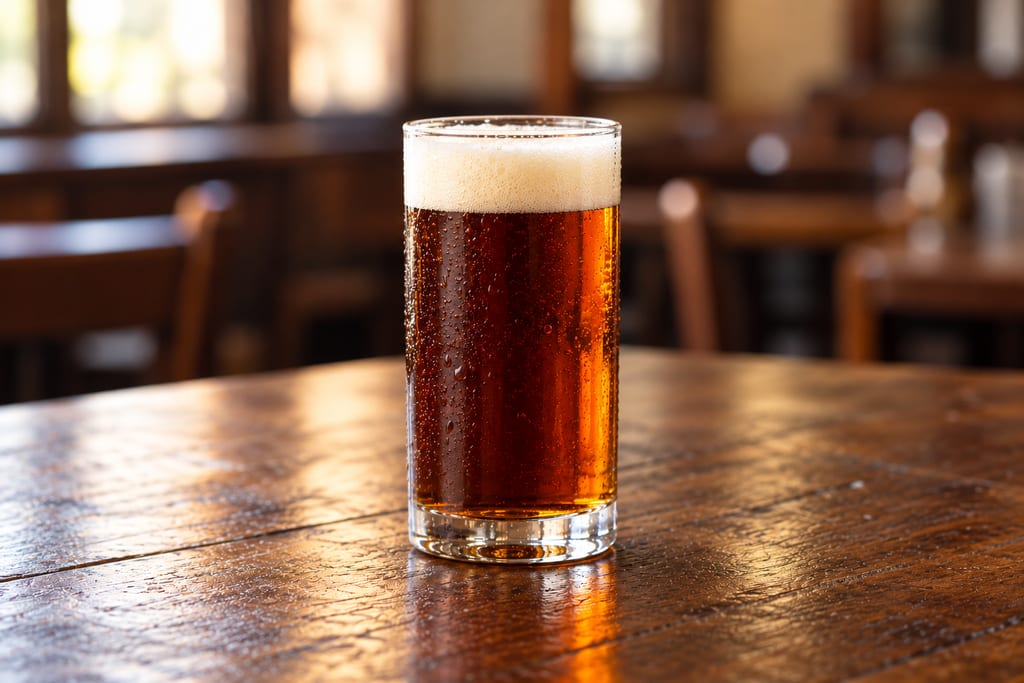
A source-specific modern extract adaptation of Düsseldorf Altbier, with specialty malts, two hop additions and an ale yeast. It is distinct from a brewery's commercial Altbier process and from Kölsch.
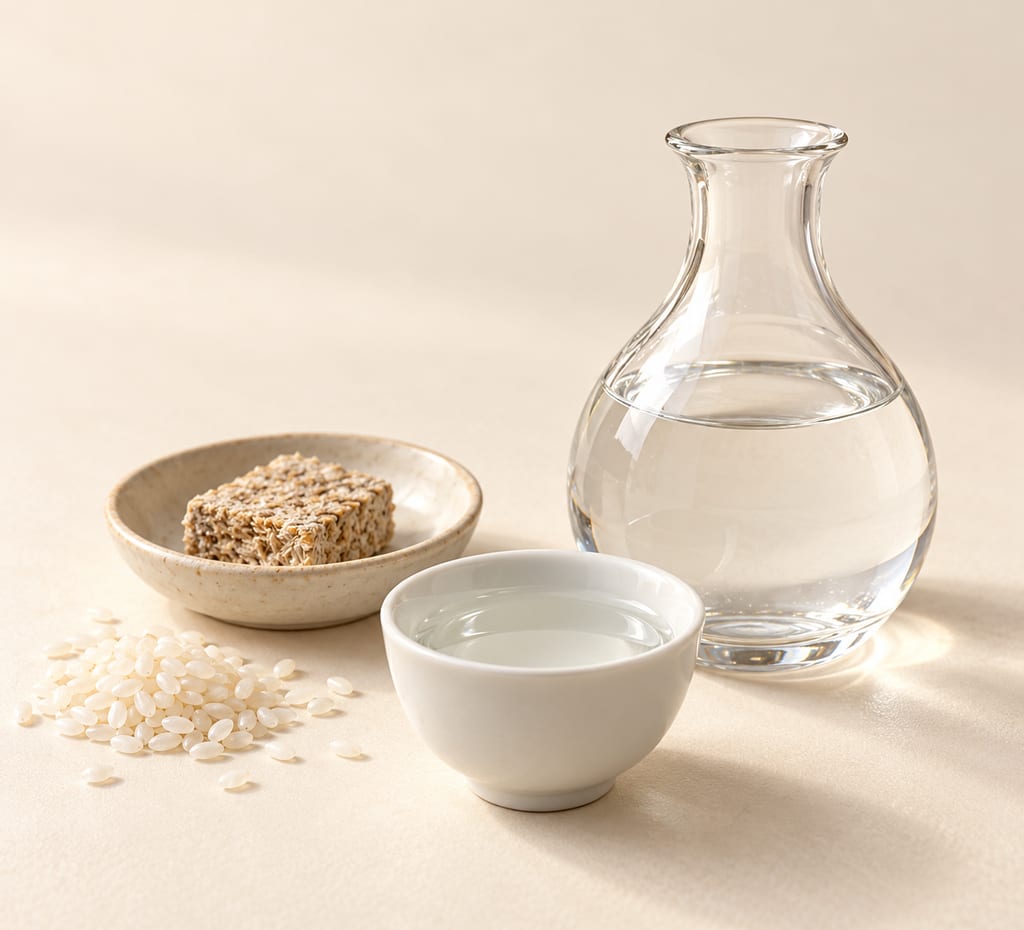
Andong soju is a rice spirit from North Gyeongsang, distilled from steamed rice and wheat nuruk. This method makes the starter before fermenting the rice mash in a jar.
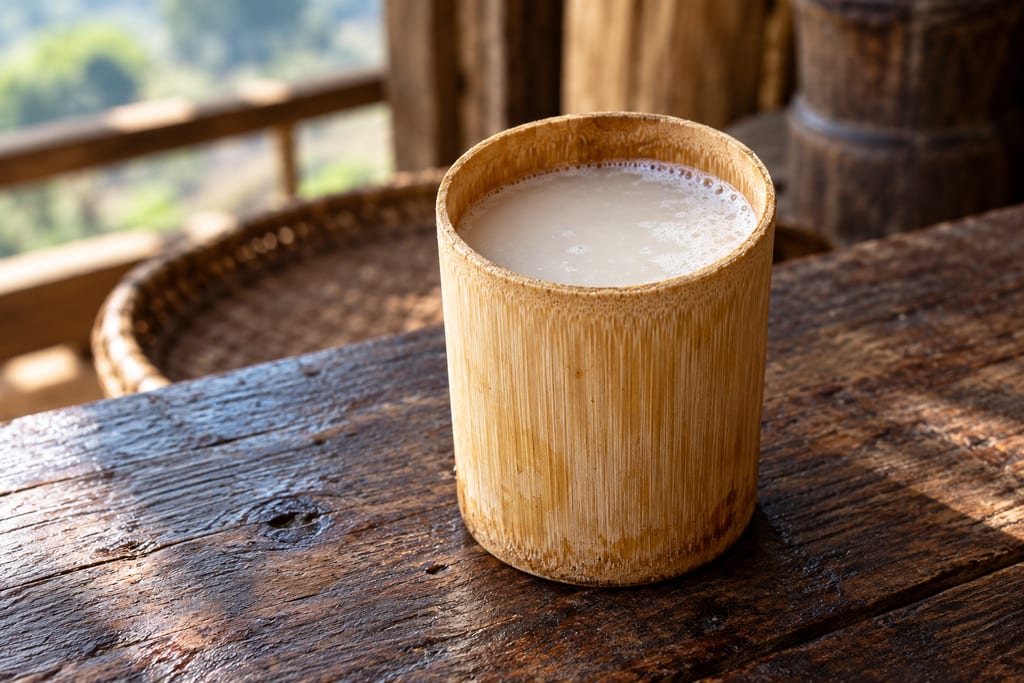
Angami rice beer from Nagaland. A surveyed method mixed cooked rice with piazu, fermented it for about four days in summer or a week in winter, then added water and filtered it. The starter ratio leaves the rice-weight basis unclear.
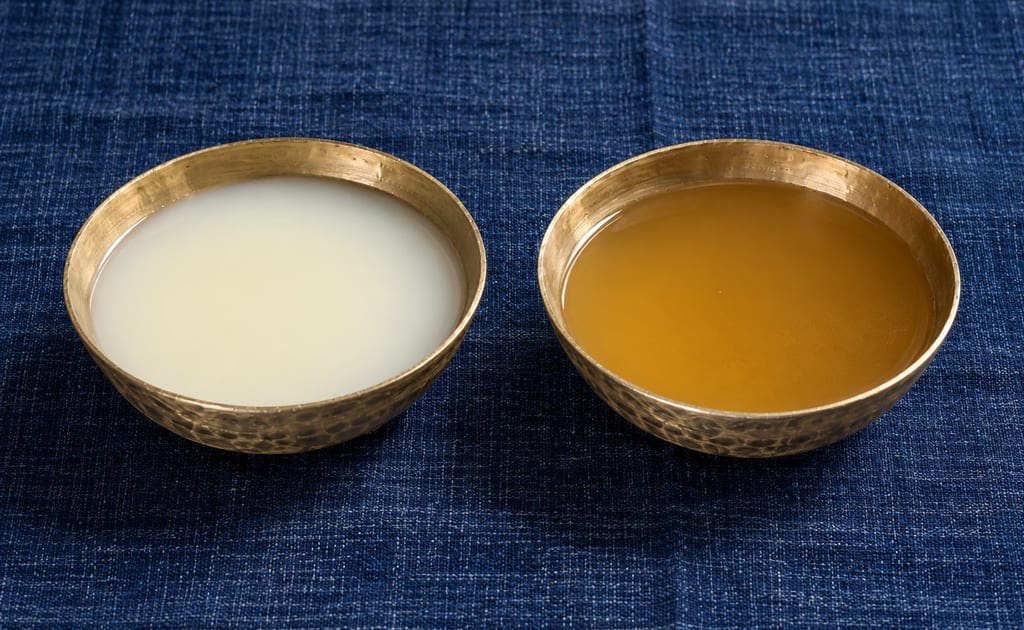
Apong names Mising rice beverages in Assam, including pale Nogin and ash-associated Po:ro. Sources describe distinct preparations and do not establish one unified household recipe or validated safety endpoint.
An Okinawan rice spirit made by turning all the rice into black koji, fermenting it with water and yeast, then pot-distilling and maturing the spirit.
This is a process overview, not a complete batch recipe: key quantities, yield and packaging directions are absent. The AHA tutorial uses Hop Hammer Imperial IPA as an example; this page is not that full formulation.
A darker Ethiopian maize tella, brewed from maize baked into a hot, dry kita pancake and then fermented in three stages with barley malt, gesho and water.

A Cap-Pelé boucanière is an Acadian herring-smoking building. The documented Willie Niles example is a one-storey wood-frame structure with a ridge smoke vent and interior bays for hanging fish-bearing cannes.

Achcharu is a family of Sri Lankan vinegar pickles made with mixed vegetables or seasonal fruit and a piquant spice dressing. This version is a quick, refrigerated, non-fermented mixed-vegetable pickle.

The acocote is a long, hollowed and dried gourd used to draw aguamiel from a mature maguey. It is a harvesting tool: the sap is transferred to a separate vessel before it ferments into pulque.

Adrak murabba preserves young ginger in sugar syrup, a sweet South Asian preparation recorded in Indian cookery and food-processing sources.

Parkia biglobosa seeds are fermented into regional West African seasonings, including nététou, iru, dawadawa and soumbala. The yellow fruit pulp is a separate food, and names and methods vary by place.

Japanese reddish-brown vinegar from sake lees matured about three years, turned to vinegar by acetic bacteria; the vinegar of Handa and Edomae sushi rice.

A refined common-wheat flour blended for a broad range of baking; its protein and behavior vary with wheat, milling and market.

The almond mushroom, Agaricus subrufescens, was cultivated in eastern North America in the 1800s, lost its market, and returned as a cultivated mushroom from Brazil, where it is grown under several names.
No community contributions have been published for this entry yet.
Sign in to contribute. Published comments and photos are free to read.
Applied and Environmental Microbiology, American Society for Microbiology, 2024, Volume 90, Issue 4, e01869-23Method · Science · Safety
Refermentation and Maturation of Lambic Beer in Bottles: A Necessary Step for Gueuze ProductionBlend of three lambics from breweries southwest of Brussels: L1 one year old, brewed with Zeeuwse Witte wheat, pH 3.5, 2.5 °Plato; L2 four years old, pH 3.4, 1.9 °Plato; L3 one year old, pH 3.5, 3.3 °Plato.
Proportions of 35% L1, 40% L2 and 25% L3 by volume, with 4.0 kg of sucrose in 2,600 litres; blend density 2.7 °Plato.
33 corked 750 mL bottles held horizontally at 20 °C; sampling at 1 day, 2, 7, 9, 11, 13 and 16 weeks, and 6, 9, 12 and 24 months.
Sucrose gone after about seven weeks, maltose after about 16 weeks, maltotriose after about six months.
Succession of Pediococcus damnosus, Lentilactobacillus buchneri and Lactobacillus acetotolerans; Brettanomyces and Acetobacter lambici present.
Changes in ethanol, acids, higher alcohols, volatile phenols and esters; ethyl lactate rose from 257.8 to 542.0 mg/L and ethyl acetate from 65.1 to 121.7 mg/L over 24 months.
The studied gueuze met the legal requirements for Oude Geuze.
Cited in: How it works; How it's made and why each ingredient and step matters; Regional and historical variations; How it's drunk and used; Reading results and problems
PLOS ONE, 2014, Volume 9, Issue 4, e95384Science · Safety
The Microbial Diversity of Traditional Spontaneously Fermented Lambic BeerTwo lambic fermentations at Cantillon followed for two years; more than 2,000 bacterial and yeast isolates.
Enterobacteriaceae prominent in the first month, Saccharomyces and Pediococcus damnosus after about two months, Dekkera bruxellensis after about six months.
Differences between batches and vessels.
Cited in: How it works; Reading results and problems
PubMed (US National Library of Medicine)Science
2023 study of lambic fermentation in similar wooden barrelsBarrels help establish a recurring microbial ecosystem, and individual barrels also contribute to differences between batches.
Cited in: How it works; Reading results and problems
International Journal of Systematic and Evolutionary MicrobiologyScience
Description of Acetobacter lambici from lambic beerAcetobacter lambici as an acetic acid bacterium of the lambic system.
Cited in: How it works
Official Journal of the European Union, C 174, 14 May 2016Method · History
Publication of the Traditional Speciality Guaranteed Product Specification for Vieille Gueuze / Oude GeuzeSpontaneously fermented sour beer, with natural inoculation of the boiled wort during cooling.
Starting extract of at least 12.7 °Plato, finished pH of at most 3.8, colour of at most 25 EBC, bitterness of at most 20 BU.
Weighted average lambic age of at least one year; oldest component aged at least three years in wooden barrels.
Secondary fermentation and conditioning on sediment; limits on isoamyl acetate, ethyl acetate and acidity; official monitoring.
Cited in: What it is; Reading results and problems
Official Journal of the European Union, 2 December 2017History
Commission Implementing Regulation (EU) 2017/2216Registration of the names Vieille Gueuze, Vieille Gueuze-Lambic, Vieux Lambic, Oude Geuze, Oude Geuze-Lambiek and Oude Lambiek with reservation of name, as a Traditional Speciality Guaranteed.
A traditional speciality guarantee is not a protection of geographical origin.
Cited in: What it is; History
Brouwerij Boon, Lembeek, BelgiumMethod
Oude Geuze BoonOude Geuze made since 1975 from lambic of 60% malt and 40% wheat, matured entirely in oak.
Blend of one-, two- and three-year-old lambics, several months of bottle fermentation, unfiltered and unsweetened.
7% alcohol, served at 12 °C, bottles of 25, 37.5 and 75 cl.
Cited in: What it is; How it's made and why each ingredient and step matters; Regional and historical variations; How it's drunk and used
Brouwerij Boon, Lembeek, BelgiumMethod · Safety
Brewing ProcessSpontaneous inoculation of wort in the coolship, with brewing between October and April.
Large oak foeders for fermentation and ageing; microbiota kept by repeated use of the vessels.
Selection and blending of lambics of different years and barrels, then secondary fermentation in the bottle.
Cited in: How it's made and why each ingredient and step matters
Brouwerij 3 Fonteinen, BelgiumMethod · Science
From Lambic to Geuze: The Art of BlendingYoung lambic supplies leftover carbohydrate; mature lambic supplies aroma and complexity.
Bottles rest horizontally at about 18 °C for at least six months, and the carbon dioxide stays in the bottle.
Brettanomyces in long bottle maturation; long storage of well-conditioned bottles.
Cited in: What it is; How it works; How it's made and why each ingredient and step matters; How it's drunk and used; Reading results and problems
Brouwerij 3 Fonteinen, BelgiumMethod
Oude Geuze: The Classic OneClassic blend of one-, two- and three-year-old lambics with a weighted average age of about eighteen months, plus at least six months in the bottle.
Lambic brewed both by 3 Fonteinen and by other breweries.
Cited in: How it's made and why each ingredient and step matters; Regional and historical variations
Brouwerij 3 Fonteinen, BelgiumMethod
Oude Geuze Golden Blend, Blend 53Golden Blend bottled in 2022 with almost one-third five-year-old lambic and a weighted average age of nearly 35 months before bottle maturation.
Cited in: Regional and historical variations
Brouwerij 3 Fonteinen, BelgiumMethod
Lambic in shortLambic brewing in the Pajottenland, tied to nights below 8 °C.
Cited in: How it's made and why each ingredient and step matters
Brouwerij 3 Fonteinen, BelgiumHistory
Our story3 Fonteinen as a brewery and blender in the Pajottenland.
Brouwerij 3 Fonteinen, BelgiumMethod · Safety
Our bottlesPressure-rated bottles, cork and cage; horizontal storage; 37.5 and 75 cl formats.
Cited in: How it's drunk and used; Reading results and problems
Brouwerij 3 Fonteinen, BelgiumHistory
ContactLocation of the brewery and blendery in Beersel and Lot.
Cited in: How it's drunk and used
Brasserie Cantillon / Musée Bruxellois de la Gueuze, Anderlecht, BelgiumMethod · History
GueuzeBlending of lambics of different ages; one-year-old lambic counted as young, three-year-old as fully mature.
Five or six barrels chosen after tasting about a dozen; usual wheat share of 35%.
Leftover sugar in young lambic drives bottle fermentation; bottles mature horizontally for about a year on average.
5.5% alcohol, served at 15 °C; long bottle ageing and changing flavour.
Cited in: What it is; History; How it's made and why each ingredient and step matters; How it's drunk and used; Reading results and problems
Brasserie Cantillon, Anderlecht, BelgiumMethod
Gueuze 125Gueuze 125 made from a specially brewed lambic with 50% raw wheat.
Cited in: Regional and historical variations
Brasserie Cantillon / Musée Bruxellois de la Gueuze, Anderlecht, BelgiumHistory
VisitsCantillon founded in Brussels in 1900; the Brussels Museum of Gueuze, founded in 1978.
Cited in: History
HORAL, Hoge Raad voor Ambachtelijke LambiekbierenMethod · History
Traditional Lambic BeersBelgian regulation of lambic and gueuze names from 1965; EU traditional-speciality protection developed in the 1990s.
At least 30% wheat in protected lambic; blending of aged lambics followed by bottle refermentation.
Difference between Oude Geuze and filtered or sweetened gueuze.
Cited in: What it is; History; How it's made and why each ingredient and step matters; Regional and historical variations; Reading results and problems
HORAL, Hoge Raad voor Ambachtelijke LambiekbierenMethod
Questions and answersDifferences between Oude Geuze and other gueuze, and how blending is done.
Cited in: What it is; Regional and historical variations; How it's drunk and used
HORAL, Hoge Raad voor Ambachtelijke LambiekbierenHistory
HORALHORAL founded in 1997 to promote and safeguard traditional lambic brewing and blending; Toer de Geuze.
Cited in: History
HORAL, Hoge Raad voor Ambachtelijke LambiekbierenHistory
MegablendCollaborative Oude Geuze Megablend releases made from lambics of several producers.
Cited in: History; Regional and historical variations; How it's drunk and used
HORAL, Hoge Raad voor Ambachtelijke LambiekbierenMethod
De CamDe Cam of Gooik as a blender that buys lambic wort from other breweries, matures it and blends its own gueuze.
Cited in: Regional and historical variations
Beer Judge Certification ProgramMethod
2021 Beer Style Guidelines: 23E GueuzeGolden, relatively clear, highly carbonated, dry, with low hop bitterness and a lively head.
Acidity, fruit, Brettanomyces phenols and oak; faults such as faecal, putrid, cheesy or solvent notes.
Typical strength of about 5-8% alcohol by volume.
Cited in: What it is; Reading results and problems
Brewery History SocietyHistory
Lambic (Brewery History, issue 175)The sixteenth-century references usually cited for lambic concern other beers; the earliest records in the Brussels lambic family are faro in 1721 and allambique in 1794.
The 1829 treatise by Jean-Baptiste Vrancken describing five-year-aged lambic as geuzebier; gueuze sold in barrels in 1831; bottled gueuze lambic exported in 1844.
Gueuze as a commercial category by the Brussels exposition of 1897, with 4,405 litres of Lambic-Gueuse consumed.
Cited in: History; Regional and historical variations; How it's drunk and used
Beer City BrusselsHistory
50 objects: Tire-bouchonGueuze in Brussels drinking culture and its corked bottle.
Cited in: History; How it's drunk and used
Brewers Association, 1 February 2026Safety
Preventing Package Over-PressurizationRefermentation in sealed packages can push carbon dioxide pressure past bottle or can ratings.
Brewers must manage leftover fermentable carbohydrate, calculate priming and use pressure-aware packaging.
Brewers AssociationSafety
Food Safety Planning for Craft BrewersMicrobiological hazards in fermentation and packaging; clean equipment and food-contact surfaces; documented processes and fermentation monitoring.
World Health OrganizationSafety
Five Keys to Safer FoodSafe water and ingredients, clean utensils and equipment, preventing contamination during handling.
Occupational Safety and Health AdministrationSafety
Beverage Production: BeerCarbon dioxide and oxygen-displacement hazards in fermentation areas.