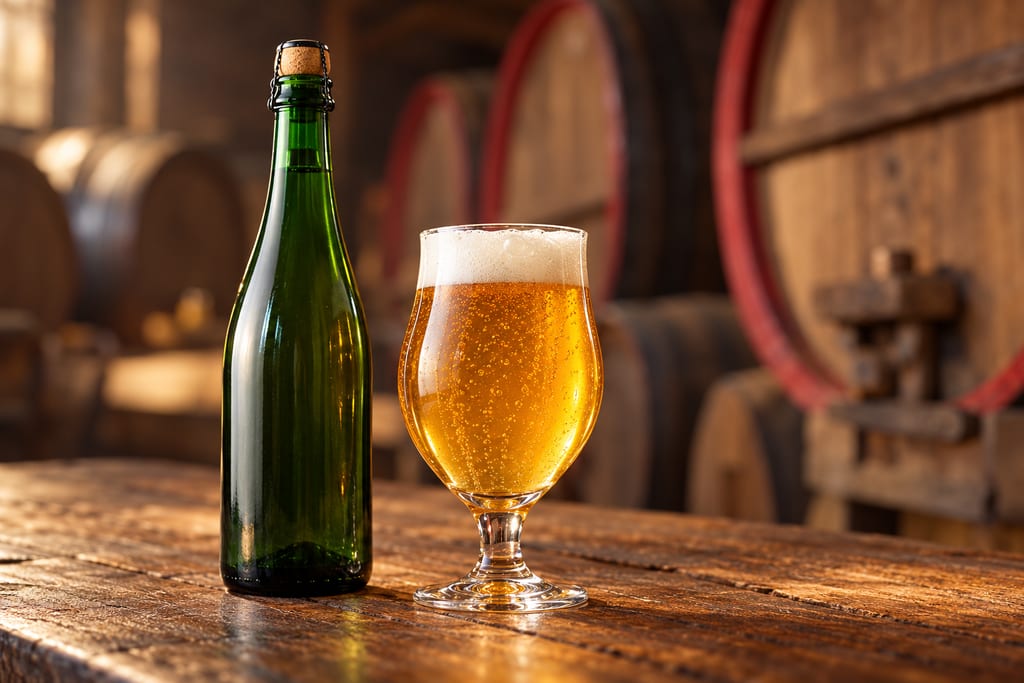
Gueuze
Belgian beer blended from young and mature spontaneously fermented lambics, then refermented in the bottle to natural carbonation. The recipe follows a 2,600-litre blend studied in 2024.
 FermenteaWhere food goes to change
Equipment · Tanks and vats
koelschip · cooling tray · cooling tun
A coolship (Dutch koelschip) is a broad, shallow, open vessel that cools hot wort before fermentation. In Belgian lambic brewing, its open surface exposes wort to the brewhouse environment; materials and results vary.
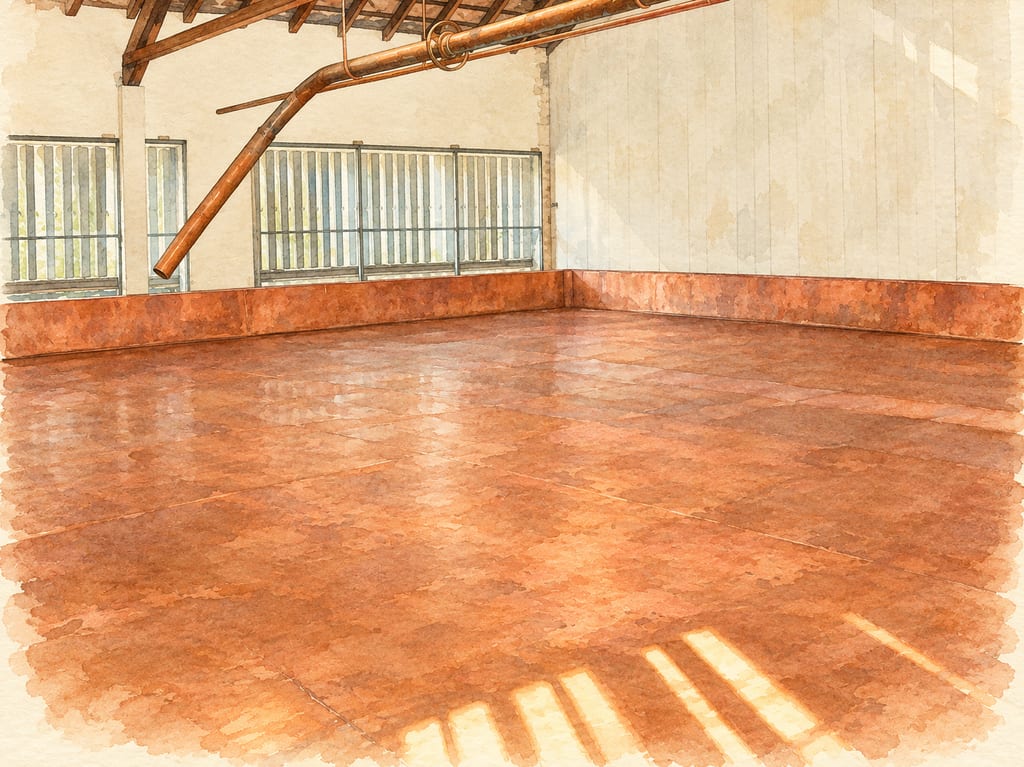
A coolship is a wide, shallow vessel with an open top. Its broad exposed surface lets hot wort lose heat to the surrounding room. Koelschip is the Dutch name; English brewing sources also call it a cooling tray or coolship. A copper-clad Belgian brewery example shows the broad pan and low sides. Research documents copper and stainless-steel examples, so copper is a traditional documented form, not a required material for every brewery.
The coolship is used before main fermentation and maturation. Lindemans describes moving boiled wort into its cooling tray, then pumping it into fermentation vessels the next day. Its shallow geometry supports passive cooling; it does not imply a fixed capacity, exact depth or single material.
In lambic brewing, wort cools while open to the brewhouse environment. A review reports overnight cooling below 25°C and notes that cool weather historically limits the suitable brewing season. Open exposure can permit environmental microorganisms to reach wort, but it should not be described as a guaranteed or exclusive inoculation mechanism: research also identifies the brewery and wooden maturation barrels as parts of the microbial environment.
After cooling, wort is transferred to fermentation vessels. The coolship is one stage in a longer process, not the fermenter itself. A shallow pan corresponds to cooling, while barrels or foeders belong to later fermentation and maturation.
Lindemans documents coolship use in lambic brewing at its brewery in Belgium's Senne River Valley. The brewery history describes an older open red cast-iron vat as a predecessor to its current equipment and says its modern brewhouse was built in 1992. This is evidence for one brewery's equipment history; it does not date the first coolship or prove all older examples used cast iron or copper.
A Wikimedia Commons photograph by Henna, dated 4 April 2005, documents a copper-clad koelschip. Its file description and upload history disagree on whether the brewery was Timmermans or Lindemans, so this image is credited as a Belgian brewery coolship without assigning more precise provenance. It is licensed CC BY-SA 1.0; see its source page for terms.
A 2005 photograph documents a copper-clad koelschip. Lindemans describes an older open red cast-iron vat as predecessor to current equipment, but does not date the coolship form's origin.
Open exposure can allow environmental microbes to reach wort but does not determine the microbial community by itself.
Source →Copper and stainless steel are both documented; neither is universal.
Source →One documented regional use; not an exclusive origin claim.
Belgian beer blended from young and mature spontaneously fermented lambics, then refermented in the bottle to natural carbonation. The recipe follows a 2,600-litre blend studied in 2024.
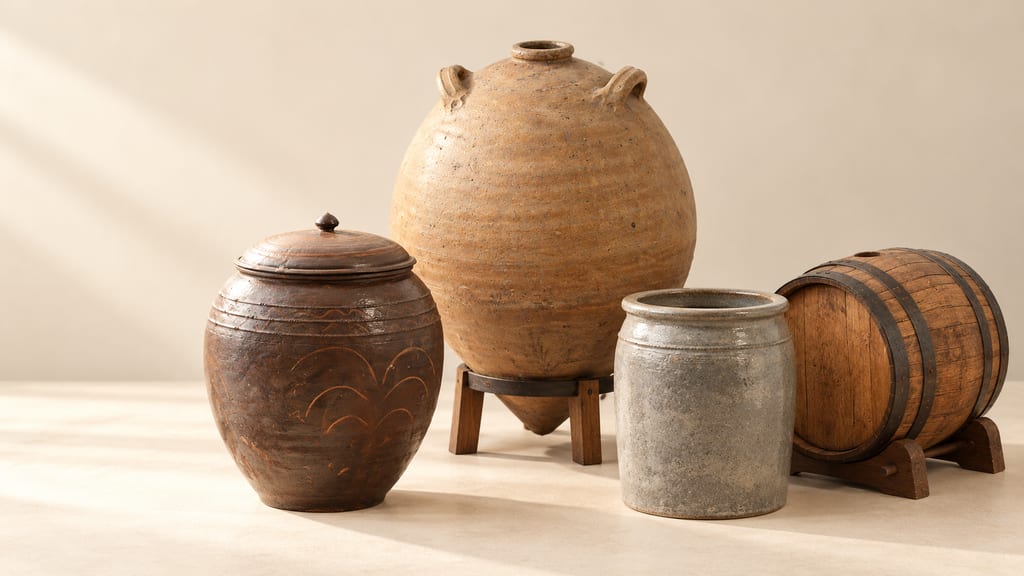
Jars, barrels, skins, leaves, pits and whole rooms decide much of what happens to fermented and cured food. This is how a container works on its contents, and how people in different places chose theirs.
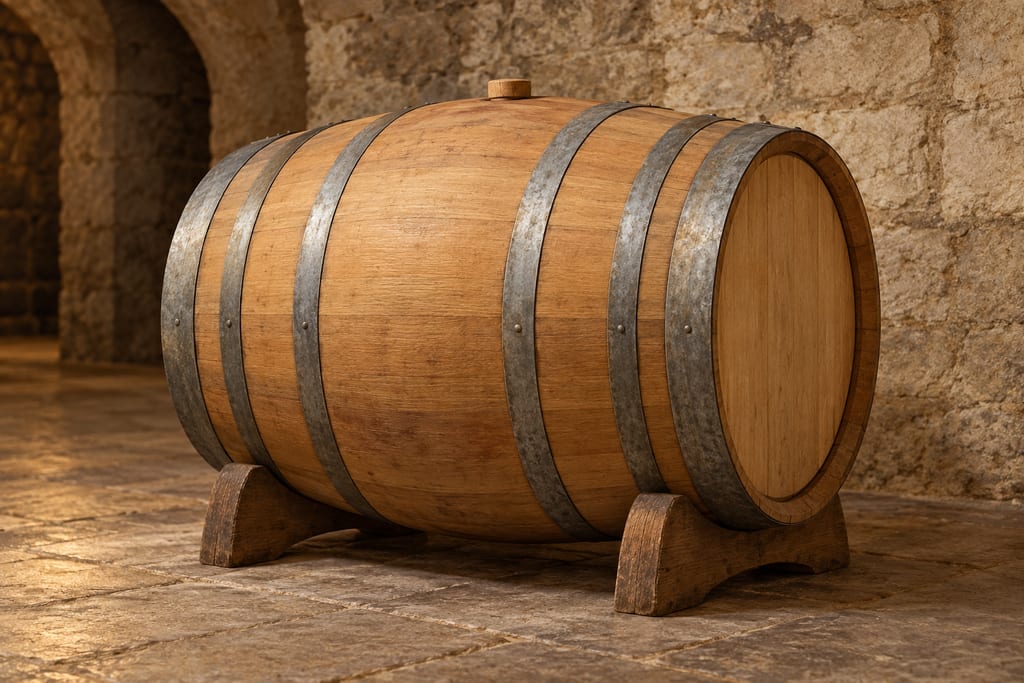
Coopered vessels use shaped staves and hoops, but portable barrels, large foeders and upright wooden vats serve different roles. Materials and uses vary by place and process.

Soft, spreadable Calabrian pork sausage made with a great deal of red chilli and fatty pork, stuffed into natural casings, sometimes smoked and matured while staying soft.

A way to add independent temperature logging to an existing food dehydrator without changing its built-in controls or protections. It is a monitoring method, not a rewiring plan.

Pleurotus cystidiosus is the abalone mushroom, a cultivated oyster-type fungus with dark brown caps that grows more slowly and is more demanding than other Pleurotus species.

A dark, balanced vinegar from Emilia-Romagna made by combining cooked or concentrated grape must with wine vinegar, then acetifying and refining it in wood under a protected specification.

A living dairy inoculum that starts controlled cream fermentation, developing acidity and aroma before sour cream or cultured butter is finished.

A small electric incubator holds jars at a selected temperature for yogurt and other documented warm food preparations. Controls, capacity and vessel arrangement vary by model.

Adygean salt is a seasoned table salt associated with Adygea and the wider North Caucasian culinary tradition. Salt is blended with garlic and a variable selection of herbs and spices; the exact mix depends on the named style and maker.

The African Caesar-group mushroom, Amanita masasiensis, is a wild ectomycorrhizal species of central and southern African woodlands, eaten locally. The genus contains deadly poisonous species, so identification needs care.
No community contributions have been published for this entry yet.
Sign in to contribute. Published comments and photos are free to read.
Lindemans BreweryProcess · History · Geography
The secrets of lambic brewingLindemans identifies its brewery in Belgium's Senne River Valley.
Hot wort is moved to an open cooling tray called a coolship, then pumped to fermentation vessels the next day.
The brewery describes an older open red cast-iron vat as predecessor to current equipment; its modern brewhouse dates to 1992.
Cited in: Form and role; Cooling and exposure; Place and historical limits
Foods (MDPI); PubMed CentralMethod · Process
Technological and Environmental Features Determine the Uniqueness of the Lambic Beer Microbiota and Production ProcessLambic coolships may be stainless steel or copper and are open to environmental air.
Wort cools below 25°C overnight; cool weather constrains the historical brewing season.
Environmental exposure is one element of the microbial environment, not necessarily its only source.
Cited in: Form and role; Cooling and exposure
Applied and Environmental MicrobiologyMethod · Process
Microbial Dynamics in Traditional and Modern Sour Beer ProductionBoiled wort is transferred to shallow open coolships and left to cool, usually overnight.
Environmental exposure and barrels can both contribute to microbial inoculation.
Cited in: Cooling and exposure
Wikimedia CommonsForm · Image
File:Coolingtun.jpgA copper-clad koelschip is visible in a photograph dated 4 April 2005; file history conflicts about the brewery, so this entry does not assign specific brewery provenance.
Cited in: Form and role; Place and historical limits