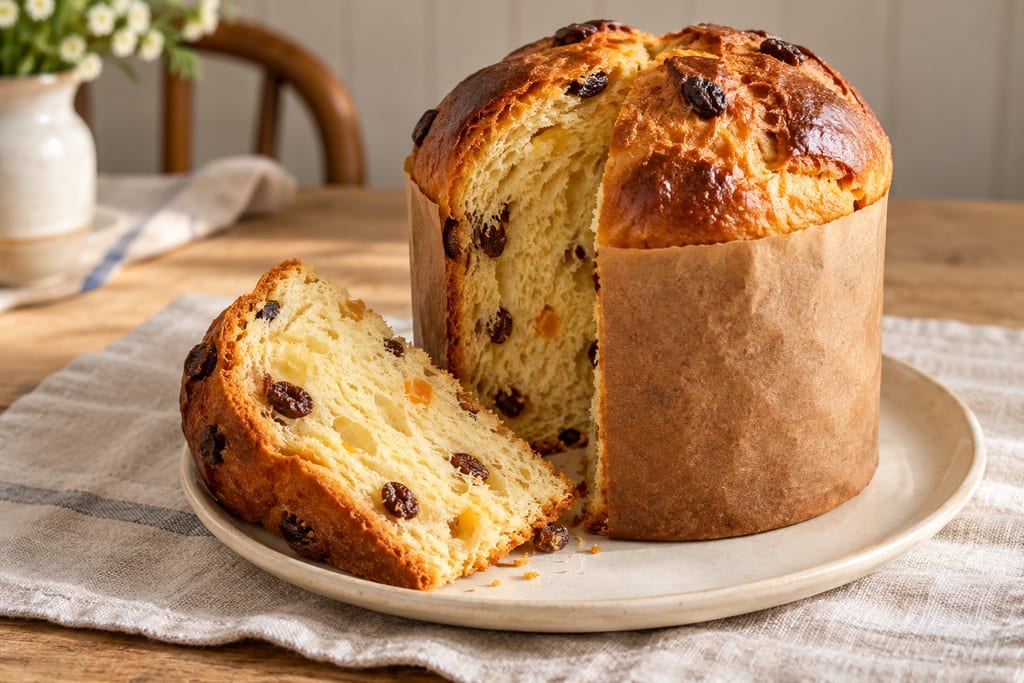
Classic Ukrainian yeast paska
This Ukrainian Easter paska uses an enriched yeast dough with milk, eggs, butter, raisins and citrus zest. A sponge and two further rises precede baking in paper or parchment-lined moulds.
 FermenteaWhere food goes to change
Traditional method
Пампушки · Ukrainian garlic rolls · Garlic pampushky · Pampushki
Soft Ukrainian wheat rolls are baked close together and brushed with fresh garlic, dill and oil. This savory garlic-topped baked form is separate from sweet fried pampushky.
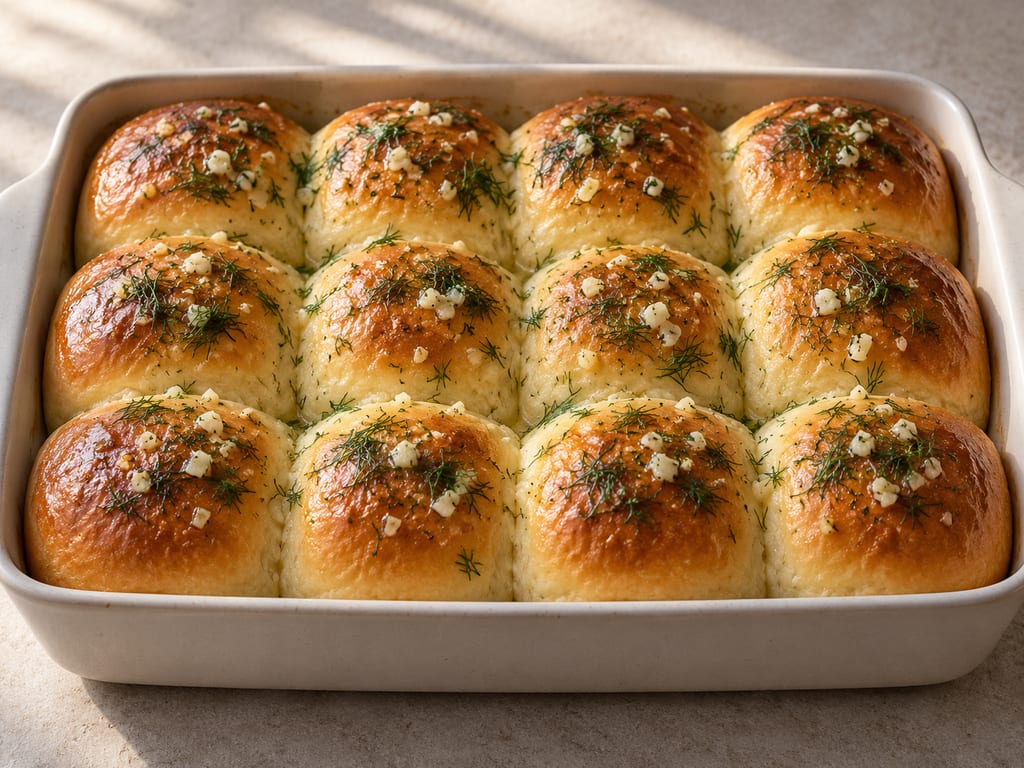
Pampushky are soft wheat rolls served alongside Ukrainian borshch. In the baked savory form, the rolls are arranged in a dish, baked until golden and brushed while hot with fresh garlic, oil and herbs. This recipe records that form. Sweet pampushky fried in fat are a separate preparation and are not included here.
This twelve-roll batch uses 450 g bread flour, 250 ml milk, one packet active dry yeast, 1 tablespoon sugar, one egg, 1 teaspoon salt and 2 tablespoons olive oil. Warm the milk to 38–43°C (100–110°F), stir in the sugar and sprinkle the yeast over it. After about 10 minutes, foam should form. Mix in the beaten egg and salt, add the flour gradually, and fold in the oil. Knead for 3–5 minutes to a soft, tacky dough. Cover and leave for about an hour, until the dough has more than doubled. The source cautions that flour absorption varies; keep the dough soft rather than adding flour until it feels dry.
Divide the risen dough into twelve pieces of about 50 g and shape them into balls. Set them in a lightly oiled deep baking dish with roughly 2.5 cm between each roll. Cover and proof for about 20 minutes as the oven heats to 218°C (425°F). Bake on the centre rack for 20–25 minutes, until the tops are golden brown. While the rolls bake, mix 3 tablespoons olive oil with 3 finely chopped or pressed garlic cloves and 2–3 tablespoons chopped dill; add a few pinches of salt if desired. Brush this mixture over the rolls as soon as they come out of the oven, and serve them hot.
Fresh garlic mixed with oil can support Clostridium botulinum if it is stored improperly. USDA FSIS advises making the mixture fresh; refrigerate any leftover topping promptly and use it within three days, freeze it, or discard it. The recipe here uses the topping immediately and tells cooks to discard unused mixture. Refrigerate remaining garlic-topped rolls promptly instead of keeping them at room temperature. CDC also advises against tasting raw dough and recommends cleaning hands and equipment after handling flour or egg.
Recipe sources describe pampushky as Ukrainian garlic rolls traditionally served with borshch. Their accounts document present-day food practice and do not establish a first date or precise birthplace.
Yield 12 rolls · Scaling: source batch only
Uncooked flour and egg can carry germs; do not taste the dough and bake the rolls before eating.
Hazard sourceFresh garlic-in-oil mixtures can support Clostridium botulinum growth if they are stored improperly.
Hazard sourceBake the rolls before eating; wash hands and utensils after handling raw flour, egg or dough.
Control sourceMake garlic oil fresh and use it immediately. Refrigerate any leftover mixture promptly for use within three days, freeze it, or discard it. Do not keep fresh garlic oil at room temperature.
Control sourceBrush the rolls with the fresh garlic oil immediately after baking. Discard unused topping; refrigerate remaining topped rolls promptly.
The sources identify Ukrainian garlic-topped baked rolls and their association with borshch; no precise birthplace is claimed.
This Ukrainian Easter paska uses an enriched yeast dough with milk, eggs, butter, raisins and citrus zest. A sponge and two further rises precede baking in paper or parchment-lined moulds.
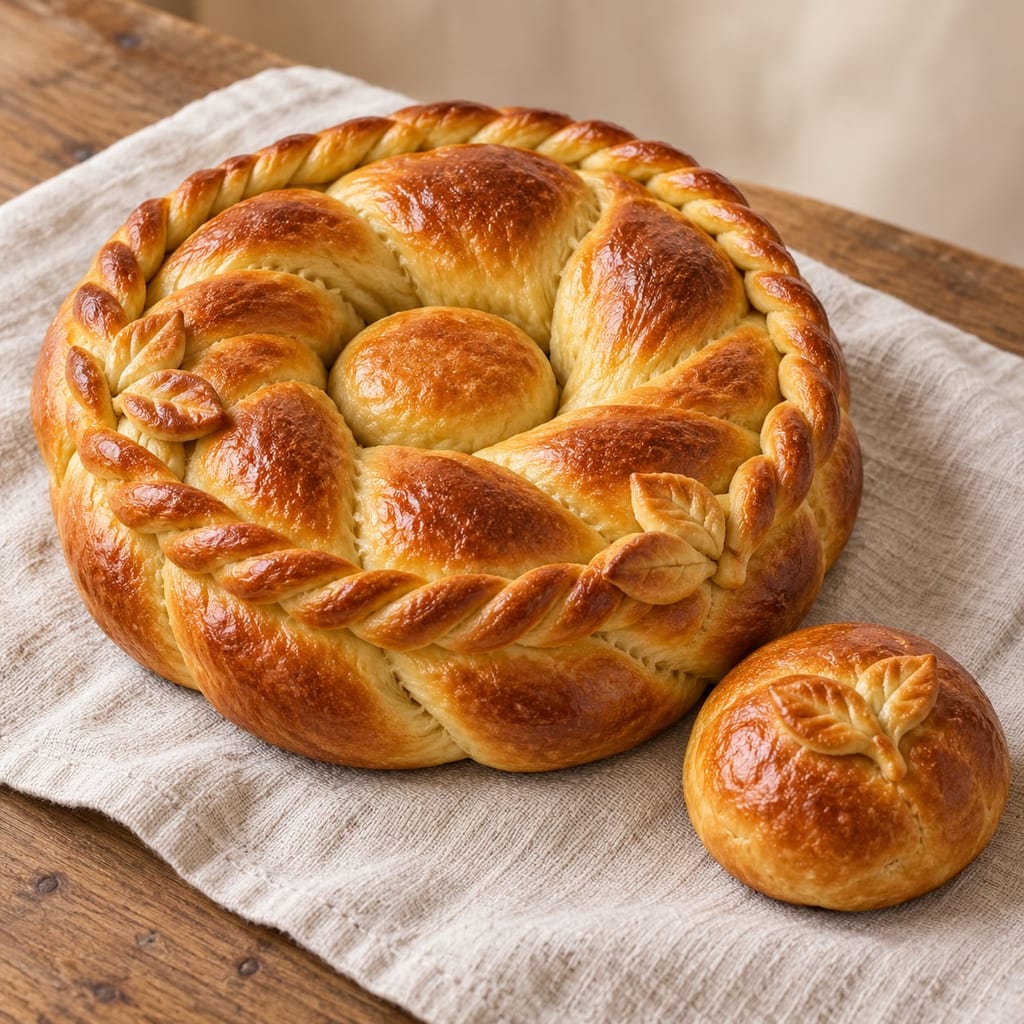
A Peremyshl-region Ukrainian wedding bread made from sweet yeast dough, shaped as a large braided round with a smaller memento loaf.
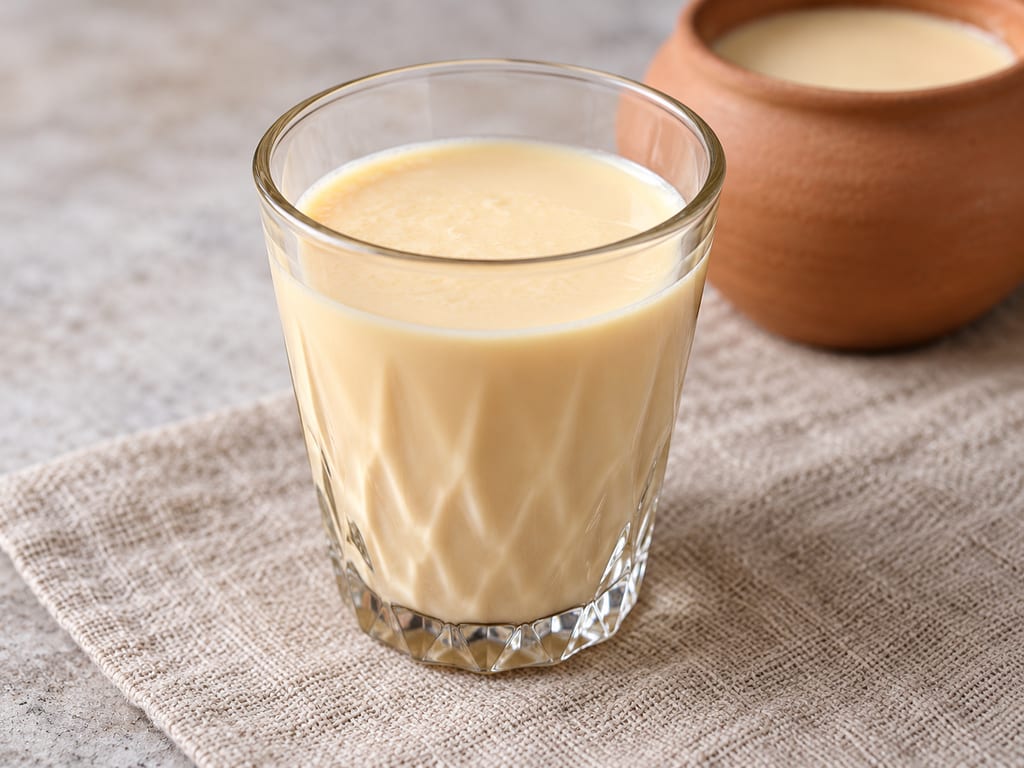
Baked milk is an Eastern European preparation of milk held at high heat for hours until it turns cream-coloured with a cooked, mildly sweet flavour, without any fermentation.
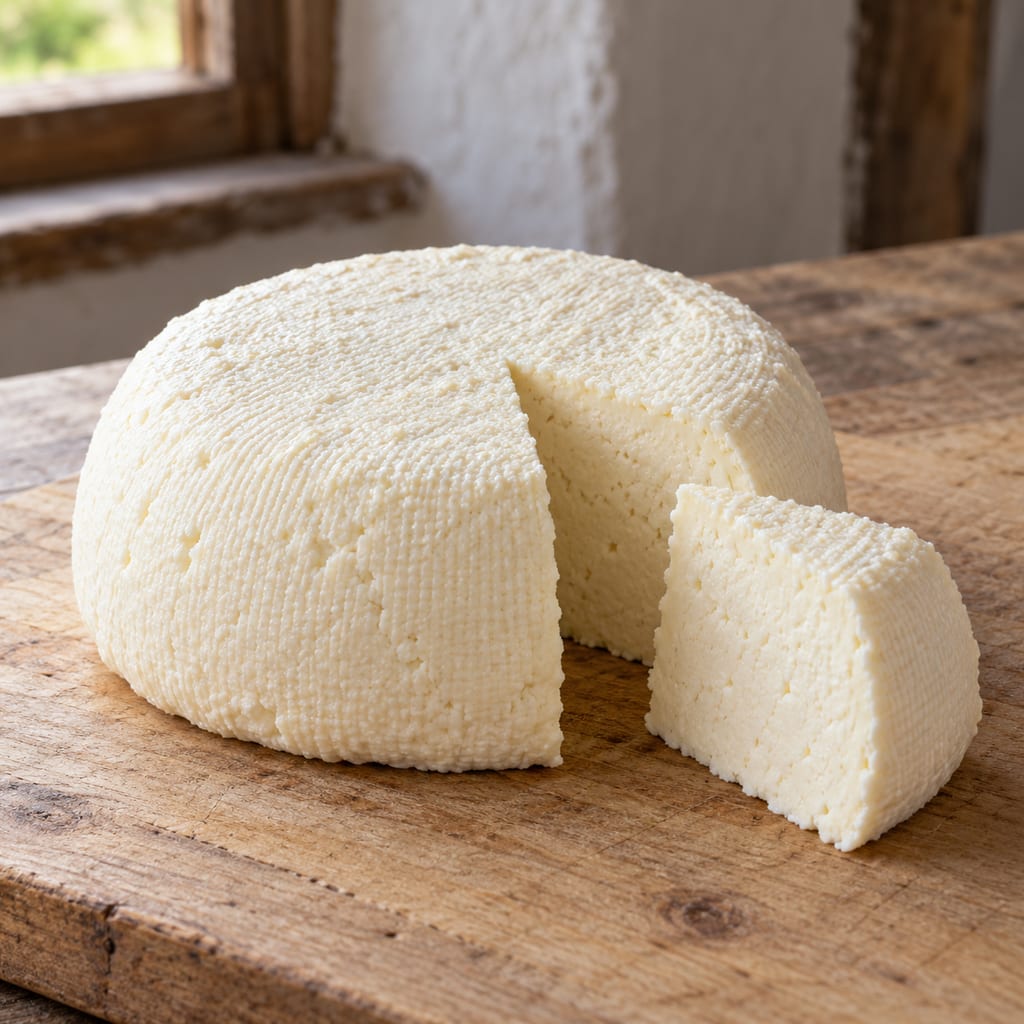
Budz is a traditional Hutsul rennet-set cheese made from sheep, cow or goat milk in the Ukrainian Carpathians, forming a fresh curd that can be eaten, smoked or processed into salted bryndza.
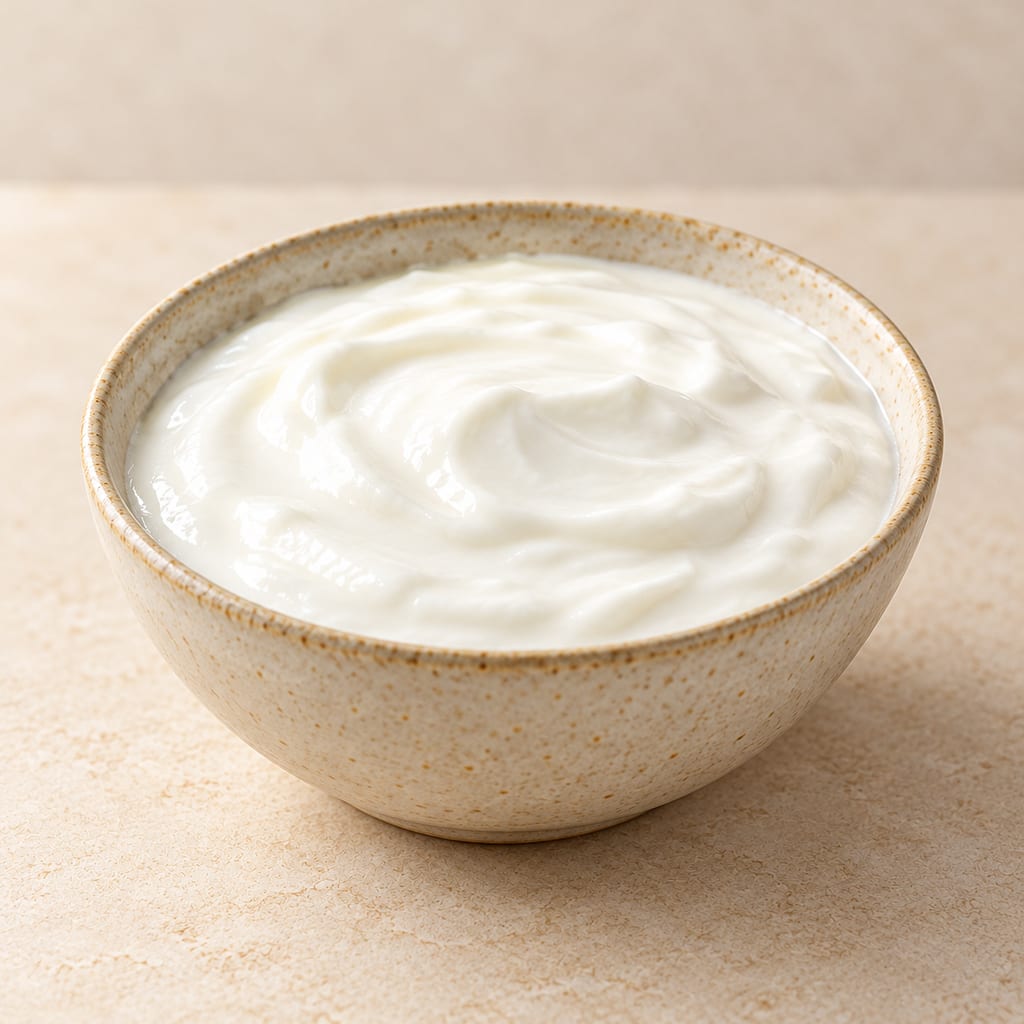
Katyk is a traditional fermented milk of Turkic-speaking peoples, made by souring heated milk with lactic bacteria, often with a spoonful of the last batch, into a thick, sour curd.
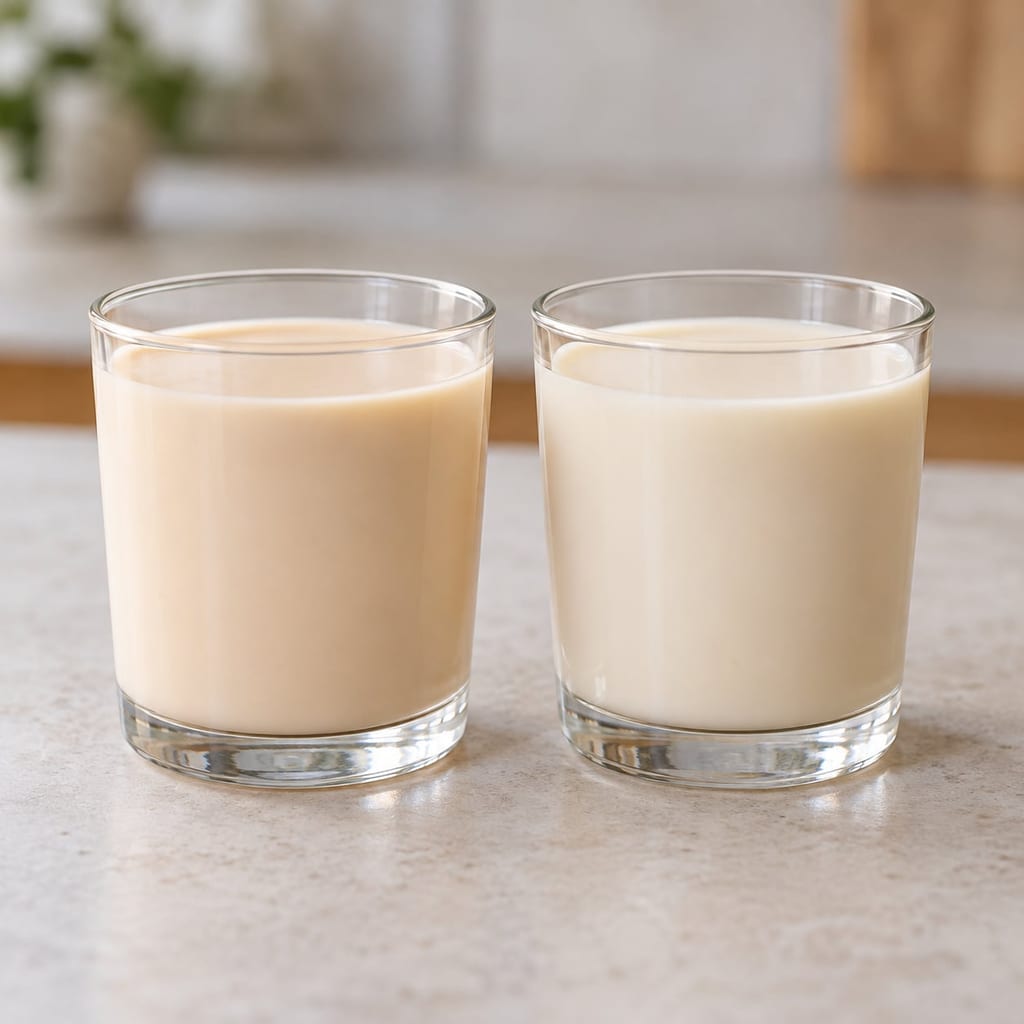
Ryazhenka is a Ukrainian and Russian cultured milk made from long-heated, baked cow's milk, cream-coloured and gently sour; varenets is its close relative with a shorter heat treatment.

Salted mushrooms are a traditional wild-mushroom preserve, especially of Finnish and Russian milk caps, made by layering boiled mushrooms with coarse salt or keeping them under brine, and kept cold.
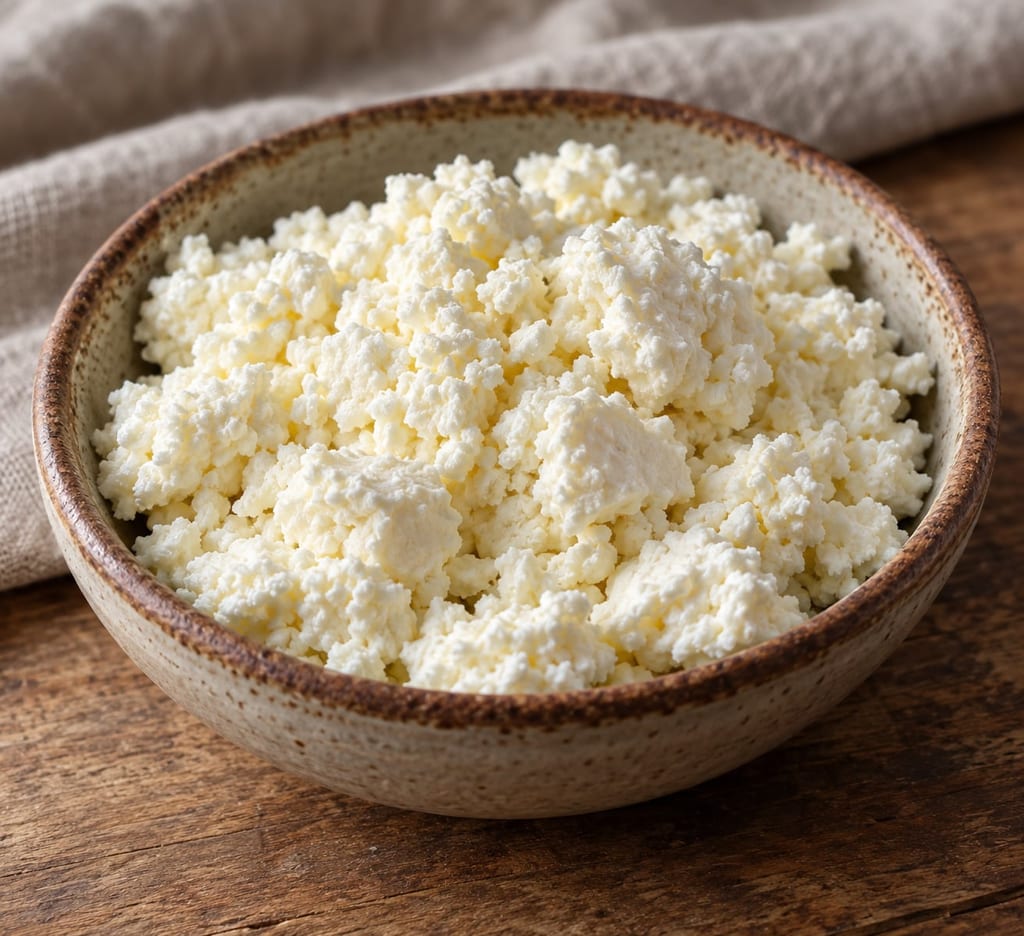
Vurda is a Hutsul whey cheese made by reheating the whey left after budz, often with fresh milk or sour whey, to recover soft pale curds that are lifted out and drained.
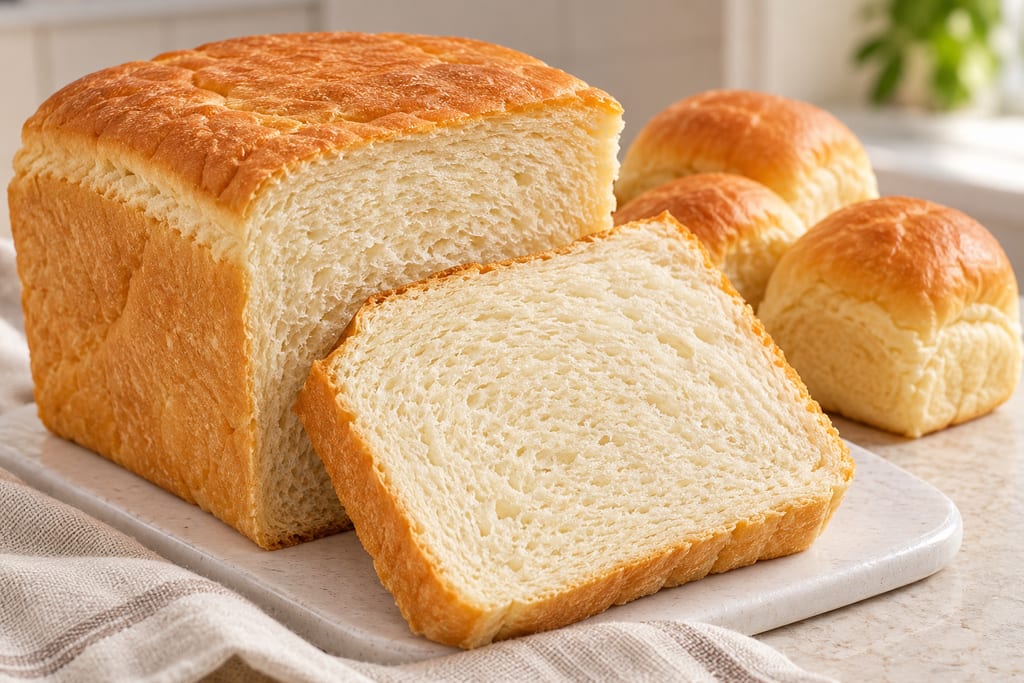
This softer home-style Agege bread uses a scalded flour paste, an enriched yeast dough and a 9×5-inch loaf pan, with rolls from the extra dough.
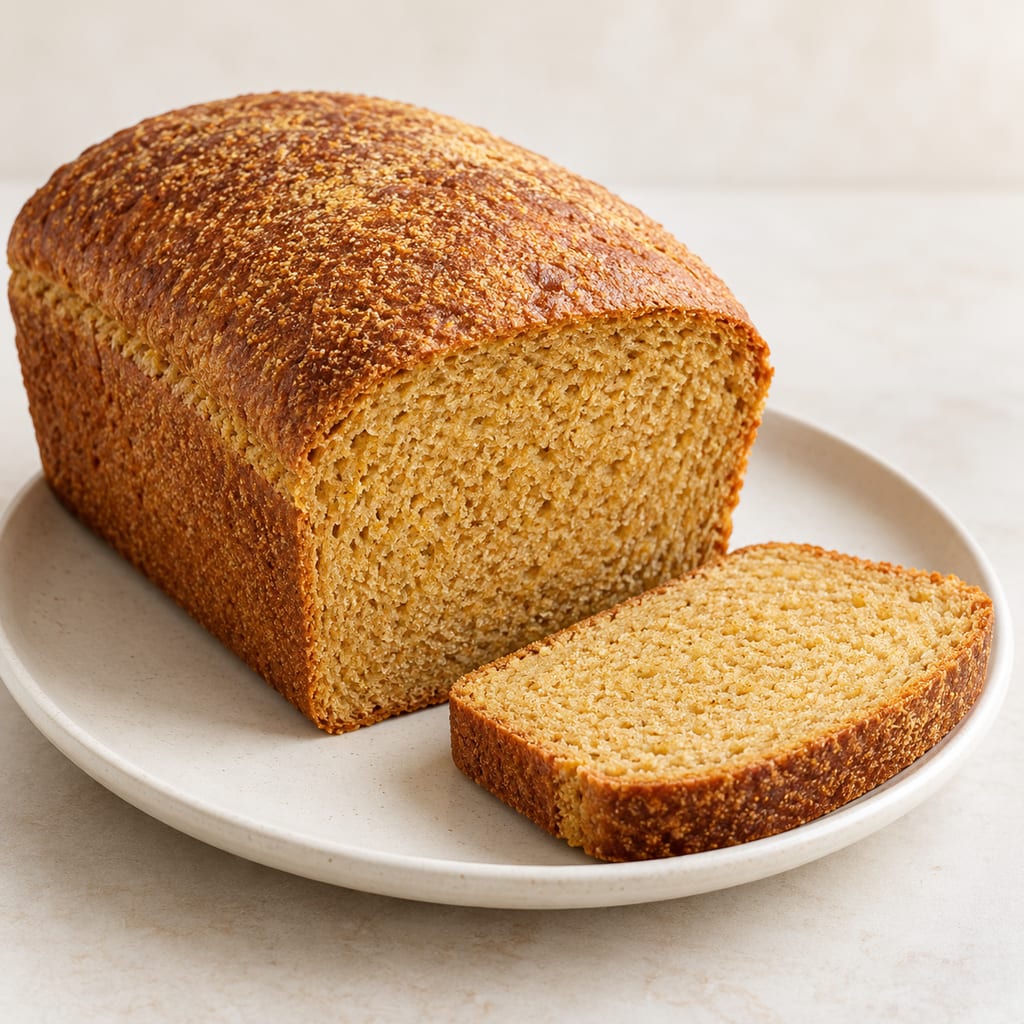
Anadama is a New England yeast loaf made with wheat flour, cornmeal and molasses. Scalded cornmeal enriches the dough, while molasses lends sweetness and a dark crust; it is especially good toasted or beside soup and baked beans.

A yeast-raised wheat ring shaped from a firm dough, briefly boiled and baked. This source-batch formula gives a gently malted crust and a chewy crumb.
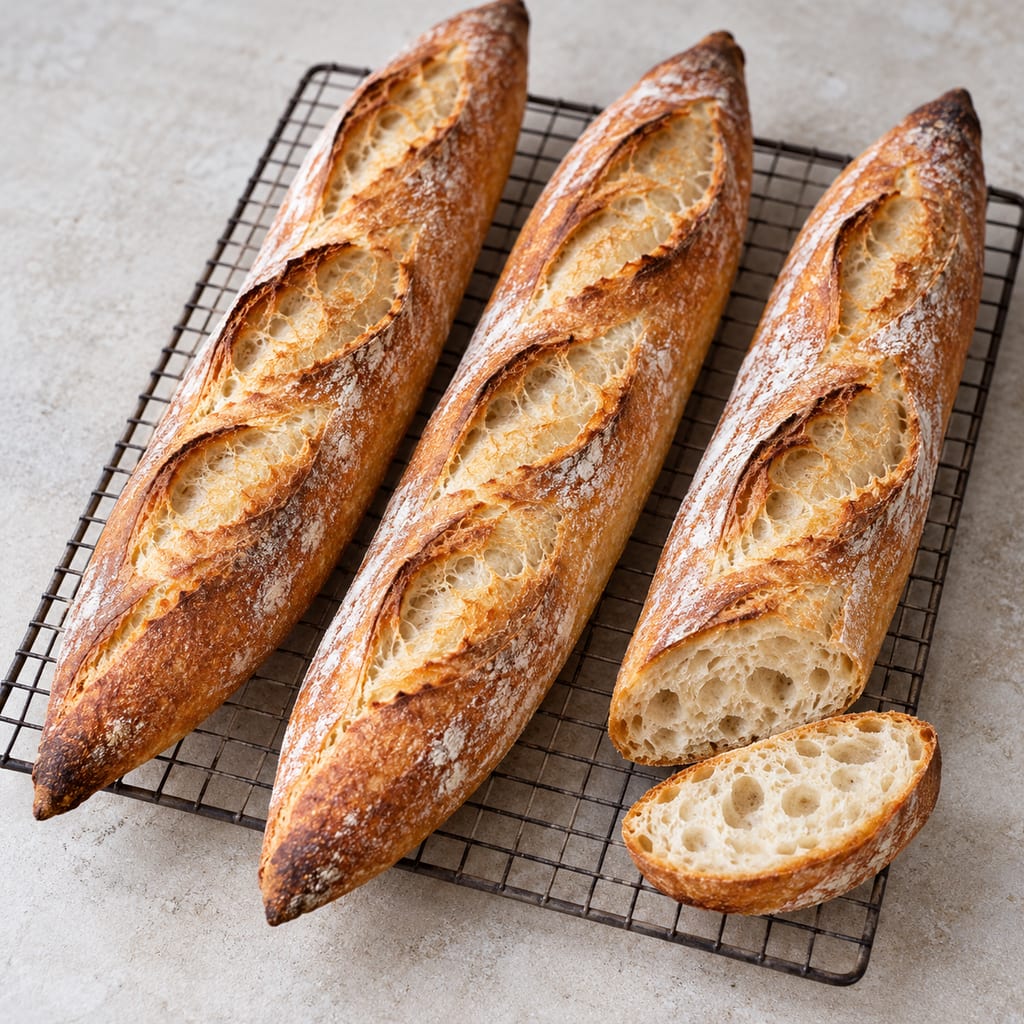
Three long, crusty wheat loaves made with an overnight yeast poolish, shaped by hand and baked with steam for a crisp crust.
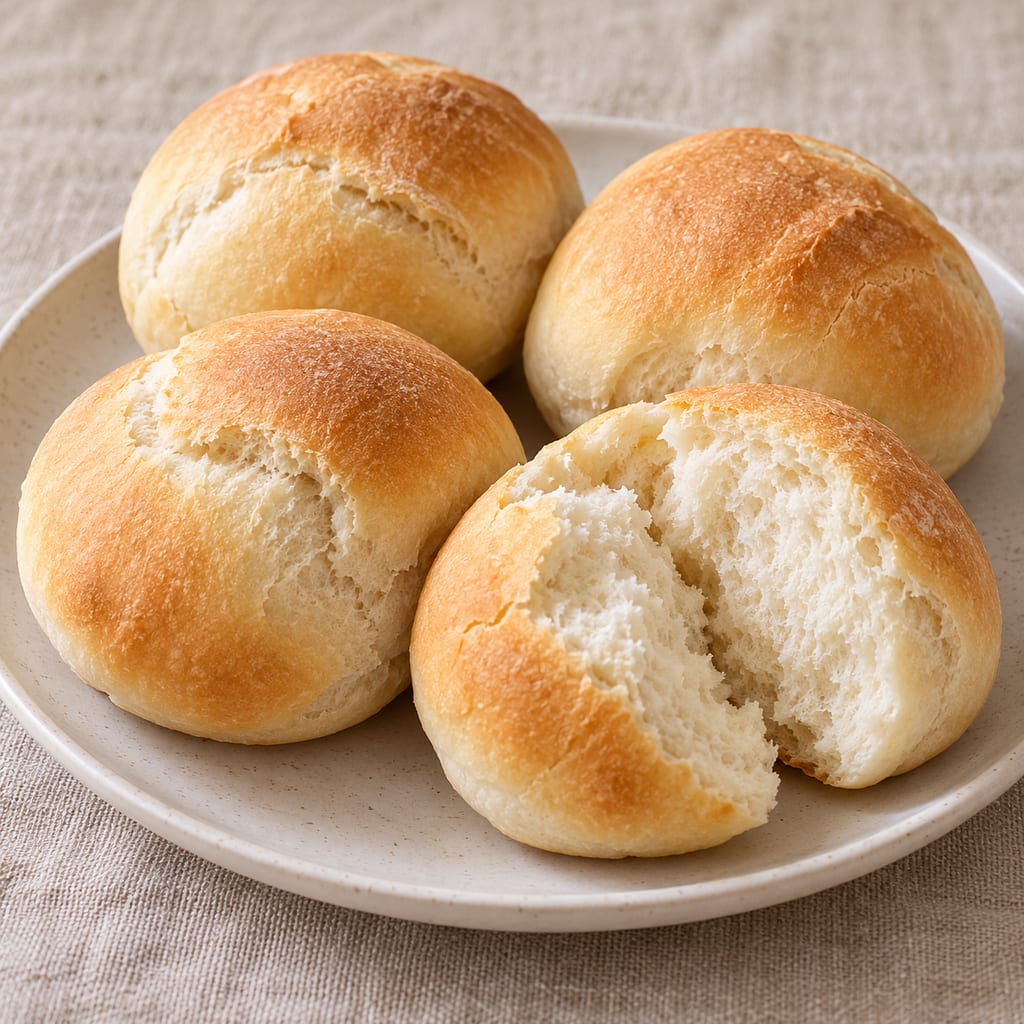
A lightly salted, yeast-raised Barbadian roll, baked in a dozen-roll home batch and often split for cutters.
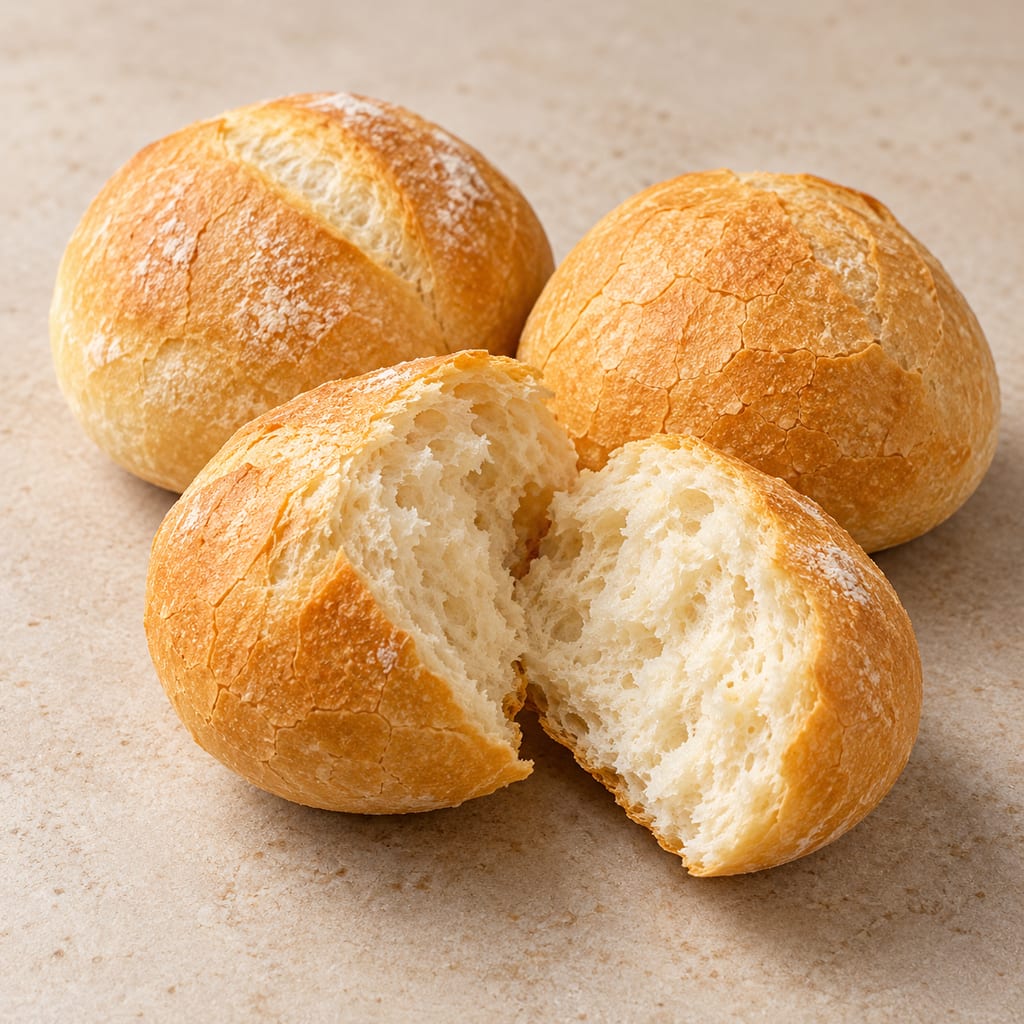
A crisp Belgian roll made from a supplier’s Croc-flour dough, mixed by hand or machine, proofed in rounds and baked with steam.
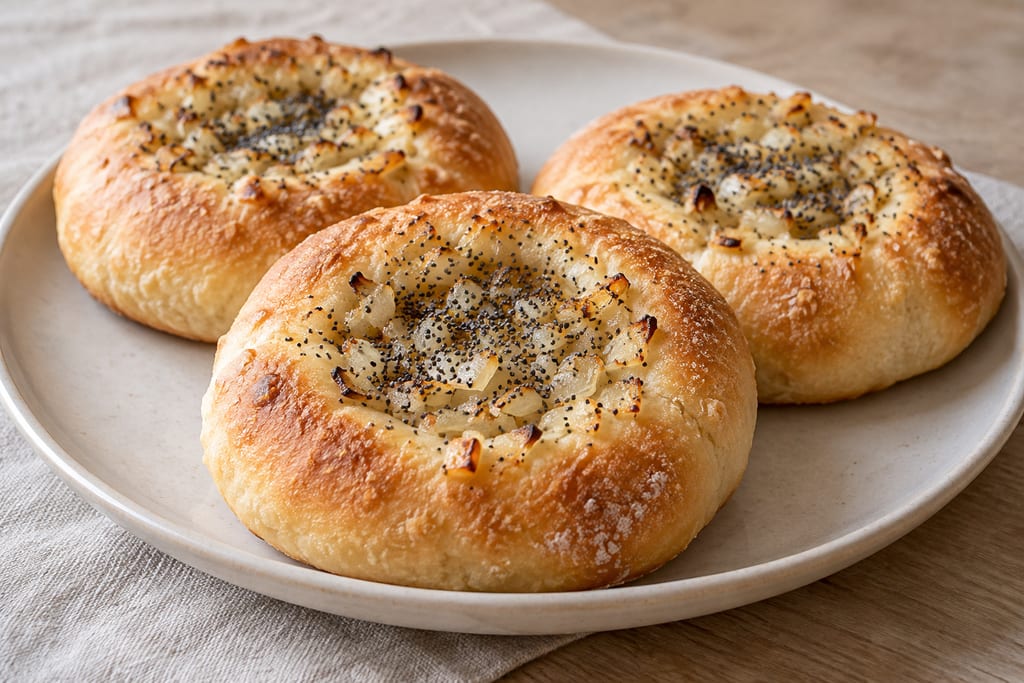
Bialys are soft, yeasted wheat rolls baked without boiling, each shaped with an onion-filled central depression instead of a hole.
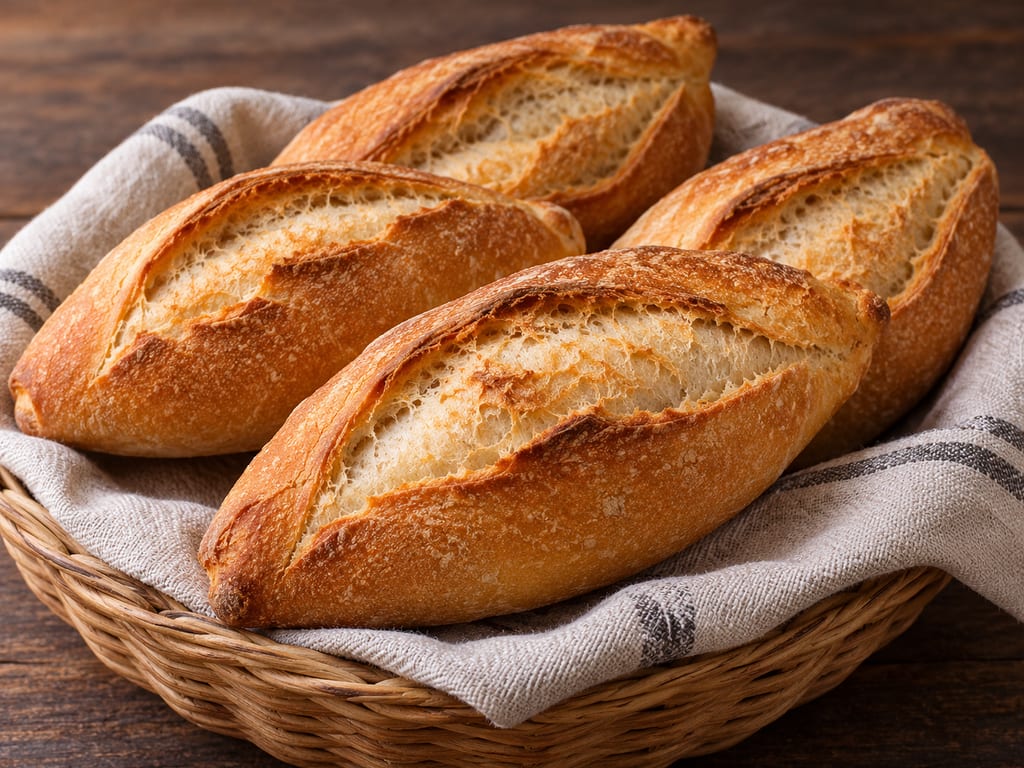
A measured, commercial-yeast home method for Guadalajara-style birote salado, with a six-hour preferment, shaped rolls and a two-temperature steam bake. This formula contains no egg.
No community contributions have been published for this entry yet.
Sign in to contribute. Published comments and photos are free to read.
Sava's KitchenMethod · Identity · Culture
Ukrainian Pampushky (Garlic And Dill Bread Rolls)A 12-roll dough uses 450 g bread flour, 250 ml milk, one packet active dry yeast, 1 tbsp sugar, one egg, 1 tsp salt and 2 tbsp olive oil.
Warm milk to 100–110°F; activate yeast for 10 minutes; let dough rise about 1 hour, shape 12 rolls, proof about 20 minutes and bake at 425°F for 20–25 minutes until golden.
Top hot rolls with a fresh mixture of 3 tbsp olive oil, 3 garlic cloves, 2–3 tbsp dill and optional salt.
The author distinguishes baked savory garlic rolls from sweet fried pampushky.
Cited in: Garlic-topped Ukrainian rolls; Mix and proof the dough; Shape, bake and finish
Sonya Michelle SanfordMethod · Identity · Culture
Pampushky - Ukrainian Garlic Bread RollsDescribes soft Ukrainian rolls served with borshch and finished with fresh garlic, oil and herbs.
Gives a separate measured 8-roll method and notes its inspiration from Olia Hercules' Mamushka; its formula was not combined with Sava's 12-roll method.
USDA Food Safety and Inspection ServiceSafety
Is it safe to make flavored oils with garlic or fresh vegetables?Fresh garlic, vegetable or herb in oil may support Clostridium botulinum; make such mixtures fresh.
Refrigerate leftovers for use within three days, freeze them, or discard them.
Cited in: Handle garlic oil safely
Centers for Disease Control and PreventionSafety
Raw Flour and DoughUncooked flour and raw eggs can carry germs; do not eat raw dough and clean hands and surfaces after handling flour or eggs.
Cited in: Handle garlic oil safely