
Ayran
Ayran is Turkey’s cold, savoury yogurt drink: plain yogurt is loosened with water and lightly salted, then whisked smooth or aerated into a soft cap of foam.
 FermenteaWhere food goes to change
Substrates
Milk from a ewe, used in cheese and cultured dairy foods. Its protein, fat and solids vary with the animal and season; it contains lactose and milk allergens.
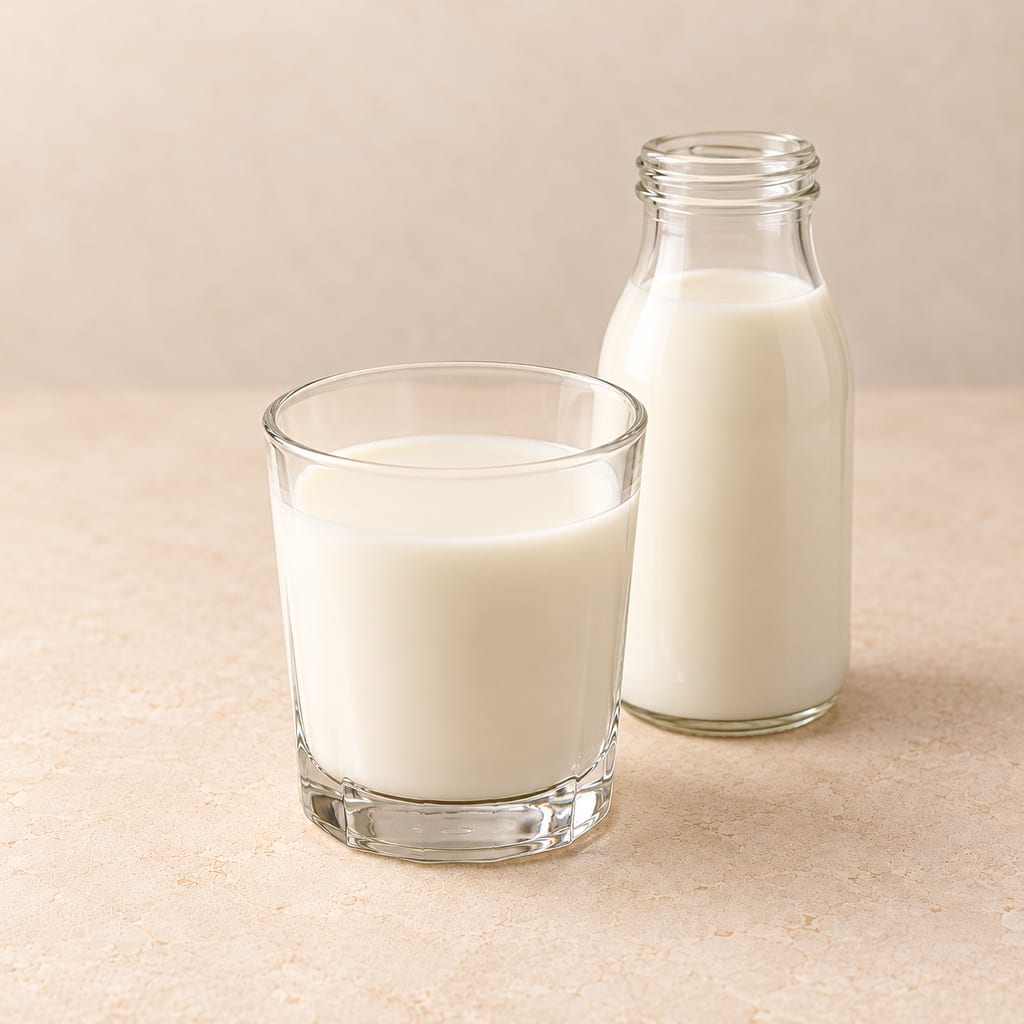
Sheep milk is milk from a ewe, the female domestic sheep, Ovis aries. It is a raw material for cheese, yoghurt and other dairy foods, with its own composition and processing behaviour. The species name identifies the animal. It does not say whether the milk has been pasteurized, whether cream has been removed, or whether another animal's milk has been mixed with it.
Its comparatively high concentrations of protein, fat and total solids help explain its place in cheesemaking. A cheesemaker works with those solids when building a curd and separating whey. Yet the description is a broad comparison, rather than a fixed specification for every delivery. Milk changes with the animals and with the conditions under which they are kept and milked.
This matters when a recipe names sheep milk specifically. The choice can affect the material that enters a vat before starter or rennet is added. Replacing it with another species changes more than the animal's name on the label; it changes the balance of components with which the method must work.
Sheep can provide milk alongside meat, skins, fibre and manure. Dairy production is one use of the animal within a wider farming system, rather than a separate kind of substance detached from husbandry. Breed, feeding and the pattern of lambing all belong to the story of the milk supply.
Mediterranean countries and the Near East have important dairy-sheep traditions. Awassi, East Friesian and Lacaune are among the named dairy breeds. Their names describe particular animal populations and breeding histories; they should not be read as promises that their milks share one unchanging fat or protein content.
The same distinction applies to geography. A region with a long cheese tradition can be an important place of sheep-milk use without being the single birthplace of sheep milking. Today's farming, the distribution of breeds, the history of a cheese and the first use of milk are separate questions. The first use of milk, the history of a cheese and today's breed distribution each rest on different kinds of evidence.
Animal domestication and milking do not leave identical traces. Bones can identify animals at a settlement, while fats preserved in pottery can provide evidence of what people processed in vessels. Bringing those records together can reveal dairy use that would be hard to establish from either kind of evidence alone.
Research on pottery from the Near East and southeastern Europe found early dairy residues and regional differences in milk use. In the northwestern Anatolian material, the evidence was particularly associated with cattle herding. The study does not identify an exact first place where people milked sheep.
The archaeological record is thus consistent with an old and varied dairy history. The presence of sheep at an archaeological site is not, by itself, proof of sheep milk in a particular pot. Nor does the earliest surviving evidence establish the first occasion on which a practice occurred. The durable record is partial, while living food traditions have continued to change.
Milk from a seasonal flock changes as the ewes move through lactation. In a spring-lambing supply, many animals reach early, middle and late lactation together, so their changing secretion becomes a changing bulk ingredient at the dairy. The same supplier can bring milk with different proportions of protein, fat and lactose as the season advances.
Late-lactation sheep milk can carry more protein, fat and total solids, while its lactose content falls. That pattern was measured in the Waikato supply examined in the seasonal research. It gives the cheesemaker a reason to consider when the milk was produced, alongside the animal species and any treatment it has received. A familiar white liquid can bring a different starting balance to the vat.
For cheese, the useful question is how that balance forms a curd. Casein supplies the protein network, while fat is held within it. More fat does not simply make a stronger gel. In the Dalmatian Pramenka milk examined over lactation, greater fat content was associated with lower gel strength and less whey separation; the relationship between casein and fat mattered, while casein concentration alone did not explain strength.
This helps connect the milk to the work after coagulation. A curd must tolerate the handling specified for its cheese and release liquid as it is cut, stirred or drained. Richness is useful information about the ingredient, but it does not replace an account of the protein network or the way the curd is treated. The milk and the method meet in that structure.
Beyaz peynir, Kaşar and Tulum take the curd through different later stages. Each has its own milk specification and its own handling. A cheesemaker reads the season's milk against the demands of the cheese in hand: a rich, high-solids late-lactation milk meets a brined white cheese differently from a cheese that is heated and shaped.
Milk is more than water with a single solid dissolved in it. Fat occurs in globules. Much of its casein protein is organized in particles called micelles, while other proteins and soluble components occupy the surrounding liquid. These structures give heat, acid and enzymes different materials on which to act.
The mineral picture is also more complicated than one total-calcium figure. Some mineral material is associated with casein particles and some is in the liquid phase. The New Zealand work distinguished total, soluble and ionic mineral fractions, alongside protein composition and particle sizes. Those measurements help describe milk as a working material for dairy processing.
Two milks with similar-looking colour can therefore differ in ways that matter to coagulation or heating. Appearance does not disclose the distribution of proteins and minerals. Nor does a high total-solids measurement explain every aspect of behaviour on its own. Composition describes both how much material is present and how that material is organized.
Casein particles normally remain dispersed in milk. As microorganisms produce acid from milk sugars, the changing acidity alters the conditions that keep those particles apart. In an acid-set preparation, this change helps a protein network develop and gives the food a different texture from the original liquid.
Rennet acts through enzymes that alter casein at the particle surface, allowing the particles to aggregate. It is a different intervention from growing an acid-producing culture, even when a cheese method uses both. Starter and coagulant can therefore appear beside one another on an ingredient list without duplicating the same job.
Once a gel has formed, cutting and draining change how much liquid it retains. Whey separation, often called syneresis, is part of that physical development. The milk supplies the starting proteins, fat, minerals and water; the method determines how they are brought into a curd and how that curd is handled.
A dairy maker heats milk for a purpose within a particular preparation. Microbial control is one purpose; changing the proteins that build body is another. The temperature history of milk entering a rennet cheese need not be the same as that used to develop a yoghurt-like product.
With sufficiently intense heating, whey proteins unfold and can associate with casein micelles. The particles can also associate with one another, changing their measured size and the milk’s flow. Protein concentration and the distribution of calcium help shape these interactions, so the biological variation arriving from the flock can continue to matter during processing.
The seasonal sheep-milk findings show this connection at work under a defined high-heat treatment. Late-season milk had the greatest increase in average casein-particle size. Its protein concentration, ionic calcium and particle interactions helped explain the response. Those properties give substance to the word body: the liquid’s behaviour reflects the amount and organization of material dispersed within it.
In the cheese kitchen, heat must still be read as part of the complete make. It comes before coagulation in some sequences and acts on curd later in others. The linked methods specify those stages for different results, including heating and shaping a curd or draining it before salting. Heating before coagulation and heating of the curd afterwards are different operations with different results.
Traditional cheese methods use sheep milk in several ways. Beyaz peynir and Kaşar illustrate its place in Turkish cheesemaking, while the documented Cypriot Graviera method uses sheep milk as a principal material. These are associations with named preparations and places, rather than a single definition of what sheep milk must become.
Other methods allow milk mixtures. Daani and Tulum demonstrate why the animal named in one ingredient entry should not be used to erase the other species that a particular formulation includes. The mixture belongs to the recipe, with its own source and proportions where those are recorded.
The later treatment also differs: curd can be cut, heated, drained, pressed, salted or matured in different combinations. The same animal's milk thus participates in foods with different structures and uses. The practical consequence is that a sheep-milk cheese is defined by its method as much as by its milk: Graviera, Kaşar and beyaz peynir share an animal and differ in almost everything that follows.
Sheep identifies a species. Raw or pasteurized identifies a treatment distinction. Whole describes a compositional form. These words answer different questions, and a short ingredient name does not silently answer all of them.
The linked Kaşar method, for example, names raw whole sheep milk, a specification that belongs to that traditional method. Other methods on the site name pasteurized milk or a mixture of species, so the qualifier has to be read from the recipe line rather than assumed from the name of the animal.
When choosing a product, read the species and treatment declarations on the label and follow the maker's storage instructions. Colour and smell do not distinguish a sheep-milk product from a mixture, and neither shows whether the milk has been pasteurized.
Sheep milk is not a general substitute for people with cow's-milk allergy. Milk allergy concerns proteins, and related ruminant species have similar proteins capable of provoking reactions. Research comparing alpha-caseins found substantial cross-reactivity between the cow, sheep and goat proteins tested.
Lactose intolerance is a different issue: it concerns digestion of the milk sugar lactose, rather than an immune response to protein. Sheep milk contains lactose. Neither the animal's name nor the word pasteurized means lactose-free, and pasteurization does not remove milk proteins responsible for allergy.
These distinctions matter when dairy ingredients move into cheese, cultured foods or mixed dishes. A change in texture or acidity does not justify a claim that an allergen has disappeared. People managing milk allergy should follow their clinician's advice and the product's ingredient information rather than treat a different ruminant species as an assured workaround.
Raw sheep milk can carry harmful microorganisms, just as raw milk from other dairy animals can. Good farm practice reduces opportunities for contamination but cannot guarantee that raw milk is free from pathogens. Current public-health advice recommends choosing pasteurized milk and dairy products.
Fermentation, brining and maturation are specific food processes, and a traditional method that includes them describes a food's character rather than guaranteeing that a given batch carried no pathogens. Pasteurized milk is the choice public-health agencies recommend.
Keep milk refrigerated as directed, use clean equipment and protect it from contamination during handling. The history and technique of a regional cheese are one thing; the controls that make a particular batch safe are another, and they belong to the complete preparation.
Milk proteins; lactose is present. Sheep milk is not an assured substitute for cow milk allergy.
The reviewed archaeological evidence does not locate the first sheep milking.
Documented use in traditional cheese methods, not an origin claim.
Documented sheep-milk cheese use, not an origin claim.
Ayran is Turkey’s cold, savoury yogurt drink: plain yogurt is loosened with water and lightly salted, then whisked smooth or aerated into a soft cap of foam.

Beyaz peynir is a Turkish white cheese matured in brine. Sheep milk, alone or mixed with other milks, gives a close-textured cheese cut into blocks and packed in cans.
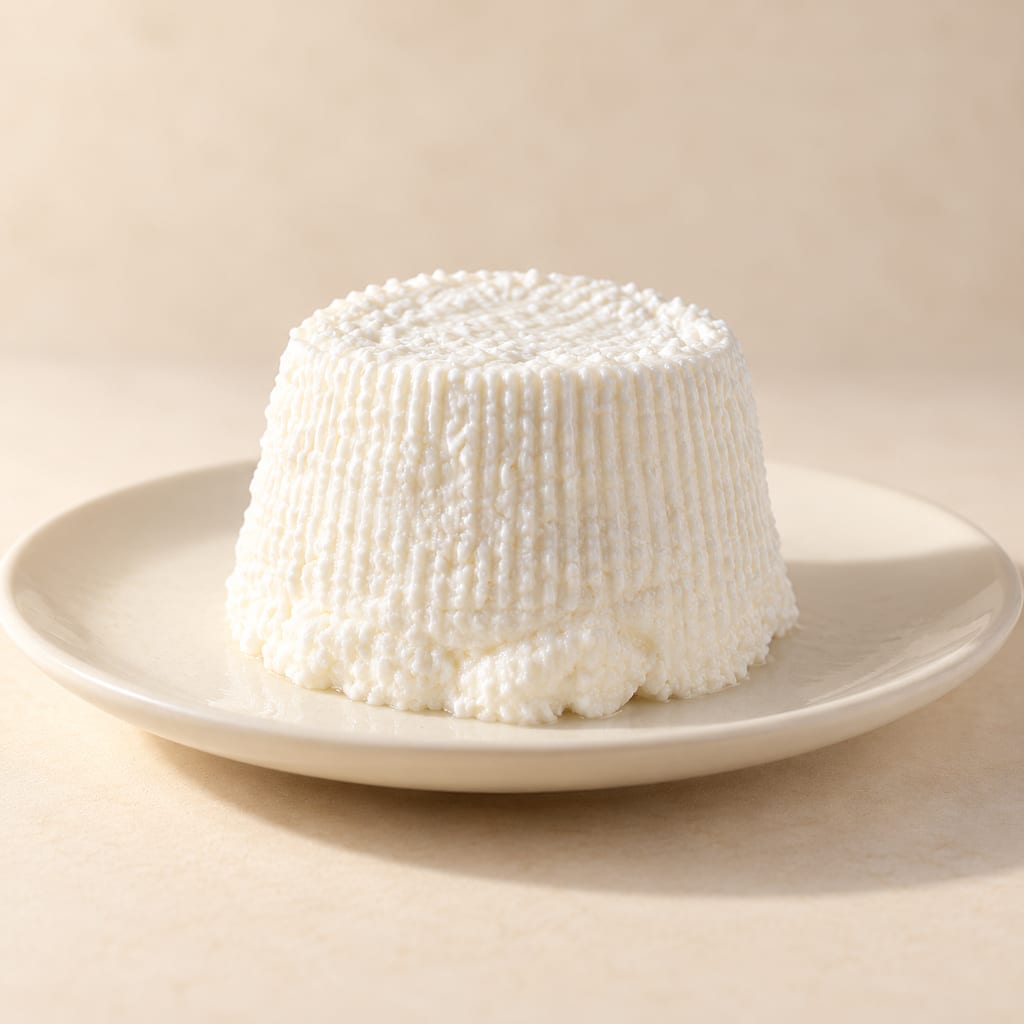
Corsican Brocciu is a whey cheese made by heating sheep's or goat's whey with whole milk and salt, then gently draining the flocculated curds. It is eaten fresh or salted and ripened as Brocciu passu.
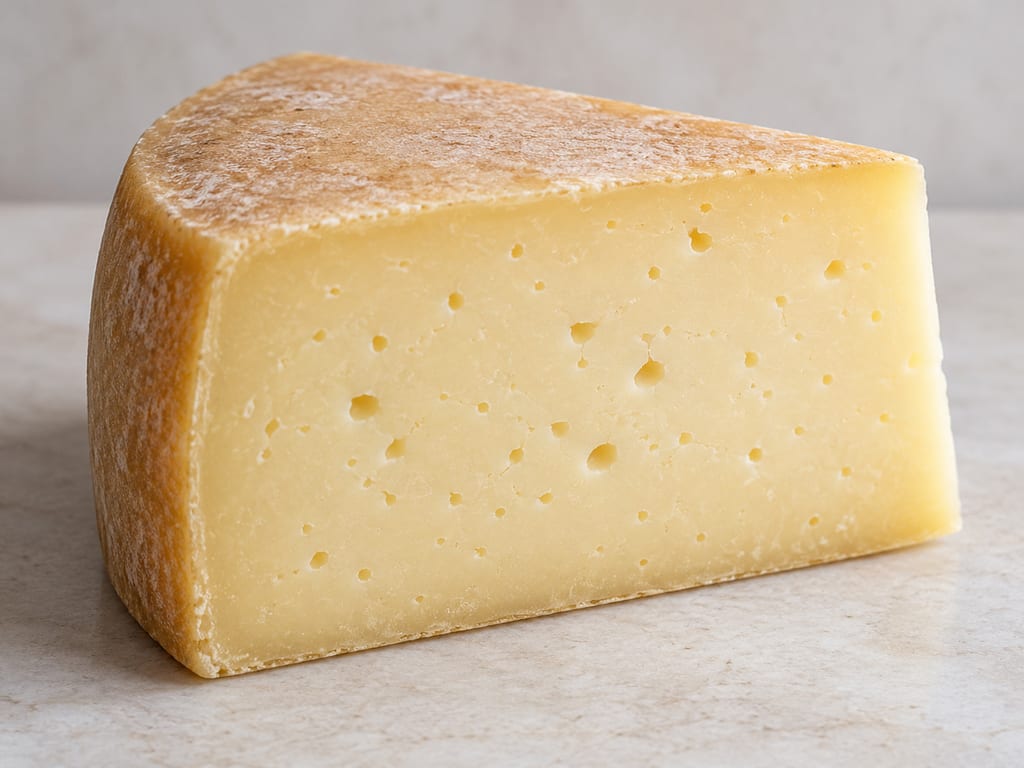
This Cypriot graviera is a hard sheep-milk cheese with a dry rind and round eyes. Its curd is heated, pressed and dry-salted before a long cool ripening.
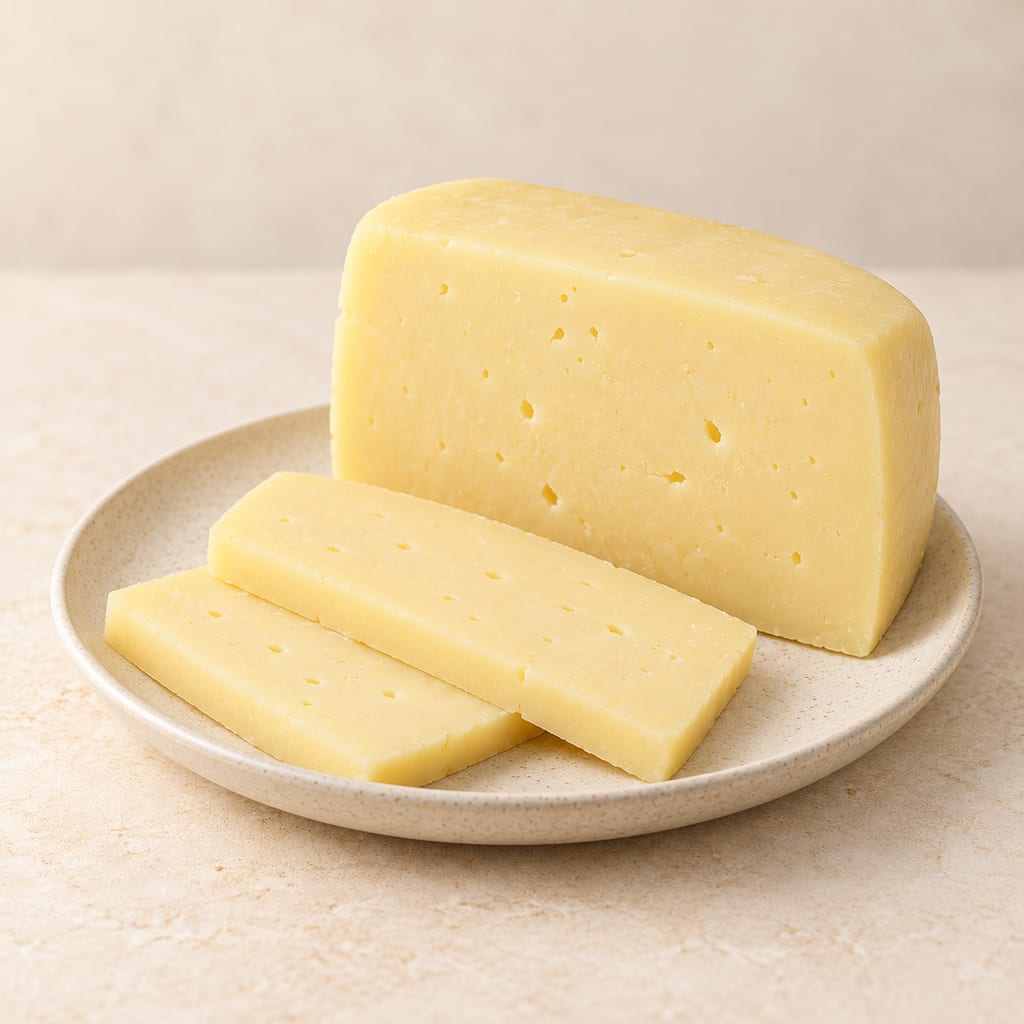
Kaşar peyniri is a Turkish stretched-curd cheese. This entry documents a traditional raw-milk process described by the FAO and its regional history; it is not a home cheesemaking recipe.
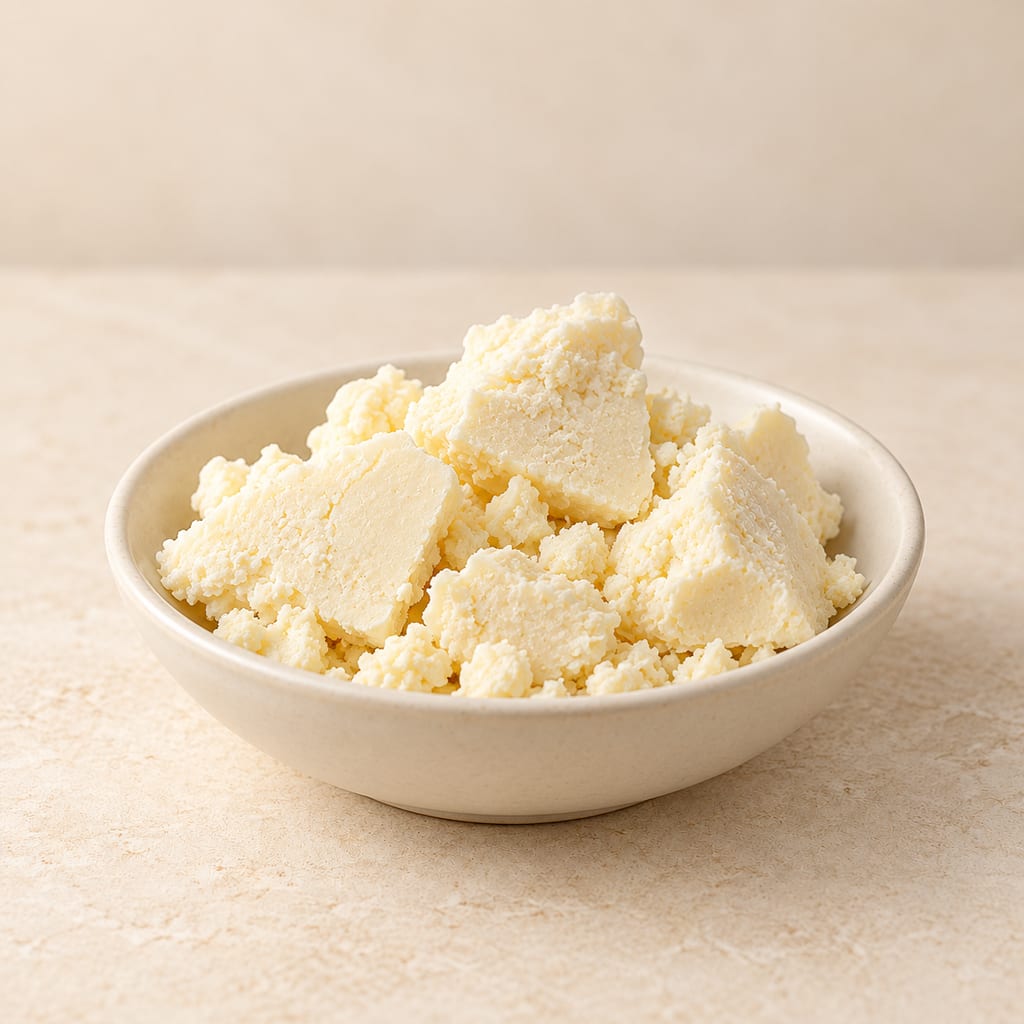
Tulum peyniri is a Turkish cheese traditionally packed into animal-skin bags to mature. This sheep-milk method adds a thermophilic yogurt culture before renneting, draining and dry salting.
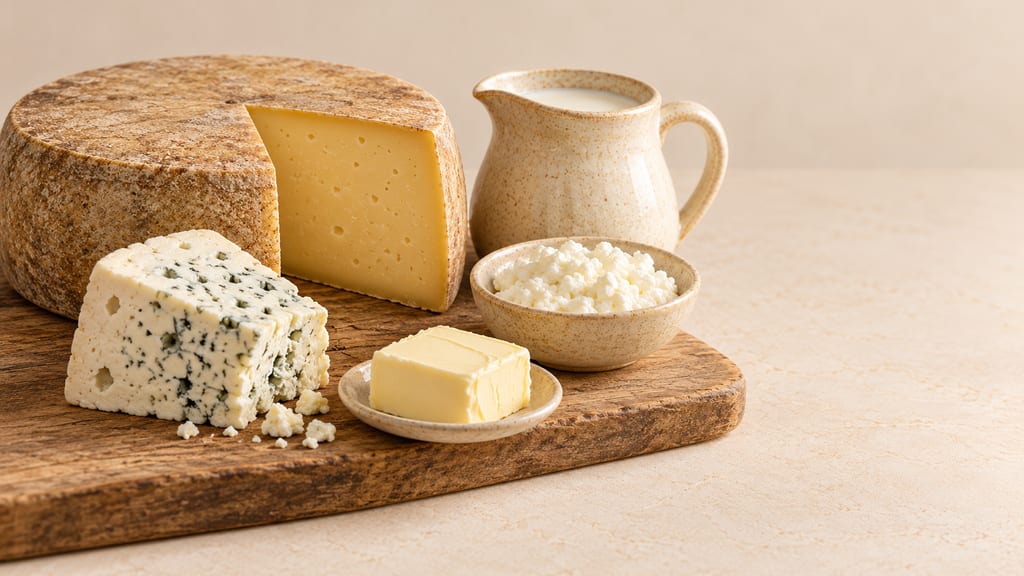
Follow milk into cheese, cultured drinks, butter, dried curds and sweets: a journey through the animals, seasons and household decisions behind the world's dairy foods.

Black carrot is the anthocyanin-pigmented Eastern carrot (Daucus carota var. atrorubens), the purple root that preceded orange types and still colours kanji and şalgam.
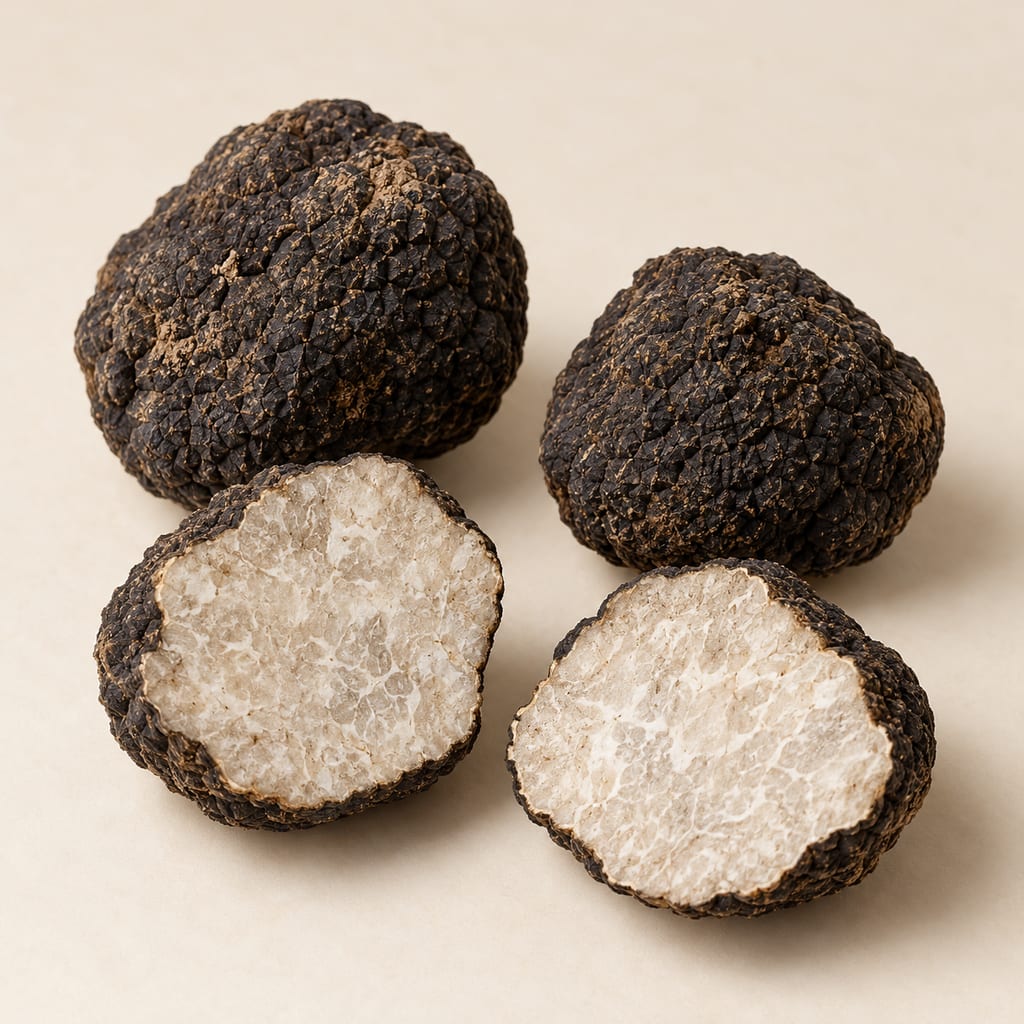
The black desert truffle, catalogued as Picoa juniperi, is a subterranean fungus gathered wild in arid and semi-arid lands. Eastern Anatolian households eat it, usually fried with eggs.
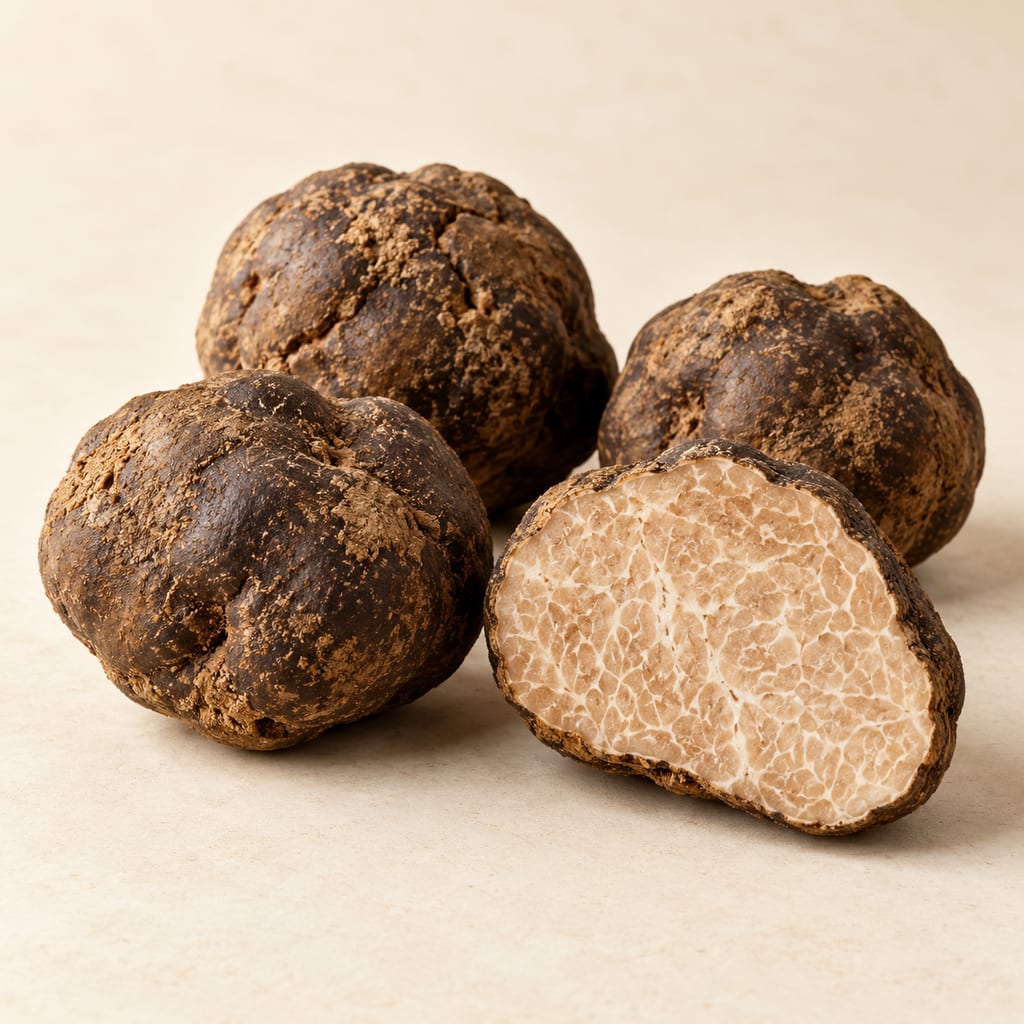
The brown desert truffle, Terfezia boudieri, is an underground fungus of arid soils around the eastern Mediterranean and North Africa, gathered and sold in Turkey and eaten fried with eggs.
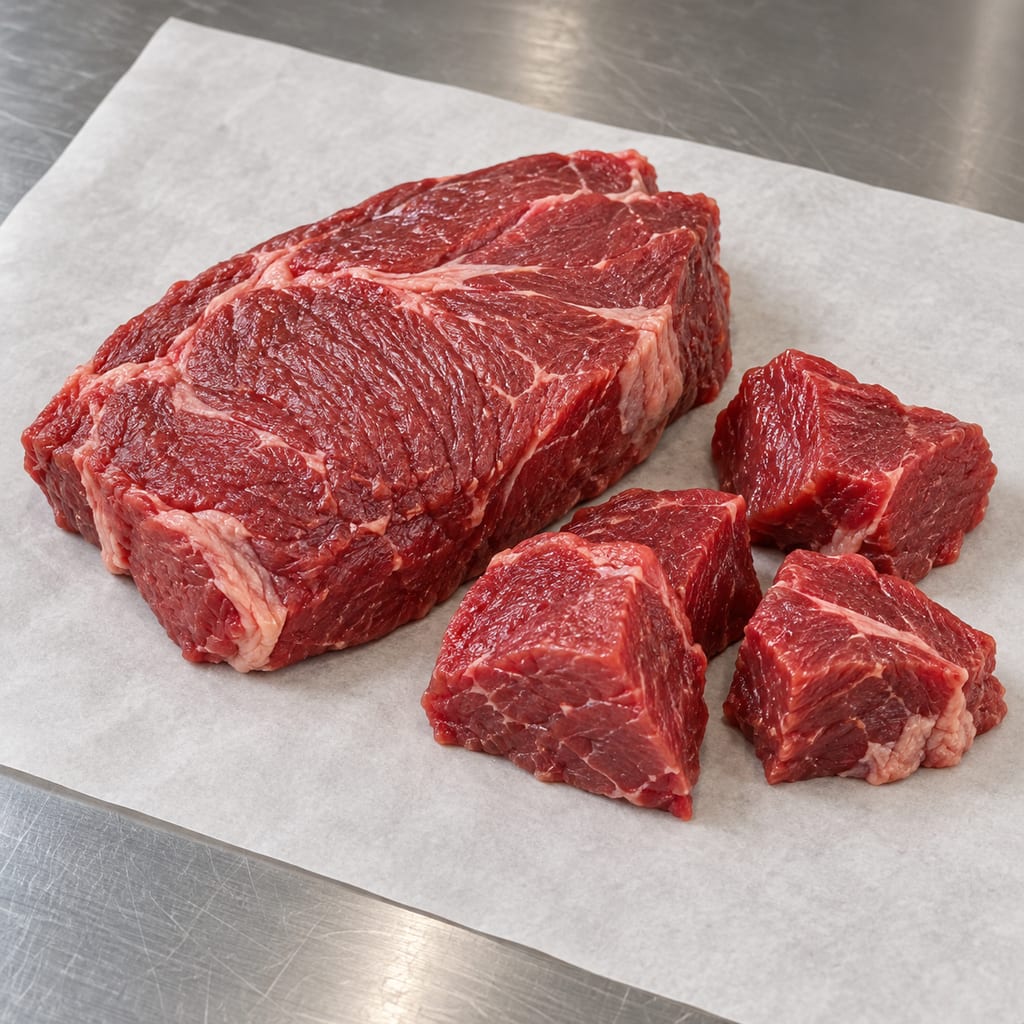
Water-buffalo meat, often called carabeef, is the flesh of Bubalus bubalis; its colour, texture and fat vary with animal, cut and production system. “Buffalo” can also mean bison or African buffalo in other contexts.
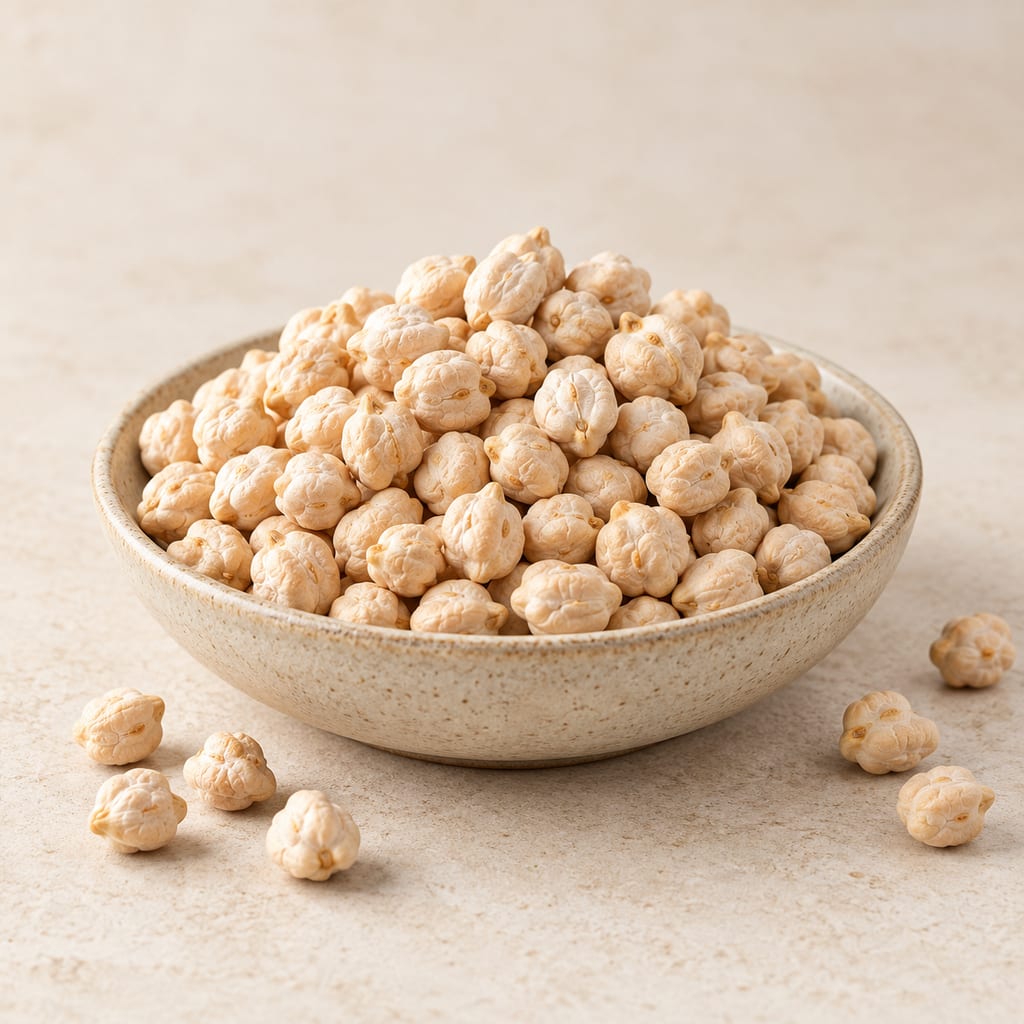
Chickpeas (Cicer arietinum) are dry pulses eaten whole or milled into flour, which gives socca, farinata and other breads a dense, nutty batter or dough.
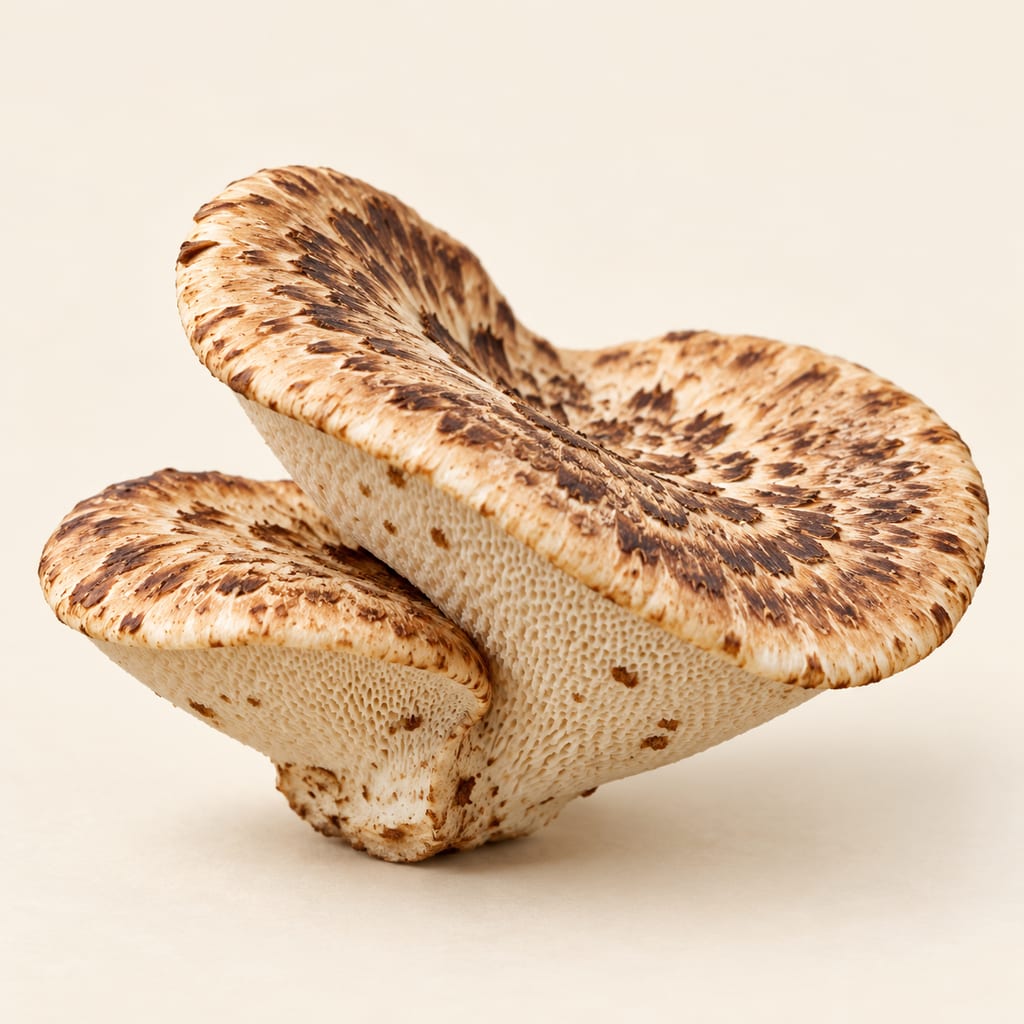
Dryad’s saddle is a wild hardwood polypore whose young tender margins are cooked in some regional food traditions; mature brackets quickly become tough.
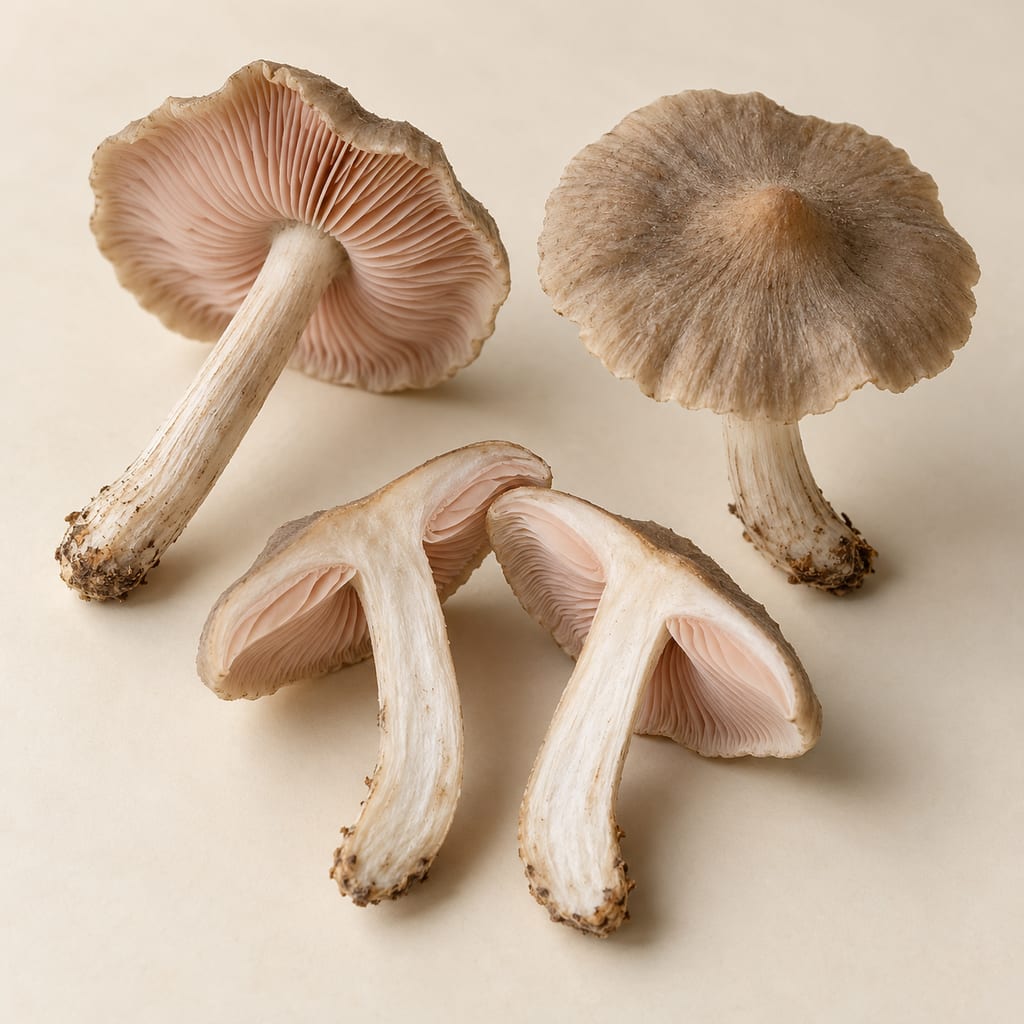
A spring pink-spored mushroom associated with Rosaceae. European food use is documented, alongside a Turkish poisoning report and unresolved species-complex records in Mexico.
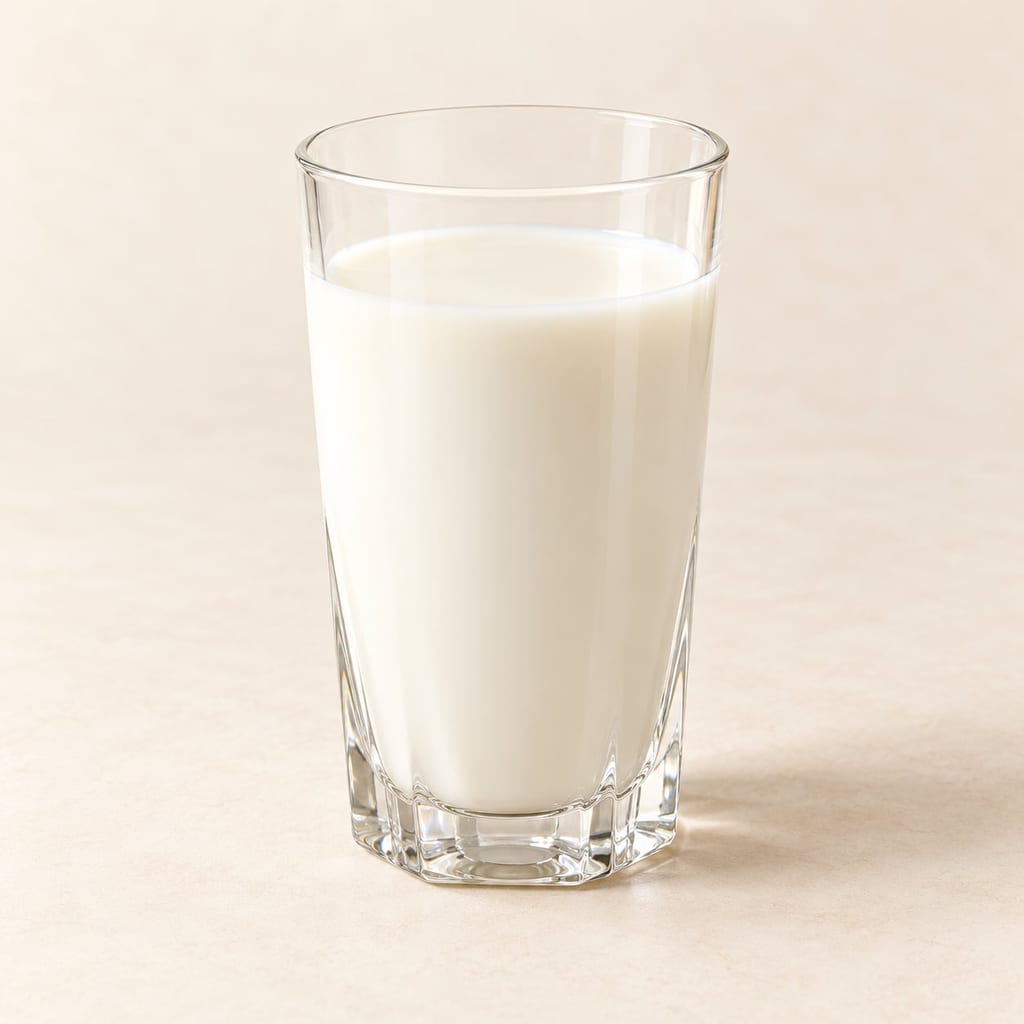
Milk is the fluid produced by dairy animals. Its species, fat level, heat treatment and handling shape the way it can be drunk, cultured or turned into curd.
No community contributions have been published for this entry yet.
Sign in to contribute. Published comments and photos are free to read.
NCBI Taxonomy
Ovis aries (Taxonomy ID: 9940)Ovis aries is the scientific name of the domestic sheep.
Cited in: Milk from a ewe
Food and Agriculture Organization of the United Nations
Milk compositionMilk composition differs by animal species and varies within a species; protein, fat and total solids matter for dairy processing and cheesemaking.
Cited in: Milk from a ewe
Food and Agriculture Organization of the United Nations
Small ruminantsSheep provide milk among other animal outputs; dairy-sheep production is documented in Mediterranean countries and the Near East. Awassi, East Friesian and Lacaune are named dairy breeds.
Cited in: Dairy sheep belong to several farming systems
Nature
Earliest date for milk use in the Near East and southeastern Europe linked to cattle herdingPottery fats and animal bones provide evidence of ancient dairy use; the northwestern Anatolian evidence is associated particularly with cattle herding. This does not date or locate the first sheep milking.
Cited in: Pottery records milk use, with limits
Foods
Seasonal Variations in the Composition and Physicochemical Characteristics of Sheep and Goat MilksTwo Waikato sheep-milk supplies combined for 2019–20 seasonal analyses showed late-lactation increases in protein, fat and total solids and a decrease in lactose. Mineral fractions, casein micelles and fat globules were measured. A defined high-heat experiment showed season-dependent whey-protein denaturation, protein association and particle-size changes.
Cited in: The flock’s season changes the cheesemaker’s milk; Milk contains several kinds of structure; Heating changes the material before the next stage
Food and Agriculture Organization of the United Nations
Small-Scale Dairy Farming Manual, Volume 1, Technology Unit 10.3: Small Scale Cheese MakingMilk contains dispersed fat globules, casein particles, whey proteins and dissolved material. Acidification and rennet coagulate milk by different routes; cutting and drainage influence whey separation and curd structure.
Cited in: Milk contains several kinds of structure; Acid and rennet take different routes to a curd
Food Technology and Biotechnology
Effect of Sheep’s Milk Composition on Strength and Syneresis of Rennet-Induced Milk Gel During LactationIn 42 bulk-milk samples from three Croatian Dalmatian Pramenka family farms over two years, fat was negatively related to rennet-gel strength and syneresis, casein-to-fat balance mattered, and casein concentration alone did not explain gel strength.
Cited in: The flock’s season changes the cheesemaker’s milk
Food and Agriculture Organization of the United Nations
The technology of traditional milk products in developing countries, traditional cheese methodsDocumented sheep-milk use in Beyaz peynir, Kaşar, Cypriot Graviera, Daani and Tulum methods; some methods include milk mixtures and different curd treatments. The Kaşar method names raw whole sheep milk.
Cited in: The flock’s season changes the cheesemaker’s milk; Heating changes the material before the next stage; Sheep milk can stand alone or enter a mixture; The label needs to answer more than one question
Allergy 52(3), 293–298
Allergenicity of alpha-caseins from cow, sheep, and goatAlpha-caseins from cow, sheep and goat showed cross-reactivity in the tested patients; sheep milk is not established as a safe cow-milk-allergy substitute.
Cited in: Sheep milk remains a milk allergen
Health Canada
Milk - A priority food allergenMilk allergy concerns proteins, unlike lactose intolerance; related ruminant milks may cross-react, and people with milk allergy need clinician and label guidance.
Cited in: Sheep milk remains a milk allergen
U.S. Food and Drug Administration
Raw Milk Questions & AnswersPasteurization does not remove lactose or allergenic milk proteins; safe milk handling includes refrigeration.
Cited in: Sheep milk remains a milk allergen
Centers for Disease Control and Prevention
Raw MilkRaw milk can carry harmful microorganisms; good farm practices do not guarantee pathogen freedom. CDC recommends pasteurized dairy, refrigeration and clean handling.
Cited in: The label needs to answer more than one question; Dairy skill and pathogen control are separate matters